4 English Cottage Garden Ideas for Alhambra, CA | Zone 10a Dry-Summer Picks
Native plants from the California coastal sage and chaparral (Zone 10a) — Mediterranean (hot summer) climate
For a cottage garden in Alhambra, CA, a zone 10a city with a mediterranean (hot summer) climate, start with Rosa 'Julia Child', Rosa 'Iceberg' (climbing form) and Lavandula × ginginsii 'Goodwin Creek Grey', the plants this guide's first design is built on.
Why Cottage/English Gardens in Alhambra?
Alhambra's older streets suit a cottage garden better than most of the San Gabriel Valley does. The 1920s and 1930s bungalows, Spanish Revival cottages and stucco ranch houses of Ramona Park, the blocks around Granada Park and the blocks south of Main Street have shallow front yards, low walls and a porch to plant toward, which is the frame a cottage border needs. A white picket or a low stucco wall, a rose on the gate and a border three plants deep will read from the sidewalk.
The climate decides which English plants make the cut. The nearest NOAA normals station, Pasadena, shows a January average low of 45.5°F and a high of 68.1°F, so frost is not the problem. Rain is: about 20 inches a year, nearly all of it from December through March (4.51 inches in January, 5.16 in February), then 0.06 inches in July with afternoon highs near 89°F in July and 91°F in August. Delphinium elatum and Digitalis purpurea run out of steam here by June and are best treated as a cool-season annual you replace each fall. Lavandula angustifolia 'Hidcote' does fine in the dry air but resents any summer water near the crown. Plants that carry a border through a long dry summer are Rosa 'Iceberg', Rosa 'Julia Child', Rosa 'Mutabilis', Lavandula × ginginsii 'Goodwin Creek Grey', Salvia 'Bee's Bliss', Nepeta × faassenii 'Walker's Low' and Erigeron karvinskianus.
Soil in the valley floor is generally loam to sandy loam that drains well, but older lots can have compacted fill under the lawn. Send a sample to a lab before you buy amendments, since the pH and salts on your lot are what matter, not the regional average. Work 3 inches of compost into the top 8 inches of the rose beds, mulch 3 inches deep with shredded bark, and put the lavender and sage on a gravel-mulched mound at the sunniest edge. Run drip on a separate valve for the roses (deep and slow, twice a week at most in July) and a second for the Mediterranean plants (every two to three weeks once established).
The old standby of a lawn with a picket fence can give way here to a thin path and a pocket of fescue. A decomposed granite or brick-on-sand path through the border lets rain soak in during the winter downpours, and it takes less water than turf. Before you build a fence, wall or arbor in the front yard, ask the City of Alhambra planning counter about height limits and permits, and ask your water provider what the current outdoor watering rules are.
4 Cottage/English Design Ideas for Alhambra
AI-generated image
The Picket Fence Rose Walk
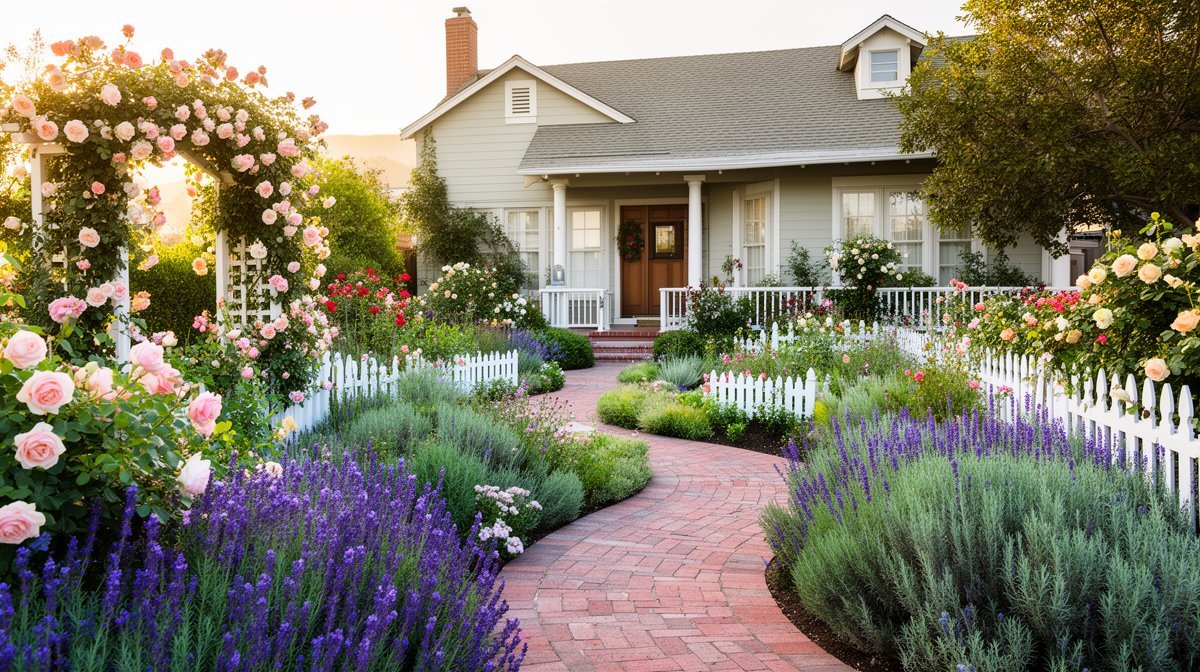
$20–42/sqftA low white picket fence runs along the sidewalk of a 1920s stucco bungalow, with a gate arch carrying a pale yellow climbing rose. A brick-on-sand path curves past the porch steps, and the border on either side is planted in three tiers, with roses at the back, lavender in the middle and catmint at the lip. The front faces south, so the bed gets full sun until about 4 p.m. and the plants are chosen to take it.
Try this on your yard: The Picket Fence Rose WalkAI-generated image
The Dry Summer Meadow Border
$15–32/sqftA Spanish Revival cottage with a red tile roof sits behind a wide, deep border of low flowering perennials and sub-shrubs, instead of the usual lawn. Salvias, yarrow and penstemon bloom from April to October without much water, and a decomposed granite path wanders through with a single bench near the porch. The planting sits in full sun against a south-facing white wall that reflects heat, so only tough plants earn a place.
Try this on your yard: The Dry Summer Meadow BorderAI-generated image
The Back Garden Tea Corner
$26–50/sqftAt the back of a ranch house lot, a small round flagstone terrace holds a bistro table under a white pergola draped in a climbing rose. Beds around it are planted in fragrant layers, with lavender and rosemary at the edge for scent, shrub roses behind and a Meyer lemon in a glazed pot by the door. The late afternoon sun reaches the terrace from the west, so the pergola does the shading and the roses face east.
Try this on your yard: The Back Garden Tea CornerAI-generated image
The Cottage Courtyard Border
$24–48/sqftA narrow side-yard courtyard beside a duplex or older home is filled with tall plants close to the wall and a stepping stone path through a gravel garden. Frost-tender plants sit near a warm south wall and a small wall fountain provides sound. The space is small, so the colors are limited to blue, white and soft pink and every plant has to flower twice or hold foliage all year.
Try this on your yard: The Cottage Courtyard BorderSee how a cottage/english garden looks on YOUR property
Upload a photo of your Alhambra yard and visualize your dream garden in seconds.
Try ProScapeAI Free

AI-generated image
Featured Trees & Shrubs for Cottage/English Gardens
Browse all 212 plants for Alhambra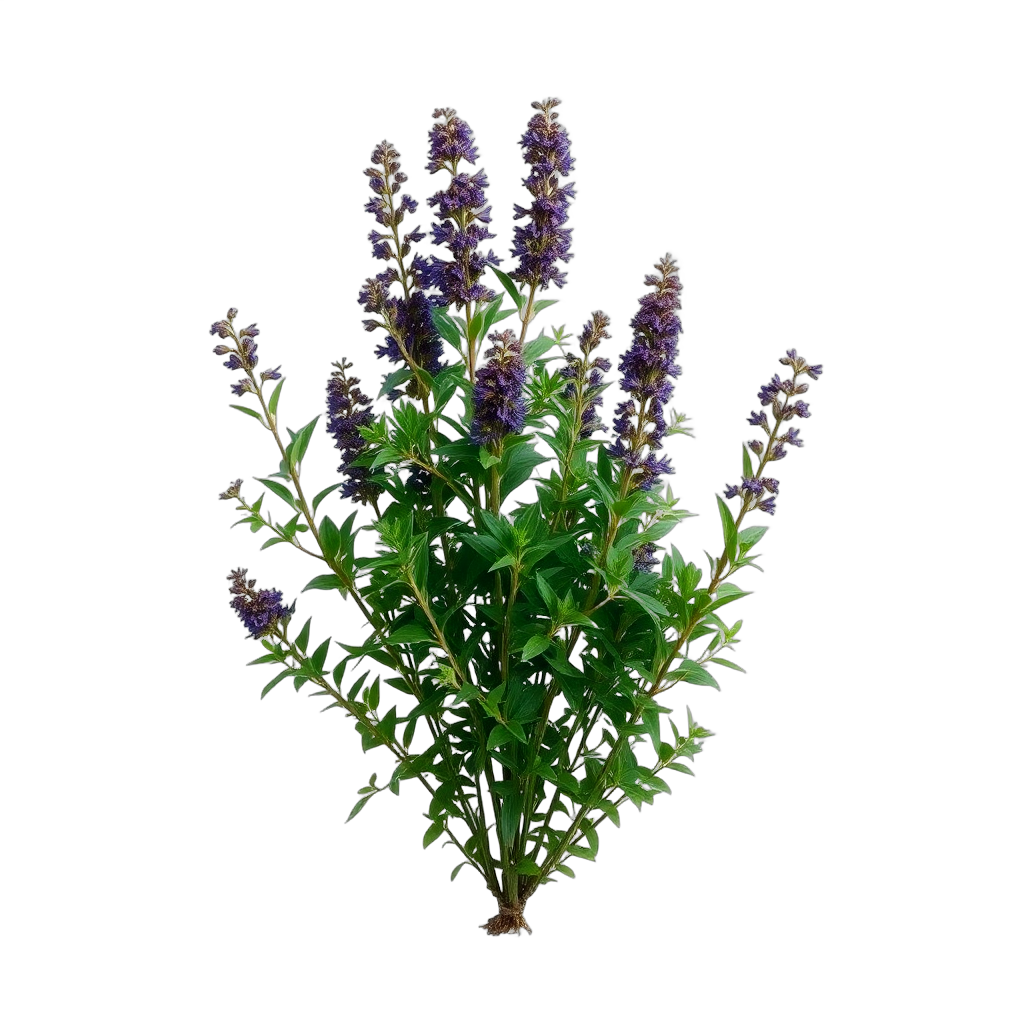
Black Sage
Salvia mellifera
grows to 4 feet, white blooms in spring. Attracts butterflies.
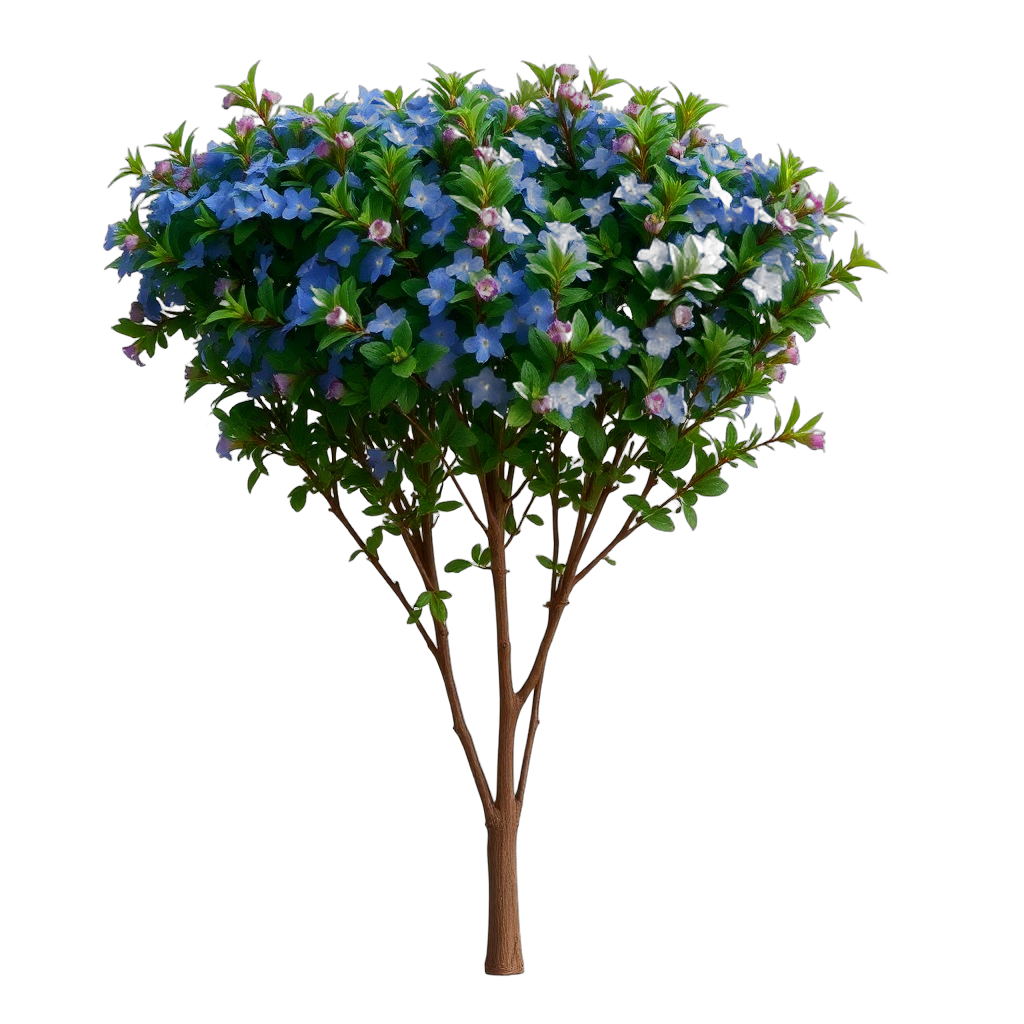
Blue Blossom
Ceanothus thyrsiflorus
medium-sized at 12 feet, blue blooms in spring. Attracts butterflies.
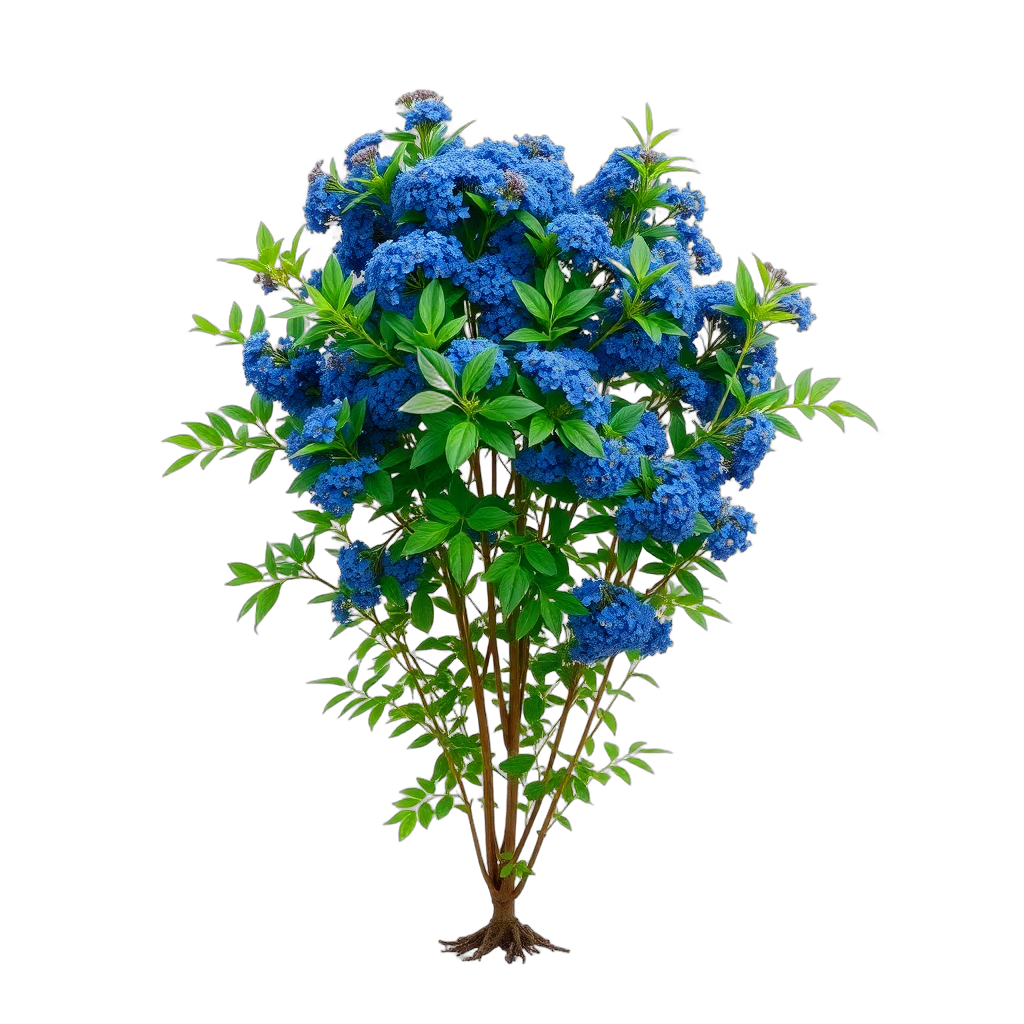
Blue Elderberry
Sambucus cerulea
medium-sized at 15 feet, white blooms in spring. Attracts butterflies.
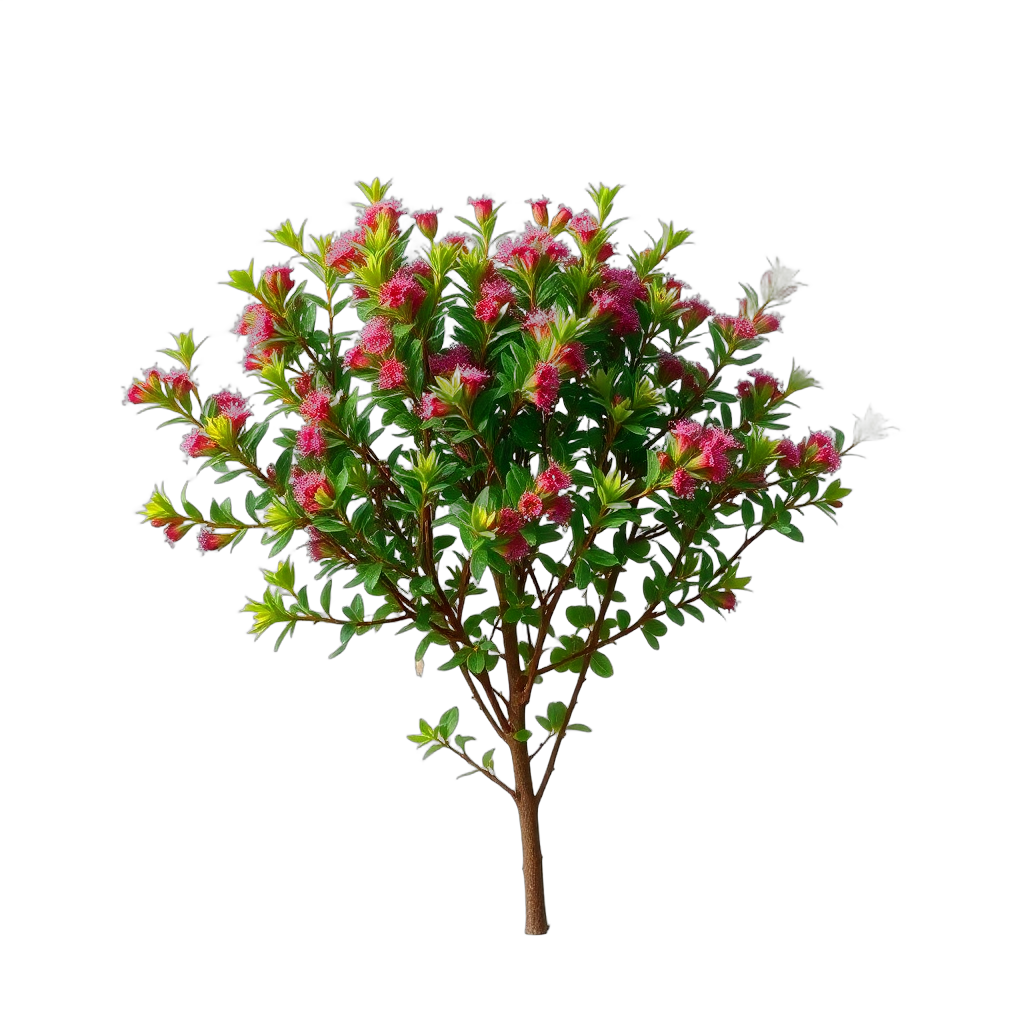
Buckbrush
Ceanothus cuneatus
medium-sized at 7 feet, white blooms in spring. Attracts butterflies.
Featured Grasses & Groundcovers for Cottage/English Gardens
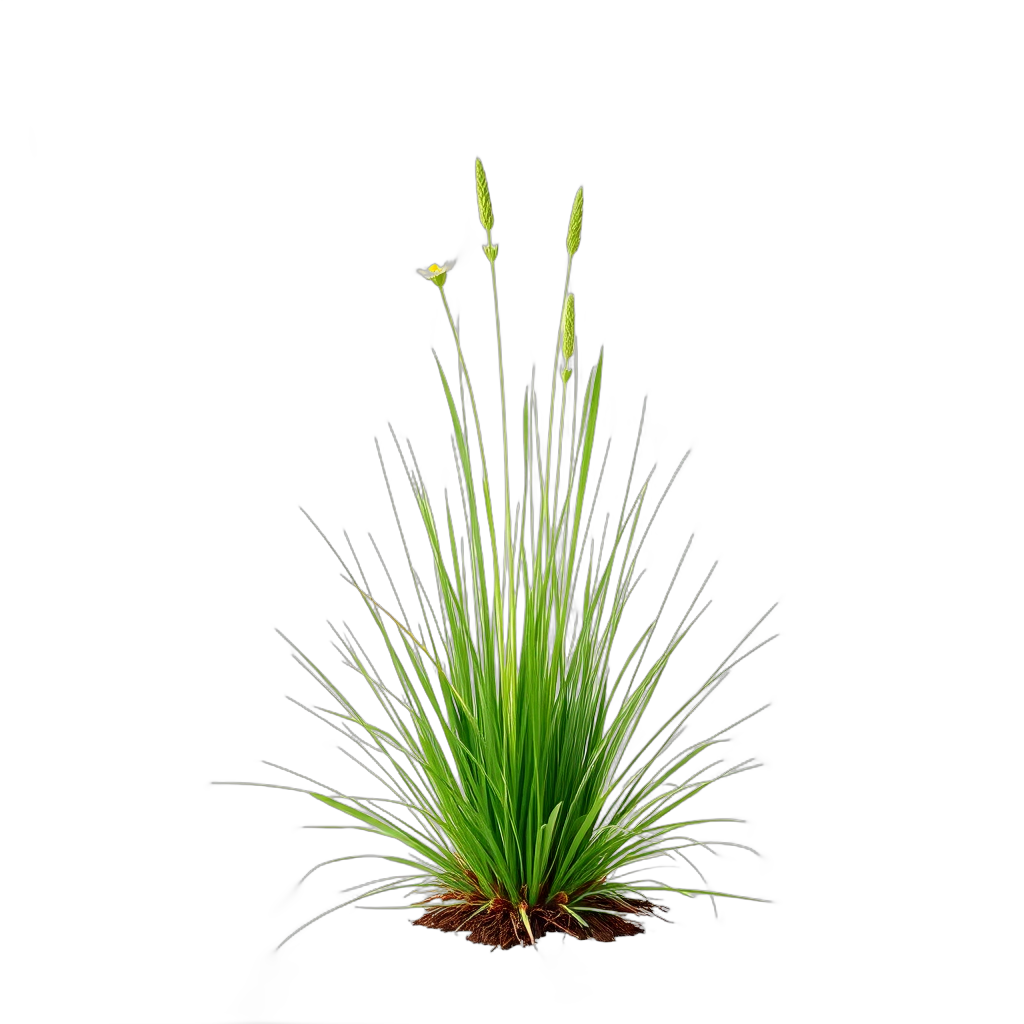
California Brome
Bromus carinatus
low-growing ground cover, blooms in spring. Yellow fall color.
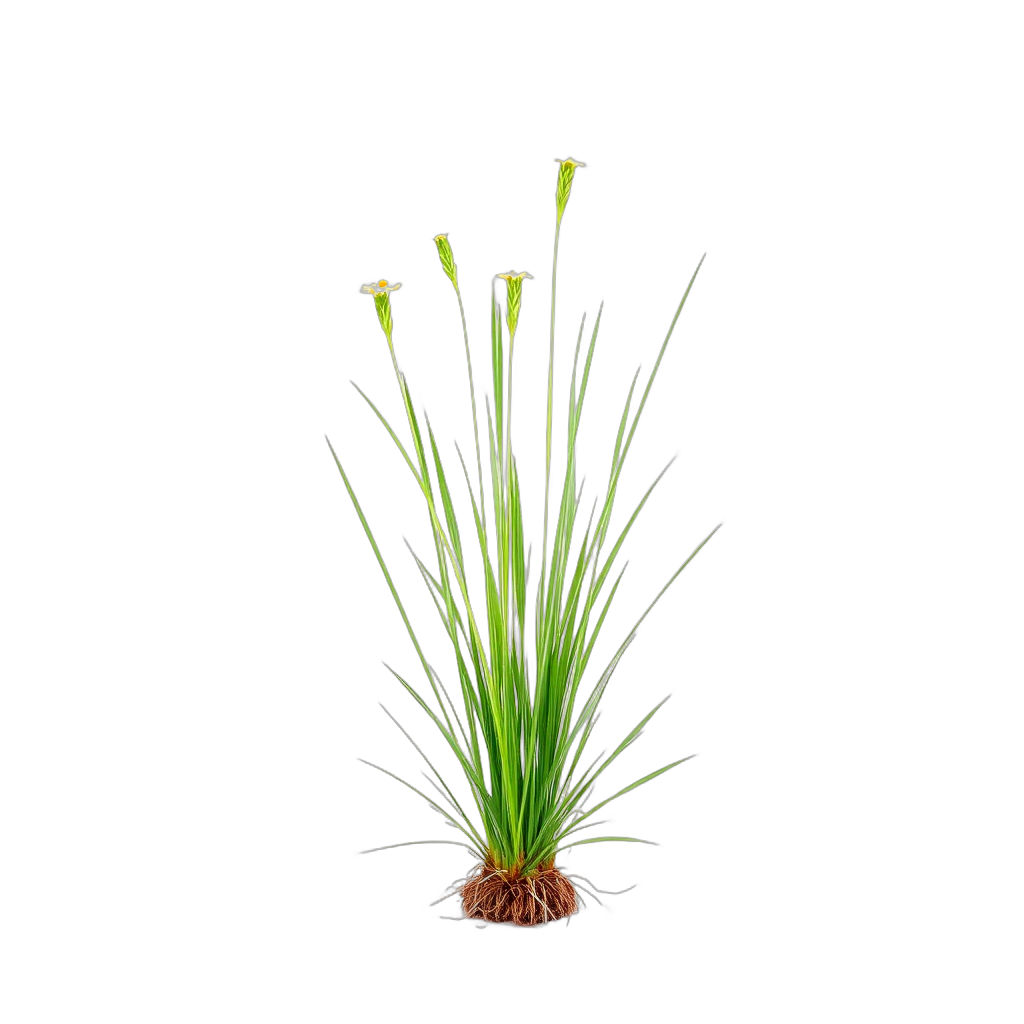
California Melic
Melica californica
low-growing ground cover, blooms in spring.
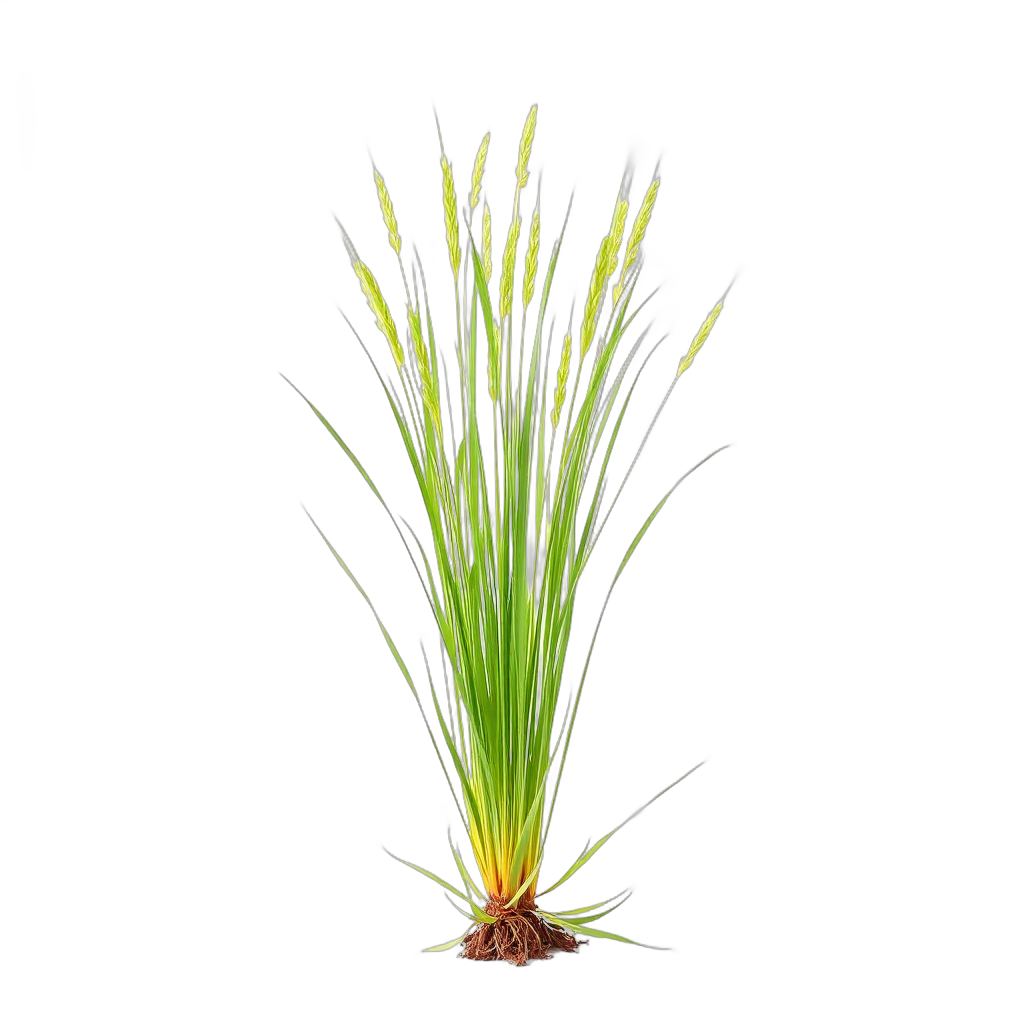
California Oatgrass
Danthonia californica
low-growing ground cover, blooms in spring. Yellow fall color.
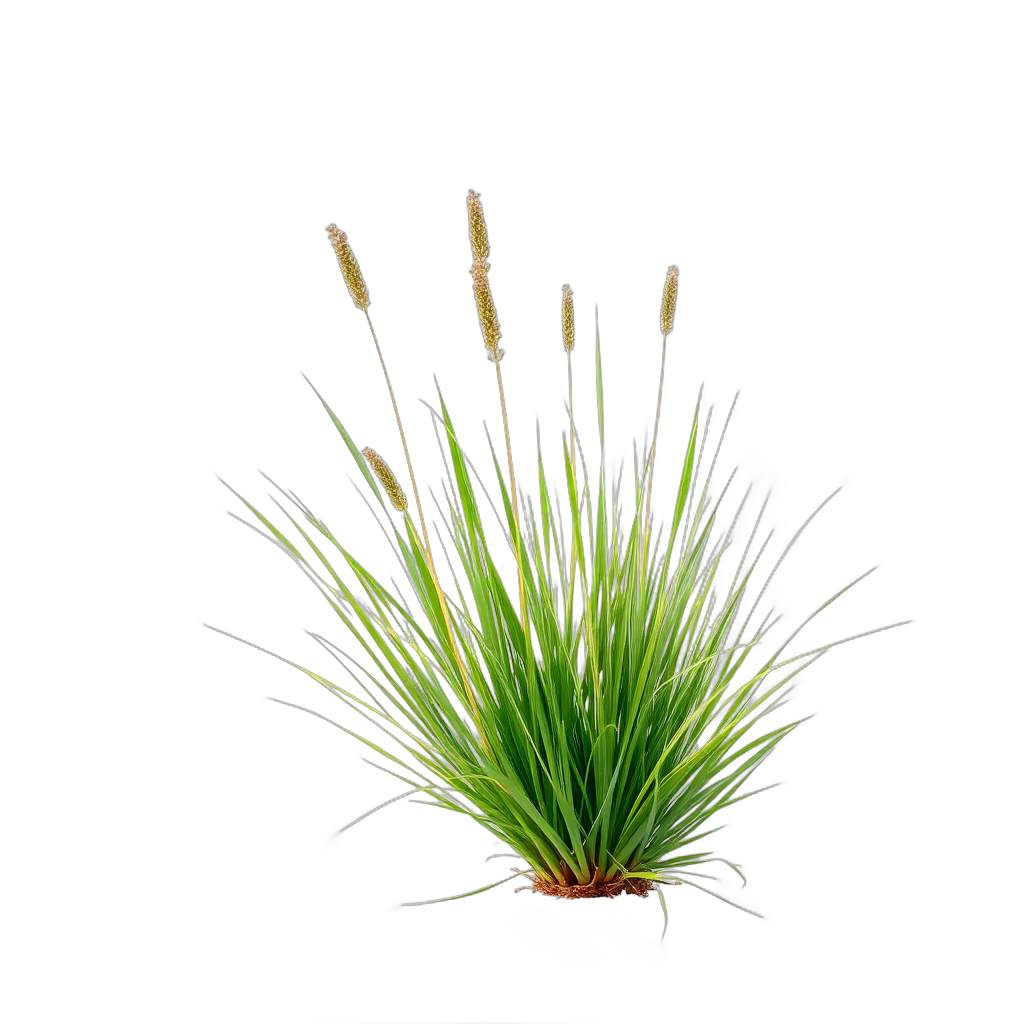
Deer Grass
Muhlenbergia rigens
grows to 3 feet, yellow blooms in fall. Evergreen year-round.
Featured Flowers & Perennials for Cottage/English Gardens
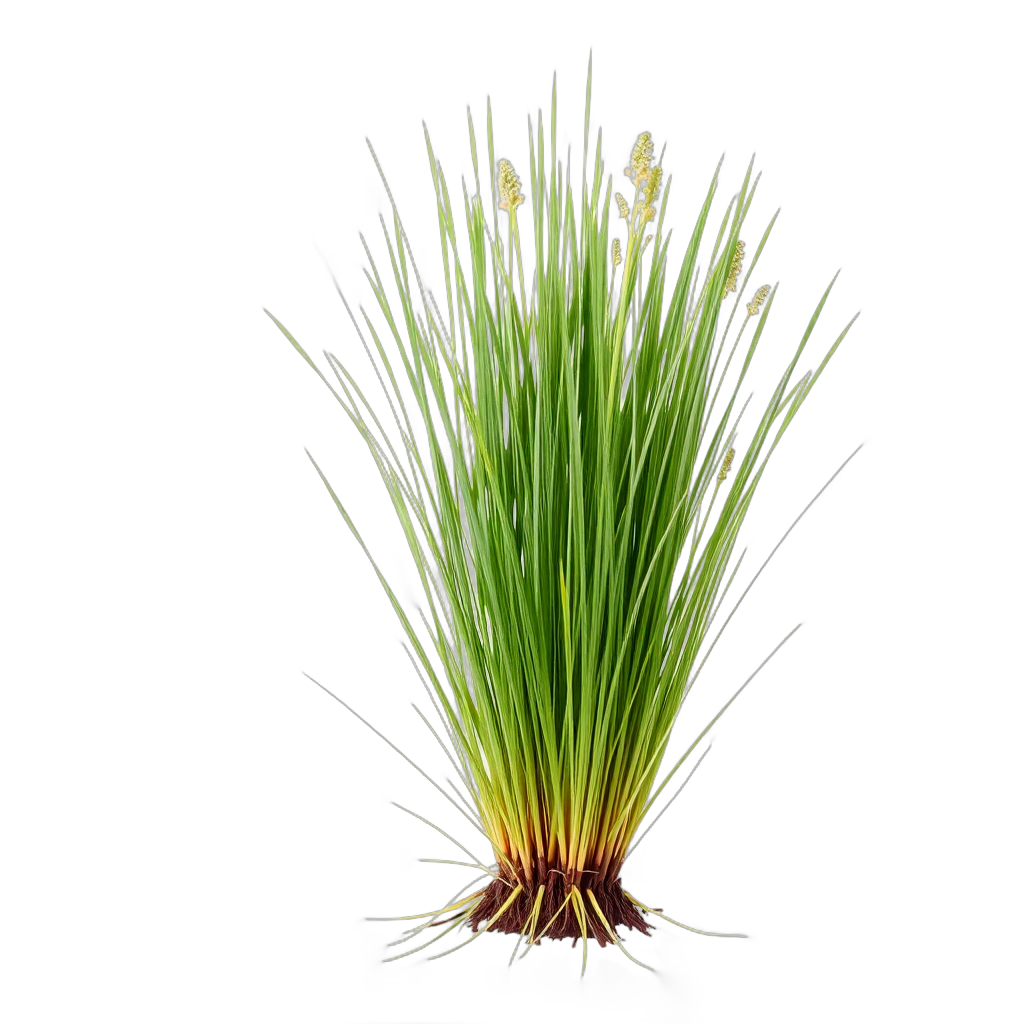
California Gray Rush
Juncus patens
low-growing ground cover, blooms in summer. Evergreen year-round.
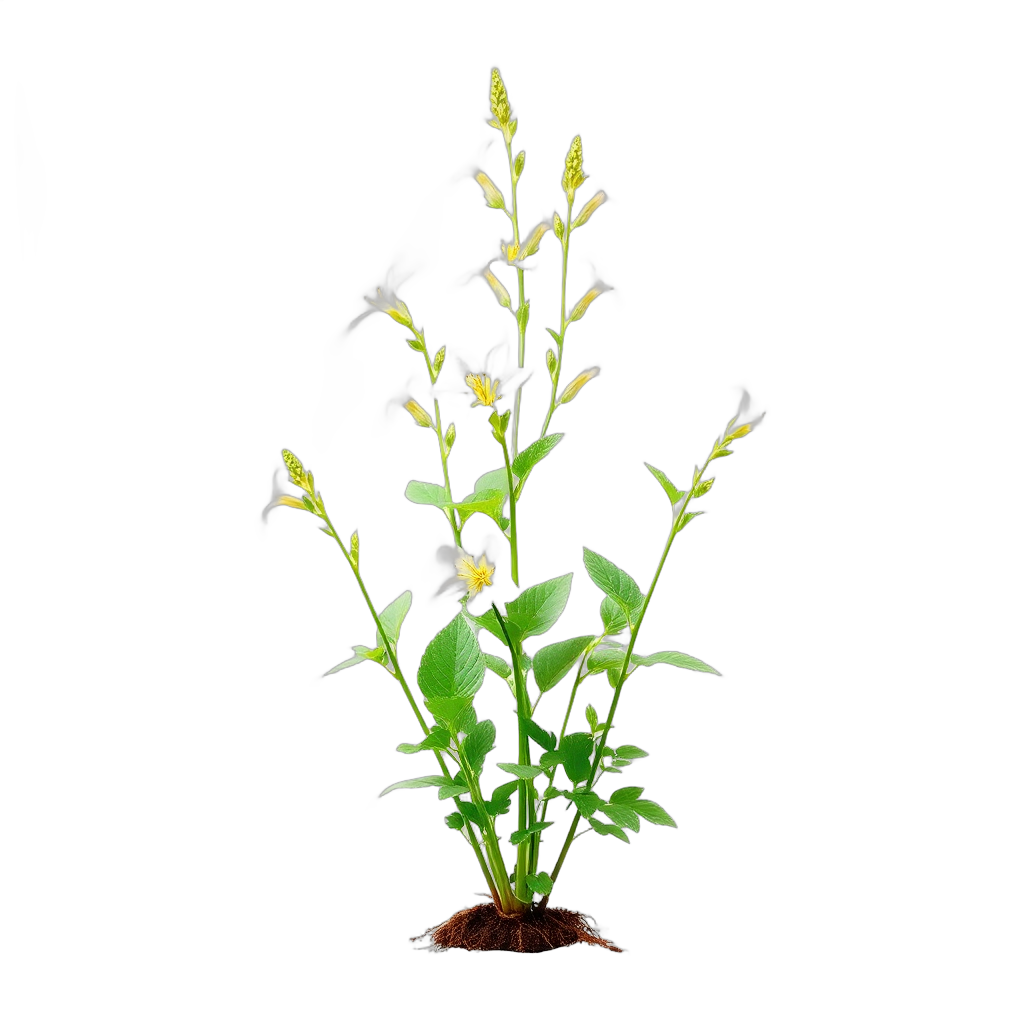
Beach Evening Primrose
Camissonia cheiranthifolia
low-growing ground cover, yellow blooms in spring. Attracts butterflies.
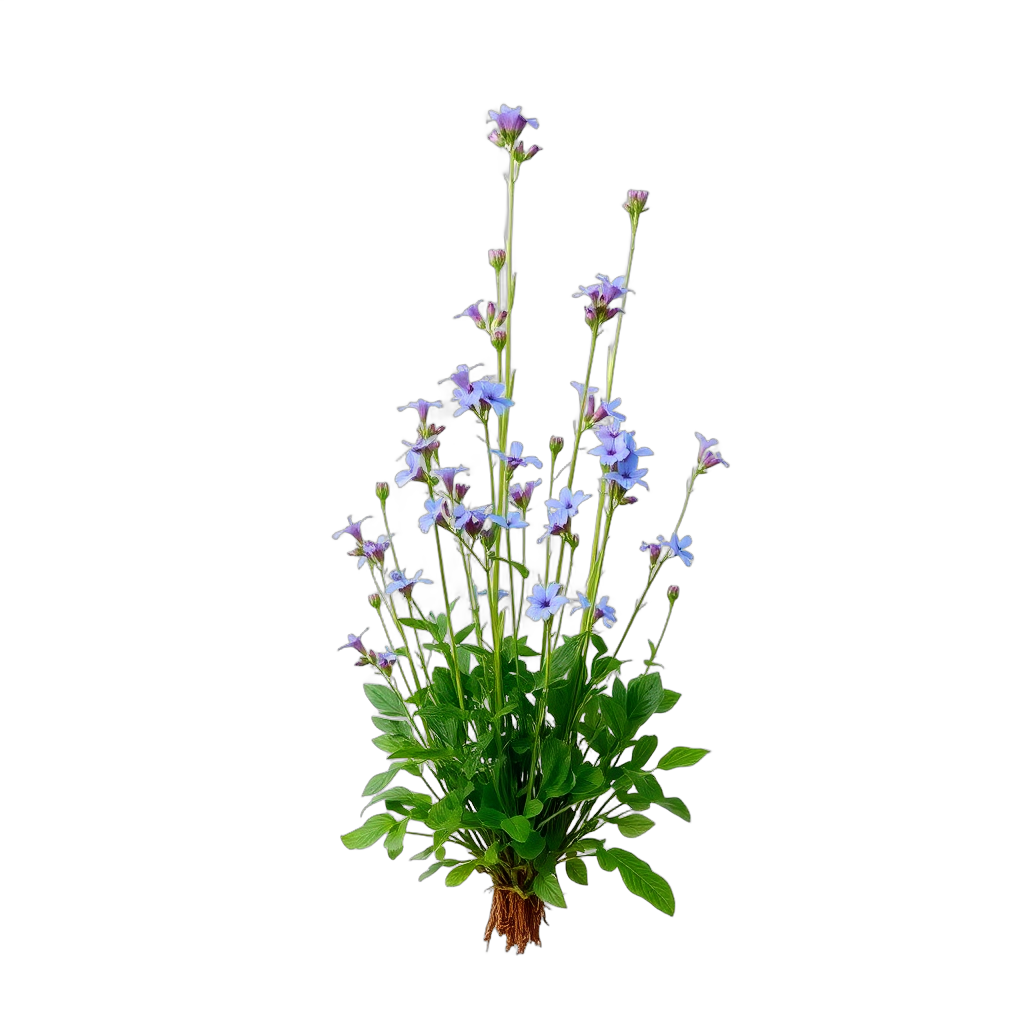
Blue Dicks
Dichelostemma capitatum
low-growing ground cover, blue blooms in spring. Pollinator-friendly.
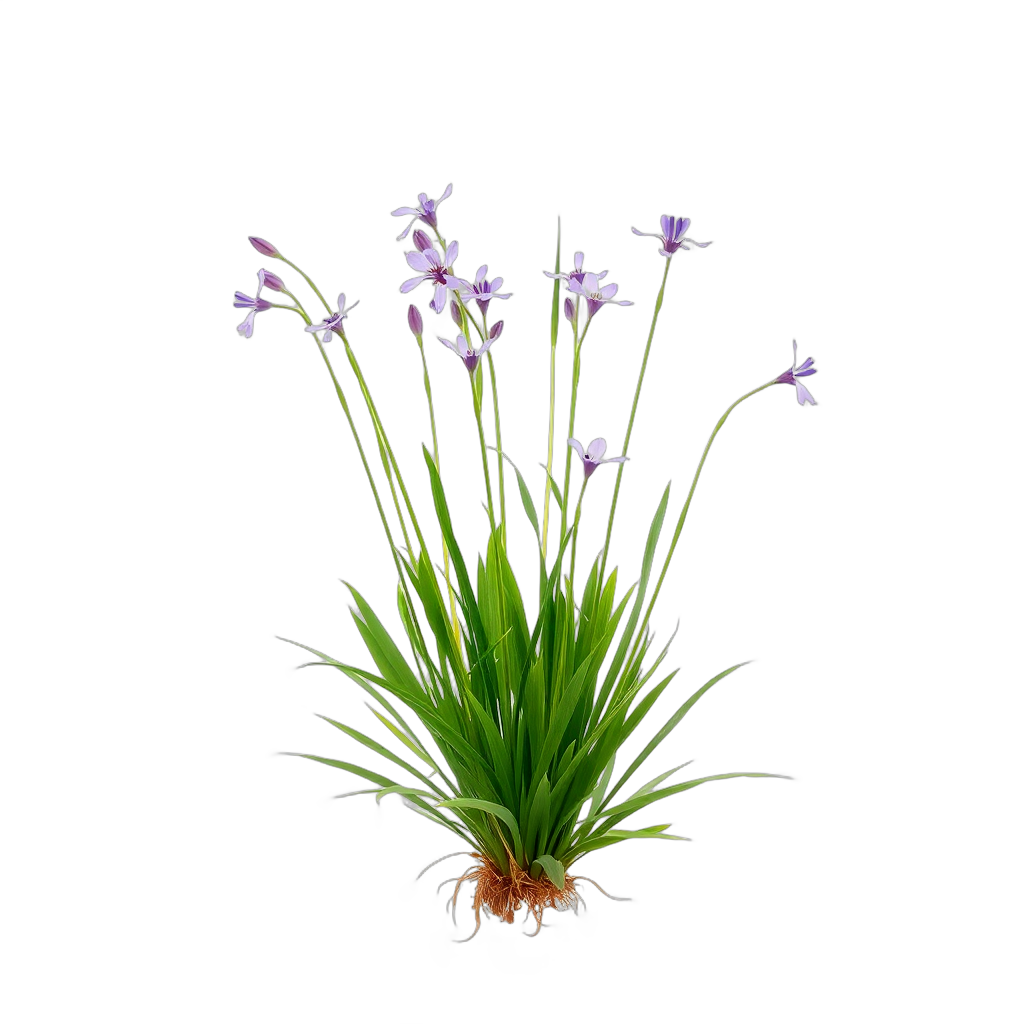
Blue-Eyed Grass
Sisyrinchium bellum
low-growing ground cover, blue blooms in spring. Attracts butterflies.
Zone and sun checks come from our database — confirm with your local nursery before you buy.
Bloom Calendar for Alhambra
spring
Beach Evening Primrose, Blue Dicks, Blue-Eyed Grasssummer
California Gray Rush, Hooker's Evening Primrose, Hummingbird Mintfall
California Fuchsiawinter
Limited bloomsDesign Tips for Alhambra (Zone 10a)
- Plan around the rain calendar: Pasadena's NOAA normals put 4.51 inches in January and 5.16 in February but only 0.06 in July, so plant in the cool months and put every bed on drip before the first summer
- Put roses and Mediterranean plants on separate irrigation valves: a rose wants a deep soak twice a week in July while Lavandula × ginginsii 'Goodwin Creek Grey' and Cistus × hybridus rot if they get the same water
- Mound the lavender and sage beds 8–10 inches high with coarse grit worked in, and mulch with gravel rather than bark so the crowns dry between the winter rains
- Give climbing roses on a south or west wall a trellis standing 4–6 inches off the stucco so heat bounces away from the canes and air can move behind them
- Treat delphinium and foxglove as winter annuals planted in October, and fill the summer gap with Salvia 'Amistad' and Agastache 'Blue Fortune'
- Use a brick-on-sand or decomposed granite path so winter storm runoff soaks into the bed instead of running to the street
- Keep one white plant in every view: Rosa 'Iceberg' and Erigeron karvinskianus glow at dusk, which is when Alhambra patios are used on 90°F days
Where to Source Plants in Alhambra
Skip the big-box stores. These independent Alhambra nurseries specialize in the plants that make cottage/english gardens thrive in Zone 10a.
San Gabriel Nursery & Florist
San Gabriel
Family-owned garden center and florist with a large plant selection and a reputation for rare and hard-to-find plants
Bellefontaine Nursery
Pasadena
Plants, pots and soil amendments, with bare-root roses, perennials, shrubs, native and drought-tolerant plants and locally grown camellias
Lincoln Avenue Nursery
Pasadena
Family-owned nursery open since 1903 with flowers and roses, California natives, edibles, cacti and succulents, pots and soil
Cottage/English Landscaping Cost Ranges
| Project Scope | Estimated Cost |
|---|---|
| Brick-on-sand walkway (100–200 sqft) | $2,000–$5,200 |
| Flagstone seating circle on stone dust (150–250 sqft) | $3,700–$8,000 |
| Picket fence, 4 ft tall (60 linear ft) | $1,500–$2,400 |
| Drip irrigation system (500 sqft of planted area) | $1,200–$2,200 |
| AI visualization (ProScapeAI) | Free to start |
National average installed ranges for 2026 from our landscaping price list (Homewyse and other published sources). Prices in Alhambra, CA vary with site, materials and contractor, so get two or three local quotes.
Alhambra Climate & Growing Zone
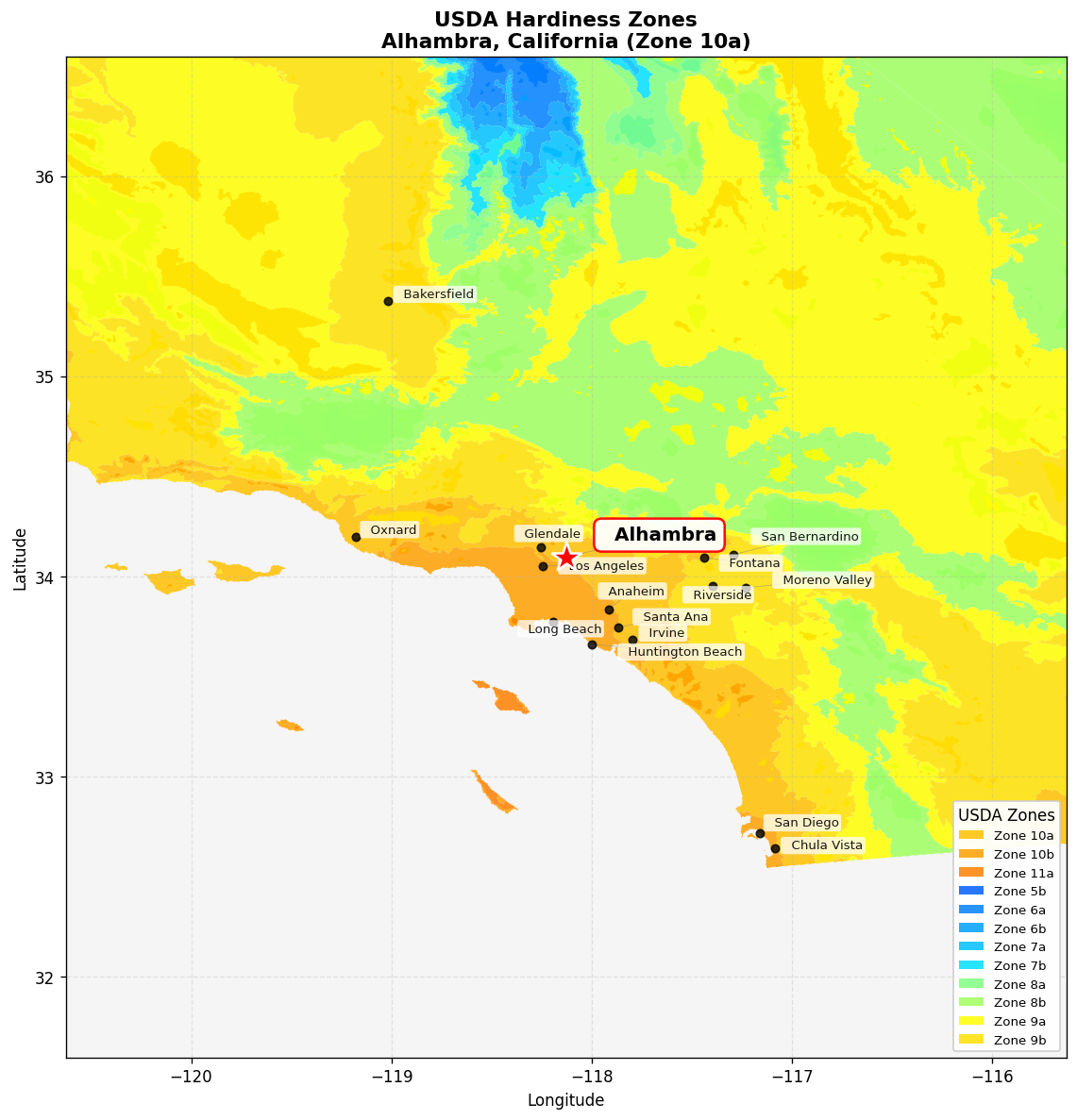
USDA Zone 10a
Hardiness zone for Alhambra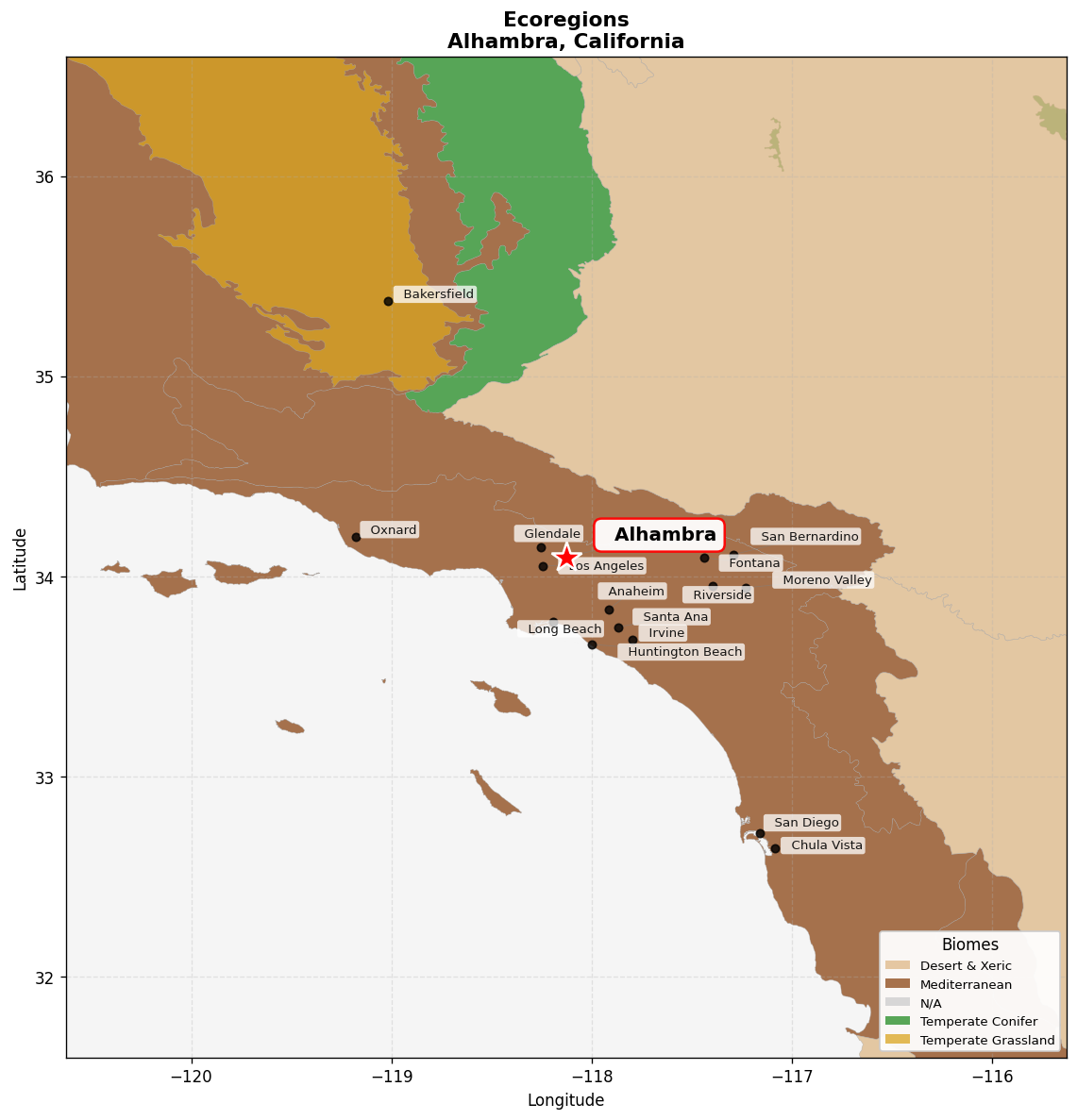
California coastal sage and chaparral
Native ecoregionFrequently Asked Questions
How much does a cottage garden cost in Alhambra, CA?
Los Angeles County labor runs above the national average, so expect to pay for it.
What maintenance does a cottage garden need in Alhambra's dry summers?
Water is the main job. Pasadena NOAA normals show 0.06 inches of rain in July and 0.03 in August, so everything depends on drip. Put roses on their own valve and give them a deep soak twice a week in midsummer, with Salvia 'Bee's Bliss', Cistus and lavender on a second valve at one watering every two to three weeks. Cut Lavandula × ginginsii 'Goodwin Creek Grey' back by a third after bloom, deadhead Rosa 'Iceberg' and cut roses back to about 18 inches in January. Renew 3 inches of bark mulch each winter.
When is the best time to plant in Alhambra?
October through early March, when the winter rains do some of the watering and roots grow in cool soil. That includes bare-root roses in January. The Pasadena normals show January highs of 68°F and lows of 45.5°F, which gives roots months of growth before the dry season. Spring planting works through April if you water by drip. Avoid planting new perennials in July and August, when highs average 89–91°F.
Do I need a permit or HOA approval for a fence, arbor or patio in Alhambra?
It depends on the height, the location and what you build. Fences, walls and pergolas can trigger planning or building review, and the planning counter can tell you the front-yard height limit. Before you buy materials, call the City of Alhambra planning counter with a sketch and ask about height, setbacks and permits. If your street has an HOA, ask for the architectural guidelines first. Ask your water provider about current outdoor watering days, since those rules can change.
Which roses survive Alhambra's heat?
Low-humidity heat is easier on roses than humidity, since blackspot and rust are less of a problem. Rosa 'Iceberg', Rosa 'Julia Child', Rosa 'Mutabilis', Rosa 'Cecile Brunner' and Rosa 'Sally Holmes' all take 90°F summers. Give them six hours of sun, with a little afternoon shade from a pergola or tree in the hottest spots, plant them 3 feet apart, and water at the root only. Overhead spray in the evening invites powdery mildew.
Can I grow delphinium and foxglove in Alhambra?
Only as short-lived winter annuals. With a January average high of 68°F and July highs near 89°F, Delphinium elatum 'Blue Bird' and Digitalis purpurea 'Camelot Rose' flower in April and May, then fade. Plant them in October or November, enjoy them for one spring and replace them. For lasting height, use Salvia 'Amistad', Salvia leucantha 'Santa Barbara', Agastache 'Blue Fortune' or Verbena bonariensis.
Can I keep a lawn in a cottage garden here?
A small lawn panel is possible, but it will use more water than the rest of the garden together. A small fescue or Bermuda panel works as a green floor, while a larger front yard does better with a path, gravel and low flowering plants. A decomposed granite or brick-on-sand path lets winter rain soak in, and Dymondia margaretae or Thymus serpyllum fill gaps between stones with no mowing.