4 Mediterranean Garden Ideas for Alhambra, CA | Zone 10a Olive and Lavender
Native plants from the California coastal sage and chaparral (Zone 10a) — Mediterranean (hot summer) climate
For a mediterranean garden in Alhambra, CA, a zone 10a city with a mediterranean (hot summer) climate, start with Olea europaea 'Swan Hill', Lavandula × intermedia 'Grosso' and Rosmarinus officinalis 'Tuscan Blue', the plants this guide's first design is built on.
Why Mediterranean Gardens in Alhambra?
A Mediterranean garden needs less explaining in Alhambra than in most American cities, because the climate is already Mediterranean. The Spanish Revival cottages, stucco bungalows and red-tile-roofed courtyard buildings of Alhambra's older streets were designed for this pattern of wet winters and long dry summers, so olive trees, terracotta pots and gravel courts look like they belong. The garden style is built for the way these houses sit on their lots.
The numbers explain why it works. The nearest NOAA normals station, Pasadena, shows a January average low of 45.5°F and high of 68.1°F, with a July high of 89.1°F and an August high of 91.3°F. Rainfall averages about 20 inches a year: 4.51 inches in January, 5.16 in February, then 0.06 in July and 0.03 in August. That is the pattern that olives, lavender, rosemary and rockrose evolved for. The reliable palette includes Olea europaea 'Swan Hill' (a fruitless olive), Lavandula × intermedia 'Grosso', Rosmarinus officinalis 'Tuscan Blue', Cistus × purpureus, Salvia clevelandii 'Winnifred Gilman', Teucrium fruticans, Punica granatum 'Wonderful' and Ficus carica 'Black Mission'.
Some plants from the classic list need a substitute. Cupressus sempervirens 'Glauca' (Italian cypress) is a landmark of the style but is prone to spider mites and canker in heat and wind; Cupressus sempervirens 'Swane's Golden' or a column of Juniperus scopulorum 'Skyrocket' reads the same with fewer problems. Lavandula angustifolia varieties like 'Hidcote' dislike summer water near the crown, so choose 'Grosso' or Lavandula stoechas 'Otto Quast' and keep them on a gravel-mulched mound. Citrus such as Citrus limon 'Improved Meyer' thrives here with a deep soak every two weeks in summer, but keep it off the same valve as the lavender.
Test the soil before amending. Valley-floor soil is often a well-drained loam, but older lots can have compacted fill; loosen the planting holes wider than the root ball and skip rich compost around lavender and rosemary, which prefer lean ground. Use decomposed granite, gravel and pavers laid on sand so winter storms soak in. Before you build a wall, fence, pergola or fountain in the front yard, ask the City of Alhambra planning counter about height limits and permits, and ask your water provider about the current outdoor watering rules.
4 Mediterranean Design Ideas for Alhambra
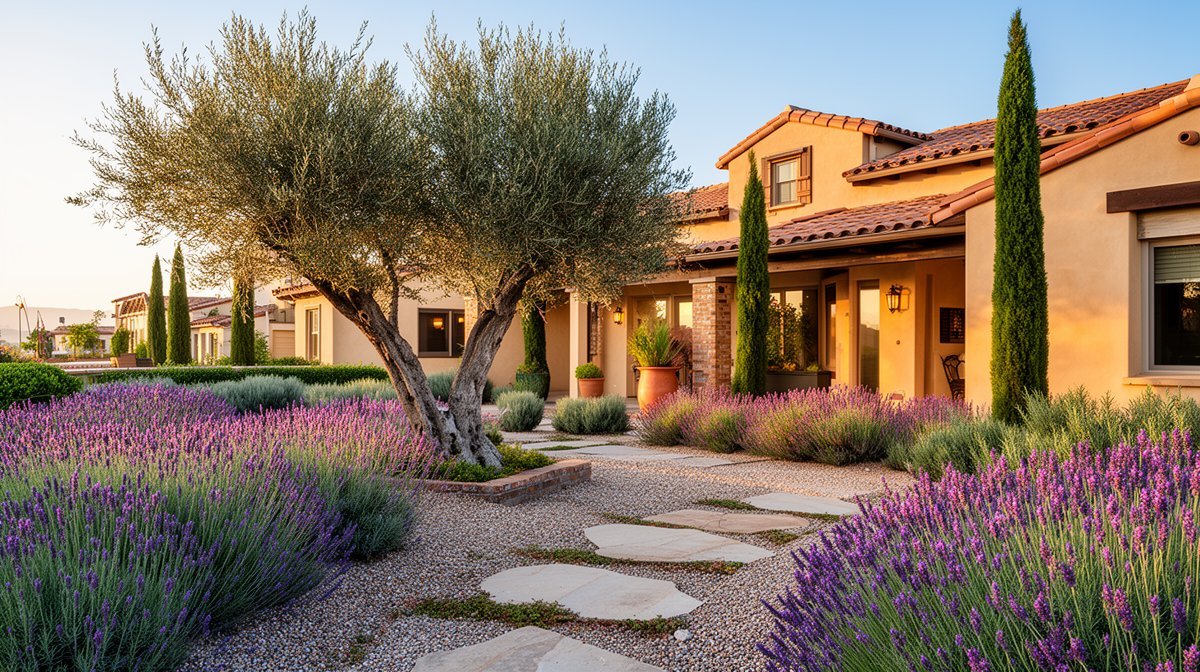
AI-generated image
The Olive and Gravel Courtyard
$18–38/sqftA Spanish Revival cottage with a red tile roof opens onto a gravel front court with a single Olea europaea 'Swan Hill' near the entry, its crown casting dappled shade across a bench by the door. Terracotta pots of lavender and rosemary line the steps, and low stucco walls painted warm cream hold beds of rockrose and Salvia clevelandii. The house faces south, so the plants are drought-proven and the gravel stays cool under the tree.
Try this on your yard: The Olive and Gravel CourtyardAI-generated image
The Citrus and Herb Terrace
$24–50/sqftBehind a 1950s ranch house, a flagstone terrace sits under a pergola with a Meyer lemon in a glazed pot on one side and a raised bed of herbs on the other. A path of gravel runs to a small lawn-free yard of fig and pomegranate trees. The terrace faces west, so the pergola shades the table at the hottest hour and the herb bed takes the full sun.
Try this on your yard: The Citrus and Herb TerraceAI-generated image
The Cypress Column Entry
$26–54/sqftA stucco two-story house with arched windows gets a formal front: two narrow Cupressus sempervirens 'Swane's Golden' columns flank the door, with a clipped Santolina chamaecyparissus edge and a pair of terracotta urns. A clay-pavered walk runs straight from the sidewalk, and a small wall fountain sits on the entry wall. The entry faces east, so morning sun lights the facade and the urns get afternoon shade.
Try this on your yard: The Cypress Column EntryAI-generated image
The Dry Hillside Slope Garden
$20–44/sqftA sloping front yard behind a small retaining wall is planted as a hillside of silver and gray: Salvia clevelandii and rockrose at the top, Agave attenuata and Aloe striata mid-slope, and a groundcover of Dymondia margaretae near the curb. Boulders break the slope into steps and a gravel path winds up to the door. The slope faces southwest, so soil dries fast and every plant is chosen for lean, quick-draining ground.
Try this on your yard: The Dry Hillside Slope GardenSee how a mediterranean garden looks on YOUR property
Upload a photo of your Alhambra yard and visualize your dream garden in seconds.
Try ProScapeAI Free

AI-generated image
Featured Trees & Shrubs for Mediterranean Gardens
Browse all 212 plants for Alhambra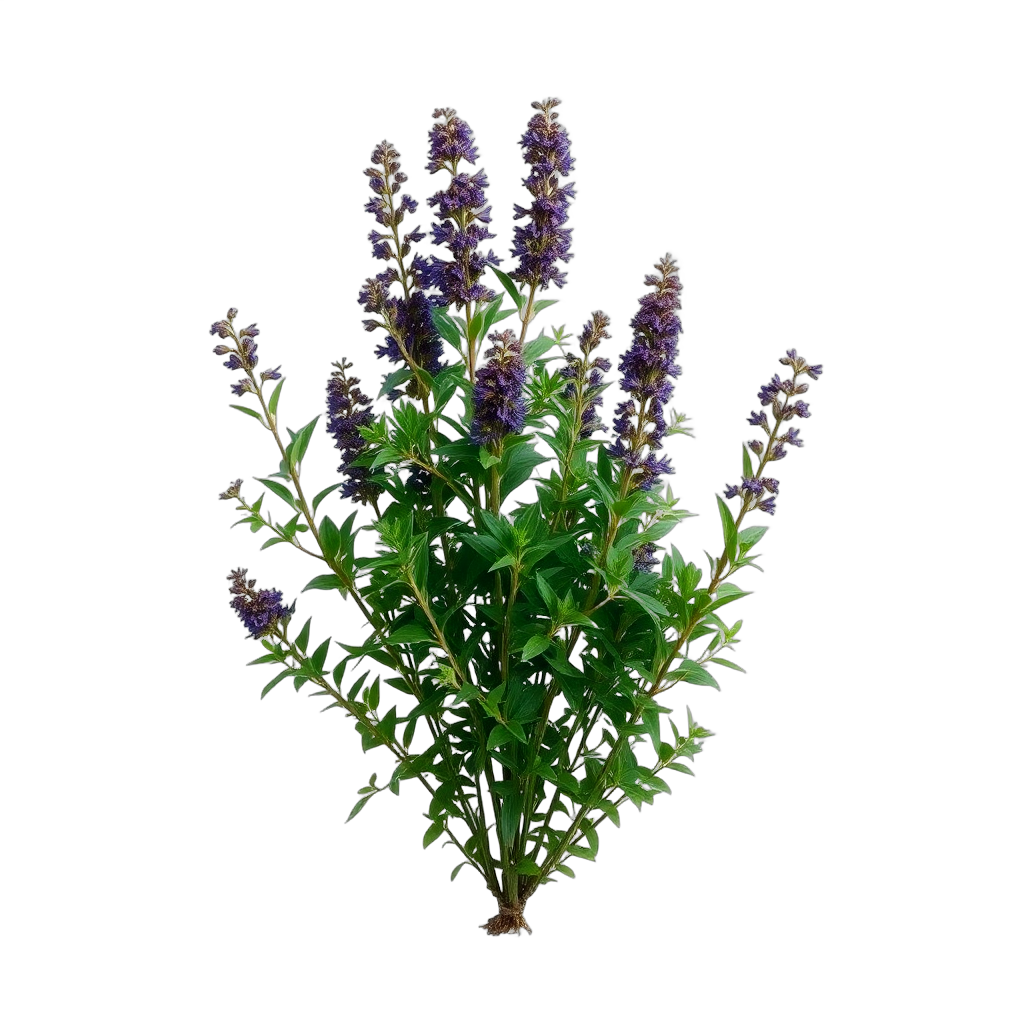
Black Sage
Salvia mellifera
grows to 4 feet, white blooms in spring. Attracts butterflies.
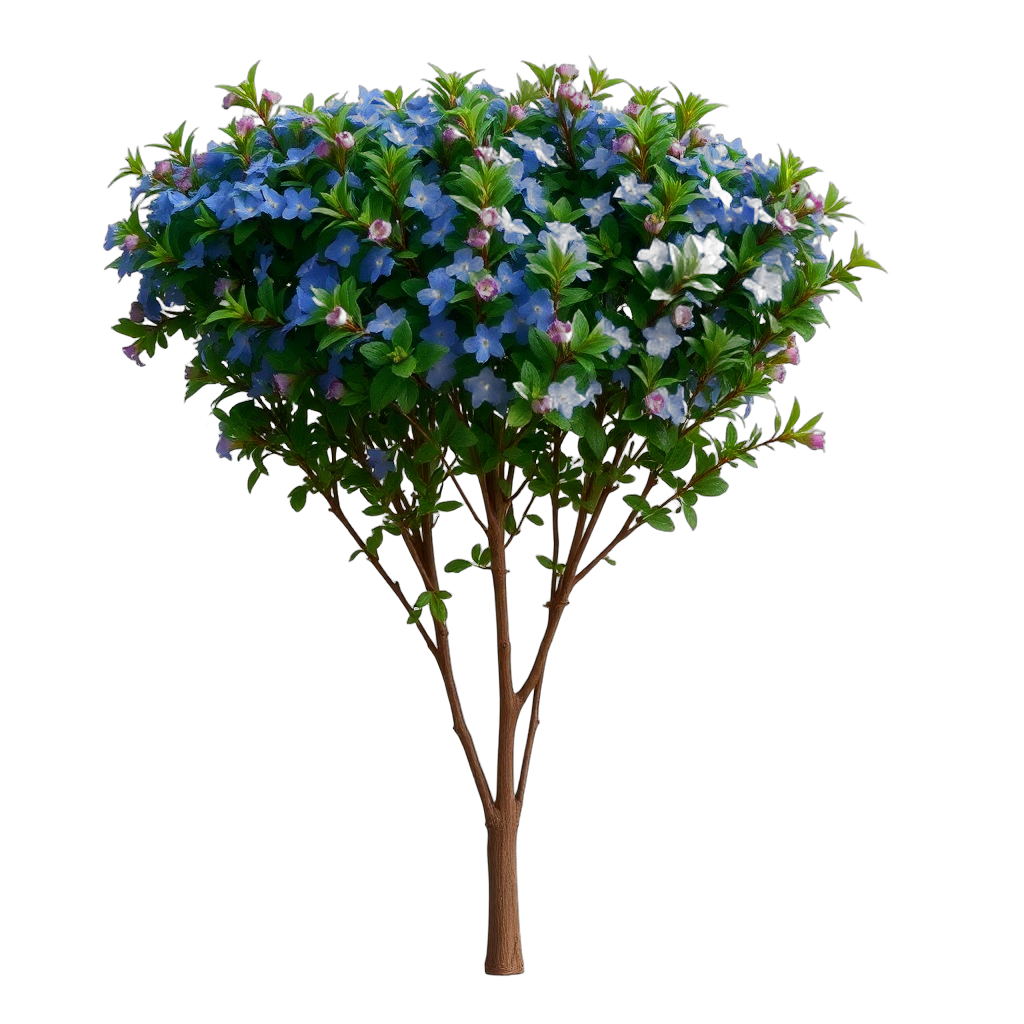
Blue Blossom
Ceanothus thyrsiflorus
medium-sized at 12 feet, blue blooms in spring. Attracts butterflies.
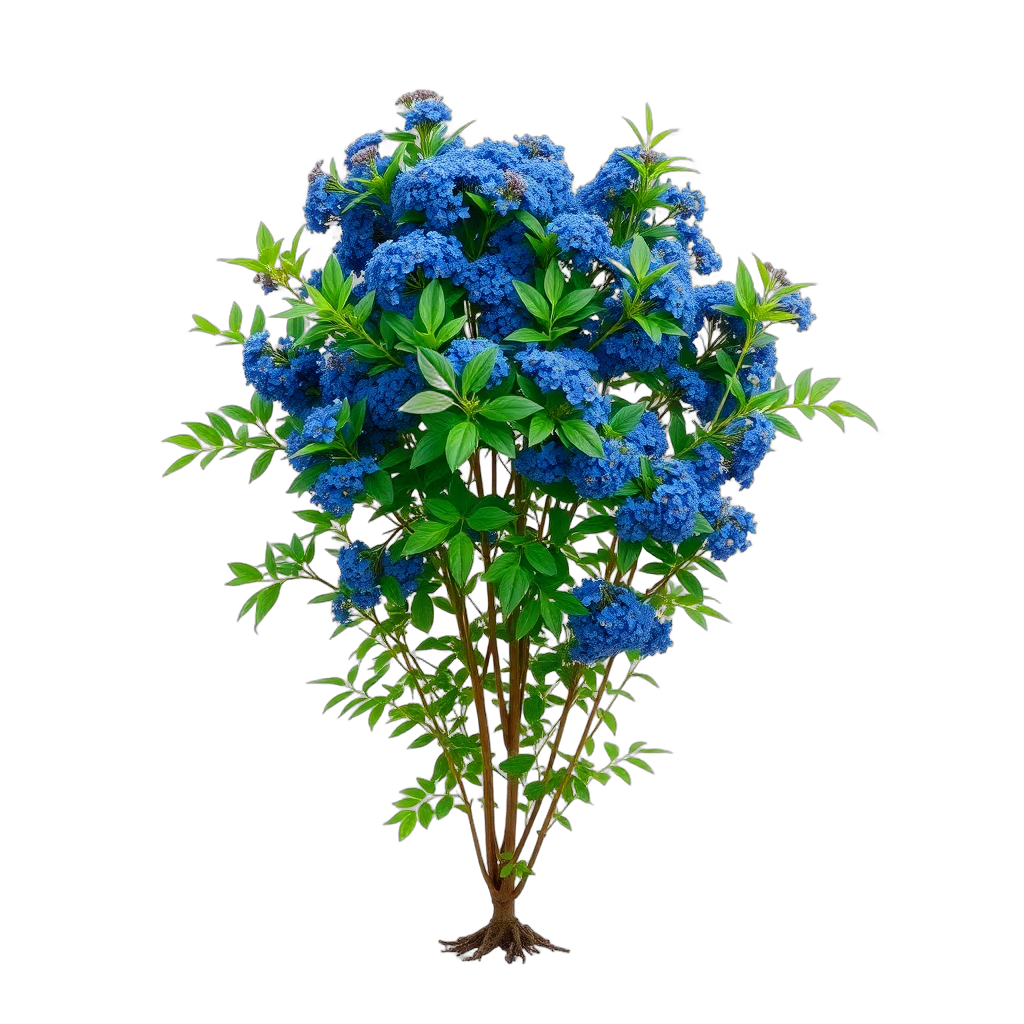
Blue Elderberry
Sambucus cerulea
medium-sized at 15 feet, white blooms in spring. Attracts butterflies.
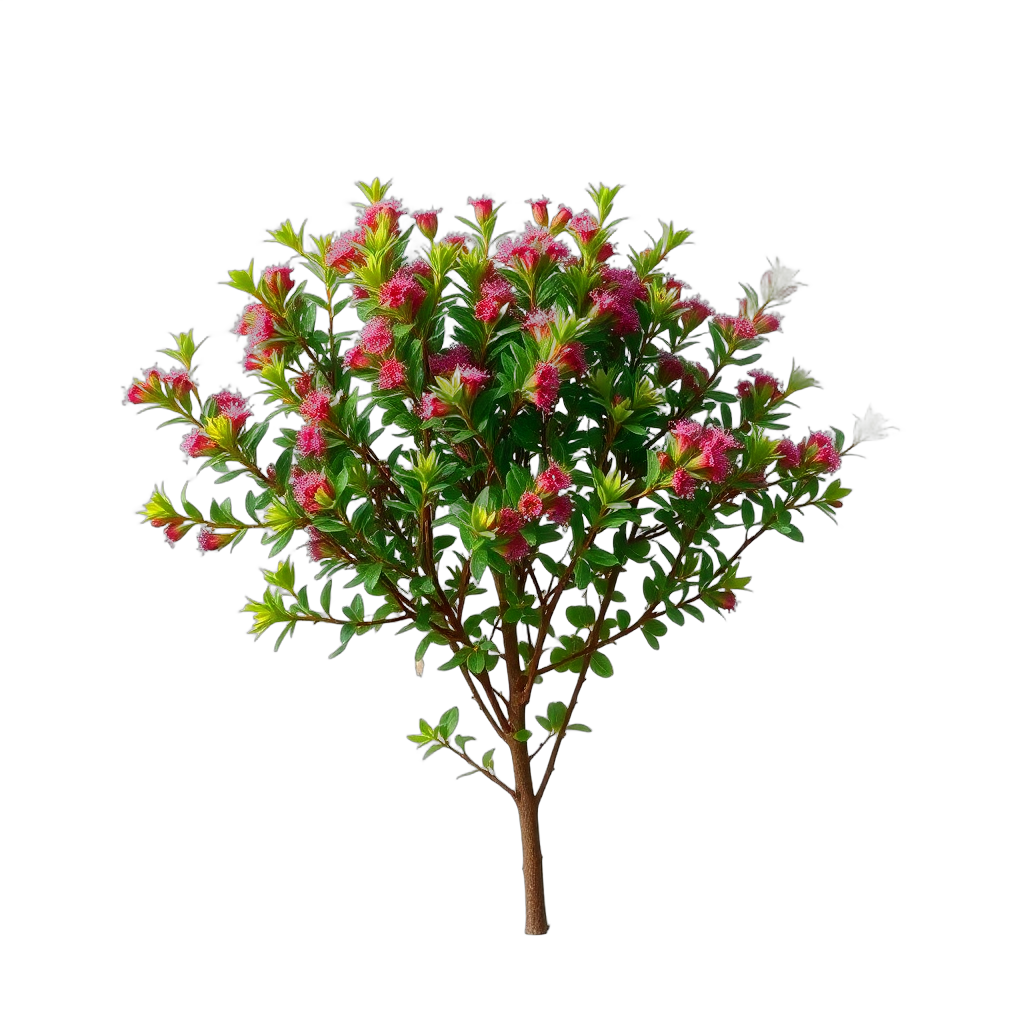
Buckbrush
Ceanothus cuneatus
medium-sized at 7 feet, white blooms in spring. Attracts butterflies.
Featured Grasses & Groundcovers for Mediterranean Gardens
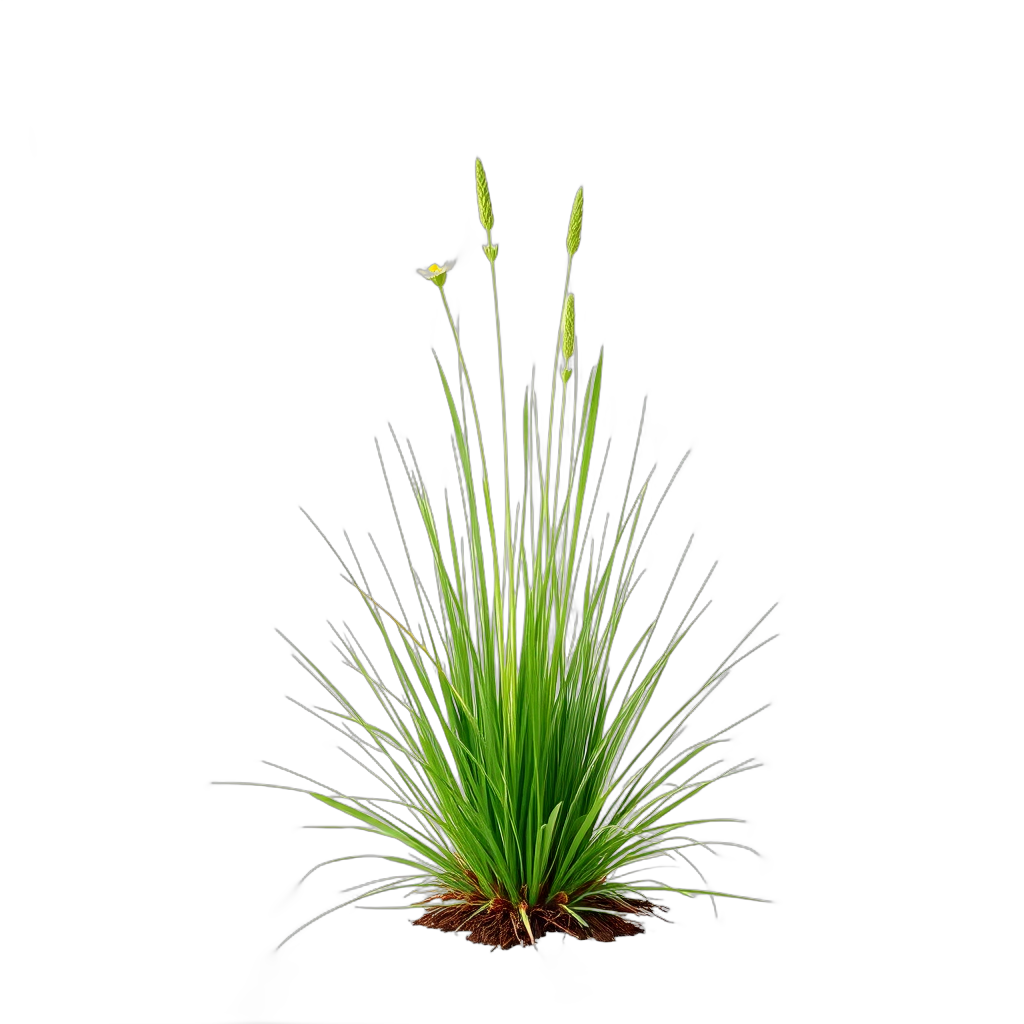
California Brome
Bromus carinatus
low-growing ground cover, blooms in spring. Yellow fall color.
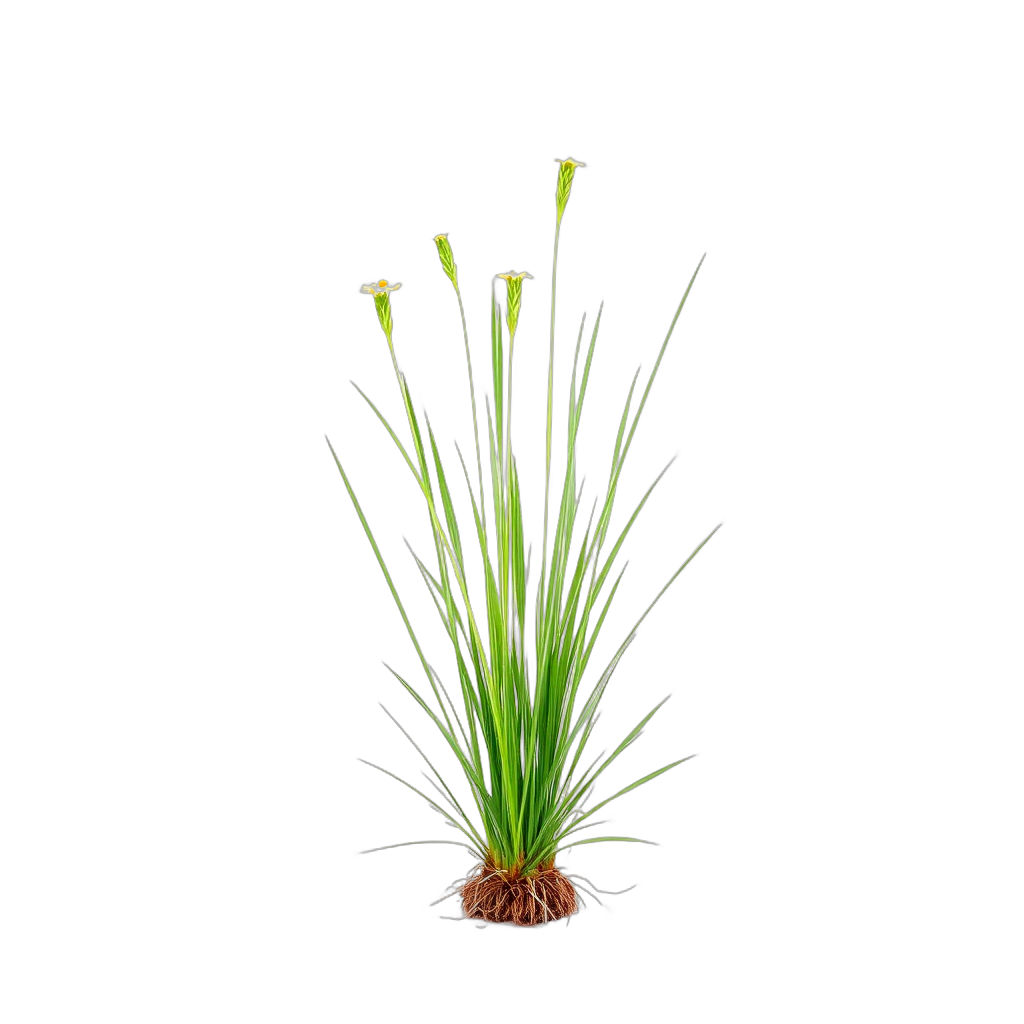
California Melic
Melica californica
low-growing ground cover, blooms in spring.
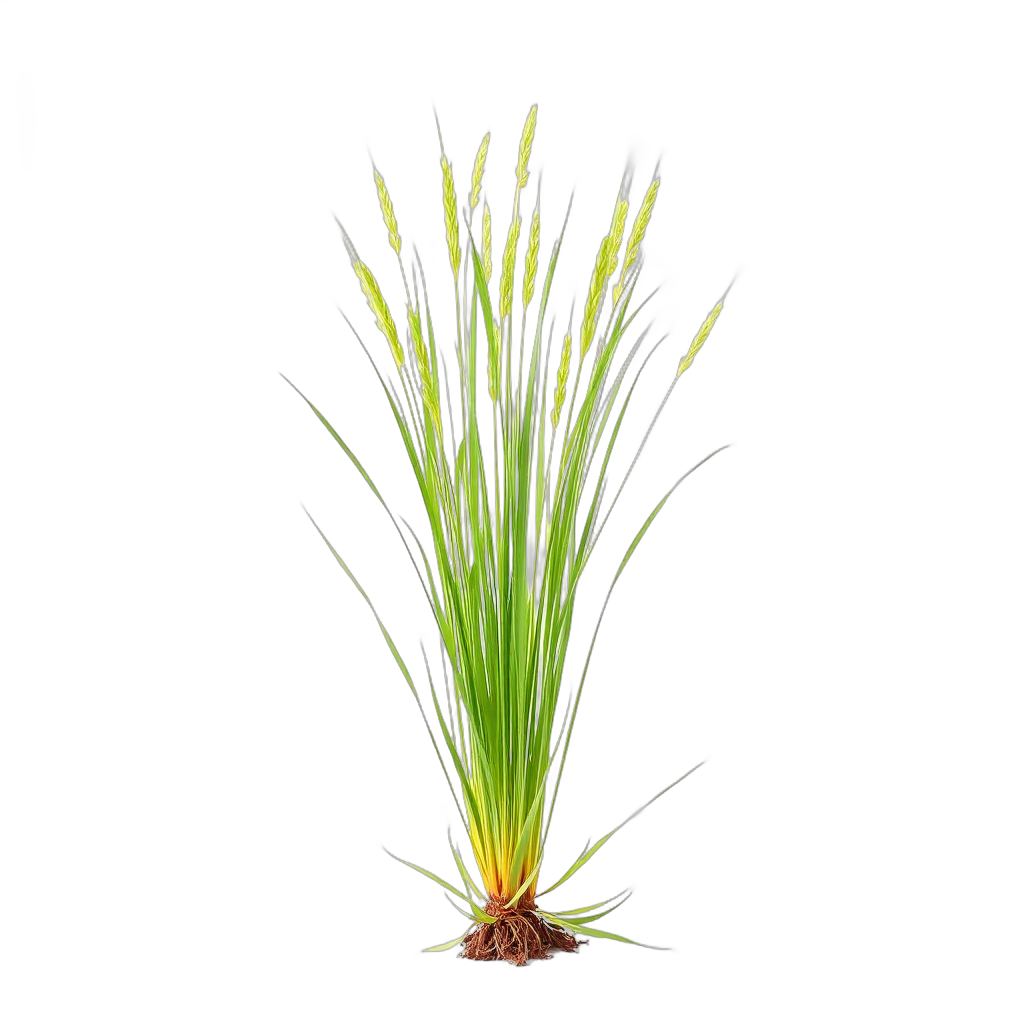
California Oatgrass
Danthonia californica
low-growing ground cover, blooms in spring. Yellow fall color.
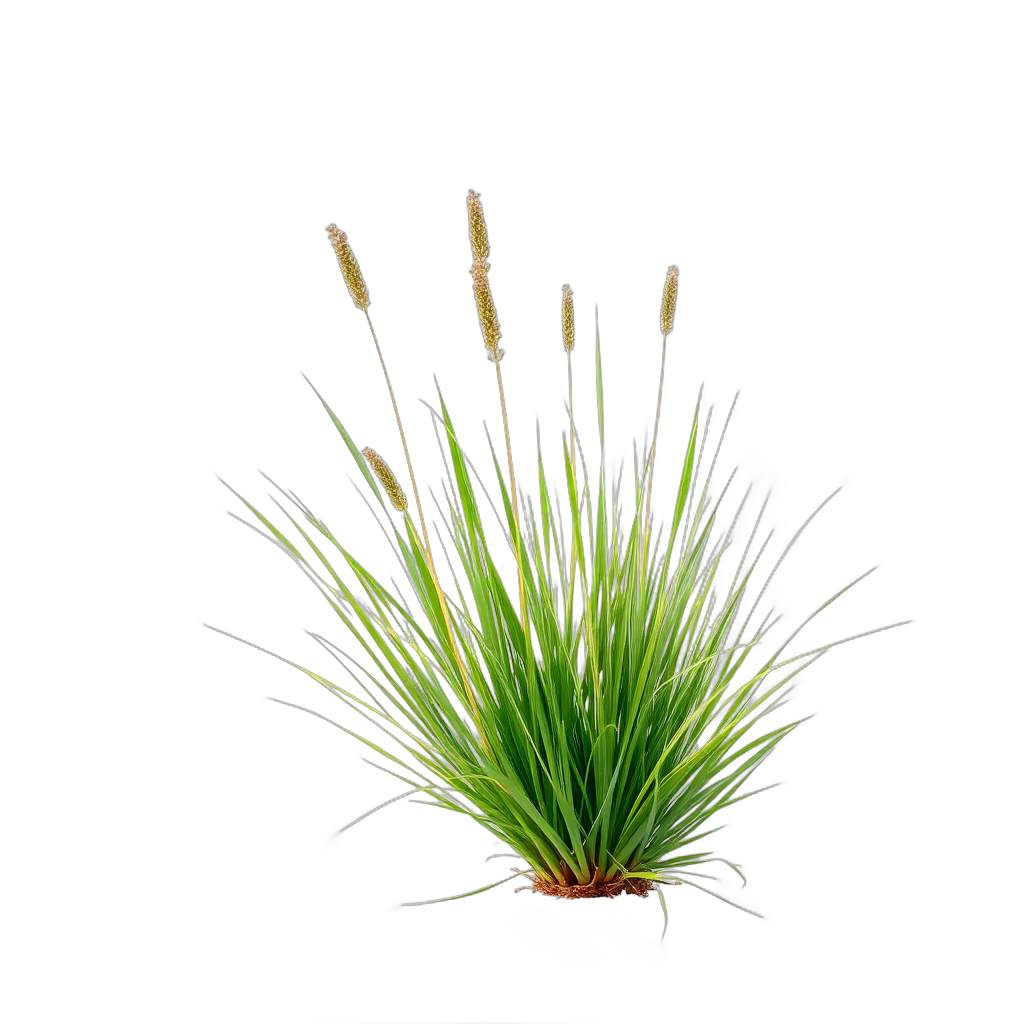
Deer Grass
Muhlenbergia rigens
grows to 3 feet, yellow blooms in fall. Evergreen year-round.
Featured Flowers & Perennials for Mediterranean Gardens
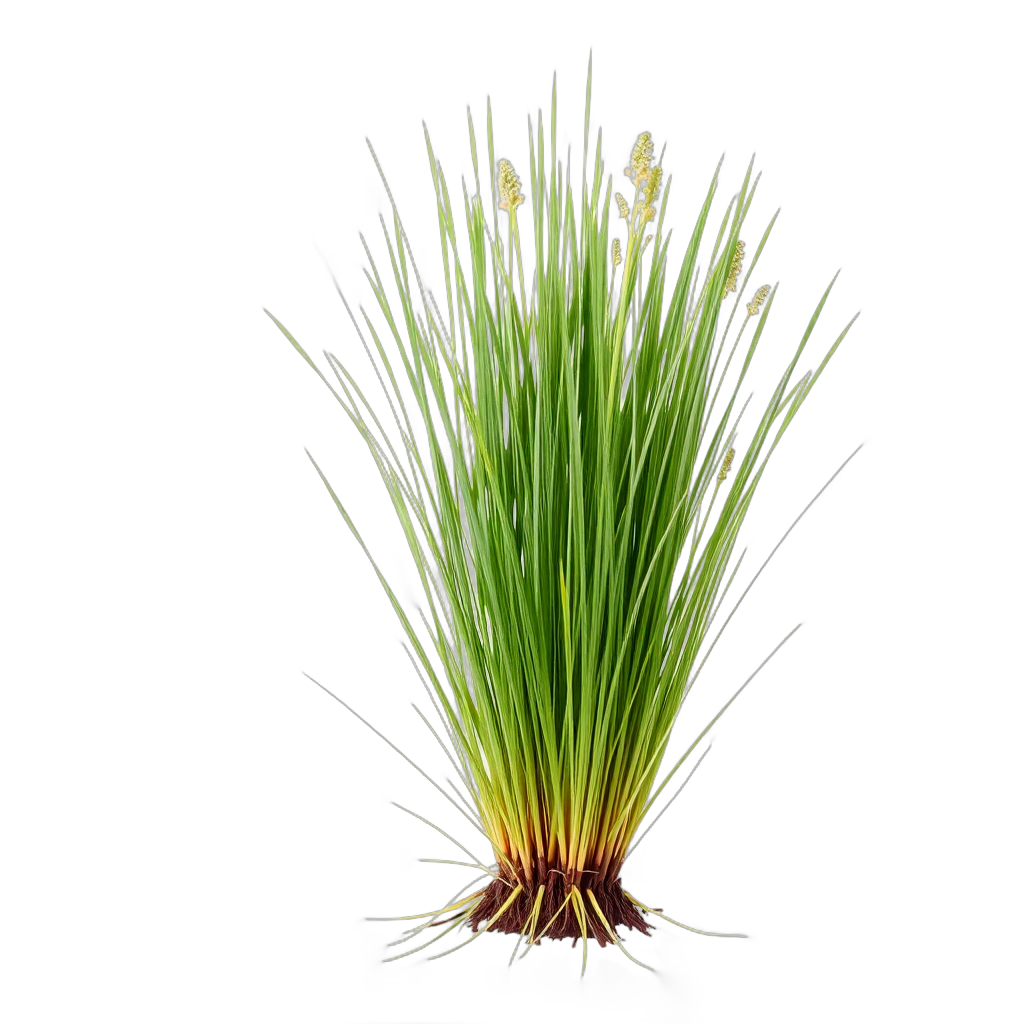
California Gray Rush
Juncus patens
low-growing ground cover, blooms in summer. Evergreen year-round.
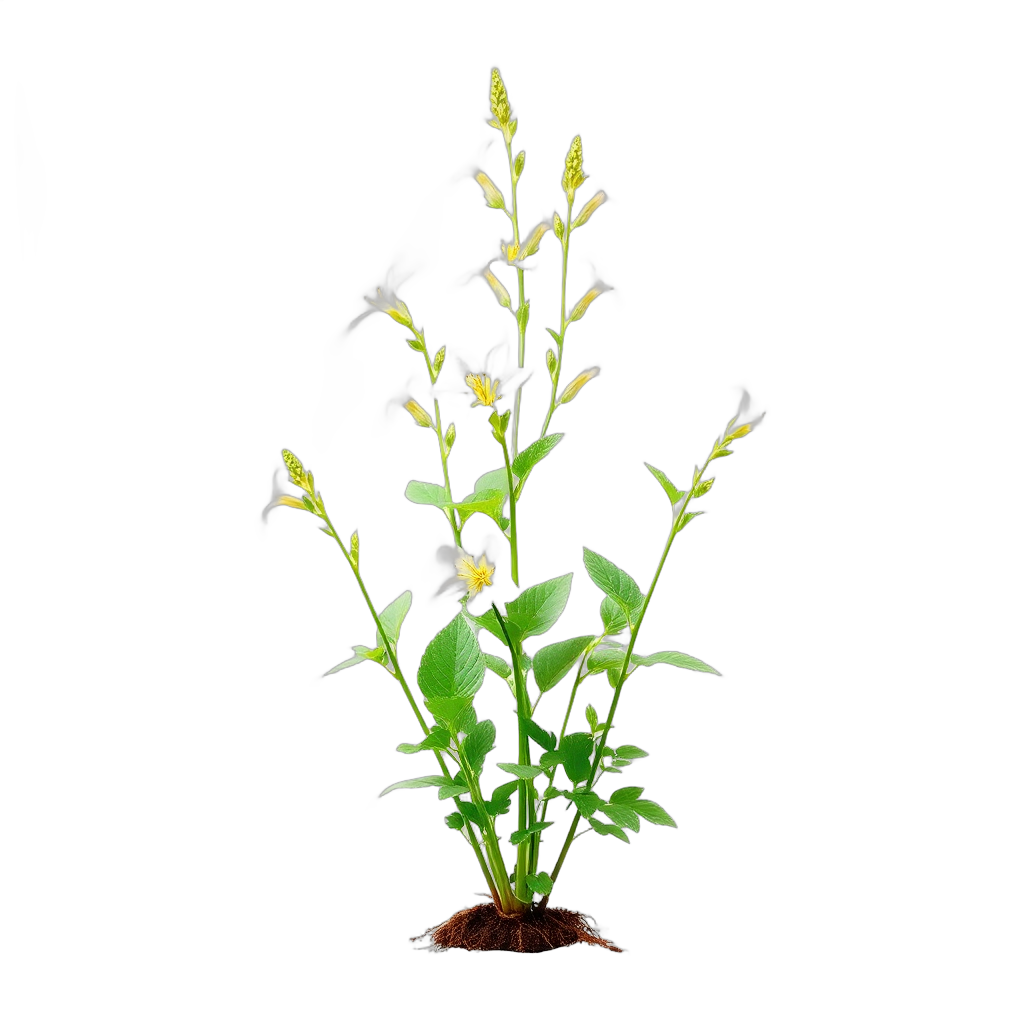
Beach Evening Primrose
Camissonia cheiranthifolia
low-growing ground cover, yellow blooms in spring. Attracts butterflies.
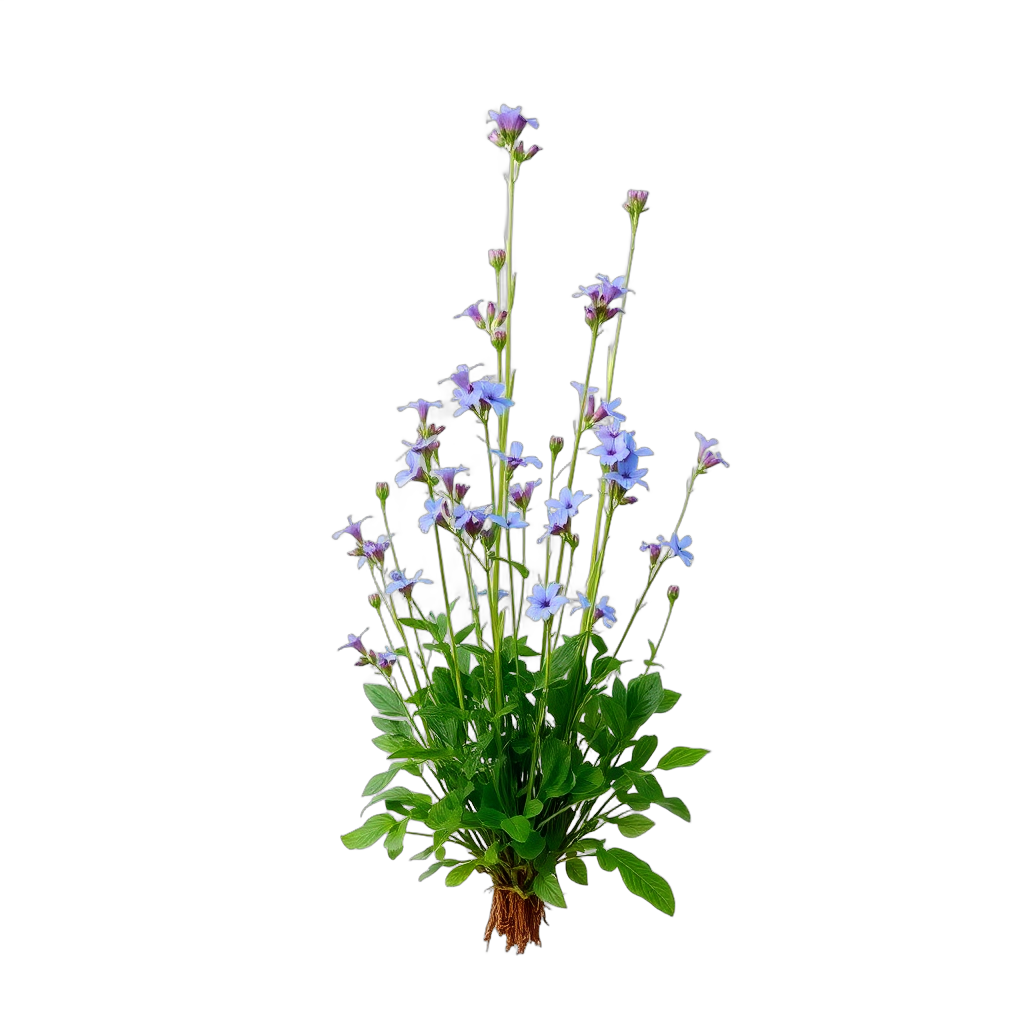
Blue Dicks
Dichelostemma capitatum
low-growing ground cover, blue blooms in spring. Pollinator-friendly.
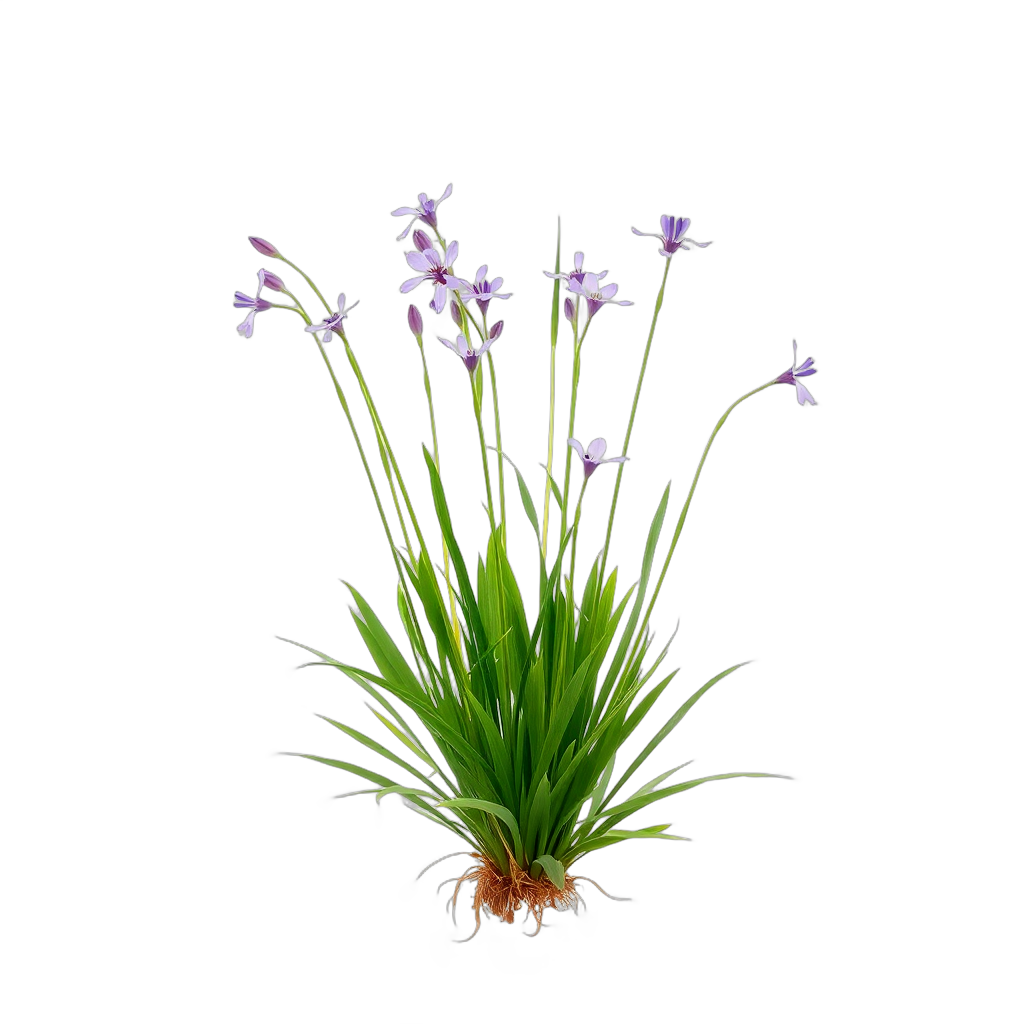
Blue-Eyed Grass
Sisyrinchium bellum
low-growing ground cover, blue blooms in spring. Attracts butterflies.
Zone and sun checks come from our database — confirm with your local nursery before you buy.
Bloom Calendar for Alhambra
spring
Beach Evening Primrose, Blue Dicks, Blue-Eyed Grasssummer
California Gray Rush, Hooker's Evening Primrose, Hummingbird Mintfall
California Fuchsiawinter
Limited bloomsDesign Tips for Alhambra (Zone 10a)
- Water to the calendar: Pasadena's NOAA normals show 4.51 inches in January and 0.06 in July, so set drip to a deep soak every two to three weeks for olives and rosemary once they are established
- Put Lavandula × intermedia 'Grosso' and Cistus on a gravel-mulched mound with coarse grit, and keep them on a separate valve from citrus and roses so no plant gets the wrong water
- Use Cupressus sempervirens 'Swane's Golden' or Juniperus scopulorum 'Skyrocket' for the vertical line instead of standard Italian cypress, which suffers in heat and wind
- Echo the house: on a Spanish Revival cottage pick terracotta, clay pavers and warm cream stucco walls, and keep the planting palette to silver, gray-green and one accent color
- Lay paths and courts in decomposed granite, gravel and clay pavers on sand so the winter storms soak in rather than run off
- Plant a Ficus carica 'Black Mission' or Punica granatum 'Wonderful' on the west side, where the afternoon heat of 89–91°F in July and August ripens fruit and the tree shades the wall
- Skip rich compost and heavy fertilizer around lavender, rosemary and rockrose: lean soil keeps them compact and long-lived
Where to Source Plants in Alhambra
Skip the big-box stores. These independent Alhambra nurseries specialize in the plants that make mediterranean gardens thrive in Zone 10a.
San Gabriel Nursery & Florist
San Gabriel
Family-owned garden center and florist with a large plant selection and a reputation for rare and hard-to-find plants
Lincoln Avenue Nursery
Pasadena
Family-owned nursery open since 1903 with California natives, edibles, cacti and succulents, roses, pots and soil
Bellefontaine Nursery
Pasadena
Plants, pots and containers with fruit trees, herbs, perennials, shrubs and native and drought-tolerant plants
Mediterranean Landscaping Cost Ranges
| Project Scope | Estimated Cost |
|---|---|
| Flagstone terrace on stone dust (200–300 sqft) | $5,000–$9,600 |
| Drip irrigation system (500 sqft of planted area) | $1,200–$2,200 |
| Natural stone wall (40 sqft of face) | $1,500–$2,000 |
| AI visualization (ProScapeAI) | Free to start |
National average installed ranges for 2026 from our landscaping price list (Homewyse and other published sources). Prices in Alhambra, CA vary with site, materials and contractor, so get two or three local quotes.
Alhambra Climate & Growing Zone
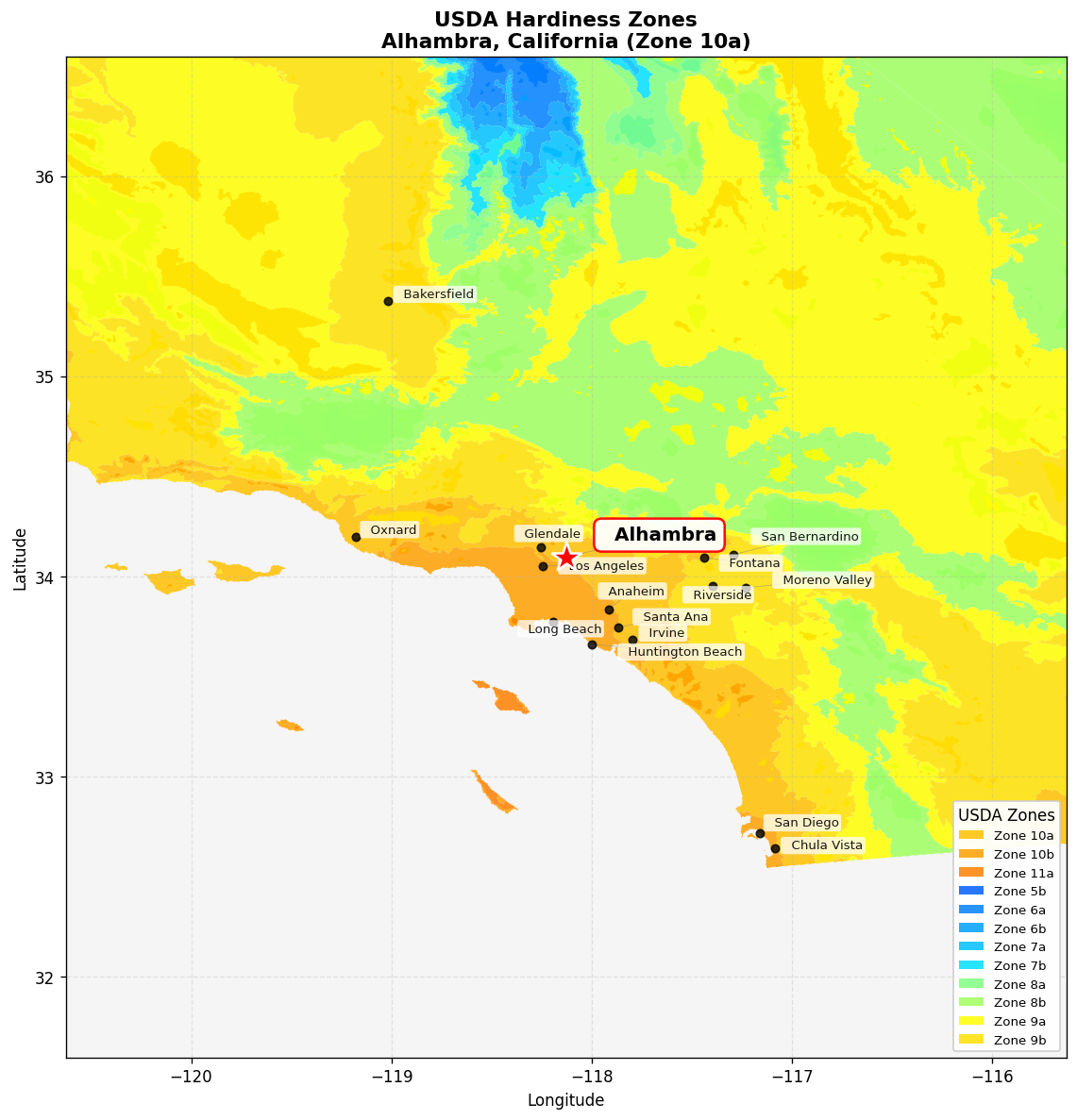
USDA Zone 10a
Hardiness zone for Alhambra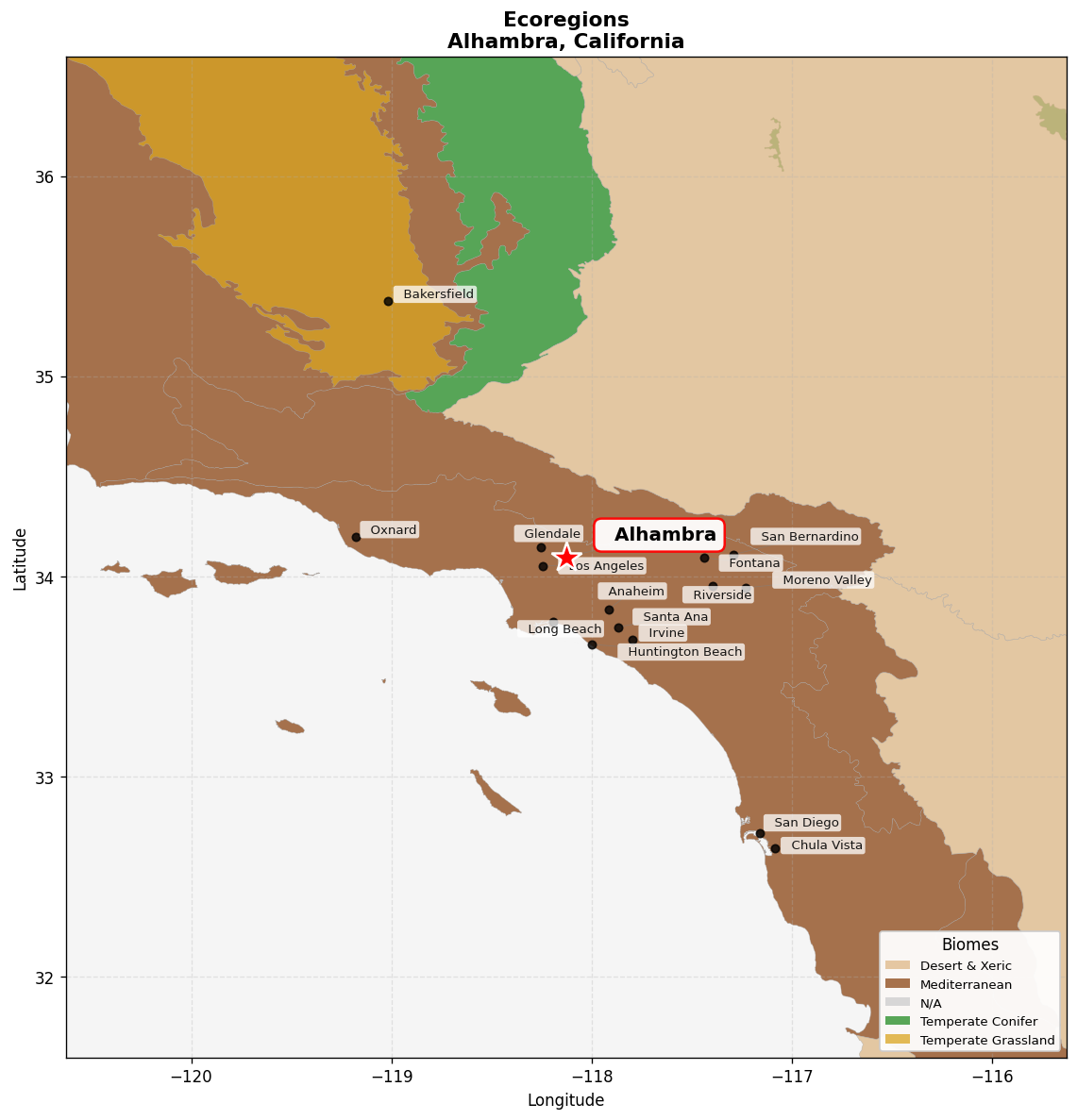
California coastal sage and chaparral
Native ecoregionFrequently Asked Questions
How much does a Mediterranean garden cost in Alhambra, CA?
Los Angeles County labor runs above the national average. A flagstone terrace is about $25–32 per square foot installed.
What does a Mediterranean garden need to stay healthy in Alhambra?
Less than most styles. Pasadena's NOAA normals show 0.06 inches of rain in July and 0.03 in August, so a deep soak every two to three weeks for established olives, rosemary and lavender is enough. Shear Lavandula × intermedia 'Grosso' by a third after bloom, prune Salvia clevelandii 'Winnifred Gilman' in late winter, and feed citrus in February, May and August. Gravel mulch needs topping up every couple of years.
When is the best time to plant in Alhambra?
October through March is best, when the winter rains (4.51 inches in January and 5.16 in February at the nearest NOAA station) help roots establish. Olives and citrus can also go in during spring if you water in well. Avoid planting in July and August, when highs average 89–91°F.
Do I need a permit or HOA approval for a wall, fence or fountain in Alhambra?
It often depends on height, location and the work involved. Ask the city for the front-yard wall and fence height limit, and note that a fountain with new electrical or plumbing can need a permit. Call the City of Alhambra planning counter before you buy materials and ask about height, setbacks and permits. If you are in an HOA, request its guidelines. Ask your water provider about outdoor watering rules too.
Does Italian cypress work in Alhambra?
It grows, but it is prone to spider mites and canker in heat and wind. Cupressus sempervirens 'Swane's Golden' has a similar narrow shape and is a bit tougher, and Juniperus scopulorum 'Skyrocket' is a good substitute if you want the same vertical line. Plant them on a drip line, 3–4 feet apart, and avoid overhead spray.
Can I grow lavender in Alhambra's soil?
Yes, if the bed drains well. Lavandula × intermedia 'Grosso' and Lavandula stoechas 'Otto Quast' handle the dry summer and the winter rain best. Plant them on an 8-inch mound with coarse grit, mulch with gravel, and keep them on a drip valve separate from roses and citrus. Skip rich compost around the crowns. Cut back by a third right after the first flush of bloom.
Which fruit trees work in a Mediterranean yard here?
Citrus limon 'Improved Meyer' is the reliable lemon, Ficus carica 'Black Mission' is heavy-bearing and takes the heat, and Punica granatum 'Wonderful' gives pomegranates in fall. Olea europaea 'Swan Hill' is the choice when you want shade without the fruit mess. Give citrus a deep soak every two weeks in July and August, and mulch 3 inches deep but keep it off the trunk.