4 Modern Landscape Ideas for Allentown, PA | Clean Lines Built for Zone 6b Winters
Native plants from the Appalachian-Blue Ridge forests (Zone 6b) — Humid continental (hot summer) climate
Why Modern/Minimalist Gardens in Allentown?
A modern landscape suits Allentown better than its Victorian streets suggest. The narrow fronts of Center City rowhouses, the small yards of East Side and South Side twins, and the 1950s and 1960s ranches and split-levels on the edges of the city all reward one strong material and a few repeated plants. A modern plan here is mostly about subtraction: lose the patchy lawn, lay a clean run of Pennsylvania bluestone or concrete pavers, and let a short list of grasses and clipped evergreens carry the lines through all four seasons.
Zone 6b is where the hot-climate modern palette stops. January nights average about 22°F at Lehigh Valley International Airport, a normal winter's coldest night falls somewhere between about -5°F and 2°F, and the record is -15°F from January 1994. Agave, Mexican feather grass and most of the succulents in modern magazine photos will not come back. The hardy versions do the same job: Yucca filamentosa 'Color Guard' for the spiky sculptural accent, Calamagrostis × acutiflora 'Karl Foerster' and Panicum virgatum 'Northwind' for upright lines, Sesleria autumnalis for a low clean mass, and Ilex glabra 'Gem Box' or Buxus 'Green Velvet' for clipped evergreen blocks. Leave the grasses standing until March: with around 33 inches of snow a year, the tan stems against white ground are the best part of the winter view.
The ground matters too. Much of Allentown sits on the limestone and dolomite of the Great Valley, so soils are often silt loams near neutral, commonly around pH 6.0 to 7.0, and old city lots add fill, brick and ash to the mix. Freeze-thaw cycles all winter mean every paver and steel edge needs a deep compacted base, or the sharp lines that make the style work will heave out of true by the second spring. Roughly 47 inches of precipitation a year also means drainage has to be planned, and carbonate bedrock makes sinkholes a real local concern, so spread water out rather than piping it into a single pit.
Allentown bills a stormwater fee of $20 per 500 square feet of impervious surface, so a large poured patio carries a small but permanent yearly cost. Permeable pavers, gravel on an open base and a planted rain garden fit the modern look and keep that number down, and the City runs a credit program for areas a stormwater practice actually manages. In the Old Allentown, Old Fairgrounds and West Park historic districts, exterior changes need a Certificate of Appropriateness, so a modern front on a Victorian rowhouse should be planned with the review board in mind.
4 Modern/Minimalist Design Ideas for Allentown

AI-generated image
The Rowhouse Bluestone Strip
$24–45/sqftA narrow Center City rowhouse front loses its tired grass for a single run of large-format thermal-finish Pennsylvania bluestone from the sidewalk to the steps, edged in black steel. A raised planter of the same stone holds a clipped evergreen block and a row of upright grass, and a single Japanese maple fills the corner where the house shades the bed in the afternoon. With one material and three plants, the front looks deliberate at 12 to 15 feet wide.

AI-generated image
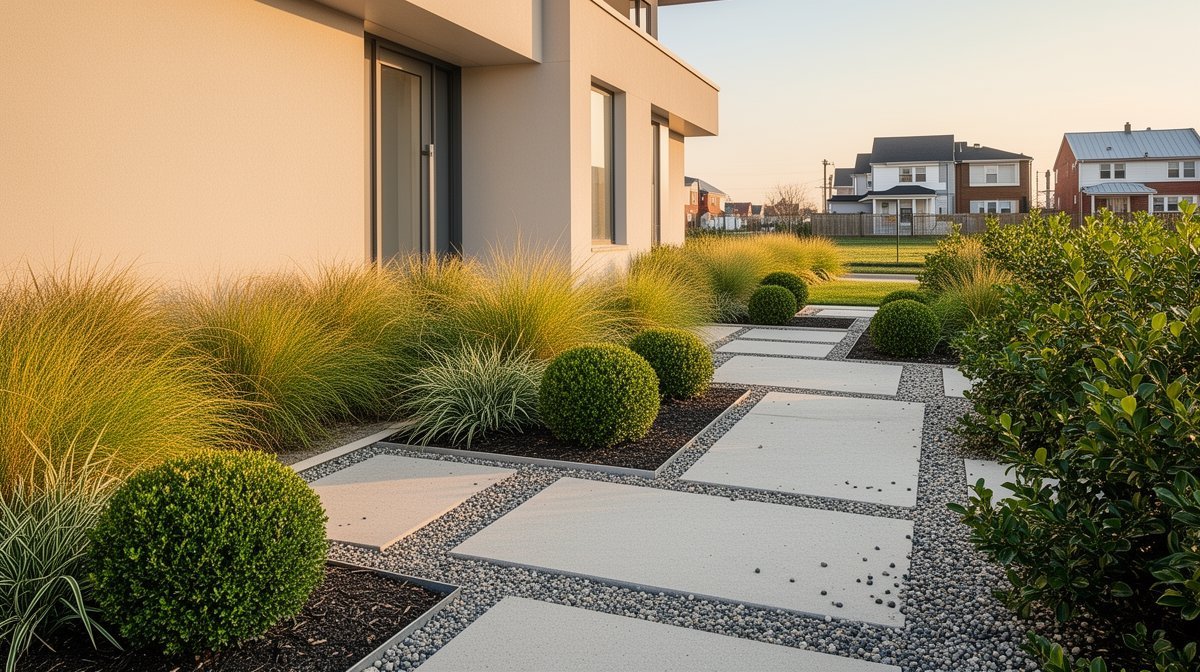
The Twin House Gravel Court
$12–24/sqftAn East Side or South Side twin swaps its small front lawn for a crisp rectangle of crushed stone held in steel edging, with a concrete paver path cutting straight across to the porch. Three blocks of planting repeat along the front: switchgrass, a low sedum mat and a pair of yuccas for the sculptural accent that agave would give in a warmer zone. Gravel on an open base drains, needs no mowing and keeps the yard out of the impervious count for the stormwater fee.

AI-generated image
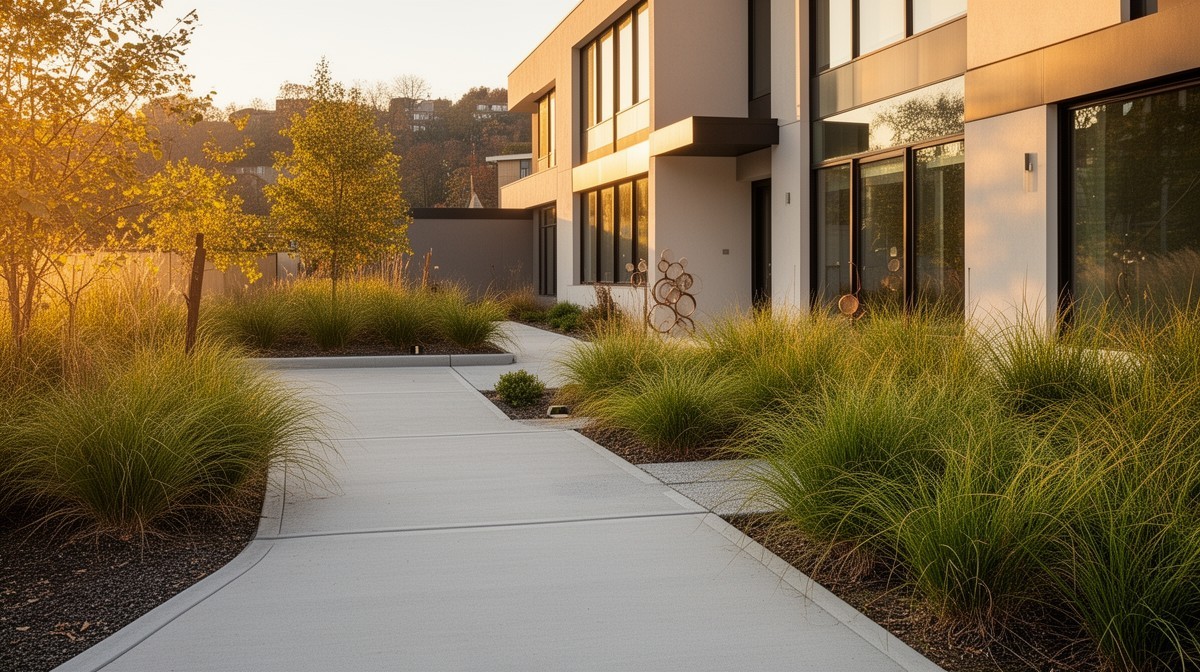
The Ranch Patio and Grass Garden
$20–40/sqftA mid-century ranch or split-level on the edge of the city gets a rear patio of large concrete pavers set flush with the back door, a low board-formed concrete seat wall on one side and a long rectangular bed of grasses and perennials on the other. The grasses sit on the west edge so the evening sun backlights them from the patio. A serviceberry in the corner gives April flowers, June berries and orange autumn color, and the beds are mulched in dark shredded hardwood for contrast against the pale pavers.

AI-generated image
The Rain Garden Courtyard
$22–42/sqftA deeper West End back yard is organized around a long, straight-sided rain garden that takes the roof water, crossed by a wide bluestone slab bridge to a small square patio. The basin is planted in bold blocks of native grasses and perennials that take both wet springs and dry Augusts, and a hedge of clipped arborvitae screens the alley behind. The rain garden spreads water across a broad area rather than into one pit, which matters on the Lehigh Valley's sinkhole-prone limestone.
See how a modern/minimalist garden looks on YOUR property
Upload a photo of your Allentown yard and visualize your dream garden in seconds.
Try ProScapeAI Free

AI-generated image
Featured Trees & Shrubs for Modern/Minimalist Gardens
Browse all 243 plants for Allentown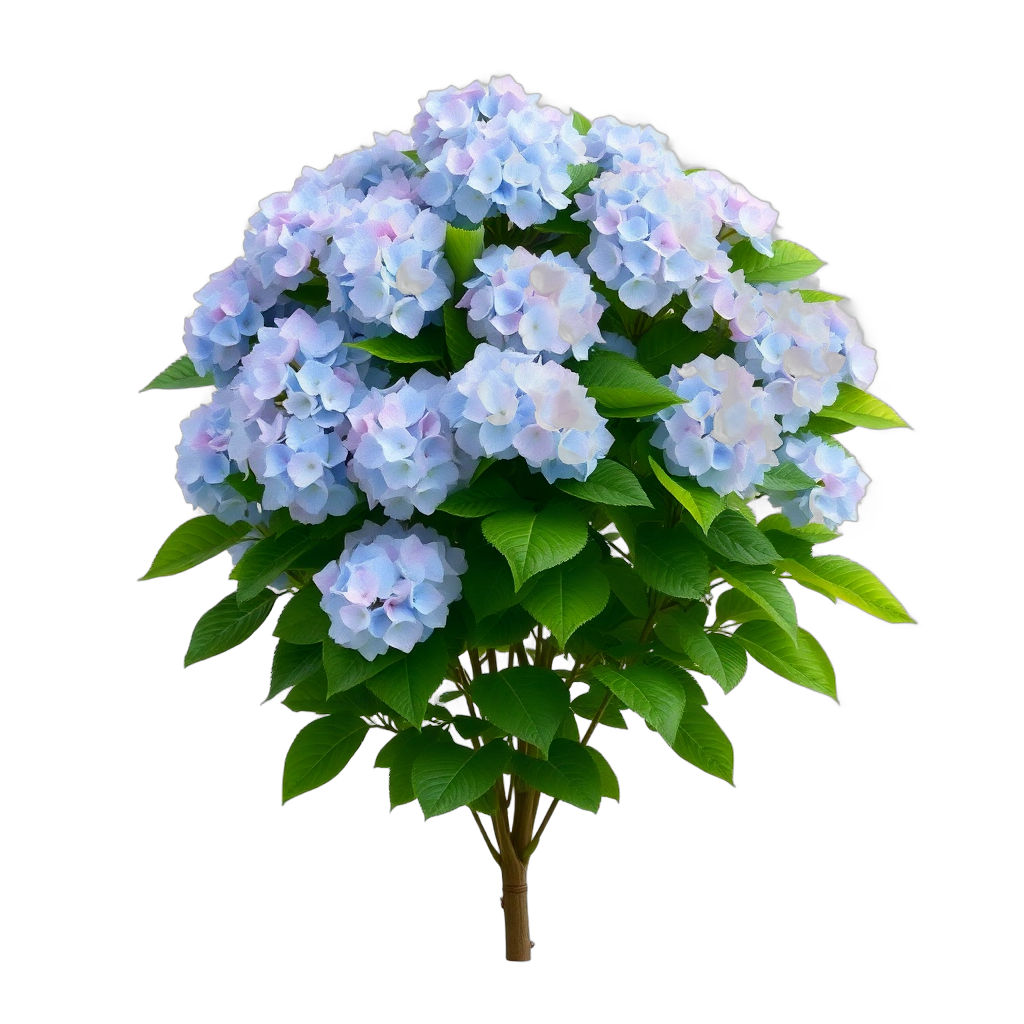
Annabelle Hydrangea
Hydrangea arborescens 'Annabelle'
grows to 5 feet, white blooms in summer. Pollinator-friendly.
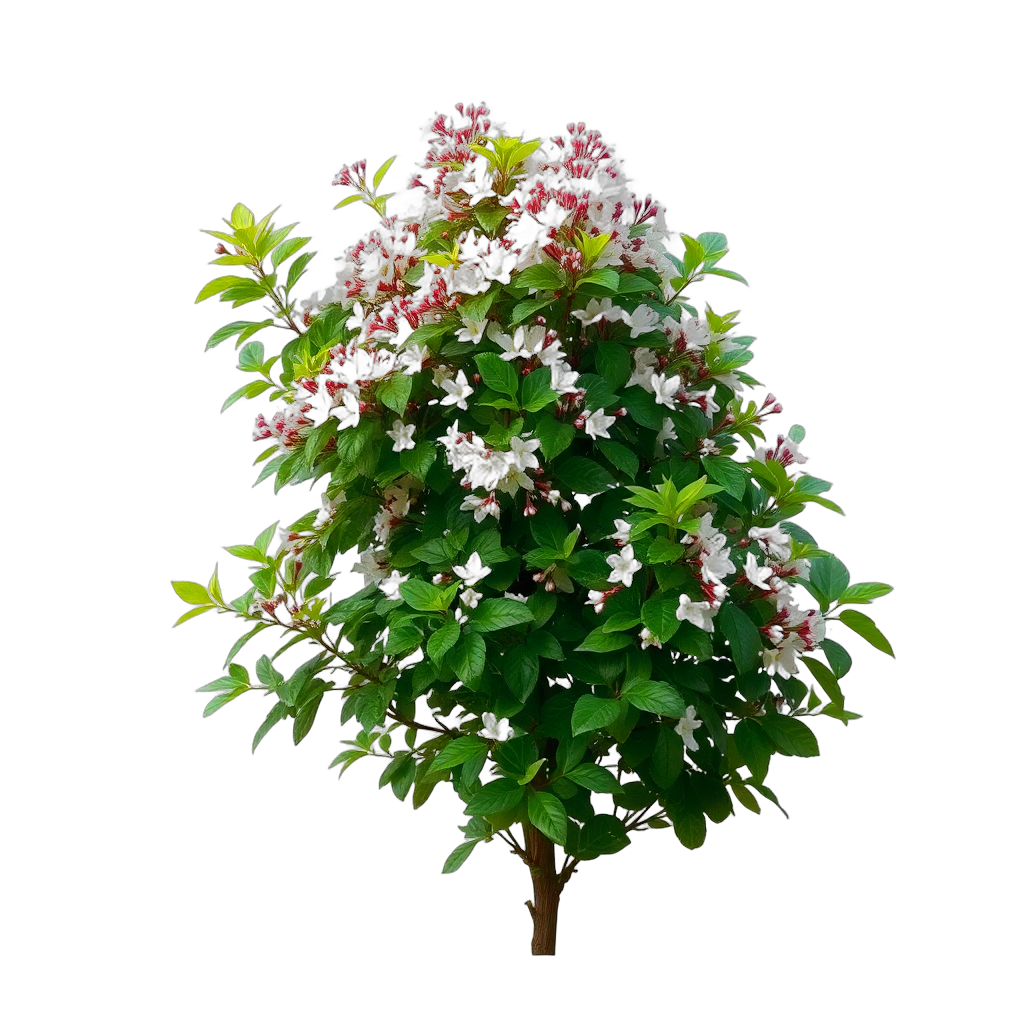
Arrowwood Viburnum
Viburnum dentatum
medium-sized at 10 feet, white blooms in spring. Pollinator-friendly.
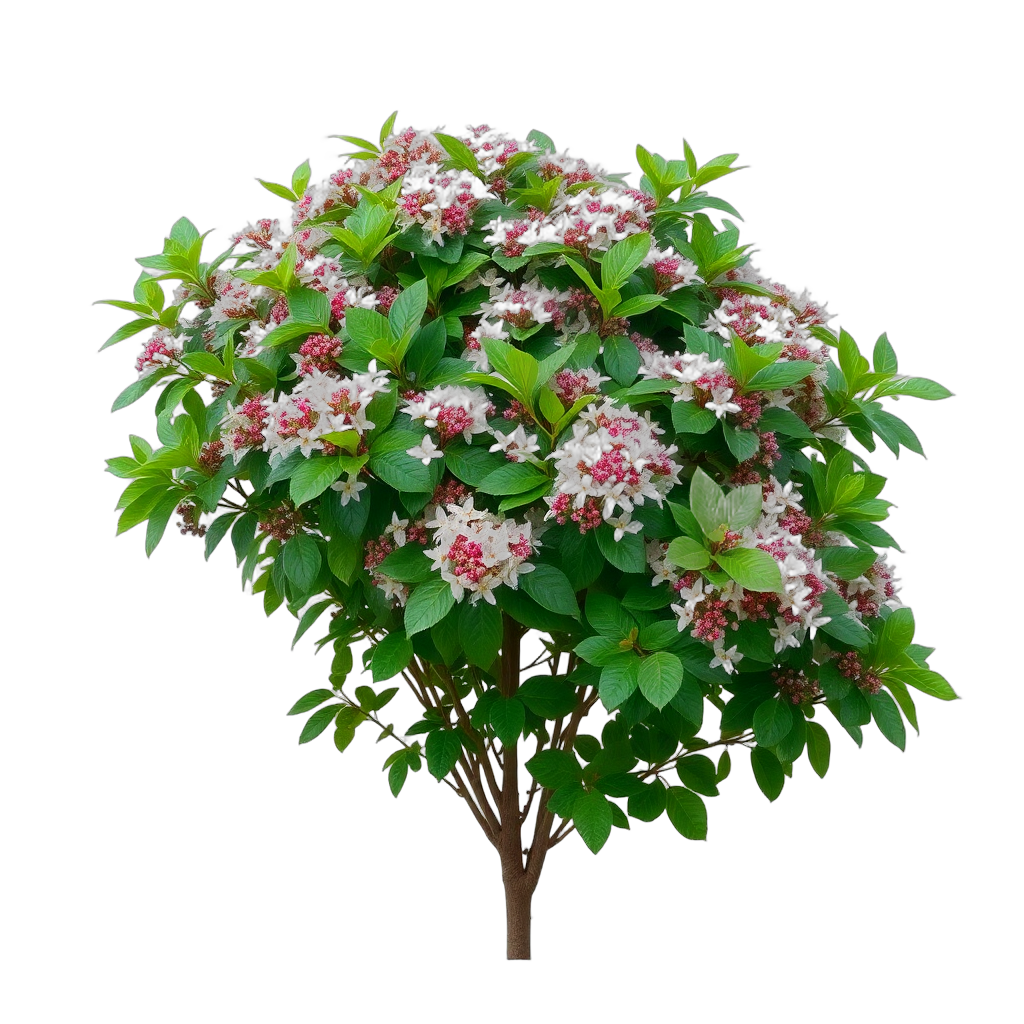
Blackhaw Viburnum
Viburnum prunifolium
medium-sized at 12 feet, white blooms in spring. Pollinator-friendly.
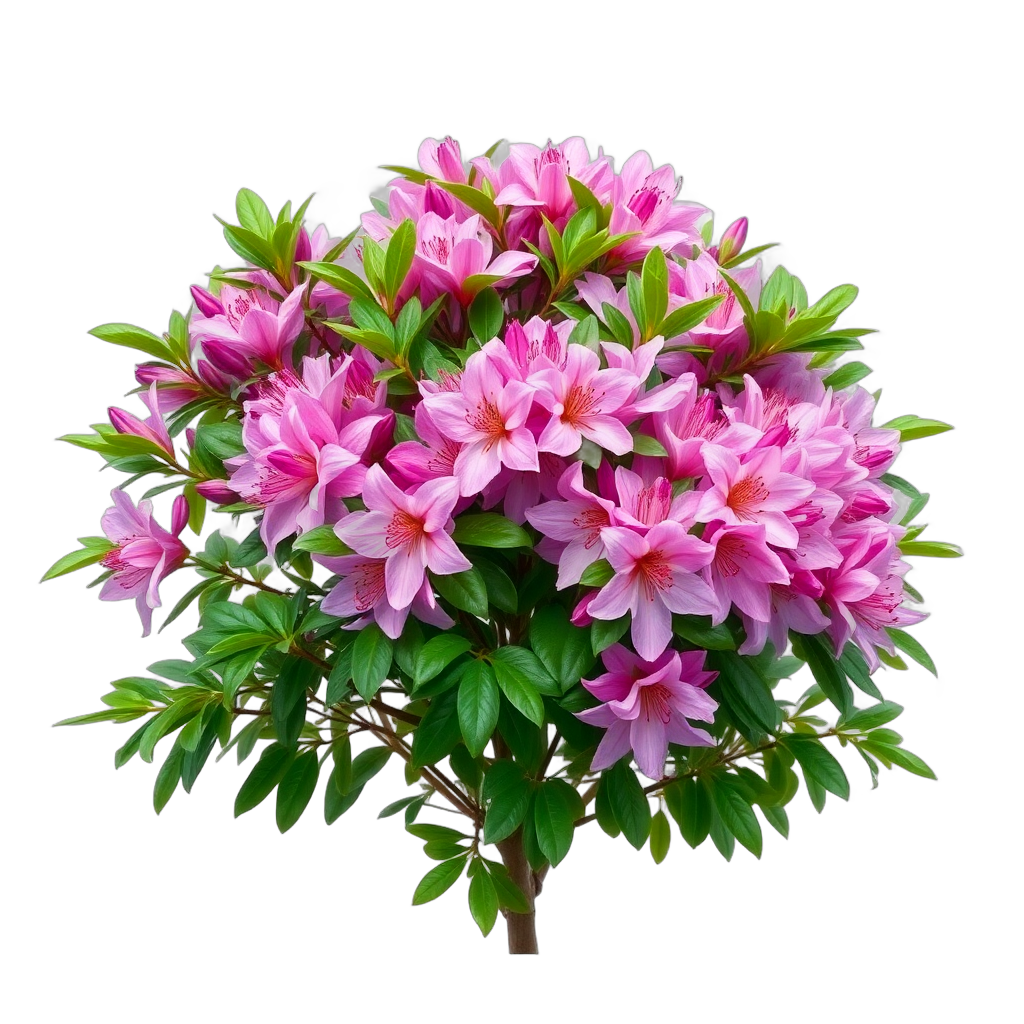
Carolina Rhododendron
Rhododendron carolinianum
grows to 5 feet, pink blooms in spring. Attracts butterflies.
Featured Grasses & Groundcovers for Modern/Minimalist Gardens
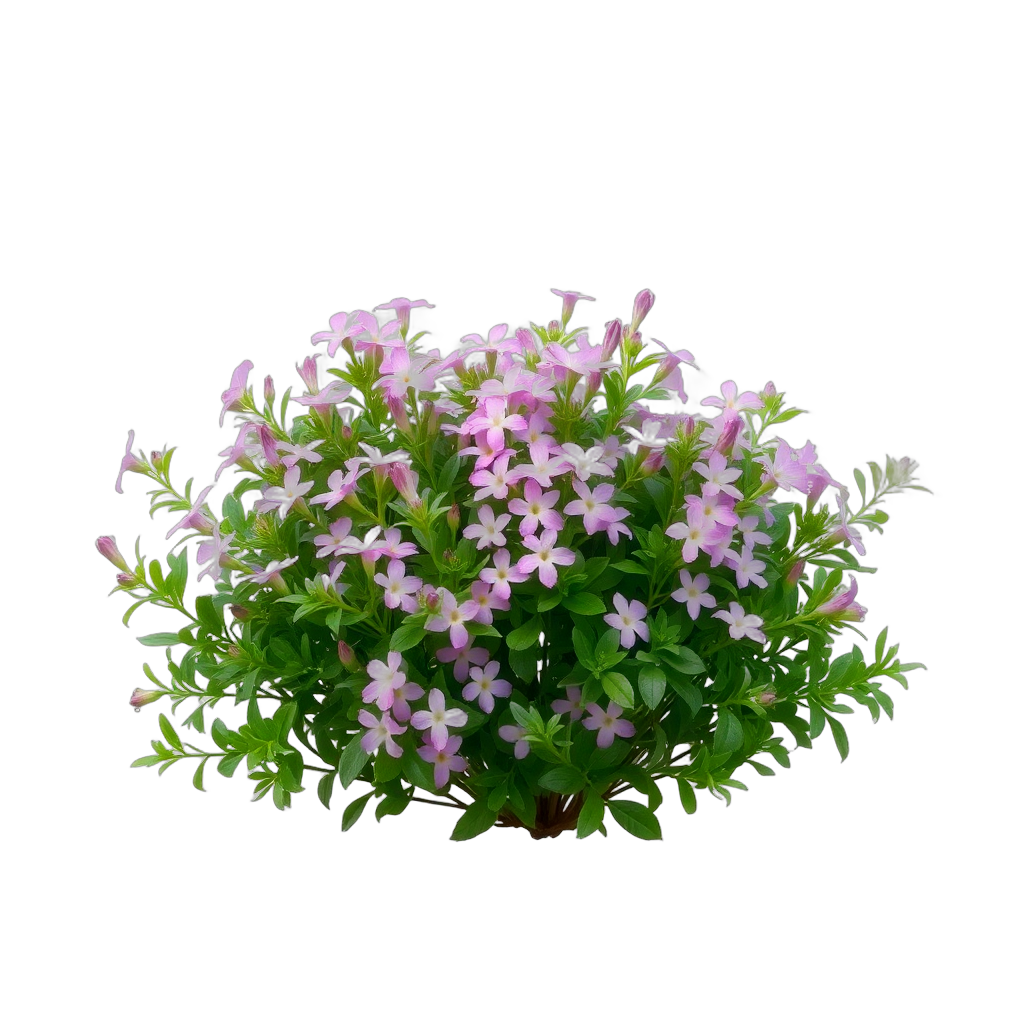
Creeping Phlox
Phlox subulata
low-growing ground cover, multi blooms in spring. Attracts butterflies.
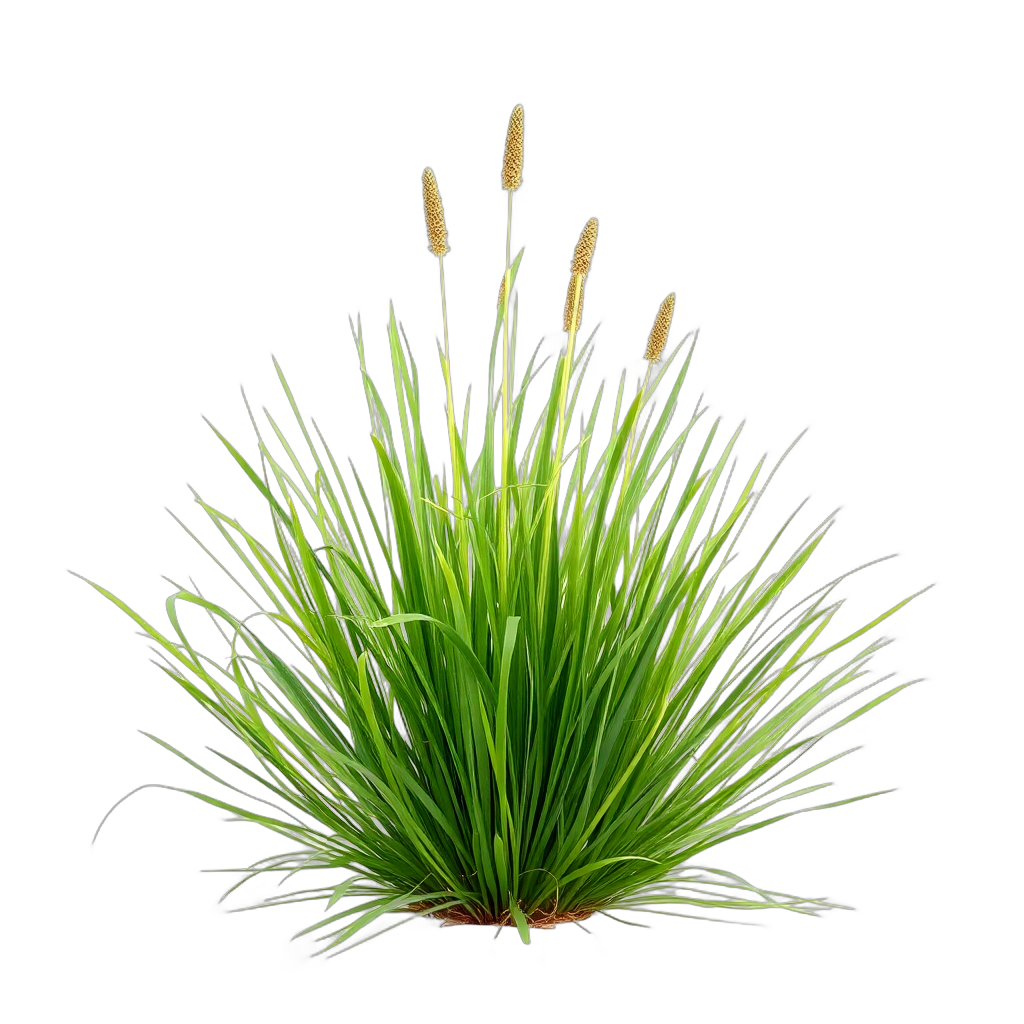
Pennsylvania Sedge
Carex pensylvanica
low-growing ground cover, blooms in spring.
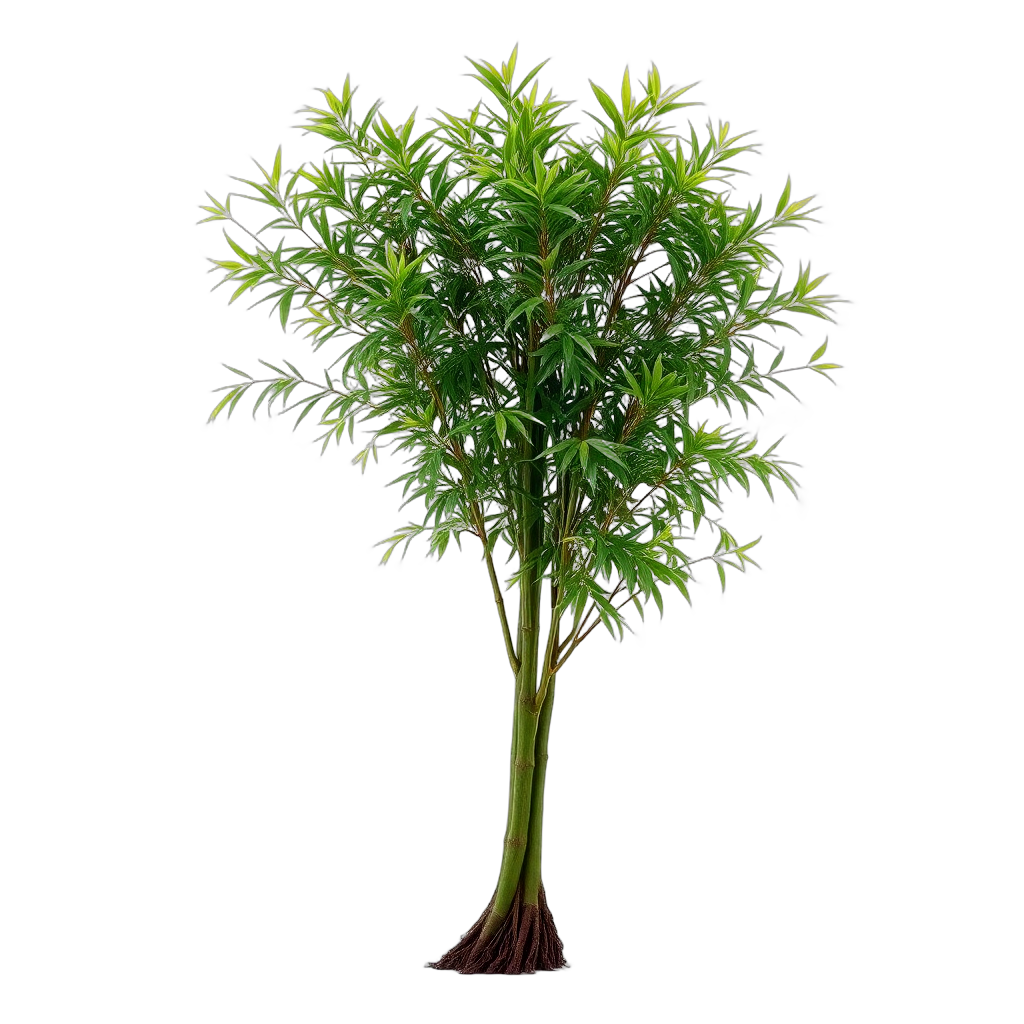
Broad-leaf Bamboo
Sasa palmata
medium-sized at 7 feet, blooms in none. Evergreen year-round.
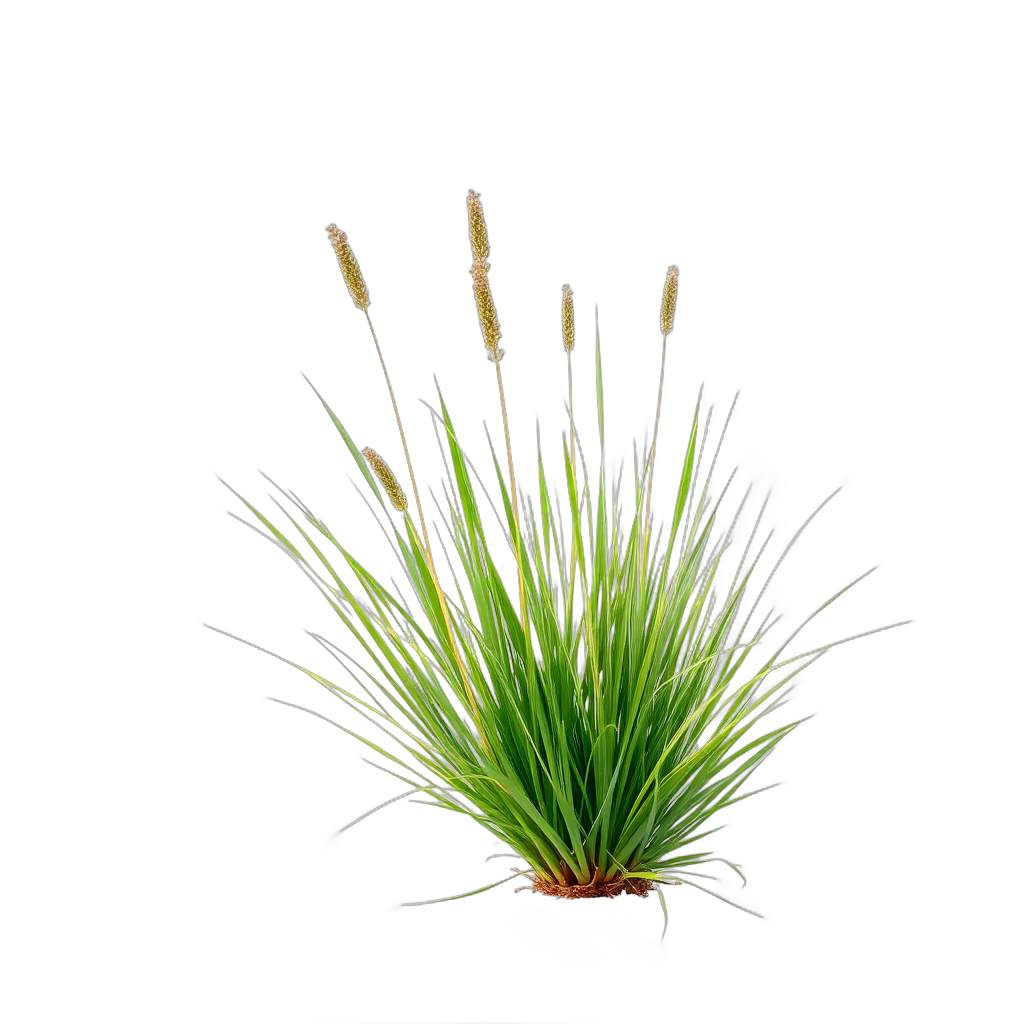
Deer Grass
Muhlenbergia rigens
grows to 3 feet, yellow blooms in fall. Evergreen year-round.
Featured Flowers & Perennials for Modern/Minimalist Gardens
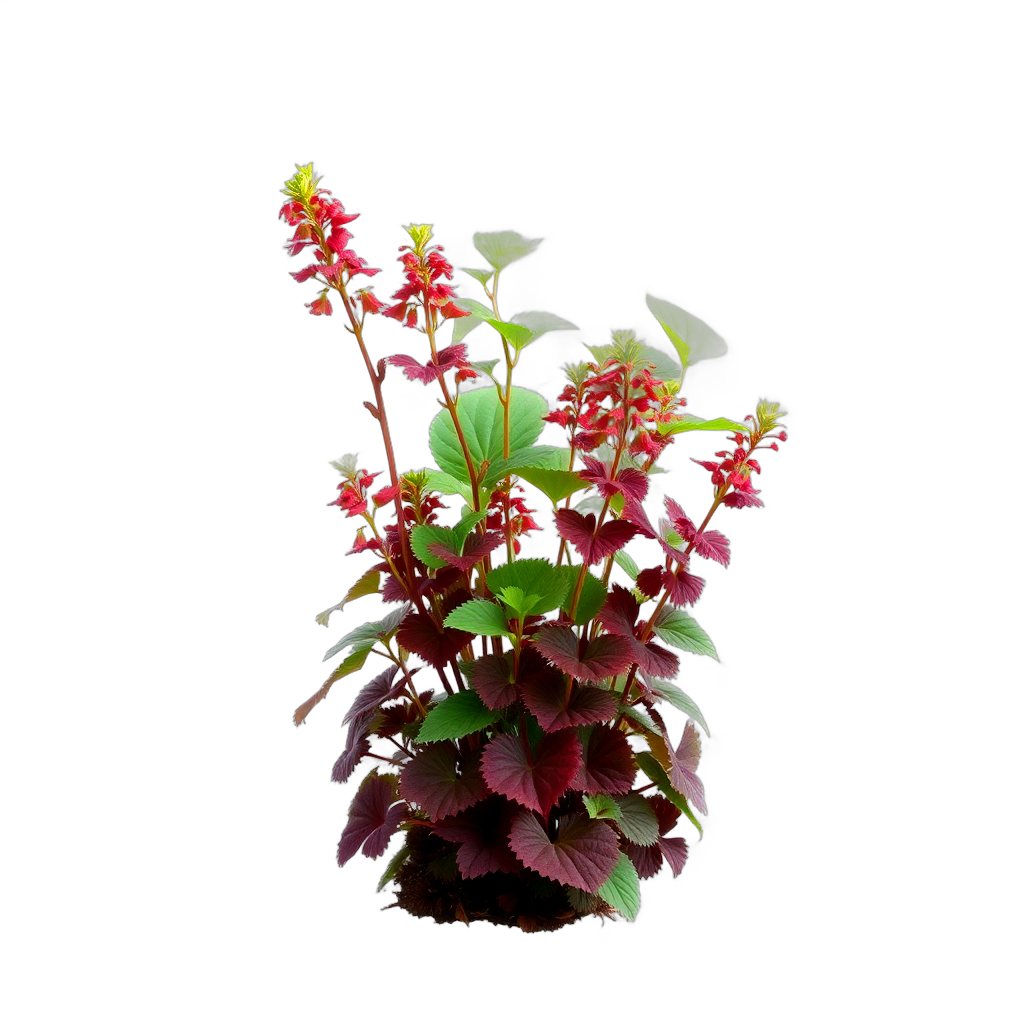
American Alumroot
Heuchera americana
low-growing ground cover, white blooms in spring. Pollinator-friendly.
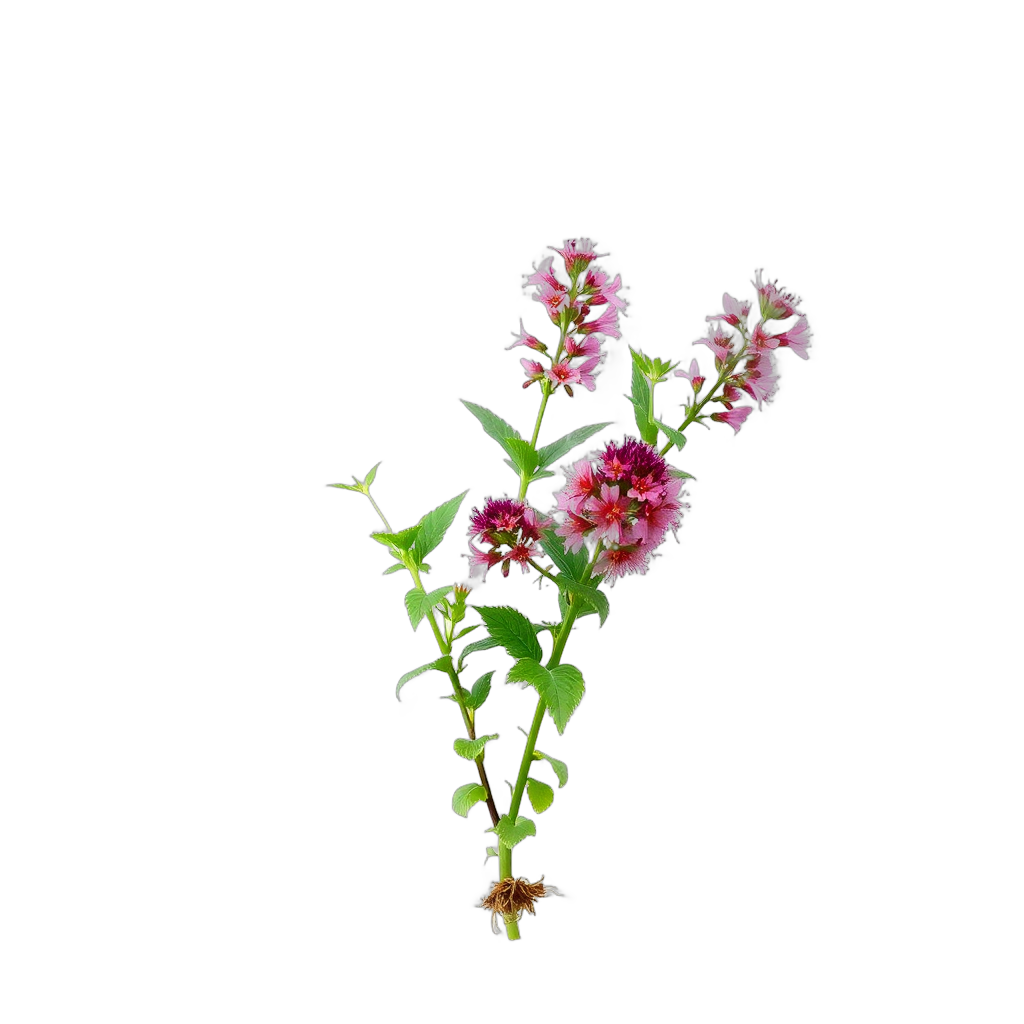
Bee Balm
Monarda didyma
grows to 3 feet, red blooms in summer. Attracts hummingbirds.
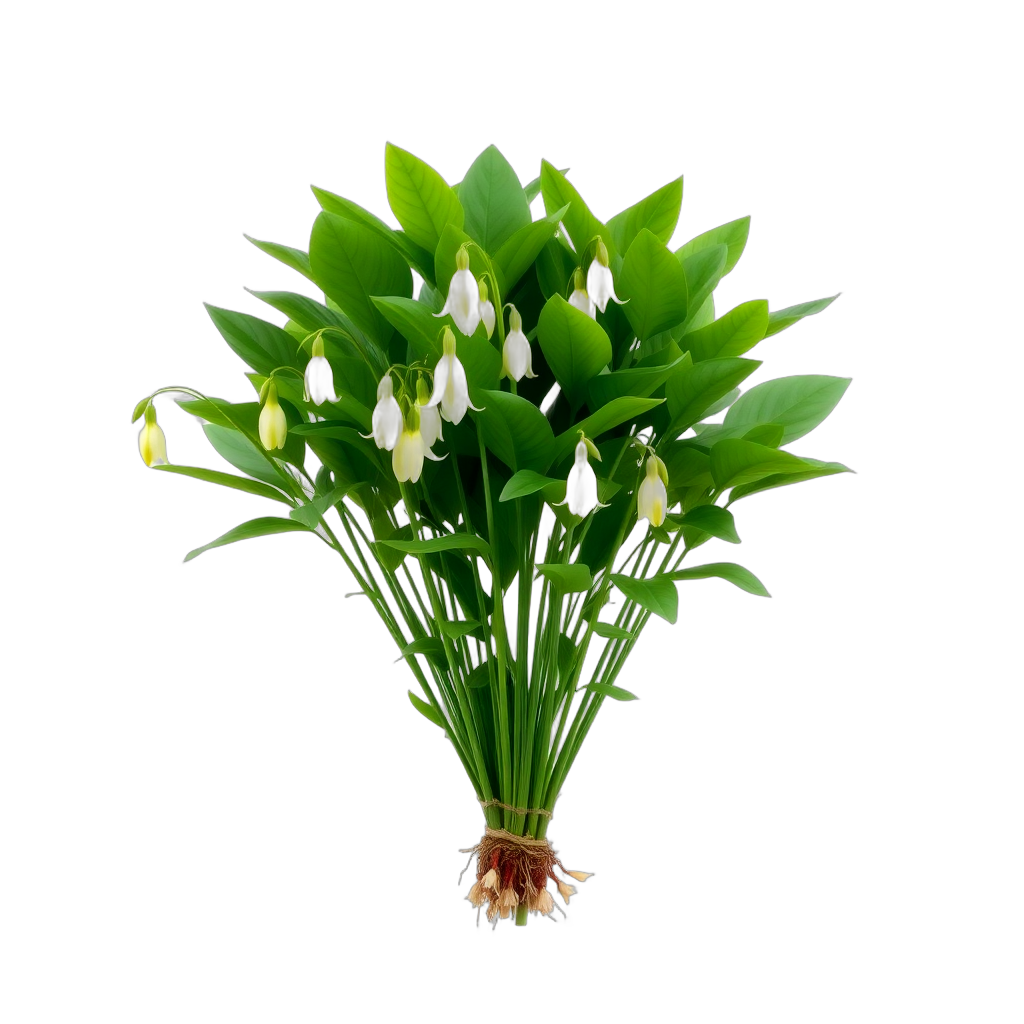
Bellwort
Uvularia grandiflora
low-growing ground cover, yellow blooms in spring. Pollinator-friendly.
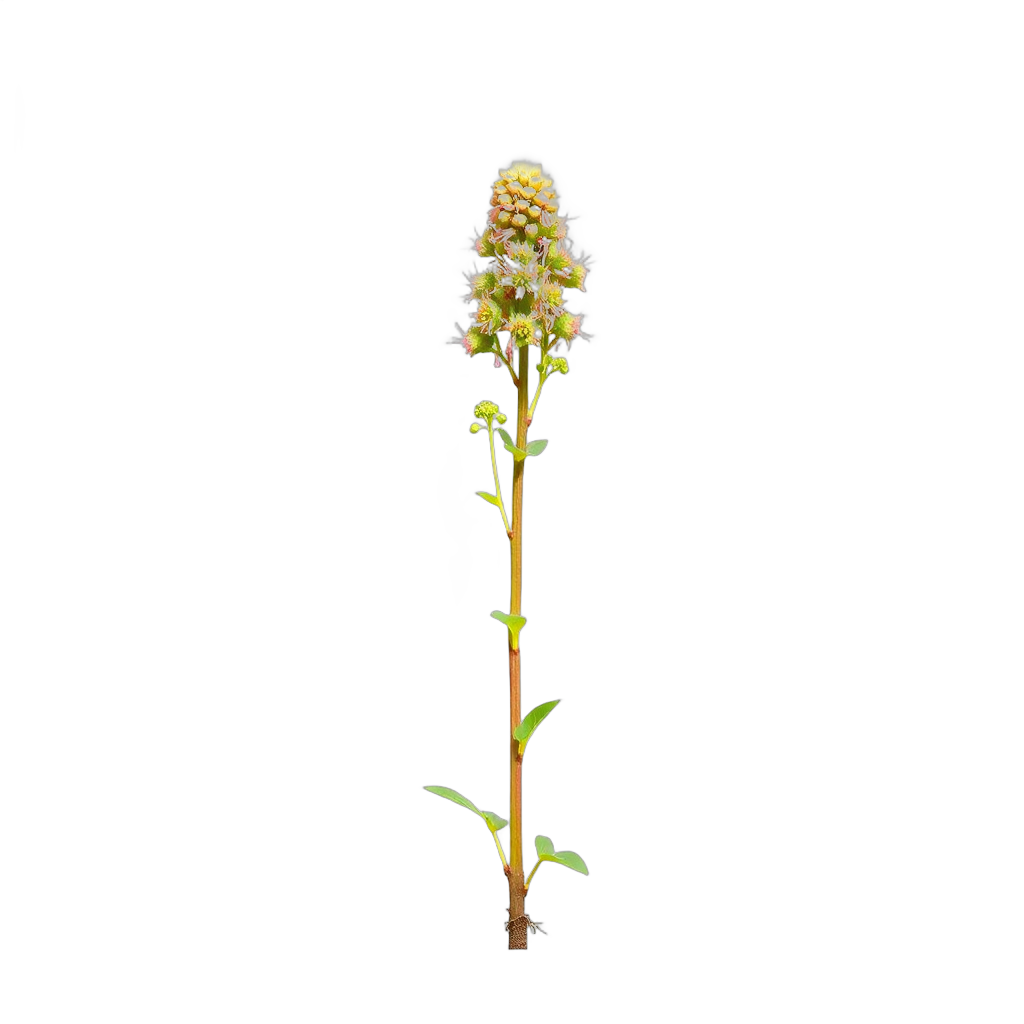
Bishop's Cap
Mitella diphylla
low-growing ground cover, white blooms in spring. Pollinator-friendly.
Zone and sun checks come from our database — confirm with your local nursery before you buy.
Bloom Calendar for Allentown
spring
American Alumroot, Bellwort, Bishop's Capsummer
Bee Balm, Black Cohosh, Black Cohoshfall
Limited bloomswinter
Limited bloomsDesign Tips for Allentown (Zone 6b)
- Replace agave with Yucca filamentosa 'Color Guard' and Mexican feather grass with Sesleria autumnalis: both hold the modern look and survive a Zone 6b winter that can reach -5°F
- Put a 6 inch compacted stone base under every paver, slab and steel edge, and check the frost depth the City requires before pouring wall footings, because freeze-thaw heave ruins straight lines faster than anything else here
- Leave Calamagrostis 'Karl Foerster' and Panicum 'Northwind' standing until March: with about 33 inches of snow a year, their stems are the structure of the winter garden
- Use permeable pavers or gravel on an open base where you can, since Allentown bills its stormwater fee at $20 per 500 square feet of impervious surface
- Send downspouts into a broad, shallow rain garden instead of a single dry well: the limestone bedrock under much of the Lehigh Valley is prone to sinkholes when water is concentrated
- Get a Penn State Extension soil test before planting: limestone-derived Allentown soils often run near pH 6.0 to 7.0, but old city lots full of fill can surprise you
- On the street edge, choose salt-tolerant plants such as Schizachyrium scoparium 'Standing Ovation' and Juniperus squamata 'Blue Star' so winter sidewalk salt does not burn the front bed
Where to Source Plants in Allentown
Skip the big-box stores. These independent Allentown nurseries specialize in the plants that make modern/minimalist gardens thrive in Zone 6b.
Lehigh Valley Home & Garden
West Allentown (Crackersport Road)
Large independent garden center with trees, shrubs, evergreens and ornamental grasses, weekly perennial deliveries, and bulk mulch, soil and stone
Herbein's Garden Center
Emmaus
Family-owned garden center since 1974 with perennials, trees and shrubs, bulk mulch and topsoil, pottery, and design consultations
Tall Timbers Nursery
West Allentown (Huckleberry Road)
Nursery and landscape firm offering plants plus landscaping, hardscaping, water features and maintenance
Edge of the Woods Native Plant Nursery
Orefield
Native trees, shrubs and perennials of the Mid-Atlantic and Northeast, a good source for rain garden and native grass plantings, with meadow installation services
Modern/Minimalist Landscaping Costs in Allentown
| Project Scope | Estimated Cost |
|---|---|
| Modern rowhouse or twin front: stone or pavers, steel edging, planting (200–400 sqft) | $5,000 – $15,000 |
| Large-format concrete paver patio (300–500 sqft) | $6,500 – $17,500 |
| Thermal-finish Pennsylvania bluestone patio (300–500 sqft) | $9,000 – $25,000 |
| Board-formed concrete seat wall (15–25 linear ft) | $2,500 – $7,500 |
| Lawn removal and gravel court with steel edging (400–800 sqft) | $4,500 – $14,000 |
| Full modern back yard: patio, seat wall, rain garden, planting | $25,000 – $65,000 |
| AI visualization (ProScapeAI) | Free to start |
Estimates based on Allentown, PA-area contractor rates as of 2026. Actual costs vary by site conditions, materials, and contractor.
Allentown Climate & Growing Zone
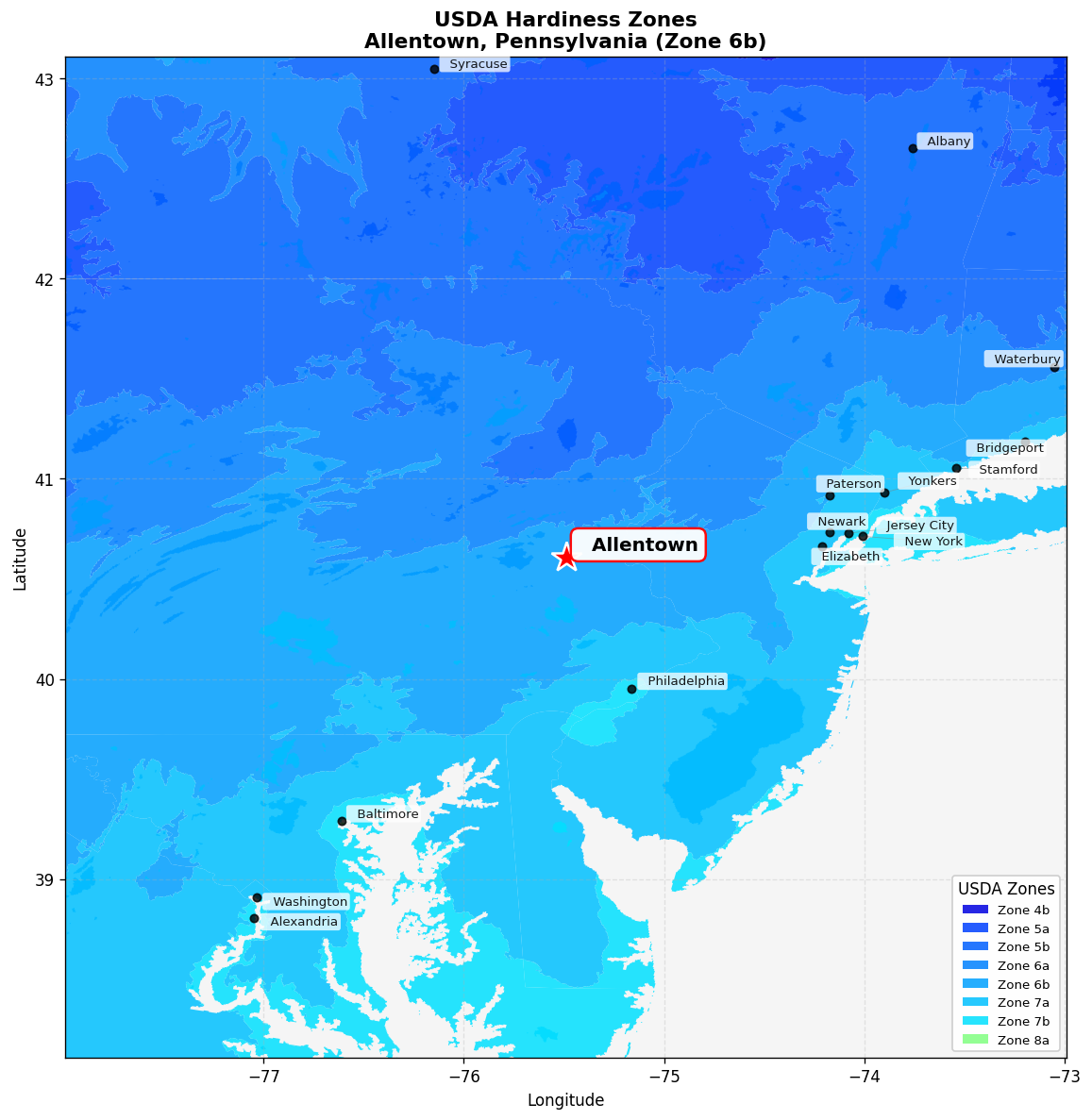
USDA Zone 6b
Hardiness zone for Allentown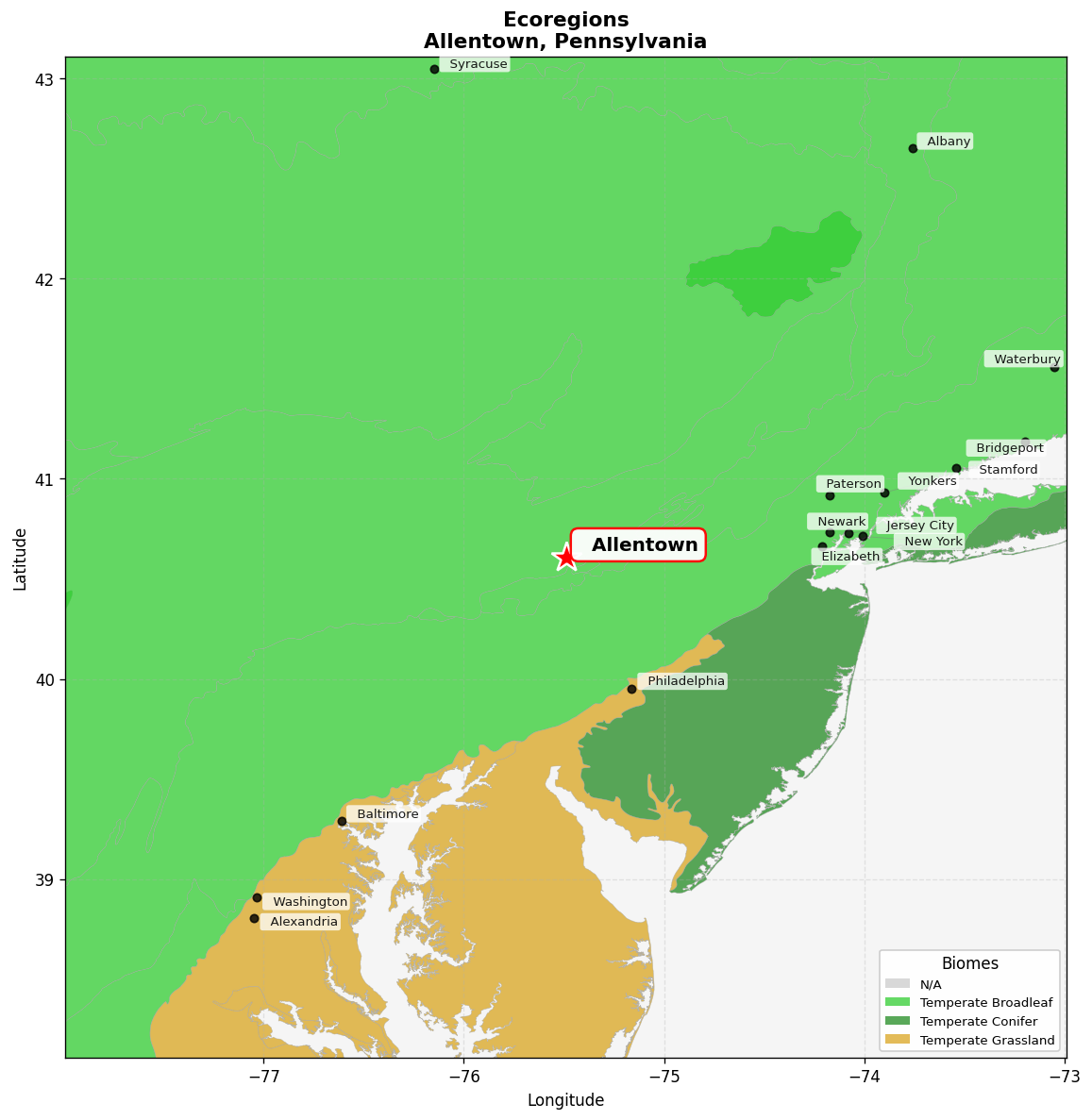
Appalachian-Blue Ridge forests
Native ecoregionFrequently Asked Questions
How much does modern landscaping cost in Allentown, PA?
Lehigh Valley landscape labor usually runs about $55–80 per hour, noticeably below Philadelphia rates. A modern front on a rowhouse or twin (200–400 sqft) with bluestone or pavers and a short planting list typically runs $5,000–15,000. A concrete paver patio costs about $20–35 per square foot installed and a thermal-finish bluestone patio about $30–50. A board-formed concrete seat wall is roughly $150–300 per linear foot. A full back yard with patio, seat wall, rain garden and planting usually lands at $25,000–65,000. Planting Calamagrostis 'Karl Foerster' and Panicum 'Northwind' yourself from one-gallon pots saves a lot: they fill in within two summers.
What can I plant instead of agave and other hot-climate modern plants?
Agave, Mexican feather grass and most rosette succulents will not survive a Zone 6b winter that can reach -5°F, and they hate wet freezes even more than cold. Yucca filamentosa 'Color Guard' gives the same spiky form and is fully hardy. Calamagrostis × acutiflora 'Karl Foerster' and Schizachyrium scoparium 'Standing Ovation' replace upright desert grasses, Sedum 'Angelina' replaces low succulents, and Opuntia humifusa, the Eastern prickly pear, survives in a dry, sunny gravel bed. Ilex glabra 'Gem Box' and Buxus 'Green Velvet' take the clipped evergreen role that boxwood plays in warmer modern gardens.
Is a modern garden low maintenance in Allentown's climate?
Lower than lawn, not zero. The main jobs are one hard cutback of the grasses in March, a shear of the clipped evergreens in June, and topping up gravel or mulch every two or three years. The main maintenance risk is freeze-thaw heave: pavers and steel edging on a thin base will tilt within a couple of winters, so pay for a 6 inch compacted base at the start. Leave Panicum 'Northwind' and Calamagrostis 'Karl Foerster' standing through winter for structure and snow catch, and avoid road salt damage near the sidewalk by planting salt-tolerant Schizachyrium scoparium along the street edge.
When is the best time to build and plant in Allentown?
Hardscape can go in any time the ground is not frozen or saturated, usually April through November. For plants, early September to mid-October is the best window, because warm soil and autumn rain let roots grow before the ground freezes. Mid-April to late May is the second window, after the last frost in late April. Warm-season grasses such as Panicum virgatum 'Shenandoah' and Schizachyrium scoparium establish best when planted in late spring, so put them in by early June.
Do I need a permit or approval for a patio or wall in Allentown?
Check before you build. In the Old Allentown, Old Fairgrounds and West Park historic districts, exterior changes need a Certificate of Appropriateness: the Historical Architectural Review Board reviews the application and City Council gives final approval. A HARB approval does not replace regular City permits, which can apply to walls, structures and electrical work for lighting. Every new patio also adds impervious area to the stormwater fee calculation. Call PA One Call (811) before any digging.
How does Allentown's stormwater fee affect a new patio?
Allentown charges $20 per 500 square feet of impervious surface, and patios, driveways, walks and buildings all count, as can gravel laid over a base that does not absorb water. A 400 square foot poured patio adds a small yearly cost for as long as it stays. Permeable pavers, gravel on an open-graded base and a rain garden that takes roof water keep the number down, and the City's credit program reduces the fee for the impervious area that a stormwater practice actually manages.
Will arborvitae and yew survive deer in Allentown?
Often not near the parks. Deer browse Thuja occidentalis and Taxus hard in winter, especially near Cedar Creek Parkway, Trexler Park and the Little Lehigh corridor. Thuja occidentalis 'Smaragd' works in a fenced back yard or along an alley; in an open front yard use deer-resistant structure instead, such as Ilex glabra 'Gem Box', Juniperus squamata 'Blue Star' and Picea pungens 'Globosa'. Grasses like Calamagrostis 'Karl Foerster' and Sesleria autumnalis are rarely touched.