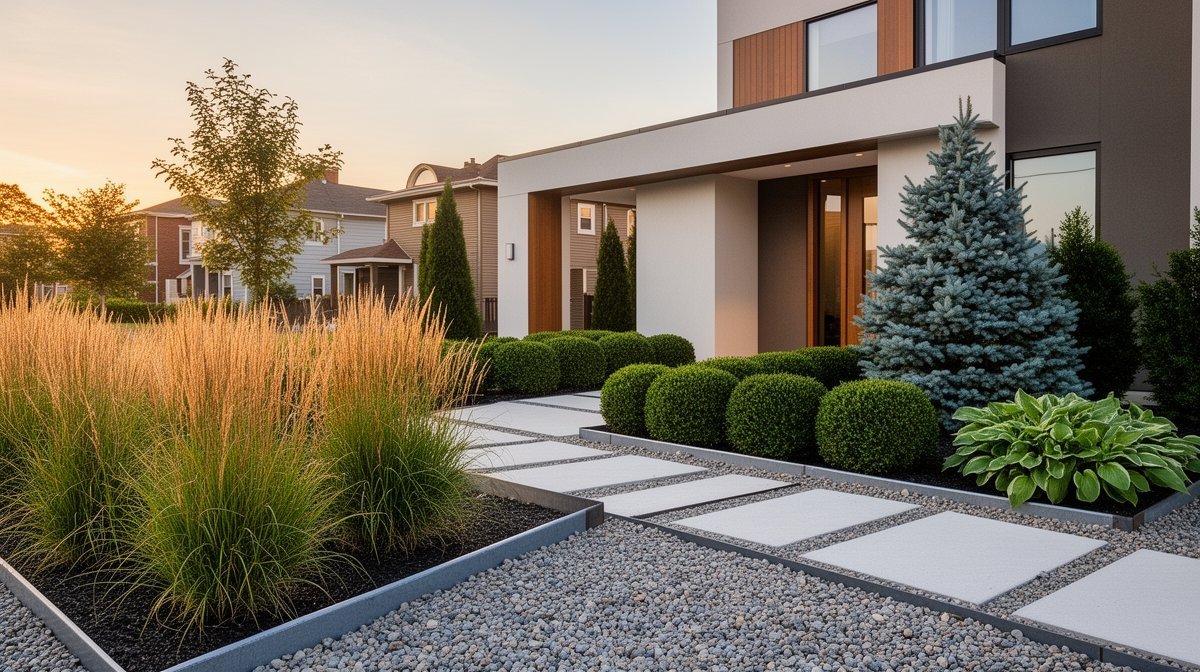
4 Modern Garden Ideas for Pittsburgh, PA | Contemporary Landscaping in Zone 6b
Native plants from the Appalachian mixed mesophytic forests (Zone 6b) — Humid continental (hot summer) climate
Why Modern/Minimalist Gardens in Pittsburgh?
Pittsburgh’s contemporary landscape scene is concentrated in Shadyside, Squirrel Hill, the Strip District, and newer South Hills developments where architecture ranging from restored Victorian to new contemporary construction demands outdoor spaces at the same level. The city’s remarkable topography—steep hillsides, river views, and the dramatic backdrop of wooded Appalachian ridges—gives Pittsburgh contemporary gardens a natural grandeur that flat Midwest cities must create artificially. The best Pittsburgh modern landscapes use the topography as a design asset rather than an engineering problem.
Pittsburgh’s outdoor living culture has strengthened significantly as the city’s economy has transformed from manufacturing to technology, medicine, and education. Neighborhoods like the East End and South Hills have seen substantial landscape investment, with homeowners treating outdoor spaces as genuinely important extensions of their living environment. The fire pit terrace is Pittsburgh’s most culturally resonant outdoor feature—the Steelers tailgating culture, the cold-weather city identity, and the genuine love of gathering outdoors even in cool weather all point toward fire-centered outdoor design as the highest-utility investment in the Pittsburgh market.
Material selection for Pittsburgh contemporary landscapes must account for the city’s Zone 6b winters, significant snowfall (28 inches annually), and the Pittsburgh climate’s famous greyness. Pavers require severe climate ratings; steel elements need weathering-steel or galvanized options that handle the humidity and precipitation; and plant selections must provide visual interest through winter because the outdoor season doesn’t end—Pittsburgh residents use fire pits, hot tubs, and covered patios year-round. The design solution is a landscape that looks its best in every season, with winter garden structure as a primary design goal alongside summer entertaining function.
4 Modern/Minimalist Design Ideas for Pittsburgh
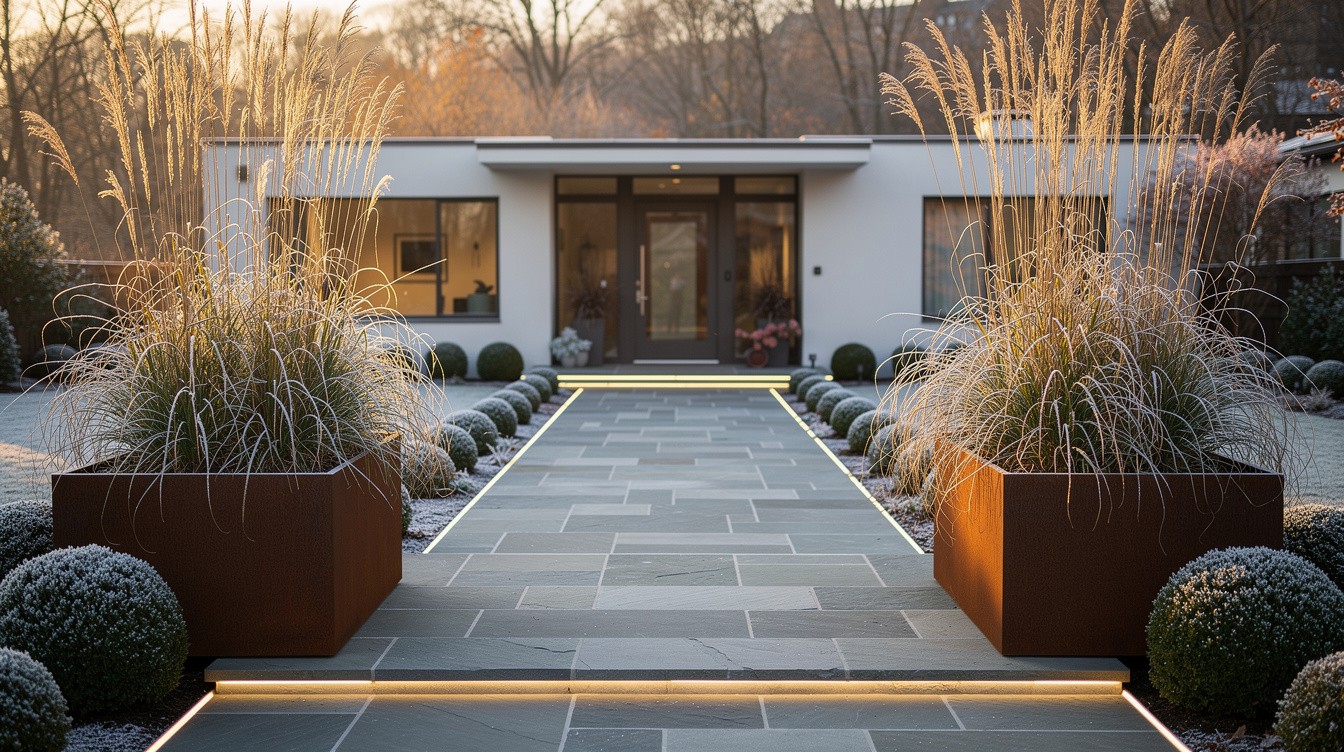
Bluestone Terrace Entry with Steel Planters and Ornamental Grasses
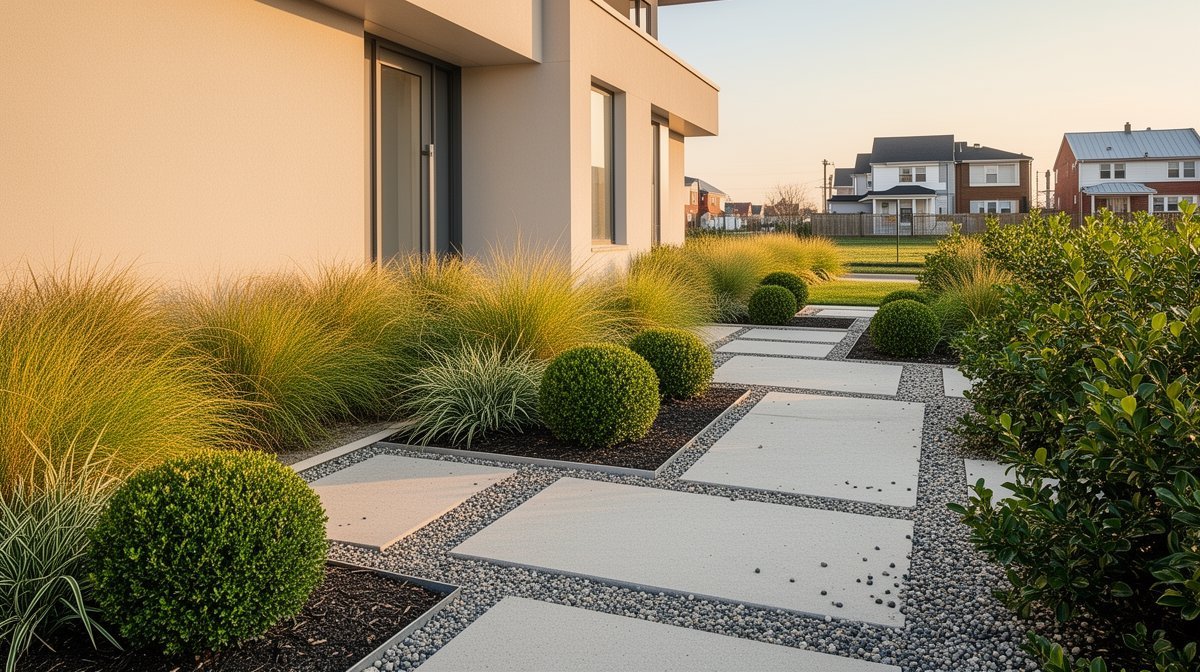
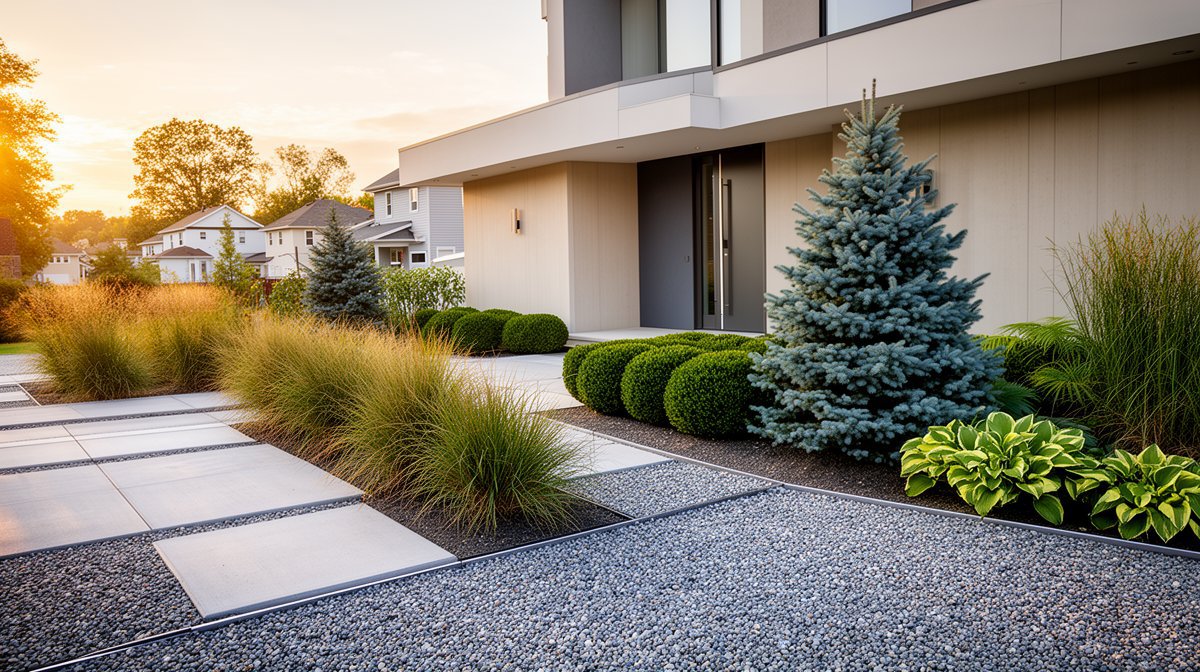
$14–30/sqftPennsylvania bluestone slabs in a running bond pattern create a bold contemporary front entry for a Pittsburgh modern home, flanked by large corten steel planters hosting Karl Foerster feather reed grasses—their vertical seed spikes backlit by afternoon sun in fall and dusted with frost in December in a genuinely beautiful winter garden image. Compact boxwood hemispheres in the planting beds provide evergreen structure through winter. LED strip lighting along the bluestone edge transforms the entry at dusk, extending the design’s visual impact into Pittsburgh’s long dark winter evenings.
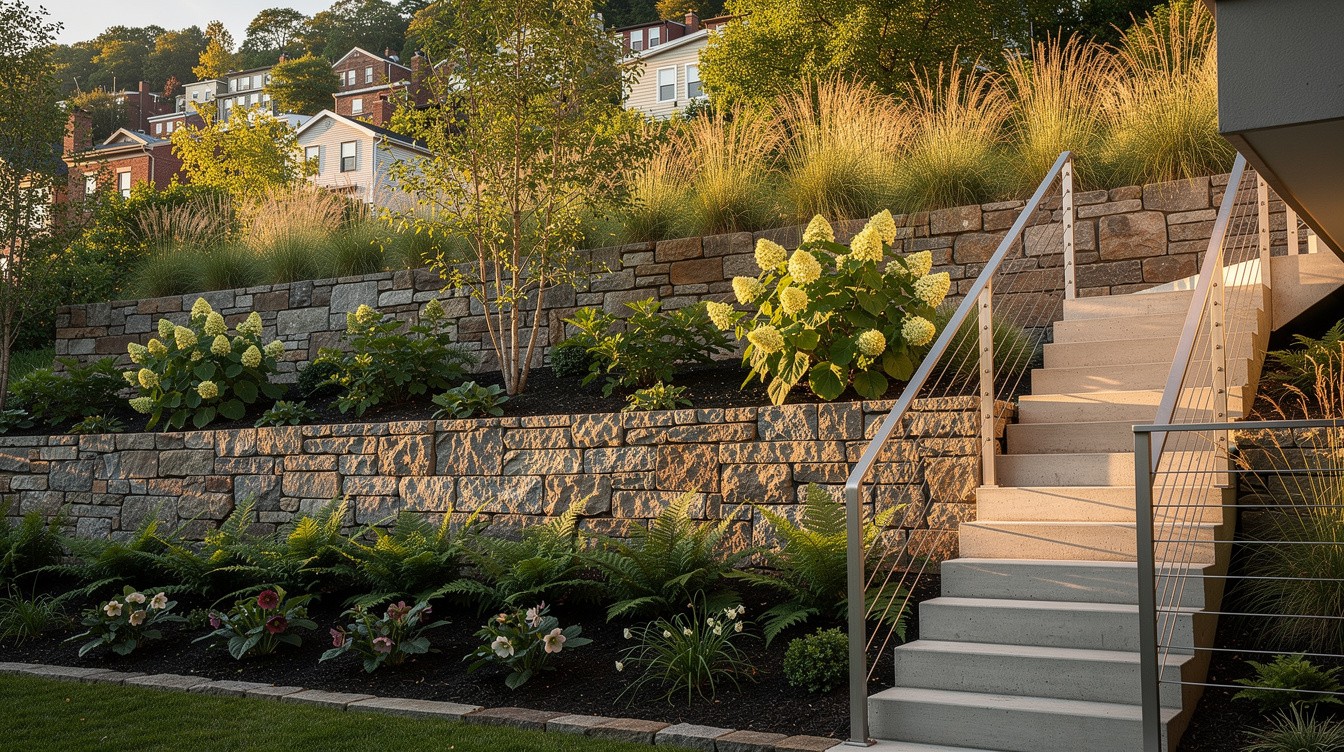
Hillside Terraced Garden with Stone Walls and Native Grasses
$22—55/sqftPittsburgh’s topography is transformed by a series of dry-stack Pennsylvania fieldstone retaining walls creating terraced planting beds that step down a steep backyard slope. Each terrace holds a different contemporary planting: switchgrass and little bluestem on the upper sun terrace, oakleaf hydrangeas and serviceberry on the mid terrace, and native ferns with Lenten rose on the shaded lower level. A concrete stair with steel cable railings connects the levels, and the overall composition viewed from the house below is a genuine Pittsburgh contemporary landscape statement—using stone, steel, and native Appalachian plants in a composed contemporary design.
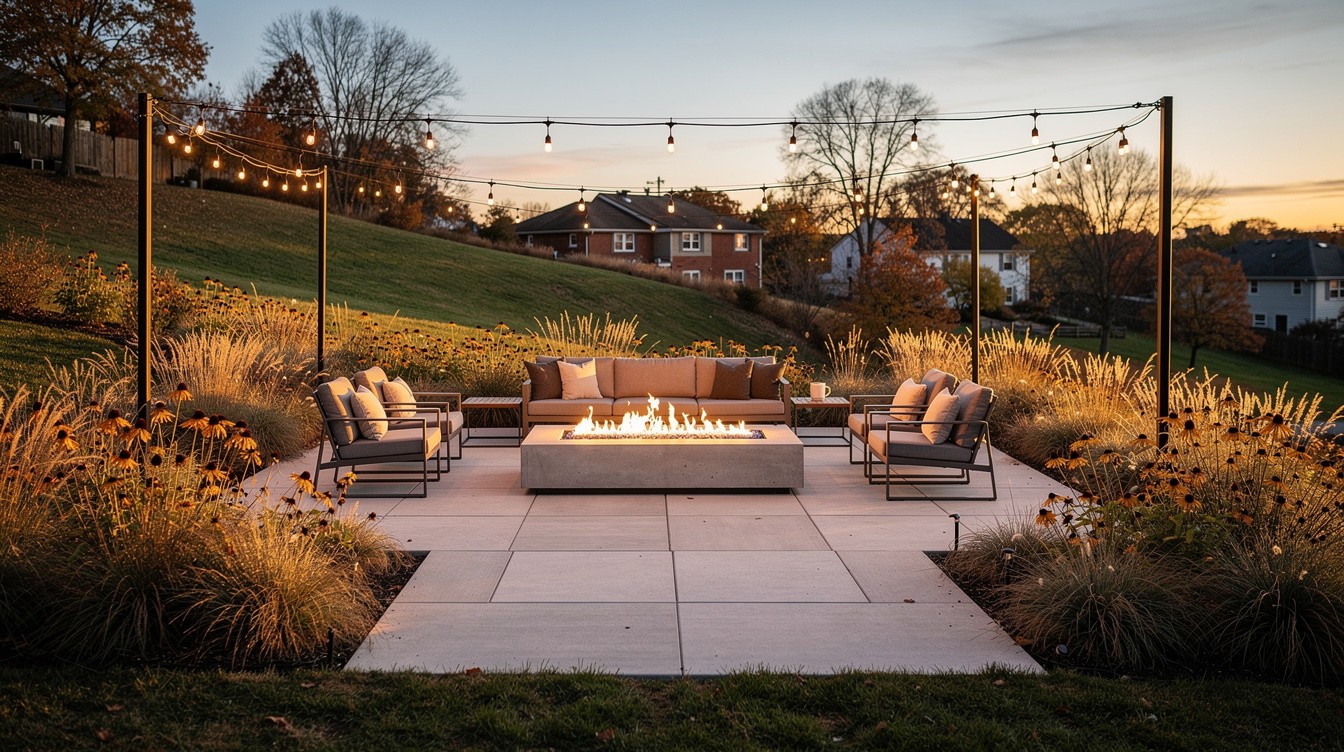
Concrete Fire Pit Terrace with Prairie Border
$20–42/sqftA large-format concrete paver terrace cut level into a Pittsburgh backyard slope anchors an outdoor entertainment space with a central gas fire pit—the most-used outdoor feature in Pittsburgh’s cool climate—surrounded by modern outdoor seating. Wide borders of native prairie plants—little bluestem, switchgrass, and coneflowers—frame the terrace on two sides, creating golden fall color and winter seed head architecture that makes the fire pit space visually interesting on the coldest December nights when the fire itself provides warmth. Overhead string lights on steel posts complete the outdoor room.
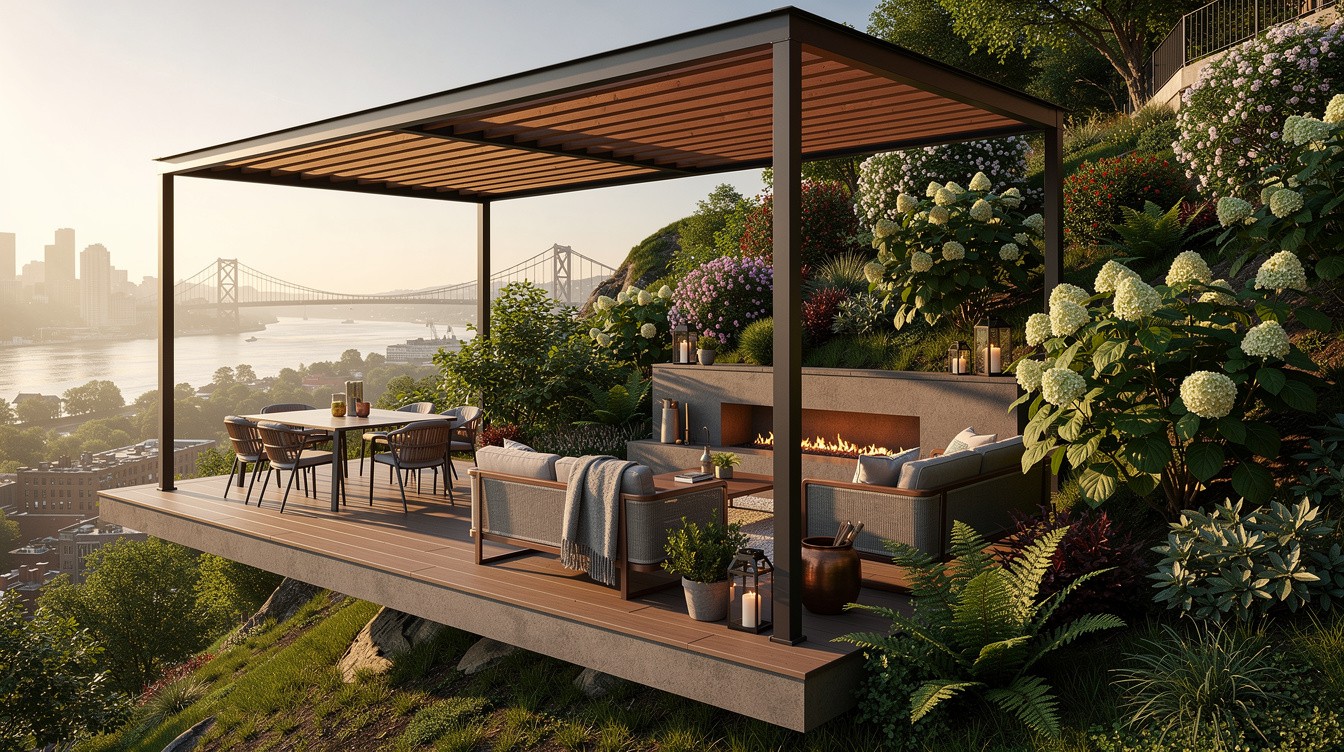
River View Terrace with Pergola and Native Garden
$30–65/sqftPittsburgh’s dramatic hillside topography is leveraged in this design: a deck or terrace cantilevered from the hillside to capture river or valley views, with a steel-and-wood pergola providing shade overhead and a rich native Appalachian garden planted in the hillside behind. The view-oriented outdoor living space—dining area, fire feature, and relaxed seating all oriented toward the borrowed landscape of Pittsburgh’s rivers and bridges—captures the city’s greatest landscape asset. Native mountain laurel, oakleaf hydrangea, and ferns fill the hillside planting behind the terrace.
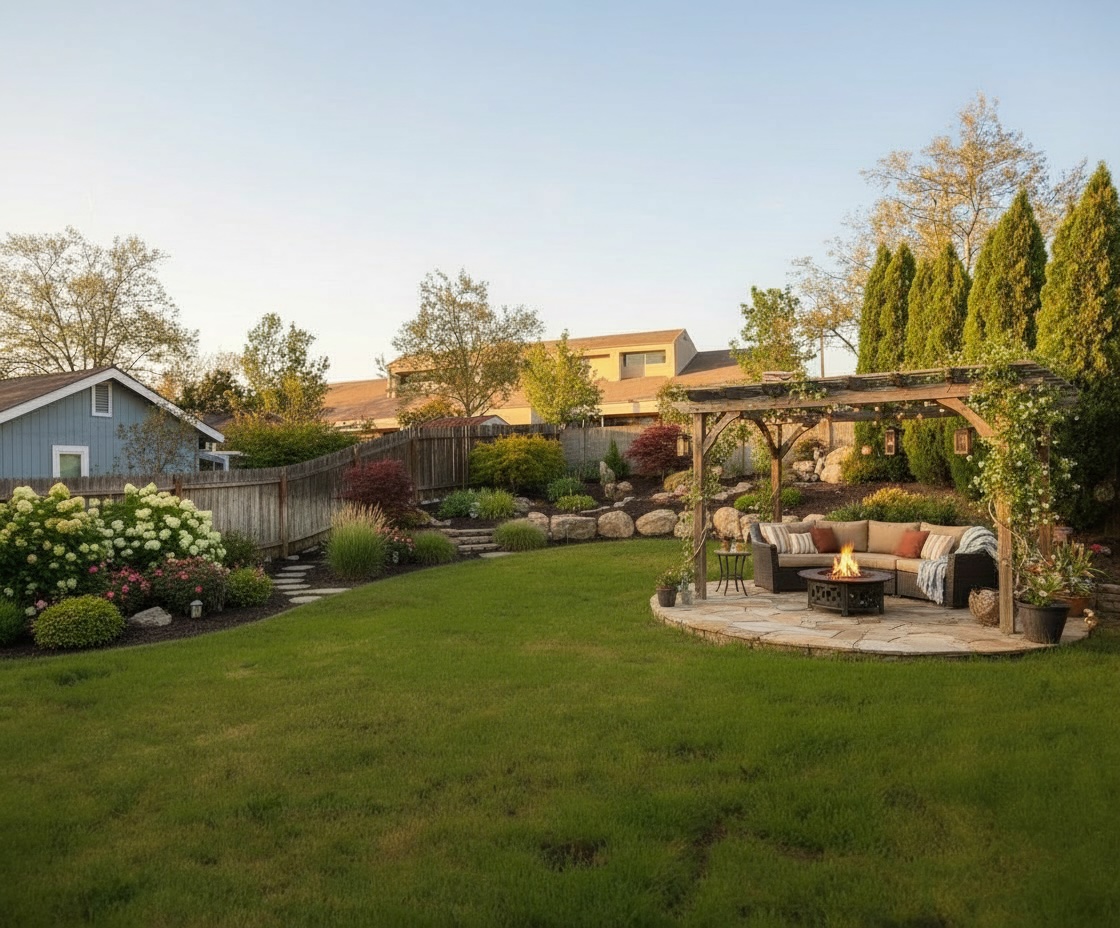
See how a modern/minimalist garden looks on YOUR property
Upload a photo of your Pittsburgh yard and visualize your dream garden in seconds.
Try ProScapeAI Free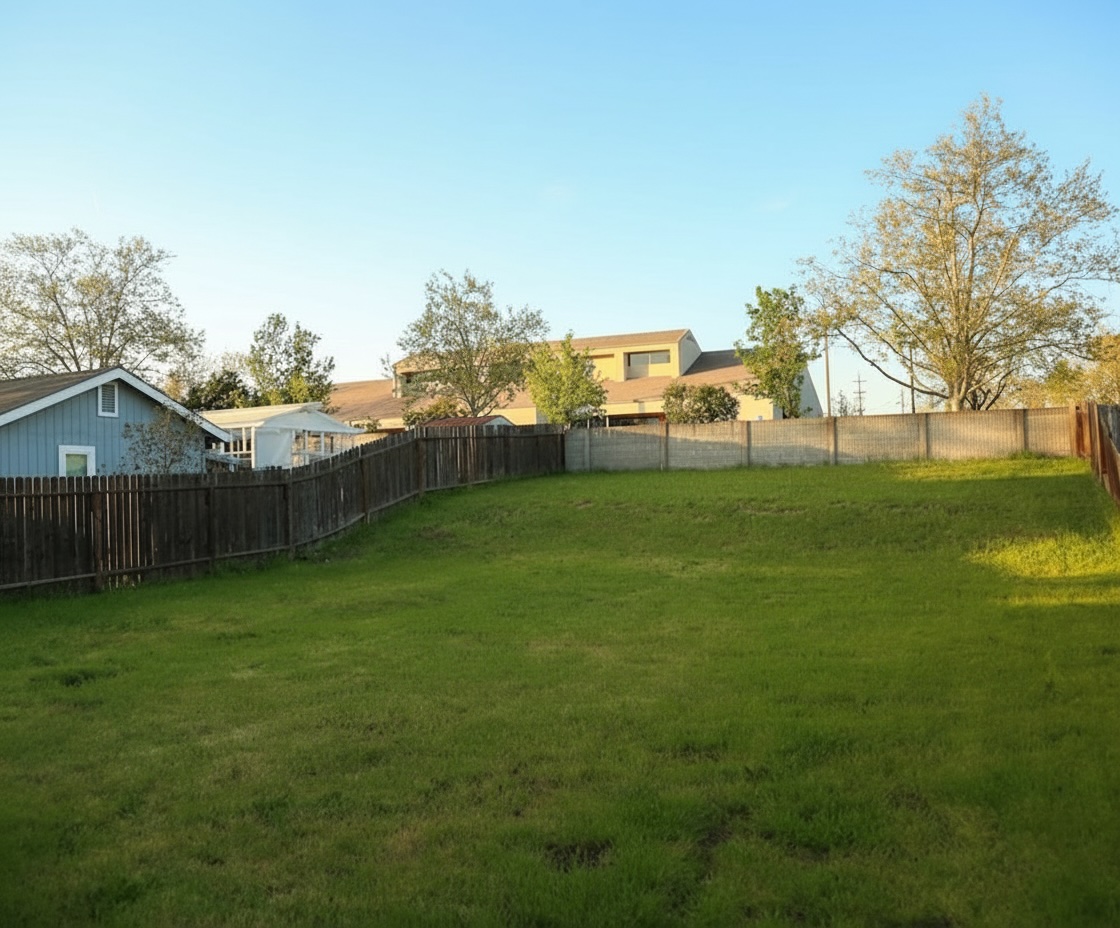
Featured Trees & Shrubs for Modern/Minimalist Gardens
Browse all 248 plants for Pittsburgh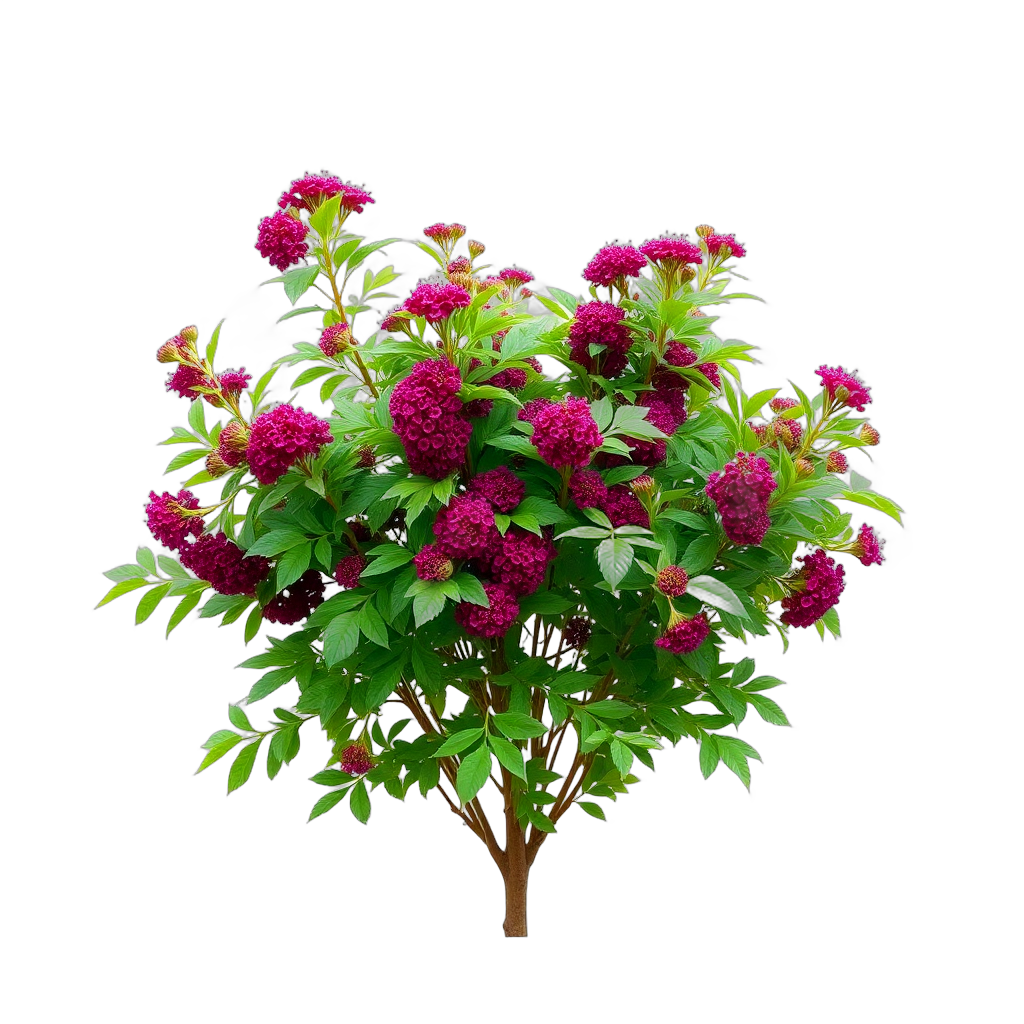
American Elderberry
Sambucus canadensis
medium-sized at 10 feet, white blooms in spring. Attracts butterflies.
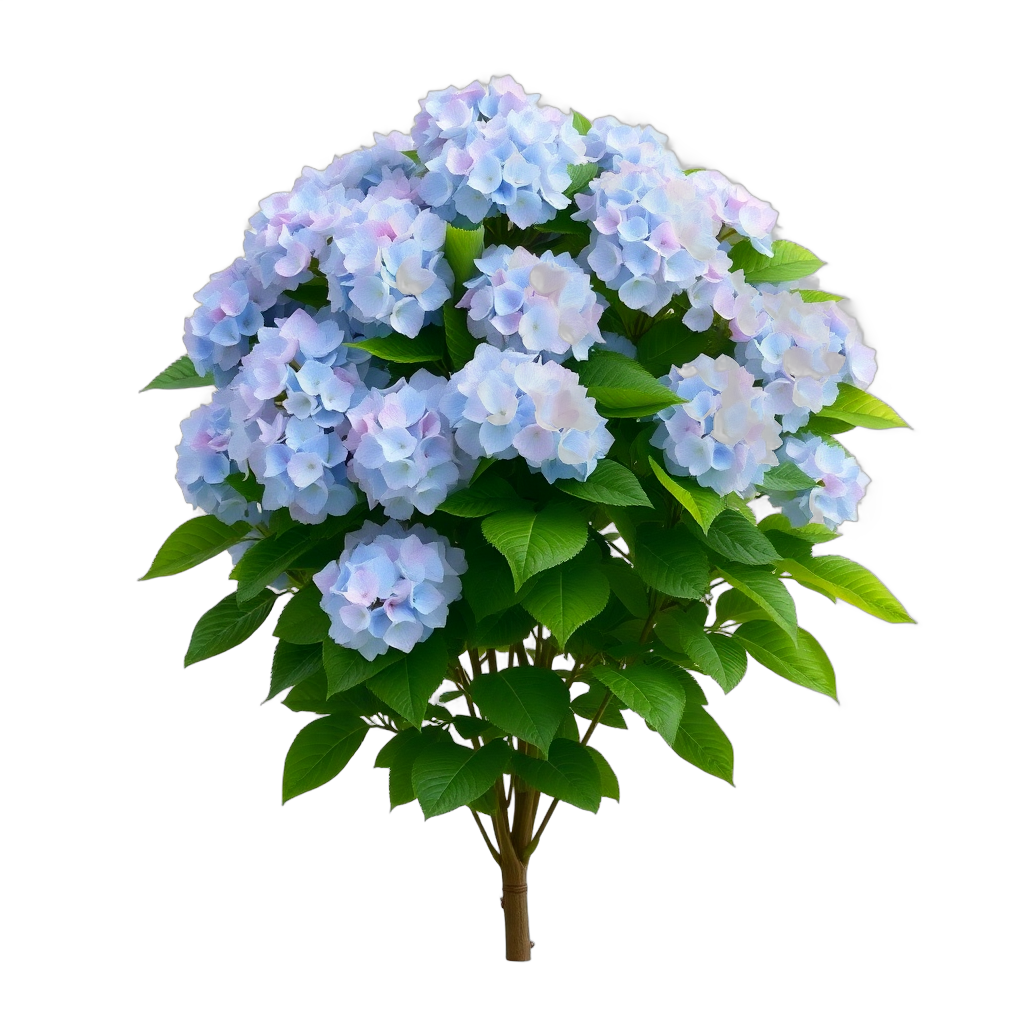
Annabelle Hydrangea
Hydrangea arborescens 'Annabelle'
grows to 5 feet, white blooms in summer. Pollinator-friendly.
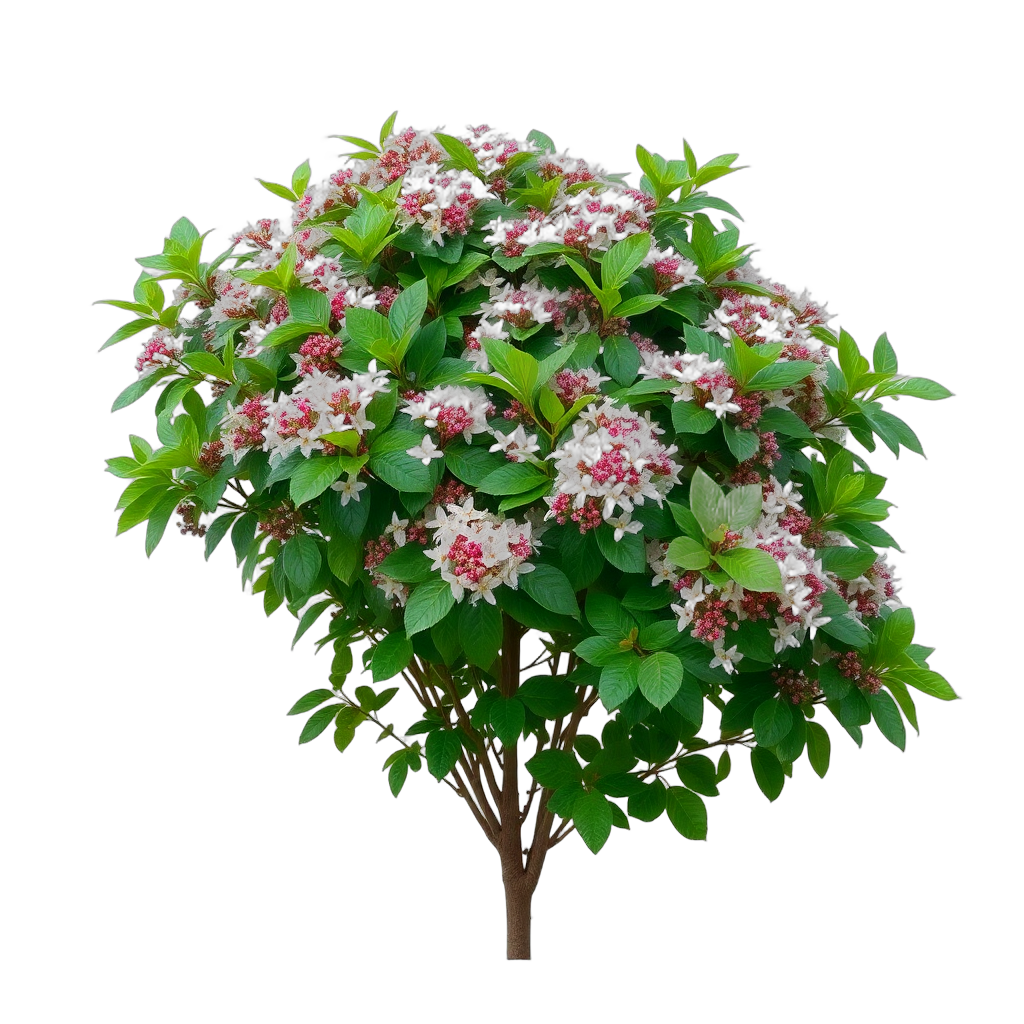
Blackhaw Viburnum
Viburnum prunifolium
medium-sized at 12 feet, white blooms in spring. Pollinator-friendly.
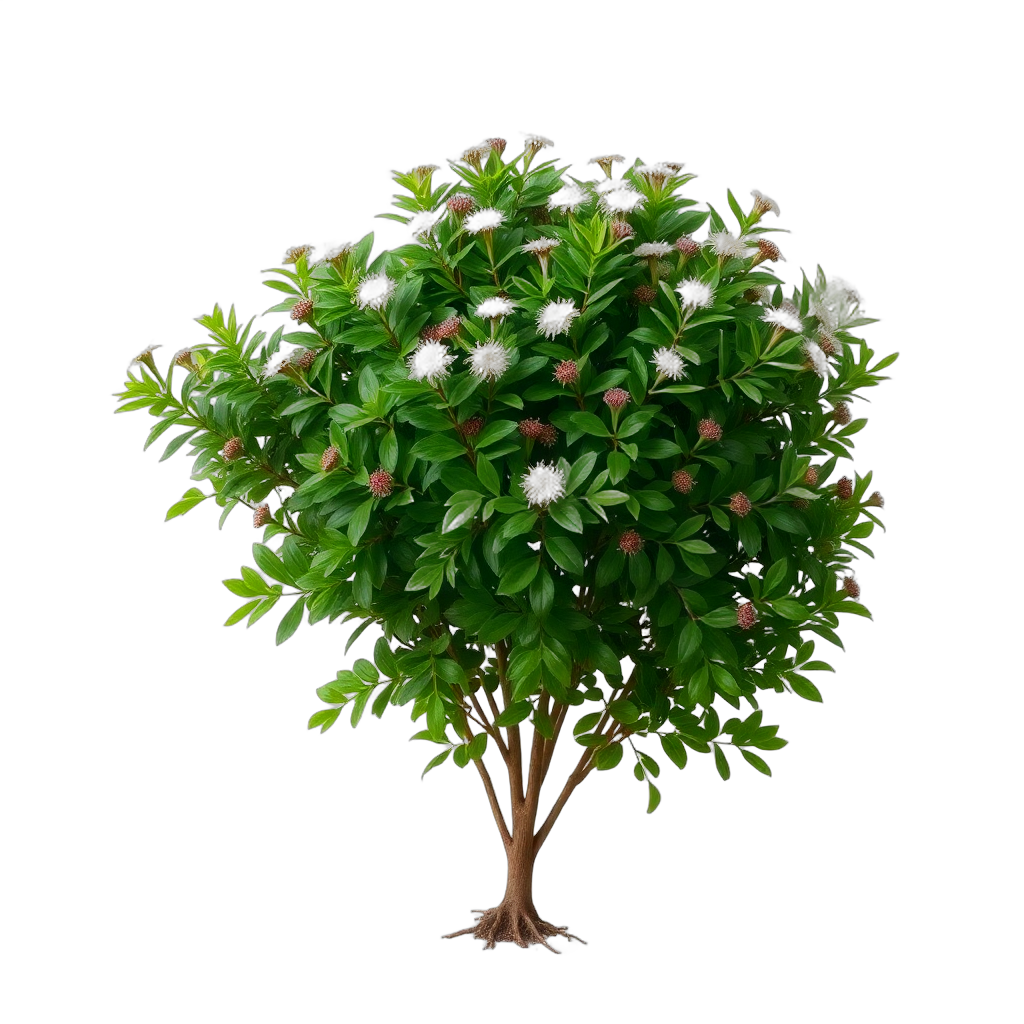
Buttonbush
Cephalanthus occidentalis
medium-sized at 8 feet, white blooms in summer. Attracts butterflies.
Featured Grasses & Groundcovers for Modern/Minimalist Gardens
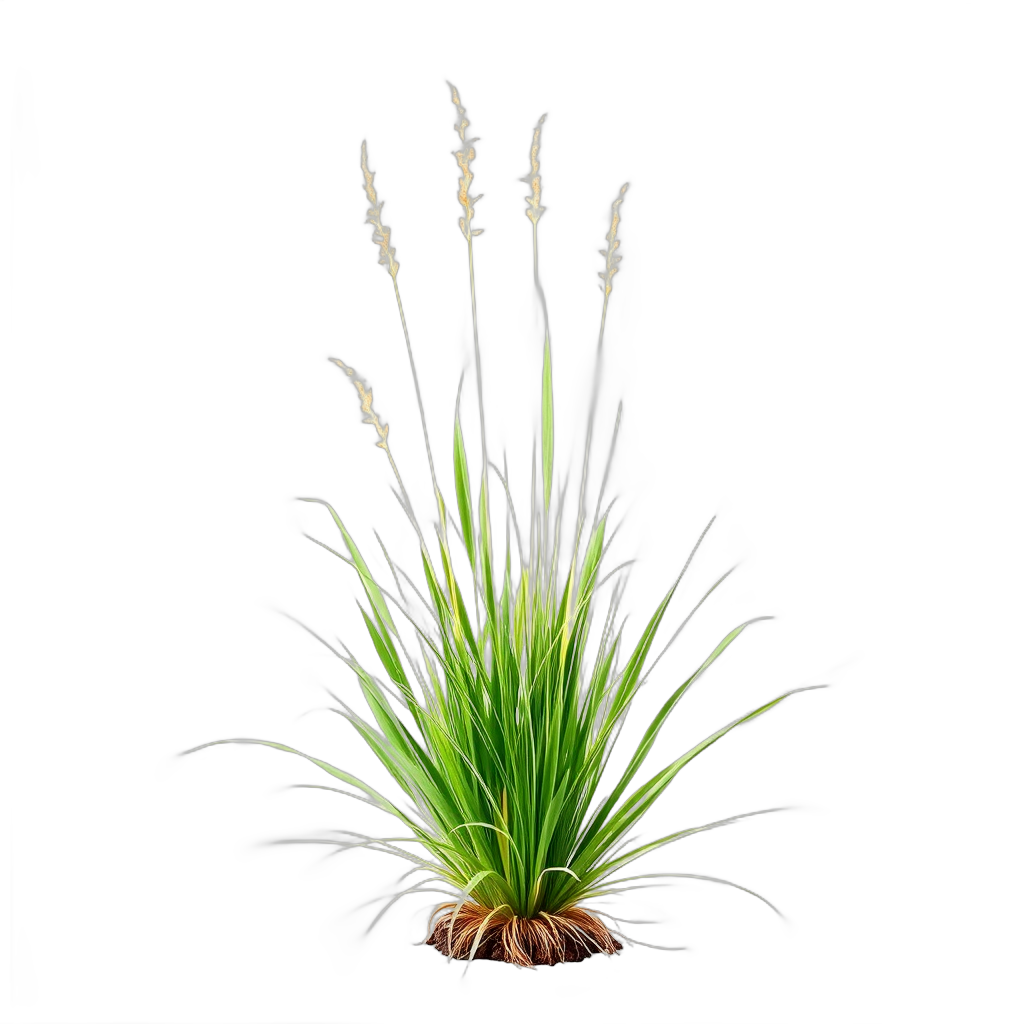
Northern Sea Oats
Chasmanthium latifolium
grows to 4 feet, blooms in fall. Bronze fall color.
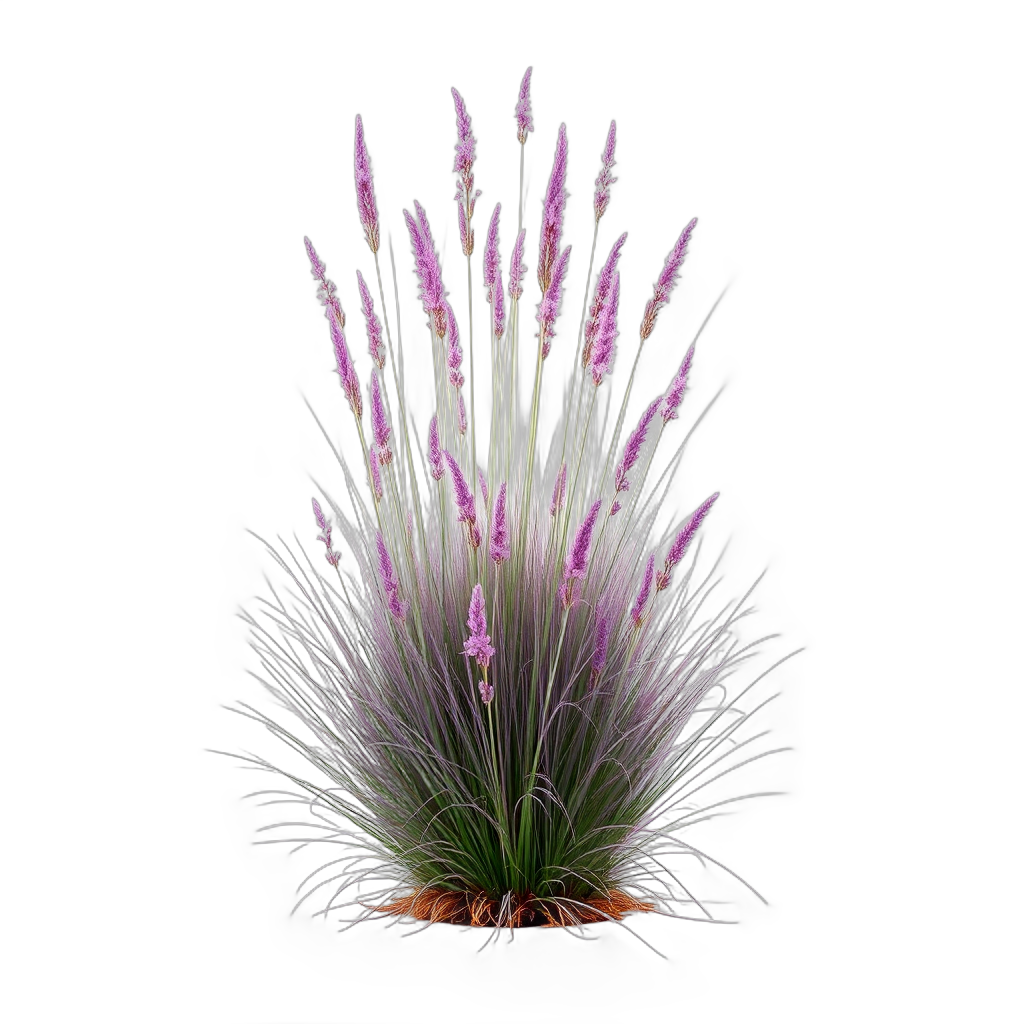
Purple Love Grass
Eragrostis spectabilis
low-growing ground cover, purple blooms in fall. Orange fall color.
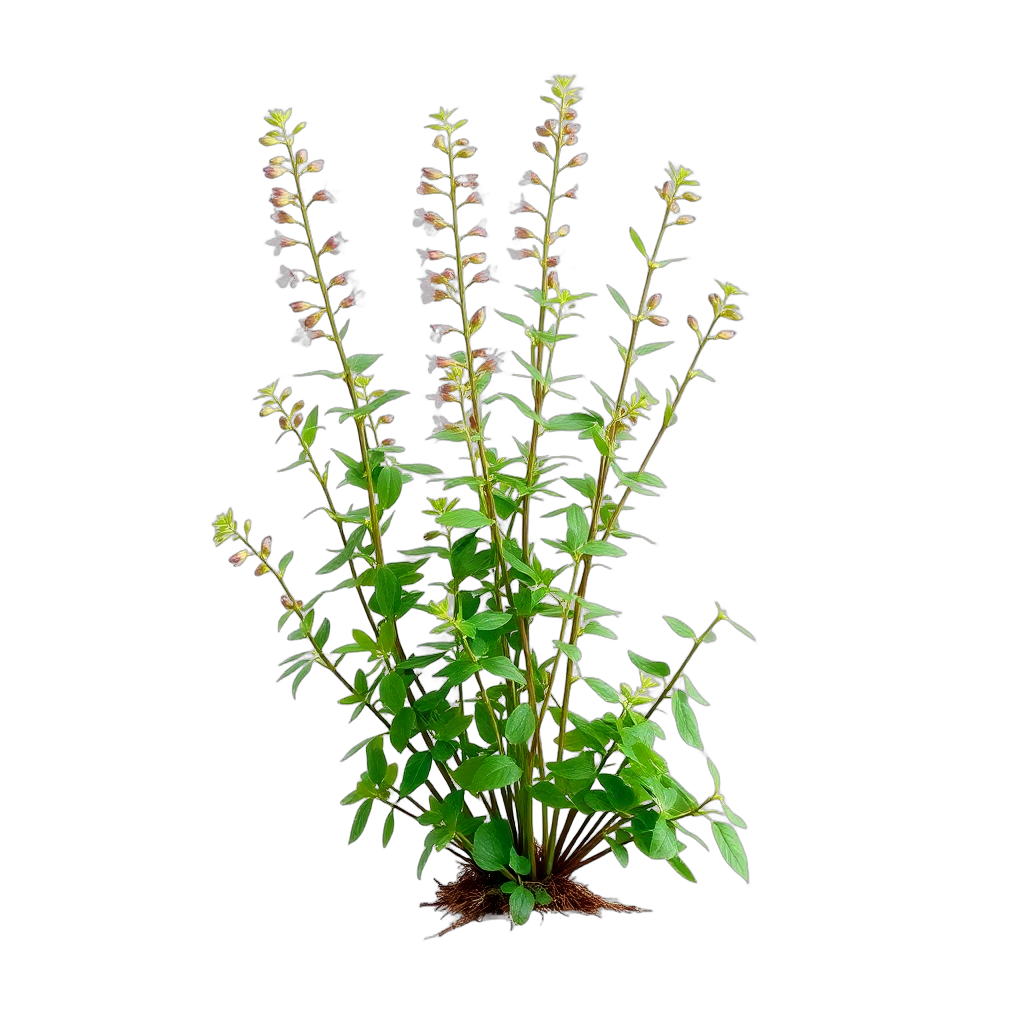
Creeping Jacob's Ladder
Polemonium reptans
low-growing ground cover, blue blooms in spring. Attracts butterflies.
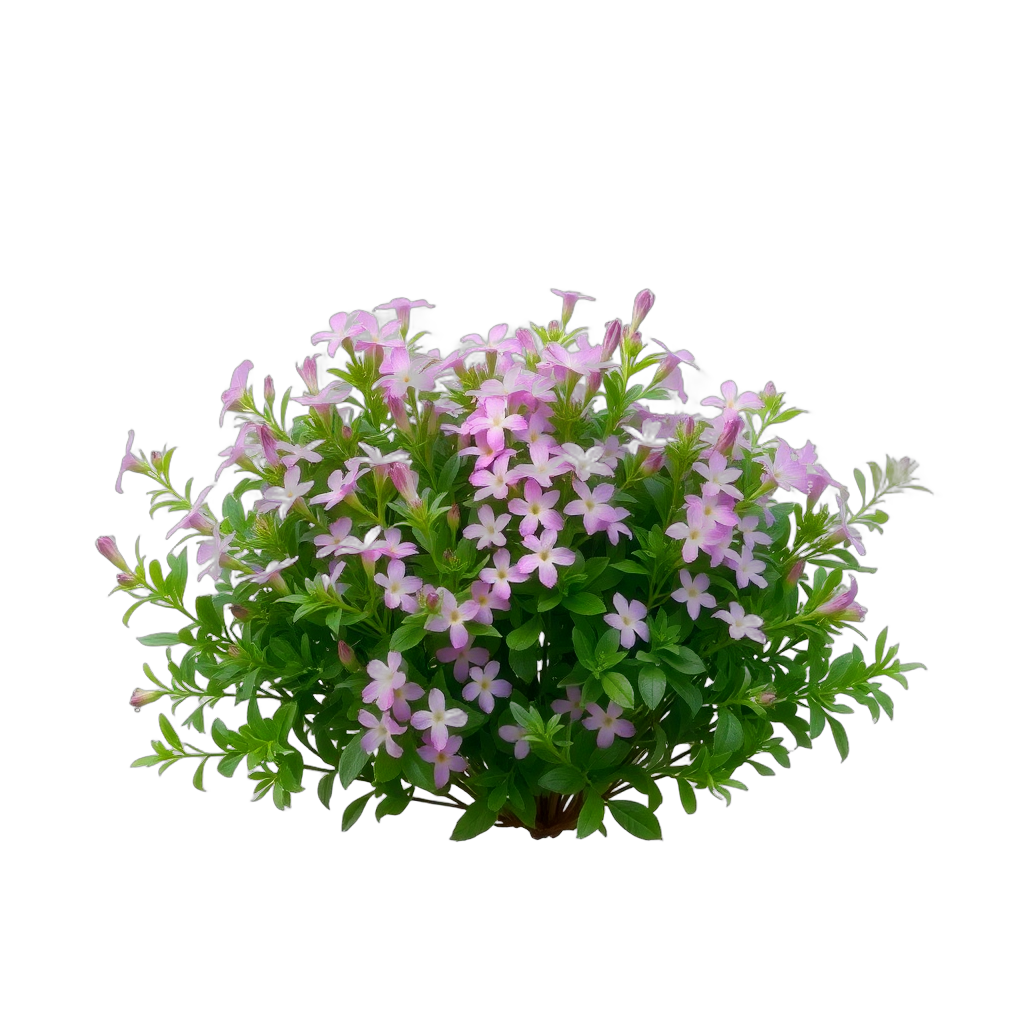
Creeping Phlox
Phlox subulata
low-growing ground cover, multi blooms in spring. Attracts butterflies.
Featured Flowers & Perennials for Modern/Minimalist Gardens
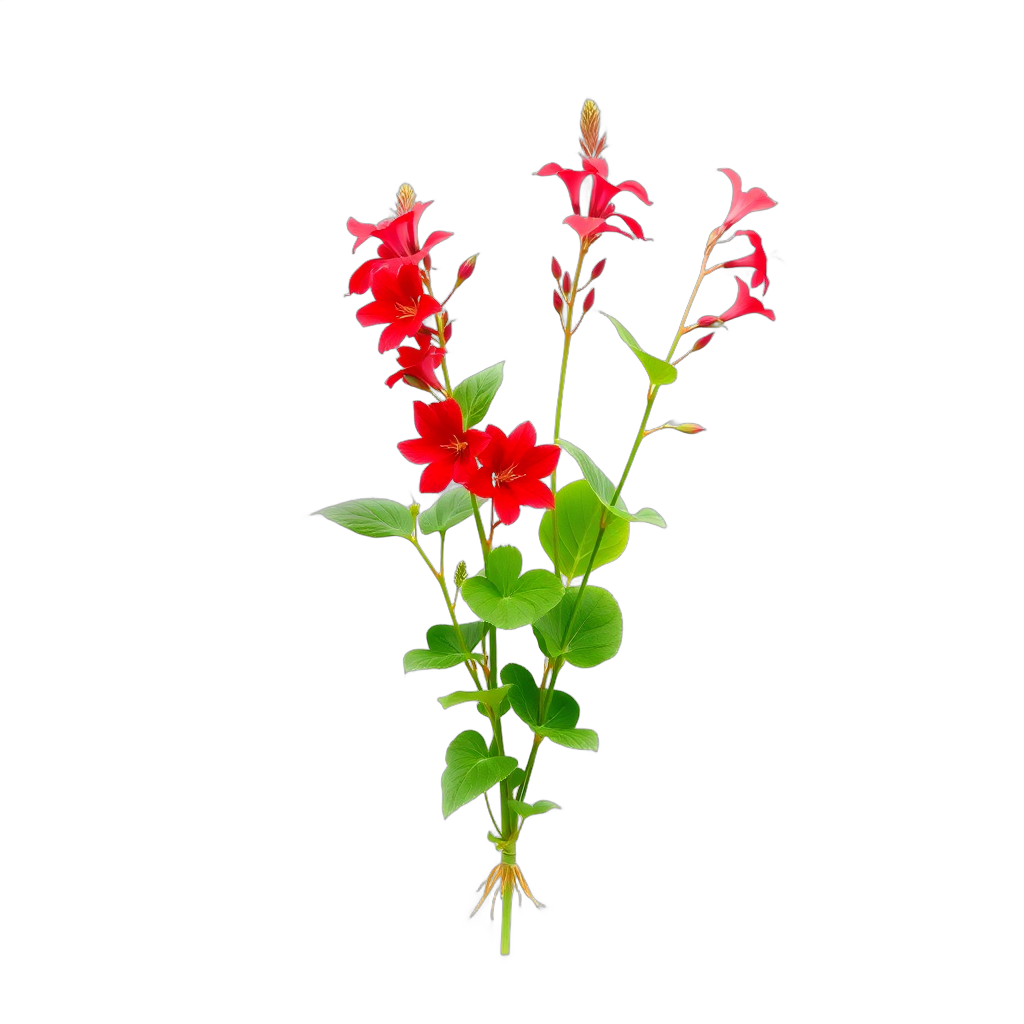
Cardinal Flower
Lobelia cardinalis
grows to 3 feet, red blooms in summer. Attracts hummingbirds.
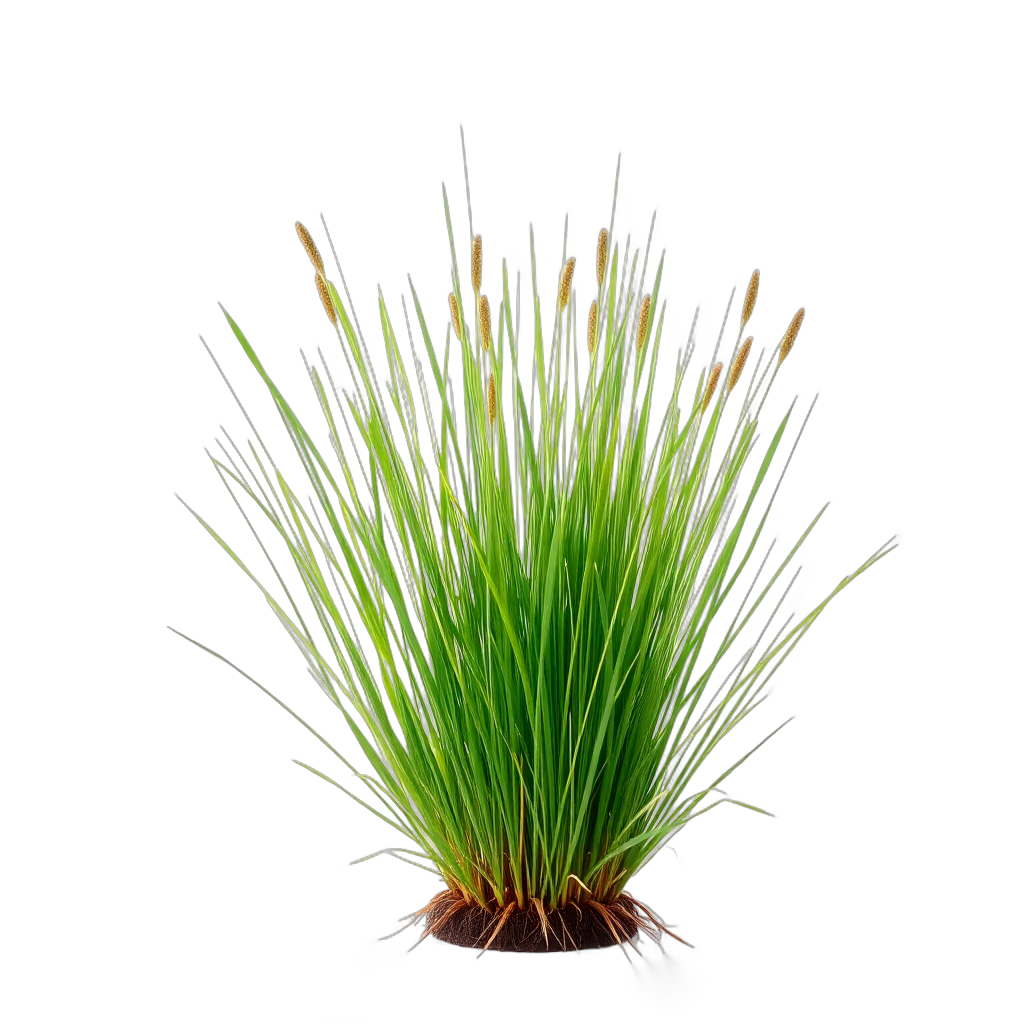
Path Rush
Juncus tenuis
low-growing ground cover, blooms in summer. Evergreen year-round.
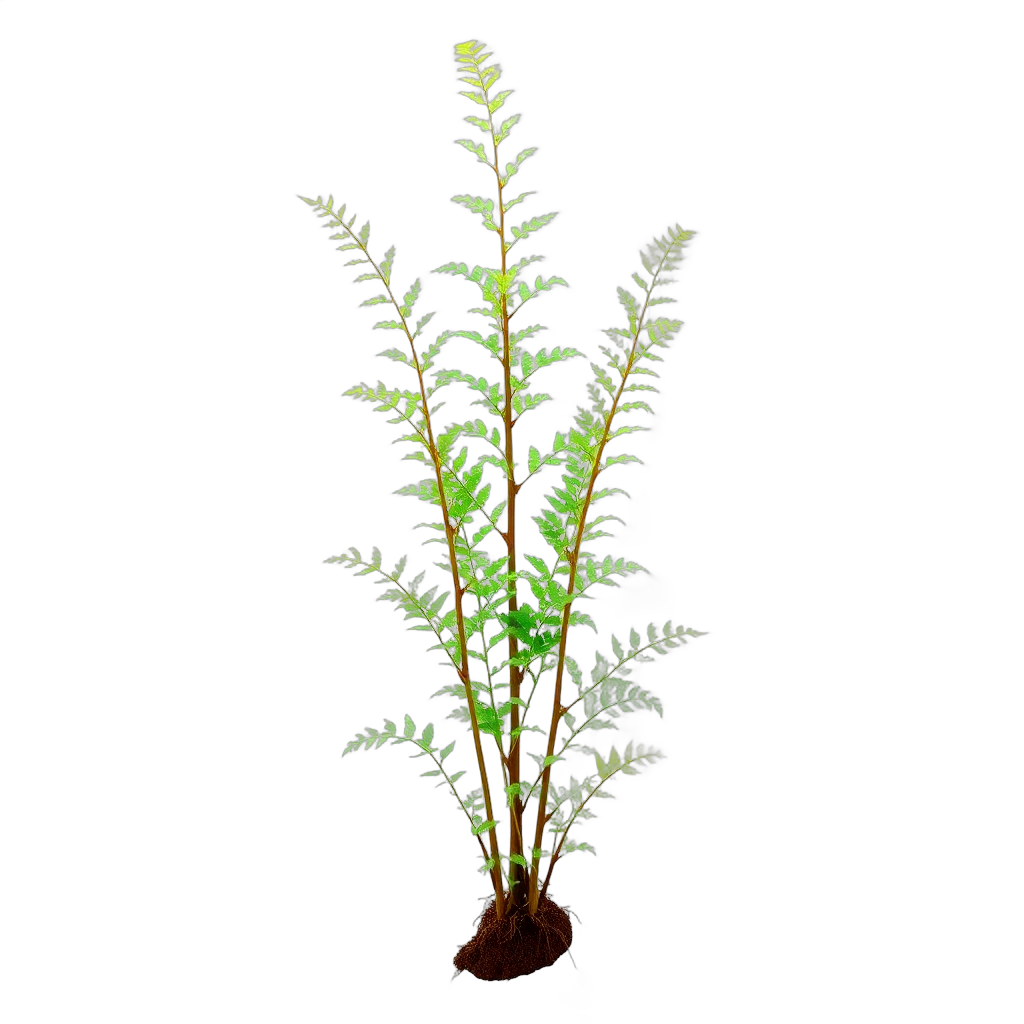
Lady Fern
Athyrium filix-femina
low-growing ground cover, blooms in none.
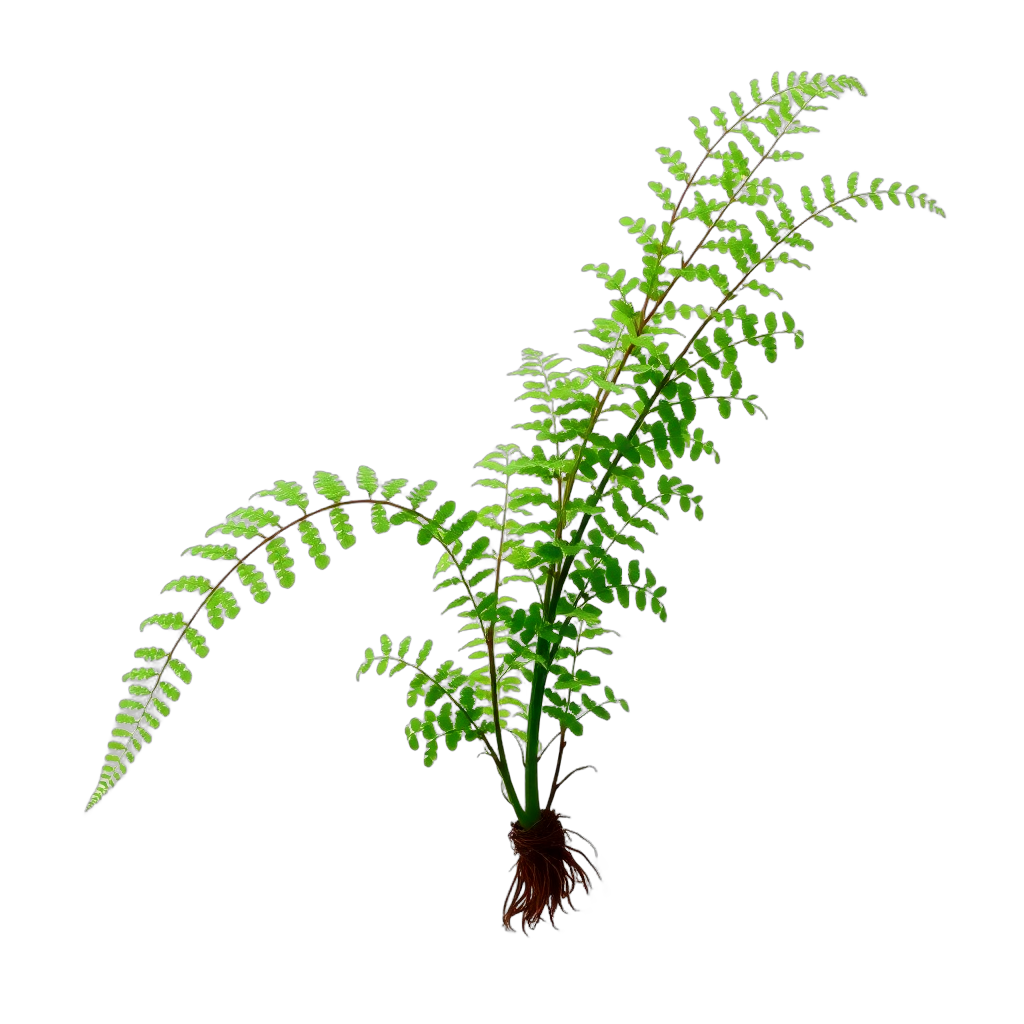
Maidenhair Fern
Adiantum pedatum
low-growing ground cover, blooms in none.
Zone and sun checks come from our database — confirm with your local nursery before you buy.
Bloom Calendar for Pittsburgh
spring
American Alumroot, Bellwort, Bishop's Capsummer
Cardinal Flower, Path Rush, Bee Balmfall
Limited bloomswinter
Limited bloomsDesign Tips for Pittsburgh (Zone 6b)
- Treat Pittsburgh’s topography as the primary design asset rather than an engineering challenge—the city’s hillsides, river views, and wooded ridges give contemporary gardens a dramatic context that flat Midwest cities cannot replicate
- Use Pennsylvania fieldstone or bluestone as your primary hardscape material—both are regionally quarried, proven in Zone 6b’s freeze-thaw conditions, and connect the design to Western Pennsylvania’s material heritage in a way imported stone cannot
- Install a permanently connected gas fire feature as your backyard anchor—Pittsburgh’s outdoor gathering culture, long cool shoulder seasons, and the Steelers’ tailgating tradition all make fire features the most-used outdoor element in the market
- Choose composite decking for any elevated deck construction—Pittsburgh’s humidity, precipitation, and freeze-thaw cycling deteriorates wood decking rapidly, and composite’s 10-year lower maintenance cost easily offsets the higher initial price
- Design for winter views from interior rooms—Pittsburgh’s outdoor season ends in November but the garden is experienced through windows for 5 months; leave ornamental grasses and seed heads uncut, position evergreen boxwood masses where they’re visible from the kitchen and living room, and install lighting that animates the winter garden at dusk
- Specify natural cleft bluestone rather than thermal finish for any outdoor stair or sloped surface—Pittsburgh’s winter ice and snow make textured surfaces a genuine safety requirement, and thermal-finish bluestone becomes dangerously slippery when wet or icy
Where to Source Plants in Pittsburgh
Skip the big-box stores. These independent Pittsburgh nurseries specialize in the plants that make modern/minimalist gardens thrive in Zone 6b.
Soergel Orchards
Wexford
Premier North Hills Pittsburgh nursery with strong ornamental grass, native plant, and contemporary landscape material inventory
Mark’s Garden Center
Mt. Lebanon
South Hills Pittsburgh’s full-service nursery—landscape design services, contemporary plants, and hardscape materials
Phipps Conservatory Plant Shop
Oakland
Native plants and specialty contemporary landscape plants from Pittsburgh’s world-renowned botanical institution
Beechwood Farms Nature Reserve
Fox Chapel
Annual native plant sales—best source for Appalachian native plants for contemporary ecological Pittsburgh gardens
Kards Unlimited Garden Center
Shadyside
Urban garden center in Pittsburgh’s most design-forward neighborhood—grasses, contemporary perennials, and curated plant selection
Modern/Minimalist Landscaping Costs in Pittsburgh
| Project Scope | Estimated Cost |
|---|---|
| Bluestone entry with corten planters, ornamental grasses, and LED lighting | $12,000 – $26,000 |
| Hillside terraced garden with PA fieldstone retaining walls and native planting | $28,000 – $70,000 |
| Concrete fire pit terrace with prairie border and outdoor seating | $20,000 – $44,000 |
| View terrace or deck with pergola and native Appalachian hillside garden | $35,000 – $78,000 |
| Gas fire pit installation with surrounding paver area | $4,000 – $10,000 |
| Annual contemporary landscape maintenance | $1,000 – $2,500/year |
| AI visualization with ProScapeAI | Free to start |
Estimates based on Pittsburgh, PA-area contractor rates as of 2026. Actual costs vary by site conditions, materials, and contractor.
Pittsburgh Climate & Growing Zone
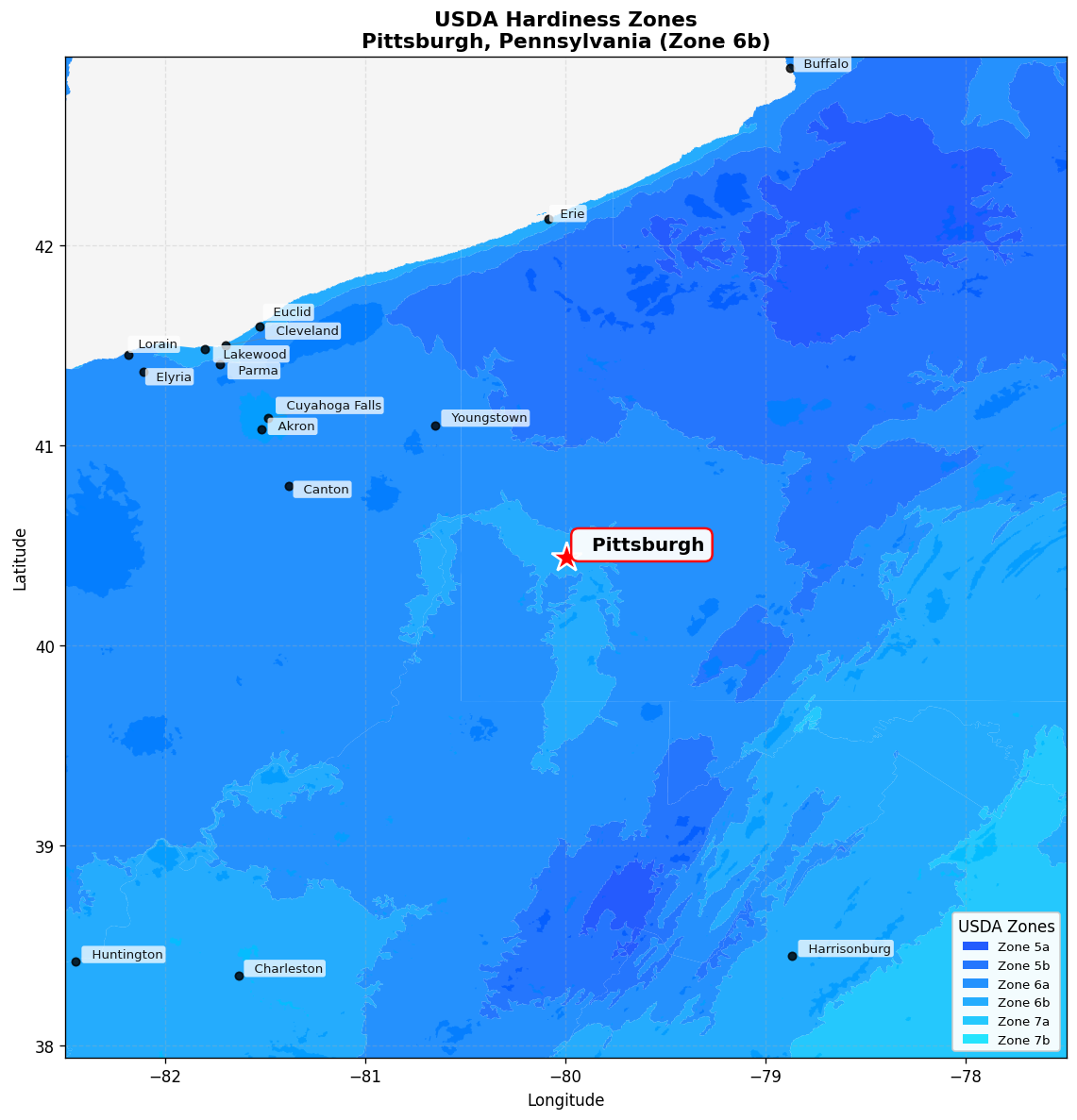
USDA Zone 6b
Hardiness zone for Pittsburgh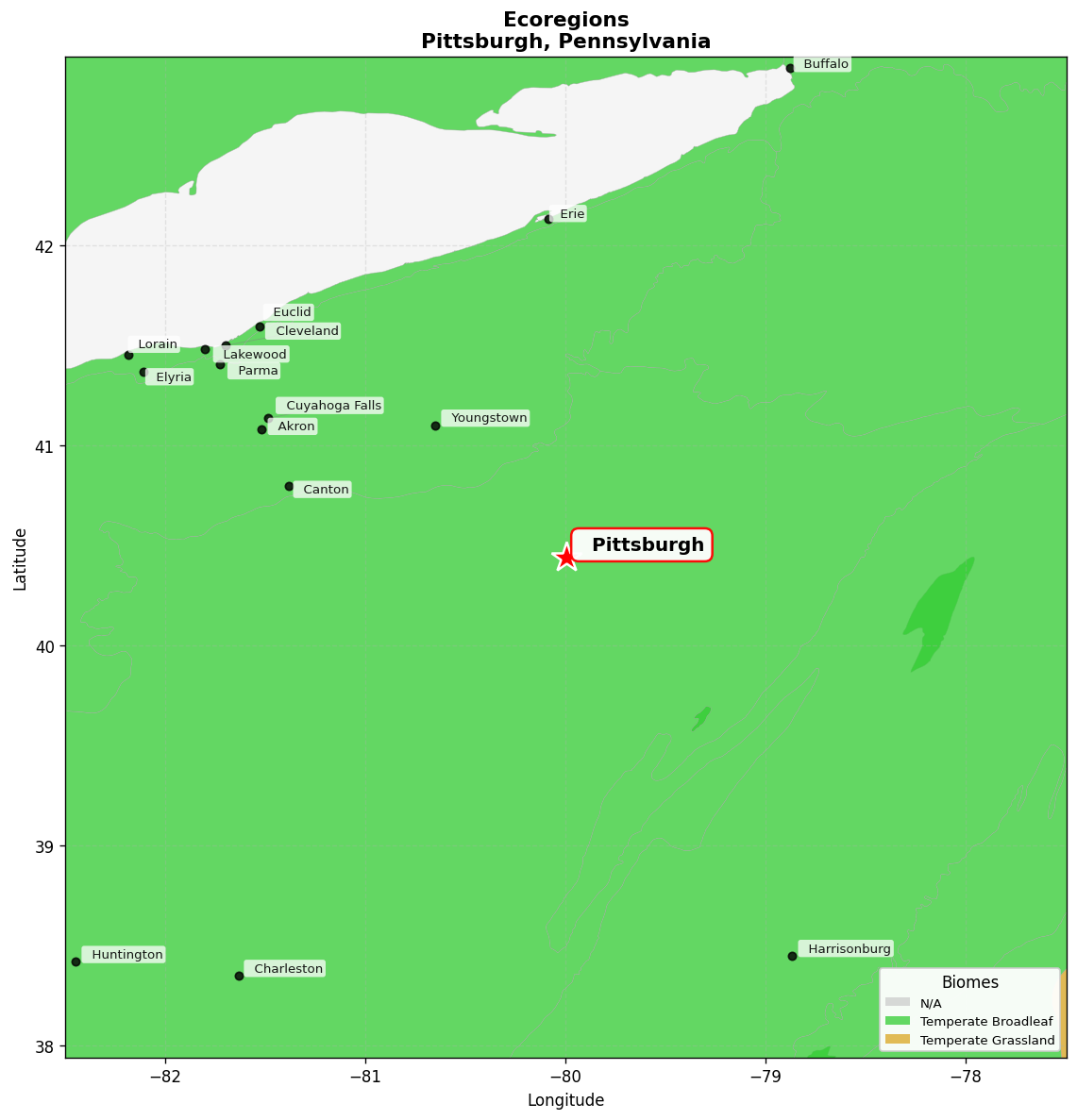
Appalachian mixed mesophytic forests
Native ecoregionFrequently Asked Questions
How do I design terraced retaining walls for a Pittsburgh hillside?
Pittsburgh’s steep residential lots frequently require terracing. Dry-stack Pennsylvania fieldstone walls—locally quarried, structurally sound when properly built, and visually appropriate to the Appalachian landscape—are the most authentic solution for walls up to 4 feet. For walls 4–6 feet, engineer-designed concrete block systems with proper drainage backing and batter (backward lean) are required for structural safety. Walls over 4 feet require a building permit in Allegheny County. Budget $25–50 per square foot of face for stone dry-stack and $15–25 per square foot for concrete block. Proper drainage behind walls—perforated pipe at the base, gravel backfill—is critical to prevent hydraulic pressure buildup from Pittsburgh’s frequent heavy rains.
What deck or patio materials work best for Pittsburgh’s climate?
Pittsburgh’s 28 inches of annual snow, freeze-thaw cycling, and high humidity (second cloudiest major US city) require durable hardscape choices. Pennsylvania bluestone (specify natural cleft finish for traction) is the most appropriate and durable paving choice—it’s regionally authentic and proven in local conditions. For decks, composite decking (Trex, TimberTech) significantly outperforms wood in Pittsburgh’s moist climate—wood requires annual refinishing; composite is essentially maintenance-free. Concrete pavers rated for severe climate (8,000 PSI, <5% absorption) are appropriate for all paved areas with proper compacted base installation to prevent frost heave.
Does Pittsburgh’s cloudiness affect modern plant selection?
Pittsburgh averages only 59 sunny days per year, dramatically affecting plant performance. In practical terms: most plants grown in full sun in sunnier US cities can be grown in Pittsburgh’s ‘full sun’ exposures (which are actually partially shaded by comparison). Contemporary grasses like Karl Foerster perform reliably in Pittsburgh’s light. Succulents and agaves—common in coastal contemporary gardens—struggle in Pittsburgh’s cold, wet winters and low light. Embrace the cloudiness: native ferns, oakleaf hydrangeas, and Lenten rose thrive in Pittsburgh’s diffuse light and create a contemporary Appalachian aesthetic unavailable to sunnier cities.
What is the best fire feature for Pittsburgh outdoor spaces?
Given Pittsburgh’s cool climate and outdoor gathering culture, a fire feature is arguably the most impactful outdoor investment. Options: a gas fire pit (built-in with natural gas connection, $3,000–8,000 installed) offers instant ignition and clean operation; a wood-burning fire pit ($500–2,000 for a quality unit) provides the authentic crackling fire experience Pittsburgh residents love for Steelers gatherings; and a two-sided outdoor fireplace built into a retaining wall creates a dramatic architectural feature. Gas is preferred for spontaneous use; wood for ritual gathering occasions. A properly designed fire feature with adequate seating radius (12–16 feet diameter paver area minimum) accommodates 8–12 people.
How do I integrate Pittsburgh’s views into a contemporary landscape?
Pittsburgh’s hillside topography and river views are among the most dramatic of any US city—a landscape design that ignores them is a missed opportunity. Key design principles: orient seating areas and dining zones toward the primary view; use low or transparent boundaries (steel cable railings, glass panels, open pergola structures) rather than solid fences or hedges that block views; keep planting at lower heights on the view side; and frame views with vertical elements (columnar trees, pergola posts) that enhance rather than obstruct. In Mt. Washington and Duquesne Heights, the downtown Pittsburgh skyline and three-rivers confluence view is so extraordinary that it should be treated as the primary design element, with everything else playing a supporting role.
How much does a contemporary landscape installation cost in Pittsburgh?
Pittsburgh landscaping runs approximately 3% above national average per local cost data. A bluestone entry with steel planters and ornamental grasses typically costs $12,000–26,000. A hillside terraced garden with stone retaining walls and native planting runs $28,000–68,000 (the extra cost reflects retaining wall construction). A concrete fire pit terrace with prairie borders ranges $20,000–44,000. A cantilevered deck with native hillside garden runs $35,000–75,000. Annual maintenance for a contemporary Pittsburgh landscape runs $1,000–2,500/year, with native plant gardens at the lower end requiring minimal intervention after establishment.