4 Modern Garden Ideas for Philadelphia, PA | Zone 7b Designs for Rowhomes & Urban Lots
Native plants from the Mid-Atlantic US coastal savannas (Zone 7b) — Humid subtropical climate
Why Modern/Minimalist Gardens in Philadelphia?
Philadelphia's rowhome renaissance in Fishtown, Point Breeze, and Northern Liberties has sparked a wave of modern landscape design on some of the narrowest urban lots in America. New-construction infill and gut-renovated rowhouses sit shoulder-to-shoulder with century-old brick facades, creating a unique design challenge: how do you make a 12-foot-wide front yard feel intentional and contemporary without clashing with your neighbors? The answer is modern minimalism — clean hardscape, architectural plants, and just enough greenery to soften the urban edge.
Philadelphia's Zone 7b climate demands true four-season thinking. Summers push past 90°F with high humidity, while winters regularly drop to 15–20°F — cold enough to kill the agave and subtropical favorites that thrive in warmer cities. That means leaning on cold-hardy architectural plants like yucca, ornamental grasses, and native Pennsylvania sedges that deliver the modern aesthetic without dying back in February. Hardscape carries the design through winter when plants go dormant, making material choices especially important here.
Philadelphia's historic district considerations add another layer of complexity for homeowners in Chestnut Hill, Germantown, Mt. Airy, and Society Hill. The Philadelphia Historical Commission reviews exterior changes in designated districts, and even front yard hardscape can require approval. The good news: modern design's emphasis on quality materials and clean lines tends to read as respectful rather than intrusive, and permeable paving — now required by the city's stormwater regulations — aligns naturally with modern gravel and paver aesthetics.
4 Modern/Minimalist Design Ideas for Philadelphia
AI-generated image
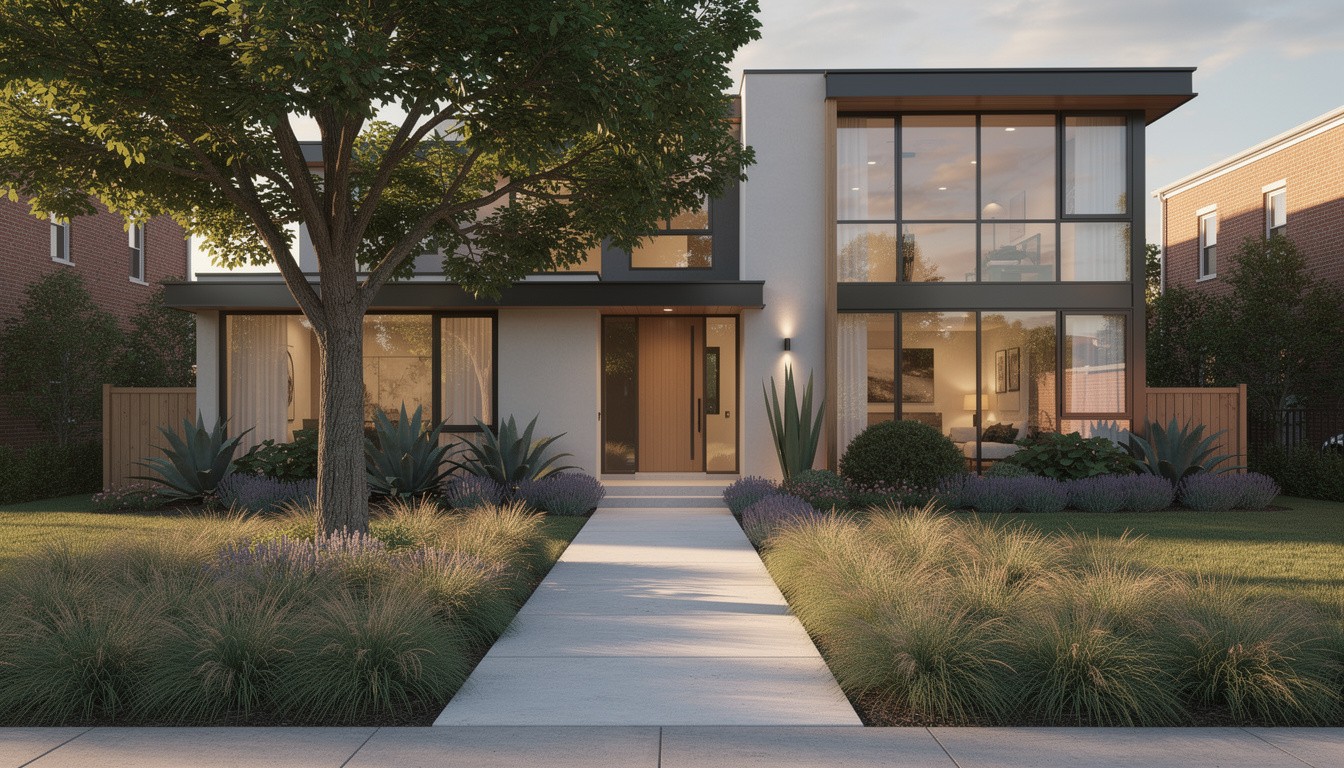
The Philly Modern Rowhouse Front
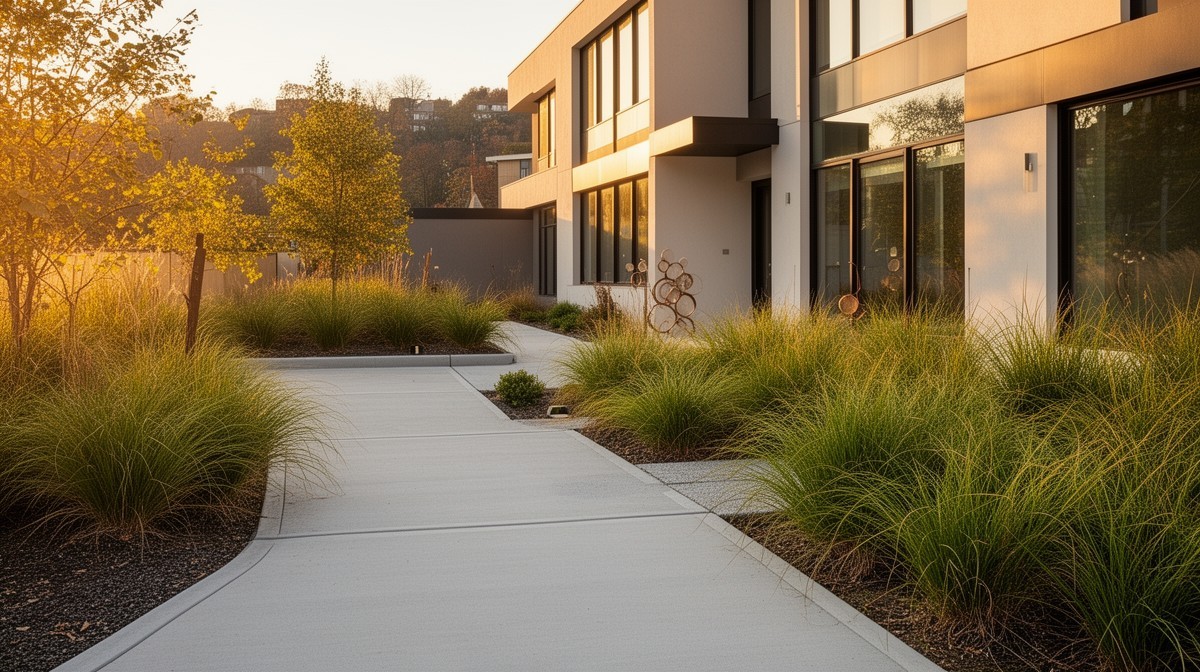
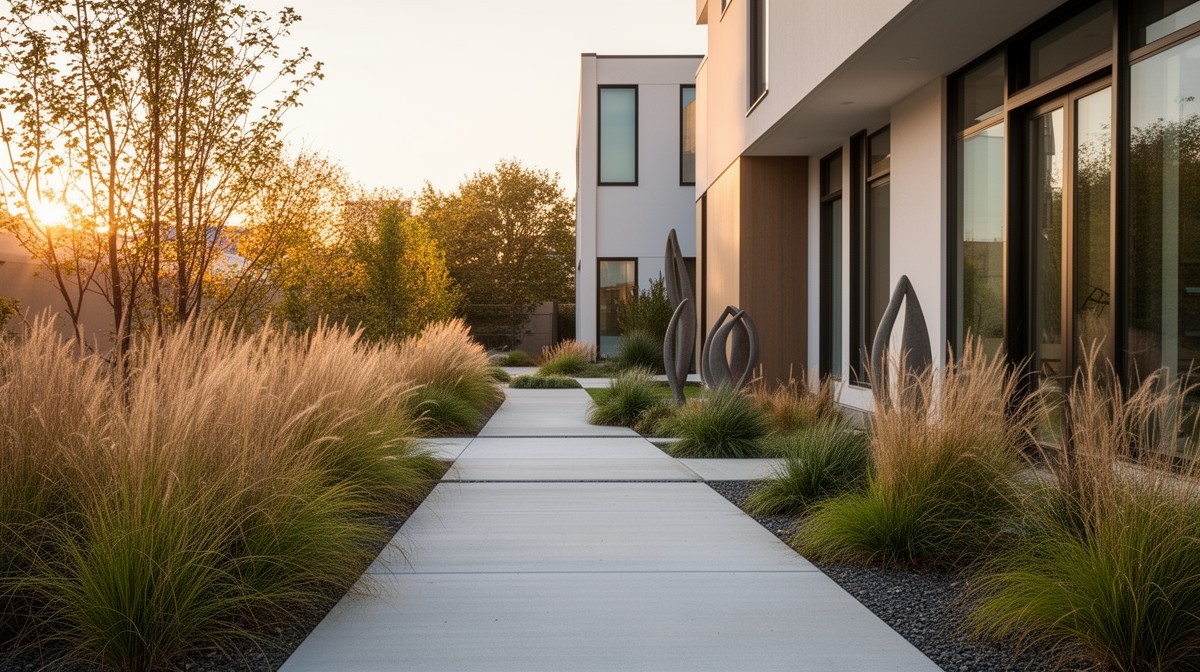
$12–22/sqftA modern rowhouse gains confident street presence with a wide poured-concrete walkway flanked by tall ornamental grasses in steel-edged gravel beds, a single large shade tree providing canopy, and brick neighbor facades on both sides making the clean lines pop by contrast. Yucca and switchgrass deliver the modern architectural look through all four Philly seasons without irrigation after establishment. This is the front yard redesign reshaping blocks in Fishtown and Graduate Hospital — bold enough to stand out, restrained enough to respect the streetscape. The ornamental grasses’ winter silhouettes carry the design through Philadelphia’s long gray season.
AI-generated image
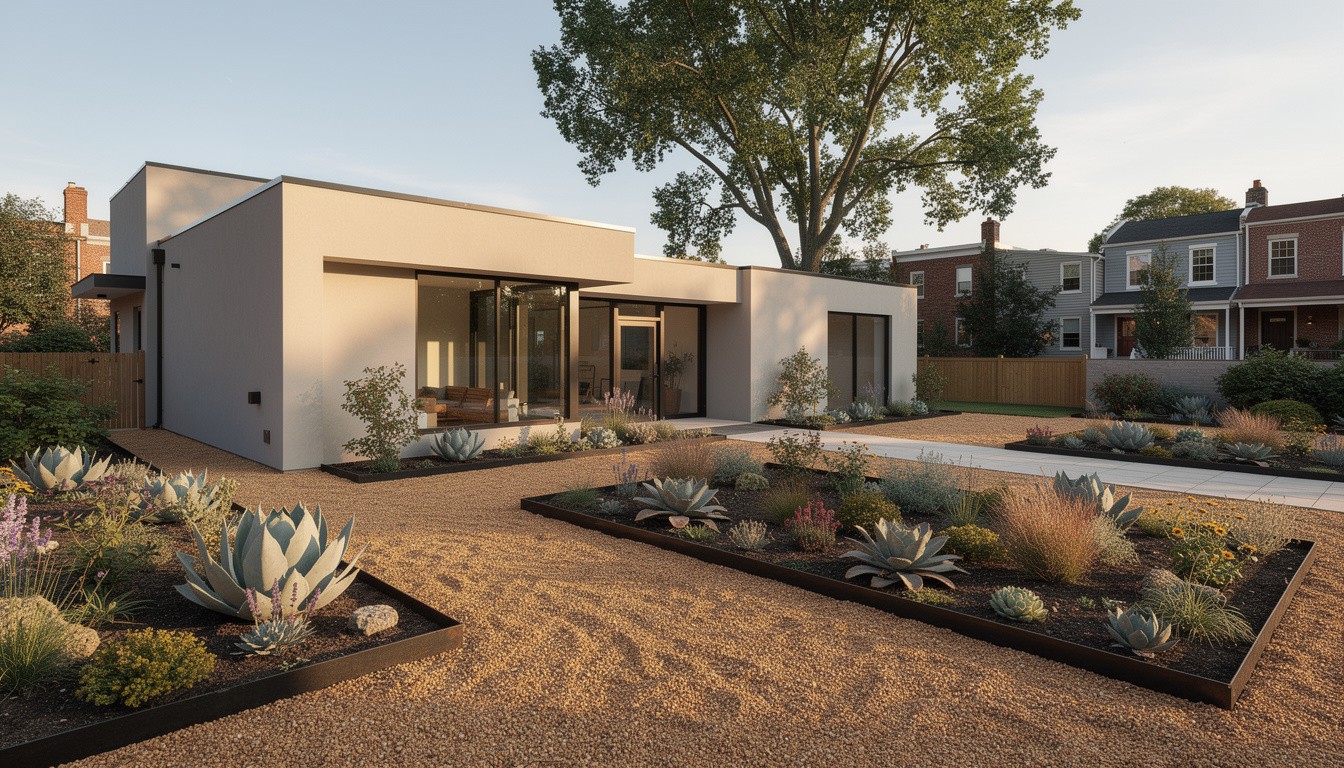
The Decomposed Granite Succulent Front
$10–18/sqftA white modern home’s front transformed with a decomposed granite ground plane and raised dark steel planting beds holding agave rosettes, sedum, and cold-tolerant succulents, anchored by a large mature street tree. The DG base stays clean and neat year-round, the raised beds create geometry and elevation contrast, and the overall palette — gray gravel, dark metal, silver-green succulent — reads as contemporary and confident. Philadelphia’s Zone 7b winters require using yucca filamentosa rather than true agave, but the sculptural effect is equivalent.
AI-generated image
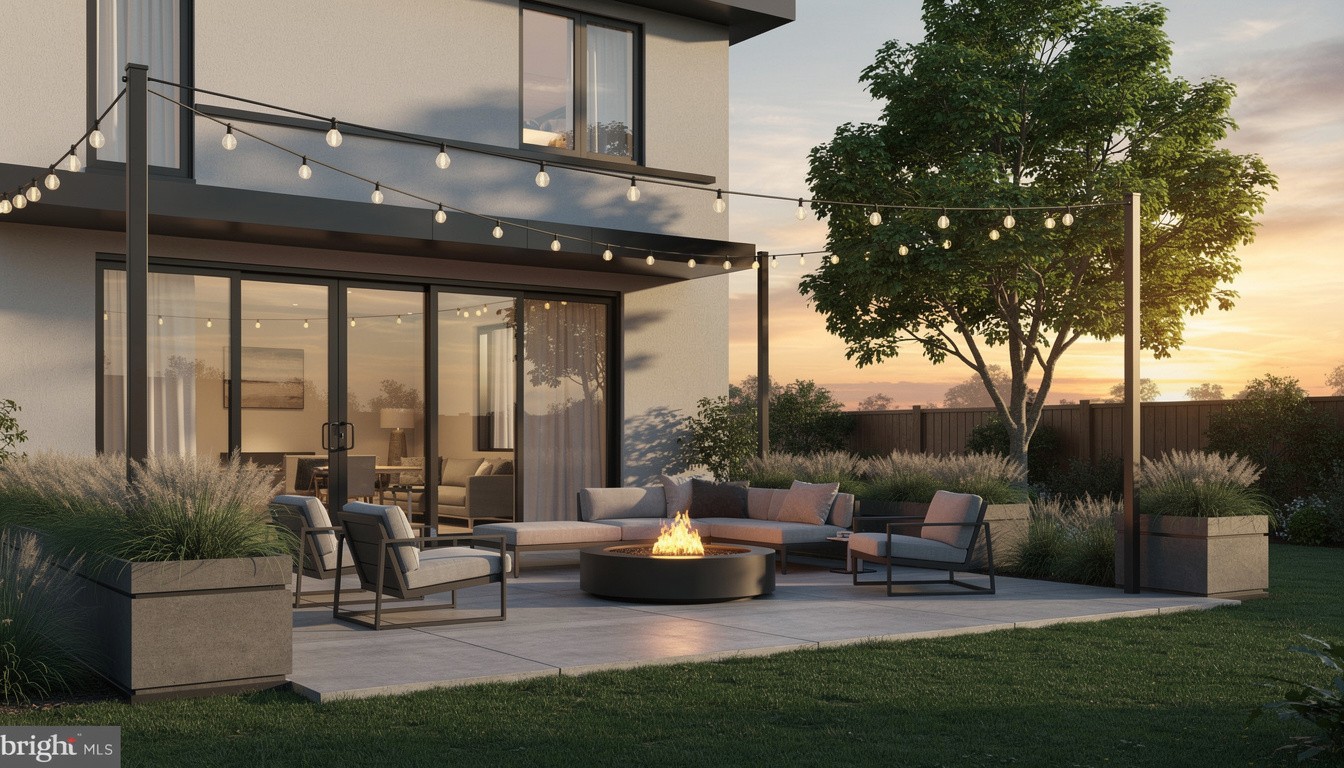
The Philly Backyard Patio Lounge
$28–50/sqftA Philadelphia rowhouse backyard becomes a genuine outdoor living room: a concrete patio with a dark steel round fire pit as the centerpiece, modern lounge chairs surrounding it, tall ornamental grasses in corner planters catching string light glow, and a modern pergola overhead. The wood privacy fence encloses the space and makes the fire pit glow feel theatrical. This is where Philly homeowners actually live from May through October, and the fire pit extends the season through November on the mild evenings that Zone 7b delivers.
AI-generated image
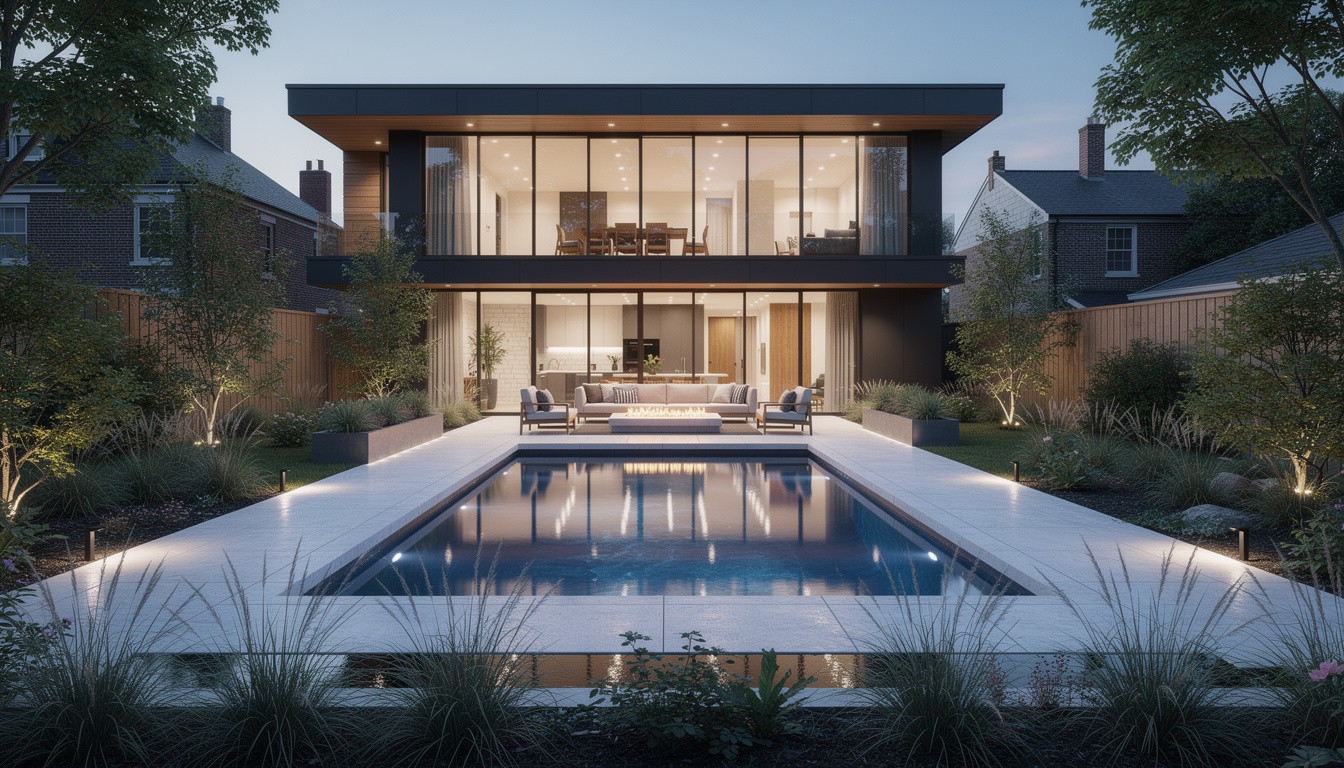
The Philadelphia Modern Pool Courtyard
$50–95/sqft (pool deck and landscaping, excl. pool construction)A two-story modern glass-walled home on a wider Chestnut Hill or Mt. Airy lot gains a full resort-quality backyard: a rectangular pool framed by white concrete decking, ornamental grasses in the perimeter planting beds, a fire seating area at the far end, and neighboring rooflines rising above the fence — the city context acknowledged as backdrop rather than intrusion. Philadelphia’s warm summer season (June–August) makes a pool a genuine three-month investment, and the fire pit extends the outdoor season through October. Landscape uplighting elevates the design from beautiful by day to dramatic by night.
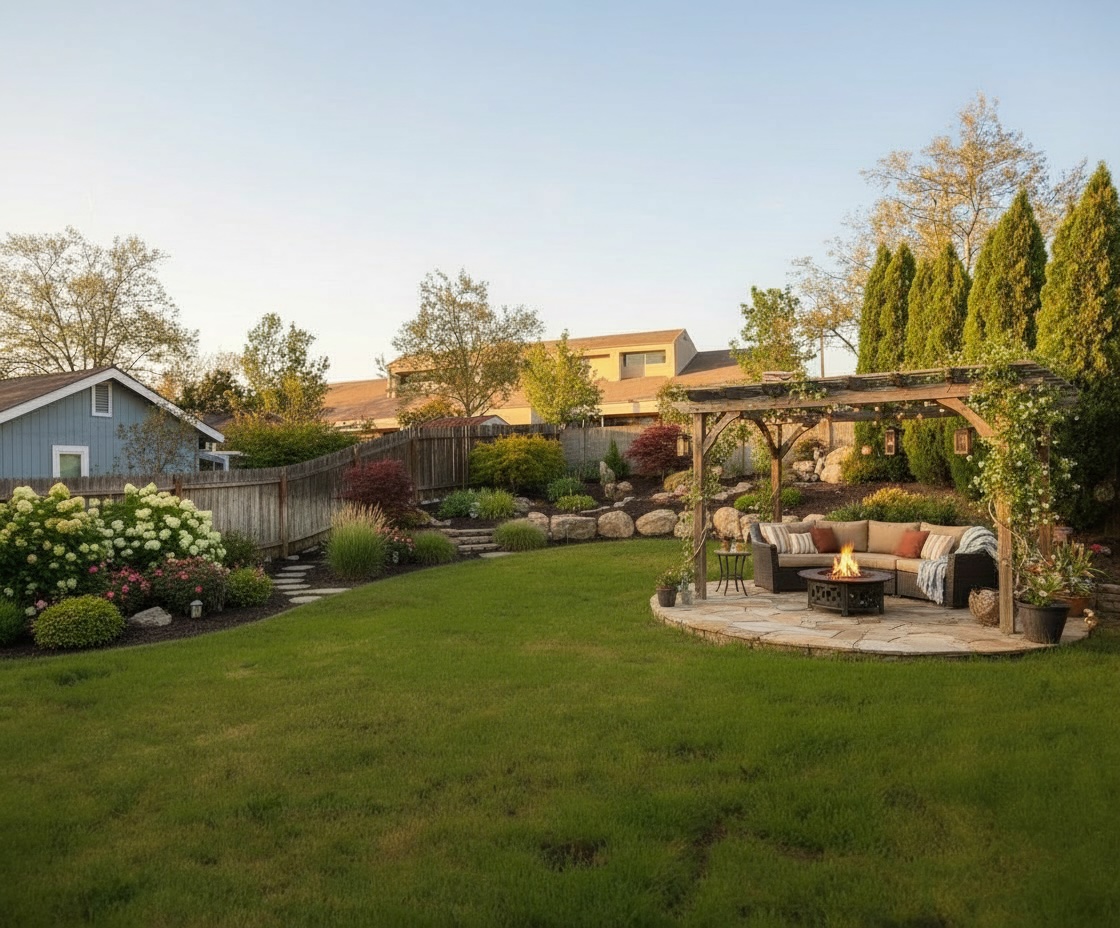
See how a modern/minimalist garden looks on YOUR property
Upload a photo of your Philadelphia yard and visualize your dream garden in seconds.
Try ProScapeAI Free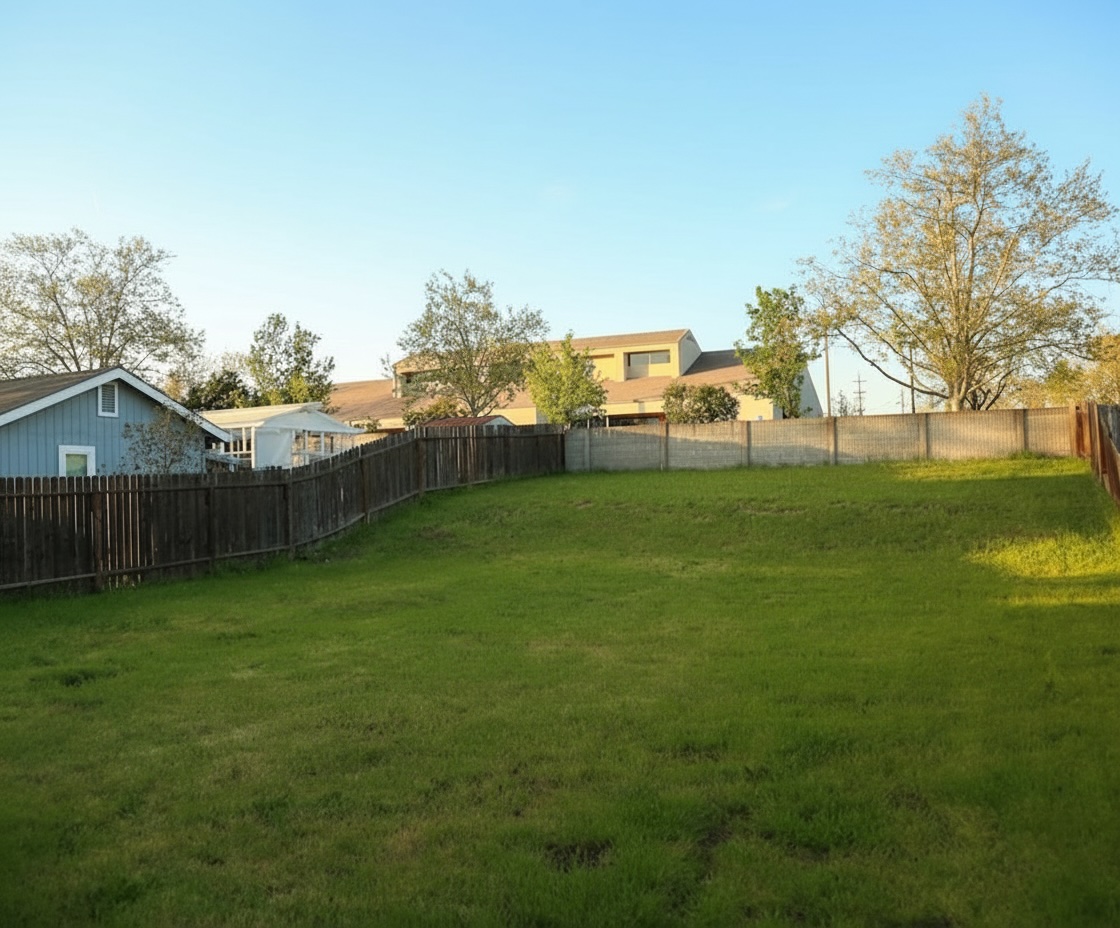
AI-generated image
Featured Trees & Shrubs for Modern/Minimalist Gardens
Browse all 150 plants for Philadelphia
Cabbage Palm
Sabal palmetto
reaches 40 feet tall, white,yellow blooms in spring. Pollinator-friendly.

Windmill Palm
Trachycarpus fortunei
reaches 20 feet tall, yellow blooms in spring. Pollinator-friendly.
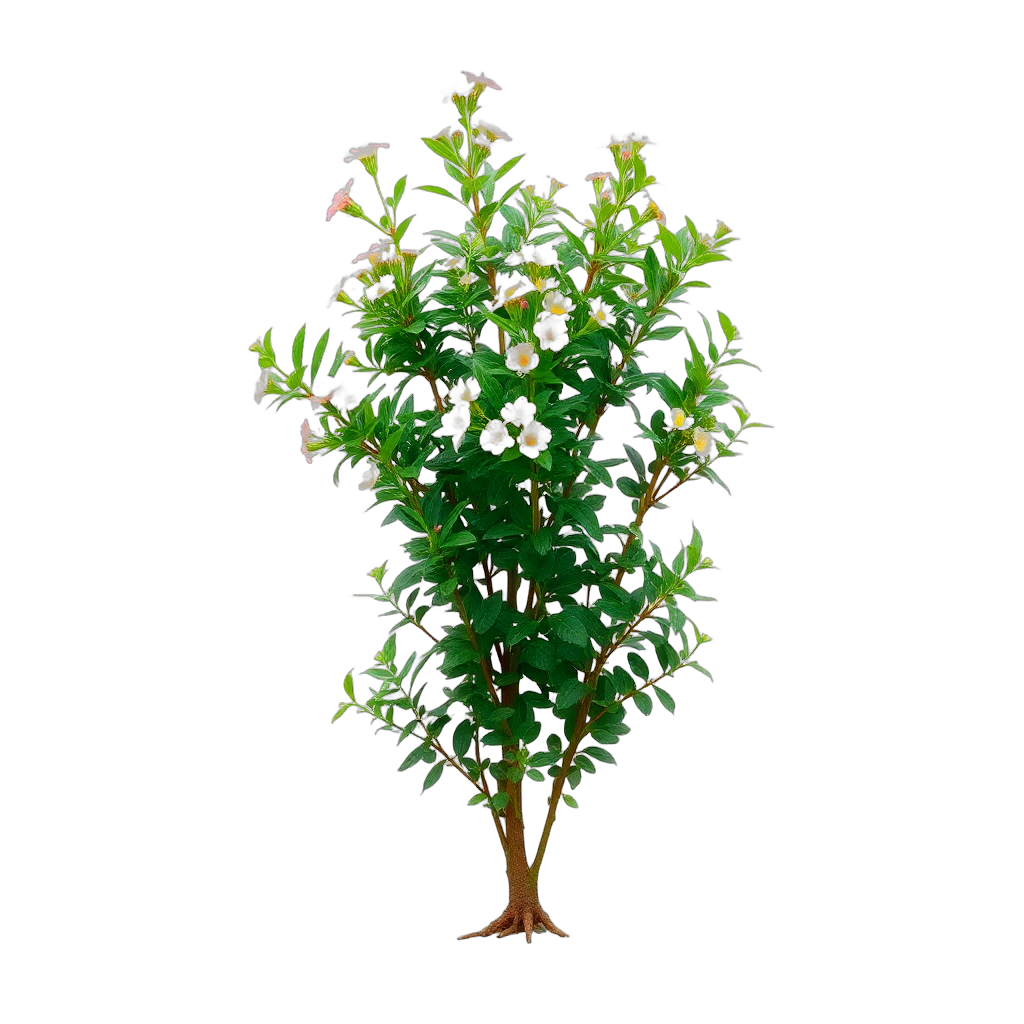
Abbotswood Potentilla
Potentilla fruticosa 'Abbotswood'
low-growing ground cover, white blooms in summer. Attracts butterflies.
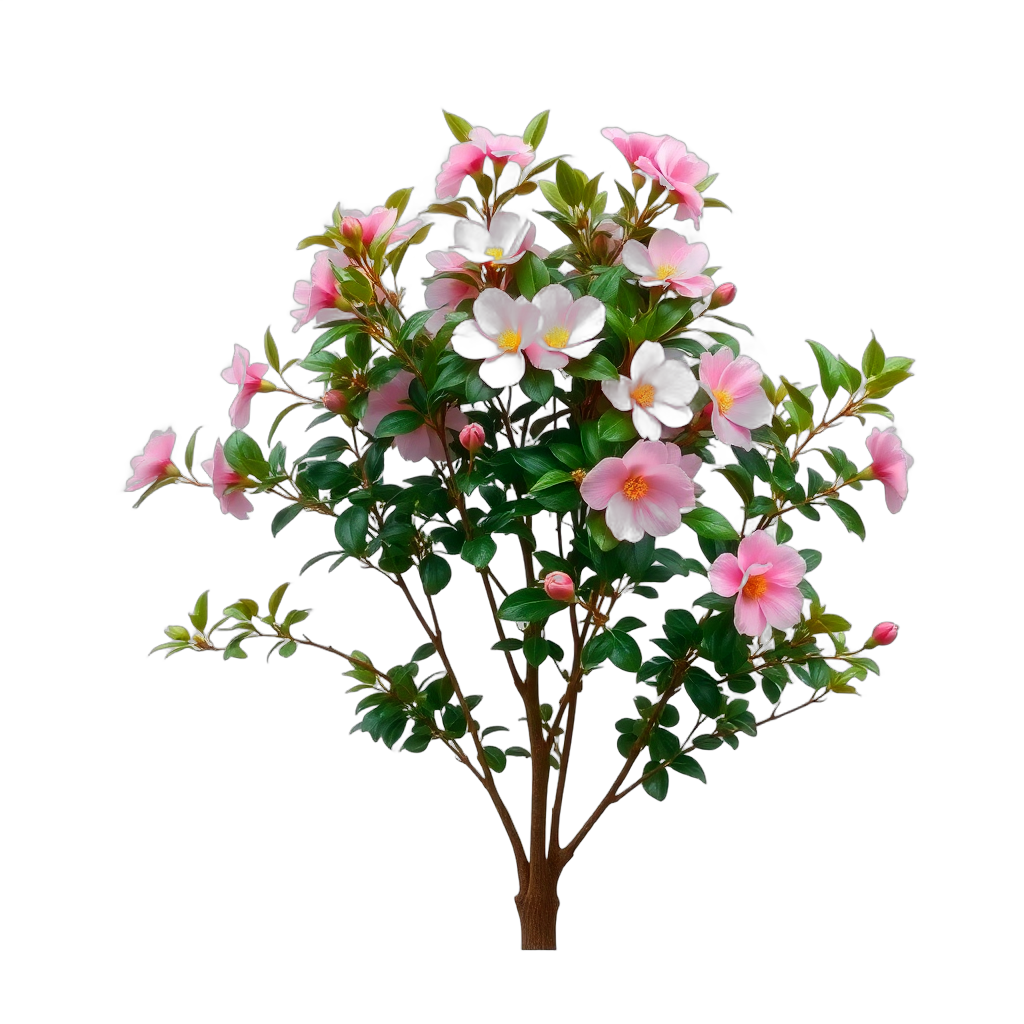
Adolphe Audusson Camellia
Camellia japonica 'Adolphe Audusson'
medium-sized at 12 feet, red blooms in winter. Evergreen year-round.
Featured Grasses & Groundcovers for Modern/Minimalist Gardens
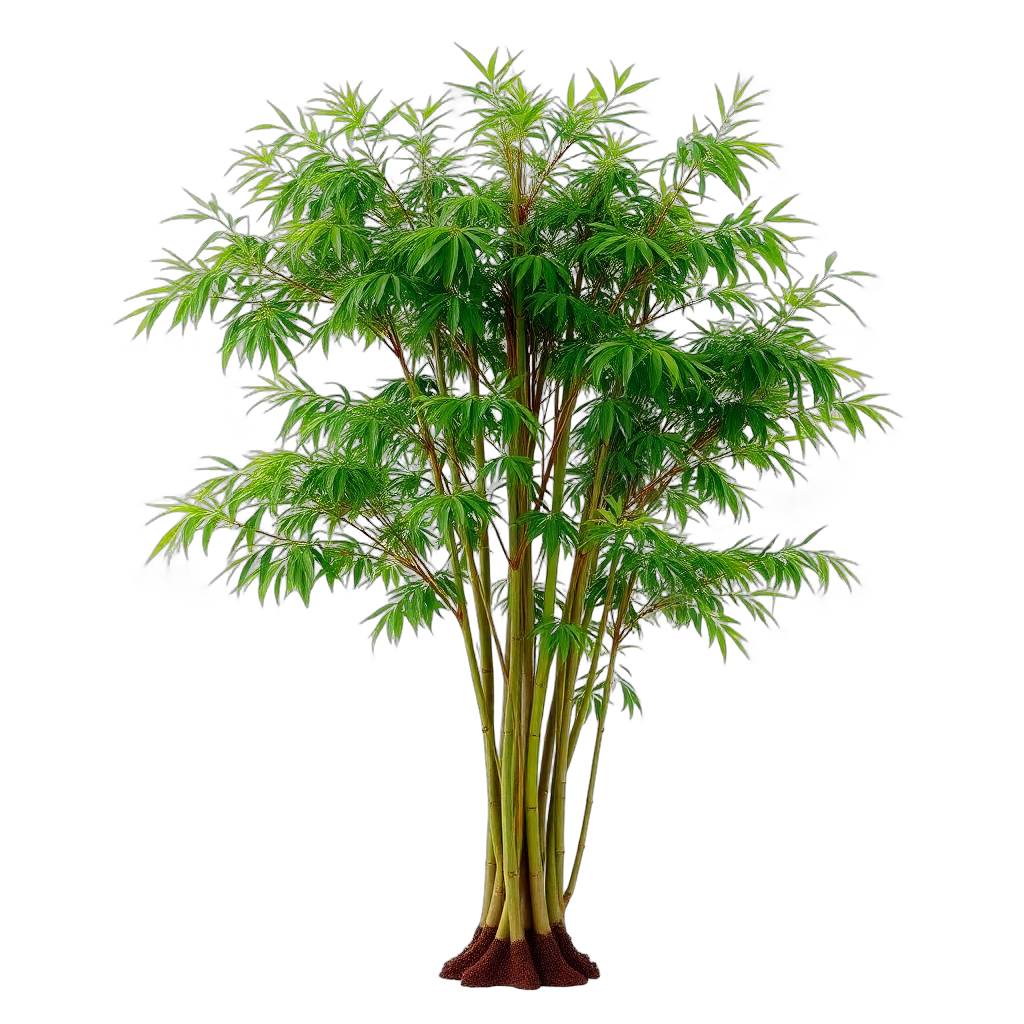
Arrow Bamboo
Pseudosasa japonica
medium-sized at 15 feet, blooms in none. Evergreen year-round.
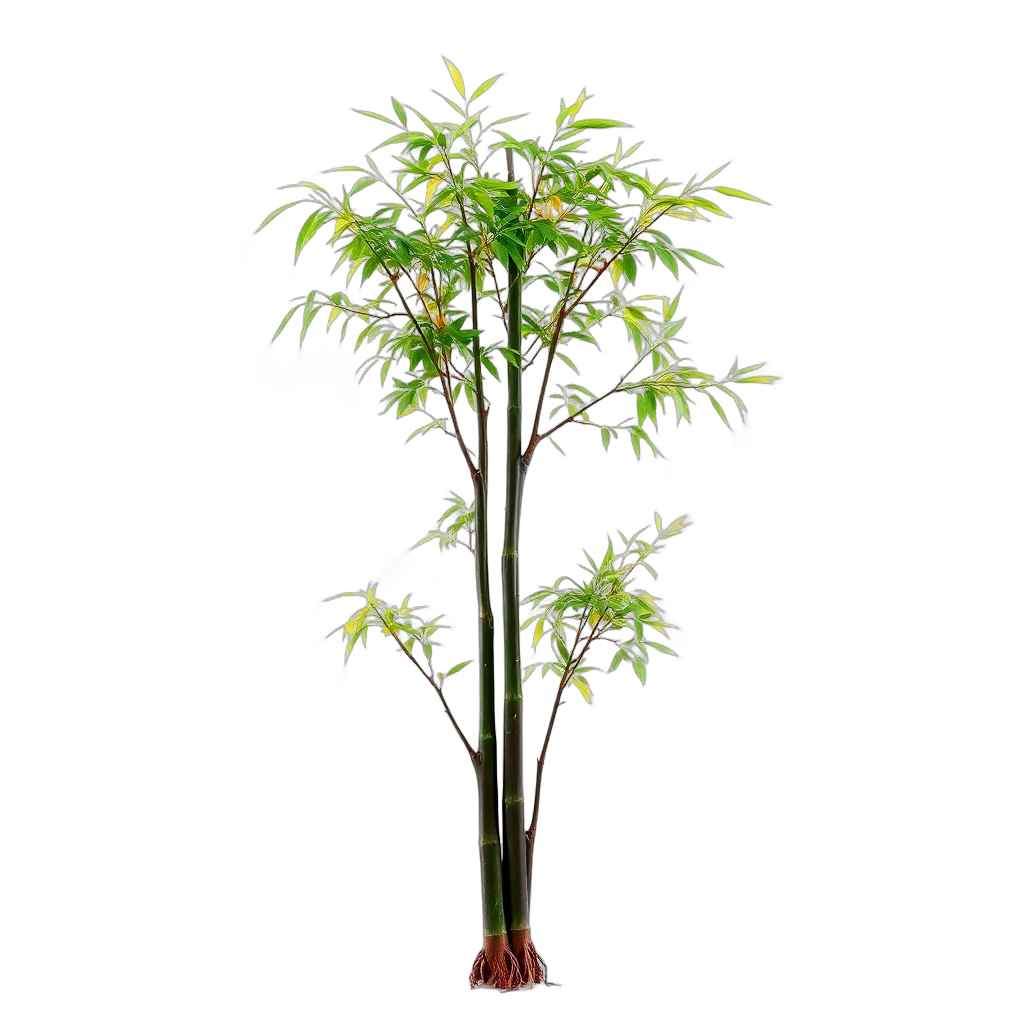
Black Bamboo
Phyllostachys nigra
reaches 25 feet tall, blooms in none. Evergreen year-round.
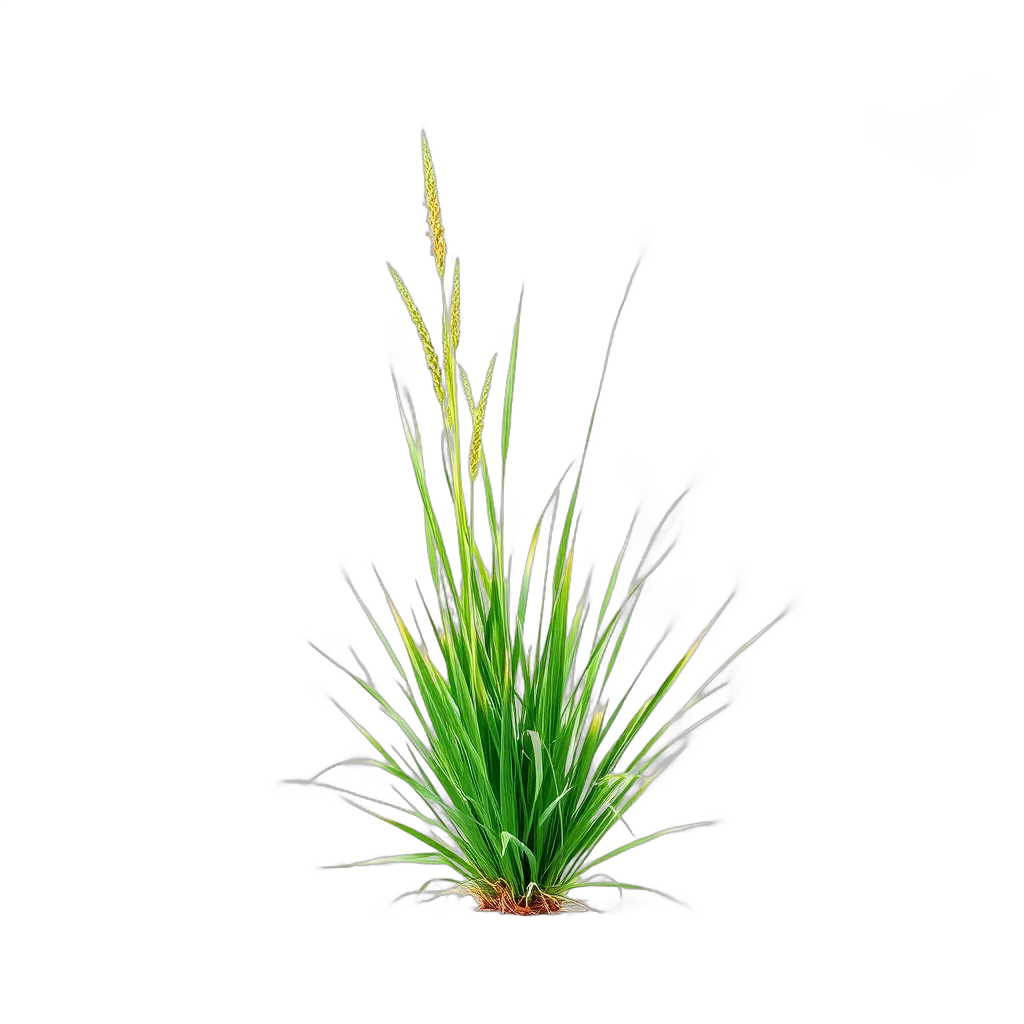
Bull Grass
Muhlenbergia emersleyi
grows to 4 feet, purple blooms in fall. Yellow fall color.
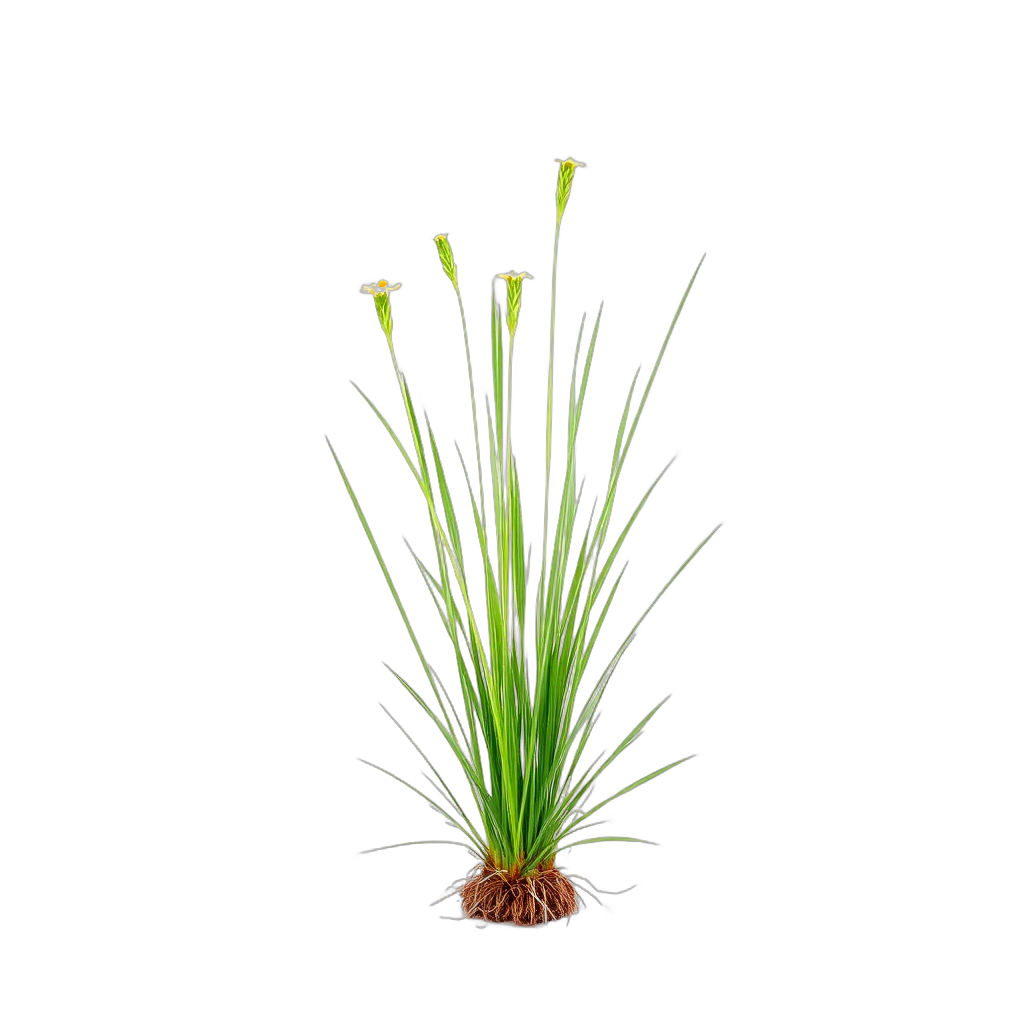
California Melic
Melica californica
low-growing ground cover, blooms in spring.
Featured Flowers & Perennials for Modern/Minimalist Gardens

Water Fern
Azolla filiculoides
low-growing ground cover, blooms in none. Red fall color.
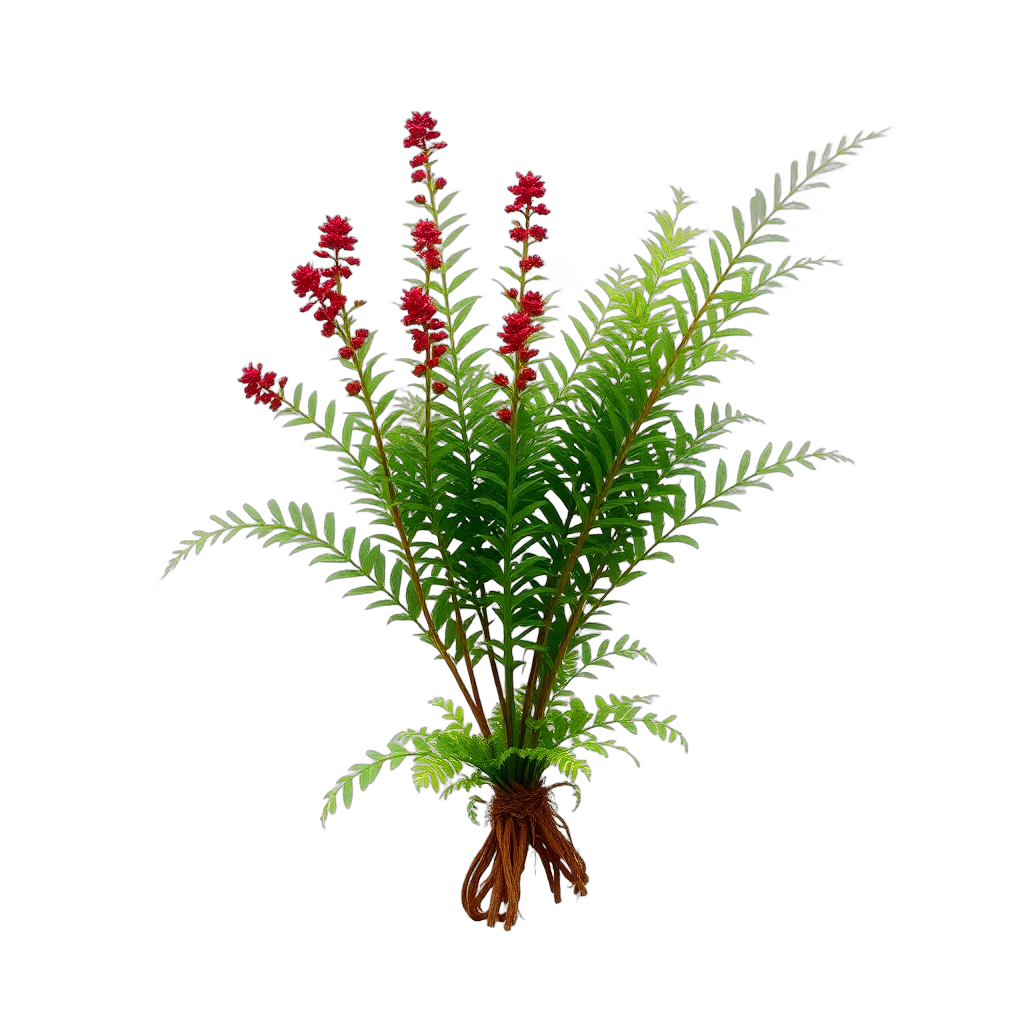
Holly Fern
Cyrtomium falcatum
low-growing ground cover, blooms in none. Evergreen year-round.
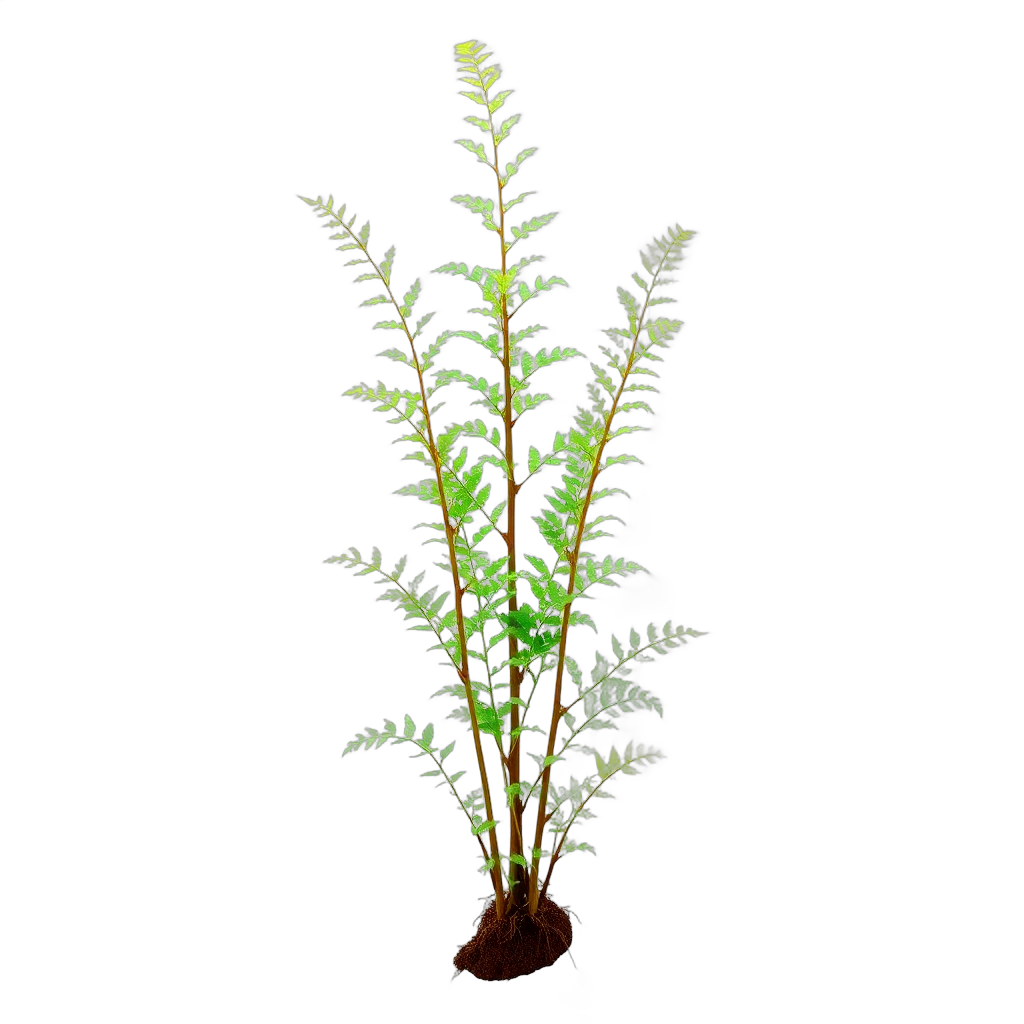
Lady Fern
Athyrium filix-femina
low-growing ground cover, blooms in none.
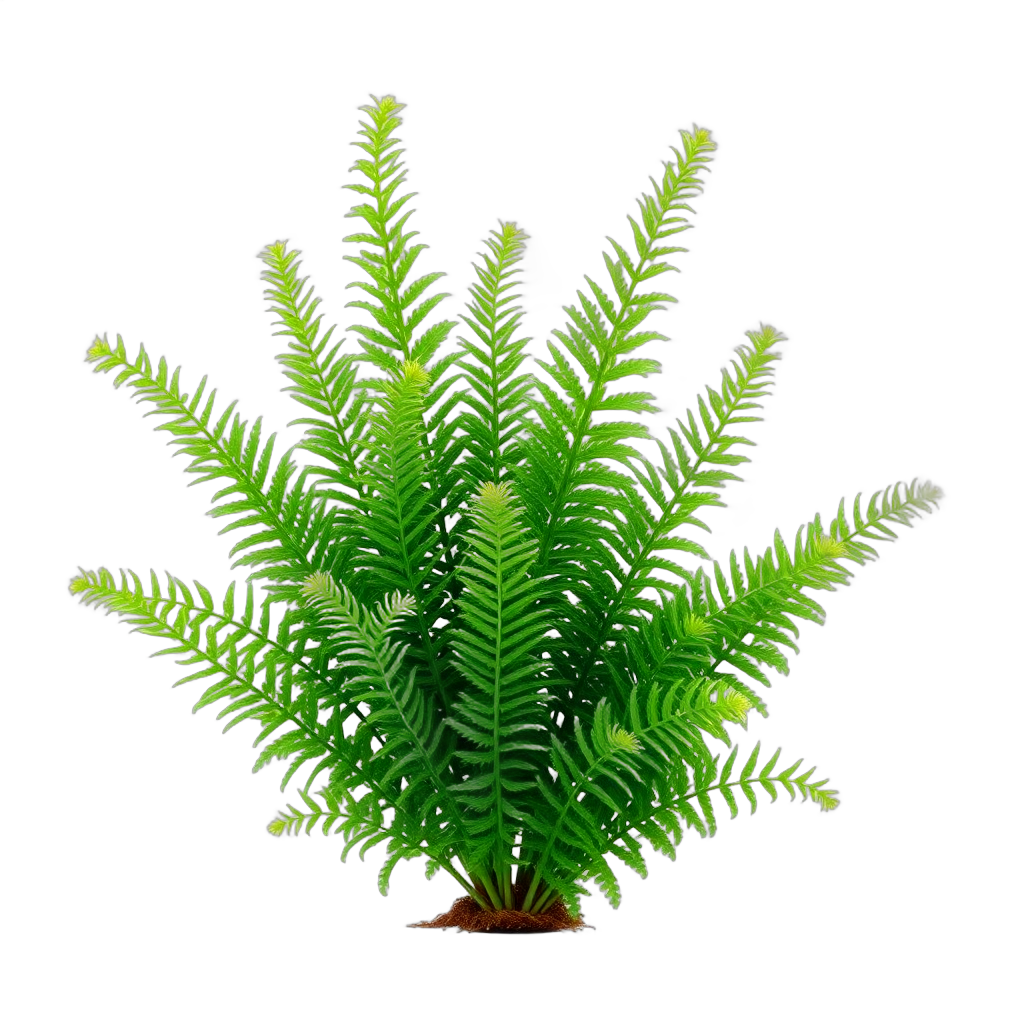
Ostrich Fern
Matteuccia struthiopteris
grows to 4 feet, blooms in none. Yellow fall color.
Zone and sun checks come from our database — confirm with your local nursery before you buy.
Bloom Calendar for Philadelphia
spring
Bishop's Cap, Bistort, Bitterrootsummer
Angel's Fishing Rod, Anise Sage, Armenian Cranesbillfall
Anise Sage, California Fuchsiawinter
Limited bloomsDesign Tips for Philadelphia (Zone 7b)
- Zone 7b is the dividing line — replace agave with yucca filamentosa for the same sculptural modern look with full cold-hardiness through Philadelphia winters
- Design for winter visibility: hardscape, evergreen structure (inkberry, yucca, ornamental grasses left standing), and uplighting carry the design through December–February when deciduous plants vanish
- Use permeable pavers or decomposed granite to satisfy Philadelphia Water Department stormwater requirements and avoid permit complications on projects over 500 sqft of new impervious surface
- On narrow rowhome fronts, eliminate lawn entirely and commit to one hardscape material — simplicity at small scale reads as intentional; complexity reads as cluttered
- If you're in a Philadelphia historic district, choose materials with precedent: brick, Belgian block, Pennsylvania bluestone, and painted wood fencing all have historical context and photograph well for Historical Commission applications
- Take advantage of Philadelphia's humid summers by incorporating moisture-tolerant ornamental grasses (Karl Foerster, switchgrass) and native perennials that thrive in the Mid-Atlantic climate without supplemental irrigation once established
Where to Source Plants in Philadelphia
Skip the big-box stores. These independent Philadelphia nurseries specialize in the plants that make modern/minimalist gardens thrive in Zone 7b.
Good Host Plants
Francisville (North Philly)
Native plants and wildflowers with local genetics for wildlife support
Mostardi Nursery
Newtown Square
Perennials, native plants, ornamental grasses — independent since 1976
Redbud Native Plant Nursery
Media
Native plants exclusively — established 2002 for regional ecosystem impact
LandHealth Institute
Parkside (West Philly)
Locally-adapted native plants and ecological restoration species
Modern/Minimalist Landscaping Costs in Philadelphia
| Project Scope | Estimated Cost |
|---|---|
| Rowhouse front yard redesign with gravel + grasses (200–400 sqft) | $5,000 – $12,000 |
| Backyard patio with pergola, fire pit + planting | $14,000 – $38,000 |
| Paver patio installation (Philadelphia labor rates) | $16 – $25/sqft installed |
| Raised dark steel planting beds (set of 2–3) | $2,500 – $7,000 |
| Lawn removal + DG/gravel conversion | $5 – $12/sqft |
| AI visualization with ProScapeAI | Free to start |
Estimates based on Philadelphia, PA-area contractor rates as of 2026. Actual costs vary by site conditions, materials, and contractor.
Philadelphia Climate & Growing Zone
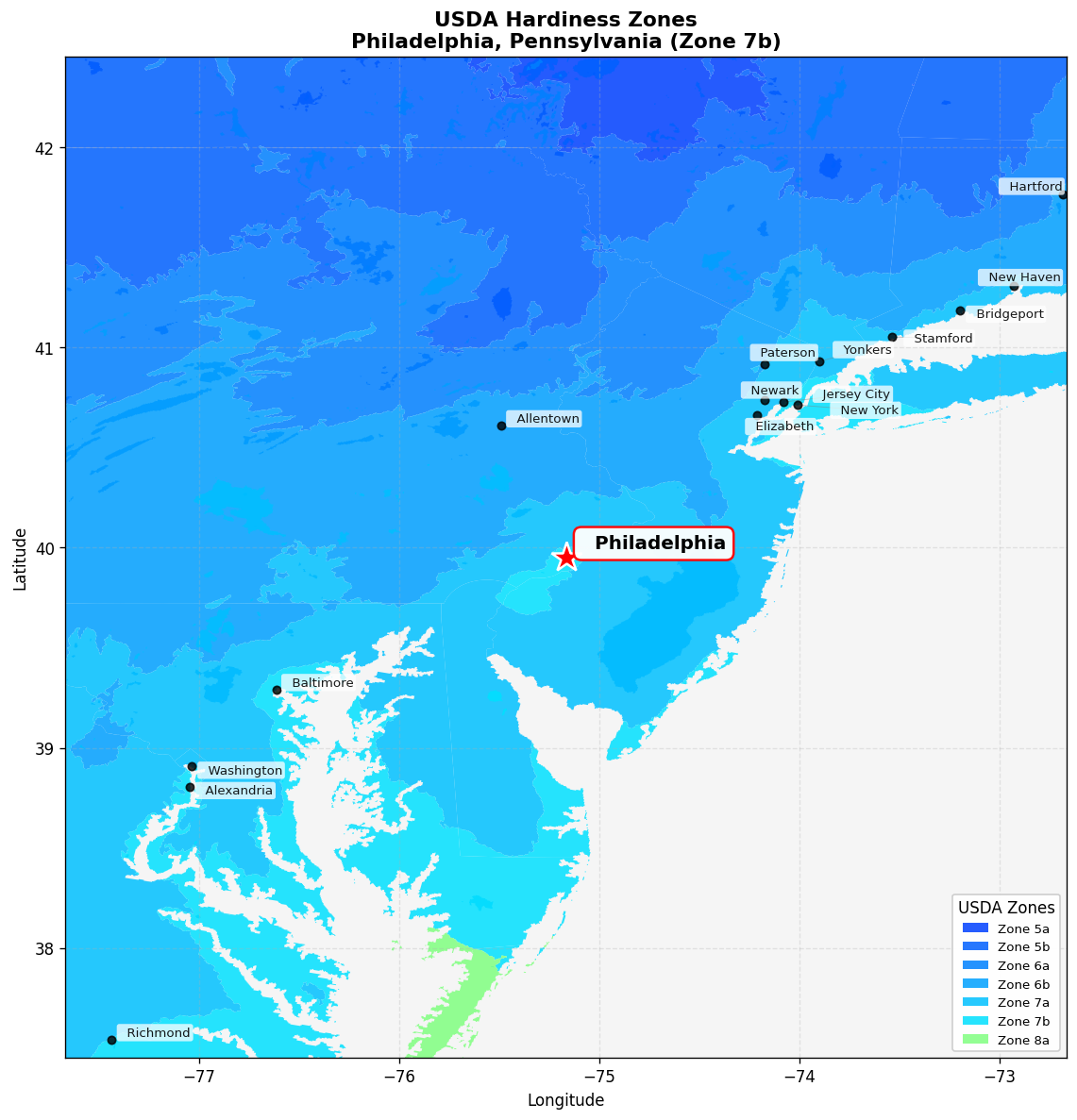
USDA Zone 7b
Hardiness zone for Philadelphia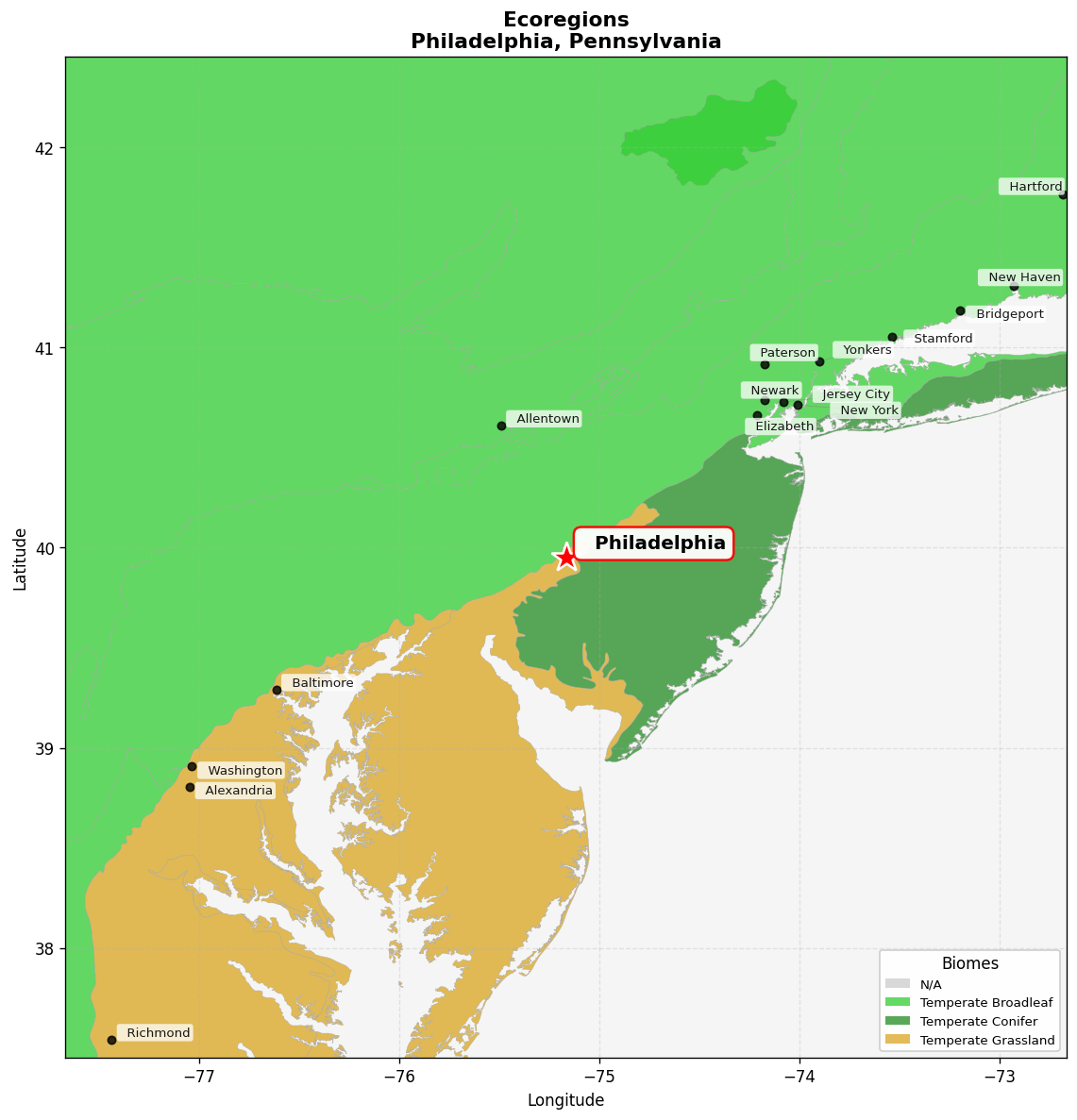
Mid-Atlantic US coastal savannas
Native ecoregionFrequently Asked Questions
Do I need a permit for landscaping in Philadelphia?
It depends on scope. The Philadelphia Department of Licenses & Inspections (L&I) requires permits for any structure over 30 inches (retaining walls, pergolas, decks), electrical work for landscape lighting, and plumbing changes. Front yard hardscape under 30 inches typically doesn't need an L&I permit, but Philadelphia's stormwater regulations require that new impervious surfaces over 500 sqft manage on-site runoff — often satisfied with permeable pavers or a rain garden. Check L&I's eCLIPSE portal for your specific project.
Does the Philadelphia Historical Commission affect my landscaping?
Yes, if your property is in a Philadelphia historic district (Society Hill, Chestnut Hill, Germantown, parts of West Philadelphia). The Historical Commission reviews exterior changes visible from the street, including front yard hardscape, fencing, and large structures. Interior courtyards and most backyards are typically exempt. Submit a Certificate of Appropriateness application before starting work in a historic district — the process takes 4–8 weeks but approval is common for sympathetic modern designs using quality materials.
What plants survive Philadelphia's winters in Zone 7b?
Zone 7b winters drop to 15–20°F, which rules out true agave (Zone 9+) but leaves plenty of architectural options. Yucca filamentosa is the cold-hardy agave substitute — same sculptural form, fully Zone 5 hardy. Karl Foerster feather reed grass, switchgrass, and Pennsylvania sedge all survive Philly winters and deliver the modern grass aesthetic. Serviceberry, crape myrtle (marginal but usually survives), and inkberry holly provide winter structure. Sempervivum (hens-and-chicks) handles Zone 4 cold and fills the succulent role year-round.
How do I design a modern garden on a narrow rowhome lot?
Philadelphia rowhome fronts are often 12–16 feet wide, which actually favors modern design: eliminate the lawn entirely, install one strong hardscape material (concrete, Belgian block, or large-format pavers), and plant one or two architectural specimens plus a ground cover. Simplicity reads as intentional at small scale. For backyards, think vertically — wood fence panels, climbing plants, and a pergola create enclosure and volume without eating square footage. A 15x25-foot backyard can feel twice its size with the right layout.
Does Philadelphia require stormwater management for landscaping projects?
Yes. Philadelphia Water Department's stormwater regulations require that projects adding 500+ sqft of new impervious surface manage on-site runoff through Green Stormwater Infrastructure (GSI). Permeable pavers, rain gardens, or bioswales satisfy this requirement and integrate naturally with modern landscape aesthetics. For projects under 500 sqft of new impervious surface, no stormwater review is required. The PWD's GSI incentive program may also offer rebates for installing qualifying features.
How much does modern landscaping cost in Philadelphia?
Philadelphia pricing sits above Midwest rates but below New York City. A front yard redesign on a rowhome lot (200–400 sqft) typically runs $4,500–10,000 with hardscape and plantings. Full backyard patio projects range $12,000–35,000. Pool installations on larger lots start around $50,000. Labor rates in Philadelphia average $65–95/hour for experienced contractors. Getting 3 quotes is essential — price variance in the Philadelphia market is significant.