4 Cottage Garden Ideas for Anaheim, CA | Mediterranean Cottage Gardens in Zone 10b
Native plants from the California coastal sage and chaparral (Zone 10b) — Mediterranean (hot summer) climate
Why Cottage/English Gardens in Anaheim?
Anaheim sits in the California Coastal Sage and Chaparral ecoregion within Zone 10b, where mild winters (lows rarely below 40°F), long dry summers, and only 13–15 inches of annual rainfall create the conditions for California’s distinctive interpretation of cottage style. The English cottage garden—with its rain-soaked borders and moist woodland logic—must be substantially adapted for Southern California’s semi-arid reality, but the result, sometimes called the California cottage garden or Mediterranean cottage style, is arguably more beautiful: the dry air suppresses fungal disease on roses, the mild winters allow gardenias and bougainvillea to grow as permanent shrubs, and the long sunny season means plants bloom for 9–10 months rather than the 5 typical in England.
Anaheim’s residential neighborhoods—particularly the Platinum Triangle area, Anaheim Hills, and the historic districts near downtown—feature California bungalows, Spanish Revival homes, and mid-century ranches whose architectural character is enhanced by lush cottage planting. The challenge is reconciling cottage abundance with California’s increasingly stringent water conservation requirements. Modern Anaheim cottage gardens solve this with drought-adapted plant selections, water-efficient drip irrigation, and 3-inch mulch layers that reduce evaporation—but the visual result is no less lush than a traditional cottage style when the right plants are chosen.
Southern California’s Mediterranean climate pattern—wet winters, dry summers—creates a distinct planting calendar that differs from most US regions. Fall (October–December) is the best planting time, allowing roots to establish during the cool, moist season. California-native cottage plants like salvia, penstemon, and ceanothus are adapted to summer drought; they go semi-dormant in July–August and bloom exuberantly in spring after winter rains. The cottage planting strategy that works best in Anaheim integrates these California natives with Mediterranean imports (lavender, rosemary, rock rose) and drought-adapted roses to create a garden that blooms 10 months of the year without unsustainable water use.
4 Cottage/English Design Ideas for Anaheim
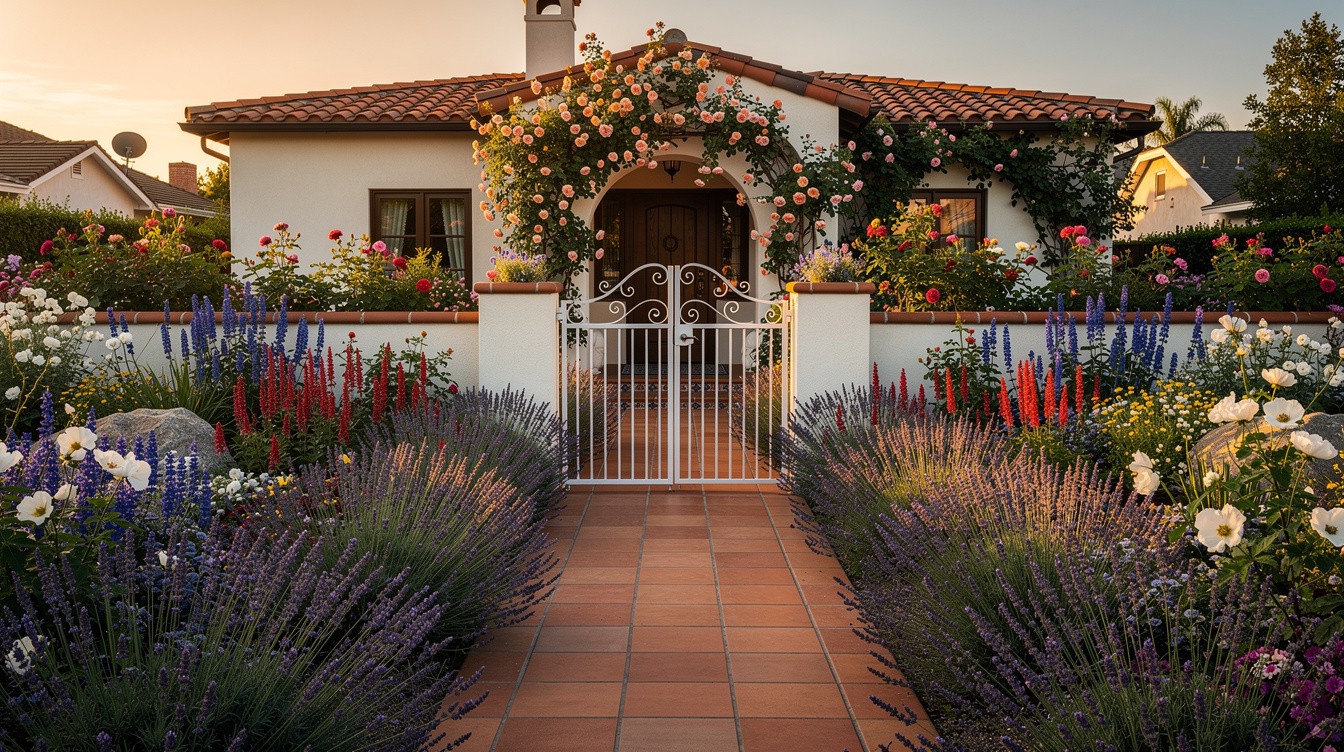
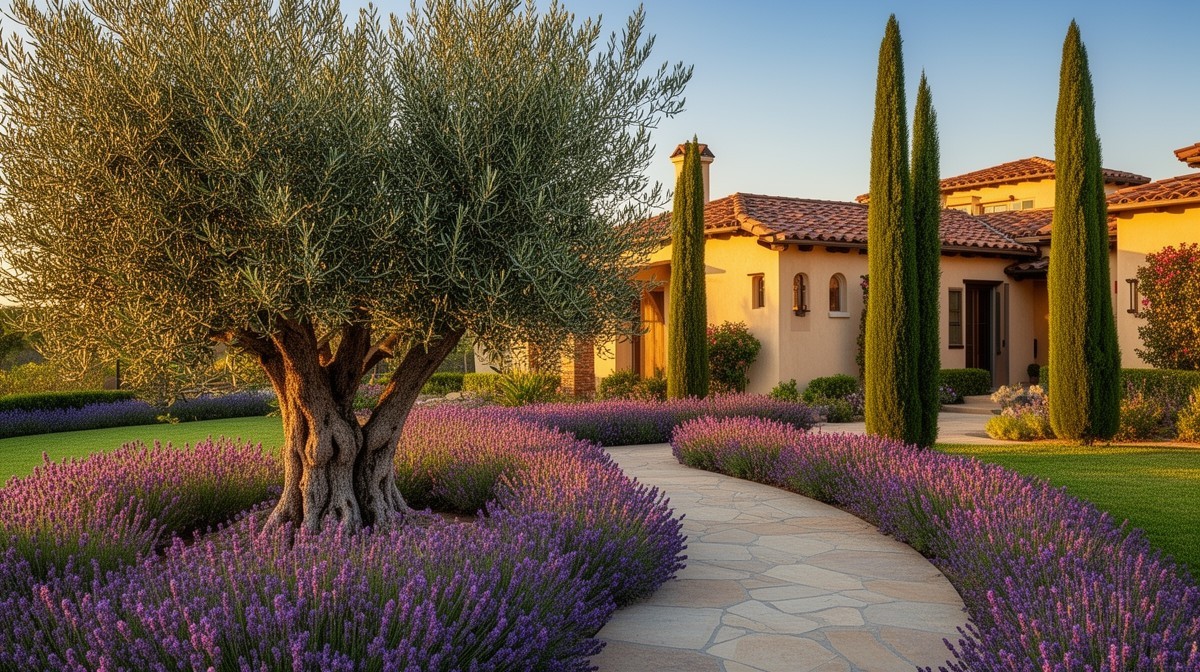
Spanish Revival Entry with Rose and Lavender Walk
$10–22/sqftA terracotta-tiled path edged with lavender hedges leads through a white wrought-iron gate to a Spanish Revival front porch, with climbing roses on the entry arch and mixed cottage borders of salvias, penstemon, and rock roses cascading on both sides. The warm-toned tile, white iron, fragrant lavender, and climbing roses create the definitive Southern California cottage entrance—lush enough to feel English, dry-adapted enough to thrive without supplemental summer irrigation once established. The lavender hedge blooms May through August, filling the entry path with fragrance.
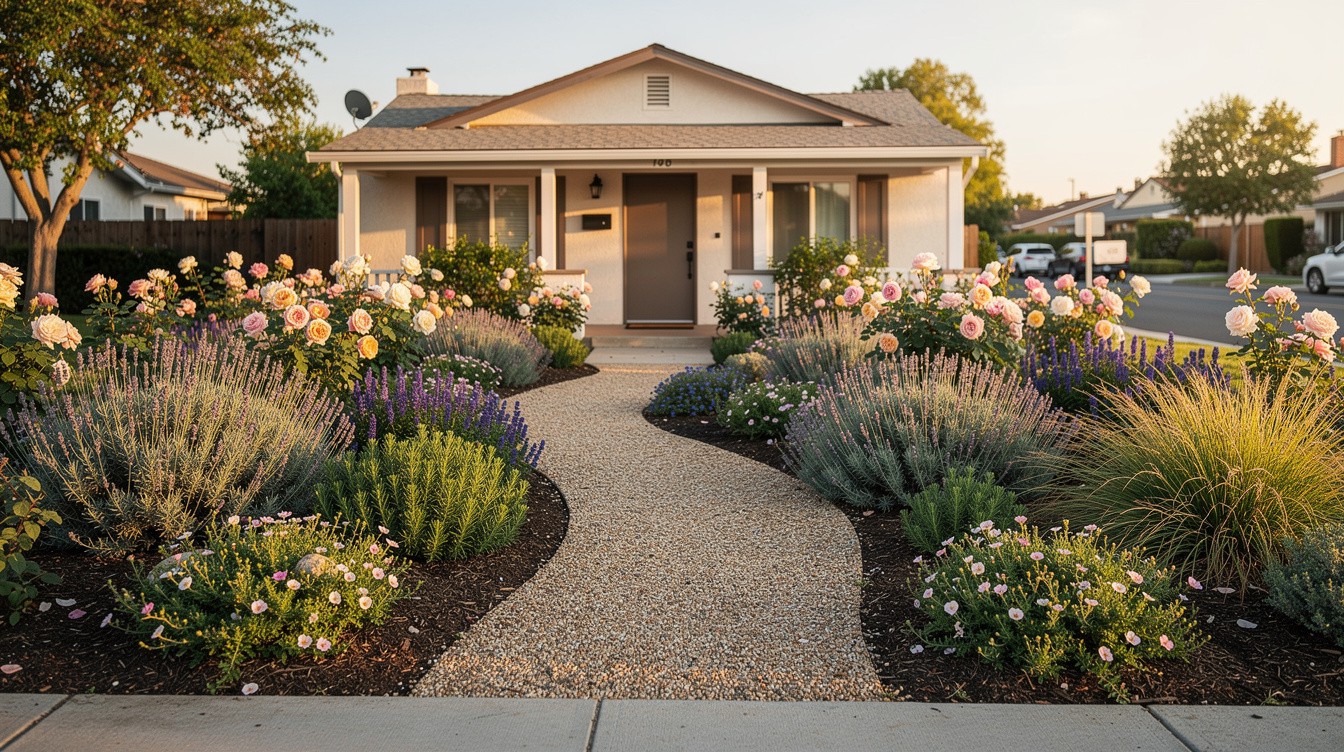
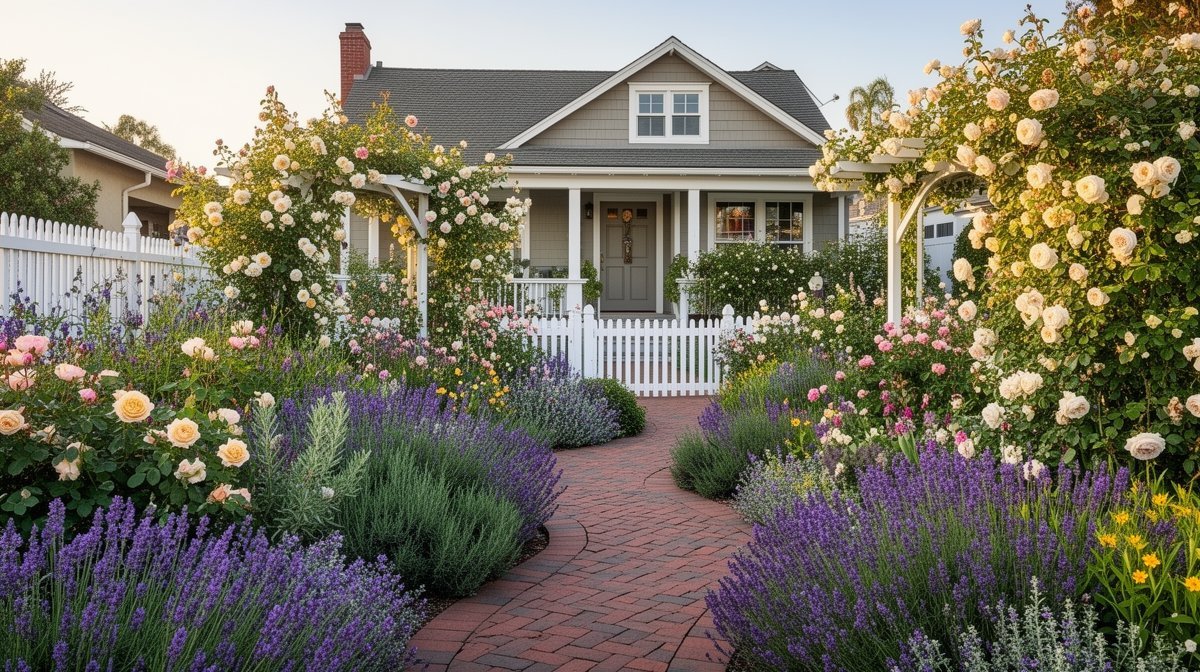
California Cottage Front Garden with Drought-Adapted Roses
$12‒24/sqftA curving decomposed granite path winds through generous cottage borders filled with drought-adapted roses, California sages, lavender, and ornamental grasses—a front yard that honors cottage abundance while complying with Orange County’s water restriction requirements. The border design uses a tiered approach: taller hybrid tea roses at the back (well-spaced for air circulation in the dry air), mid-height salvias and lavender filling the center, and low-growing rock rose and dwarf rosemary spilling toward the path. The design requires no summer irrigation after the first year—a genuine California cottage achievement.
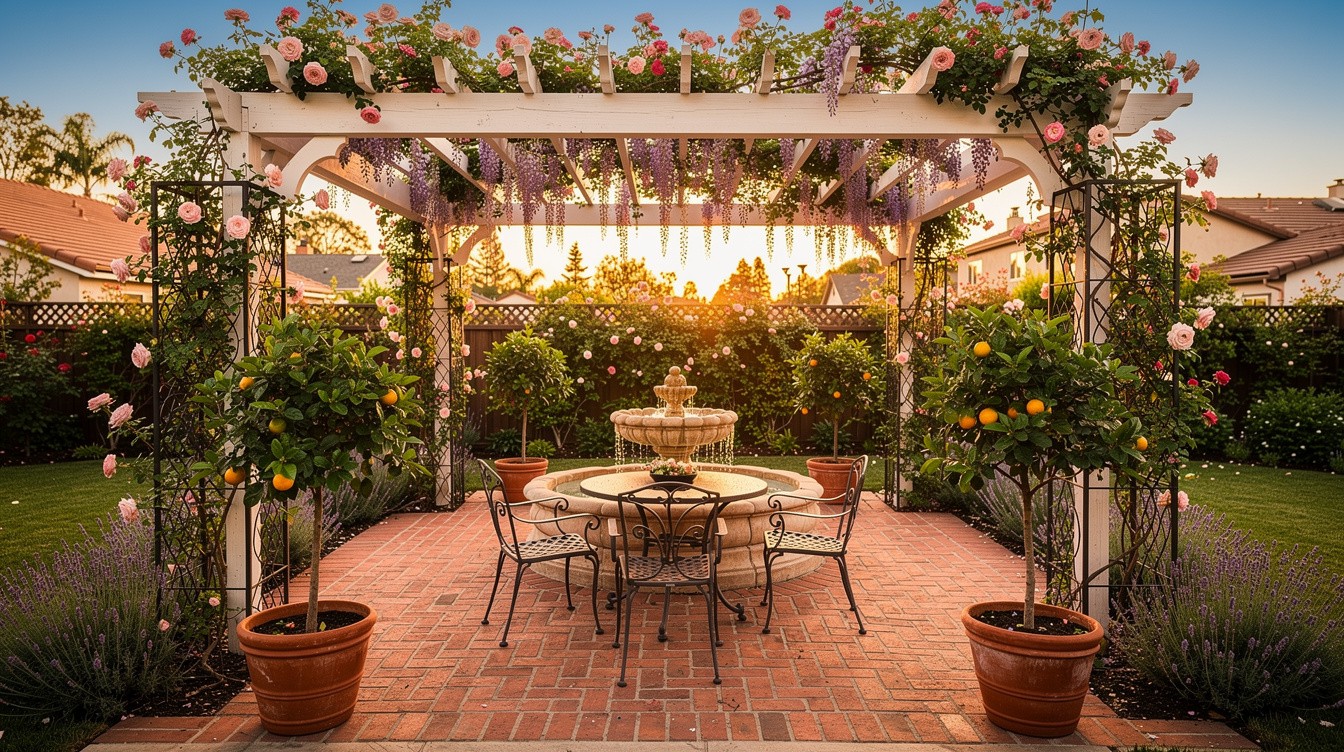
Brick Patio with Pergola and Rose-Covered Arbors
$18–38/sqftA brick patio surrounded by rose-covered metal arbors, lavender borders, and a central fountain creates a classic California cottage backyard entertaining space. The pergola overhead carries climbing roses and wisteria for dappled shade from April through November—exactly the months when Anaheim’s backyard is most used. Iron bistro furniture and terra cotta pots with citrus trees complete the Spanish-cottage character. The combination of brick, iron, roses, and warm terracotta tones is quintessentially Southern California cottage style.
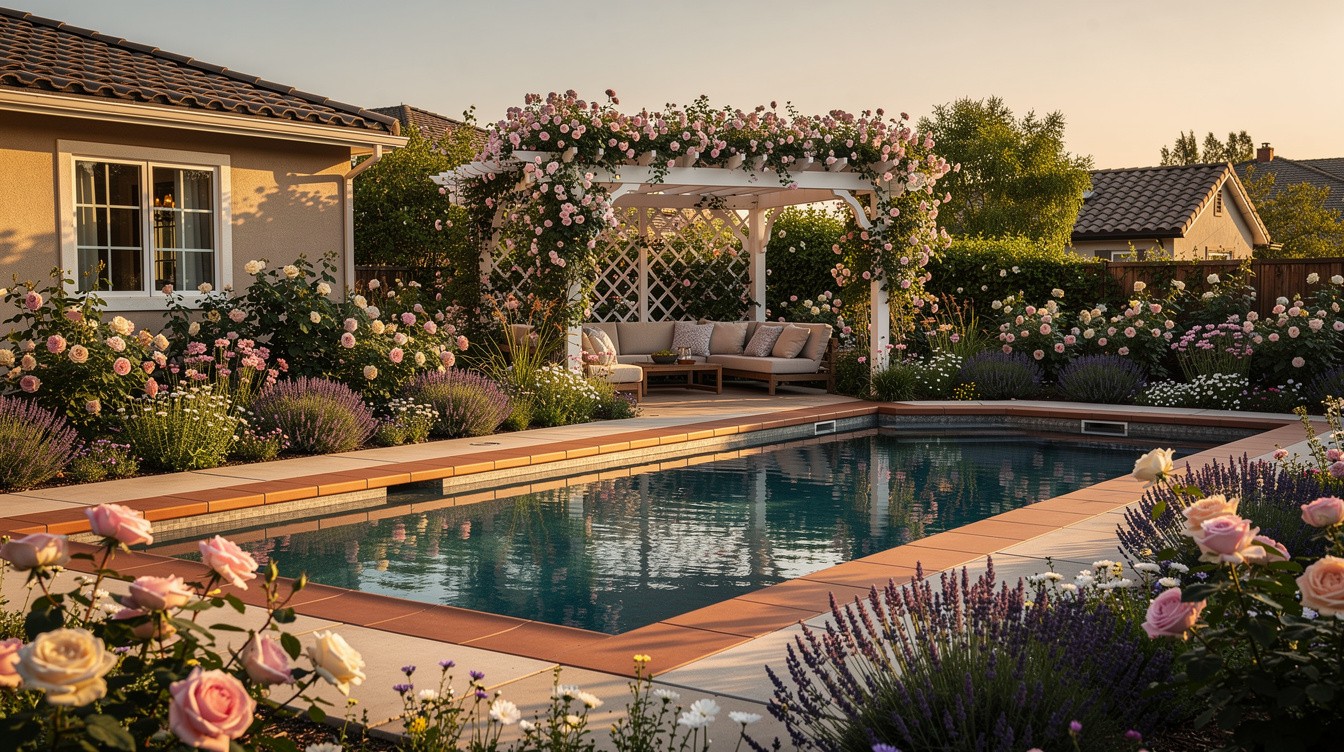
Cottage Garden with Plunge Pool and Rose Borders
$30–65/sqftA rectangular plunge pool surrounded by terracotta pool coping is embedded in a generous cottage garden with rose borders, lavender hedges, and a rose-covered pergola creating shade over one end of the pool deck. The cottage planting softens the pool’s clean geometry, creating the hybrid of structured outdoor living and romantic planting abundance that defines California’s best residential landscapes. Orange County’s 8–10 month pool season makes this investment highly practical, and the cottage garden context makes the pool feel like a garden feature rather than a backyard excavation.
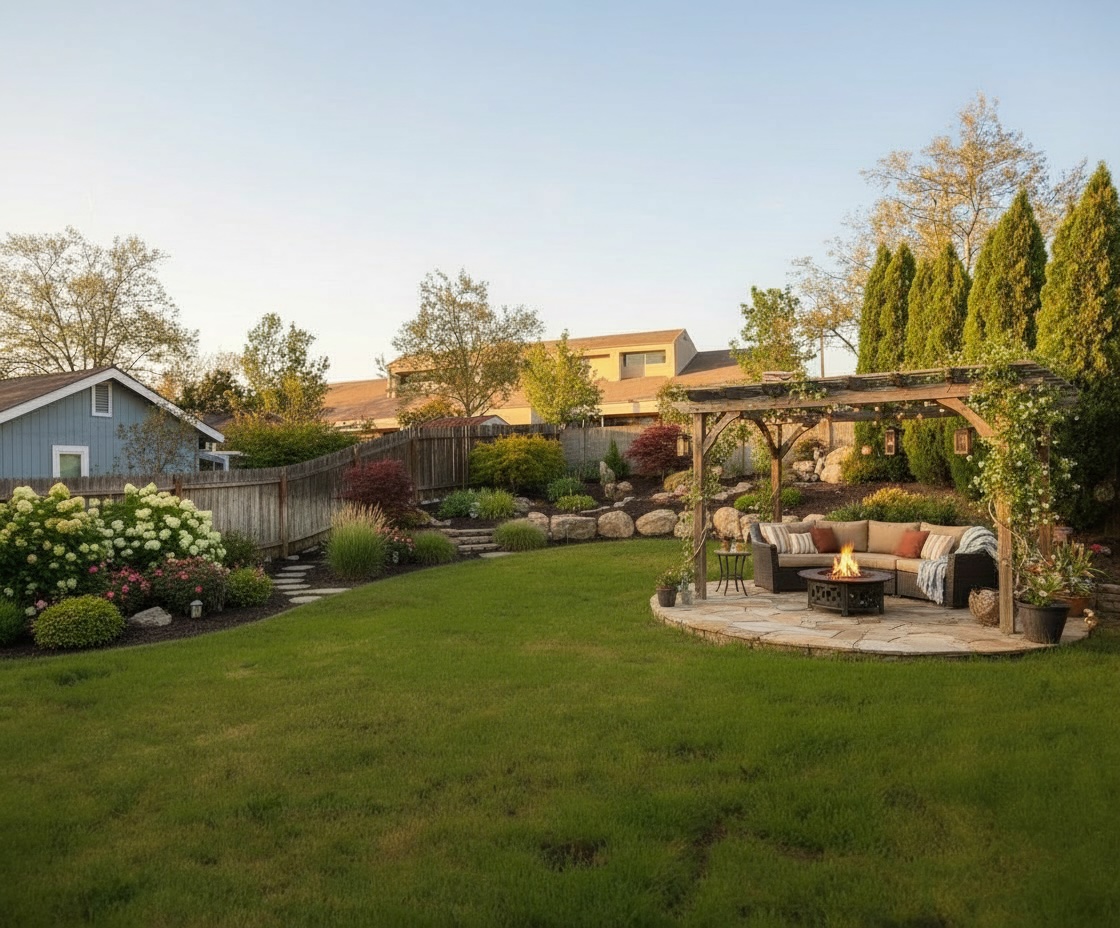
See how a cottage/english garden looks on YOUR property
Upload a photo of your Anaheim yard and visualize your dream garden in seconds.
Try ProScapeAI Free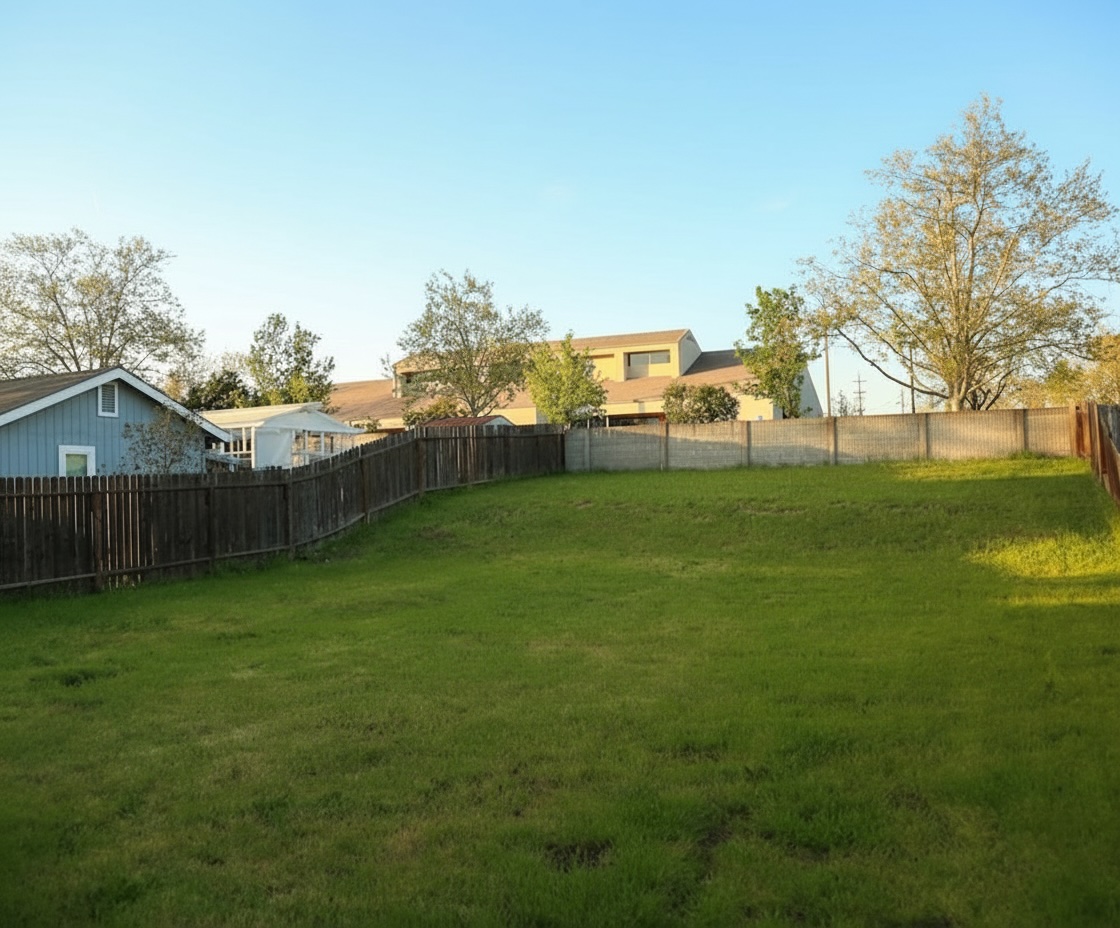
Featured Trees & Shrubs for Cottage/English Gardens
Browse all 219 plants for Anaheim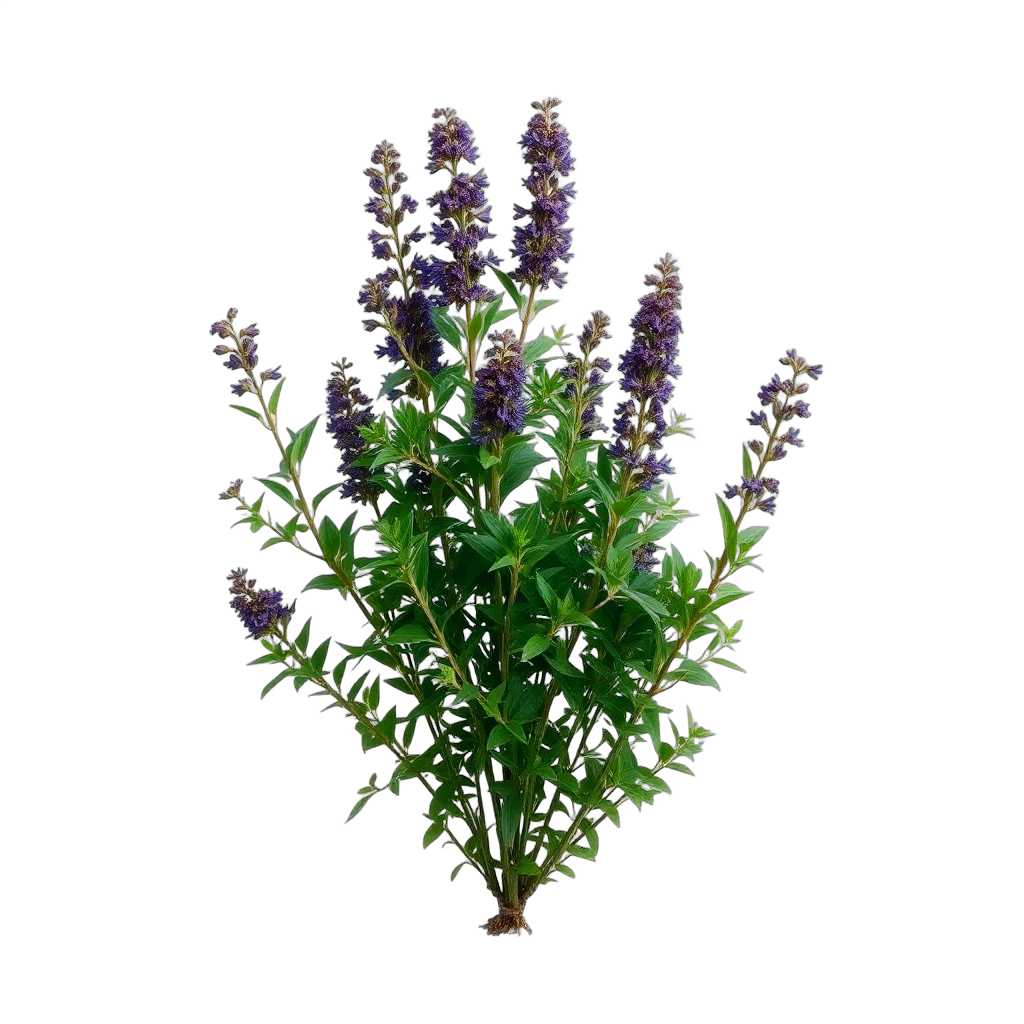
Black Sage
Salvia mellifera
grows to 4 feet, white blooms in spring. Attracts butterflies.

Blue Blossom
Ceanothus thyrsiflorus
medium-sized at 12 feet, blue blooms in spring. Attracts butterflies.

Blue Elderberry
Sambucus cerulea
medium-sized at 15 feet, white blooms in spring. Attracts butterflies.

Buckbrush
Ceanothus cuneatus
medium-sized at 7 feet, white blooms in spring. Attracts butterflies.
Featured Grasses & Groundcovers for Cottage/English Gardens
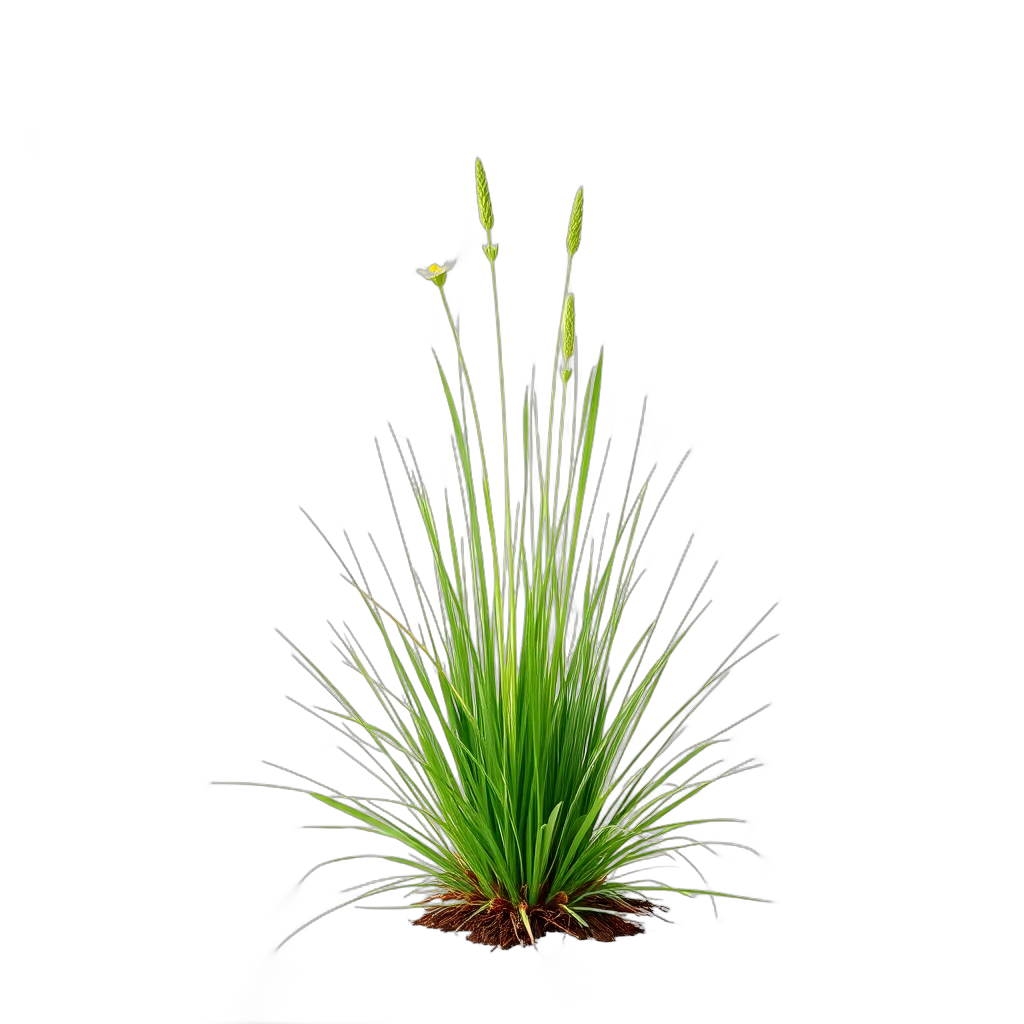
California Brome
Bromus carinatus
low-growing ground cover, blooms in spring. Yellow fall color.
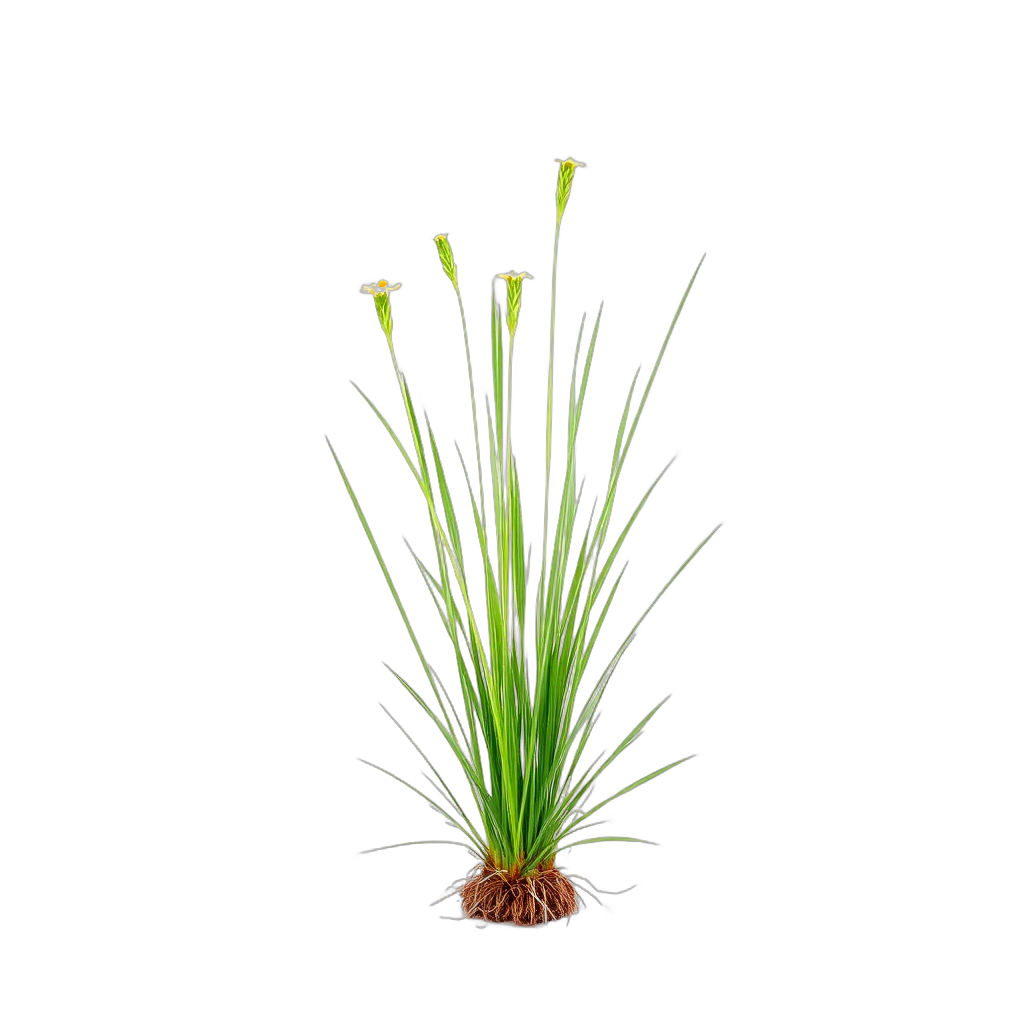
California Melic
Melica californica
low-growing ground cover, blooms in spring.
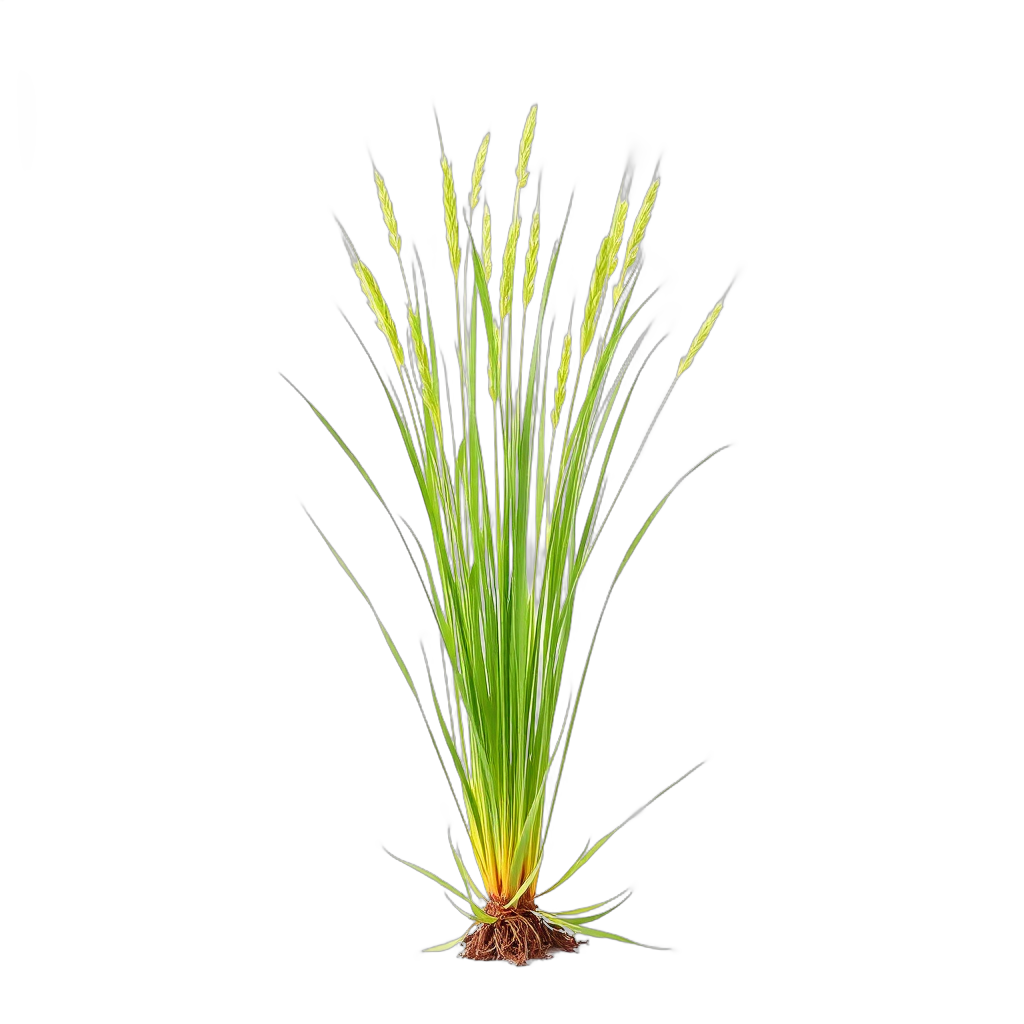
California Oatgrass
Danthonia californica
low-growing ground cover, blooms in spring. Yellow fall color.
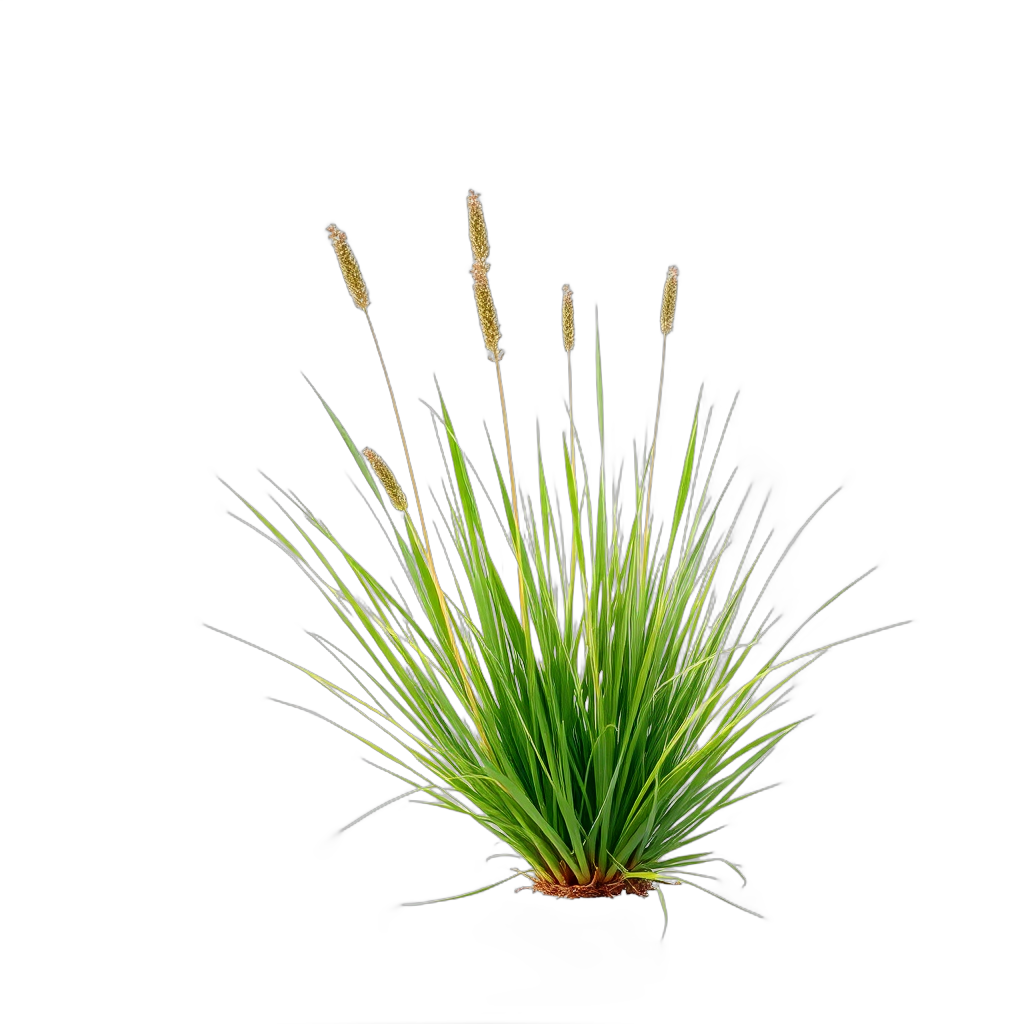
Deer Grass
Muhlenbergia rigens
grows to 3 feet, yellow blooms in fall. Evergreen year-round.
Featured Flowers & Perennials for Cottage/English Gardens
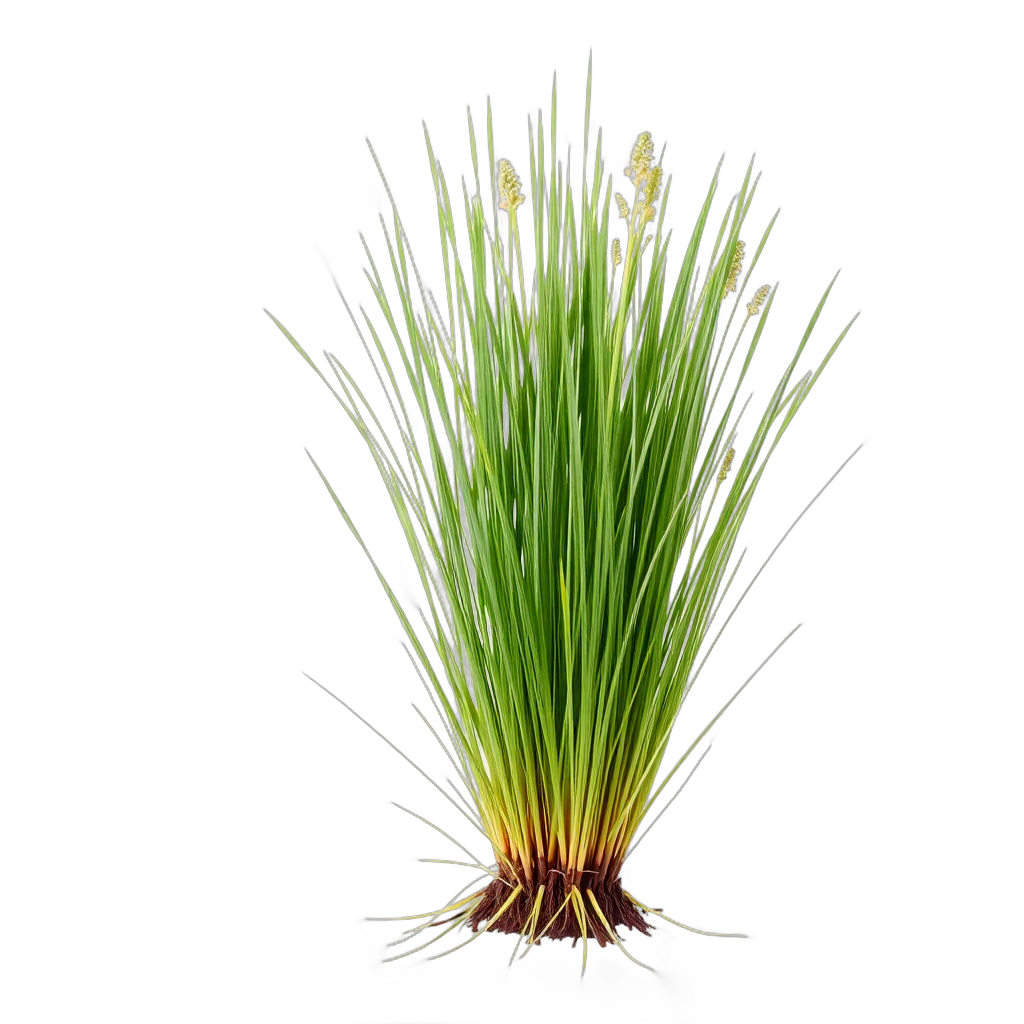
California Gray Rush
Juncus patens
low-growing ground cover, blooms in summer. Evergreen year-round.
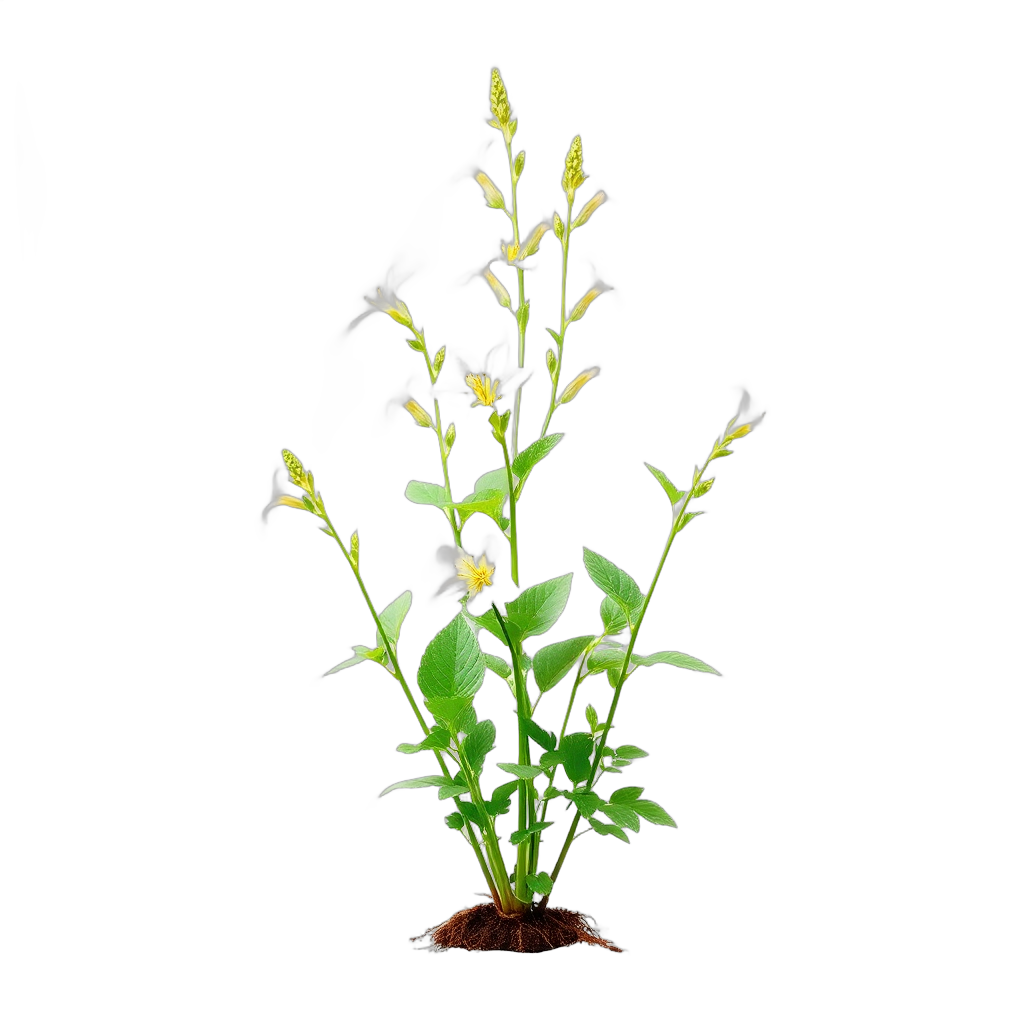
Beach Evening Primrose
Camissonia cheiranthifolia
low-growing ground cover, yellow blooms in spring. Attracts butterflies.
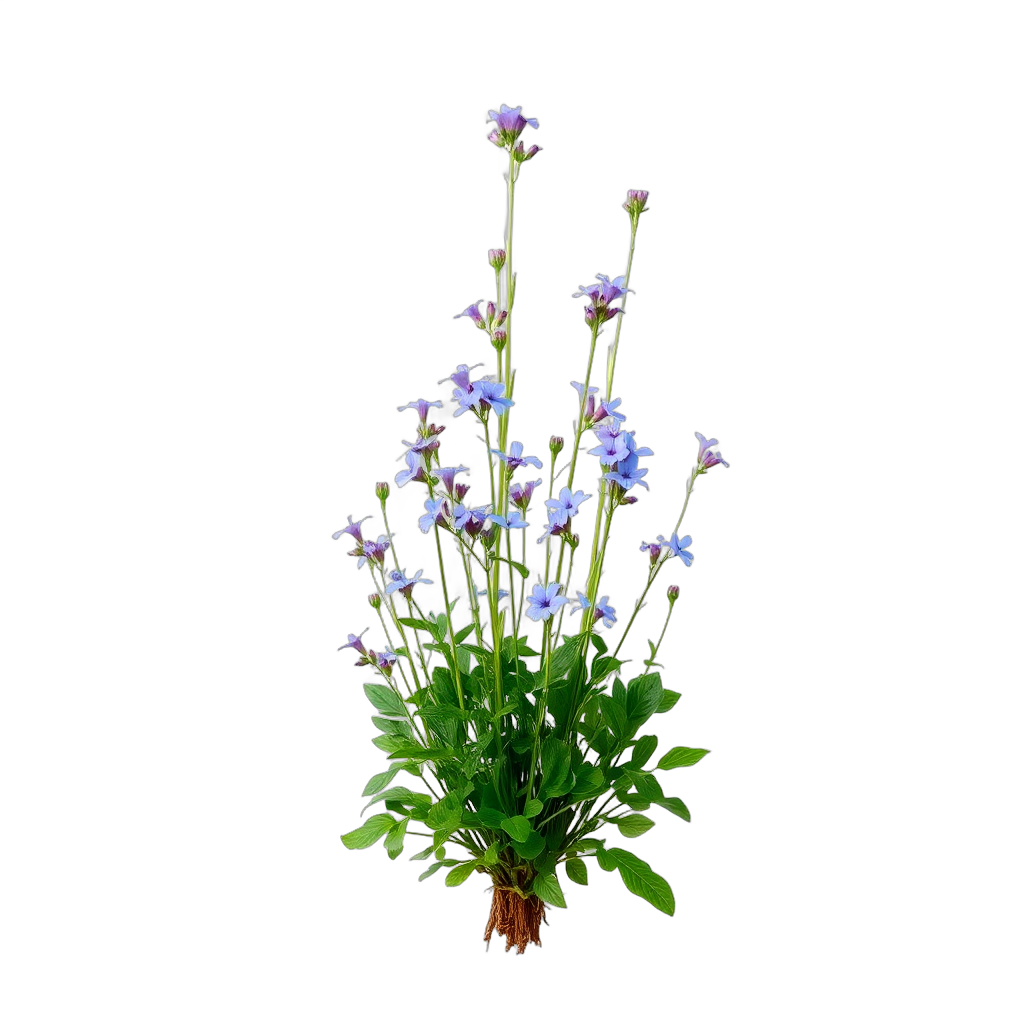
Blue Dicks
Dichelostemma capitatum
low-growing ground cover, blue blooms in spring. Pollinator-friendly.
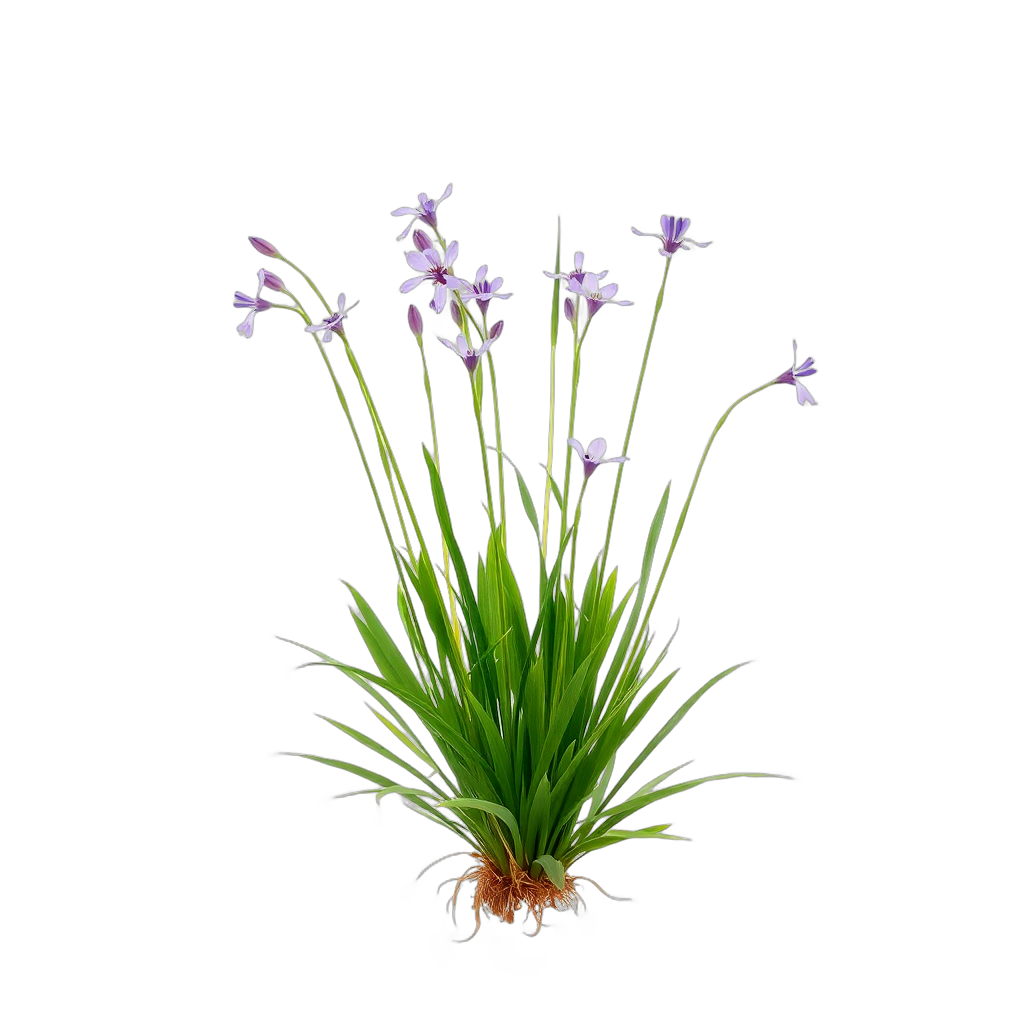
Blue-Eyed Grass
Sisyrinchium bellum
low-growing ground cover, blue blooms in spring. Attracts butterflies.
Zone and sun checks come from our database — confirm with your local nursery before you buy.
Bloom Calendar for Anaheim
spring
Beach Evening Primrose, Blue Dicks, Blue-Eyed Grasssummer
California Gray Rush, Hooker's Evening Primrose, Hummingbird Mintfall
California Fuchsiawinter
Limited bloomsDesign Tips for Anaheim (Zone 10b)
- Plant cottage gardens in fall (October–December) rather than spring—Anaheim’s winter rains provide free irrigation during establishment and plants build stronger root systems before summer drought arrives
- Use decomposed granite paths rather than concrete or brick—DG is permeable, cheaper than masonry, visually warm in the Southern California light, and allows rainwater infiltration that recharges soil moisture around adjacent planting beds
- Choose David Austin English roses that are Zone 10b-tested: ‘Olivia Rose’, ‘Lady of Shalott’, ‘Princess Alexandra of Kent’, and ‘Munstead Wood’ all perform well in Anaheim’s heat with good air circulation and deep but infrequent summer watering
- Interplant roses with lavender for the definitive California cottage pairing—lavender blooms when roses rest, fills the cottage border with gray-silver foliage texture, and suppresses weeds through its volatile oils that inhibit germination
- Apply 3 inches of bark mulch every spring—in Anaheim’s dry climate, mulch is the most important water conservation step, reducing soil evaporation by 40–70% during the long dry summer
- Add a small fountain or birdbath near the cottage seating area—moving water attracts birds and beneficial insects, adds sound, and provides the humidity microclimate that benefits rose foliage in Anaheim’s very dry air
Where to Source Plants in Anaheim
Skip the big-box stores. These independent Anaheim nurseries specialize in the plants that make cottage/english gardens thrive in Zone 10b.
Armstrong Garden Centers
Multiple Orange County locations
Southern California’s largest cottage plant chain—roses, lavender, California natives, and design services
Roger’s Gardens
Corona del Mar / Newport Beach
Premier Southern California nursery—exceptional rose selection, cottage perennials, and landscape design expertise
Mockingbird Nursery
Riverside
California native plants, drought-adapted cottage perennials, and expert knowledge on Inland Empire planting conditions
San Gabriel Nursery & Florist
San Gabriel (30 min from Anaheim)
One of Southern California’s oldest nurseries—deep cottage plant inventory, roses, and heritage varieties not found at chain stores
Green Thumb Nursery
Santa Ana / Multiple OC locations
Full-service regional chain with strong cottage and California native plant sections, competitive prices
Cottage/English Landscaping Costs in Anaheim
| Project Scope | Estimated Cost |
|---|---|
| Cottage front yard with DG path, rose arbor, and drought-adapted borders | $12,000 – $28,000 |
| Spanish Revival entry with terracotta tile and lavender walk | $10,000 – $22,000 |
| Brick patio with pergola, rose arbors, and bistro garden | $20,000 – $45,000 |
| Pool with cottage garden borders and rose pergola | $55,000 – $120,000 |
| Drip irrigation system for full cottage garden | $1,500 – $4,000 |
| Annual cottage garden maintenance (mulching, pruning, seasonal color) | $1,500 – $3,500/year |
| AI visualization with ProScapeAI | Free to start |
Estimates based on Anaheim, CA-area contractor rates as of 2026. Actual costs vary by site conditions, materials, and contractor.
Anaheim Climate & Growing Zone
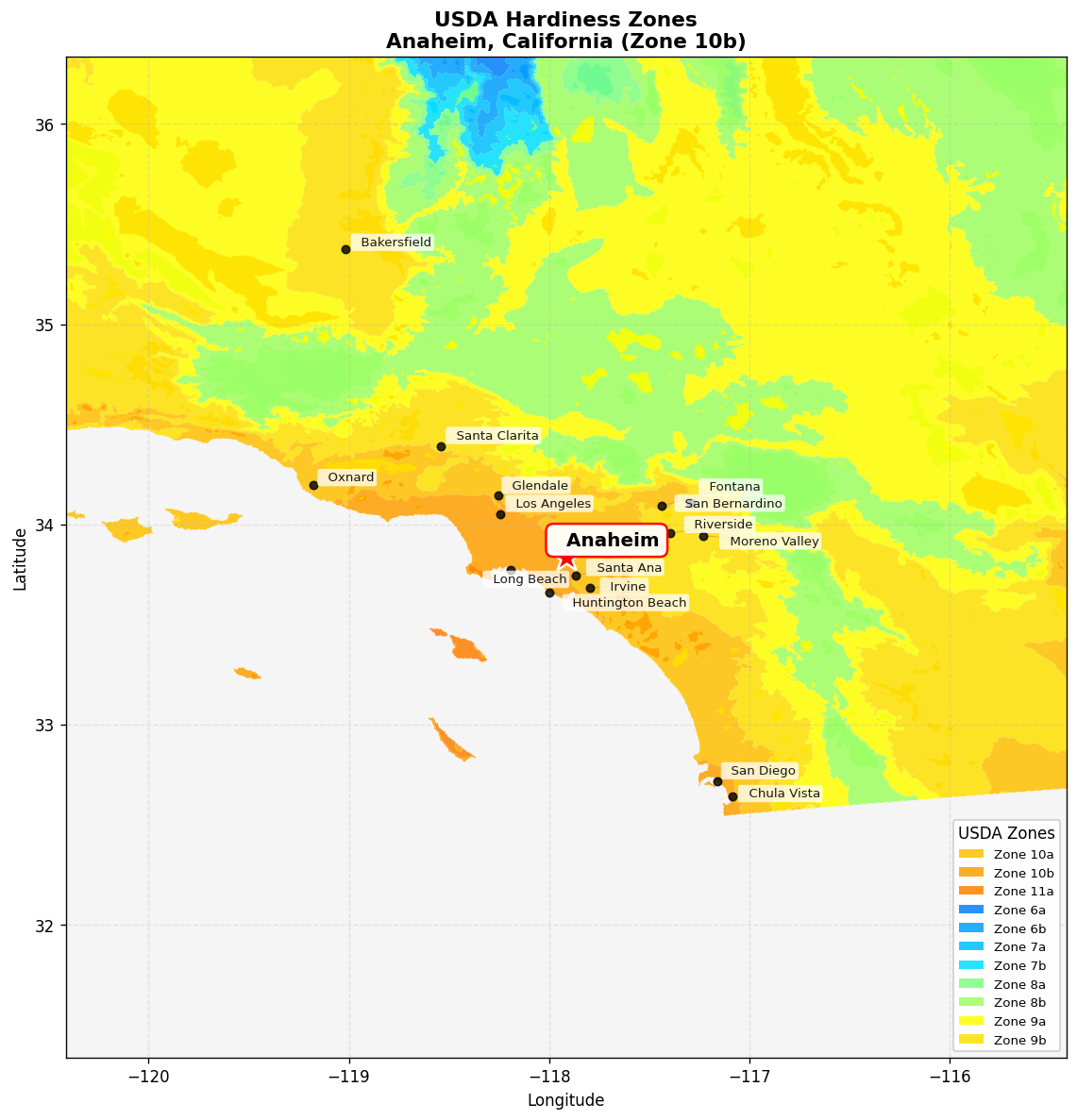
USDA Zone 10b
Hardiness zone for Anaheim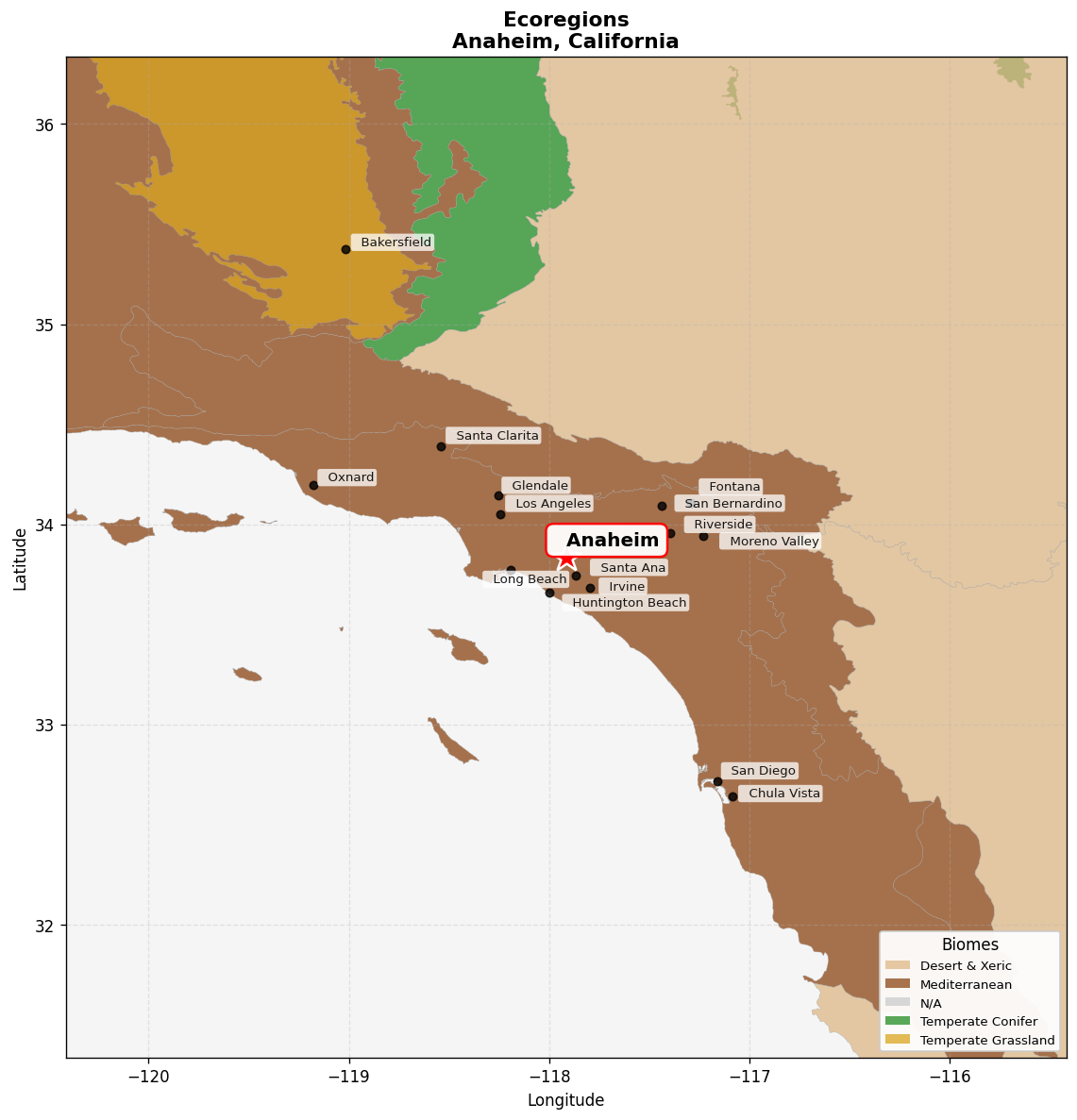
California coastal sage and chaparral
Native ecoregionFrequently Asked Questions
What cottage plants are drought-adapted for Anaheim’s Zone 10b climate?
Anaheim’s dry Mediterranean climate supports a rich drought-adapted cottage palette. Top performers: David Austin roses (many are surprisingly drought-tolerant once established), Knock Out roses (full bloom spring through fall with minimal water), lavender (all varieties thrive in dry Mediterranean conditions), California sage (Salvia clevelandii, powerful fragrance, native), Cleveland sage, rosemary (use as cottage hedge or cascading border), rock rose (Cistus, tolerates drought and poor soil), penstemon (native, hummingbird magnet, blooms spring through summer), and bougainvillea (extremely drought-tolerant, vivid color). These plants can sustain a lush cottage appearance with 1–2 deep waterings per week during summer and none in winter.
How do I maintain a cottage garden under Orange County water restrictions?
Orange County has implemented tiered water pricing and periodic restrictions that affect outdoor irrigation. The most effective strategies: convert to a drip irrigation system with moisture sensors (reduces water use 30–50% vs. spray irrigation), apply 3-inch mulch layers over all beds (reduces evaporation significantly), transition lawn areas to decomposed granite or drought-tolerant ground covers, and replace high-water cottage plants with California-native or Mediterranean alternatives. Many Orange County cities offer free water audits and rebates for turf removal and drip system installation—check with your local water district before starting any conversion project.
When is the best time to plant a cottage garden in Anaheim?
Fall (October–December) is the ideal planting window for Anaheim cottage gardens. California’s winter rainy season provides natural irrigation for new plants during their most critical establishment period, and mild temperatures prevent heat stress. Roses, lavender, perennials, and woody shrubs planted in fall establish their root systems through winter and bloom in their first spring. Spring planting (February–April) works for annuals and warm-season color. Avoid planting in July–September—Anaheim’s hot, dry summers stress new transplants severely and require intensive irrigation to compensate.
Do roses bloom year-round in Anaheim’s Zone 10b?
Yes—in Zone 10b, roses bloom nearly continuously from February through December, with only a brief winter pause in January. This is one of the great advantages of Southern California cottage gardening. Modern repeat-blooming roses like David Austin English roses, Knock Out roses, and hybrid tea roses will cycle through flush after flush of bloom throughout the long warm season. The dry air is also a major advantage for rose health: black spot and powdery mildew—the two most common rose diseases—require moisture on foliage to germinate, and Anaheim’s low humidity (typically 30–40% in summer) dramatically reduces disease pressure compared to humid-climate rose growing.
Can I use a lawn in an Anaheim cottage garden?
Lawns are increasingly discouraged in Southern California, and some Orange County cities are restricting front yard turf. A cottage garden approach without lawn is actually more visually lush: decomposed granite paths, dense border plantings, and a focal feature like a fountain or rose arbor create more cottage character than lawn ever could. For families needing play area, synthetic turf is permitted under most local restrictions and maintains the appearance of lawn without irrigation costs. If you want a small organic lawn, Fescue (Festuca arundinacea ‘Eco-Lawn’) and Kurapia ground cover are drought-tolerant alternatives that read as lawn.
How much does a cottage garden installation cost in Anaheim?
Southern California landscaping costs are significantly above national averages due to high labor rates and material costs. An Anaheim cottage front yard with decomposed granite path, rose arbor, and drought-adapted border planting typically costs $12,000–$28,000. A backyard patio with pergola, roses, and bistro garden runs $20,000–$45,000. A pool-and-cottage-garden combination ranges $55,000–$120,000. Annual maintenance for an established drought-adapted cottage garden runs $1,500–$3,500/year in Orange County. Drip irrigation system installation adds $1,500–$4,000 but recovers cost through water savings within 3–4 years.