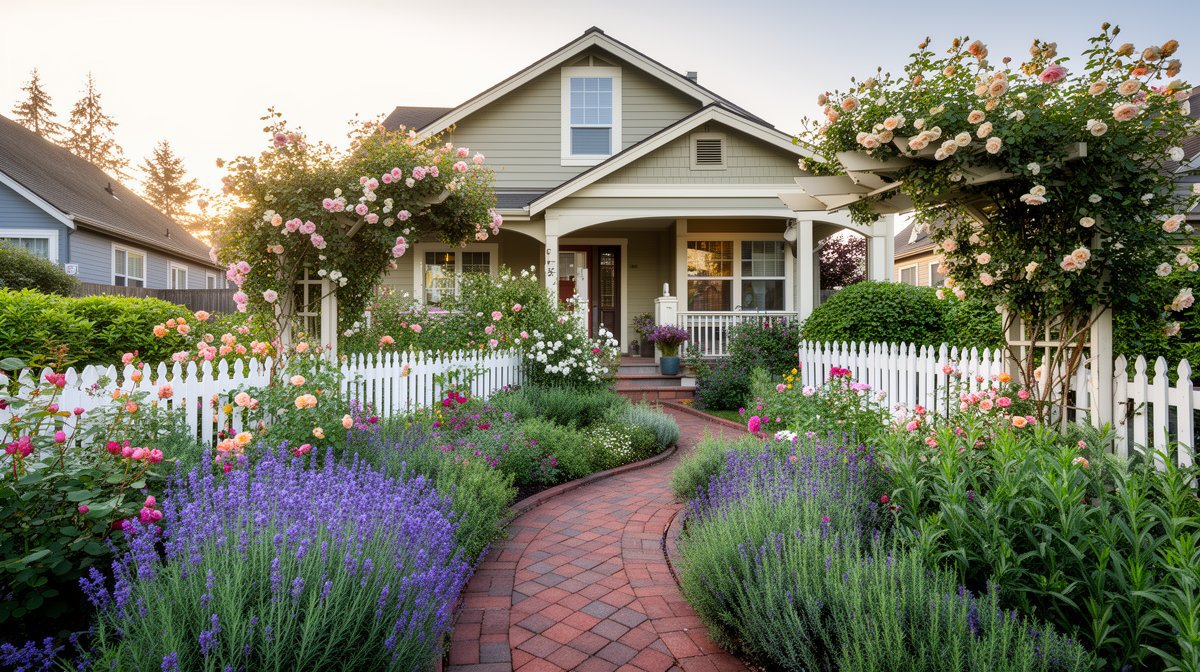
4 Cottage Garden Ideas for Anchorage, AK | Sub-Arctic Cottage Gardens in Zone 4b
Native plants from the Cook Inlet taiga (Zone 4b) — Temperate climate
Why Cottage/English Gardens in Anchorage?
Anchorage occupies a genuinely unique place in American cottage gardening—the Cook Inlet Taiga ecoregion in Zone 4b means average lows of −20 to −30°F in winter, a growing season of only 117–130 days, and the extraordinary phenomenon of the midnight sun that provides 19+ hours of daylight from late May through late July. This extended summer daylight—not heat, but light—is what makes Anchorage cottage gardening genuinely spectacular: plants grow at a pace that stuns visitors from the lower 48, producing vegetables the size of small cars and flowers of extraordinary vigor and size in response to the uninterrupted photosynthesis of the long Arctic day.
Anchorage cottage gardening is concentrated in neighborhoods like South Addition, College Village, and the Hillside, where established homes have mature spruce and birch canopy that provides the woodland backdrop perfect for shade-tolerant cottage plants. The city’s best cottage gardens are known for their intensely vivid colors—the long light hours concentrate pigments in flowers and foliage, making Alaskan blooms more saturated than the same varieties grown in shorter-day environments. This color intensity is one of Anchorage cottage gardening’s most prized qualities.
The horticultural challenges are significant but manageable. Hard frosts can occur any month of the year—Anchorage’s average last spring frost is May 14, and first fall frost averages August 31—giving gardeners roughly 110 days between frosts. This compresses the cottage growing season but doesn’t eliminate it: the extended daylight accelerates plant development so dramatically that Anchorage gardeners often achieve bloom in 110 days that would take 180 days in lower-48 climates. Cold-hardy perennials rated for Zone 3 or 4 form the backbone; annuals started indoors in March provide the summer color that shorter-season locations miss.
4 Cottage/English Design Ideas for Anchorage
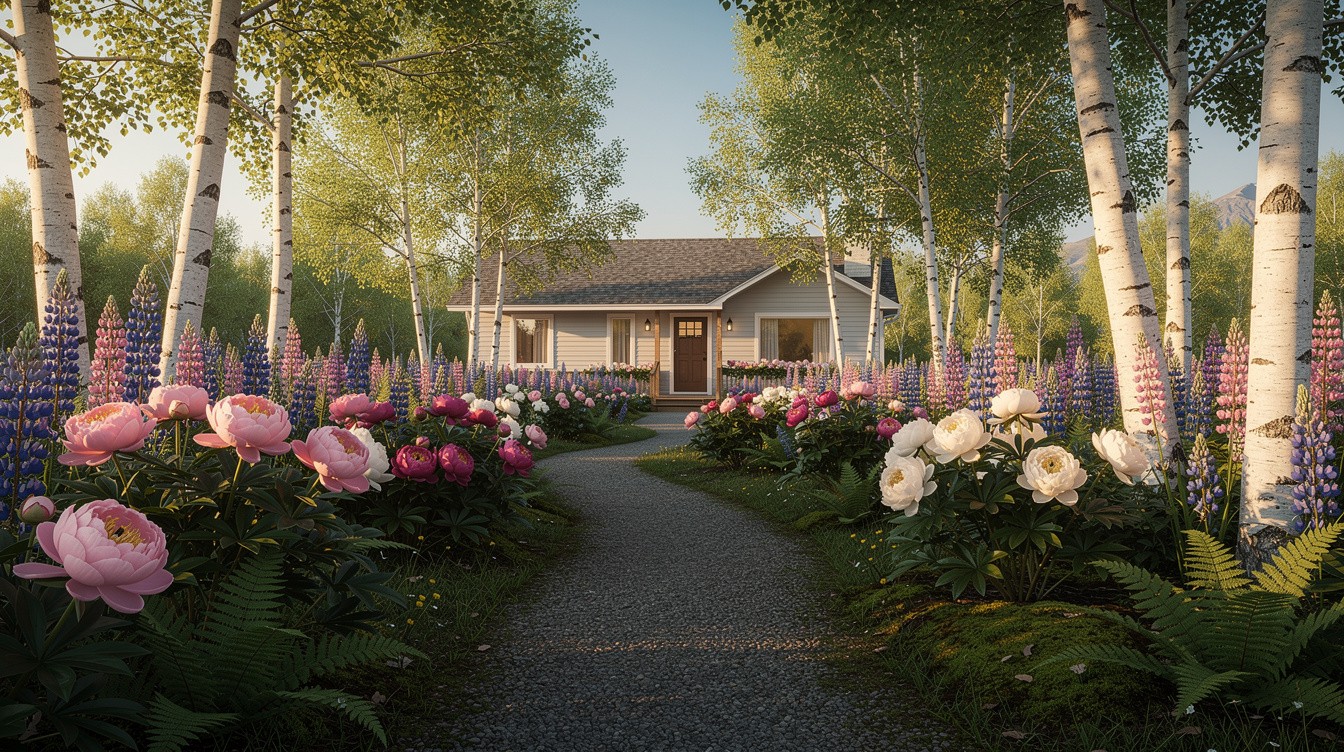
Alaskan Birch Path Cottage with Lupine and Peony Borders
$8–18/sqftA winding gravel path through a birch-canopied front yard is lined with the two signature cottage plants of Anchorage gardens: peonies and lupines. The peonies—deeply cold-hardy and extraordinarily vigorous in Anchorage’s long light—produce enormous blooms in late June under the midnight sun. Lupines in blue, pink, and purple self-sow freely in Anchorage’s cool soil and create the sweeping wildflower meadow effect that defines classic Alaska cottage style. Native ferns and moss carpet the birch root zone, providing the lush green backdrop that makes the flowers pop.
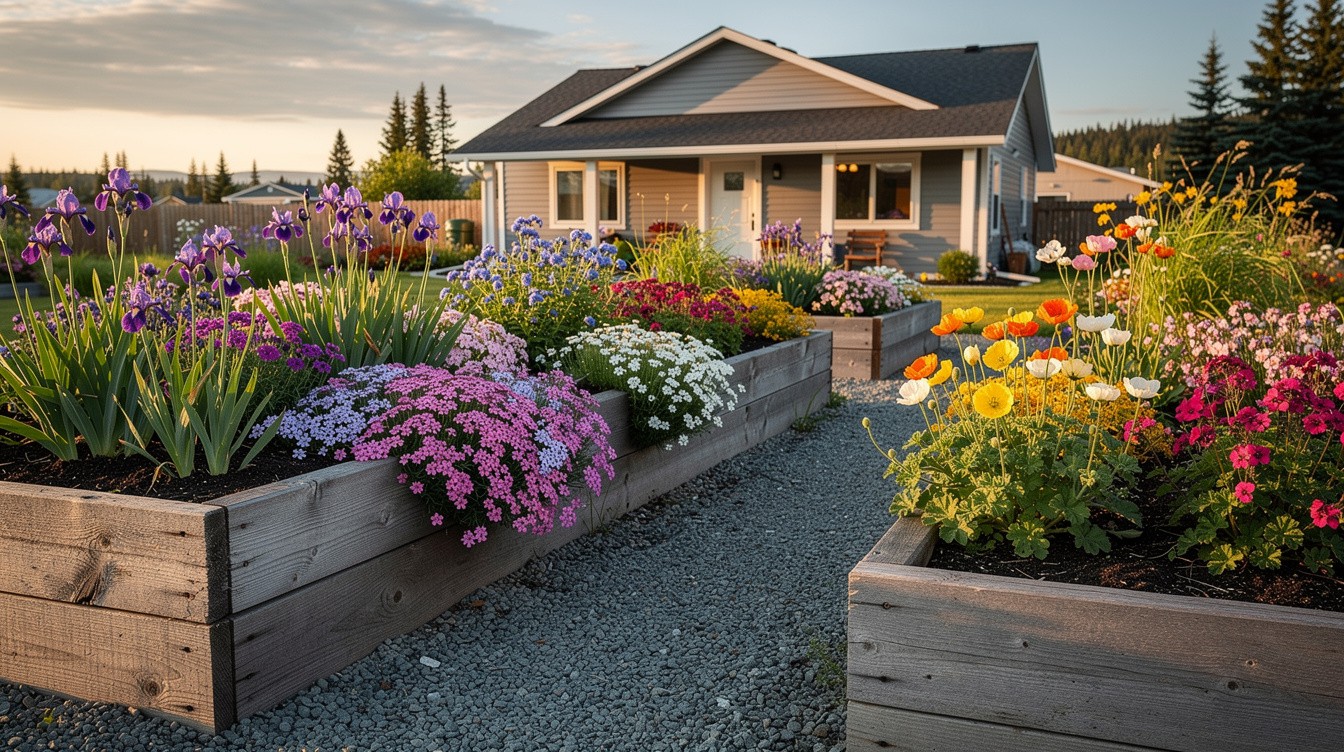
Raised Bed Cottage Garden with Perennial Borders
$12–25/sqftRaised cedar or spruce beds—lifted 12–18 inches above grade to capture every degree of summer warmth in Anchorage’s cool soil—host a generous cottage border of cold-hardy perennials: Siberian iris, creeping phlox, Iceland poppies, and hardy geraniums creating an intense color display from late May through August. The raised beds solve Anchorage’s main horticultural challenge: soil at grade level in the Cook Inlet Taiga warms slowly in spring and cools rapidly in fall, but raised beds warm weeks earlier, dramatically extending the growing season. Gravel paths between the beds add drainage and create accessible garden rooms.
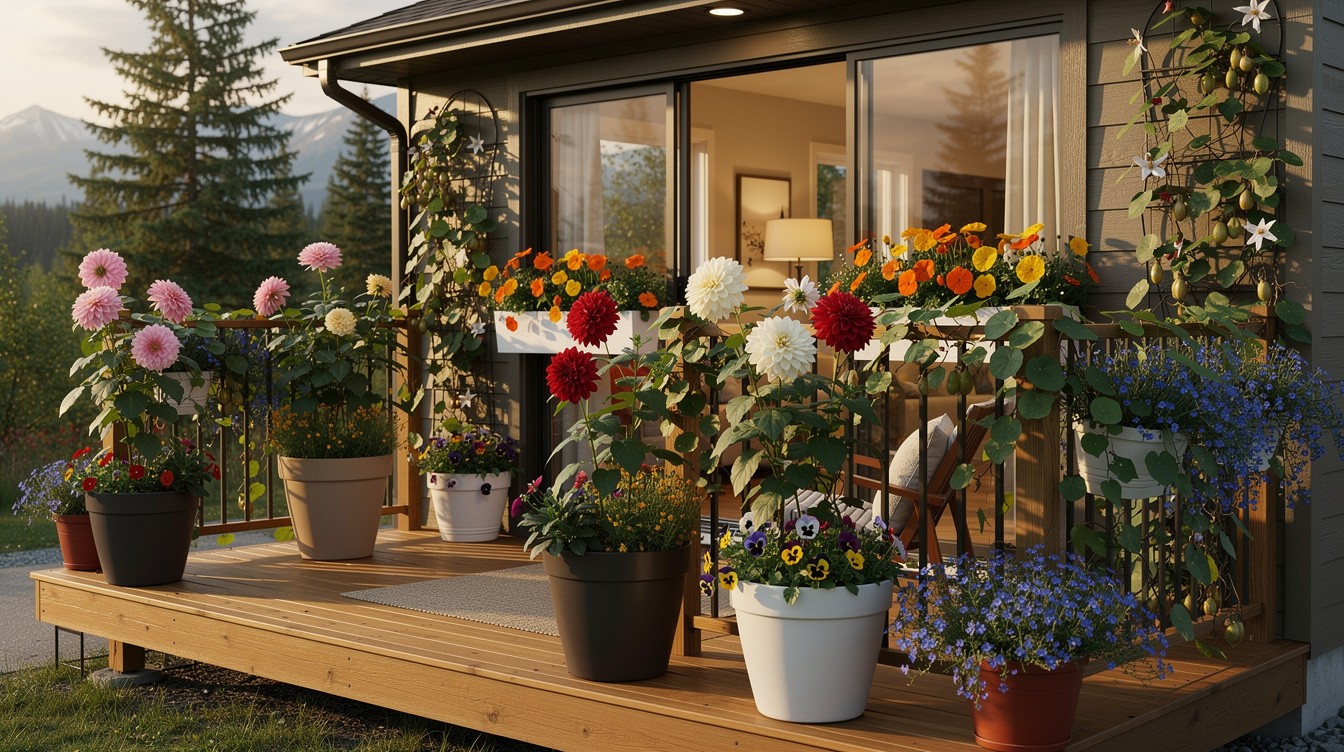
Deck Garden with Containers and Cold-Hardy Climbing Plants
$10–22/sqftAn Anchorage deck garden uses large insulated containers and cold-hardy climbing plants to create a cottage atmosphere that extends the indoor-outdoor connection into the precious summer months. Climbing Arctic kiwi vine or hardy clematis covers the deck railing with vigorous growth; oversized pots hold dahlia tubers started indoors in March to produce dinner-plate blooms by July; and window boxes overflow with nasturtiums, pansies, and trailing lobelia. The container approach circumvents Anchorage’s soil challenges entirely while delivering the abundance of a cottage garden in the limited warm season.
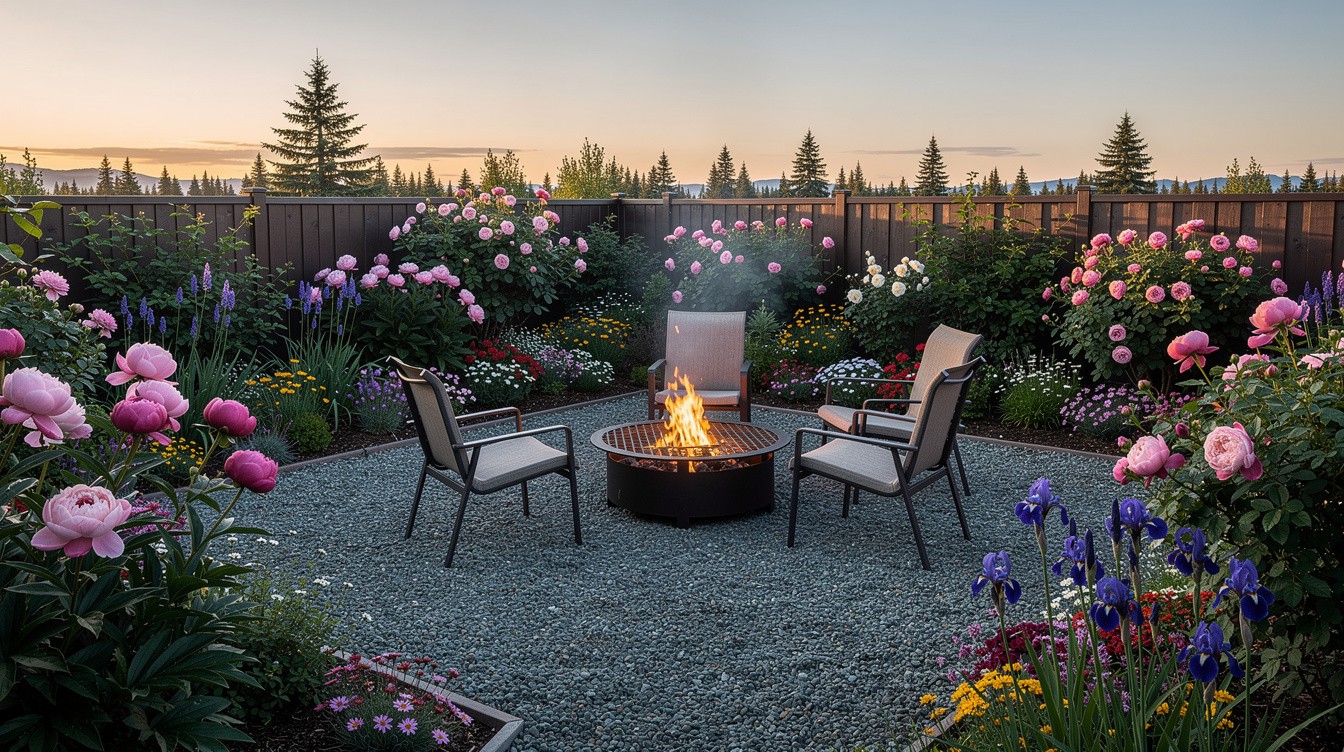
Perennial Cottage Border with Firepit Patio
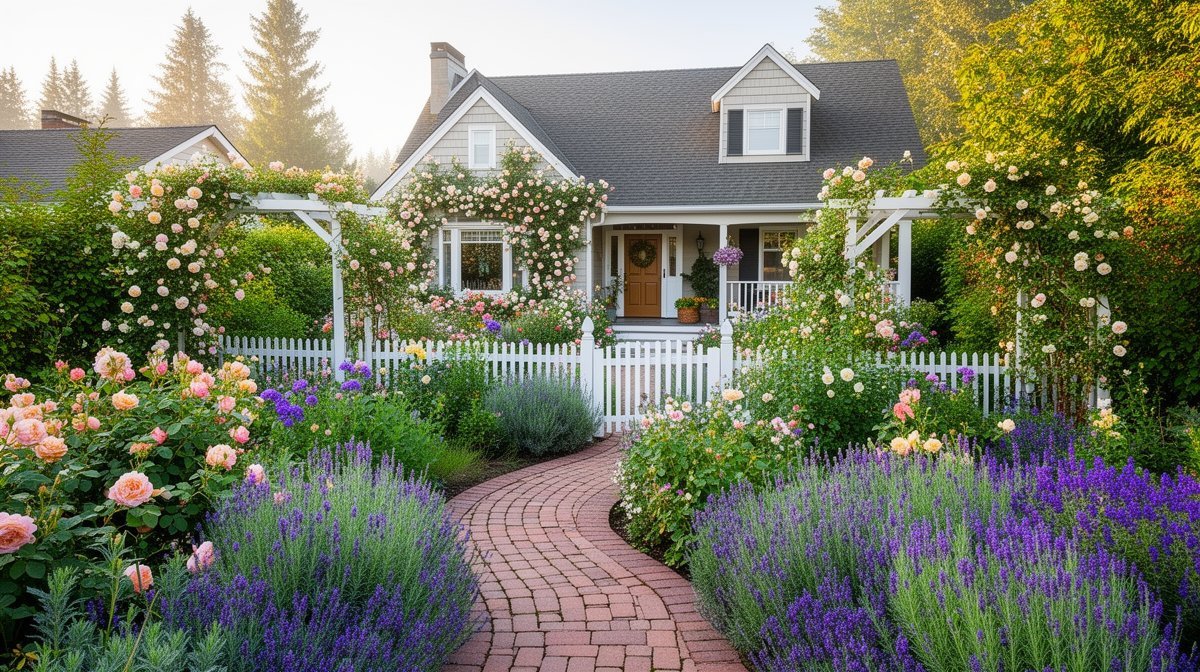
$15–32/sqftA pea gravel patio with a wood-burning fire pit—essential for Anchorage’s cool evenings even in July—is surrounded by generously planted cottage borders of peonies, Siberian iris, and northern-hardy roses. The fire pit is the social center of the Anchorage summer garden: evenings at 60°F under the midnight sun with a fire burning and flowers in full bloom is a genuinely Alaskan cottage experience. Cold-hardy shrub roses—the Canadian Explorer series, bred for Zone 3 in Manitoba—provide summer color and structure without the winter protection needs of traditional hybrid teas.
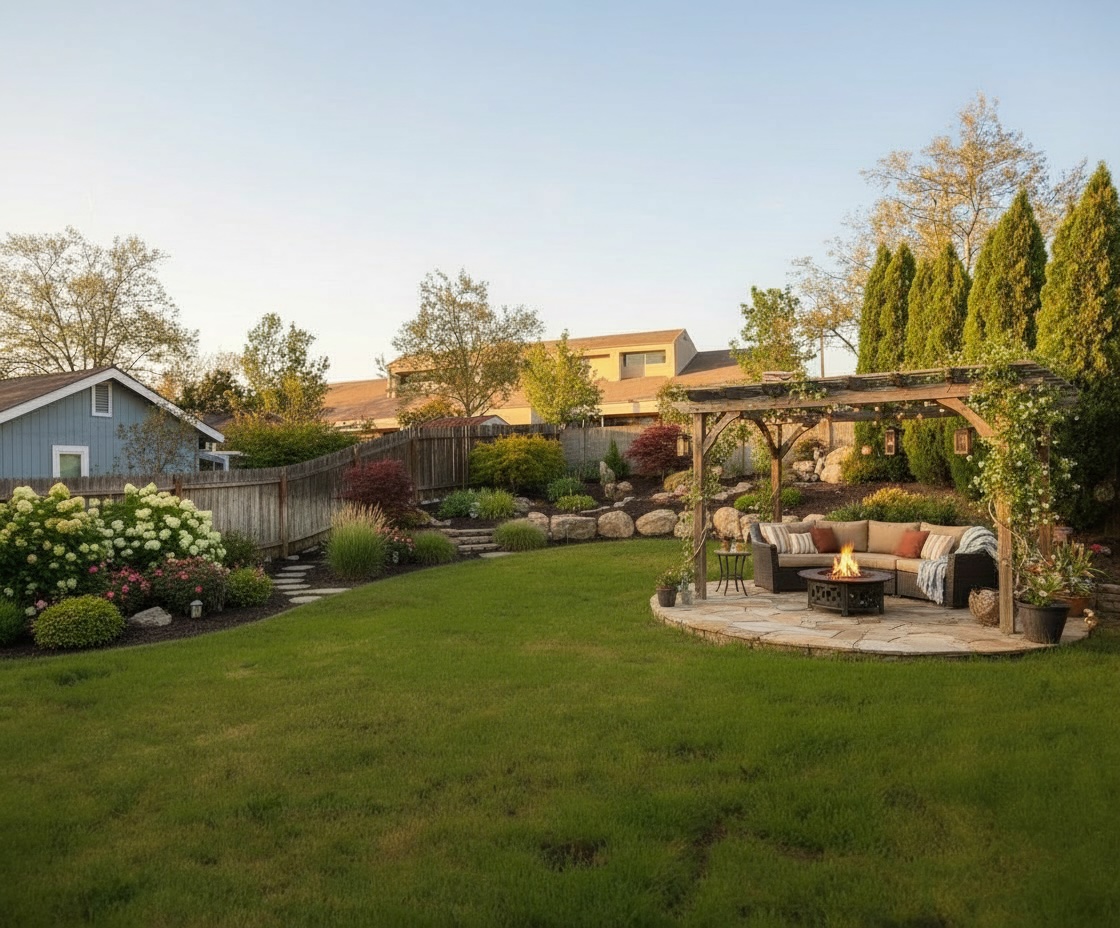
See how a cottage/english garden looks on YOUR property
Upload a photo of your Anchorage yard and visualize your dream garden in seconds.
Try ProScapeAI Free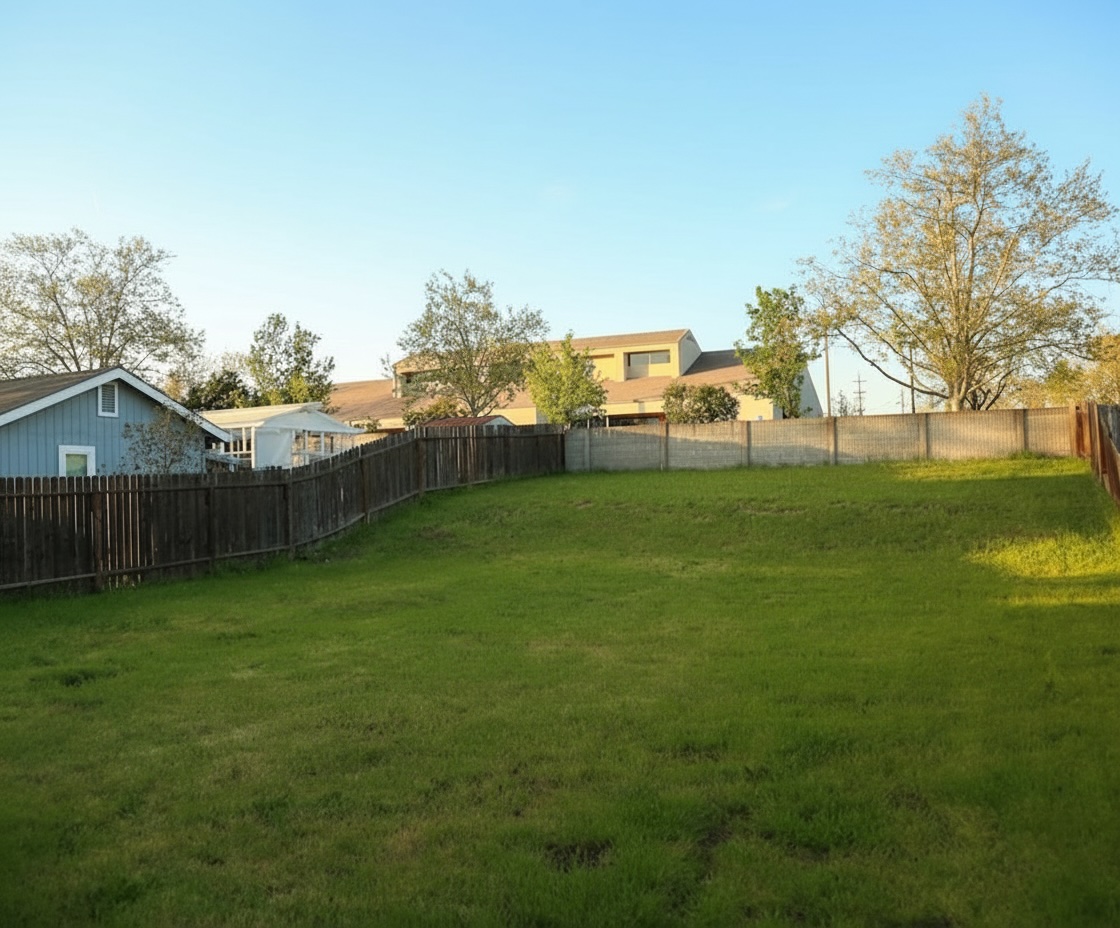
Featured Flowers & Perennials for Cottage/English Gardens
Browse all 150 plants for Anchorage
American White Water Lily
Nymphaea odorata
low-growing ground cover, white,pink blooms in summer. Attracts butterflies.

Canadian Waterweed
Elodea canadensis
grows to 3 feet, white blooms in spring. Evergreen year-round.

Common Duckweed
Lemna minor
low-growing ground cover, white blooms in summer. Evergreen year-round.

European Frogbit
Hydrocharis morsus-ranae
low-growing ground cover, white blooms in summer. Pollinator-friendly.
Zone and sun checks come from our database — confirm with your local nursery before you buy.
Bloom Calendar for Anchorage
spring
Canadian Waterweed, Reed Sweet Grass, Sweet Flagsummer
American White Water Lily, Canadian Waterweed, Common Duckweedfall
American White Water Lily, Canadian Waterweedwinter
Limited bloomsDesign Tips for Anchorage (Zone 4b)
- Build all planting beds as raised beds at least 12 inches above grade—this is the single most important adaptation for Anchorage cottage gardening, warming soil faster in spring, improving drainage, and extending the effective growing season by 2–3 weeks on both ends
- Start annuals, dahlias, and tender perennials indoors under grow lights in mid-March—Anchorage’s short outdoor season makes indoor head-starts essential for achieving full blooms before August frost ends the season
- Plant Canadian Explorer or Parkland series roses rather than standard garden roses—these Manitoba-bred varieties are Zone 3 hardy, bloom all summer, require no winter protection, and provide genuine cottage rose character in Anchorage’s climate where traditional roses die without intensive mulching
- Embrace lupines as a foundational cottage plant—they naturalize freely in Anchorage’s cool soil, self-sow prolifically, and create the sweeping wildflower meadow effect that defines the Alaskan cottage garden aesthetic in a way that no introduced plant can match
- Include a fire pit or outdoor fireplace in any Anchorage cottage garden design—even in July, evenings can be 50–55°F, and a fire creates the warmth that makes outdoor socializing comfortable through the precious Alaska summer months
- Maximize south-facing wall and fence space with climbing plants (hardy clematis, Arctic kiwi vine)—these vertical surfaces absorb and re-radiate solar heat, creating microclimates 1–2 climate zones warmer than open ground and allowing cottage plants rated Zone 5–6 to succeed in Zone 4b conditions
Where to Source Plants in Anchorage
Skip the big-box stores. These independent Anchorage nurseries specialize in the plants that make cottage/english gardens thrive in Zone 4b.
Alaska Mill and Feed
Midtown Anchorage
Anchorage’s beloved local garden and farm supply store—comprehensive cold-hardy plant selection, seeds, and Alaska gardening expertise
Vagabond Blues Garden Center
Eagle River
Full-service nursery north of Anchorage with cold-hardy perennials, roses, and Alaska cottage plant expertise
Pyrah’s Pioneer Peak Greenhouse
Palmer (45 miles north)
Matanuska Valley’s premier greenhouse—outstanding cold-hardy cottage perennials, peonies, and Alaska-proven annual starts
Forget-Me-Not Florist and Greenhouse
Anchorage
Local florist-nursery with cottage annual starts and cold-hardy perennials appropriate for Anchorage Zone 4b gardens
Home Depot Garden Center
Midtown Anchorage
Comprehensive garden supplies, raised bed materials, and cold-hardy landscape plants available in Anchorage
Cottage/English Landscaping Costs in Anchorage
| Project Scope | Estimated Cost |
|---|---|
| Birch path cottage garden with lupine and peony borders | $10,000 – $24,000 |
| Raised cedar bed cottage garden with gravel paths and perennial planting | $15,000 – $35,000 |
| Deck container cottage garden with climbing plants | $5,000 – $15,000 |
| Pea gravel patio with fire pit and cottage perennial borders | $18,000 – $40,000 |
| Raised bed construction (cedar or black spruce, 4 beds) | $2,500 – $7,000 |
| Annual cottage garden maintenance (mulching, division, replanting) | $1,500 – $4,000/year |
| AI visualization with ProScapeAI | Free to start |
Estimates based on Anchorage, AK-area contractor rates as of 2026. Actual costs vary by site conditions, materials, and contractor.
Anchorage Climate & Growing Zone

USDA Zone 4b
Hardiness zone for Anchorage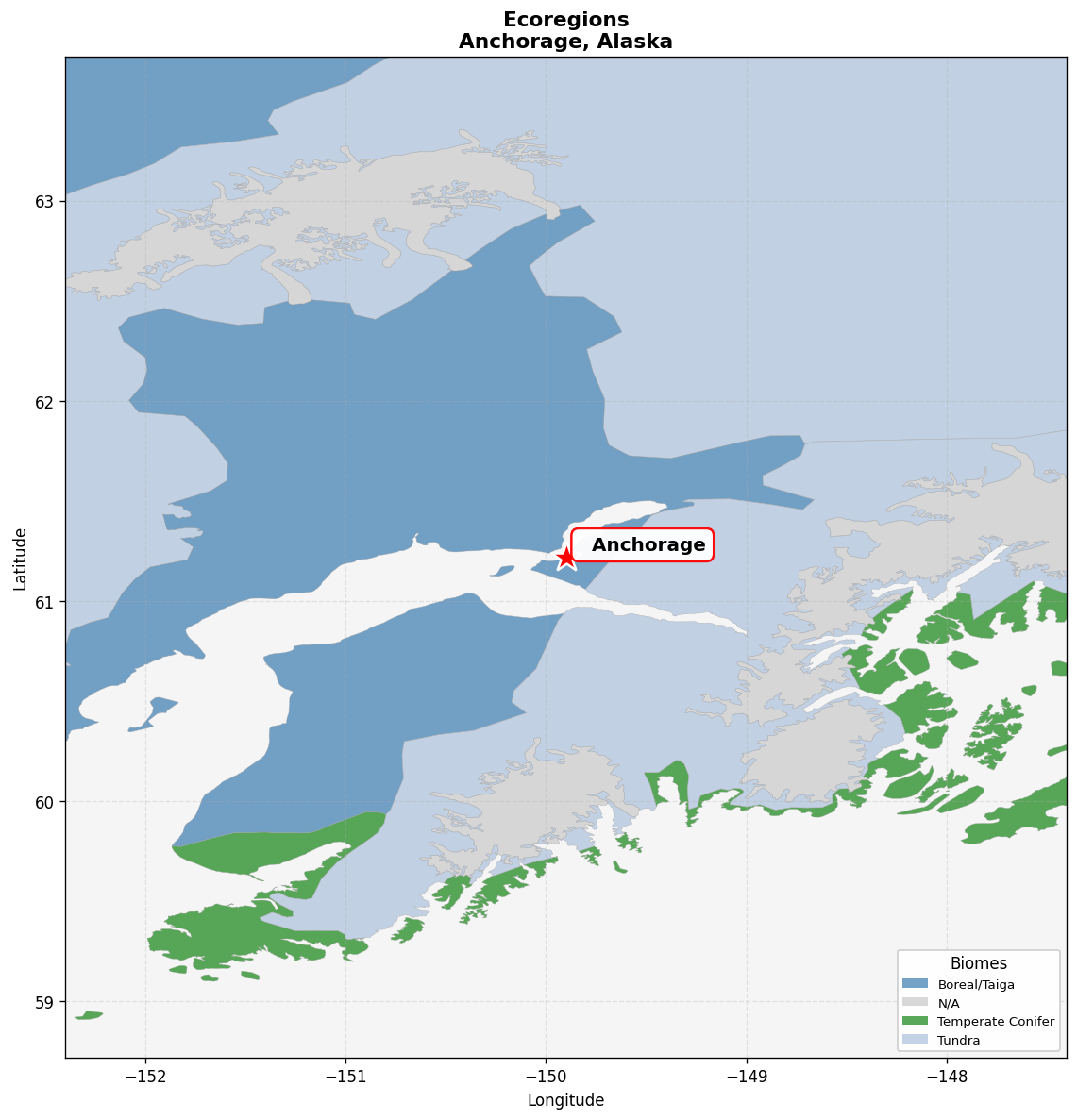
Cook Inlet taiga
Native ecoregionFrequently Asked Questions
What cottage plants grow best in Anchorage’s Zone 4b climate?
Anchorage’s Zone 4b with long daylight hours supports cold-hardy perennials and annuals that perform exceptionally well in the long light. Top cottage performers: peonies (Zone 3 hardy, bloom prolifically in Anchorage’s late June midnight sun), lupines (naturalize freely and self-sow in Alaska’s cool soil), Siberian iris (Zone 3 hardy, blooms June), hardy geraniums (Geranium macrorrhizum, Zone 4 hardy), lady’s mantle (Alchemilla mollis, thrives in Anchorage’s cool moist conditions), creeping phlox (Zone 4, early spring bloom), delphiniums (thrive in Alaska’s cool temperatures), Iceland poppies, and forget-me-nots (self-sow abundantly). Roses should be Canadian Explorer or Parkland series, bred specifically for Zone 3 hardiness.
How do I extend Anchorage’s short gardening season?
Anchorage’s 110-day average frost-free period is shorter than most US cities but can be extended significantly with management strategies. Start annual and dahlia tubers indoors under grow lights in early to mid-March (8–10 weeks before the May 14 average last frost). Use season-extension techniques: cold frames over early plantings extend the season 3–4 weeks in spring; row cover fabric over tender plants protects to 28°F in fall; south-facing planting walls absorb and re-radiate heat extending the growing zone. Raised beds warm the soil 2–3 weeks earlier than in-ground planting. With these techniques, Anchorage gardens can deliver a 150-day effective growing season.
Does the midnight sun help cottage gardens in Anchorage?
Dramatically yes. Anchorage receives 19+ hours of sunlight in late June and early July, and this continuous light accelerates plant growth in ways that cannot be replicated in shorter-day climates. Photosynthesis runs nearly continuously; plants produce energy 24 hours a day during peak summer. The result is: plants that take 90 days to bloom in the lower 48 can bloom in 60–70 days in Anchorage’s long light; flower sizes are often larger; colors are more intensely saturated (more pigment produced in continuous light); and vegetable productivity is legendary (50+ pound cabbages are not unusual at the Alaska State Fair). This long-light effect is one of Anchorage cottage gardening’s defining characteristics.
What roses are winter-hardy in Anchorage’s Zone 4b?
Traditional garden roses—hybrid teas, floribundas, climbers—are not reliably winter-hardy in Zone 4b without intensive protection. The practical solution is roses bred for northern climates. The Canadian Explorer series (Rosa 'John Cabot', 'William Baffin', 'Henry Kelsey') and the Parkland series ('Morden Sunrise', 'Winnipeg Parks', 'Prairie Joy') are bred for Zone 3–4 hardiness in Manitoba and perform reliably in Anchorage without winter protection. The University of Minnesota’s Shrub Rose program (‘Carefree Beauty’, ‘Carefree Delight’) also produces Zone 4 hardy selections. All of these provide genuine cottage rose character—repeat bloom, some fragrance—without the mortality risk of tender varieties.
How do I handle Anchorage’s soil challenges for a cottage garden?
Anchorage soils vary from the relatively well-drained soils of the Hillside neighborhoods to the poorly draining silty soils near Cook Inlet. For cottage garden success: raise planting beds 12–18 inches above grade to warm faster and drain better; amend raised bed fill with quality topsoil, compost, and perlite in equal parts; incorporate slow-release fertilizers formulated for cold climates (plants need good nutrition during the short growing season); and mulch beds with natural wood chips to retain moisture through Anchorage’s dry spring period before the summer rain arrives. Native soil in much of Anchorage is too cold and poorly drained at grade level for most cottage perennials without amendment.
How much does a cottage garden installation cost in Anchorage?
Anchorage has the highest landscaping costs in the United States due to the remote location, shipping costs for materials, permafrost-related site work, and high Alaska labor rates. A raised bed cottage garden with gravel paths and perennial planting typically costs $15,000–35,000. A pea gravel patio with fire pit and cottage borders runs $18,000–40,000. A full cottage garden with deck planting and perennial borders ranges $20,000–50,000+. Materials cost 30–50% more than the continental US due to Alaska shipping. Annual maintenance for an established Anchorage cottage garden (mulching, perennial division, seasonal replanting) runs $1,500–4,000/year.