4 Low-Water Garden Ideas for Anchorage, AK | Xeriscape Landscaping in Zone 4b
Native plants from the Cook Inlet taiga (Zone 4b) — Temperate climate
Why Desert/Xeriscape Gardens in Anchorage?
Anchorage’s “xeriscape” story is counterintuitive—a city in Alaska with drought concerns—but the Cook Inlet Taiga receives only 16 inches of annual precipitation, making it one of the driest major US cities by rainfall. The dramatic difference between Anchorage and the lush Southeast Alaska rainforest surprises many newcomers: the Cook Inlet’s rain shadow effect, created by the Chugach and Alaska Range, produces a genuinely semi-arid urban environment where water conservation landscaping is both appropriate and practically valuable. Many Anchorage neighborhoods experience prolonged dry spells in May and early June before summer rain arrives—timing that coincides with peak plant establishment stress.
Anchorage’s low-water landscape tradition draws on the surrounding boreal and tundra landscapes that have evolved to thrive on minimal moisture—native Alaska plants are naturally drought-adapted, storing water through the dry periods and using the midnight sun’s long daylight to photosynthesize with remarkable efficiency. Birch groves, native sedge meadows, river cobble dry washes, and tundra-edge plant communities are all genuinely drought-tolerant systems that translate directly into residential landscape design. The result is a uniquely Alaskan xeriscape aesthetic: not the agave-and-gravel of the American Southwest, but the birch-stone-native-grass vocabulary of sub-Arctic Alaska.
The practical benefits of low-water landscaping in Anchorage are significant. Municipal water rates in Anchorage are among the highest in Alaska, and irrigation systems face significant freeze-thaw challenges—irrigation lines must be blown out in September and are vulnerable to unexpected freeze damage. A landscape designed for minimal irrigation eliminates this annual maintenance burden, reduces water bills meaningfully during the May-June dry period, and produces a garden that requires less contractor intervention overall. Native and drought-adapted plants also align with the Municipality of Anchorage’s stormwater management goals, reducing runoff from impervious surfaces and supporting the natural hydrology of the Cook Inlet watershed.
4 Desert/Xeriscape Design Ideas for Anchorage
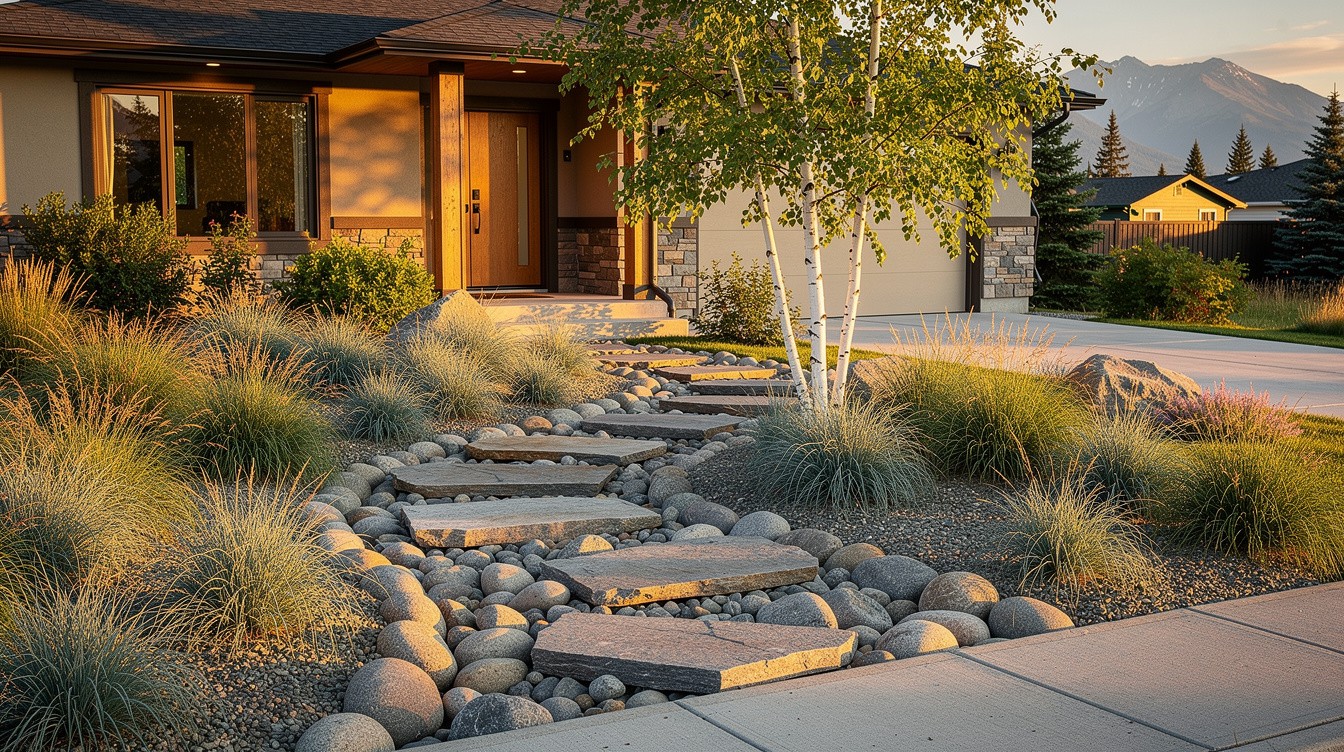
River Cobble and Native Grass Dry Garden Entry
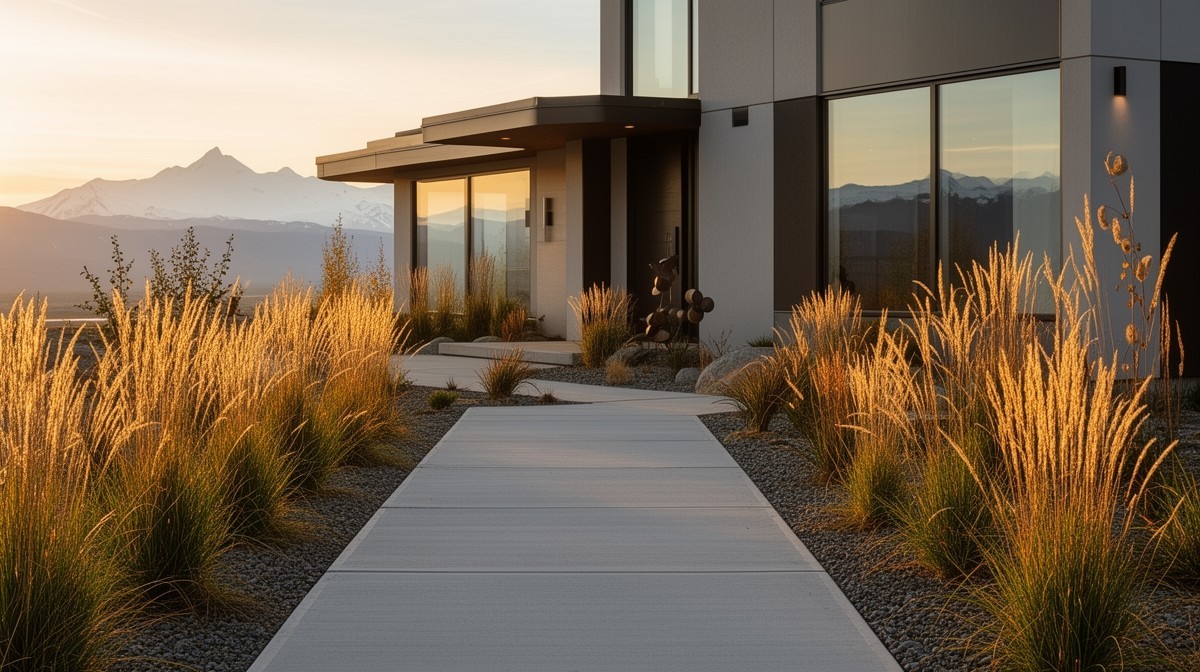
$10–22/sqftA front entry garden designed around Anchorage’s natural river cobble material—large rounded stones from glacial outwash set in a naturalistic dry wash pattern—with masses of native tufted hairgrass (Deschampsia cespitosa) and blue wild rye planted in the gravel fields between stone groupings. The design replicates the Chugach Mountain stream channel aesthetic in a composed residential context, using materials native to the Cook Inlet landscape and plants that require no supplemental irrigation after establishment. Embedded stepping stones of flat fieldstone create a path through the cobble garden to the front door, and a specimen paper birch in multi-stem form provides height and seasonal interest.
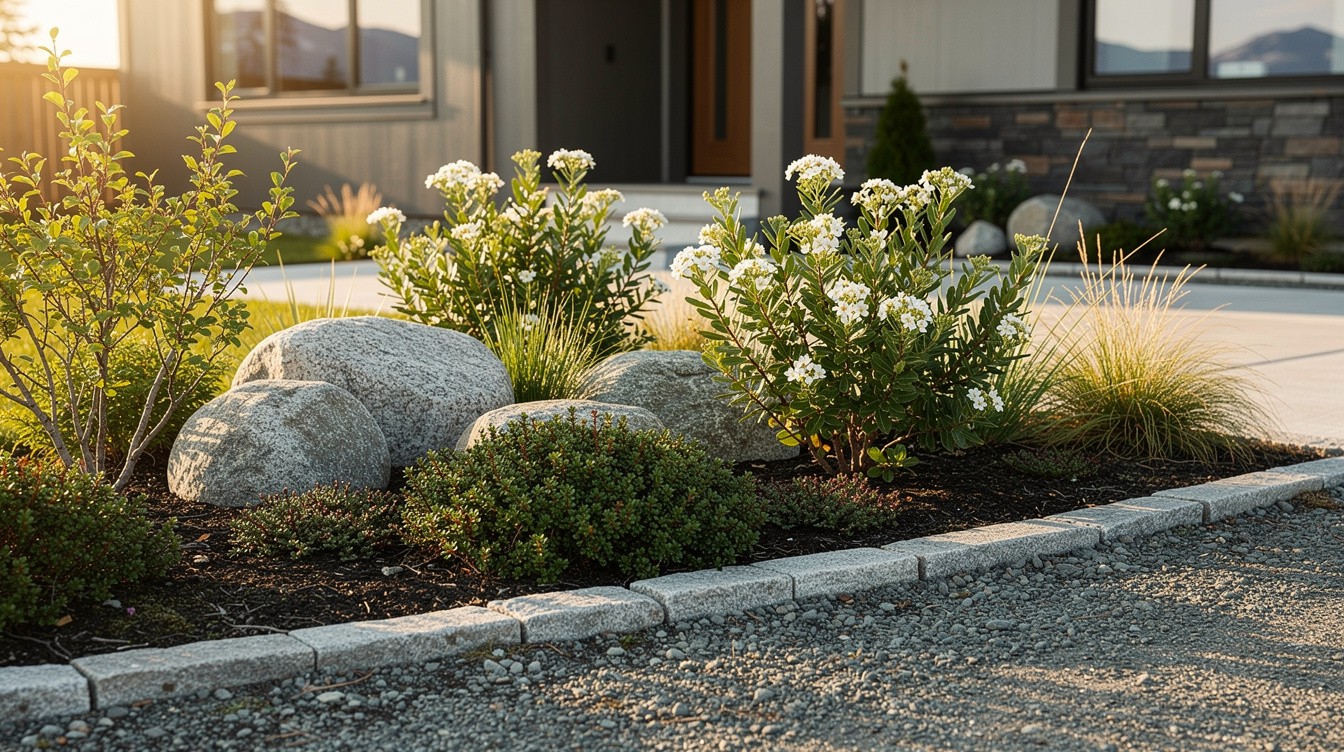
Tundra-Edge Native Plant Garden
$12–25/sqftA naturalistic tundra-edge composition—the vegetation type found at Anchorage’s Hillside elevation—brought into a residential front yard as a composed garden: dwarf birch in low masses, Labrador tea shrubs providing white summer bloom and evergreen structure, native grasses and sedges weaving through granite boulder groupings, and low-growing crowberry as a ground cover carpet. The design requires no irrigation once established, minimal fertilization, and no annual replanting—all plants are adapted to the Cook Inlet’s natural precipitation patterns and soil conditions. The garden reads as intentional and curated rather than wild, distinguished from its natural source material by composed plant masses and clean stone edging.
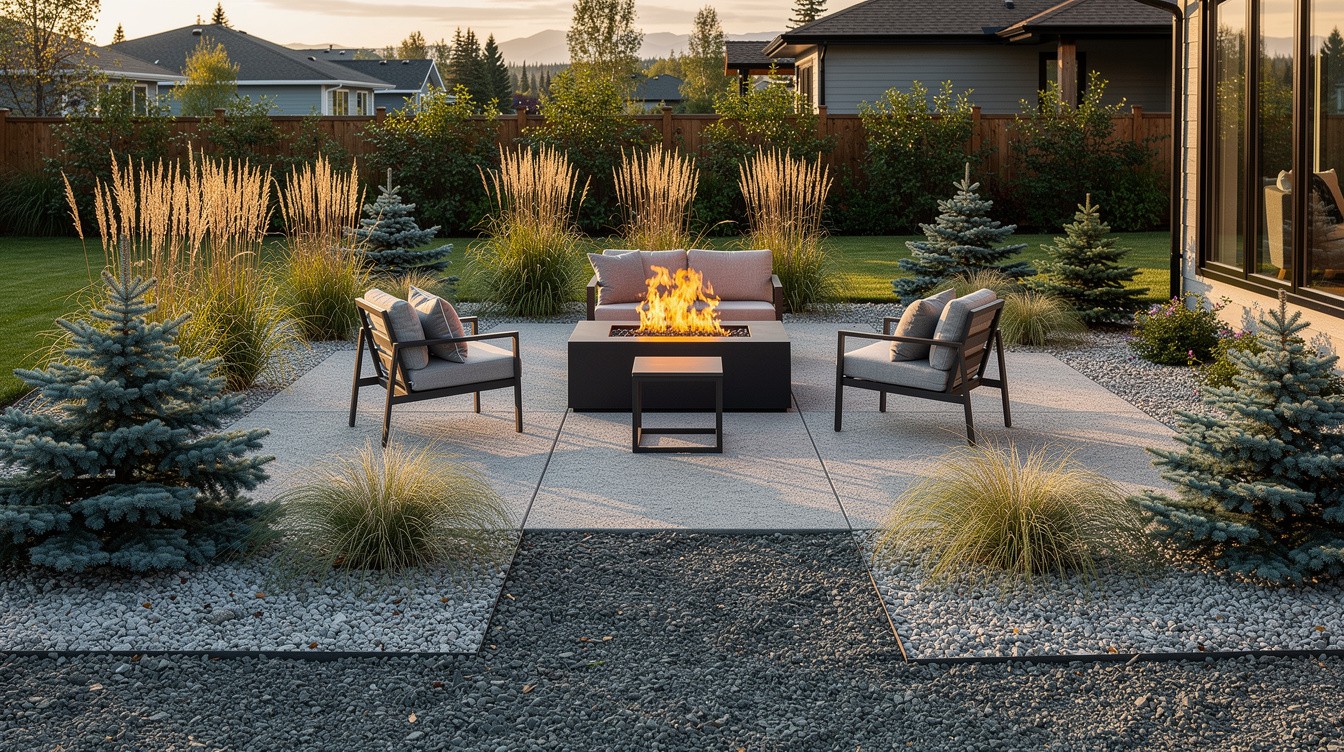
Gravel Patio with Fire Feature and Drought-Adapted Planting
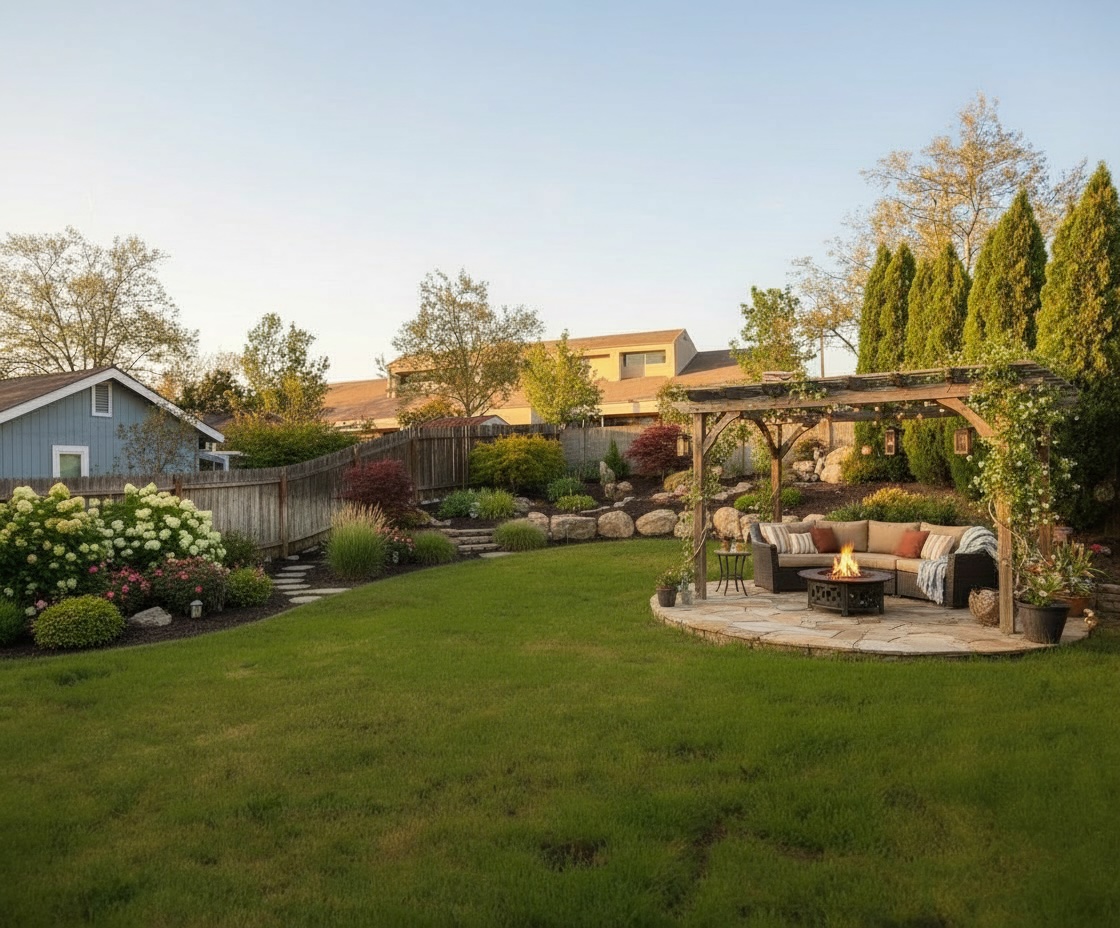
$18–38/sqftA compacted gravel patio—Alaska’s most practical low-water hardscape surface, providing excellent drainage and requiring no irrigation infrastructure—hosts a substantial gas fire feature surrounded by contemporary outdoor seating. Wide gravel planting bays border the patio on two sides, planted with Karl Foerster feather reed grass, native tufted hairgrass, and compact blue spruce in alternating masses that create four-season structure without any irrigation. The gravel surface handles Anchorage’s spring snowmelt drainage automatically, drying quickly and requiring no annual maintenance beyond occasional raking. The fire feature extends the outdoor season through the dry, cool May-June period when the garden is most vulnerable to drought stress.
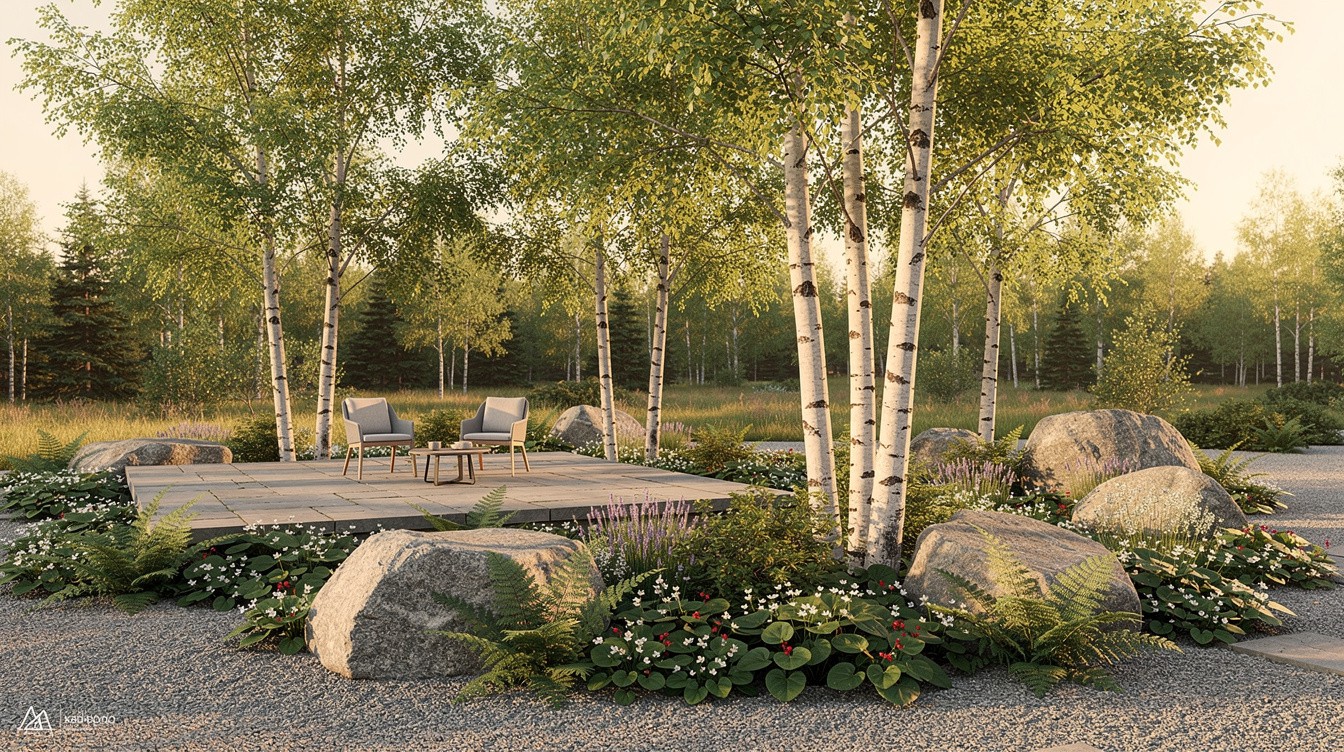
Birch Grove Dry Garden with Boulder Terrace
$22–45/sqftFor larger Anchorage properties, a birch grove planting—five to seven multi-stem paper birch grouped in a naturalistic arrangement—creates a woodland ceiling over a gravel ground plane studded with granite boulders and native ground covers. Beneath the birch canopy, native wild ginger, bunchberry, and native ferns carpet the ground in a low-water community that replicates the forest floor of Anchorage’s natural birch-spruce woodland. A flat fieldstone terrace set within the grove provides a quiet outdoor seating area positioned for dappled light from the midnight sun. No irrigation is required: the birch grove creates its own microclimate of retained soil moisture beneath the canopy.
See how a desert/xeriscape garden looks on YOUR property
Upload a photo of your Anchorage yard and visualize your dream garden in seconds.
Try ProScapeAI Free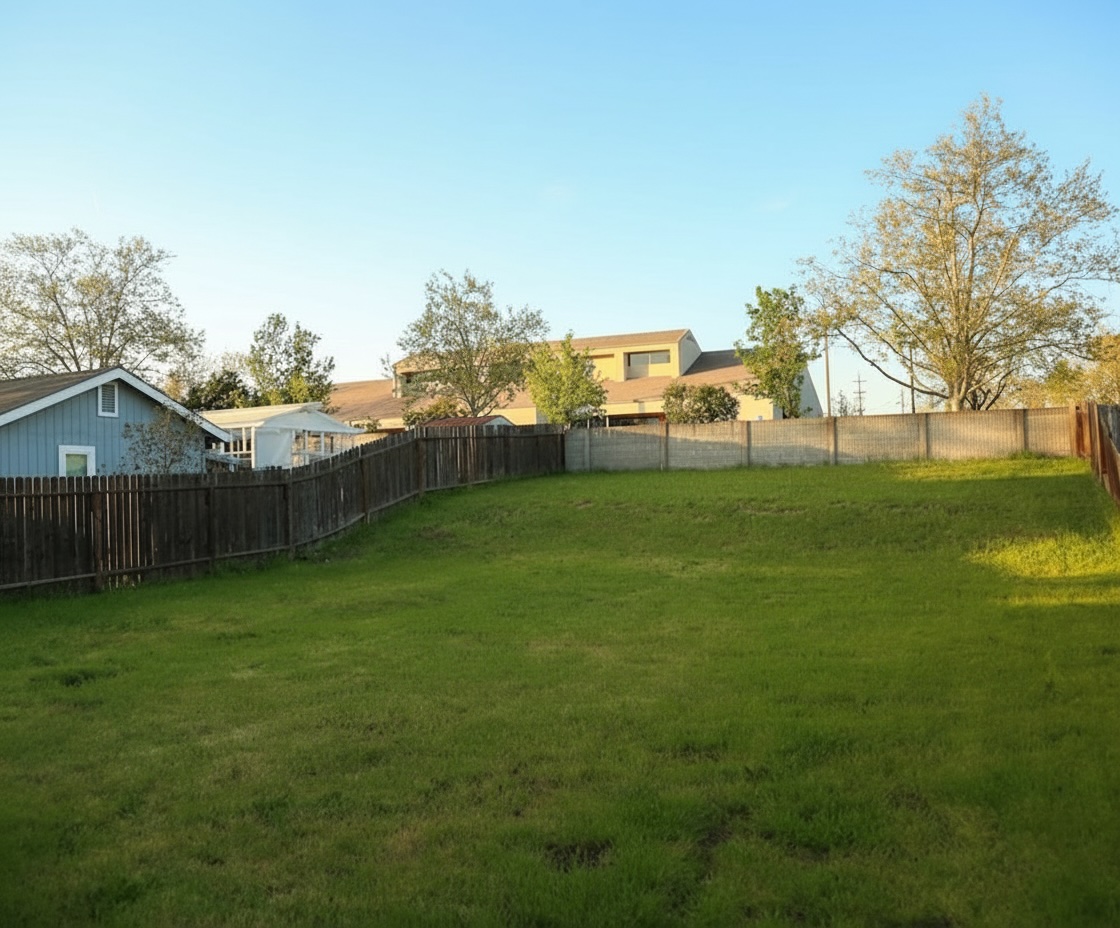
Featured Flowers & Perennials for Desert/Xeriscape Gardens
Browse all 150 plants for Anchorage
American White Water Lily
Nymphaea odorata
low-growing ground cover, white,pink blooms in summer. Attracts butterflies.

Canadian Waterweed
Elodea canadensis
grows to 3 feet, white blooms in spring. Evergreen year-round.

Common Duckweed
Lemna minor
low-growing ground cover, white blooms in summer. Evergreen year-round.

European Frogbit
Hydrocharis morsus-ranae
low-growing ground cover, white blooms in summer. Pollinator-friendly.
Zone and sun checks come from our database — confirm with your local nursery before you buy.
Bloom Calendar for Anchorage
spring
Canadian Waterweed, Reed Sweet Grass, Sweet Flagsummer
American White Water Lily, Canadian Waterweed, Common Duckweedfall
American White Water Lily, Canadian Waterweedwinter
Limited bloomsDesign Tips for Anchorage (Zone 4b)
- Use river cobble from glacial outwash as the primary design material—it’s available locally, costs less than imported stone, requires no maintenance, and connects the garden to Anchorage’s Chugach Mountain landscape character in a way that no synthetic material can replicate
- Plant paper birch in multi-stem groupings as the structural backbone of any Anchorage low-water garden—Zone 2 cold hardiness, white bark spectacular against snow and gravel, naturally drought-tolerant once established, and no irrigation required after the first season
- Replace organic bark mulch with 3–4 inches of crushed granite or river gravel—gravel mulch in Anchorage’s spring snowmelt conditions outperforms organic mulch in drainage speed, soil warming, and longevity, while requiring zero annual replacement
- Design dry-wash gravel features to route spring snowmelt to defined drainage points—Anchorage’s spring melt is intense, and gravel dry-wash channels that handle meltwater flow serve double duty as aesthetic design elements and functional drainage infrastructure
- Incorporate granite boulders as focal elements rather than ornamental plant specimens—boulders in an Anchorage native garden provide winter interest when plants are dormant, thermal mass that warms surrounding soil in spring, and the geological authenticity of the Alaska landscape at zero maintenance cost
- Specify a gas fire feature even in a low-maintenance native garden—the outdoor season is too short and too precious to cede to cool May and June evenings, and a fire pit extends the usable season from mid-May through October without requiring any high-maintenance landscaping elements around it
Where to Source Plants in Anchorage
Skip the big-box stores. These independent Anchorage nurseries specialize in the plants that make desert/xeriscape gardens thrive in Zone 4b.
Alaska Mill and Feed
Midtown Anchorage
Anchorage’s go-to source for cold-hardy native plants, drought-tolerant grasses, and Alaska xeriscape supplies
Alaska Botanical Garden Plant Shop
East Anchorage
Alaska-native plant material directly from Anchorage’s botanical garden—best source for tundra-edge and boreal native species for low-water gardens
Pyrah’s Pioneer Peak Greenhouse
Palmer (45 miles north)
Premier Alaska greenhouse with Zone 4b native plants, cold-hardy drought-tolerant species, and expert advice on low-water Alaska gardening
Vagabond Blues Garden Center
Eagle River / Palmer
Full-service nursery with Alaska native plants, cold-hardy shrubs, and xeriscape material for Anchorage-area low-water gardens
Home Depot Garden Center
Dimond / Midtown
Gravel mulch, landscape fabric, river cobble, and standard cold-hardy landscape plants for xeriscape installation
Desert/Xeriscape Landscaping Costs in Anchorage
| Project Scope | Estimated Cost |
|---|---|
| River cobble and native grass dry garden entry | $12,000 – $28,000 |
| Tundra-edge native plant front yard conversion from lawn | $15,000 – $35,000 |
| Compacted gravel patio with fire feature and native plant borders | $22,000 – $50,000 |
| Birch grove dry garden with fieldstone terrace | $28,000 – $65,000 |
| Native plant establishment (per 1,000 sqft, labor and plant material) | $8,000 – $18,000 |
| Irrigation system removal and gravel conversion | $2,500 – $6,000 |
| AI visualization with ProScapeAI | Free to start |
Estimates based on Anchorage, AK-area contractor rates as of 2026. Actual costs vary by site conditions, materials, and contractor.
Anchorage Climate & Growing Zone

USDA Zone 4b
Hardiness zone for Anchorage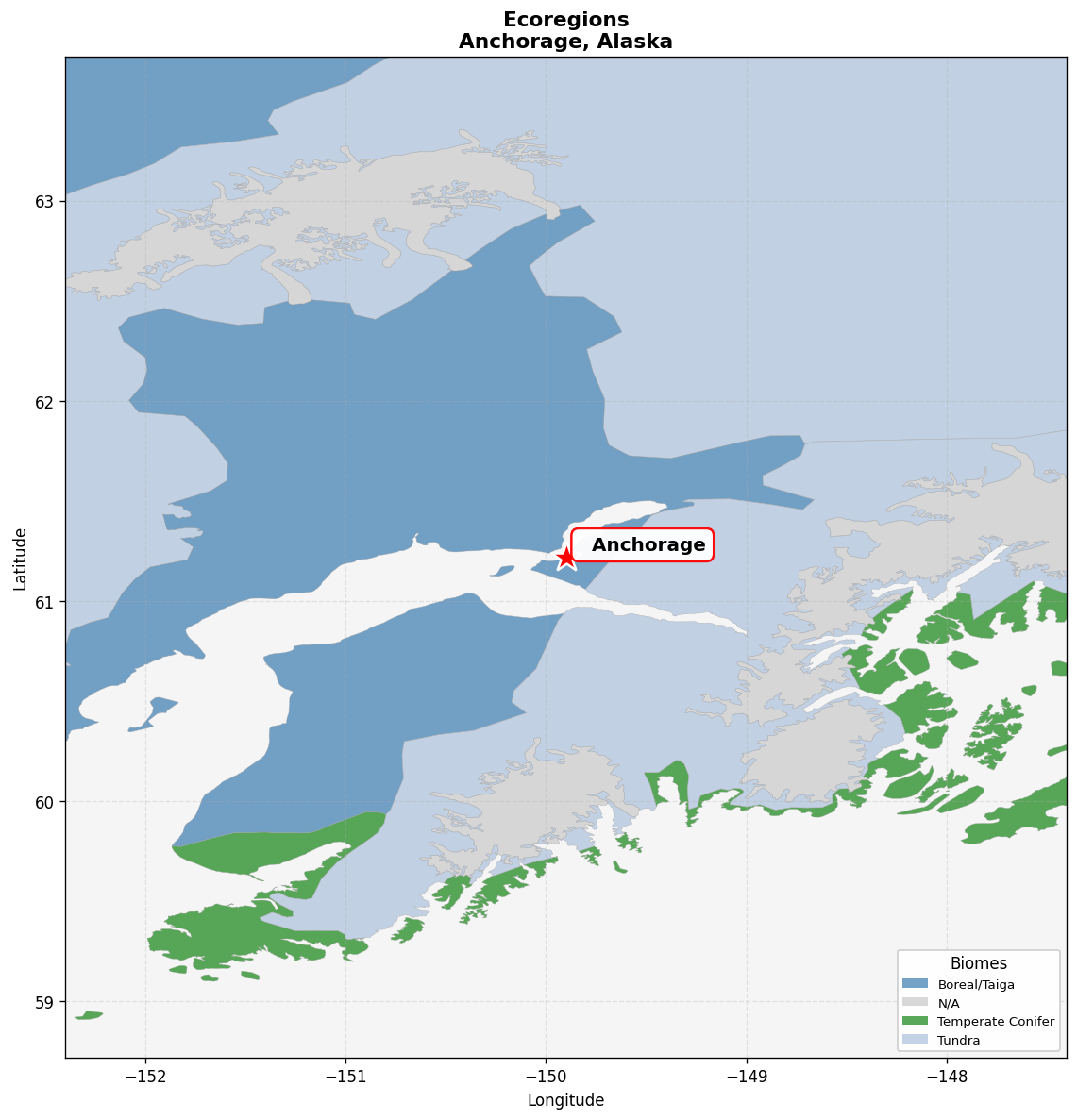
Cook Inlet taiga
Native ecoregionFrequently Asked Questions
Does Anchorage really need xeriscape or low-water landscaping?
More than many realize. Anchorage receives only 16 inches of annual precipitation—comparable to Denver, CO—concentrated in late summer, with a genuinely dry May and early June. Municipal water rates are high relative to most US cities, and the cost of operating irrigation systems (installation, annual blowout, freeze damage repairs) adds up significantly over time. Native plant gardens established without irrigation require no summer watering after the first establishment year. Additionally, Anchorage’s short outdoor season means time spent on lawn watering and irrigation maintenance represents a significant fraction of the usable outdoor season—time better spent enjoying the garden than maintaining it.
What Alaska native plants are the most drought-tolerant?
Alaska’s tundra and boreal edge plant communities include some genuinely drought-adapted species. Best performers in Anchorage low-water gardens: paper birch (deep-rooted, extremely drought-tolerant once established), Labrador tea (Rhododendron groenlandicum, tolerates both wet and dry conditions), dwarf birch (Betula nana, tundra native adapted to low-moisture soils), crowberry (Empetrum nigrum, ground cover that spreads aggressively without irrigation), native tufted hairgrass (Deschampsia cespitosa, common in dry Anchorage meadows), wild ginger (Asarum caudatum, excellent drought-tolerant shade ground cover), and arctic willow (Salix arctica, extremely adaptable to various moisture conditions including dry). All tolerate Anchorage’s Zone 4b without protection.
What mulch material works best for water conservation in Anchorage?
River gravel or crushed local stone is the superior mulch choice for Anchorage low-water gardens over organic bark mulch. Reasons: gravel drains instantly in spring snowmelt rather than staying waterlogged like bark; it warms faster than organic mulch, advancing soil warming by 1–2 weeks in spring; it doesn’t compact over winter; and it never needs annual replacement. Organic bark mulch in Anchorage’s wet spring conditions tends to harbor fungal growth before it can dry. For drought-adapted plantings specifically, 3–4 inches of 3/4-inch crushed granite or river pea gravel maintains soil moisture through evaporation reduction while providing the fast-draining surface that drought-adapted plants prefer over chronically moist organic mulch.
Can I eliminate lawn completely in an Anchorage front yard?
Yes, and many Anchorage homeowners have done so successfully. The Municipality of Anchorage has no front lawn requirements, and native plant front yards are well-accepted aesthetically and by neighbors. The practical approach: remove existing grass with herbicide or sheet mulching in late summer; install a 4-inch compacted gravel base over weed fabric; plant native ground covers, grasses, and shrubs through the gravel mulch; edge with steel or aluminum edging for clean definition. Native plantings don’t attract the moose browsing pressure that gardens with vegetables or non-native shrubs sometimes encounter. Maintenance is minimal: no mowing, no irrigation, no fertilization after establishment.
How do I prevent erosion in an Anchorage low-water garden during spring snowmelt?
Anchorage’s spring snowmelt can be rapid and intense—several feet of snow melting over 2–3 weeks in April. Erosion prevention strategies for low-water gardens: install gravel mulch 3–4 inches deep to absorb snowmelt impact; use large boulders or river cobble as water-flow interruption elements on sloped areas; plant erosion-controlling native ground covers (bunchberry, crowberry, native ferns) on any slope greater than 5%; install French drain or surface swale to route meltwater to a defined discharge point rather than letting it sheet across planted areas; and use steel or stone edging to prevent gravel mulch from migrating during snowmelt events. Established native plant root systems significantly reduce erosion after the first 2–3 growing seasons.
How much does a low-water xeriscape installation cost in Anchorage?
Anchorage has the highest landscaping costs in the United States—materials cost 30–50% more than continental US due to Alaska shipping, and labor rates reflect Alaska’s high cost of living. A river cobble and native grass front entry garden typically costs $12,000–28,000. A tundra-edge native plant garden conversion from lawn runs $15,000–35,000. A gravel patio with fire feature and native borders ranges $22,000–50,000. A full birch grove dry garden with fieldstone terrace costs $28,000–65,000. The significant long-term advantage: low-water native gardens have nearly zero ongoing maintenance costs after establishment—no irrigation, no annual replanting, and minimal pruning—versus $1,500–4,500/year for maintained conventional landscapes.