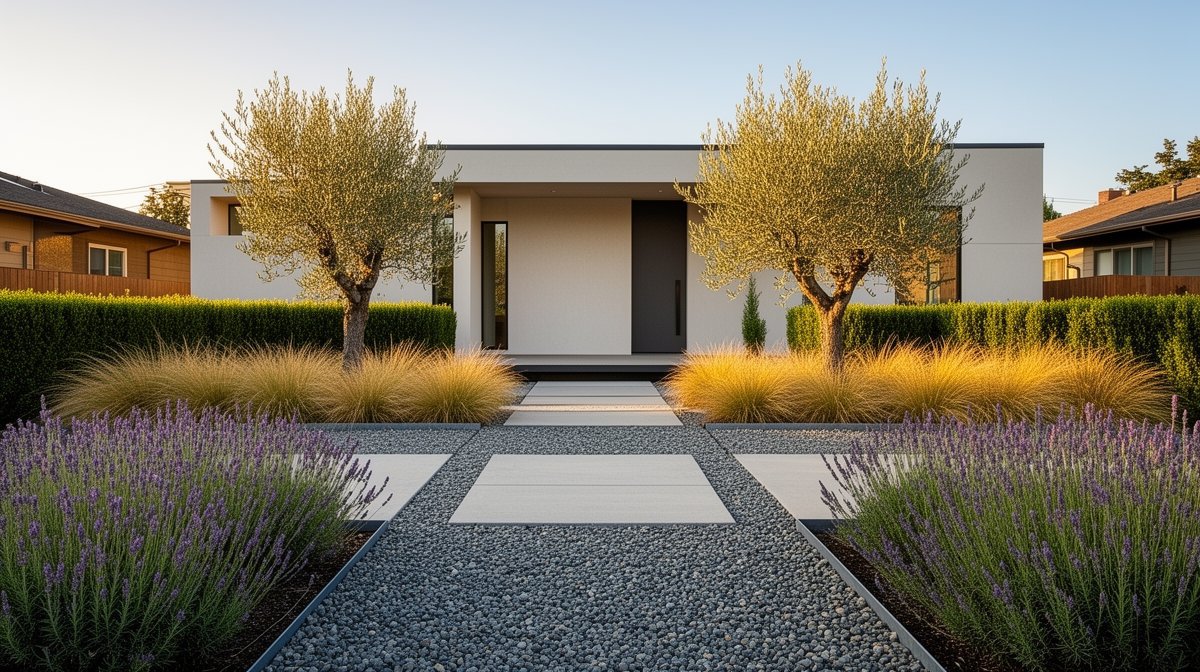
4 Modern Garden Ideas for Anchorage, AK | Contemporary Landscaping in Zone 4b
Native plants from the Cook Inlet taiga (Zone 4b) — Temperate climate
Why Modern/Minimalist Gardens in Anchorage?
Anchorage’s contemporary landscape scene is shaped by forces unique to Alaska: Zone 4b hardiness requirements, the midnight sun’s extraordinary summer growing power, and the dramatic natural backdrop of the Chugach Mountains, Cook Inlet, and boreal forest that makes any residential landscape design respond to context rather than compete with it. The most successful Anchorage contemporary gardens acknowledge the Alaska landscape’s scale and character—using native materials, cold-hardy plants, and design restraint that allows the natural surroundings to remain the dominant visual element.
The contemporary design vocabulary in Anchorage draws on Alaska’s material heritage—natural stone from local quarries, weathered wood, and the clean geometry of modern architecture overlaid on a landscape that wants to grow vigorously during the summer light. The challenge isn’t creating interest in summer—the midnight sun does that automatically—but maintaining design quality through the long winter when the landscape is snow-covered and viewed primarily through windows. Contemporary landscapes with strong structural elements, good evergreen content, and dramatic hardscape hold their visual quality even under Anchorage’s winter snow cover.
Outdoor living in Anchorage is intensely seasonal but deeply valued. The precious summer months from late May through August receive extraordinary use—Anchorage residents make the most of every warm day, and outdoor living infrastructure is used with an intensity that compensates for its brevity. A fire pit terrace in Anchorage is used from early May through October, with fire necessary for comfort on most evenings. The midnight sun creates a distinctive outdoor culture—outdoor barbecues at 10 PM with full daylight are genuinely common, and landscape designs that support this extended evening outdoor use are culturally valuable.
4 Modern/Minimalist Design Ideas for Anchorage
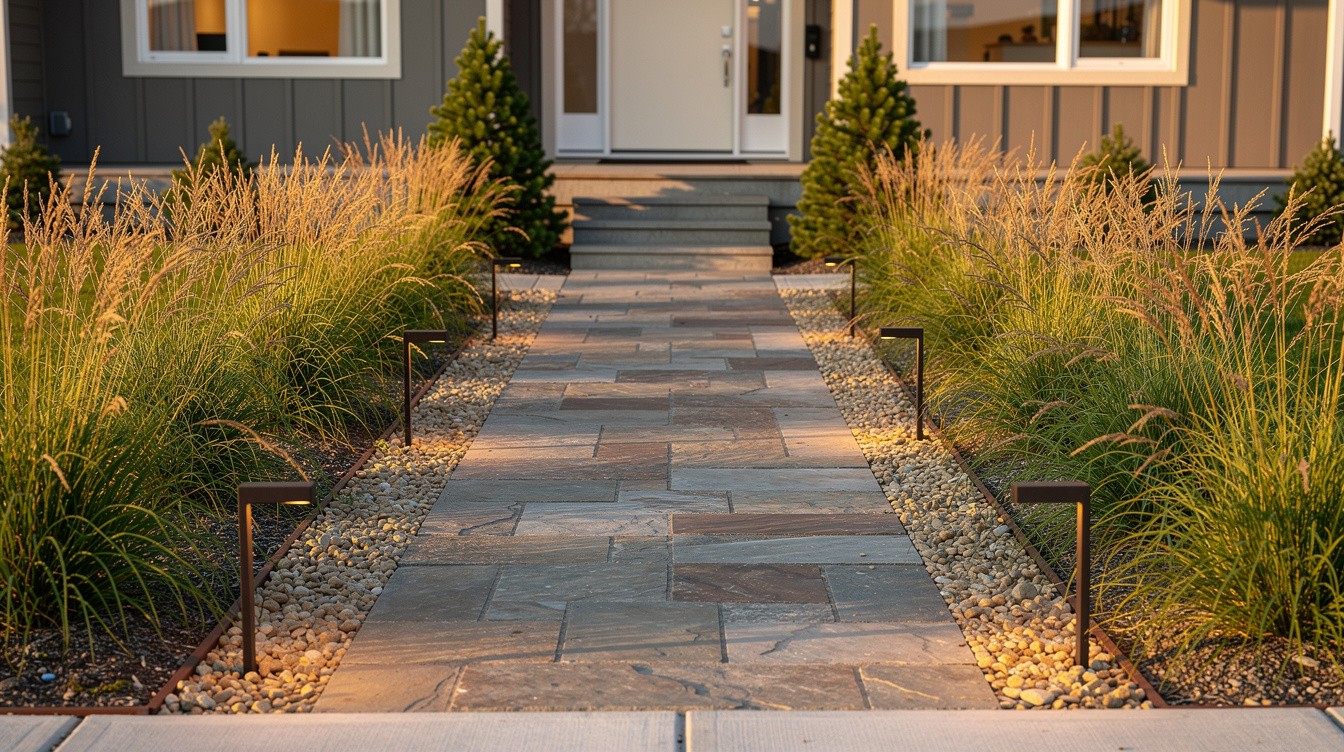
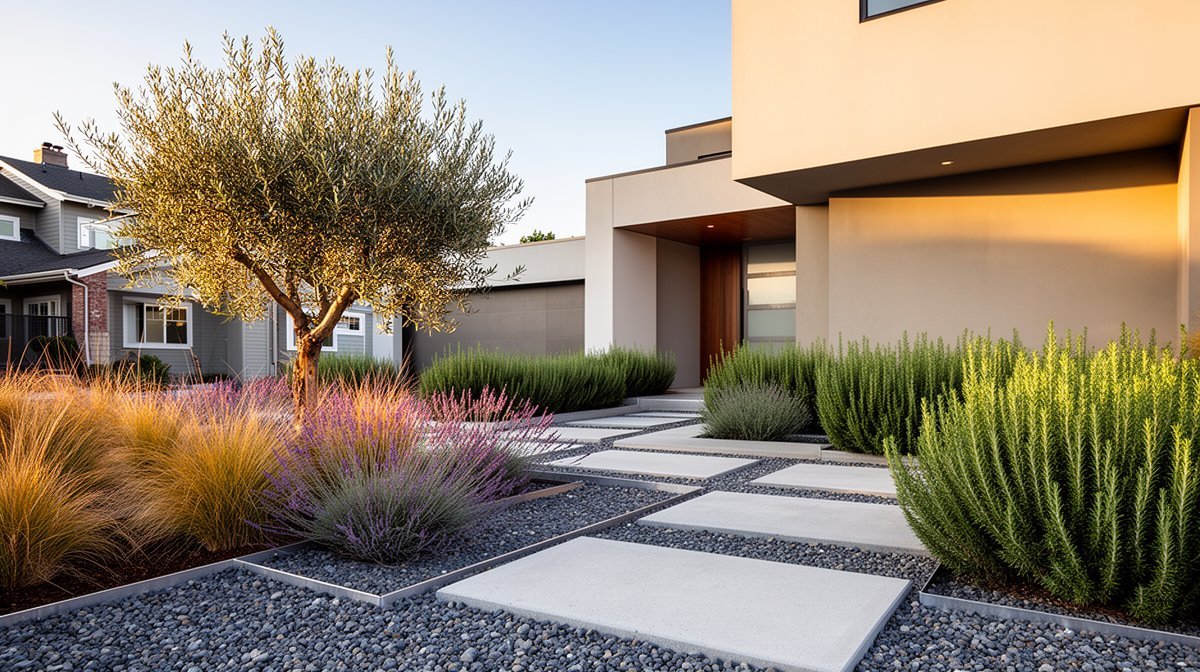
Natural Stone Entry with Hardy Grasses and Spruce Accents
$15–35/sqftFlat-set local Alaskan fieldstone creates a contemporary front entry path flanked by masses of Karl Foerster feather reed grass—exceptionally cold-hardy and vigorous in Anchorage’s long summer light—and dwarf Alberta spruce specimens at the entry gate that maintain their perfect cone shape year-round, providing the evergreen structure essential for Anchorage’s long winter. River gravel mulch in warm tones fills the planting beds, and LED path lighting extends the usability of the entry into Anchorage’s late-spring and fall evenings.
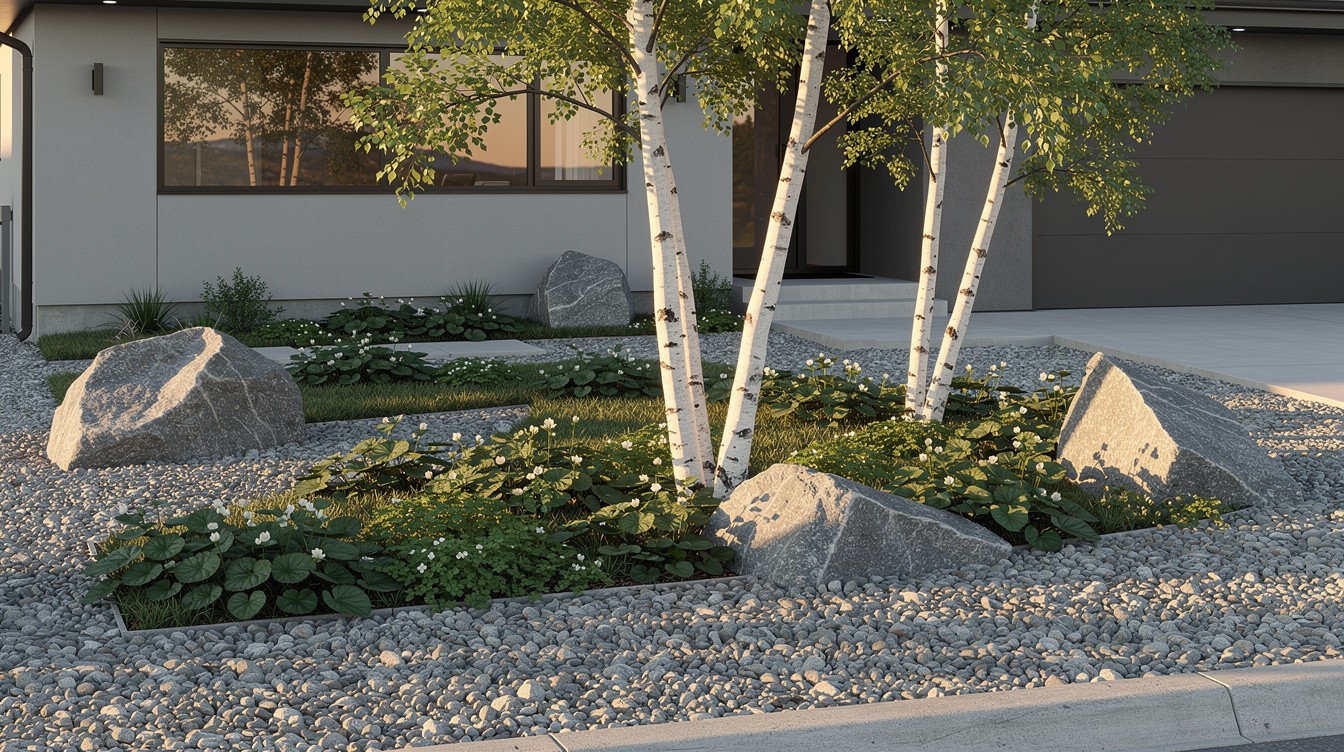
Minimalist Front Yard with Native Spruce-Birch Composition
$12–28/sqftA minimalist front yard replaces traditional lawn with a naturalistic composition of birch grove planting, native ground covers, and river stone mulch that requires no summer irrigation and winter maintenance beyond snow management. Three to five multi-stem birch trees create an open canopy; native wild ginger and bunchberry carpet the ground beneath; and granite boulders serve as focal elements throughout the composition. The design channels the Cook Inlet Taiga’s native landscape character in a composed contemporary arrangement that feels intentional rather than wild.
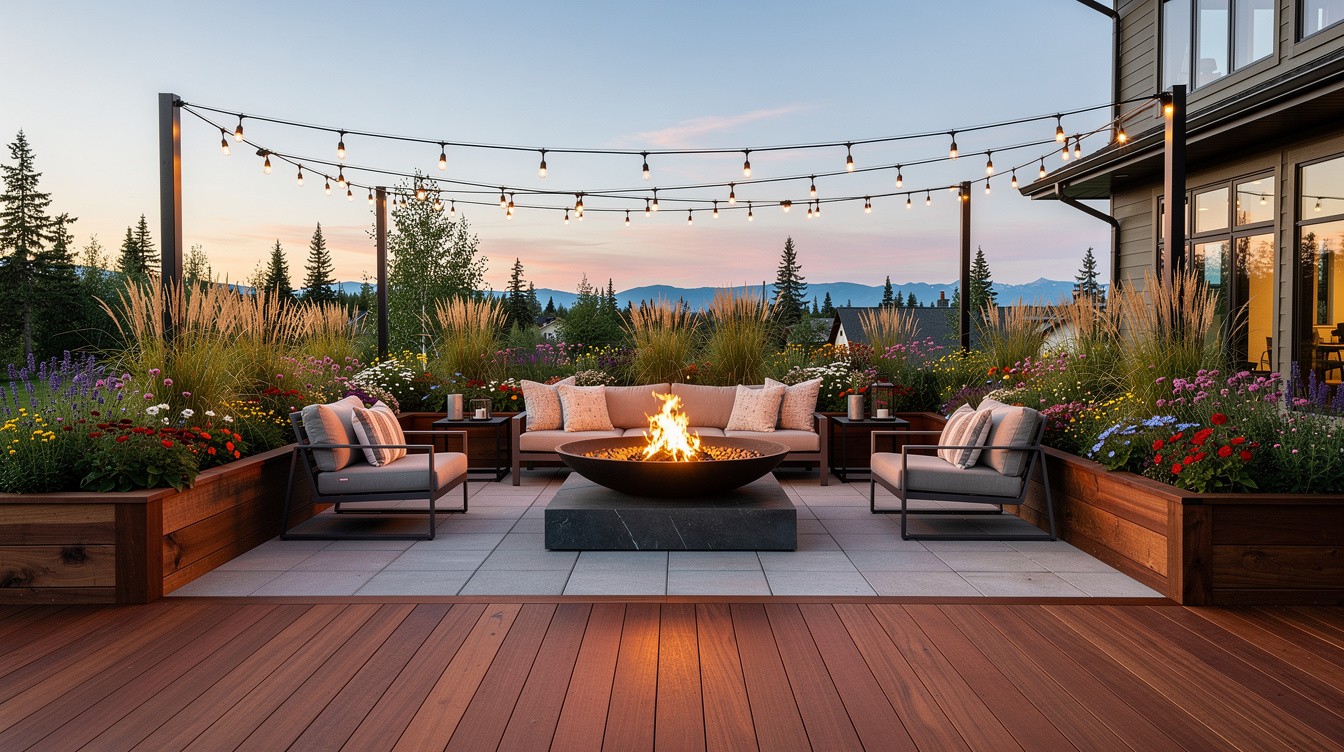
Deck and Patio with Fire Feature and Raised Planting
$22—50/sqftA composite or Ipe deck connects the house to a concrete paver patio with a substantial wood-burning or gas fire feature—the centerpiece of Anchorage outdoor living—surrounded by modern outdoor seating. Raised planting beds of steel or treated timber border the patio on two sides, holding Karl Foerster grasses and cold-hardy perennials that bloom intensely during the midnight sun period. Overhead string lighting on steel posts creates an intimate atmosphere for the late-evening outdoor culture that defines Anchorage summers. The fire feature is used from May through October—nearly as long as the growing season itself.
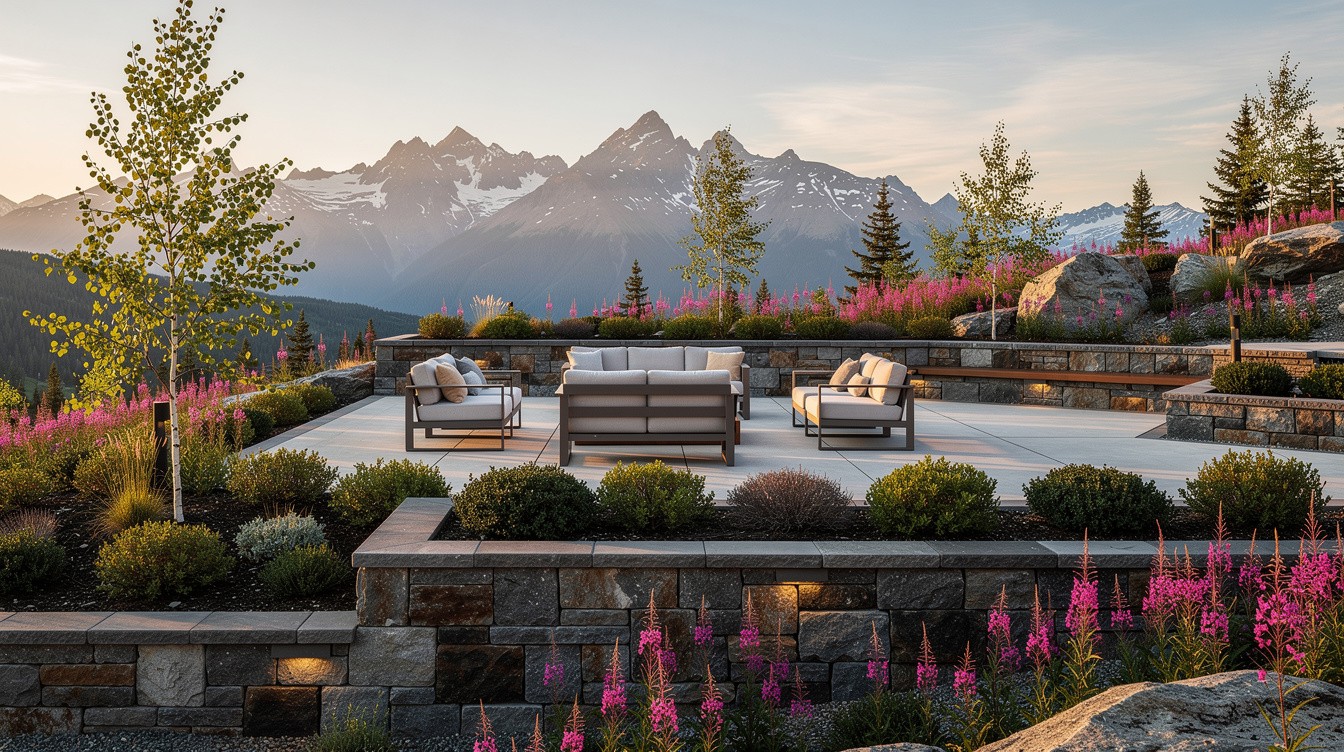
Mountain View Terrace with Native Plant Garden
$28–60/sqftFor Anchorage’s hillside properties with Chugach Mountain views, a terraced concrete patio is designed around the view—seating oriented toward the mountains, low horizontal planting masses that don’t interrupt the sightline, and natural stone retaining walls that use local material to anchor the terraced levels. Native Alaskan plants—dwarf birch, Labrador tea, and fireweed—fill the planting zones with ecologically authentic species that peak simultaneously with the view’s best seasonal moment: fireweed’s famous late-July magenta bloom coinciding with the Chugach’s post-solstice light angle.
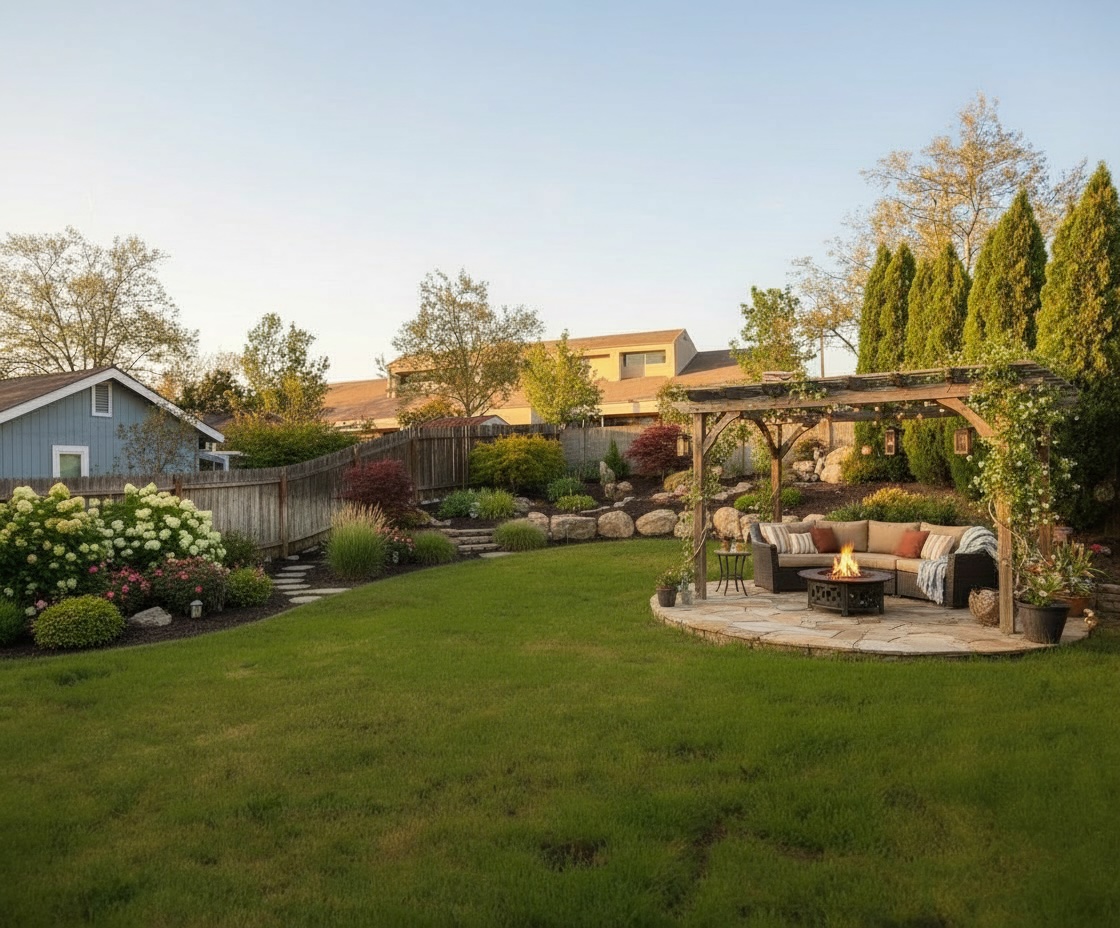
See how a modern/minimalist garden looks on YOUR property
Upload a photo of your Anchorage yard and visualize your dream garden in seconds.
Try ProScapeAI Free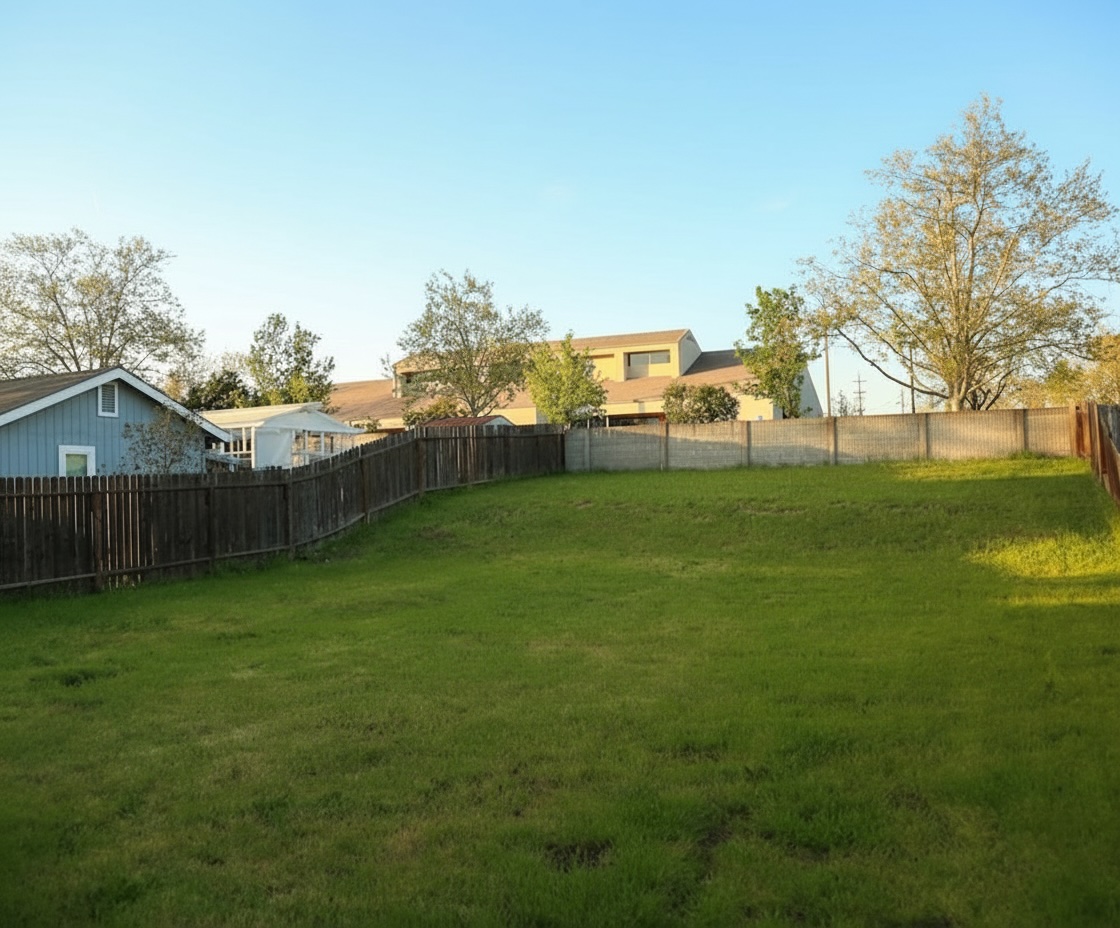
Featured Flowers & Perennials for Modern/Minimalist Gardens
Browse all 150 plants for Anchorage
American White Water Lily
Nymphaea odorata
low-growing ground cover, white,pink blooms in summer. Attracts butterflies.

Canadian Waterweed
Elodea canadensis
grows to 3 feet, white blooms in spring. Evergreen year-round.

Common Duckweed
Lemna minor
low-growing ground cover, white blooms in summer. Evergreen year-round.

European Frogbit
Hydrocharis morsus-ranae
low-growing ground cover, white blooms in summer. Pollinator-friendly.
Zone and sun checks come from our database — confirm with your local nursery before you buy.
Bloom Calendar for Anchorage
spring
Canadian Waterweed, Reed Sweet Grass, Sweet Flagsummer
American White Water Lily, Canadian Waterweed, Common Duckweedfall
American White Water Lily, Canadian Waterweedwinter
Limited bloomsDesign Tips for Anchorage (Zone 4b)
- Design the garden to be experienced from inside during winter—Anchorage’s outdoor season is short but the garden is viewed through windows for 7 months; strong evergreen structure, colorful winter berries, and dramatic hardscape elements visible from the kitchen and living room are as important as summer bloom
- Specify composite decking over wood for any elevated deck surface—Anchorage’s extreme temperature cycling and moisture content changes deteriorate wood decking rapidly, and composite’s maintenance-free character is especially valuable in Alaska where contractors are expensive and difficult to schedule
- Use paper birch in multi-stem groupings as the primary structural tree—Zone 2 cold hardiness, white bark spectacular against snow, fall color exceptional, and the peeling bark texture creates visual interest even in January when the garden is otherwise dormant
- Install a permanently connected gas fire feature—at 50°F evening temperatures (common from May through September), a gas fire you can light in 10 seconds will be used every evening; a wood fire requiring 30 minutes of preparation will be used occasionally; this convenience gap determines actual outdoor season duration
- Maximize south-facing exposure for all primary living areas—Anchorage’s sun tracks low on the horizon and south-facing surfaces receive dramatically more energy than north-facing ones; a south-facing patio with a dark-colored paver surface can be 10–15°F warmer than a north-facing equivalent in the same yard
- Use river gravel or crushed local stone as mulch rather than organic bark—Anchorage’s spring snow melt saturates organic mulch before it can dry, causing fungal problems; stone mulch drains immediately, warms faster, and requires no annual replacement
Where to Source Plants in Anchorage
Skip the big-box stores. These independent Anchorage nurseries specialize in the plants that make modern/minimalist gardens thrive in Zone 4b.
Alaska Mill and Feed
Midtown Anchorage
Anchorage’s go-to source for cold-hardy landscape plants, native plants, and Alaska gardening supplies
Pyrah’s Pioneer Peak Greenhouse
Palmer
Premier Alaska greenhouse with native plants, cold-hardy ornamentals, and landscape plant material for Zone 4b
Alaska Botanical Garden Plant Shop
East Anchorage
Alaska-native and Zone 4 cold-hardy plants from Anchorage’s botanical garden—best source for authentic contemporary Alaskan landscape material
Home Depot Garden Center
Dimond / Midtown
Composite decking, hardscape materials, and standard cold-hardy landscape plants at consistent Anchorage pricing
Lowe’s Garden Center
Anchorage
Comprehensive hardscape, planting, and outdoor living supplies including composite decking and fire pit options
Modern/Minimalist Landscaping Costs in Anchorage
| Project Scope | Estimated Cost |
|---|---|
| Local stone entry with Karl Foerster grasses and evergreen structure | $18,000 – $42,000 |
| Naturalistic birch-stone front yard conversion from lawn | $14,000 – $32,000 |
| Composite deck and paver patio with fire feature and raised planting beds | $28,000 – $65,000 |
| Mountain view terrace with stone walls and native Alaskan planting | $35,000 – $88,000 |
| Permanently connected gas fire feature installation | $3,500 – $10,000 |
| Annual contemporary landscape maintenance | $1,500 – $4,500/year |
| AI visualization with ProScapeAI | Free to start |
Estimates based on Anchorage, AK-area contractor rates as of 2026. Actual costs vary by site conditions, materials, and contractor.
Anchorage Climate & Growing Zone

USDA Zone 4b
Hardiness zone for Anchorage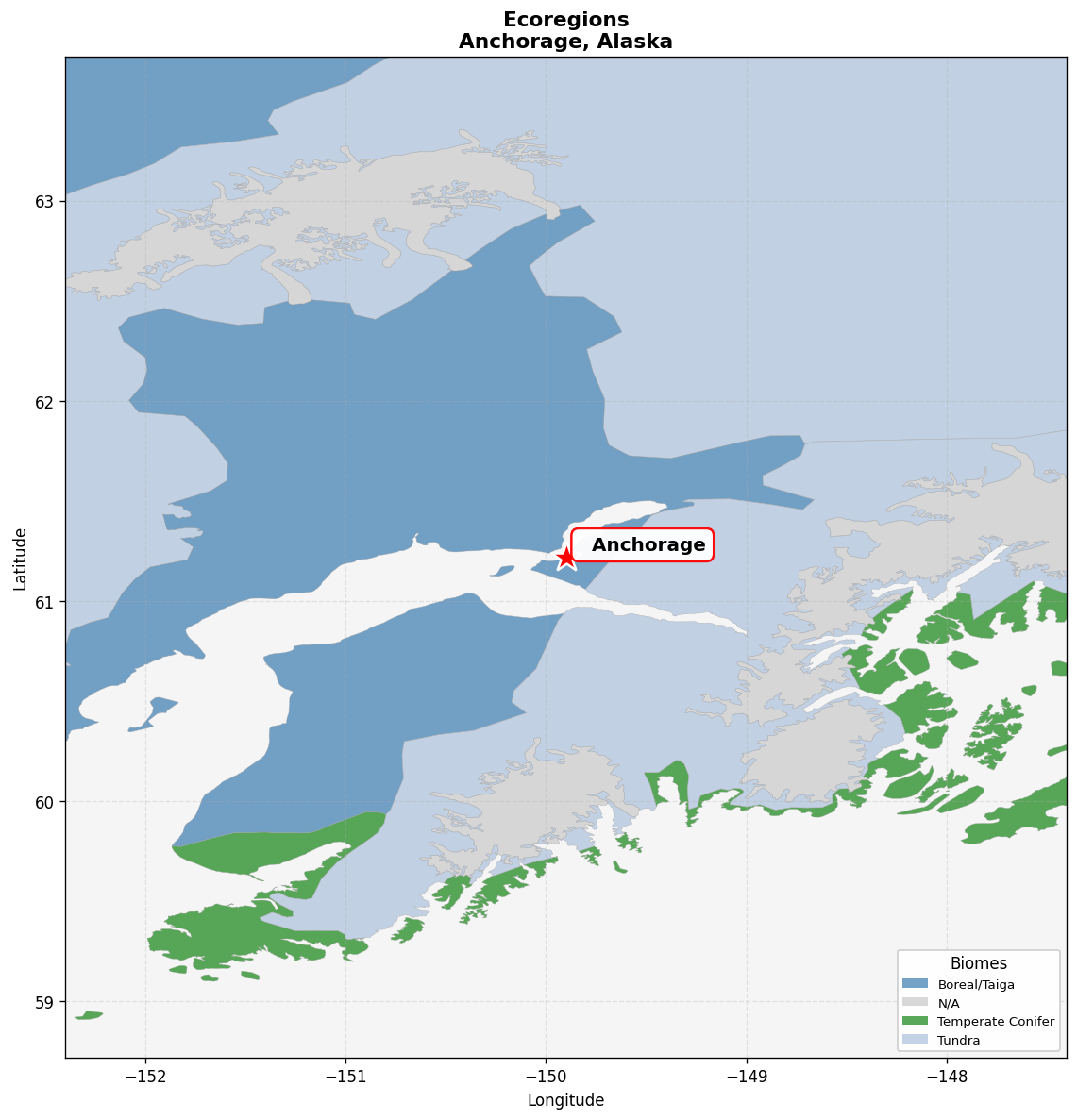
Cook Inlet taiga
Native ecoregionFrequently Asked Questions
What modern plants are reliably cold-hardy for Anchorage’s Zone 4b?
Zone 4b requires plants hardy to at least −20°F. Contemporary landscape plants that meet this standard: Karl Foerster feather reed grass (Zone 5, marginally hardy in Zone 4 with good site selection), dwarf Alberta spruce (Zone 3, perfect cone form year-round), compact blue spruce (Zone 2–3, outstanding winter interest), paper birch (Alaska native, Zone 2), switchgrass (Zone 5, try ‘Shenandoah’ in sheltered sites), Siberian iris (Zone 3–4, reliable perennial), peonies (Zone 3–4, very reliable in Anchorage), and Canadian Explorer roses (Zone 3–4). Avoid ornamental grasses rated only to Zone 6–7—most warm-climate grasses are not reliably perennial in Zone 4b without exceptional site conditions.
What deck materials work best in Anchorage’s harsh winters?
Anchorage decks face extreme thermal cycling (−30°F to +85°F), significant snow loads (28-inch average, but heavy snow events are common), and high UV during the summer long days. Best deck material options: composite decking (Trex or TimberTech) handles freeze-thaw cycling without splitting or checking and requires no sealing; Ipe hardwood is extremely durable in cold climates but requires regular oiling; pressure-treated lumber is acceptable as a structural element but surface boards deteriorate and check in Anchorage’s cold without regular maintenance. Concrete pavers with compacted gravel base are excellent for ground-level patios—set proper base depth (6–8 inches compacted gravel) to prevent frost heave.
Do I need a fire feature in an Anchorage contemporary garden?
A fire feature is essentially mandatory for an Anchorage outdoor living space if it’s to be used beyond the warmest two weeks of July. Average July highs are 65°F with frequent evenings in the 50s; May, June, and August evenings are often 45–55°F. A fire pit or outdoor fireplace makes these temperatures comfortable for outdoor gathering, effectively tripling the usable outdoor season compared to an unconditioned patio. Gas fire features (permanently connected) are preferred for Anchorage because the convenience of instant ignition removes the barrier that prevents spontaneous use—on a 50°F June evening, you won’t go outside to build a wood fire, but you will flip a gas valve.
How do I handle permafrost in Anchorage landscape design?
Permafrost is present in portions of Anchorage but is not universal—it’s most common in north-facing slopes and areas with organic soil cover. Before major hardscape installation, consult a geotechnical engineer if you suspect permafrost—standard footing depths may be inadequate and structures can settle as permafrost thaws during climate warming. For planted areas, raised beds above grade avoid the permafrost entirely. For patios, a compacted gravel base with drainage fabric prevents water accumulation that accelerates frost heave. Most established Anchorage neighborhoods have permafrost mapped by the Municipality—the Municipal GIS mapping is a good first reference.
What native Alaskan plants work in contemporary Anchorage landscapes?
Alaska’s native plant palette includes beautiful species well-suited to contemporary design. Best contemporary-compatible natives: paper birch (multi-stem form creates elegant winter silhouette), fireweed (Chamaenerion angustifolium, spectacular July magenta bloom, the unofficial Alaska state flower), bunchberry (Cornus canadensis, ground cover with white flowers and red fruit), Labrador tea (Rhododendron groenlandicum, native shrub with white flowers), wild iris (Iris setosa, blue-purple May bloom), bog rosemary (Andromeda polifolia, low evergreen shrub), and native grasses (various Deschampsia and Calamagrostis species). Using native plants also reduces maintenance—plants adapted to Anchorage’s climate require no supplemental irrigation after establishment.
How much does a contemporary landscape installation cost in Anchorage?
Anchorage has the highest landscaping costs in the United States. Materials cost 30–50% more than continental US due to Alaska shipping and logistics. Labor rates are substantially higher due to Alaska’s high cost of living. A stone entry with grasses and spruce accents typically costs $18,000–42,000. A deck and patio with fire feature runs $28,000–65,000. A terraced mountain view patio with native planting ranges $35,000–85,000. Annual maintenance for a contemporary Anchorage landscape runs $1,500–4,500/year. Despite the higher costs, well-designed outdoor spaces in Anchorage add significant value given the city’s strong real estate market and the cultural value placed on outdoor living.