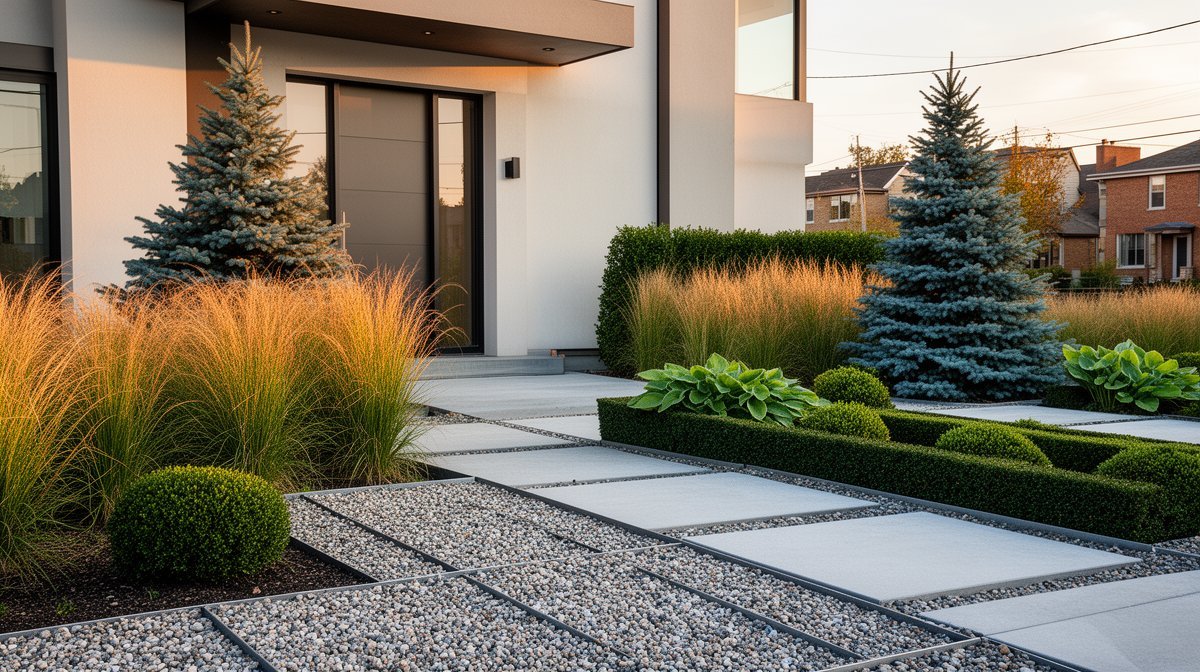
4 Modern Landscape Ideas for Ann Arbor, MI | Prairie Grasses and Clean Lines for Zone 6a
Native plants from the Southern Great Lakes forests (Zone 6a) — Humid continental (hot summer) climate
Why Modern/Minimalist Gardens in Ann Arbor?
Ann Arbor has more real modern architecture than most cities its size, and the gardens around it are usually the part that never got finished. Mid-century houses on the wooded slopes of Ann Arbor Hills, low 1960s ranches in Georgetown and Lansdowne, and the flat-roofed and black-framed infill now going up on Water Hill and around Kerrytown all want the same thing: a level terrace, one strong path, and planting in bold blocks rather than a ring of foundation shrubs. Many of the mid-century lots are sloped and shaded by big oaks, so a modern design here is often about terracing and shade texture, not a sunny gravel court.
The palette has to be built for Zone 6a: winter lows of -10°F to -5°F, roughly 38 inches of precipitation a year at the University of Michigan station, and about 121 days a year below freezing. That rules out the agave and Mexican feather grass in most modern garden photos. Nassella tenuissima is not reliably hardy here, so use Sporobolus heterolepis 'Tara' for the same fine, moving texture; for the spiky accent, Yucca filamentosa 'Color Guard' replaces agave. The backbone that works is grasses native to the Southern Great Lakes forests ecoregion, Schizachyrium scoparium 'Standing Ovation' and Panicum virgatum 'Northwind', plus Calamagrostis × acutiflora 'Karl Foerster', which stands upright through snow and gives the garden structure in February. Clipped Taxus × media 'Hicksii' and Thuja occidentalis 'Smaragd' supply the evergreen green walls.
The ground is the engineering problem. Most of the city sits on glacial till, clay loams that stay wet in spring and shrink in a dry August, with lighter ground on the Huron River terraces. Frost in Michigan is designed for at 42 inches, so walls, pergola posts and fire feature bases need footings to that depth, and paver terraces need a deep, well-drained base or they will heave out of line, which is very visible in a design that depends on straight joints. Lodi Farms and Turner's on South Wagner both sell crushed stone and gravel by the yard, which makes a proper base cheaper than people expect. pH on the till is usually near neutral; check it with an MSU Extension soil test before amending.
The city's own rules suit the style. Chapter 40 of the City Code, amended by ORD-25-34 in December 2025, lets cultivated plants such as native grasses and perennials grow in the lawn extension up to 36 inches of foliage, with flower tops to 42 inches, while keeping plants under 30 inches within 40 feet of residential corners. A curb strip of Sporobolus 'Tara' and Allium 'Millenium' stays within that and looks deliberate, and street trees or shrubs in the right-of-way need written city permission first.
4 Modern/Minimalist Design Ideas for Ann Arbor

AI-generated image
The Ann Arbor Hills Terrace Steps
$35–75/sqftA mid-century house with a long glass wall sits above a wooded slope, and the yard is rebuilt as three wide concrete terraces stepping down under the oaks. Each level is a large-format paver landing with a block of a single grass or sedge planted beside it, and the light filters through the canopy most of the day. Low step lights mark each riser so the stairs read as lines at night.

AI-generated image
The Prairie Block Front Yard
$16–34/sqftThe front lawn of a 1960s brick ranch is replaced with a grid of square beds, each planted with one native grass or perennial, separated by bands of crushed limestone. Full south sun hits the whole front, so the grasses color up in October and stand through winter. A straight broom-finished concrete walk replaces the old curved builder path.

AI-generated image
The Water Hill Infill Courtyard
$40–80/sqftBehind a new flat-roofed house on a narrow lot, a fenced courtyard holds a single large porcelain-paver terrace, a long cedar bench and one multi-stem tree in a raised steel planter. The courtyard faces west, so the tree is placed to shade the terrace by late afternoon in July. Clipped evergreens line the horizontal cedar fence to give a green wall all winter.

AI-generated image
The Gravel Garden and Fire Table
$22–48/sqftA level rectangle of compacted gravel sits off the back of a 1990s colonial, with a linear gas fire table and four low chairs on a concrete pad in the middle. Sedums and short grasses are planted directly into the gravel around the edges, in full sun, so the space stays tidy without mowing. A row of upright grasses along the back screens the neighbors from July to March.
See how a modern/minimalist garden looks on YOUR property
Upload a photo of your Ann Arbor yard and visualize your dream garden in seconds.
Try ProScapeAI Free

AI-generated image
Featured Trees & Shrubs for Modern/Minimalist Gardens
Browse all 248 plants for Ann Arbor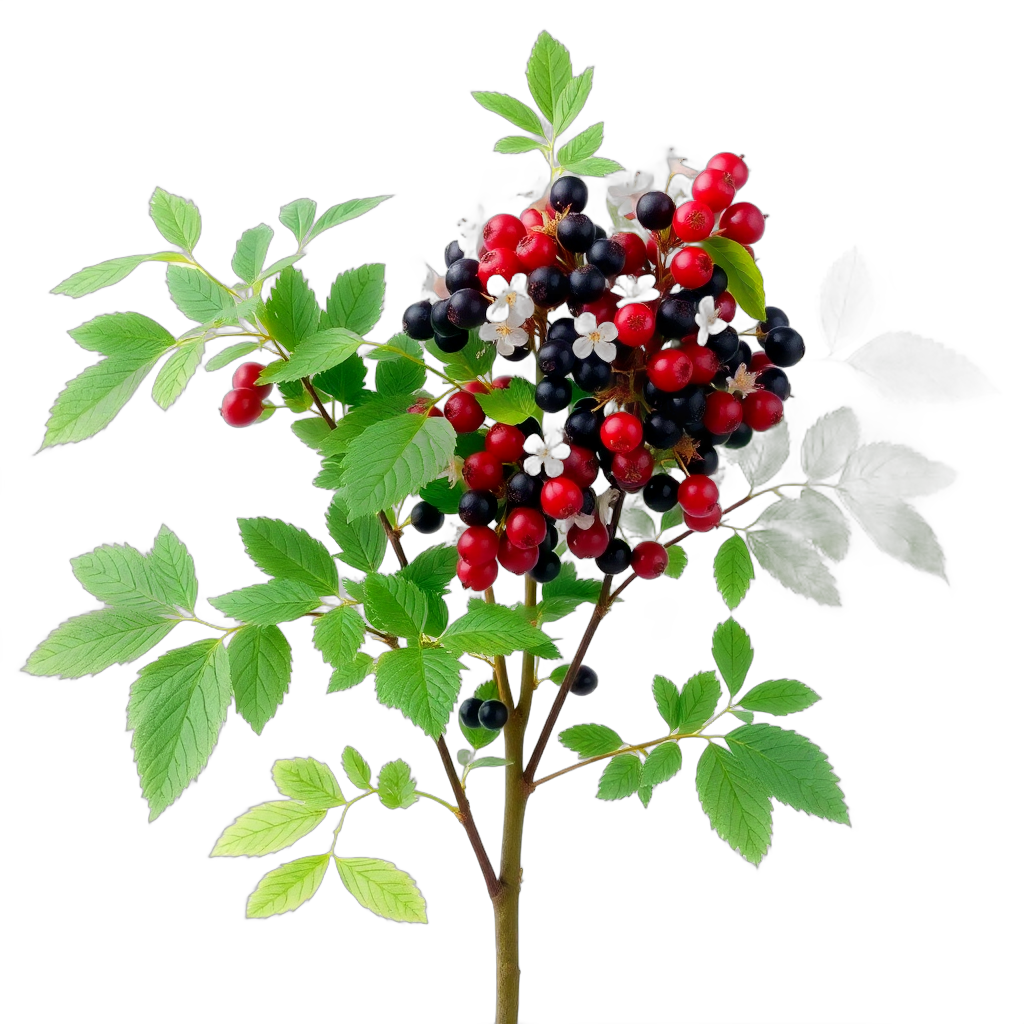
American Black Currant
Ribes americanum
grows to 5 feet, white,yellow blooms in spring. Attracts hummingbirds.
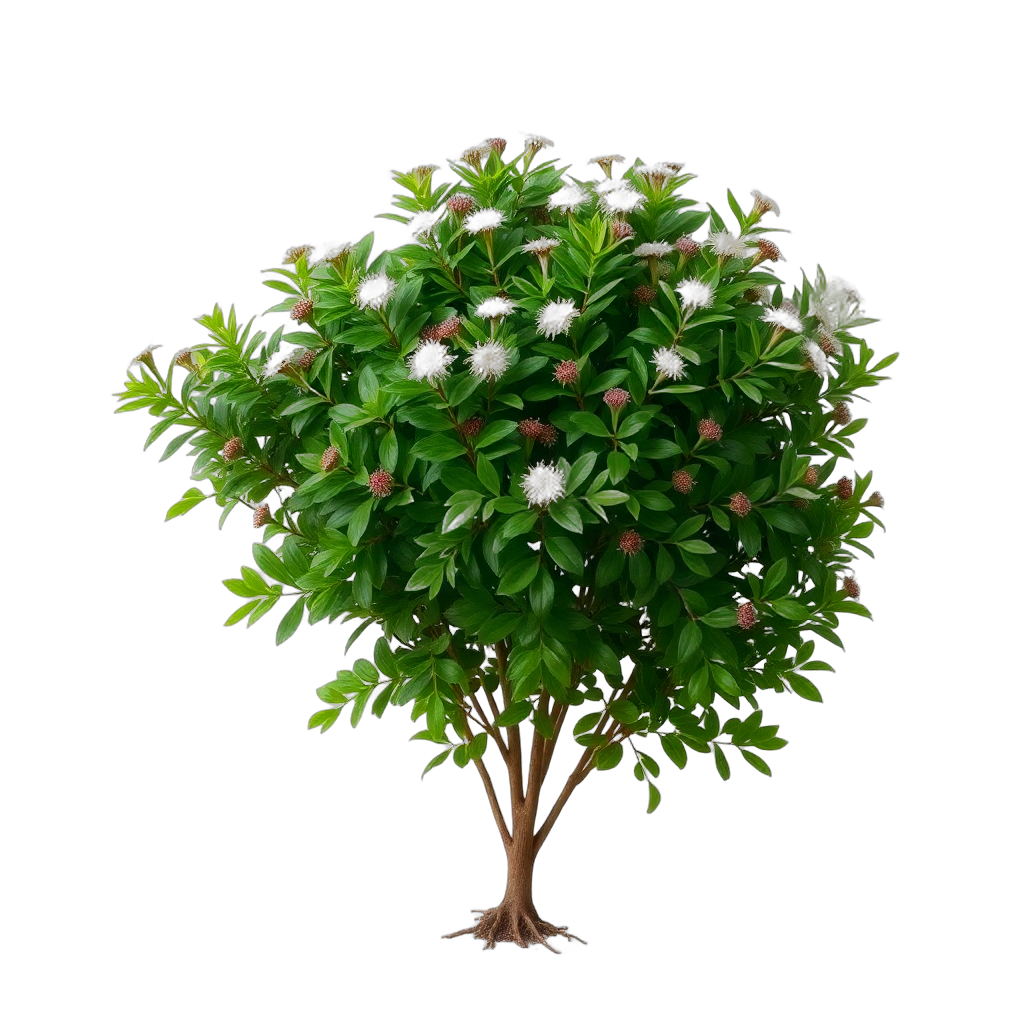
Buttonbush
Cephalanthus occidentalis
medium-sized at 8 feet, white blooms in summer. Attracts butterflies.
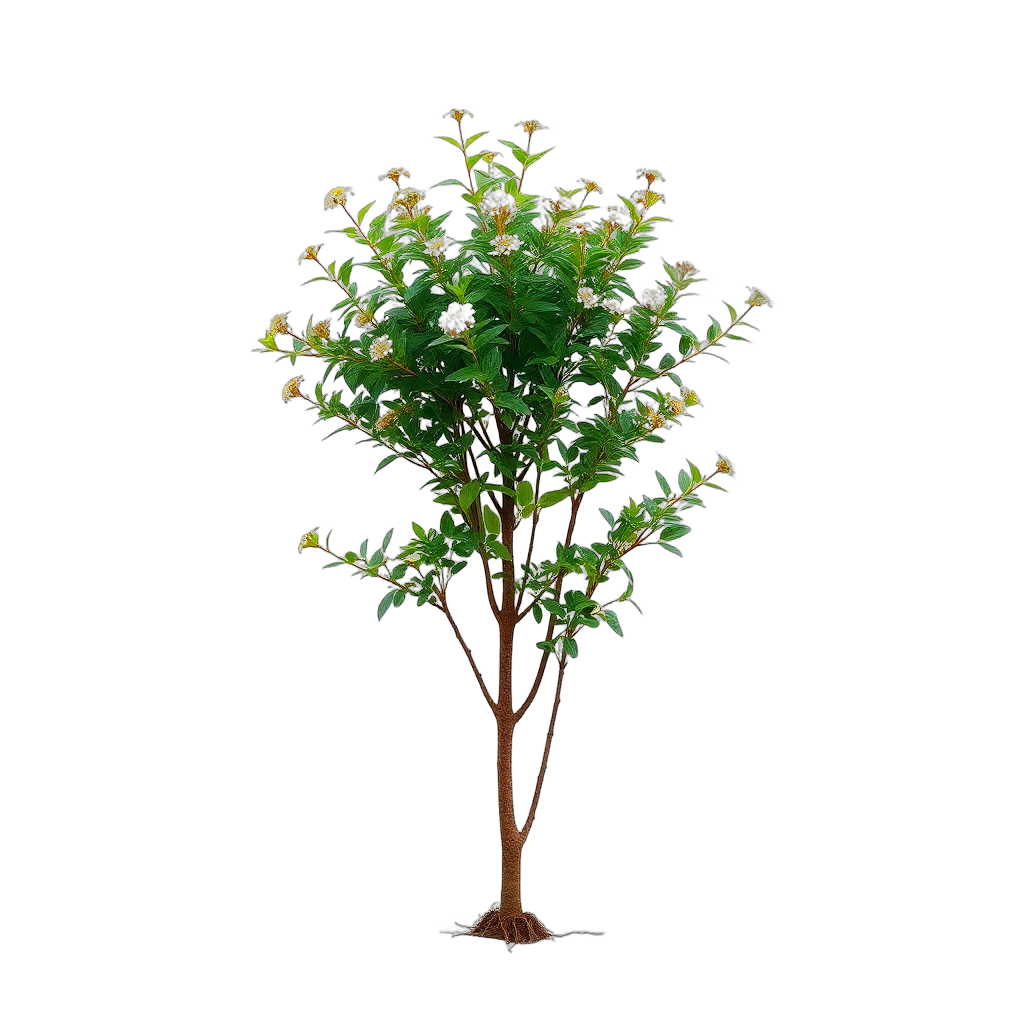
Coppertina Ninebark
Physocarpus 'Coppertina'
medium-sized at 7 feet, white blooms in spring. Pollinator-friendly.
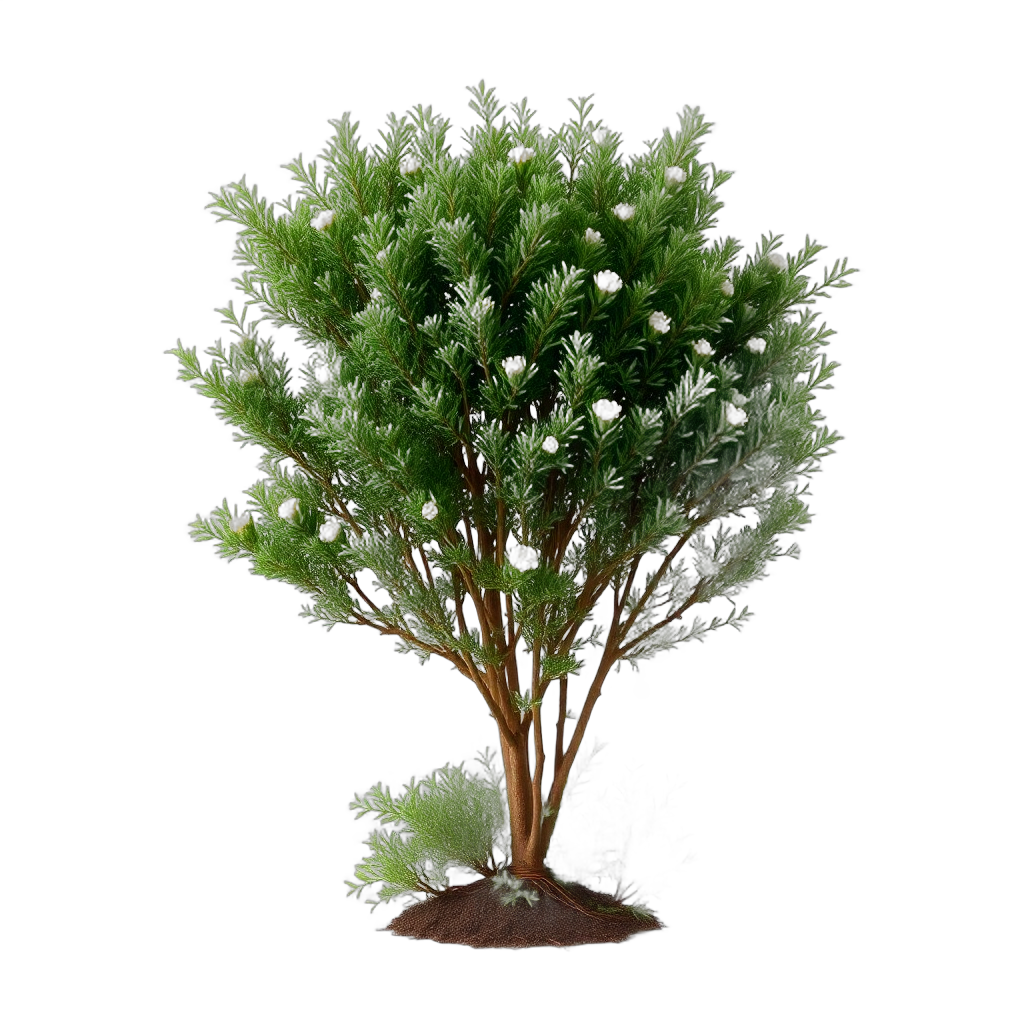
Creeping Juniper
Juniperus horizontalis
low-growing ground cover, blooms in spring. Evergreen year-round.
Featured Grasses & Groundcovers for Modern/Minimalist Gardens
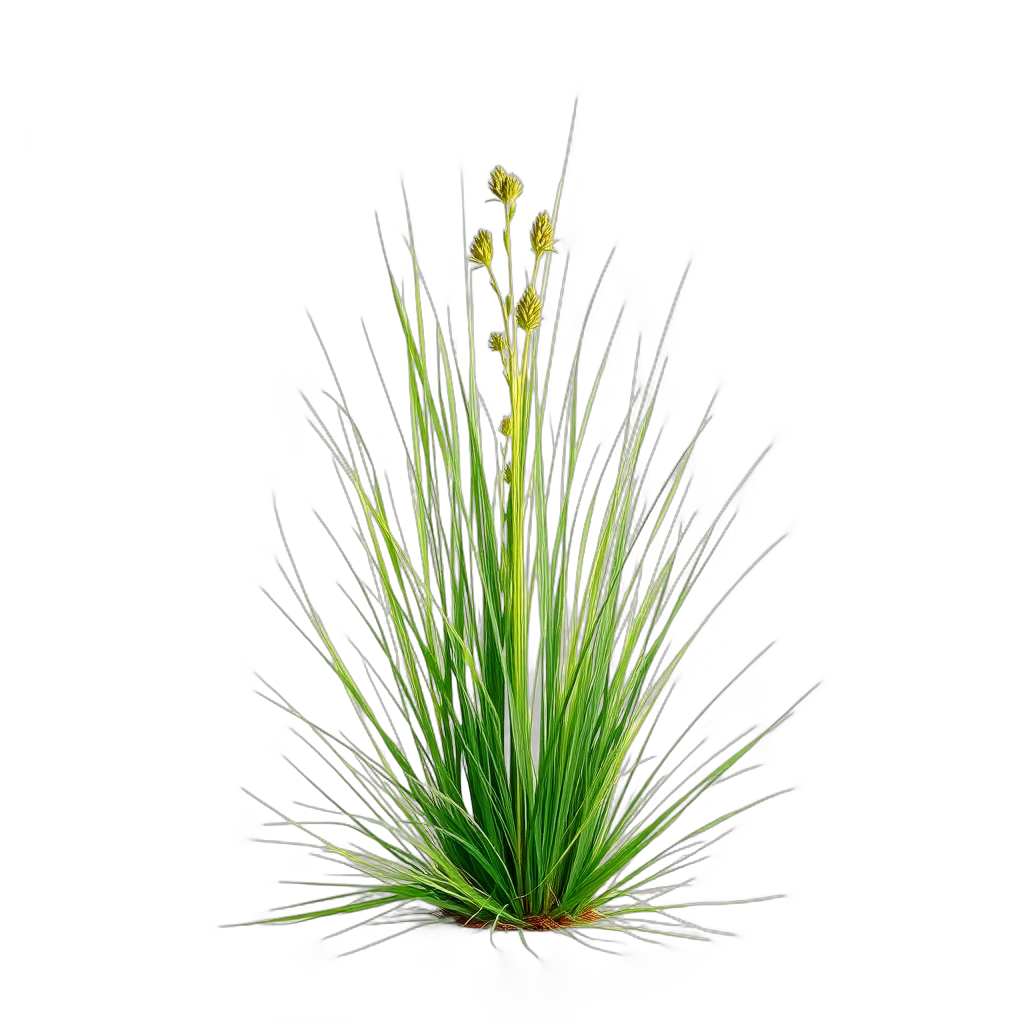
Canada Wild Rye
Elymus canadensis
grows to 4 feet, blooms in summer. Yellow fall color.
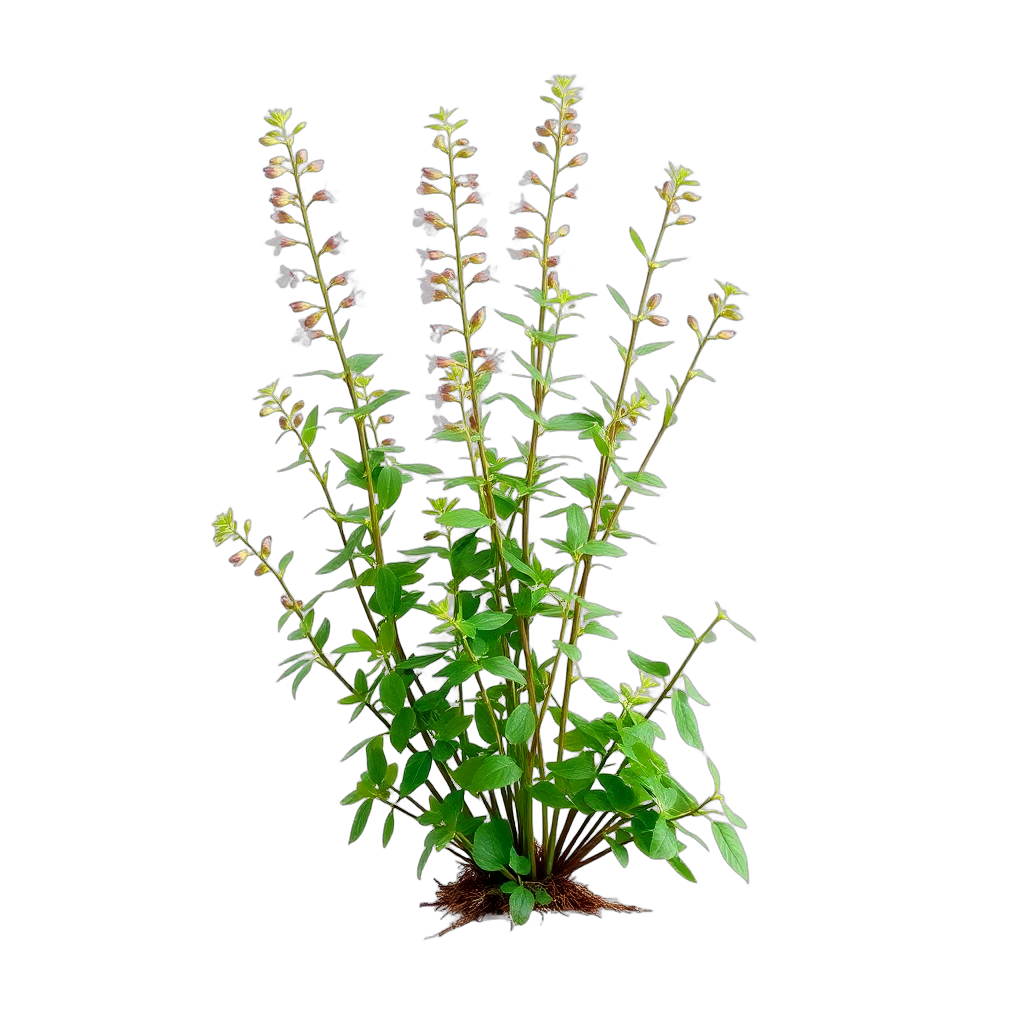
Creeping Jacob's Ladder
Polemonium reptans
low-growing ground cover, blue blooms in spring. Attracts butterflies.
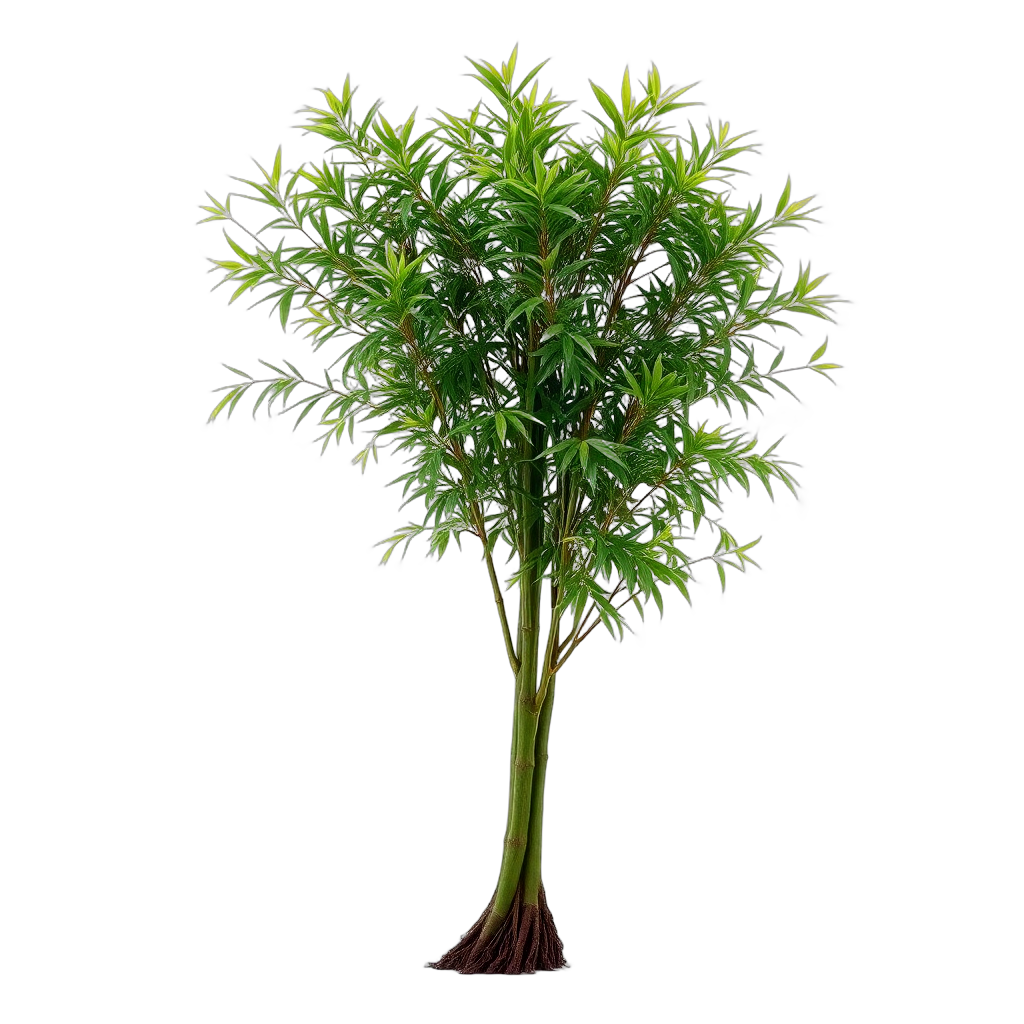
Broad-leaf Bamboo
Sasa palmata
medium-sized at 7 feet, blooms in none. Evergreen year-round.
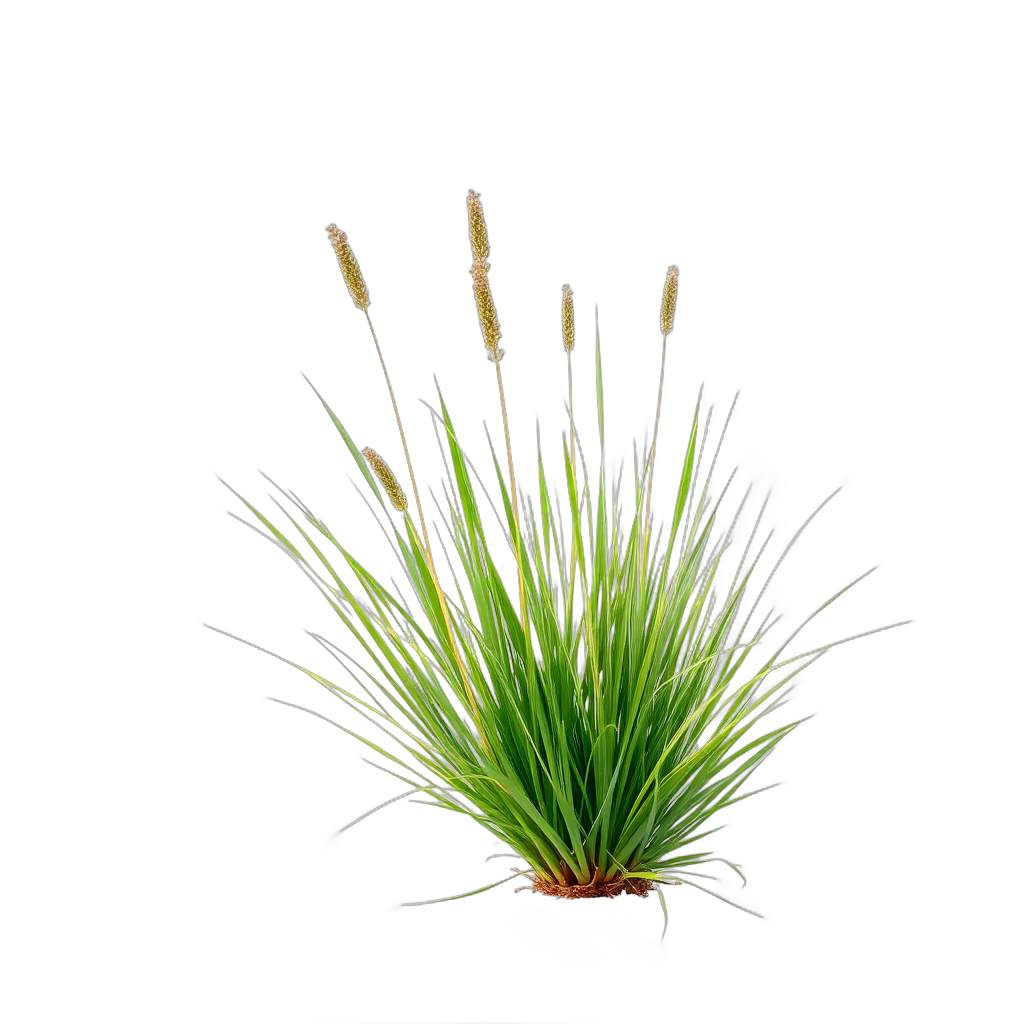
Deer Grass
Muhlenbergia rigens
grows to 3 feet, yellow blooms in fall. Evergreen year-round.
Featured Flowers & Perennials for Modern/Minimalist Gardens
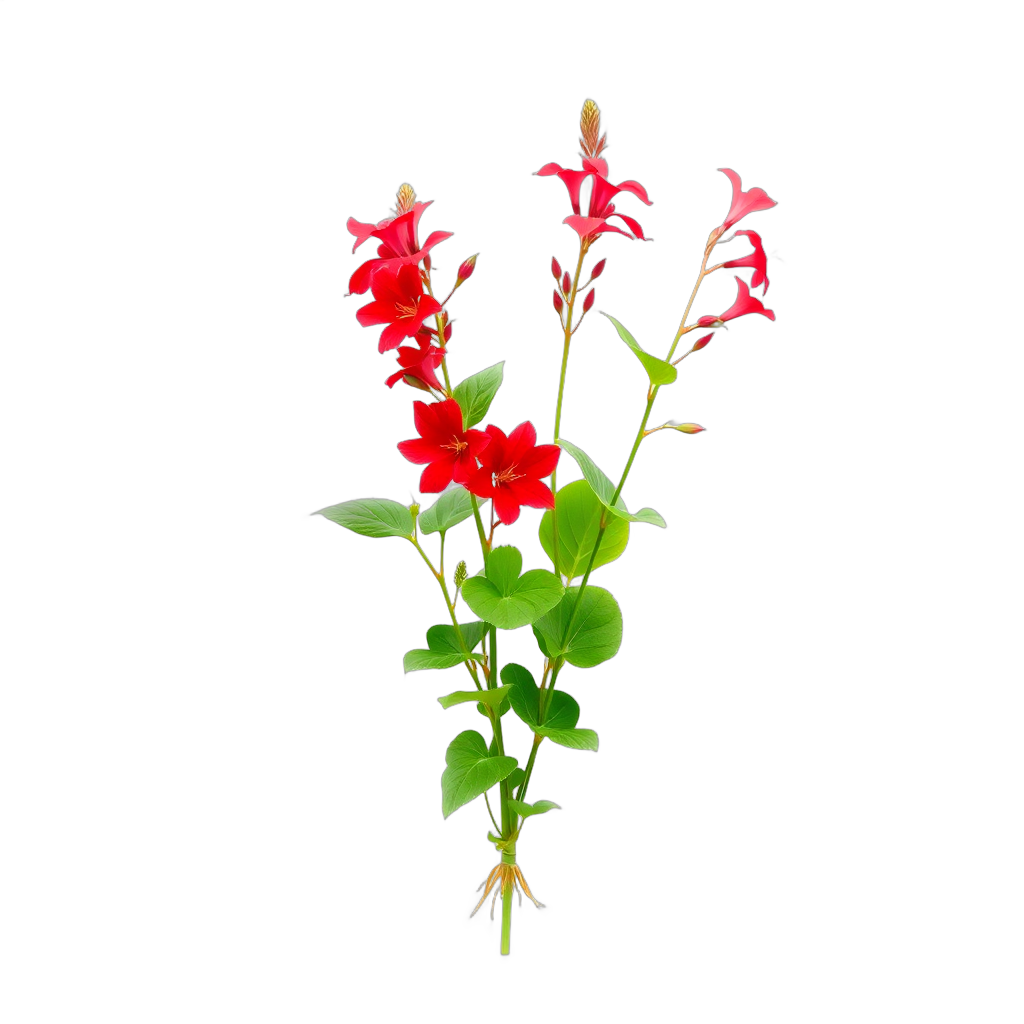
Cardinal Flower
Lobelia cardinalis
grows to 3 feet, red blooms in summer. Attracts hummingbirds.
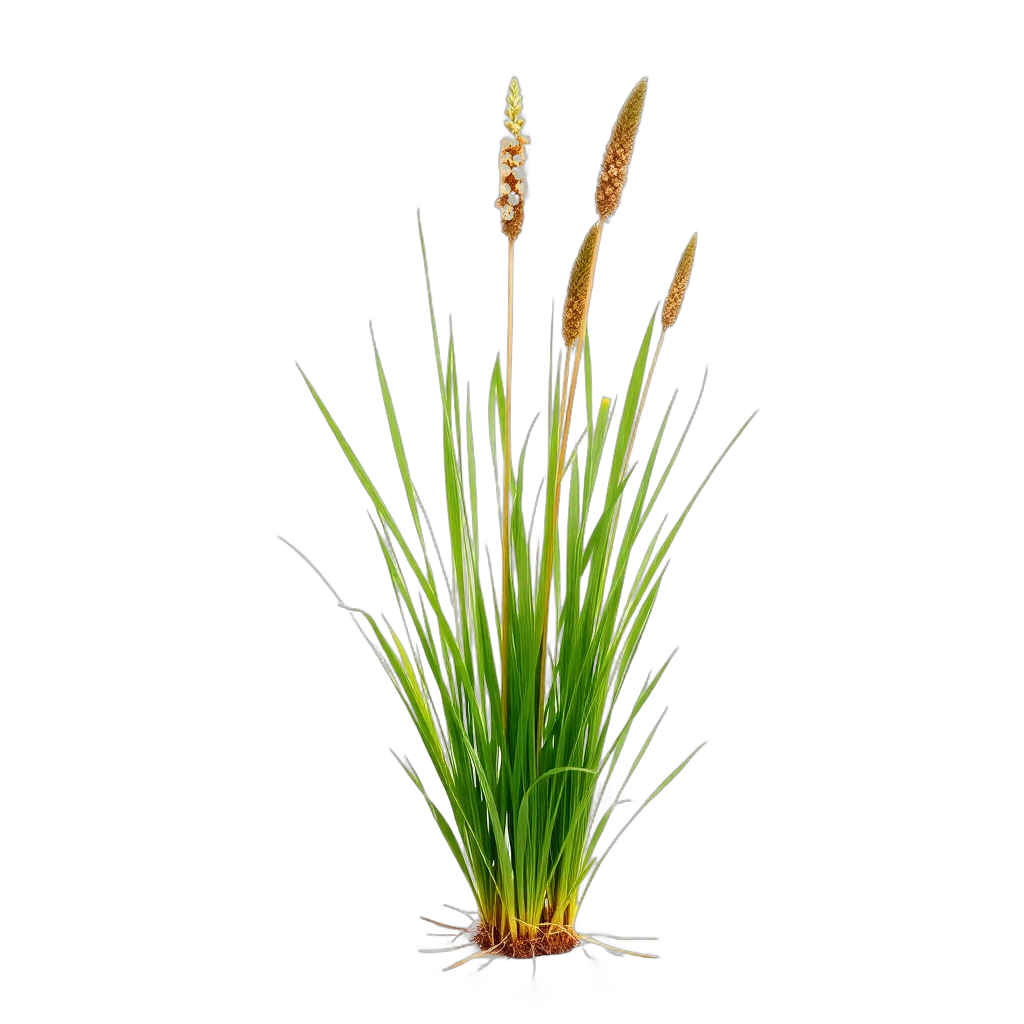
Hardstem Bulrush
Scirpus acutus
medium-sized at 7 feet, blooms in summer.
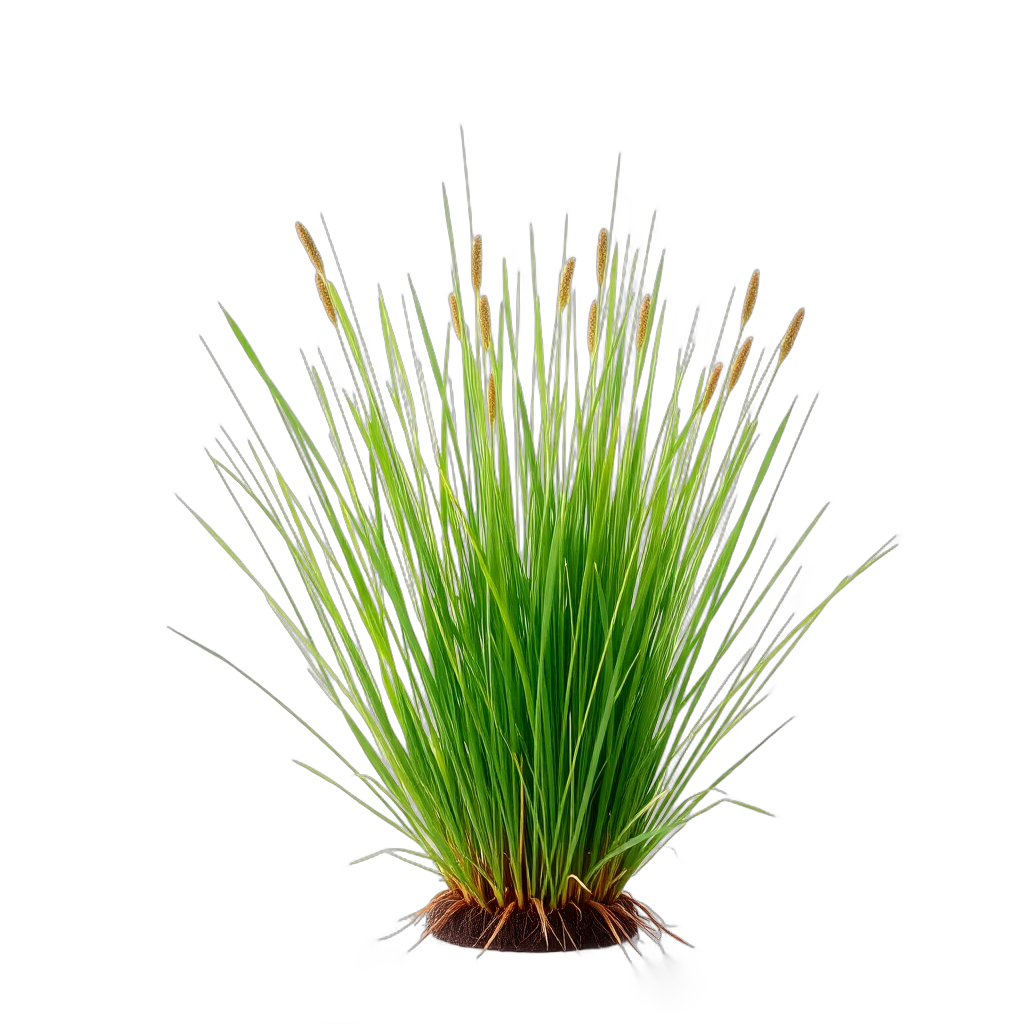
Path Rush
Juncus tenuis
low-growing ground cover, blooms in summer. Evergreen year-round.
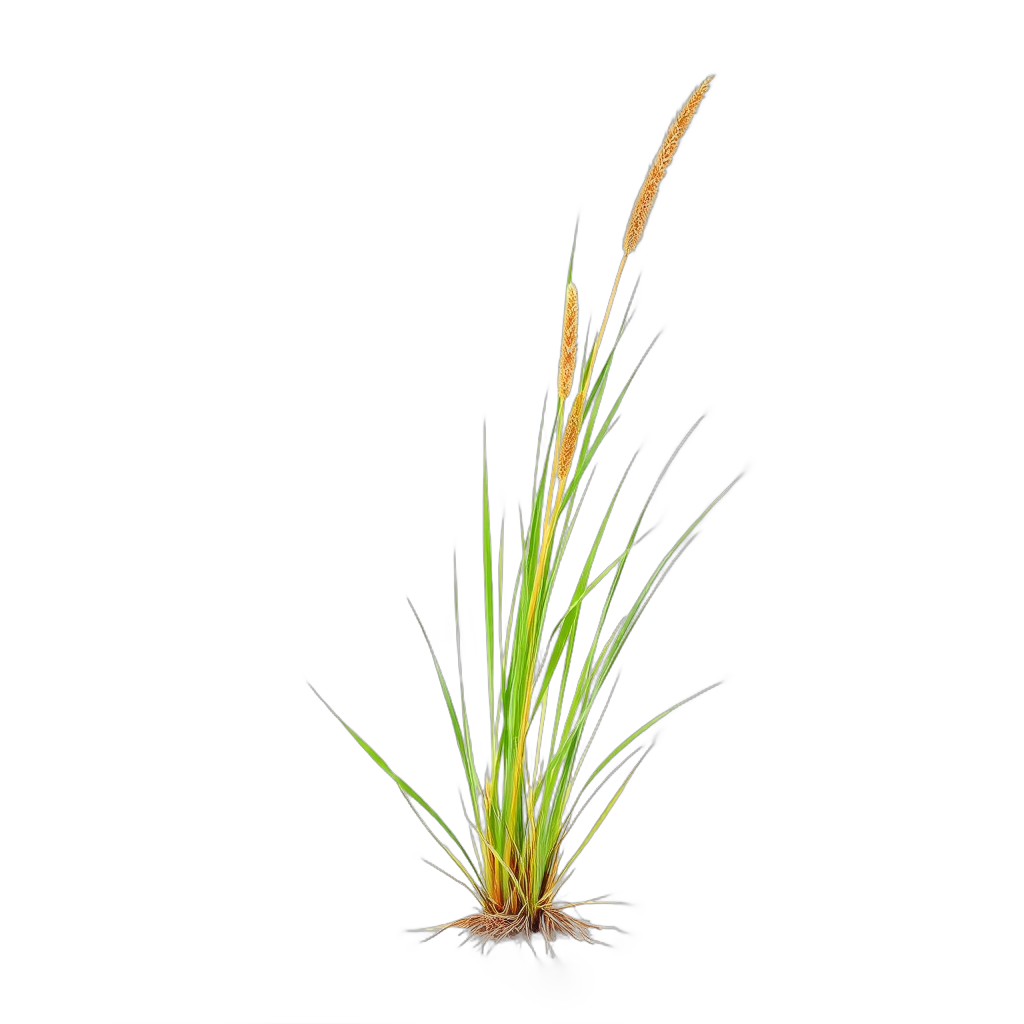
Softstem Bulrush
Schoenoplectus tabernaemontani
grows to 4 feet, blooms in summer.
Zone and sun checks come from our database — confirm with your local nursery before you buy.
Bloom Calendar for Ann Arbor
spring
Bellwort, Blue Star, Blue-Eyed Grasssummer
Cardinal Flower, Hardstem Bulrush, Path Rushfall
Canada Goldenrod, New England Aster, Nodding Ladies' Tresseswinter
Limited bloomsDesign Tips for Ann Arbor (Zone 6a)
- Build every wall, pergola post and fire feature footing to the 42 inch frost depth used in Michigan; glacial clay heaves, and a crooked joint ruins a modern line
- Put paver terraces on a deep, drained crushed-stone base rather than on sand over clay, so spring water drains instead of freezing under the pavers
- Swap the classics that cannot take -10°F: Sporobolus heterolepis 'Tara' for Mexican feather grass and Yucca filamentosa 'Color Guard' for agave
- Use native grasses from the Southern Great Lakes forests ecoregion, Schizachyrium 'Standing Ovation' and Panicum 'Northwind', as the main blocks; they hold their form in snow and color up in October
- Plan the lawn extension inside the city limit of 36 inches of foliage and 42 inches of flower, and under 30 inches within 40 feet of a corner
- On oak-shaded mid-century lots, plant Carex pensylvanica and Hakonechloa in single-species sweeps instead of lawn; turf struggles under the canopy anyway
- Keep salt-sensitive Thuja and Taxus at least 10 feet from salted streets and drives, and use air-entrained concrete for walks so de-icer does not spall the surface
Where to Source Plants in Ann Arbor
Skip the big-box stores. These independent Ann Arbor nurseries specialize in the plants that make modern/minimalist gardens thrive in Zone 6a.
Turner's
Ann Arbor (S. Wagner Road, west side)
Family-owned Ann Arbor nursery since 1967; perennials, grasses, trees and shrubs plus stone, mulch and garden supplies in one stop
Lodi Farms Nursery
Ann Arbor (S. Wagner Road, west side)
Local nursery with bulk delivery of decorative stone, limestone chips, 21A base and pea stone, plus topsoil, compost and mulch, the materials a gravel or paver garden needs
Wildtype
Mason (about an hour northwest)
Grows over 350 species of Michigan native plants from Michigan genotypes, a source for native grasses and sedges; limited public sale days, most by appointment
Modern/Minimalist Landscaping Costs in Ann Arbor
| Project Scope | Estimated Cost |
|---|---|
| Front yard prairie-block conversion (500–800 sqft) | $9,000 – $24,000 |
| Large-format paver terrace on a deep base (300–500 sqft) | $9,000 – $25,000 |
| Board-formed concrete retaining wall (per linear ft) | $150 – $350 |
| Gravel garden with steel edging (400–600 sqft) | $5,000 – $14,000 |
| Linear gas fire table on a concrete pad, installed | $4,000 – $10,000 |
| Full terraced back yard on a sloped lot | $40,000 – $100,000 |
| AI visualization (ProScapeAI) | Free to start |
Estimates based on Ann Arbor, MI-area contractor rates as of 2026. Actual costs vary by site conditions, materials, and contractor.
Ann Arbor Climate & Growing Zone
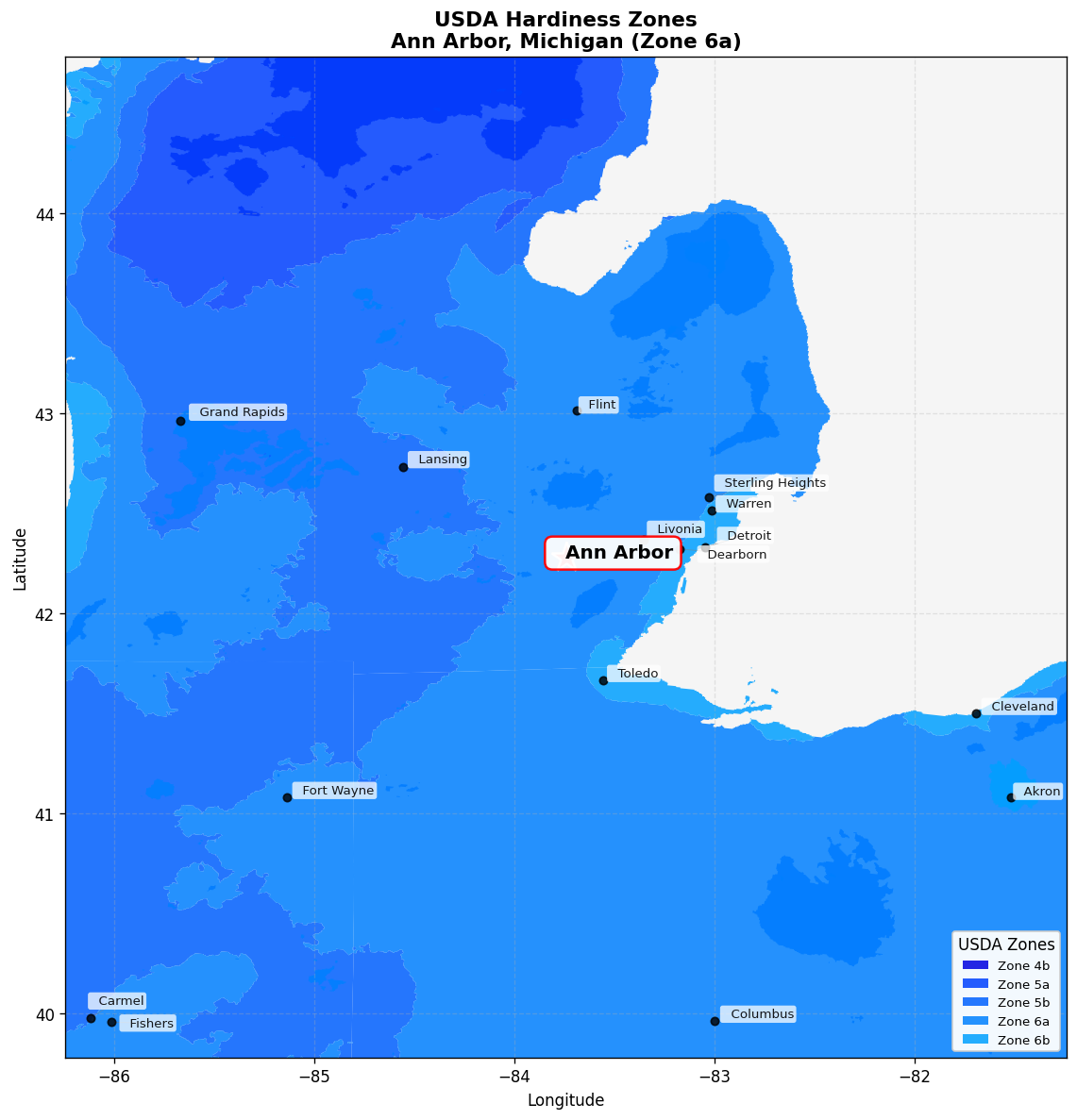
USDA Zone 6a
Hardiness zone for Ann Arbor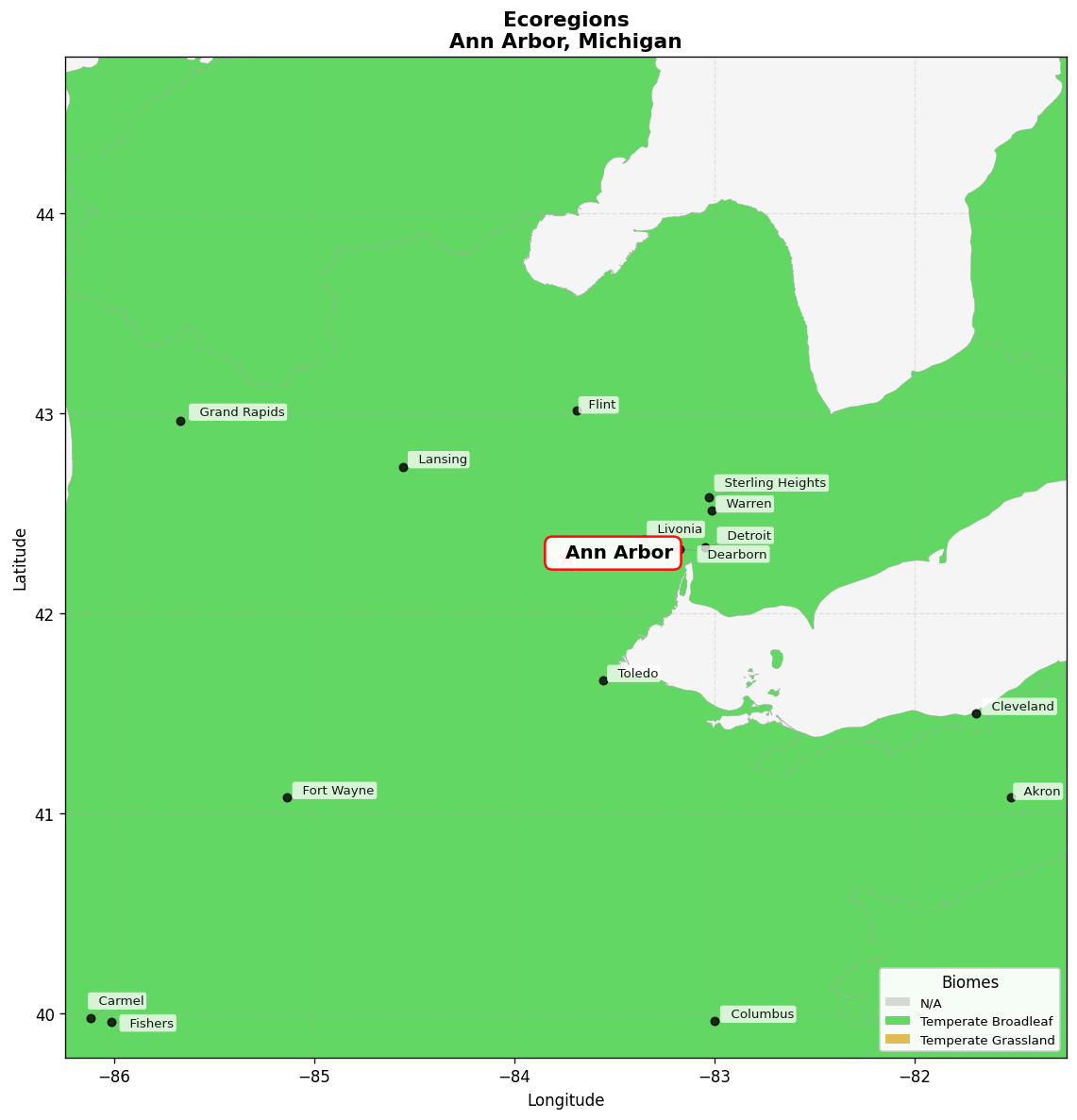
Southern Great Lakes forests
Native ecoregionFrequently Asked Questions
How much does a modern landscape cost in Ann Arbor?
Crews around Ann Arbor commonly bill roughly $60–90 per hour per crew member, and hardscape is where modern budgets go. Large-format concrete or porcelain paver terraces usually run $25–50 per square foot installed on a proper base, board-formed concrete walls far more per foot than block. A front yard prairie-block conversion of 500–800 sqft is often $9,000–24,000, and a full back terrace with walls, fire table and planting commonly reaches $40,000–100,000 on a sloped lot. Planting yourself with plugs of Schizachyrium 'Standing Ovation' and Sporobolus 'Tara' cuts the planting cost a lot.
Is a modern landscape low maintenance in Ann Arbor's climate?
It can be, because most of the planting is grasses. Cut Calamagrostis 'Karl Foerster', Panicum 'Northwind' and Schizachyrium back once in late March and that is most of the year's work. Clipped Taxus 'Hicksii' and Thuja 'Smaragd' need one trim in June. Gravel areas need an hour of weeding a month in summer, and steel edging should be set deep enough that frost does not push it up. Avoid planting grasses and evergreens within a few feet of salted roads like Washtenaw Avenue or Stadium Boulevard unless they are salt-tolerant.
When is the best time to plant and build in Ann Arbor?
Hardscape is best built from late April to late October, when the ground is thawed and concrete can cure above freezing. Plant grasses from mid-May to June, after frost risk has passed, or from late August to late September so roots grow in warm soil. Warm-season grasses like Panicum and Schizachyrium establish best from spring planting, while evergreens prefer early fall.
Do I need a permit or follow any city rules for modern landscaping in Ann Arbor?
For planting, the main rules are in Chapter 40 of the City Code, amended by ORD-25-34 in December 2025: plants in the lawn extension can reach 36 inches of foliage and 42 inches of flower, but must stay under 30 inches within 40 feet of a residential corner, and trees and shrubs in the right-of-way need written city permission. For retaining walls, pergolas, fences and gas fire features, check with the City of Ann Arbor building and zoning staff before building, and in historic districts ask about any work visible from the street.
Which modern plants survive an Ann Arbor winter?
Anything rated to Zone 5 is safe at -10°F, which covers Calamagrostis 'Karl Foerster', Panicum 'Northwind', Schizachyrium 'Standing Ovation', Sporobolus 'Tara', Taxus 'Hicksii' and Thuja 'Smaragd'. Mexican feather grass and agave are not reliably hardy here, so use Sporobolus heterolepis 'Tara' and Yucca filamentosa 'Color Guard' instead. Japanese maples like Acer palmatum 'Bloodgood' survive but want shelter from winter wind.
How do I build a modern garden on Ann Arbor's sloped, shady lots?
Terrace it. Use two or three wide, level landings held by concrete or stone walls on footings to the 42 inch frost depth, and plant each level with one shade-tolerant texture: Carex pensylvanica under oaks, Hakonechloa 'Aureola' where there is some light, and Christmas fern on the north side. Keep the step risers consistent and light them, because strong horizontal lines are what make a wooded slope read as modern.