4 Modern Landscape Ideas for Sterling Heights, MI (Zone 6a)
Native plants from the Southern Great Lakes forests (Zone 6a) — Humid continental (hot summer) climate
Why Modern/Minimalist Gardens in Sterling Heights?
Modern landscape design has an easier time in Sterling Heights than most people expect, and the reason is the housing stock. This city grew from roughly 6,600 people in 1960 to more than 131,000 today, and the bulk of it was built as low, horizontal brick ranches and tri-levels on flat 60 to 80 foot lots between Dequindre, Ryan, Mound and Van Dyke. Those long rooflines are already mid-century in their bones; strip the foundation junipers off a 1965 ranch on Utica Road, replace the wandering builder walk with one confident curve of broom-finished concrete, and the house reads as intentional for the first time in sixty years. The newer builds north of Metro Parkway and out toward 19 Mile and Schoenherr bring the other half of the palette — black window frames, stone veneer, and rear elevations with sliding glass that want a slab terrace rather than a wooden deck. And the flatness that frustrates cottage gardeners is a gift here: a large-format paver court sitting dead level needs almost no grading work in a Sterling Heights back yard.
The climate sets three hard numbers. Zone 6a means design for winter lows of -10°F to -5°F. The Dfa climate delivers hot, humid Julys with highs in the mid-80s and roughly 33 inches of precipitation spread through the year. And the growing season is about 180 days, from an average last frost near April 27 to a first frost near October 24. That combination is why the modern look here is built on grasses rather than on the agave and Mexican feather grass a Phoenix design would use. Calamagrostis x acutiflora 'Karl Foerster' stands upright through a Macomb County winter and gives you architecture in February; Panicum virgatum 'Northwind' and Schizachyrium scoparium 'Standing Ovation' are native to the Southern Great Lakes forests ecoregion and hold their colour into the snow. Nassella tenuissima will not survive here, and Echeveria is an annual. The hardy substitutes that give the same graphic rosette are Sempervivum tectorum and Yucca filamentosa 'Color Guard'.
There are two site problems every modern design in this city has to solve, and both come from being built on the flat glacial lakeplain of the old Lake Warren shoreline. The first is the soil: Blount and Pewamo clay loams that stay saturated through spring and set like a driveway in August, draining through Clinton River county drains rather than through any natural slope. Nothing sculptural survives at grade in that. Gravel courts and rosette planting need a raised, steel-edged bed of free-draining mix over woven geotextile, 8 inches minimum. The second is frost. The Michigan Residential Code sets frost depth at 42 inches, so pergola posts, fire feature footings and freestanding walls have to reach it, and paver terraces do far better on an open-graded base that lets water move than on the traditional compacted sand-and-fines detail that traps it under a slab of clay.
The last local factor is one no Sun Belt design guide mentions: road salt. Beds that meet Van Dyke, Mound, Schoenherr or M-59 take a winter's worth of de-icer spray, and in a modern design those beds are usually the most visible ones. Panicum virgatum, Sporobolus heterolepis and Juniperus tolerate it; Buxus and Taxus in the splash zone will brown out by March. New concrete is equally vulnerable, so specify air-entrained mix and keep de-icers off it for the first full winter. On water, Sterling Heights is supplied from Lake Huron through the Great Lakes Water Authority and billed quarterly, so irrigation is a line on the bill rather than a restriction calendar — confirm current city rules before setting a controller, but a mature grass-and-gravel modern design in this climate needs essentially no supplemental water after its first season.
4 Modern/Minimalist Design Ideas for Sterling Heights

The Curved Walk Ranch Refresh
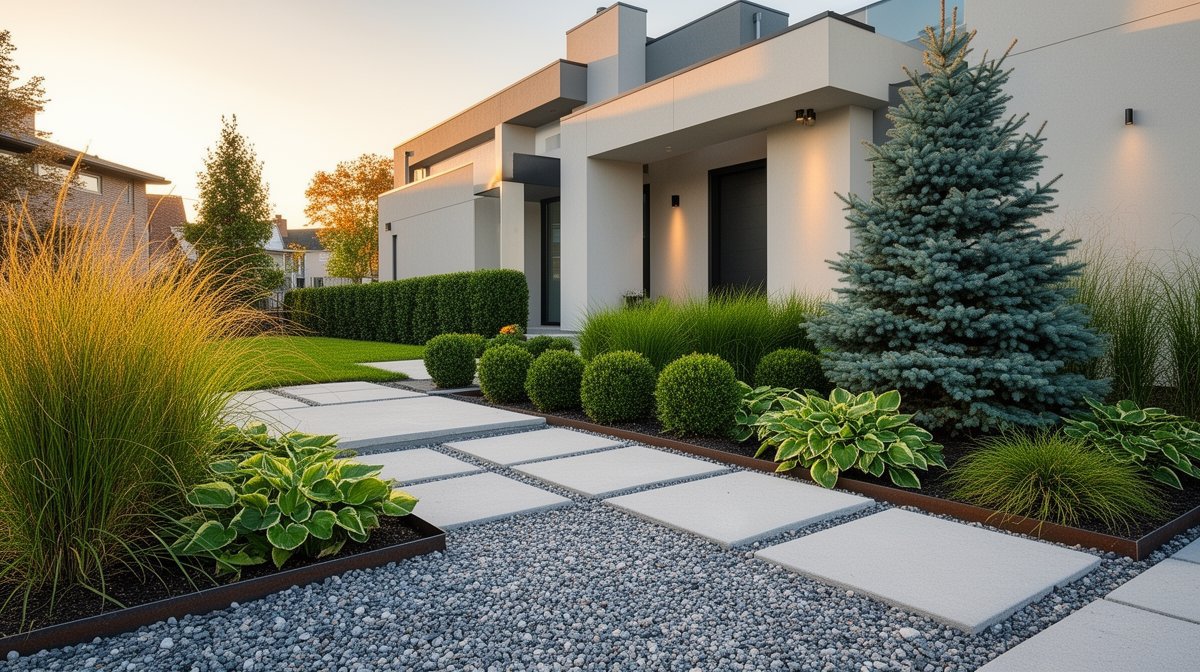
$14-26/sqftA low white stucco and cut-stone ranch with black window frames and a dark double door, fronted by a wide broom-finished concrete walk that sweeps in one slow curve from the public sidewalk to the entry. The beds on either side are planted in repeating blocks rather than dotted variety: tall upright feather reed grass behind, arching gold-tipped switchgrass at the corners, and a continuous low purple ribbon of lavender and catmint running the whole length of the curve. A young shade tree sits in a clean mulch island in the middle of the lawn, and two narrow arborvitae cones hold the outer corners. The lawn is kept crisp and deliberately secondary, a green frame rather than the subject.

The Gravel Front Court
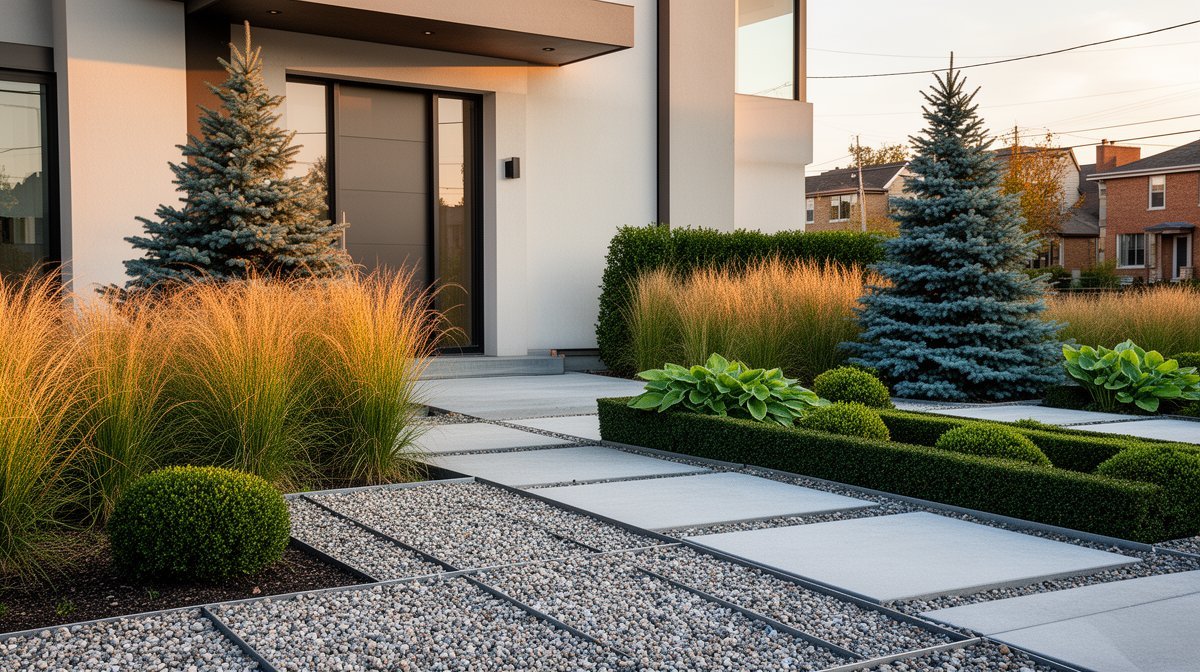
$9-18/sqftTurf removed from the entire front of a grey ranch with an attached garage, and the whole plane rebuilt as warm pea gravel held in crisp rectangles by weathering-steel edging that steps down with the grade. The planting is deliberately sparse and rhythmic: big blue-grey rosettes placed like punctuation across the gravel, low blue fescue tufts between them, and upright grasses in bloom catching the low evening sun. A mature street tree and the neighbouring lawns supply all the green backdrop the design needs. In Zone 6a the rosettes have to be hardy hen-and-chicks and Yucca rather than the tender Echeveria a warm-climate version would use, and the raised steel-edged bed is what gives them the drainage Macomb County clay never will.

The Fire Bowl Court
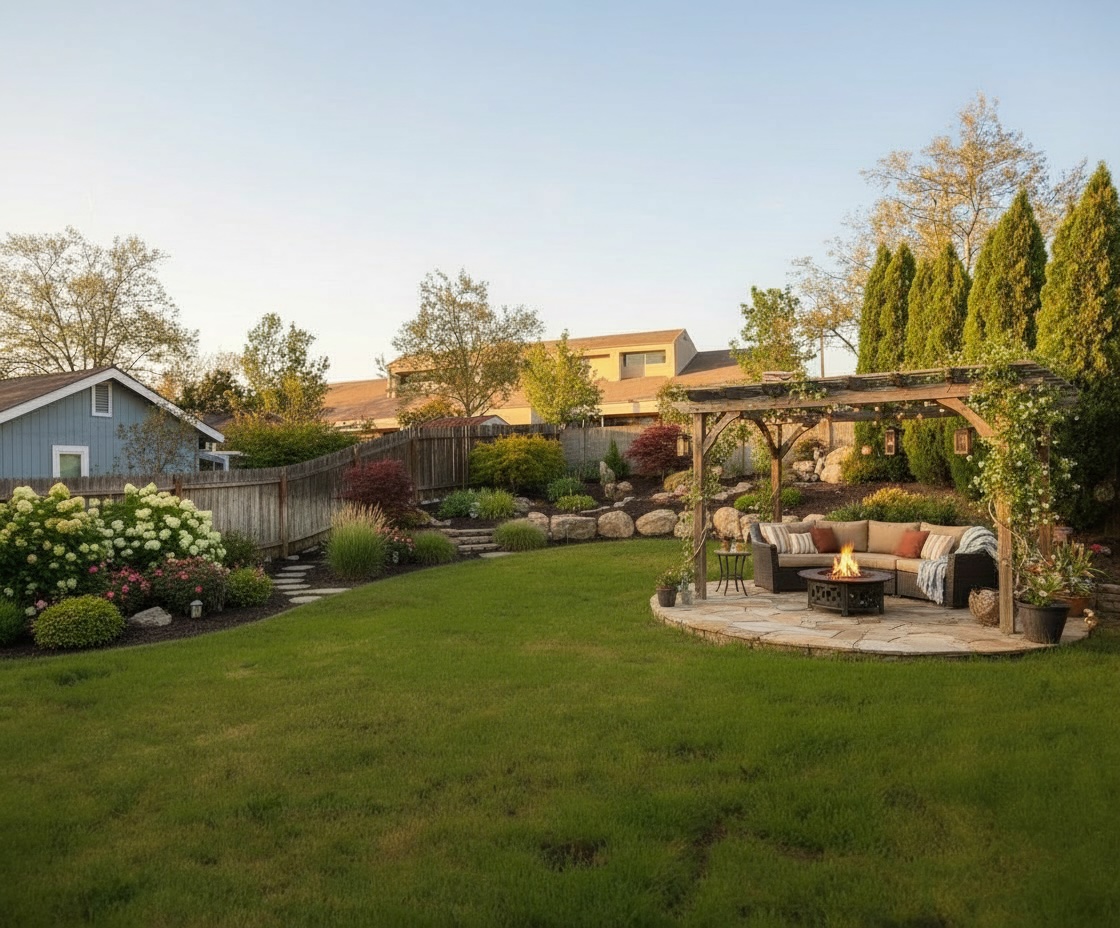
$26-45/sqftA floating court of large-format concrete pavers laid with wide, deliberate joints, set off the sliding glass doors of a pale two-storey contemporary. Four black-framed lounge chairs face a round cast-concrete gas fire bowl at the centre, and two runs of bistro string lights swing overhead from the house wall to a young canopy tree at the far corner. Grasses spill over every edge of the paving so the slab dissolves into the lawn instead of ending in a hard line. It is the most buildable design on this page, one paving material and one focal element, and it is the one that reliably extends a Sterling Heights evening into late October.

The Pool Pavilion Garden
$55-110/sqft (pool area inclusive)A flat-roofed glass pavilion opening onto a rectangular pool set in pale large-format decking, with a cream sectional and a long low concrete fire table taking the sunny side. Almost all the design work happens at the perimeter: uplit grasses run the full length of a white privacy fence, small multi-stem trees break the fence line into thirds, and in-ground fixtures wash the planting at dusk while the deck itself is kept almost empty. A narrow band of lawn is left as a soft edge on one side so the whole yard is not hard surface. Restraint is the entire point, and in a flat Macomb County back yard restraint is also the cheapest thing to build well.
See how a modern/minimalist garden looks on YOUR property
Upload a photo of your Sterling Heights yard and visualize your dream garden in seconds.
Try ProScapeAI Free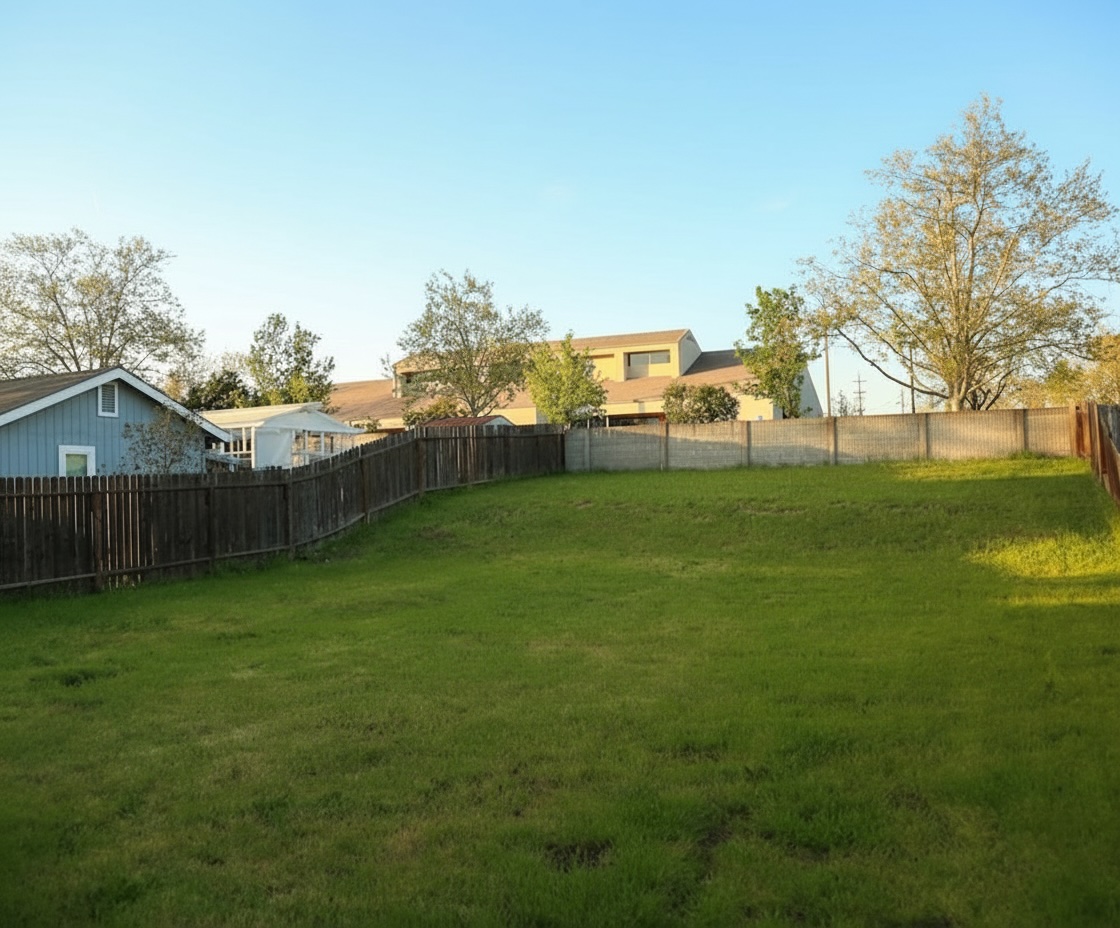
Featured Trees & Shrubs for Modern/Minimalist Gardens
Browse all 248 plants for Sterling Heights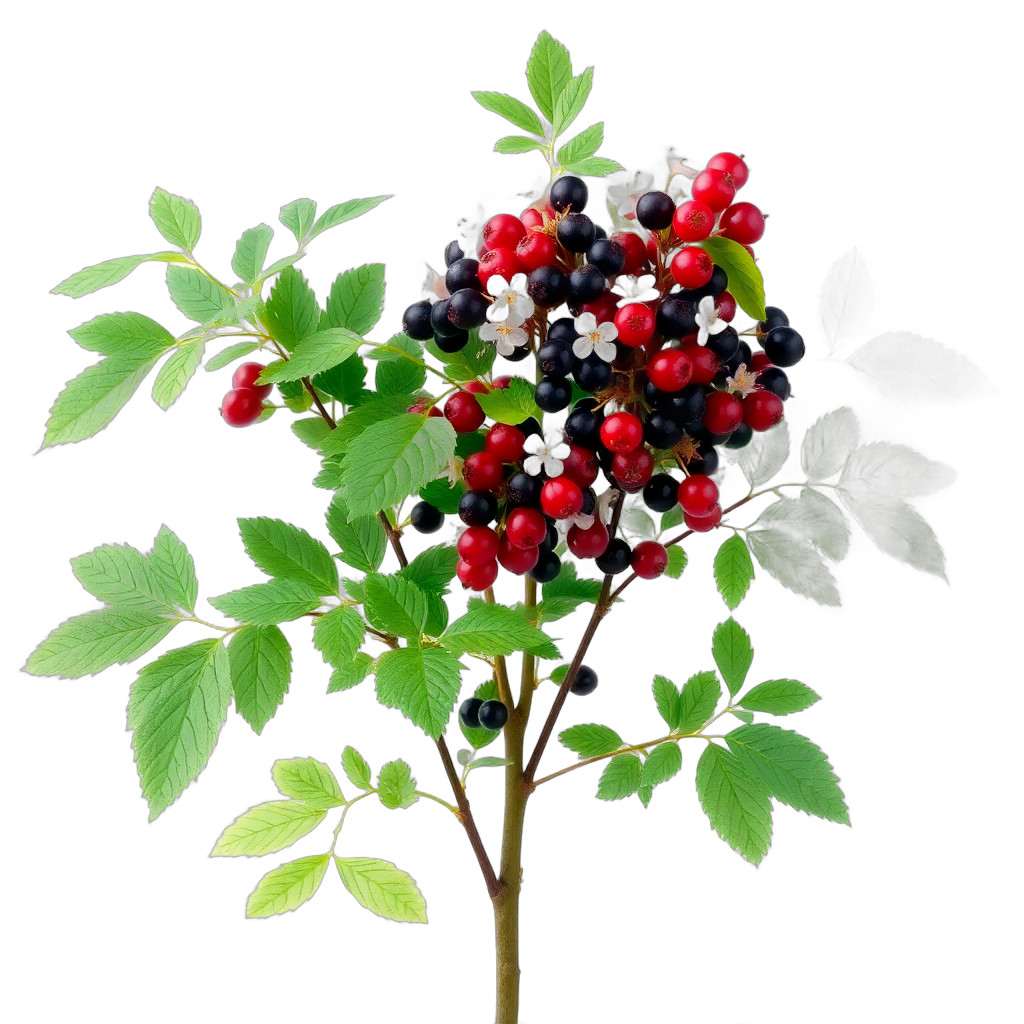
American Black Currant
Ribes americanum
grows to 5 feet, white,yellow blooms in spring. Attracts hummingbirds.
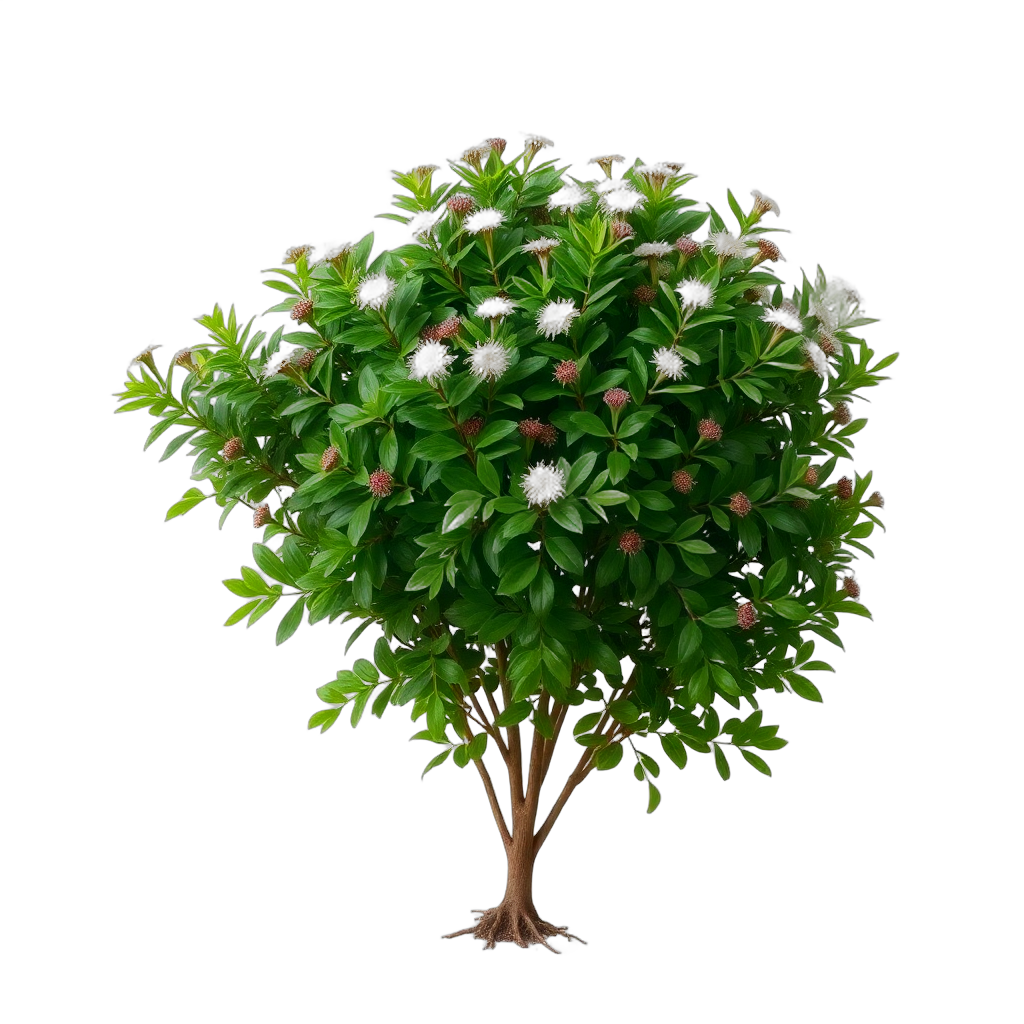
Buttonbush
Cephalanthus occidentalis
medium-sized at 8 feet, white blooms in summer. Attracts butterflies.
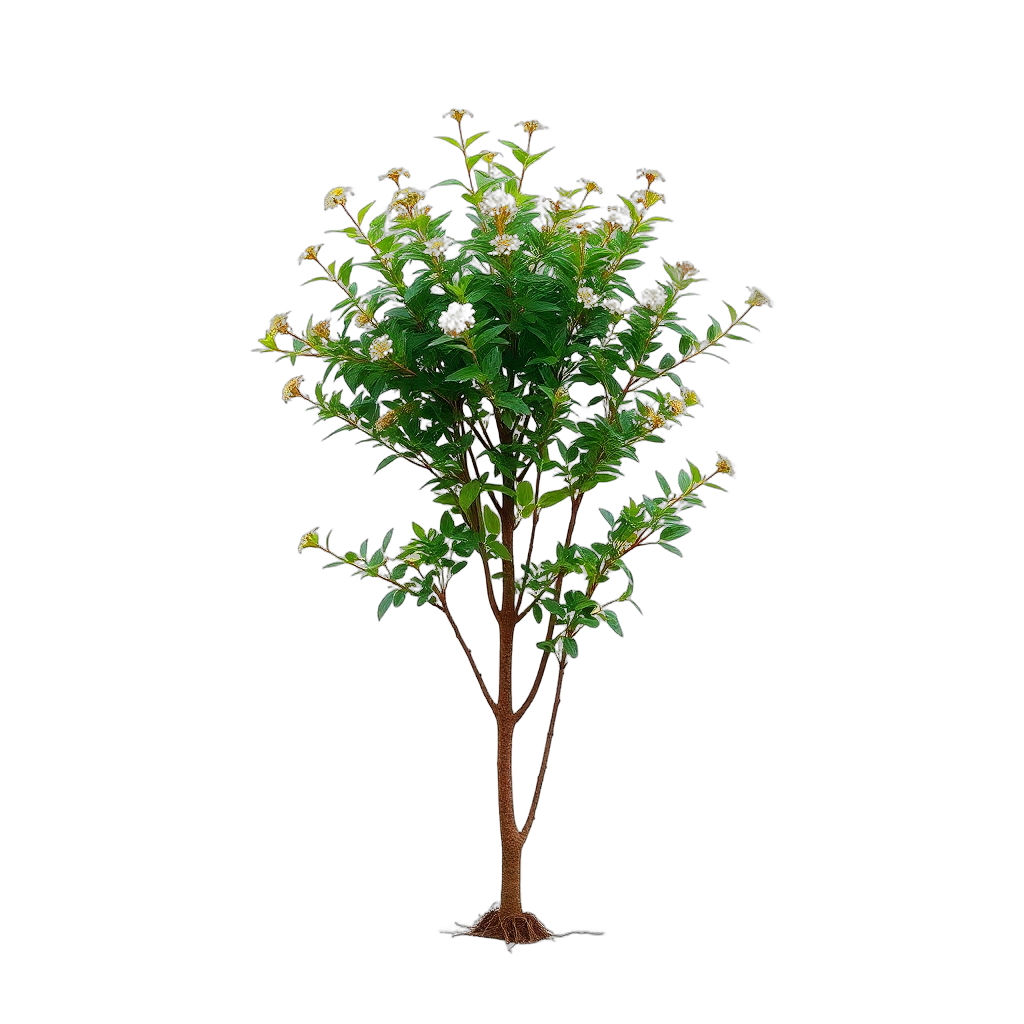
Coppertina Ninebark
Physocarpus 'Coppertina'
medium-sized at 7 feet, white blooms in spring. Pollinator-friendly.
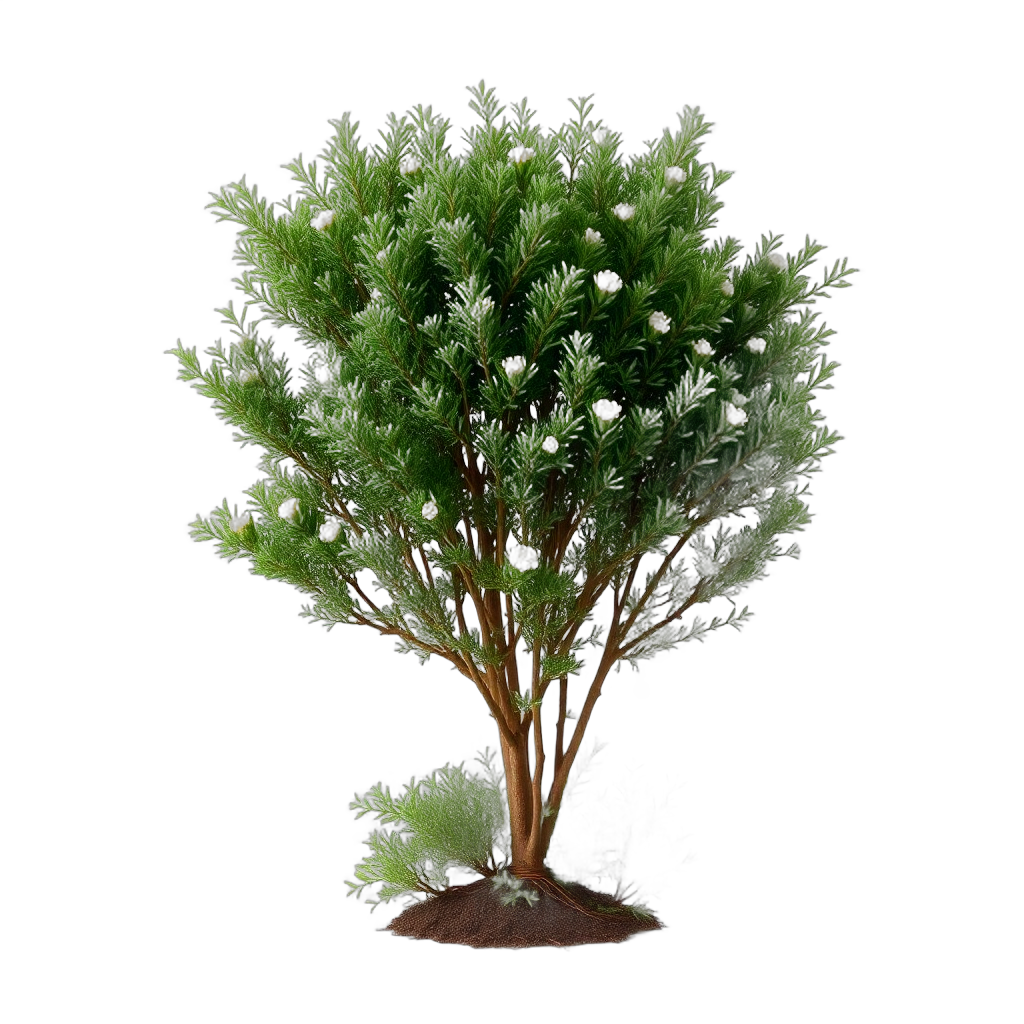
Creeping Juniper
Juniperus horizontalis
low-growing ground cover, blooms in spring. Evergreen year-round.
Featured Grasses & Groundcovers for Modern/Minimalist Gardens
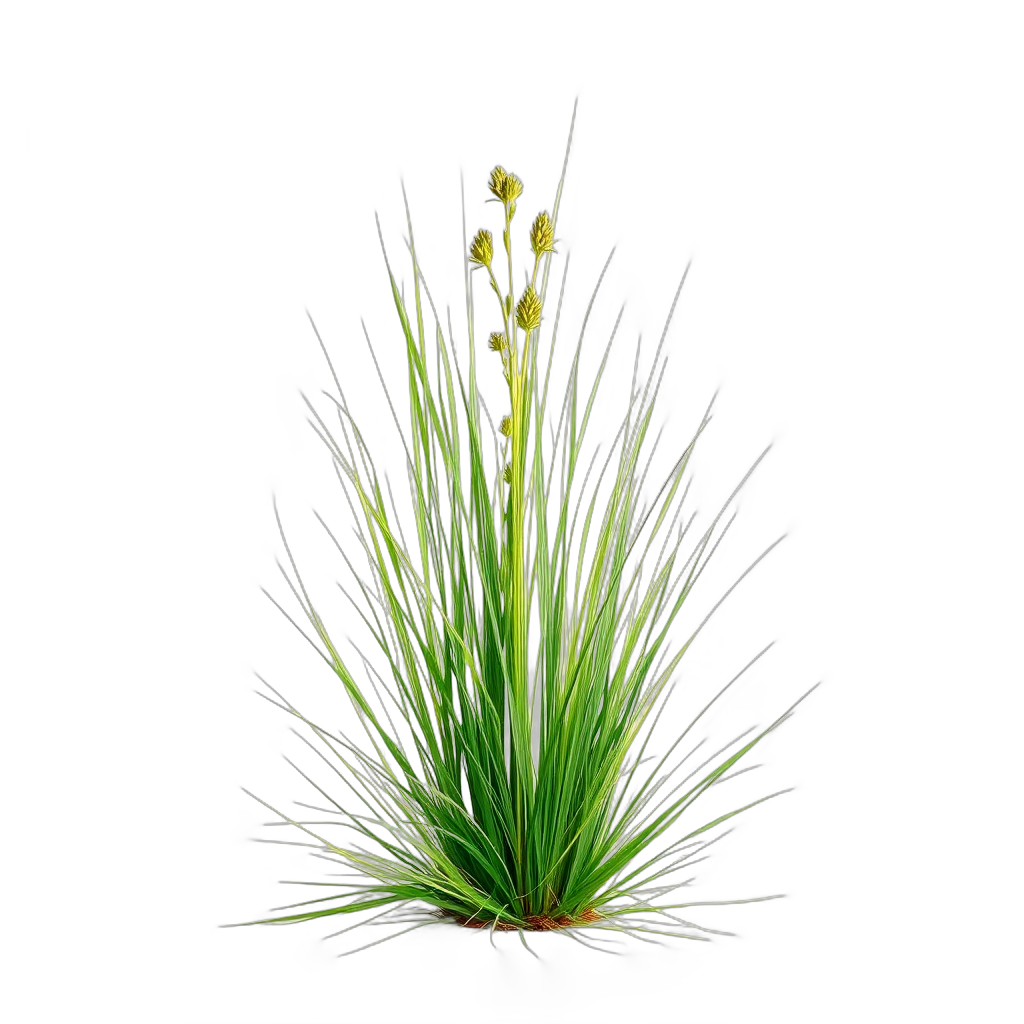
Canada Wild Rye
Elymus canadensis
grows to 4 feet, blooms in summer. Yellow fall color.
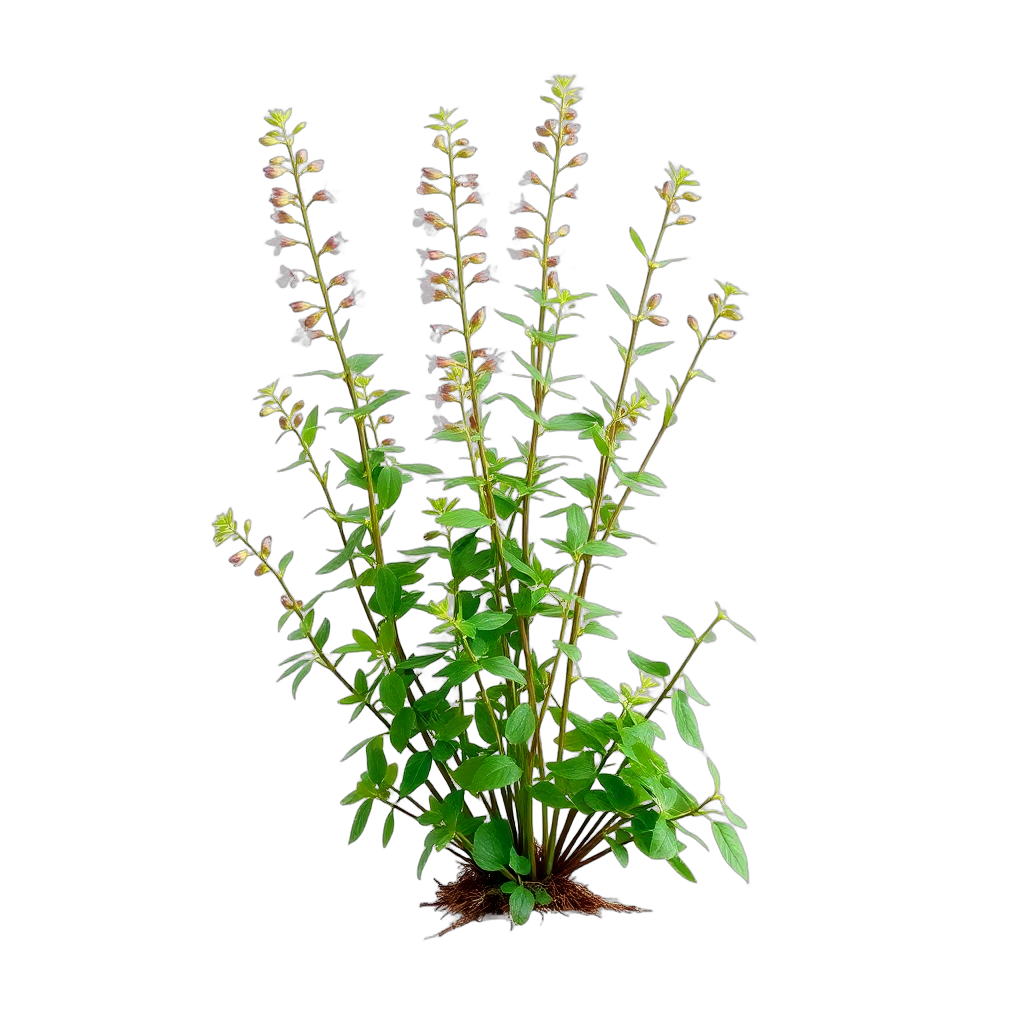
Creeping Jacob's Ladder
Polemonium reptans
low-growing ground cover, blue blooms in spring. Attracts butterflies.
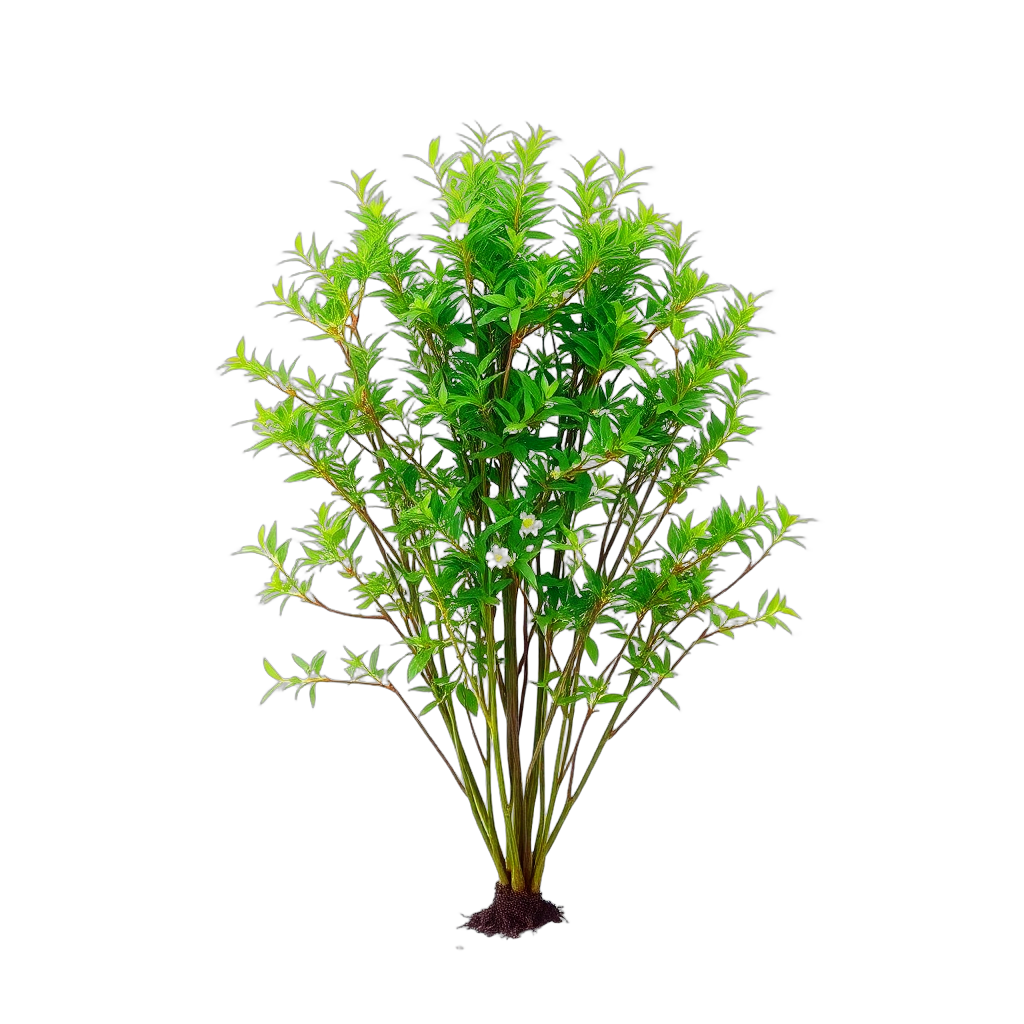
Dwarf Fernleaf Bamboo
Pleioblastus distichus
low-growing ground cover, blooms in none. Evergreen year-round.
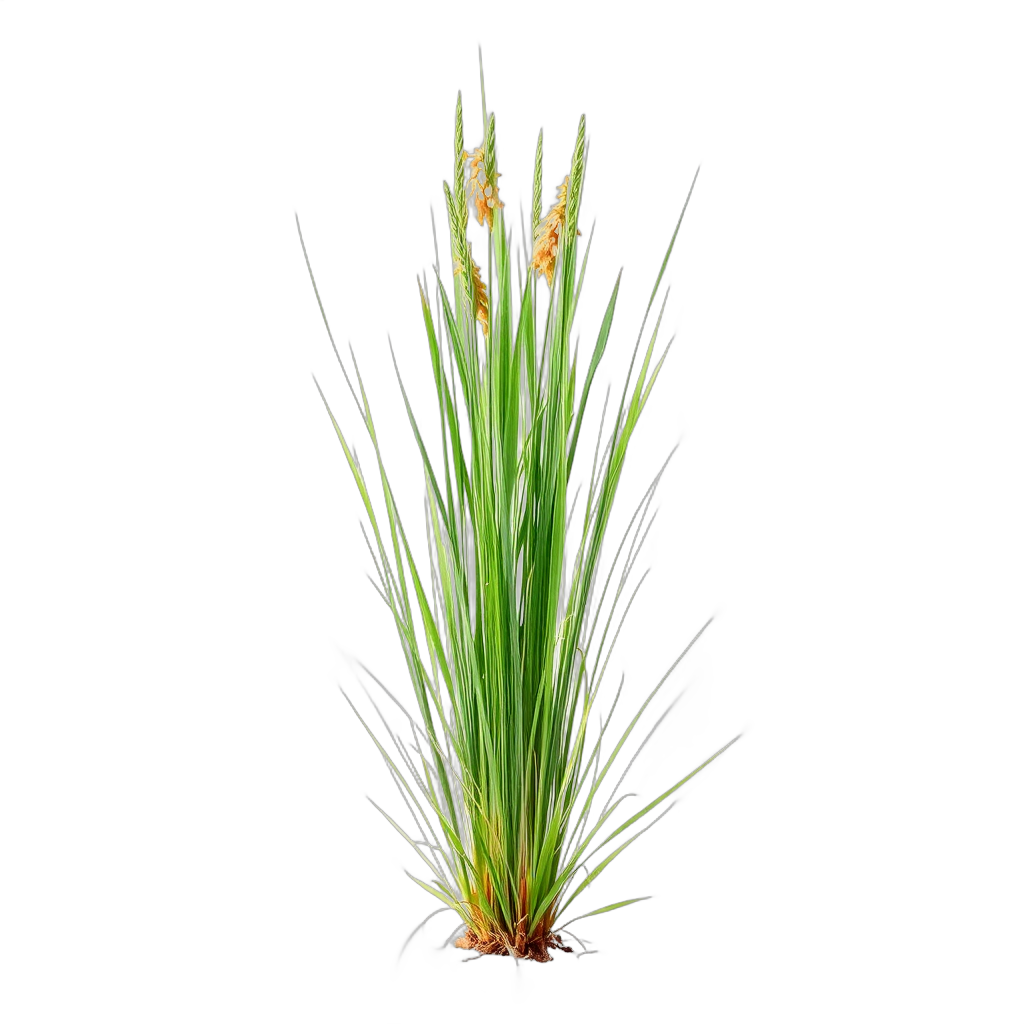
Eastern Gamagrass
Tripsacum dactyloides
grows to 6 feet, blooms in summer. Yellow fall color.
Featured Flowers & Perennials for Modern/Minimalist Gardens
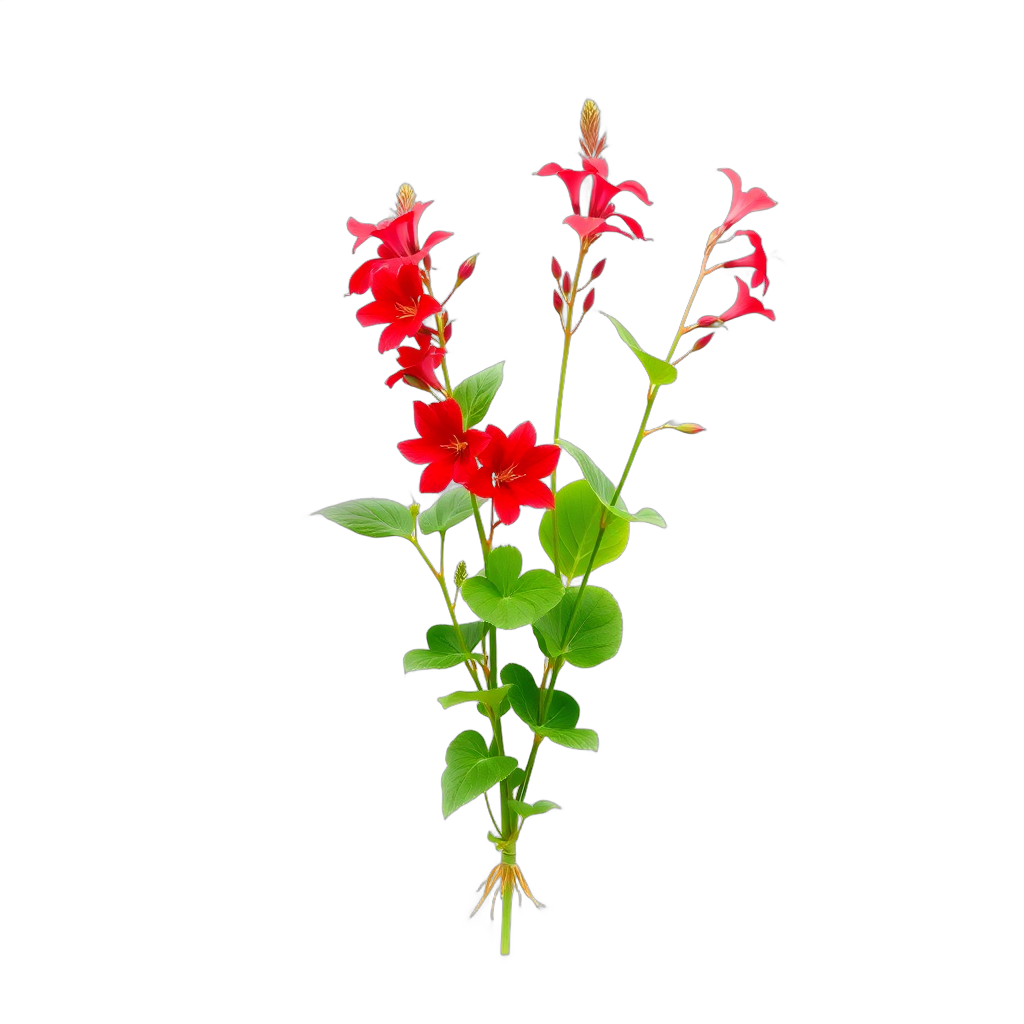
Cardinal Flower
Lobelia cardinalis
grows to 3 feet, red blooms in summer. Attracts hummingbirds.
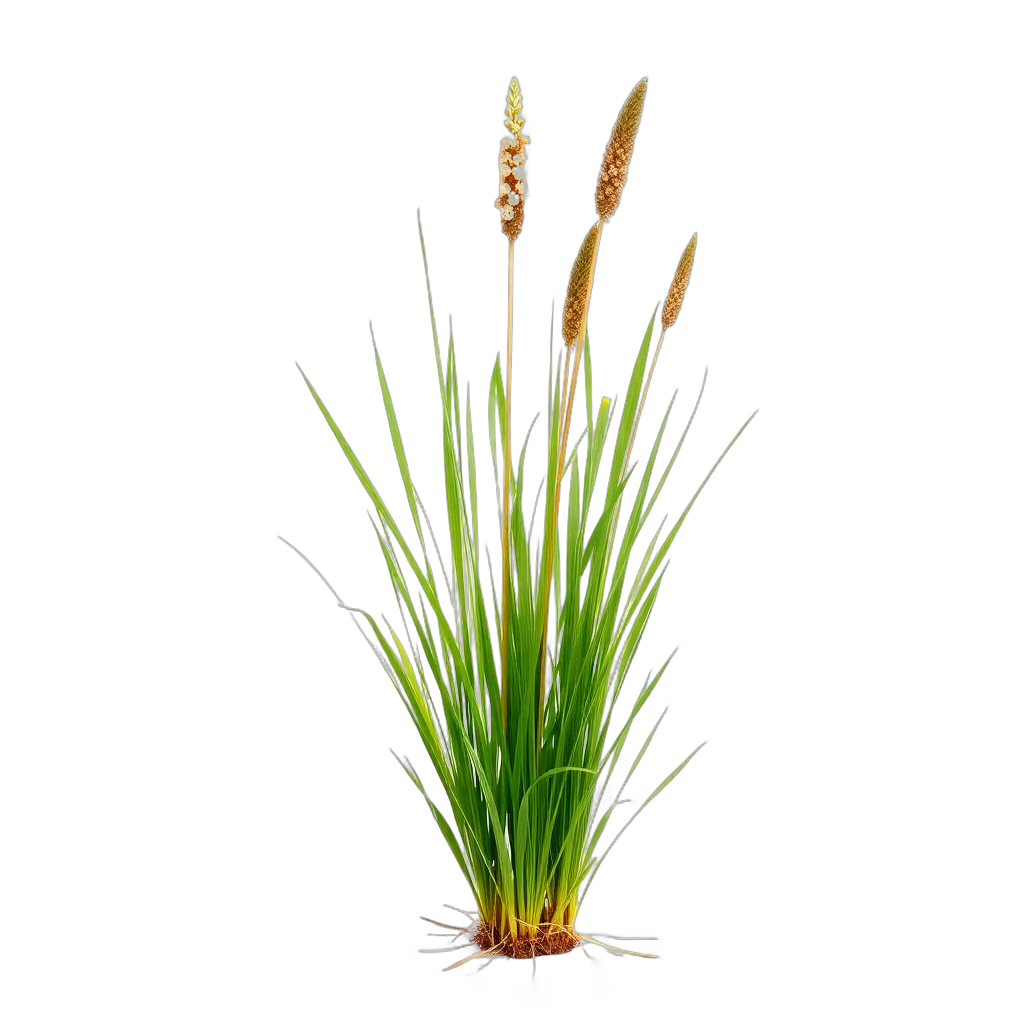
Hardstem Bulrush
Scirpus acutus
medium-sized at 7 feet, blooms in summer.
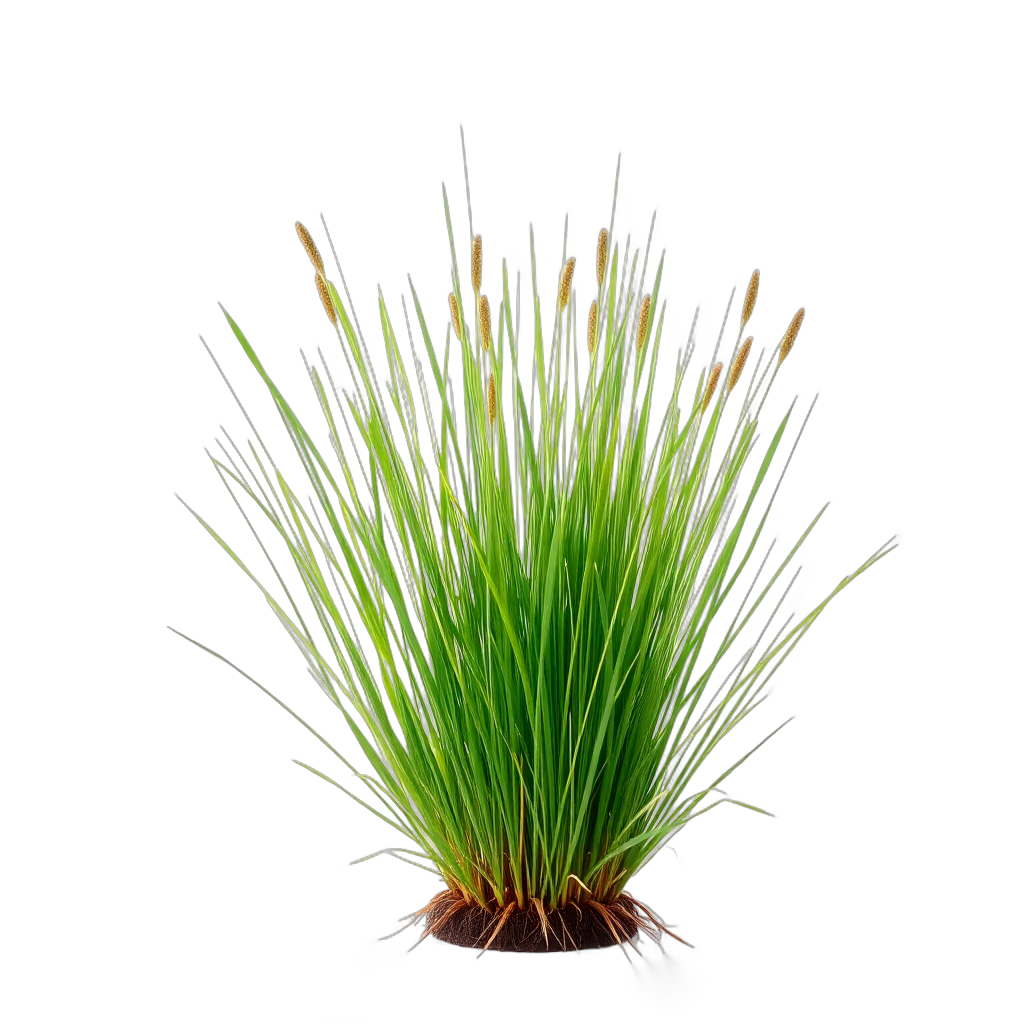
Path Rush
Juncus tenuis
low-growing ground cover, blooms in summer. Evergreen year-round.
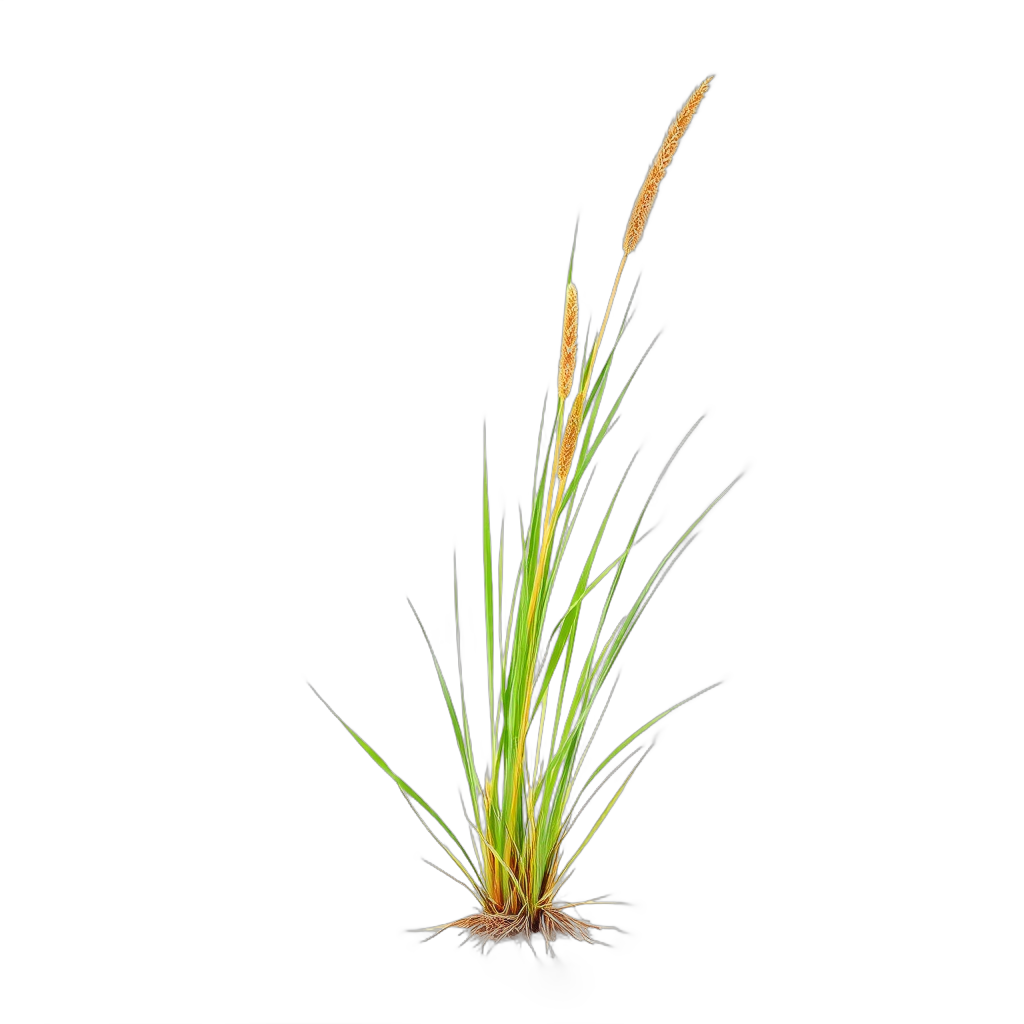
Softstem Bulrush
Schoenoplectus tabernaemontani
grows to 4 feet, blooms in summer.
Zone and sun checks come from our database — confirm with your local nursery before you buy.
Bloom Calendar for Sterling Heights
spring
Bellwort, Blue Star, Blue-Eyed Grasssummer
Cardinal Flower, Hardstem Bulrush, Path Rushfall
Canada Goldenrod, New England Aster, Nodding Ladies' Tresseswinter
Limited bloomsDesign Tips for Sterling Heights (Zone 6a)
- Build every gravel or rosette bed up, never down. On Sterling Heights lakeplain clay a bed dug into grade is a bathtub, and Sempervivum tectorum and Yucca filamentosa 'Color Guard' die of March snowmelt long before they die of the -10°F Zone 6a low.
- Use Calamagrostis x acutiflora 'Karl Foerster' where a Southwest design would use agave columns. It gives the same vertical architecture, stands through 40 inches of snow, and is the only thing in the border still legible in February.
- Take footings to the 42 inch Michigan frost depth for pergola posts, fire bowls and freestanding walls, and put paver terraces on an open-graded base rather than compacted fines, so water leaves instead of freezing under the slab.
- Keep Buxus 'Green Velvet' and Taxus x media out of the road-salt splash zone along Van Dyke, Mound and Schoenherr. Substitute Panicum virgatum 'Northwind', Sporobolus heterolepis or Juniperus in the first 10 to 15 feet and the design still looks intact in March.
- Specify air-entrained concrete and no de-icing salt on it for the first winter. Freeze-thaw cycling is the reason so many Macomb County driveways and patios are spalling by year three, and a modern design has nowhere to hide a pitted surface.
- Design the winter picture first. With a 180 day growing season, the composition is bare from late October to late April, so let Thuja occidentalis 'Smaragd', steel edging, the paving pattern and standing grass stems carry the design for half the year.
- Light the grasses from below rather than lighting the lawn. In-ground uplights behind Panicum virgatum 'Northwind' and Molinia caerulea 'Skyracer' throw the shadows that make a flat Sterling Heights yard read as having depth after dusk.
Where to Source Plants in Sterling Heights
Skip the big-box stores. These independent Sterling Heights nurseries specialize in the plants that make modern/minimalist gardens thrive in Zone 6a.
Deneweth's Garden Center
Macomb Township (22 Mile at Romeo Plank)
Macomb garden center since 1964 with a large perennial and grass bench plus trees and shrubs sized for a full front-yard design
Hessell's Greenhouse
Shelby Township (23 Mile Road)
Family-run Shelby Township greenhouse; a good local source for Sedum, Sempervivum and container plants for gravel courts
Telly's Greenhouse & Garden Center
Shelby Township (24 Mile Road)
Large grower-retailer with a broad perennial, grass and specimen selection; the Shelby Township store is the closest to Sterling Heights
Bordine's
Rochester Hills (S. Rochester Road)
Michigan family-owned since 1939; the Rochester Hills store stocks Calamagrostis, Panicum, Thuja and larger caliper trees for modern plantings
English Gardens
Clinton Township (Garfield at Hall Road)
Family-run Michigan garden center on Hall Road in Clinton Township, the nearest full nursery to Sterling Heights, with hardscape stone and gravel alongside plants
Modern/Minimalist Landscaping Costs in Sterling Heights
| Project Scope | Estimated Cost |
|---|---|
| Front yard modern conversion (concrete walk, steel-edged beds, grass planting) | $9,000 - $17,000 |
| Gravel front court with raised steel-edged planting beds | $5,500 - $11,000 |
| Large-format paver court, 350-450 sqft, with gas fire bowl | $18,000 - $34,000 |
| Broom-finished concrete patio or walk, per sqft installed | $14 - $24 per sqft |
| Pool, modern decking and perimeter planting design | $95,000 - $200,000 |
| Low-voltage landscape uplighting, 10-14 fixtures installed | $2,400 - $5,500 |
| AI visualization with ProScapeAI | Free to start |
Estimates based on Sterling Heights, MI-area contractor rates as of 2026. Actual costs vary by site conditions, materials, and contractor.
Sterling Heights Climate & Growing Zone
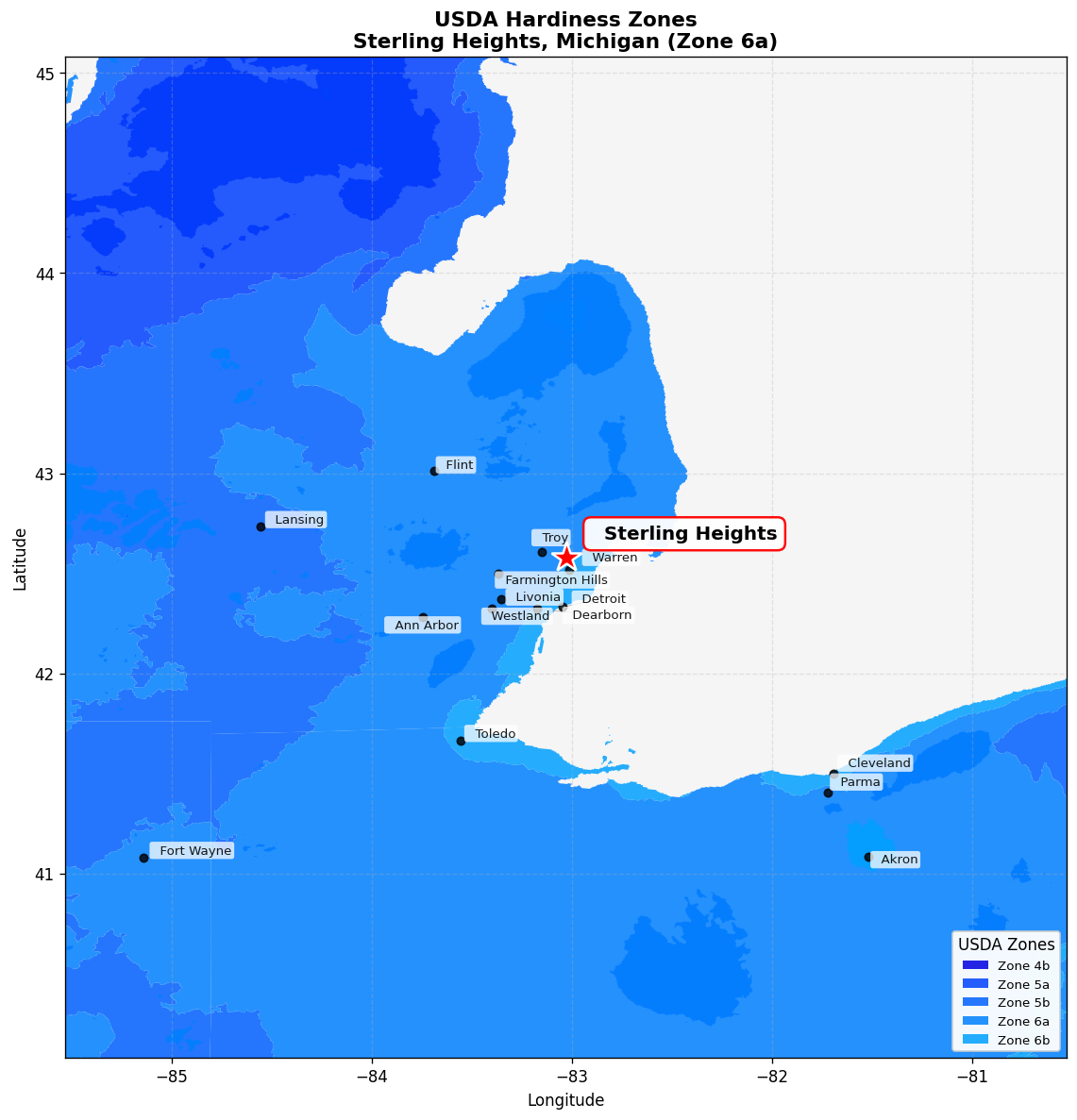
USDA Zone 6a
Hardiness zone for Sterling Heights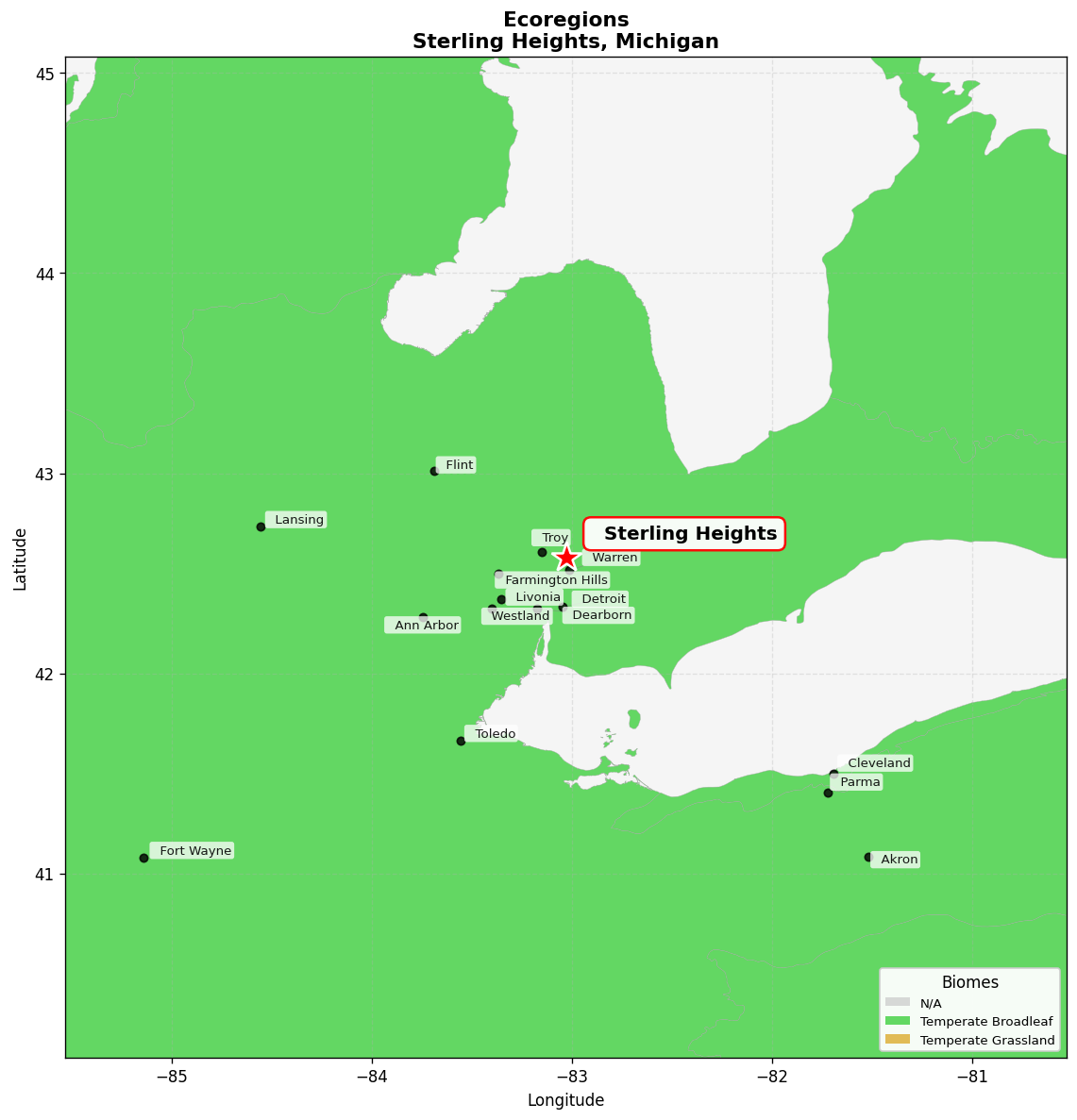
Southern Great Lakes forests
Native ecoregionFrequently Asked Questions
How much does modern landscaping cost in Sterling Heights?
Macomb County installed pricing sits slightly below the Metro Detroit average. A front-yard modern conversion of a typical 600 sqft yard, with a new broom-finished concrete walk, steel-edged beds and a full planting of Calamagrostis x acutiflora 'Karl Foerster' and Lavandula x intermedia 'Phenomenal', generally runs $9,000 to $17,000. A gravel front court with rosette planting is cheaper at $5,500 to $11,000 because you are buying stone rather than concrete. A 350 to 450 sqft large-format paver court with a gas fire bowl runs $18,000 to $34,000. A pool with modern decking and perimeter planting typically starts around $95,000 and climbs from there.
Which ornamental grasses actually hold up in Zone 6a here?
Calamagrostis x acutiflora 'Karl Foerster' is the backbone of modern design in southeast Michigan because it stands bolt upright through snow and gives you structure in February. Panicum virgatum 'Northwind' and 'Shenandoah', Schizachyrium scoparium 'Standing Ovation', Sporobolus heterolepis and Molinia caerulea 'Skyracer' are all fully hardy and are native or near-native to the Southern Great Lakes forests ecoregion. Pennisetum alopecuroides 'Hameln' is reliable; purple fountain grass is an annual here. Nassella tenuissima will not survive a -10°F winter. Cut everything back once in late March, before new growth breaks.
Can I build a gravel or xeriscape front yard on Macomb County clay?
Yes, but not by laying gravel on the existing grade. Clay under gravel turns into a saturated pan and every plant in it rots over winter. The design detail that works is a raised bed: strip the turf, lay woven geotextile, build up at least 8 inches of free-draining mix inside weathering-steel edging, then top with 3/8 inch washed pea gravel. Plant Sempervivum tectorum, Sedum spurium 'Dragon's Blood', Yucca filamentosa 'Color Guard' and Festuca glauca 'Elijah Blue' into that raised profile and they will be fine. Also plan where roof water goes, because a flat Sterling Heights lot has nowhere for it to run on its own.
How deep do footings need to go for a pergola or fire feature?
The Michigan Residential Code sets frost depth at 42 inches, and in Macomb County clay that number is not advisory. Pergola posts, fire feature bases, freestanding walls and anything else that has to stay square through winter needs footings to that depth. Paver terraces are different: they should be built on an open-graded base that drains rather than the older compacted sand-and-fines detail, because on clay the traditional detail holds water under the pavers and heaves them. Confirm scope and permit requirements with the Sterling Heights building department before construction, since rules change.
Can I grow agaves and succulents in Sterling Heights?
Not the ones in the magazine photographs. Agave americana and Echeveria are tender and will not take -10°F, so treat them as summer container plants if you want them. For permanent planting the hardy graphic substitutes are Sempervivum tectorum and Sempervivum arachnoideum for the rosettes, Yucca filamentosa 'Color Guard' and Yucca flaccida 'Golden Sword' for the spiky architecture, and Sedum spurium and Hylotelephium 'Autumn Joy' for mass. All of them need the same raised, sharply drained gravel bed. Winter wet under snowmelt kills them here far more often than the cold does.
How do I keep road salt from wrecking the planting?
This is the local problem that catches transplants out. Beds fronting Van Dyke, Mound, Schoenherr or M-59 take a full winter of de-icer spray, and in a modern design those beds are the visible ones. Put salt-tolerant plants in the splash zone: Panicum virgatum, Sporobolus heterolepis, Juniperus and Rosa rugosa all cope. Keep Buxus 'Green Velvet' and Taxus at least 10 to 15 feet back from the road edge or they brown out by March. New concrete needs air-entrained mix and no de-icer at all through its first winter, or the surface will start spalling in year two.
When should modern hardscape and planting go in?
Concrete and paving are best poured or laid between late April and late October, once the ground has thawed past the 42 inch frost depth and before it starts freezing again. Planting has two good windows: mid-May to mid-June after the average last frost around April 27, and early September to mid-October, which is the better one for grasses and woody material because roots keep working in warm soil after top growth stops. Avoid planting Calamagrostis or Panicum in the last week of July; establishing roots in baked clay at 88°F wastes the plant.