4 Cottage Garden Ideas for Atlanta, GA | English Garden Design in Zone 8a
Native plants from the Appalachian Piedmont forests (Zone 8a) — Humid subtropical climate
Why Cottage/English Gardens in Atlanta?
Atlanta sits in the heart of the Appalachian Piedmont forests ecoregion, and that geography gives cottage gardeners a genuinely favorable starting point. The city receives 50 inches of rainfall annually, spread remarkably evenly through the year, meaning established cottage borders rarely need supplemental irrigation once roots settle into the soil. Summers are hot and humid — July averages 89°F with overnight lows rarely dropping below 70°F — but spring (March through May) and fall (September through November) are extended and moderate, delivering the two long gardening seasons that make Atlanta one of the South’s best cities for lush, layered cottage planting.
The neighborhoods are where Atlanta’s cottage potential really shows. Inman Park, Candler Park, and Druid Hills are lined with early-20th-century craftsman bungalows and Victorian homes sitting under mature tree canopies that create the dappled shade conditions cottage gardens need. The established dogwoods and native azaleas in these neighborhoods aren’t just ornamental — they’re functional shade structure that makes it possible to grow foxgloves, ferns, hellebores, and hydrangeas in spots that would bake in open sun. Older Druid Hills properties in particular often have 80- to 100-year-old tree canopies that give cottage gardens the sheltered, rooms-within-a-garden feeling the style depends on.
Atlanta’s red clay soil is the main obstacle every gardener here navigates. Heavy Georgia red clay compacts when wet and bakes hard when dry, creating drainage problems that drown cottage plants in wet winters and stress them in dry summers. The fix is well-understood locally: raised beds built 12 to 18 inches above grade, heavily amended with pine bark fines, compost, and coarse grit to create the well-draining, organic-rich root environment that roses, lavender, and perennial borders require. Once amended, Atlanta’s moist climate and mild Zone 8a winters mean cottage favorites — roses, salvias, daylilies, iris, and coneflowers — establish quickly and fill in generously.
4 Cottage/English Design Ideas for Atlanta
AI-generated image
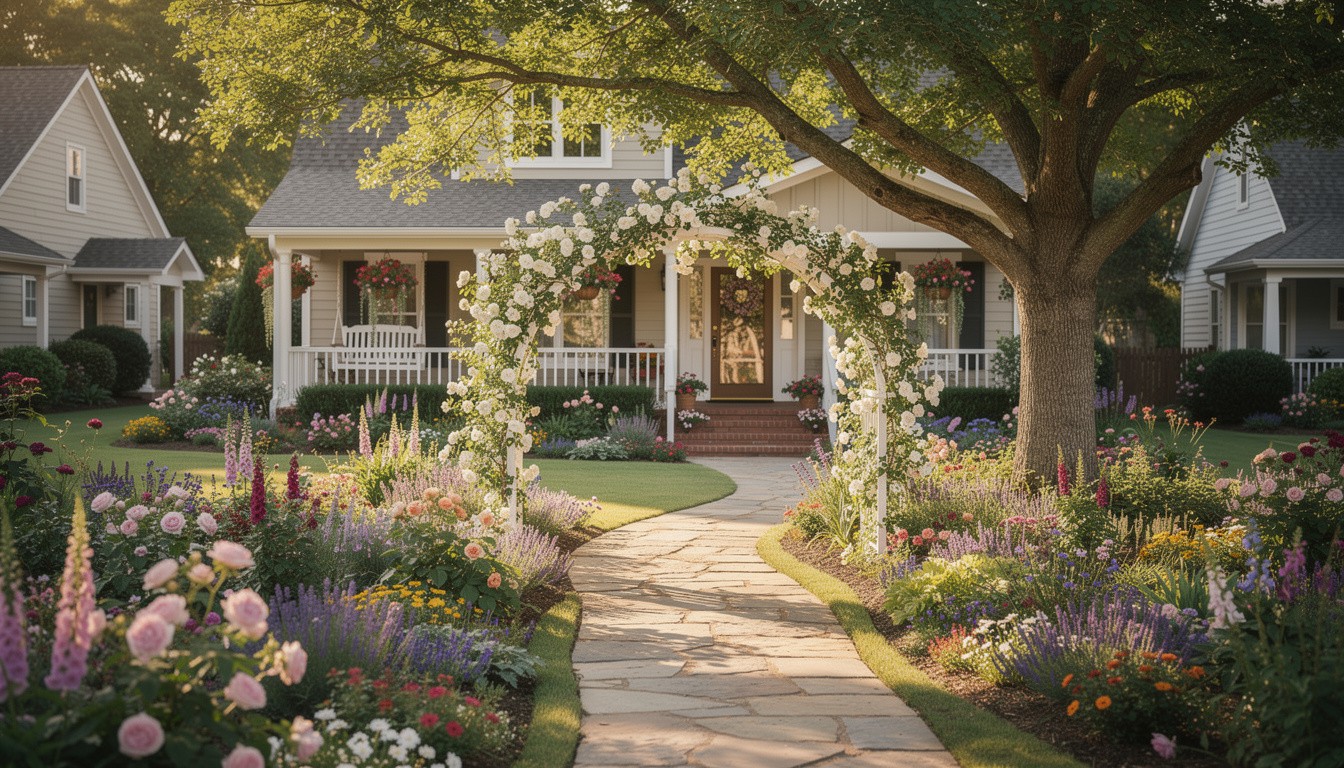
White Picket Gate with Climbing Rose Arch
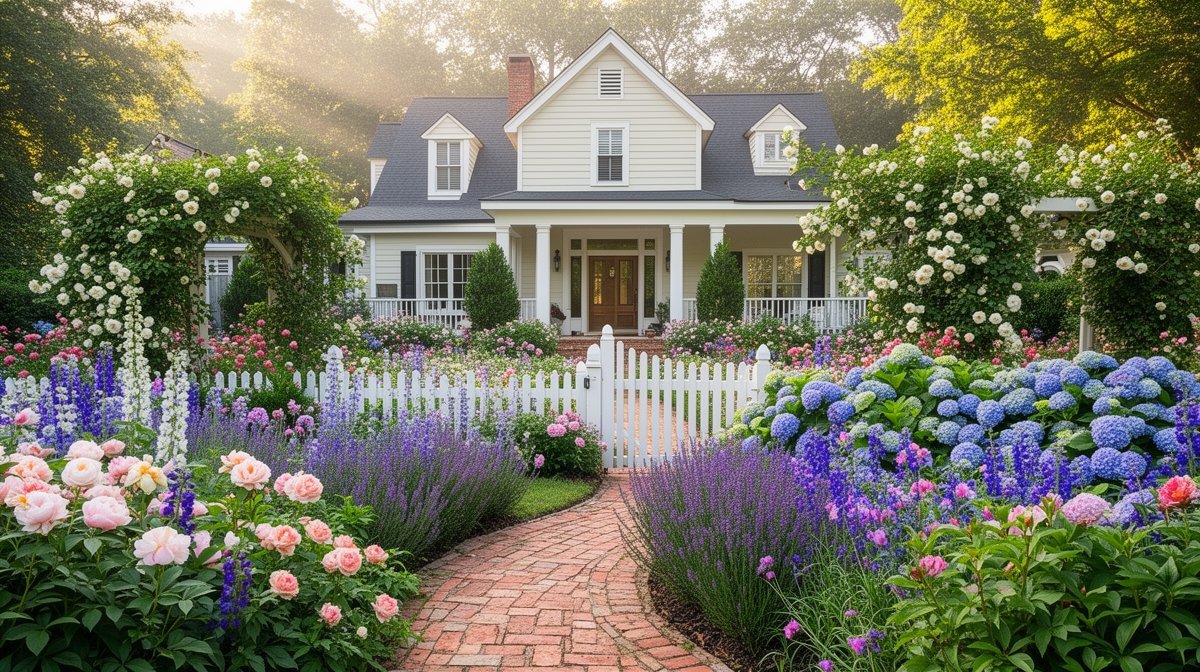
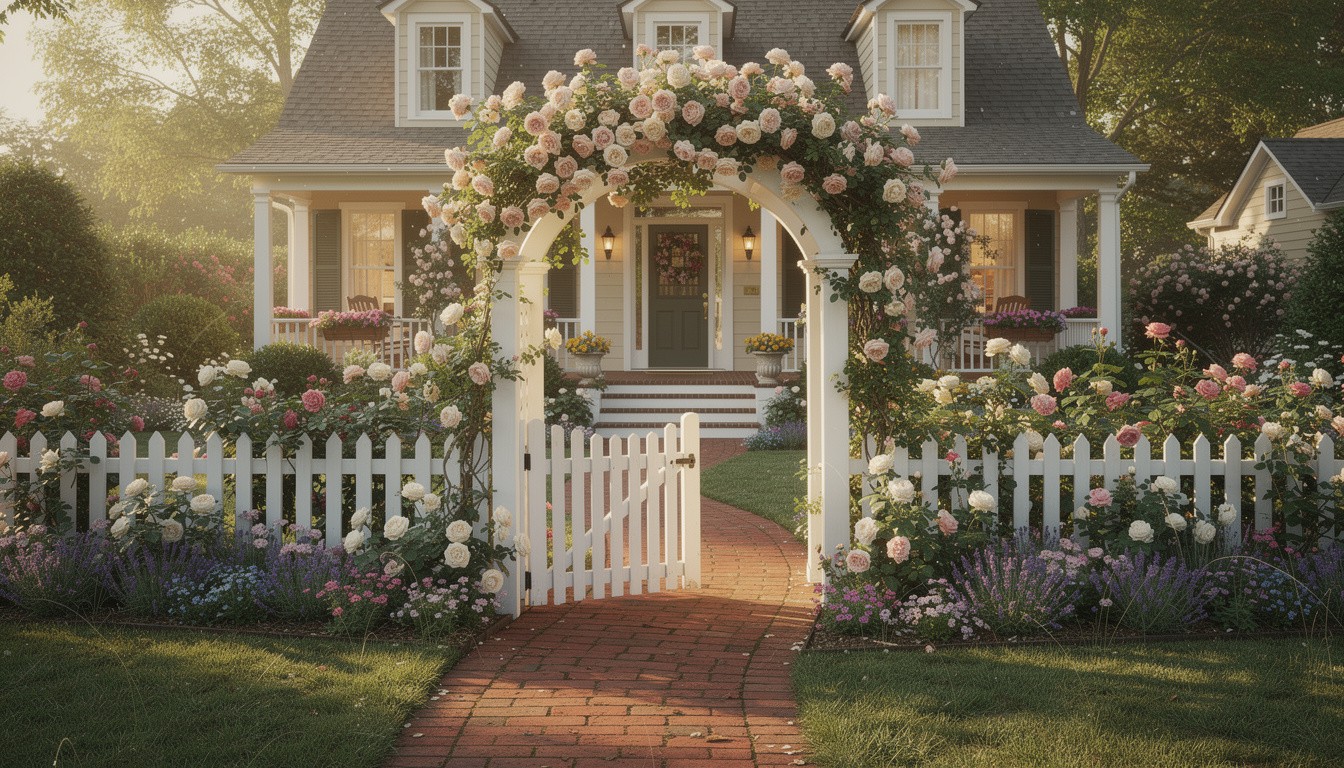
$10–20/sqftA white picket fence with a wide gate frames a brick pathway leading to a craftsman front porch, with a flowering rose arch overhead dripping in white and blush blooms. Dense mixed borders of hydrangeas, lavender, and cottage perennials line both sides of the path, creating a tunnel of color. The design is quintessential Atlanta cottage — white picket, brick, roses, and generous planting depth that makes a modest front yard feel like a private garden room.
AI-generated image
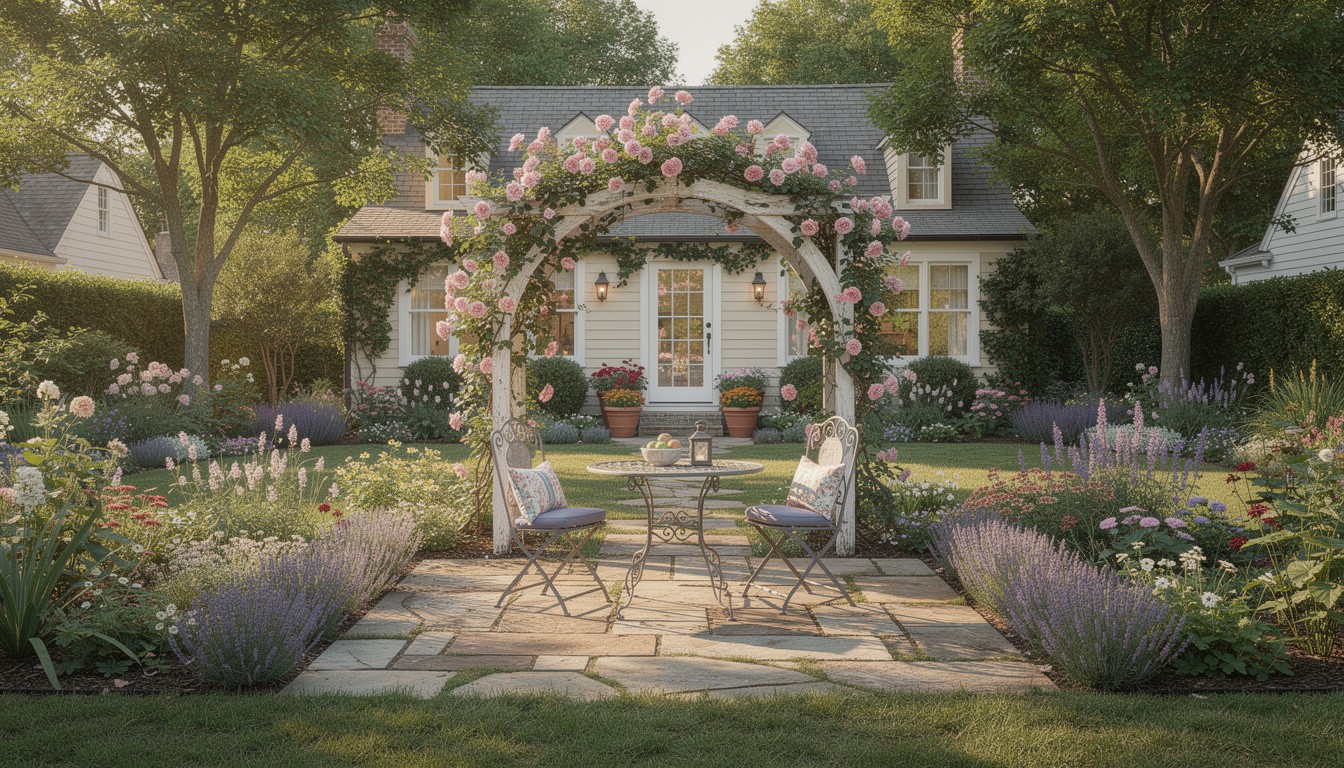
Stone Path Cottage with Rose Arbor Entry
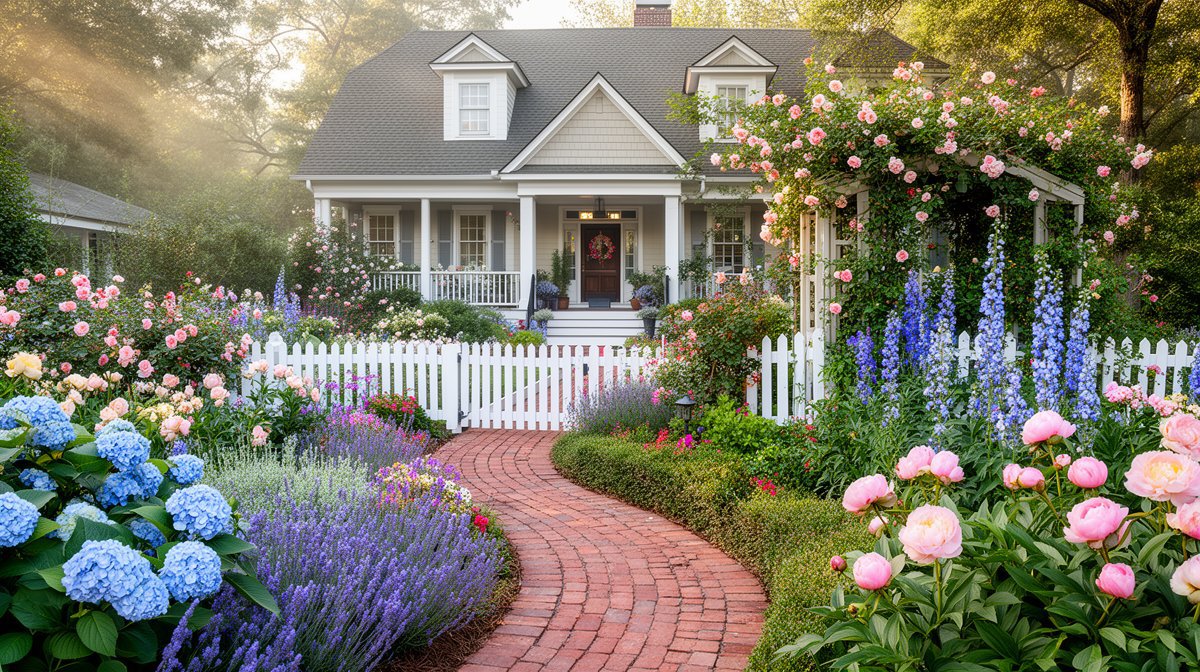
$12–24/sqftA flagstone path winds through billowing mixed borders of roses, foxgloves, and colorful perennials under a mature shade tree, leading to a white-painted porch with a rose arbor entry. The planting is generously layered — taller shrub roses in back, mid-height foxgloves and coneflowers mid-border, and sprawling ground-level cottage perennials at the path edge. Atlanta’s long spring season makes this kind of multi-layered planting achievable; the generous canopy from a mature tree moderates summer heat and creates the dappled light cottage borders thrive in.
AI-generated image
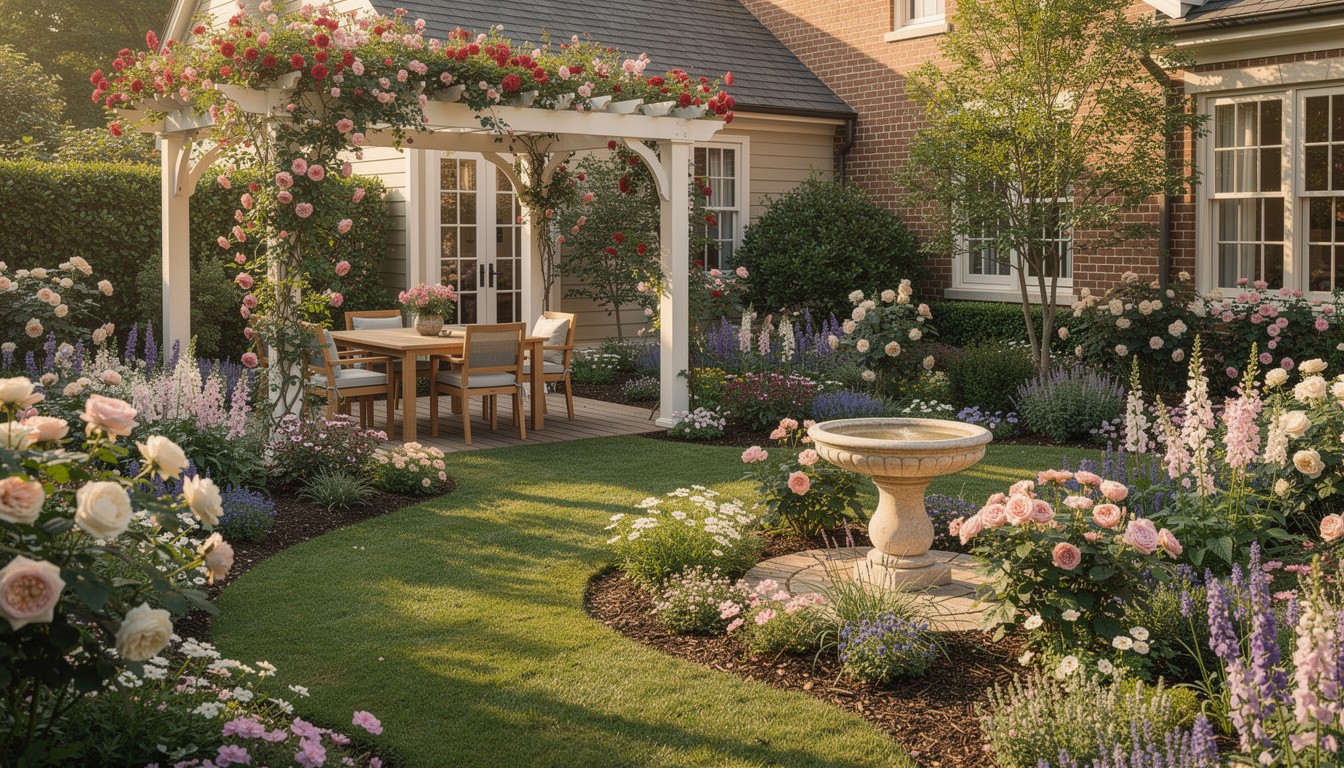
Rose Arch Patio with Iron Bistro Set
$18–38/sqftA circular stone patio sits at the center of a backyard cottage garden, surrounded on all sides by dense rose borders, lavender hedges, and foxglove spires. A rose-covered metal arch frames the patio entrance, and a small iron bistro table and chairs invite sitting in the garden. The enclosed feeling — garden wrapping completely around the patio — is the defining quality of this design; it turns a suburban Atlanta backyard into a private outdoor room that feels worlds away from the city.
AI-generated image
Pergola Dining Garden with Rose Borders
$22–45/sqftA white open pergola creates an outdoor dining room at the center of a generous backyard cottage garden. Mixed rose borders and dense perennial plantings — foxgloves, lavender, coneflowers — surround a flat lawn panel, with the pergola and dining table at the rear. A birdbath sits as a focal point in the open lawn area. The design balances structure (the pergola) with abundant cottage planting, giving Atlanta’s long outdoor season a destination space that works from March through November.
See how a cottage/english garden looks on YOUR property
Upload a photo of your Atlanta yard and visualize your dream garden in seconds.
Try ProScapeAI Free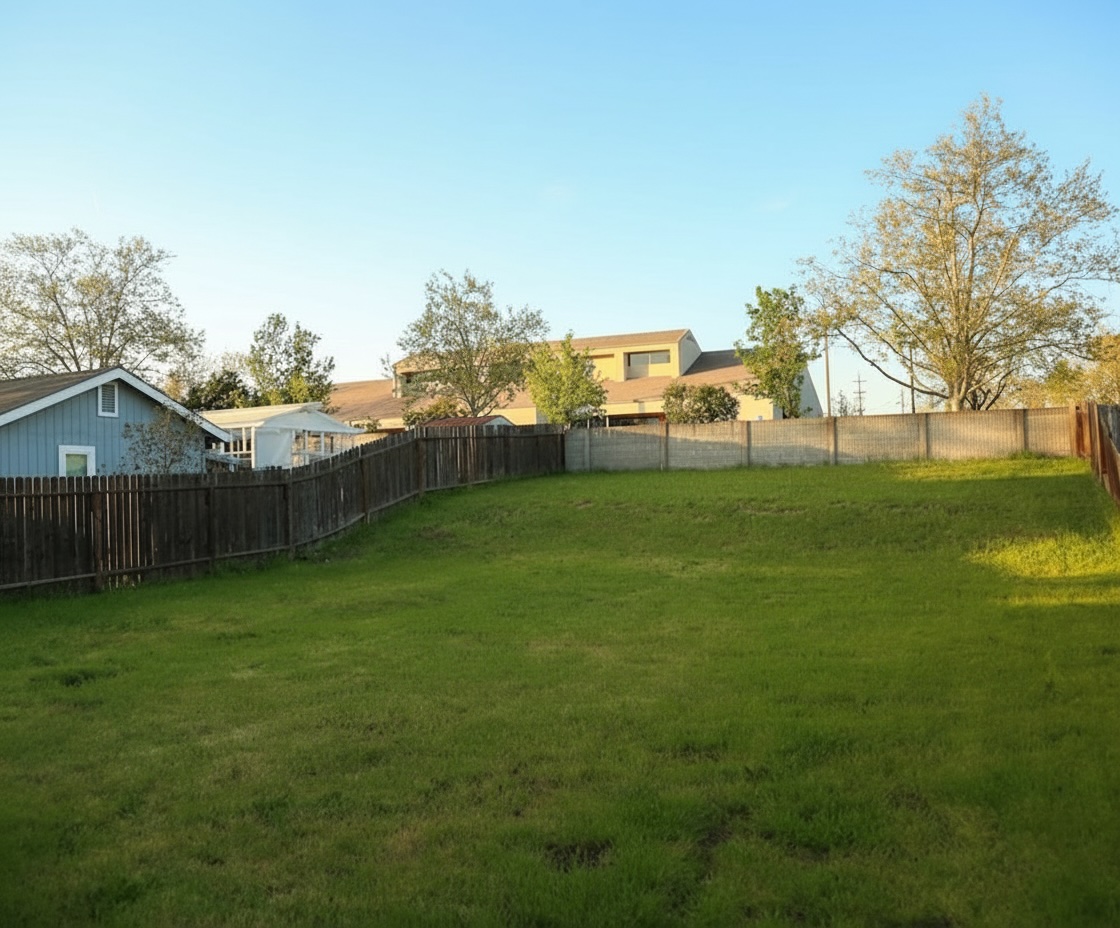
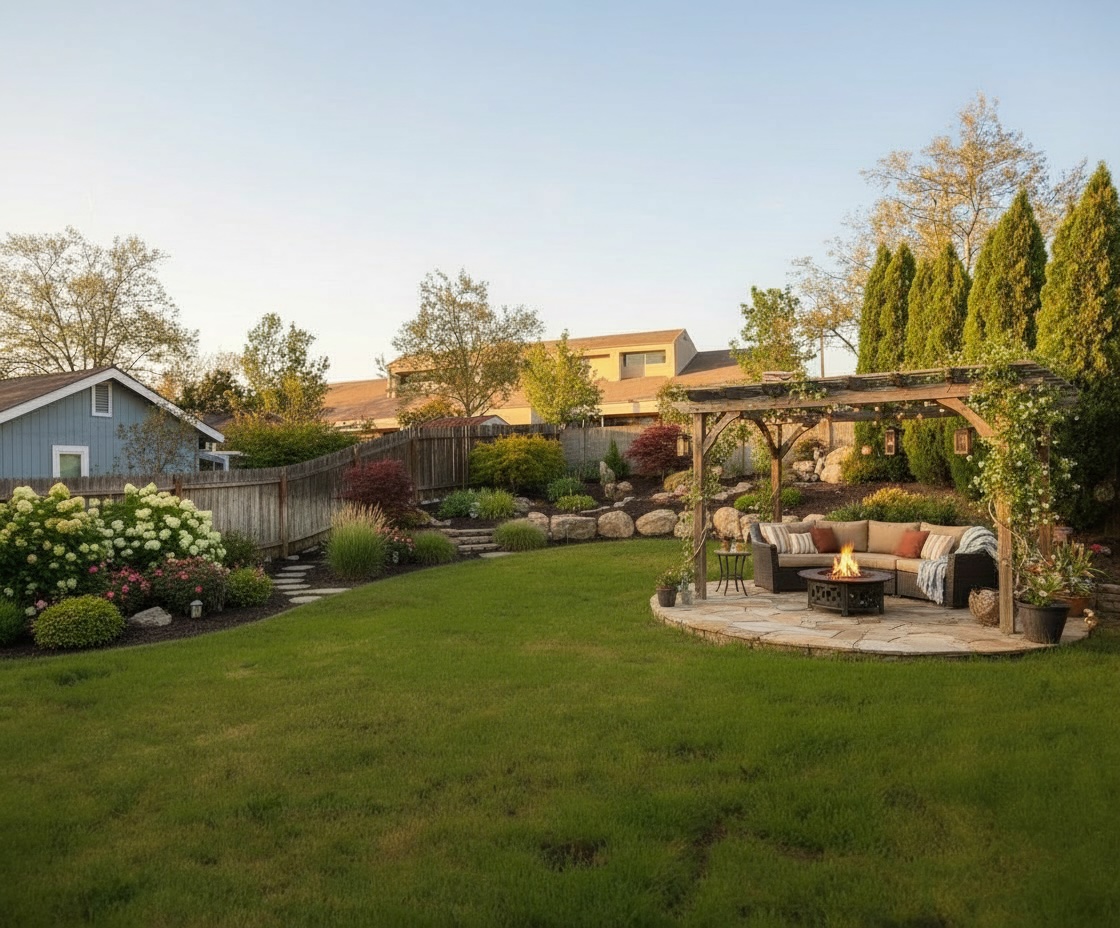
AI-generated image
Featured Trees & Shrubs for Cottage/English Gardens
Browse all 205 plants for Atlanta
American Elderberry
Sambucus canadensis
medium-sized at 10 feet, white blooms in spring. Attracts butterflies.

American Snowbell
Styrax americanus
medium-sized at 10 feet, white blooms in spring. Pollinator-friendly.

Carousel Mountain Laurel
Kalmia latifolia 'Carousel'
grows to 5 feet, multi blooms in spring. Evergreen year-round.

Drooping Leucothoe
Leucothoe fontanesiana
grows to 5 feet, white blooms in spring. Evergreen year-round.
Featured Grasses & Groundcovers for Cottage/English Gardens
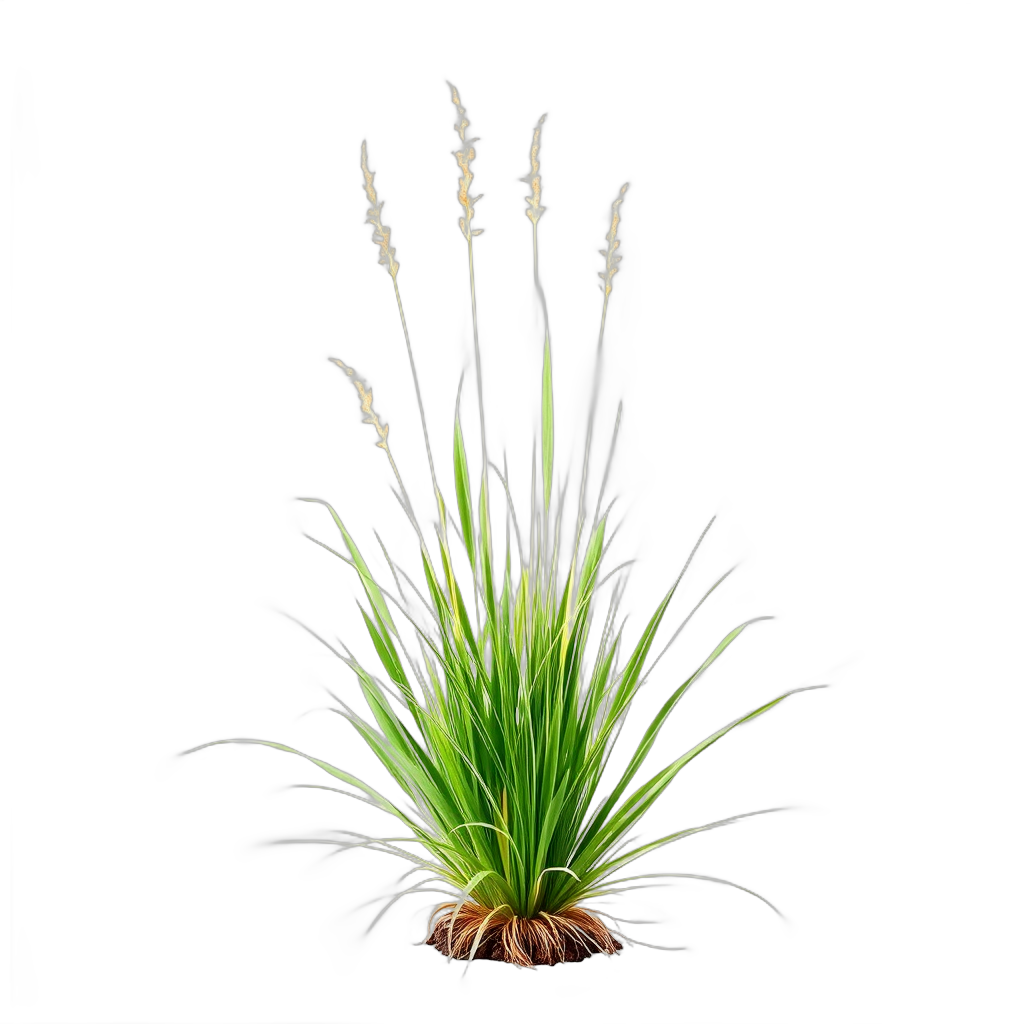
Northern Sea Oats
Chasmanthium latifolium
grows to 4 feet, blooms in fall. Bronze fall color.
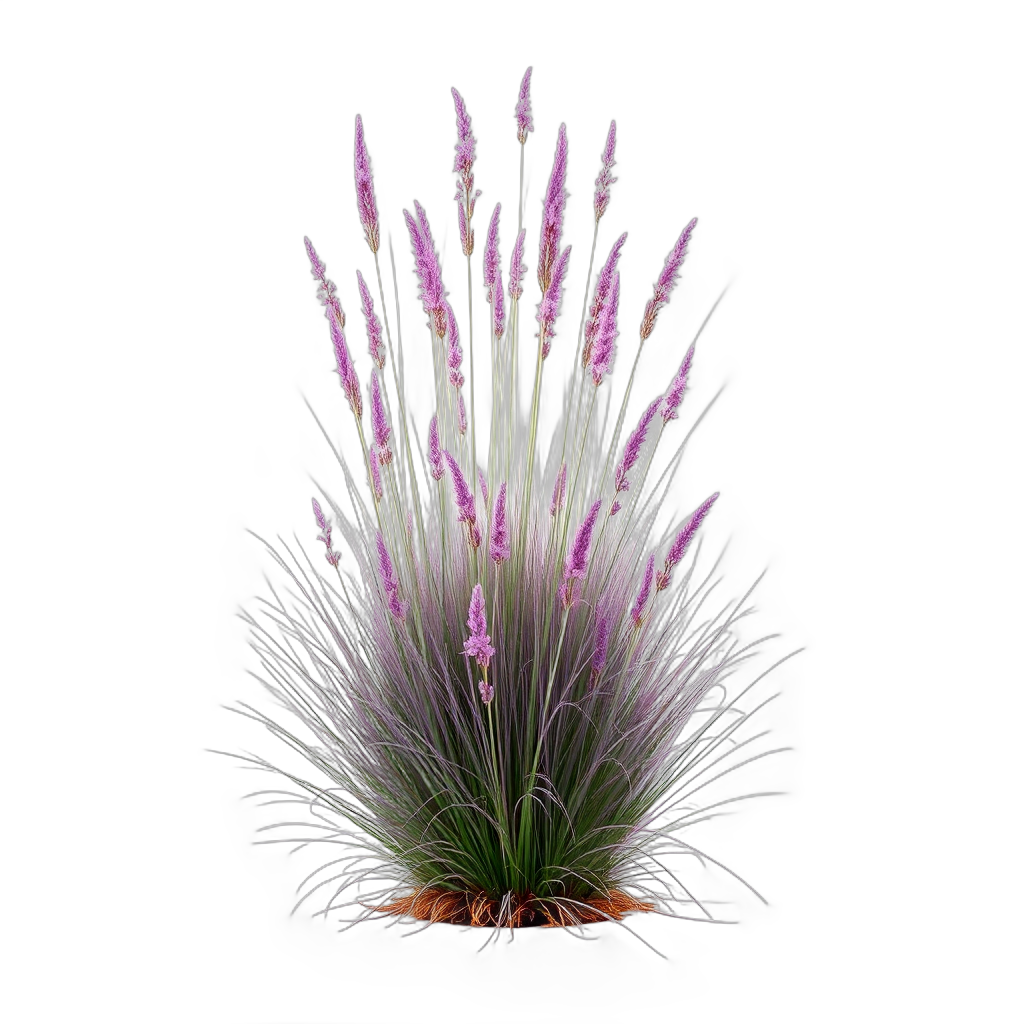
Purple Love Grass
Eragrostis spectabilis
low-growing ground cover, purple blooms in fall. Orange fall color.
Featured Flowers & Perennials for Cottage/English Gardens
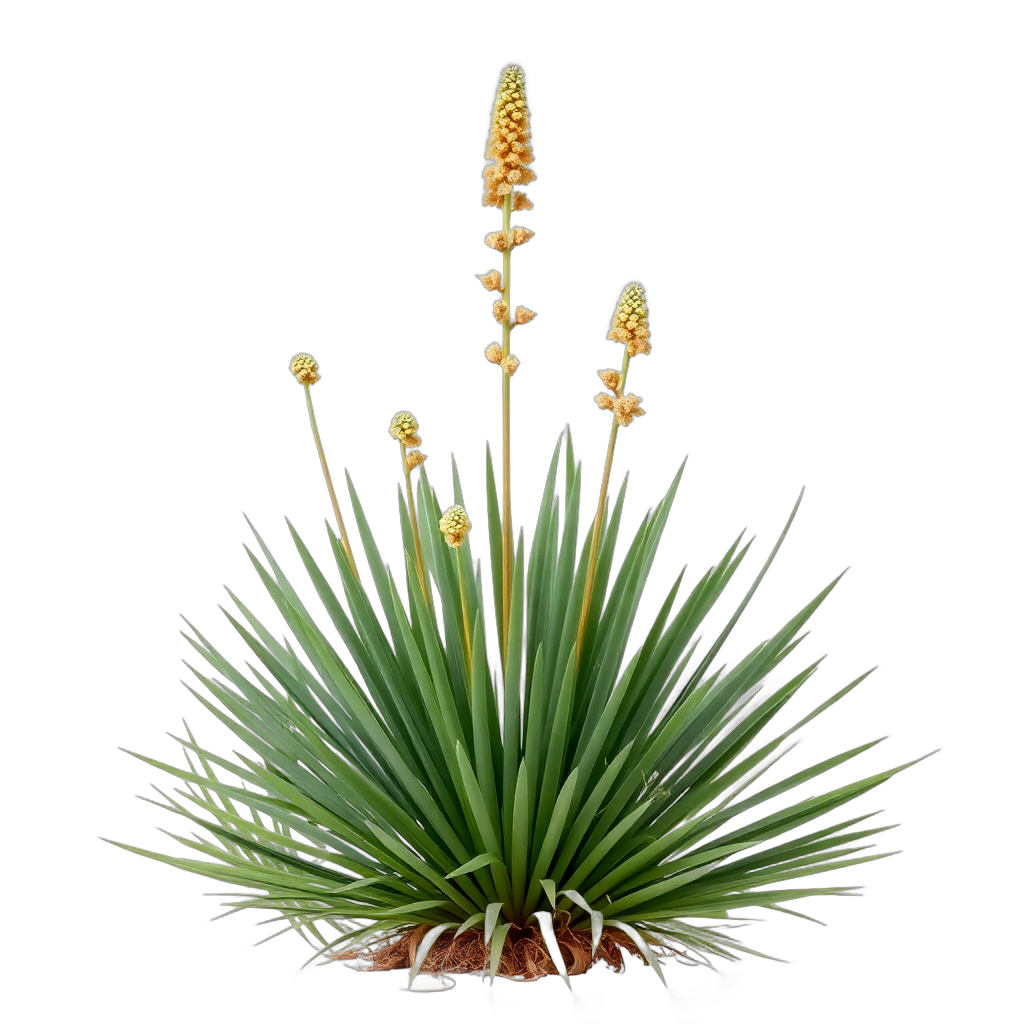
Adam's Needle
Yucca filamentosa
low-growing ground cover, white blooms in summer. Attracts hummingbirds.

Black Cohosh
Cimicifuga racemosa
grows to 5 feet, white blooms in summer. Attracts butterflies.

Coral Bean
Erythrina herbacea
grows to 5 feet, red blooms in spring. Attracts hummingbirds.
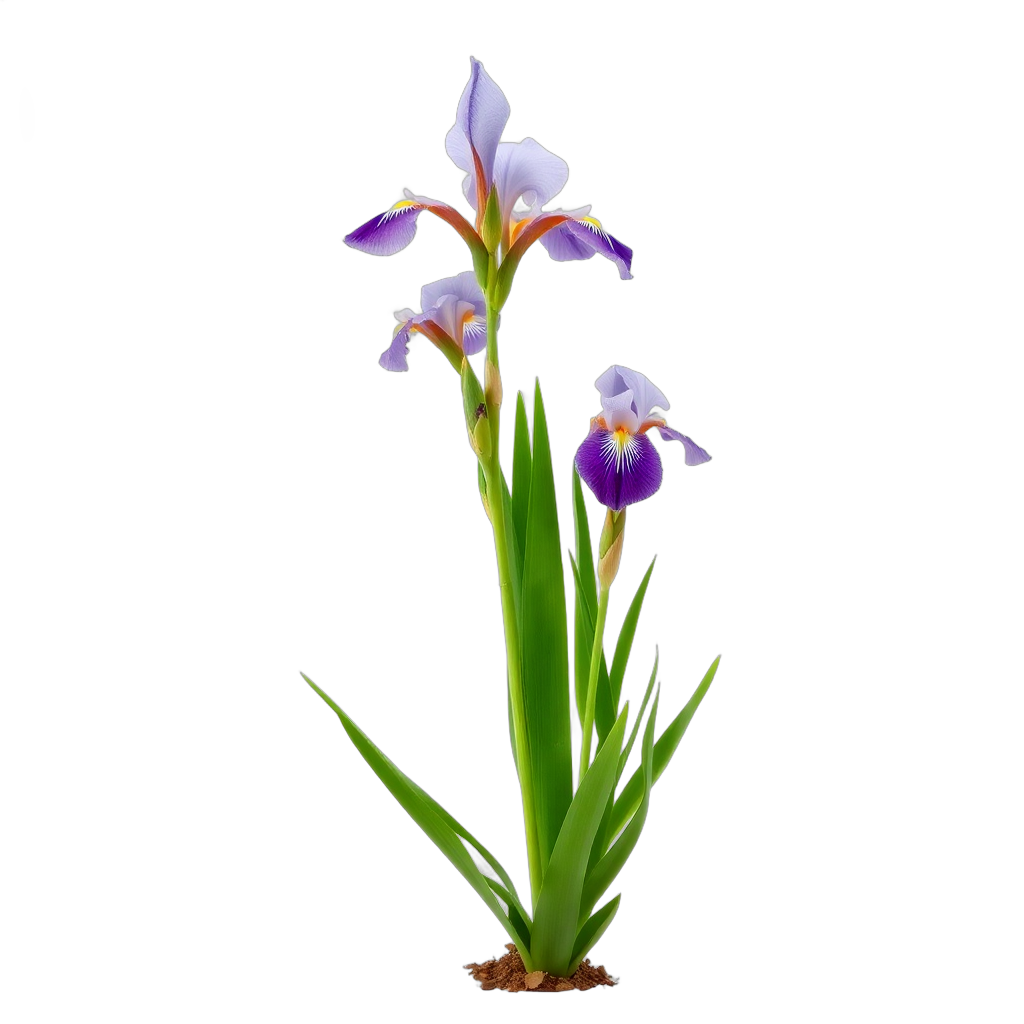
Crested Iris
Iris cristata
low-growing ground cover, blue blooms in spring. Attracts butterflies.
Zone and sun checks come from our database — confirm with your local nursery before you buy.
Bloom Calendar for Atlanta
spring
Coral Bean, Crested Iris, Southern Blue Flagsummer
Adam's Needle, Black Cohosh, False Aloefall
Northern Sea Oats, Purple Love Grasswinter
Limited bloomsDesign Tips for Atlanta (Zone 8a)
- Amend Atlanta’s red clay soil before planting anything — work pine bark fines and compost into beds 12 inches deep, or build raised beds above grade; this single step is more important than any plant selection decision
- Use native dogwoods and azaleas as your cottage garden’s structural layer — they provide the dappled overhead canopy that makes foxgloves, hellebores, and astilbe viable under Atlanta’s summer heat
- Choose disease-resistant roses exclusively: Knock Out, Earth Kind, and modern David Austin varieties handle Atlanta’s humidity without regular fungicide programs that older hybrid teas require
- Lean into oakleaf hydrangea (Hydrangea quercifolia) as a cottage garden anchor — it’s native to Georgia, stunning from June through fall color in October, and perfectly adapted to Piedmont clay soils
- Fall-plant your cottage garden (October–November) rather than spring — Atlanta’s mild winters give roots time to establish before summer heat arrives, producing far stronger first-year growth
- Mulch heavily with pine straw — it’s the traditional Atlanta mulch for a reason: it breaks down slowly, acidifies soil slightly (beneficial for azaleas and roses), and is widely available and affordable
Where to Source Plants in Atlanta
Skip the big-box stores. These independent Atlanta nurseries specialize in the plants that make cottage/english gardens thrive in Zone 8a.
Pike Nurseries
Multiple Atlanta locations (Buckhead, Dunwoody, Marietta)
Full-service regional nursery chain — strong cottage plant inventory, local expertise, garden design services
Hastings Nature and Garden Center
Buckhead
Atlanta’s oldest independent nursery — heirloom roses, native plants, cottage perennials, deep local knowledge
Intown Ace Hardware & Garden Center
Virginia-Highland
Neighborhood garden center serving Inman Park, Virginia-Highland, and Poncey-Highland — seasonal cottage plants and supplies
Goodness Grows
Lexington, GA (30 miles east of Atlanta)
Wholesale and retail perennial nursery — specialists in cottage perennials, salvias, and native Piedmont plants
Chattahoochee Nature Center Plant Sale
Roswell
Annual native plant sales featuring Georgia-native azaleas, dogwoods, ferns, and woodland cottage plants
Cottage/English Landscaping Costs in Atlanta
| Project Scope | Estimated Cost |
|---|---|
| White picket fence with rose arch gate and brick path | $6,000 – $14,000 |
| Full cottage front yard with flagstone path, rose arbor, and perennial borders | $10,000 – $22,000 |
| Backyard stone patio with rose arch and cottage border planting | $18,000 – $40,000 |
| Pergola dining garden with rose borders and birdbath | $20,000 – $48,000 |
| Red clay soil amendment and raised bed installation | $1,500 – $4,000 |
| AI visualization with ProScapeAI | Free to start |
Estimates based on Atlanta, GA-area contractor rates as of 2026. Actual costs vary by site conditions, materials, and contractor.
Atlanta Climate & Growing Zone
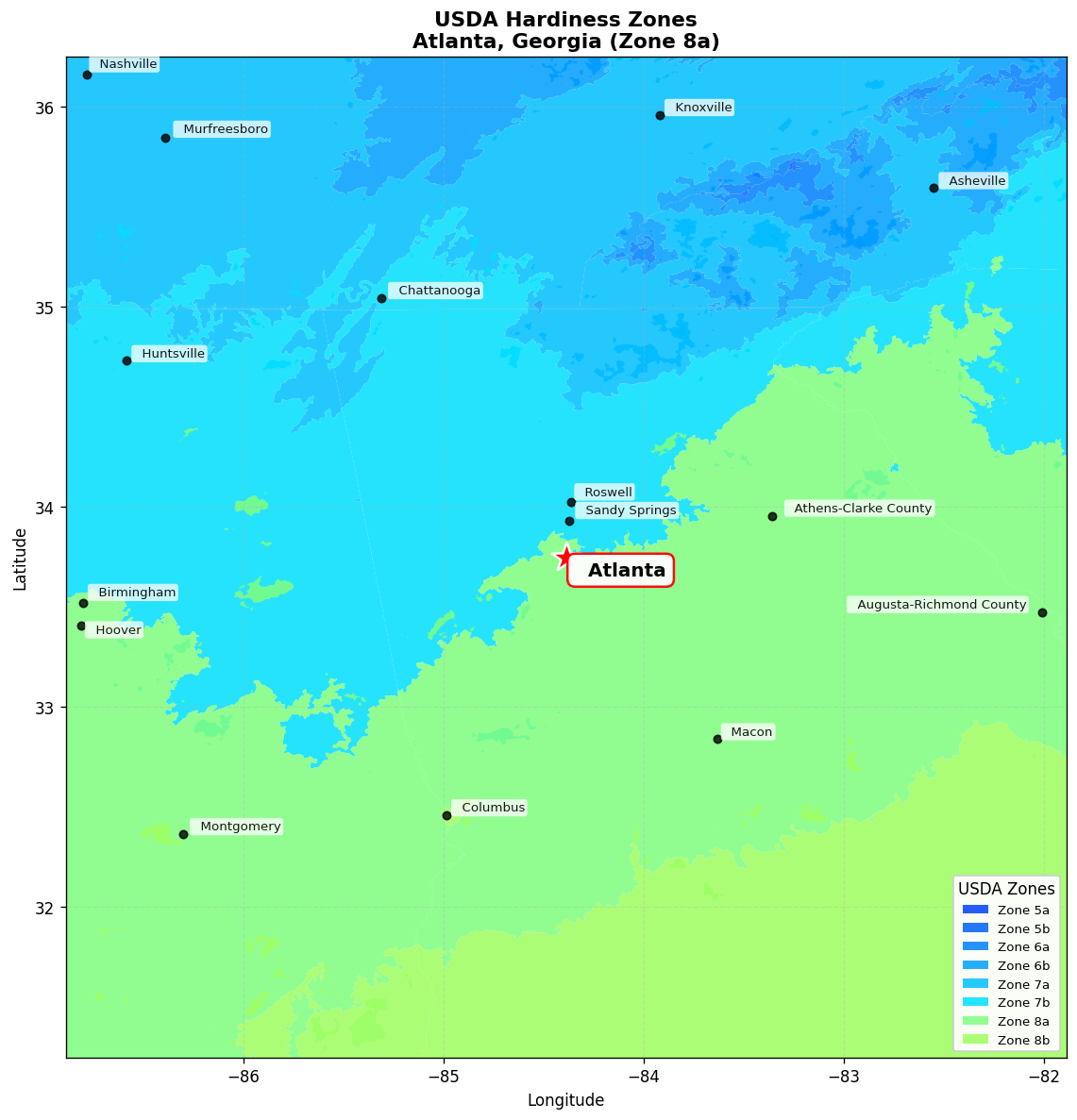
USDA Zone 8a
Hardiness zone for Atlanta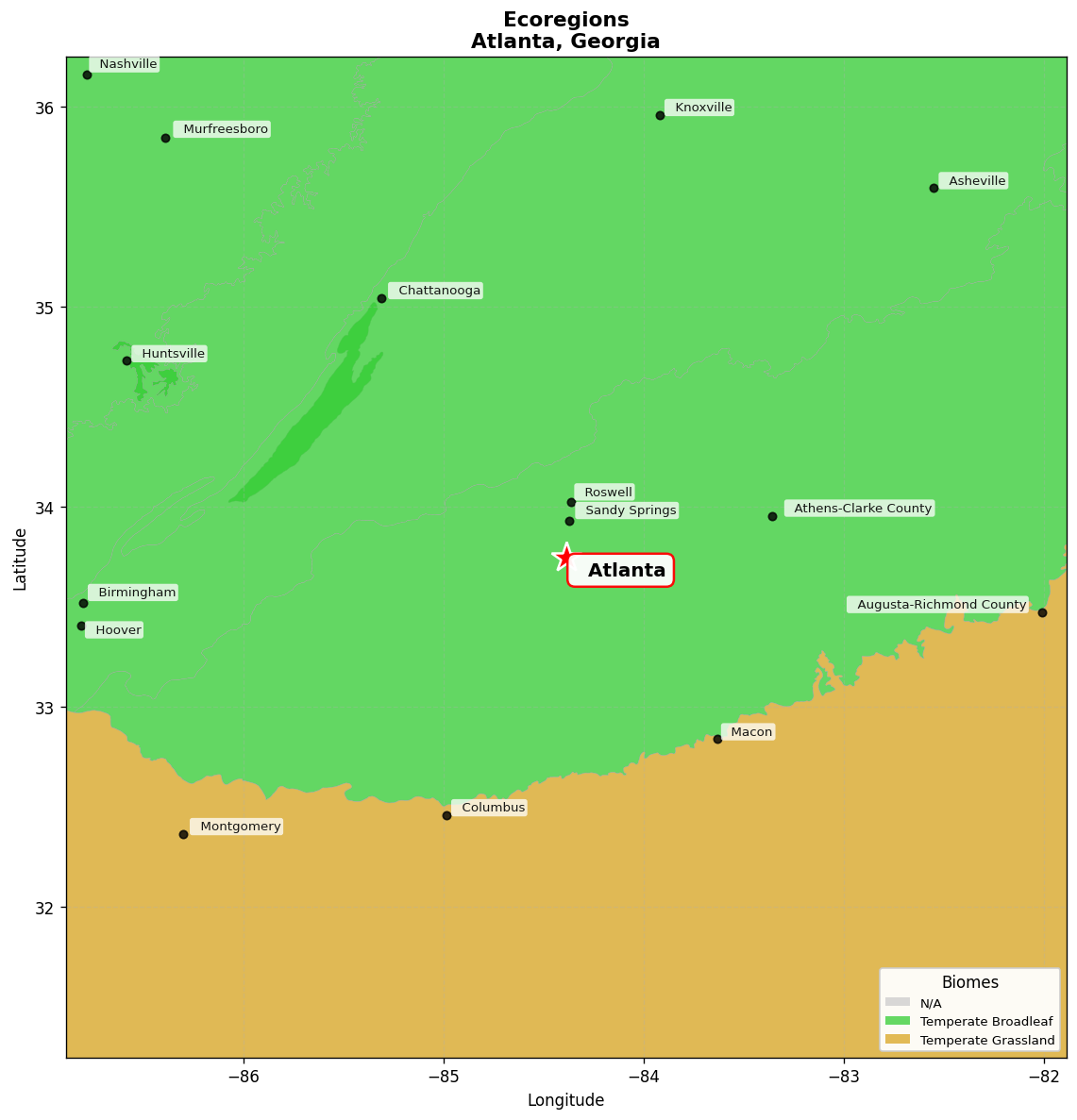
Appalachian Piedmont forests
Native ecoregionFrequently Asked Questions
What cottage garden plants grow best in Atlanta’s Zone 8a clay soil?
Atlanta’s Zone 8a is actually well-suited to cottage gardening once the clay soil challenge is addressed. Top performers include Knock Out and Earth Kind roses (heat-tolerant, disease-resistant), native oakleaf hydrangea, Annabelle hydrangea, azaleas, dogwoods, daylilies, coneflower (Echinacea), black-eyed Susan, salvia, and lavender (in well-draining spots). For shade areas under tree canopy, hellebores, astilbe, ferns, and hostas are exceptional. Amend red clay with pine bark fines and compost before planting — this single step makes the biggest difference in plant health.
How do I improve Atlanta’s red clay soil for a cottage garden?
Heavy Georgia red clay is manageable with consistent amendment. For new beds, till 4–6 inches of pine bark fines and compost into the top 12 inches of soil. For seriously compacted or poorly draining areas, build raised beds 12–18 inches above grade filled with a custom mix of native soil, pine bark, and compost. Avoid adding sand to clay — it creates a cement-like mixture. Pine bark fines are the recommended amendment by University of Georgia Extension because they break down slowly, maintain structure long-term, and are widely available locally at places like Pike Nurseries.
When is the best time to plant a cottage garden in Atlanta?
Fall (October through November) is ideal for roses, shrubs, and most perennials — Atlanta’s mild winters allow root establishment before the heat stress of summer arrives, and winter rainfall reduces irrigation needs. Spring (February through April) works well for annuals and summer perennials. Avoid planting in summer — Atlanta’s July–August heat and humidity stress new transplants severely. Fall-planted cottage gardens consistently outperform spring-planted equivalents in Atlanta’s climate.
Do English-style cottage gardens work in Atlanta’s humidity?
Yes, but with smart plant selection to avoid fungal problems. Atlanta’s humidity (averaging 70–75% relative humidity) can promote black spot on roses and powdery mildew on susceptible plants. Solutions: choose disease-resistant rose varieties (Knock Out, Earth Kind, David Austin’s more modern varieties), ensure good air circulation in dense borders, and avoid overhead watering. Native plants like oakleaf hydrangea, coneflower, and native azaleas are fully adapted to the humidity and require no special disease management. The upside of Atlanta’s moisture: lush growth that would require constant irrigation in drier climates.
What’s the best strategy for roses in Atlanta?
Plant disease-resistant shrub roses and avoid high-maintenance hybrid teas unless you’re committed to a spray program. Knock Out roses are the most reliable choice for Atlanta cottage gardens — they bloom spring through fall, resist black spot in humid conditions, and require minimal deadheading. For a more romantic, fragrant cottage look, David Austin’s 'Olivia Rose', 'Lady of Shalott', and 'Golden Celebration' perform well in Zone 8a. Plant roses in full sun (minimum 6 hours), in well-amended raised beds for drainage, and space them generously for air circulation. Fall planting gives the best establishment.
How much does a cottage garden installation cost in Atlanta?
Atlanta landscaping runs mid-range compared to coastal cities. A picket fence front yard transformation with roses, perennial borders, and brick pathway typically costs $8,000–$18,000 for a standard 400–600 sqft front yard. A backyard pergola with rose borders and flagstone terrace runs $20,000–$50,000 depending on hardscape scope. Annual maintenance for an established cottage garden (mulching, pruning, seasonal color) runs $1,500–$4,000/year. Red clay soil amendment adds $500–1,500 to initial installation but pays dividends in reduced plant loss and long-term health.