4 Cottage Garden Ideas for Nashville, TN | English Garden Design in Zone 7a
Native plants from the Interior Plateau US Hardwood Forests (Zone 7a) — Humid subtropical climate
Why Cottage/English Gardens in Nashville?
Nashville occupies the Interior Plateau US Hardwood Forests ecoregion, sitting on a vast formation of limestone and karst topography that gives Middle Tennessee its distinctive character — cedar glades, limestone outcrops, and a native flora unlike anywhere else in the South. This geology directly affects cottage gardening: Nashville’s soils are often thin and alkaline over limestone bedrock, with pH values running 7.0–8.0. That means azaleas and blueberries need significant acidification to thrive, while limestone-adapted plants — many of the best cottage perennials among them — grow with exceptional vigor in the natural soil chemistry.
Nashville’s Zone 7a climate delivers winter lows to 0–5°F on the coldest nights — the coldest of any large Southeast city. This is a genuine advantage for cottage gardening: peonies, classic hybrid tea roses, delphiniums, and spring bulbs all receive the deep chilling hours they need for robust bloom performance. Nashville gardeners in East Nashville, Germantown, and 12 South have some of the best peony gardens in the South precisely because the winters are cold enough to satisfy these plants’ dormancy requirements. The city receives 47 inches of annual rainfall, with spring the wettest season, and the growing season runs from early March through early November.
The neighborhoods of Germantown, Sylvan Park, and Green Hills define Nashville cottage style. Victorian homes with deep front porches in Germantown and craftsman bungalows in Sylvan Park and 12 South sit under mature canopies of native red cedar, hackberry, and Eastern redbud — the signature trees of the Tennessee limestone plateau. Eastern redbud is Nashville’s great cottage garden gift: a native tree that flowers spectacularly in late March, before leaves emerge, covering its branches with vivid magenta-pink blooms. No imported exotic matches its impact, and no cottage garden in Nashville should be without at least one.
4 Cottage/English Design Ideas for Nashville
AI-generated image
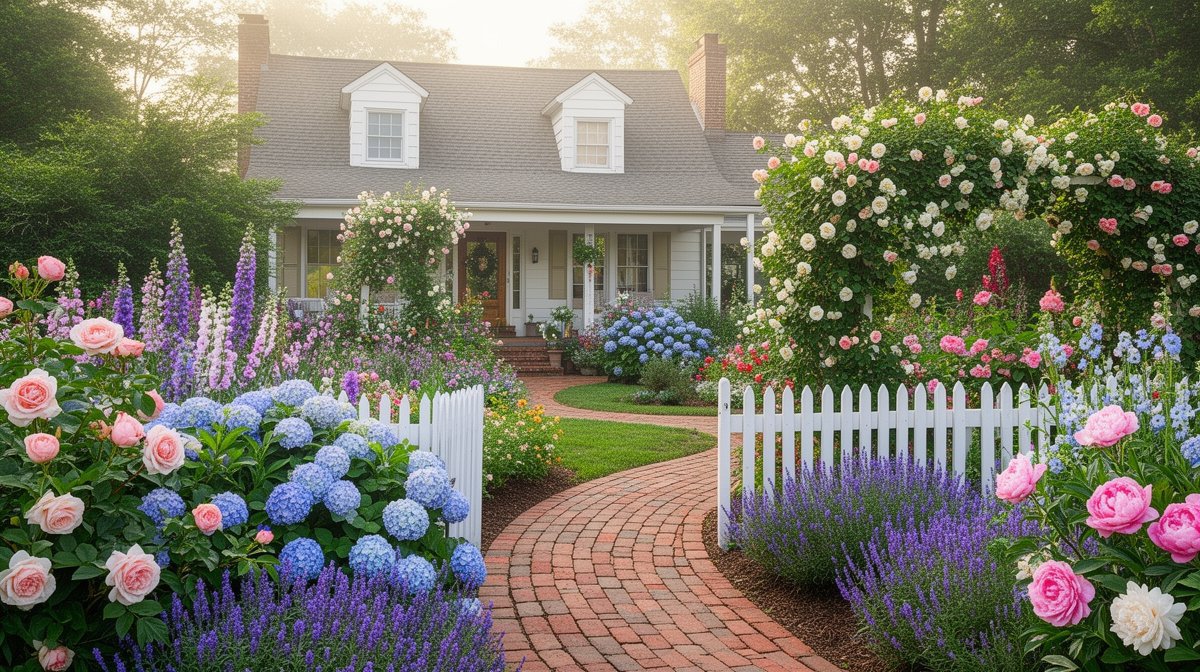
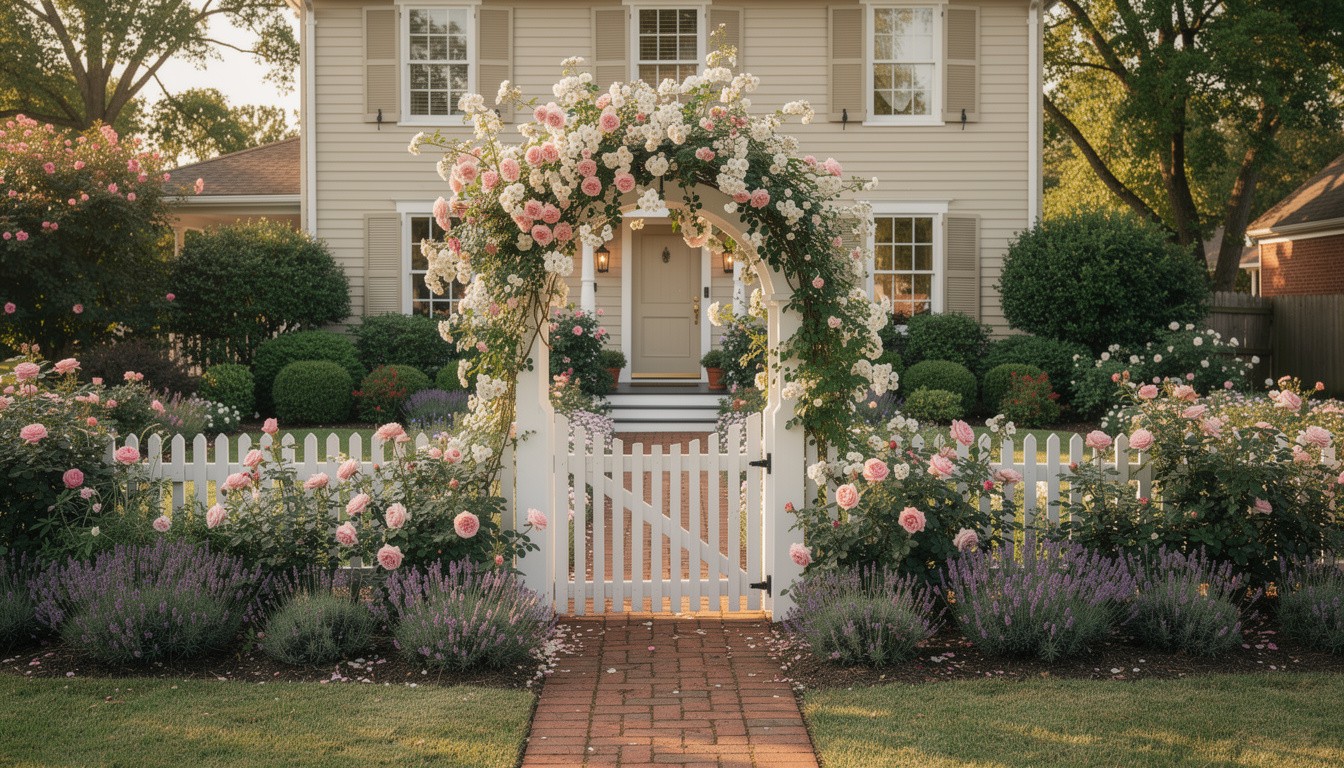
White Picket Cottage with Overflowing Rose Arch
$11–22/sqftA white picket fence with a gated entry arch covered in blush climbing roses frames a brick path leading to a craftsman front porch. Dense borders of roses, hydrangeas, boxwood topiary, and lavender spill from both sides of the path. Nashville’s Zone 7a cold winters give roses excellent chilling hours, producing more robust spring bloom than in warmer Southern cities. The combination of white picket, brick path, and overflowing rose arch is quintessentially Nashville cottage in Germantown and 12 South, where this front garden tradition anchors the neighborhood’s historic character.
AI-generated image
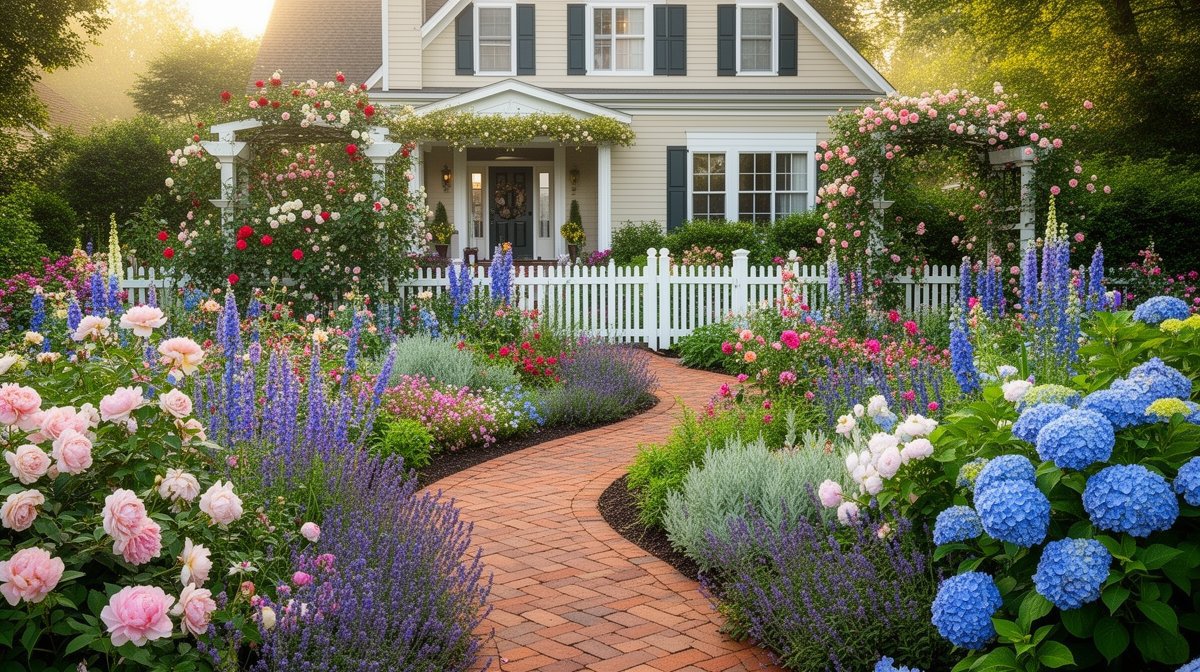
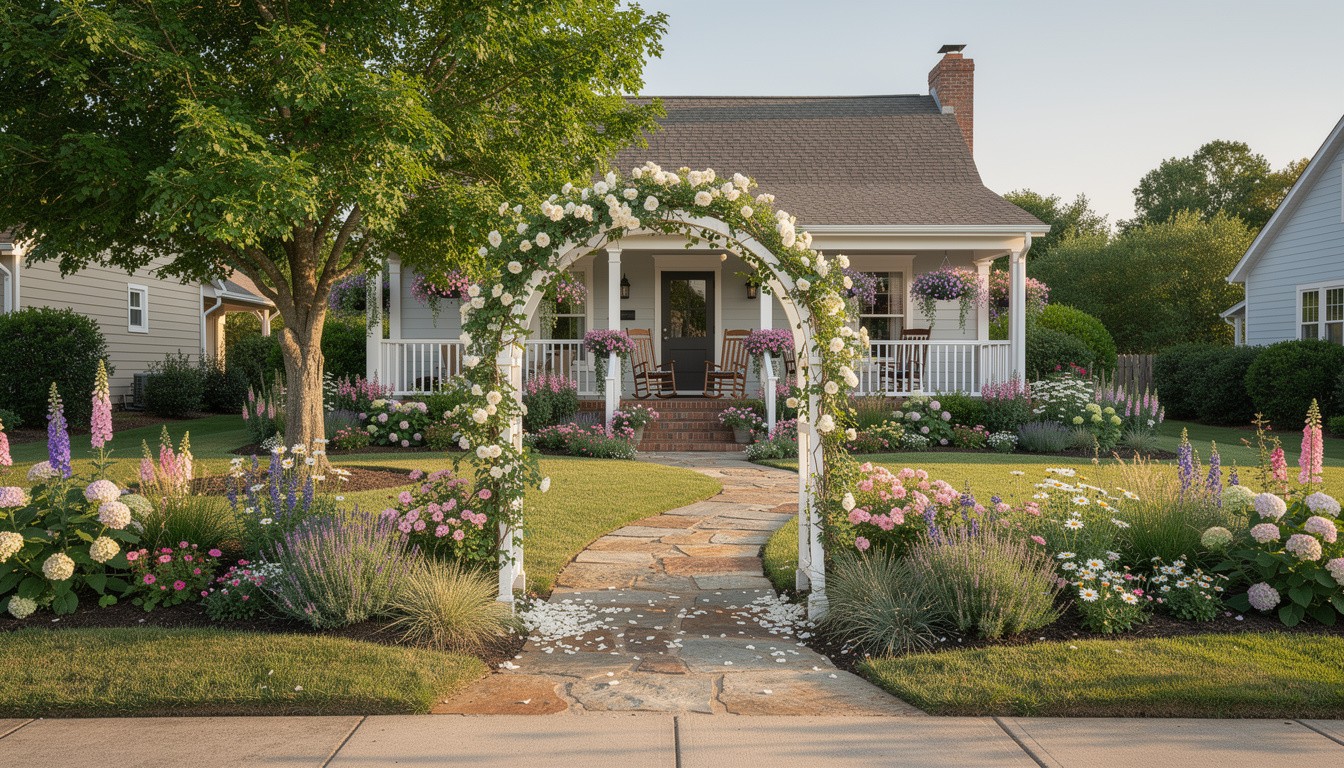
Flagstone Path with White Rose Arbor Entry
$12–24/sqftA wide flagstone path leads through billowing cottage borders of roses, foxgloves, hydrangeas, and lavender under a mature shade tree, to a front porch with a white climbing rose arbor as its entry frame. The planting is generously layered and takes full advantage of Nashville’s exceptional spring season — foxgloves peak in April, roses follow in May and June, and hydrangeas carry through summer. Nashville’s Zone 7a provides the cold winter chilling that makes this kind of multi-peak cottage planting perform at its best.
AI-generated image
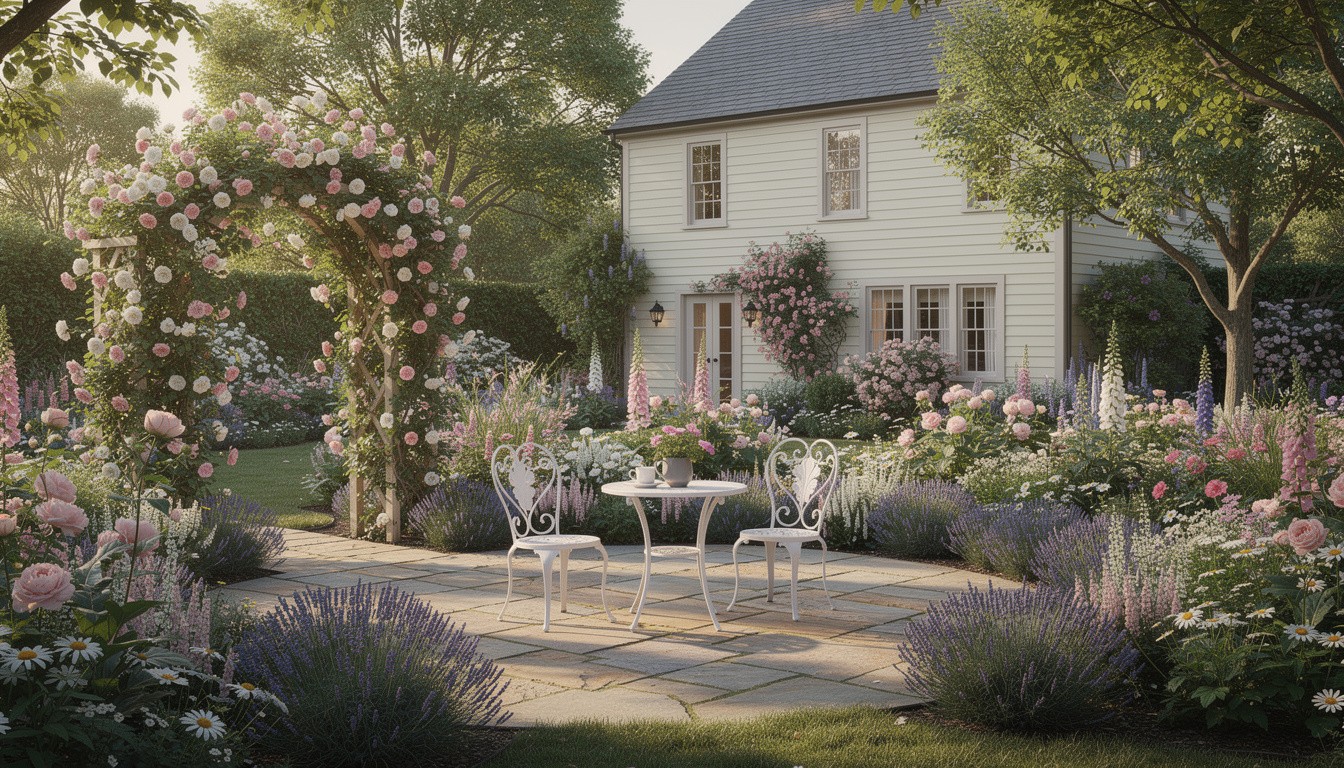
Garden Patio with Rose Arch and Ornate Bistro Set
$18–38/sqftA large flagstone patio surrounded by cottage borders of roses, lavender, foxgloves, and hydrangeas centers on an ornate bistro table and chairs, entered through a wide rose-covered garden arch. The enclosed feeling — cottage planting on all sides — creates a private outdoor room that Nashville’s shoulder seasons make genuinely magical. Spring’s rose peak in May and fall’s second bloom in September frame the patio’s best moments. Nashville’s spring is among the South’s longest and most temperate, making this kind of garden room an exceptional investment.
AI-generated image
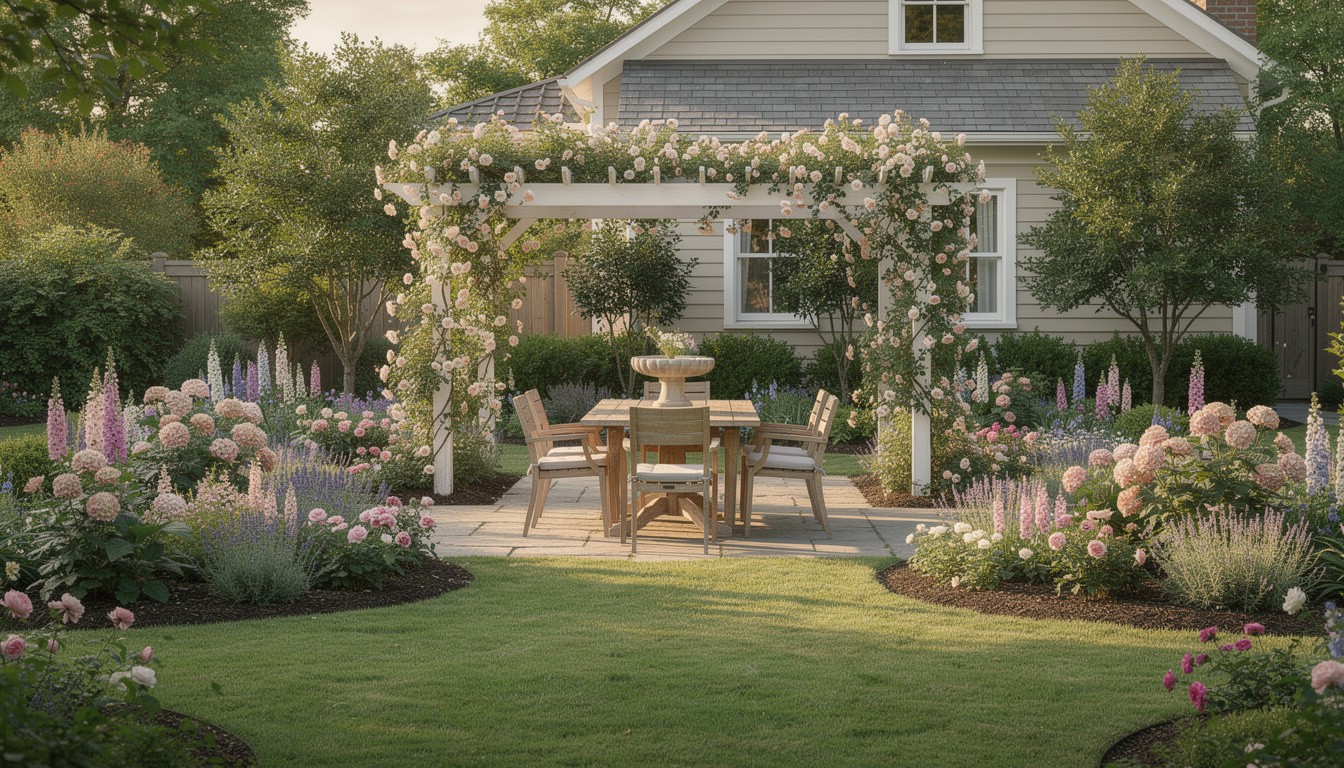
Pergola Dining Garden with Roses and Stone Fountain
$22—45/sqftA white pergola draped in climbing roses creates a covered outdoor dining room at the edge of a generous Nashville backyard. Mixed cottage borders of roses, foxgloves, hydrangeas, and lavender surround a central lawn panel, with a stone birdbath or fountain as the focal point. Nashville’s nine-month outdoor season makes this dining garden a true four-season investment — the pergola provides shade in summer, frames the rose display in spring, and remains a beautiful structure through winter. The perennial borders take advantage of Nashville’s cold winters to produce the deep-chilling-dependent blooms that make this region’s cottage gardens exceptional.
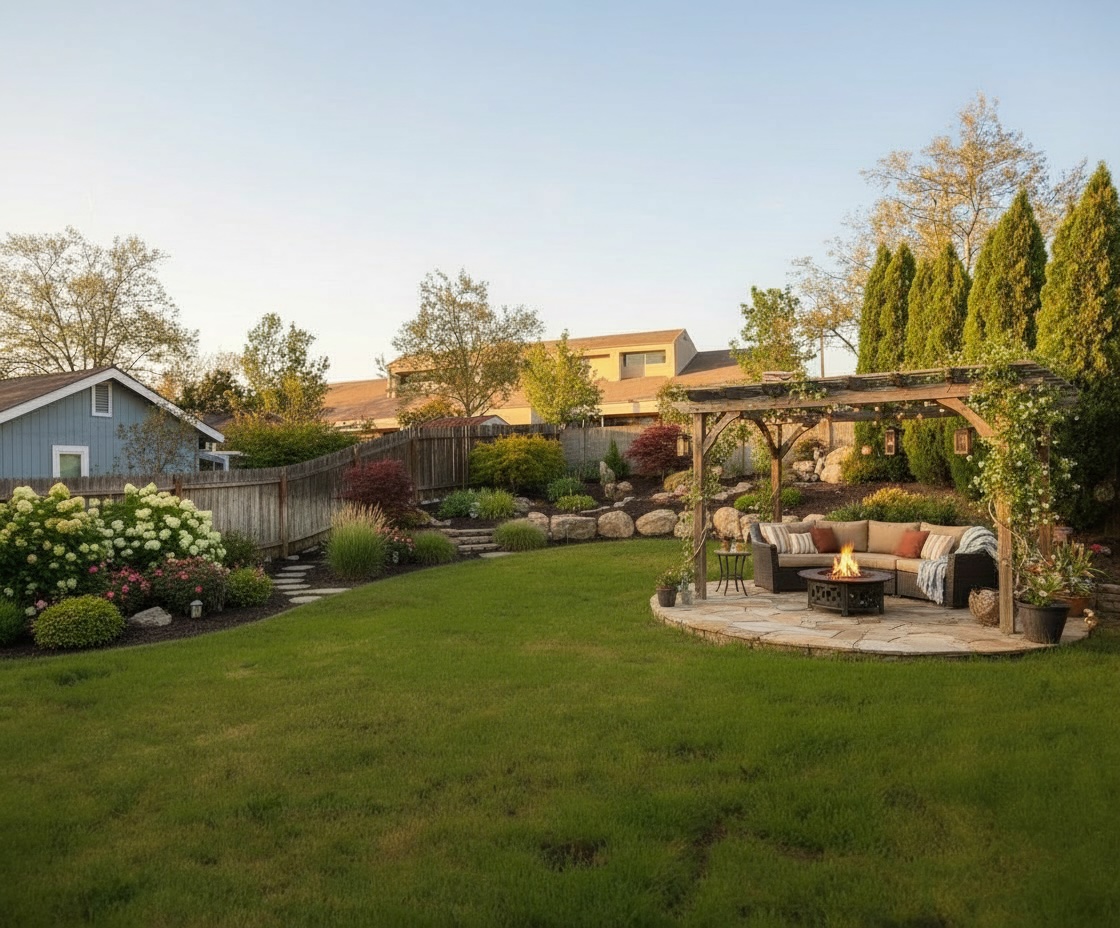
See how a cottage/english garden looks on YOUR property
Upload a photo of your Nashville yard and visualize your dream garden in seconds.
Try ProScapeAI Free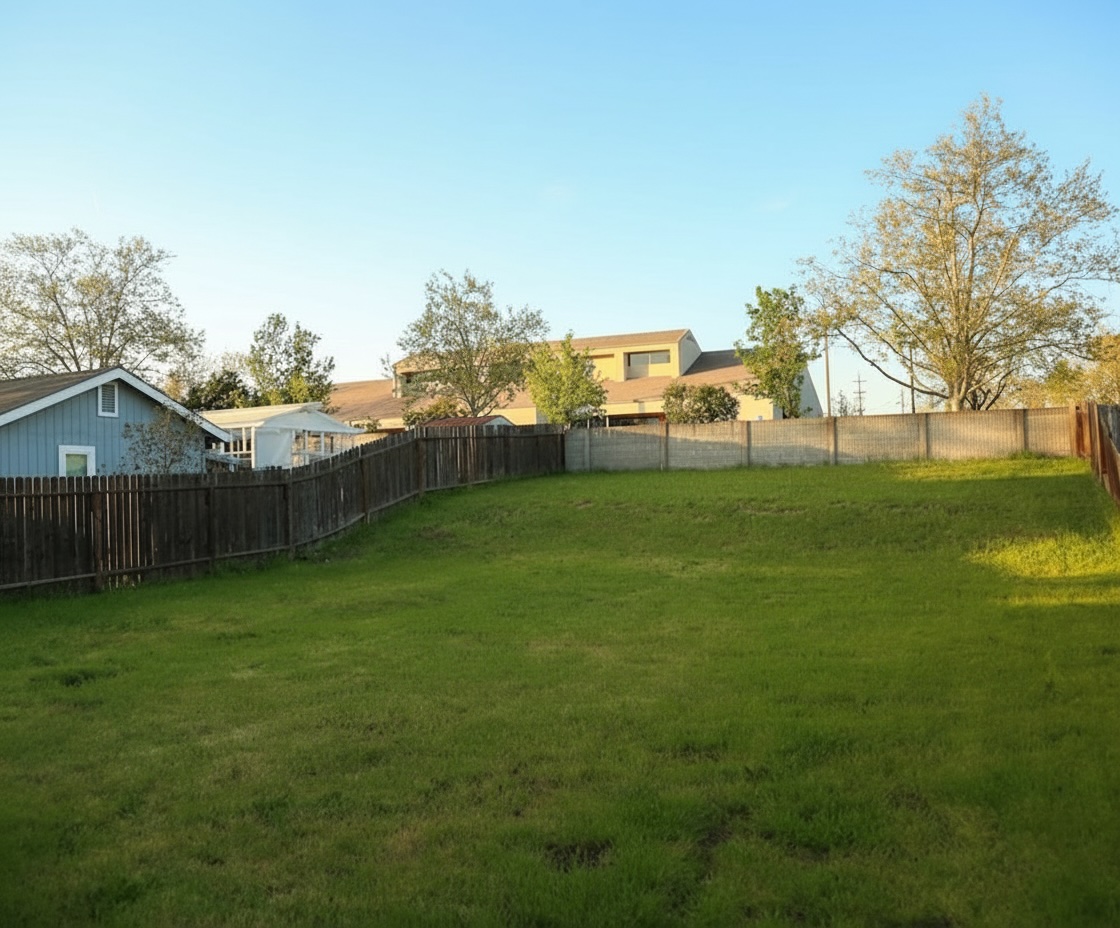
AI-generated image
Featured Trees & Shrubs for Cottage/English Gardens
Browse all 173 plants for Nashville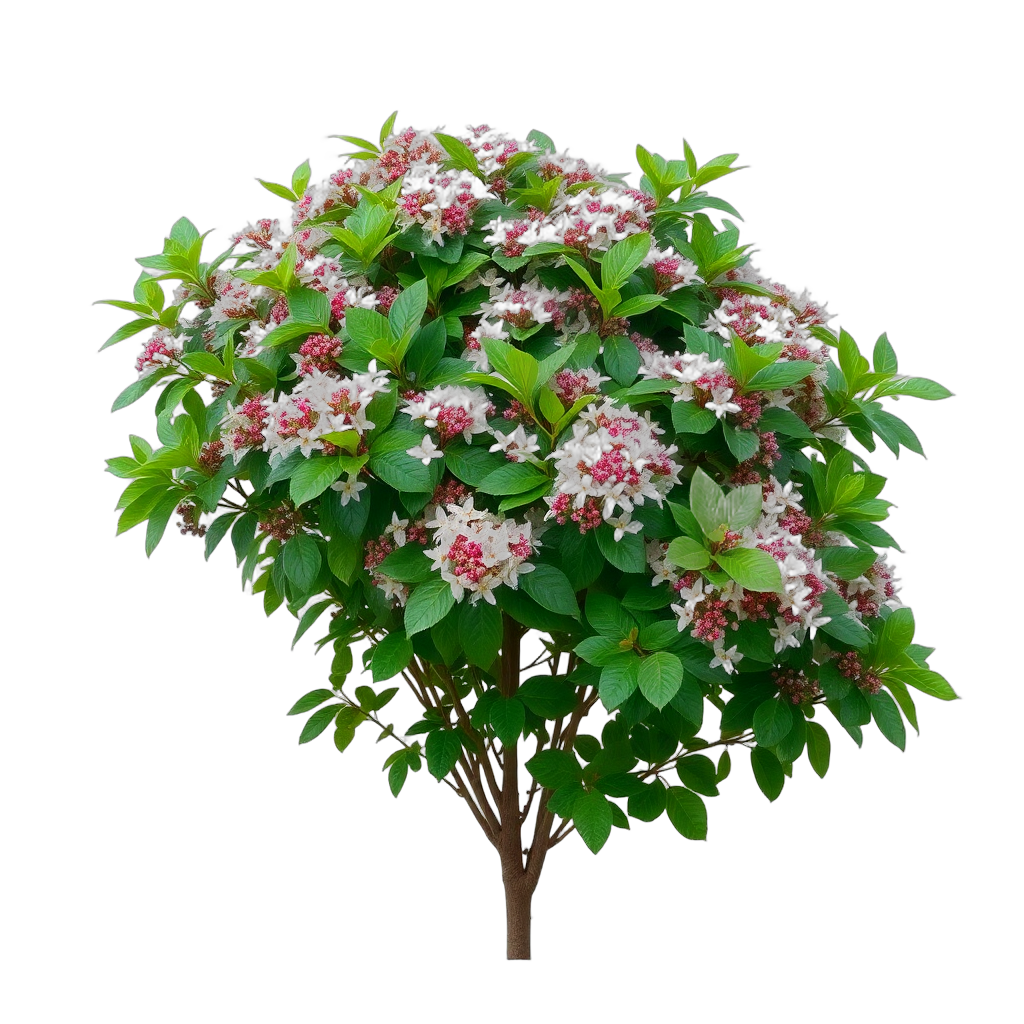
Blackhaw Viburnum
Viburnum prunifolium
medium-sized at 12 feet, white blooms in spring. Pollinator-friendly.
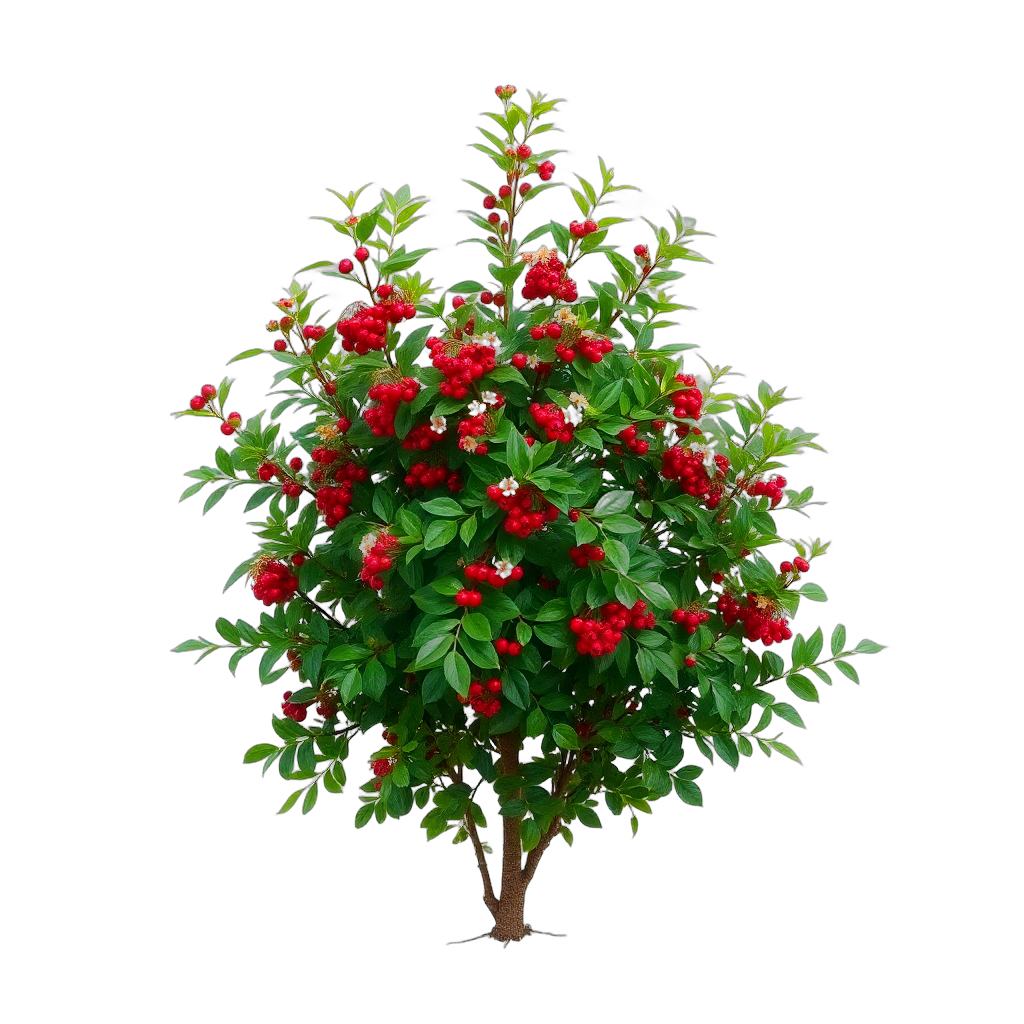
Coralberry
Symphoricarpos orbiculatus
grows to 6 feet, pink blooms in summer. Pollinator-friendly.

Shrubby St. John's Wort
Hypericum prolificum
grows to 4 feet, yellow blooms in summer. Pollinator-friendly.
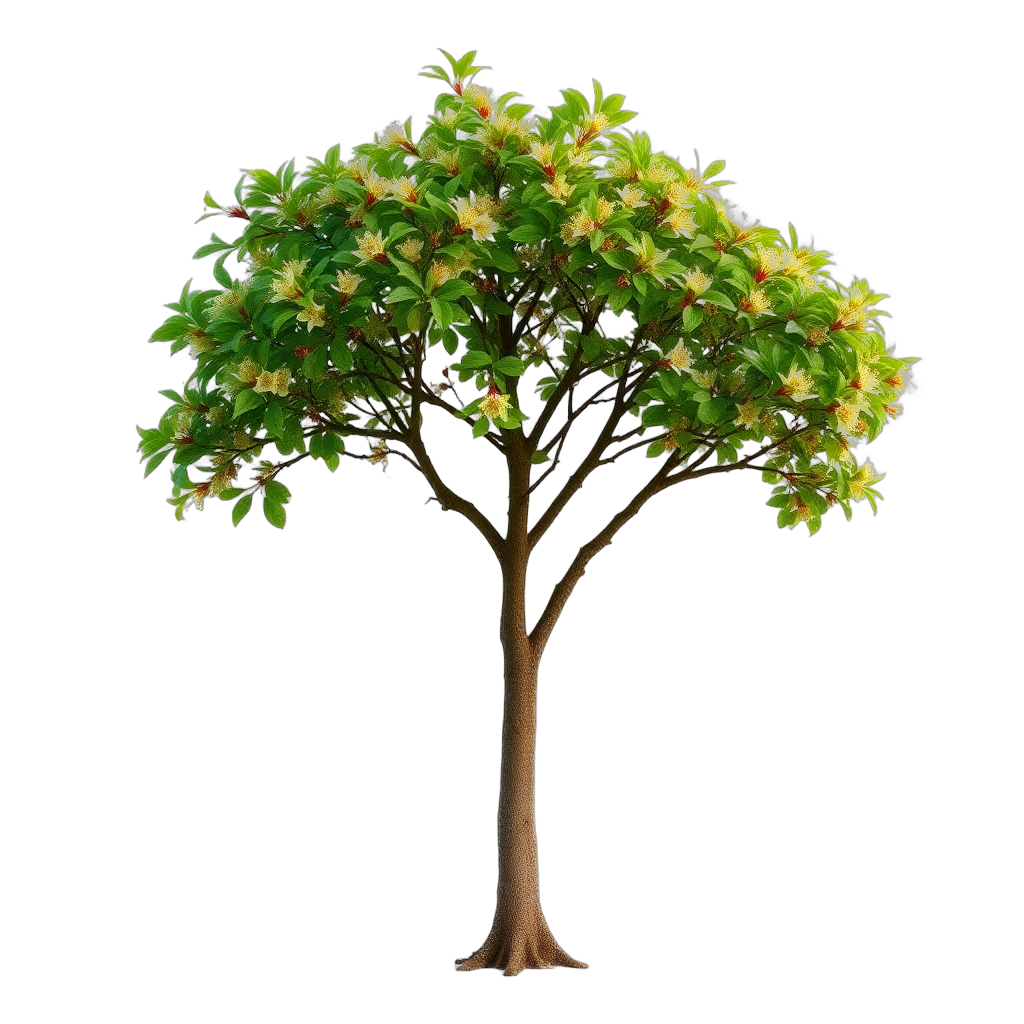
Vernal Witch Hazel
Hamamelis vernalis
medium-sized at 8 feet, yellow blooms in spring. Pollinator-friendly.
Featured Grasses & Groundcovers for Cottage/English Gardens
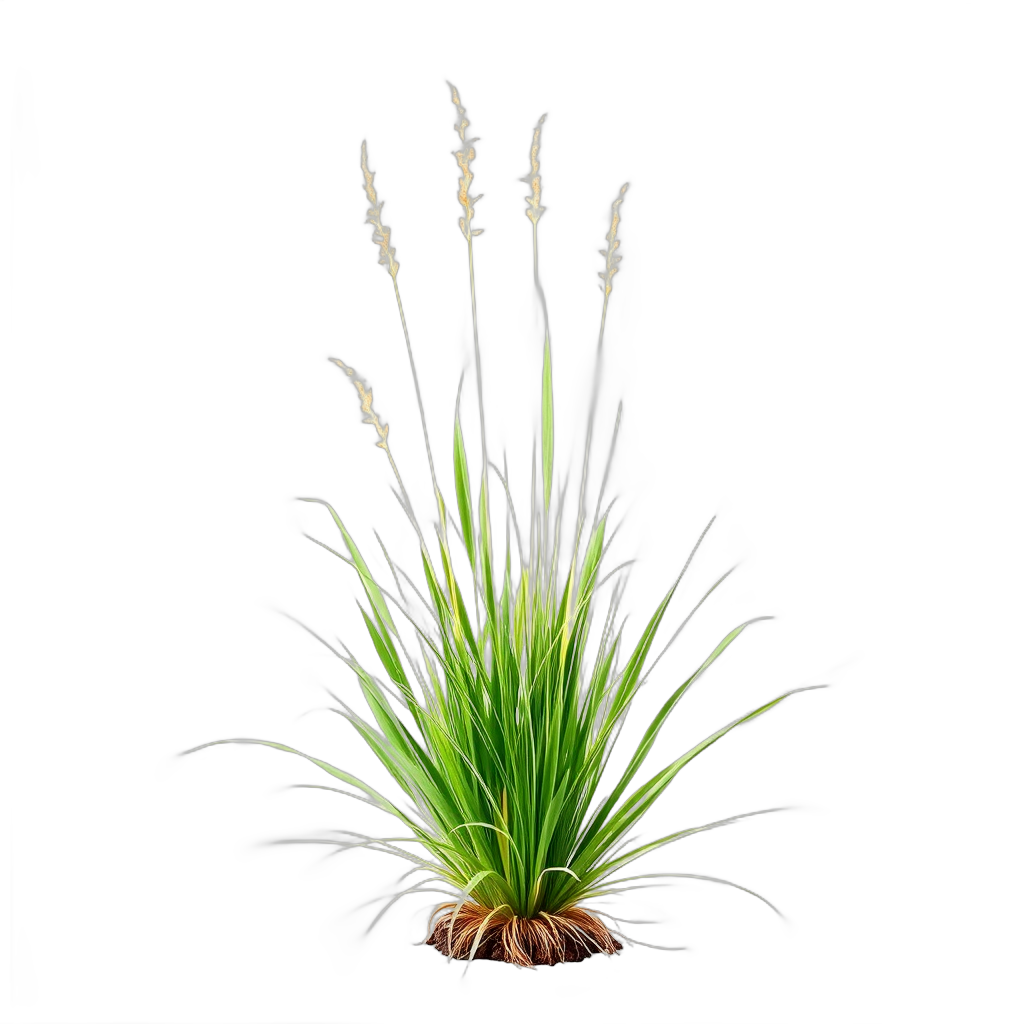
Northern Sea Oats
Chasmanthium latifolium
grows to 4 feet, blooms in fall. Bronze fall color.
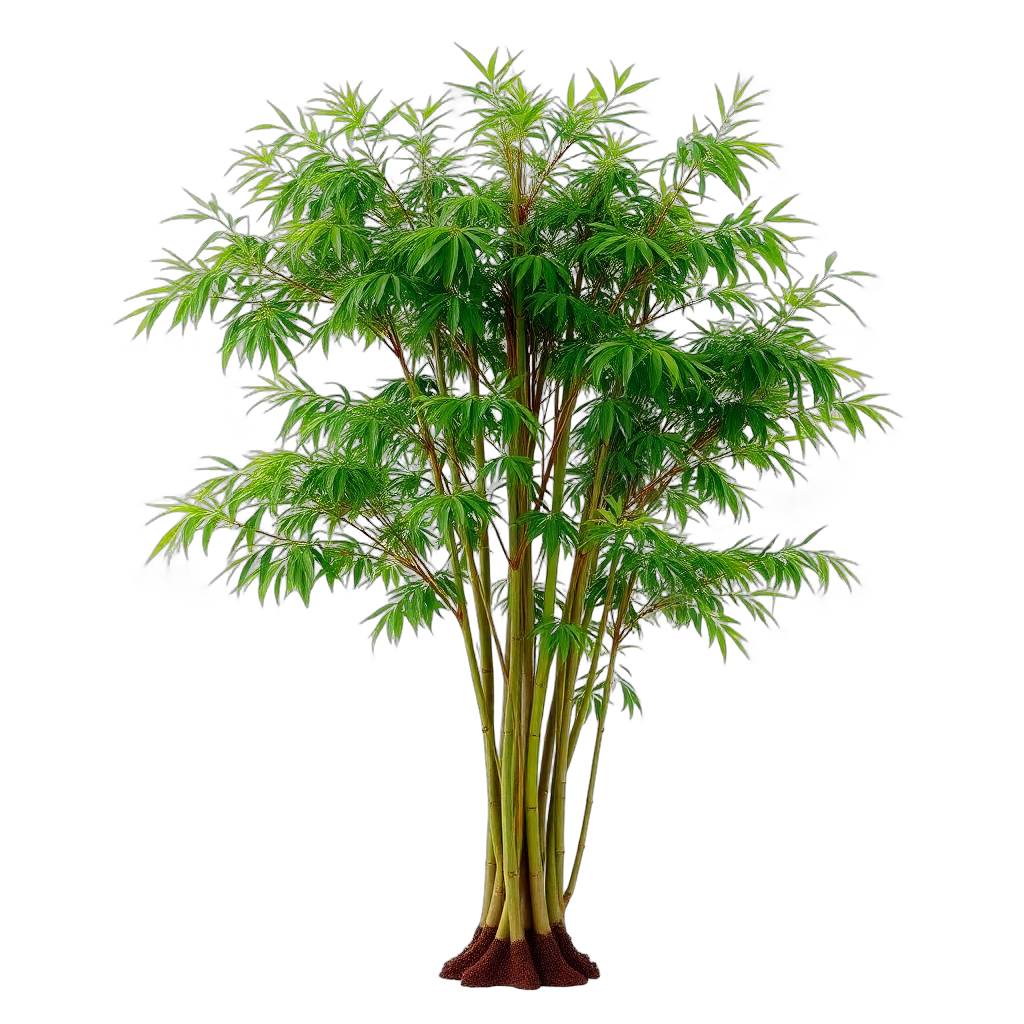
Arrow Bamboo
Pseudosasa japonica
medium-sized at 15 feet, blooms in none. Evergreen year-round.
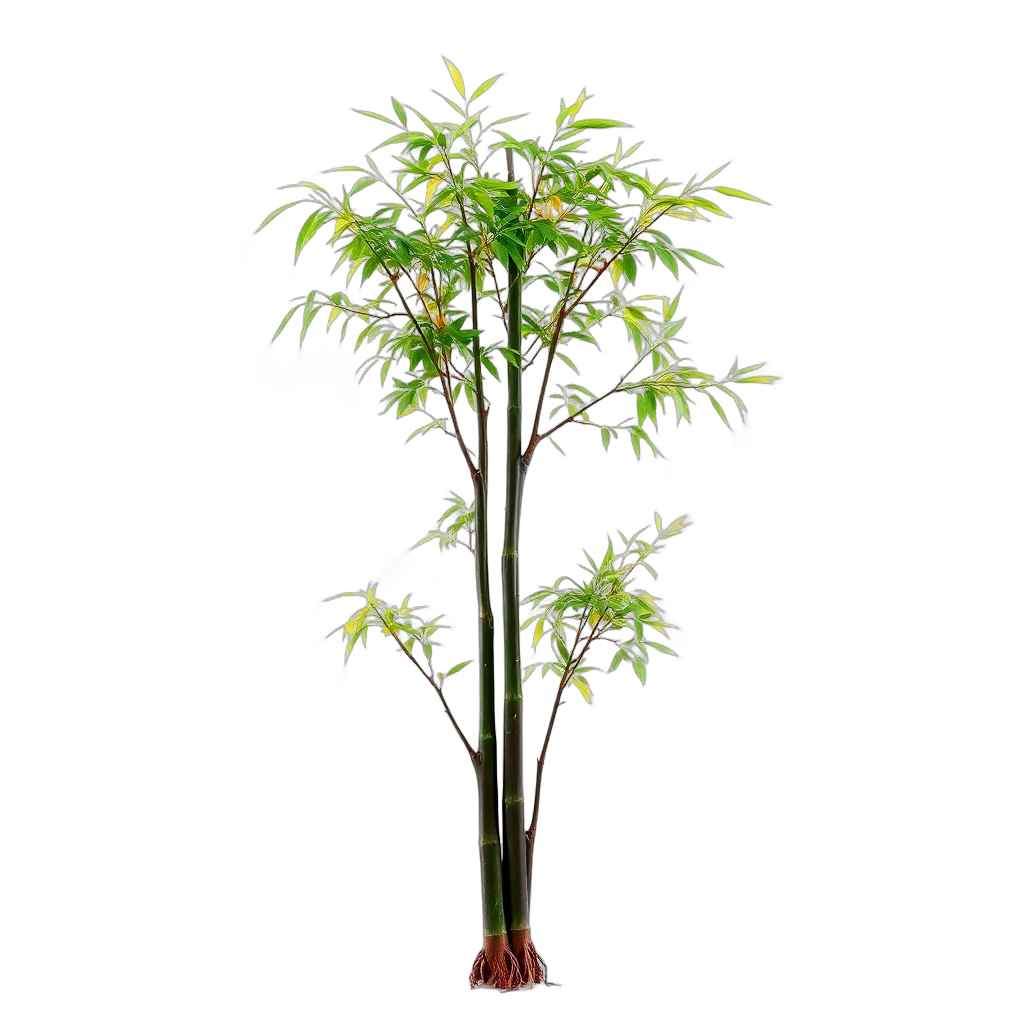
Black Bamboo
Phyllostachys nigra
reaches 25 feet tall, blooms in none. Evergreen year-round.
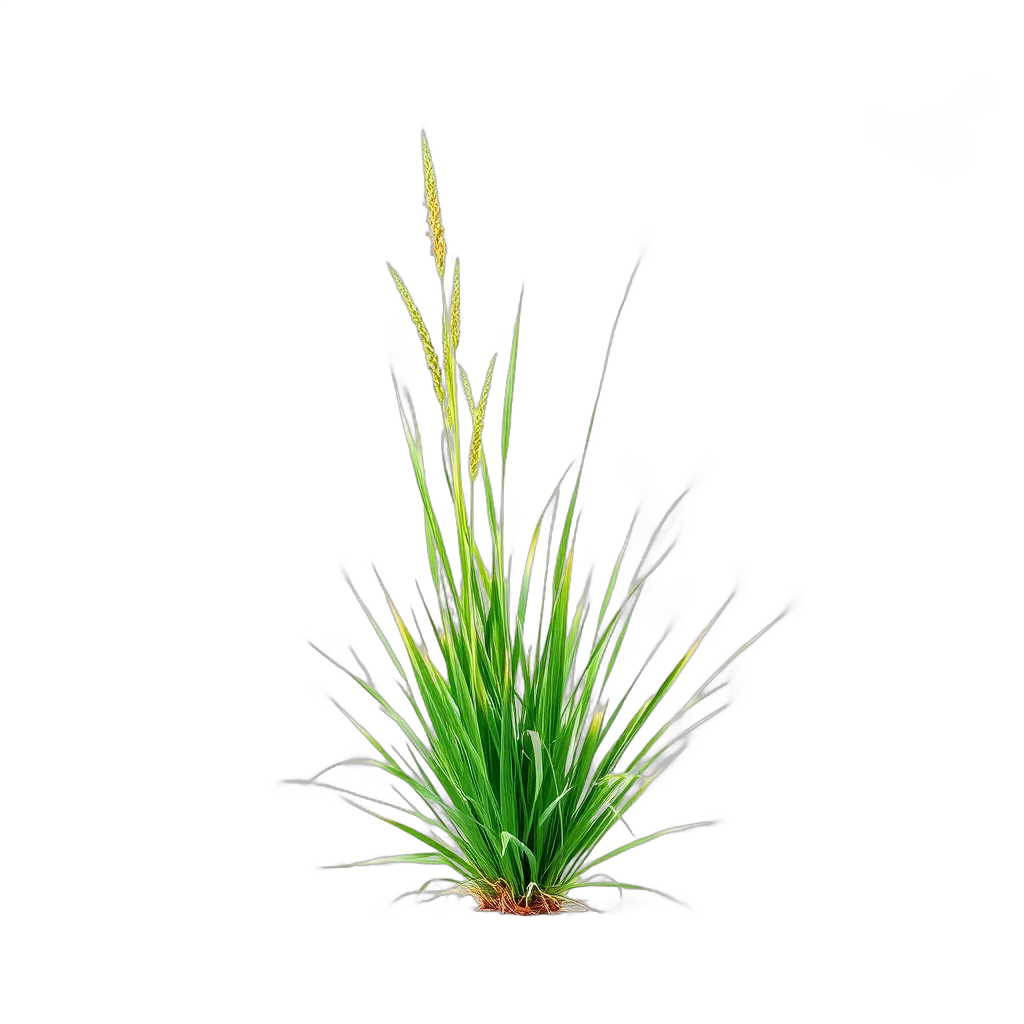
Bull Grass
Muhlenbergia emersleyi
grows to 4 feet, purple blooms in fall. Yellow fall color.
Featured Flowers & Perennials for Cottage/English Gardens
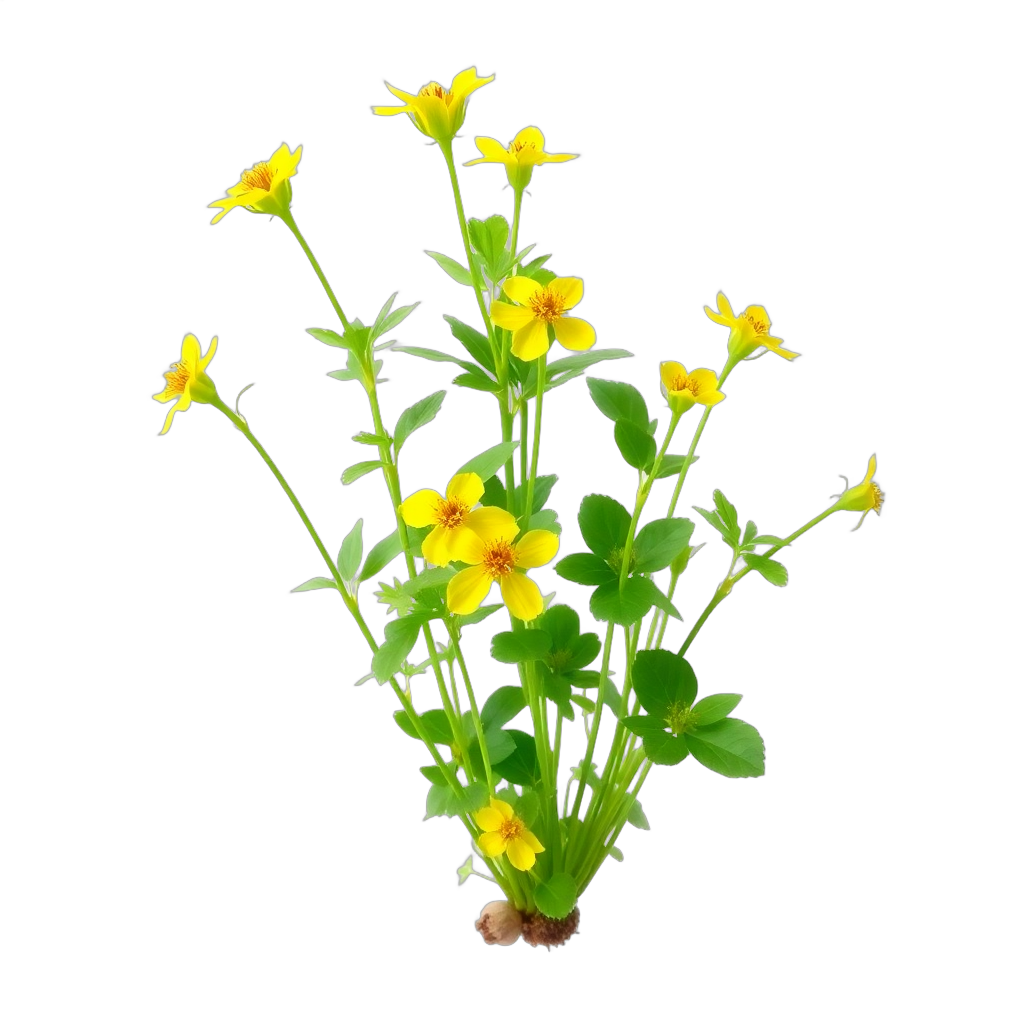
Celandine Poppy
Stylophorum diphyllum
low-growing ground cover, yellow blooms in spring.
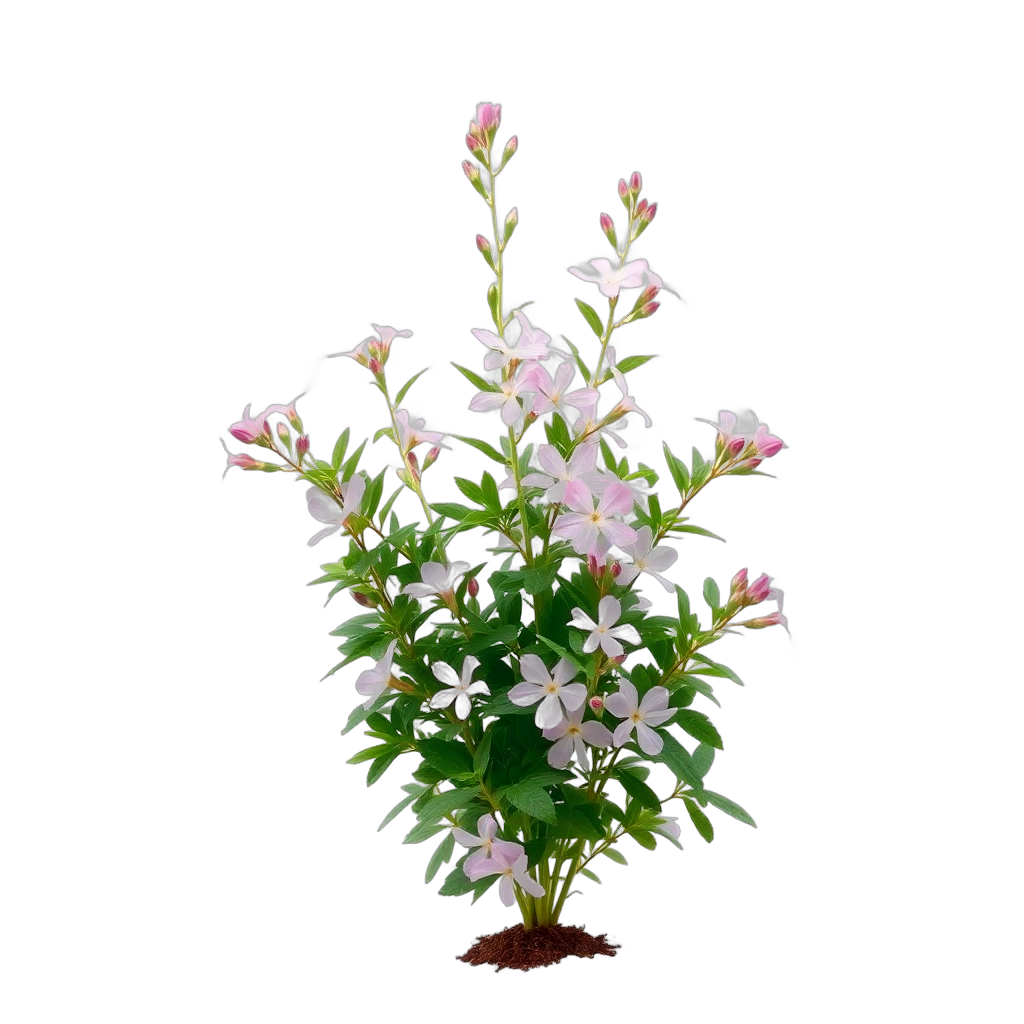
Garden Phlox
Phlox paniculata
grows to 3 feet, multi blooms in summer. Attracts hummingbirds.
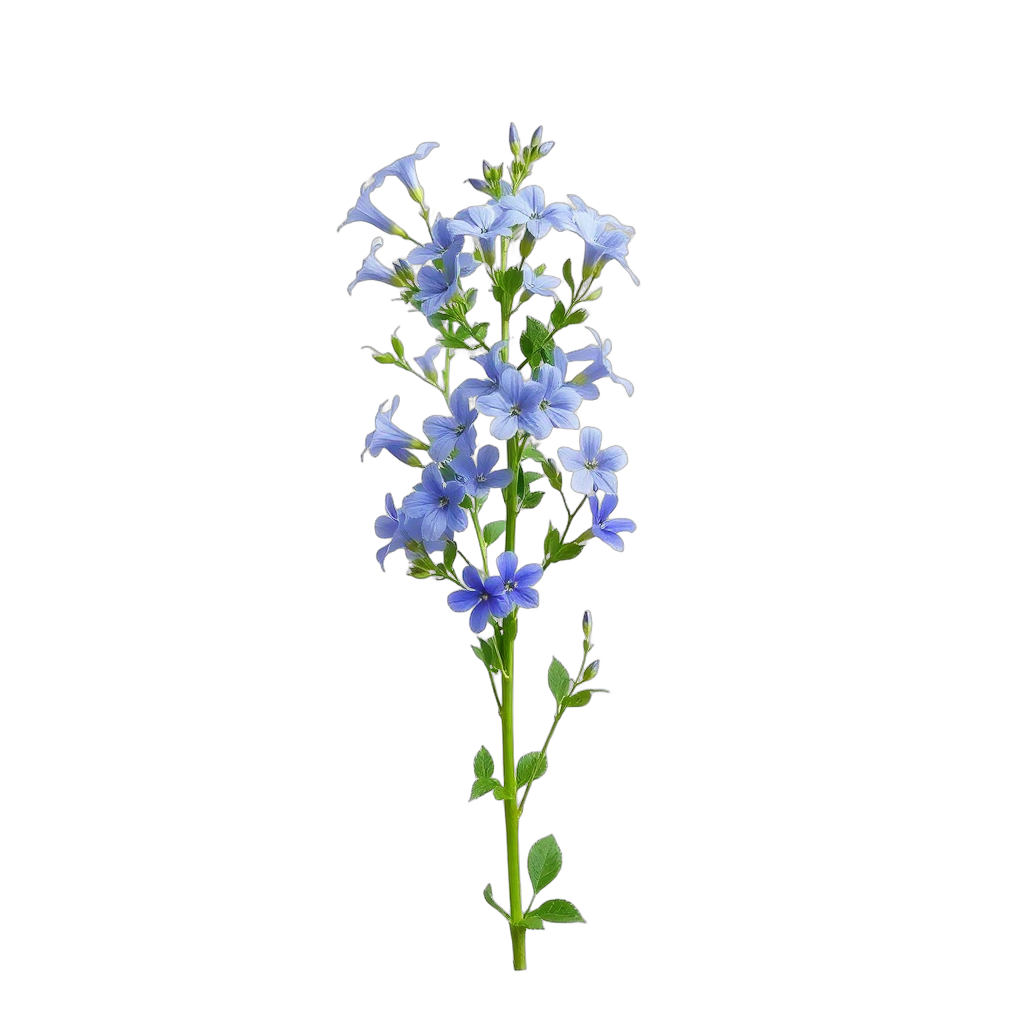
Wild Blue Phlox
Phlox divaricata
low-growing ground cover, blue blooms in spring. Attracts butterflies.

Water Fern
Azolla filiculoides
low-growing ground cover, blooms in none. Red fall color.
Zone and sun checks come from our database — confirm with your local nursery before you buy.
Bloom Calendar for Nashville
spring
Celandine Poppy, Wild Blue Phlox, Blackhaw Viburnumsummer
Garden Phlox, Coralberry, Shrubby St. John's Wortfall
Northern Sea Oatswinter
Limited bloomsDesign Tips for Nashville (Zone 7a)
- Plant Eastern redbud as your cottage garden’s spring anchor — Tennessee’s native redbud is more spectacular in bloom than any exotic ornamental tree, and its late-March timing launches the cottage garden season before any other plant responds
- Use locally quarried Tennessee limestone for walls, edging, and paths — it’s geologically authentic to Nashville’s Interior Plateau setting, weathers beautifully over time, and gives cottage gardens a material rootedness that imported stone can’t replicate
- Grow peonies and bearded iris as your Zone 7a signature plants — Nashville’s cold winters provide the chilling both require for abundant bloom; neither performs as well in warmer Southern cities, making them a uniquely Nashville cottage garden asset
- Plant lavender on slopes or in raised beds where Nashville’s alkaline limestone soil and good drainage meet — lavender is adapted to Mediterranean limestone soils and grows more vigorously in Nashville’s natural pH than in acidic-soil cities
- Fall-plant in October for best results — Nashville’s Zone 7a winters are cold enough that fall-planted perennials and shrubs gain a significant head start over spring-planted equivalents, entering their first summer with established root systems
- Build a camellia sasanqua collection for winter interest — Nashville’s Zone 7a is reliable for sasanqua camellias in protected sites, delivering bloom from October through December when the cottage garden is otherwise dormant
Where to Source Plants in Nashville
Skip the big-box stores. These independent Nashville nurseries specialize in the plants that make cottage/english gardens thrive in Zone 7a.
Bates Nursery and Garden Center
West Nashville
Nashville’s premier independent nursery — strong cottage plant selection, peonies, roses, and landscape design services
Elrod’s Farm Market and Nursery
Hendersonville
Full-service nursery and farm market — strong cottage perennial selection, roses, and landscape plants for Middle Tennessee
Nashville Native Plant Society Sales
Bicentennial Mall (annual spring sale)
Native Tennessee plants including Eastern redbud, native azaleas, wildflowers, and Plateau natives for cottage shade gardens
Creekside Nursery
Hendersonville
Specialty cottage plants, perennials, and ornamental grasses with strong Middle Tennessee plant knowledge
Tennessee Nursery
McMinnville, TN
One of Tennessee’s largest wholesale growers — source of native trees, cottage shrubs, and perennials used by Nashville landscape contractors
Cottage/English Landscaping Costs in Nashville
| Project Scope | Estimated Cost |
|---|---|
| White picket fence with rose arch gate and brick path | $7,000 – $16,000 |
| Full cottage front yard with flagstone path, rose arbor, and perennial borders | $10,000 – $22,000 |
| Backyard garden patio with rose arch and cottage border planting | $18,000 – $42,000 |
| Pergola dining garden with rose borders and stone fountain | $22,000 – $55,000 |
| Raised bed installation for Nashville limestone soil challenges | $1,500 – $4,500 |
| AI visualization with ProScapeAI | Free to start |
Estimates based on Nashville, TN-area contractor rates as of 2026. Actual costs vary by site conditions, materials, and contractor.
Nashville Climate & Growing Zone
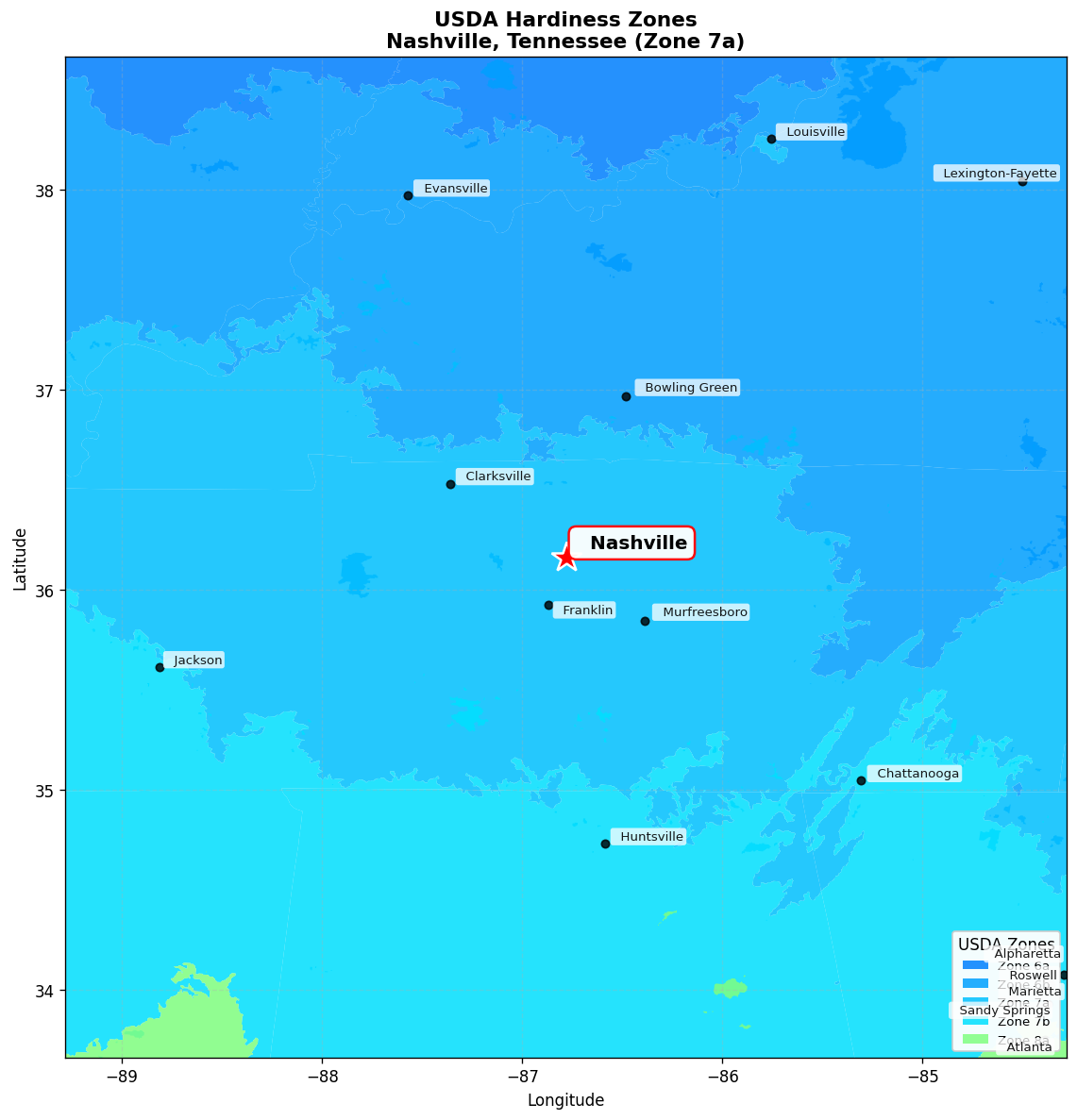
USDA Zone 7a
Hardiness zone for Nashville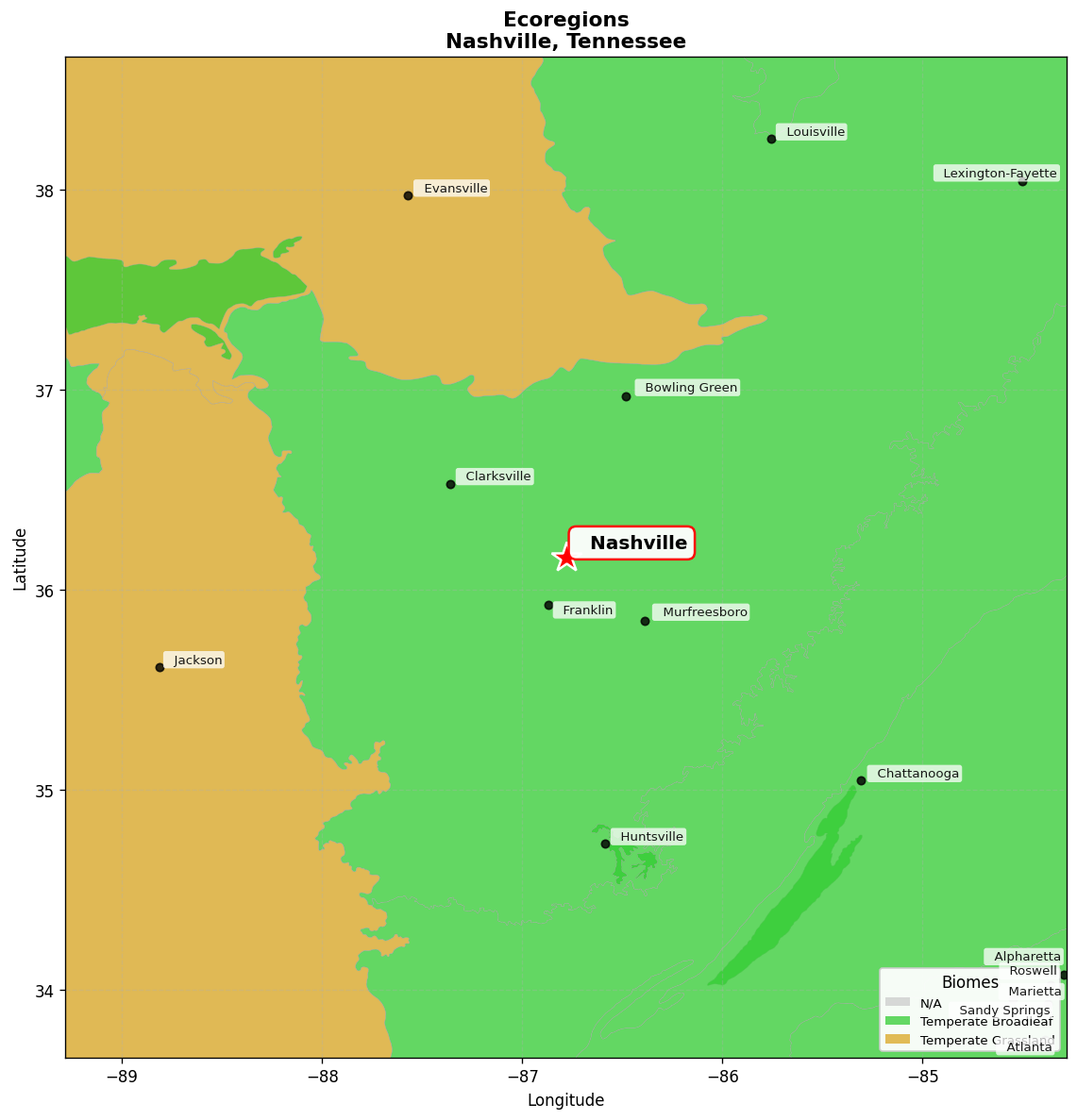
Interior Plateau US Hardwood Forests
Native ecoregionFrequently Asked Questions
Do peonies grow reliably in Nashville’s Zone 7a?
Excellently — Nashville is one of the best peony climates in the South. Zone 7a provides 400–600+ chilling hours below 40°F, well exceeding peonies’ requirements for full bloom. Nashville peonies bloom reliably every year in late April and May, producing the large, fragrant flowers that struggle in warmer zones. Recommended varieties for Nashville: 'Sarah Bernhardt' (classic pink, fragrant), 'Festiva Maxima' (white with crimson flecks), 'Karl Rosenfield' (deep red), 'Coral Charm' (coral-orange, award-winning). Plant in October in full sun, with eyes 1–2 inches below soil surface in well-drained, amended soil.
How do I garden in Nashville’s thin limestone soil?
Nashville’s limestone-based soils range from thin and alkaline (in cedar glades and upland areas) to deeper loam in valley bottoms. For thin areas: build raised beds 12–18 inches above grade with quality planting mix; amend existing soil with compost and organic matter; avoid acid-loving plants (azaleas, blueberries) unless you’re prepared to maintain aggressive acidification programs. For alkaline-tolerant cottage plants — lavender, iris, catmint, peonies, salvia — Nashville’s limestone pH is actually ideal. These plants are native to limestone-based European soils and grow beautifully in Nashville’s natural chemistry.
What roses perform best in Nashville’s Zone 7a cottage gardens?
Nashville’s Zone 7a is excellent for roses — the cold winters provide good chilling for hybrid teas, the spring is long and cool for peak bloom, and the humidity is somewhat lower than coastal Southern cities. Best performers: Knock Out and Double Knock Out for low-maintenance continuous bloom; David Austin English roses (particularly 'Gertrude Jekyll', 'Scepter’d Isle', 'Heritage') for fragrance and romantic form — they perform reliably in Zone 7a in ways they can’t in warmer zones; classic climbing roses ('New Dawn', 'American Pillar') for arbors and fences. Nashville’s climate supports the full spectrum of rose types more reliably than warmer Southern cities.
What is the best cottage garden planting strategy for Nashville’s climate?
Build around Nashville’s spectacular spring (March–May) as the primary display window, with a secondary fall display (September–November). For spring: early hellebores and camellias (February–March), redbud (late March), iris (April–May), peonies (late April–May), roses (May–June). Summer requires heat-tolerant plants — crape myrtles, daylilies, coneflowers, and salvias — but the glory season is spring and fall. Fall return: asters, encore azaleas, camellia sasanqua (October–December), and late roses in October–November. Fall-plant the garden for the best establishment before summer heat.
Can I grow English lavender in Nashville’s Zone 7a?
Yes — Nashville is ideal for English lavender (Lavandula angustifolia) in ways that warmer Southern cities aren’t. Zone 7a provides the cold dormancy lavender needs, and Nashville’s alkaline limestone soil matches lavender’s native Mediterranean pH preferences. The key requirement is drainage — lavender rots in poorly drained soil, especially in winter. Plant in raised beds or on slopes where water drains freely; never in low spots that hold water. 'Hidcote', 'Munstead', and 'Vera' are reliable Nashville lavender varieties. In well-drained alkaline limestone beds, Nashville lavender plants live 8–10 years — far longer than in heavy clay or acidic soils.
How much does cottage garden installation cost in Nashville?
Nashville landscaping costs have risen significantly as the city has grown. A front yard cottage transformation with picket fence, limestone path, and perennial borders typically costs $8,000–20,000. A backyard screened porch garden with pergola and cottage borders runs $20,000–55,000. Limestone dry-stack retaining walls add $30–60/linear foot and are worth every cent for drainage and aesthetic authenticity. Annual maintenance for an established cottage garden runs $1,500–4,000/year. Peony and iris establishment takes 2–3 years to reach full bloom potential but then performs reliably for decades with minimal replanting.