4 Modern Garden Ideas for Aurora, CO | Zone 5b Front Range Prairie-Modern Landscaping
Native plants from the Western shortgrass prairie (Zone 5b) — Cold semi-arid climate
Why Modern/Minimalist Gardens in Aurora?
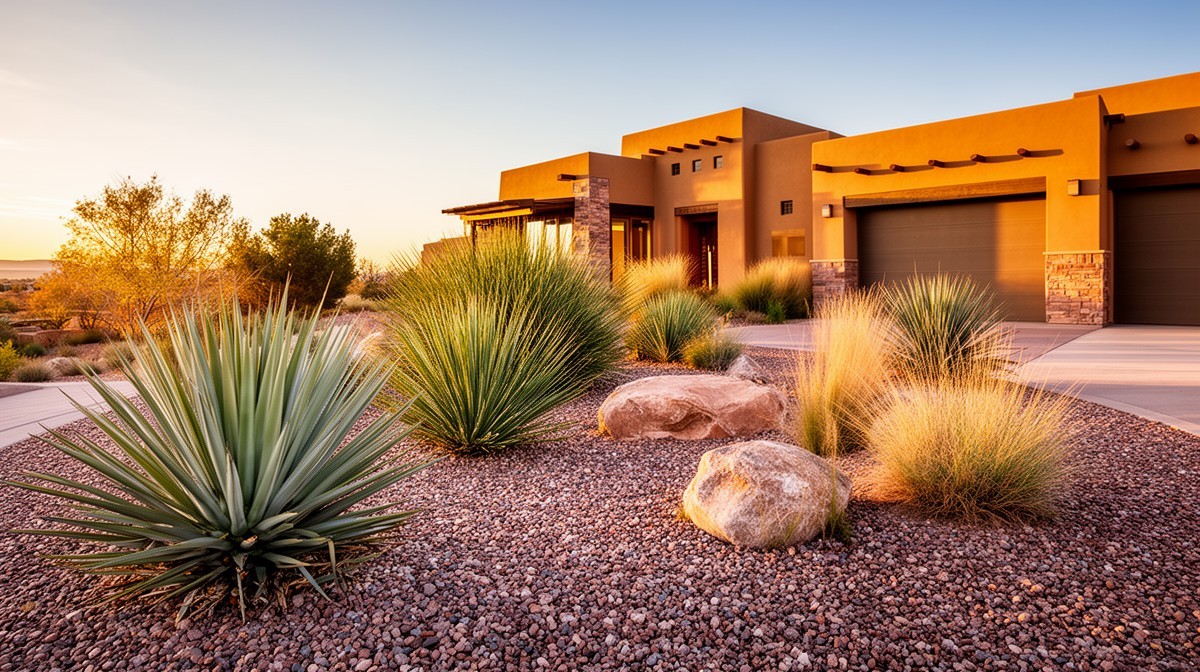
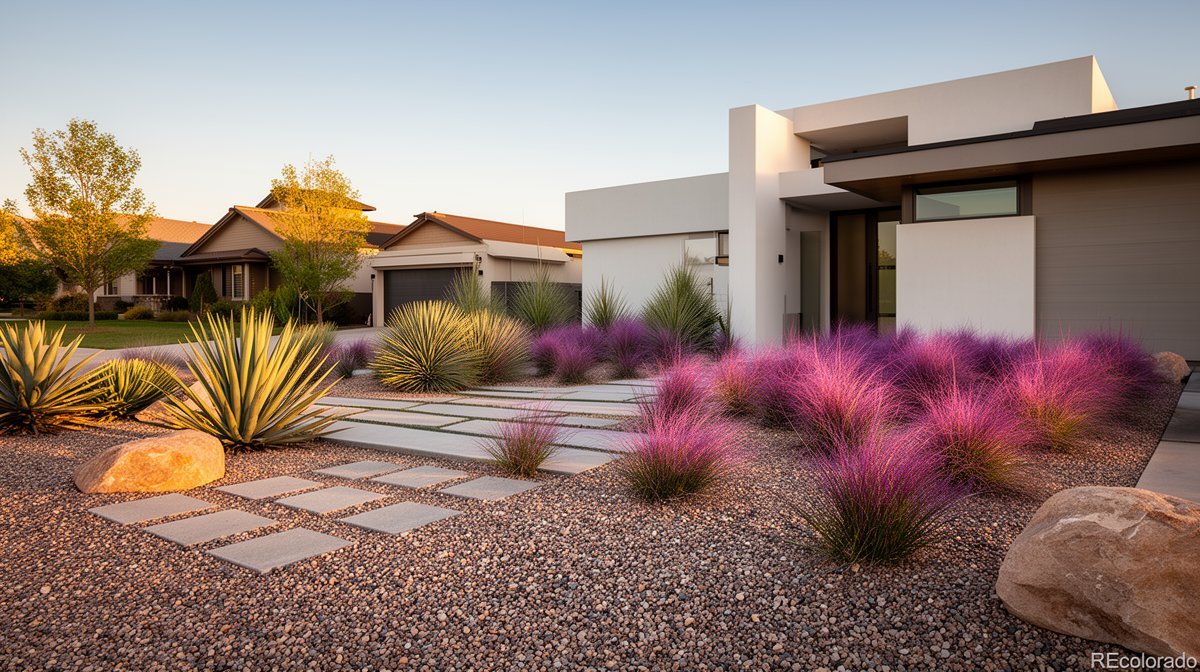
Aurora’s position on the western shortgrass prairie ecoregion of the Colorado Front Range creates a compelling foundation for contemporary landscape design. The High Plains aesthetic — vast sky, horizontal landscape, the graphic silhouettes of native grasses against snow, the warm ochre tones of Colorado sandstone and DG — is inherently contemporary in its simplicity and scale. Aurora landscape designers have developed a distinctly Front Range modernism: native grasses as the primary design material, concrete as the durable hardscape expression, and four-season gardens that are as beautiful covered in December snow as they are in July.
Aurora’s growth as the second-largest city in Colorado has created a sophisticated homeowner market in neighborhoods like Tallyn’s Reach, Saddle Rock, Heather Ridge, and the newer Southshore and Aurora Highlands developments that increasingly demands outdoor spaces designed with the same intention as their contemporary home’s interior. The city’s active outdoor culture — shaped by proximity to Cherry Creek State Park, Aurora Reservoir, and the Rocky Mountain foothills — creates demand for outdoor spaces that extend interior living into Colorado’s remarkable natural environment.
Zone 5b’s extreme seasonal range — from -10°F winters to 95°F summers, with 300+ days of sunshine annually — makes material selection critical in Aurora modern landscapes. Concrete, Corten steel, Colorado sandstone, and cold-hardy ornamental grasses form the palette that performs across all four seasons. Winter is not an obstacle in Aurora modern design — it is an asset: snow on ornamental grass plumes, frost crystals on Corten steel edging, and Colorado’s brilliant winter blue sky creating a design aesthetic available only in cold-climate high-altitude regions.
4 Modern/Minimalist Design Ideas for Aurora
The Front Range Modern Entry
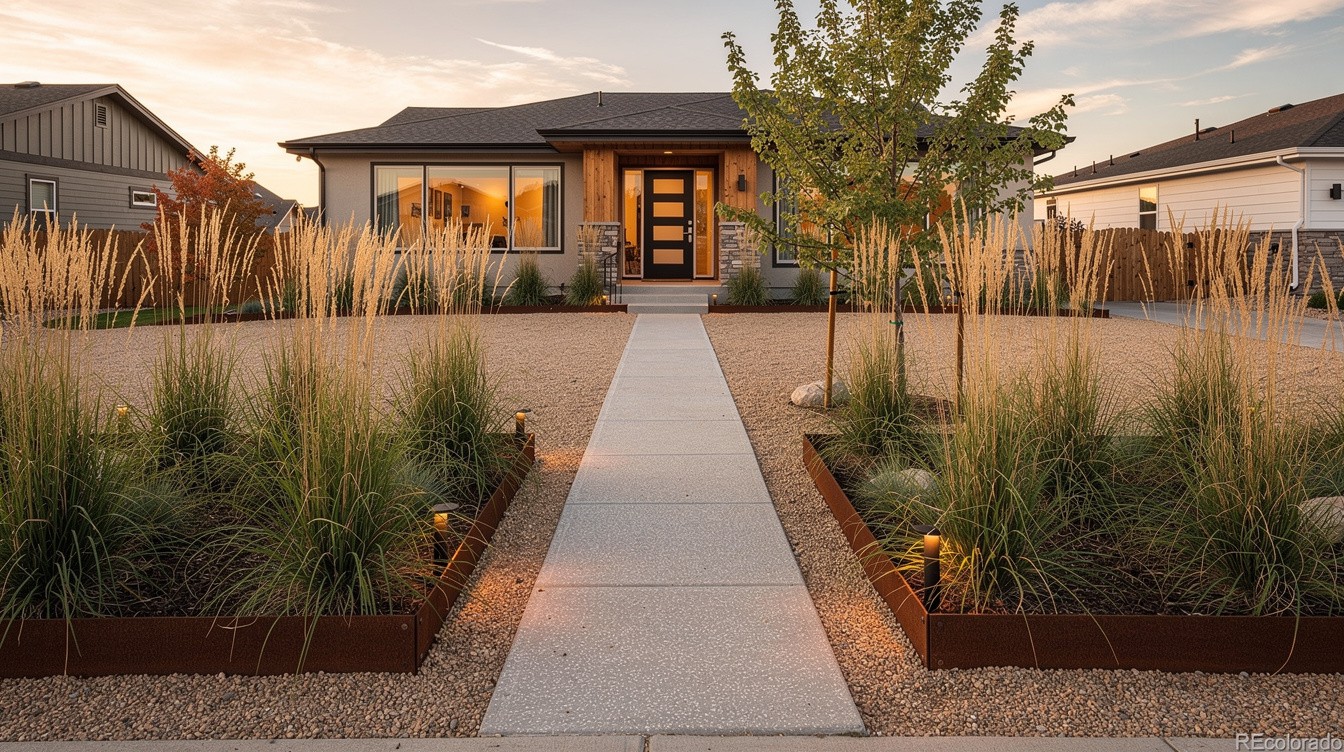
$7–15/sqftAn Aurora front yard designed in the prairie-modern idiom calibrated to Colorado’s Front Range character: a wide concrete path with exposed aggregate or brushed finish runs from the street to the front entry, flanked by bold mass plantings of Karl Foerster feather reed grass. Decomposed granite in warm buff covers the groundplane. A single specimen serviceberry (Amelanchier alnifolia — native Front Range shrub-tree, Zone 2–9) provides April white bloom, June berries loved by birds, and brilliant orange-gold fall color. Corten steel edging frames all planting areas, developing a warm rust patina that complements Colorado’s ochre and buff landscape palette. LED low-voltage ground lights on the grass masses create warmth on Aurora’s long winter evenings. The dried grass plumes standing through Aurora’s February snow are one of the most distinctly Colorado winter garden experiences possible.
The Modern Patio and Fire Feature
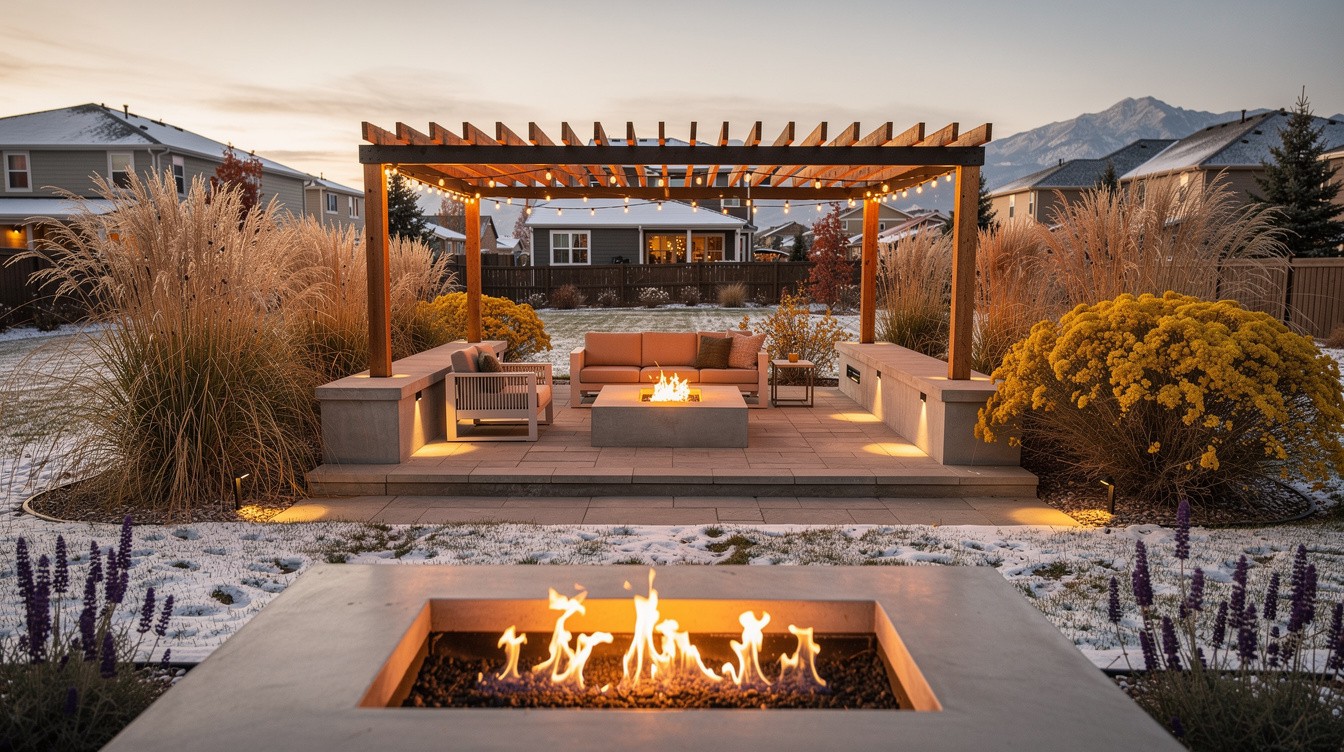
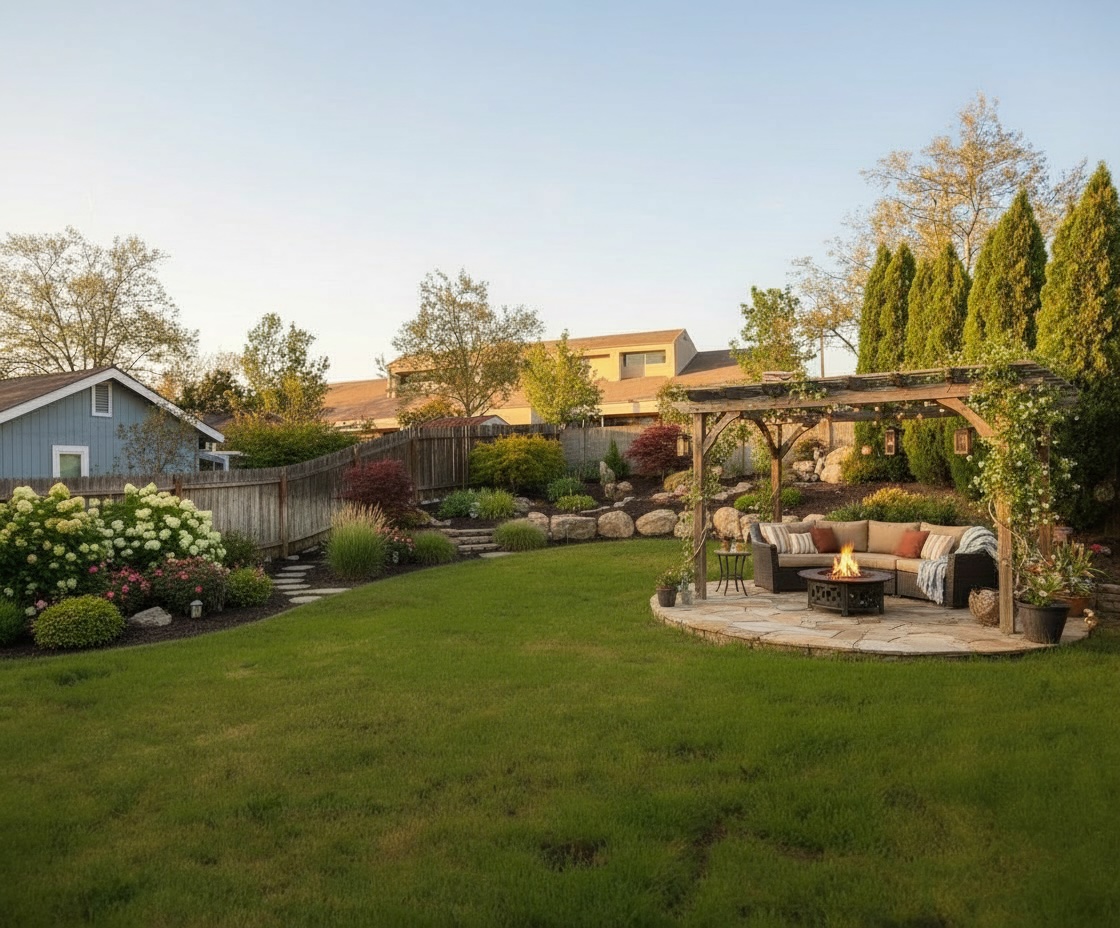
$12‑28/sqftAn Aurora backyard designed as a four-season outdoor room that celebrates Colorado’s extraordinary seasonal range: a large concrete or Colorado sandstone paver patio (18x24 feet) is anchored by a built-in concrete fire pit with integrated seating wall at one end and a cedar or steel pergola at the other. Karl Foerster grass in masses of seven to nine plants frames the patio on two sides, creating the rustling sound and golden late-season light that defines this design type. Native rabbitbrush provides brilliant September yellow at the borders’ corners. Native prairie blazingstar creates July purple spikes. String lights under the pergola and LED uplights on key plants create the warm evening character that extends the outdoor season from March through November in Aurora’s mild shoulder seasons. From behind the fire, looking through dried grasses at Aurora’s first October snow dusting, this is one of the most beautiful outdoor spaces in Colorado.
The Contemporary Prairie Native Landscape
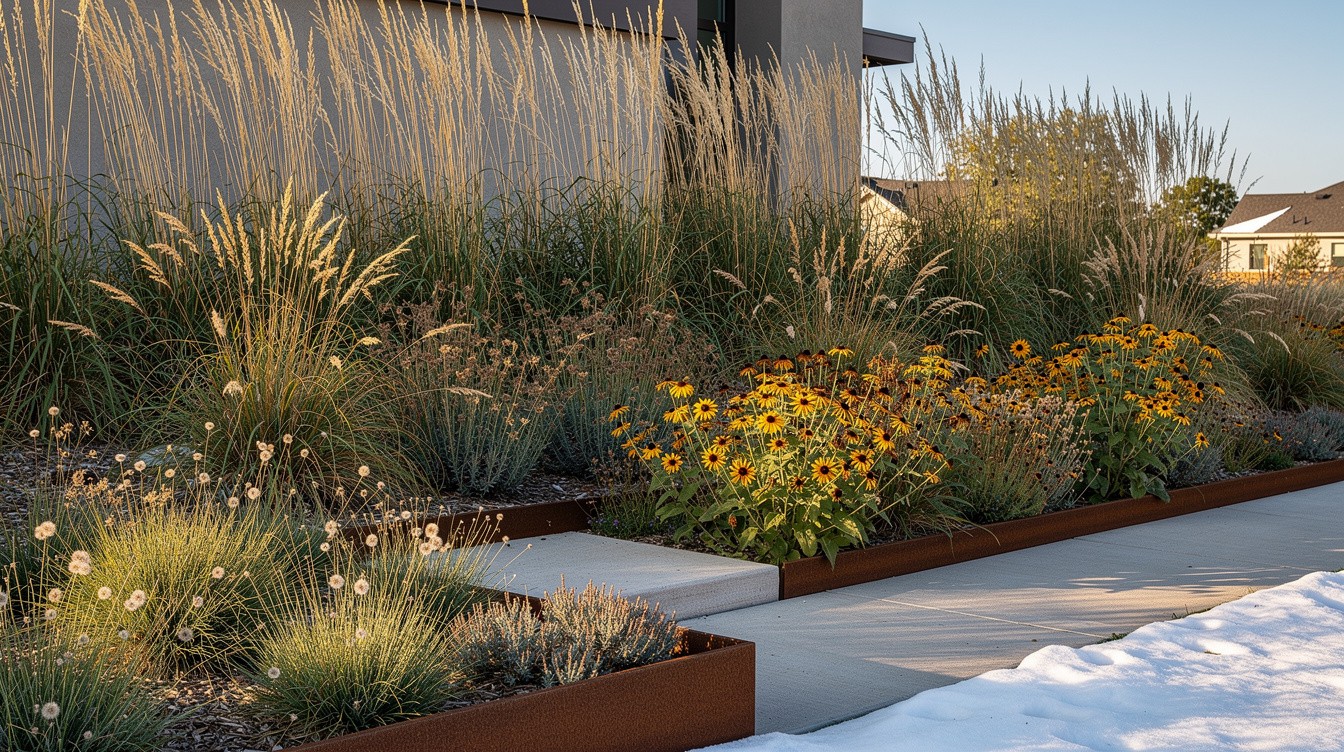
$8‑18/sqftAn Aurora yard designed in the spirit of Colorado’s shortgrass prairie heritage — a bold contemporary interpretation of the Front Range’s native plant communities, using modern design geometry to celebrate native ecology. Tall prairie grasses — big bluestem and switchgrass — create the back-of-border structure at 5–6 feet in late summer. Mid-height native wildflowers — native sunflower (Helianthus pumilus), prairie coneflower, black-eyed Susan — create the July–September flower layer. Shorter native groundcovers — prairie smoke, buffalo grass, prairie dropseed — fill the foreground. Corten steel edging and a concrete path create the contemporary vocabulary that frames the naturalistic planting. In winter, the entire composition becomes a graphic study in ochre, copper, and grey against Colorado’s blue sky and white snow.
The Modern Pool and Prairie Landscape
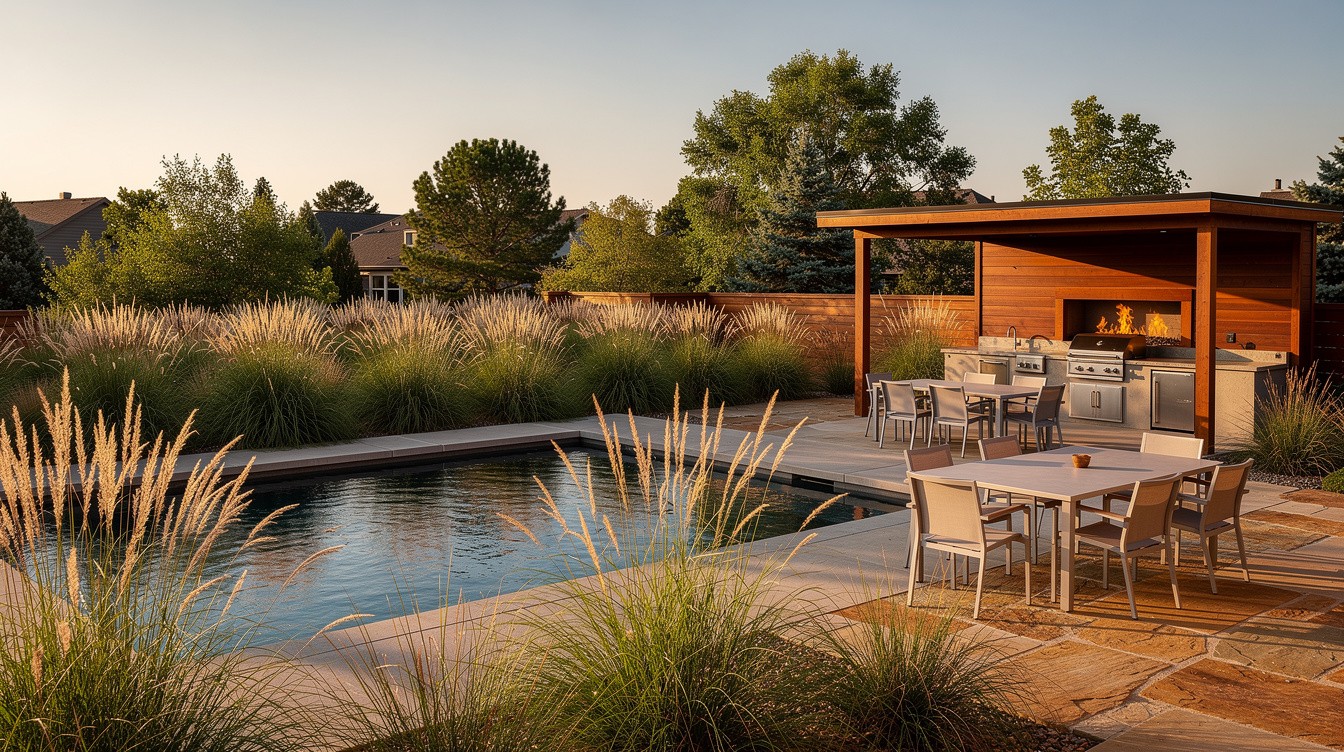
$40–80/sqft (complete project)A premium Aurora backyard combining a contemporary pool with a prairie-inspired landscape — a combination that works beautifully in Colorado’s warm, sunny summers: a rectangular pool with concrete or bluestone coping and a clean-line deck is used from late May through September in Zone 5b’s warm summers. Karl Foerster grass in masses on all sides of the pool creates the experience of swimming in a field of Colorado grasses — an only-in-Aurora design concept. A covered cedar pavilion with a gas fire feature extends the outdoor season through October and even November on mild Front Range years. The pool cover system manages the winter months. An outdoor kitchen with concrete counters anchors the dining area. The combination of clean pool geometry, native grass informality, and Colorado sandstone paving creates a distinctly Front Range luxury landscape.
See how a modern/minimalist garden looks on YOUR property
Upload a photo of your Aurora yard and visualize your dream garden in seconds.
Try ProScapeAI Free
Featured Trees & Shrubs for Modern/Minimalist Gardens
Browse all 159 plants for Aurora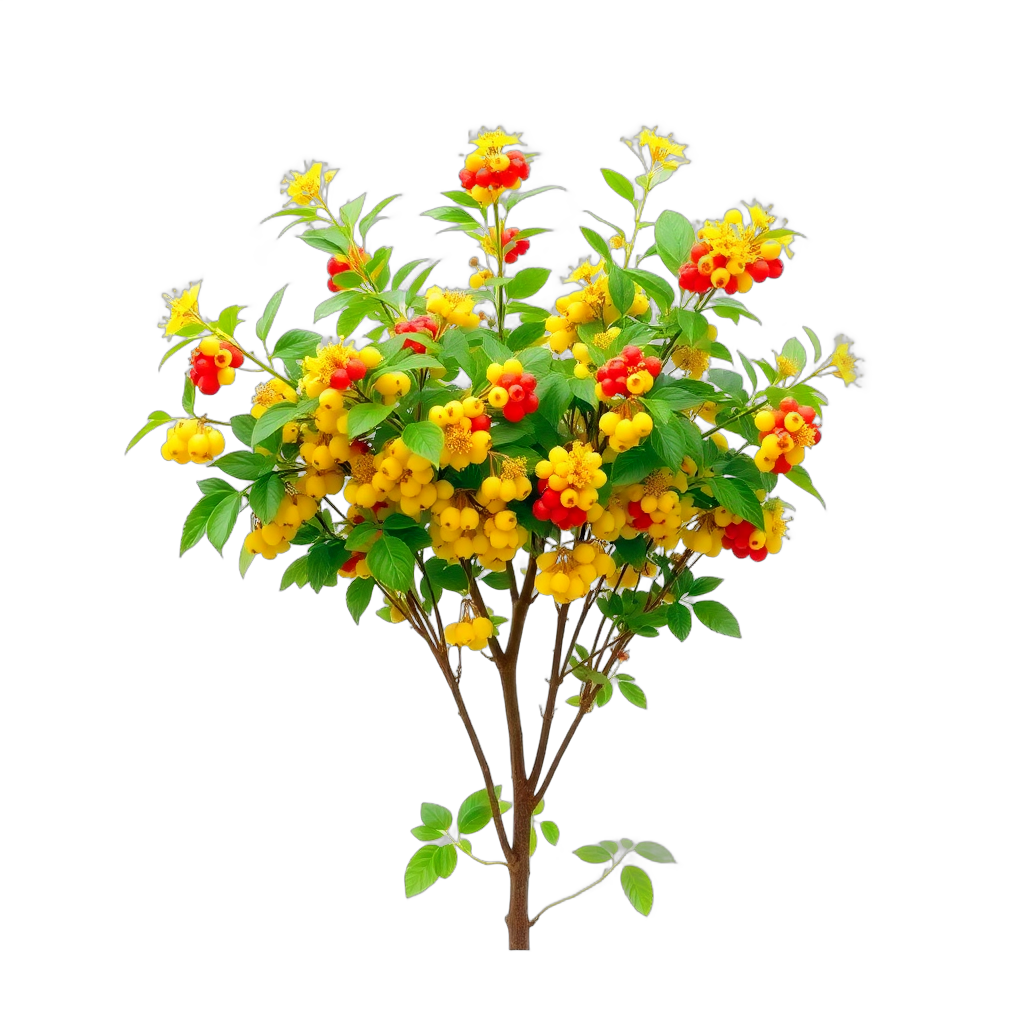
Golden Currant
Ribes aureum
grows to 6 feet, yellow blooms in spring. Attracts hummingbirds.
Featured Grasses & Groundcovers for Modern/Minimalist Gardens
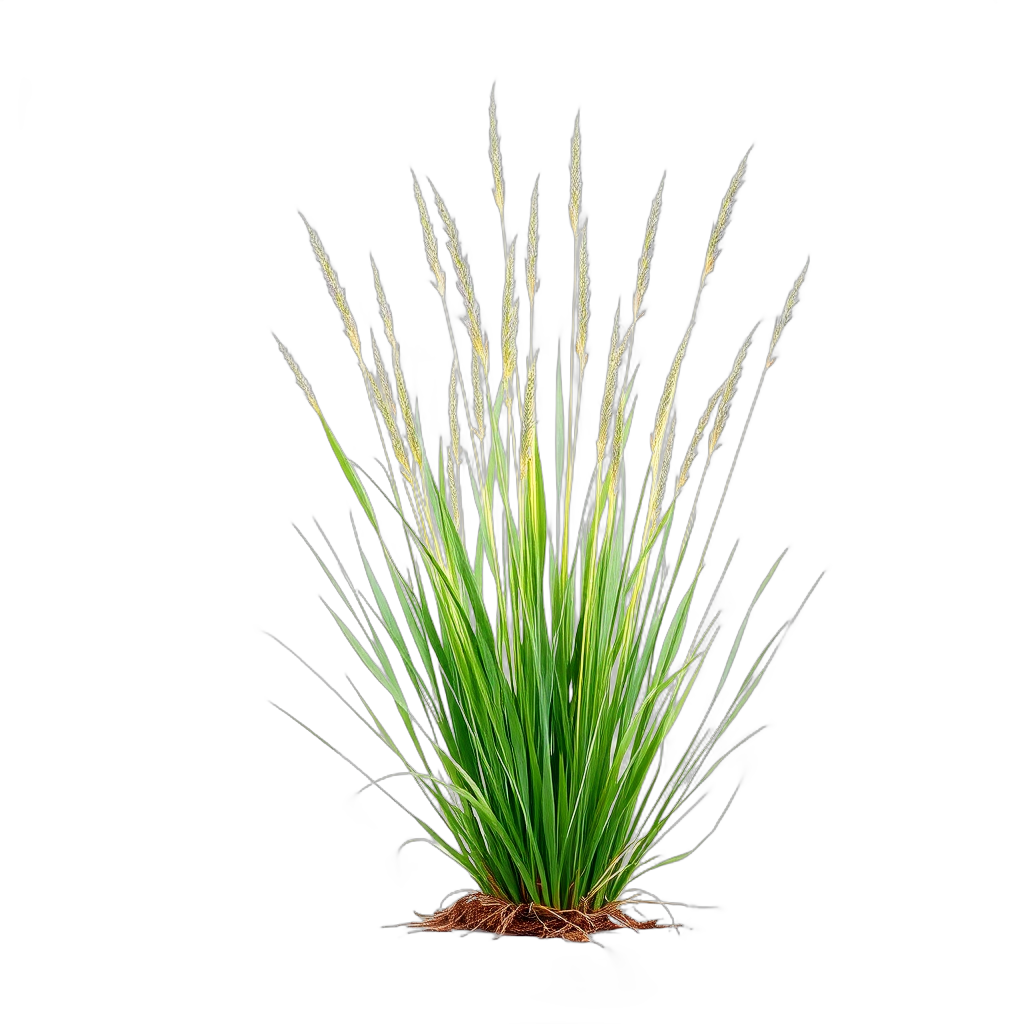
Blue Grama Grass
Bouteloua gracilis
low-growing ground cover, purple blooms in summer. Yellow fall color.
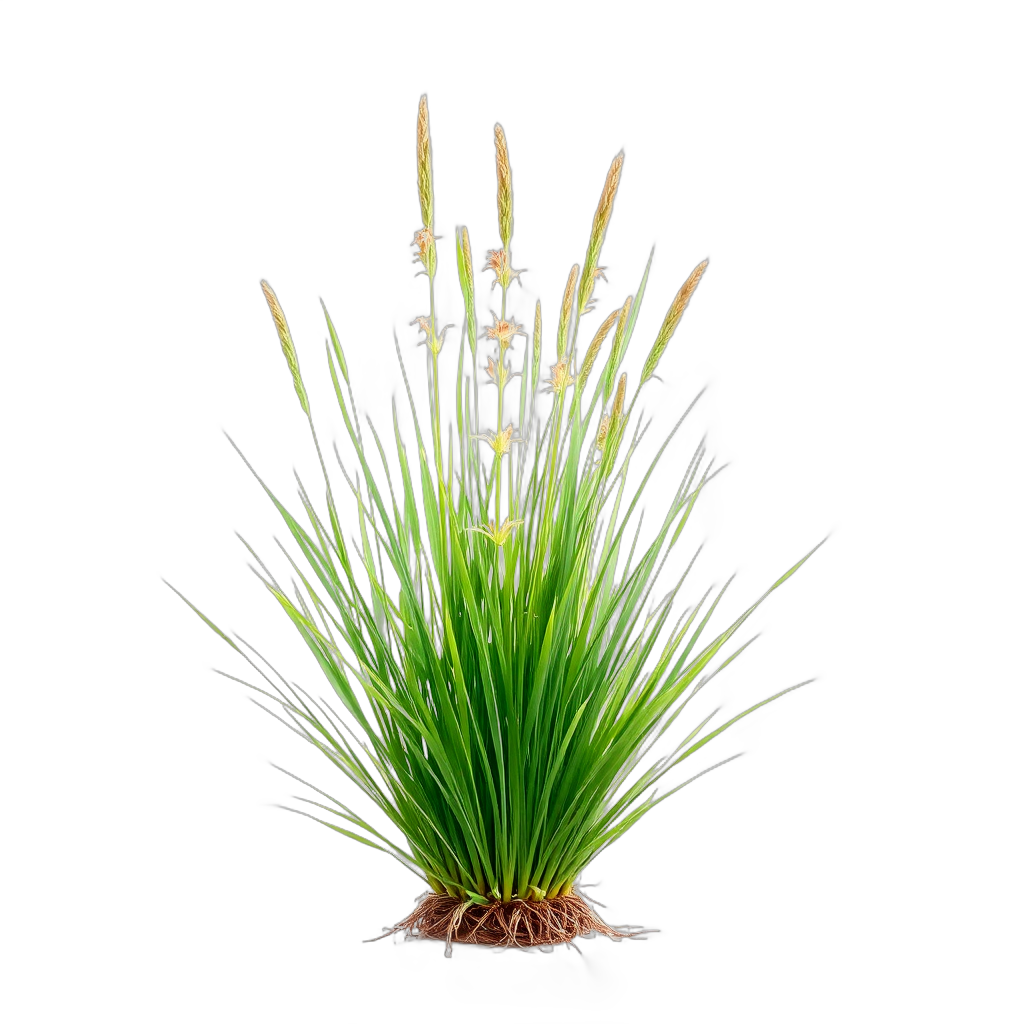
Buffalo Grass
Buchloe dactyloides
low-growing ground cover, blooms in summer. Yellow fall color.
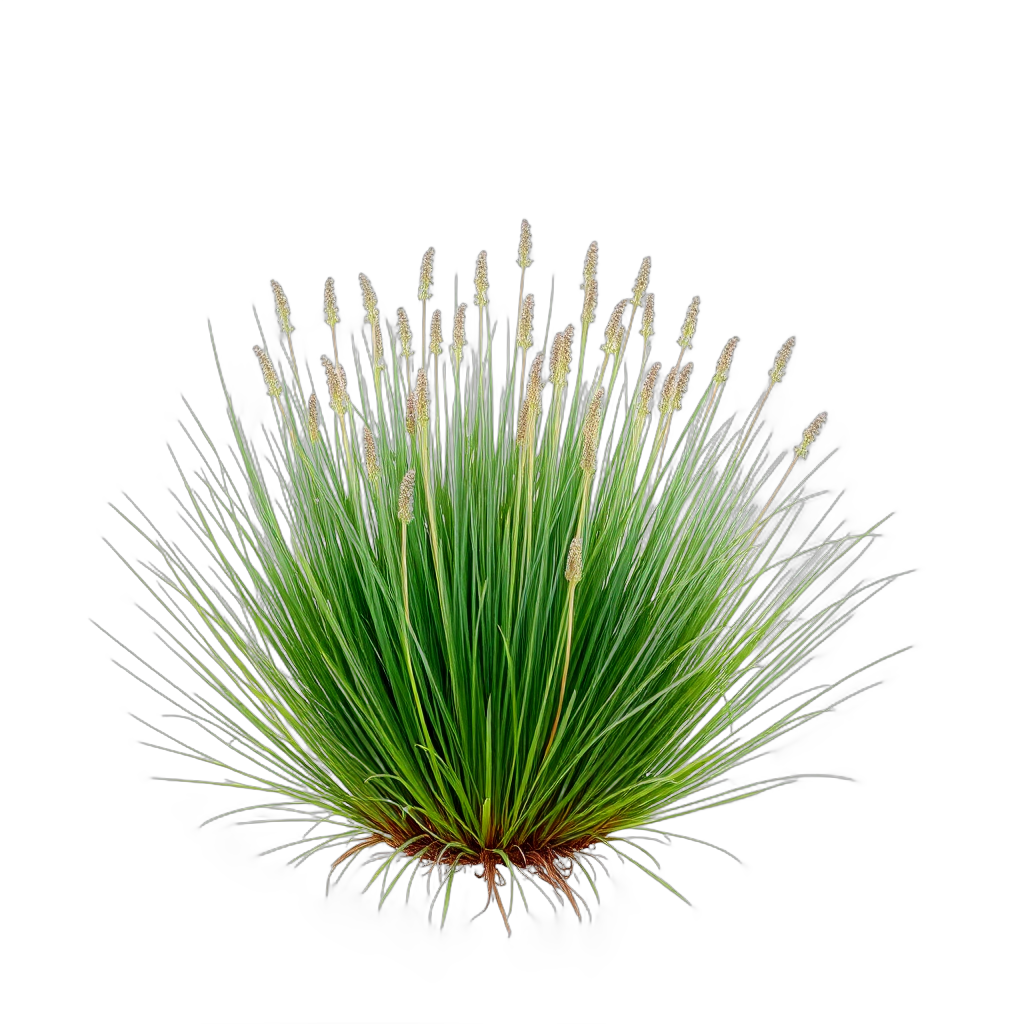
Little Bluestem
Schizachyrium scoparium
grows to 3 feet, blooms in summer. Red,burgundy fall color.
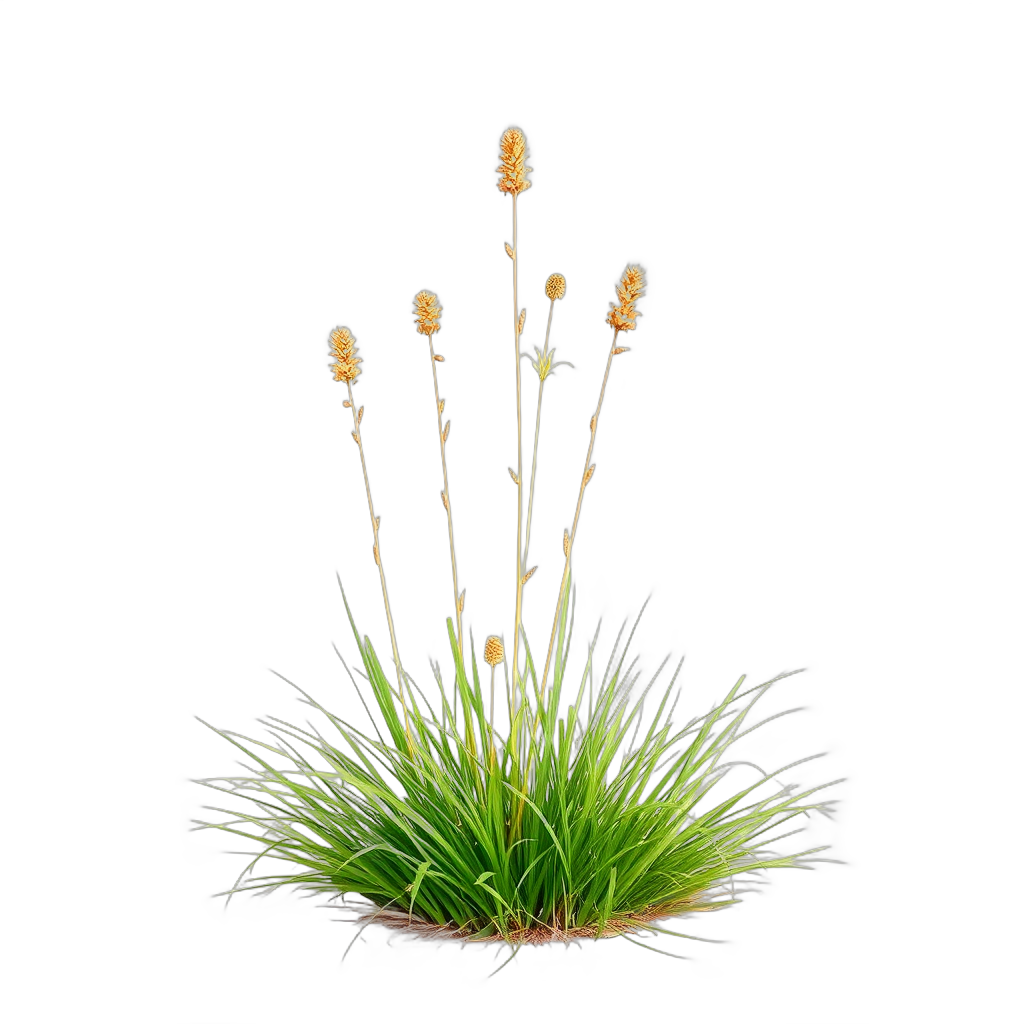
Sand Dropseed
Sporobolus cryptandrus
low-growing ground cover, blooms in summer. Orange fall color.
Featured Flowers & Perennials for Modern/Minimalist Gardens
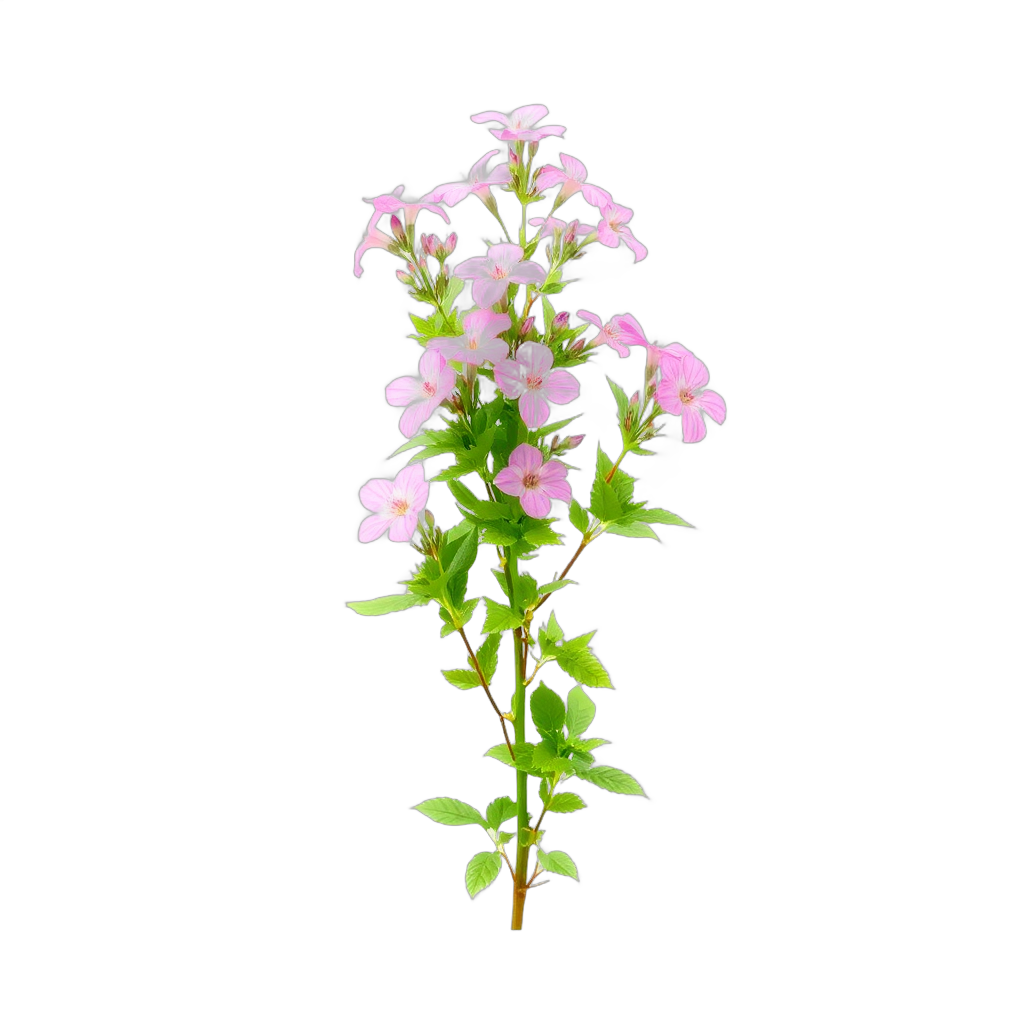
Hood's Phlox
Phlox hoodii
low-growing ground cover, white blooms in spring. Attracts butterflies.
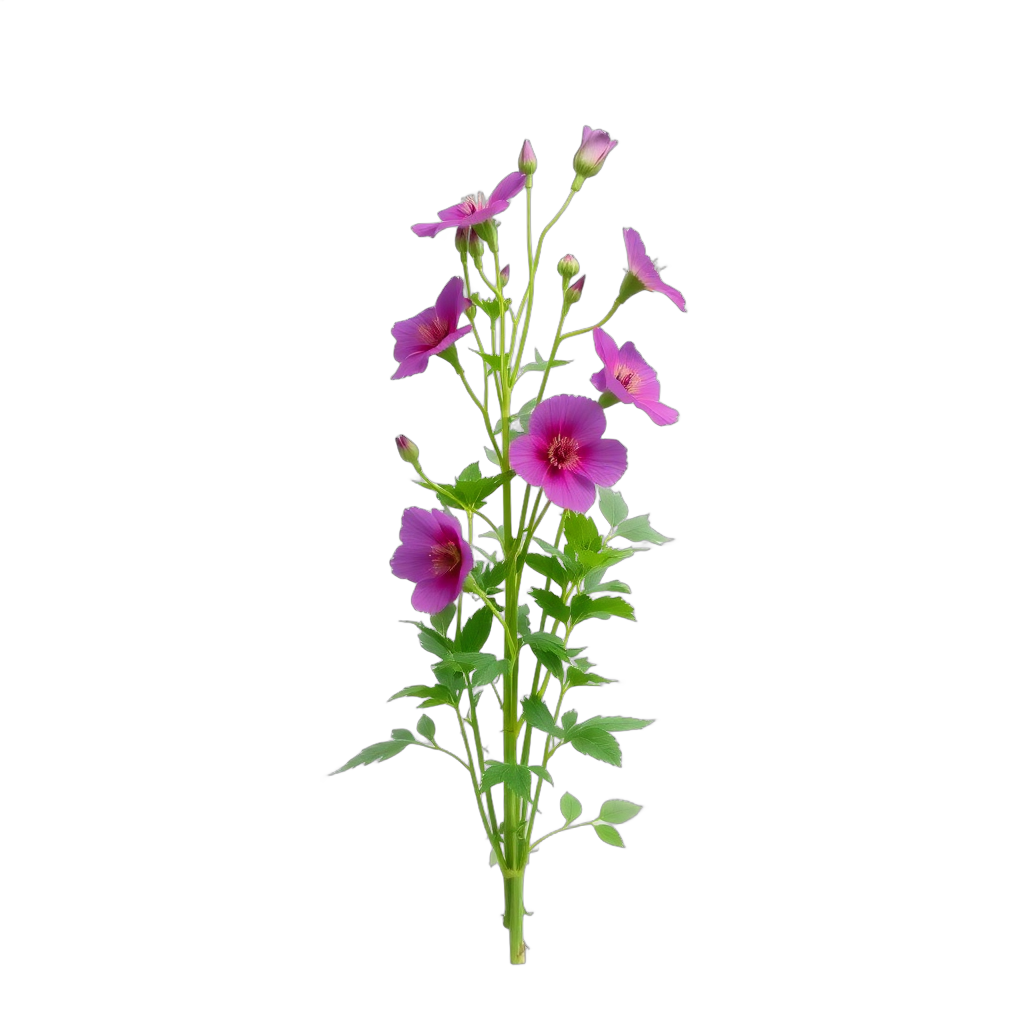
Purple Poppy Mallow
Callirhoe involucrata
low-growing ground cover, purple blooms in summer. Attracts butterflies.
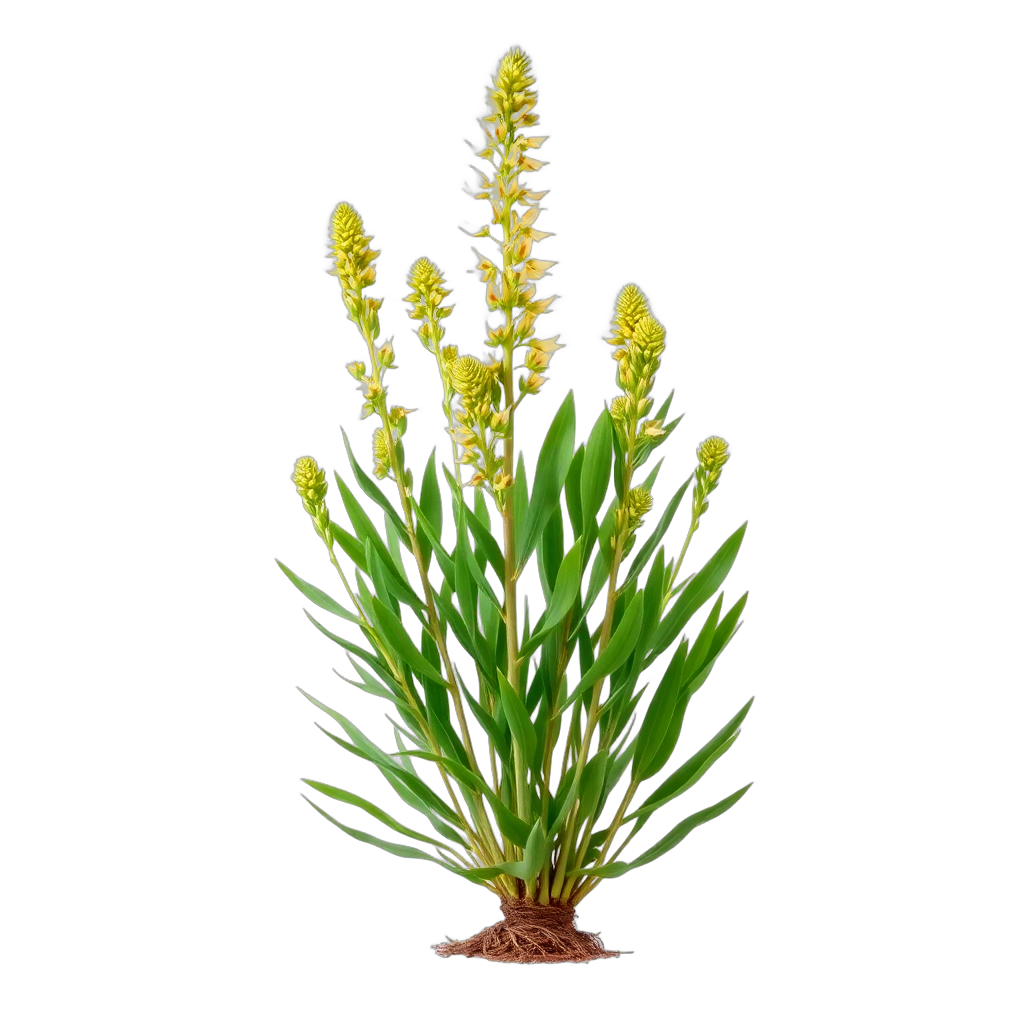
Soapweed Yucca
Yucca glauca
low-growing ground cover, white blooms in spring. Pollinator-friendly.
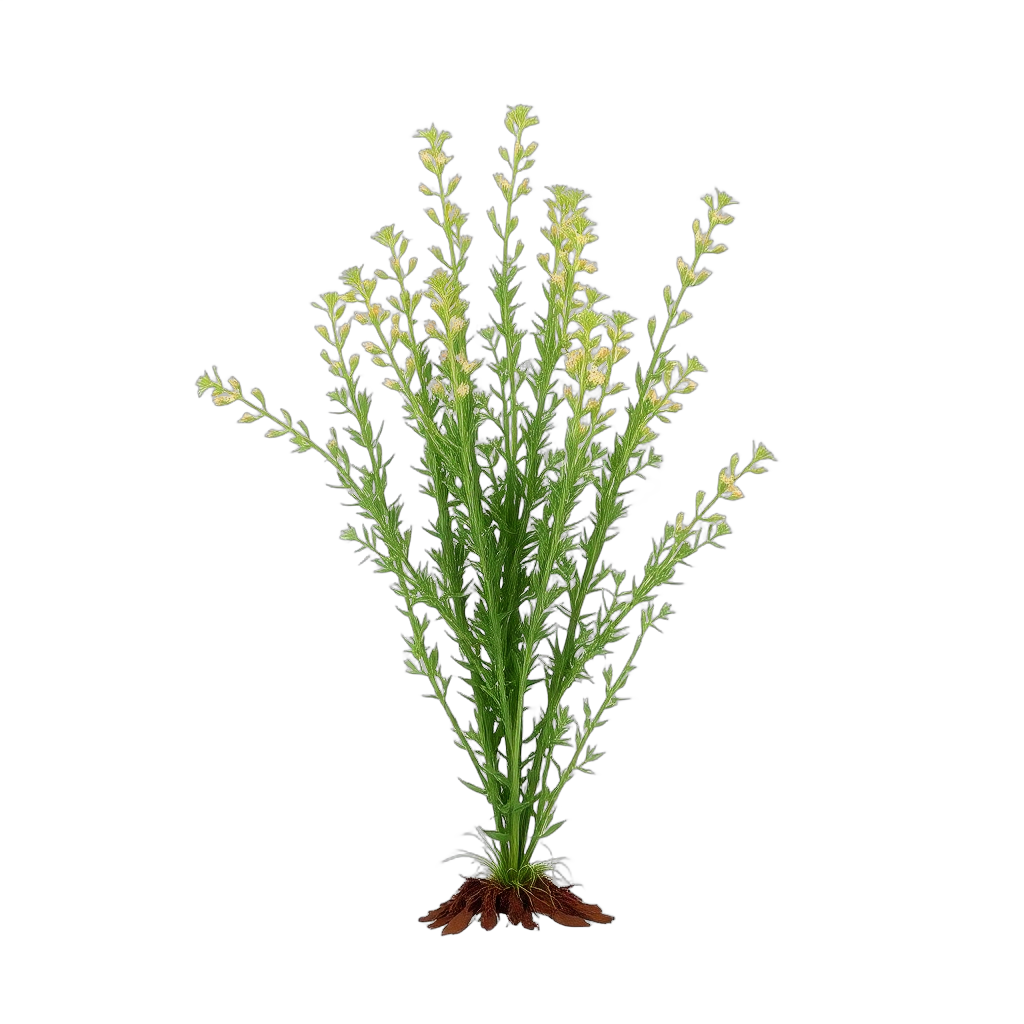
White Sage
Artemisia ludoviciana
low-growing ground cover, white blooms in summer. Fragrant.
Zone and sun checks come from our database — confirm with your local nursery before you buy.
Bloom Calendar for Aurora
spring
Hood's Phlox, Soapweed Yucca, Golden Currantsummer
Purple Poppy Mallow, White Sage, Blue Grama Grassfall
Limited bloomswinter
Limited bloomsDesign Tips for Aurora (Zone 5b)
- Leave ornamental grasses, rabbitbrush, and prairie coneflower standing through Aurora’s winter without cutting back — the dried plumes of Karl Foerster grass standing against a January snowscape, illuminated by Colorado’s intense winter sun, creates one of the most beautiful cold-climate garden effects available anywhere; cut back in March before new growth begins
- Use Colorado sandstone or exposed aggregate concrete as the primary hardscape material in any Aurora modern design — Colorado sandstone is the regional building and paving material, frost-stable in Zone 5b’s freeze-thaw cycles, and its warm buff-ochre tones create a design identity uniquely connected to the Front Range’s geological character
- Install a gas fire feature rather than wood-burning in Aurora’s suburban neighborhoods — Aurora’s Front Range location creates frequent high fire danger periods and red flag warnings when open burning is prohibited; a gas feature provides flame on demand regardless of fire danger conditions, and adds convenience that makes it far more likely to be used regularly
- Plant Karl Foerster grass in spring (April–15–May 15) in Aurora rather than fall — spring-planted grasses establish larger root systems before their first winter, making them significantly more vigorous in their second year than fall-planted specimens in Zone 5b’s cold winters; the difference in second-year performance is dramatic
- Specify Corten steel edging for all planting areas in an Aurora modern design — standard black steel edging rusts unevenly and loses structural integrity within 7–10 years under Aurora’s freeze-thaw, chinook, and summer sun conditions; Corten forms a stable rust patina calibrated to the Front Range’s warm earth tones that is beautiful and lasts indefinitely
- Design any Aurora outdoor living space with the spectacular fall shoulder season in mind — September and October on the Colorado Front Range are frequently the most beautiful months of the year; switchgrass turning red-orange, rabbitbrush erupting in gold, Karl Foerster’s plumes catching the lower autumn sun angle, and the first snow dustings on the Rockies visible to the west create an outdoor design moment that only Front Range landscapes can deliver
Where to Source Plants in Aurora
Skip the big-box stores. These independent Aurora nurseries specialize in the plants that make modern/minimalist gardens thrive in Zone 5b.
Nick’s Garden Center
Aurora
Aurora’s premier independent garden center since 1981; deep expertise in Colorado native plants, ornamental grasses, and Front Range xeriscape design
Tagawa Gardens
Centennial / South Aurora
Award-winning Denver metro garden center with outstanding native plant, ornamental grass, and drought-tolerant selection for Colorado’s Zone 5b
Echter’s Nursery & Garden Center
Arvada (west Denver metro)
One of Colorado’s largest and most respected nurseries; exceptional ornamental grass, native plant, and contemporary landscape plant selection
Harlequin’s Gardens
Boulder
Colorado’s premier native plant nursery; all plants grown locally from Colorado seed; best source for Front Range native grasses and prairie wildflowers for modern landscapes
Echter’s and Bath Garden Center
Fort Collins (northern Front Range)
Northern Front Range premier garden center with exceptional perennial, ornamental grass, and tree selection for Colorado’s Zone 5a–5b climate
Modern/Minimalist Landscaping Costs in Aurora
| Project Scope | Estimated Cost |
|---|---|
| Prairie-modern front entry with grasses, concrete path, and DG (400–600 sqft) | $4,000 – $11,000 |
| Concrete or Colorado sandstone patio (300–500 sqft) | $5,000 – $15,000 |
| Cedar or steel pergola with string lights | $5,000 – $13,000 |
| Built-in concrete fire pit with seating wall | $4,000 – $12,000 |
| Native prairie planting (400–600 sqft, with establishment mulch) | $3,000 – $9,000 |
| Full modern backyard transformation (patio, pergola, fire pit, planting) | $14,000 – $38,000 |
| AI visualization with ProScapeAI | Free to start |
Estimates based on Aurora, CO-area contractor rates as of 2026. Actual costs vary by site conditions, materials, and contractor.
Aurora Climate & Growing Zone
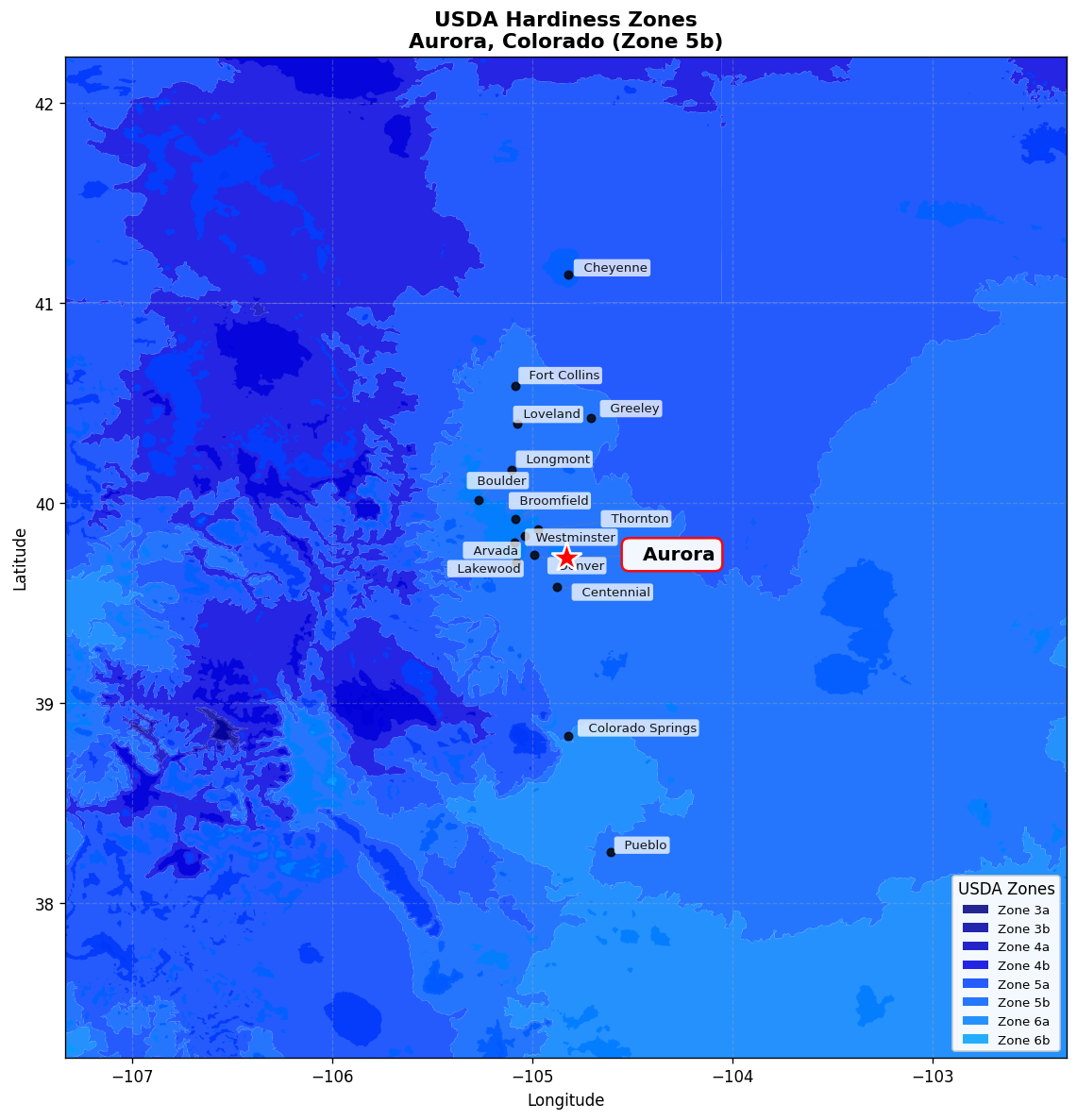
USDA Zone 5b
Hardiness zone for Aurora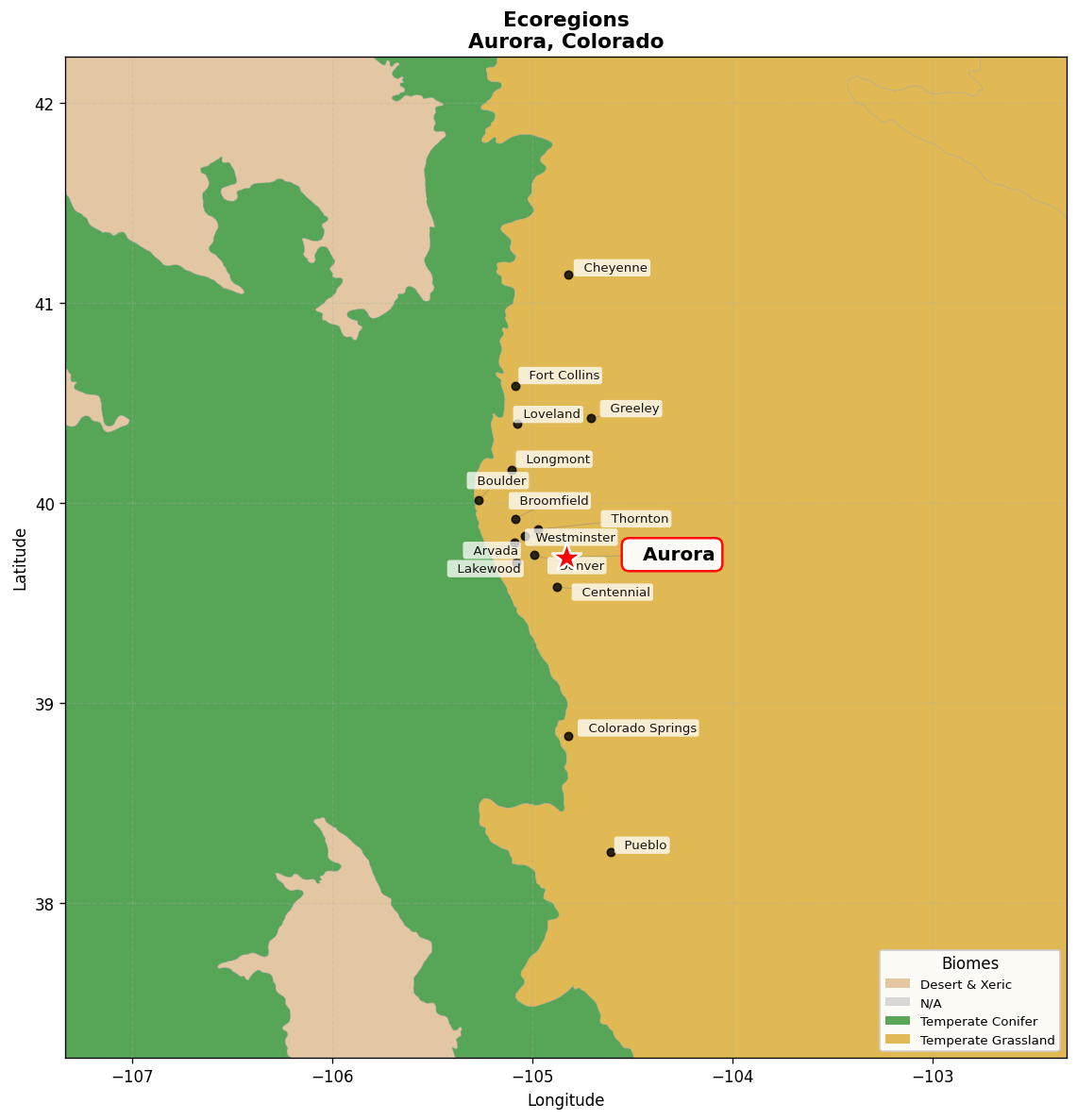
Western shortgrass prairie
Native ecoregionFrequently Asked Questions
How much does modern landscaping cost in Aurora, CO?
Aurora landscaping is moderately priced for the Denver metro market. Basic installation: $5–14 per square foot. A prairie-modern front entry with grasses and concrete path (400–600 sqft) costs $4,000‑11,000. A concrete or sandstone patio (300–500 sqft) runs $5,000‑15,000. A built-in fire pit with seating wall: $4,000‑12,000. A cedar or steel pergola: $5,000‑13,000. Full backyard transformation (patio, pergola, fire pit, prairie planting): $14,000‑35,000. Pool installations in Aurora run $45,000–90,000+ for complete surround projects. Aurora Water xeriscape rebates ($1–$3/sqft) can reduce project costs for qualifying plantings.
What ornamental grasses are cold-hardy in Aurora’s Zone 5b winters?
Aurora’s Zone 5b minimum (-10°F to -15°F) requires grasses rated Zone 5 or colder. Definitive Front Range performers: Karl Foerster feather reed grass (Zone 4–9 — the most reliable architectural grass for Aurora; stands upright through snow), little bluestem (Zone 3‒9, native Front Range grass, brilliant copper-bronze winter color), big bluestem (Zone 4–9, native tall prairie grass, 5–6 feet in summer), Shenandoah switchgrass (Zone 4–9, brilliant red in September–October), prairie dropseed (Zone 3‒9, fine-textured native clumping grass), blue grama (Zone 3‑11, native shortgrass prairie grass). Avoid: miscanthus (Zone 5b minimum — marginally hardy in Aurora; often dies in severe winters), and pampas grass (Zone 8+).
What hardscape materials hold up to Aurora’s freeze-thaw cycles?
Aurora’s climate creates 30–40+ freeze-thaw cycles per winter season plus spring melt-refreeze events. Best performers: concrete pavers rated Zone 4–5 (all major brands, with proper 6-inch gravel base); poured concrete with 6-inch gravel base, 4-inch slab, and properly spaced control joints; Colorado sandstone (local quarried stone, inherently frost-stable, beautiful regional character); Corten steel edging (weathers beautifully in Front Range climate, never rusts through). Avoid: clay brick that is not rated for severe-duty freeze-thaw (look for ‘SX’ ASTM rating); non-frost-rated porcelain tile; natural flagstone with high water absorption. All paved surfaces require 6-inch compacted gravel base and proper slope for drainage.
Are fire pits allowed in Aurora?
Recreational fire pits are permitted in Aurora with restrictions. Aurora Fire Rescue requirements: fire contained in an approved fire pit or fire ring; minimum 15 feet from any structure, combustibles, or property line; fires 3 feet or less in diameter; no prohibited materials (leaves, trash, construction wood). Open burning is prohibited during red flag fire weather conditions (common on the Front Range in spring and fall). Gas fire pits: require no open-burn permit and are strongly preferred in Aurora’s denser neighborhoods and during Colorado’s frequent high fire danger periods. Most built-in concrete or stone fire features in Aurora use gas. Verify current ordinances with Aurora Fire Rescue at (303) 739-1452.
How do I design an Aurora outdoor space for wind protection?
Aurora’s Front Range location creates persistent wind from multiple directions: chinook winds (warm downslope, west) in winter, spring afternoon thunderstorm winds, and persistent southerly winds in summer. Design strategies: position covered patios on the east or south side of the house where the structure provides natural wind shelter. Build masonry or fence windbreaks on the north and west property lines (prevailing wind directions). Solid Alumawood or steel patio covers provide better wind protection than open pergolas. Select wind-tolerant grasses (Karl Foerster stands upright in wind that knocks other grasses flat). Secure all pergola and shade structures to concrete footings designed for 90 mph wind gusts. Avoid sail shade fabrics without proper tensioned anchor systems rated for Front Range chinook gusts.
How long is the outdoor living season in Aurora?
Aurora’s outdoor living season is longer than most people expect for a Zone 5b city. Comfortable outdoor dining: May through mid-October — approximately 5.5 months. With a fire feature: season extends through November and into December in mild years (and Colorado often has mild Decembers with chinook warming). Aurora’s 300+ days of sunshine means even March and April can offer comfortable afternoon outdoor time. The most spectacular months: May (apple and serviceberry bloom), June (full prairie wildflower season), September (rabbitbrush gold and switchgrass red — Colorado’s best month), October (brilliant aspen color and first dusting of snow, extraordinary with a fire feature). Deep winter (December–February) is for appreciation from the window, but the dried grass designs are beautiful in snow.