4 Modern Garden Ideas for Austin, TX | Hill Country Xeriscapes for Zone 8b
Native plants from the Texas blackland prairies (Zone 8b) — Humid subtropical climate
Why Modern/Minimalist Gardens in Austin?
Austin's summers are brutal — temperatures regularly cracking 100°F from June through September, often stretching into October — and the clay-over-limestone caliche soil doesn't forgive poor plant choices. The city averages 34 inches of rain annually, but it falls in unpredictable bursts, with long dry stretches in between, making Austin Water's Stage 1–2 irrigation restrictions a near-constant reality.
Modern design is the natural fit for Austin because it speaks the same language as the landscape: raw limestone, structural plants, and honest materials. Clean concrete walkways, steel edging, and decomposed granite beds read as intentional design choices here, not budget compromises. Austin neighborhoods like Zilker, Travis Heights, Barton Hills, and East Austin are packed with mid-century ranches and new builds that beg for a modern treatment.
The Texas Hill Country ecoregion is a treasure chest for modern gardens — live oaks for canopy, agave and yucca for sculptural mass, purple sage and ornamental grasses for color and movement. These plants evolved in this exact climate and thrive without supplemental water once established. The Keep Austin Weird ethos extends to the garden: bold, a little wild, distinctly local, and nothing like what everyone else is doing.
4 Modern/Minimalist Design Ideas for Austin
AI-generated image
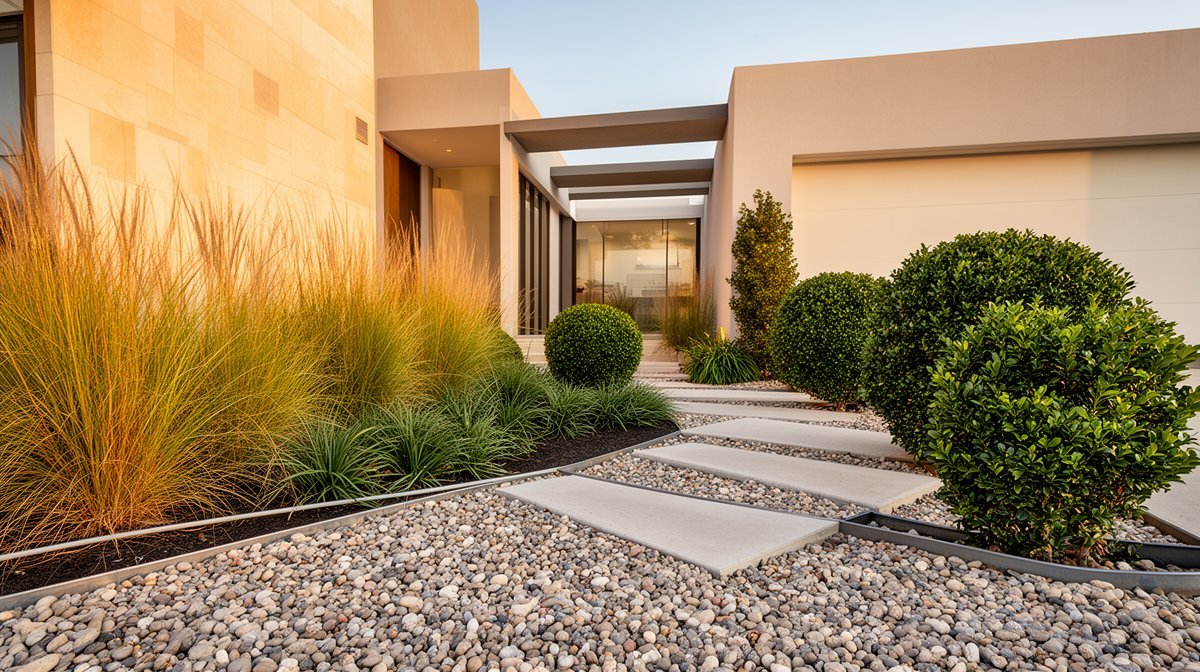
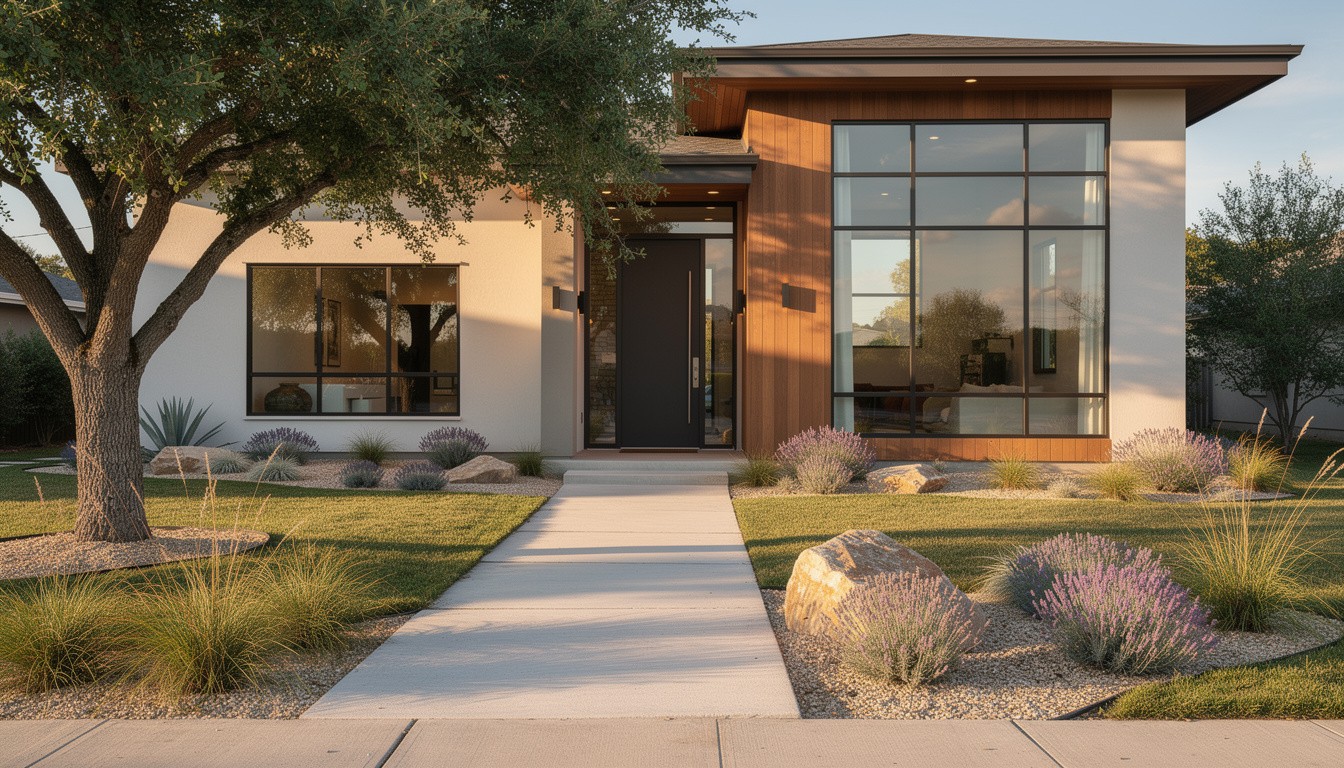
The Native Grass and Boulder Entry
$12–24/sqftA concrete walkway bisects the front yard of a Prairie-style contemporary Austin home with cedar cladding, flanked by masses of ornamental grasses — Gulf muhly, Little Bluestem — in steel-edged beds with scattered limestone boulders as natural accents. A mature live oak provides canopy on one side while the low-water planting composition fills the rest of the yard. This design is built for Austin's dual challenges: the limestone caliche subsoil that makes deep planting difficult, and the summer heat that demands plants capable of surviving weeks without rain. The native grass palette handles both while providing the amber-pink fall color that makes Austin landscapes distinctive.
AI-generated image
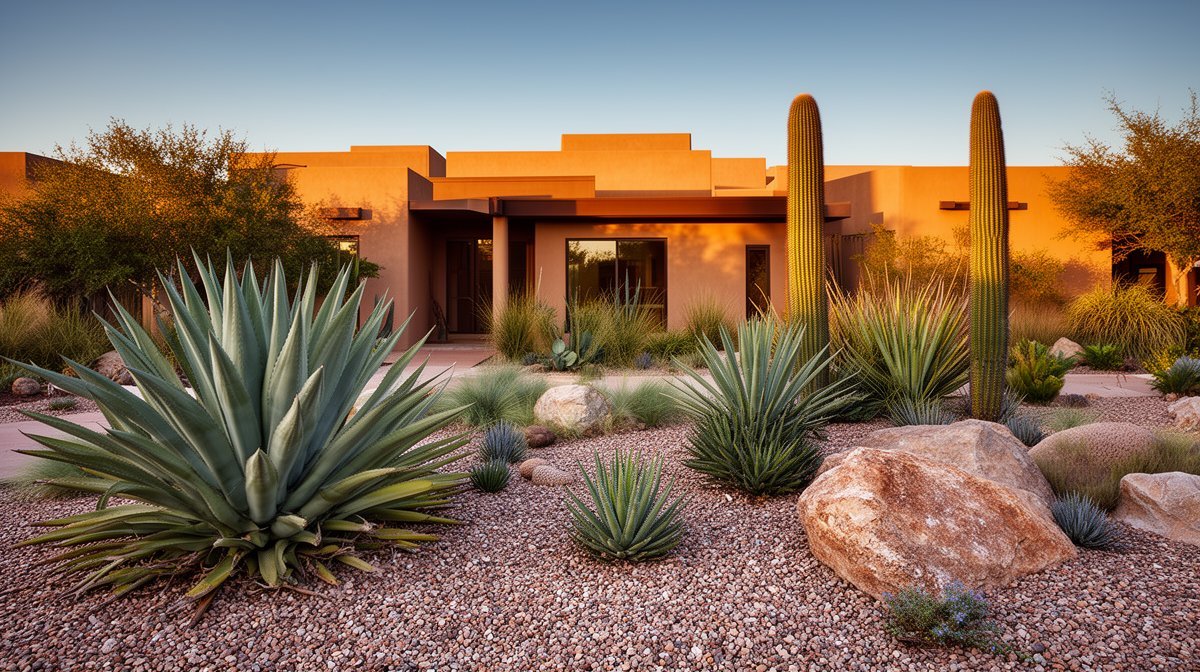
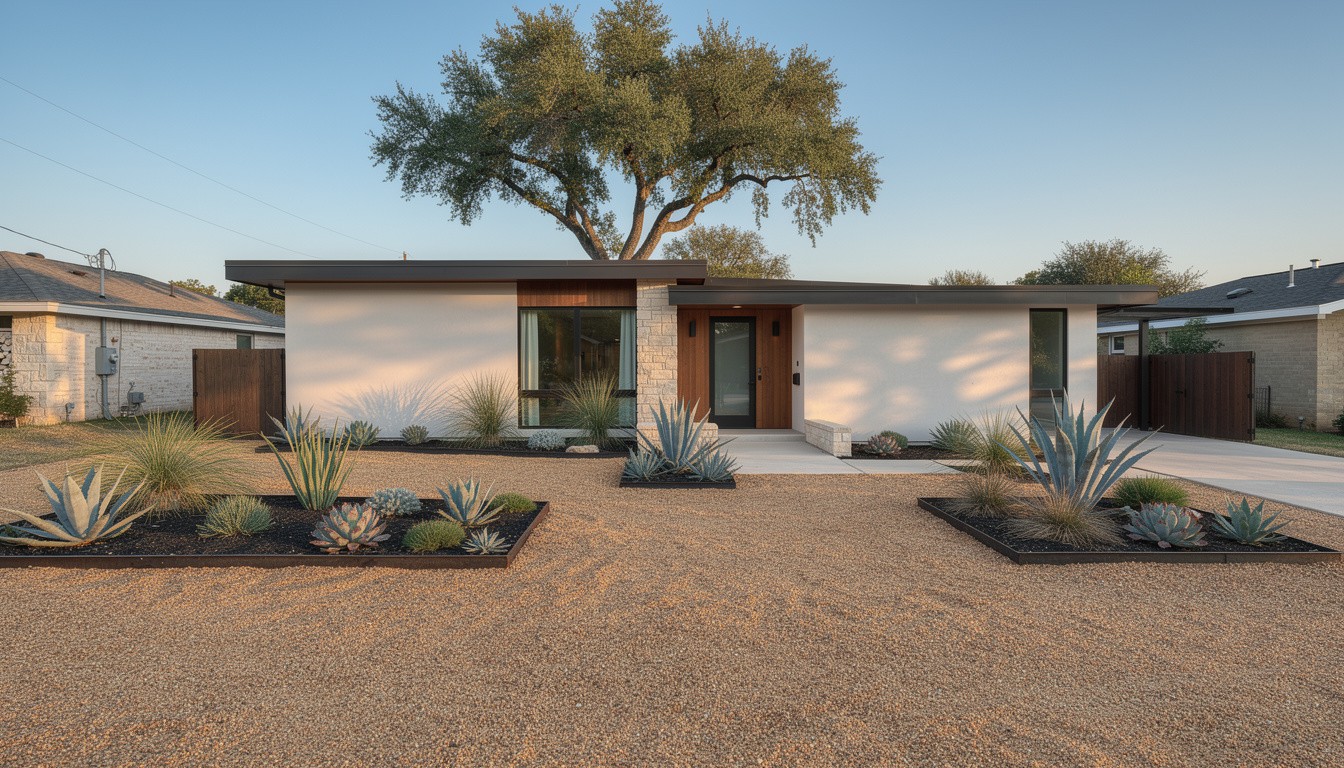
The Agave and Gravel Modern Front
$14–26/sqftTurf is replaced with decomposed granite punctuated by bold agave rosettes, blue yuccas, and low Desert spoon specimens at geometric intervals. A straight concrete path leads to the front door of a white modern Austin ranch home. A mature tree provides one vertical element while the hardscape composition fills the rest with textural contrast and no lawn. This design is ideal for Austin's limestone-driven conditions — decomposed granite over caliche base drains well and stays stable, agaves and yuccas are native to the region and require virtually no supplemental water, and the composition reads as curated rather than neglected, which is the crucial distinction between xeriscape and dry-garden aesthetic.
AI-generated image
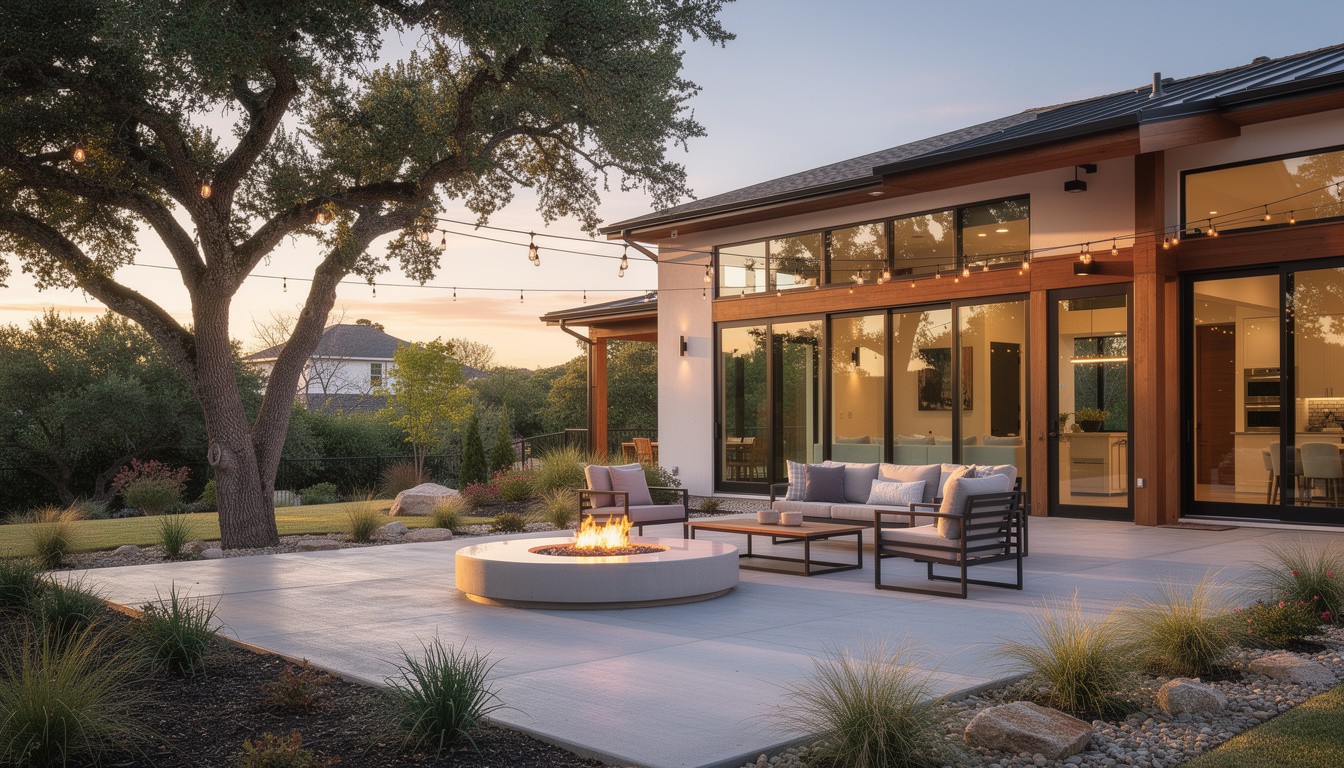
The Concrete Patio and Live Oak Fire Pit
$18–38/sqftA wide poured concrete patio extends from the rear of a contemporary Austin home, centered on a circular fire pit with low modern outdoor lounge seating. String lights span from a post to the roof overhang, and a large live oak tree anchors one corner and provides natural overhead canopy for the seating zone. Ornamental grasses in perimeter beds add soft texture against the concrete. The live oak is the organizing feature — it creates the outdoor room without any built structure, and the fire pit and furniture arrangement respond to it naturally. Austin's outdoor culture is built on evenings exactly like this.
AI-generated image
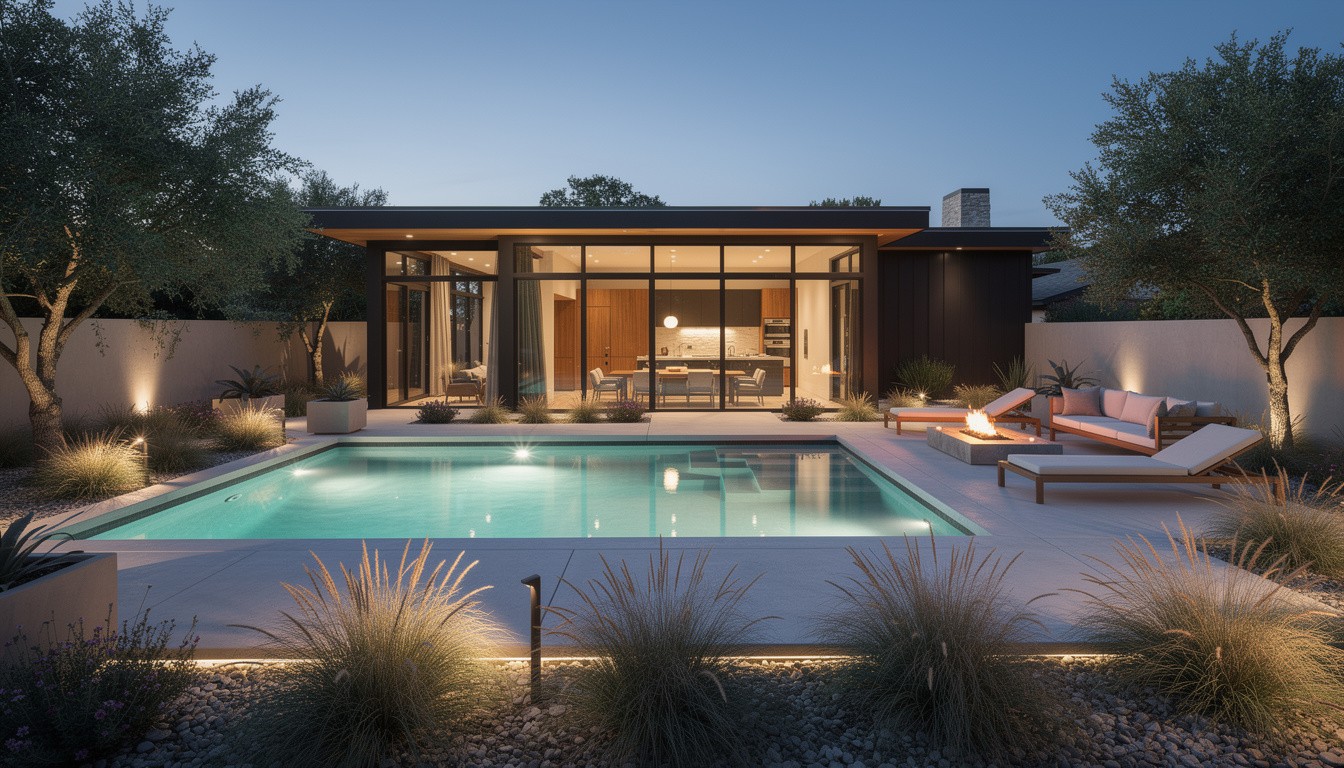
The Hill Country Pool Garden
$50–110/sqft (pool included)A rectangular pool sits in the rear yard of a modern Austin home, surrounded by a concrete deck with pool loungers and a lounge seating area under string lights. The glass-walled home opens directly onto the pool deck via sliding doors, blurring the line between interior and exterior. Ornamental grasses and low water-wise plants in perimeter beds provide texture against the pool's clean geometry. At dusk, the pool glows against a blue twilight sky while the home's interior light reflects off the water. Austin's 100+ day heat season makes pool ownership a functional necessity — this design treats it as the design centerpiece it deserves to be.
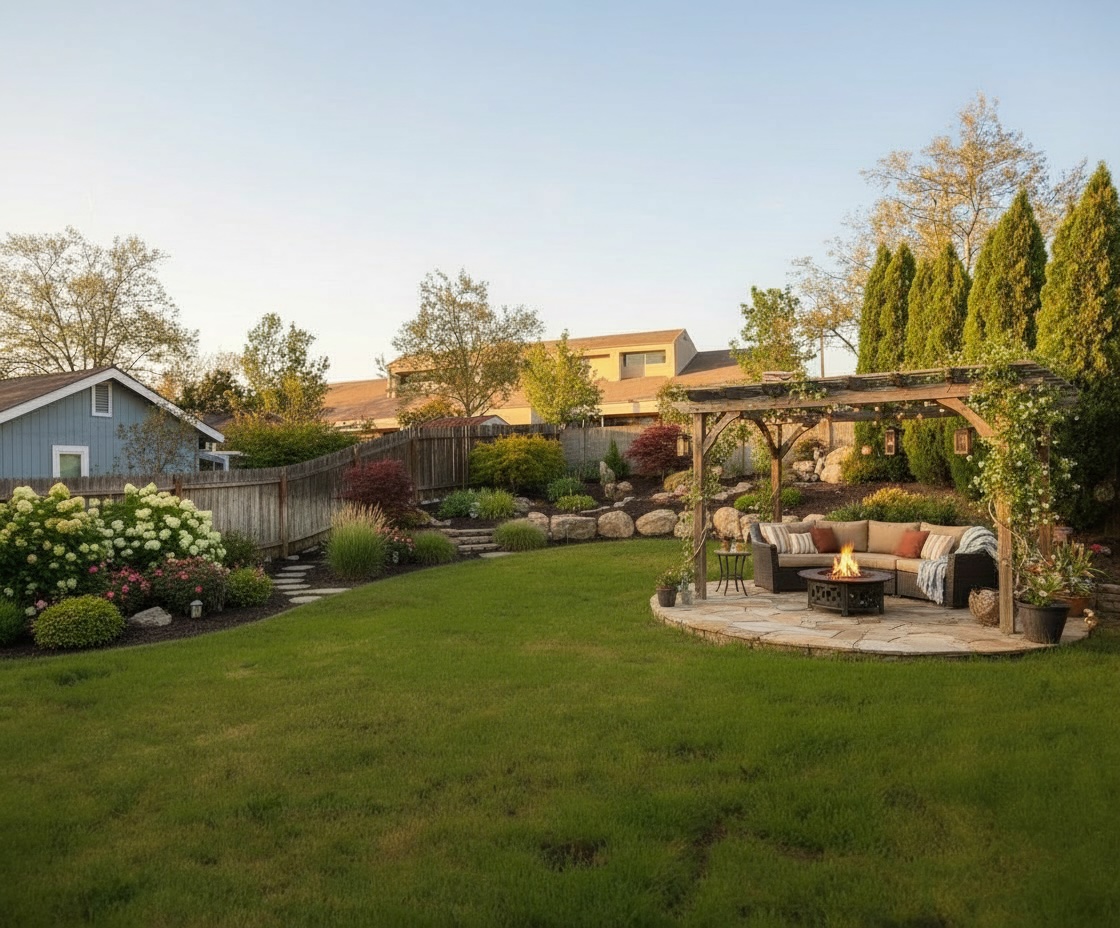
See how a modern/minimalist garden looks on YOUR property
Upload a photo of your Austin yard and visualize your dream garden in seconds.
Try ProScapeAI Free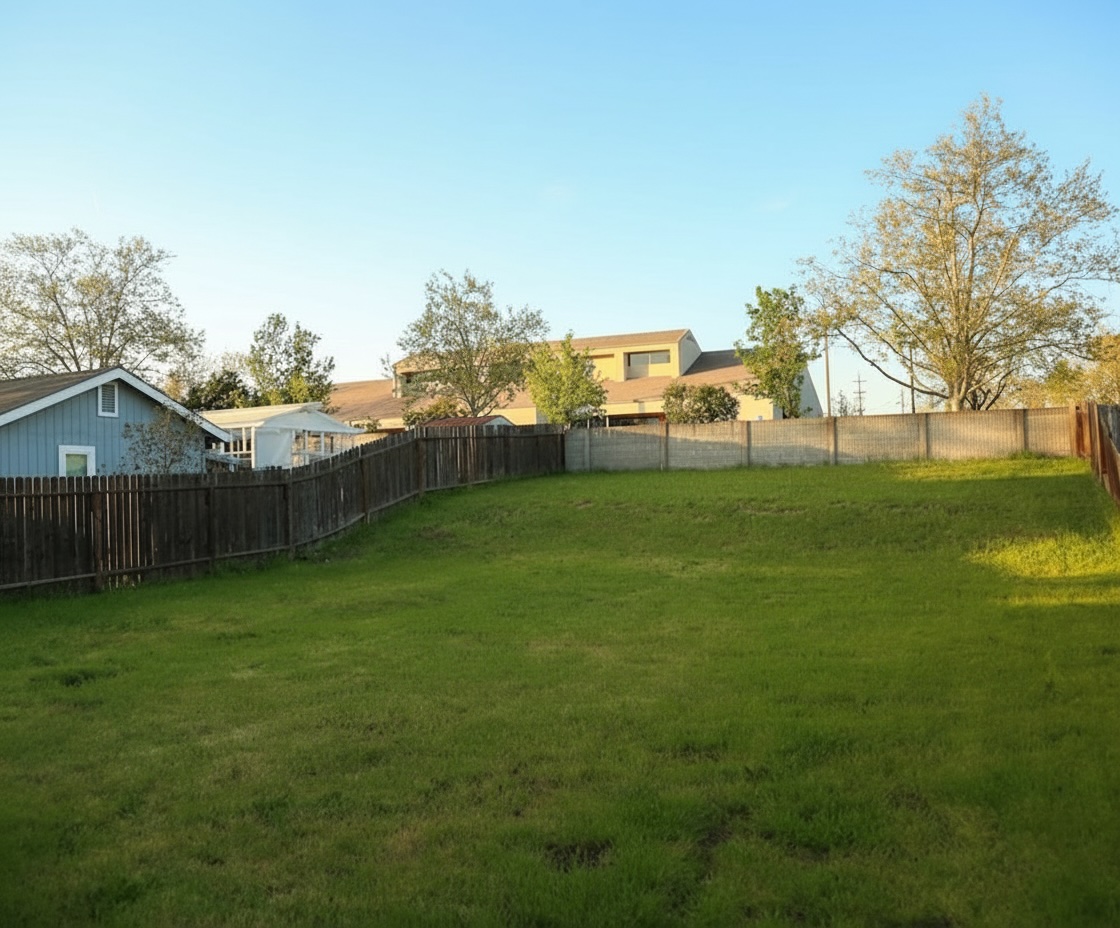
AI-generated image
Featured Trees & Shrubs for Modern/Minimalist Gardens
Browse all 156 plants for Austin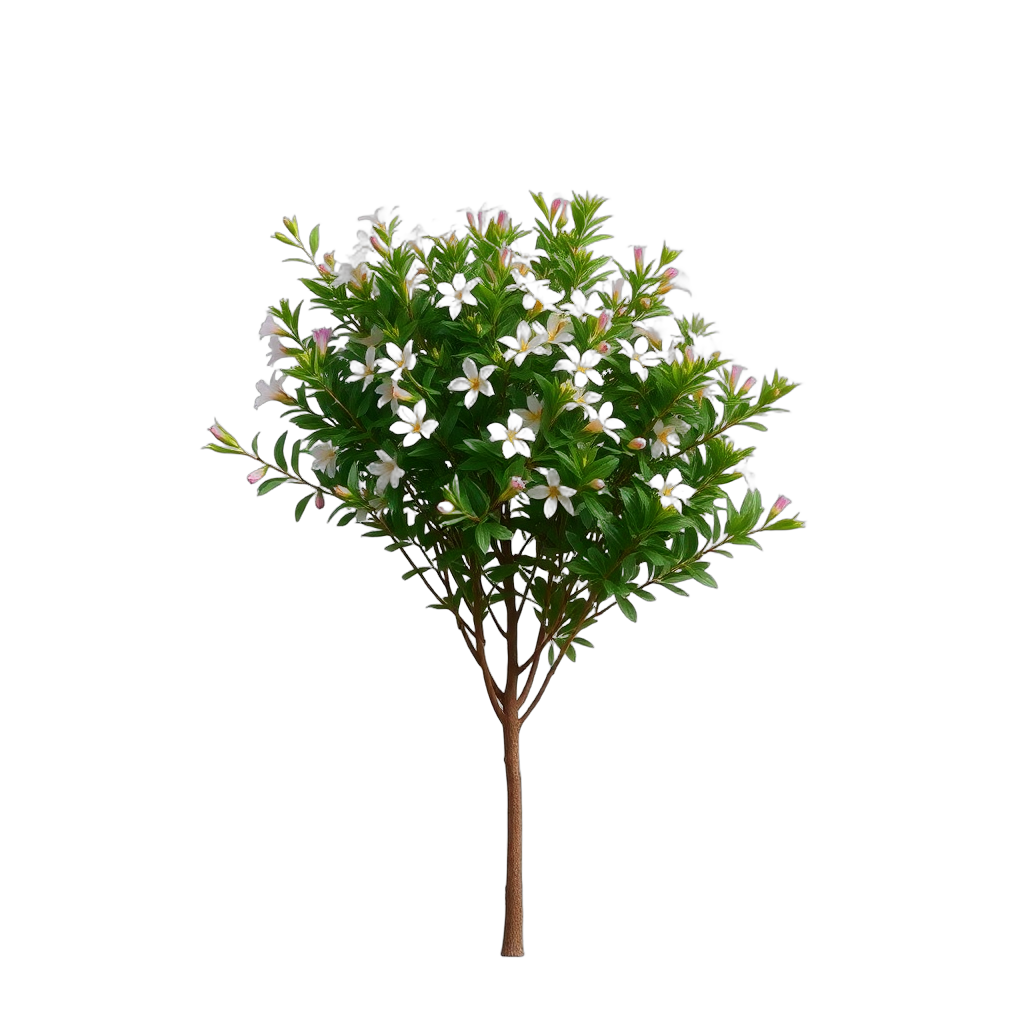
Texas Mountain Laurel
Sophora secundiflora
medium-sized at 12 feet, purple blooms in spring. Evergreen year-round.
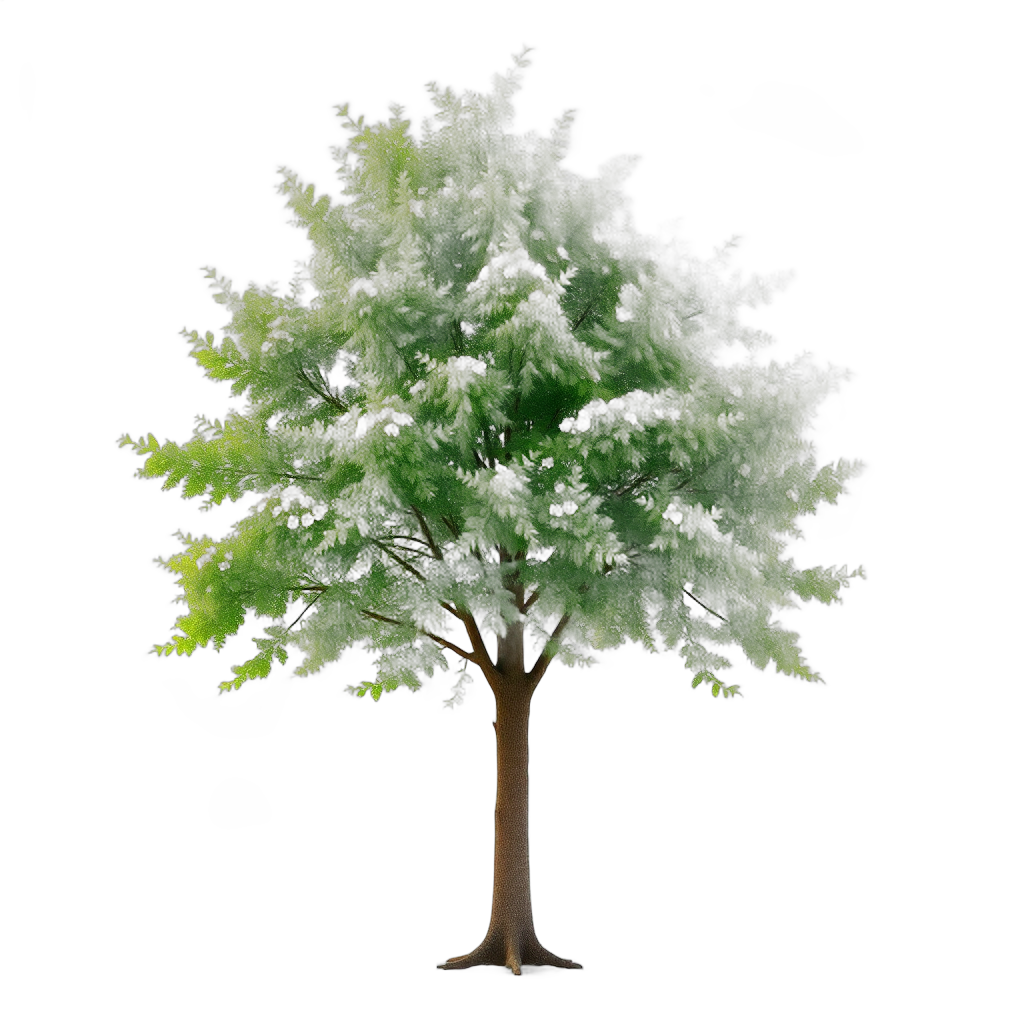
Cedar Elm
Ulmus crassifolia
large shade tree reaching 60+ feet, blooms in fall. Yellow fall color.
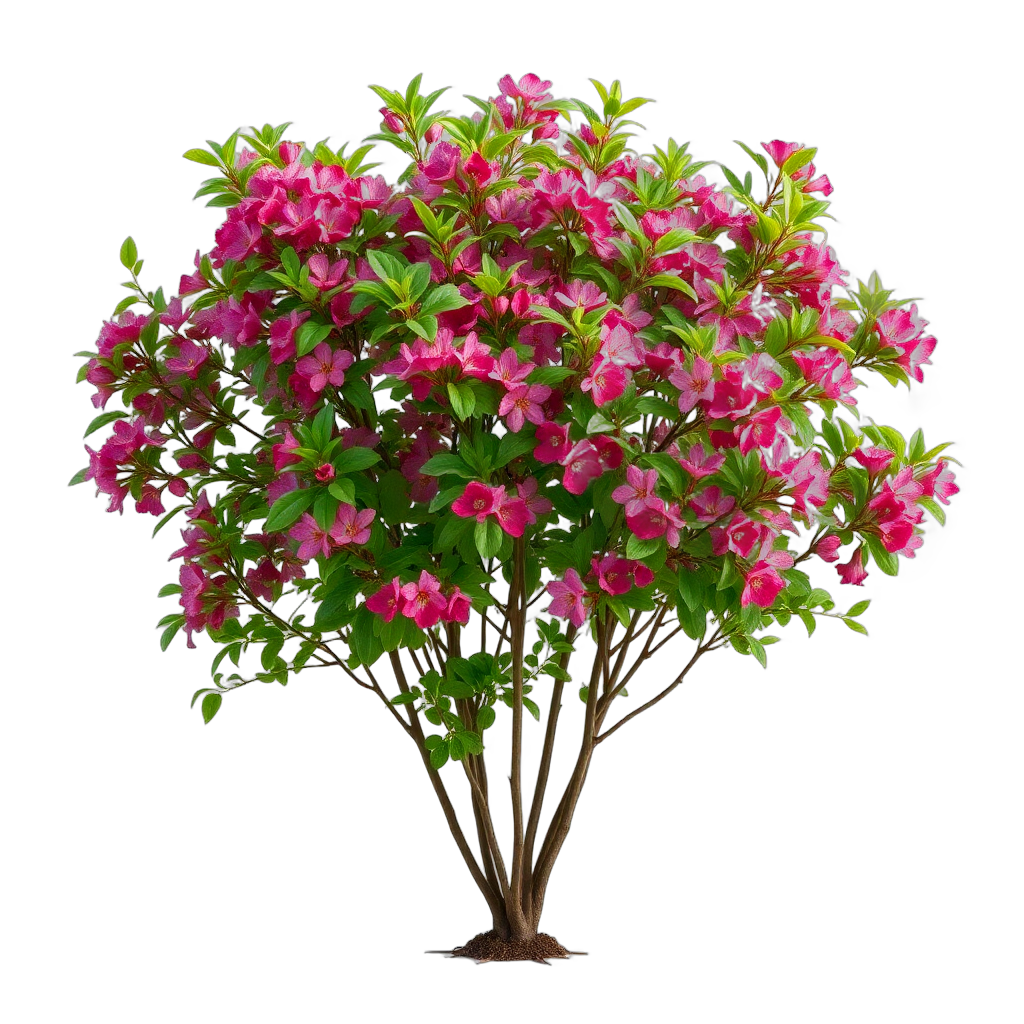
Oklahoma Redbud
Cercis reniformis
reaches 20 feet tall, purple blooms in spring. Attracts hummingbirds.
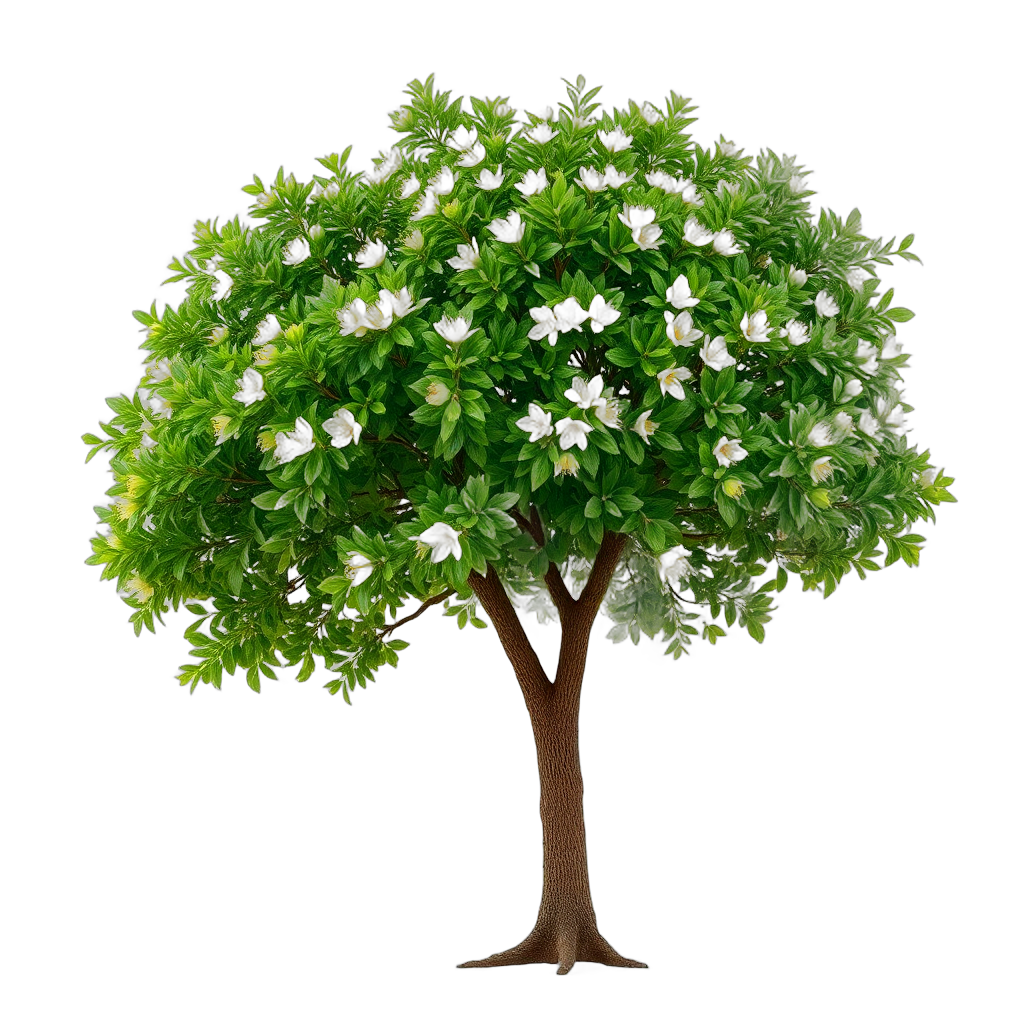
Osage Orange
Maclura pomifera
large shade tree reaching 50+ feet, blooms in spring. Yellow fall color.
Featured Grasses & Groundcovers for Modern/Minimalist Gardens
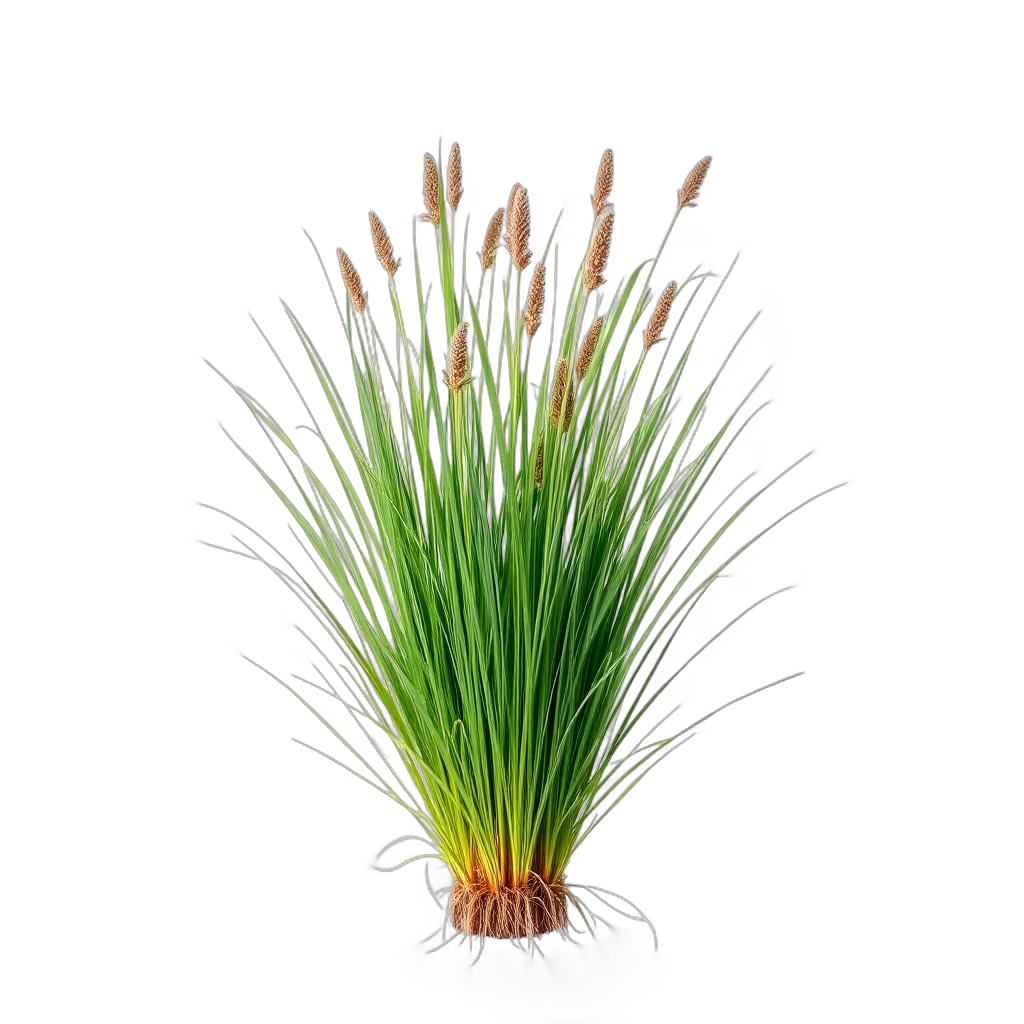
Lindheimer's Muhly
Muhlenbergia lindheimeri
grows to 4 feet, white blooms in fall.
Featured Flowers & Perennials for Modern/Minimalist Gardens
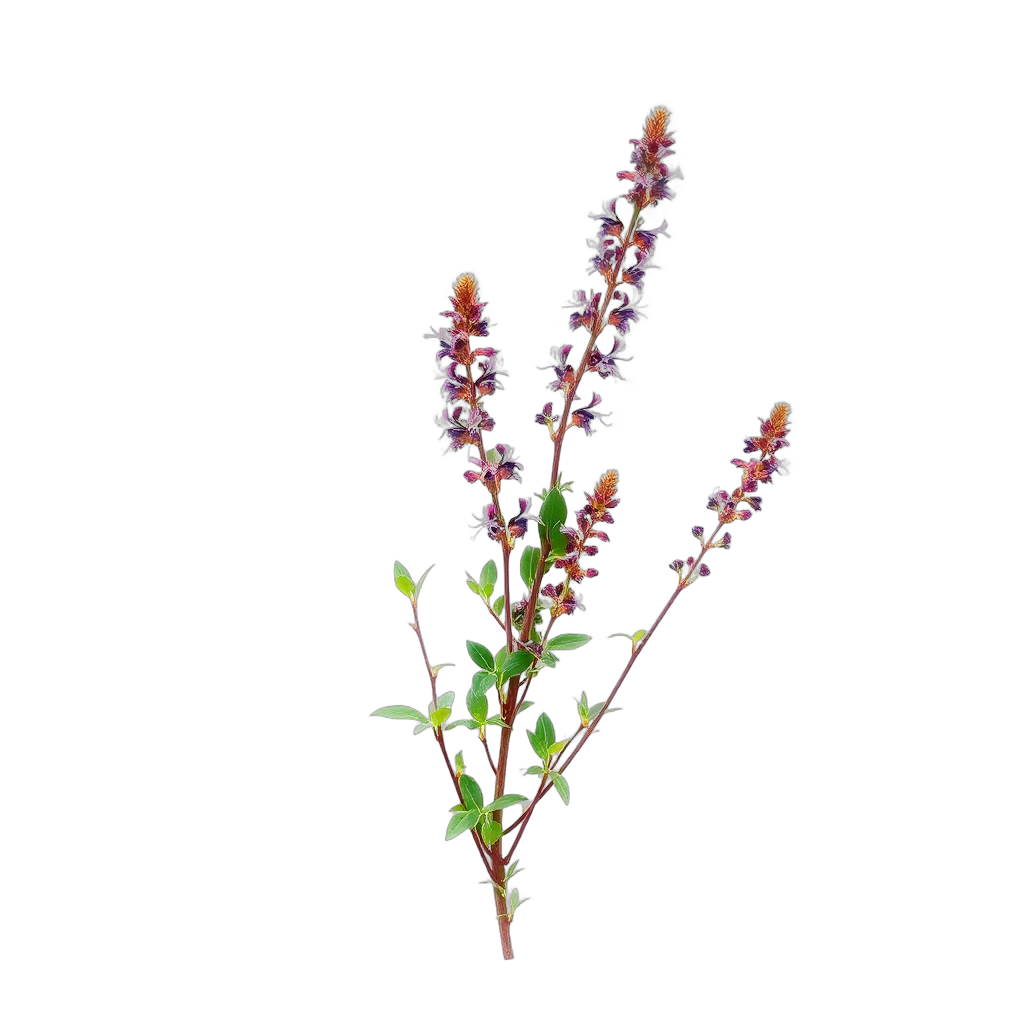
Mealy Cup Sage
Salvia farinacea
low-growing ground cover, blue blooms in summer. Attracts butterflies.
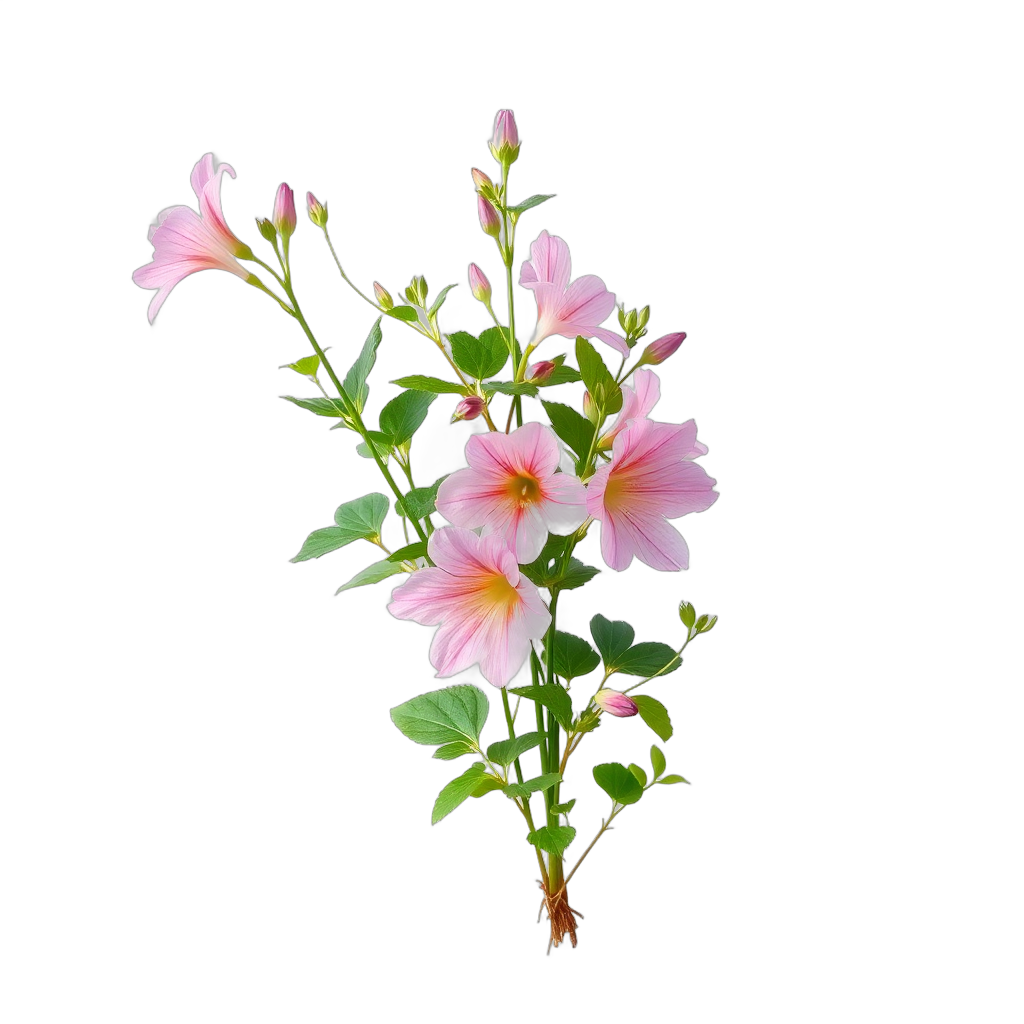
Pink Evening Primrose
Oenothera speciosa
low-growing ground cover, pink blooms in summer. Attracts butterflies.

Water Lettuce
Pistia stratiotes
low-growing ground cover, white blooms in summer. Evergreen year-round.
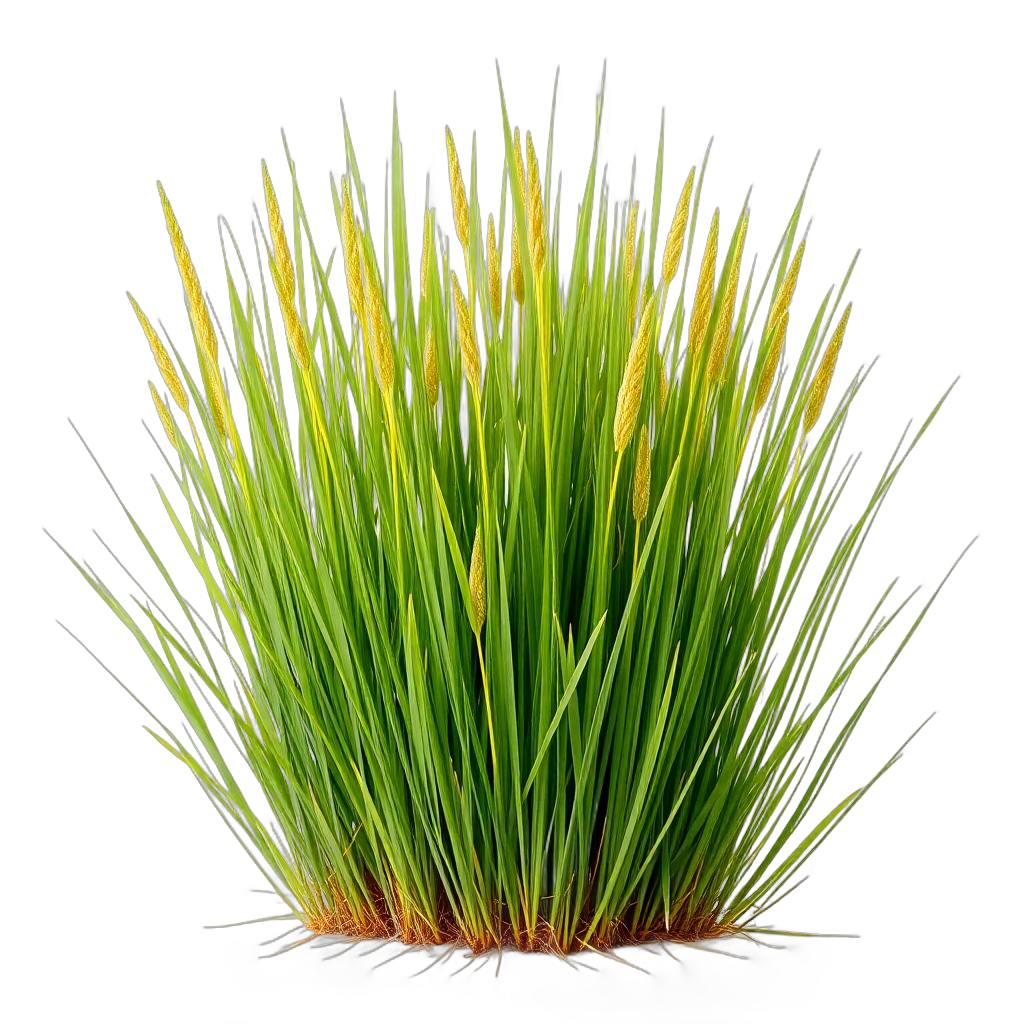
Bowles' Golden Sedge
Carex elata 'Aurea'
low-growing ground cover, blooms in none.
Zone and sun checks come from our database — confirm with your local nursery before you buy.
Bloom Calendar for Austin
spring
Texas Mountain Laurel, Oklahoma Redbud, Osage Orangesummer
Mealy Cup Sage, Pink Evening Primrose, Water Lettucefall
Mealy Cup Sage, Lindheimer's Muhly, Cedar Elmwinter
Limited bloomsDesign Tips for Austin (Zone 8b)
- Use live oaks strategically on the west and southwest sides — afternoon shade from a mature live oak can drop surface temps 15–20°F, protecting both plants and hardscape from Austin's brutal summer sun
- Decomposed granite is the Austin modern default: it handles limestone drainage, stays cooler than concrete in summer, and reads as intentional design rather than gravel filler
- Group plantings by water need (hydrozoning): agave and yucca in full sun with zero supplemental water, ornamental grasses in transition zones, and any higher-water plants only in areas with natural shade or runoff collection
- Install drip irrigation on a smart timer with a rain sensor — Austin Water restrictions limit most residential watering to one or two days per week, and overhead sprinklers waste 40–60% of water in Austin's heat and wind
- Incorporate limestone boulders as design elements, not just fill — native Hill Country limestone weathers beautifully and gives Austin gardens a sense of place that no imported material can replicate
- Check Austin Water's WaterWise rebate program before starting any turf removal — timing your project to rebate availability can offset several hundred dollars of installation costs
Where to Source Plants in Austin
Skip the big-box stores. These independent Austin nurseries specialize in the plants that make modern/minimalist gardens thrive in Zone 8b.
Barton Springs Nursery
West Lake Hills
Native and adapted plants, landscape design — 4 acres of on-site propagation
Shoal Creek Nursery
Allandale
Native Texas plants, organics — family-owned, one of Austin's largest independents
Vivero Growers
South Austin
Texas native and adapted plants, broad inventory, landscape consultation
Greensleeves Nursery
Pflugerville
Native Texas plants — specialty nursery with deep native flora expertise
Modern/Minimalist Landscaping Costs in Austin
| Project Scope | Estimated Cost |
|---|---|
| Lawn removal + DG / native grass front yard | $4,500 – $11,000 |
| Full modern front yard redesign with hardscape + plants | $9,000 – $22,000 |
| Concrete patio + fire pit lounge (backyard) | $12,000 – $32,000 |
| Pool + contemporary landscape (full backyard) | $55,000 – $130,000 |
| Privacy fence installation | $3,500 – $9,000 |
| Drip irrigation system | $1,200 – $3,200 |
| AI visualization with ProScapeAI | Free to start |
Estimates based on Austin, TX-area contractor rates as of 2026. Actual costs vary by site conditions, materials, and contractor.
Austin Climate & Growing Zone
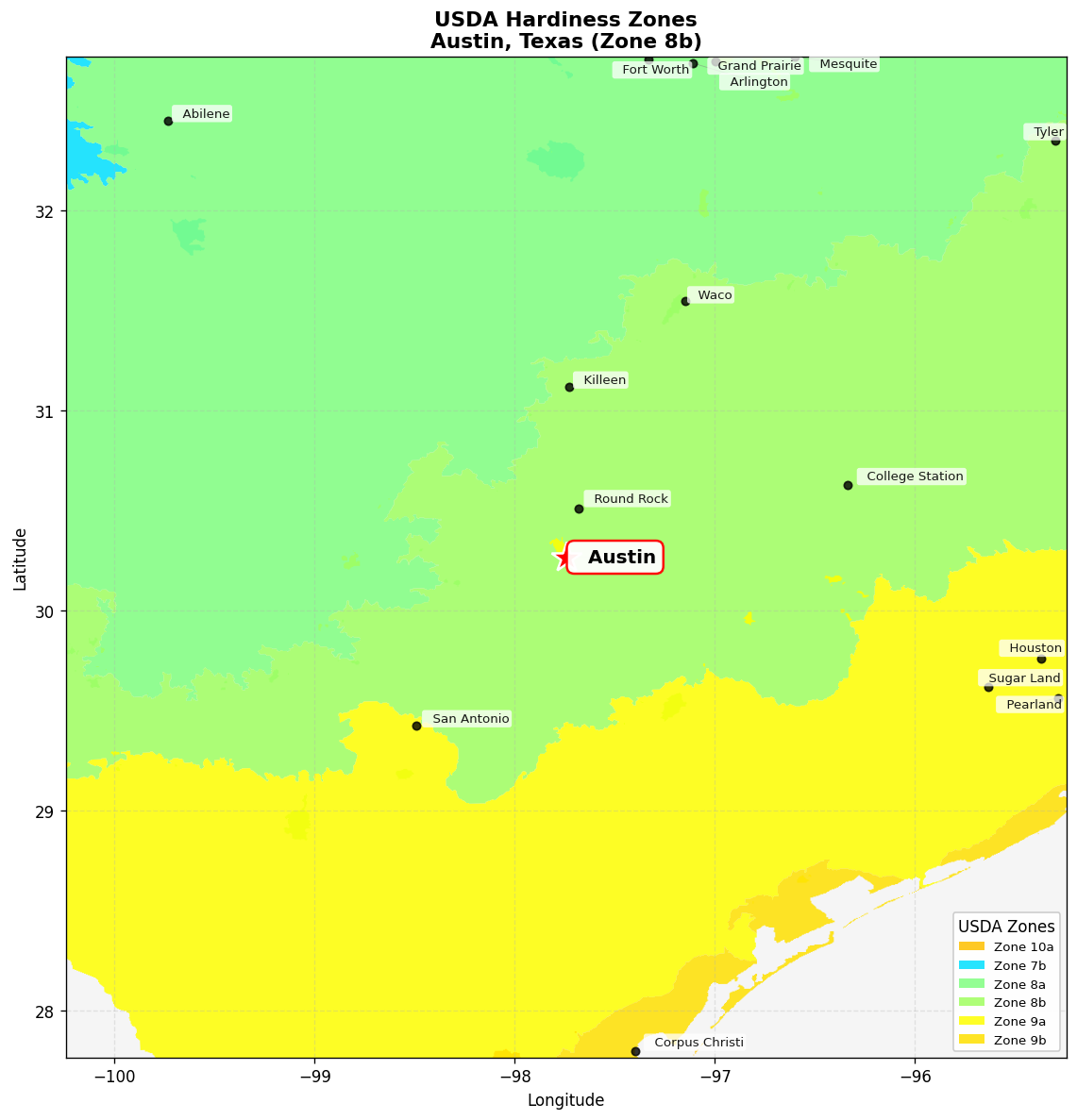
USDA Zone 8b
Hardiness zone for Austin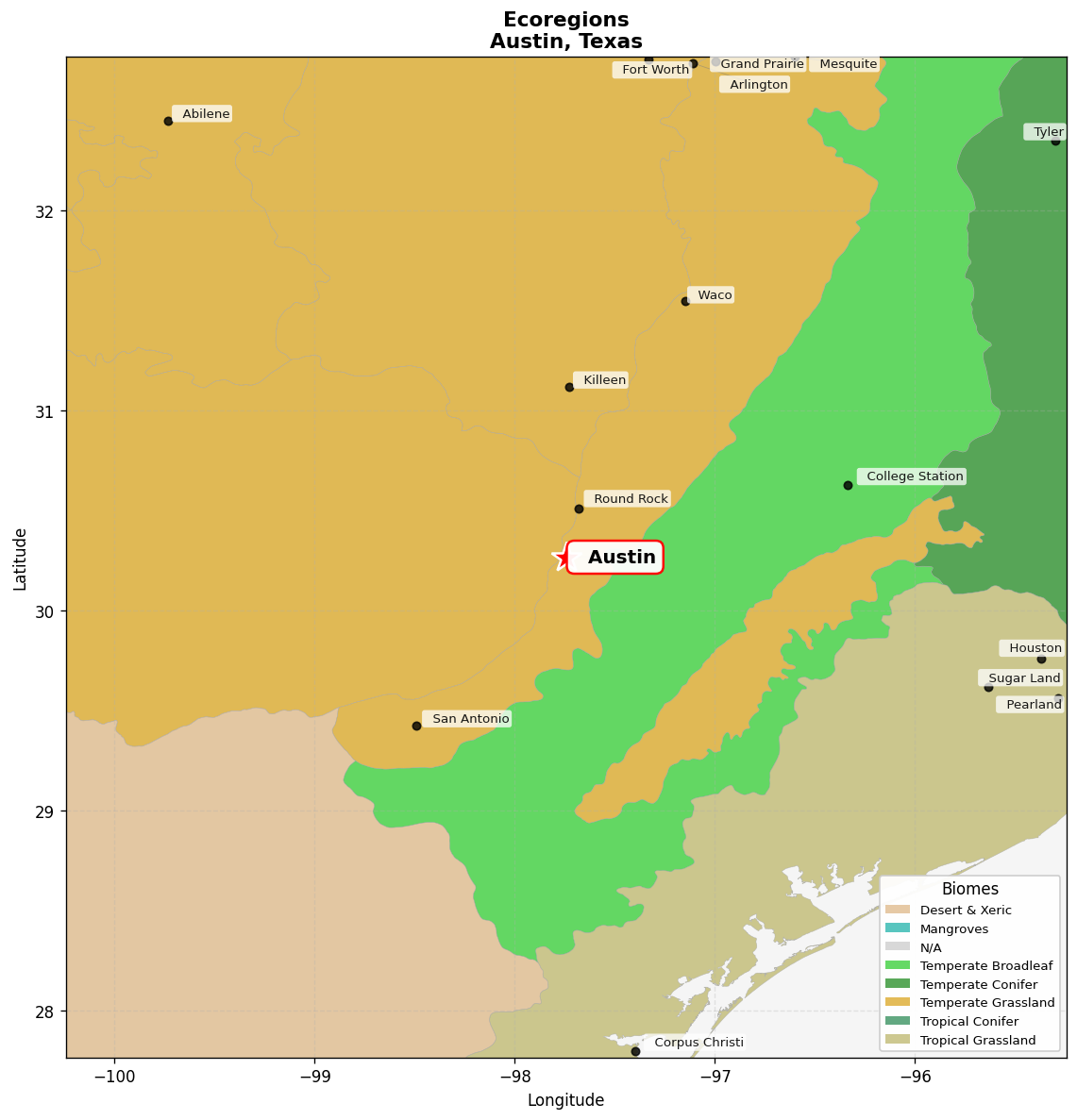
Texas blackland prairies
Native ecoregionFrequently Asked Questions
How much does modern landscaping cost in Austin?
A typical Austin front yard redesign (400–600 sqft) runs $5,000–$11,000 for a modern design with hardscape and xeriscape plantings. Full backyard projects with patios, lighting, and irrigation range from $18,000–$50,000. DIY decomposed granite and plant conversions can start as low as $2,500. Austin's limestone soil often adds 10–15% to excavation costs vs. other Texas cities.
Is modern landscaping water-efficient enough for Austin Water restrictions?
Yes — that's the core advantage. Modern xeriscape designs with agave, live oak, ornamental grasses, and decomposed granite can cut outdoor water use by 60–70% compared to traditional turf. Once established (typically 1–2 years), most plants in a well-designed Austin modern garden need little to no supplemental irrigation, putting you well inside Stage 1 and Stage 2 restriction limits.
What's the best time to plant in Austin?
Fall (October–November) is ideal. Cooler temperatures reduce transplant shock and Austin's occasional fall rains help establish root systems before the brutal summer. Spring (March–April) is the second-best window. Avoid planting during June–September when 100°F+ temperatures create extreme transplant stress and water demands peak under Austin Water restrictions.
How do I deal with Austin's limestone and caliche soil?
Lean into it rather than fight it. Caliche is alkaline, shallow, and drains fast — which is exactly what agave, yucca, ornamental grasses, and live oaks prefer. For planting beds, break through the caliche layer with a tile spade or rented trencher and backfill with a 50/50 mix of native soil and compost. Avoid heavy clay amendments. Raised beds over decomposed granite are an elegant modern solution that sidesteps the problem entirely.
Do I need a permit for landscaping in Austin?
Most residential landscaping in Austin doesn't require a permit. However, you'll need one for retaining walls over 30 inches, structures like pergolas or decks, drainage modifications affecting neighboring properties, or electrical work for landscape lighting. Projects near Barton Creek Greenbelt or the Edwards Aquifer recharge zone may also face additional restrictions. Check with Austin Development Services Department for your specific address.
Can I get a rebate for removing my lawn in Austin?
Yes. Austin Water's WaterWise Landscape Rebate Program offers rebates for replacing turf with water-efficient landscaping. Rebate amounts and eligibility vary by current program funding — check austintexas.gov/waterwise for current rates. The program often books up quickly, so apply before starting work. Rebates can offset $300–$800+ of project costs on a typical front yard conversion.