4 Cottage Garden Ideas for Austin, TX | English Garden Design in Zone 8b
Native plants from the Texas blackland prairies (Zone 8b) — Humid subtropical climate
Why Cottage/English Gardens in Austin?
Austin and the English cottage garden have a complicated relationship — but a more promising one than most Texas gardeners realize. Traditional cottage gardens were born in the cool, rainy British countryside, and Austin's summers bring 100°F+ heat from June through September with limestone soil that drains fast and holds little water. That's the honest challenge. But here's what's equally true: Austin's Zone 8b winters are mild enough that most cottage perennials survive year-round, and the city's legendary spring — with wildflowers blooming from February through May — gives cottage gardens a glory season that genuinely rivals anything in England.
The neighborhoods tell the story best. Travis Heights, Bouldin Creek, and Clarksville are filled with craftsman bungalows and Victorian cottages sitting under mature live oak canopies that have been growing for 50 to 100 years. Those live oaks are the cottage gardener's greatest asset in Austin — they cast the dappled afternoon shade that allows roses, foxgloves, salvias, and lavender to survive summer heat that would devastate them in a treeless yard. Under a mature live oak canopy, you're effectively gardening in a microclimate 15–20°F cooler than the open sun, with the naturalistic overhead structure that makes cottage style feel completely at home.
Roses are the heart of any cottage garden, and Austin has a secret weapon: Texas A&M's Earth Kind Rose Program, one of the most rigorous rose testing programs in the country. Earth Kind varieties are selected specifically for heat tolerance, disease resistance, and minimal water needs — roses that bloom prolifically in Texas conditions without constant spraying or pampering. Antique roses have been grown in Texas for over 150 years and are a genuine cottage garden tradition here, not a transplanted British import. 'Mutabilis', 'Cecile Brunner', 'Souvenir de la Malmaison', and the tough Knock Out series are all proven Austin performers.
The other adjustment is Austin's alkaline limestone soil. Most cottage plants prefer slightly acidic to neutral soil, so amending beds with compost, sulfur, and organic matter before planting makes a significant difference in bloom quality. Build raised beds or heavily amended planting areas where the caliche layer is close to the surface. With the right plants, some strategic shade, and an efficient drip irrigation system, Austin cottage gardens can be genuinely stunning — especially in that spectacular spring window from March through May.
4 Cottage/English Design Ideas for Austin
AI-generated image
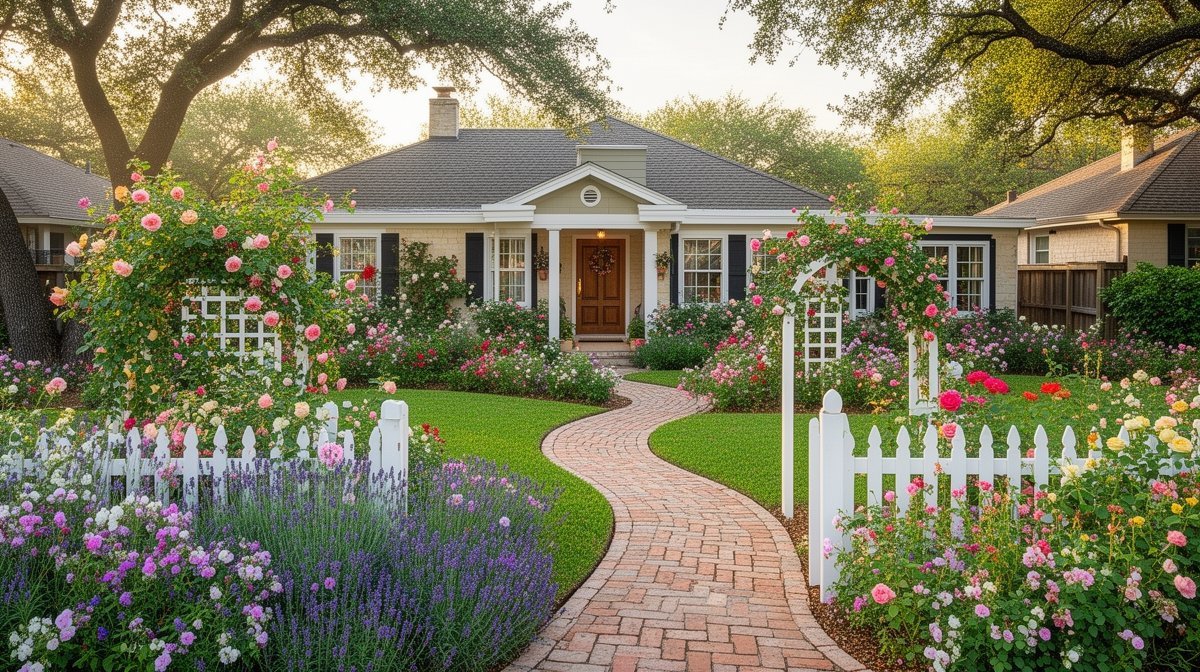
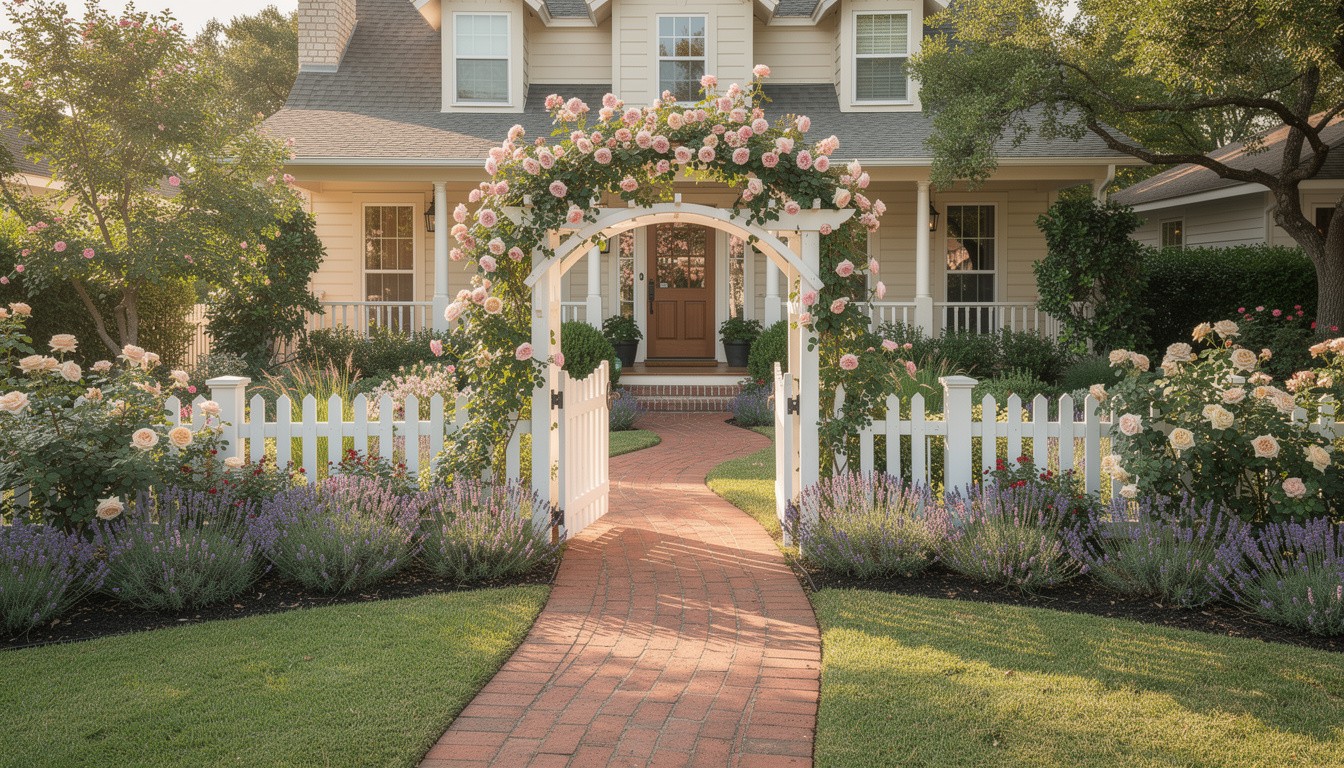
The Picket Fence Rose Arbor Entry
$12–22/sqftA white picket fence with a climbing rose arbor gate opens onto a brick path leading to the porch of an Austin cottage home. Lavender borders line both sides of the path, and soft pink and white climbing roses — 'Cecile Brunner' and 'New Dawn' — cascade over the wooden arch in full bloom. A mature tree frames the left side of the yard, providing the dappled shade that extends bloom time through May. This design captures the quintessential Austin cottage front yard character seen in Travis Heights, Bouldin Creek, and Hyde Park — intimate scale, generous planting, and an entry that makes you want to slow down.
AI-generated image
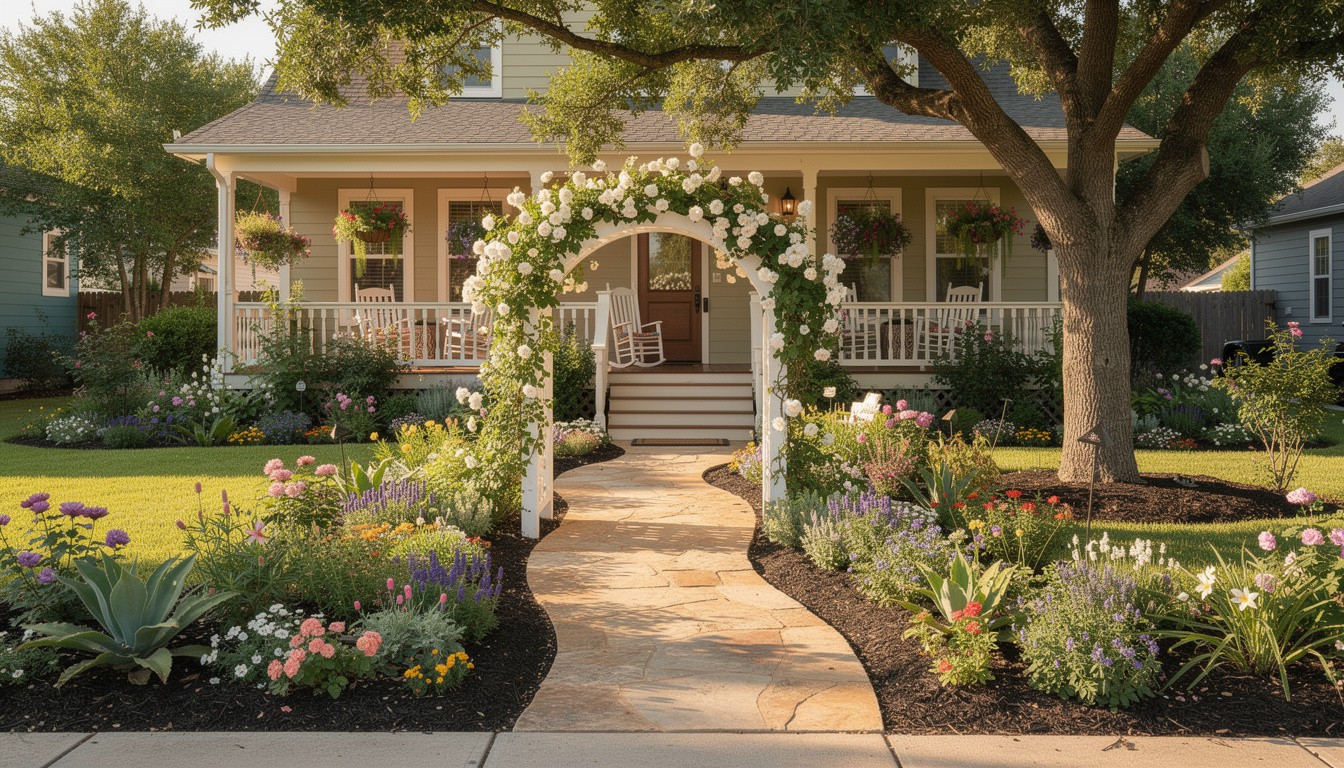
The Cottage Arch and Perennial Front Walk
$14–25/sqftA white wooden arch frames the front entry of a craftsman cottage, wrapped in white climbing roses at peak spring bloom. Wide informal perennial borders sweep along both sides of a stone path to the porch, with foxgloves, mixed salvia, tropical-accented plants, and bright annuals creating a layered, exuberant display. A mature cedar elm or live oak shades one side of the yard, supporting shade-adapted plants beneath. This design delivers Austin's cottage garden at full expression: the long spring season from February through May allows these borders to build to a crescendo of simultaneous bloom that defines the neighborhood character in older Austin ZIP codes.
AI-generated image
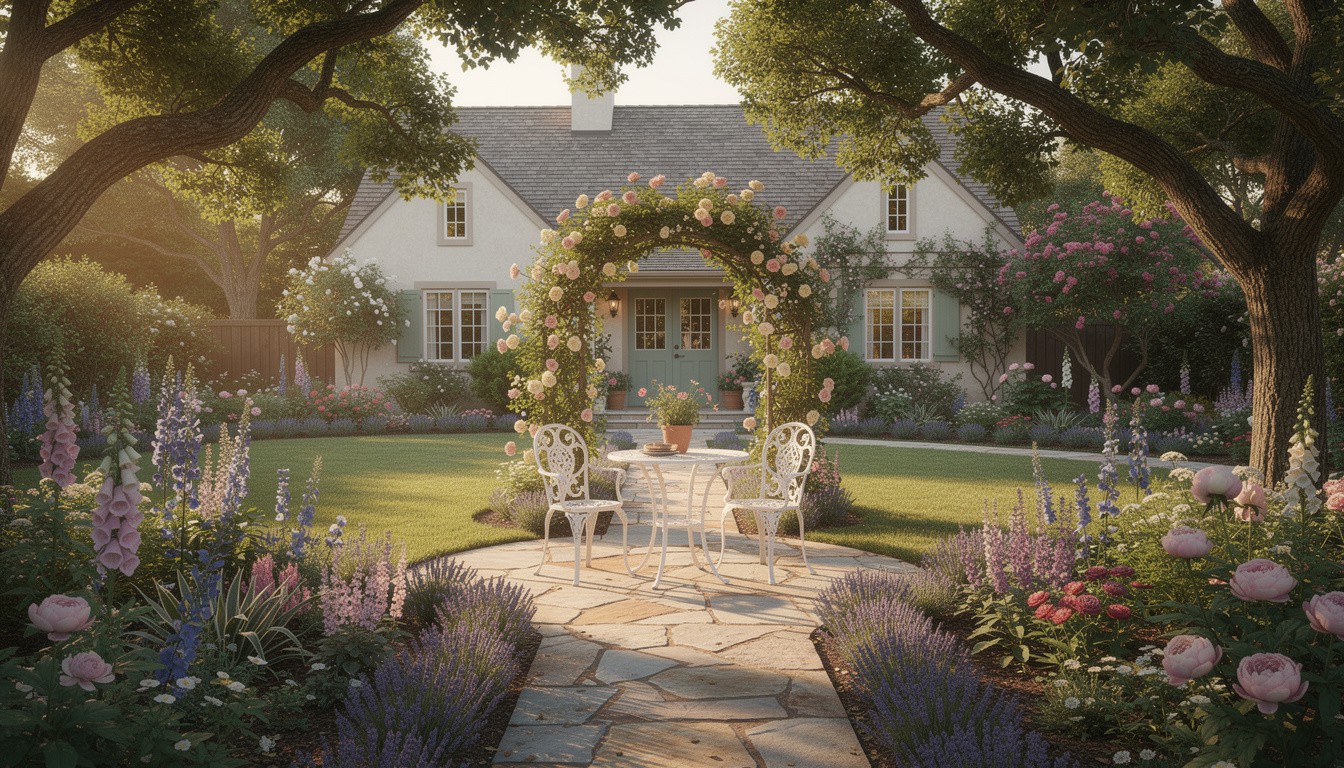
The Moonlit Cottage Patio Garden
$16–30/sqftA rose-covered arch of white metal frames a backyard flagstone patio where a white bistro table and two chairs sit beneath the full canopy of mature live oaks. Lavender, foxgloves, climbing roses, and cottage perennials wrap the seating area in full bloom under the warm glow of the late-day light. The patio surface is level flagstone with softened edges where the planting presses in from all sides. Austin's live oak canopy creates the ideal microclimate for this kind of space — the evergreen shade keeps the patio comfortable through summer mornings and fall afternoons when the surrounding borders are at their October peak.
AI-generated image
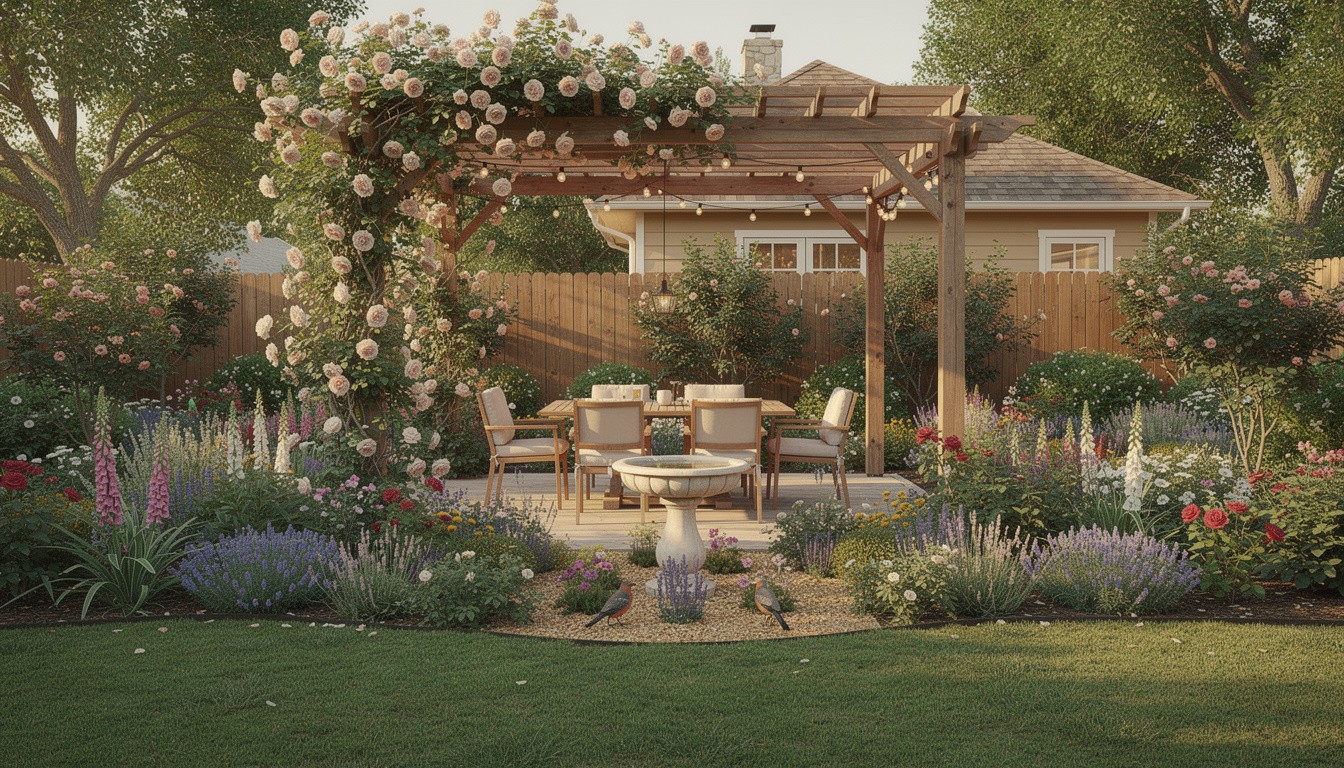
The Rose Pergola and Fire Pit Garden
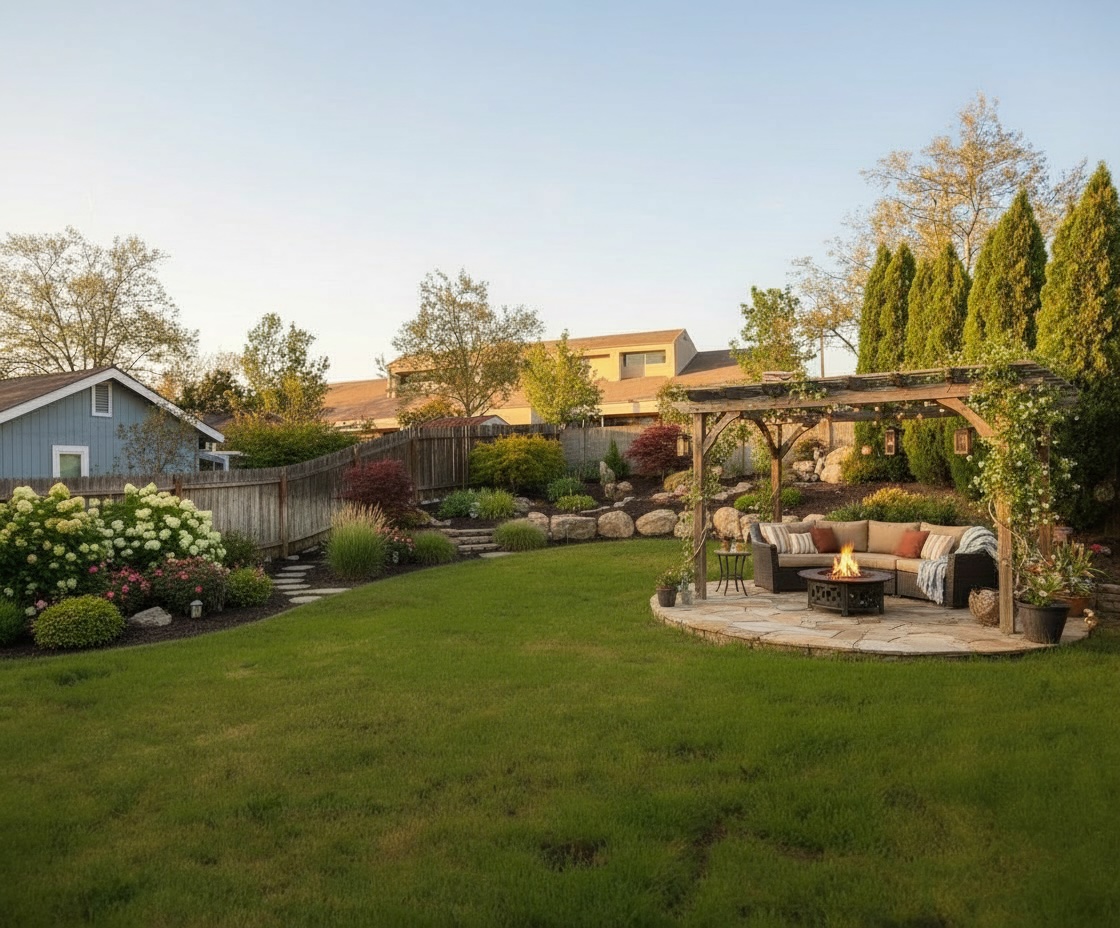
$20–45/sqftA cedar pergola draped in climbing roses shelters a dining and seating area at the rear of an Austin cottage garden, while a round fire pit surrounded by lounge chairs occupies a circular flagstone pad nearby. Mixed cottage borders of roses, lavender, foxgloves, and salvias wrap the entire composition, and the surrounding planting is in full bloom against the warm tones of cedar and limestone. The pergola is Austin's answer to summer shade — positioned to capture the prevailing south breeze, it makes outdoor dining possible from March through June and again from September through November. The fire pit extends the season into the mild Austin winter.
See how a cottage/english garden looks on YOUR property
Upload a photo of your Austin yard and visualize your dream garden in seconds.
Try ProScapeAI Free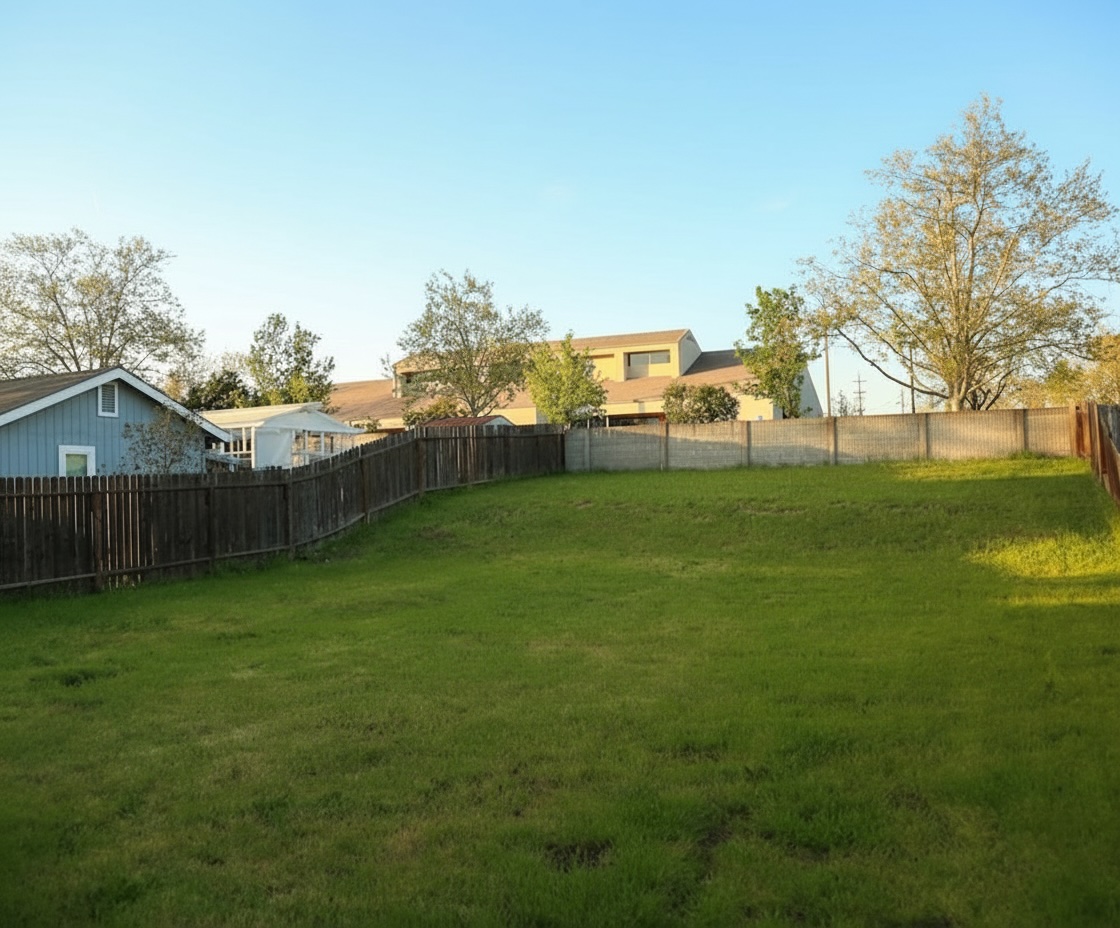
AI-generated image
Featured Trees & Shrubs for Cottage/English Gardens
Browse all 156 plants for Austin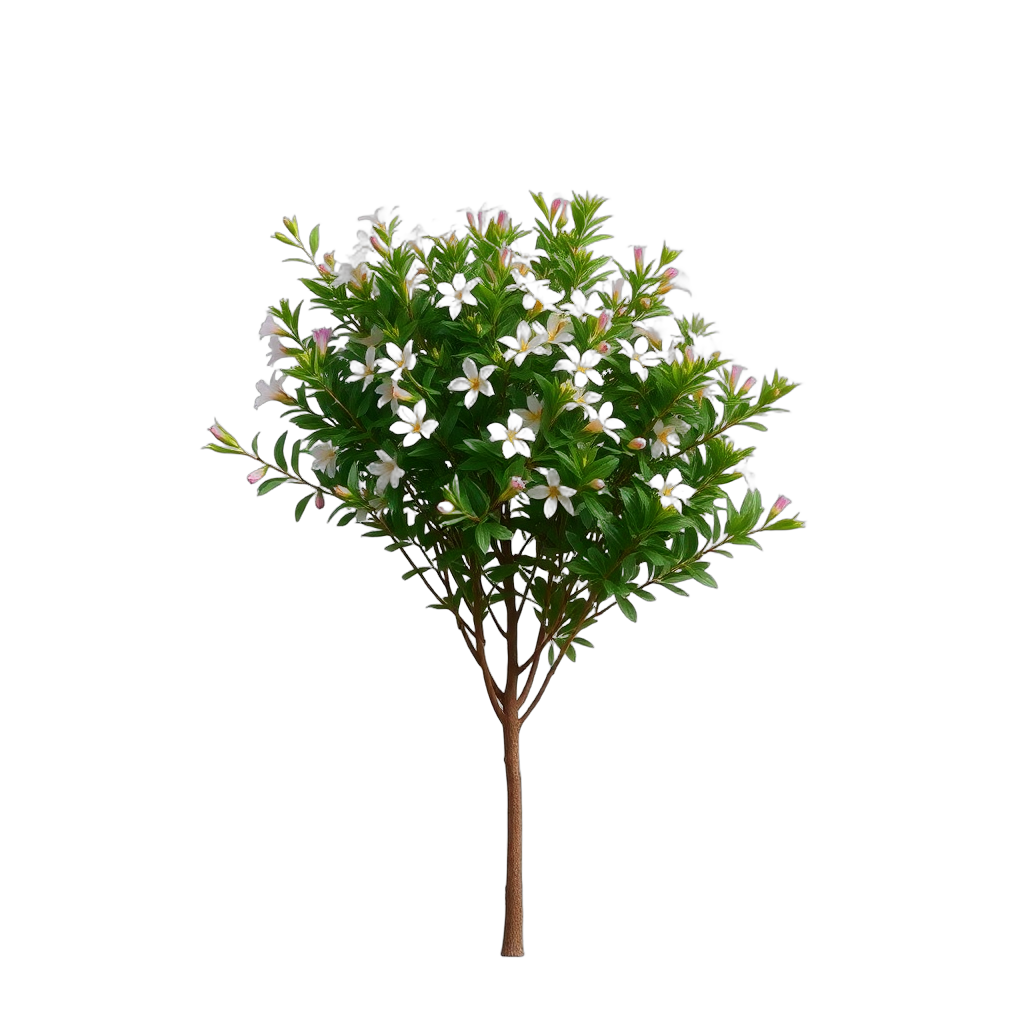
Texas Mountain Laurel
Sophora secundiflora
medium-sized at 12 feet, purple blooms in spring. Evergreen year-round.
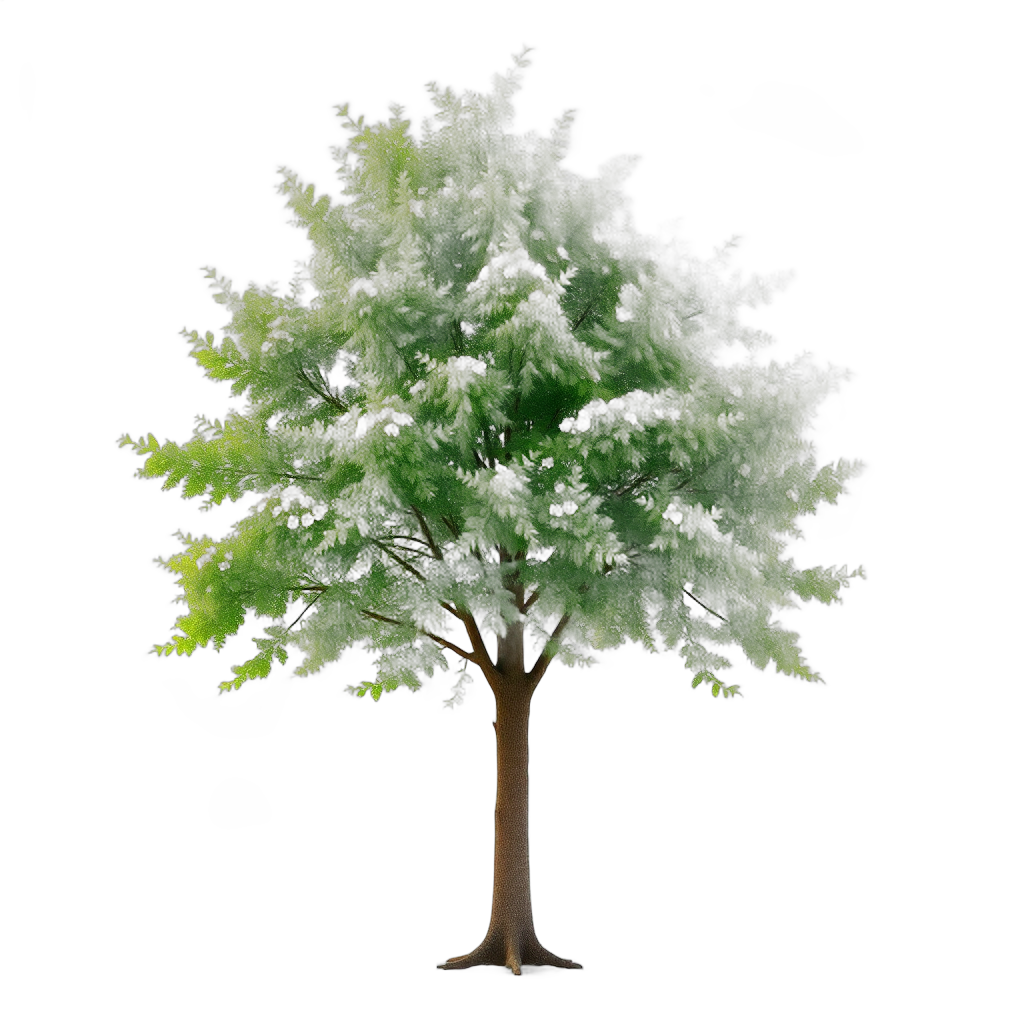
Cedar Elm
Ulmus crassifolia
large shade tree reaching 60+ feet, blooms in fall. Yellow fall color.
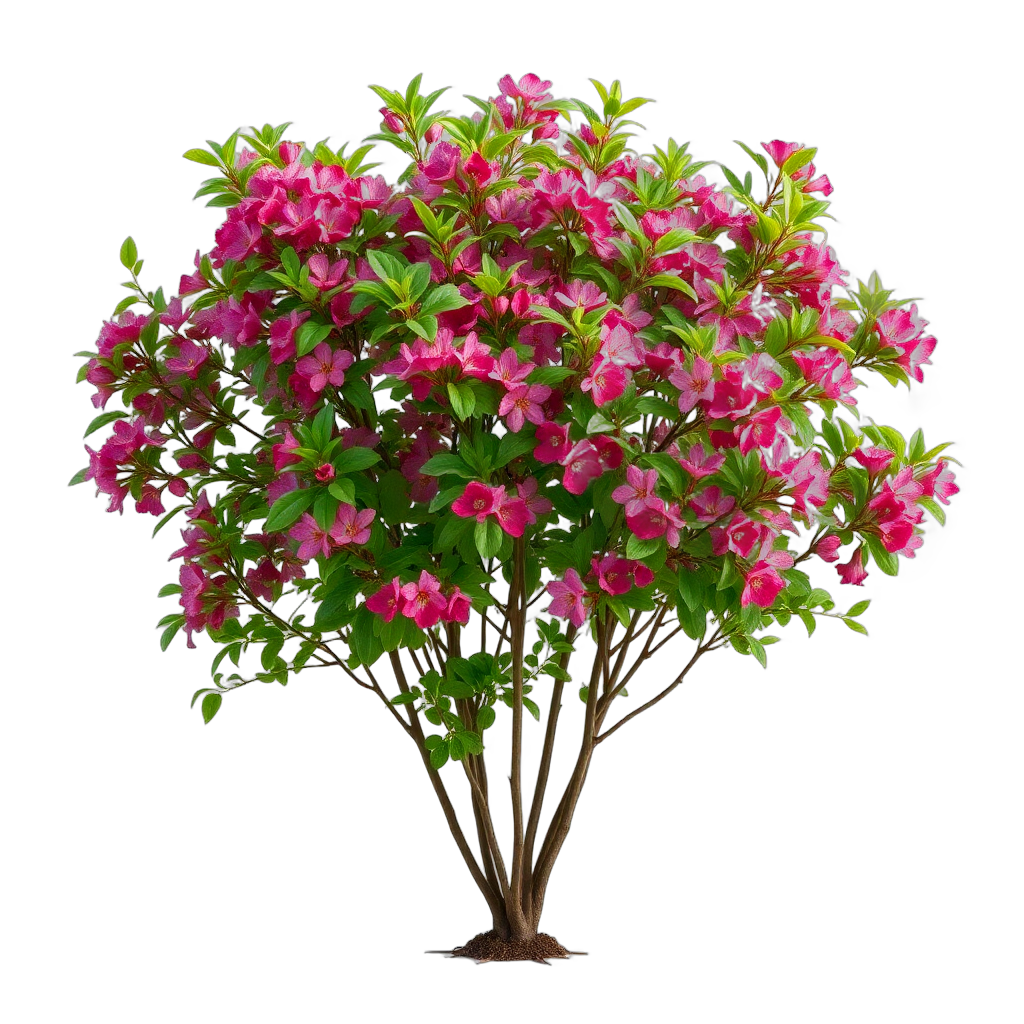
Oklahoma Redbud
Cercis reniformis
reaches 20 feet tall, purple blooms in spring. Attracts hummingbirds.
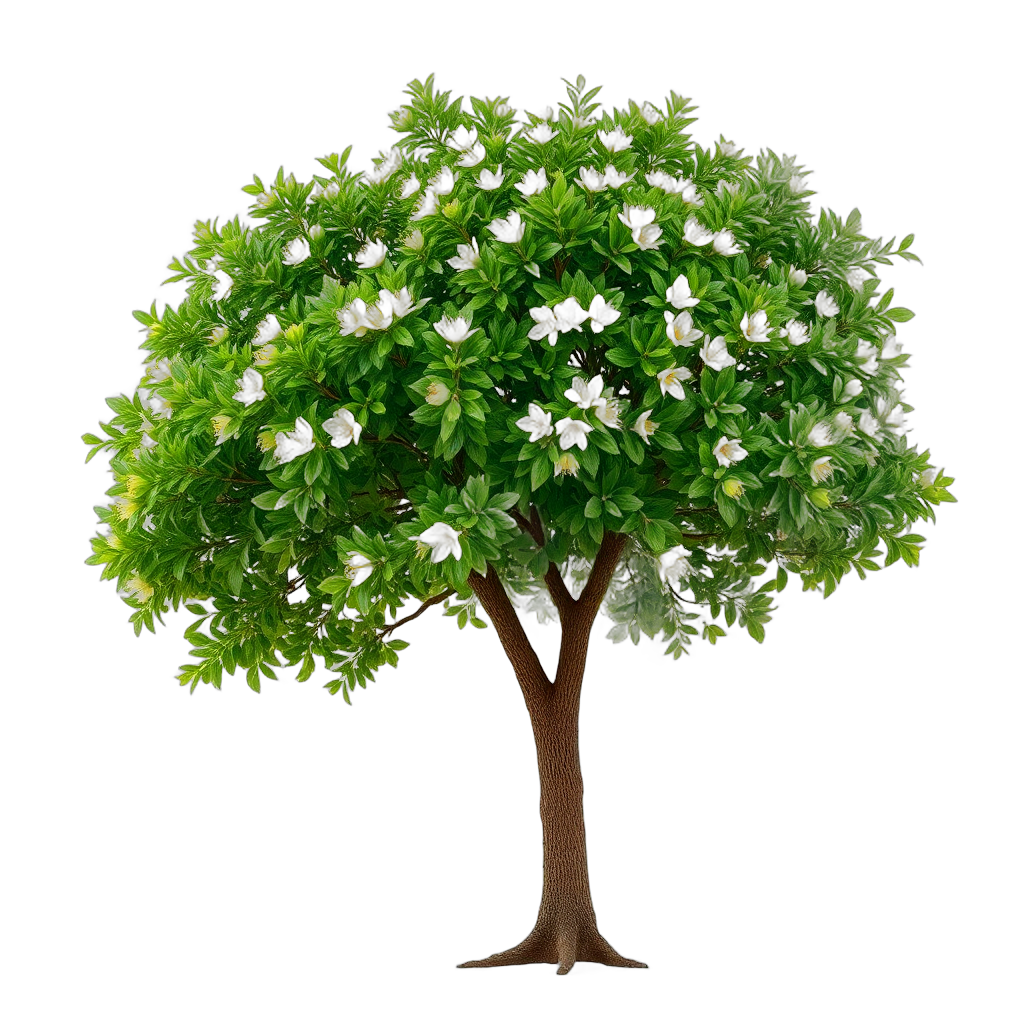
Osage Orange
Maclura pomifera
large shade tree reaching 50+ feet, blooms in spring. Yellow fall color.
Featured Grasses & Groundcovers for Cottage/English Gardens
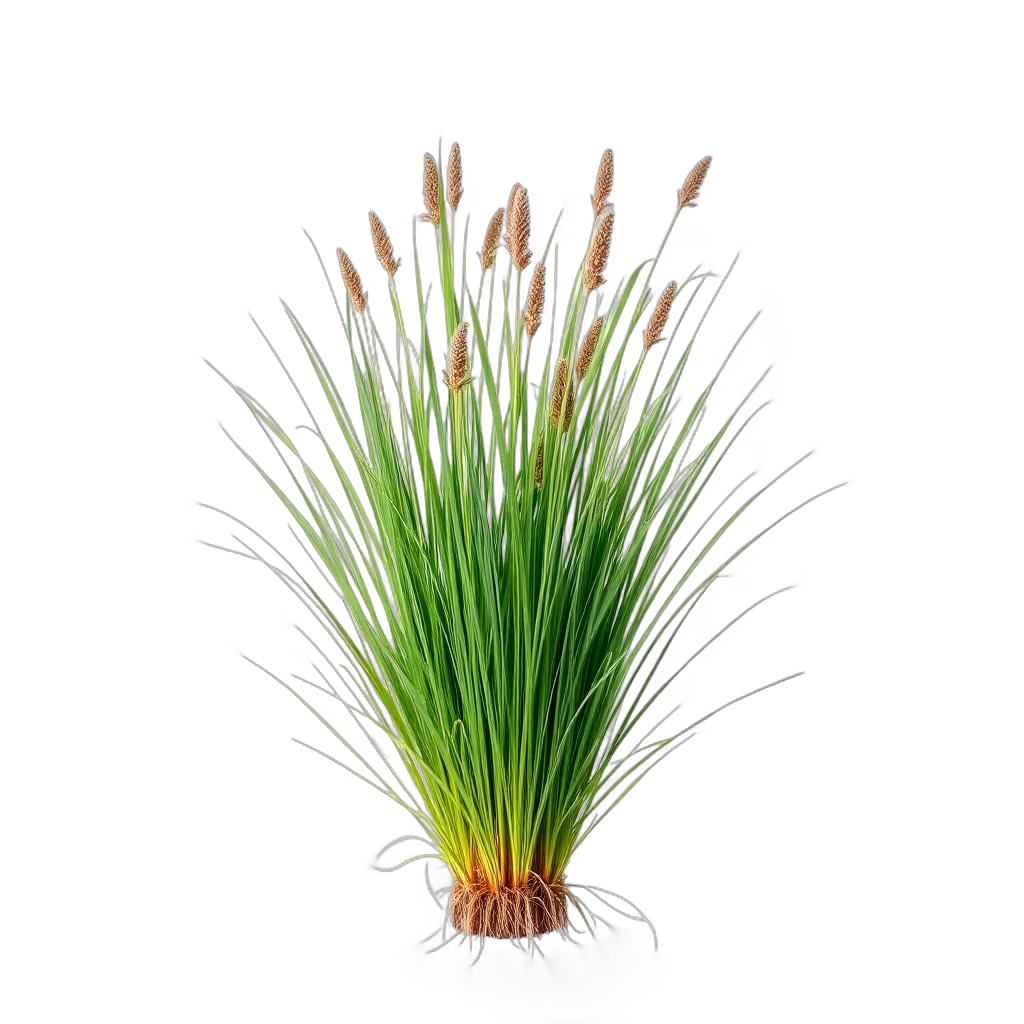
Lindheimer's Muhly
Muhlenbergia lindheimeri
grows to 4 feet, white blooms in fall.
Featured Flowers & Perennials for Cottage/English Gardens
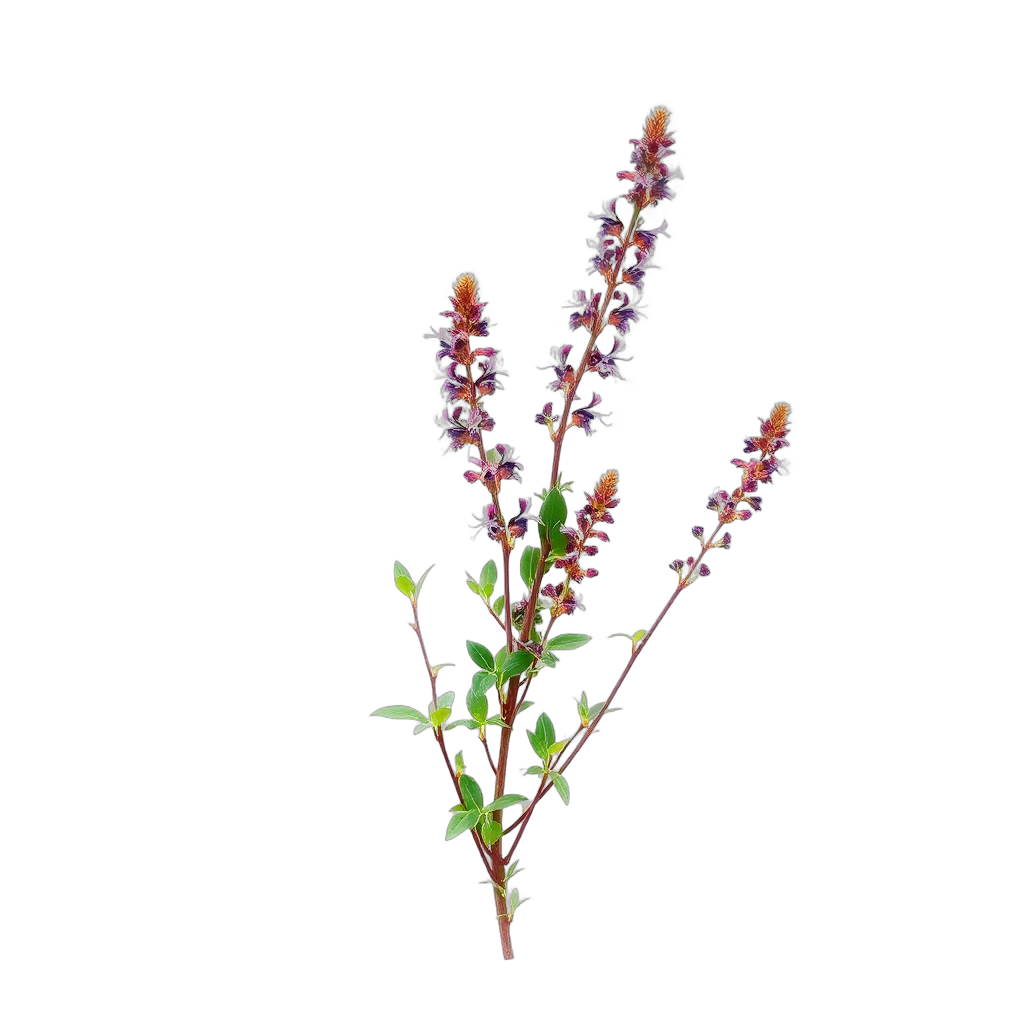
Mealy Cup Sage
Salvia farinacea
low-growing ground cover, blue blooms in summer. Attracts butterflies.
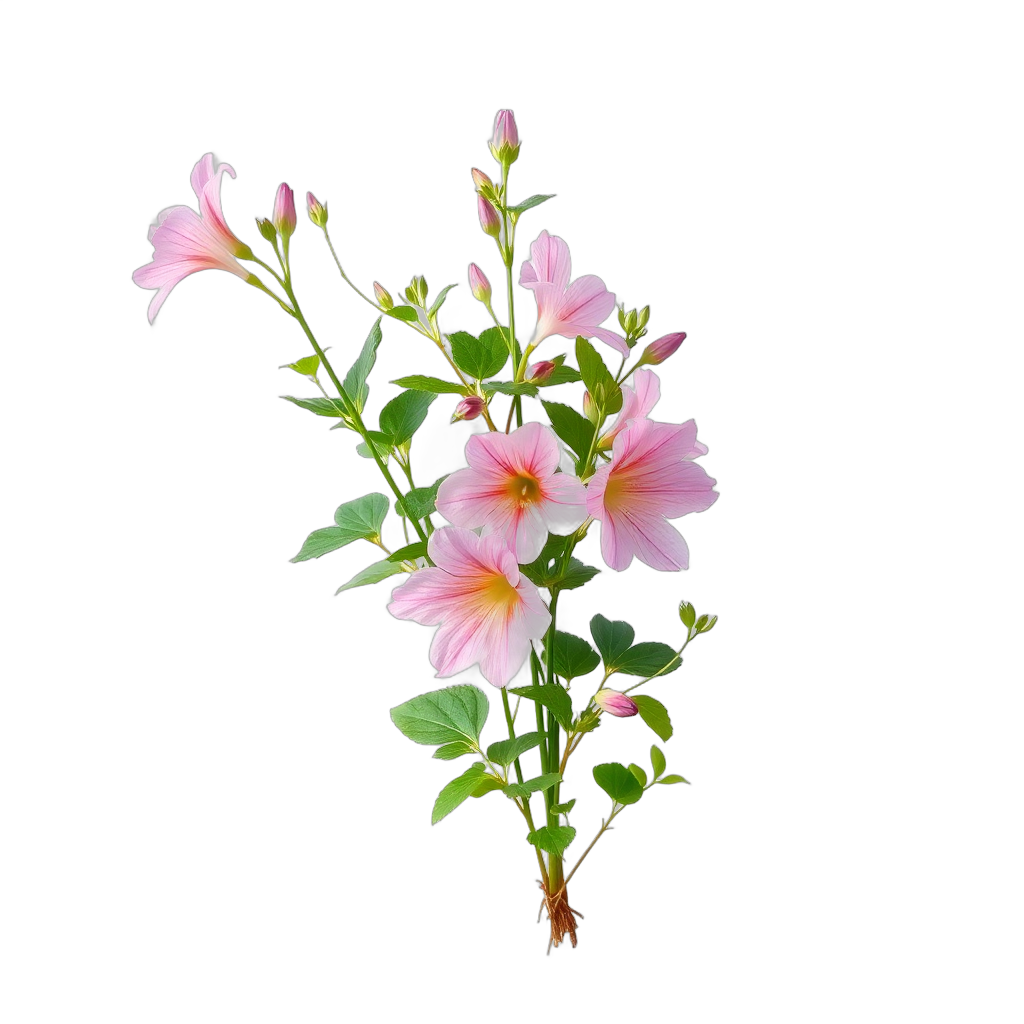
Pink Evening Primrose
Oenothera speciosa
low-growing ground cover, pink blooms in summer. Attracts butterflies.

Water Lettuce
Pistia stratiotes
low-growing ground cover, white blooms in summer. Evergreen year-round.
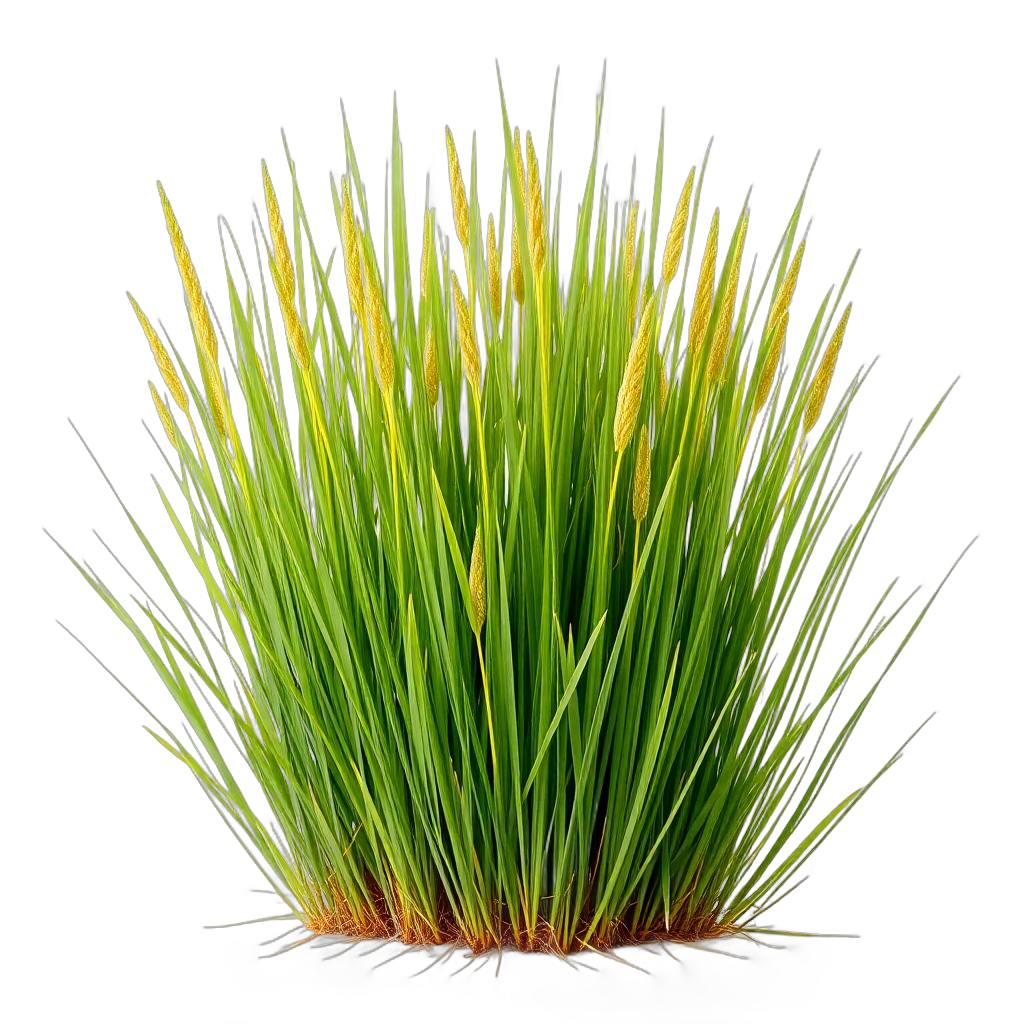
Bowles' Golden Sedge
Carex elata 'Aurea'
low-growing ground cover, blooms in none.
Zone and sun checks come from our database — confirm with your local nursery before you buy.
Bloom Calendar for Austin
spring
Texas Mountain Laurel, Oklahoma Redbud, Osage Orangesummer
Mealy Cup Sage, Pink Evening Primrose, Water Lettucefall
Mealy Cup Sage, Lindheimer's Muhly, Cedar Elmwinter
Limited bloomsDesign Tips for Austin (Zone 8b)
- Site cottage beds under mature live oaks for afternoon shade — the dappled canopy in Travis Heights, Bouldin Creek, and Clarksville creates a microclimate 15–20°F cooler than open sun, dramatically expanding your plant palette
- Choose Earth Kind roses exclusively: Texas A&M's program has tested hundreds of varieties for Austin's specific heat and alkaline soil — these are the roses proven to thrive without constant maintenance
- Amend Austin's limestone soil before planting: work 4–6 inches of compost and organic matter into beds, check pH, and add sulfur if needed — cottage perennials bloom far better in neutral soil than in raw caliche
- Focus on spring as your glory season — plant in fall for maximum March–May display, and embrace the fact that summer is a rest period rather than a gardening failure
- Build shade where you don't have trees: a wood pergola or shade sail over a west-facing border drops temperatures significantly and makes foxgloves, delphiniums, and lavender viable where they'd otherwise struggle
- Lean into antique roses as a Texas cottage tradition — varieties like 'Mutabilis' and 'Cecile Brunner' have grown in Austin gardens for over a century and carry authentic cottage character without hybrid tea fragility
Where to Source Plants in Austin
Skip the big-box stores. These independent Austin nurseries specialize in the plants that make cottage/english gardens thrive in Zone 8b.
Barton Springs Nursery
West Lake Hills
Native and adapted plants, landscape design — 4 acres of on-site propagation
Shoal Creek Nursery
Allandale
Native Texas plants, organics — family-owned, one of Austin's largest independents
Vivero Growers
South Austin
Texas native and adapted plants, broad inventory, landscape consultation
Greensleeves Nursery
Pflugerville
Native Texas plants — specialty nursery with deep native flora expertise
Cottage/English Landscaping Costs in Austin
| Project Scope | Estimated Cost |
|---|---|
| Rose arbor + picket fence cottage entry | $5,500 – $13,000 |
| Full cottage front yard redesign (400–600 sqft) | $7,000 – $17,000 |
| Backyard cottage patio with arch + planting | $8,500 – $22,000 |
| Pergola + fire pit + cottage garden (full backyard) | $22,000 – $55,000 |
| Soil amendment (Austin limestone / clay mix) | $1,500 – $4,000 |
| Drip irrigation system | $1,200 – $3,200 |
| AI visualization with ProScapeAI | Free to start |
Estimates based on Austin, TX-area contractor rates as of 2026. Actual costs vary by site conditions, materials, and contractor.
Austin Climate & Growing Zone
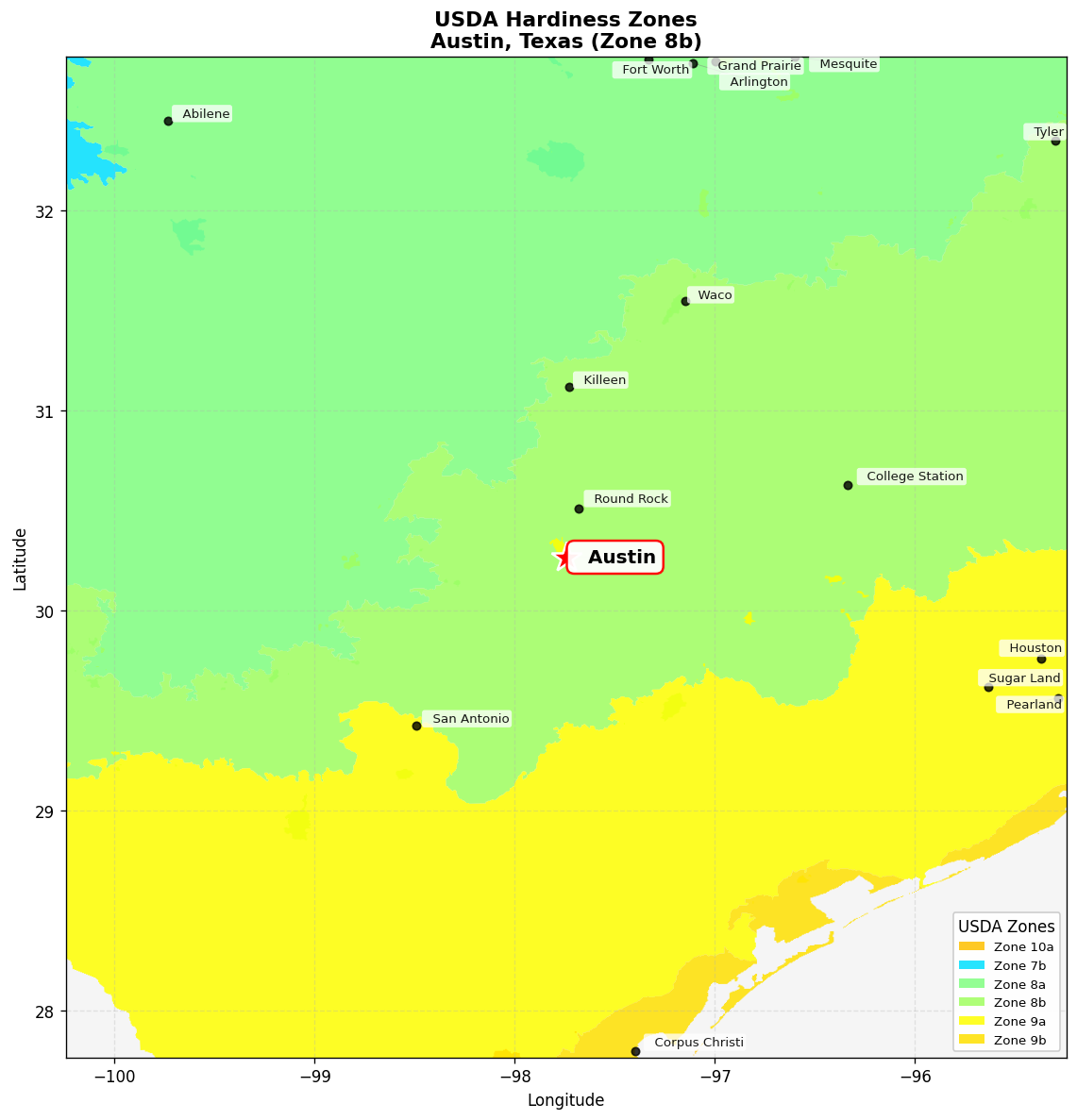
USDA Zone 8b
Hardiness zone for Austin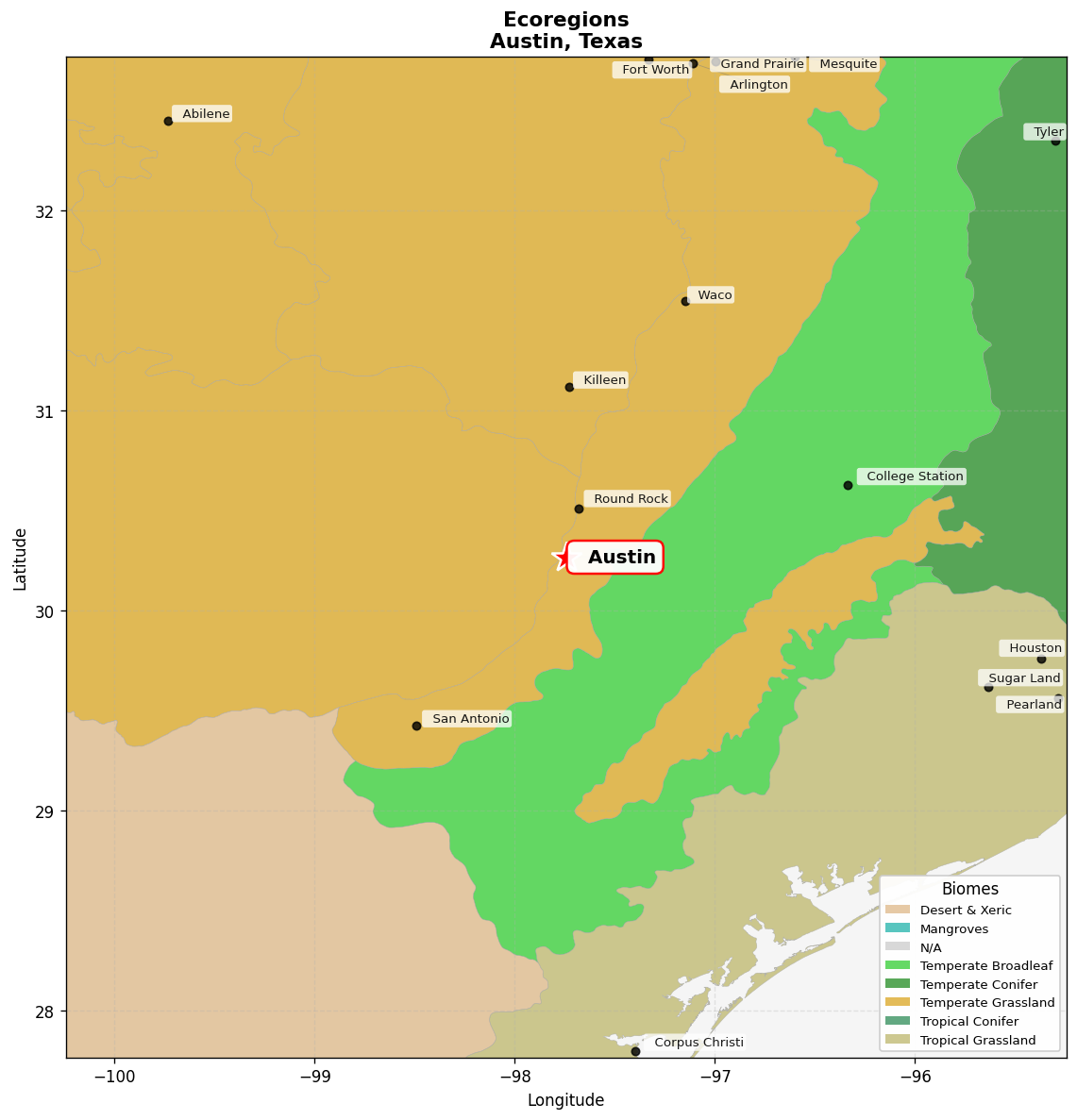
Texas blackland prairies
Native ecoregionFrequently Asked Questions
Can you really grow an English cottage garden in Austin's heat?
Yes, with the right approach. Austin's Zone 8b climate is challenging for traditional British cottage plants, but far more workable than many gardeners assume. The keys are: leaning on Austin's spectacular spring (March–May) as your primary glory season, using Earth Kind roses selected specifically for Texas heat, providing afternoon shade — ideally from mature live oaks — and amending Austin's alkaline limestone soil with compost and organic matter. The live oak neighborhoods of Travis Heights, Bouldin Creek, and Clarksville give cottage gardens a genuine microclimate advantage.
What roses work best for Austin cottage gardens (Zone 8b)?
Texas A&M's Earth Kind Rose Program is the definitive resource. Earth Kind varieties are rigorously tested for Texas heat, disease resistance, and low water needs. Top performers include 'Knock Out' and 'Double Knock Out' (shrub, extremely tough), 'Climbing Pinkie' and 'New Dawn' for arbors and arches, and antique varieties like 'Mutabilis', 'Cecile Brunner', and 'Souvenir de la Malmaison' that have been grown in Texas for over 150 years. Avoid high-maintenance hybrid tea roses without consistent irrigation and afternoon shade — they require far more coddling in Austin's alkaline, hot conditions.
How do I deal with Austin's limestone soil for cottage garden plants?
Austin's alkaline caliche-heavy limestone soil is the main challenge. Most cottage perennials prefer neutral to slightly acidic soil (pH 6.0–7.0), while Austin's soil often runs pH 7.5–8.5. The solution: amend planting beds heavily with compost, peat moss, and sulfur before planting; build raised beds where caliche is close to the surface; and mulch generously to retain moisture. Adding 4–6 inches of quality compost worked into existing soil makes a significant difference in plant vigor and bloom quality. Annual top-dressing with compost maintains soil health over time.
Which cottage plants thrive in Austin and which ones struggle?
Thrives: Earth Kind roses, antique roses, lavender, salvia greggii and Mexican sage, catmint, coneflower (Echinacea), yarrow, daylilies, Mexican bush sage, and lantana. Thrives in live oak shade: foxgloves, delphiniums, hollyhocks, and astilbe can perform well in afternoon shade with amended soil. Struggles in full sun: traditional delphiniums, foxgloves, lupins, and primrose need afternoon shade to survive Austin's summer. The rule: if it needs cool summers, site it under a live oak or on a north/east-facing exposure.
How important is the live oak canopy for Austin cottage gardens?
It's transformative. Mature live oaks — common in Travis Heights, Bouldin Creek, Clarksville, and Hyde Park — create a microclimate that can be 15–20°F cooler than open sun in summer. Under that canopy, you can successfully grow foxgloves, delphiniums, and shade-tolerant cottage perennials that would burn in unprotected Austin yards. The dappled overhead structure also gives cottage borders the naturalistic enclosure that makes the style so appealing. If you don't have mature live oaks, a pergola or shade sail over west-facing beds delivers a meaningful improvement.
When is the best time to plant a cottage garden in Austin?
Fall (October–November) is ideal. Austin's mild winters allow root establishment without heat stress, and winter rains reduce irrigation needs during establishment. Spring (February–April) works well for annuals, perennials, and roses before heat arrives. Avoid summer planting — transplant stress combined with 100°F+ heat is brutal on cottage plants, and irrigation costs spike sharply. Plant your Earth Kind roses in November for the best spring bloom display the following March through May.