4 Modern Landscape Ideas for Beaumont, TX | Clean Lines for Zone 9a Rain and Clay
Native plants from the Western Gulf coastal grasslands (Zone 9a) — Humid subtropical climate
Why Modern/Minimalist Gardens in Beaumont?
Modern design in Beaumont starts from a flat, wet piece of ground and a lot of low houses. The brick ranches of Caldwood and the West End, built through the 1950s, 60s and 70s, are long horizontal buildings with deep eaves and simple rooflines, the kind of geometry a clean-line landscape plays up, and the newer builds off Dowlen Road and in the far West End add flat-fronted brick and stone with big windows. There is almost no slope anywhere in the city, so a modern Beaumont garden is a ground-plane design: the width of a concrete walk, a crisp steel edge, gravel against lawn, and one strong plant repeated down the length of the house.
What makes Beaumont different from desert-modern cities is water. NOAA's 1991–2020 normals for Jack Brooks Regional Airport put annual rainfall at 62.1 inches, with close to 7 inches in each month from June through September and July highs averaging 92.6°F. A gravel-and-agave front yard copied from Austin will rot here unless it is built up. Use a modern palette that likes the wet instead: Sabal minor, the dwarf palmetto native to Southeast Texas bottomlands; Muhlenbergia capillaris 'Regal Mist', a native of the Western Gulf coastal grasslands this city sits in; clipped spheres of Ilex vomitoria 'Nana'; Podocarpus macrophyllus 'Maki' as a narrow evergreen screen; and Aspidistra elatior in the shade under oaks. Agave ovatifolia and Yucca filamentosa 'Color Guard' still work, but only in raised gravel beds.
The soil sets the rules for hardscape. Much of the city sits on Beaumont clay, the soil series named for this county: poorly drained, very slowly permeable, and a shrink-swell clay that opens cracks more than 2 cm wide in dry spells. It is also very strongly to extremely acid near the surface, often below pH 5.0. Frost depth is negligible, so slabs never heave from cold, but they do crack when clay shrinks and swells under them. Every walk and patio wants 4–6 inches of compacted crushed stone underneath and control joints at about 4-foot spacing, which on a modern project doubles as the design grid.
Winter cold sets the limit on the plant list. Zone 9a averages a coldest night of 20–25°F, and the airport sees about 8 freezing nights a year, with a median last freeze around February 14. The bad years go lower: 14°F on February 16, 2021, and 12°F on December 23, 1989. Build the permanent structure from plants rated to 15°F or below, such as Sabal minor, Ilex vomitoria 'Nana', Loropetalum chinense 'Purple Diamond' and Agave ovatifolia, and keep tender accents like Cycas revoluta or Alocasia in pots or in one bed you can cover. Finally, design for storms: Harvey put more than 60 inches on nearby Nederland in 2017, and a modern yard that moves water through a planted swale and permeable joints is the one that still looks like the drawing afterwards.
4 Modern/Minimalist Design Ideas for Beaumont

AI-generated image
The Palmetto Ranch Frontage
$14–28/sqftA long 1960s brick ranch in Caldwood gets a straight concrete walk from the drive to the door, poured in 4-foot panels with wide gravel joints between them. Along the house, a raised steel-edged bed holds a single row of dwarf palmetto and clipped yaupon spheres, while a smaller lawn panel of zoysia sits in front, crisply edged so it reads as a rectangle. The front faces south, so the bed takes full sun most of the day and the palmettos fan out wide.

AI-generated image
The Rain Garden Courtyard
$18–36/sqftBehind a newer West End home, a rectangular concrete patio steps down to a long planted swale that takes the water from the gutters and the patio, lined with river rock and filled with Louisiana iris and soft rush. A row of floating concrete pavers crosses the swale to a gravel seating area under a bald cypress, so in a summer storm the garden fills, drains within a day and still looks finished. Afternoon sun lands on the swale; the seating area gets shade after 2 p.m.

AI-generated image
The Raised Gravel Sculpture Bed
$20–40/sqftFor homeowners who want the desert-modern look in a 62-inch rain city, the agaves go in a raised bed instead of the ground. A 16-inch-high steel planter runs the length of a west-facing front wall, filled with a fast-draining mix of expanded shale and decomposed granite and topped with pale gravel, and holds a rhythm of whale's tongue agave and red yucca with low silver groundcover between them. The rest of the yard stays a simple lawn, so the bed reads as one bold object.

AI-generated image
The Oak Shade Minimal Garden
$12–24/sqftUnder a big live oak on an older lot, a modern garden keeps to three plants and two materials: a dark gravel floor, a square concrete pad for two chairs, and broad masses of cast-iron plant, holly fern and mondo grass laid out in clean rectangles. There is no lawn, because grass will not grow in that shade anyway, and the acid clay under the oak suits the planting as it is. Light falls in patches through the canopy onto the gravel.
See how a modern/minimalist garden looks on YOUR property
Upload a photo of your Beaumont yard and visualize your dream garden in seconds.
Try ProScapeAI Free

AI-generated image
Featured Trees & Shrubs for Modern/Minimalist Gardens
Browse all 156 plants for Beaumont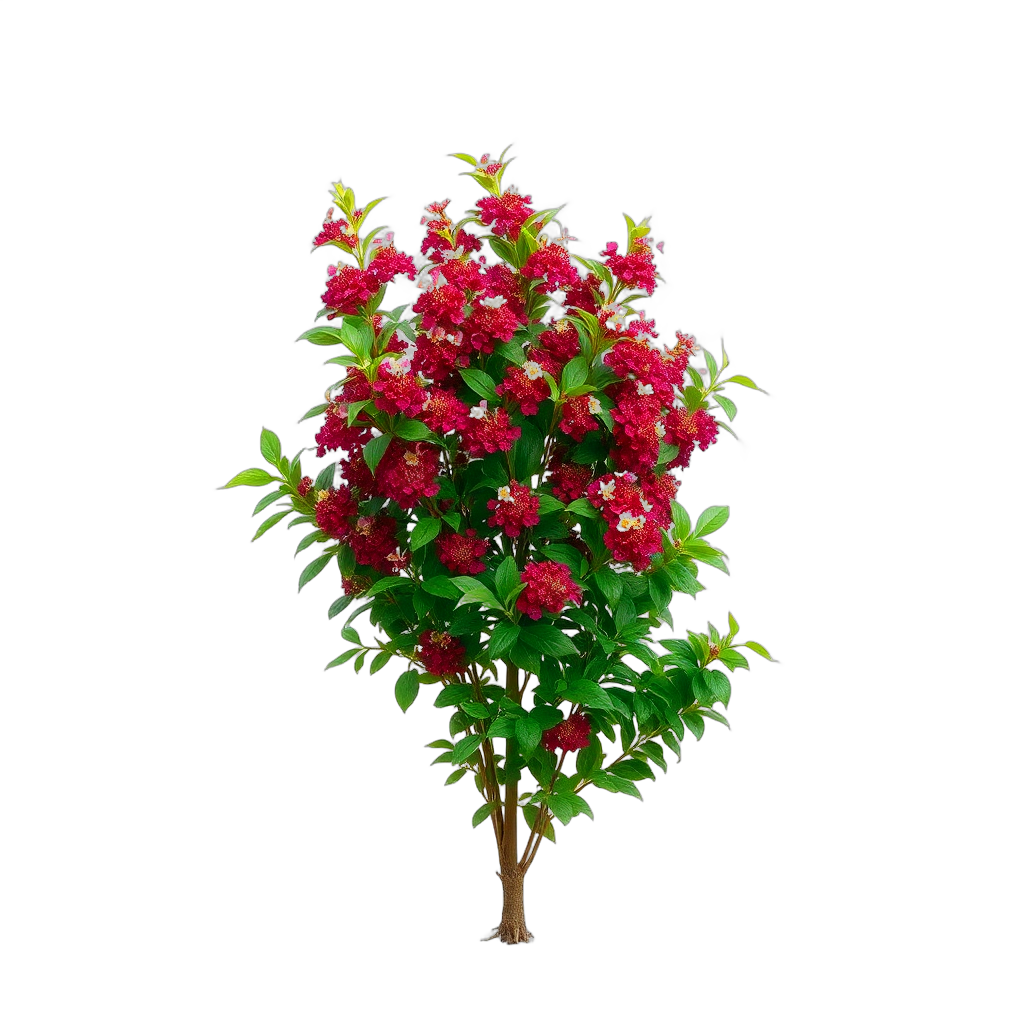
Ruby Spice Summersweet
Clethra alnifolia 'Ruby Spice'
grows to 5 feet, pink blooms in summer. Attracts butterflies.
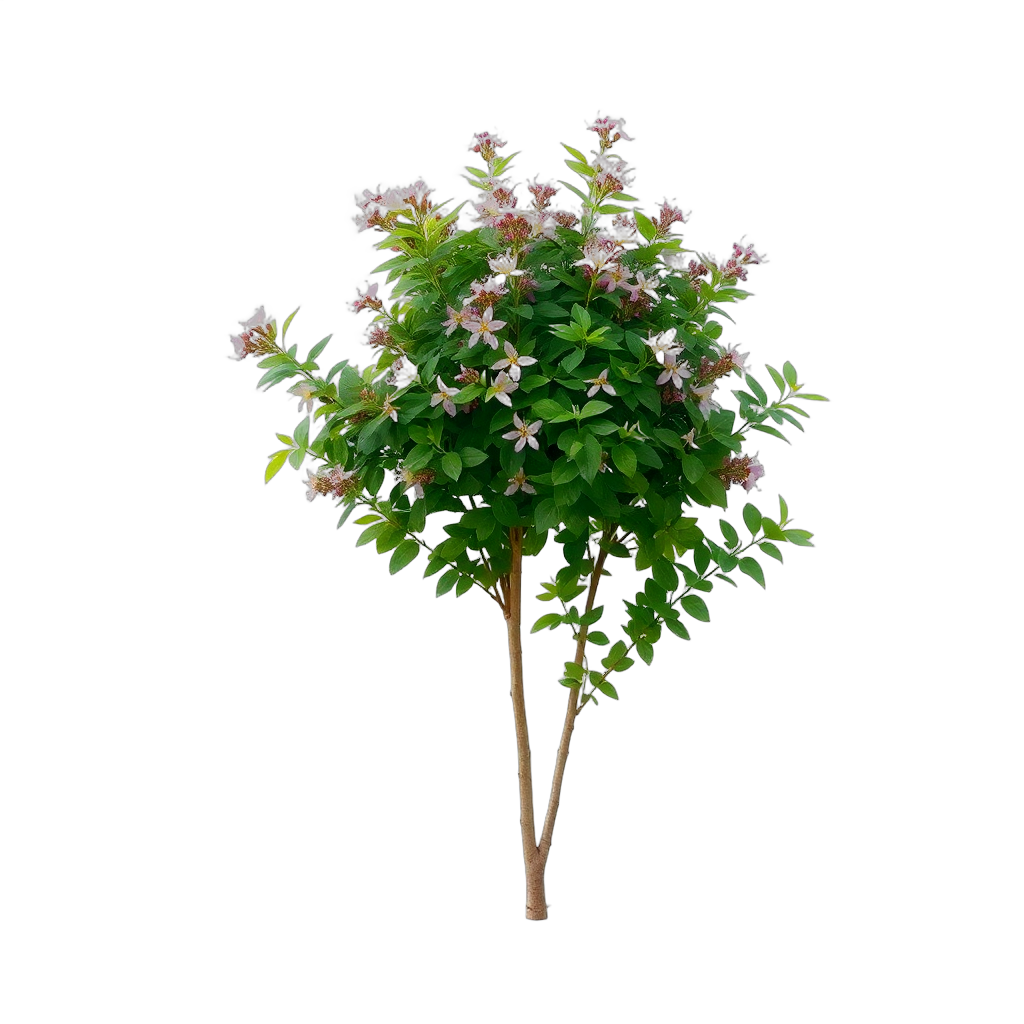
Summersweet
Clethra alnifolia
grows to 6 feet, white blooms in summer. Attracts butterflies.
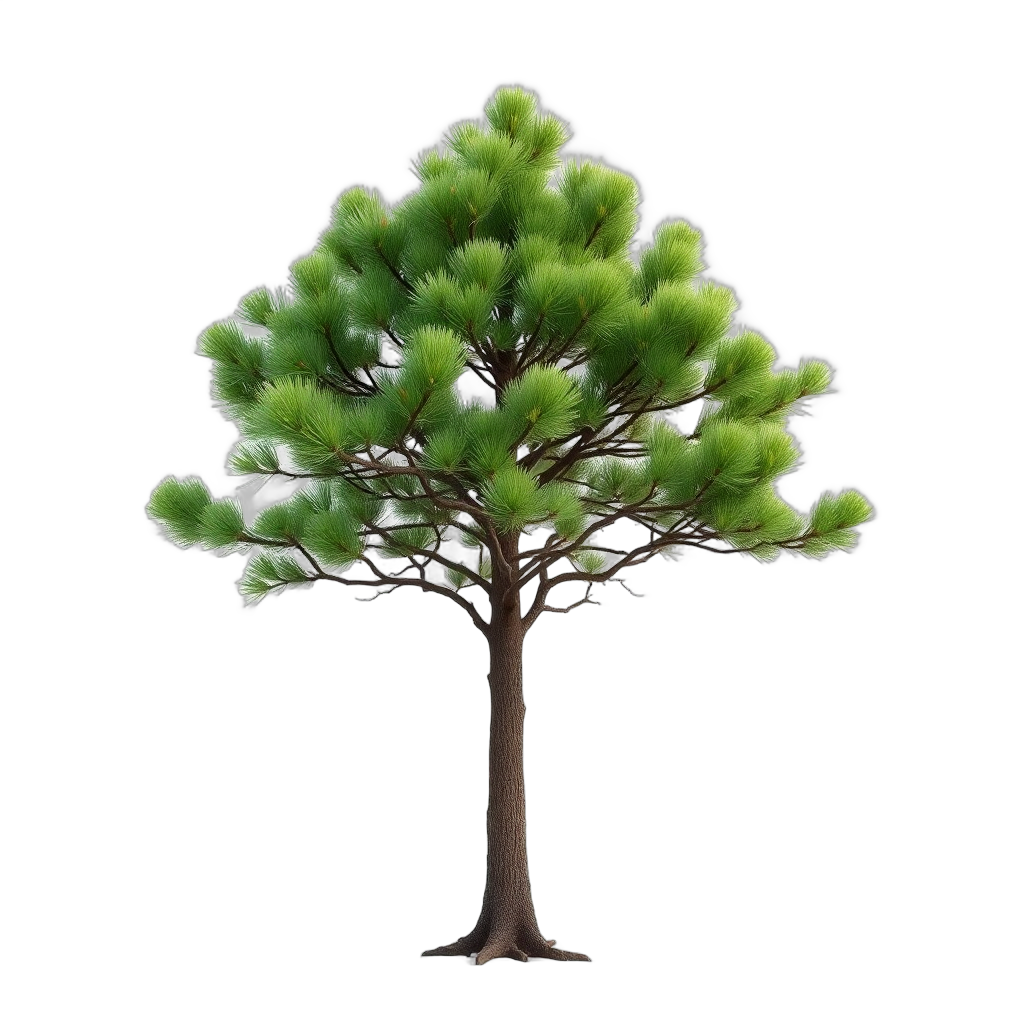
Longleaf Pine
Pinus palustris
large shade tree reaching 90+ feet, blooms in spring. Evergreen year-round.
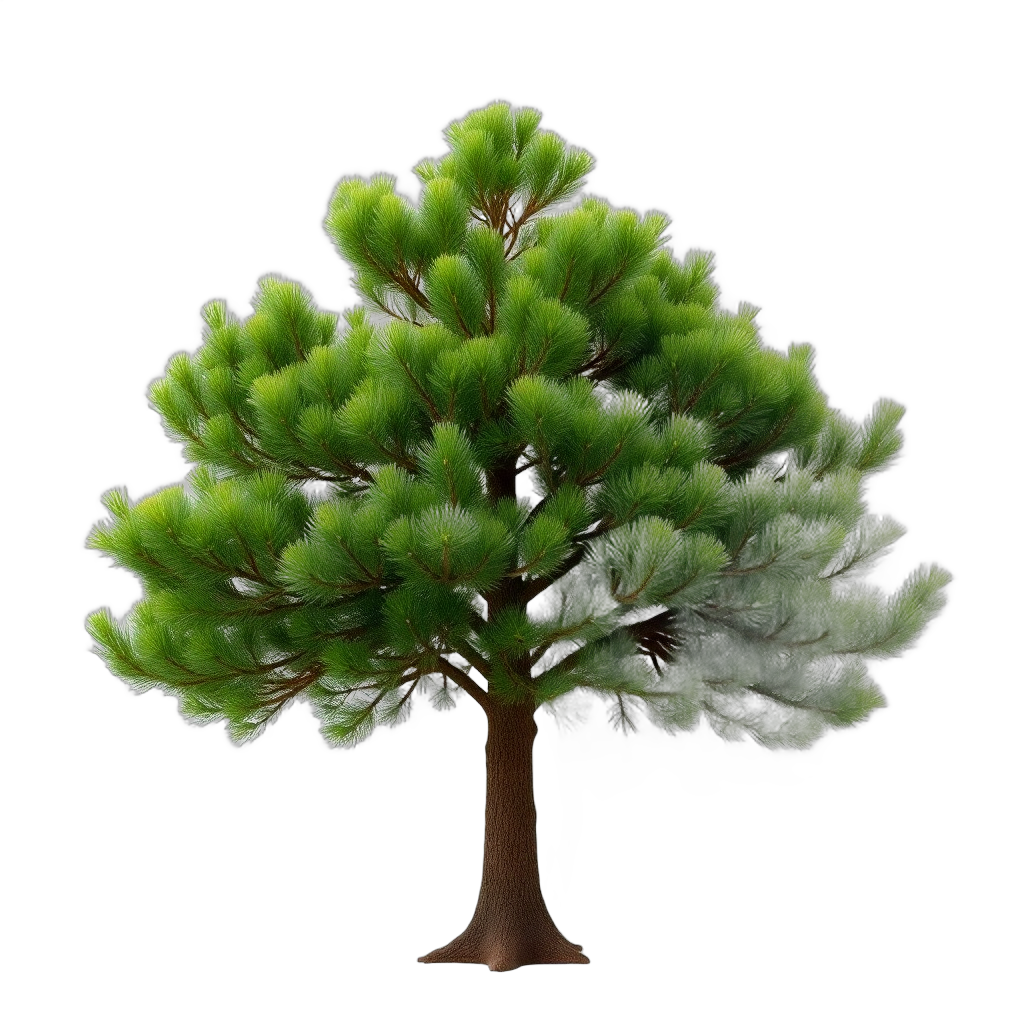
Slash Pine
Pinus elliottii
large shade tree reaching 80+ feet, blooms in spring. Evergreen year-round.
Featured Grasses & Groundcovers for Modern/Minimalist Gardens

Pink Muhly Grass
Muhlenbergia capillaris
grows to 3 feet, pink blooms in fall.
Featured Flowers & Perennials for Modern/Minimalist Gardens

Papyrus
Cyperus papyrus
grows to 5 feet, blooms in summer. Pollinator-friendly.

Water Hyacinth
Eichhornia crassipes
low-growing ground cover, purple blooms in summer. Attracts butterflies.

Water Plantain
Alisma plantago-aquatica
low-growing ground cover, white blooms in summer. Attracts butterflies.

Arrow Arum
Peltandra virginica
low-growing ground cover, blooms in spring.
Zone and sun checks come from our database — confirm with your local nursery before you buy.
Bloom Calendar for Beaumont
spring
Longleaf Pine, Slash Pine, Sweet Acaciasummer
Ruby Spice Summersweet, Summersweet, Papyrusfall
Pink Muhly Grasswinter
Limited bloomsDesign Tips for Beaumont (Zone 9a)
- Design for 62 inches of rain, not for drought: in Beaumont the modern look that lasts uses wet-tolerant natives like Sabal minor and Muhlenbergia capillaris 'Regal Mist', with agaves kept to raised beds
- Put 4–6 inches of crushed stone under every slab: Beaumont clay shrinks and swells hard enough to crack concrete laid on bare ground, and the control-joint grid it needs can be the strongest line in the design
- Raise succulent beds 12–16 inches on expanded shale and decomposed granite, because the native clay is poorly drained and very slowly permeable and will hold water around a crown for days
- Use geotextile under every gravel area: frequent summer storms wash seed and silt into gravel, and without fabric a clean gravel field turns into a weed bed by the second year
- Leave the acid soil alone under oaks: Beaumont clay is often below pH 5.0 near the surface, which suits Aspidistra, holly fern and Loropetalum, so a shade garden there needs no amendment
- Choose structure plants rated to 15°F: the airport hit 14°F in February 2021 and 12°F in December 1989, so Ilex vomitoria 'Nana' and Sabal minor carry the design and tender Cycas or Alocasia stay in pots
- Make the swale part of the design: a straight, river-rock-lined channel planted with Iris 'Black Gamecock' looks intentional, moves storm water off a flat lot and gives the garden a strong axis
Where to Source Plants in Beaumont
Skip the big-box stores. These independent Beaumont nurseries specialize in the plants that make modern/minimalist gardens thrive in Zone 9a.
Ellis Home & Garden
Beaumont (Calder Avenue)
Family-owned home and garden store with a greenhouse, outdoor pottery and planters, fountains, outdoor furniture, and soils and mulch
Southern Lawn & Landscapes
Silsbee (Highway 96 South)
Locally owned since 2007, with a 5-acre nursery of palms, trees, shrubs and succulents, plus rock and stone, sod, soil and mulch, irrigation and drainage work; serves Beaumont, Lumberton, Nederland and Port Neches
Huck's Home & Garden
Lumberton
Local plant nursery with trees, ornamental shrubs, succulents and cacti, aquatic plants, pots and planters, and soil and mulch, with local delivery
Modern/Minimalist Landscaping Costs in Beaumont
| Project Scope | Estimated Cost |
|---|---|
| Front yard redesign: walk, steel-edged beds, mass planting (500 sqft) | $7,000 – $15,000 |
| Concrete patio with control-joint grid on crushed stone (300–400 sqft) | $4,000 – $9,000 |
| Raised steel planter with fast-draining mix (30–40 linear ft) | $3,000 – $7,500 |
| Planted rain swale with downspout drains | $2,500 – $6,500 |
| Lawn reduction: turf removal, geotextile, gravel and edging | $5 – $11/sqft |
| Full modern backyard: patio, swale, planting, lighting | $30,000 – $80,000 |
| AI visualization (ProScapeAI) | Free to start |
Estimates based on Beaumont, TX-area contractor rates as of 2026. Actual costs vary by site conditions, materials, and contractor.
Beaumont Climate & Growing Zone
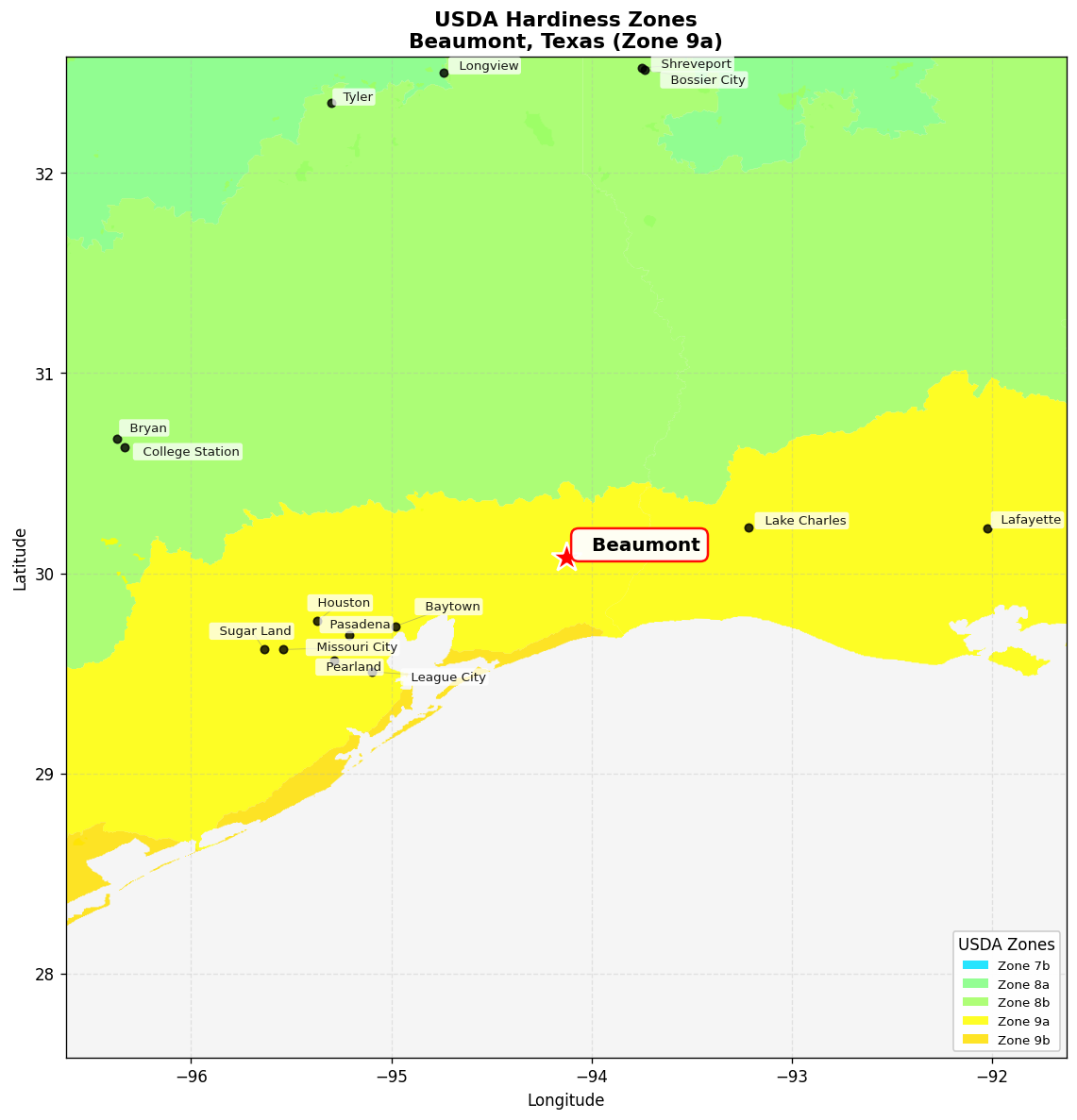
USDA Zone 9a
Hardiness zone for Beaumont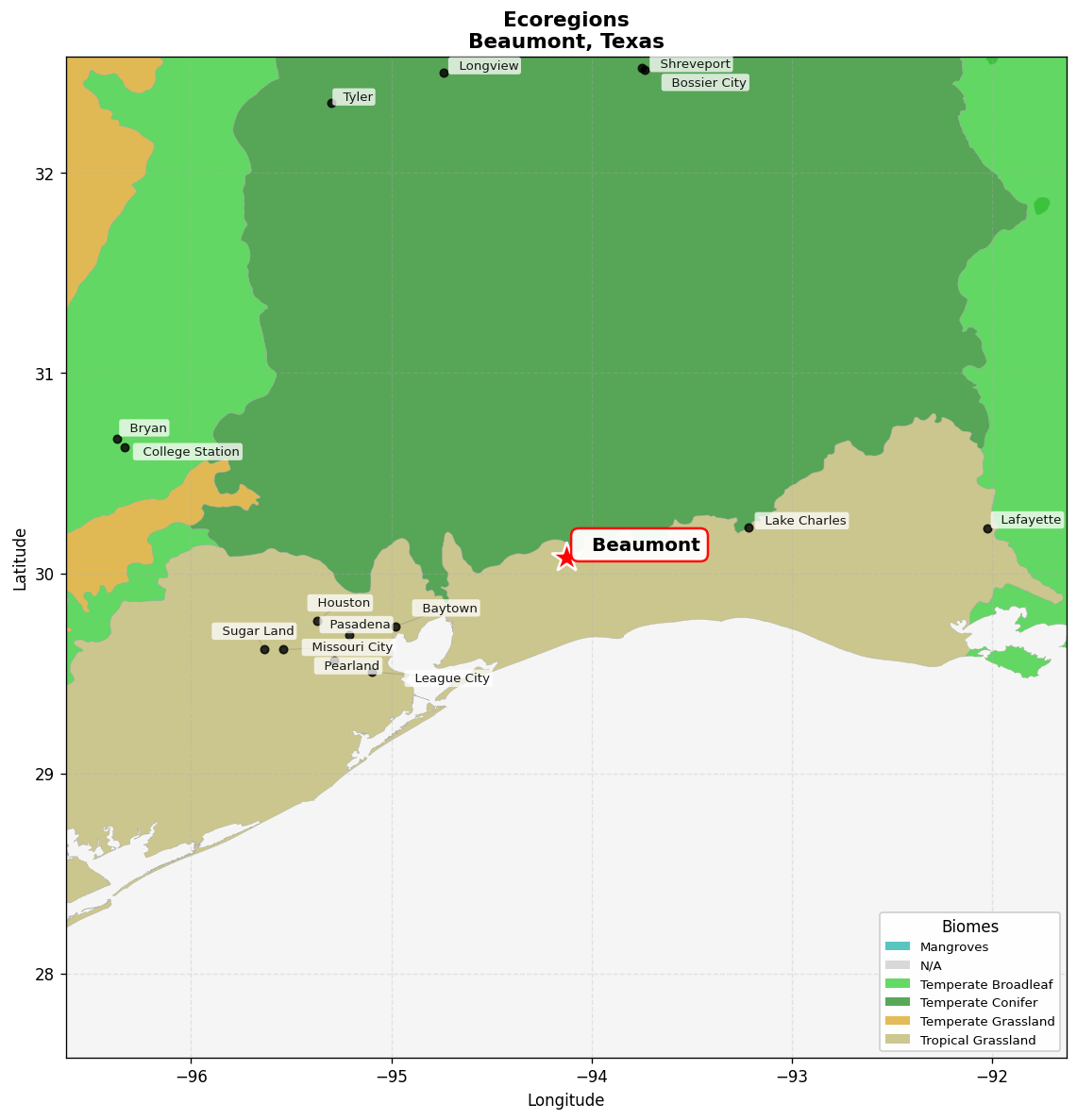
Western Gulf coastal grasslands
Native ecoregionFrequently Asked Questions
How much does modern landscaping cost in Beaumont, TX?
Beaumont labor costs run below the Houston metro, and modern design uses fewer, larger plants, so the hardscape and the drainage are where the money goes. As a rough guide, a front-yard redesign with a concrete walk, steel-edged beds and mass planting on a 500 sqft yard runs $7,000 to $15,000 installed. A 300–400 sqft concrete patio on a proper crushed-stone base is about $4,000 to $9,000, and a planted rain swale with downspout drains $2,500 to $6,500. Plants are the cheap part: a 3-gallon Sabal minor or Muhlenbergia capillaris 'Regal Mist' costs far less than the steel and concrete around it.
Can agaves and yuccas survive Beaumont's rain?
Only if you keep their roots out of the clay. Beaumont clay is poorly drained and very slowly permeable, and with 62 inches of rain a year an agave planted at grade will rot from the base. Build a bed at least 12–16 inches high on a mix of expanded shale and decomposed granite, top it with gravel rather than bark, and set each plant slightly proud. Agave ovatifolia, Hesperaloe parviflora 'Brakelights' and Yucca filamentosa 'Color Guard' all handle the cold here. If you would rather not build raised beds, Sabal minor gives the same bold, spiky silhouette and is native to wet Southeast Texas ground.
Is a modern landscape low maintenance in Beaumont's climate?
It can be, if the plants suit the wet. The low-effort modern palette here is Sabal minor, Ilex vomitoria 'Nana', Muhlenbergia capillaris 'Regal Mist', Aspidistra elatior and Podocarpus macrophyllus 'Maki', which together need a late-winter cut-back of the muhly, two light shearings of the yaupon and little else. What makes modern gardens high maintenance in Beaumont is fighting the climate: a lawn that is too big, gravel without fabric that grows weeds after every storm, and desert plants in wet soil. Keep the lawn small, use geotextile under gravel, and let the summer rain do the watering.
When is the best time to build a modern landscape in Beaumont?
October through early December is the best time to plant. Roots grow through a mild winter, and the median last freeze is around February 14, so new plants face only a short cold season. Late February to April is the second window. Avoid planting from June to September, when highs average 91–93°F and close to 7 inches of rain falls each month. Hardscape can be poured almost any month, because frost depth is negligible here, though summer afternoon storms often push concrete pours to the morning.
What plants survive a hard freeze in Beaumont?
Zone 9a averages 20–25°F at its coldest, but the airport recorded 14°F on February 16, 2021, and 12°F on December 23, 1989, so the permanent structure should be hardy to 15°F or below. Sabal minor, Ilex vomitoria 'Nana', Agave ovatifolia, Taxodium distichum 'Shawnee Brave', Loropetalum chinense 'Purple Diamond' and Muhlenbergia capillaris 'Regal Mist' all clear that bar. Cycas revoluta usually survives but can lose its leaves, and queen palms, Alocasia and bougainvillea should be treated as containers or as one bed you can cover.
Do I need a permit for irrigation or a patio in Beaumont?
Texas rules require a licensed irrigator or licensed irrigation technician on site when a new in-ground irrigation system is installed, and new automatic systems must include a rain or moisture shut-off device and a backflow prevention assembly at the connection. In a city with 62 inches of rain a year, a rain shut-off is worth having anyway. For patios, fences, retaining edges or any work near the street, a drainage ditch or an easement, confirm permits and setbacks with the City of Beaumont first, and check deed restrictions or HOA rules in newer subdivisions.
How do I handle drainage on a flat Beaumont lot?
Plan it before anything else. Most Beaumont lots are nearly flat, and the clay drains very slowly, so a summer storm can leave water standing for a day. Slope the ground at least 2 percent away from the house for the first 10 feet, pipe downspouts in solid pipe to a planted swale or the street, and raise planting beds rather than digging them. A rain garden of Iris 'Black Gamecock', Juncus effusus and Taxodium distichum 'Shawnee Brave' turns the low spot into a design feature. Harvey dropped more than 60 inches on nearby Nederland in 2017; no yard handles that, but good drainage keeps an ordinary storm from becoming a week of mud.



