4 English Cottage Garden Ideas for Beaumont, TX | Zone 9a Roses for 62 Inches of Rain
Native plants from the Western Gulf coastal grasslands (Zone 9a) — Humid subtropical climate
Why Cottage/English Gardens in Beaumont?
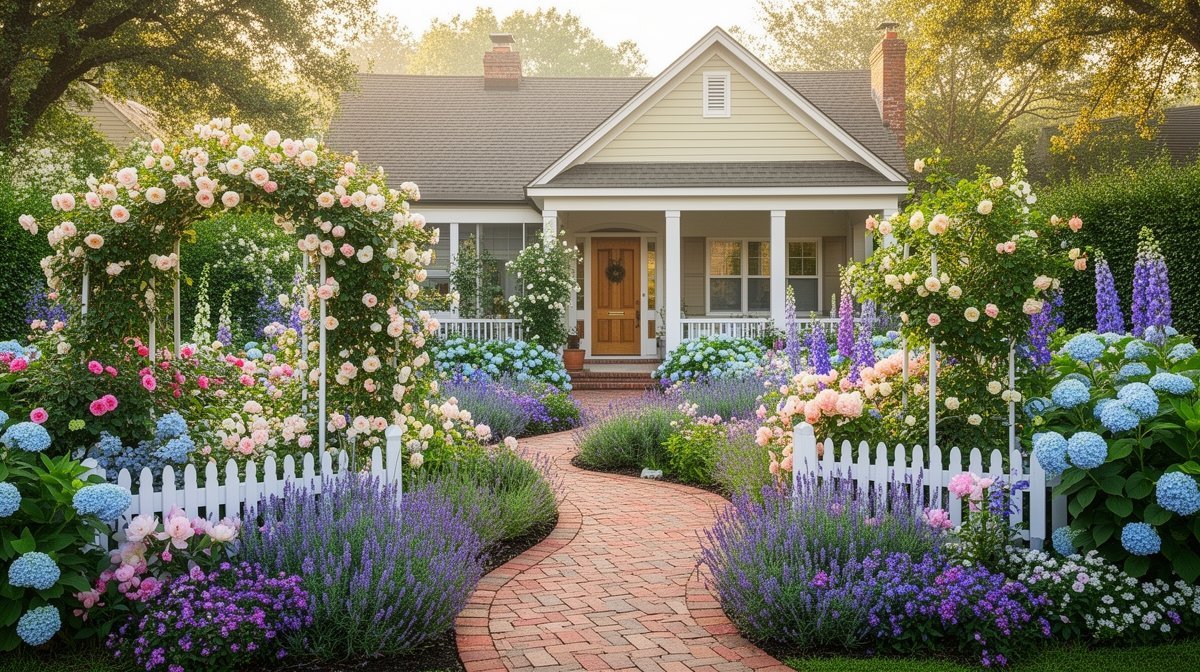
A Beaumont cottage garden borrows the English look and very little of the English plant list. The city's best backdrops for the style are already standing: the early 1900s Craftsman bungalows, Colonial Revivals and Tudor cottages of the Oaks Historic District and Old Town along Calder Avenue, and the brick and siding cottages of the North End and South End, most with a front porch, a short walk and a setback small enough that a deep border reads from the street. The 1950s and 60s ranches of Caldwood and the West End take it well too, where a picket fence softens a long low facade.
Heat and rain rule out most of the English classics. NOAA's 1991–2020 normals for Jack Brooks Regional Airport, between Beaumont and Port Arthur, put annual rainfall at 62.1 inches, with June through September each bringing close to 7 inches, July highs averaging 92.6°F and summer lows that rarely fall below 74°F. Lavandula angustifolia 'Hidcote' and 'Munstead' rot out in the first August, delphinium will not survive a summer, and hybrid tea roses defoliate from blackspot. The plants that hold the picture are the ones Southeast Texas gardeners have kept alive for a century: China and tea roses such as Rosa 'Old Blush', Rosa chinensis 'Mutabilis' and Rosa 'Duchesse de Brabant', Earth-Kind Rosa 'Belinda's Dream', Salvia farinacea 'Henry Duelberg' and Salvia leucantha 'Santa Barbara' in place of lavender, Vitex agnus-castus 'Shoal Creek' in place of lilac, and Louisiana iris such as Iris 'Black Gamecock', which actually wants the wet.
Winter is mild but not soft. Zone 9a averages a coldest night of 20–25°F, and the airport sees about 8 nights at or below freezing a year, with a median last freeze around February 14 and first freeze around December 7: roughly 300 frost-free days. The outliers are what to plan for. The airport recorded 14°F on February 16, 2021, and 12°F on December 23, 1989. Anything tender (Pentas, Ruellia brittoniana, bananas) should be treated as a bonus, not as the backbone.
Soil is where Beaumont surprises people. Much of the city sits on Beaumont clay, the soil series named for this county: a poorly drained, very slowly permeable, shrink-swell clay that cracks in dry spells and is very strongly to extremely acid in the topsoil, often below pH 5.0. That is good news for Camellia sasanqua, Rhododendron 'Formosa' azaleas, Gardenia jasminoides 'Frostproof' and blue mophead hydrangeas, and bad news for roses and salvias, which prefer 6.0–7.0. Build every cottage border up 8–12 inches with compost and expanded shale, lime the rose beds after a soil test, and leave the acid lovers on native ground under the oaks. Frost depth is negligible here, so the limit on hardscape is wet clay, not freezing: set brick and stone on a compacted crushed-stone base so the walk does not ripple after the first wet winter.
4 Cottage/English Design Ideas for Beaumont

AI-generated image
The Oaks District Porch Border
$16–32/sqftA 1920s Craftsman bungalow with a deep front porch and tapered columns sits behind a white picket fence, with a straight old-brick walk running from the gate to the steps. Raised borders 10 inches high run both sides of the walk, with China roses at the back, blue salvia spires in the middle and a front edge of low pink phlox, all in full afternoon sun because the live oak sits behind the house. Hanging ferns fill the porch bays and a pair of terracotta pots of Gardenia mark the steps.

AI-generated image
The Rain-Soaked Iris Walk
$12–26/sqftA brick ranch house on a flat Caldwood lot gets a curving gravel path from the driveway to a side gate, with a shallow planted swale running beside it to carry roof water to the street. The low ground of the swale is packed with Louisiana iris and spider lily, which bloom in April after the spring rains, while the raised shoulders either side hold mixed roses and salvias that would drown in the bottom. Morning sun falls across the whole strip, and a clump of native yaupon screens the meter.

AI-generated image
The Rose Arbour Back Garden
$22–44/sqftBehind a two-story Colonial Revival, a cedar arbour carries a yellow Lady Banks rose over the path from the back door to a small brick patio set with a bistro table. Around the patio, raised beds hold old roses, Shoal Creek vitex for a lilac-blue June show, and winter-sown larkspur and foxglove that flower in April and are pulled by June. The patio faces east so it is shaded by the house by 3 p.m., when a Beaumont August afternoon is too hot to sit in the sun.

AI-generated image
The Blue Hydrangea Shade Cottage
$10–22/sqftUnder a big water oak on a North End or South End lot, a cottage that gets little sun still gets its flowers: blue mophead hydrangeas, azaleas and camellias planted straight into the native acid clay, which keeps the hydrangeas blue without any added sulfur. A stepping-stone path of irregular flagstone winds through cast-iron plant and holly fern to a painted bench, and a single bed at the sunny front edge carries roses.
See how a cottage/english garden looks on YOUR property
Upload a photo of your Beaumont yard and visualize your dream garden in seconds.
Try ProScapeAI Free

AI-generated image
Featured Trees & Shrubs for Cottage/English Gardens
Browse all 156 plants for Beaumont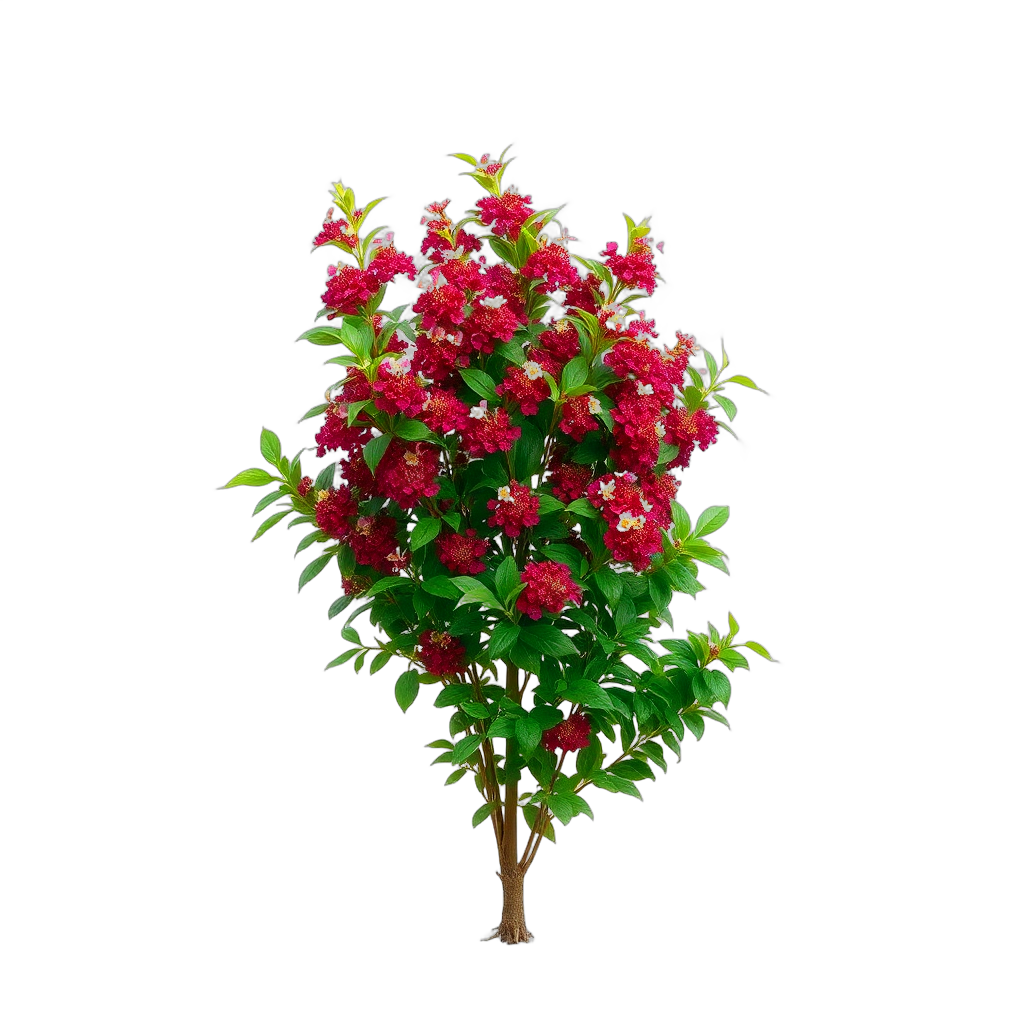
Ruby Spice Summersweet
Clethra alnifolia 'Ruby Spice'
grows to 5 feet, pink blooms in summer. Attracts butterflies.
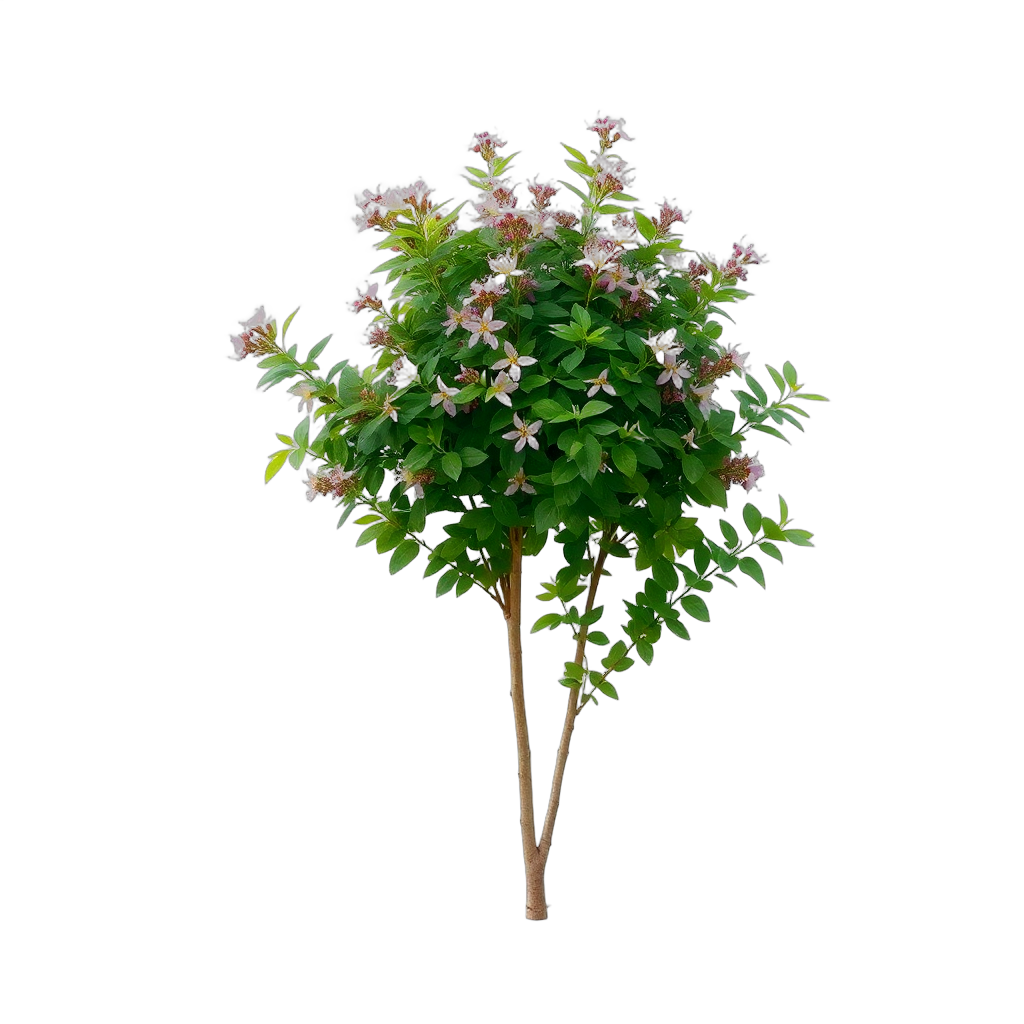
Summersweet
Clethra alnifolia
grows to 6 feet, white blooms in summer. Attracts butterflies.
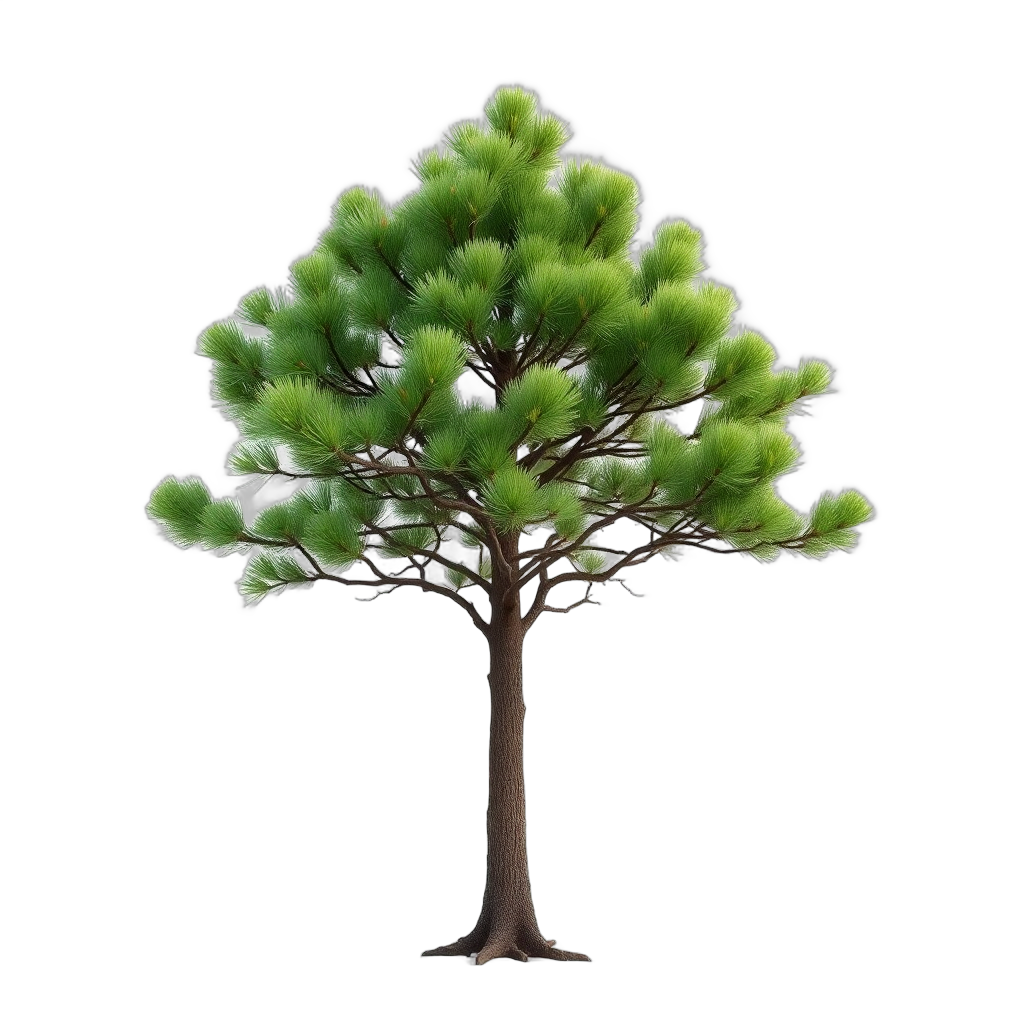
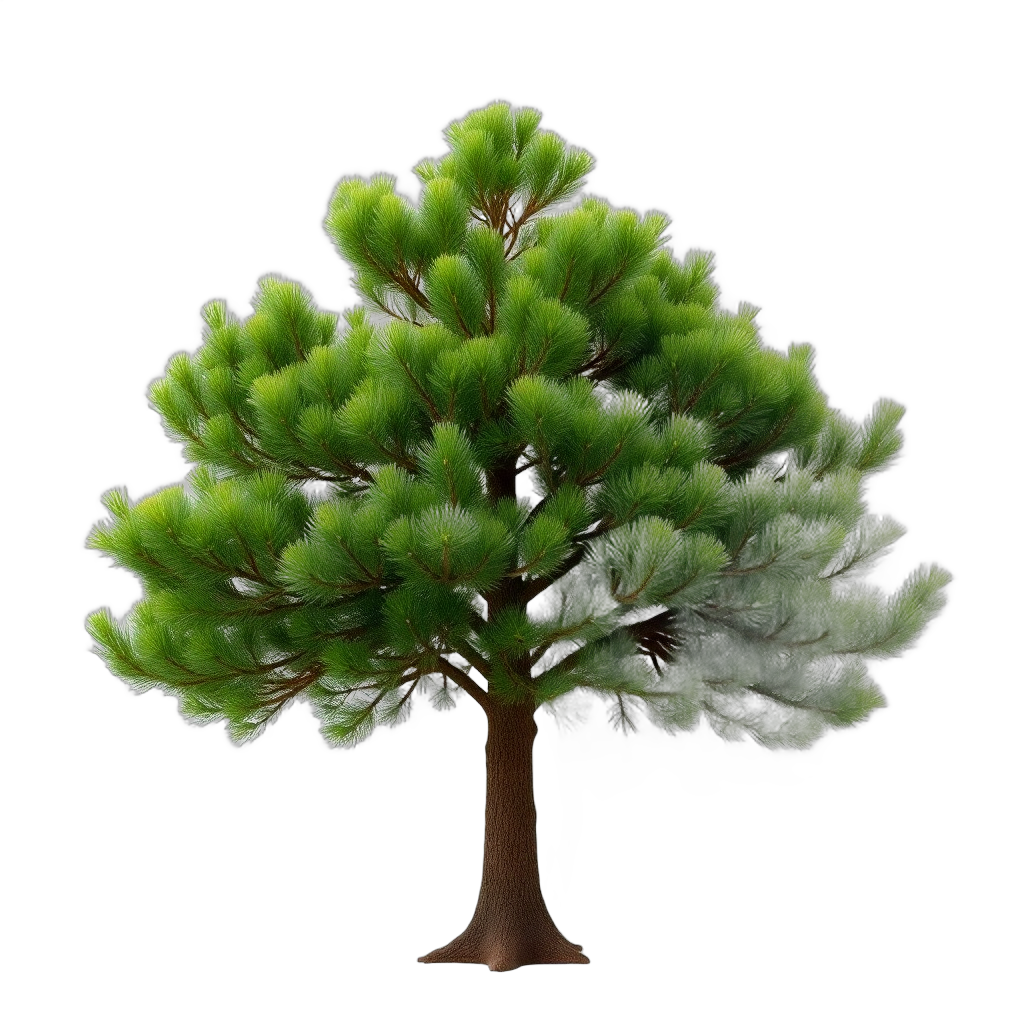
Longleaf Pine
Pinus palustris
large shade tree reaching 90+ feet, blooms in spring. Evergreen year-round.
Slash Pine
Pinus elliottii
large shade tree reaching 80+ feet, blooms in spring. Evergreen year-round.
Featured Grasses & Groundcovers for Cottage/English Gardens

Pink Muhly Grass
Muhlenbergia capillaris
grows to 3 feet, pink blooms in fall.
Featured Flowers & Perennials for Cottage/English Gardens

Papyrus
Cyperus papyrus
grows to 5 feet, blooms in summer. Pollinator-friendly.

Water Hyacinth
Eichhornia crassipes
low-growing ground cover, purple blooms in summer. Attracts butterflies.

Water Plantain
Alisma plantago-aquatica
low-growing ground cover, white blooms in summer. Attracts butterflies.

Arrow Arum
Peltandra virginica
low-growing ground cover, blooms in spring.
Zone and sun checks come from our database — confirm with your local nursery before you buy.
Bloom Calendar for Beaumont
spring
Longleaf Pine, Slash Pine, Sweet Acaciasummer
Ruby Spice Summersweet, Summersweet, Papyrusfall
Pink Muhly Grasswinter
Limited bloomsDesign Tips for Beaumont (Zone 9a)
- Raise every rose and salvia bed 8–12 inches: Beaumont clay is poorly drained and very slowly permeable, and with 62 inches of rain a year, wet roots kill more cottage plants here than heat or cold
- Test before you lime: Beaumont clay often runs below pH 5.0 in the topsoil, which roses and salvias dislike, so lime only the rose beds and leave hydrangeas, azaleas and camellias in the native acid ground
- Let the soil color your hydrangeas: in Beaumont's acid clay, Hydrangea macrophylla 'Nikko Blue' stays a true blue with no sulfur added, which is the one cottage effect this city does better than England
- Swap the English classics for Gulf Coast stand-ins: Salvia farinacea 'Henry Duelberg' for lavender, Vitex agnus-castus 'Shoal Creek' for lilac, and larkspur sown in October for delphinium
- Treat foxglove, snapdragons and larkspur as winter annuals: set them out in October, enjoy the April show, and pull them in June before the heat and humidity finish them
- Use the wet spots instead of fighting them: Louisiana iris such as Iris 'Black Gamecock' and the native spring spider lily, Hymenocallis liriosme, do well in the low ground where roses would drown
- Build the structure to survive a 14°F night: the airport hit 14°F in February 2021, so let old roses, vitex and camellias carry the design and keep tender Pentas and bananas as fillers you can lose
Where to Source Plants in Beaumont
Skip the big-box stores. These independent Beaumont nurseries specialize in the plants that make cottage/english gardens thrive in Zone 9a.
Ellis Home & Garden
Beaumont (Calder Avenue)
Family-owned home and garden store with a greenhouse, rose bushes, bedding plants, pottery, fountains and bird baths, plus soils and mulch
Huck's Home & Garden
Lumberton
Local plant nursery selling trees, ornamental shrubs, annuals and perennials, roses, aquatic plants and soil and mulch, with local delivery
Southern Lawn & Landscapes
Silsbee (Highway 96 South)
Locally owned since 2007, with a 5-acre nursery of flowers, shrubs, palms, trees, fruit and citrus, plus rock, stone, sod, soil and mulch; serves Beaumont, Lumberton, Nederland and Port Neches
Cottage/English Landscaping Costs in Beaumont
| Project Scope | Estimated Cost |
|---|---|
| Front cottage border with picket fence and gate (400–600 sqft) | $8,000 – $20,000 |
| Raised beds with imported soil and brick edging (200 sqft of bed) | $1,800 – $3,500 |
| Old brick walkway on a crushed stone base (150–250 sqft) | $3,000 – $8,500 |
| Cedar rose arbour on concrete footings, built and stained | $2,500 – $7,000 |
| Planted rain swale with Louisiana iris (40–60 linear ft) | $2,000 – $5,500 |
| Full back cottage garden: brick patio, arbour, raised borders, drip | $25,000 – $65,000 |
| AI visualization (ProScapeAI) | Free to start |
Estimates based on Beaumont, TX-area contractor rates as of 2026. Actual costs vary by site conditions, materials, and contractor.
Beaumont Climate & Growing Zone
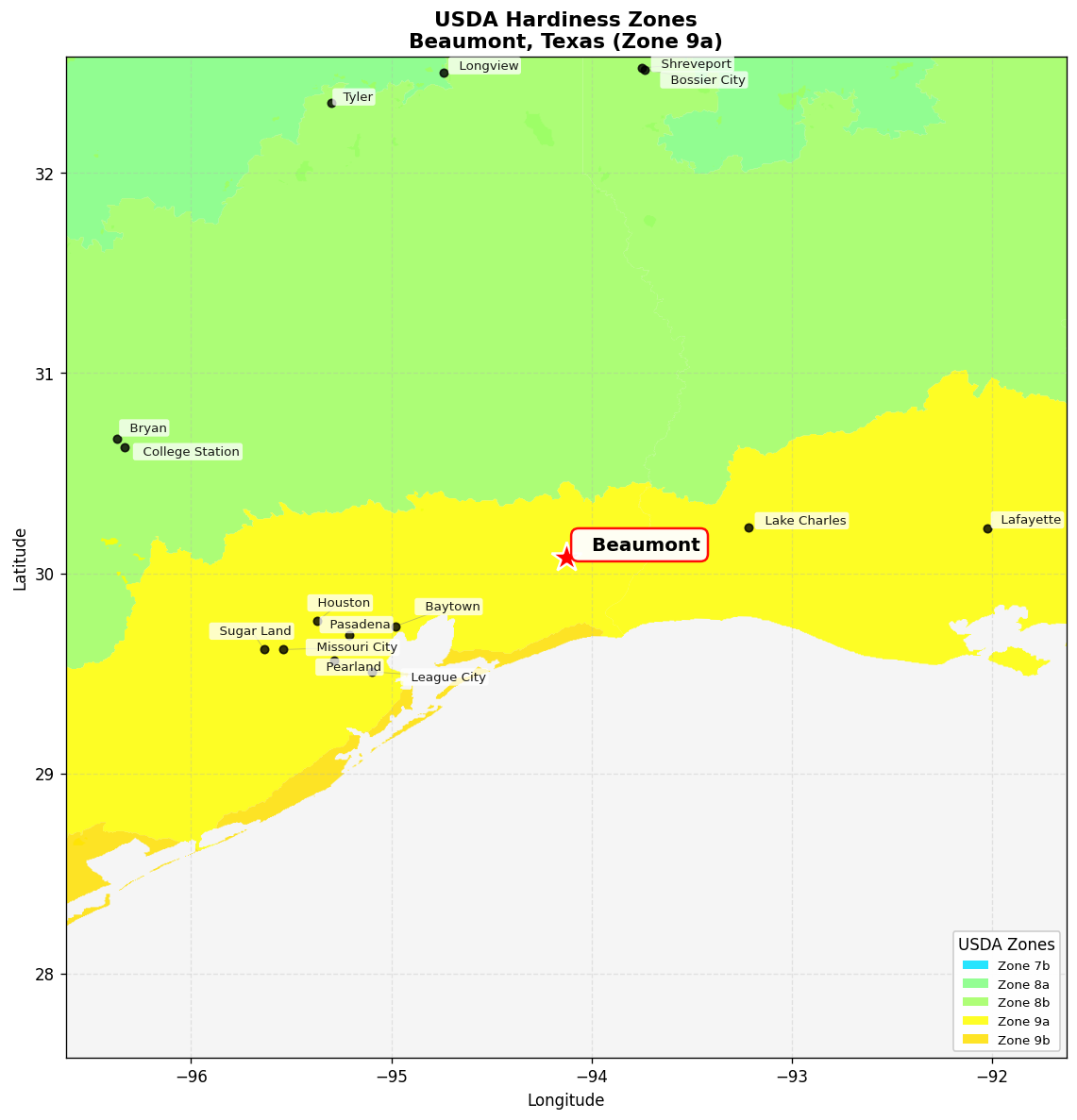
USDA Zone 9a
Hardiness zone for Beaumont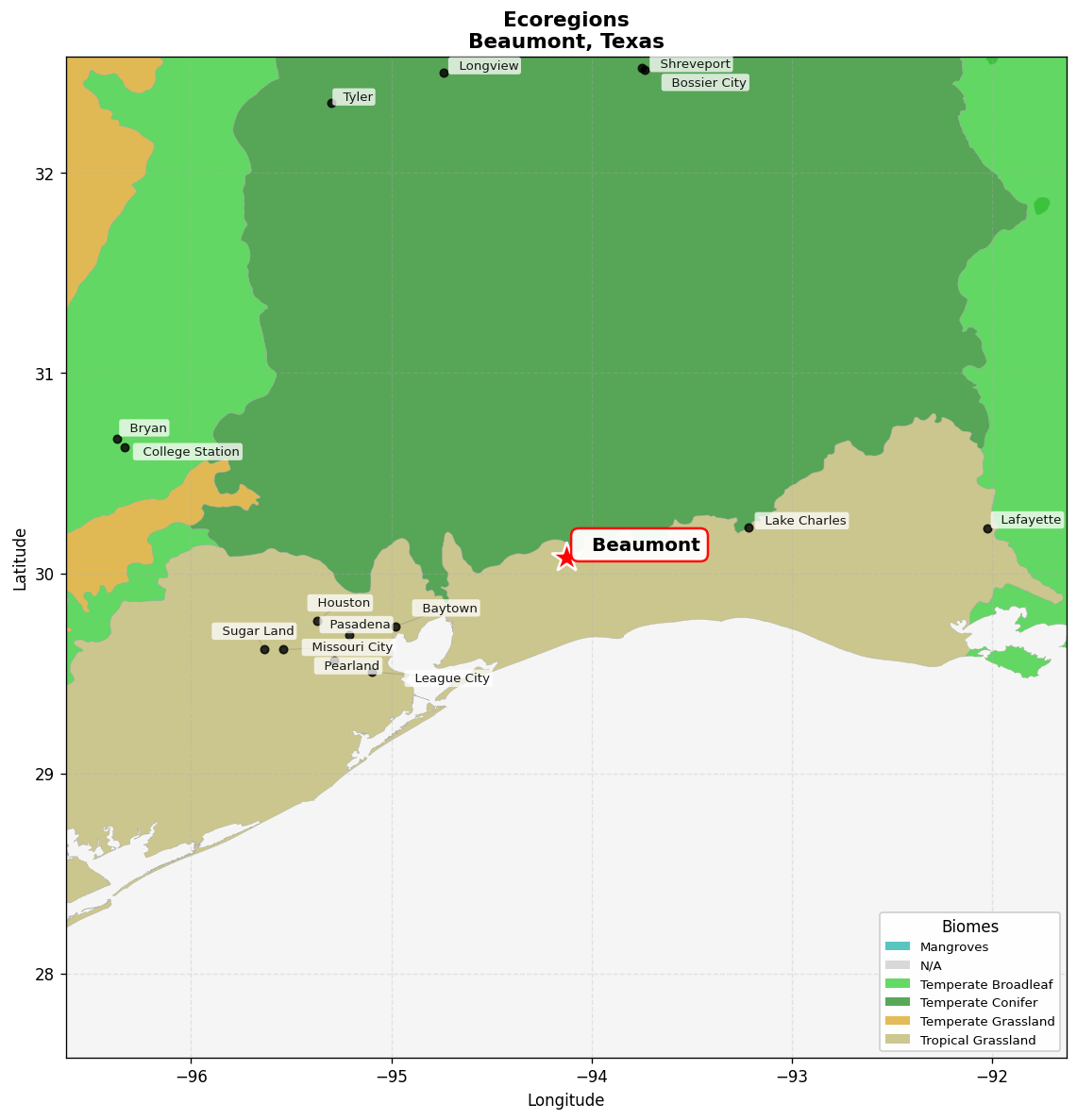
Western Gulf coastal grasslands
Native ecoregionFrequently Asked Questions
How much does a cottage garden cost in Beaumont, TX?
Beaumont install labor runs below the Houston metro, and a cottage garden is mostly plants and brick, so it is one of the more affordable styles to build here. As a rough guide, a planted front border with a picket fence and gate on a 400–600 sqft Oaks District or Caldwood frontage runs $8,000 to $20,000 installed, a brick walk on a proper crushed-stone base about $20 to $35 per square foot, and a cedar rose arbour $2,500 to $7,000. Raising the beds is the line item people forget: on Beaumont clay, budget $8 to $15 per square foot of bed for imported soil, compost and edging. Planting it yourself with one-gallon Rosa 'Old Blush' and Salvia farinacea 'Henry Duelberg' brings a border in well under $10 per square foot.
Which roses survive Beaumont's humidity and blackspot?
The old ones. China and tea roses were grown across Southeast Texas long before fungicides and still do best: Rosa 'Old Blush', Rosa chinensis 'Mutabilis', Rosa 'Duchesse de Brabant', Rosa 'Marie Pavie' and the thornless climber Rosa banksiae 'Lutea'. Earth-Kind Rosa 'Belinda's Dream' and Rosa 'Caldwell Pink' are reliable shrubs too. Classic hybrid teas lose their leaves by July in a city that gets close to 7 inches of rain in each summer month. Give roses at least six hours of sun, plant them in a bed raised 8–12 inches, space them for airflow and water at the base with drip, never overhead.
Can I grow lavender in Beaumont?
Not as an English border plant. Lavandula angustifolia 'Hidcote' and 'Munstead' rot in Beaumont's wet, humid summers, usually in the first year. Lavandula × intermedia 'Phenomenal' can last a season or two in a raised gravel bed or a large pot, but do not build the design around it. For the same soft blue-purple line, use Salvia farinacea 'Henry Duelberg', a Texas selection that blooms from spring to frost, or Salvia leucantha 'Santa Barbara' for a fall show, and Vitex agnus-castus 'Shoal Creek' as a small tree in place of lilac. Rosemary 'Tuscan Blue' gives the scent if it sits in a raised bed with grit mixed in.
When is the best time to plant a cottage garden in Beaumont?
October through early December is the best window. The soil is still warm, summer heat is over, and roses and perennials root through a mild winter before the median last freeze around February 14. October is also when to sow larkspur and set out foxglove and snapdragons, which grow through winter and flower in April. Late February to mid-April is the second window. Avoid planting from June to September, when highs average 91–93°F, summer lows sit near 74°F and afternoon storms keep the clay waterlogged, which is the worst combination for new roots.
What survives a Beaumont freeze?
Most of the cottage palette, if you choose it with the bad years in mind. Zone 9a averages 20–25°F at its coldest, but the airport recorded 14°F on February 16, 2021, and 12°F on December 23, 1989. Old roses, Vitex agnus-castus 'Shoal Creek', Salvia leucantha 'Santa Barbara', Phlox paniculata 'John Fanick', Louisiana iris, Camellia sasanqua and Hydrangea quercifolia 'Snow Queen' all come through that. Pentas, bananas and Ruellia may die back or die out, so keep them as fillers, not structure, and cover any tender shrub with frost cloth on the two or three nights a decade that drop into the teens.
Do I need a permit for a fence, arbour or irrigation in Beaumont?
Planting itself does not need one, but structures and irrigation can. Texas rules require a licensed irrigator or licensed irrigation technician on site when a new in-ground irrigation system is installed, and new automatic systems must include a rain or moisture shut-off device, with a backflow prevention assembly at the connection. For fences, arbours on footings or anything near the street or a drainage easement, confirm setbacks and permit needs with the City of Beaumont before building, and check whether your neighborhood has deed restrictions or an HOA that rules on fence style.
Why does my Beaumont garden flood, and how do I plan a cottage border around it?
Because Beaumont clay drains very slowly and much of the city is flat, so a summer storm can leave water standing for a day or more. Harvey in 2017 dropped more than 60 inches on nearby Nederland, which is extreme, but ordinary 3-inch afternoons are common from June to September. Plan the border in two levels: raise rose and salvia beds 8–12 inches above grade, and use the low spots for plants that like wet feet, such as Iris 'Black Gamecock', Hymenocallis liriosme and Hibiscus moscheutos 'Luna'. Slope the ground away from the house and send roof water to a planted swale rather than across the beds.