4 Mediterranean Garden Ideas for Beaverton, OR | Zone 9a Dry-Summer Designs
Native plants from the Willamette Valley oak savanna (Zone 9a) — Mediterranean (warm summer) climate
For a mediterranean garden in Beaverton, OR, a zone 9a city with a mediterranean (warm summer) climate, start with Lavandula × intermedia 'Phenomenal', Rosmarinus officinalis 'Arp' and Cistus × purpureus, the plants this guide's first design is built on.
Why Mediterranean Gardens in Beaverton?
Beaverton has the one thing a Mediterranean garden really needs: a dry summer. Beaverton sits in USDA Zone 9a, and the closest NOAA station, Portland-Hillsboro Airport, records a January average low of 33.6°F and a July average high of 82.1°F (1991–2020 normals). Annual rain is about 36 inches, but only 2.2 inches of it falls from June through August. Köppen classifies the area as Csb, a dry-summer Mediterranean-type climate, and plants from Provence, Tuscany and the Aegean do well here when the soil is sharp enough to drain through November to March. The same stretch of Cedar Hills ranches, Sexton Mountain two-stories and Central Beaverton bungalows that suit other styles also take a gravel front garden easily.
The Hillsboro station averages about 64 days a year at or below 32°F and about 3 days at or below 20°F, and 0.5 days at or below 10°F, so Zone 9a plants are fine most years but a cold snap can burn tender plants. Lavandula × intermedia 'Phenomenal', Rosmarinus officinalis 'Arp', Cistus × purpureus and Salvia greggii 'Furman's Red' come through reliably. Lavandula stoechas, olive and Italian cypress are marginal: grow them against a south wall in a raised gravel bed and expect the occasional loss. Where a classic would not survive, swap it. Use Juniperus scopulorum 'Skyrocket' in place of Italian cypress and Arbutus unedo 'Compacta' in place of the olive.
Soil is the other half of the story. Willamette Valley silt and clay loam holds water, and often acidic, and a Mediterranean plant dislikes wet roots more than cold. Raise beds 8–12 inches, blend in coarse grit or crushed rock, and mulch with gravel rather than bark. Lime lightly where a soil test calls for it, since lavender and rosemary prefer a pH nearer 6.5–7.0. A slope is a gift here: the Sexton Mountain and Bonny Slope hillsides drain on their own.
On the rules side, ordinary planting needs no permit. The City of Beaverton's tree code covers street trees and protected trees, and removing a protected tree can require a Tree Plan application, so check before taking out a conifer for a sunnier bed. HOA covenants in some subdivisions sometimes restrict front-yard gravel, so read your CC&Rs. Which utility bills your water depends on the address, so confirm with the City of Beaverton before counting on any rebate.
4 Mediterranean Design Ideas for Beaverton
AI-generated image
The Gravel Front Garden
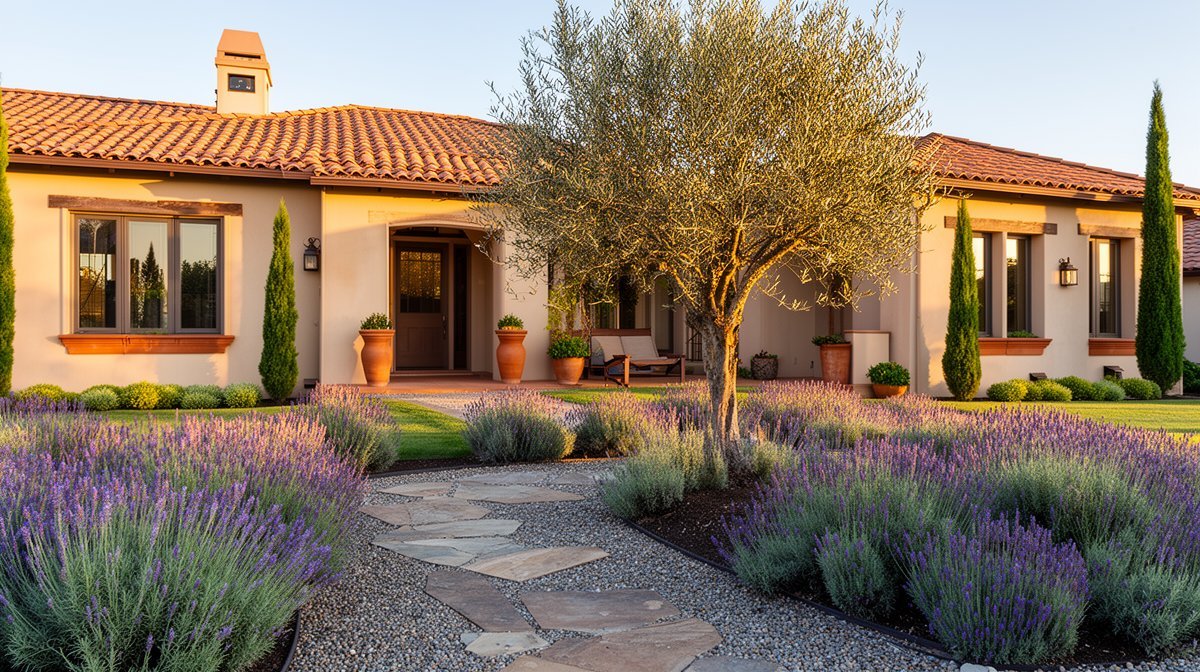
$12–28/sqftA flat front lawn in front of a 1970s ranch becomes a decomposed-granite and gravel garden with a meandering path of flagstones, three raised mounds of lavender and rosemary, and a pair of terracotta urns by the door. Cistus and Phlomis fill the gaps and bloom through June, and Euphorbia characias gives winter structure. Full south sun and sharp drainage are what these plants want, and this layout supplies both.
Try this on your yard: The Gravel Front GardenAI-generated image
The Terracotta Courtyard and Fig
$24–50/sqftA walled or fenced side yard becomes an outdoor room with a terracotta-colored paver floor, a fig tree trained against the south wall, and containers of rosemary, thyme and bay along the edges. A simple wall fountain masks street noise. The south wall stores heat and shelters the fig from cold, which makes it work as a Mediterranean microclimate.
Try this on your yard: The Terracotta Courtyard and FigAI-generated image
The Dry Slope Terrace
$26–55/sqftA sloping backyard is cut into two low dry-stack stone terraces and planted with silver-leaved and spiky plants that handle a dry July. Agave and yucca sit in the sharpest-drained pockets, sage and cistus fill the middle, and creeping thyme runs between flagstones. A hillside drains on its own, so the usual winter rot problem largely disappears.
Try this on your yard: The Dry Slope TerraceAI-generated image
The Pergola Dining Terrace
$28–58/sqftA cedar pergola over a gravel terrace shades an outdoor dining table, with grapevines and a trained rose on the posts. Raised planters hold rosemary and lavender along the outer edge, and an espaliered Arbutus unedo 'Compacta' sits against the south wall. Evenings stay warm into September, and the grapes ripen by early fall.
Try this on your yard: The Pergola Dining TerraceSee how a mediterranean garden looks on YOUR property
Upload a photo of your Beaverton yard and visualize your dream garden in seconds.
Try ProScapeAI Free

AI-generated image
Featured Trees & Shrubs for Mediterranean Gardens
Browse all 151 plants for Beaverton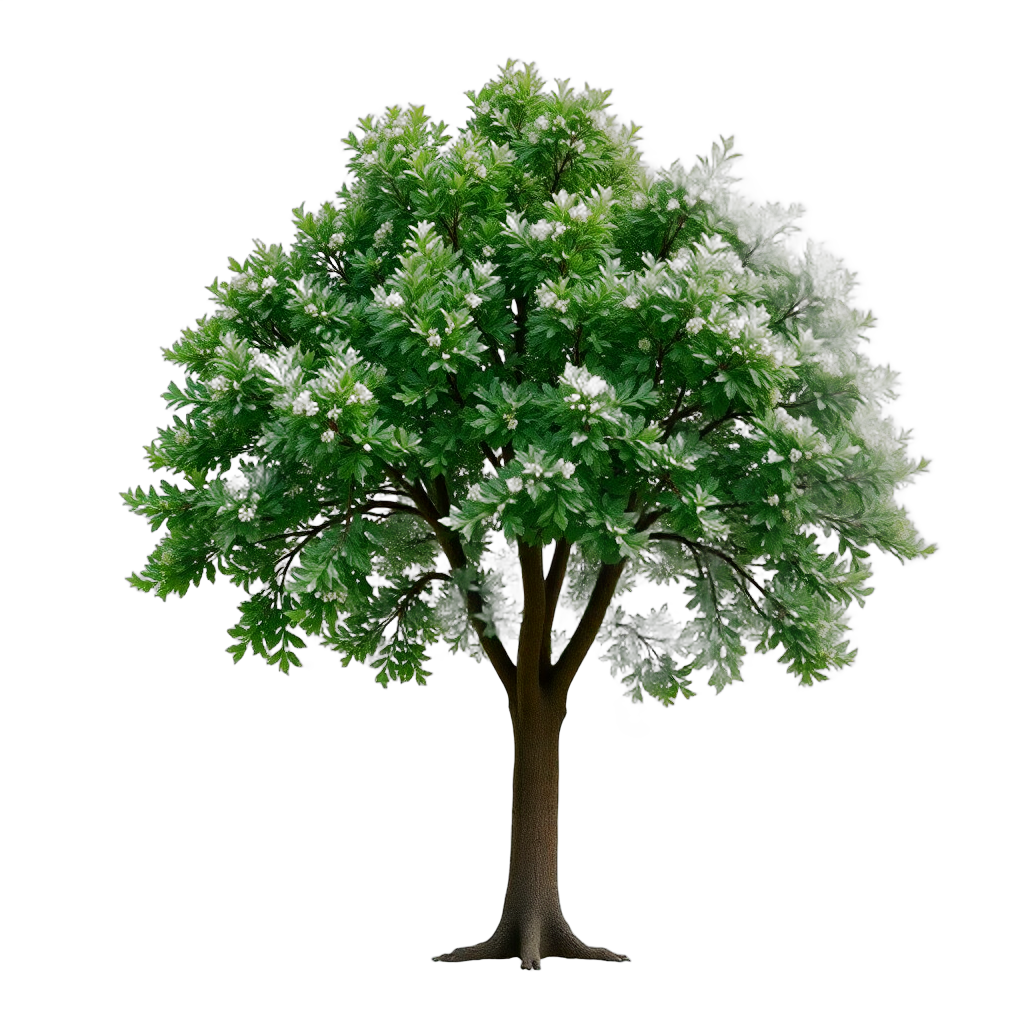
Oregon White Oak
Quercus garryana
large shade tree reaching 65+ feet, blooms in spring. Yellow fall color.
Featured Flowers & Perennials for Mediterranean Gardens

Papyrus
Cyperus papyrus
grows to 5 feet, blooms in summer. Pollinator-friendly.

Water Hyacinth
Eichhornia crassipes
low-growing ground cover, purple blooms in summer. Attracts butterflies.

Water Plantain
Alisma plantago-aquatica
low-growing ground cover, white blooms in summer. Attracts butterflies.

Arrow Arum
Peltandra virginica
low-growing ground cover, blooms in spring.
Zone and sun checks come from our database — confirm with your local nursery before you buy.
Bloom Calendar for Beaverton
spring
Oregon White Oak, Arrow Arum, Blue Flag Irissummer
Papyrus, Water Hyacinth, Water Plantainfall
Rose Mallowwinter
Limited bloomsDesign Tips for Beaverton (Zone 9a)
- Build raised beds 8–12 inches high with coarse grit: the wet season runs October through April, and lavender, rosemary and cistus rot in standing water more than they suffer from cold
- Mulch with gravel, not bark, around Lavandula × intermedia 'Phenomenal' and Rosmarinus officinalis 'Arp' so crowns stay dry from November through March
- Plant tender species such as olive or Lavandula stoechas against a south-facing wall, where reflected heat protects them from the few nights at or below 20°F
- Substitute Juniperus scopulorum 'Skyrocket' for Italian cypress and Arbutus unedo 'Compacta' for olive where the climate is too cold for the classics
- Water new plants deeply every 7–10 days through their first summer, then stop: July and August bring only about 0.85 inch of rain, which established Mediterranean plants handle without help
- Lime lightly if a soil test shows pH below 6: lavender and rosemary prefer 6.5–7.0, while native soil here often runs acidic
- Check HOA covenants and the City of Beaverton's tree code before you plan front-yard gravel or remove a conifer
Where to Source Plants in Beaverton
Skip the big-box stores. These independent Beaverton nurseries specialize in the plants that make mediterranean gardens thrive in Zone 9a.
Farmington Gardens
Beaverton (Farmington Road, west side)
Locally owned garden center open since 1994 that grows many of its own perennials, trees and shrubs, and sells bulk soil and delivers and plants on site
Xera Plants
Sherwood (Tonquin Road)
Grows its own climate-adapted plants for Pacific Northwest gardens, with a focus on dry-summer, hot-slope and dry-shade species; open limited days, no mail order
Portland Nursery (Division Street)
Southeast Portland
Independent Portland garden center with a deep perennial, shrub, tree and edible stock and knowledgeable floor staff
Al's Garden & Home (Sherwood)
Sherwood (Roy Rogers Road)
Large family garden center on 10.5 acres with plants, trees, shrubs, containers, trellises and outdoor living goods, plus pickup and delivery
Mediterranean Landscaping Cost Ranges
| Project Scope | Estimated Cost |
|---|---|
| Flagstone path or stepping stones (100–200 sqft) | $3,000–$7,600 |
| Flagstone patio (200 sqft) | $5,000–$6,400 |
| Drip irrigation system (500 sqft of planted area) | $1,200–$2,200 |
| AI visualization (ProScapeAI) | Free to start |
National average installed ranges for 2026 from our landscaping price list (Homewyse and other published sources). Prices in Beaverton, OR vary with site, materials and contractor, so get two or three local quotes.
Beaverton Climate & Growing Zone
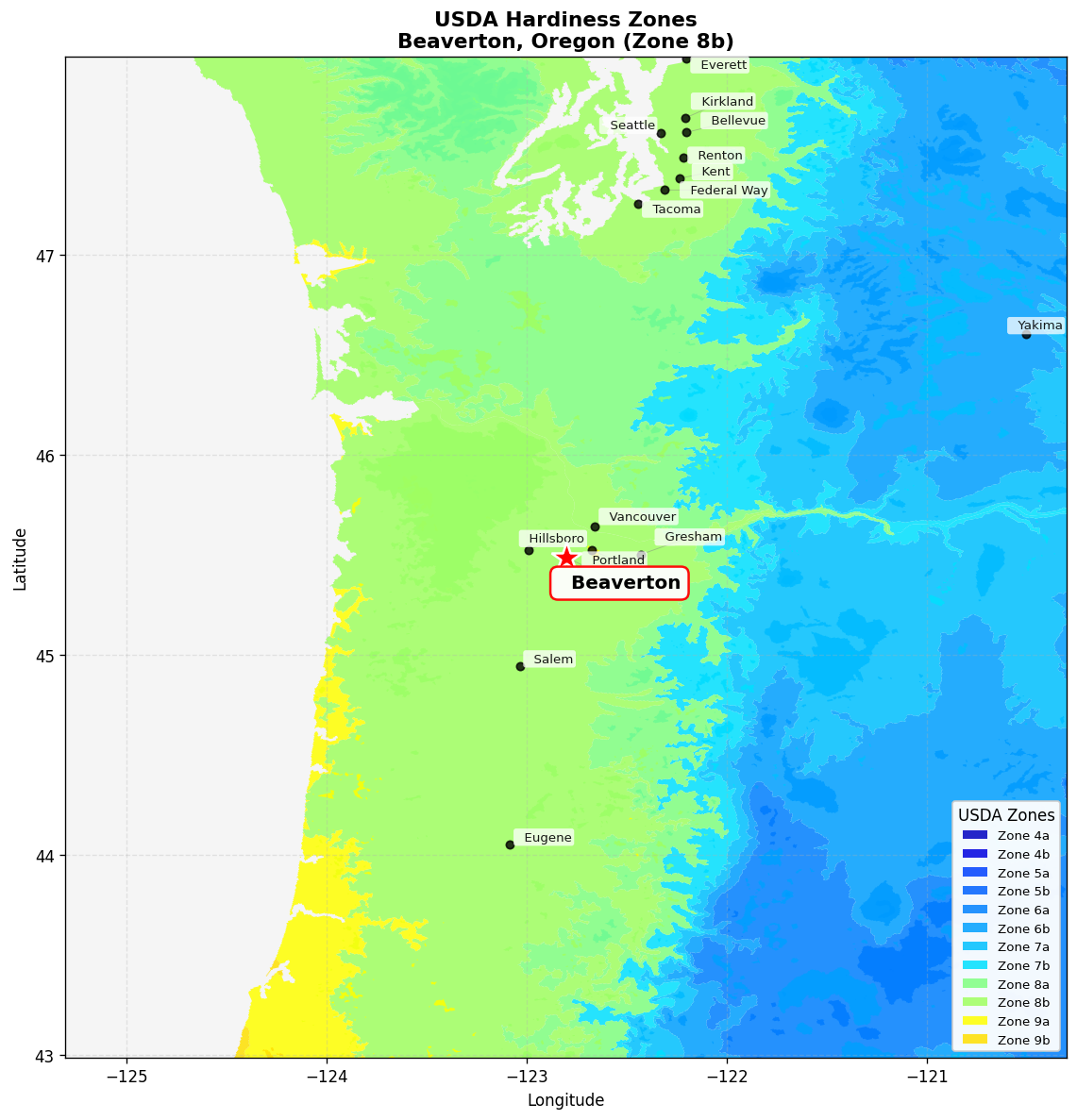
USDA Zone 9a
Hardiness zone for Beaverton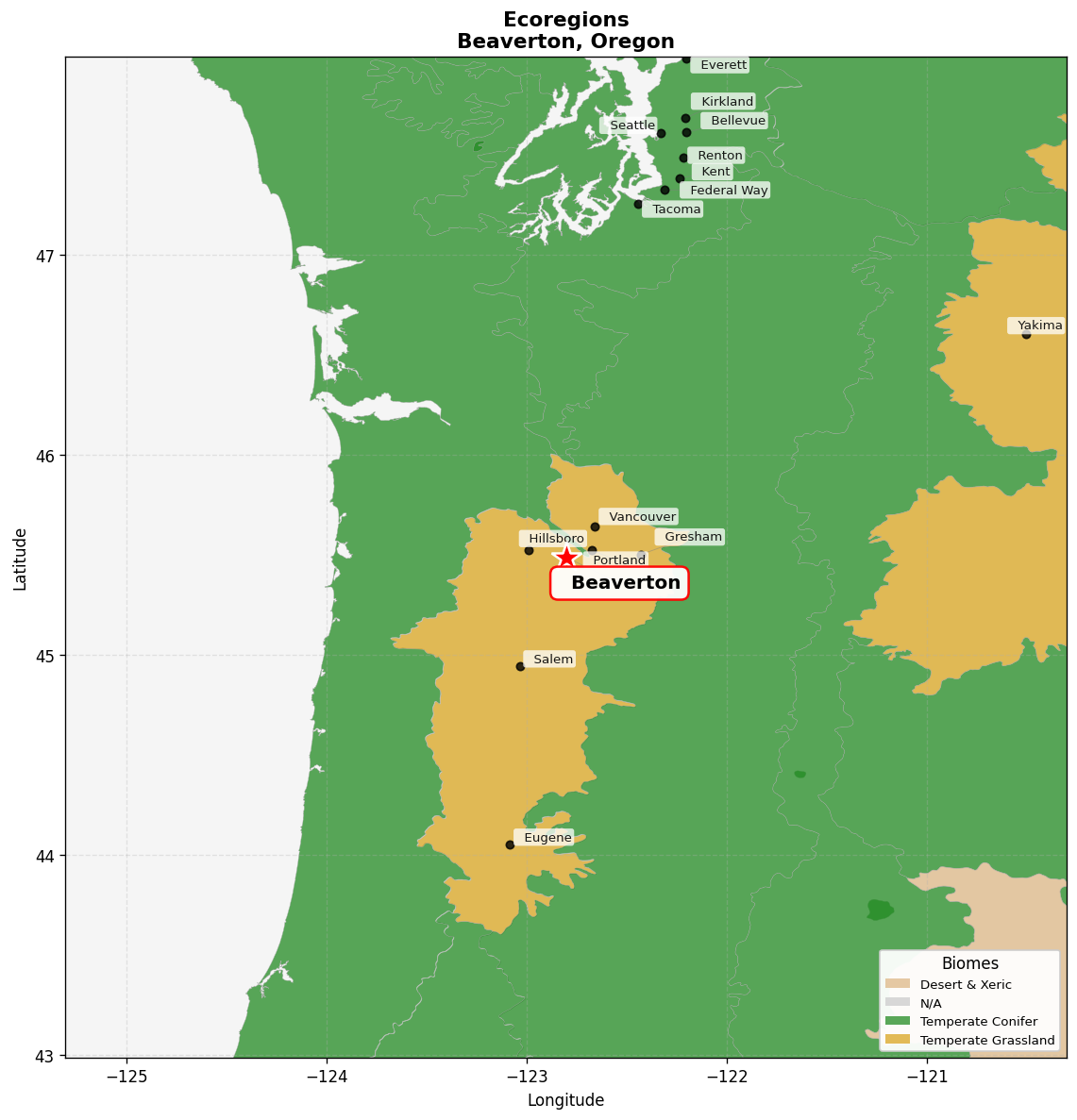
Willamette Valley oak savanna
Native ecoregionFrequently Asked Questions
How much does a Mediterranean garden cost in Beaverton, OR?
What you pay depends on the yard, the materials and local labor rates; two or three written quotes will give you a real figure. Gravel and drought-tolerant plantings are cheaper than lawn replacements with heavy hardscape.
Is a Mediterranean garden low maintenance in Beaverton?
Yes, once established. Lavender, rosemary and cistus need water only during the first summer, then do well on rain alone, and only about 0.85 inch normally falls in July and August. Plan on a hard shear of lavender after bloom, a spring tidy and a gravel rake. Winter wetness, not drought, is what kills plants here.
When should I plant a Mediterranean garden in Beaverton?
Plant in early fall, September to October, or in March and April. Fall planting lets roots develop in warm soil before winter, and spring planting avoids the coldest, wettest months. Tender plants such as Rosmarinus officinalis 'Tuscan Blue' do best planted in spring.
Do I need a permit or approval for landscaping in Beaverton?
Ordinary planting does not need a permit. The City of Beaverton's tree code applies to street trees and protected trees, and a Tree Plan application can be required to remove a protected tree. HOA covenants in some subdivisions limit front-yard gravel or plant types. Check with the City and your HOA before starting.
Which Mediterranean plants survive Beaverton's winters?
Lavandula × intermedia 'Phenomenal', Rosmarinus officinalis 'Arp', Cistus × purpureus, Salvia greggii 'Furman's Red', Phlomis fruticosa and Euphorbia characias are dependable. Olive, Italian cypress and Lavandula stoechas are marginal. The NOAA Hillsboro record shows about 3 days a year at or below 20°F, so a hard freeze can damage them.
Can I grow an olive tree in Beaverton?
You can try, but it is a risk. Olive tolerates cold to roughly 15°F, and Beaverton has about three days a year at or below 20°F in the NOAA record. Plant against a south wall in a raised, gravelly bed and protect young trees in cold snaps. A safer choice is Arbutus unedo 'Compacta' or Ficus carica 'Desert King'.
How do I stop lavender from rotting in Beaverton's wet winters?
Plant on a mound 8–12 inches high in gritty, fast-draining soil, mulch with gravel rather than bark, and give it full sun with no overhead irrigation. Choose Lavandula × intermedia 'Phenomenal' or 'Grosso', and shear lightly after the July bloom without cutting into old wood.