4 Mediterranean Garden Ideas for Portland, OR | Drought-Tolerant Tuscan Designs for Zone 9a
Native plants from the Willamette Valley oak savanna (Zone 9a) — Mediterranean (warm summer) climate
Why Mediterranean Gardens in Portland?
Portland's climate is technically Köppen Csb — the same Mediterranean classification as Los Angeles, with the same signature dry summers and wet winters. But Portland's Mediterranean climate is the cool, wet-winter version: 37 inches of annual rainfall (mostly October–May), summer highs around 80–85°F, and winter lows that occasionally dip to 20–25°F in cold years. This means a Mediterranean garden in Portland looks and behaves somewhat differently than in Southern California, but many of the core plants — lavender, rosemary, thyme, olive, and Cistus — thrive here, adapted to the wet-winter dry-summer rhythm that defines their origins.
The Willamette Valley oak savanna ecoregion provides rich context for Mediterranean-style planting. Oregon white oak (Quercus garryana) — which forms the backbone of the natural landscape — shares the same drought-summer, wet-winter adaptation as Mediterranean plants, and the two plant communities coexist naturally in a garden setting. Portland gardeners who embrace Mediterranean design find that the dry-summer months of June through September actually support the style beautifully — lavender, rosemary, and thyme perform their best during Portland's dry season, filling the garden with fragrance and color precisely when the summer is at its finest.
Portland's architecture supports Mediterranean aesthetics in several key neighborhoods. The Mediterranean Revival and Spanish Colonial homes in Ladd's Addition and Laurelhurst are architecturally well-matched to lavender borders and olive trees. The historic rose test garden and formal European-influenced garden tradition in Washington Park demonstrates that Portland gardeners have always appreciated structured, continental garden aesthetics. A Mediterranean garden here feels less exotic than it might in a strictly Pacific NW context — Portland's long history of sophisticated garden culture provides the right audience for this style.
4 Mediterranean Design Ideas for Portland
AI-generated image
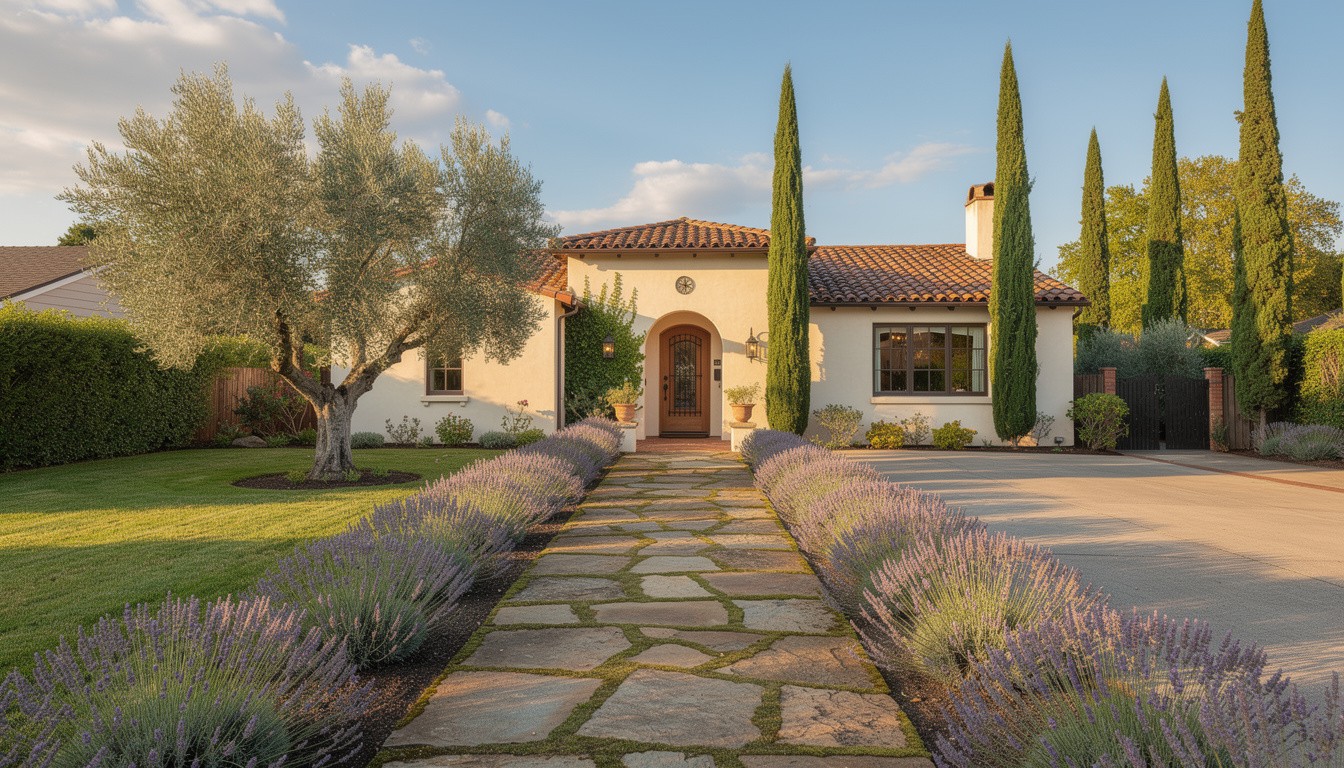
The Spanish Revival Olive & Lavender Entry
$15–30/sqftA white stucco Spanish Revival home with red tile roof is fronted by the full Mediterranean formula: a gnarled olive tree anchors the main bed, tall Italian cypress punctuate both corners, and sweeping lavender hedges line the long flagstone path. The warm golden light of a Portland evening turns the silver-grey foliage and purple lavender into something painterly. Water use is a fraction of a lawn, and the garden looks better every year as the plantings mature.
AI-generated image
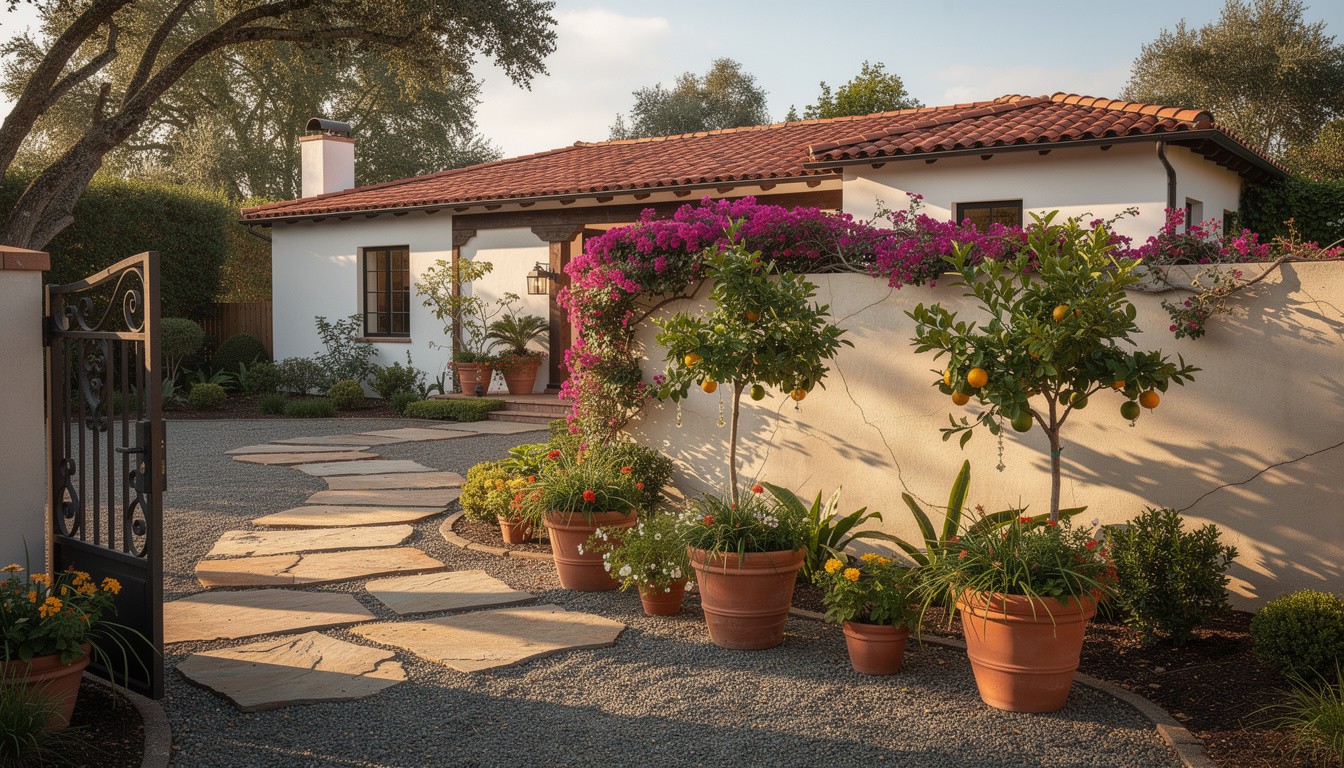
The Citrus Courtyard Entry
$16–32/sqftA low stucco home with arched entry is fronted by a warm gravel courtyard with an iron gate. Lemon and orange trees standard-trained in large terracotta pots flank the entry path, heavy with bright fruit. Bougainvillea climbs the warm stucco wall to one side, and trailing lavender softens the gravel floor. The scene is intensely Mediterranean — warm stone, citrus fragrance, and flowering color against cream stucco.
AI-generated image
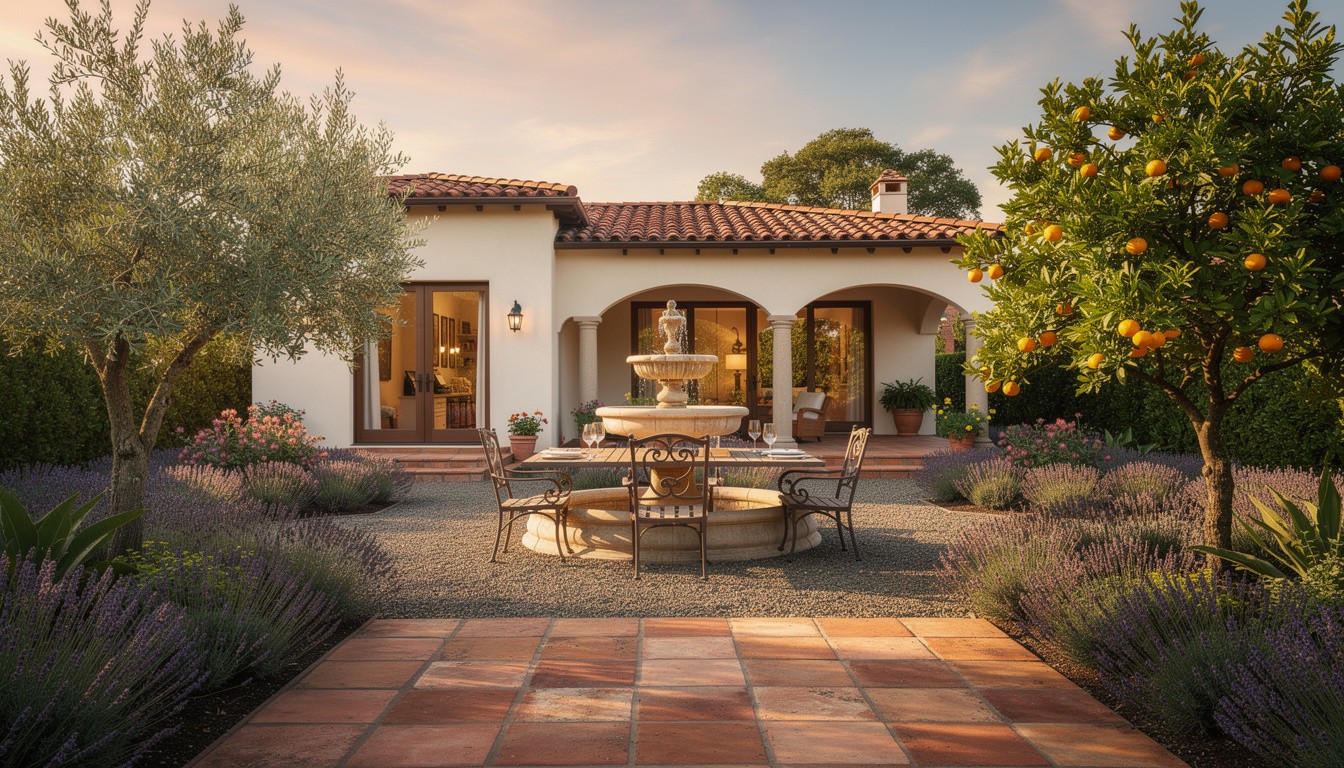
The Fountain Terrace
$30–56/sqftA Spanish Colonial backyard with terracotta tile paving, a large classical stone fountain as the centerpiece, and a mature orange tree loaded with fruit in one corner. Lavender hedges edge the terrace beds, and a pair of wrought-iron chairs flanks the fountain for afternoon coffee. The warm terracotta and the sound of water create an immediate sense of Mediterranean place, even in Portland's grey-sky winters when the evergreen plantings keep the garden alive.
AI-generated image
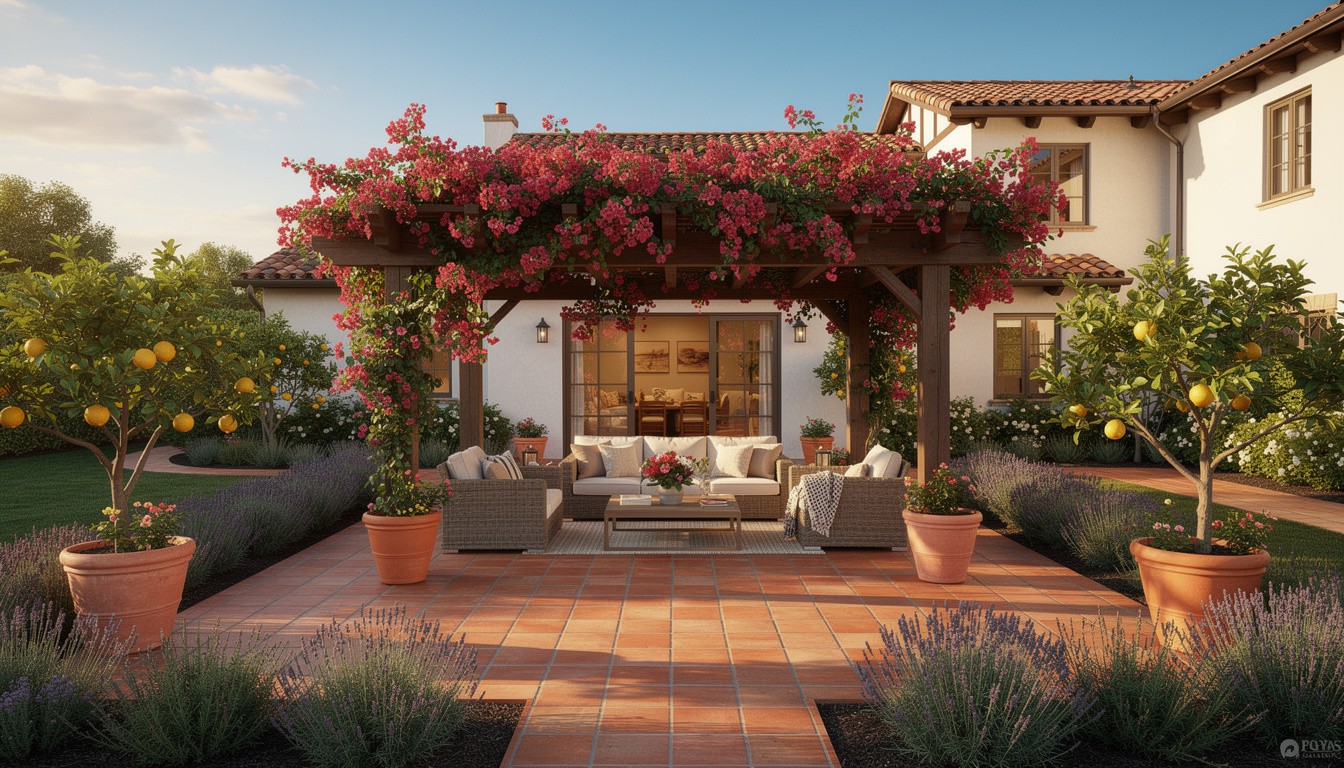
The Bougainvillea Pergola Terrace
$26–52/sqftA wide terracotta-tiled backyard patio with a timber pergola draped in vivid bougainvillea — hot pink and red blooms cascading over the beams — creates a spectacular Mediterranean canopy. Lemon trees in terracotta pots flank the lounge furniture, and lavender borders edge the patio perimeter. Though bougainvillea needs a sheltered, sunny spot in Portland's cooler climate, a south-facing wall or structure delivers months of brilliant bloom through summer.
See how a mediterranean garden looks on YOUR property
Upload a photo of your Portland yard and visualize your dream garden in seconds.
Try ProScapeAI Free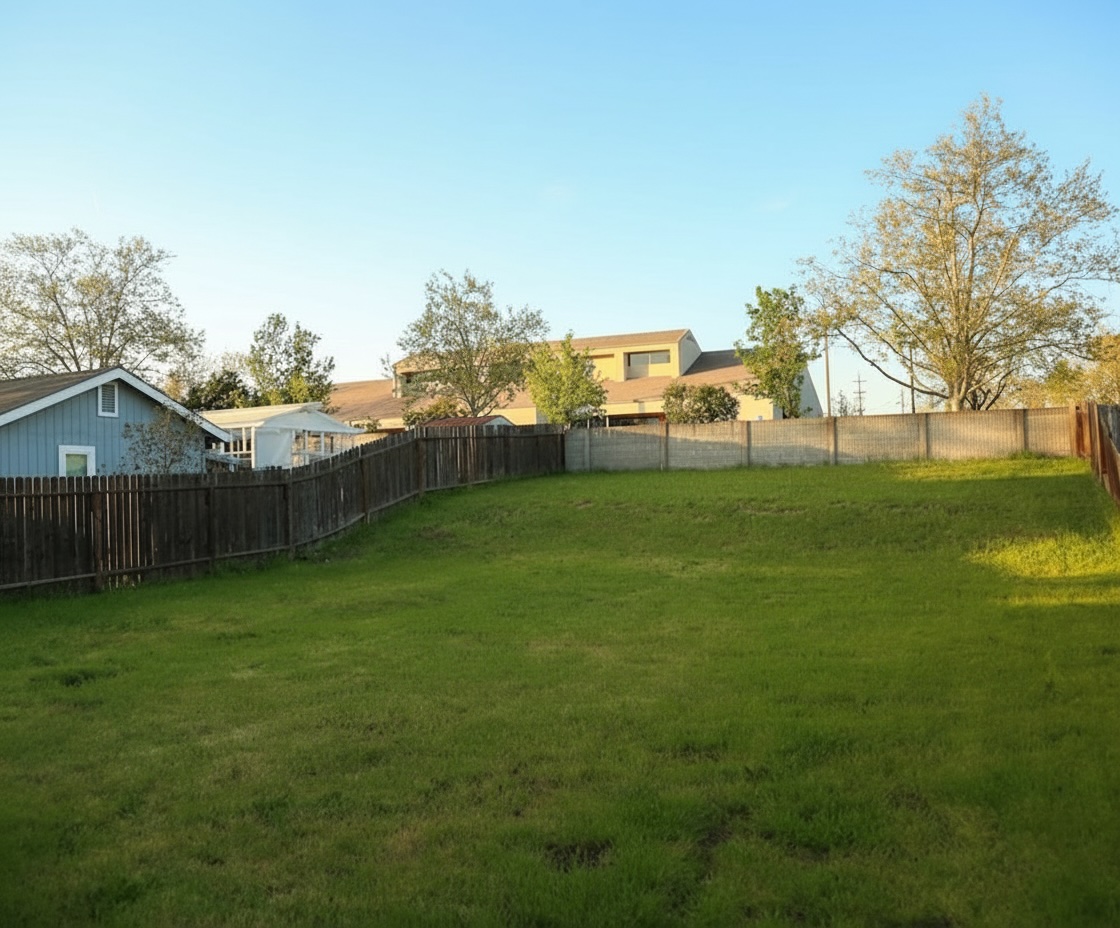
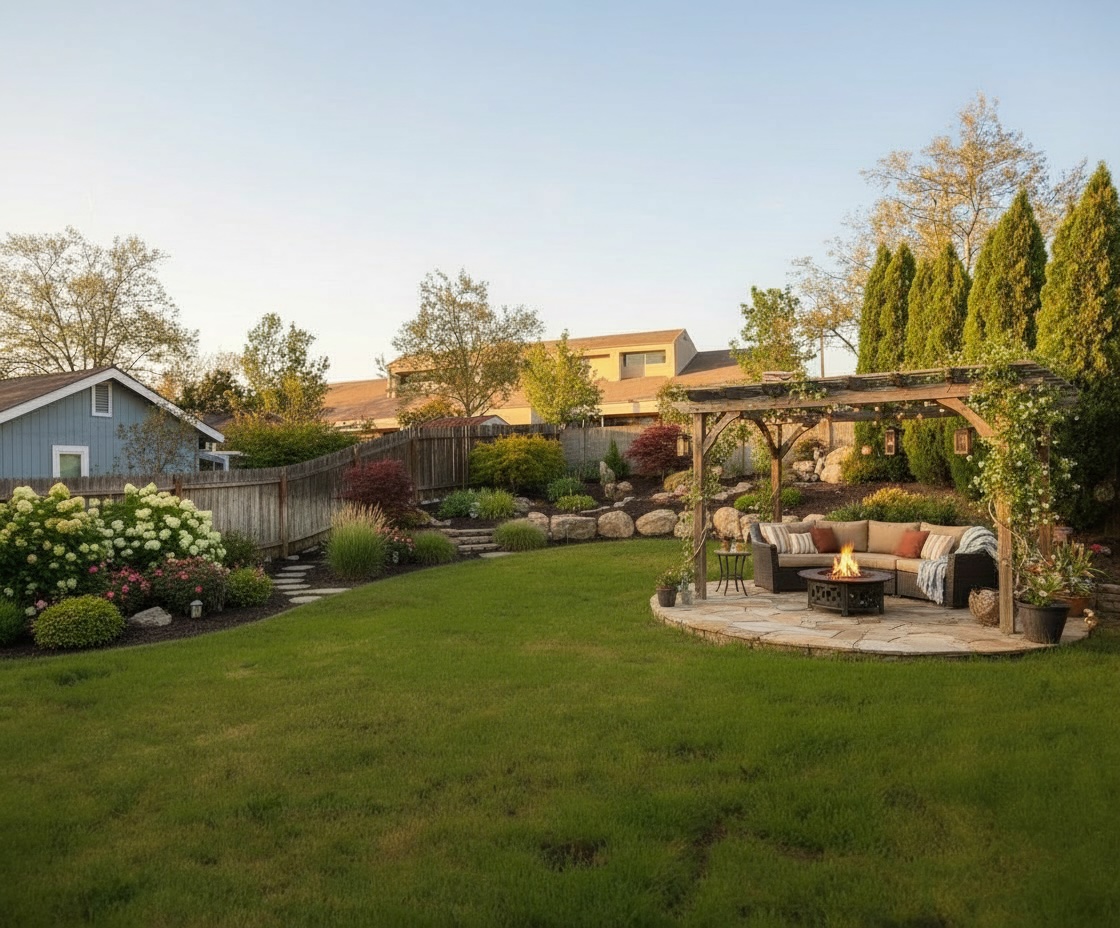
AI-generated image
Featured Trees & Shrubs for Mediterranean Gardens
Browse all 151 plants for Portland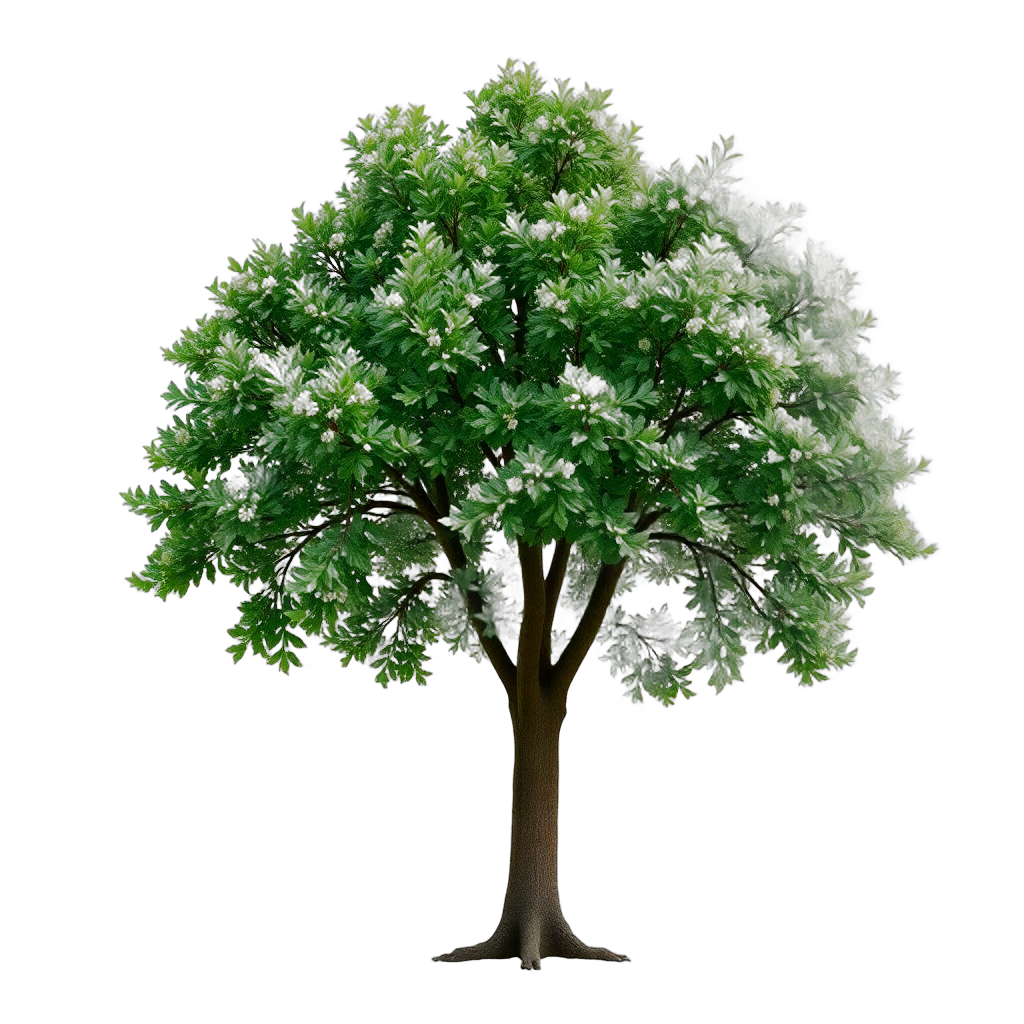
Oregon White Oak
Quercus garryana
large shade tree reaching 65+ feet, blooms in spring. Yellow fall color.
Featured Flowers & Perennials for Mediterranean Gardens

Papyrus
Cyperus papyrus
grows to 5 feet, blooms in summer. Pollinator-friendly.

Water Hyacinth
Eichhornia crassipes
low-growing ground cover, purple blooms in summer. Attracts butterflies.

Water Plantain
Alisma plantago-aquatica
low-growing ground cover, white blooms in summer. Attracts butterflies.

Arrow Arum
Peltandra virginica
low-growing ground cover, blooms in spring.
Zone and sun checks come from our database — confirm with your local nursery before you buy.
Bloom Calendar for Portland
spring
Oregon White Oak, Arrow Arum, Blue Flag Irissummer
Papyrus, Water Hyacinth, Water Plantainfall
Rose Mallowwinter
Limited bloomsDesign Tips for Portland (Zone 9a)
- Plant lavender on a berm or raised bed even if your Portland soil appears well-drained — an 8–12 inch mound of amended soil prevents the root zone from ever becoming saturated during Portland's persistent winter rains, which is the single most reliable way to ensure lavender long-term survival in the Pacific NW
- Build a covered outdoor structure (loggia, pergola, or even a simple sail shade) as part of any Mediterranean backyard design in Portland — the covered space extends outdoor use dramatically through Portland's long rainy season and allows you to enjoy the surrounding Mediterranean plantings even on wet days
- Use rosemary as a hedge or screening plant rather than just a culinary herb — in Portland's Zone 9a, rosemary grows into substantial 4–6 foot shrubs that bloom with small blue flowers in late winter when almost nothing else is in color, provide privacy, and require essentially no maintenance once established
- Choose Cistus (rockrose) as your Mediterranean ground cover workhorse for Portland sun-exposed areas — it handles Portland's wet winters far better than many Mediterranean plants, blooms profusely in May–June with papery flowers in white, pink, and magenta, and grows into weed-suppressing mounds that need no irrigation after establishment
- Incorporate a wall-mounted fountain on a south-facing wall or fence to extend Mediterranean character into the vertical plane — the sound of moving water masks Portland's street noise, the wall provides warmth for adjacent tender plants like lemon verbena, and the fountain becomes a year-round focal point even when surrounding plantings are dormant in winter
- Consult with Portland Nursery's staff before selecting olive tree varieties — they maintain records on which varieties have performed best through Portland's occasional severe cold events and can recommend the most reliably hardy selections for your specific neighborhood's microclimate
Where to Source Plants in Portland
Skip the big-box stores. These independent Portland nurseries specialize in the plants that make mediterranean gardens thrive in Zone 9a.
Portland Nursery
SE Portland (Stark Street and Division Street)
Outstanding Mediterranean herb, lavender, and olive selection with Portland climate expertise
Xera Plants
SE Portland
Pacific NW-adapted Mediterranean and drought-tolerant plants including lavender, Cistus, and herbs
Cistus Nursery
Sauvie Island
Specialists in Cistus and dry-climate Mediterranean plants tested in Pacific NW conditions
Dennis' 7 Dees Garden Centers
Multiple Portland metro locations
Full-service nursery with reliable Mediterranean herb, lavender, and olive selection
Nichols Garden Nursery
Albany, OR (Willamette Valley — ships to Portland)
Exceptional culinary herb seed and plant selection — best source for rare Mediterranean herbs in the Pacific NW
Mediterranean Landscaping Costs in Portland
| Project Scope | Estimated Cost |
|---|---|
| Mediterranean front yard with flagstone, olive, cypress, lavender borders | $6,500 – $18,000 |
| Full backyard Spanish/Tuscan courtyard with fountain and terracotta paving | $26,000 – $68,000 |
| Bougainvillea pergola with terracotta tile patio | $12,000 – $28,000 |
| Classical stone fountain installation | $3,000 – $9,000 |
| Lavender border and gravel lawn replacement | $3,500 – $9,500 |
| Drip irrigation system with smart controller | $1,100 – $3,500 |
| AI visualization with ProScapeAI | Free to start |
Estimates based on Portland, OR-area contractor rates as of 2026. Actual costs vary by site conditions, materials, and contractor.
Portland Climate & Growing Zone
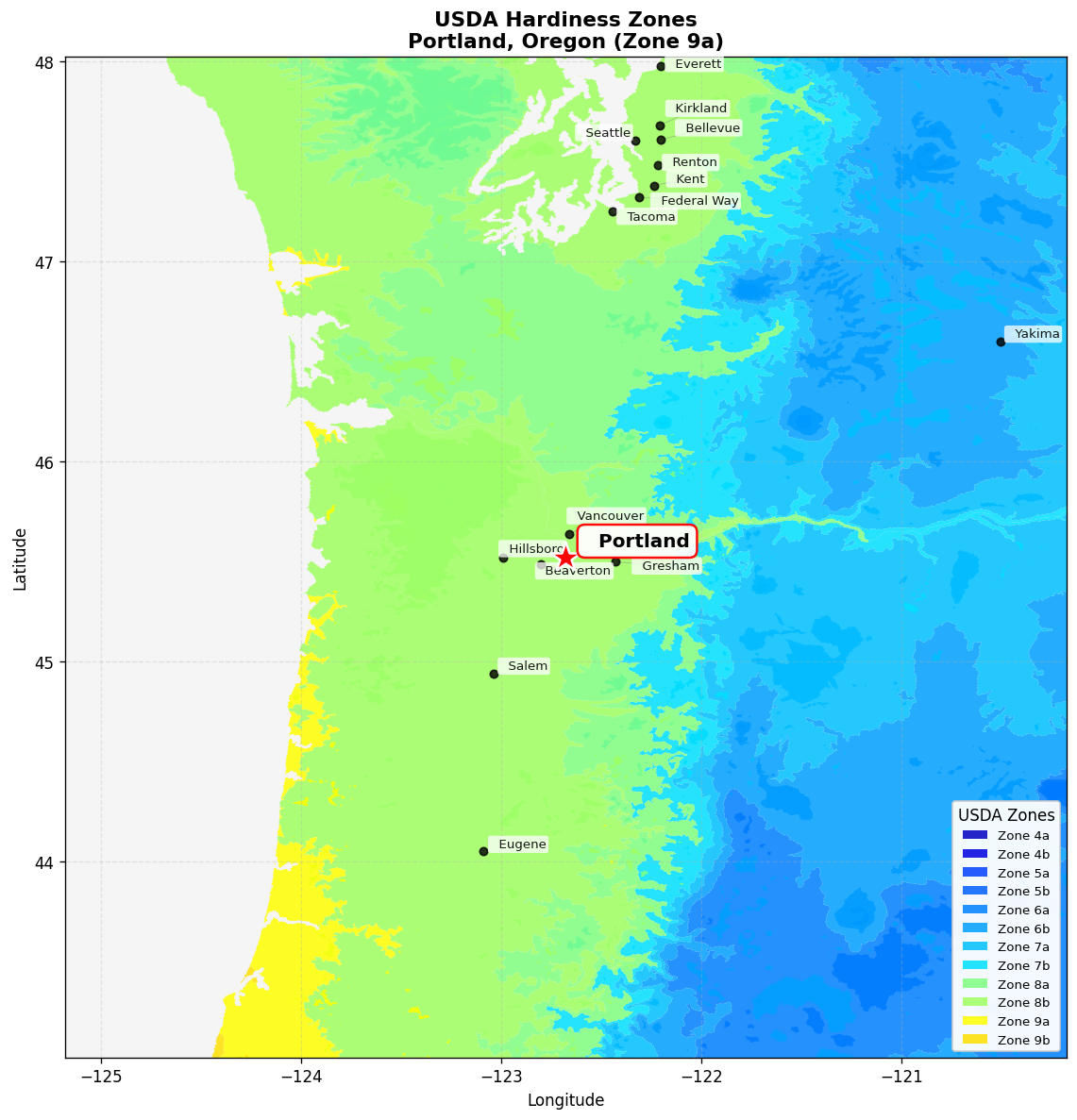
USDA Zone 9a
Hardiness zone for Portland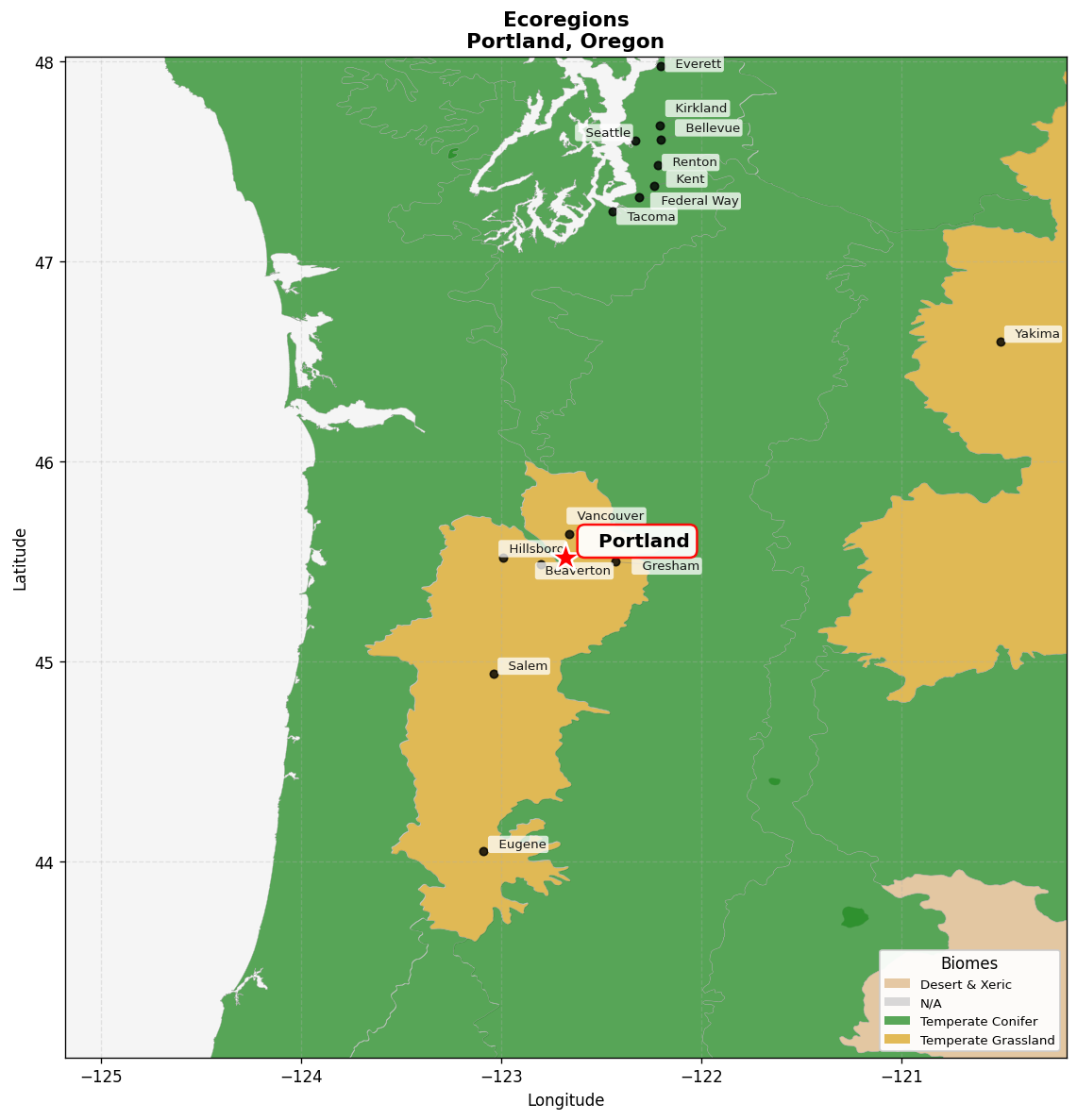
Willamette Valley oak savanna
Native ecoregionFrequently Asked Questions
Will lavender survive Portland's wet winters?
Lavender can thrive in Portland, but drainage is the critical factor. Lavender's number-one killer in the Pacific NW is wet roots in heavy soil during winter — root rot, not cold, is what kills it. The solution is well-drained soil: amend planting areas with 30–40% coarse grit or decomposed granite, or plant in raised beds. On slopes (which drain naturally), lavender is nearly bulletproof in Portland. On flat, clay-heavy sites, raised beds are strongly recommended. Best varieties for Portland: Lavandula x intermedia 'Phenomenal' and 'Grosso' (most cold and wet-tolerant), and Lavandula angustifolia 'Hidcote' and 'Munstead' for classic English types.
Can olive trees survive Portland winters?
Olive trees are marginally hardy in Portland's Zone 9a — they typically survive Portland's mild winters (average lows 28–35°F) but can be damaged in severe cold snaps (below 15°F). In most Portland winters, established olive trees do fine. For best results, plant in a warm, sheltered microsite — against a south-facing wall, in a protected courtyard, or in a particularly warm neighborhood like inner SE Portland. Choose cold-hardy varieties: 'Arbequina', 'Tolly Ho', or standard Olea europaea. In severe cold years, expect some tip dieback on outer branches; most established trees recover well.
How much does Mediterranean landscaping cost in Portland?
Portland Mediterranean landscape projects are moderately priced by West Coast standards. Front yard redesigns (300–500 sqft) with lavender borders, flagstone, and olive tree run $7,000–$18,000. Full backyard Tuscan gardens with covered structure, flagstone, and mature plantings range $25,000–$65,000. Covered cedar loggia structures add $12,000–$30,000 to backyard projects but significantly extend outdoor usability in Portland's rainy climate. Simpler lavender lawn replacements run $3,500–$9,000.
What Mediterranean herbs actually grow well year-round in Portland?
Most culinary Mediterranean herbs thrive in Portland's climate. Rosemary is evergreen and nearly bulletproof in Zone 9a — it grows into large shrubs in Portland and blooms in late winter. Thyme is reliably perennial and handles Portland winters well. Sage (Salvia officinalis) is perennial and sometimes evergreen in Portland. Bay laurel (Laurus nobilis) grows into a large shrub or small tree in Zone 9a — a genuine kitchen herb tree is possible in Portland. Basil is an annual (frost-sensitive) best grown in summer. Lavender is perennial with good drainage. All of these combined create a Provencal herb garden that functions year-round.
Do I need to worry about drainage in a Portland Mediterranean garden?
Yes — drainage is the defining challenge for Mediterranean plants in Portland. The Mediterranean climate's signature is dry summers, but Portland's wet winters create saturation conditions that Mediterranean plants didn't evolve for. Solutions: (1) amend clay soil heavily with coarse grit before planting; (2) create raised beds or berms 12–18 inches above grade for lavender, rosemary, and other sensitive Mediterranean plants; (3) install French drains in areas that pool water; (4) avoid planting Mediterranean species in low spots or against north-facing walls. On naturally well-drained slopes or sandy soils, Mediterranean planting succeeds without modification.
What's the best time to plant a Mediterranean garden in Portland?
Spring (April–May) is the best window for Mediterranean plants in Portland. Planting after the last frost (typically mid-April) allows plants to establish through the warm summer months before facing their first winter. This gives roots 6–7 months to establish before winter cold and wet arrives. Fall planting (October) works for cold-hardy plants like lavender and rosemary if drainage is excellent, but is riskier for marginally cold-hardy species like olive trees and bougainvillea. Avoid summer planting (July–August) — water needs are high and plants struggle in Portland's dry summer heat.