4 English Cottage Garden Ideas for Berkeley, CA | Fog-Belt Roses for Zone 10a
Native plants from the California interior chaparral and woodlands (Zone 10a) — Mediterranean (warm summer) climate
Why Cottage/English Gardens in Berkeley?
Berkeley has been growing cottage gardens for longer than most American cities have had suburbs. The brown-shingle houses of the First Bay Tradition in North Berkeley, Elmwood and Claremont were designed to sit in planting, not behind lawn, and the Craftsman bungalows of Le Conte, Bateman and Westbrae have the shallow front setbacks and deep porches a cottage border needs. A narrow Berkeley frontage planted in three layers, with a rose over the gate and a brick path to the steps, looks finished. The same planting on a big suburban lot just looks sparse.
The climate suits the style but rules out part of the English plant list. Berkeley sits in USDA Zone 10a, which means the coldest night of an average winter lands between 30 and 35°F; January lows average about 43°F and the record is 24°F, set in December 1990. Rainfall runs about 25–26 inches a year, almost all of it between November and March, followed by six nearly dry months. Summer highs rarely top the mid-70s because fog pours straight through the Golden Gate at the city. The fog brings the main problems: powdery mildew and rust on roses, and almost no winter chill. Herbaceous peonies and common lilac sulk here, so plant Syringa 'Lavender Lady' for the lilac scent and lean on roses bred for coastal California, such as Rosa 'Sally Holmes', Rosa 'Iceberg', Rosa 'Julia Child' and Rosa 'Mutabilis'. Treat Delphinium elatum Pacific Giant Hybrids as a cool-season annual sown in autumn, and let Digitalis purpurea 'Camelot Rose' and Penstemon 'Garnet' carry the spires.
Soil splits the city in two. The flatlands west of the Hayward Fault sit on heavy alluvial clay that stays wet into April and cracks by August, while the hills above it have thin, rocky soils on steep lots. There is no frost depth to speak of, so footings for arbours and fences are set by soil and wind rather than by freezing. Test the beds before planting; roses and lavender want a pH between 6.0 and 7.0, and raised beds 8–10 inches deep solve most of the clay problem at once.
Two local rules shape the design. EBMUD's Lawn Conversion Rebate pays $1 or $2 per square foot (up to $2,000 per home in two years) if the plan is approved before work starts, the planting covers half the area at maturity, the beds carry 3 inches of mulch and the sprinklers become drip. And in the Berkeley Hills, the Fire Department's self-inspection checklist asks for a Zone 0 of gravel, pavers or other hardscape within 5 feet of the house, so a cottage border there starts at the edge of a brick terrace rather than against the shingles.
4 Cottage/English Design Ideas for Berkeley

AI-generated image
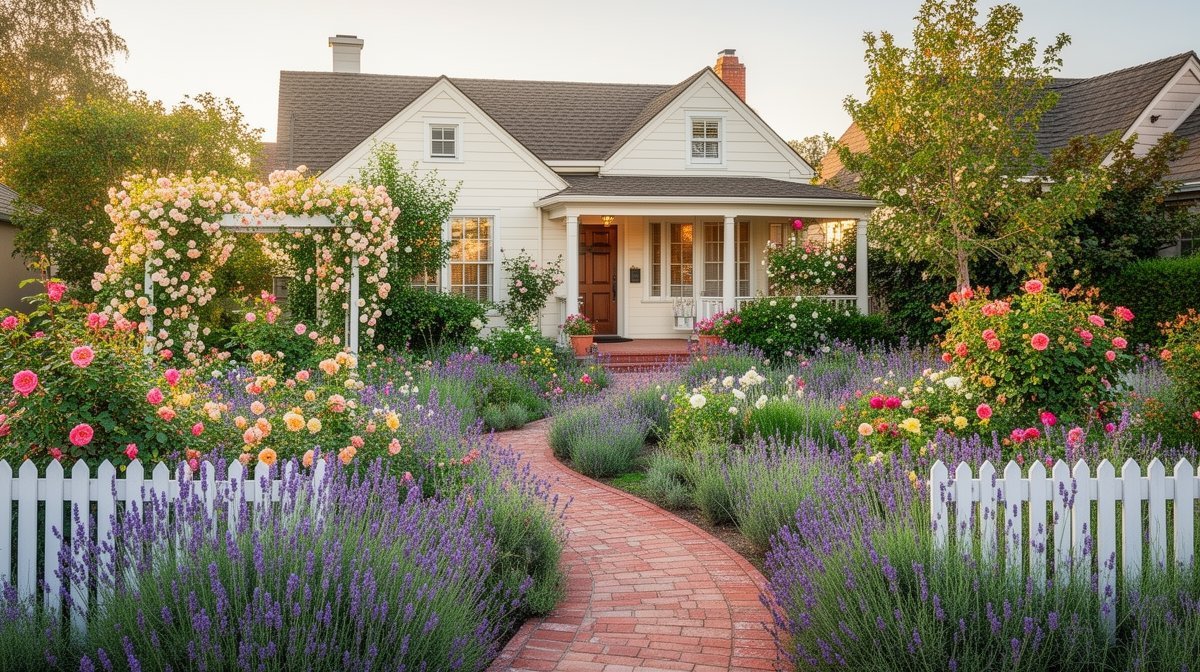
The Brown-Shingle Rose Gate
$22–42/sqftA low redwood picket fence runs along the sidewalk of a 1905 brown-shingle house in North Berkeley, broken by a cedar arch that carries a climbing rose over the gate. A used-brick path laid on sand runs straight to the porch steps through a three-layer border: foxglove and Pacific Giant delphinium at the back, catmint and roses in the middle, and Santa Barbara daisy spilling onto the bricks. The west-facing frontage takes the afternoon sun, which dries the rose leaves after the morning fog and keeps mildew down.

AI-generated image
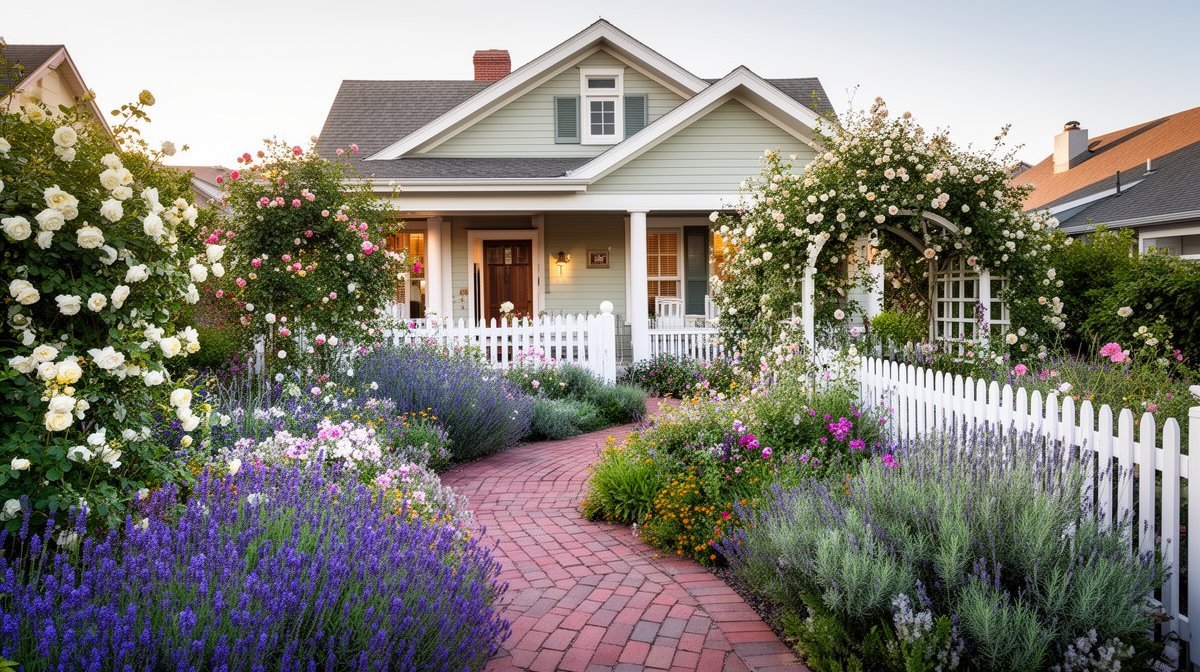
The Bungalow Porch Border
$18–35/sqftA Craftsman bungalow in Le Conte or Bateman keeps its deep front porch and loses its lawn: a curving path of Sonoma fieldstone leads to the steps between two generous borders of white and soft pink. Penstemon, salvia and Iceberg roses fill the sunny strip along the path, while the shady side under the street tree holds Japanese anemone and coral bells. Terracotta pots of Lavender Lady lilac on the steps give spring scent that a Zone 10a winter would otherwise deny you.

AI-generated image
The Rose Garden Terrace
$35–65/sqftOn a sloping lot near the Berkeley Rose Garden on Euclid Avenue, a cut-stone retaining wall creates a single level terrace of brick, and the borders step down the hill below it in two tiers. The terrace itself is the Zone 0 hardscape the hills checklist asks for, with roses and perennials starting 5 feet out from the house. The planting pairs roses with catmint and yarrow, spaced open enough for air to move through the borders on foggy mornings.

AI-generated image
The Backyard Cutting Garden
$15–30/sqftBehind a Westbrae or South Berkeley house, four raised redwood beds sit around a small gravel square with a bench, laid out like a kitchen garden but planted for cut flowers. Roses take the back row where they get full afternoon sun, sweet peas climb a cattle-panel arch sown in October to bloom in April, and dahlias and cosmos take over for summer. A simple cedar fence on the north side gives the beds a warm wall and shelters them from the evening fog wind.
See how a cottage/english garden looks on YOUR property
Upload a photo of your Berkeley yard and visualize your dream garden in seconds.
Try ProScapeAI Free

AI-generated image
Featured Trees & Shrubs for Cottage/English Gardens
Browse all 187 plants for Berkeley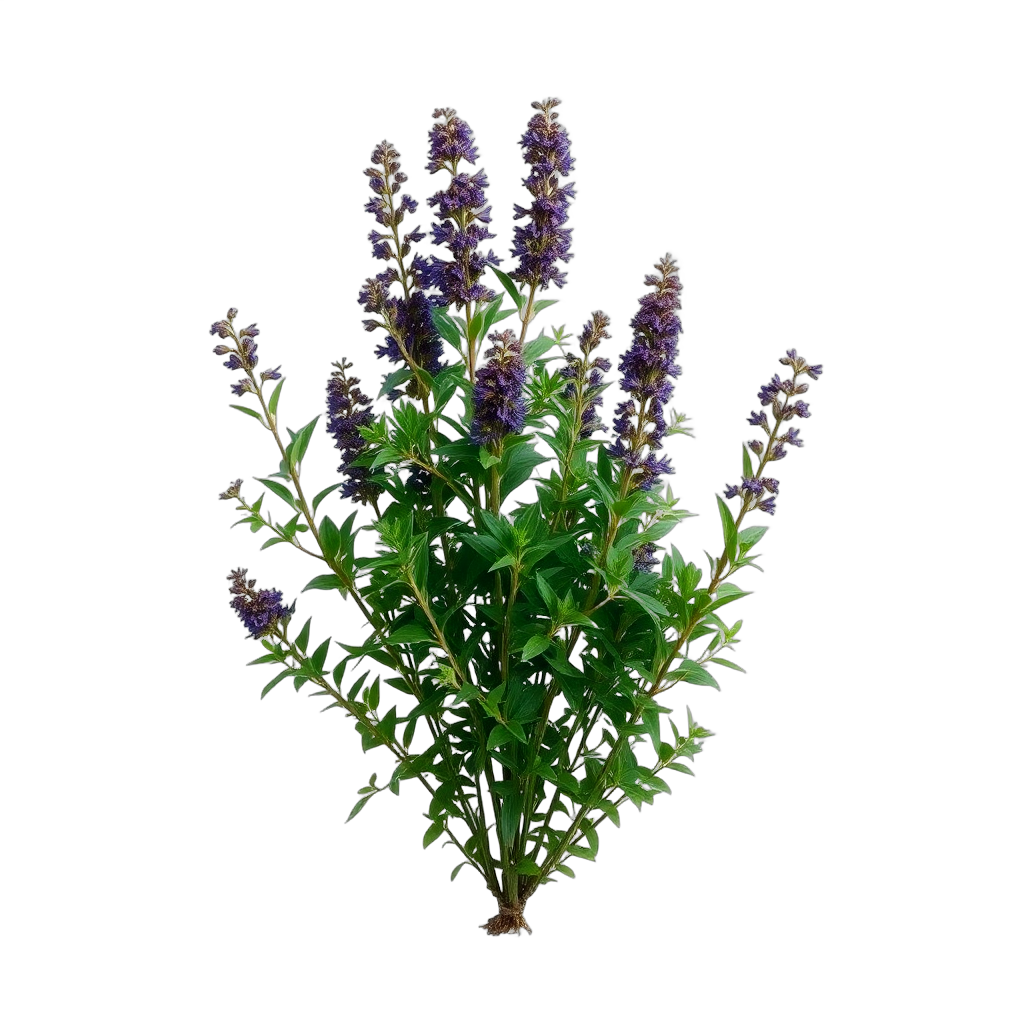
Black Sage
Salvia mellifera
grows to 4 feet, white blooms in spring. Attracts butterflies.
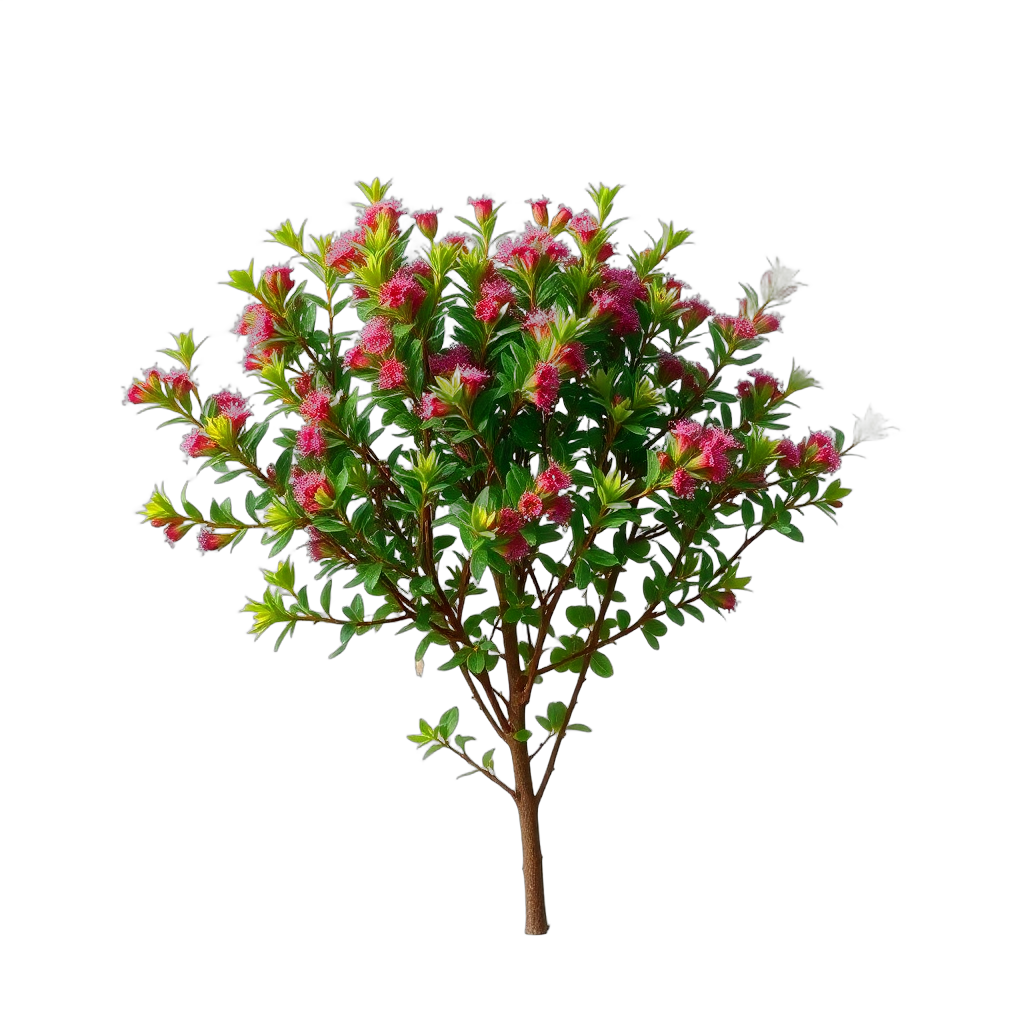
Buckbrush
Ceanothus cuneatus
medium-sized at 7 feet, white blooms in spring. Attracts butterflies.
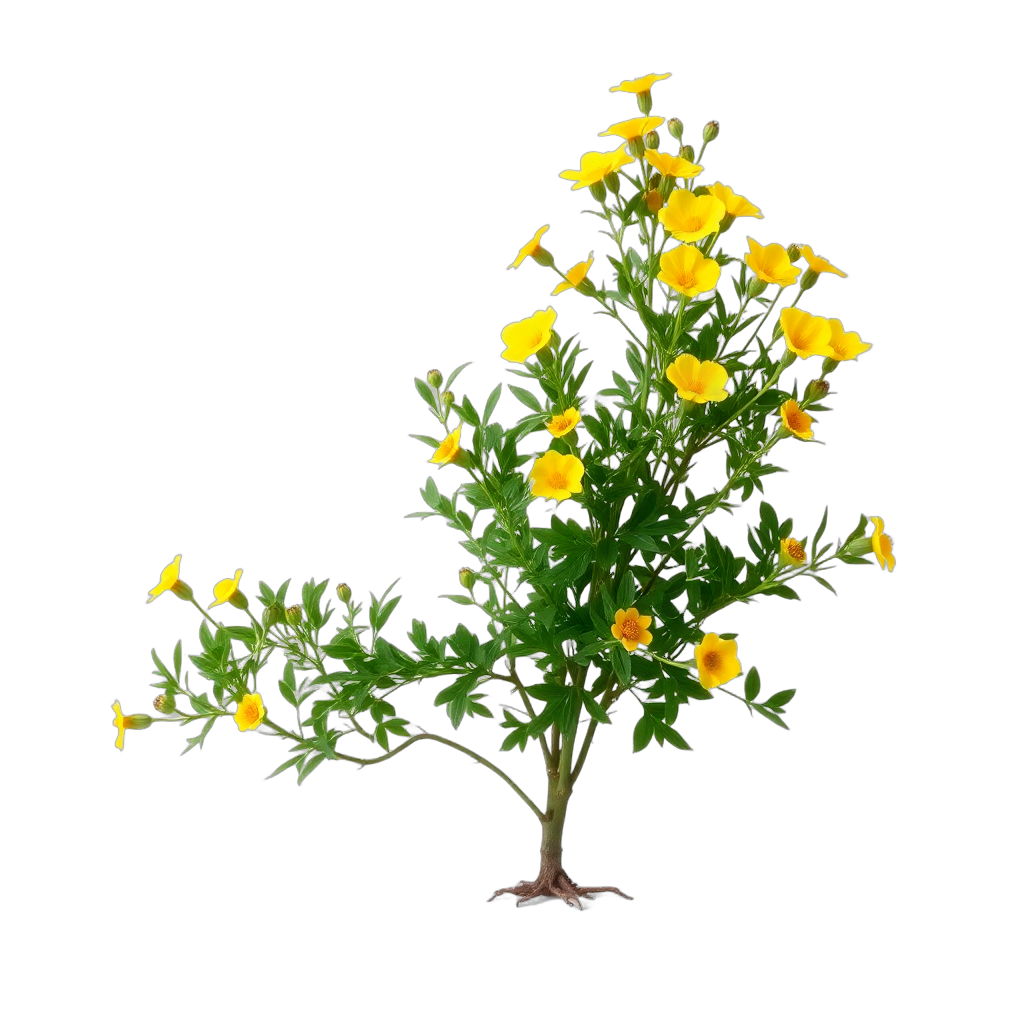
Bush Poppy
Dendromecon rigida
grows to 6 feet, yellow blooms in spring. Pollinator-friendly.

California Brittlebush
Encelia californica
grows to 4 feet, yellow blooms in spring. Attracts butterflies.
Featured Grasses & Groundcovers for Cottage/English Gardens
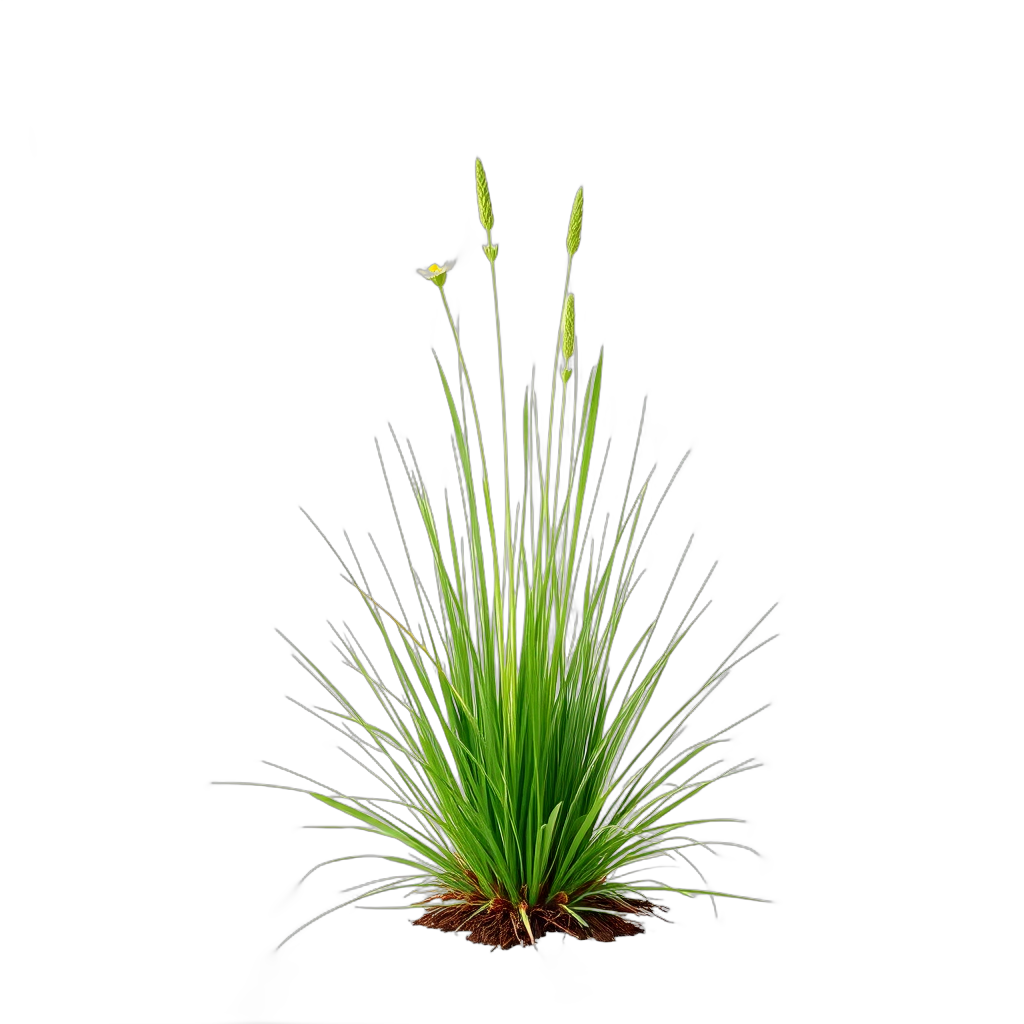
California Brome
Bromus carinatus
low-growing ground cover, blooms in spring. Yellow fall color.
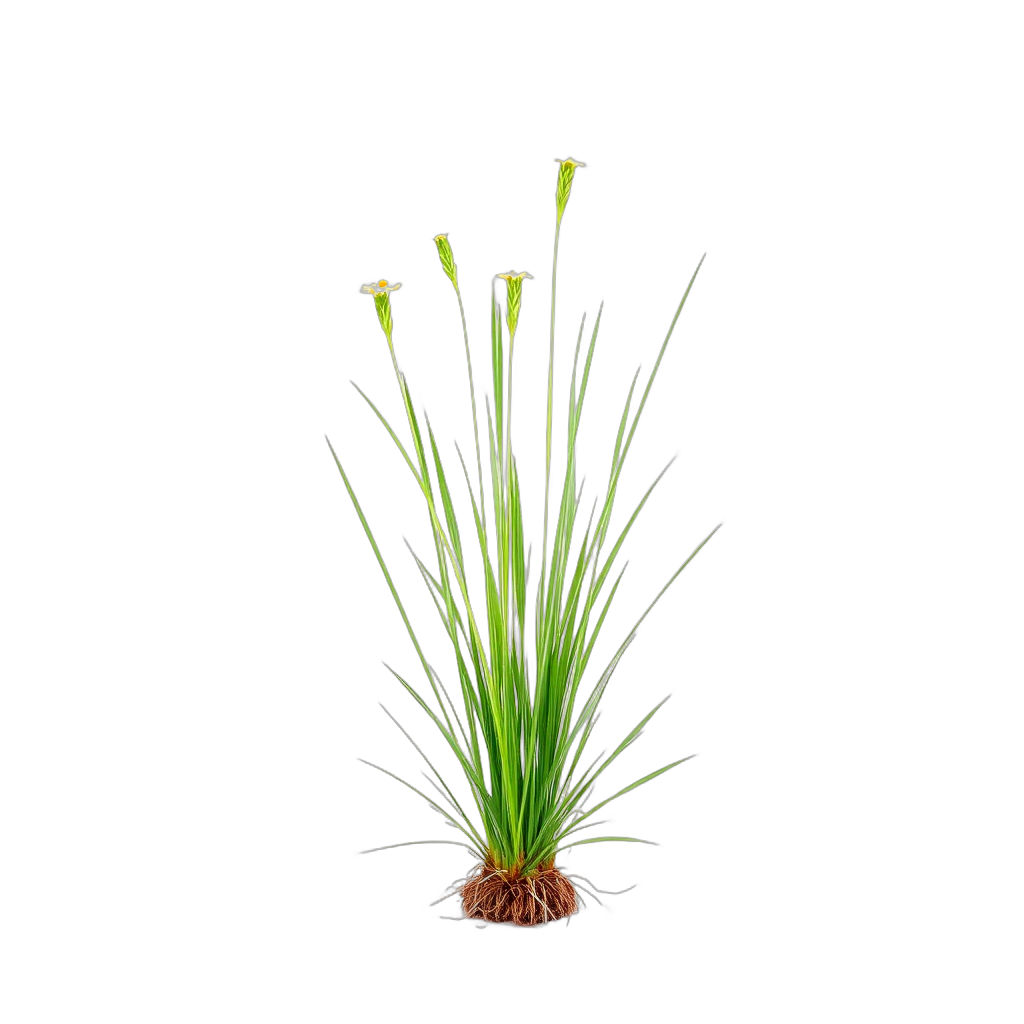
California Melic
Melica californica
low-growing ground cover, blooms in spring.
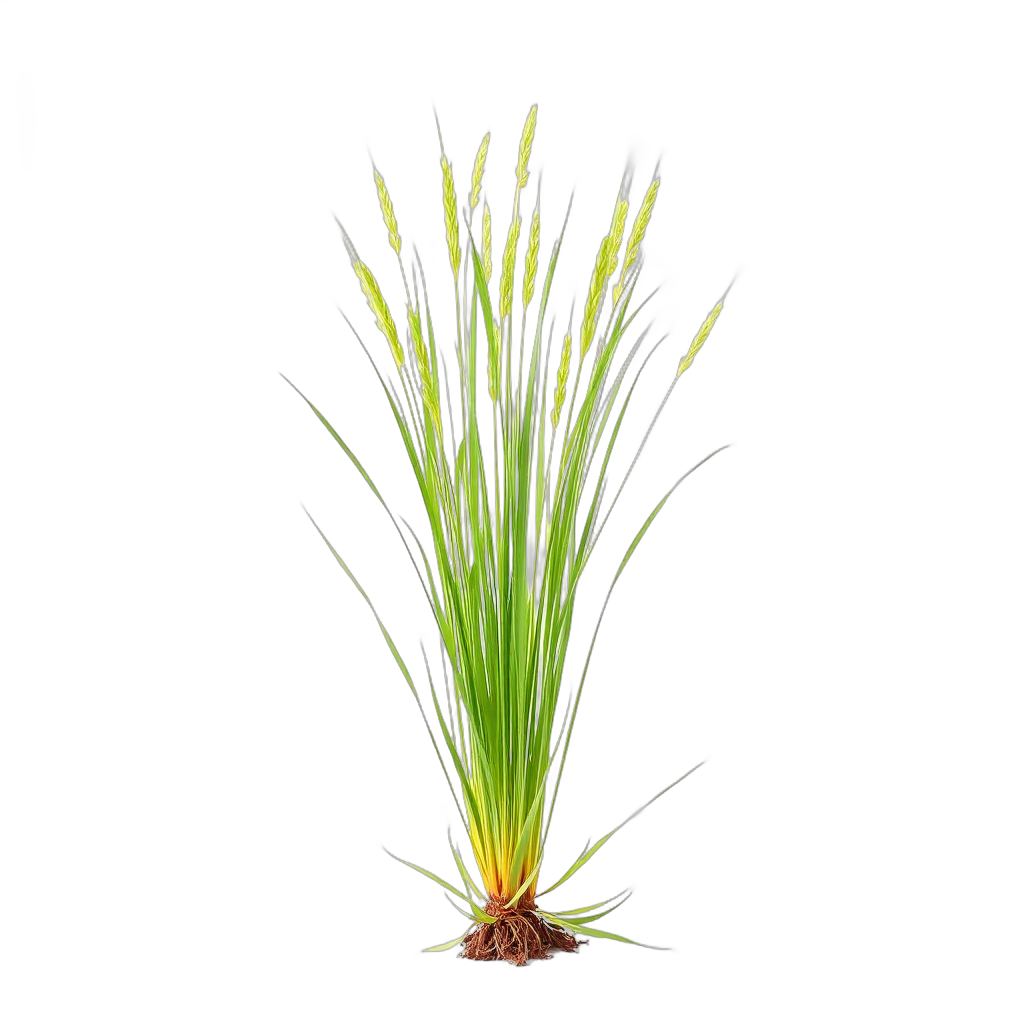
California Oatgrass
Danthonia californica
low-growing ground cover, blooms in spring. Yellow fall color.
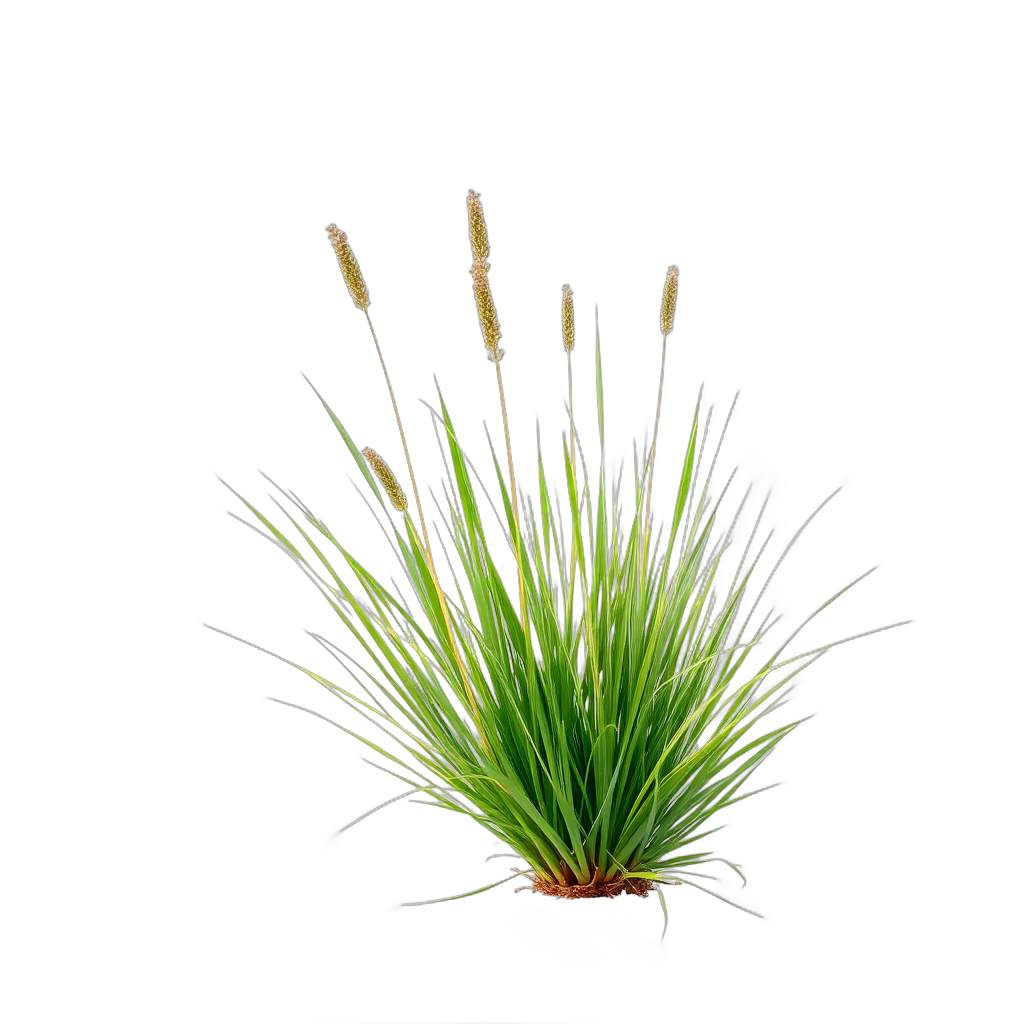
Deer Grass
Muhlenbergia rigens
grows to 3 feet, yellow blooms in fall. Evergreen year-round.
Featured Flowers & Perennials for Cottage/English Gardens
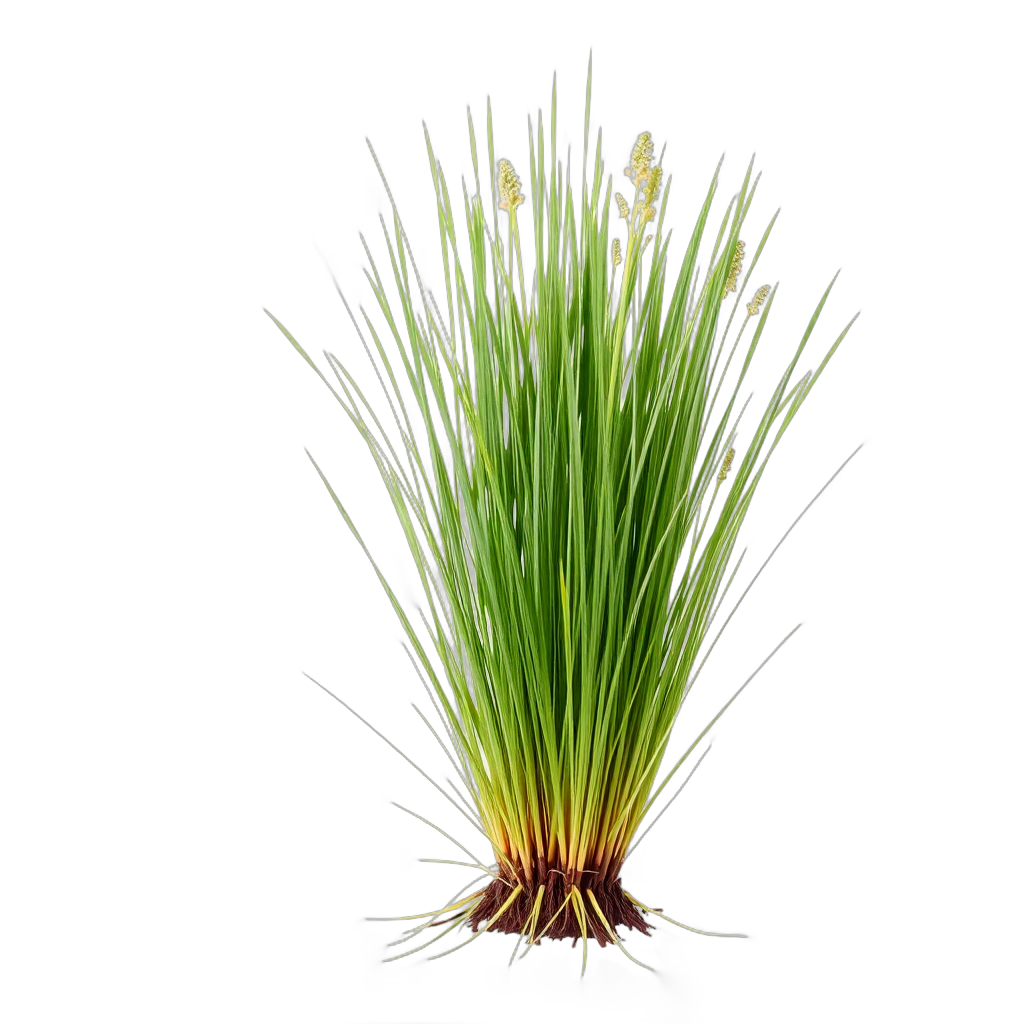
California Gray Rush
Juncus patens
low-growing ground cover, blooms in summer. Evergreen year-round.
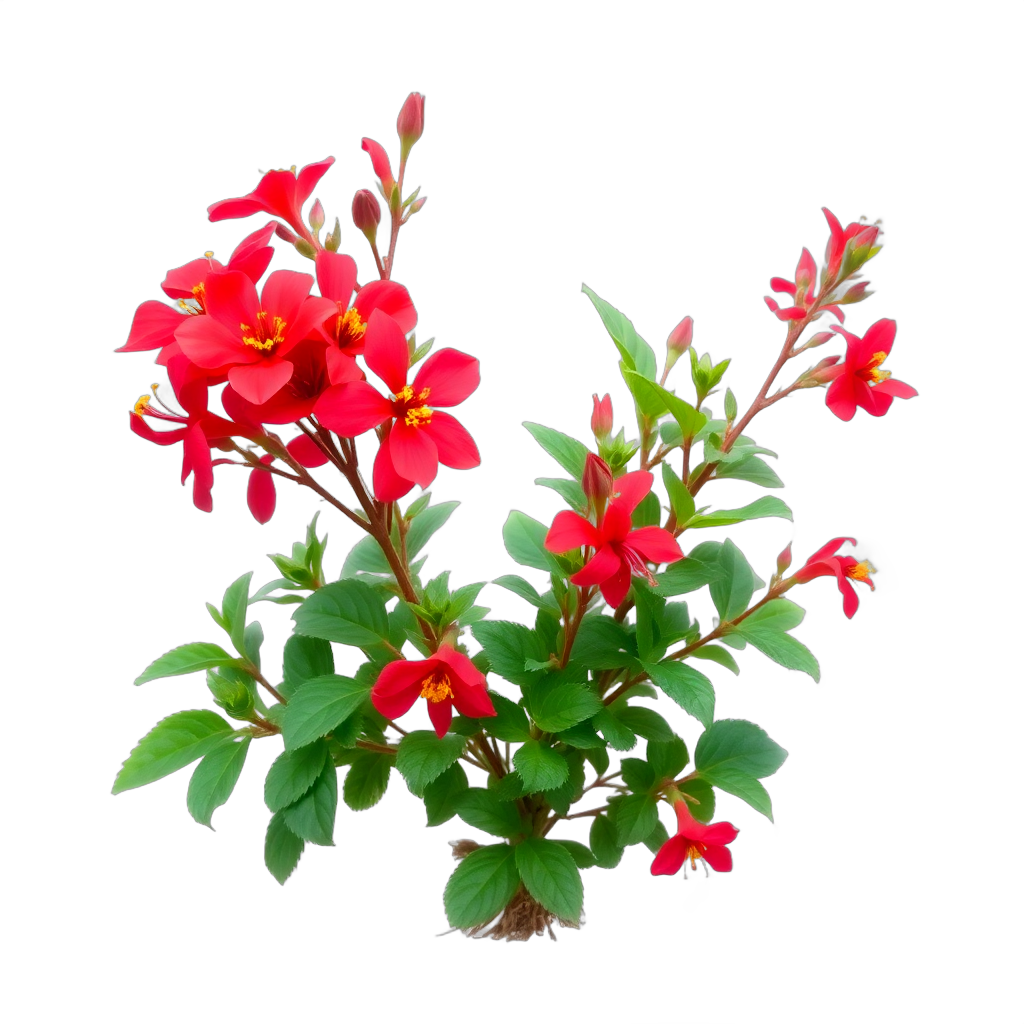
California Fuchsia
Zauschneria californica
low-growing ground cover, red blooms in fall. Attracts hummingbirds.

California Poppy
Eschscholzia californica
low-growing ground cover, orange blooms in spring.
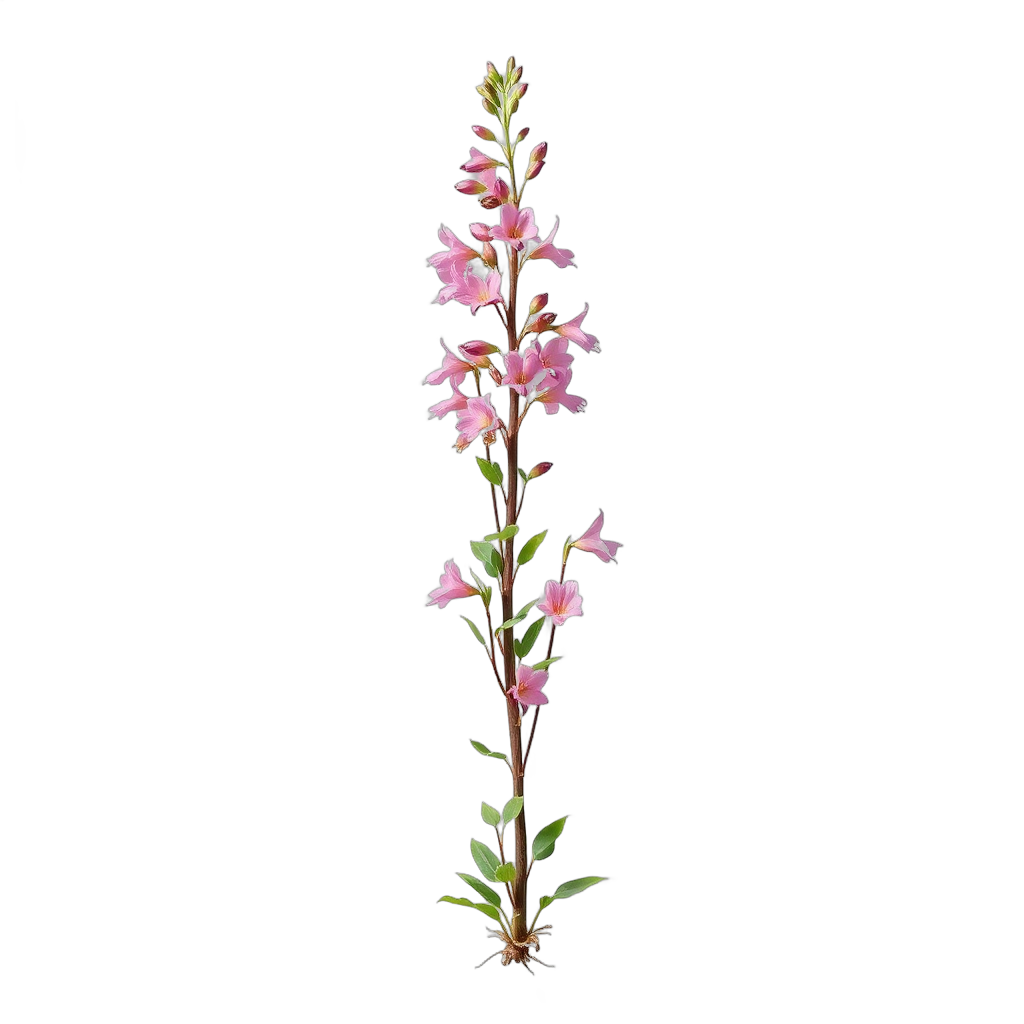
Foothill Penstemon
Penstemon heterophyllus
low-growing ground cover, blue blooms in spring. Attracts hummingbirds.
Zone and sun checks come from our database — confirm with your local nursery before you buy.
Bloom Calendar for Berkeley
spring
California Poppy, Foothill Penstemon, Foothill Sedgesummer
California Gray Rush, Black Sage, California Buckwheatfall
California Fuchsia, Deer Grasswinter
Limited bloomsDesign Tips for Berkeley (Zone 10a)
- Apply for the EBMUD Lawn Conversion Rebate before you lift a single square of turf: work started before approval does not qualify, and the plan needs 50% plant coverage at maturity and 3 inches of mulch.
- Raise the beds 8–10 inches on flatland clay west of the Hayward Fault; roses and lavender drown in Berkeley's wet February soil long before cold ever touches them.
- Put the roses on the sunniest, west-facing side of the lot so the leaves dry quickly after the morning fog; the north side of a shingle house is where mildew lives.
- Replace chill-hungry English classics with low-chill stand-ins: Syringa 'Lavender Lady' for lilac, Rosa 'Mutabilis' for old-rose bulk, and Pacific Giant delphiniums sown in October as annuals.
- In the hill fire zones, keep the first 5 feet from the house as brick, pavers or gravel and start the border beyond it; check your area at BerkeleyFireSafe.org before you finalise the plan.
- Skip landscape fabric under the mulch: it is on EBMUD's list of items that disqualify a rebate project, and wood-chip mulch alone suppresses weeds in this climate.
- Plan around any coast live oak instead of against it: keep drip emitters for the roses well outside its root zone, because summer water around Quercus agrifolia invites oak root fungus.
Where to Source Plants in Berkeley
Skip the big-box stores. These independent Berkeley nurseries specialize in the plants that make cottage/english gardens thrive in Zone 10a.
Berkeley Horticultural Nursery
North Berkeley (McGee Ave)
Family nursery open since 1922 with roses, perennials, Japanese maples, bulbs, fruit trees and California natives
Westbrae Nursery
Westbrae (Gilman St)
Neighbourhood nursery serving North Berkeley and Albany, open seven days, with flowering plants, edibles, seeds and fruit trees
East Bay Nursery
West Berkeley (San Pablo Ave)
Long-running independent garden center on San Pablo Avenue with a broad plant yard and sod ordering
Native Here Nursery
Tilden Regional Park
California native plants grown for Alameda and Contra Costa counties, linked to the East Bay chapter of the California Native Plant Society; open Saturdays
Cottage/English Landscaping Costs in Berkeley
| Project Scope | Estimated Cost |
|---|---|
| Front cottage border with picket fence and rose arch (400–600 sqft) | $12,000 – $28,000 |
| Reclaimed brick or fieldstone path (100–200 sqft) | $3,500 – $10,000 |
| Lawn removal and conversion to planted beds on drip (per sqft) | $12 – $25/sqft, before any EBMUD rebate |
| Cedar rose arch or arbour, built and set | $1,500 – $5,000 |
| Hillside terrace with low stone wall and stepped borders | $25,000 – $70,000 |
| Raised-bed cutting garden with gravel paths (300 sqft) | $5,000 – $10,000 |
| AI visualization (ProScapeAI) | Free to start |
Estimates based on Berkeley, CA-area contractor rates as of 2026. Actual costs vary by site conditions, materials, and contractor.
Berkeley Climate & Growing Zone
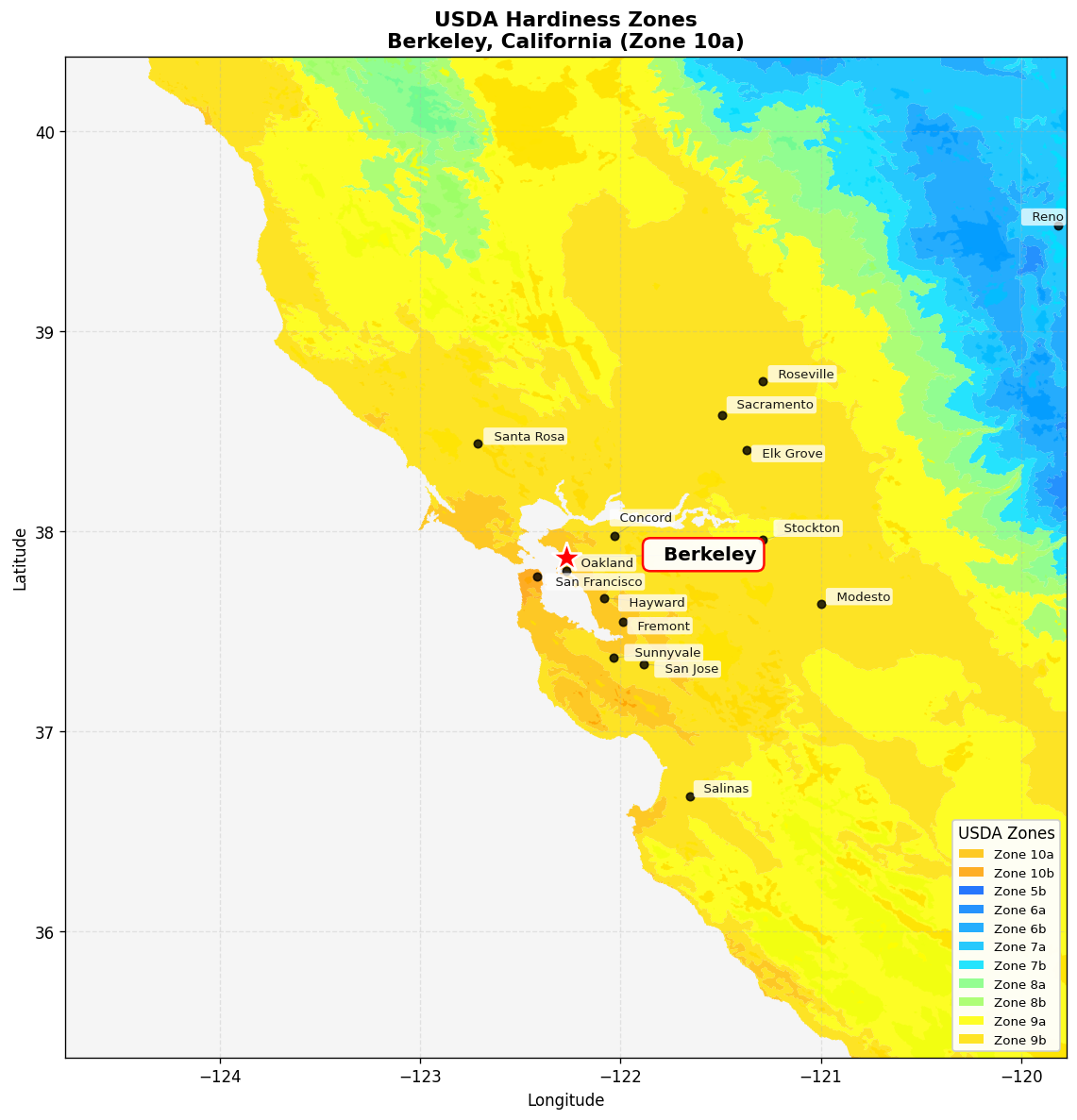
USDA Zone 10a
Hardiness zone for Berkeley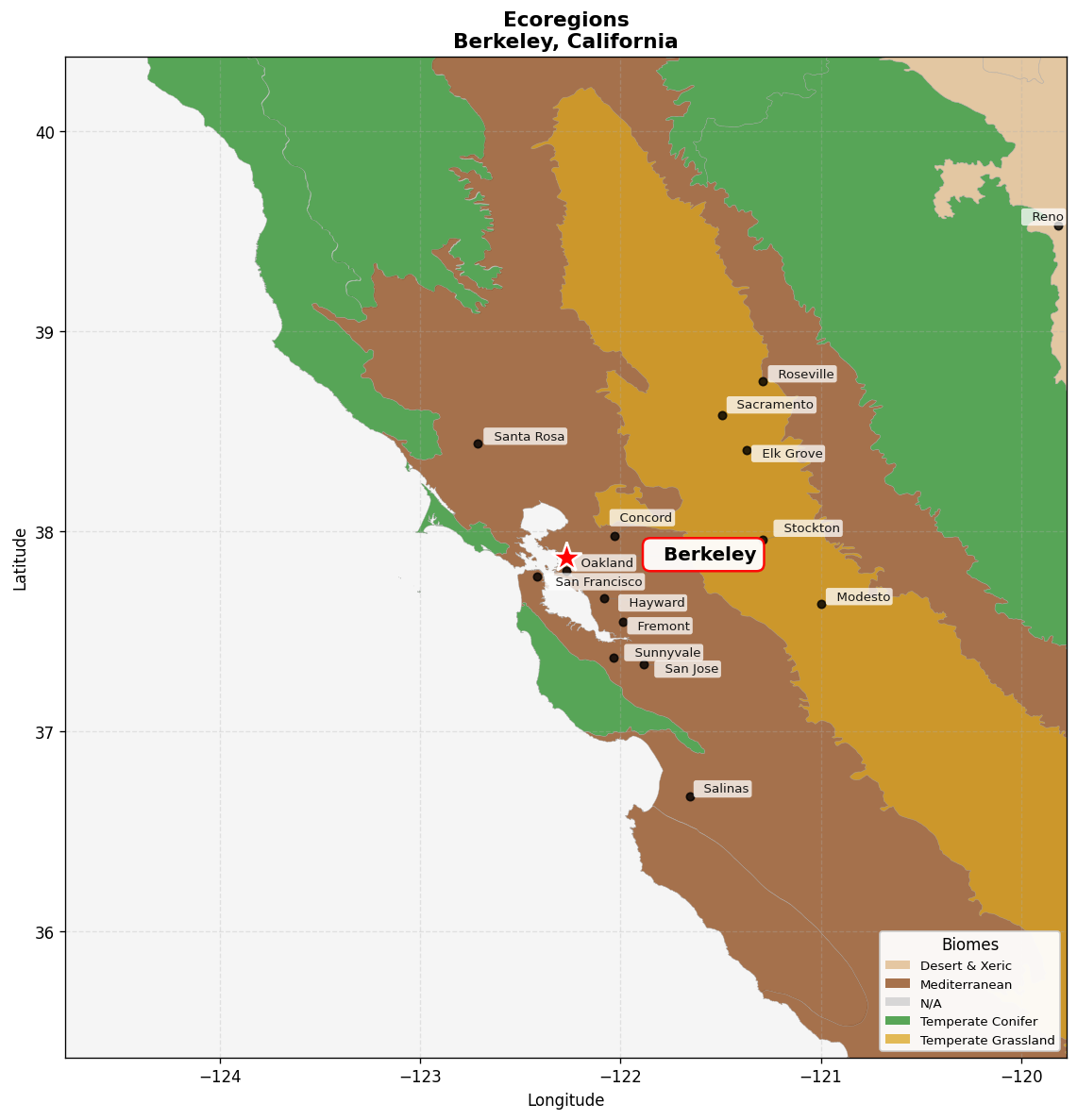
California interior chaparral and woodlands
Native ecoregionFrequently Asked Questions
How much does a cottage garden cost in Berkeley, CA?
Bay Area install costs sit well above the national average. As a guide, planted cottage borders on drip run about $15–30 per square foot installed, brick or fieldstone paths about $30–55 per square foot, and a cedar arch or arbour $1,500–5,000. A typical 400–600 sqft front garden with a picket fence, a rose arch and a brick path lands around $12,000–28,000. If you are replacing lawn, the EBMUD Lawn Conversion Rebate can return $1 or $2 per square foot up to $2,000 per home in a two-year period, but only if you apply and get approval before you dig.
Which roses handle Berkeley's fog and mildew?
Pick roses bred or proven for coastal California and give them sun after the fog burns off. Rosa 'Sally Holmes', Rosa 'Iceberg', Rosa 'Julia Child' and Rosa 'Mutabilis' shrug off mildew far better than hybrid teas, and Rosa 'Cécile Brünner' and Rosa banksiae 'Lutea' are the reliable climbers. Space them 3 feet apart, water at the base by drip in the morning, and avoid the north side of the house where fog lingers until noon. Hand-picking rusty leaves in summer does more than any spray.
Can I grow peonies, lilacs and delphiniums in Zone 10a?
Not the way English catalogues show them. Berkeley's winters rarely go below 35°F, so herbaceous peonies and most common lilacs never get the chill they need to flower well. Use Syringa vulgaris 'Lavender Lady' or 'Blue Skies', which were selected in Southern California for low chill. Grow Delphinium elatum Pacific Giant Hybrids as a cool-season annual planted in October, and lean on Digitalis purpurea 'Camelot Rose', Penstemon 'Garnet' and Salvia nemorosa 'Caradonna' for spires that come back every year.
When is the best time to plant a cottage garden in Berkeley?
October through early December. The rains return in November, the soil is still warm from September, which is often Berkeley's warmest month with highs near 76°F, and roots grow all winter. Bare-root roses go in from January to early February. Sow sweet peas and delphiniums in October for April and May flowers. Spring planting in March works too, but anything planted after May needs careful drip watering through six almost rainless months.
What rules apply to landscaping in the Berkeley Hills fire zones?
The Berkeley Fire Department's self-inspection checklist asks for a Zone 0 of hardscape (gravel, pavers or concrete) within 5 feet of any structure and annual grasses and weeds cut to 4 inches or less within 30 feet. Annual defensible space inspections are required in the Grizzly Peak and Panoramic mitigation areas and for other homes in the Very High Fire Hazard Severity Zone. Enter your address at BerkeleyFireSafe.org to see which area you are in. For a cottage garden, that means a brick or gravel terrace against the house and the roses and perennials beyond it.
Can I remove or prune the coast live oak in my yard?
Probably not without a permit. Berkeley's Coast Live Oak ordinance covers single-stem Quercus agrifolia 18 inches or more in circumference, or multi-stem trees 26 inches or more combined, measured 4 feet above the ground, on private as well as public land. Removing more than a quarter of a tree's leaves, stems or roots in 24 months counts as excessive pruning. Design the cottage border around the oak: keep summer water off its root zone and plant the dry shade beneath it with Heuchera and Iris douglasiana rather than thirsty roses.
How much water does a cottage garden need here?
More than a Mediterranean garden but far less than a lawn. With 25–26 inches of rain falling between November and March, an established border on drip usually needs a deep soak once a week from May to October, and less in the foggy west side of the city. Put roses on their own drip zone, mulch 3 inches deep, and group the thirstier plants such as Hydrangea and Japanese anemone together in the shade so the rest of the border can stay leaner.