4 Modern Landscape Ideas for Berkeley, CA | Fire-Smart, Fog-Proof Zone 10a
Native plants from the California interior chaparral and woodlands (Zone 10a) — Mediterranean (warm summer) climate
Why Modern/Minimalist Gardens in Berkeley?
Modern landscaping in Berkeley solves three local problems at once: steep hill lots, heavy flatland clay and a fire code that now asks for hardscape right against the house. Clean lines, gravel, board-formed concrete and a tight palette of sculptural plants handle all three. The style also suits more of the city's houses than people expect. The mid-century post-and-beam houses in the Berkeley Hills and along Grizzly Peak were built for it, and a crisp gravel court with a few strong plants looks just as good in front of a stuccoed 1920s house in Thousand Oaks or a new backyard ADU in South Berkeley.
Berkeley's Zone 10a climate lets you use plants that would die in most of the country. The coldest night of an average winter falls between 30 and 35°F, January lows average about 43°F, and the record is 24°F from December 1990. Berkeley gets about 25–26 inches of rain a year, nearly all from November to March, and summer is cool and foggy with highs in the low to mid 70s. That means Agave attenuata, Aloe 'Blue Elf', Leucadendron 'Safari Sunset' and Phormium 'Jester' all grow well outdoors, but anything that needs real heat to look its best, such as Mexican feather grass or blue palo verde, stays thin in the fog. Use Lomandra longifolia 'Platinum Beauty', Carex divulsa and Sesleria autumnalis for the clean grassy lines instead.
Soil and slope drive the construction. West of the Hayward Fault the flatlands sit on dense alluvial clay, so gravel courts need a proper compacted base and a slight fall for winter runoff. In the hills the soil is thin and rocky over steep ground, and low board-formed concrete or gabion walls turn a slope into usable terraces. Frost depth is effectively zero here, so footings are sized for the soil and the slope, not for freezing. Test before planting; most of the plants on this page are happy anywhere from pH 6.0 to 7.5.
The rules suit the look. Berkeley's fire self-inspection checklist calls for a Zone 0 of gravel, pavers or concrete within 5 feet of any structure, with annual inspections in the Grizzly Peak and Panoramic mitigation areas and the rest of the Very High Fire Hazard Severity Zone. A modern garden is naturally built that way. If you are taking out lawn, EBMUD's Lawn Conversion Rebate pays $1 or $2 per square foot up to $2,000 per home, but it excludes artificial turf, concrete or glued patios in the rebate area and landscape fabric, so keep the new gravel loose and permeable and leave the poured concrete for areas outside the converted lawn.
4 Modern/Minimalist Design Ideas for Berkeley

AI-generated image
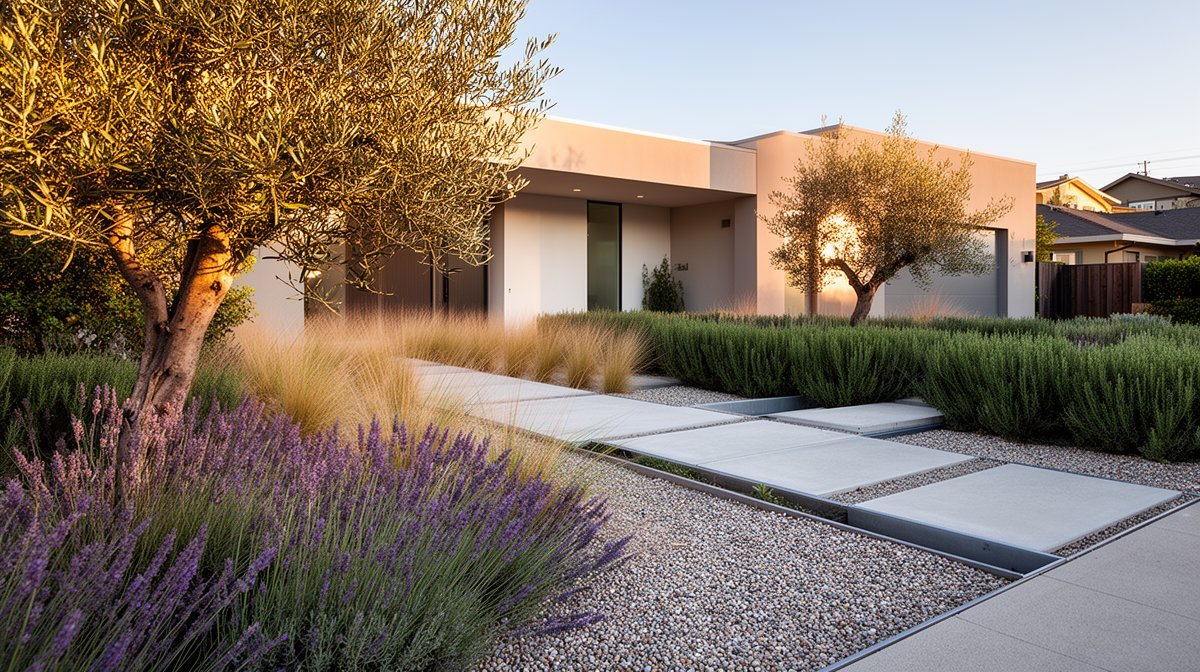
The Ember-Smart Gravel Court
$18–35/sqftA 1950s post-and-beam house on Grizzly Peak Boulevard gets a 5-foot band of crushed granite against every wall, edged in black steel, with large concrete stepping pads leading across it to the front door. Beyond the band, low mounds of blue and silver plants sit in gravel, spaced wide so nothing touches the house or each other. The house faces west over the bay, so the court takes full afternoon sun once the fog lifts and the gravel stays dry.

AI-generated image
The Board-Formed Hillside Terraces
$45–90/sqftA steep lot below a modern hill house becomes three level terraces held by low board-formed concrete walls, linked by wide concrete steps with steel handrails. Each terrace is a single sweep of one grass with a few sculptural accents, so the slope reads as long horizontal bands from the deck above. The terraces face south and west and get most of the day's sun, which keeps the Leucadendron and Agave color strong.

AI-generated image
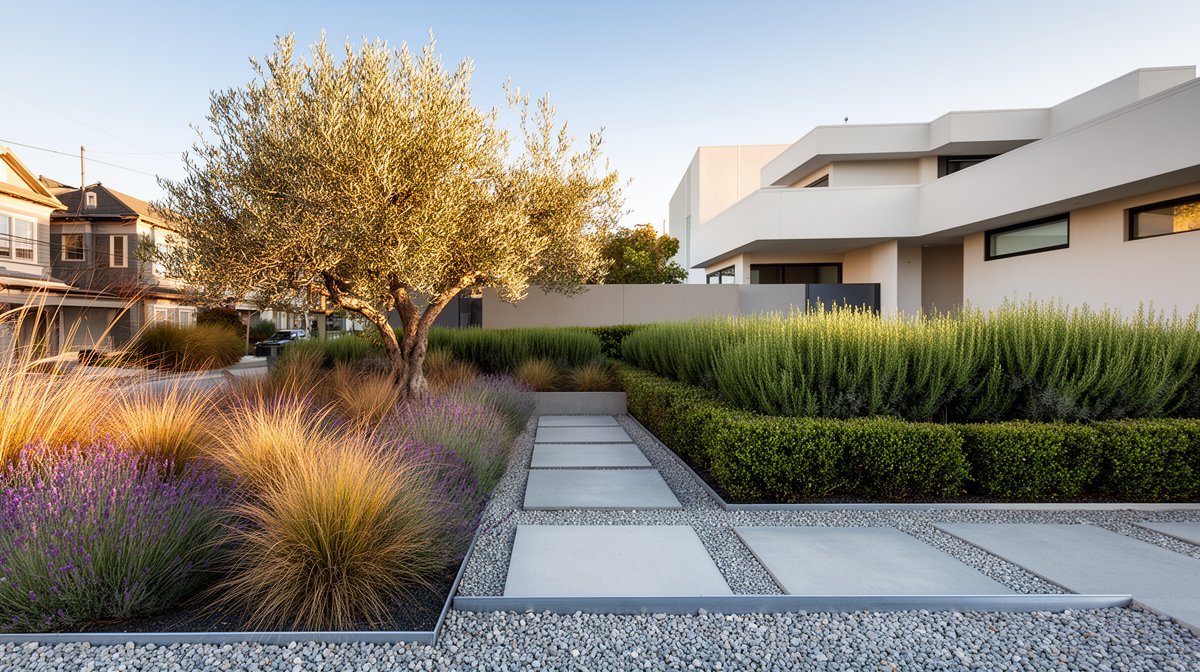
The Flatland Lawn-to-Gravel Front
$15–30/sqftA stucco 1920s house in Thousand Oaks swaps its front lawn for a rectangular gravel field crossed by a straight walk of large-format concrete pavers set in gravel, with gaps between them. A single multi-trunk Arbutus 'Marina' anchors one corner, and the rest is planted in a grid of blocks of one plant each. The south-facing frontage gets full sun through the day, and the open joints let winter rain soak into the clay rather than run to the gutter.

AI-generated image
The ADU Courtyard
$30–60/sqftBehind a South Berkeley Victorian, the space between the main house and a new backyard ADU becomes a shared courtyard: a poured concrete pad with a built-in bench, a slatted cedar screen for privacy, and a narrow planting strip of upright and strappy foliage. A Japanese maple gives filtered shade to the ADU's glass door on the west side, and a row of Phormium and Dianella softens the screen. The courtyard sits outside any converted lawn area, so poured concrete is not a rebate issue here.
See how a modern/minimalist garden looks on YOUR property
Upload a photo of your Berkeley yard and visualize your dream garden in seconds.
Try ProScapeAI Free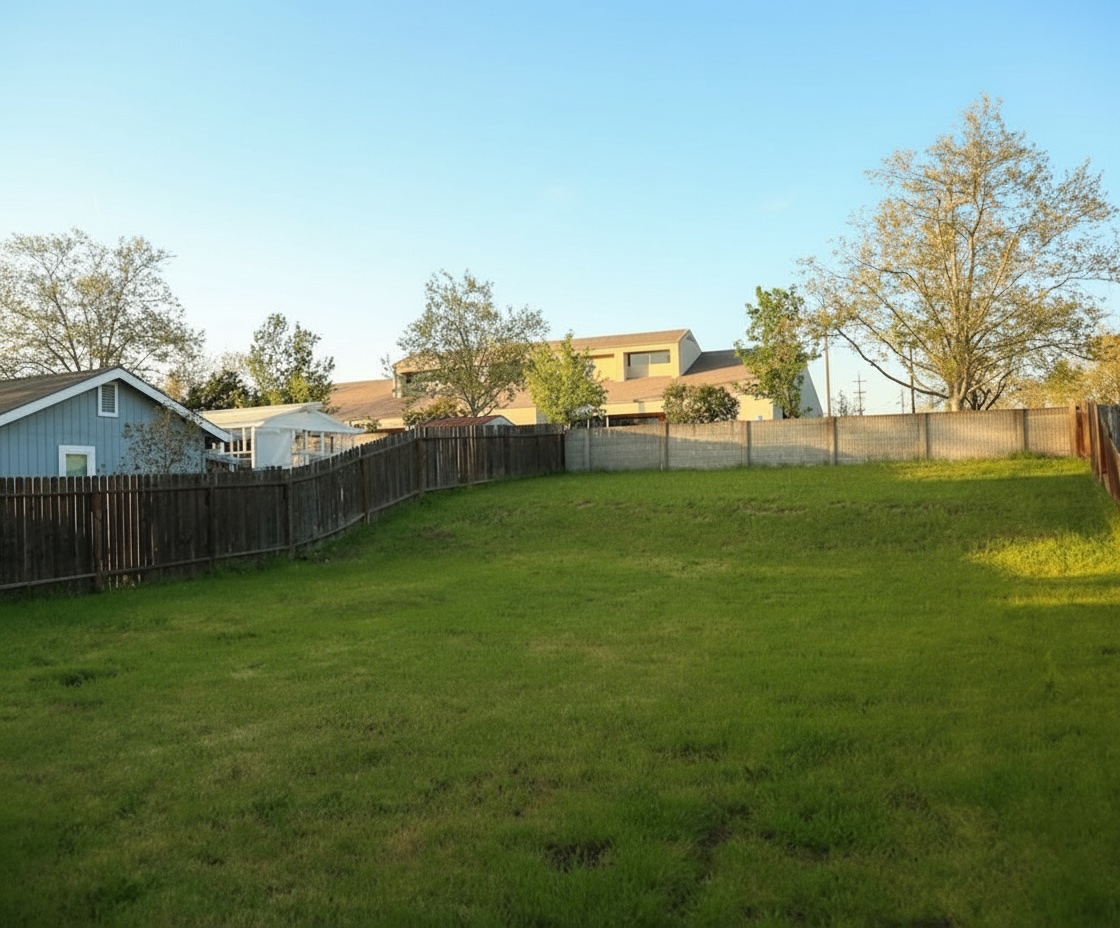
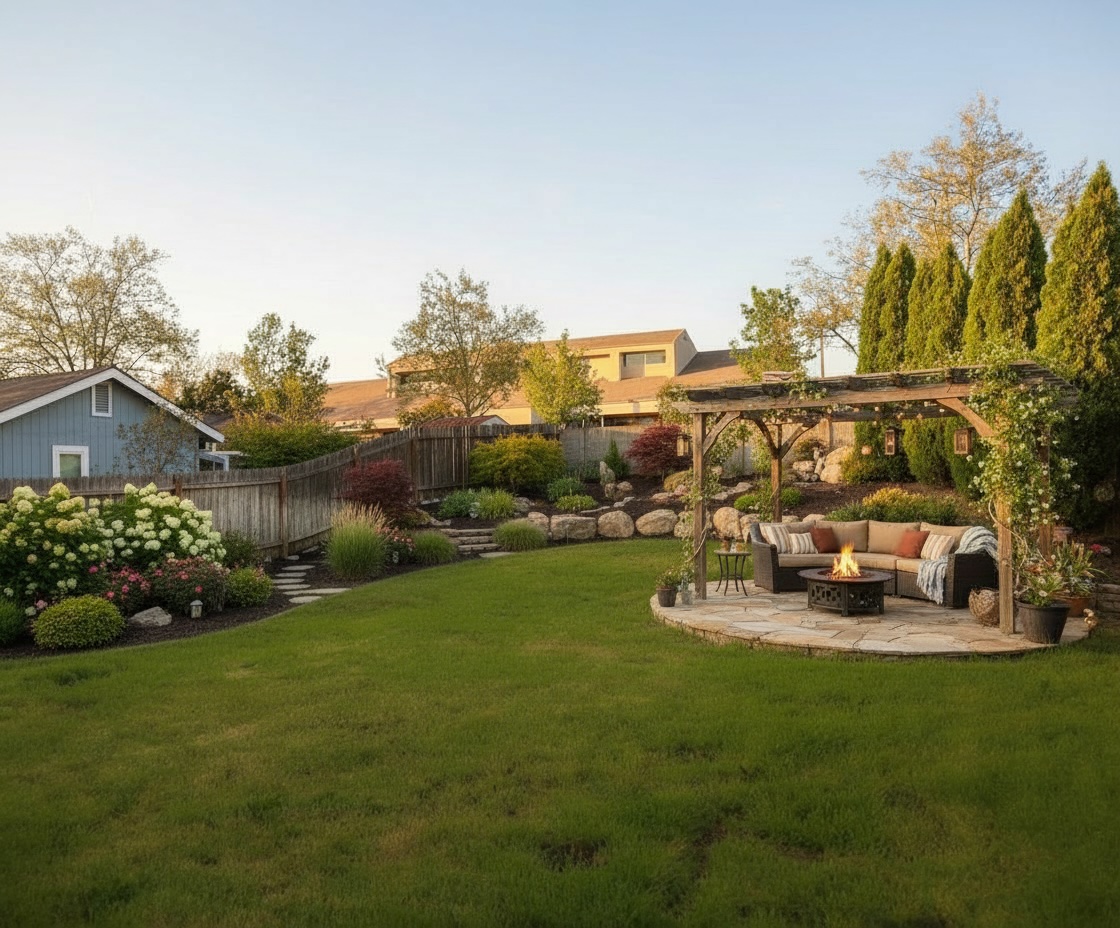
AI-generated image
Featured Trees & Shrubs for Modern/Minimalist Gardens
Browse all 187 plants for Berkeley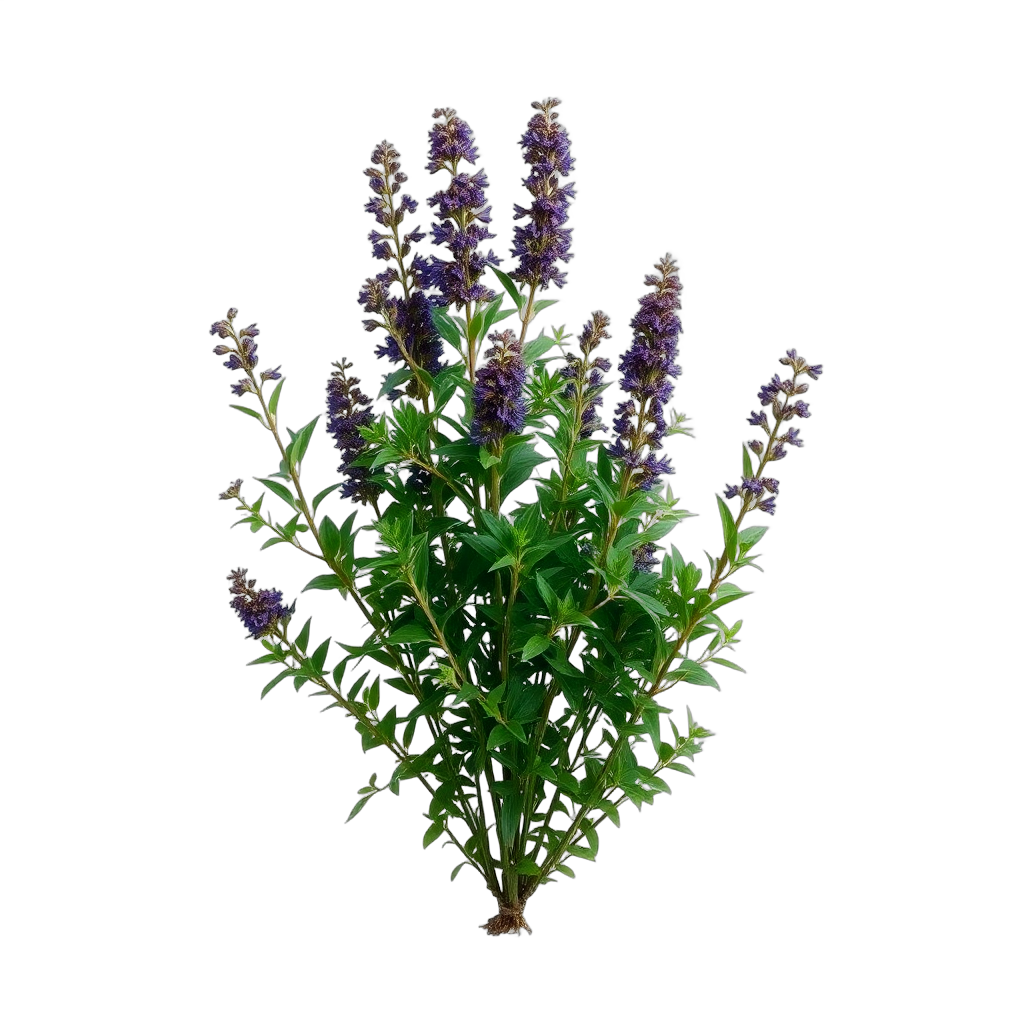
Black Sage
Salvia mellifera
grows to 4 feet, white blooms in spring. Attracts butterflies.
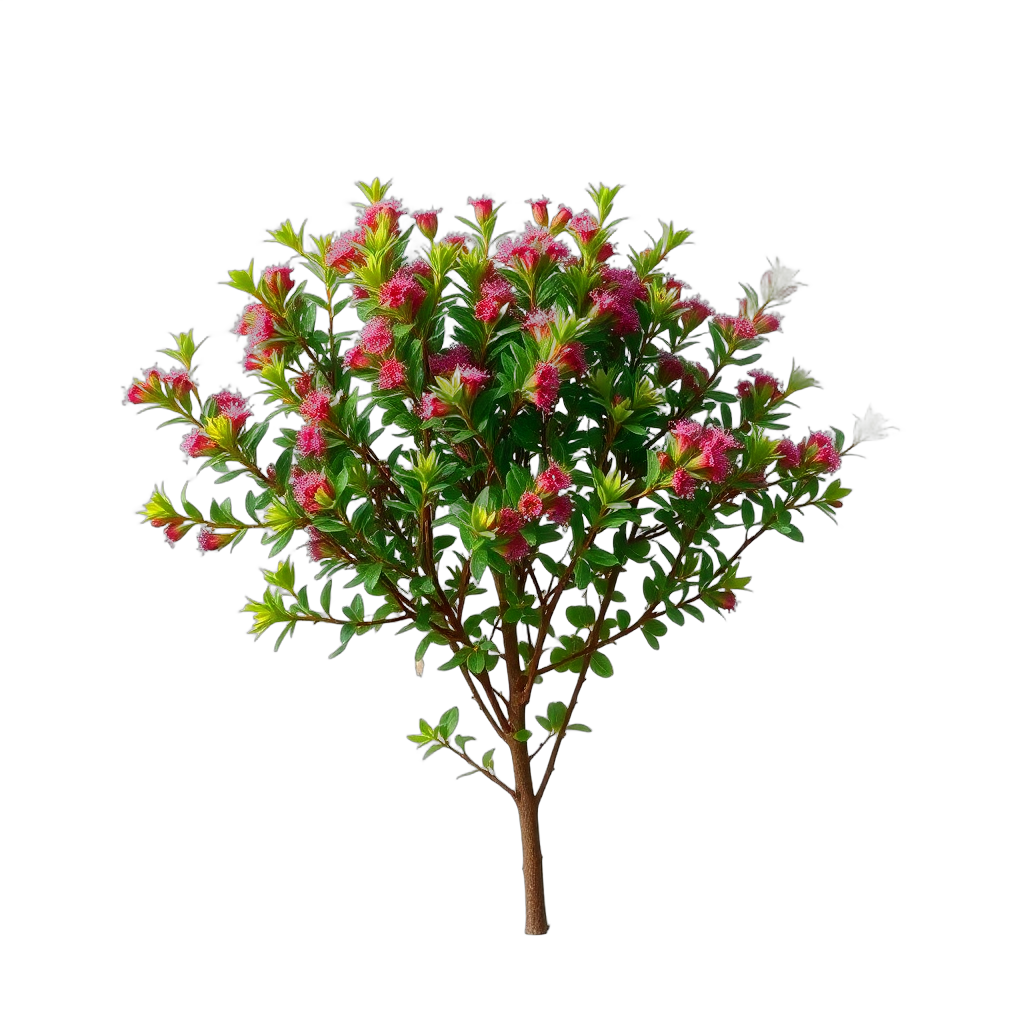
Buckbrush
Ceanothus cuneatus
medium-sized at 7 feet, white blooms in spring. Attracts butterflies.
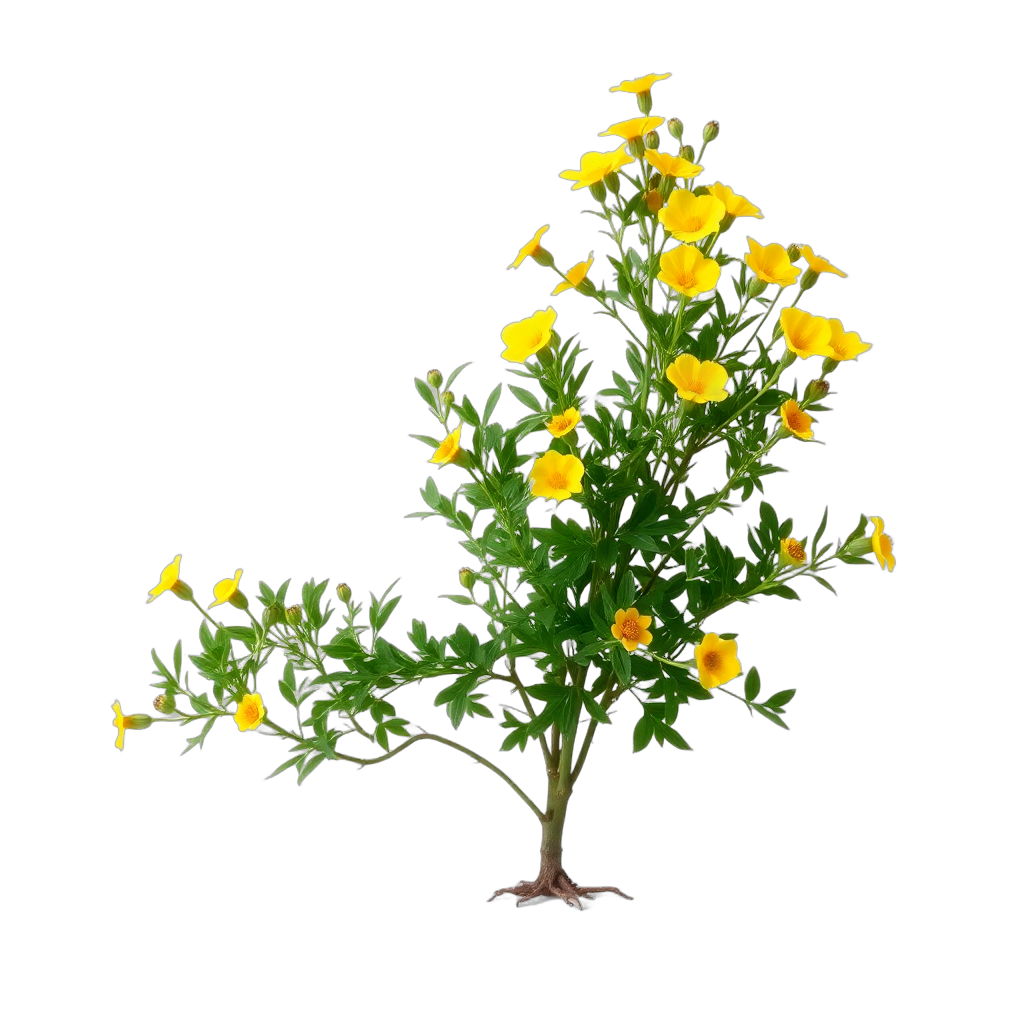
Bush Poppy
Dendromecon rigida
grows to 6 feet, yellow blooms in spring. Pollinator-friendly.
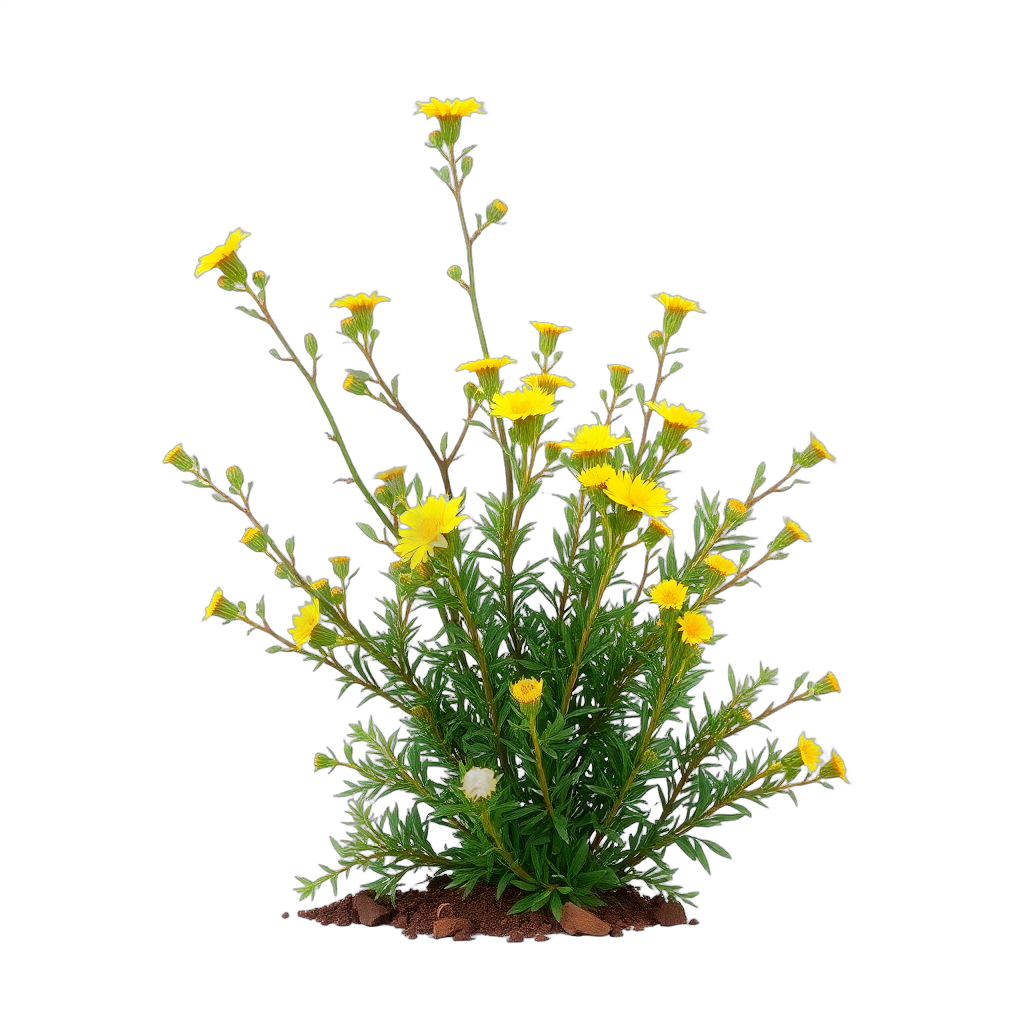
California Brittlebush
Encelia californica
grows to 4 feet, yellow blooms in spring. Attracts butterflies.
Featured Grasses & Groundcovers for Modern/Minimalist Gardens
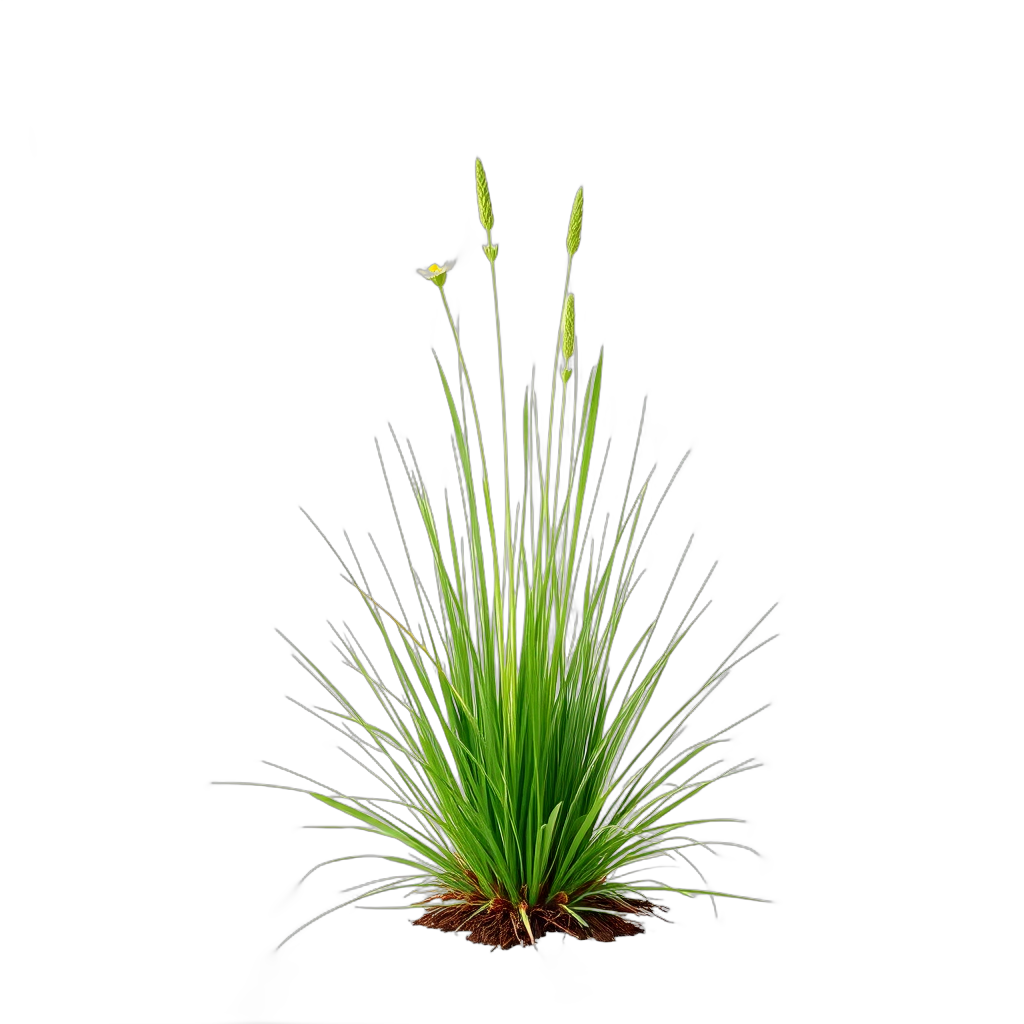
California Brome
Bromus carinatus
low-growing ground cover, blooms in spring. Yellow fall color.
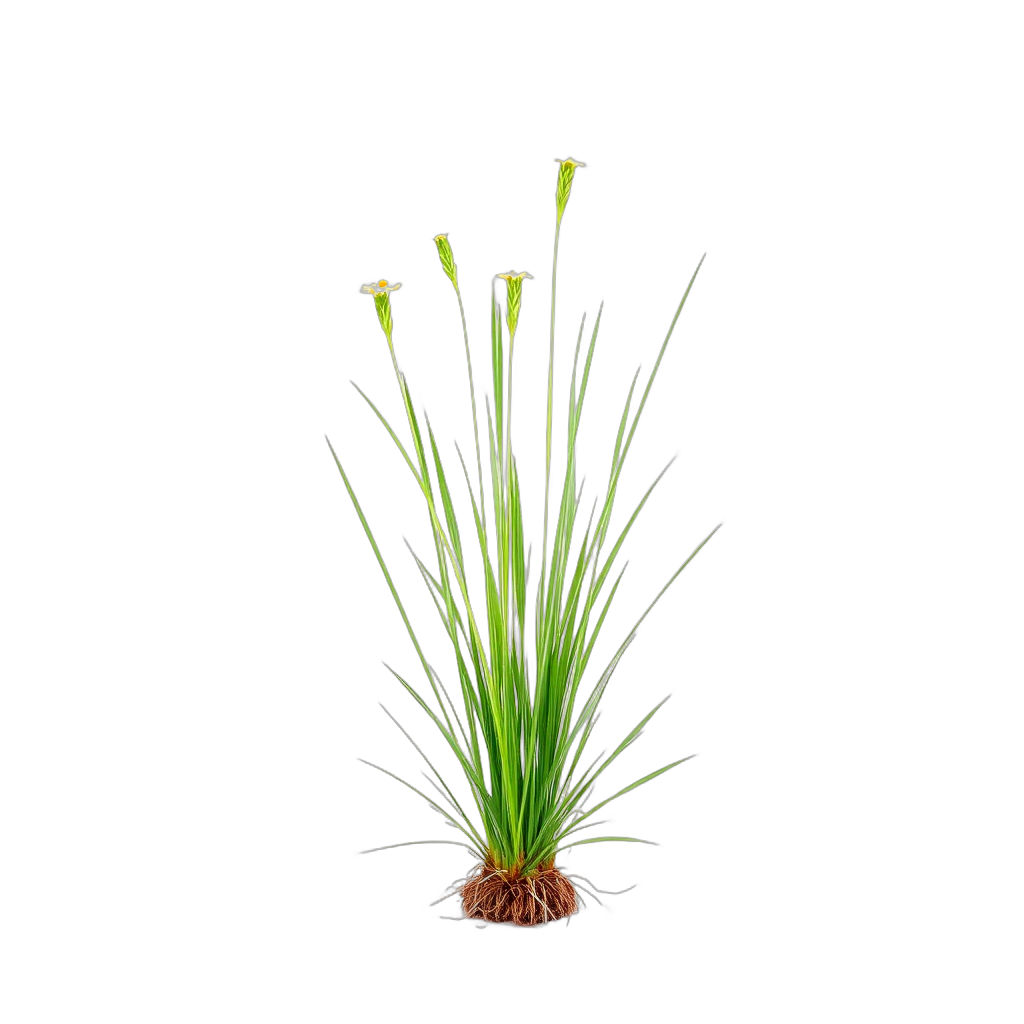
California Melic
Melica californica
low-growing ground cover, blooms in spring.
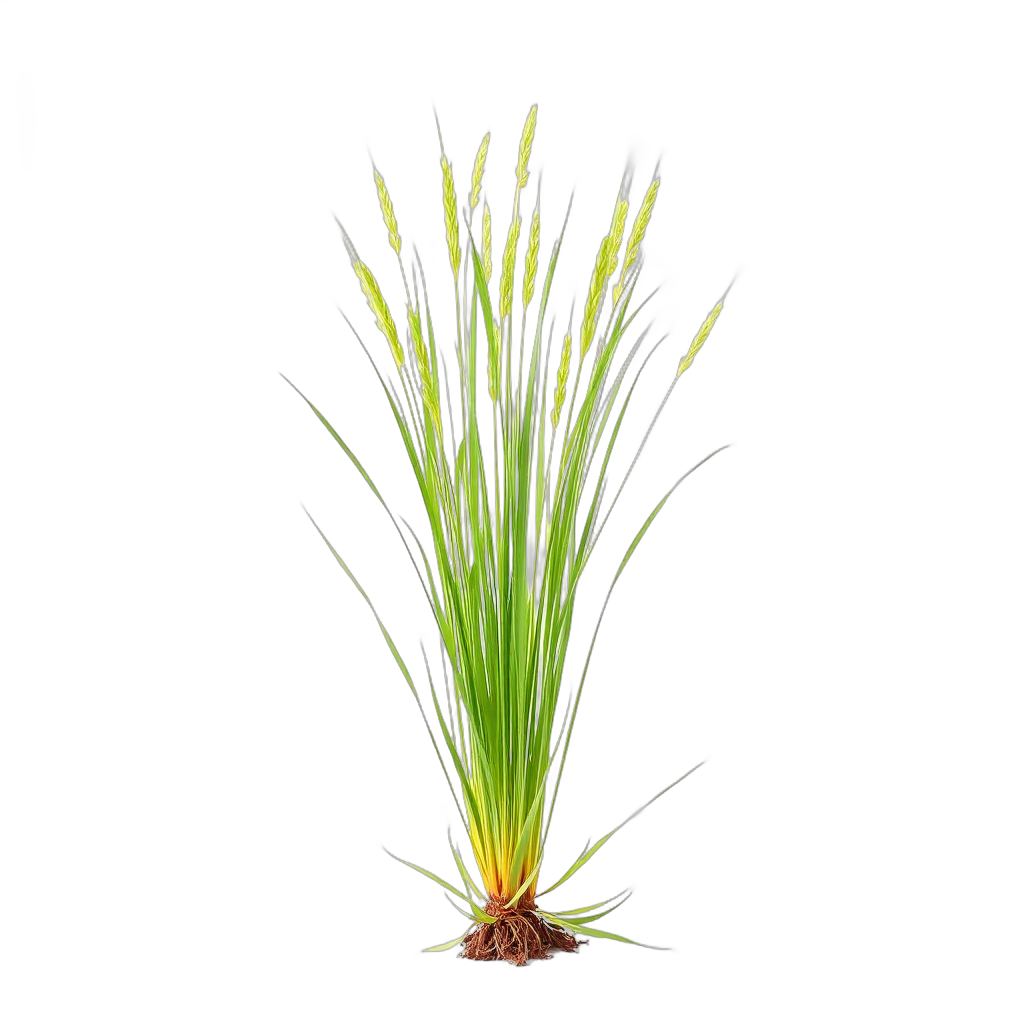
California Oatgrass
Danthonia californica
low-growing ground cover, blooms in spring. Yellow fall color.
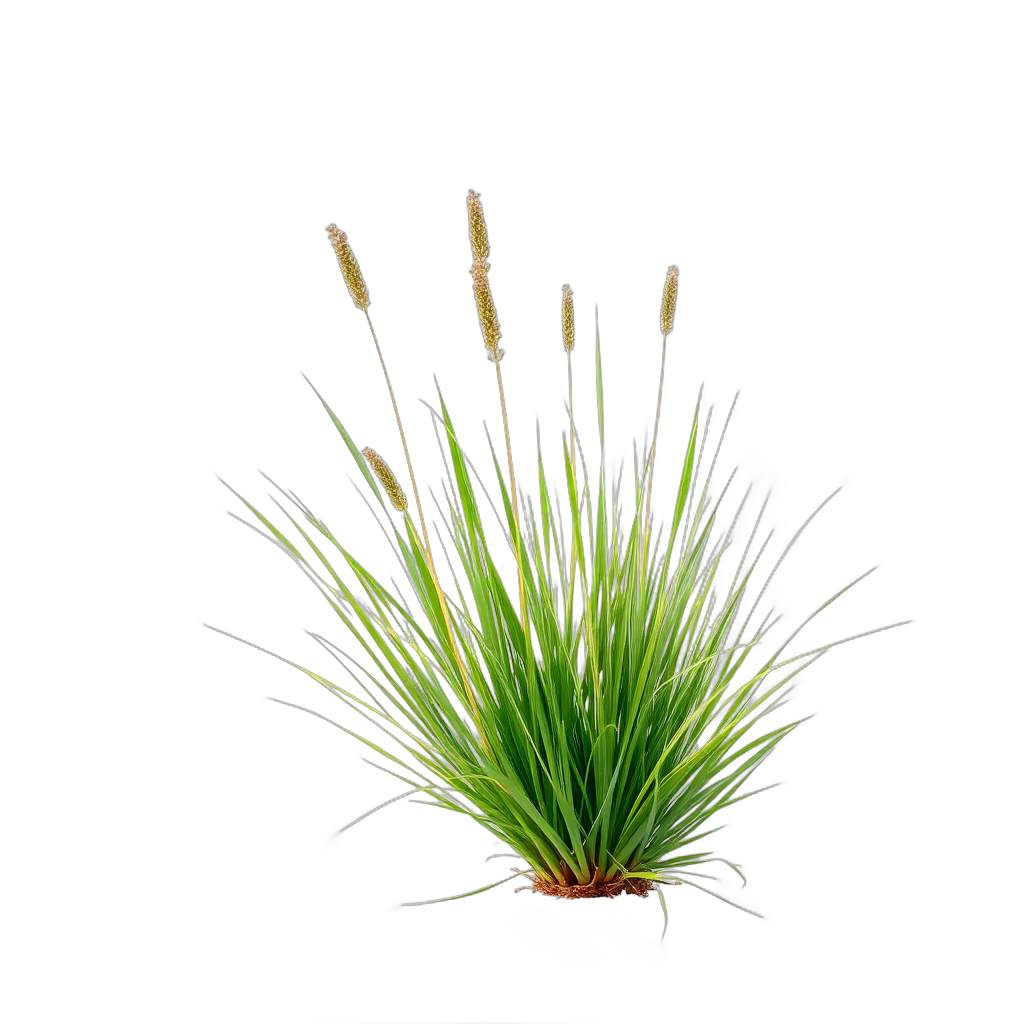
Deer Grass
Muhlenbergia rigens
grows to 3 feet, yellow blooms in fall. Evergreen year-round.
Featured Flowers & Perennials for Modern/Minimalist Gardens
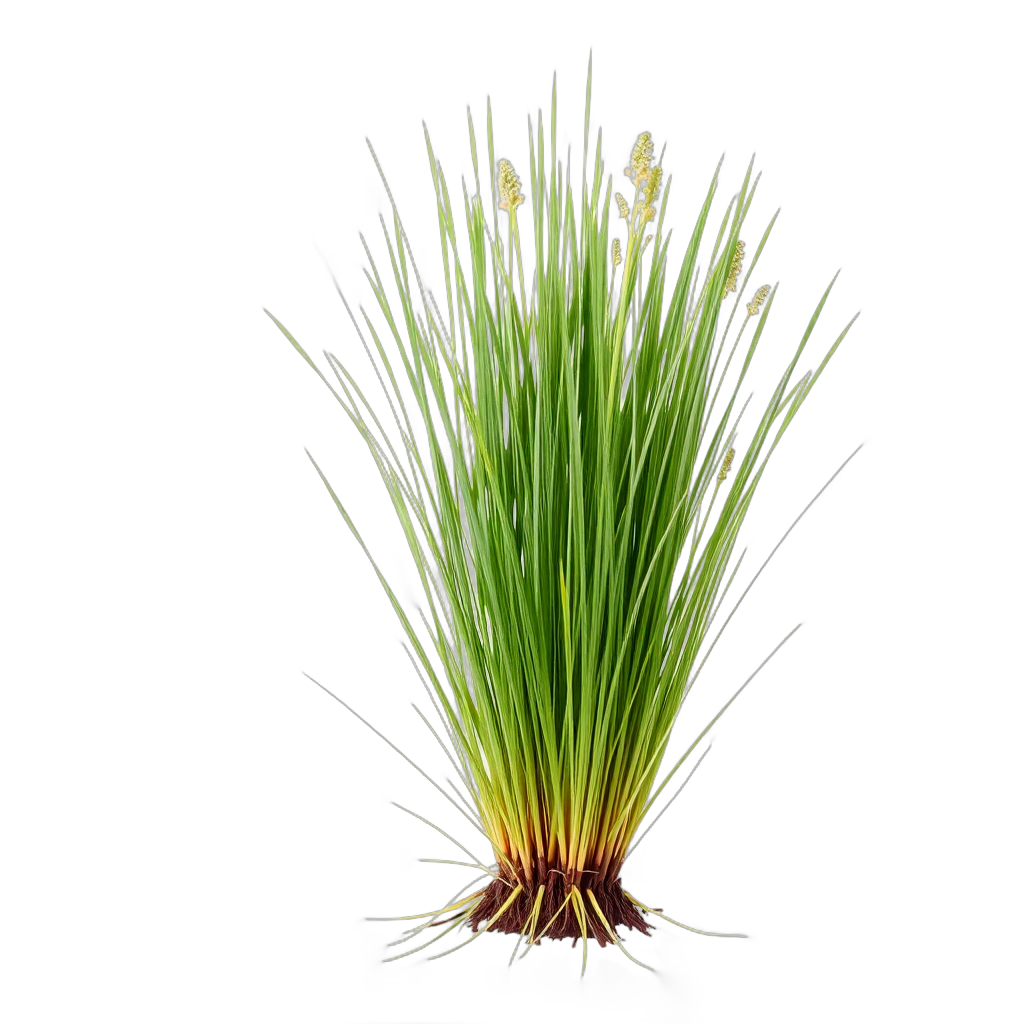
California Gray Rush
Juncus patens
low-growing ground cover, blooms in summer. Evergreen year-round.
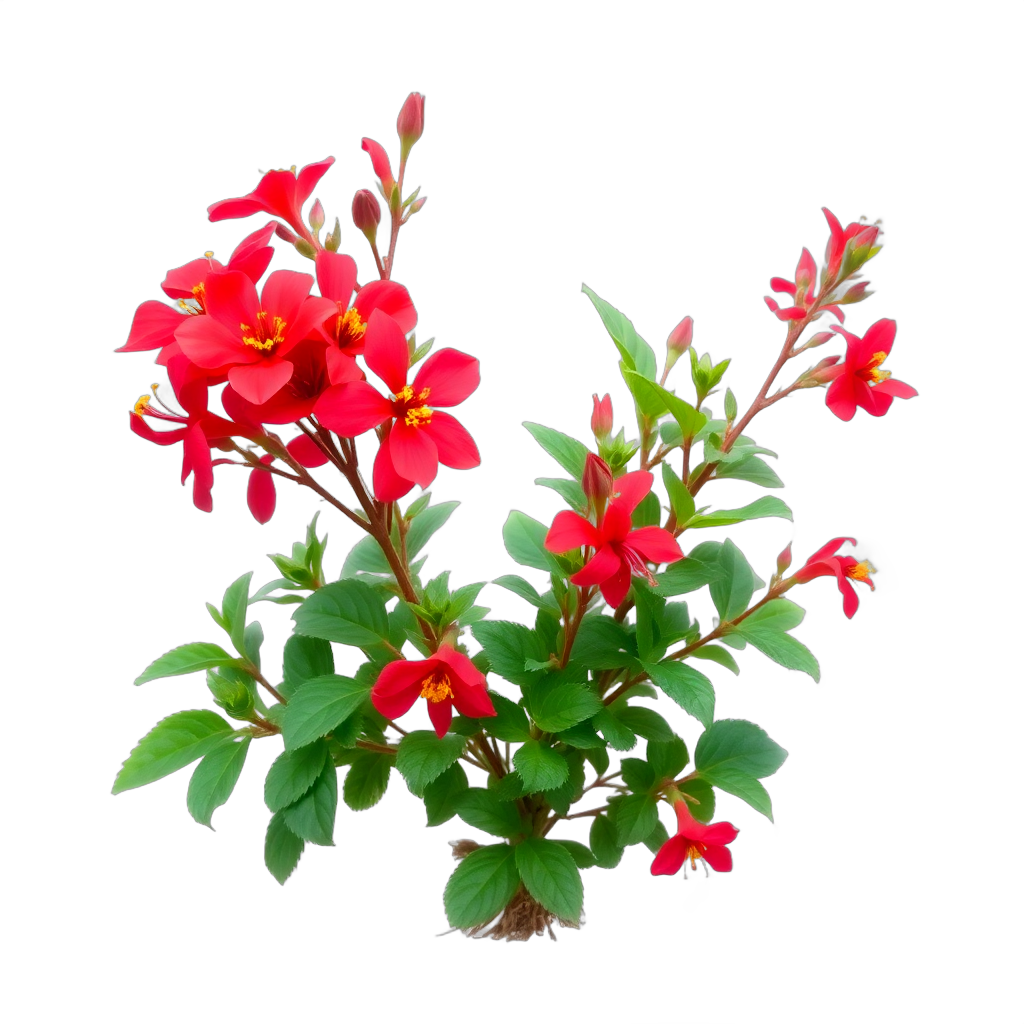
California Fuchsia
Zauschneria californica
low-growing ground cover, red blooms in fall. Attracts hummingbirds.
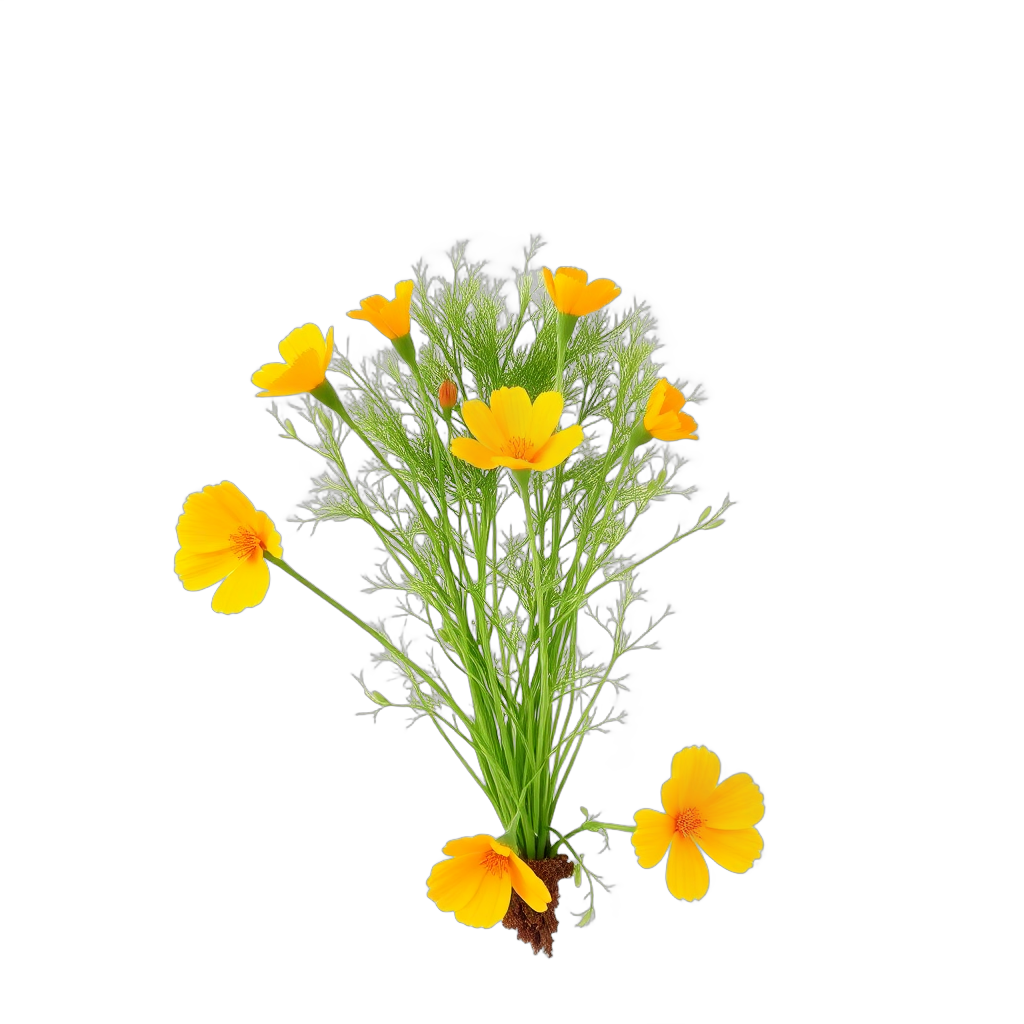
California Poppy
Eschscholzia californica
low-growing ground cover, orange blooms in spring.
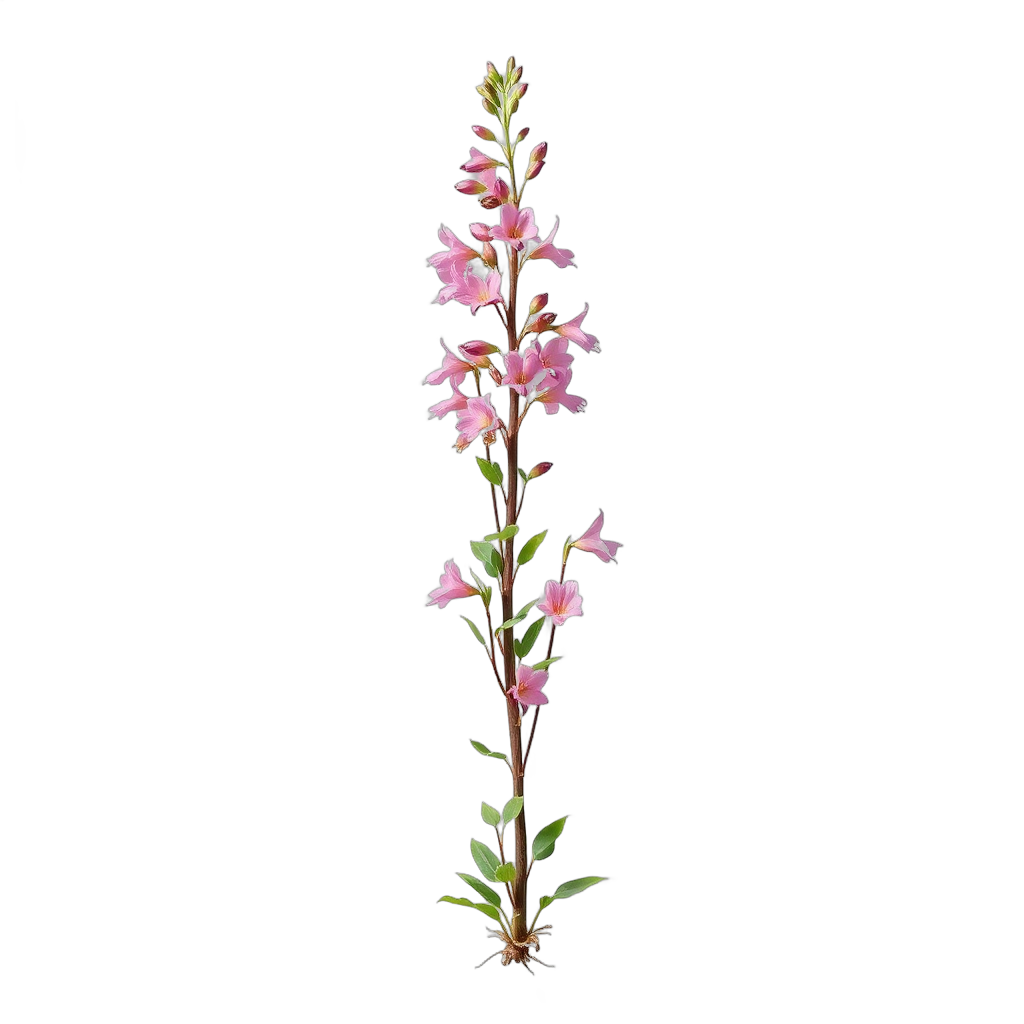
Foothill Penstemon
Penstemon heterophyllus
low-growing ground cover, blue blooms in spring. Attracts hummingbirds.
Zone and sun checks come from our database — confirm with your local nursery before you buy.
Bloom Calendar for Berkeley
spring
California Poppy, Foothill Penstemon, Foothill Sedgesummer
California Gray Rush, Black Sage, California Buckwheatfall
California Fuchsia, Deer Grasswinter
Limited bloomsDesign Tips for Berkeley (Zone 10a)
- Build the 5-foot Zone 0 band first and design the rest of the garden from its edge; in the Berkeley Hills it is on the Fire Department's checklist, and in a modern garden it becomes the main gravel court.
- Set pavers dry in gravel with open joints instead of mortar if the area was lawn; EBMUD's rebate excludes concrete and glued patios in the converted area.
- Choose plants for fog, not for heat: Lomandra, Sesleria autumnalis and Carex divulsa hold clean lines in a cool Berkeley summer where Mexican feather grass flops and self-seeds.
- Give every gravel court a compacted base and a slight fall on flatland clay, or winter rain will sit under it and turn the surface soft by February.
- Plant succulents such as Agave 'Blue Glow' and Aloe 'Blue Elf' on low gravel mounds near the house, where eaves and reflected warmth protect them from the rare night below 30°F.
- On hill lots, keep retaining walls low and build in drainage; terraces stepped down a slope are easier to build and maintain than one tall wall, and ask the City before building any wall that holds back a significant slope.
- Use one plant per block and repeat it: a grid of Lomandra 'Breeze' or Juncus 'Elk Blue' reads as modern from the street and is easy to water on a single drip zone.
Where to Source Plants in Berkeley
Skip the big-box stores. These independent Berkeley nurseries specialize in the plants that make modern/minimalist gardens thrive in Zone 10a.
The Dry Garden Nursery
North Oakland (Shattuck Ave, near the Berkeley line)
Rare cacti, succulents, Aloe, Agave and dry-climate plants, a natural source for sculptural modern planting
Berkeley Horticultural Nursery
North Berkeley (McGee Ave)
Family nursery open since 1922 with trees, shrubs, Japanese maples, perennials and California natives
East Bay Nursery
West Berkeley (San Pablo Ave)
Long-running independent garden center on San Pablo Avenue with a broad plant yard and sod ordering
Native Here Nursery
Tilden Regional Park
California native plants grown for Alameda and Contra Costa counties, linked to the East Bay chapter of the California Native Plant Society; open Saturdays
Modern/Minimalist Landscaping Costs in Berkeley
| Project Scope | Estimated Cost |
|---|---|
| Front yard lawn-to-gravel conversion with pavers and planting (500 sqft) | $8,000 – $18,000 |
| 5-foot gravel Zone 0 band around a typical hill house | $3,000 – $8,000 |
| Large-format pavers set in gravel (200 sqft) | $6,000 – $10,000 |
| Board-formed concrete hillside terraces (two to three levels) | $40,000 – $110,000 |
| ADU courtyard with concrete pad, bench and cedar screen (300 sqft) | $10,000 – $20,000 |
| Drip irrigation conversion with smart controller | $1,500 – $4,500 |
| AI visualization (ProScapeAI) | Free to start |
Estimates based on Berkeley, CA-area contractor rates as of 2026. Actual costs vary by site conditions, materials, and contractor.
Berkeley Climate & Growing Zone
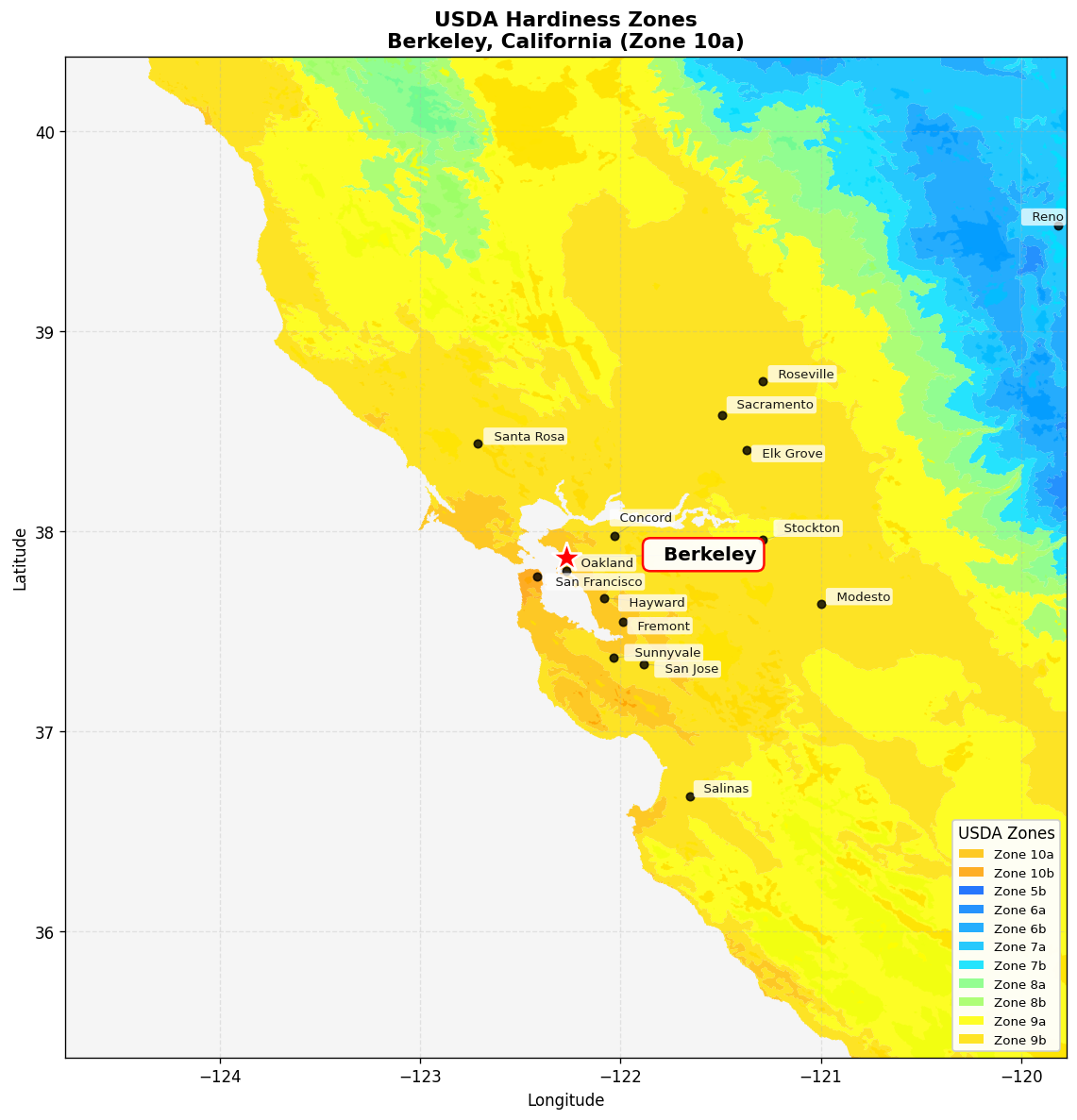
USDA Zone 10a
Hardiness zone for Berkeley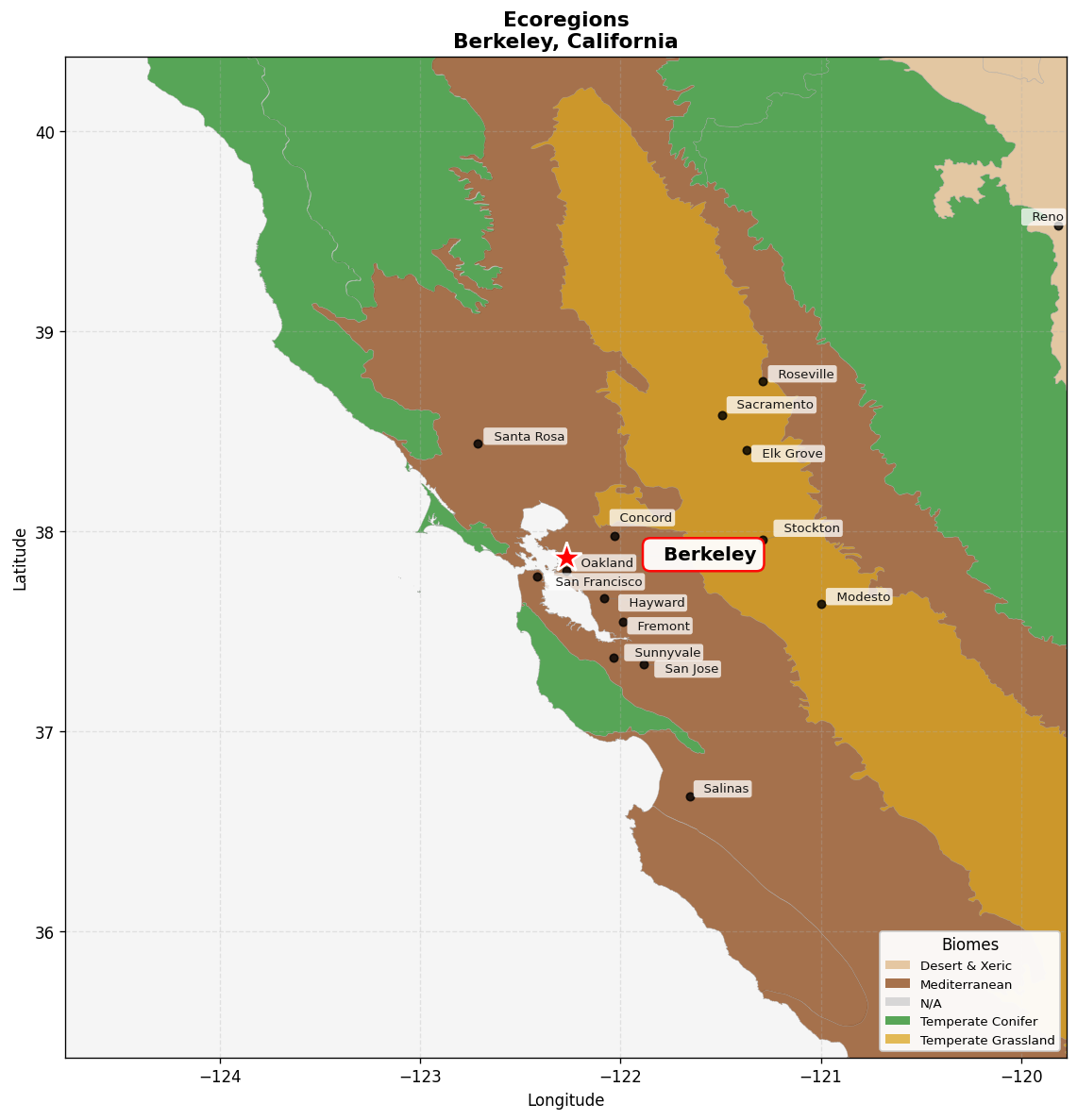
California interior chaparral and woodlands
Native ecoregionFrequently Asked Questions
How much does a modern landscape cost in Berkeley, CA?
Bay Area labor makes modern work expensive where it involves concrete and steel. As a guide, gravel courts with steel edging and drip-irrigated planting run about $15–35 per square foot installed, large-format pavers set in gravel $30–50 per square foot, and board-formed concrete retaining walls on a hillside can push a terrace project to $45–90 per square foot. A typical flatland front yard conversion of 500 sqft lands around $8,000–18,000. Replacing lawn can earn an EBMUD rebate of $1 or $2 per square foot, up to $2,000 per home, if approved before work starts.
Is a modern garden low maintenance in Berkeley's climate?
Yes, once it is established. Plants such as Lomandra longifolia 'Platinum Beauty', Aloe 'Blue Elf' and Agave attenuata need little more than a tidy-up twice a year and deep drip watering every one to two weeks from May to October. Gravel needs raking and a top-up every few years, and the steel edging keeps it from wandering. The real maintenance in Berkeley is keeping the 5-foot zone around the house clear of leaves and debris in fire season.
When should I plant a modern garden in Berkeley?
October to early December is best. The soil is still warm, the winter rains start in November, and new roots grow through a mild winter with lows around 43°F. Succulents such as Agave 'Blue Glow' and Aloe 'Blue Elf' can go in from spring to early autumn, but avoid planting them into cold, saturated clay in January. Build the hardscape in late summer when the clay is dry and workable.
What does the fire code mean for a modern landscape in the Berkeley Hills?
The Berkeley Fire Department's self-inspection checklist calls for a Zone 0 of hardscape (gravel, pavers or concrete) within 5 feet of any structure, and annual grasses and weeds cut to 4 inches or less within 30 feet. Annual inspections apply in the Grizzly Peak and Panoramic mitigation areas and to other homes in the Very High Fire Hazard Severity Zone; BerkeleyFireSafe.org shows the area for your address. A modern gravel court is an easy way to meet the 5-foot rule, and wide spacing between plants beyond it keeps fuel low.
Can I use artificial turf or concrete and still get the EBMUD rebate?
No. EBMUD's Lawn Conversion Rebate excludes artificial turf, sod (including no-mow grass), concrete or glued paths and patios, landscape fabric and invasive plants in the converted area. Plants must cover 50% of the area at maturity, mulch must be at least 3 inches deep, and sprinklers must be removed, capped or replaced with drip or high-efficiency nozzles. Pavers set dry in gravel with open joints are the usual modern answer.
Which plants survive Berkeley's coldest nights?
Zone 10a winters rarely go below 30–35°F, and the record low is 24°F. Agave attenuata and Aloe 'Blue Elf' handle most winters but can scar in a hard freeze, so site them near the house or under eaves. Lomandra longifolia 'Breeze', Westringia fruticosa 'Wynyabbie Gem', Leucadendron 'Safari Sunset' and Phormium 'Jester' take Berkeley's cold without damage. The bigger risk is wet cold: plant succulents on a gravel mound so their crowns stay dry in February.
How do I deal with Berkeley's clay soil in a gravel garden?
Treat the clay as a foundation rather than a growing medium. Excavate 4–6 inches under gravel courts, lay a compacted class II base, and give the surface a slight fall away from the house so winter rain drains off. Plant into mounds of native soil blended with coarse sand or small gravel so roots sit above the wettest layer. Skip landscape fabric; it clogs with fines, and EBMUD does not allow it in rebate projects.