4 Mediterranean Garden Ideas for Berkeley, CA | Dry-Summer Zone 10a Planting
Native plants from the California interior chaparral and woodlands (Zone 10a) — Mediterranean (warm summer) climate
Why Mediterranean Gardens in Berkeley?
A Mediterranean garden is the most natural fit there is for Berkeley, because Berkeley already has a Mediterranean climate (Köppen Csb): mild wet winters and long dry summers, cooled by fog. Berkeley gets about 25–26 inches of rain a year, and almost all of it falls between November and March, followed by six months with next to none. The plants of coastal Spain, Provence and the Greek islands, and their California cousins in the chaparral that once covered the East Bay hills, evolved for exactly that pattern. Planted well, they need only a deep drip soak every week or two through summer.
Zone 10a also widens the plant list beyond what most of California can grow. The coldest night of an average winter falls between 30 and 35°F, January lows average about 43°F, and the record low is 24°F, from December 1990. Olea europaea 'Swan Hill', Arbutus 'Marina', Cistus × purpureus, Salvia 'Allen Chickering', Phlomis fruticosa and Rosmarinus officinalis 'Tuscan Blue' all grow well here. The catch is the fog. Summer highs sit in the low to mid 70s, so plants that need a hot summer to flower, such as oleander and bougainvillea, are shy here except against a south-facing wall. Lavender works, but choose Lavandula × intermedia 'Grosso' or Lavandula stoechas 'Otto Quast' over tender French lavender, and give it the sunniest spot you have.
The soil needs work before it suits these plants. The flatlands west of the Hayward Fault sit on heavy alluvial clay that holds winter water around roots, and that, not drought, is what kills rosemary and Cistus in Berkeley. Plant on low mounds of native soil blended with coarse gravel, mulch with gravel around the crowns and wood chips elsewhere, and test the pH; most Mediterranean plants are happy from 6.5 to 7.5. The hills have the opposite problem: thin, rocky soil on steep slopes, where dry-stacked stone terraces hold soil and look right in this style. Frost depth is effectively zero, so walls and footings are sized for the soil and slope.
Two local rules matter. In the Berkeley Hills, the Fire Department's self-inspection checklist asks for a Zone 0 of gravel, pavers or other hardscape within 5 feet of the house, and many Mediterranean classics (rosemary, Cistus, lavender) are resinous, so they belong beyond that band and spaced apart, never in a continuous hedge under the eaves. And if you are replacing lawn, EBMUD's Lawn Conversion Rebate pays $1 or $2 per square foot up to $2,000 per home, provided the project is approved first, the plants cover half the area at maturity and the beds carry 3 inches of mulch.
4 Mediterranean Design Ideas for Berkeley

AI-generated image
The Olive and Gravel Courtyard
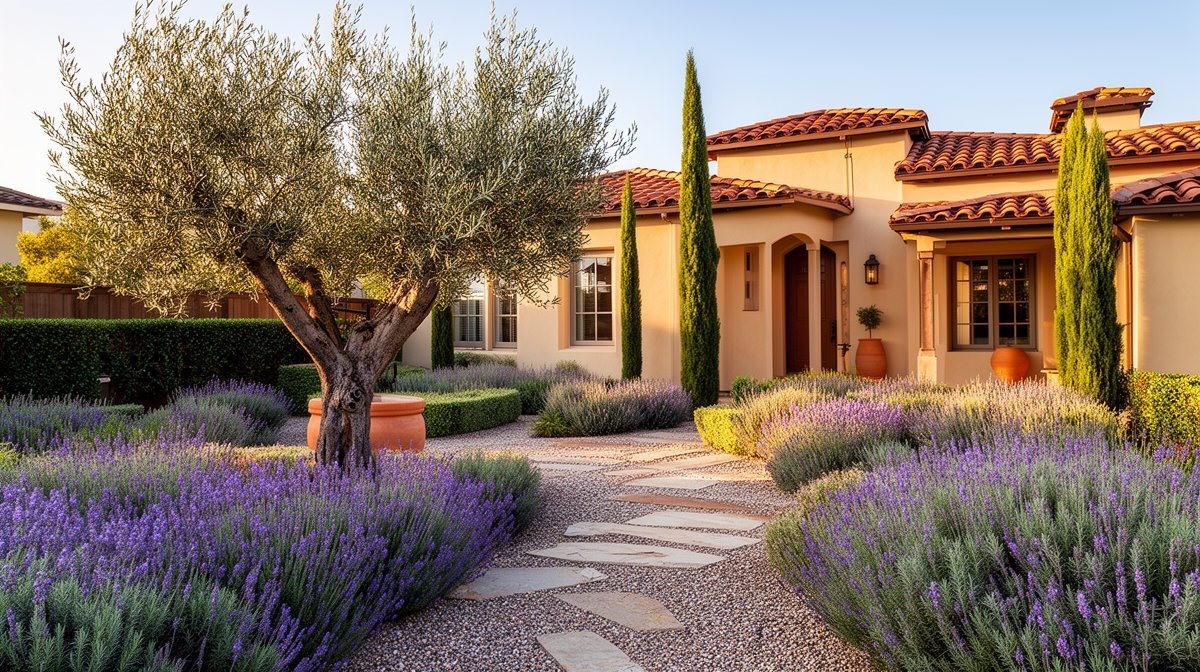
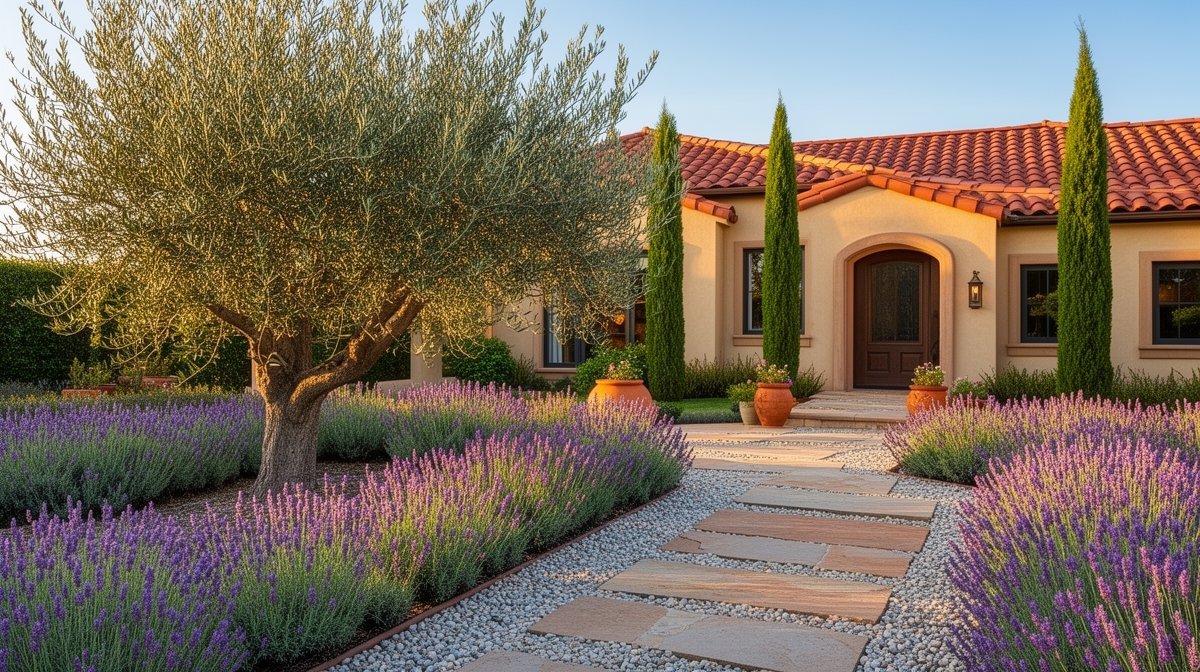
$20–40/sqftA Spanish Revival house in Thousand Oaks gets a front courtyard of warm tan gravel with a single multi-trunk fruitless olive in the center and a low stucco wall along the sidewalk. Cistus, Phlomis and Tuscan Blue rosemary sit in loose drifts around the tree, with terracotta pots of lavender by the door. The courtyard faces south, so the gravel and the stucco wall hold the afternoon warmth that brings out the scent after the fog burns off.

AI-generated image
The Dry-Stone Hillside Terraces
$40–80/sqftOn a steep lot in the Berkeley Hills, three dry-stacked stone walls create narrow terraces planted in the Mediterranean and California chaparral mix the hills were built on. Manzanita and ceanothus anchor the lower terraces, Arbutus 'Marina' gives height on the top one, and lavender and salvia fill the sunny upper edges. A gravel landing at the house is the 5-foot Zone 0, and the plants beyond it are set as separate islands with gravel paths between them.

AI-generated image
The Bungalow Lawn-to-Herb Garden
$15–30/sqftA Craftsman bungalow in Elmwood or Le Conte swaps a struggling front lawn for a gravel path between mounded beds of herbs and silver shrubs. Thyme fills the gaps in the stepping stones, Westringia gives a clipped green edge along the sidewalk, and a pair of dwarf olives frame the porch steps. The west-facing beds catch the afternoon sun, which keeps the silver foliage tight in the fog.

AI-generated image
The Pergola Dining Terrace
$35–70/sqftBehind a North Berkeley house, a timber pergola covered in grapevine shades a brick terrace with a long table, set against a south-facing fence. Citrus in large pots lines the edge, a fountain bowl sits at the far end, and a border of salvia, phlomis and euphorbia runs between the terrace and the garden fence. The south wall soaks up the sun and gives the citrus the warmth it needs in a cool Berkeley summer.
See how a mediterranean garden looks on YOUR property
Upload a photo of your Berkeley yard and visualize your dream garden in seconds.
Try ProScapeAI Free

AI-generated image
Featured Trees & Shrubs for Mediterranean Gardens
Browse all 187 plants for Berkeley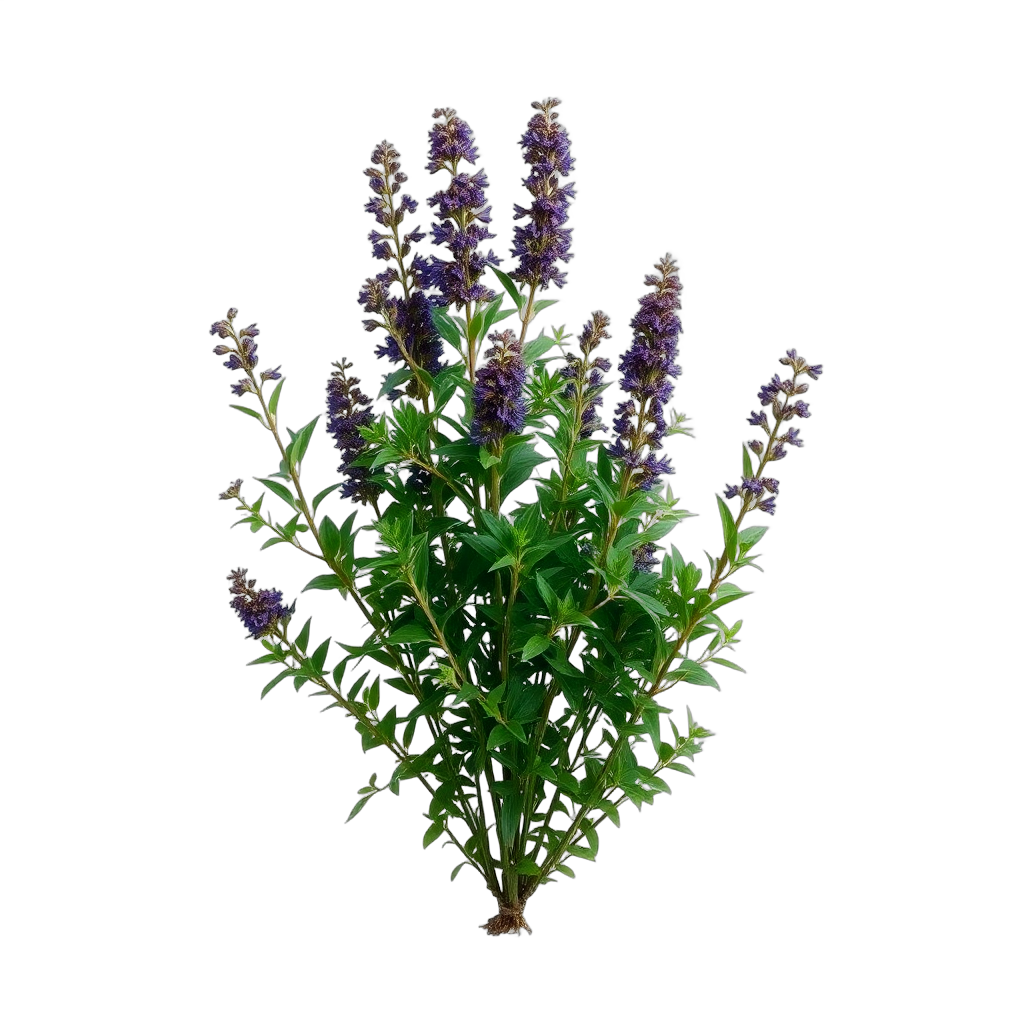
Black Sage
Salvia mellifera
grows to 4 feet, white blooms in spring. Attracts butterflies.
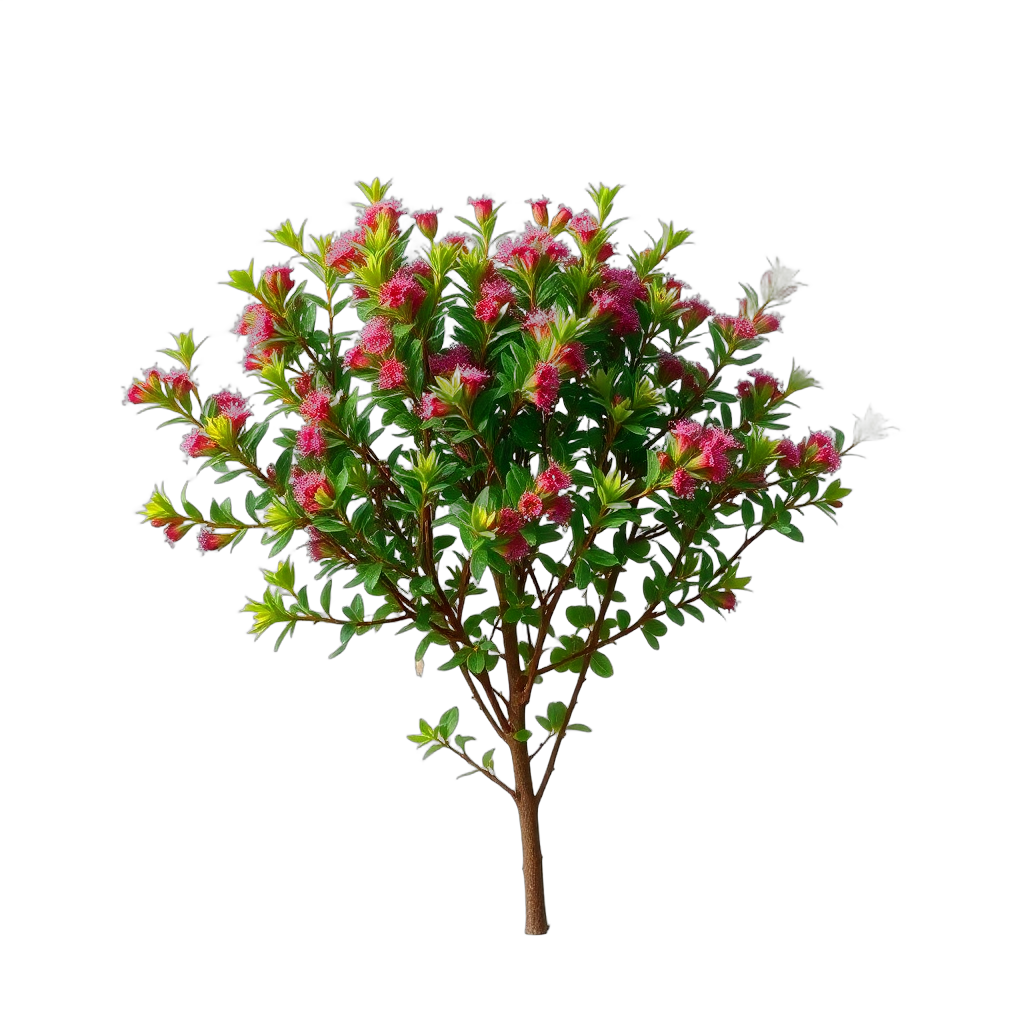
Buckbrush
Ceanothus cuneatus
medium-sized at 7 feet, white blooms in spring. Attracts butterflies.
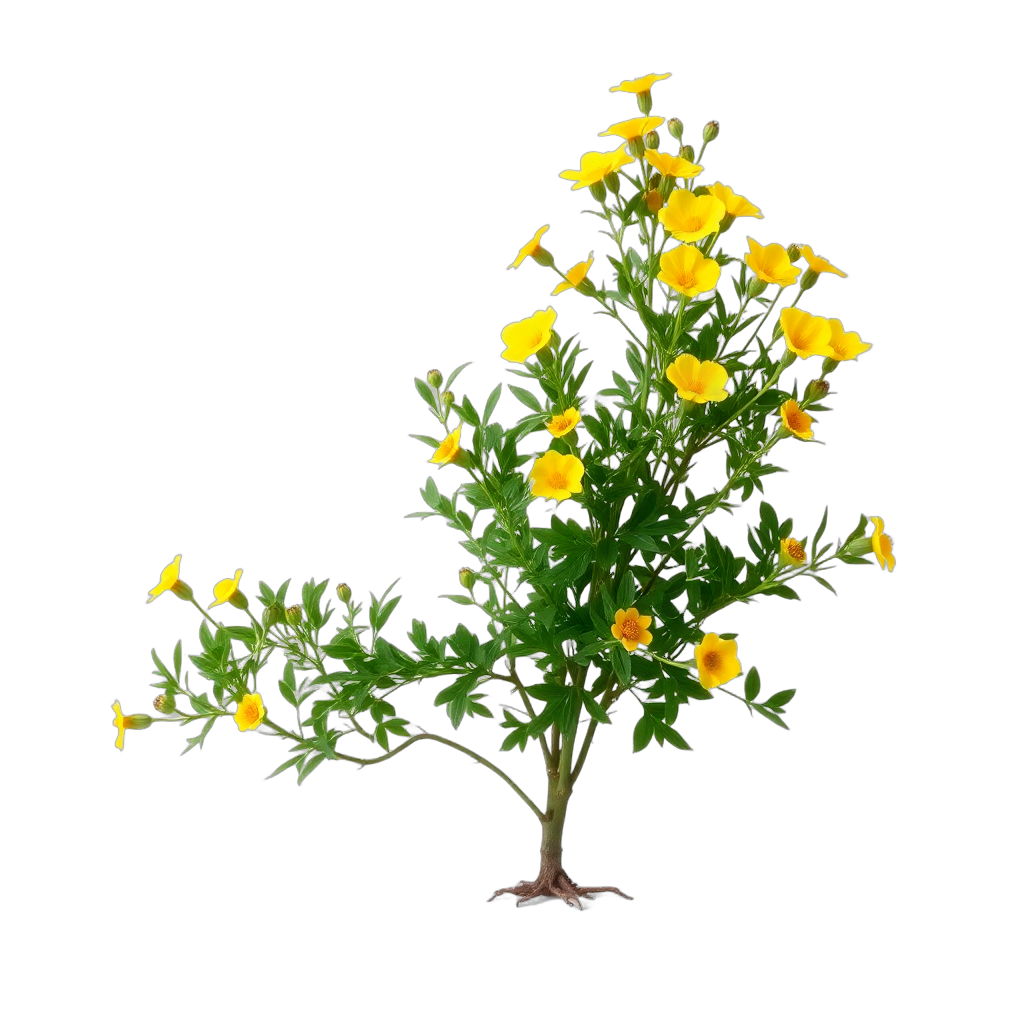
Bush Poppy
Dendromecon rigida
grows to 6 feet, yellow blooms in spring. Pollinator-friendly.
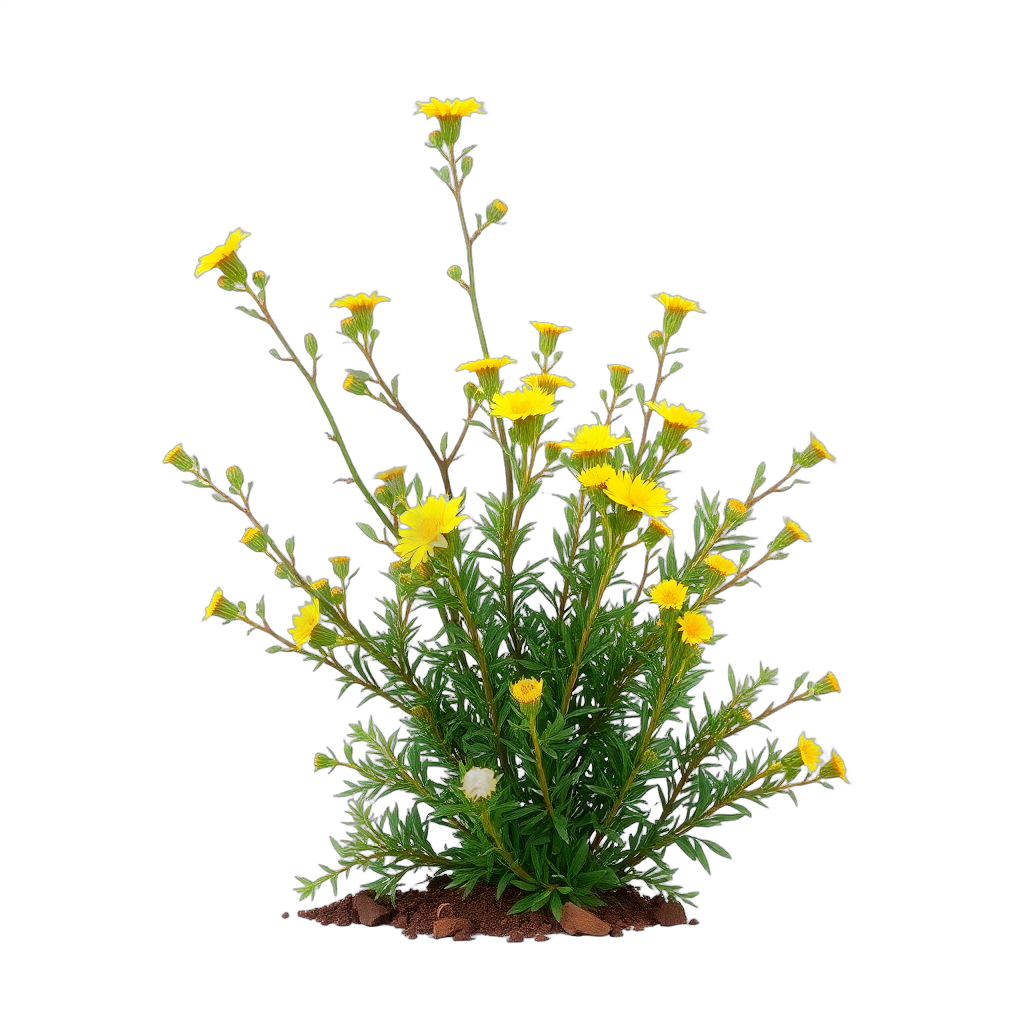
California Brittlebush
Encelia californica
grows to 4 feet, yellow blooms in spring. Attracts butterflies.
Featured Grasses & Groundcovers for Mediterranean Gardens
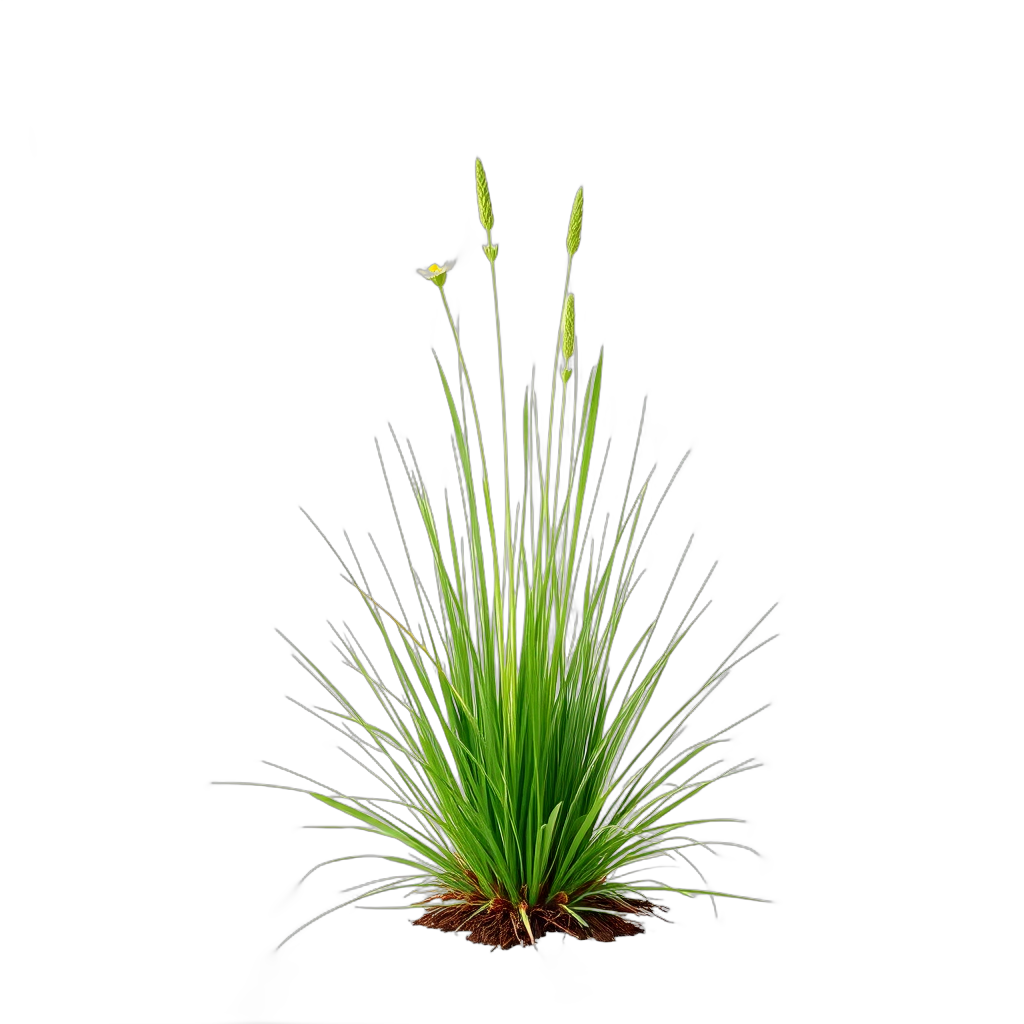
California Brome
Bromus carinatus
low-growing ground cover, blooms in spring. Yellow fall color.
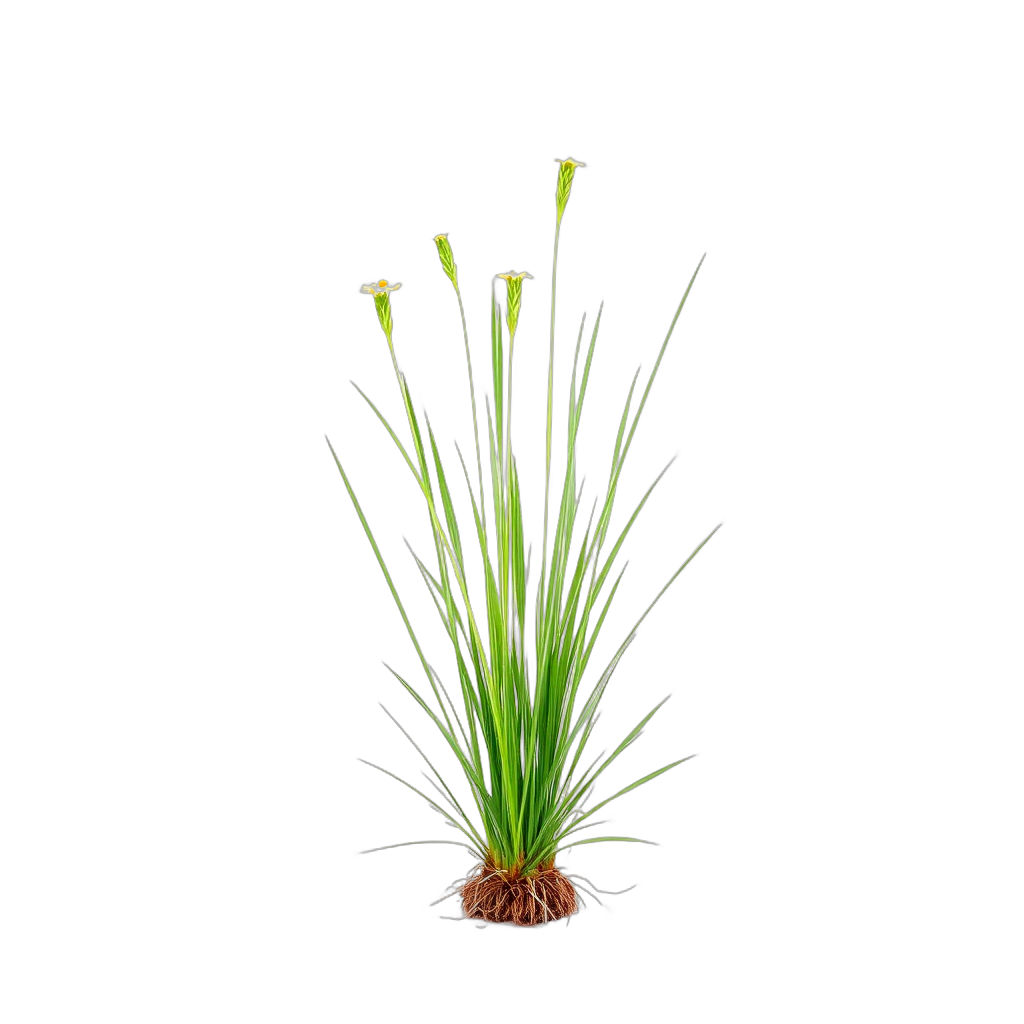
California Melic
Melica californica
low-growing ground cover, blooms in spring.
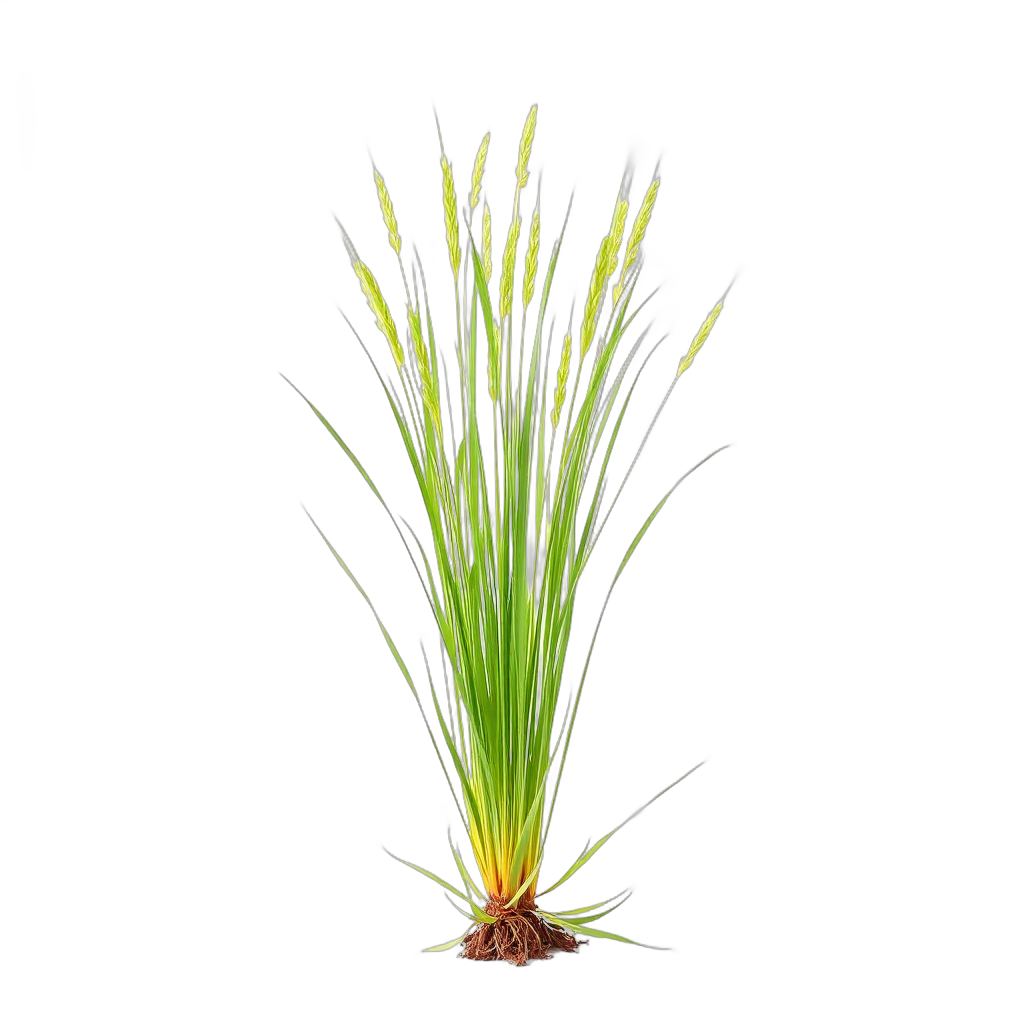
California Oatgrass
Danthonia californica
low-growing ground cover, blooms in spring. Yellow fall color.
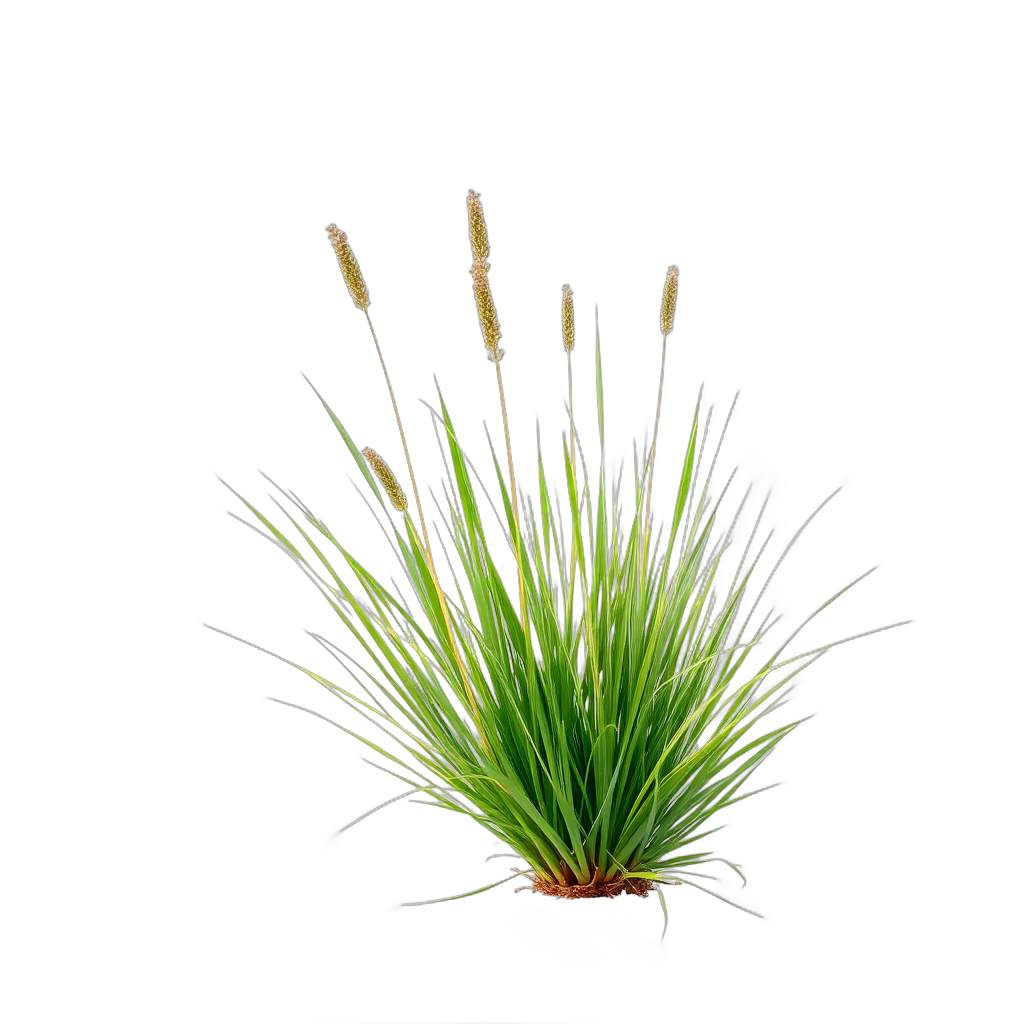
Deer Grass
Muhlenbergia rigens
grows to 3 feet, yellow blooms in fall. Evergreen year-round.
Featured Flowers & Perennials for Mediterranean Gardens
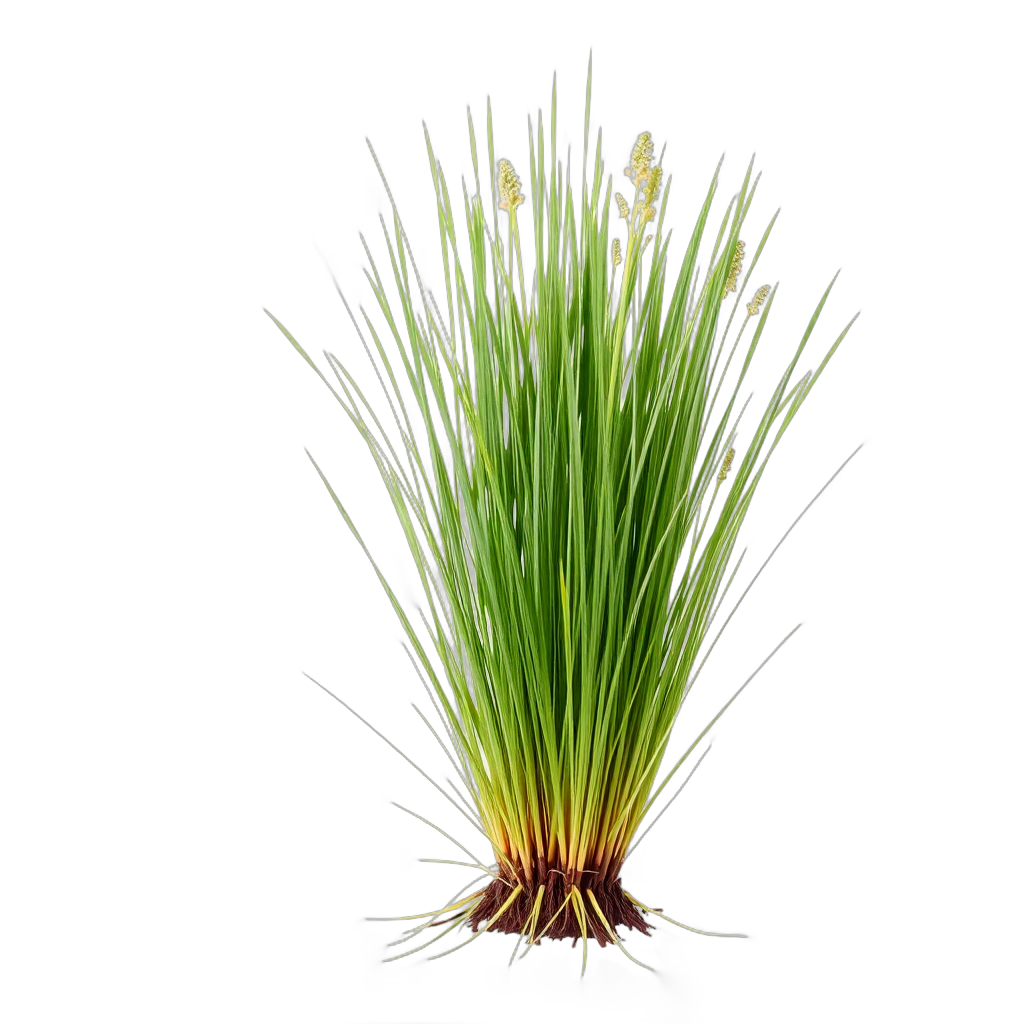
California Gray Rush
Juncus patens
low-growing ground cover, blooms in summer. Evergreen year-round.
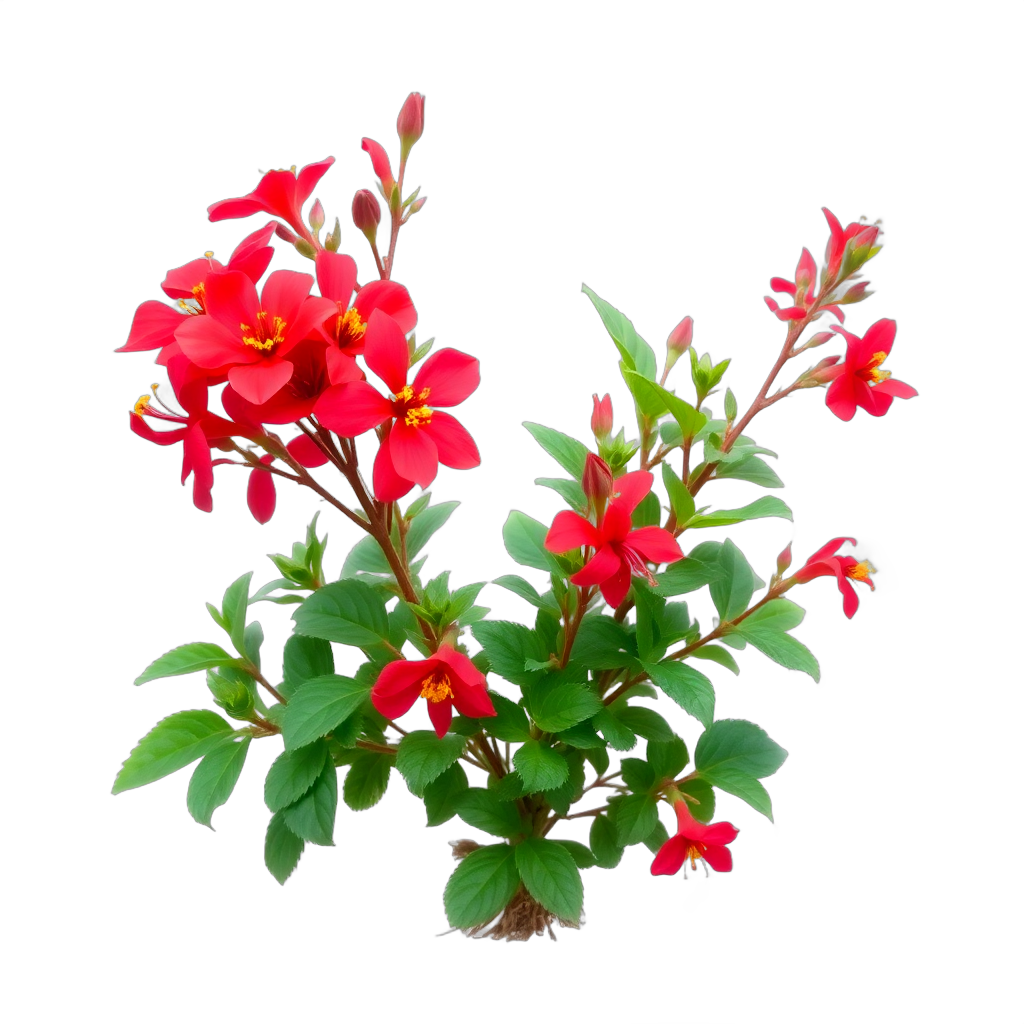
California Fuchsia
Zauschneria californica
low-growing ground cover, red blooms in fall. Attracts hummingbirds.
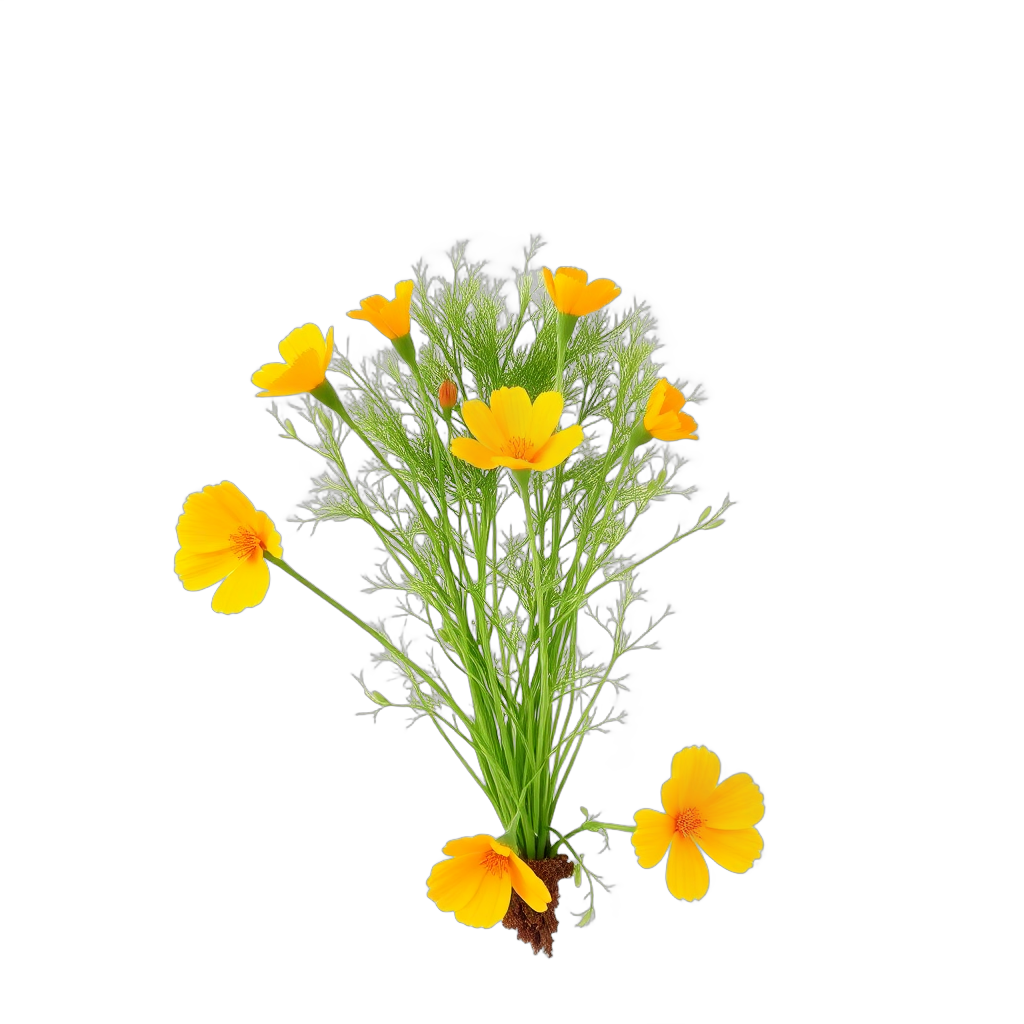
California Poppy
Eschscholzia californica
low-growing ground cover, orange blooms in spring.
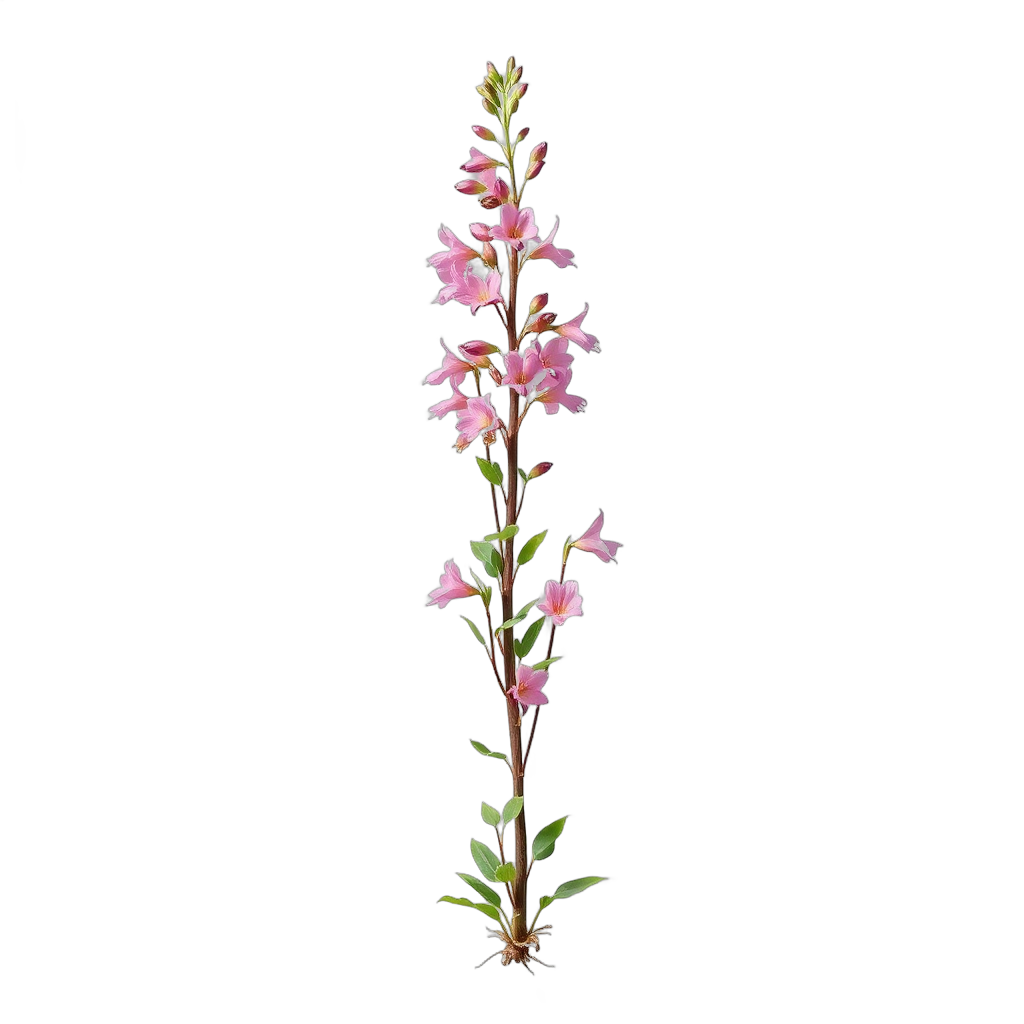
Foothill Penstemon
Penstemon heterophyllus
low-growing ground cover, blue blooms in spring. Attracts hummingbirds.
Zone and sun checks come from our database — confirm with your local nursery before you buy.
Bloom Calendar for Berkeley
spring
California Poppy, Foothill Penstemon, Foothill Sedgesummer
California Gray Rush, Black Sage, California Buckwheatfall
California Fuchsia, Deer Grasswinter
Limited bloomsDesign Tips for Berkeley (Zone 10a)
- Mound every bed 6–10 inches above Berkeley's flatland clay and blend coarse gravel into the native soil; winter waterlogging kills more rosemary, Cistus and lavender here than any summer drought.
- Keep the resinous Mediterranean shrubs (rosemary, Cistus, lavender) beyond the 5-foot Zone 0 around the house and plant them as separate islands in the Berkeley Hills.
- Use gravel mulch around the crowns of silver-leaved plants and wood chips in the rest of the bed; EBMUD's rebate needs at least 3 inches of mulch over planted areas and bare soil.
- Choose fruitless olives such as 'Swan Hill' near paving and keep fruiting trees over gravel or mulch, where dropped olives will not stain the stone.
- Put citrus, grapes and anything that wants heat against a south-facing wall; a cool, foggy Berkeley summer will not ripen them in an open bed.
- Mix Mediterranean plants with California chaparral natives such as Arctostaphylos 'Howard McMinn' and Ceanothus 'Concha'; they share the same dry-summer water schedule and can go on one drip zone.
- Stop irrigating once the rains return in November; summer-dry plants on drip through a wet Berkeley winter are a fast route to root rot.
Where to Source Plants in Berkeley
Skip the big-box stores. These independent Berkeley nurseries specialize in the plants that make mediterranean gardens thrive in Zone 10a.
Berkeley Horticultural Nursery
North Berkeley (McGee Ave)
Family nursery open since 1922 with trees, shrubs, herbs, fruit trees and California natives
The Dry Garden Nursery
North Oakland (Shattuck Ave, near the Berkeley line)
Dry-climate plants, succulents and rare cacti suited to summer-dry gardens
Native Here Nursery
Tilden Regional Park
California native plants grown for Alameda and Contra Costa counties, including chaparral shrubs, linked to the East Bay chapter of the California Native Plant Society; open Saturdays
Westbrae Nursery
Westbrae (Gilman St)
Neighbourhood nursery serving North Berkeley and Albany, open seven days, with flowering plants, edibles, seeds and fruit trees
Mediterranean Landscaping Costs in Berkeley
| Project Scope | Estimated Cost |
|---|---|
| Front lawn conversion with olive, gravel and shrub planting (500 sqft) | $8,000 – $18,000 |
| Gravel courtyard with stucco garden wall (300–400 sqft) | $9,000 – $20,000 |
| Dry-stacked stone hillside terraces (two to three levels) | $30,000 – $90,000 |
| Timber pergola with brick dining terrace (250 sqft) | $12,000 – $28,000 |
| Specimen fruitless olive, delivered and planted (24–36 inch box) | $1,200 – $4,500 |
| Drip irrigation conversion with pressure regulator, filter and smart controller | $1,500 – $4,500 |
| AI visualization (ProScapeAI) | Free to start |
Estimates based on Berkeley, CA-area contractor rates as of 2026. Actual costs vary by site conditions, materials, and contractor.
Berkeley Climate & Growing Zone
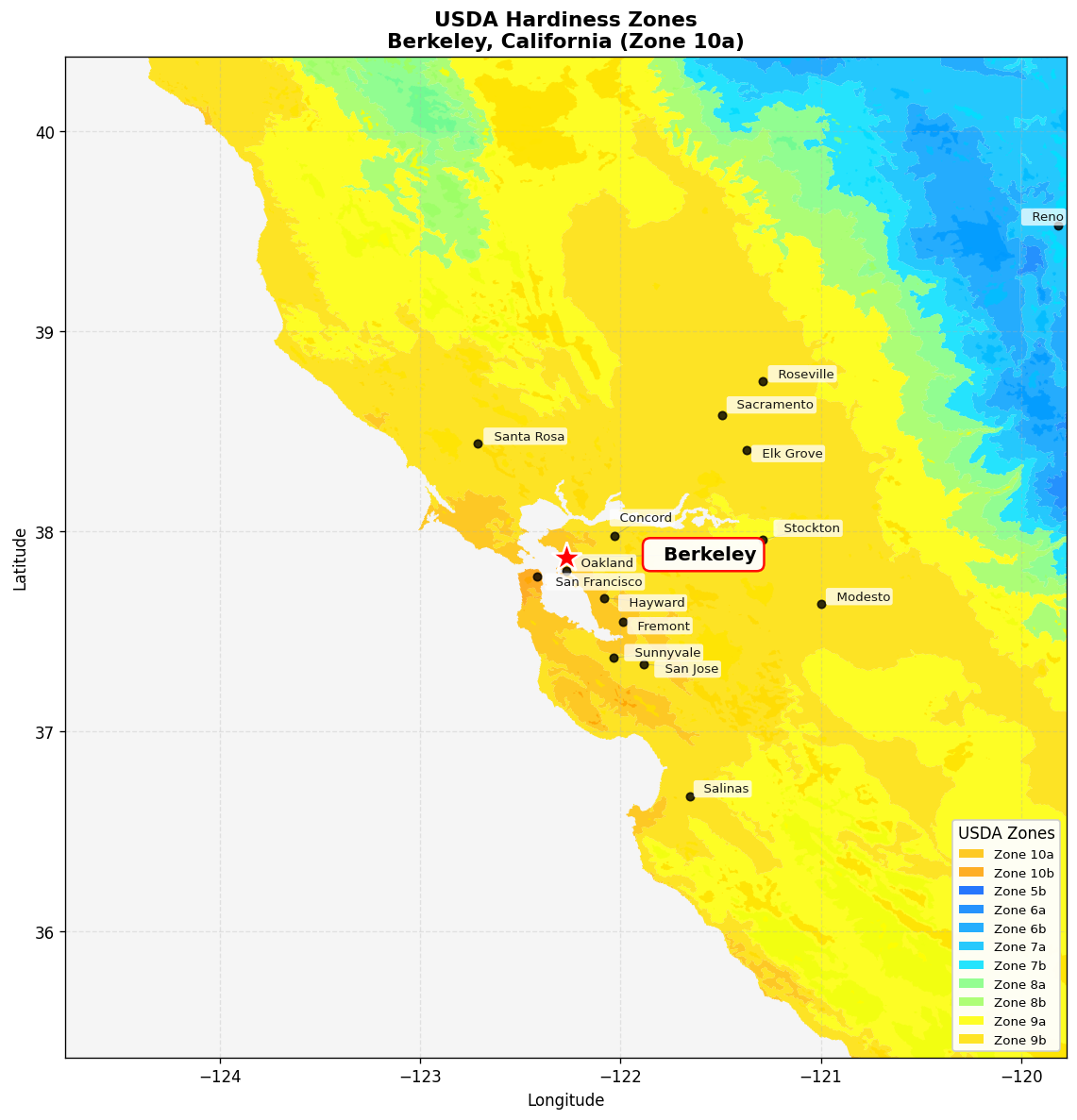
USDA Zone 10a
Hardiness zone for Berkeley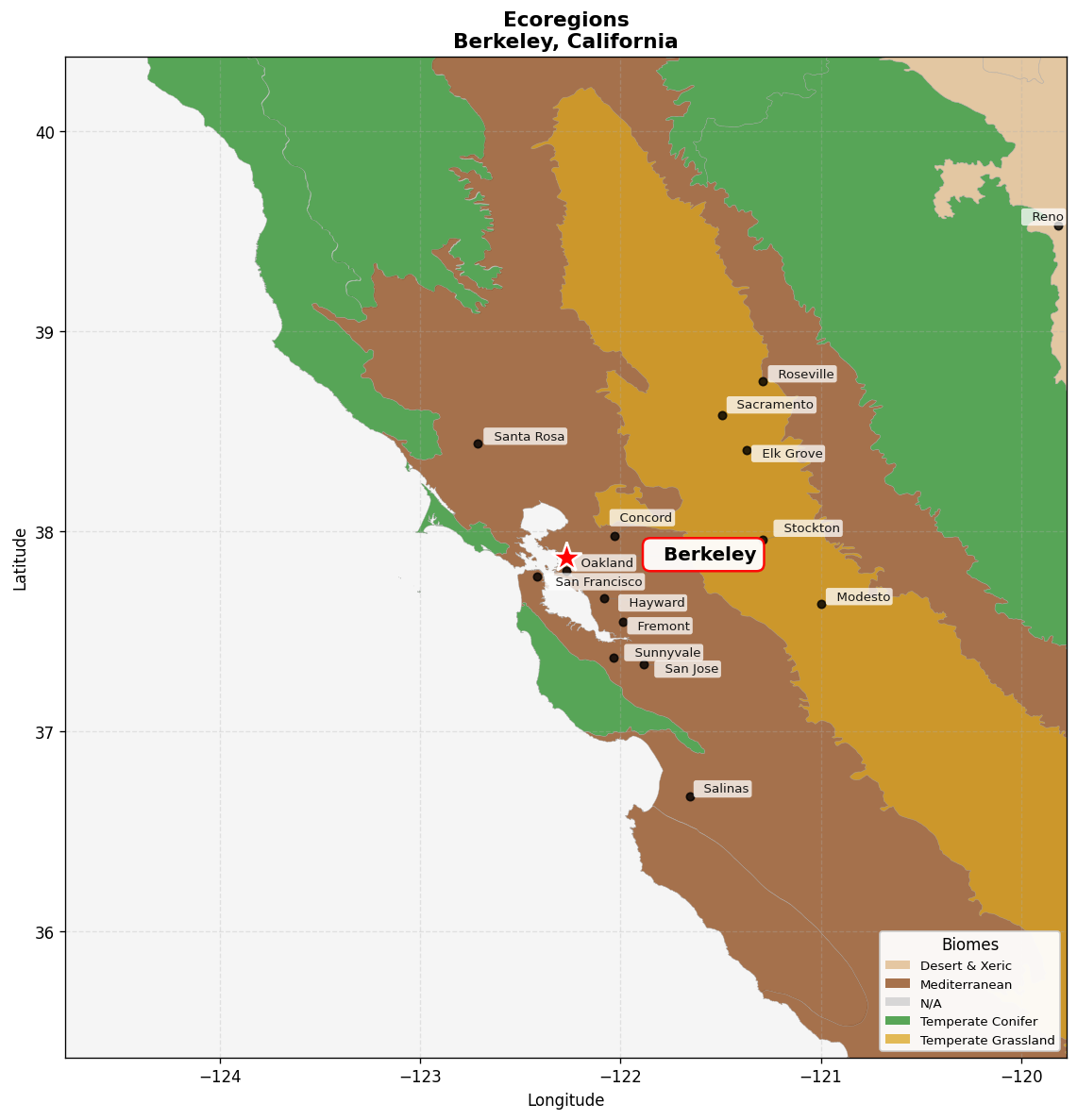
California interior chaparral and woodlands
Native ecoregionFrequently Asked Questions
How much does a Mediterranean garden cost in Berkeley, CA?
As a Bay Area guide, gravel and planted Mediterranean beds on drip run about $15–30 per square foot installed, brick or dry-laid stone terraces about $35–60 per square foot, and dry-stacked stone hillside terraces $40–80 per square foot depending on slope and access. A 500 sqft front lawn conversion with an olive, gravel paths and shrub planting usually lands around $8,000–18,000. EBMUD's Lawn Conversion Rebate can return $1 or $2 per square foot, up to $2,000 per home in two years, if the project is approved before work starts.
Which olive trees work best in Berkeley?
For gardens near paving, use a fruitless olive such as Olea europaea 'Swan Hill' or 'Wilsonii', since fruiting olives stain pavers and patios. Olea europaea 'Little Ollie' is a shrubby dwarf that clips into a low hedge or frames a doorway. Olives are hardy well below Berkeley's record low of 24°F, but they hate wet roots, so plant them on a slight mound in the flatland clay and give them deep, infrequent drip water in summer.
Is a Mediterranean garden fire-safe in the Berkeley Hills?
It can be, if it is laid out with space and hardscape. The Berkeley Fire Department's self-inspection checklist calls for a Zone 0 of gravel, pavers or concrete within 5 feet of any structure, and annual grasses cut to 4 inches or less within 30 feet. Rosemary, Cistus and lavender are oily, so keep them beyond that 5-foot band, plant them as separate islands with gravel between, and keep them watered and free of dead wood. Check your mitigation area at BerkeleyFireSafe.org.
When should I plant a Mediterranean garden in Berkeley?
October to early December. Plants set out in autumn root through the rainy season and often need only light watering in their first summer. Avoid planting into waterlogged clay in January and February; wait for a dry spell. Spring planting in March and April works, but plan on drip watering every few days through the first summer, then cut back to every one to two weeks once roots are established.
Why do my rosemary and lavender die in Berkeley when they are drought-tolerant?
Almost always wet roots, not drought. Berkeley's flatland clay holds winter rain for weeks, and Rosmarinus officinalis 'Tuscan Blue' or Lavandula × intermedia 'Grosso' planted level with the clay will rot. Plant on a mound 6–10 inches high blended with coarse gravel, keep mulch away from the crown, and do not water them in winter. In summer, a deep soak every two weeks is plenty once they are established.
What are the EBMUD rebate rules for a Mediterranean lawn conversion?
Apply online and wait for approval before starting; you then have 9 months to finish. Plants must cover 50% of the converted area at maturity, beds need at least 3 inches of mulch, and sprinklers must be removed, capped or replaced with drip or high-efficiency nozzles, with a pressure regulator and filter on drip. Artificial turf, sod, concrete or glued patios, landscape fabric and invasive plants are not allowed in the converted area. Single-family homes can receive up to $2,000 in a two-year period.
Can bougainvillea and oleander grow in Berkeley's fog?
They will grow, but they flower poorly in a cool, foggy summer with highs in the low 70s. If you want them, give them a south-facing wall in the warmest corner of the lot. For reliable summer color in a Berkeley Mediterranean garden, use Salvia 'Allen Chickering', Epilobium canum 'Everett's Choice', Cistus × purpureus and Phlomis fruticosa, which bloom well without the extra heat.