4 Cottage Garden Ideas for Birmingham, AL | English Garden Design in Zone 8a
Native plants from the Appalachian-Blue Ridge forests (Zone 8a) — Humid subtropical climate
Why Cottage/English Gardens in Birmingham?
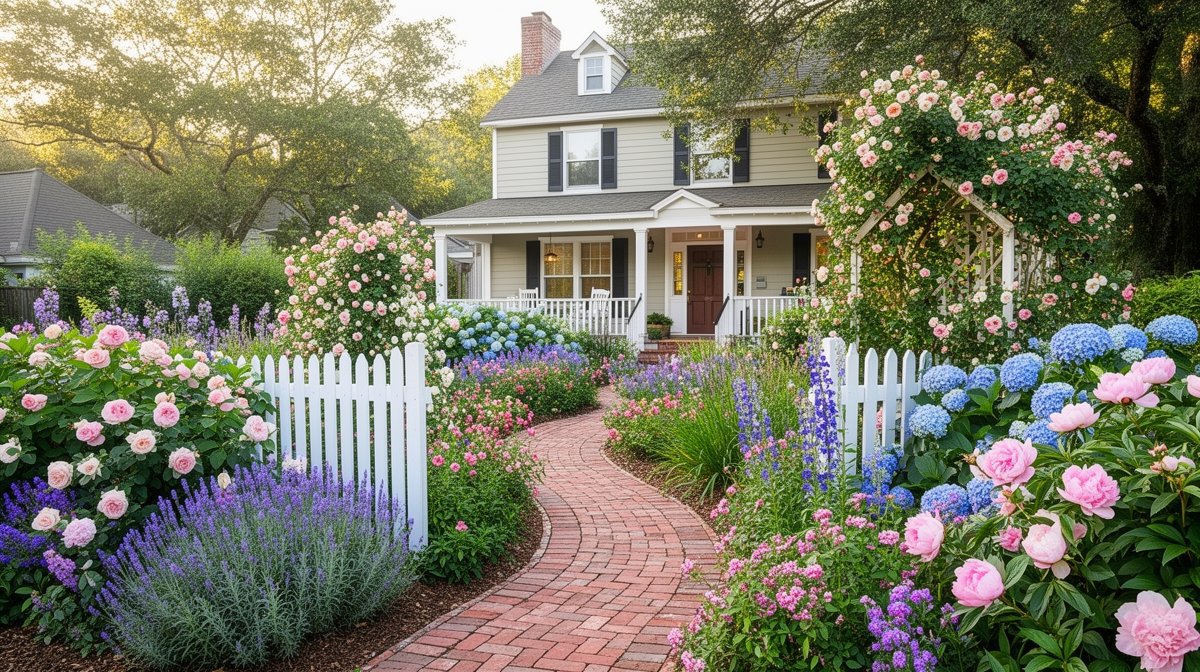
If any American city was built for the English cottage garden, it's Birmingham. The colonials and Tudor revivals of Mountain Brook, the craftsman bungalows of Homewood and Crestwood, and the porch-fronted cottages of Forest Park and Avondale supply exactly the romantic architecture this style leans against — and the neighborhoods themselves, with their canopy streets and picket-fence scale, already feel half-cottage before a single rose goes in. It's no accident the region has one of the South's strongest rose cultures; Alabama gardeners have been growing exhibition roses for a century, and the local nursery scene still reflects it.
Zone 8a is a gift for cottage planting: winters (lows 10–15°F) are cold enough to satisfy peonies, foxgloves, and old roses, while the long season from March to November keeps the borders in flower for eight months. Birmingham's ~54 inches of annual rain waters an established cottage border almost for free — the flip side is humidity, which decides plant selection more than cold ever will here. Classic English lavender sulks in wet Alabama summers (the hybrid 'Phenomenal' is the reliable exception, given sharp drainage), and disease-resistant rose varieties matter enormously: black spot pressure in a Cfa humid subtropical climate is the single biggest difference between a Birmingham cottage garden that thrives and one that defoliates by July.
The soil story is the same as everywhere in Jefferson County: red clay that must be built up, not dug into. Cottage borders here want 8–12 inches of compost-amended, raised planting depth so crowns and rose graft unions never sit in winter-wet clay. Get the beds up, choose humidity-proof cultivars, and Birmingham rewards you with something Manchester never could: roses in bloom from April through Thanksgiving, and a garden that shrugs off winter instead of disappearing under it.
4 Cottage/English Design Ideas for Birmingham
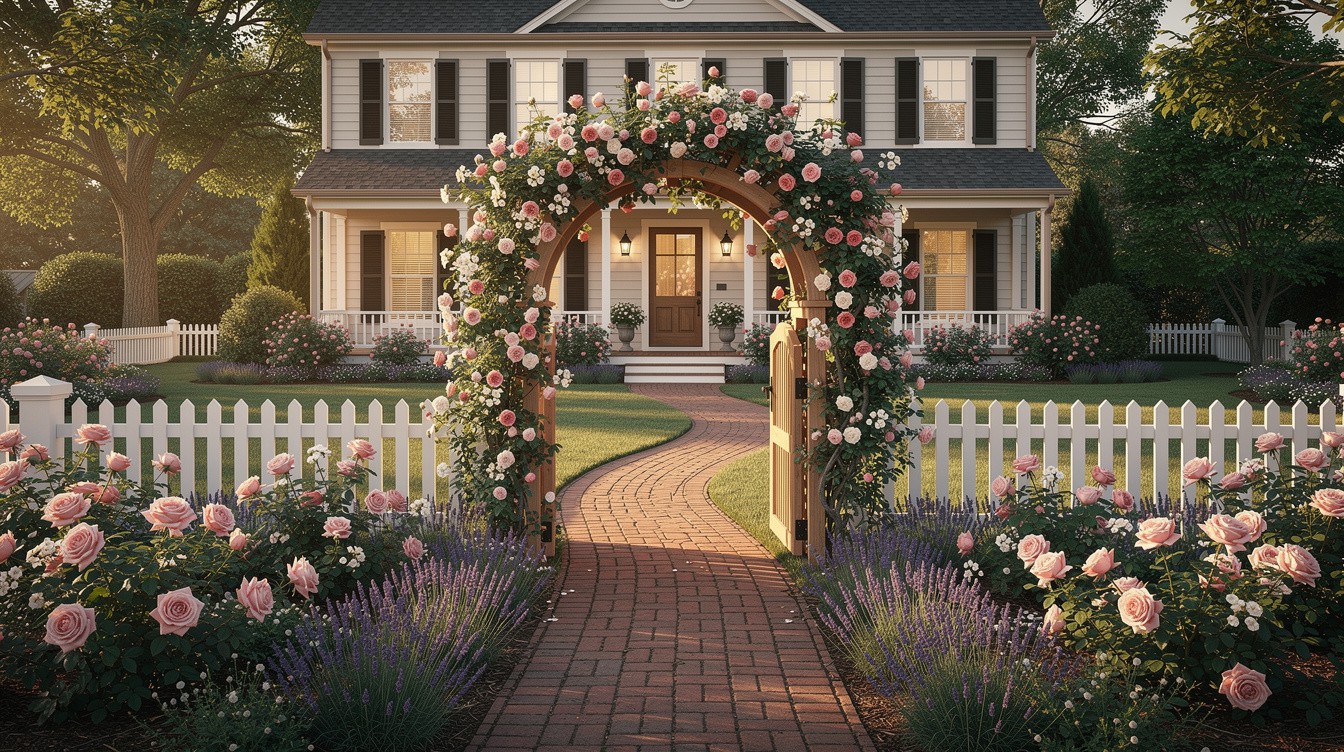
The Picket Fence Rose Walk
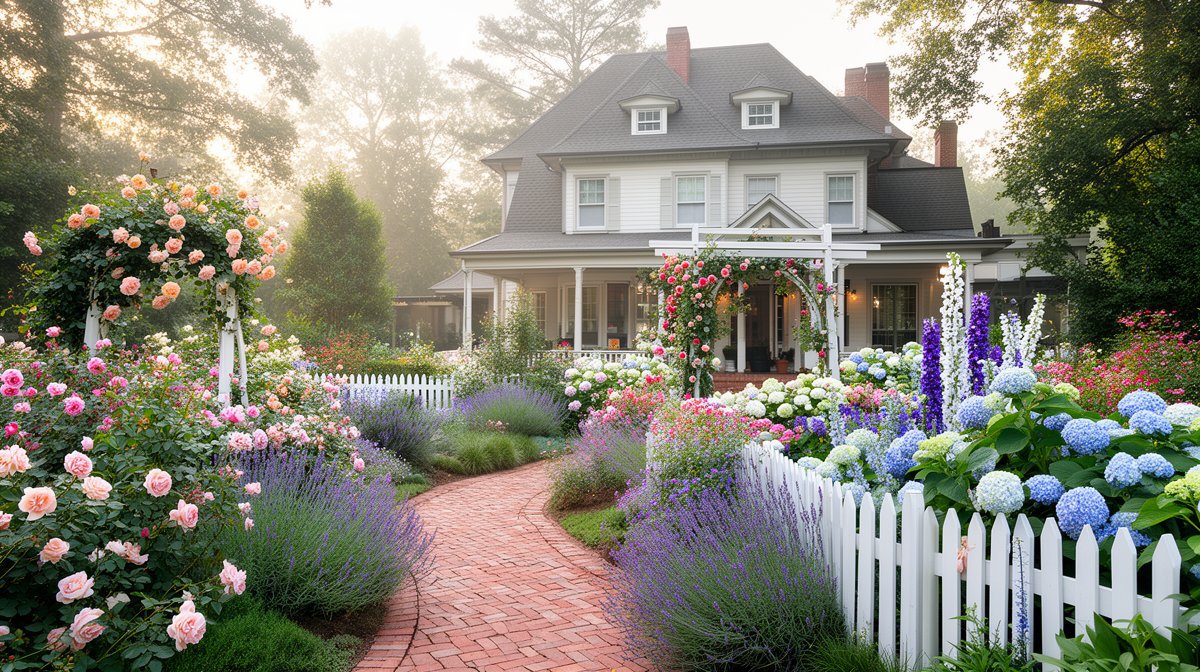
$10–18/sqft (planting + path; fence separate)A two-story colonial with black shutters sits behind a classic white picket fence, with a rose-smothered timber arch marking the front gate. A herringbone brick path curves to the porch between borders stuffed with shell-pink shrub roses and ribbons of lavender, and matching rose beds run the fence line on both sides so the garden reads as generous from the street. It is the definitive Birmingham front-yard cottage look — formal architecture, informal planting — and every element (fence, arch, brick, borders) can be phased in over separate seasons.
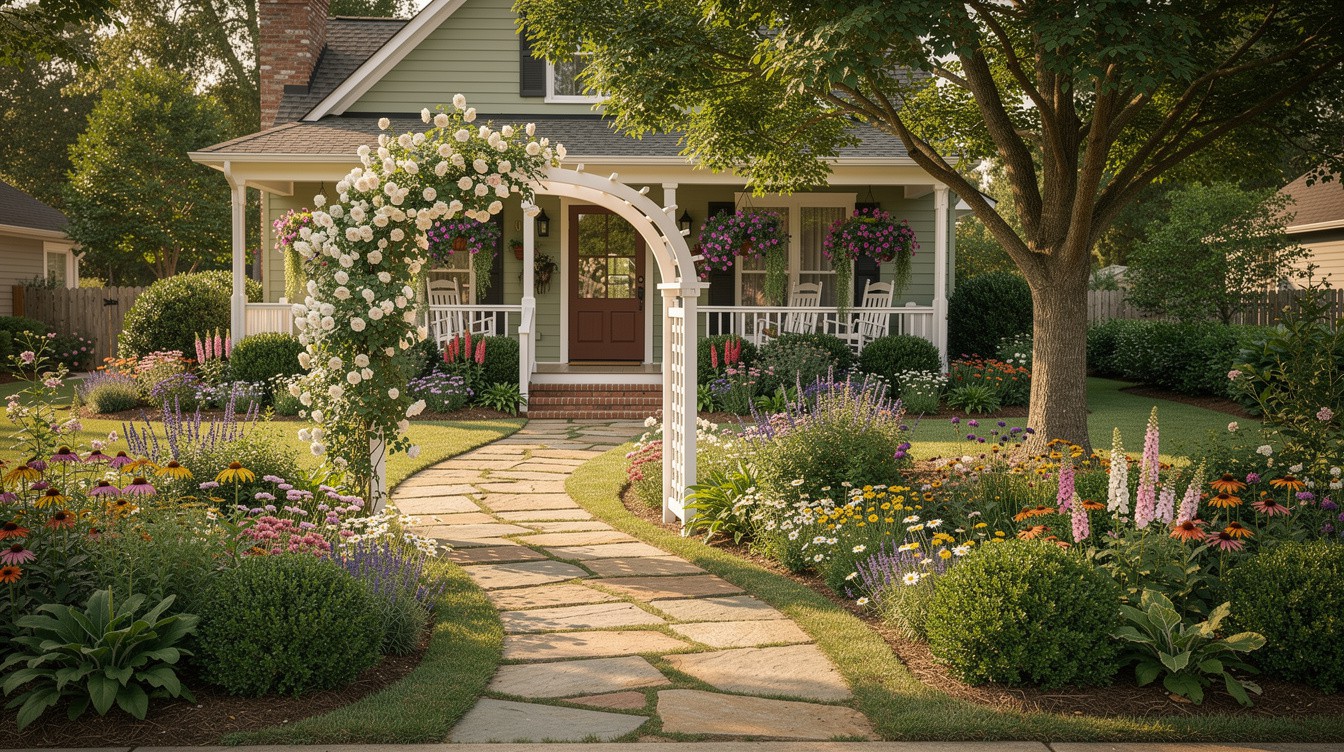
The Porch-and-Arbor Perennial Front
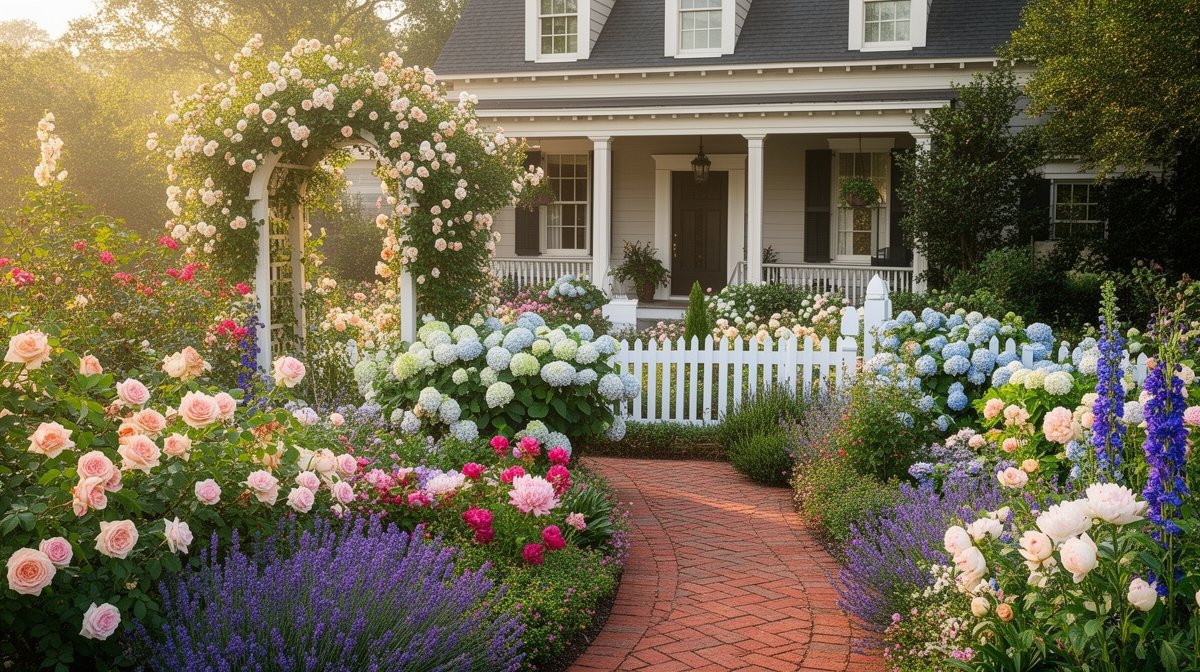
$8–15/sqftA sage-green cottage with a deep sitting porch gets the full mixed-border treatment: a white lattice arbor draped in climbing white roses frames the flagstone path, and the beds on both sides are packed shoulder-to-shoulder with coneflowers, black-eyed Susans, Shasta daisies, foxgloves, salvia, and bee balm. Hanging baskets of petunias repeat the color at porch level. Almost everything here is a tough, sun-loving perennial that laughs at Birmingham humidity — this is the highest flower-per-dollar design in the collection, and it feeds every pollinator in the zip code.
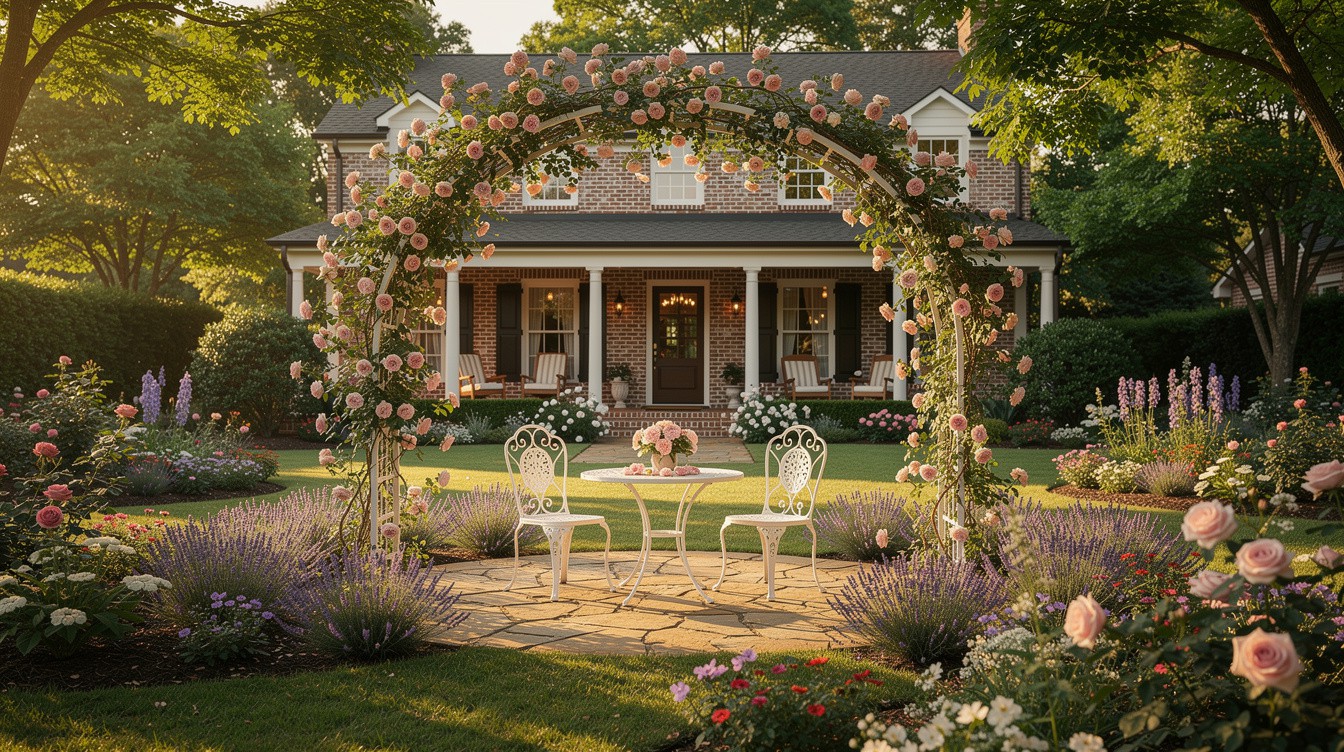
The Rose Arch Tea Garden
$12–22/sqftBehind a brick colonial, a pair of grand climbing-rose arches frame a circular flagstone terrace just big enough for a white wrought-iron bistro set — a destination room built almost entirely from plants. Lavender halos the terrace, rose borders enclose the lawn, and the geometry (circle, arches, axial view back to the porch) gives the romance a spine. The arches take two to three seasons to cover fully in Zone 8a, which is the honest timeline for the payoff, and the space works for morning coffee eight months of the year.
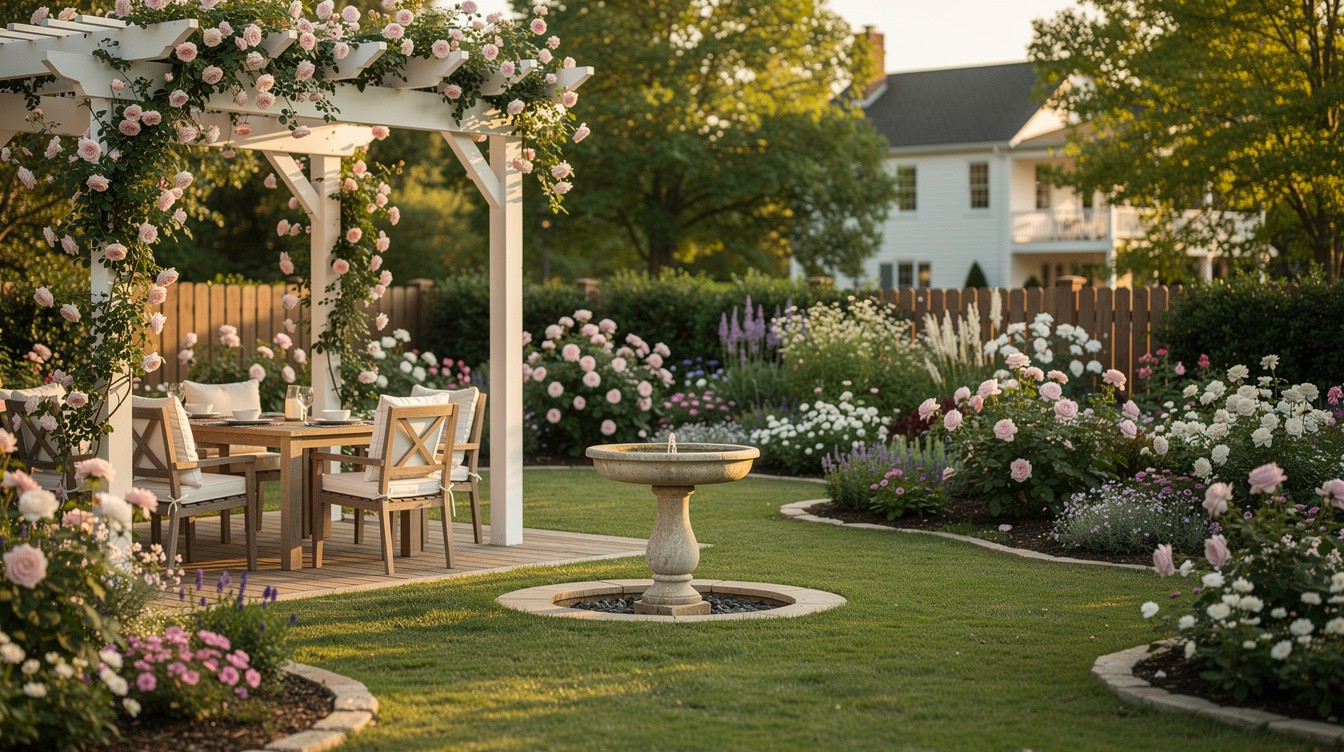
The Pergola Dining Garden
$15–28/sqftA white timber pergola wrapped in pale-pink climbing roses shades a wooden dining deck, while the rest of the backyard is organized as lawn framed by deep, stone-edged mixed borders along the fence — roses, catmint, dianthus, and cottage pinks in drifts. A carved stone birdbath fountain sits in its own gravel circle as the garden's quiet centerpiece. The design splits the yard into a structured social room and soft borders, which is what keeps a rose-heavy garden from tipping into chaos, and the fountain's trickle does real work masking neighborhood noise.
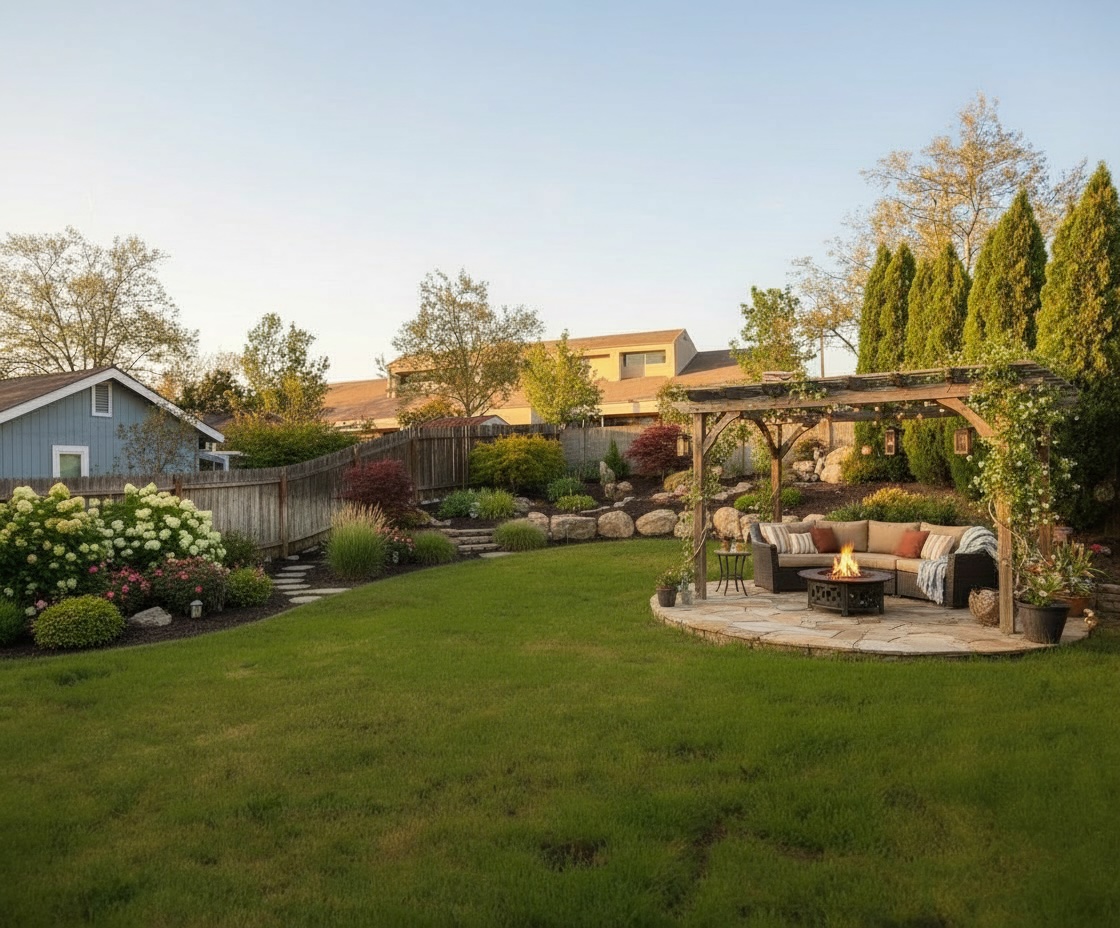
See how a cottage/english garden looks on YOUR property
Upload a photo of your Birmingham yard and visualize your dream garden in seconds.
Try ProScapeAI Free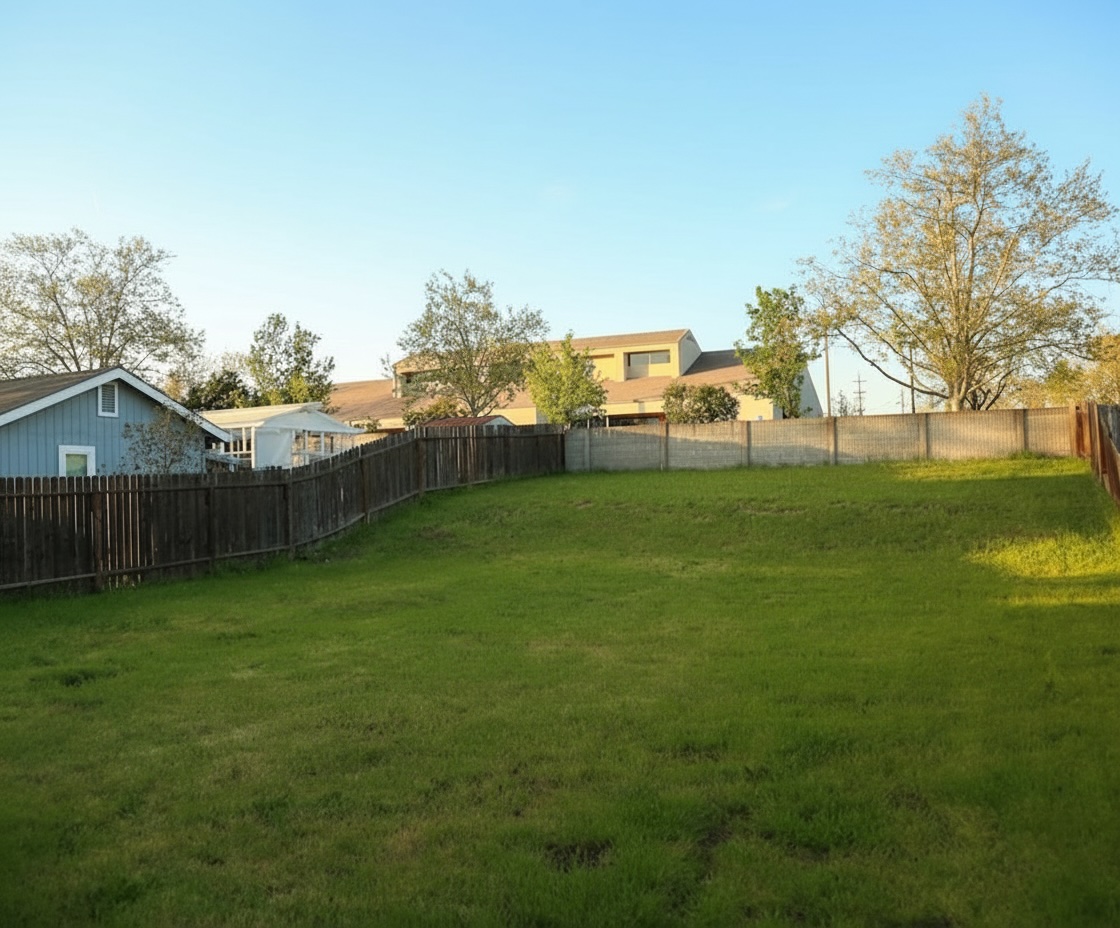
Featured Trees & Shrubs for Cottage/English Gardens
Browse all 246 plants for Birmingham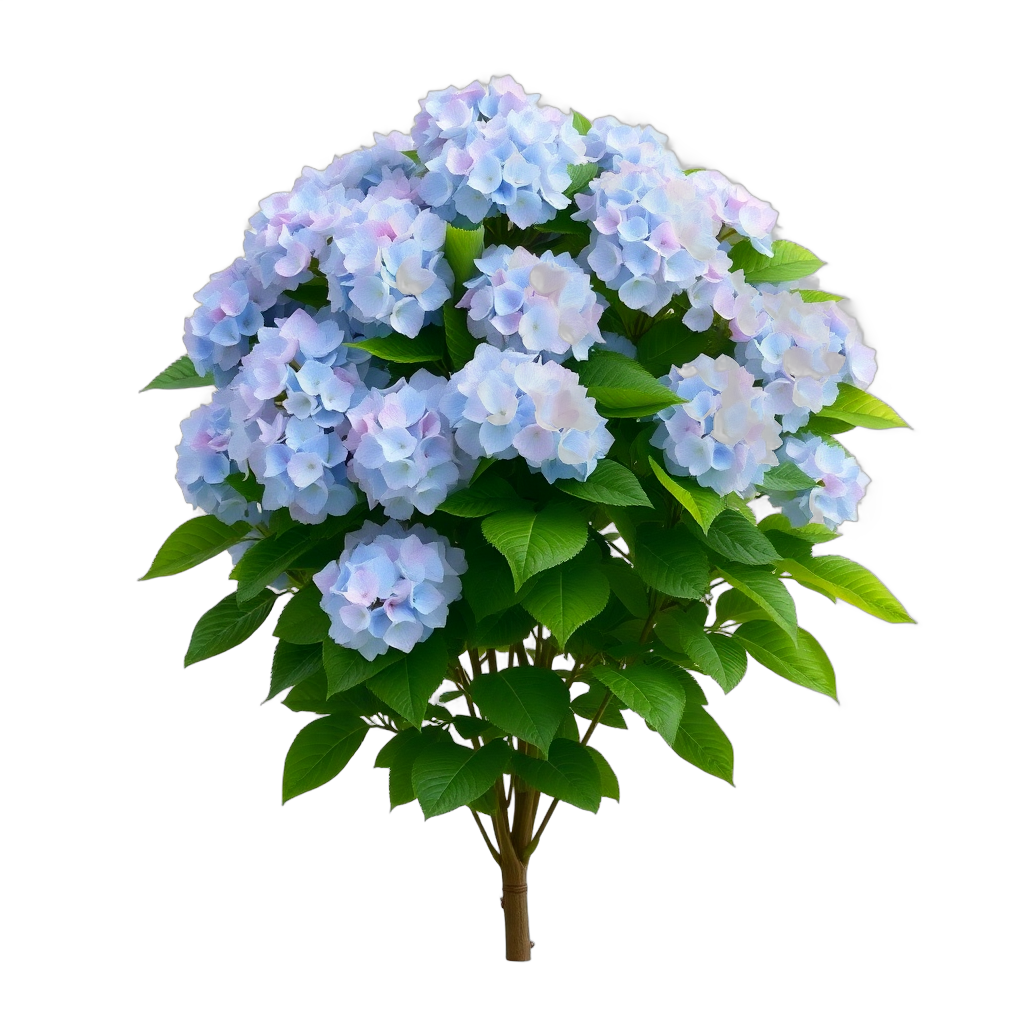
Annabelle Hydrangea
Hydrangea arborescens 'Annabelle'
grows to 5 feet, white blooms in summer. Pollinator-friendly.
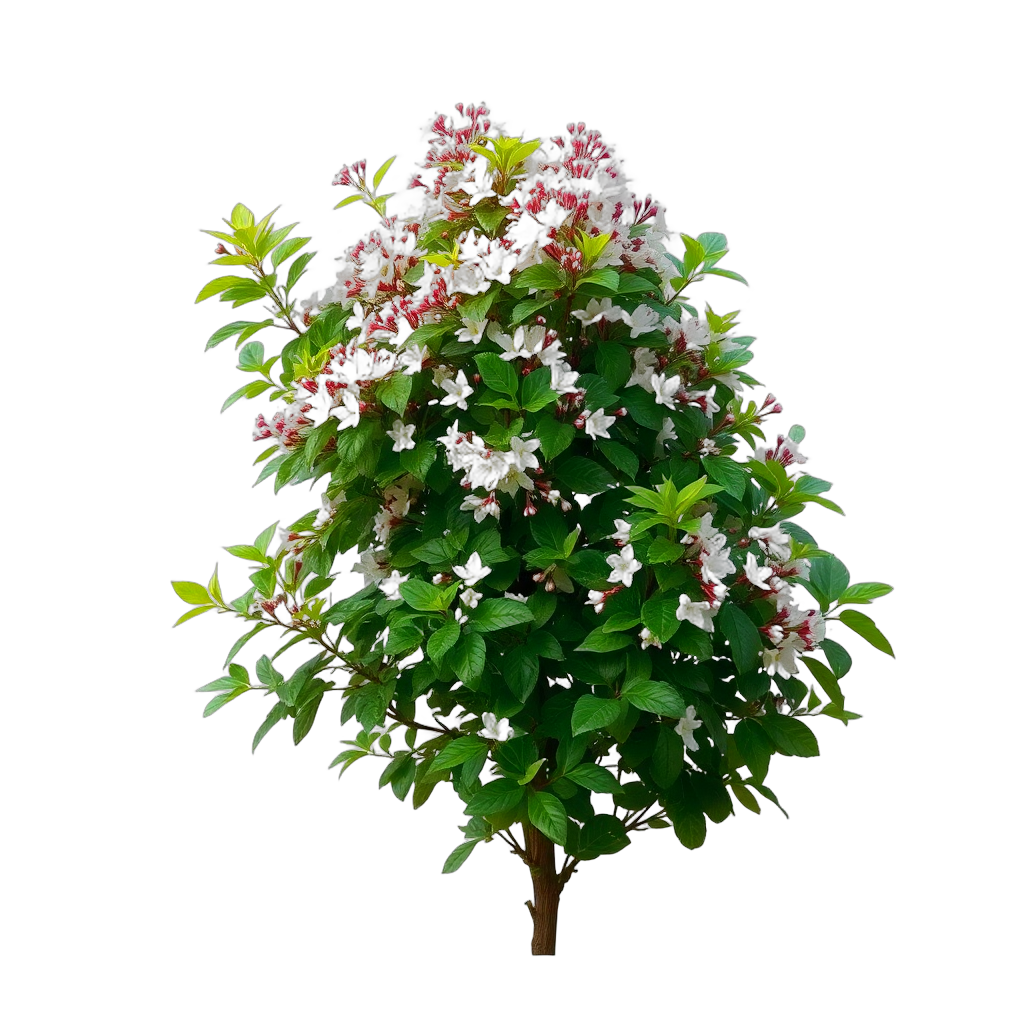
Arrowwood Viburnum
Viburnum dentatum
medium-sized at 10 feet, white blooms in spring. Pollinator-friendly.
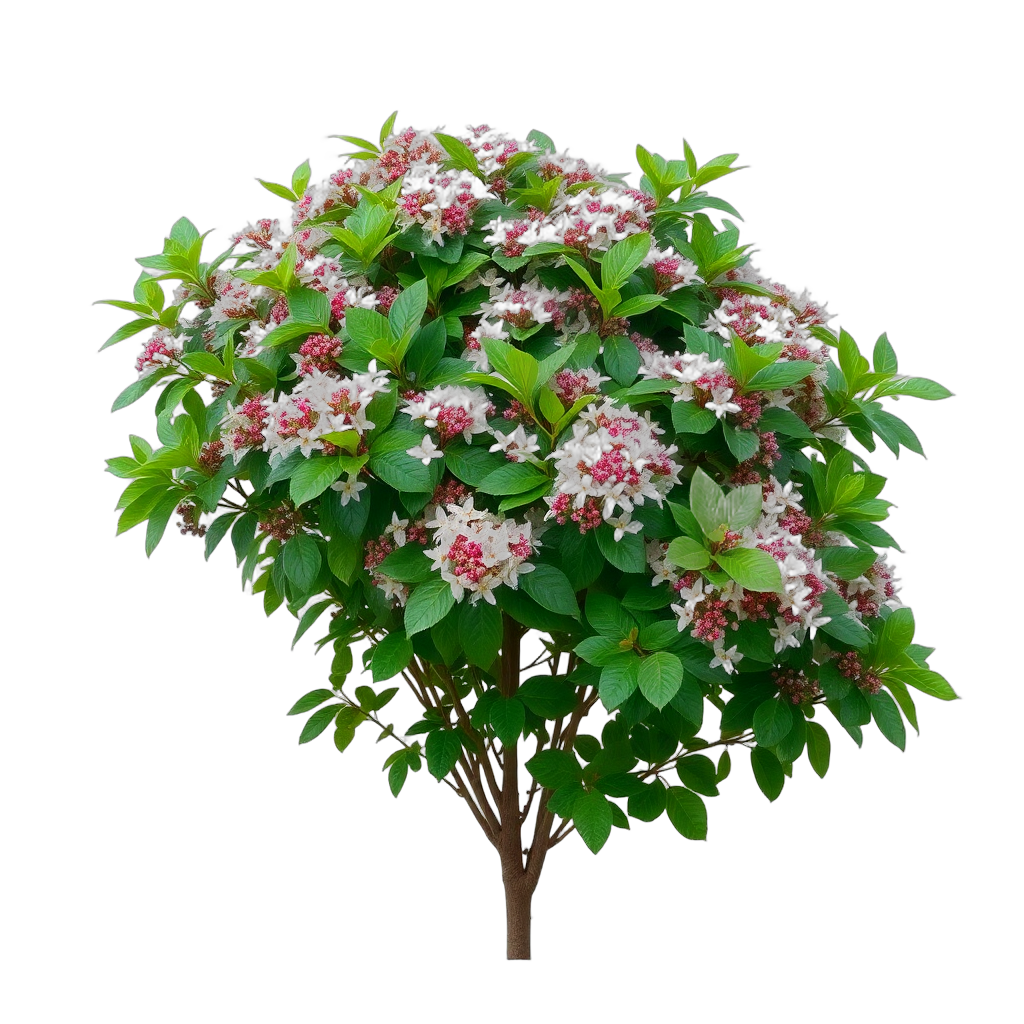
Blackhaw Viburnum
Viburnum prunifolium
medium-sized at 12 feet, white blooms in spring. Pollinator-friendly.
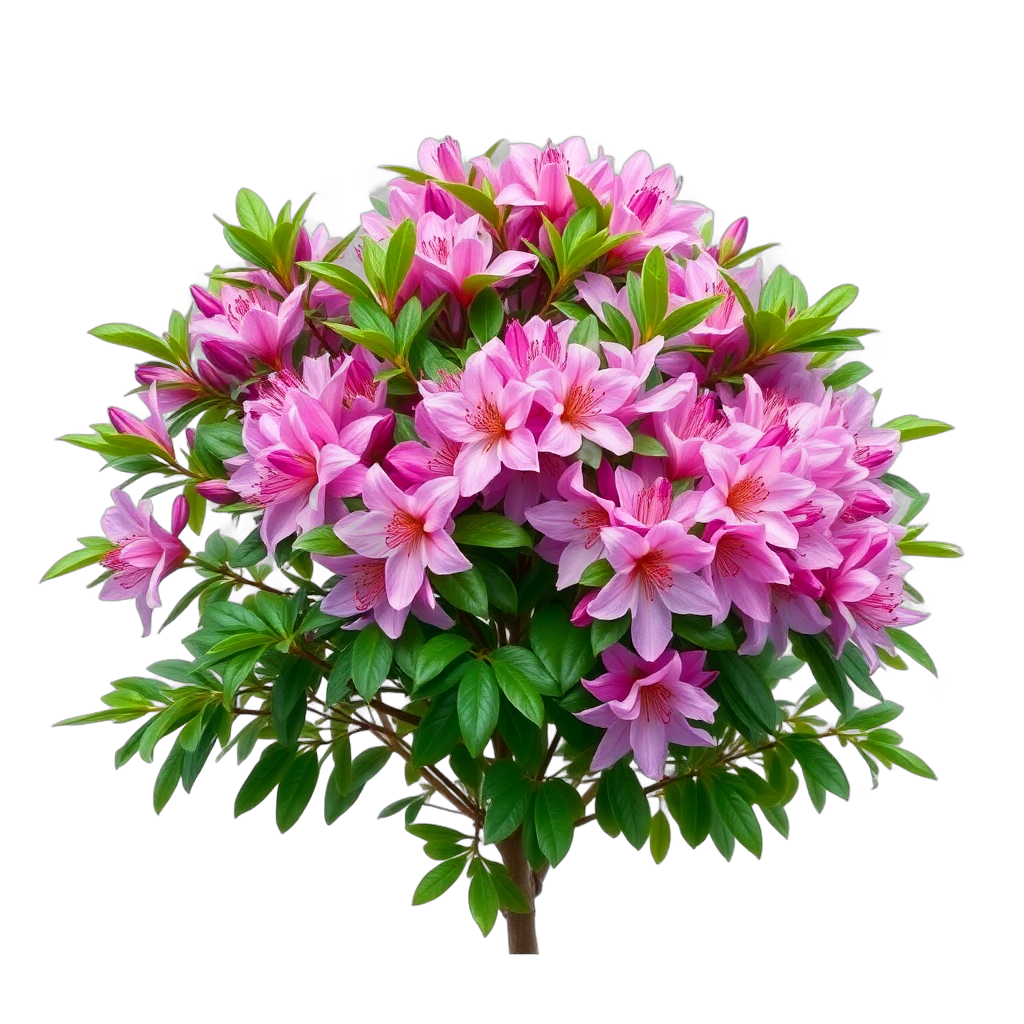
Carolina Rhododendron
Rhododendron carolinianum
grows to 5 feet, pink blooms in spring. Attracts butterflies.
Featured Grasses & Groundcovers for Cottage/English Gardens
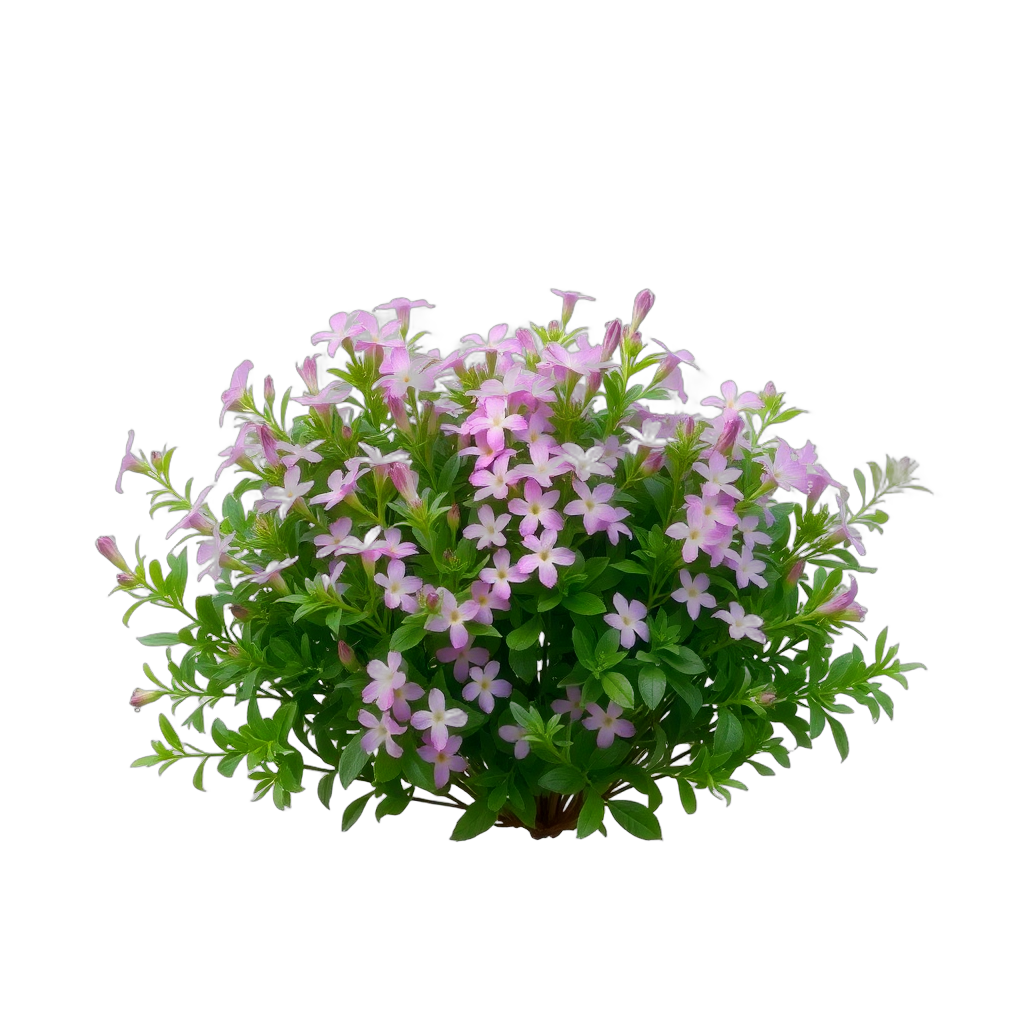
Creeping Phlox
Phlox subulata
low-growing ground cover, multi blooms in spring. Attracts butterflies.
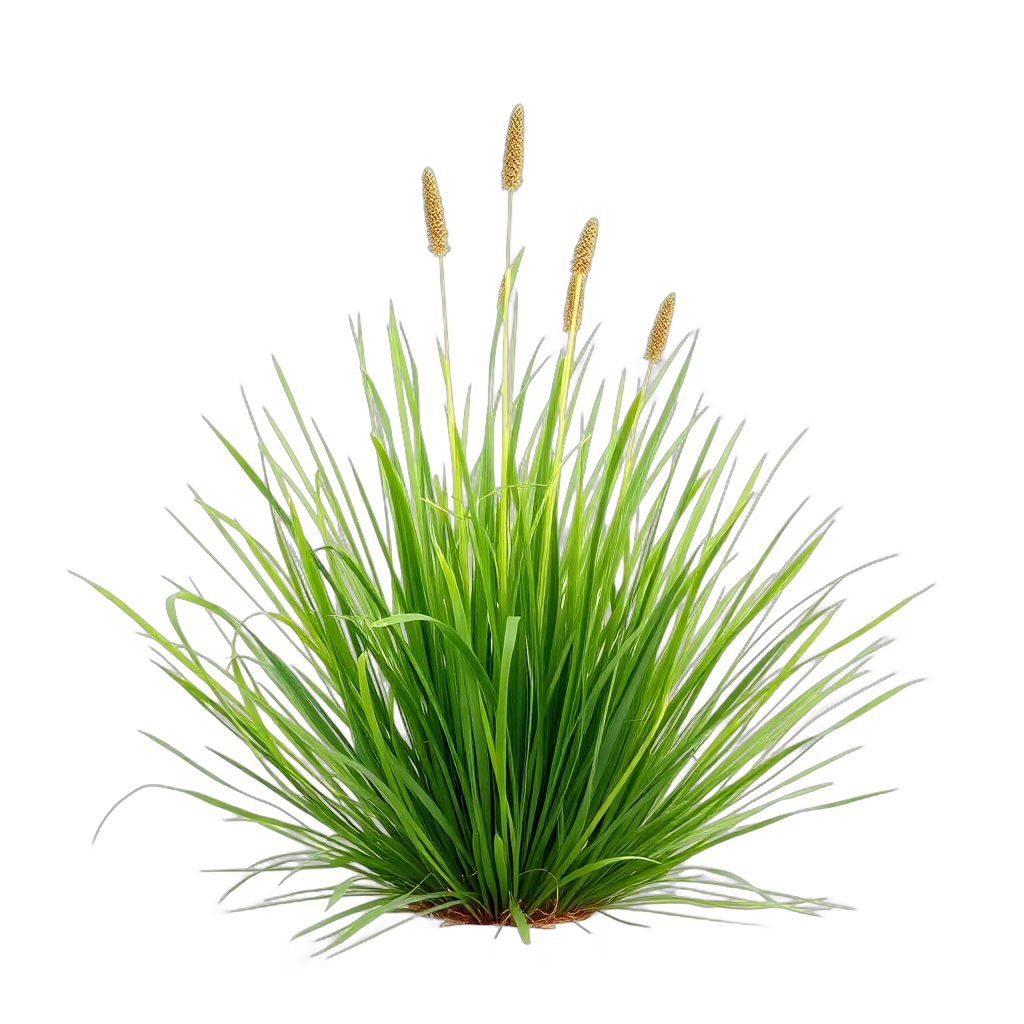
Pennsylvania Sedge
Carex pensylvanica
low-growing ground cover, blooms in spring.

Anceps Bamboo
Yushania anceps
medium-sized at 12 feet, blooms in none. Evergreen year-round.

Arrow Bamboo
Pseudosasa japonica
medium-sized at 15 feet, blooms in none. Evergreen year-round.
Featured Flowers & Perennials for Cottage/English Gardens
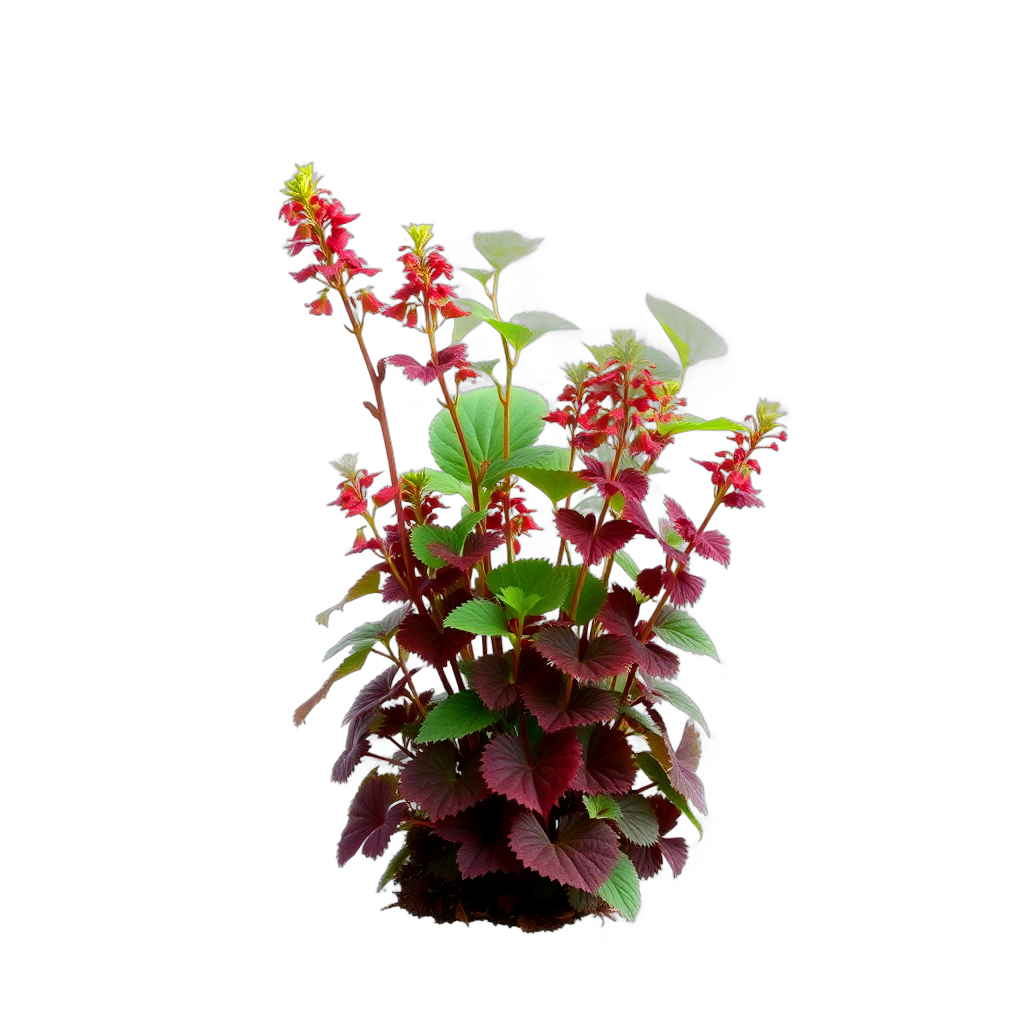
American Alumroot
Heuchera americana
low-growing ground cover, white blooms in spring. Pollinator-friendly.

Bee Balm
Monarda didyma
grows to 3 feet, red blooms in summer. Attracts hummingbirds.
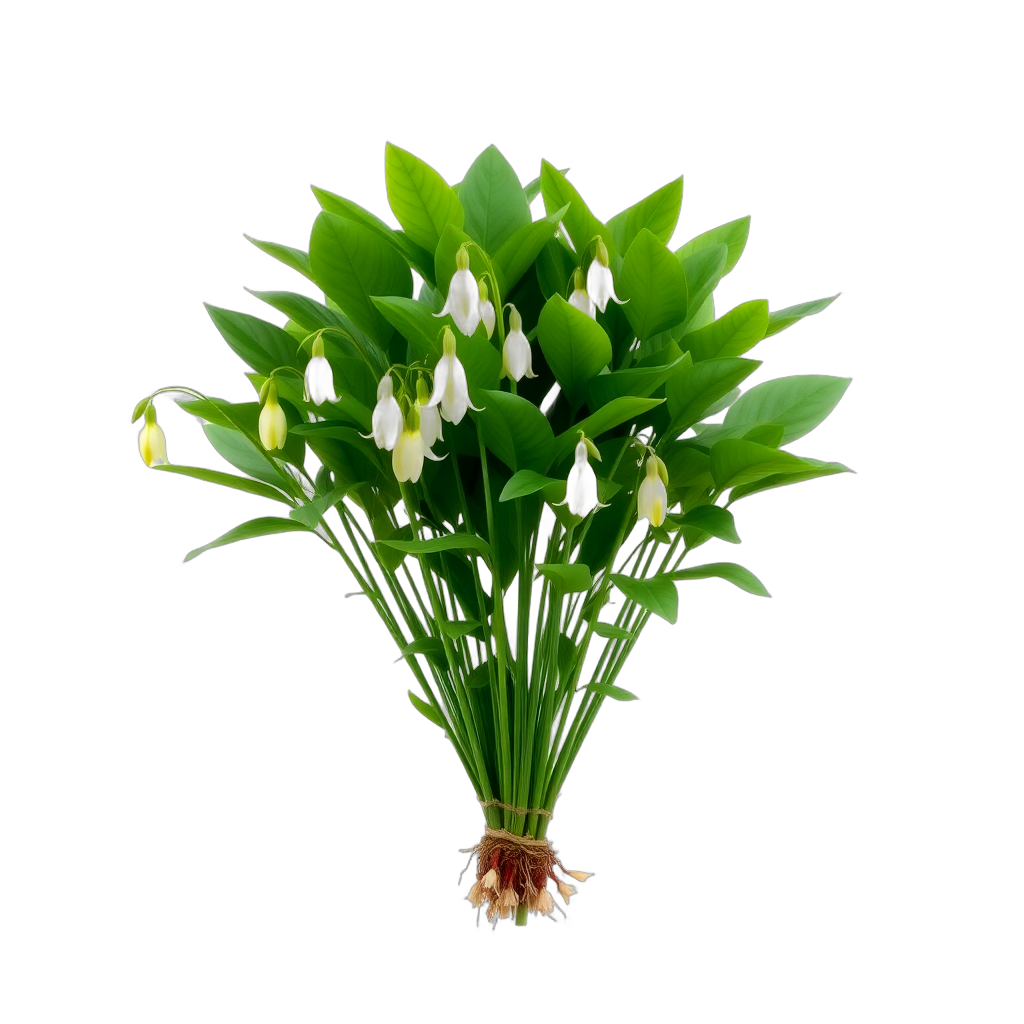
Bellwort
Uvularia grandiflora
low-growing ground cover, yellow blooms in spring. Pollinator-friendly.
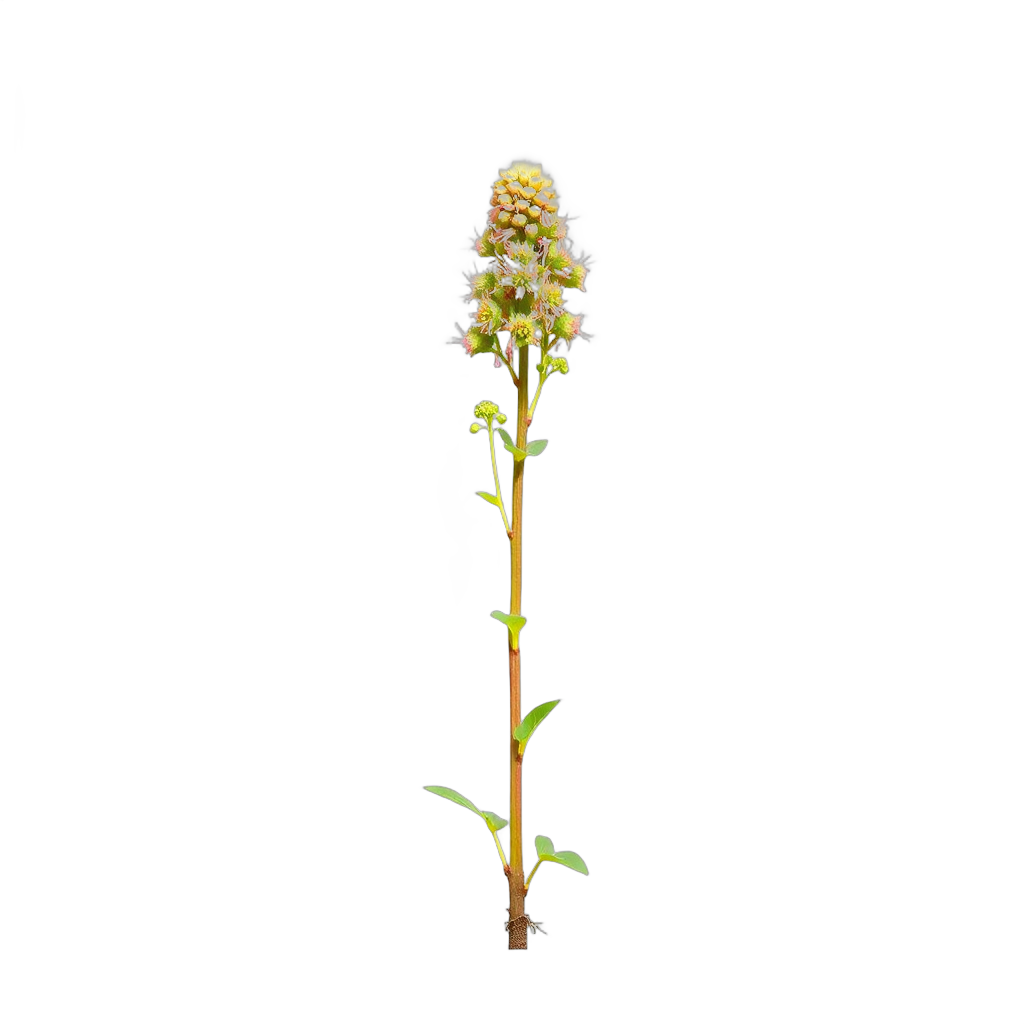
Bishop's Cap
Mitella diphylla
low-growing ground cover, white blooms in spring. Pollinator-friendly.
Bloom Calendar for Birmingham
spring
American Alumroot, Bellwort, Bishop's Capsummer
Bee Balm, Black Cohosh, Black Cohoshfall
Limited bloomswinter
Limited bloomsDesign Tips for Birmingham (Zone 8a)
- Raise every bed 8–12 inches above grade with compost-amended soil — Birmingham red clay drowns rose roots and perennial crowns in winter, and bed height is the difference between a garden that builds for years and one that quietly rots
- Buy roses labeled disease-resistant and give each one morning sun plus real spacing; black spot in Birmingham's humidity will strip a crowded, shaded rose by July no matter how much you spray
- Use catmint, salvia, or 'Phenomenal' lavender for the purple ribbon in your borders — classic English lavender is a two-summer plant here, and the substitutes are indistinguishable at ten feet
- Plant in fall, not spring: October-planted perennials and roses establish through Birmingham's mild wet winter and out-bloom spring plantings by double in year one
- Anchor the romance with one strong structure — an arch, arbor, or pergola gives climbing roses somewhere to go and keeps billowing borders from reading as neglect; paint it white against Birmingham's deep-green summer backdrop
- Scatter larkspur, poppy, and cosmos seed in November like the old Southern gardens did — self-sowers fill every gap for pennies and give the borders the overflowing, unplanned look that defines true cottage style
Where to Source Plants in Birmingham
Skip the big-box stores. These independent Birmingham nurseries specialize in the plants that make cottage/english gardens thrive in Zone 8a.
Oak Street Garden Shop
Mountain Brook (Crestline Village)
Independent shop repeatedly voted Birmingham's best for plant quality; unusual perennials and cottage-garden annuals
Sweet Peas Garden Shop
Homewood
Family-owned garden center with deep cottage-style selection — perennials, herbs, and old-fashioned annuals
Hanna's Garden Shop
Highway 280 / Double Oak Mountain
Four acres of specialty plants; one of the metro's best rose, camellia, and hydrangea selections
Collier's Nursery
Rocky Ridge / Vestavia Hills
Full-service 1.5-acre nursery strong on perennials, flowering shrubs, and cottage border staples
Cottage/English Landscaping Costs in Birmingham
| Project Scope | Estimated Cost |
|---|---|
| Front yard cottage borders (soil building + 40–60 plants + edging) | $3,500 – $9,000 |
| Picket fence with rose arch entry (typical front yard) | $4,000 – $10,000 |
| Flagstone terrace with twin rose arches | $6,000 – $15,000 |
| Pergola dining garden (structure + deck + borders) | $12,000 – $35,000 |
| Stone birdbath or small fountain feature (installed) | $400 – $2,500 |
| AI visualization with ProScapeAI | Free to start |
Estimates based on Birmingham, AL-area contractor rates as of 2026. Actual costs vary by site conditions, materials, and contractor.
Birmingham Climate & Growing Zone
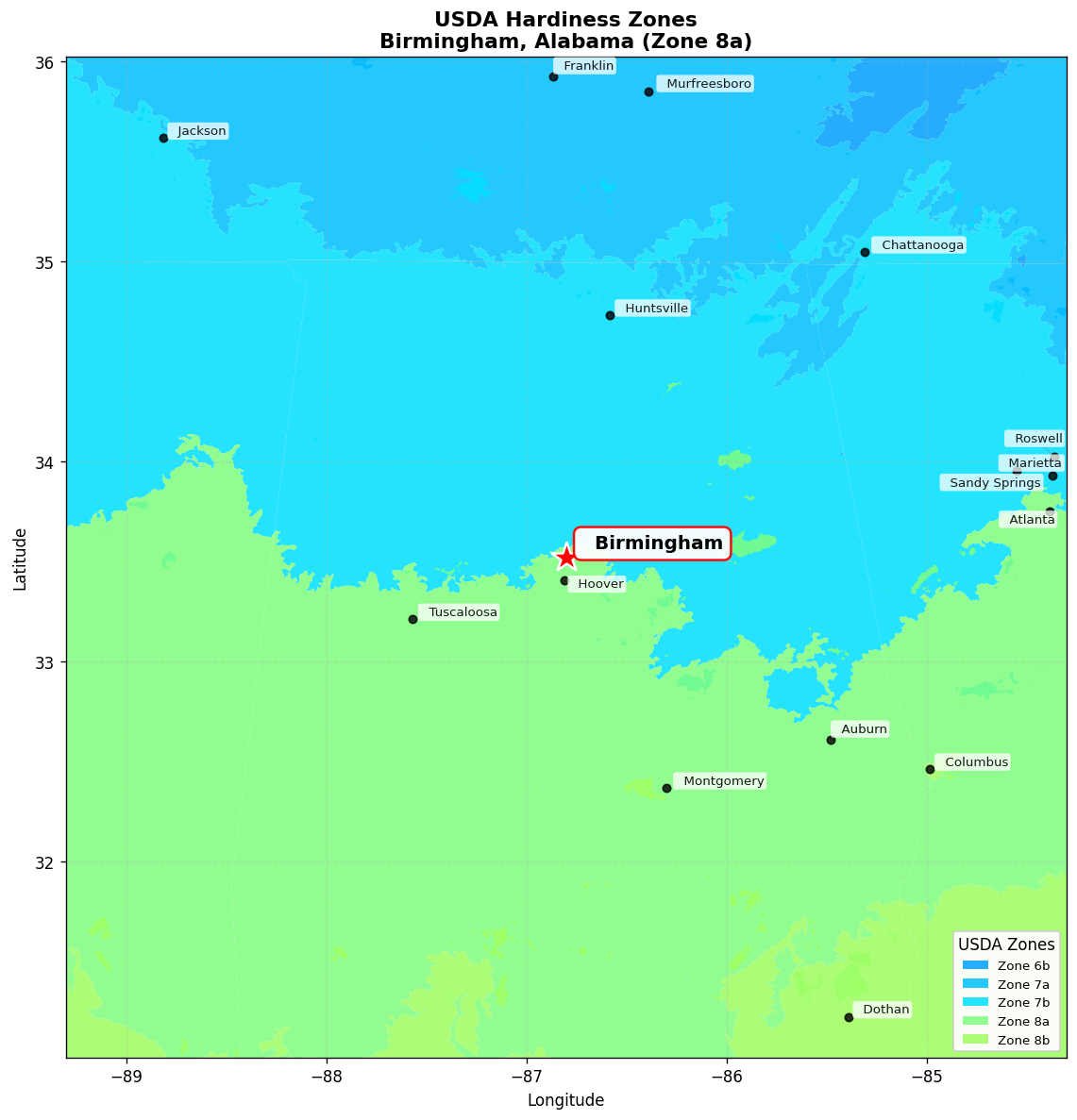
USDA Zone 8a
Hardiness zone for Birmingham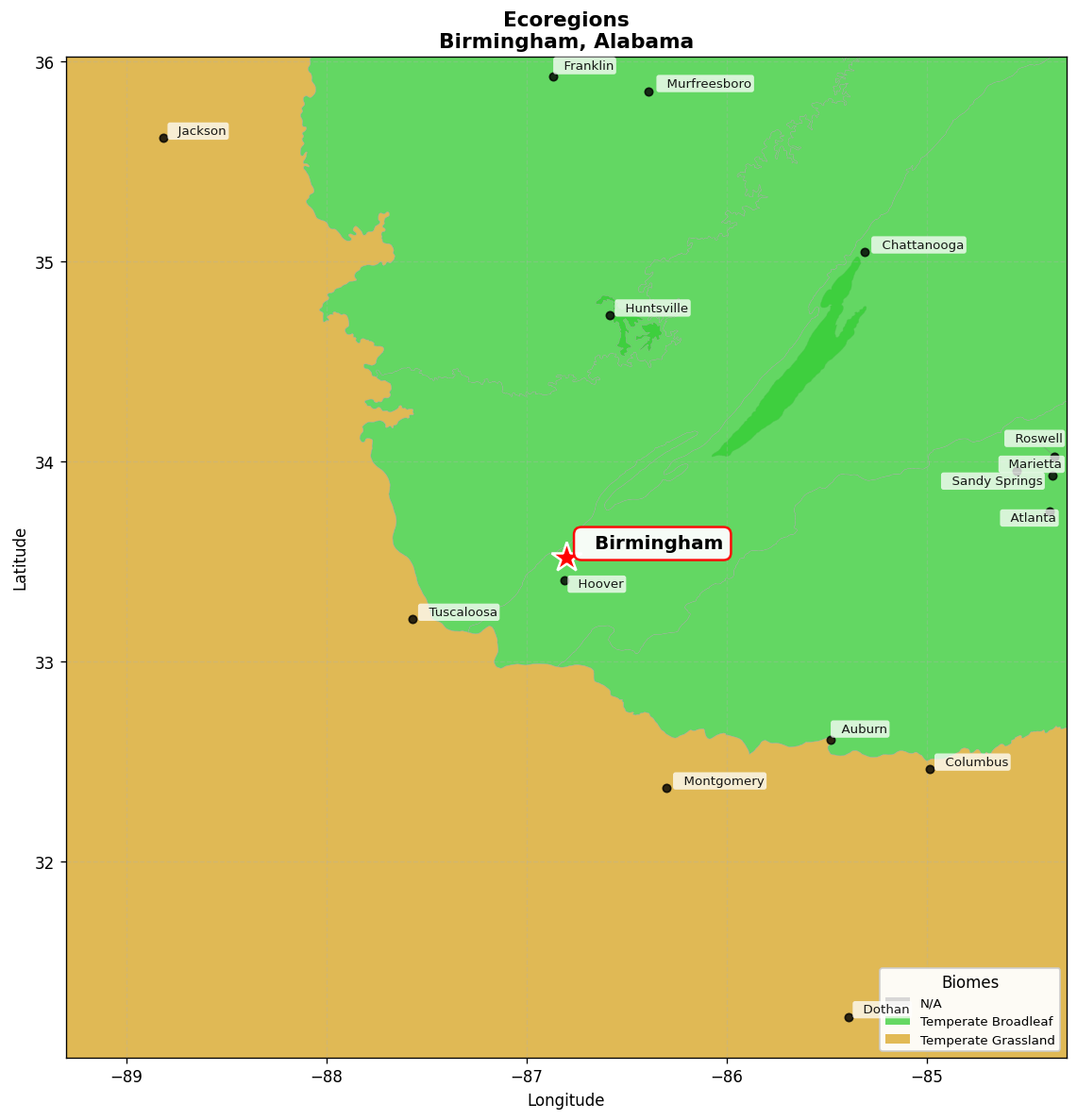
Appalachian-Blue Ridge forests
Native ecoregionFrequently Asked Questions
How much does a cottage garden cost in Birmingham?
Cottage gardens are the most budget-flexible style because plants, not hardscape, carry the design. A generous front-yard border scheme (soil building, 40–60 perennials and roses, path edging) runs $3,500–9,000 installed in the Birmingham market, or under $1,500 DIY from local nurseries. Adding structures moves the number: a cedar arch is $300–900 installed, a painted pergola $4,000–12,000, picket fencing $30–55 per linear foot. A complete backyard cottage garden with terrace, arches, and mature planting typically lands between $12,000 and $35,000.
Which roses actually survive Birmingham's humidity?
Disease resistance is everything in a Cfa humid climate — black spot, not cold, is the killer here. Proven performers: Knock Out and Drift series (bulletproof landscape roses), 'Peggy Martin' (the famous thornless Southern climber), 'New Dawn' (vigorous, shade-tolerant climber), and the tougher David Austin varieties like 'Olivia Rose Austin'. Old garden roses — Noisettes and Teas, bred in the South — are regional heirlooms that thrive with zero spraying. Whatever you plant, give roses morning sun to dry the foliage fast and 3–4 feet of air circulation; crowded, shaded roses defoliate by midsummer in Alabama.
Does lavender grow in Birmingham?
Classic English lavender (Lavandula angustifolia) usually declines within two summers here — it hates the combination of humidity and winter-wet clay. The workaround is the hybrid 'Phenomenal' lavender, bred for exactly this problem, planted high in raised or bermed beds with gravel mulch and unamended lean soil. Even better, many Birmingham cottage gardeners substitute look-alikes that love the climate: catmint ('Walker's Low'), Russian sage, or salvia give the same purple haze with none of the drama. In the designs above, either approach works visually.
When should I plant a cottage garden in Birmingham?
October and November are prime — fall-planted perennials and roses use Birmingham's mild, wet winter to build roots and explode in their first spring. Bare-root roses go in during February. Spring planting (March–April) works but needs attentive first-summer watering. Avoid installing perennials in June–August; even with irrigation, establishing plants in 90°F humidity is fighting the calendar. Seeds of self-sowers like larkspur, poppies, and cosmos go down in late fall for spring bloom — an old Southern cottage trick that costs almost nothing.
How much maintenance does a cottage garden need in Alabama?
Plan on a rhythm, not a burden: one hard cleanup in late February (cut back perennials, prune roses), a mulch top-up in March, deadheading and light edging through the season — roughly 2–3 hours a week in the growing months for a full-yard garden. Birmingham's rain means established beds rarely need watering. The two tasks that actually matter are rose airflow (thin crowded canes in winter) and keeping mulch off crowns in wet spells. Skip the weekly lawn obsession — the whole point of deep borders is that they replace turf square footage.
Do I need a permit for garden structures in Birmingham?
Planting, borders, paths, and arches need no permits anywhere in the metro. Pergolas and larger structures can require a building permit depending on size and municipality — Mountain Brook, Homewood, Vestavia Hills, and Hoover each set their own thresholds, and Mountain Brook reviews front-yard fencing in some districts (picket height and style rules exist). Fences generally need a permit over 6–7 feet. If a structure attaches to the house or gets electrical for lighting or a fountain pump, assume a permit and a quick inspection.