4 Cottage Garden Ideas for Montgomery, AL | English-Style Landscape Design in Zone 8a
Native plants from the Southeast US conifer savannas (Zone 8a) — Humid subtropical climate
Why Cottage/English Gardens in Montgomery?
Few Southern cities are better staged for cottage gardening than Montgomery. The bungalows and Tudor cottages of Old Cloverdale and the Garden District — neighborhoods literally named for their planting traditions — were built in the 1910s–1930s with front walks, porches, and picket-fence-scaled lots that English-style gardens were designed around. Capitol Heights and Cottage Hill offer the same intimate historic streetscapes, while Hampstead out on Taylor Road proves the look works on new construction too, with its new-urbanist cottages sitting close to the sidewalk behind low fences begging for roses. A rose arbor over a gate in these neighborhoods doesn't read as a theme — it reads as restoration.
Montgomery's Zone 8a climate delivers a growing season of roughly 240 days and mild winters (typical lows only dip to 10–15°F in a hard year), which means the backbone of a cottage garden — roses, boxwood, hollies, hydrangeas — stays productive nearly year-round. The catch is summer: July and August run 92°F-plus with tropical humidity, and the city averages about 53 inches of rain annually. That combination is paradise for heat-proof repeat bloomers and a death sentence for some English classics. English lavender rots in the humidity (plant 'Phenomenal' lavandin in raised gravelly beds, or substitute catmint and Russian sage for the same silver-and-blue effect), delphiniums must be treated as cool-season annuals planted in November for a May show, and foxgloves perform as fall-planted biennials rather than perennials. Old garden roses, Knock Outs, Drift roses, and the tougher David Austins, on the other hand, bloom here from March to Thanksgiving.
Soil is the other local variable. Montgomery sits where the red clay hills meet the Black Belt prairie, so a garden in Dalraida may be digging acidic red clay while one south toward Pike Road hits dark, alkaline blackland clay that cracks open in August droughts. Both hold winter water, so cottage borders here should be built up 6–10 inches with compost-amended soil rather than dug down. Get a $7 Auburn soil test before planting — hydrangea color, rose vigor, and foxglove success all hinge on which side of the pH line your lot falls. Plant in October through February and the mild, wet winter will establish roots for free.
4 Cottage/English Design Ideas for Montgomery
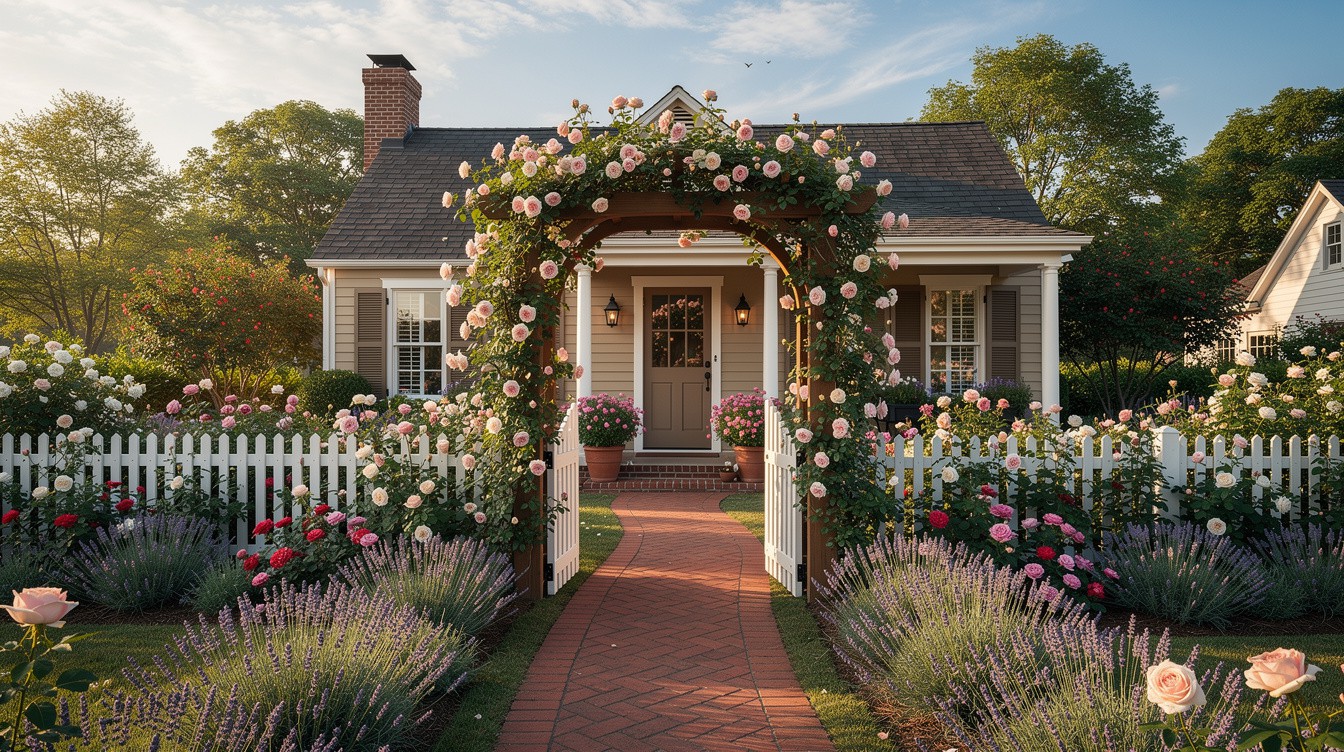
The Picket Fence Rose Walk
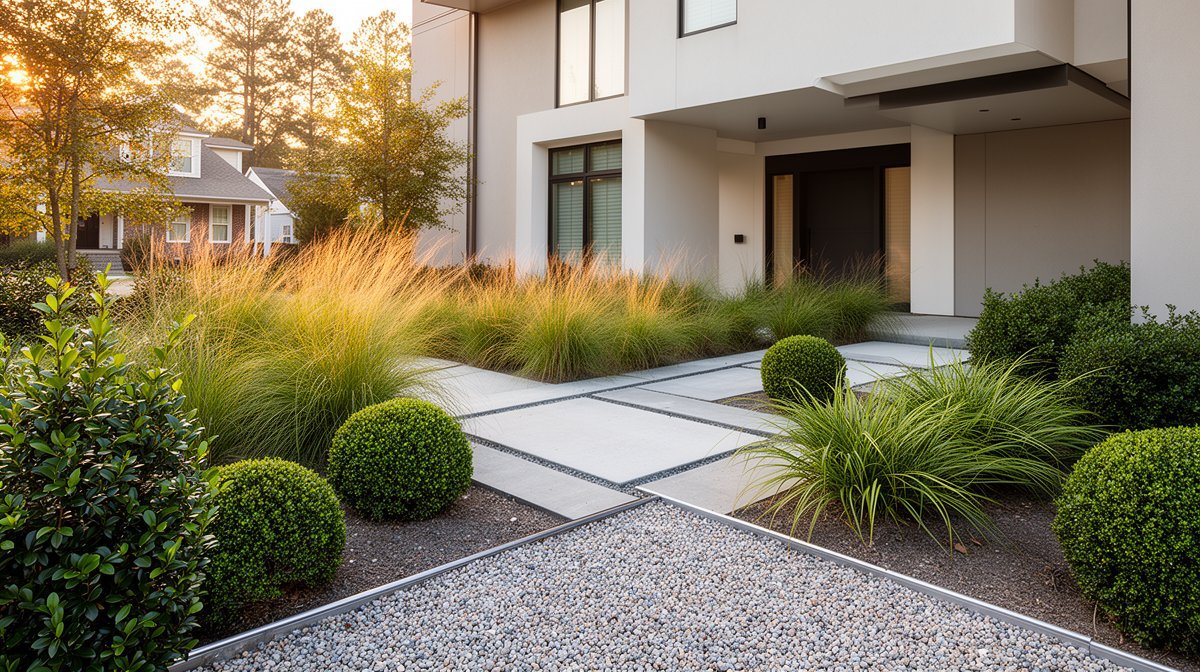
$9–18/sqftA cream clapboard cottage with a brick chimney and shuttered windows, approached through a rose-smothered arbor gate set into a classic white picket fence. A herringbone-laid brick path runs straight to the porch steps, edged the whole way in billowing lavender-style silver spikes and ranks of pink, white, and crimson roses that spill over both sides of the fence. Container roses flank the front door, and lantern sconces finish the entry. It is the definitive cottage front yard — one path, one gate, one arch, and flowers packed shoulder-to-shoulder everywhere else.
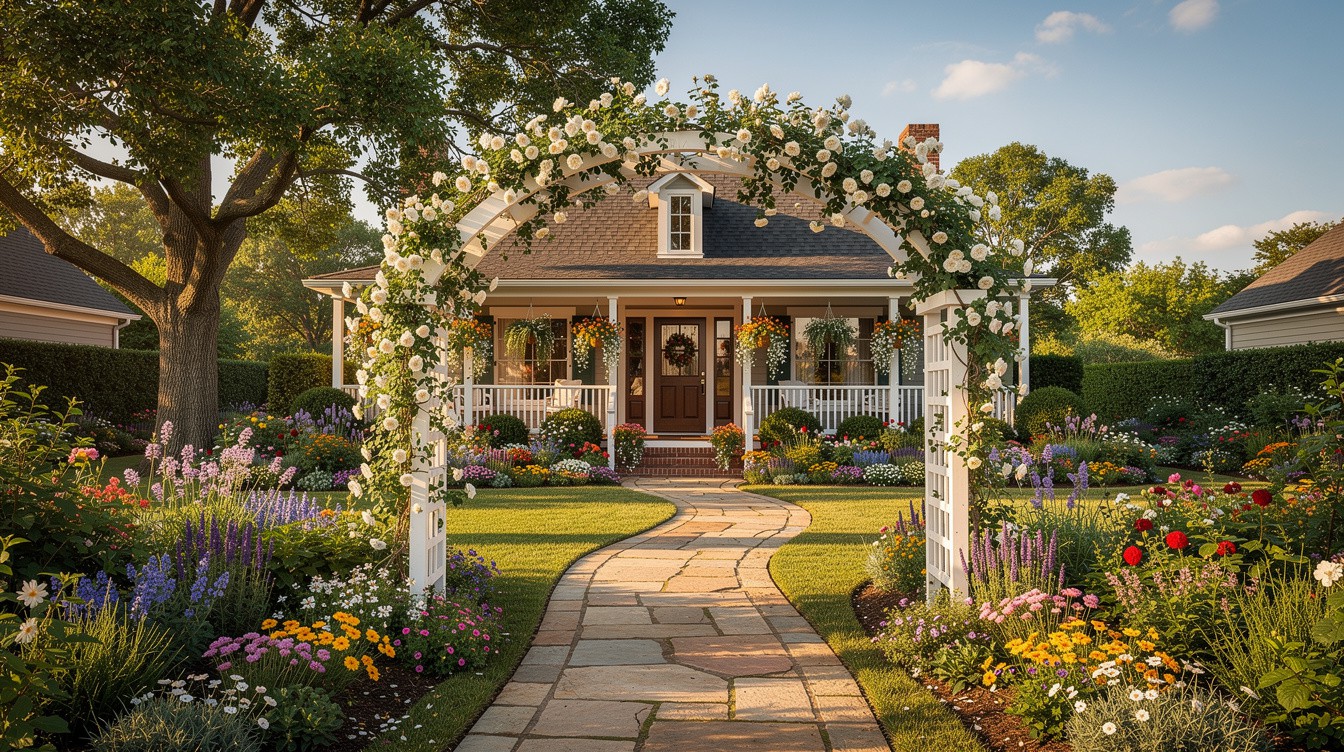
The Porch-and-Arbor Welcome
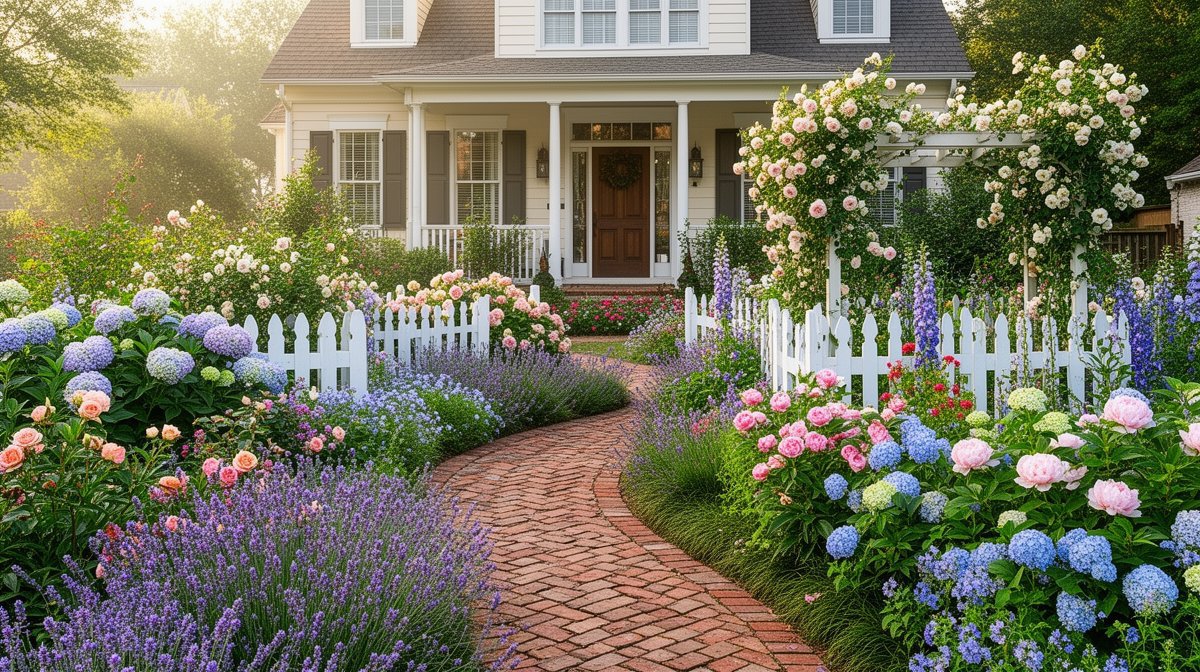
$8–16/sqftA shingled gambrel-roof cottage with a full-width front porch hung with overflowing flower baskets, reached by a curving flagstone path that passes under a grand white lattice arch draped in white climbing roses. Instead of lawn-and-foundation-shrubs, the entire front yard is given over to deep mixed borders — purple salvia, daisies, marigolds, zinnias, and lamb's ear — held together by a big shade oak on one side. The curve of the path is the trick: it slows the walk to the door and lets the borders reveal themselves in stages.
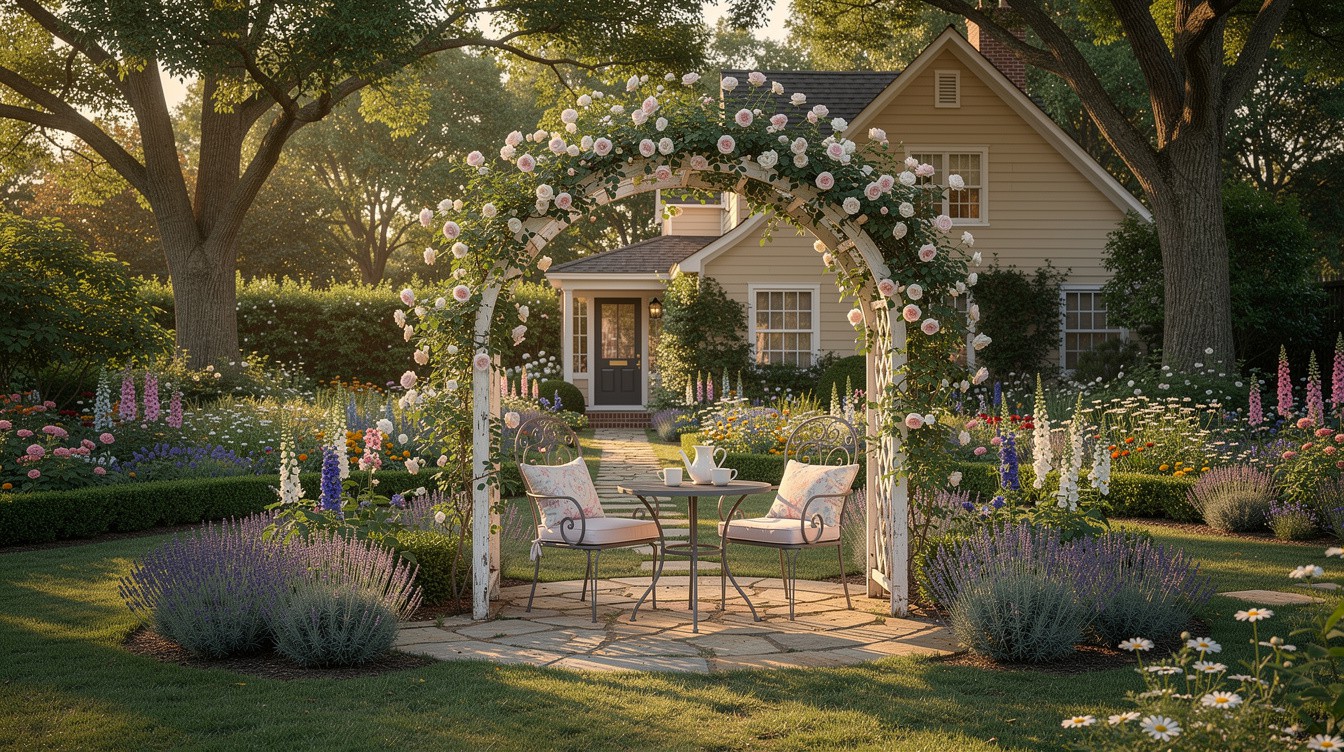
The Secret Tea Garden
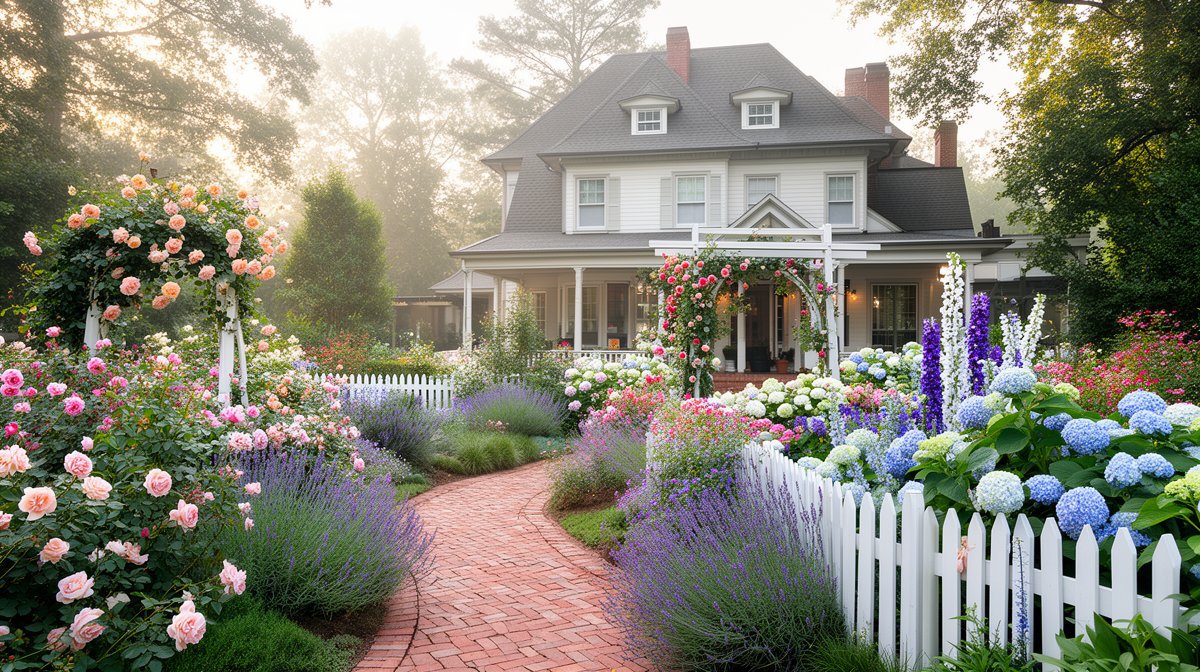
$10–20/sqft (for the garden room area)Tucked behind the house under mature shade trees, a weathered white arbor buried in pink climbing roses shelters a small flagstone circle holding a wrought-iron bistro table and two cushioned chairs — a true outdoor room built for morning coffee before the heat arrives. Boxwood-edged beds wrap the space with foxgloves, delphiniums, lavender mounds, and daisies in soft pinks, purples, and whites. The genius of the design is its scale: it converts a 12-by-12-foot corner of an ordinary backyard into the most-used spot on the property.
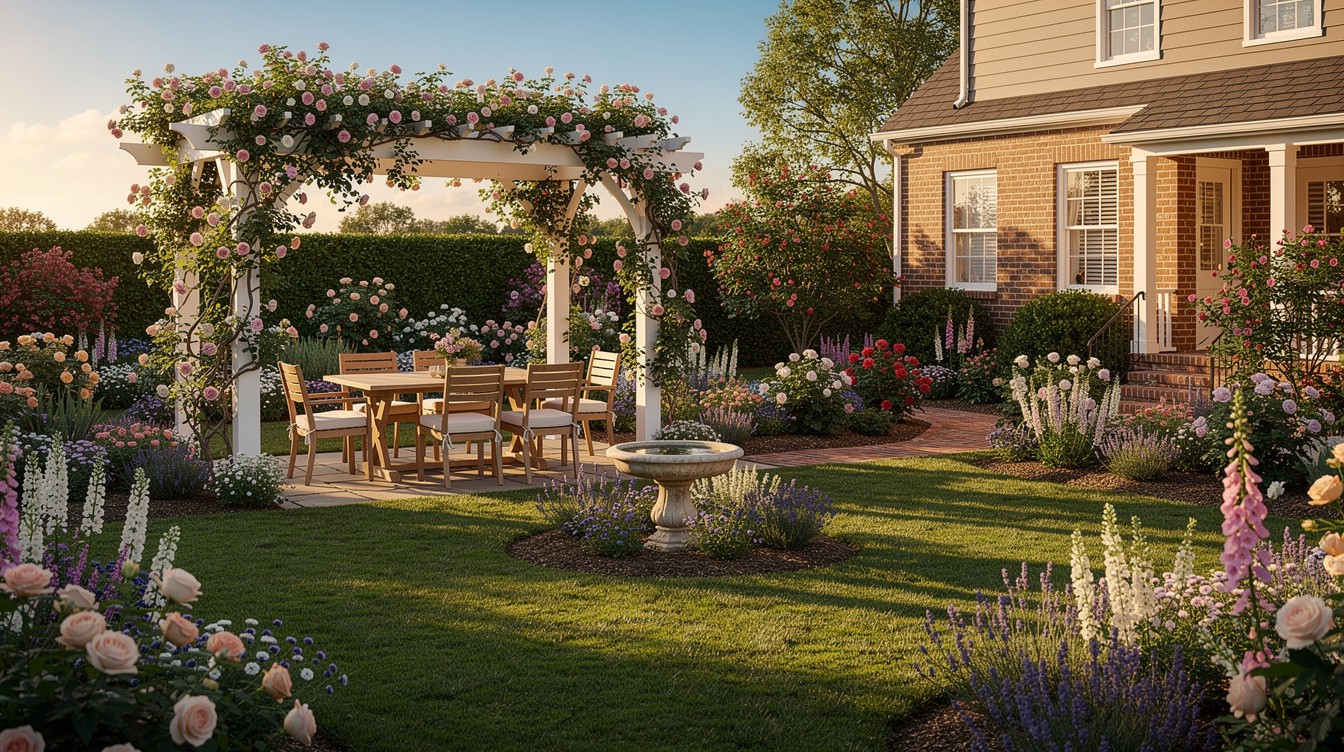
The Pergola Supper Garden
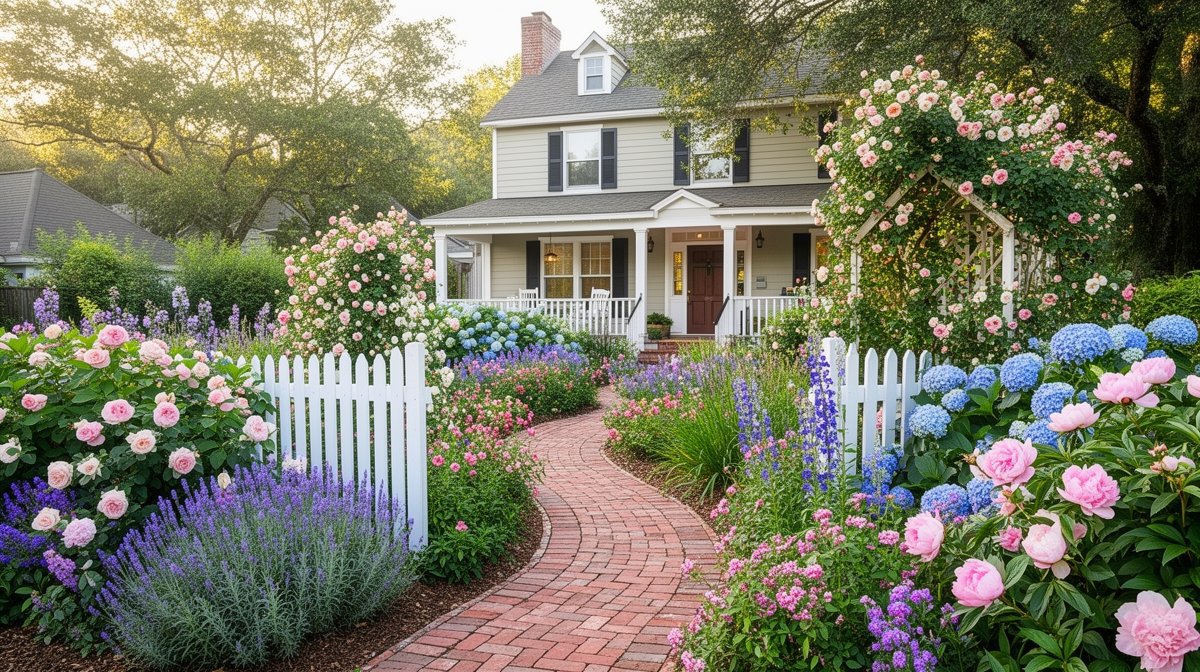
$12–24/sqftBehind a two-story brick colonial, a white timber pergola wrapped in pink climbing roses shades a full outdoor dining table for six set on pavers — Sunday supper moved outdoors from April to November. A carved stone birdbath anchors the center of the lawn in its own circular bed of lavender and salvia, a brick path ties the patio back to the house steps, and deep perennial borders of foxglove, roses, and delphinium run along an evergreen hedge that gives the whole garden a private green backdrop.
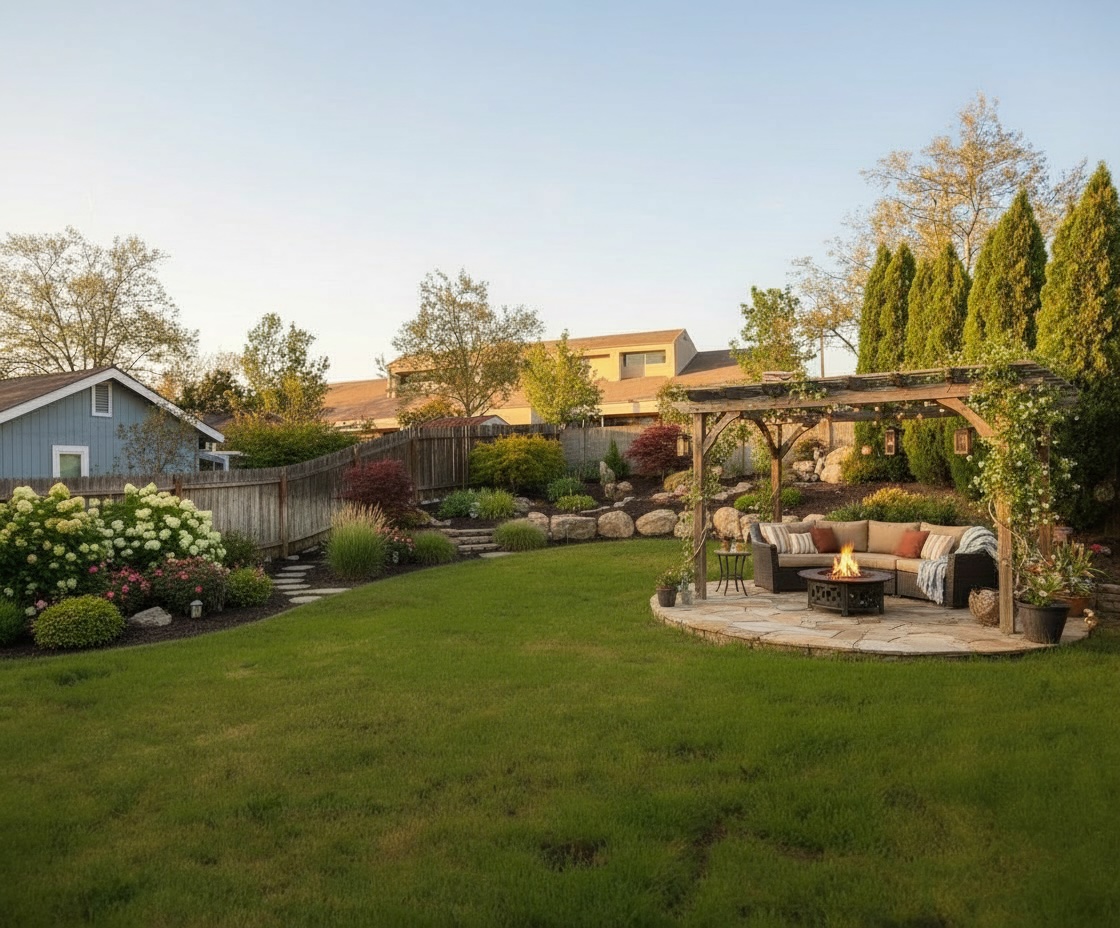
See how a cottage/english garden looks on YOUR property
Upload a photo of your Montgomery yard and visualize your dream garden in seconds.
Try ProScapeAI Free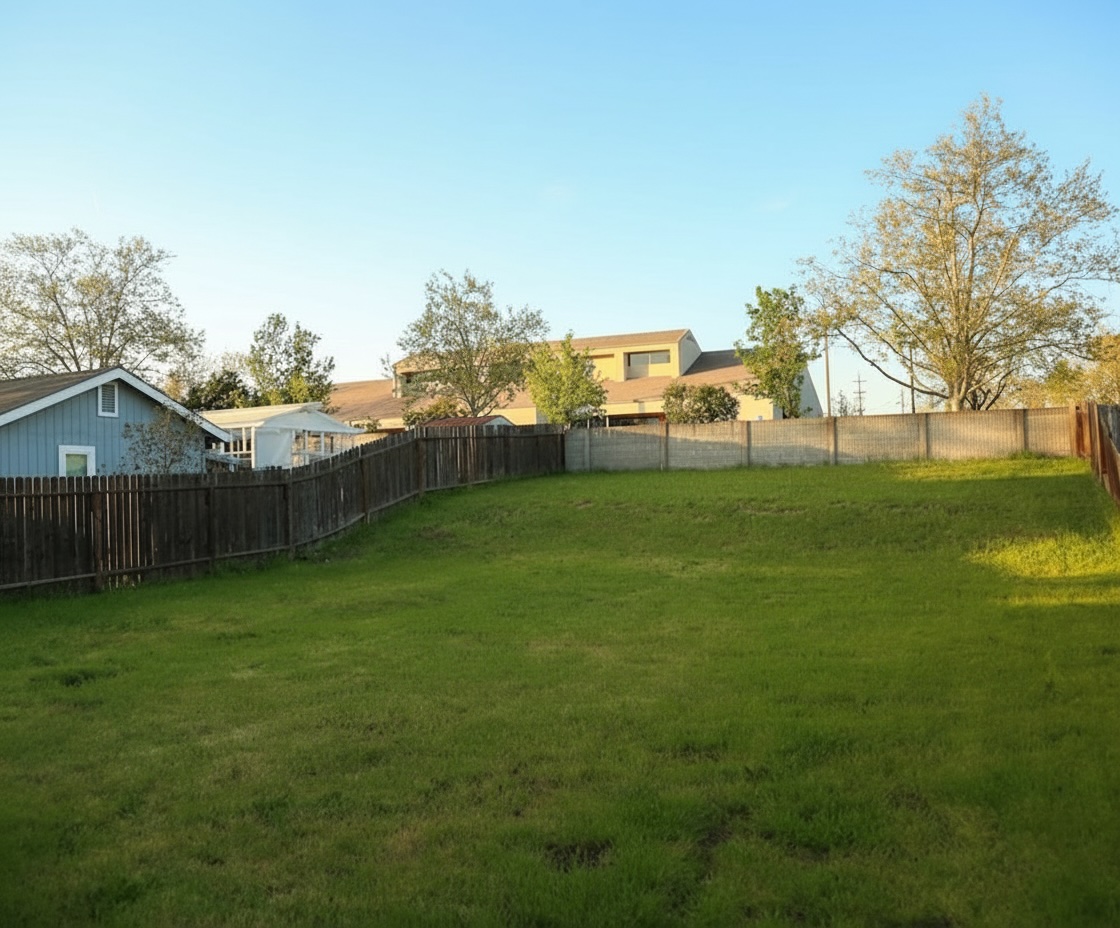
Featured Trees & Shrubs for Cottage/English Gardens
Browse all 175 plants for Montgomery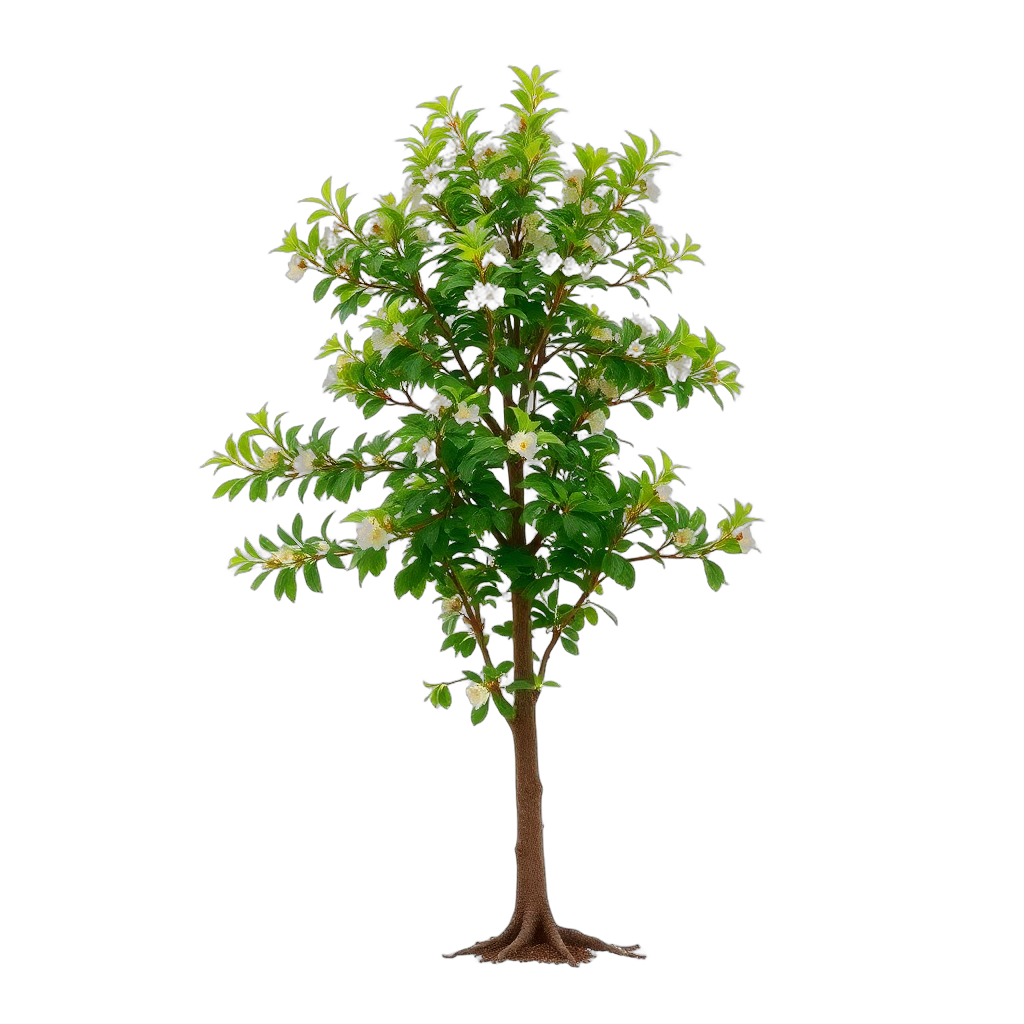
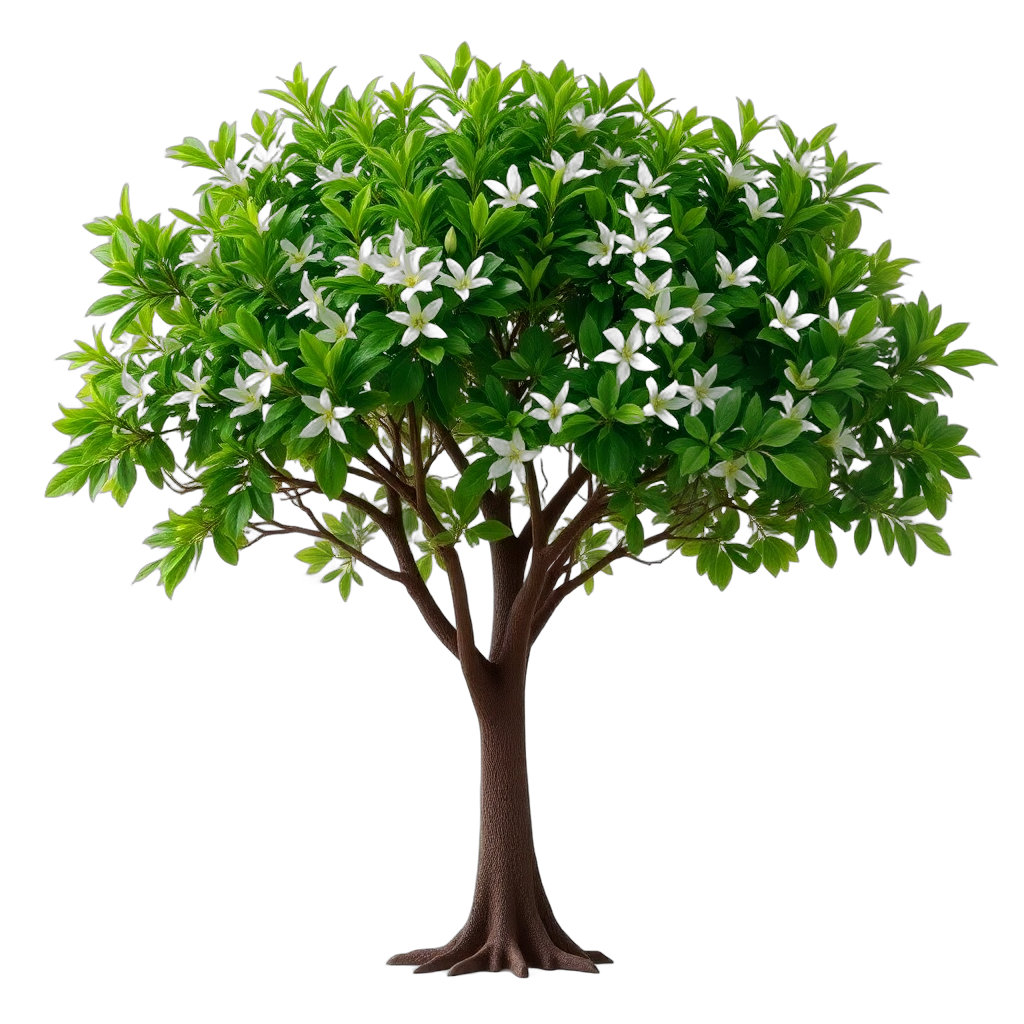
Buckwheat Tree
Cliftonia monophylla
medium-sized at 15 feet, white blooms in spring. Attracts butterflies.
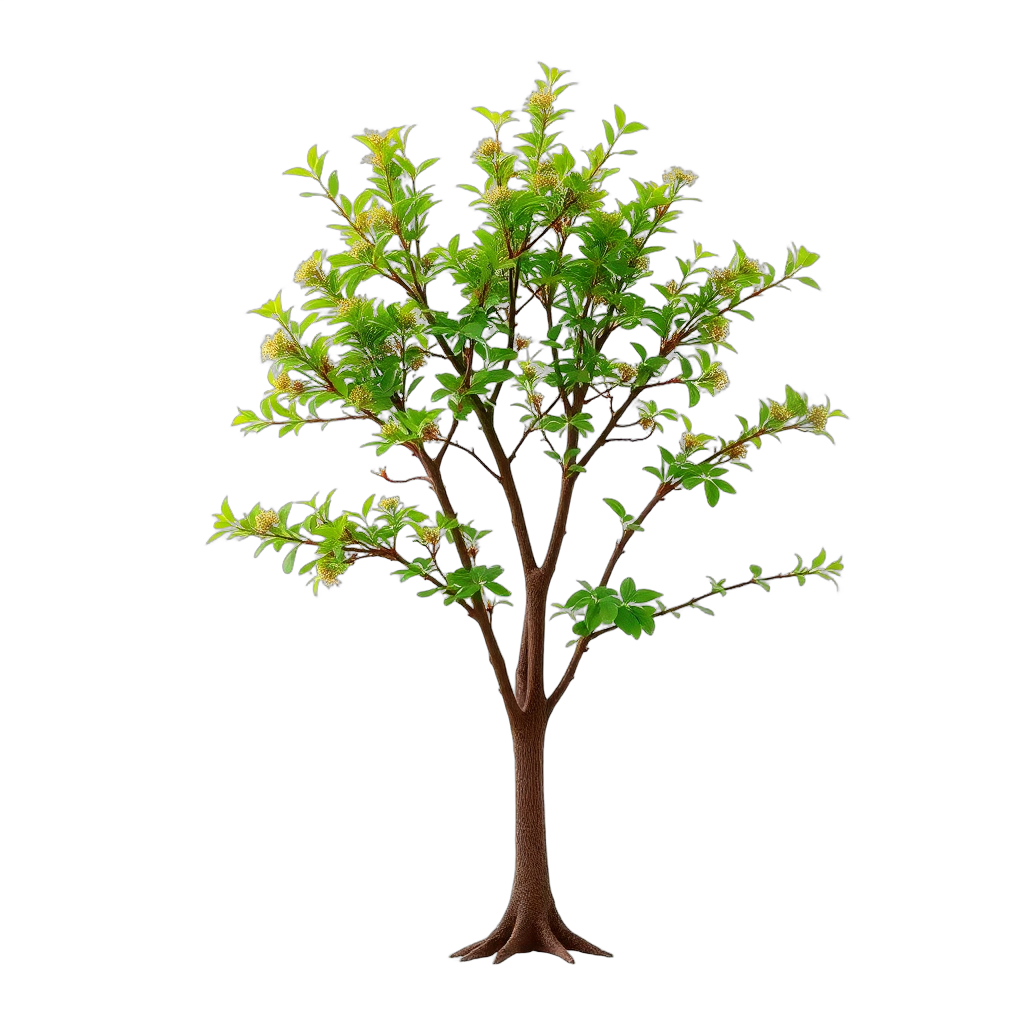
Fetterbush
Lyonia lucida
grows to 6 feet, white blooms in spring. Evergreen year-round.
Florida Anise
Illicium floridanum
medium-sized at 8 feet, red blooms in spring. Evergreen year-round.

Inkberry
Ilex glabra
medium-sized at 8 feet, white blooms in spring. Pollinator-friendly.
Featured Grasses & Groundcovers for Cottage/English Gardens

Pink Muhly Grass
Muhlenbergia capillaris
grows to 3 feet, pink blooms in fall.
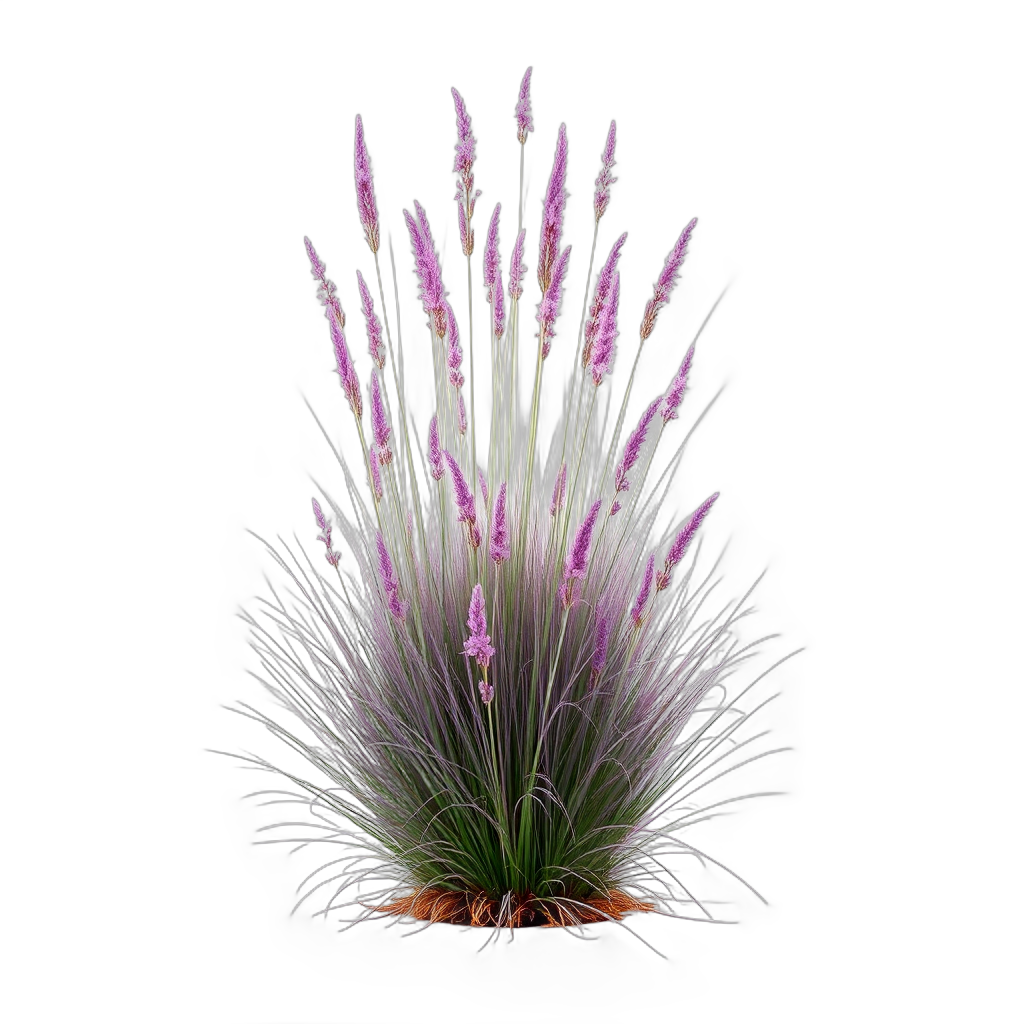
Purple Love Grass
Eragrostis spectabilis
low-growing ground cover, purple blooms in fall. Orange fall color.

Anceps Bamboo
Yushania anceps
medium-sized at 12 feet, blooms in none. Evergreen year-round.

Arrow Bamboo
Pseudosasa japonica
medium-sized at 15 feet, blooms in none. Evergreen year-round.
Featured Flowers & Perennials for Cottage/English Gardens
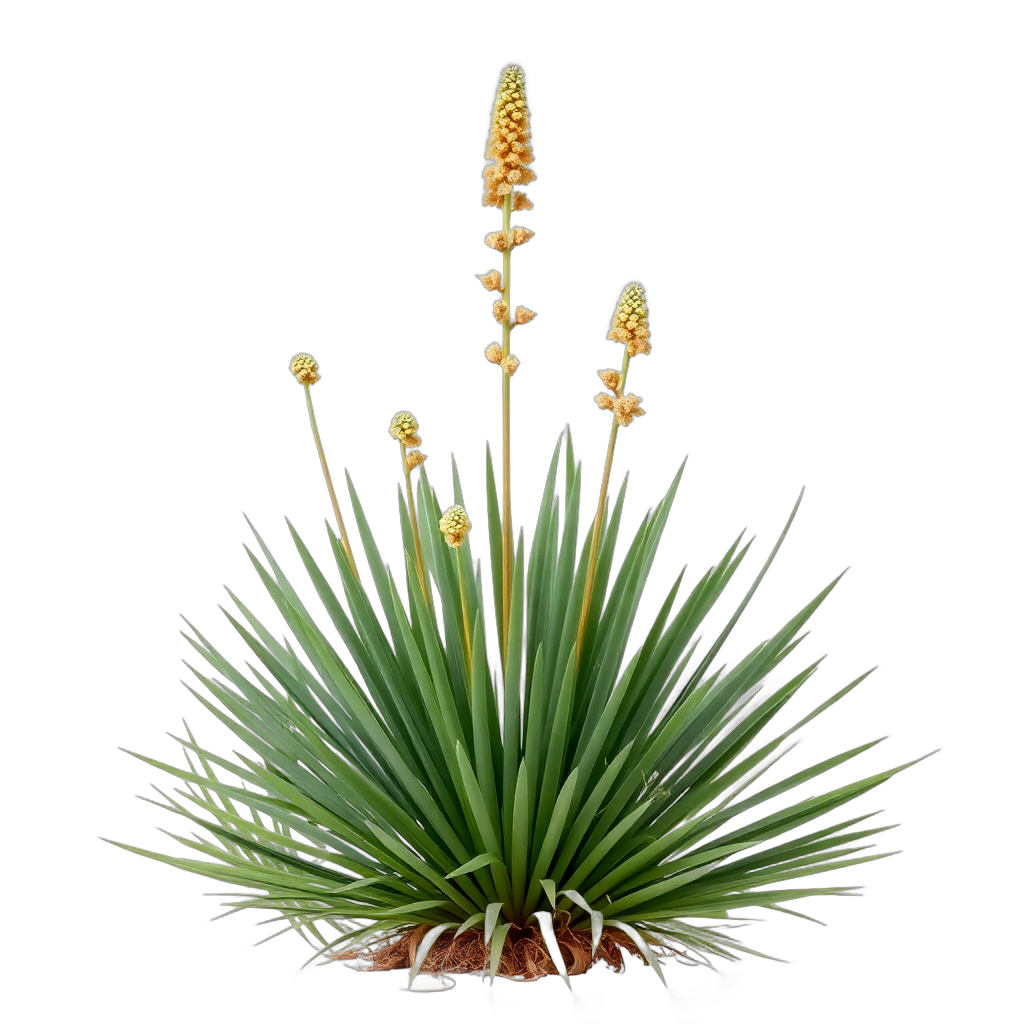
Adam's Needle
Yucca filamentosa
low-growing ground cover, white blooms in summer. Attracts hummingbirds.

Tussock Sedge
Carex stricta
low-growing ground cover, blooms in spring. Brown fall color.

Umbrella Sedge
Cyperus alternifolius
grows to 4 feet, blooms in summer. Evergreen year-round.
Bloom Calendar for Montgomery
spring
Buckwheat Tree, Fetterbush, Florida Anisesummer
Adam's Needle, Swamp Cyrilla, Loblolly Bayfall
Pink Muhly Grass, Purple Love Grasswinter
Limited bloomsDesign Tips for Montgomery (Zone 8a)
- Build every border up 6–10 inches with compost-amended soil — both Montgomery's red clay and the Black Belt's blackland clay waterlog in winter, and raised beds are the difference between roses that thrive and roses that drown
- Swap English lavender for catmint, Russian sage, or 'Phenomenal' lavandin — you keep the silver-and-blue cottage edging without the midsummer rot that humidity guarantees
- Plant in October through February so the mild, wet winter establishes roots for free; save June through September for building paths, fences, and arbors instead
- Choose blackspot-resistant roses (Knock Out, Drift, Noisettes, 'New Dawn') and water them at the root with drip lines — overhead sprinklers in Montgomery humidity are a fungal disease delivery system
- Give every cottage garden a shady sitting destination — an arbor-covered bistro spot or pergola dining area is what makes the garden usable when July afternoons hit 92°F, and mature oaks in older Montgomery neighborhoods are half the structure already built
- Use evergreen bones — boxwood edging, holly or cleyera hedges — so the garden holds its shape through the mild Zone 8a winter when the perennials sleep; in cottage design the flowers are the show but the evergreens are the stage
Where to Source Plants in Montgomery
Skip the big-box stores. These independent Montgomery nurseries specialize in the plants that make cottage/english gardens thrive in Zone 8a.
Harwell's Green Thumb Nursery
East Montgomery
Established for 55+ years, offering trees, shrubs, perennials, herbs, houseplants, and sod.
Little Mountain Nursery
North Montgomery
Local family business dedicated to providing high-quality plants and gardening supplies.
Hickory Grove Nursery
East Montgomery
Diverse plant selection including annuals, perennials, ornamental shrubs, and trees with expert advice.
Cottage/English Landscaping Costs in Montgomery
| Project Scope | Estimated Cost |
|---|---|
| Front-yard cottage conversion (fence + arbor + path + planted borders) | $6,000 – $15,000 |
| Brick or flagstone garden path (100–200 linear ft) | $2,500 – $7,000 |
| Cedar arbor or pergola with climbing roses, installed | $1,500 – $6,000 |
| Backyard garden room (pergola + patio + borders) | $8,000 – $20,000 |
| Densely planted perennial border (per 100 sqft, incl. soil building) | $800 – $2,000 |
| AI visualization with ProScapeAI | Free to start |
Estimates based on Montgomery, AL-area contractor rates as of 2026. Actual costs vary by site conditions, materials, and contractor.
Montgomery Climate & Growing Zone
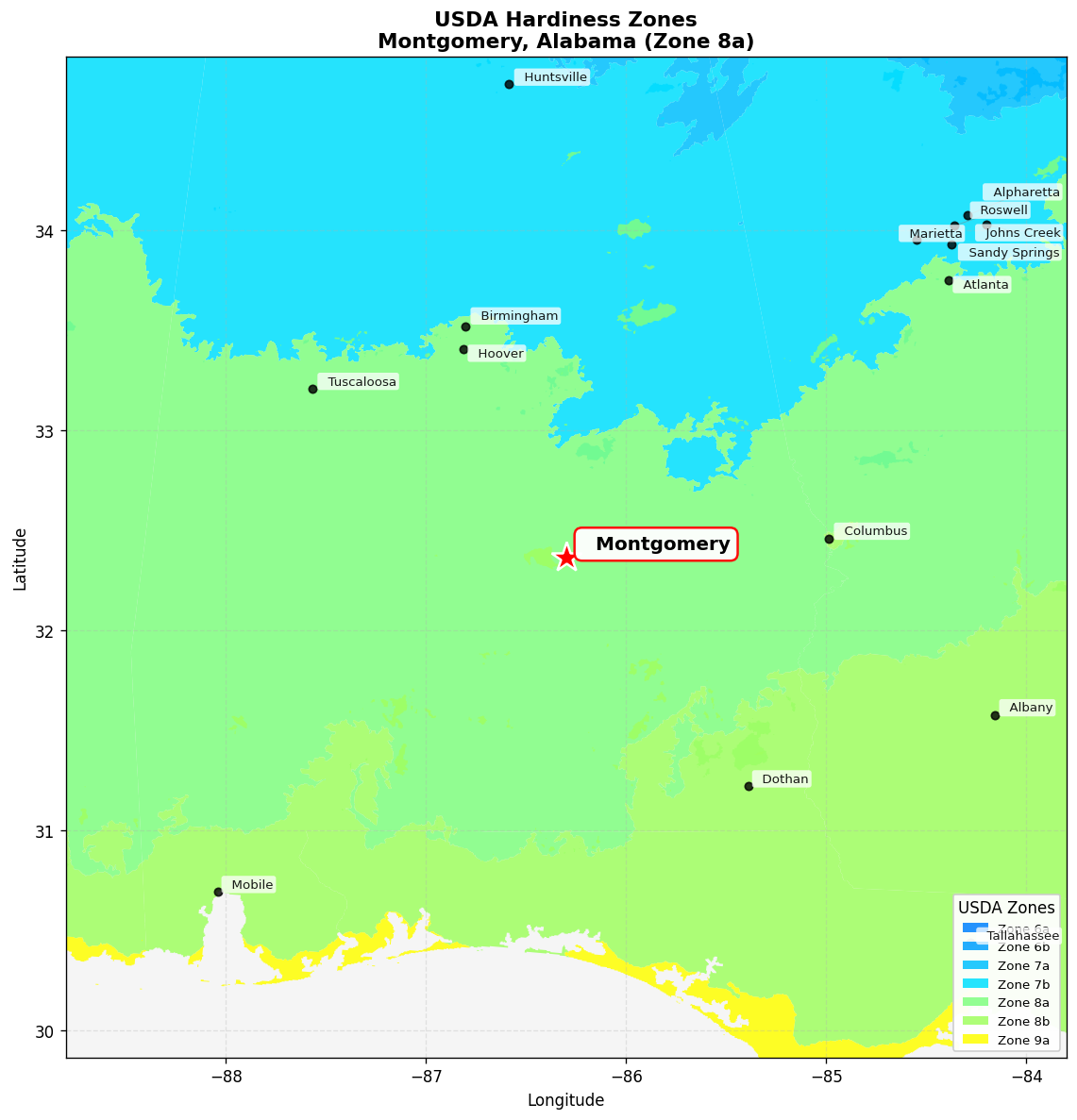
USDA Zone 8a
Hardiness zone for Montgomery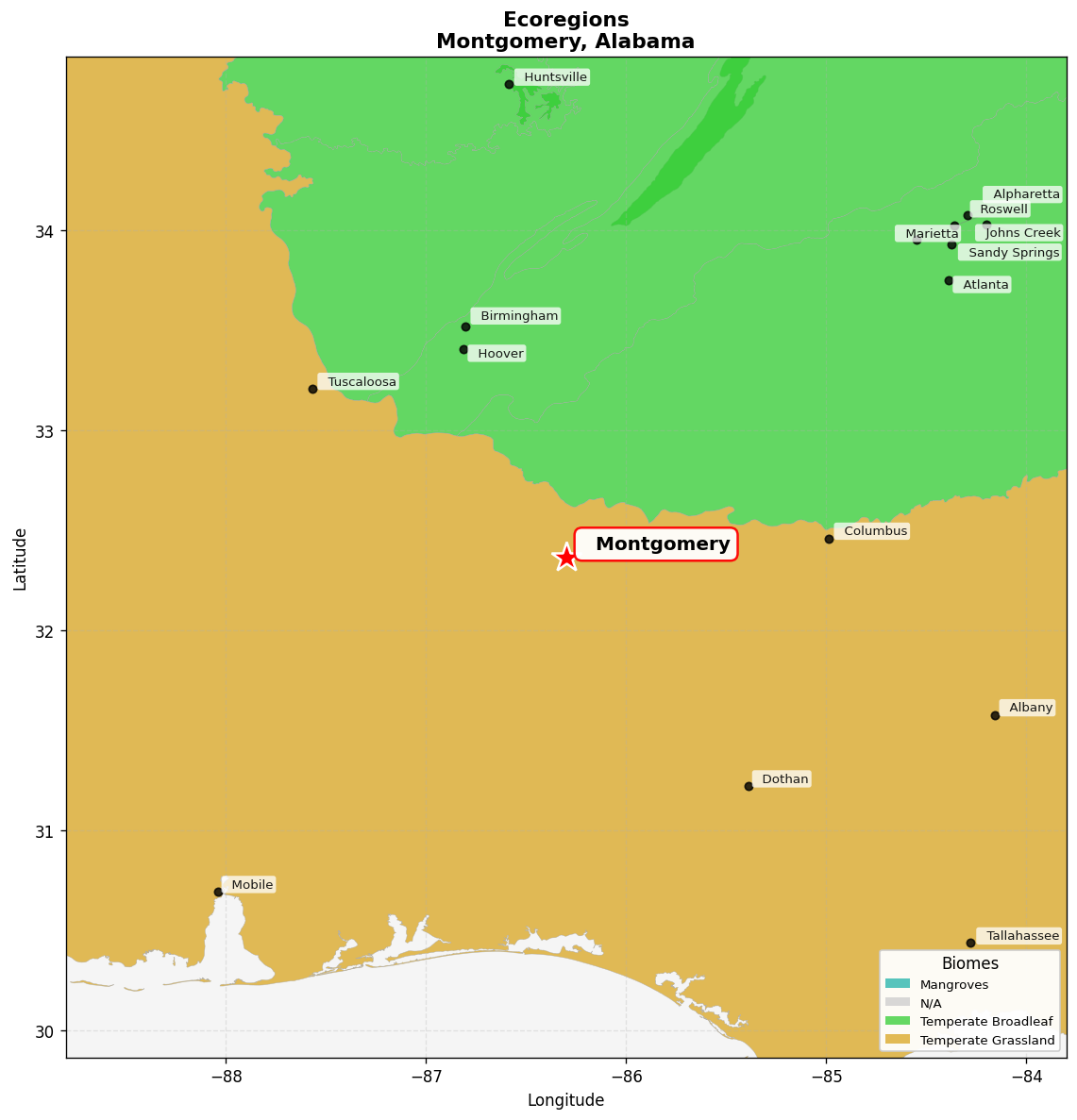
Southeast US conifer savannas
Native ecoregionFrequently Asked Questions
How much does a cottage garden cost to install in Montgomery?
Montgomery landscaping labor runs 20–30% below national metro rates, which makes plant-heavy cottage design one of the region's best values. A front-yard cottage conversion — picket fence, arbor, brick or flagstone path, and densely planted borders — typically runs $6,000–15,000 for a standard 50-foot-wide lot. A backyard garden room with pergola and patio lands between $8,000 and $20,000. Because cottage gardens are mostly plants rather than hardscape, DIYers can phase one in for a fraction of that: $1,500–3,000 in roses, perennials, and soil amendments plants a very full front border.
Can English cottage garden plants survive Montgomery's heat and humidity?
The structure plants — roses, boxwood, hollies, hydrangeas — thrive here, but a few English icons need honest substitutions. English lavender rots in our humidity; use 'Phenomenal' lavandin in a raised gravelly bed, or swap in catmint or Russian sage for the same silvery-blue mounds. Delphiniums cannot survive a Montgomery July — plant them in November as cool-season annuals for a spectacular May display, then pull them. Foxgloves work as fall-planted biennials. Peonies mostly sulk south of Birmingham; substitute 'Becky' Shasta daisies or heat-tolerant garden phlox. Everything else on the classic list — salvia, daisies, zinnias, yarrow — loves it here.
Which roses handle Montgomery's humidity without constant spraying?
Blackspot pressure in the River Region is severe, so variety choice is everything. Knock Out and Drift roses are essentially bulletproof and bloom March through November. Among climbers for arbors and pergolas, 'New Dawn', Lady Banks (a massive early-spring show), and 'Zephirine Drouhin' (thornless, tolerates part shade) have long local track records. Old garden roses — Noisettes and Teas like 'Mrs. B.R. Cant' — were bred in the Deep South and shrug off the humidity. The fussier David Austins do best with morning sun, drip irrigation instead of overhead watering, and generous spacing for airflow.
What kind of soil will I be planting in around Montgomery?
It depends on which side of town you're on. Montgomery straddles the fall line: northern and older central neighborhoods like Dalraida and Capitol Heights tend toward acidic red clay, while land south and east toward Pike Road runs into Black Belt blackland prairie clay — dark, alkaline, and prone to cracking wide open in late-summer drought. Both types waterlog in winter, so build cottage borders UP with 6–10 inches of compost-amended soil rather than digging holes into raw clay. A soil test through the Auburn University lab (about $7) tells you your pH before you commit to acid-lovers like hydrangeas and azaleas.
When should I plant a cottage garden in Montgomery?
October through February is the golden window. Fall-planted roses, shrubs, and perennials root all winter in our mild, wet weather and explode in spring, while the same plants installed in May struggle through their first 95°F summer even with irrigation. Plant foxgloves and delphiniums in November, bare-root roses in January and February, and perennials any time the ground isn't soggy. Reserve spring for annuals — zinnias, marigolds, and salvias go in after the mid-March last frost. Avoid major planting from June through September entirely; use those months for hardscape, paths, and arbor construction instead.
Do I need approval for fences or arbors in Montgomery's historic districts?
If you live in one of Montgomery's locally designated historic districts — Old Cloverdale, the Garden District, Capitol Heights, Cottage Hill, and others — exterior changes visible from the street, including fences, generally require a Certificate of Appropriateness from the city's Architectural Review Board before installation. Traditional picket fences and wooden arbors are usually approved readily since they match district character, but check before you build. Outside the districts, fences under 6 feet in back and 4 feet in front typically need no permit, though HOA communities like Wynlakes and Deer Creek run their own design review.