Modern Landscape Design Ideas for Bridgeport, CT (Zone 7a)
Native plants from the Northeast US Coastal forests (Zone 7a) — Humid continental (hot summer) climate
Why Modern/Minimalist Gardens in Bridgeport?
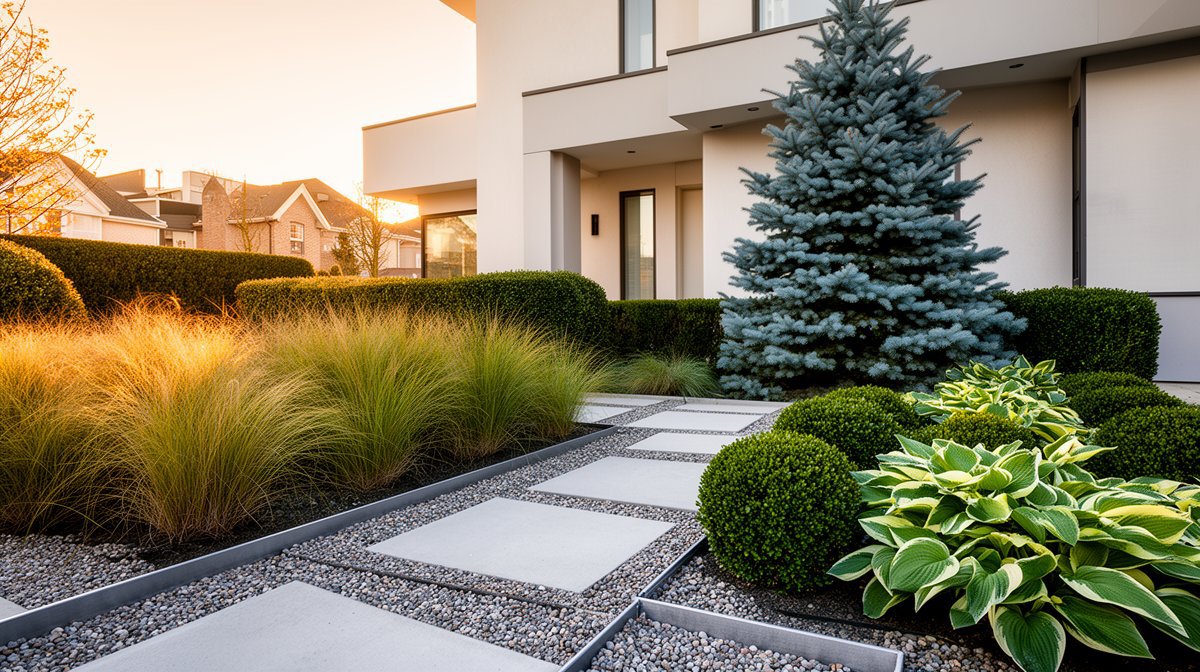
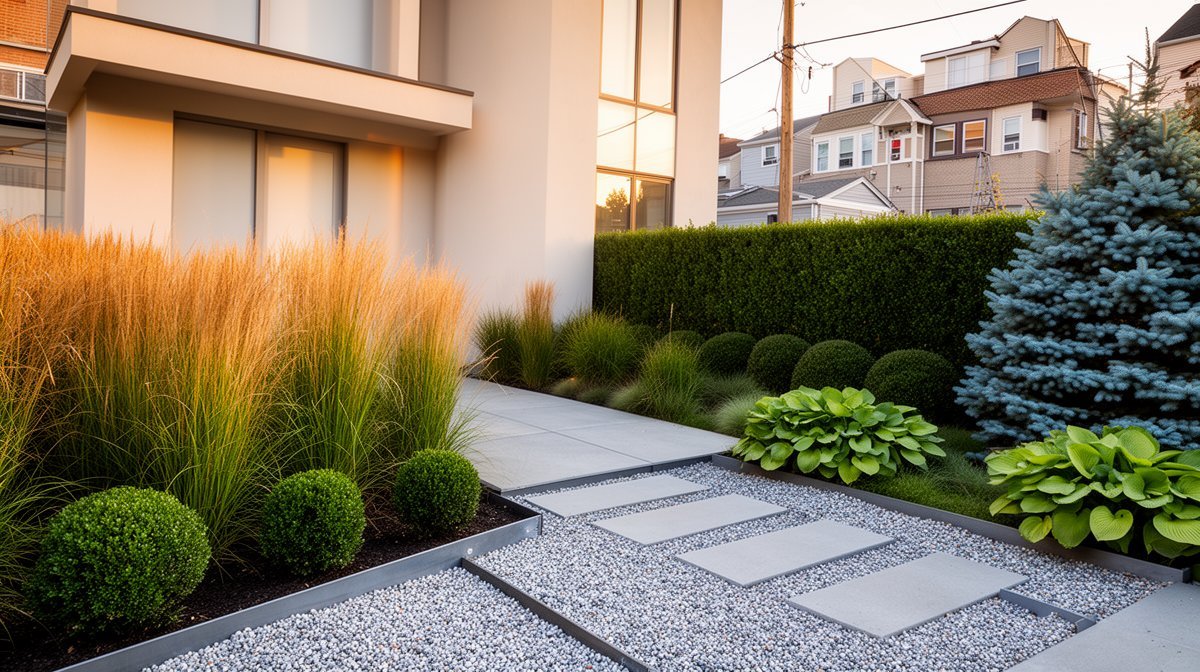
Bridgeport is the rare Connecticut city where modern landscape design has a natural home, because a large share of the housing was built after the war rather than before it. The low-slung brick and clapboard ranches of Lake Forest, the split-levels lining Madison Avenue and Huntington Turnpike in the North End, the flat-roofed 1950s and 1960s infill around Success Hill and Brooklawn, and the glass-fronted new construction going up along the Steel Point and harbour redevelopment all share the horizontal lines that modern planting is built to amplify. Where a cottage garden needs a porch and a picket fence, a modern garden needs one strong axis and the confidence to leave space empty - and that is a gift on Bridgeport lots, which are frequently only 40 to 60 feet wide. A single poured concrete ribbon from the sidewalk to a dark front door, flanked by two matched drifts of Calamagrostis x acutiflora 'Karl Foerster', will do more for a North End ranch than any amount of foundation shrubbery, and it costs less to maintain than the lawn it replaces.
The climate is friendlier to this style than most people expect. Bridgeport sits in USDA Zone 7a with average winter lows of 0 to 5°F, a half zone to a full zone milder than Danbury or Hartford because Long Island Sound holds its heat well into December, and the city gets roughly 195 to 205 frost-free days between a mid-April last frost and a first frost that often waits until the end of October. That buys a genuinely architectural evergreen palette that would not survive inland: Juniperus virginiana 'Taylor' gives you the Italian cypress silhouette in a native, salt-tolerant tree, Ilex crenata 'Sky Pencil' holds a two-foot-wide column against a dark facade, and Yucca filamentosa 'Color Guard' keeps its spikes above the snow all winter. The constraint is water, but not the way it is in Phoenix - Bridgeport receives about 45 inches of rain a year and it falls fairly evenly across all twelve months, so the desert-modern look of agaves and gravel fails here through winter rot rather than drought. Anything succulent has to sit in a raised, sharply drained bed: Agave parryi var. truncata and Yucca rostrata 'Sapphire Skies' will take a Bridgeport winter in six inches of gravel-amended mix inside a Corten planter, and will die at grade in the native soil within two seasons.
Which brings up the soil. Bridgeport sits on glacial till, with pockets of coastal outwash sand near the water and, across the older wards, decades of urban fill, cinder and demolition rubble under a thin skin of topsoil. Native pH runs acidic, commonly 5.0 to 6.0, which is fine for Ilex glabra 'Gem Box' and Hydrangea paniculata 'Limelight' but well below what Lavandula angustifolia 'Hidcote' or Perovskia atriplicifolia 'Blue Spire' want, so plan on lime and coarse grit in any gravel bed. The bigger issue for modern design is frost, because modern design lives or dies on flat, uninterrupted planes. Connecticut's frost depth is 42 inches, so any footing that has to stay level - a seat wall, a fire feature, a Corten planter you do not want to see tilt - belongs on piers taken below that line, and every patio needs 8 to 12 inches of compacted processed gravel underneath it. Large-format concrete panels and 24 by 48 inch porcelain pavers are the signature modern surface, and they are also the least forgiving of a thin base: one winter of freeze-thaw telegraphs through every joint.
Finally, the two local rules worth designing around. Aquarion, the water utility serving Bridgeport, has repeatedly imposed twice-weekly odd/even irrigation schedules across southwestern Connecticut in dry summers, so build the planting to live on two waterings a week - which a grass-and-gravel modern garden does effortlessly once established, and a lawn does not. Connecticut also restricts phosphorus in lawn fertiliser except on new seedings or where a soil test justifies it, one more argument for shrinking turf to a single clean rectangle. And if you are in Black Rock, the South End or near Seaside Park, add salt to the brief: winter spray off the Sound and road salt thrown from the plows will brown out anything soft along the street edge, while Panicum virgatum 'Northwind', Morella pensylvanica and Sporobolus heterolepis carry on as though nothing happened.
4 Modern/Minimalist Design Ideas for Bridgeport

The Concrete Ribbon Entry
$16-30/sqftA long, low modern home in warm white and taupe panelling with black window frames, floor-to-ceiling glass across the living room, and a flush dark entry door under a deep flat canopy. A single broad poured concrete walkway runs dead straight from the street to the front steps, its expansion joints scored at regular intervals so the path itself reads as a piece of geometry. The lawn is kept as two clean panels either side, and the whole composition is carried by matched drifts along the walk: soft fountain-grass plumes catching the low sun, upright purple flower spikes repeating every few feet, and squat bronze bollard lights set at intervals in the mulch. A single-stemmed tree on the left throws late afternoon shade across the glass, which is exactly what a west-facing Bridgeport front room needs in July.

The Corten Gravel Forecourt
$14-26/sqftThe front lawn is gone entirely. In its place, a field of warm pea gravel runs kerb to foundation, split by a narrow poured concrete walk to a black front door, with a rusted Corten steel raised bed set as a long triangle in the middle of it. Inside the planter, oversized blue-grey and dusky-plum rosettes are spaced generously in dark grit-topped soil with fine grasses threaded between them, and a low charcoal planter repeats the idea along the base of the white stucco wall. A wide-canopied tree with fine ferny foliage spreads over the whole forecourt, which is what keeps the gravel from reading as harsh on a hot Bridgeport afternoon. The raised bed is the technical heart of the design: it is what lets sculptural succulents survive 45 inches of annual rain.

The Floating Slab Fire Terrace
$22-42/sqftOff the back of a two-storey white house with black windows and full-height sliding doors, a square terrace of large poured concrete panels sits flush in the lawn, with a round precast concrete gas fire bowl at its centre. Two low armchairs face a long sofa across the flame, and catenary string lights sweep overhead from slim black posts set into the turf, so the room has a ceiling without a roof. The edges are what make it work: a row of tight clipped green spheres along the back holds the line against the fence, feathery grass clumps soften the two front corners where the concrete meets grass, and a young tree on the right gives the terrace one vertical to sit under. It is a buildable design - one floor material, one focal element, three plant textures - and it pushes a Bridgeport back garden well into November.

The Lit Pool Court
$55-110/sqft (pool area inclusive)A glass-and-black-steel two-storey house glows at dusk over a long rectangular pool, the whole surround laid in pale large-format pavers that step down to the water without a coping lip. On one side a deep sectional and two chaises gather around a low poured concrete fire table; on the other, in-grade uplights wash the fence line and squared bollard fixtures mark the corners of the deck. The planting stays deliberately narrow and repetitive - a continuous band of upright grasses along both long edges, catching the light and throwing shadow onto the pavers, backed by a clipped evergreen hedge and two white-barked multi-stem trees that read almost as sculpture against the dark fence. Restraint is the entire effect: pale stone, black steel, one grass, one hedge, warm light.
See how a modern/minimalist garden looks on YOUR property
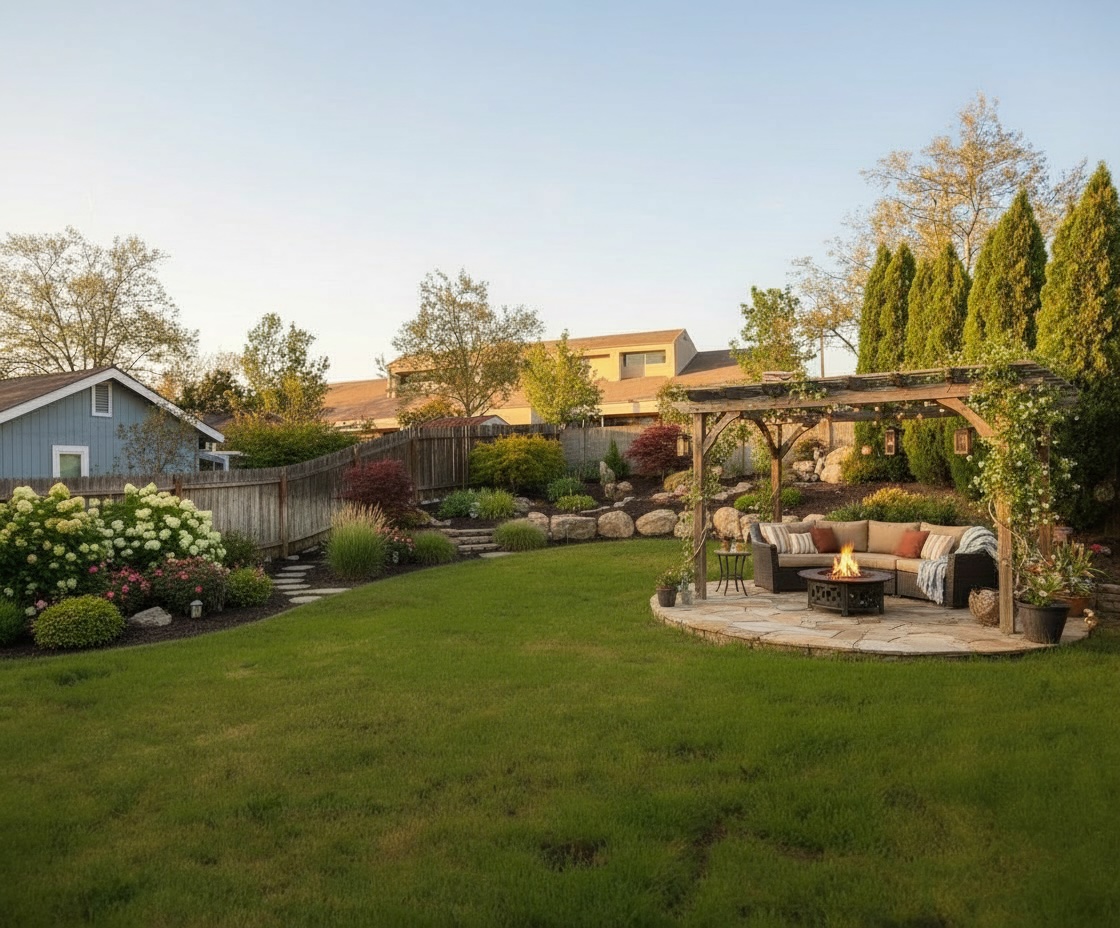
Upload a photo of your Bridgeport yard and visualize your dream garden in seconds.
Try ProScapeAI Free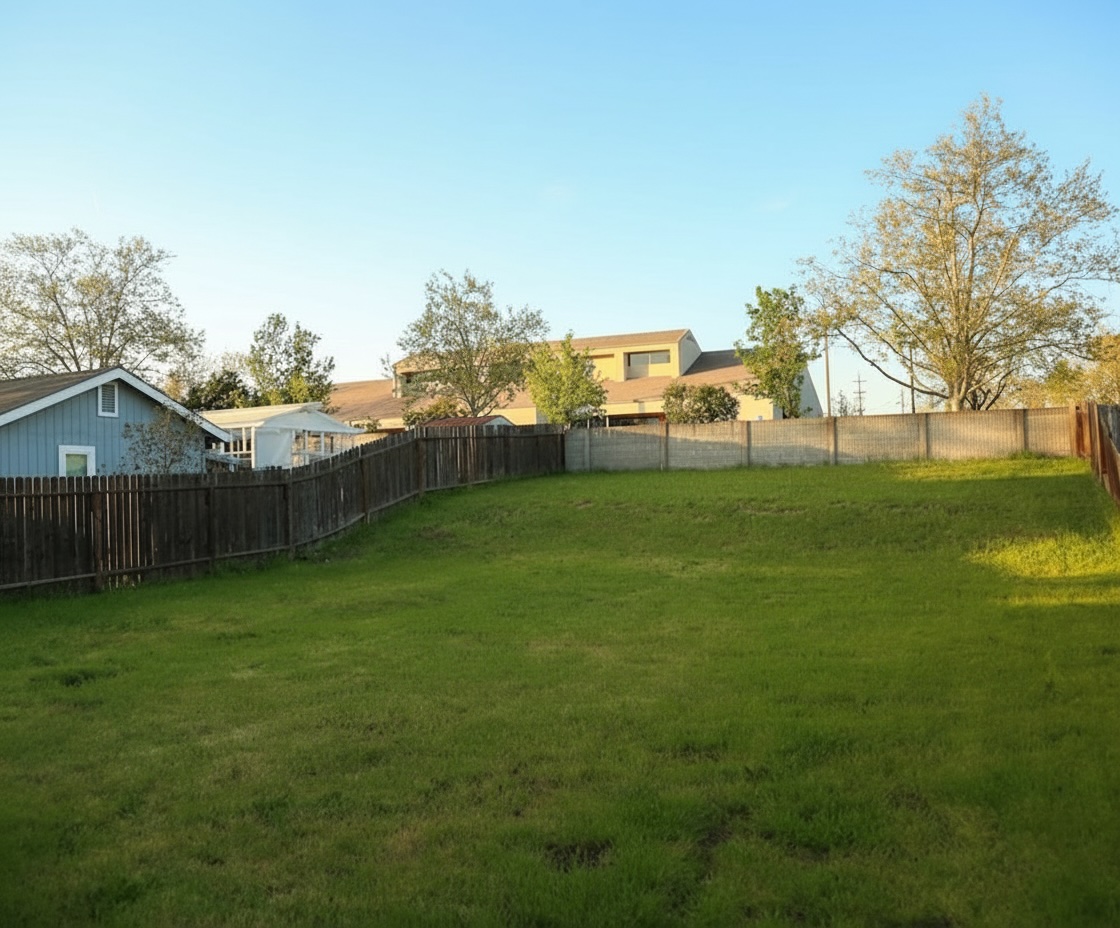
Featured Trees & Shrubs for Modern/Minimalist Gardens
Browse all 181 plants for Bridgeport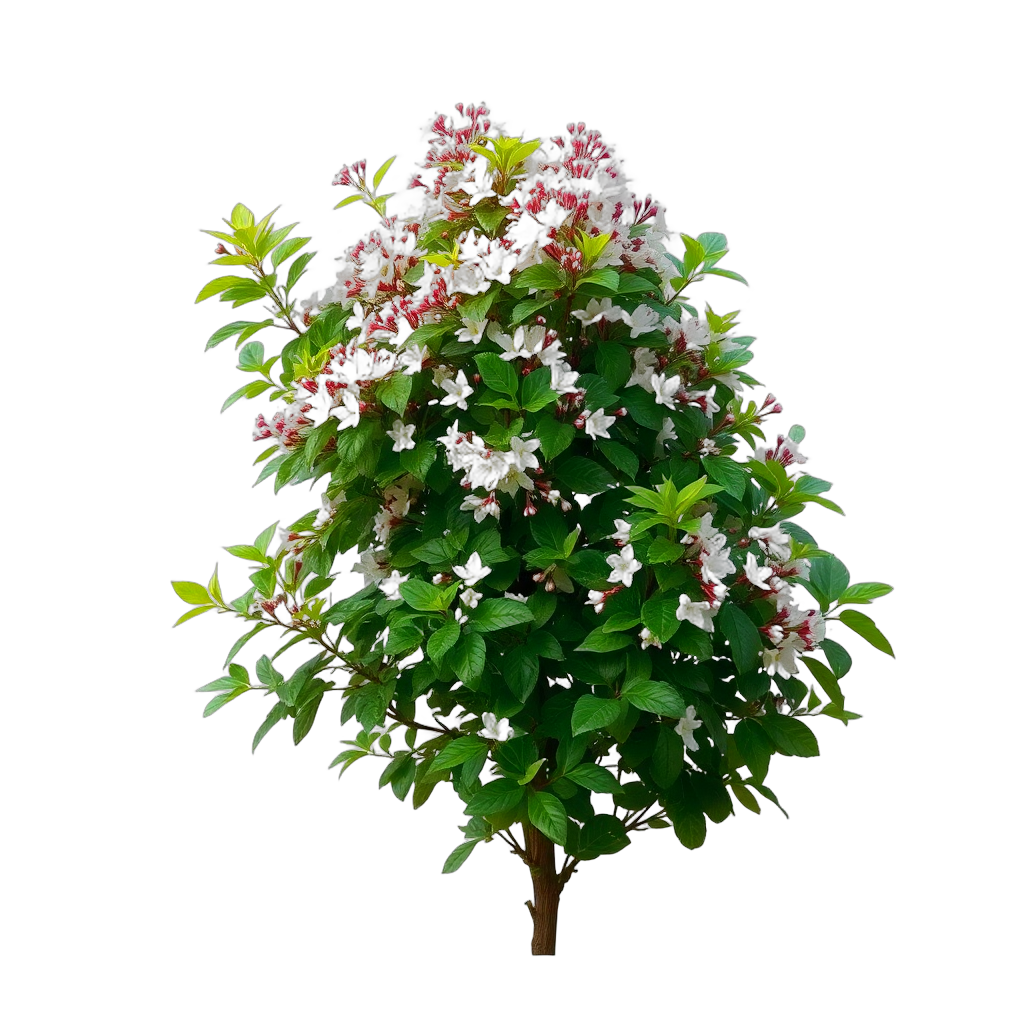
Arrowwood Viburnum
Viburnum dentatum
medium-sized at 10 feet, white blooms in spring. Pollinator-friendly.
Coastal Leucothoe
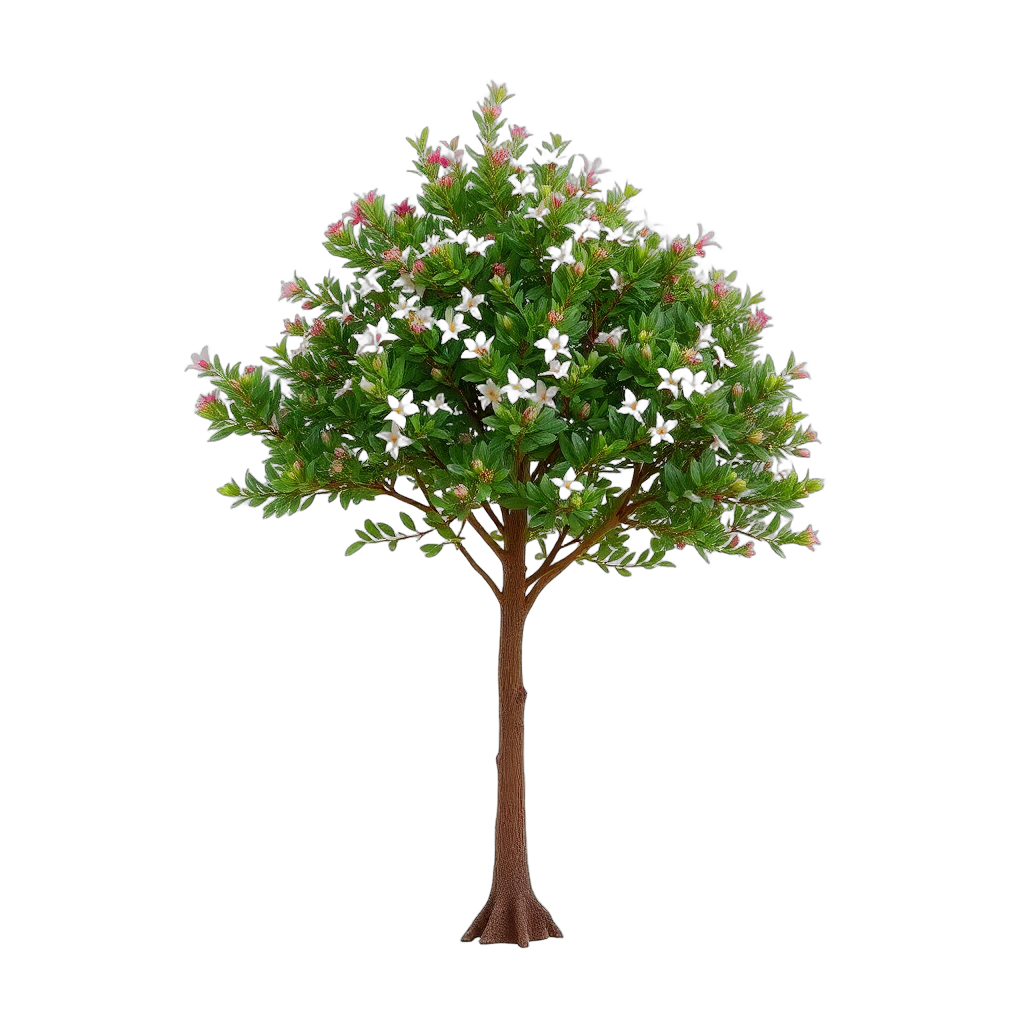
Leucothoe axillaris
grows to 3 feet, white blooms in spring. Evergreen year-round.
Highbush Blueberry
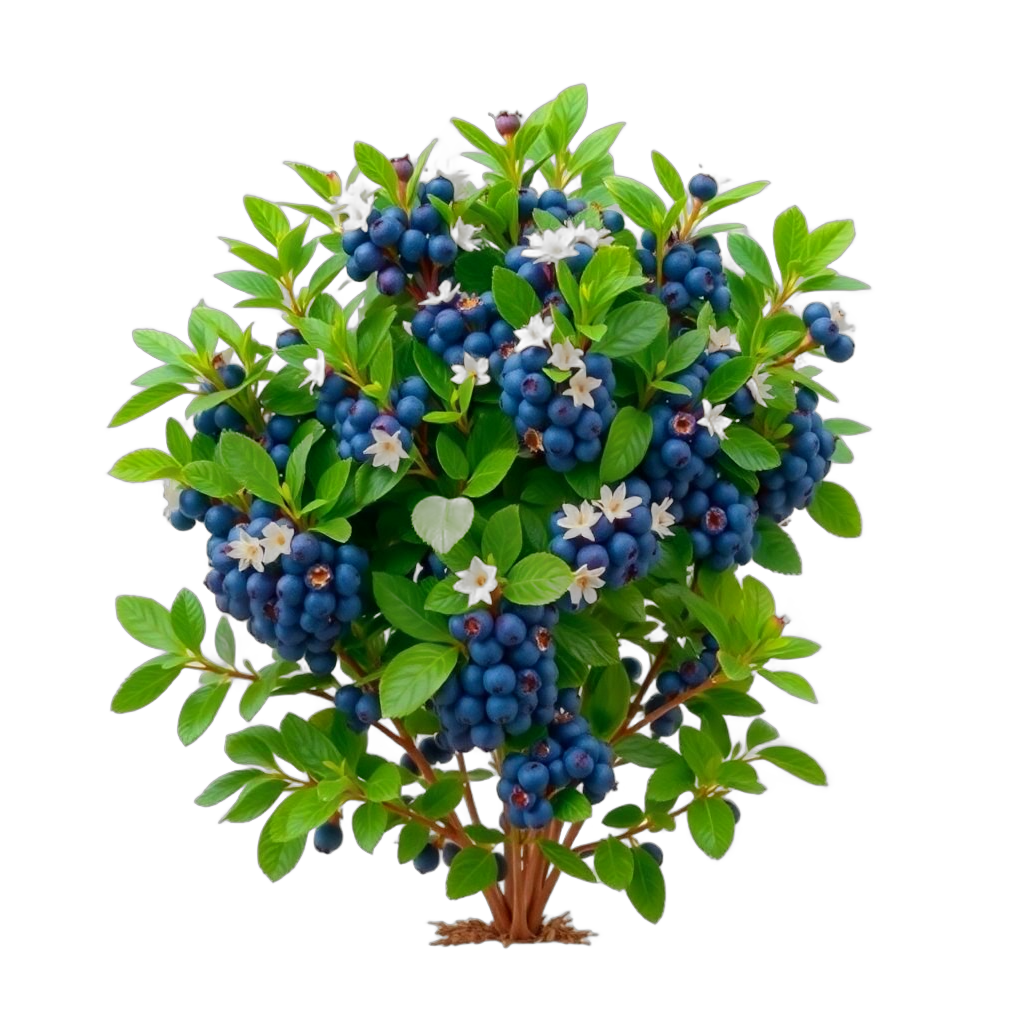
Vaccinium corymbosum
medium-sized at 7 feet, white blooms in spring. Attracts butterflies.

Inkberry
Ilex glabra
medium-sized at 8 feet, white blooms in spring. Pollinator-friendly.
Featured Grasses & Groundcovers for Modern/Minimalist Gardens
Purple Love Grass
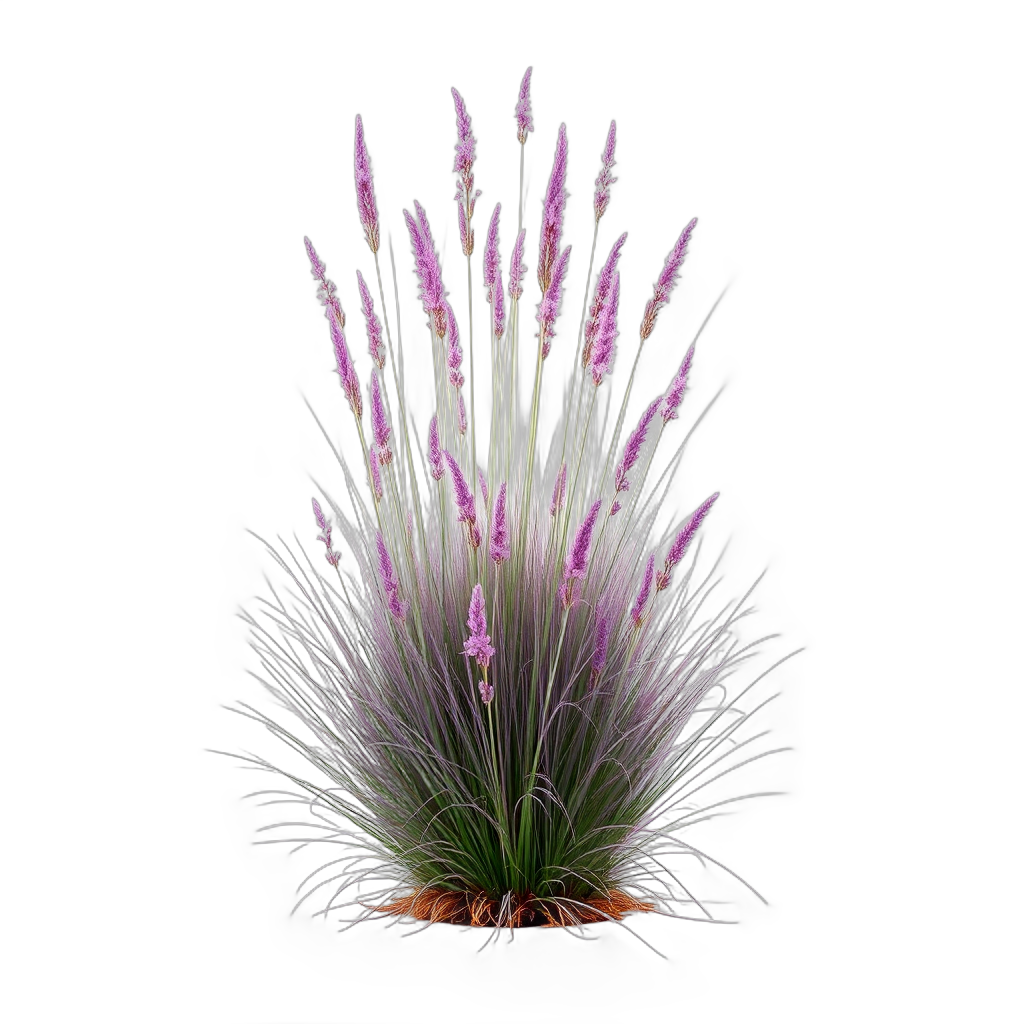
Eragrostis spectabilis
low-growing ground cover, purple blooms in fall. Orange fall color.
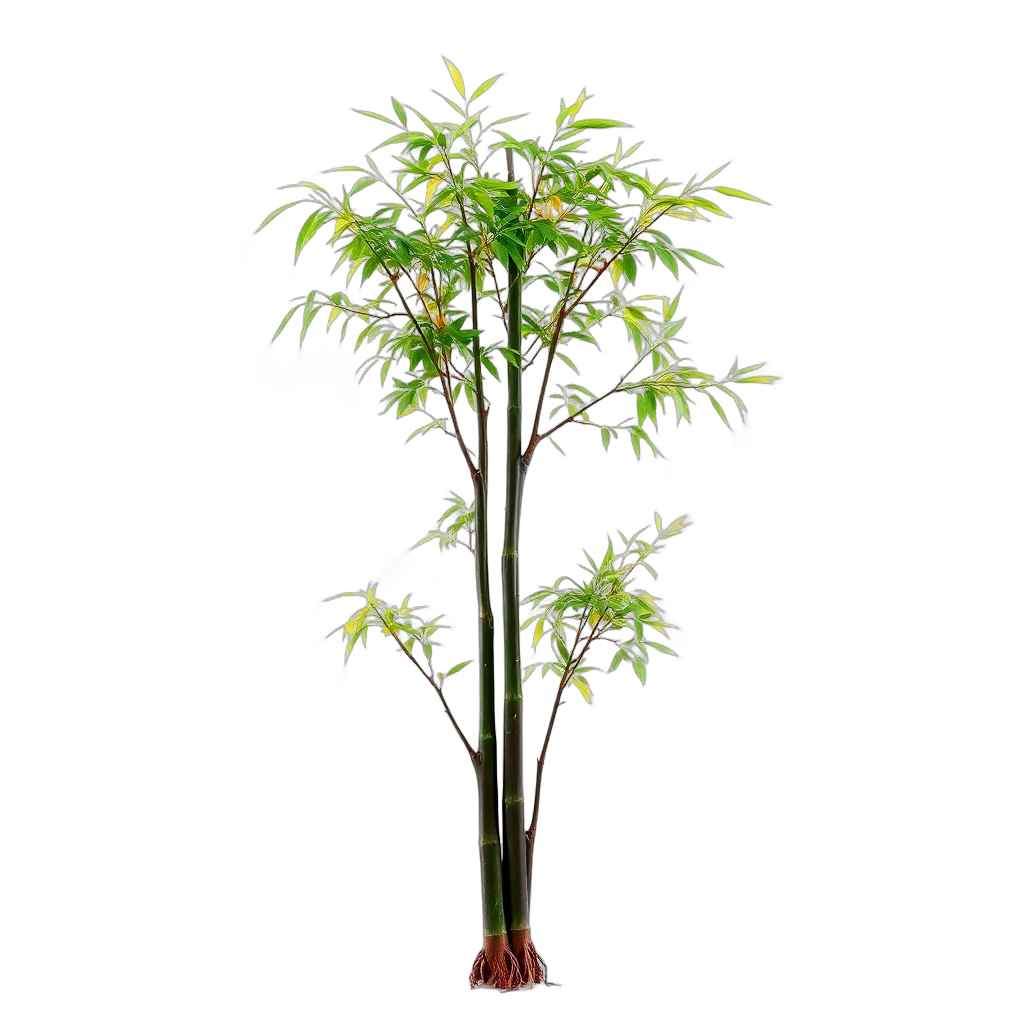
Black Bamboo
Phyllostachys nigra
reaches 25 feet tall, blooms in none. Evergreen year-round.
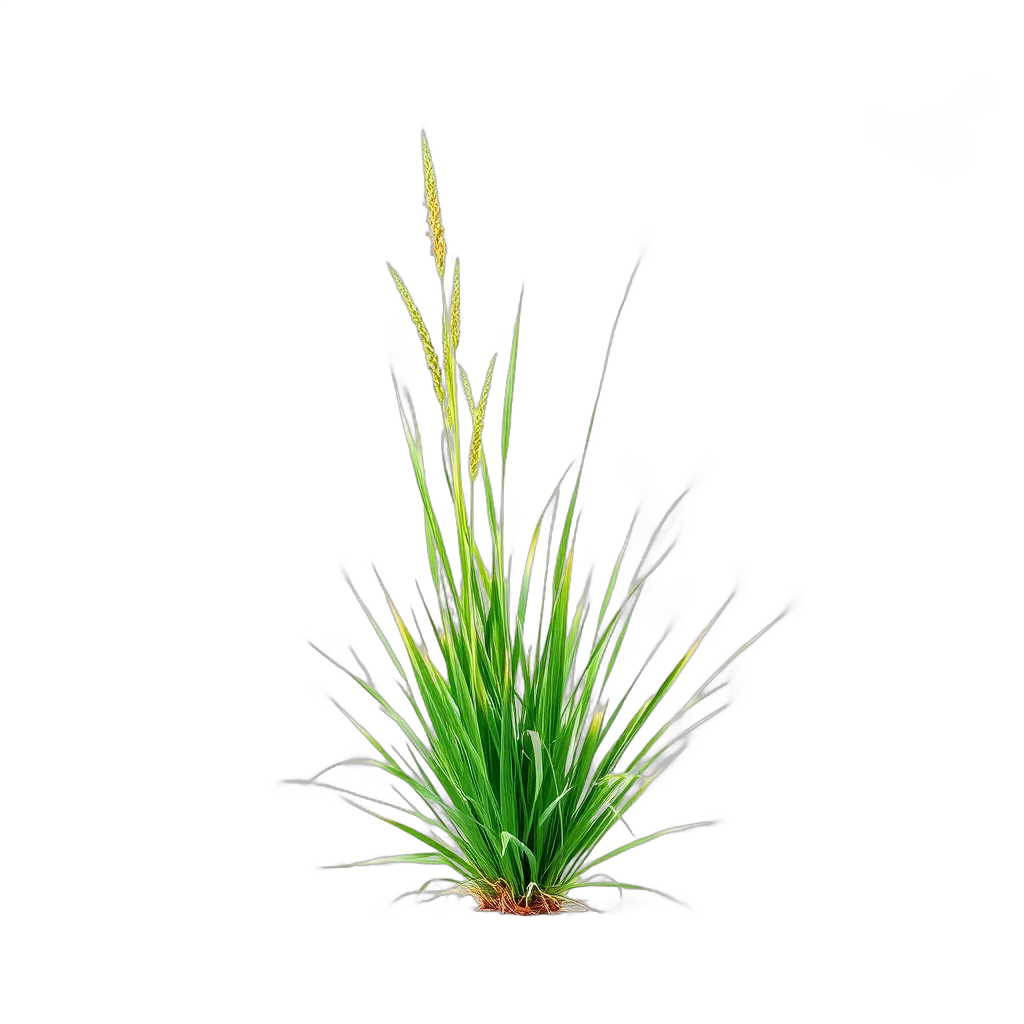
Bull Grass
Muhlenbergia emersleyi
grows to 4 feet, purple blooms in fall. Yellow fall color.
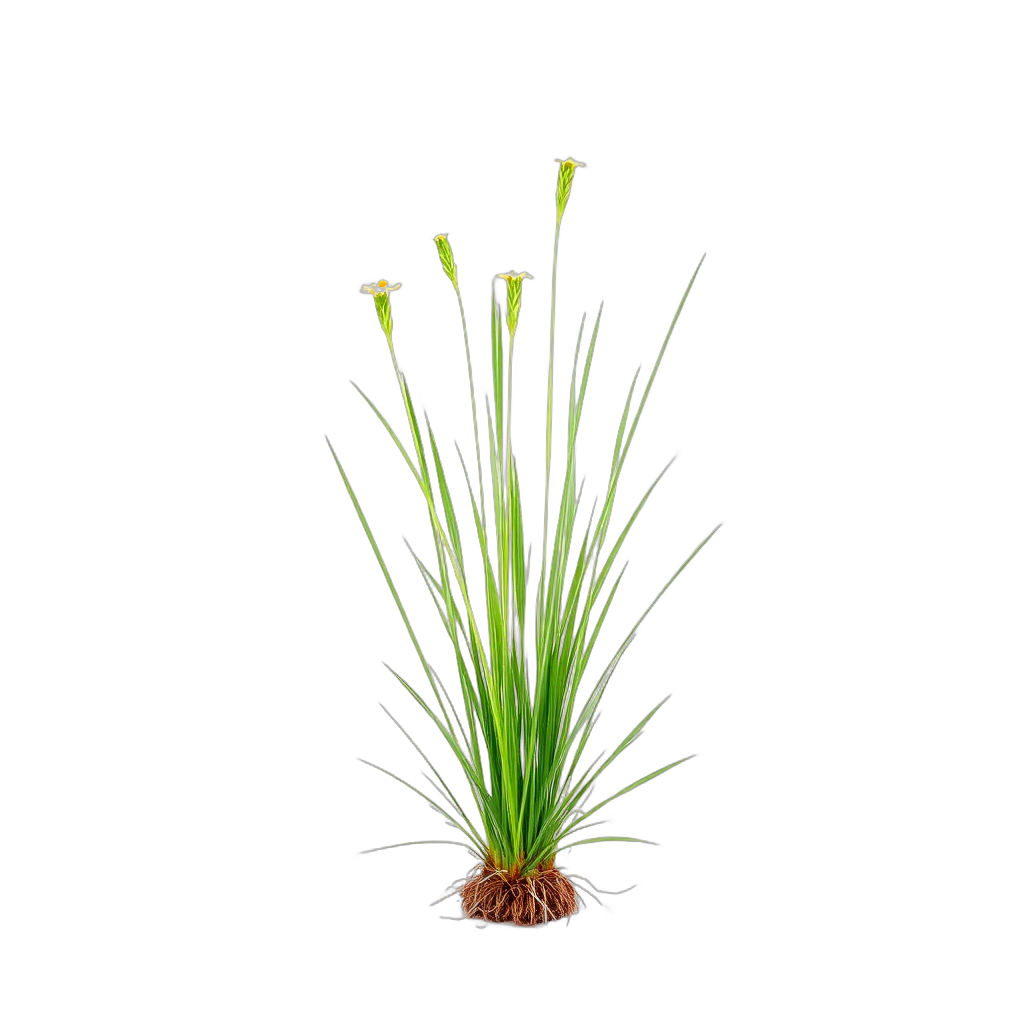
California Melic
Melica californica
low-growing ground cover, blooms in spring.
Featured Flowers & Perennials for Modern/Minimalist Gardens

Blue Flag Iris
Iris versicolor
low-growing ground cover, purple blooms in spring. Attracts butterflies.

New York Ironweed
Vernonia noveboracensis
grows to 6 feet, purple blooms in fall. Attracts butterflies.

Southern Blue Flag
Iris virginica
low-growing ground cover, blue blooms in spring. Attracts butterflies.

Eastern Prickly Pear
Opuntia humifusa
low-growing ground cover, yellow blooms in summer. Attracts butterflies.
Zone and sun checks come from our database — confirm with your local nursery before you buy.
Bloom Calendar for Bridgeport
spring
Blue Flag Iris, Southern Blue Flag, Arrowwood Viburnumsummer
Ruby Spice Summersweet, Summersweet, Eastern Prickly Pearfall
New York Ironweed, Purple Love Grasswinter
Limited bloomsDesign Tips for Bridgeport (Zone 7a)
- Raise every gravel bed above grade. Bridgeport gets about 45 inches of rain spread evenly through the year, so sculptural plants die of a wet February, not a cold January - Agave parryi var. truncata and Yucca rostrata 'Sapphire Skies' need their crowns four to six inches above the surrounding grade in a grit-heavy mix
- Use Juniperus virginiana 'Taylor' where a California designer would use Italian cypress. It gives the same narrow column, it is a native eastern red cedar, and it takes Long Island Sound salt spray and December wind without browning out
- Spend the money below the surface. Connecticut's 42-inch frost depth means seat walls and fire features want footings below the frost line, and every square foot of flatwork wants 8 to 12 inches of compacted processed gravel - large-format modern paving telegraphs heave that flagstone would hide
- Repeat one grass rather than mixing five. A continuous 100-foot band of Panicum virgatum 'Northwind' or Calamagrostis x acutiflora 'Karl Foerster' reads as architecture in low light; the same budget spent on a mixed border reads as clutter and needs three times the editing
- Lime the gravel beds, test everything else. Bridgeport's glacial till and urban fill run pH 5.0 to 6.0, which suits Ilex glabra 'Gem Box' and Hydrangea paniculata 'Limelight' but starves Lavandula x intermedia 'Phenomenal' and Perovskia atriplicifolia 'Blue Spire' - work lime and coarse grit into those beds and retest in year two
- Keep the canopy you already have. A modern Bridgeport garden with no tree is glaring in July and bleak in January; limb an existing Gleditsia triacanthos var. inermis 'Skyline' or Amelanchier x grandiflora 'Autumn Brilliance' high so the trunk reads as sculpture above a clean ground plane
- Light the plants, not the lawn. In-grade uplights behind a band of Molinia caerulea 'Skyracer' or Panicum virgatum 'Shenandoah' create the evening depth that makes modern landscapes work, and Bridgeport's long shoulder seasons give you eight usable months of it
- Design for two waterings a week from the start. With Aquarion odd/even restrictions a recurring feature of dry southwestern Connecticut summers, drip line under gravel plus autumn planting means the garden never notices a restriction year
Where to Source Plants in Bridgeport
Skip the big-box stores. These independent Bridgeport nurseries specialize in the plants that make modern/minimalist gardens thrive in Zone 7a.
Oliver Nurseries
Fairfield (Bronson Road)
Plantsman's nursery run alongside Oliver Design Associates and the closest serious source to Bridgeport's west side for specimen conifers, unusual shrubs and the sculptural, slow-growing material a modern planting depends on
Hollandia Nurseries
Bethel (Old Hawleyville Road)
Twenty-one acres and 27 greenhouses growing over 200,000 annuals and perennials since 1964, plus statuary, pottery and hard goods; useful for buying ornamental grasses and clipped evergreens in the quantities a repeating modern border needs
Gilbertie's Westport Garden Center
Westport (Sylvan Lane)
Fourth-generation family garden center with perennials, annuals and landscape material, plus USDA Certified Organic herbs grown in soil at their Easton farm - handy for filling Corten planters and terrace containers
Nielsen's Florist & Garden Center
Darien (Post Road)
Long-running Post Road garden center and florist with an outdoor living department, seasonal plants and container design work; open seven days a week through the season
Modern/Minimalist Landscaping Costs in Bridgeport
| Project Scope | Estimated Cost |
|---|---|
| Front-yard modern conversion (turf removal, gravel field, steel edging, architectural planting) | $9,000 - $20,000 |
| Poured concrete or porcelain-paver terrace, 300-500 sqft | $12,000 - $35,000 |
| Back garden room with gas fire bowl, seating base and catenary lighting | $25,000 - $60,000 |
| Corten steel raised planter, fabricated, set and filled | $1,200 - $3,500 each |
| Low-voltage LED lighting scheme (12-18 fixtures, transformer, controls) | $3,500 - $9,000 |
| Pool, paver surround and perimeter planting | $110,000 - $250,000 |
| AI visualization with ProScapeAI | Free to start |
Estimates based on Bridgeport, CT-area contractor rates as of 2026. Actual costs vary by site conditions, materials, and contractor.
Bridgeport Climate & Growing Zone
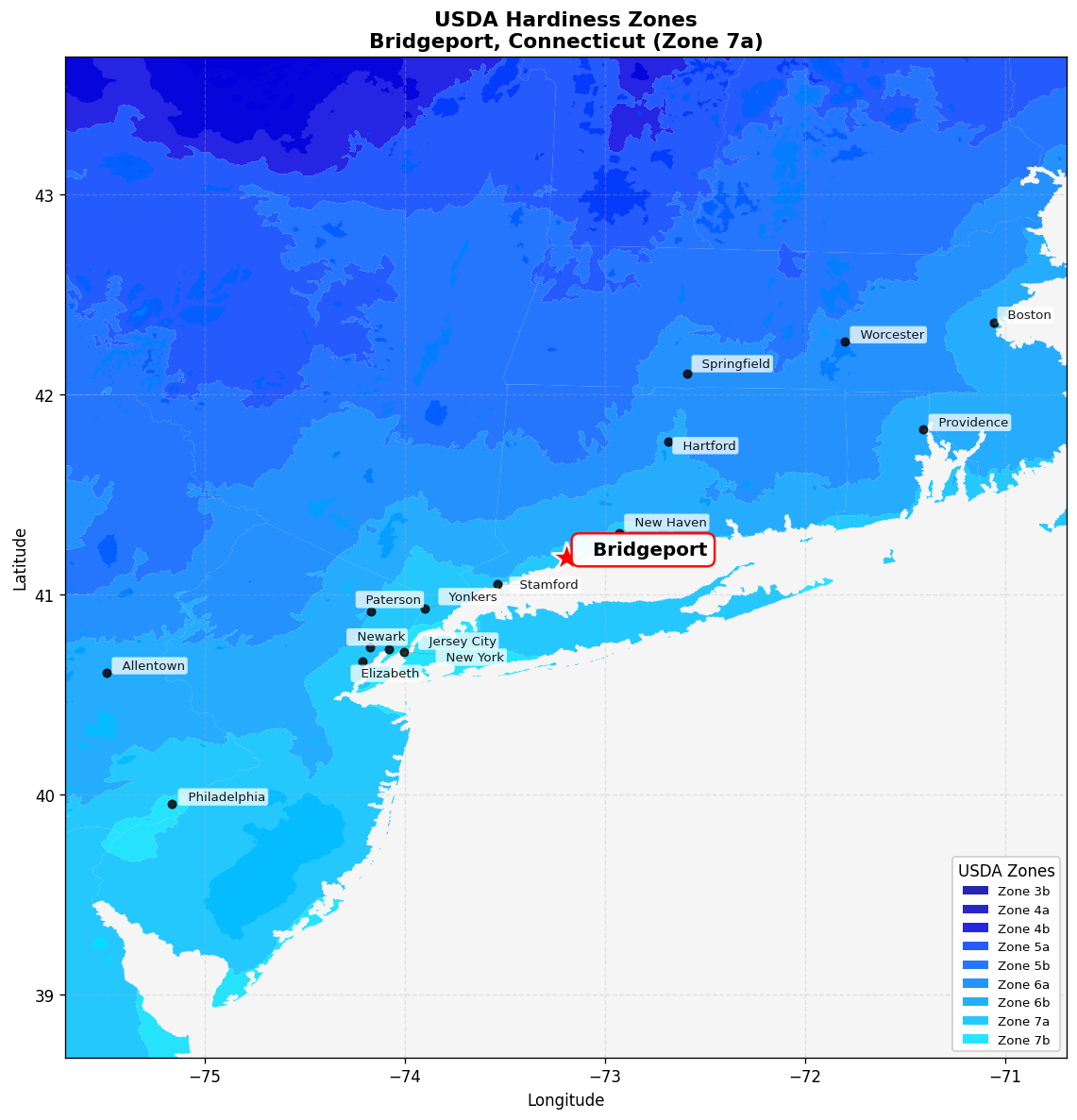
USDA Zone 7a
Hardiness zone for Bridgeport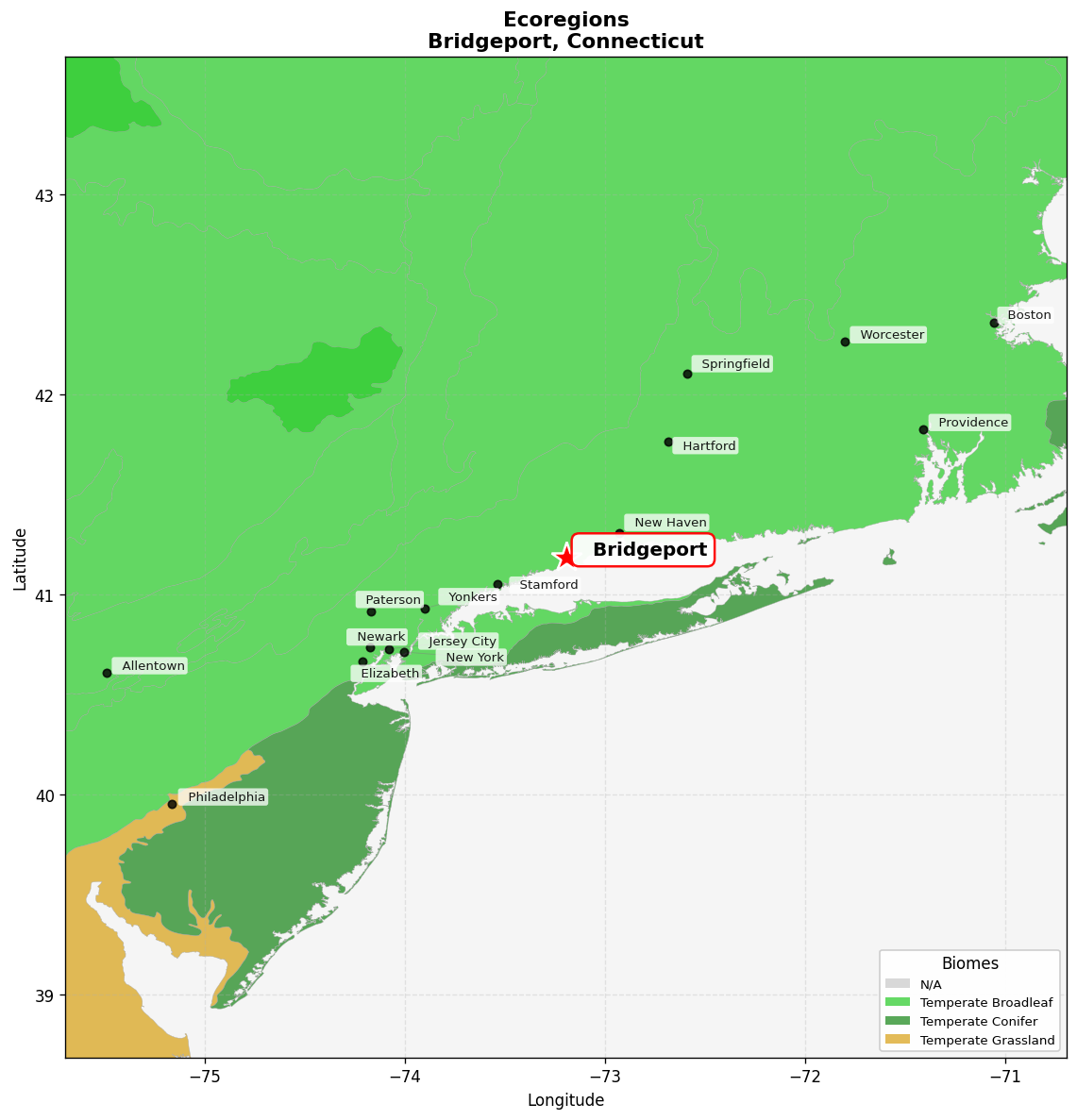
Northeast US Coastal forests
Native ecoregionFrequently Asked Questions
How much does a modern landscape cost in Bridgeport?
Fairfield County labour runs roughly 15 to 25 percent above the national average, so plan for the upper half of any national range you read. A front-yard modern conversion on a typical 400 to 500 sqft Bridgeport front - turf removal, compacted base, gravel field, steel edging and architectural planting - lands between $9,000 and $20,000 installed. A poured concrete or porcelain-paver terrace of 300 to 500 sqft runs $12,000 to $35,000. A back garden room with a gas fire feature, catenary lighting and grass borders of Panicum virgatum 'Northwind' comes in between $25,000 and $60,000. A pool with a paver surround and full planting is a $110,000 to $250,000 project here. A DIY gravel-and-grasses front, buying one-gallon Calamagrostis x acutiflora 'Karl Foerster' and doing your own base prep, can be done for under $8 per square foot.
Can I actually grow agaves and succulents outdoors in Bridgeport?
Yes, but only in raised, sharply drained beds. Bridgeport's 45 inches of annual rain is spread evenly across the year, so the killer is a wet, thawing February, not the 0 to 5°F low itself. Agave parryi var. truncata, Yucca rostrata 'Sapphire Skies' and Yucca filamentosa 'Color Guard' will all overwinter reliably in a Corten or masonry planter filled with roughly half native loam and half crushed granite or turkey grit, topped with an inch of gravel so the crowns stay dry. Sempervivum tectorum and Sedum rupestre 'Angelina' are the bulletproof fillers. The big soft-leaved Echeveria rosettes you see in photographs are not hardy here - treat those as a summer container plant you lift in October, or plant hardy Sempervivum in the same spacing for the same look year-round.
Which ornamental grasses hold up best in Bridgeport, including near the water?
Panicum virgatum 'Northwind' is the local workhorse: a native switchgrass that stands bolt upright through nor'easters, tolerates salt spray in Black Rock and the South End, and never flops the way fountain grass can in a wet autumn. Calamagrostis x acutiflora 'Karl Foerster' gives the same vertical line and starts earlier in spring. Sporobolus heterolepis and Schizachyrium scoparium 'Standing Ovation' are the two natives that handle poor, gravelly urban fill best. Pennisetum alopecuroides 'Hameln' is fine in a protected front bed but is short-lived on an exposed shoreline lot. Avoid Miscanthus sinensis: it self-seeds aggressively in Connecticut and is discouraged here. Cut everything back once, in late February or early March.
What does Bridgeport's frost line mean for a modern patio or seat wall?
It means the base matters more than the surface. Connecticut's frost depth is 42 inches, so anything with a footing that must stay dead level - a seat wall, an outdoor fireplace, a pergola post, a heavy Corten planter - should sit on piers or a footing taken below that depth, or it will lift and tilt within two or three winters. Flatwork does not need 42 inches, but it does need 8 to 12 inches of compacted processed gravel over a geotextile, plus positive drainage away from the house. Large-format pavers and poured concrete panels, which are exactly what makes a modern terrace look modern, are the least forgiving materials in freeze-thaw: a quarter-inch of heave that nobody would notice in irregular flagstone reads as a fault line across a 24 by 48 inch slab.
How do I keep a modern garden alive under Aquarion's watering restrictions?
Design for two waterings a week and you will never think about it again. Aquarion has repeatedly run twice-weekly odd/even irrigation schedules across southwestern Connecticut during dry summers, which is punishing for turf and almost irrelevant to a gravel-and-grass modern planting. Put drip line, not spray heads, under two inches of mulch or gravel; group the thirsty things - Hydrangea paniculata 'Limelight', newly planted Betula nigra 'Heritage' - onto their own zone; and plant in late September or October so roots grow through the mild, wet Bridgeport autumn instead of trying to establish in August. Once settled, Panicum virgatum 'Northwind', Sporobolus heterolepis, Perovskia atriplicifolia 'Blue Spire' and Ilex glabra 'Gem Box' will go through a normal Bridgeport summer on rainfall alone.
When is the best time to build a modern landscape in Bridgeport?
Do hardscape in spring and early summer, and planting in autumn. Concrete and paver work wants ground that is not frozen and not saturated, which realistically means April through mid-November; pours from December to March are possible but get expensive with blankets and admixtures. Planting is best from mid-September through early November, when the soil is still warm, rain is reliable and roots keep growing until the ground closes - plants installed then need almost no irrigation the following June. Mid-April to late May is the second window. Avoid installing new grasses and evergreens in July and August: even on drip, Zone 7a humidity and an August dry spell make establishment a gamble.
Do I need a permit for landscaping work in Bridgeport?
Planting, gravel conversions, patios at grade and low bed walls generally do not require a permit. Permits and inspections come into play for retaining walls above four feet, swimming pools and pool barriers, decks, any roofed structure, and gas lines to a fire feature - which is a licensed trade job regardless of the size of the fire bowl. Because Bridgeport is on Long Island Sound, properties near the shoreline in Black Rock, the South End and around Seaside Park also fall inside Connecticut's coastal management boundary, and work there can trigger additional review. Confirm the specifics with the City of Bridgeport building department before you order materials; the design does not change, only the order you do things in.