4 Modern Landscape Ideas for Hartford, CT | Clean Lines That Survive Zone 6b
Native plants from the Northeast US Coastal forests (Zone 6b) — Humid continental (hot summer) climate
Why Modern/Minimalist Gardens in Hartford?
Hartford is an old city with a streak of real modernism. The Phoenix Mutual Life building of 1963, the two-sided glass "boat building" by the river, showed the city a clean line could sit beside brownstone and Victorian brick, and the residential stock gives a modern landscape more chances than people expect. The post-war ranches and Capes of Blue Hills and the South End have long flat facades with nothing to compete with, and the two-families and triple-deckers of Parkville, Frog Hollow and Barry Square have small, hard-working front yards where a single clean gravel-and-steel plan beats a tired lawn. The job here is one paving material, one strong line, and three or four plants repeated often enough to read as a pattern from the street in February.
Zone 6b sets the limits: an average coldest night near -3°F (the 1991–2020 mean annual extreme minimum at Bradley is -3.4°F), January lows around 19°F, July highs near 85°F, about 47 inches of precipitation and roughly 50 inches of snow a year. The agave-and-cypress look from contemporary California will not live through a Hartford winter. The cold-hardy substitutes give the same shapes: Yucca filamentosa 'Color Guard' and Yucca rostrata 'Sapphire Skies' for the rosette, Juniperus scopulorum 'Skyrocket' and Thuja occidentalis 'Degroot's Spire' instead of Italian cypress, and Ilex crenata 'Sky Pencil' for a narrow column in a protected corner. This climate suits the grasses a modern garden depends on: Calamagrostis × acutiflora 'Karl Foerster', Panicum virgatum 'Northwind', Schizachyrium scoparium 'Standing Ovation' and Sporobolus heterolepis all stand through snow and hold their structure for the five months the garden has no flowers.
Freeze-thaw is the real engineering constraint, because clean lines show every movement. Hartford ground crosses freezing many times each winter, and the soils make it worse: the riverside flats and the Meadows sit on floodplain silt and the old lakebed clays of glacial Lake Hitchcock, which hold water and heave, while the higher neighborhoods sit on reddish till over the valley's Triassic brownstone. Both usually test acidic, around pH 5.0–6.0. Put 6–8 inches of compacted processed stone over filter fabric under every paver, set steel edging with long stakes, and take every pergola or fence post below the 42-inch frost depth for Hartford County.
Two local materials make a Hartford modern garden look like it belongs here. Reclaimed Portland brownstone, quarried just down the Connecticut River, cuts into clean rectangular steppers and copings, and the dark basalt traprock of the ridges west of the city makes a crisp gravel. Much of Hartford's older core still drains through combined sewers, so gravel, permeable pavers and a planted rain bed that holds roof water on the lot are good practice as well as good-looking. Plan the snow first: mark where the plow and the shovel put the pile, keep Buxus and Hakonechloa macra 'Aureola' out of it, and give the curb edge to salt-tolerant Panicum virgatum 'Shenandoah' and Juniperus virginiana 'Grey Owl'.
4 Modern/Minimalist Design Ideas for Hartford

AI-generated image
The Ranch Gravel Court
$16–32/sqftThe lawn in front of a long, low Blue Hills ranch is replaced with a rectangle of dark traprock gravel held by black steel edging, crossed by a straight walk of large concrete pavers set flush with the gravel. Three blocks of the same grass run parallel to the facade, with a single multi-stem serviceberry off-center to break the line and throw light afternoon shade on the west windows. The south-facing frontage gets full sun all day, which the grasses want, and the snow from the driveway goes onto the gravel, not onto the plants.

AI-generated image
The Two-Family Steel Planter Front
$22–40/sqftA shallow front yard between a two-family porch and the sidewalk is rebuilt as two long Corten steel planters with a brownstone stepper path between them, the planters raised 18 inches so the soil drains in March and road salt stays off the roots. Each planter holds a strict repeat of one grass and one low evergreen, with a narrow column at each end framing the stoop. It looks deliberate from the street, takes ten minutes of care a month, and costs less than a new fence.

AI-generated image
The Bluestone Terrace and Grass Screen
$30–55/sqftA rectangular terrace of thermal-finish bluestone runs the full width behind the house, with a long built-in bench of the same stone on the north edge. A double row of tall grass screens the neighbor's yard from late July to March, and a single Japanese maple in a gravel square gives the terrace its one moment of color in October. The terrace faces south-west, so it holds afternoon sun into autumn evenings, and in-grade lights behind the grass turn the screen into a wall of light after dark.

AI-generated image
The Rain Bed Courtyard
$24–45/sqftA small walled back yard is laid with permeable pavers in a single gray tone, and a long, shallow gravel-lined rain bed takes the downspout from the roof and holds the water on the lot instead of sending it into the street. The bed is planted in strict drifts of plants that take both a soaked April and a dry August, with a single river birch at one end for height and dappled shade on the kitchen windows. The bed does real work in a city with old combined sewers.
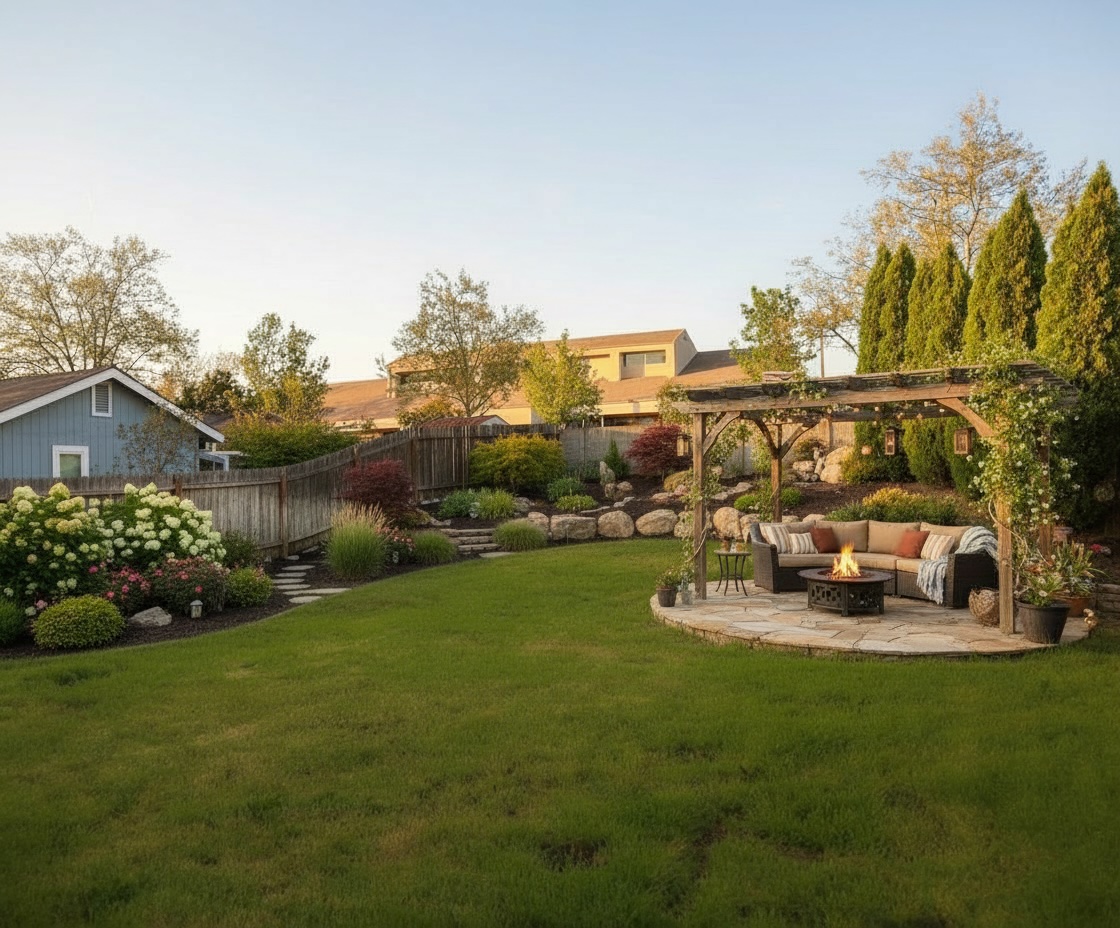
See how a modern/minimalist garden looks on YOUR property
Upload a photo of your Hartford yard and visualize your dream garden in seconds.
Try ProScapeAI Free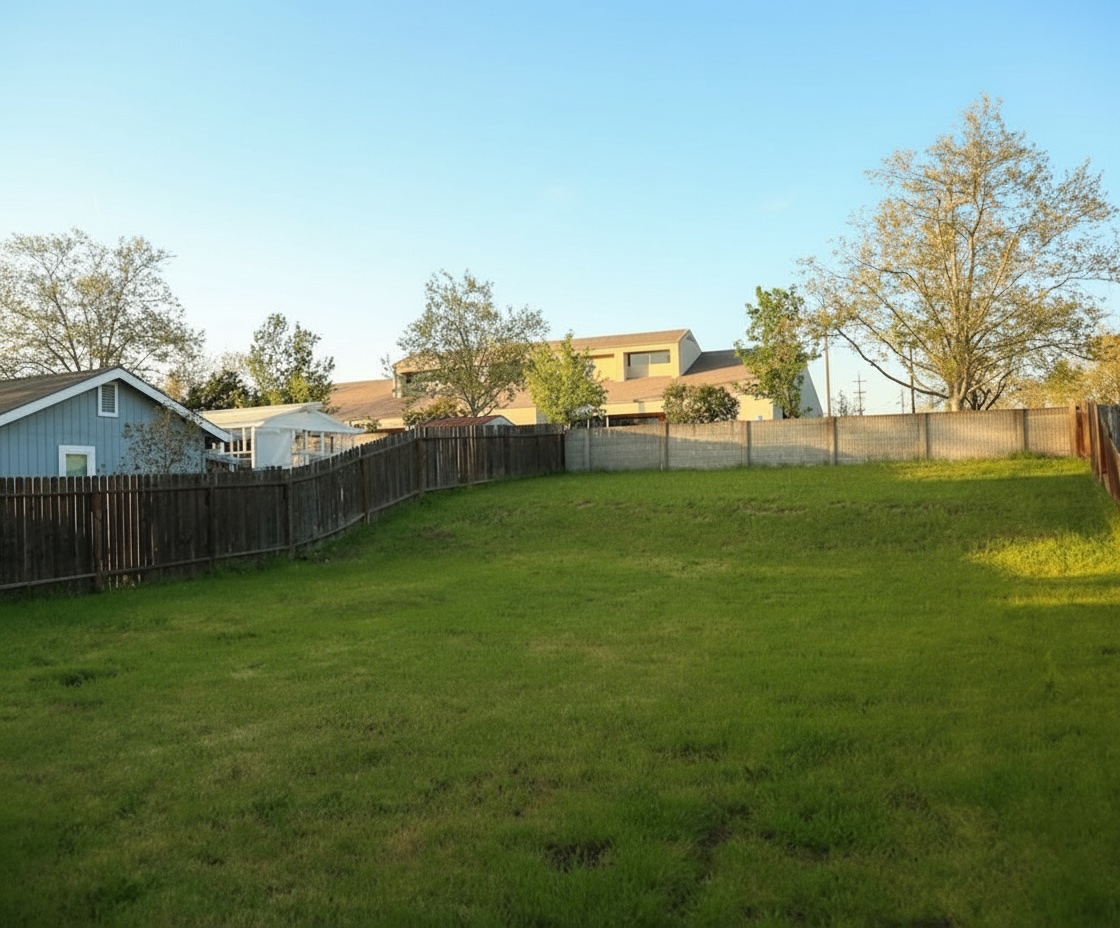
AI-generated image
Featured Trees & Shrubs for Modern/Minimalist Gardens
Browse all 181 plants for Hartford
Arrowwood Viburnum
Viburnum dentatum
medium-sized at 10 feet, white blooms in spring. Pollinator-friendly.
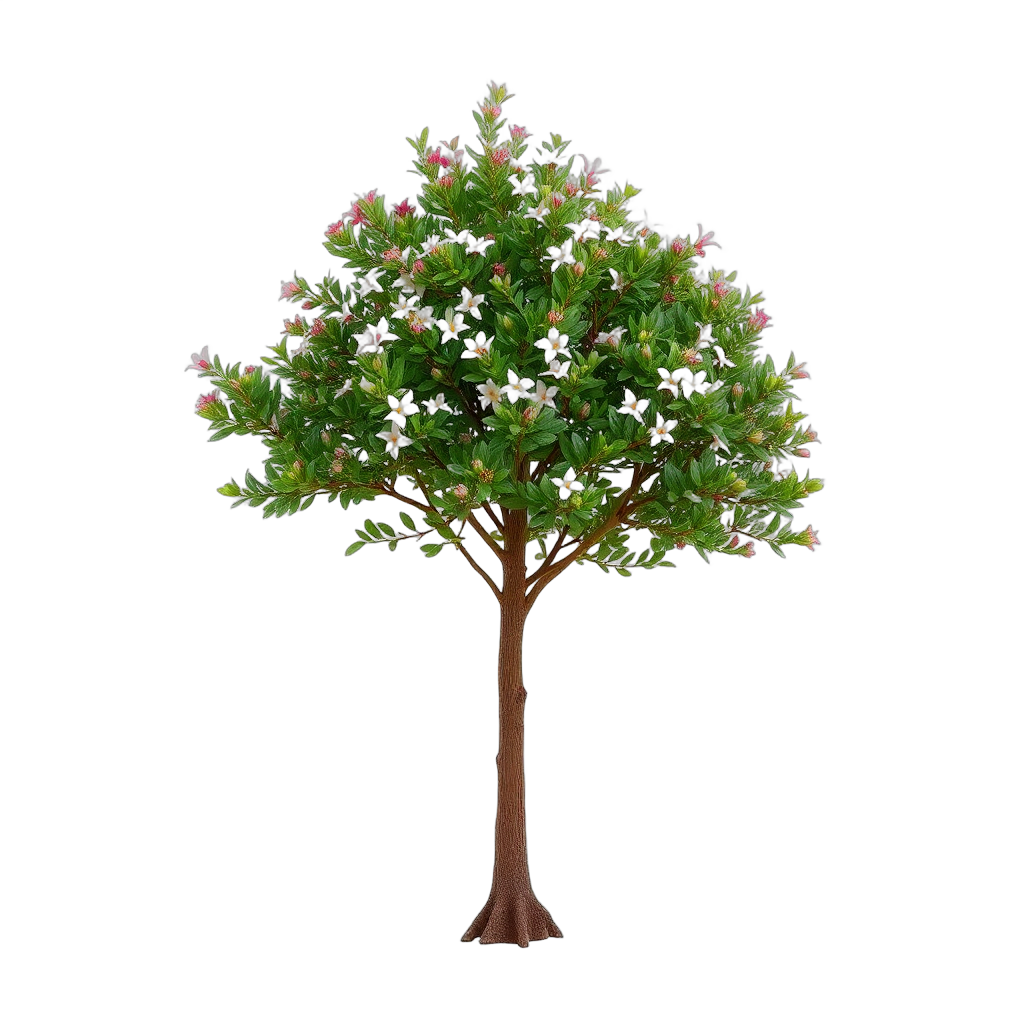
Coastal Leucothoe
Leucothoe axillaris
grows to 3 feet, white blooms in spring. Evergreen year-round.
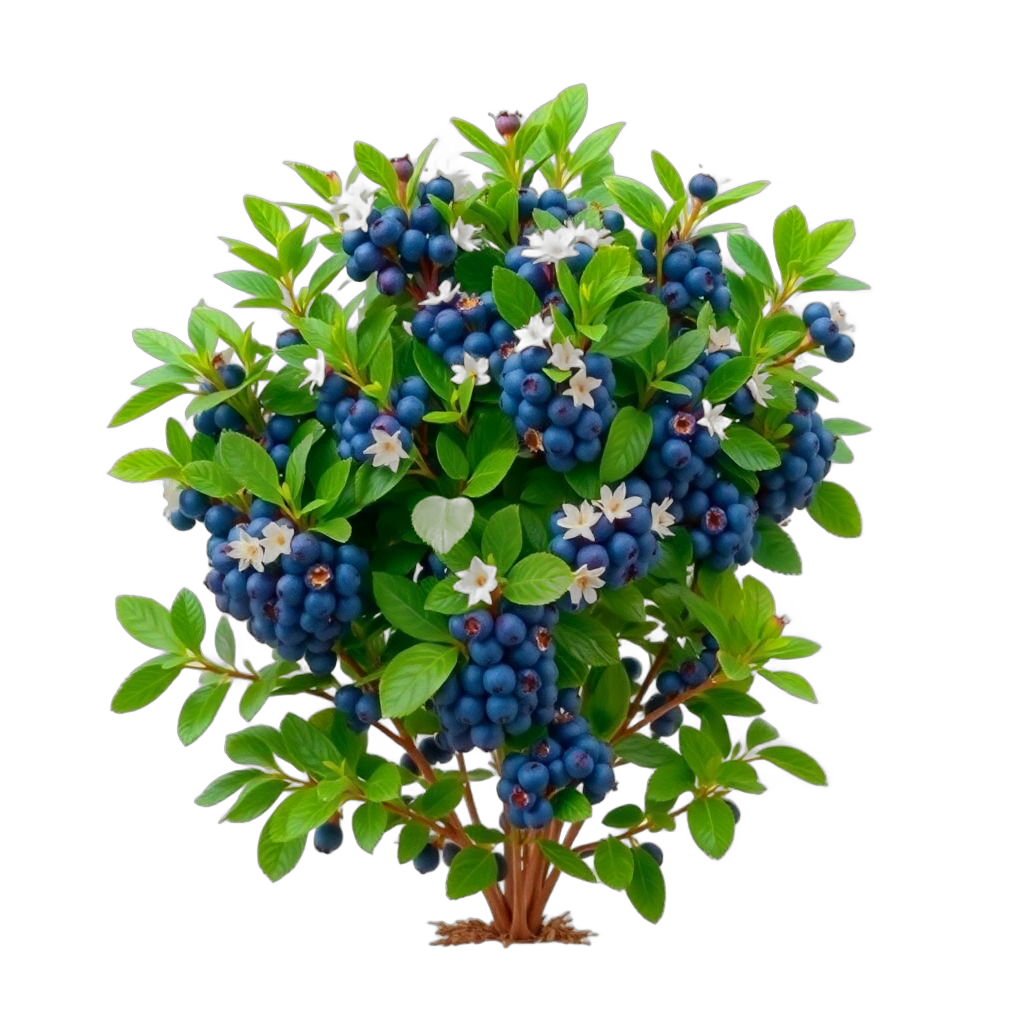
Highbush Blueberry
Vaccinium corymbosum
medium-sized at 7 feet, white blooms in spring. Attracts butterflies.

Inkberry
Ilex glabra
medium-sized at 8 feet, white blooms in spring. Pollinator-friendly.
Featured Grasses & Groundcovers for Modern/Minimalist Gardens
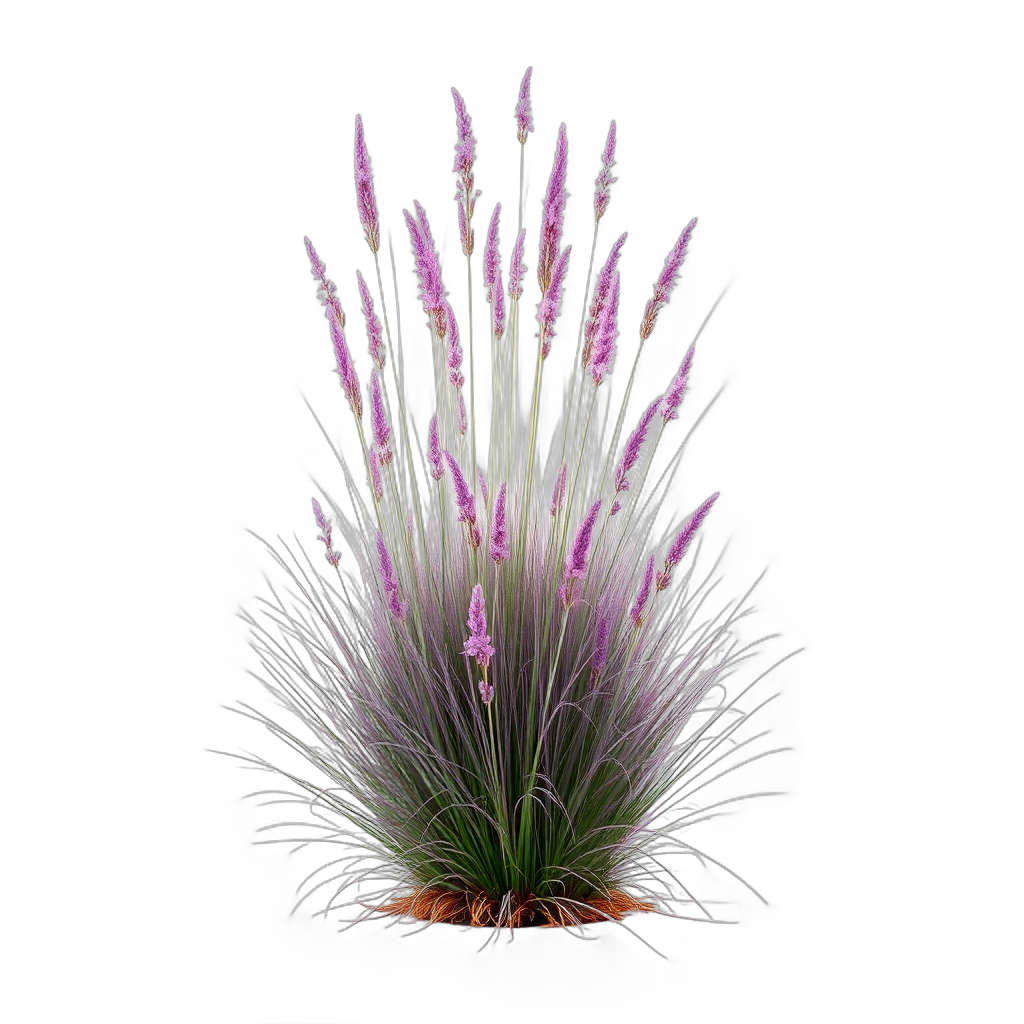
Purple Love Grass
Eragrostis spectabilis
low-growing ground cover, purple blooms in fall. Orange fall color.
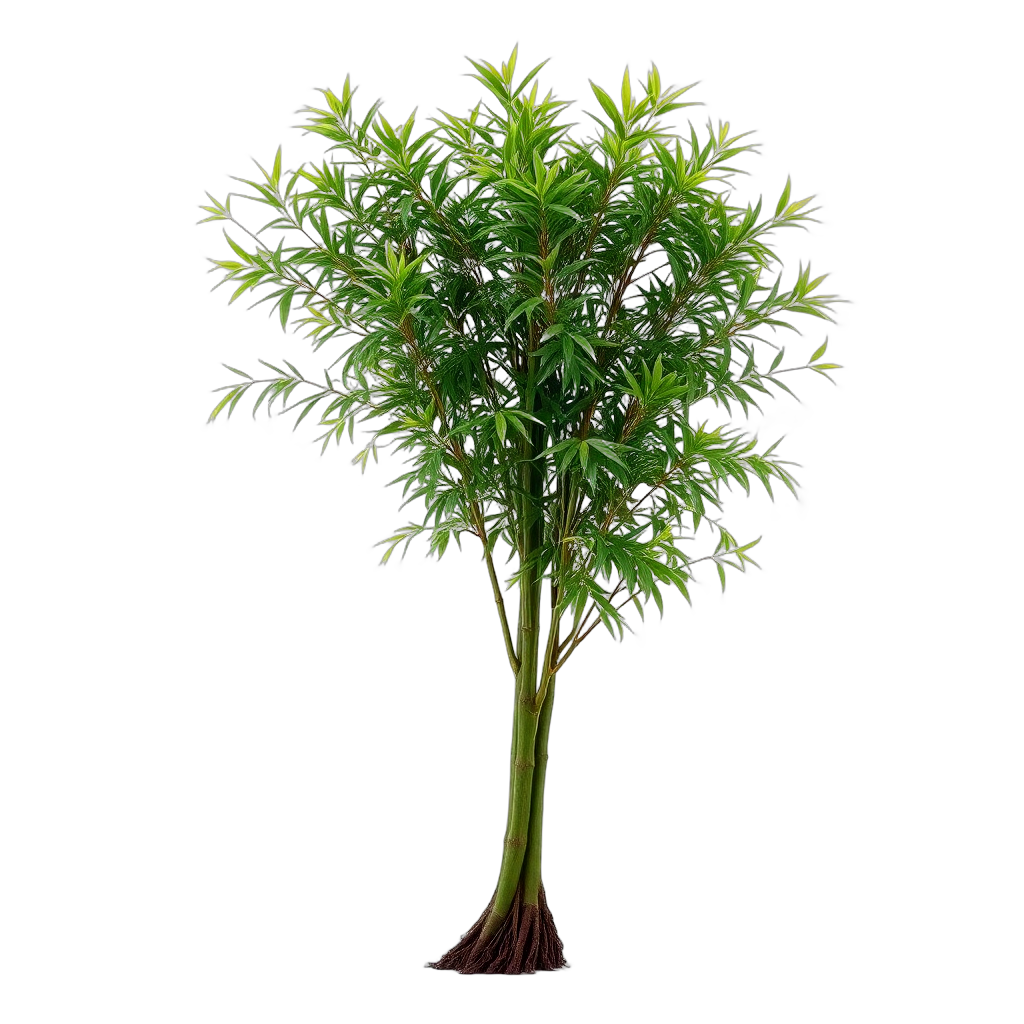
Broad-leaf Bamboo
Sasa palmata
medium-sized at 7 feet, blooms in none. Evergreen year-round.
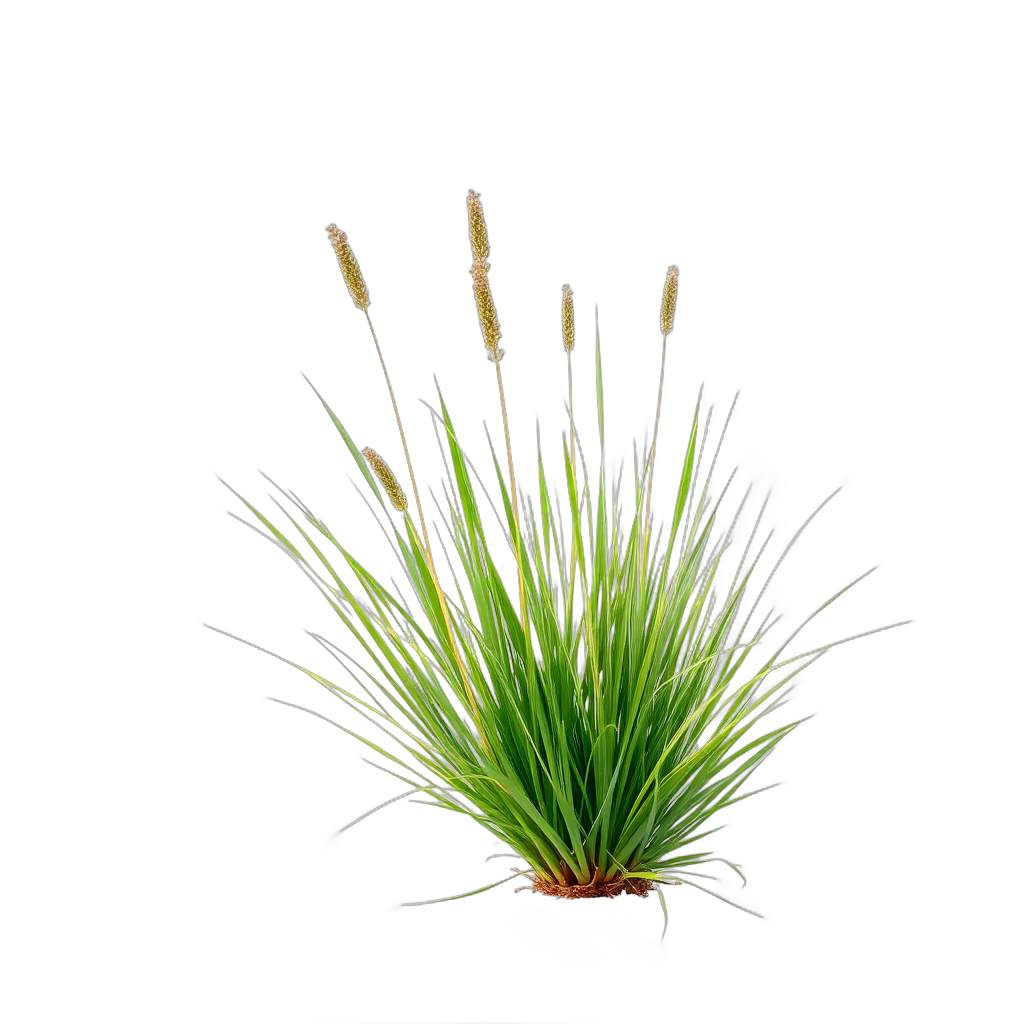
Deer Grass
Muhlenbergia rigens
grows to 3 feet, yellow blooms in fall. Evergreen year-round.
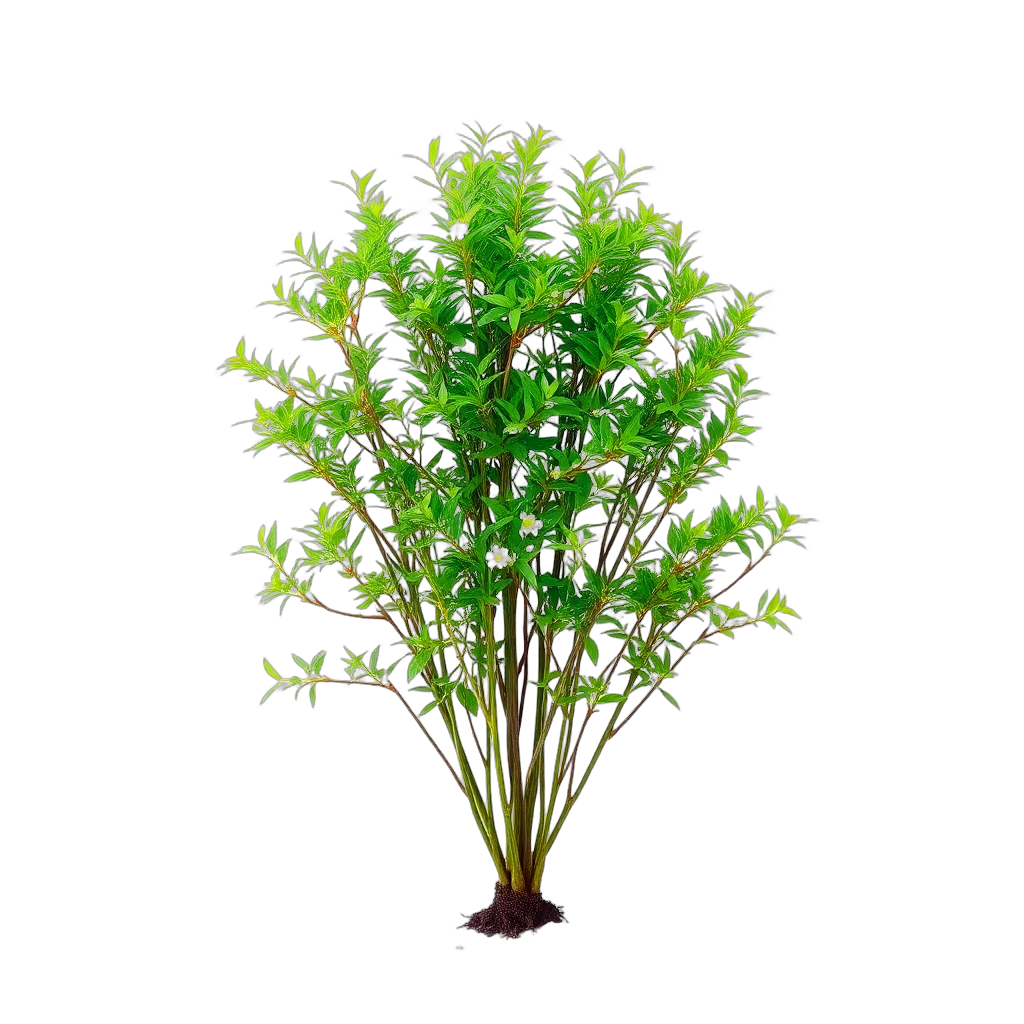
Dwarf Fernleaf Bamboo
Pleioblastus distichus
low-growing ground cover, blooms in none. Evergreen year-round.
Featured Flowers & Perennials for Modern/Minimalist Gardens
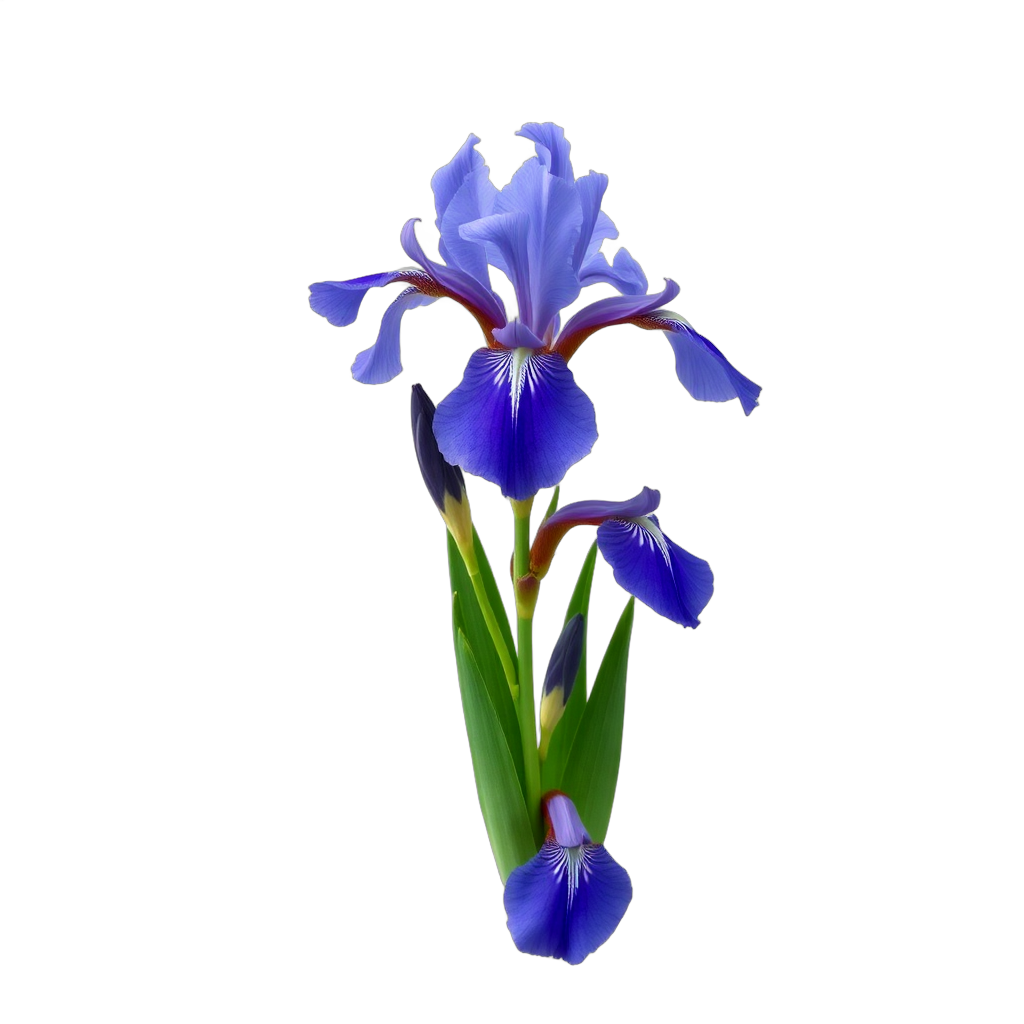
Blue Flag Iris
Iris versicolor
low-growing ground cover, purple blooms in spring. Attracts butterflies.

New York Ironweed
Vernonia noveboracensis
grows to 6 feet, purple blooms in fall. Attracts butterflies.
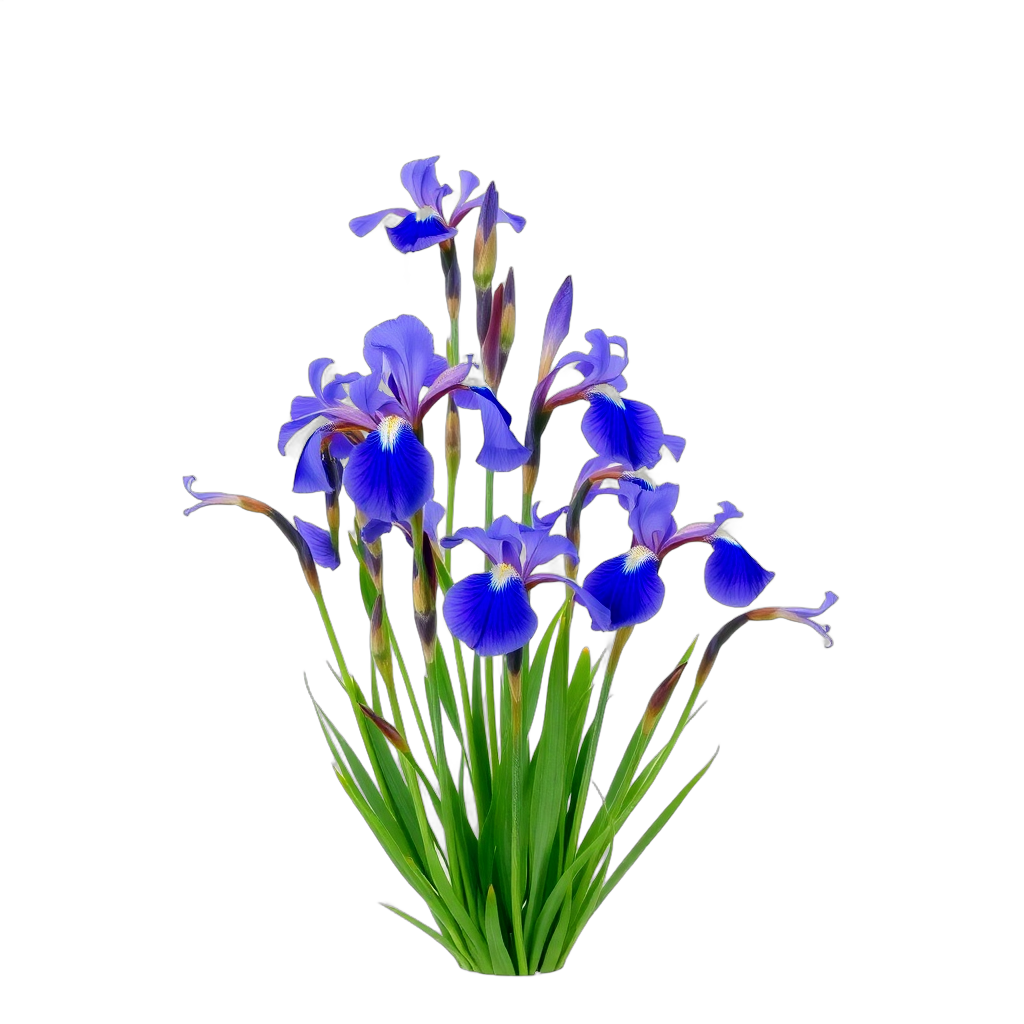
Southern Blue Flag
Iris virginica
low-growing ground cover, blue blooms in spring. Attracts butterflies.

Eastern Prickly Pear
Opuntia humifusa
low-growing ground cover, yellow blooms in summer. Attracts butterflies.
Zone and sun checks come from our database — confirm with your local nursery before you buy.
Bloom Calendar for Hartford
spring
Blue Flag Iris, Southern Blue Flag, Arrowwood Viburnumsummer
Ruby Spice Summersweet, Summersweet, Eastern Prickly Pearfall
New York Ironweed, Purple Love Grasswinter
Limited bloomsDesign Tips for Hartford (Zone 6b)
- Use hardy substitutes: Yucca filamentosa 'Color Guard' and Juniperus scopulorum 'Skyrocket' give the rosette and the column of a desert-modern garden and take a Zone 6b night near -3°F; agave and Italian cypress do not
- Build every paved surface on 6–8 inches of compacted processed stone over filter fabric, and take every post below Hartford County's 42-inch frost depth; freeze-thaw on valley clay opens joints and tilts edging within two winters
- Use local stone: reclaimed Portland brownstone for steppers and copings and dark basalt traprock gravel give a modern Hartford garden a color palette that matches the city's older buildings
- Mark the snow pile on the plan before you place a single plant, and keep Buxus, Hakonechloa macra 'Aureola' and Japanese maples out of it and 6 feet back from any plowed edge
- Test and adjust under gravel beds: Hartford soil usually tests pH 5.0–6.0 and holds water, so mix coarse grit through the top 10 inches before a Yucca or Sedum bed or they rot in their second spring
- Send the downspout into a gravel rain bed instead of the street; in a city where much of the older core runs on combined sewers, keeping roof water on the lot is the neighborly choice and it waters the planting
- Repeat three plants, not thirty: Panicum virgatum 'Northwind', Sporobolus heterolepis and one evergreen column, planted in long blocks, still read as a design from the street in February
Where to Source Plants in Hartford
Skip the big-box stores. These independent Hartford nurseries specialize in the plants that make modern/minimalist gardens thrive in Zone 6b.
Woodland Gardens
Manchester
CT Grown nursery and garden center on 8 acres with 16 greenhouses, with trees, shrubs and perennials for buying matched runs of grasses and evergreens in one trip
Bosco's Garden Center
Simsbury (Hopmeadow Street)
Family owned and operated garden center since 1997 stocking perennials, shrubs and trees, with pickup and delivery
O'Brien Nurserymen
Granby
Specialist shade-plant nursery with over 1,300 hosta varieties in its display gardens plus unusual dwarf conifers and ginkgos, a good source for a single sculptural specimen; open on seasonal sales weekends
Modern/Minimalist Landscaping Costs in Hartford
| Project Scope | Estimated Cost |
|---|---|
| Front lawn to gravel-and-grass conversion (500–800 sqft) | $9,000 – $24,000 |
| Corten steel planters with brownstone stepper path (two-family front) | $5,000 – $14,000 |
| Thermal bluestone terrace on frost-proof base (300–450 sqft) | $11,000 – $25,000 |
| Permeable paver courtyard with rain bed (300–500 sqft) | $8,000 – $22,000 |
| Low-voltage landscape lighting, 8–12 fixtures | $2,500 – $6,000 |
| Full modern back yard: terrace, screen planting, lighting | $30,000 – $80,000 |
| AI visualization (ProScapeAI) | Free to start |
Estimates based on Hartford, CT-area contractor rates as of 2026. Actual costs vary by site conditions, materials, and contractor.
Hartford Climate & Growing Zone
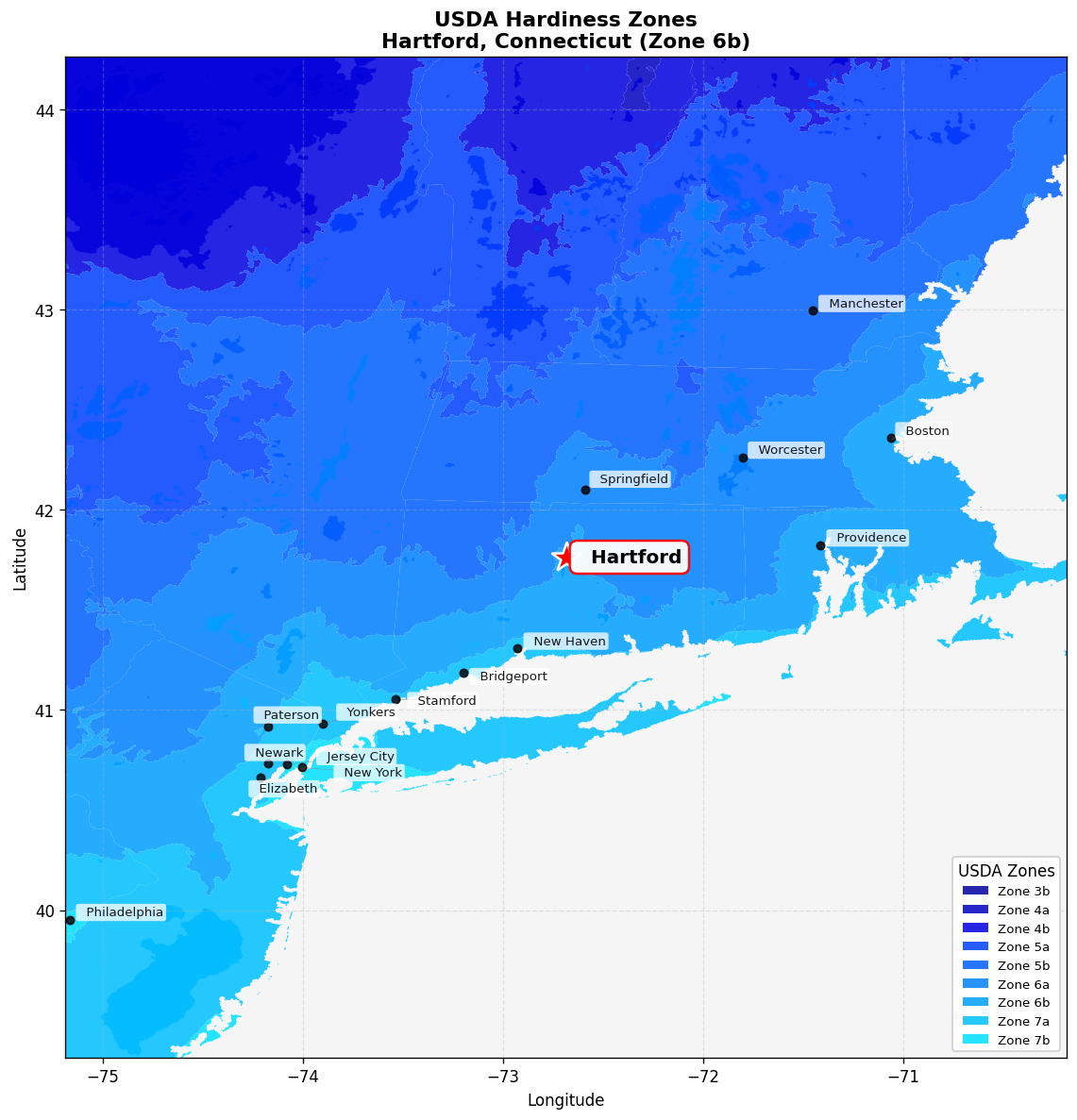
USDA Zone 6b
Hardiness zone for Hartford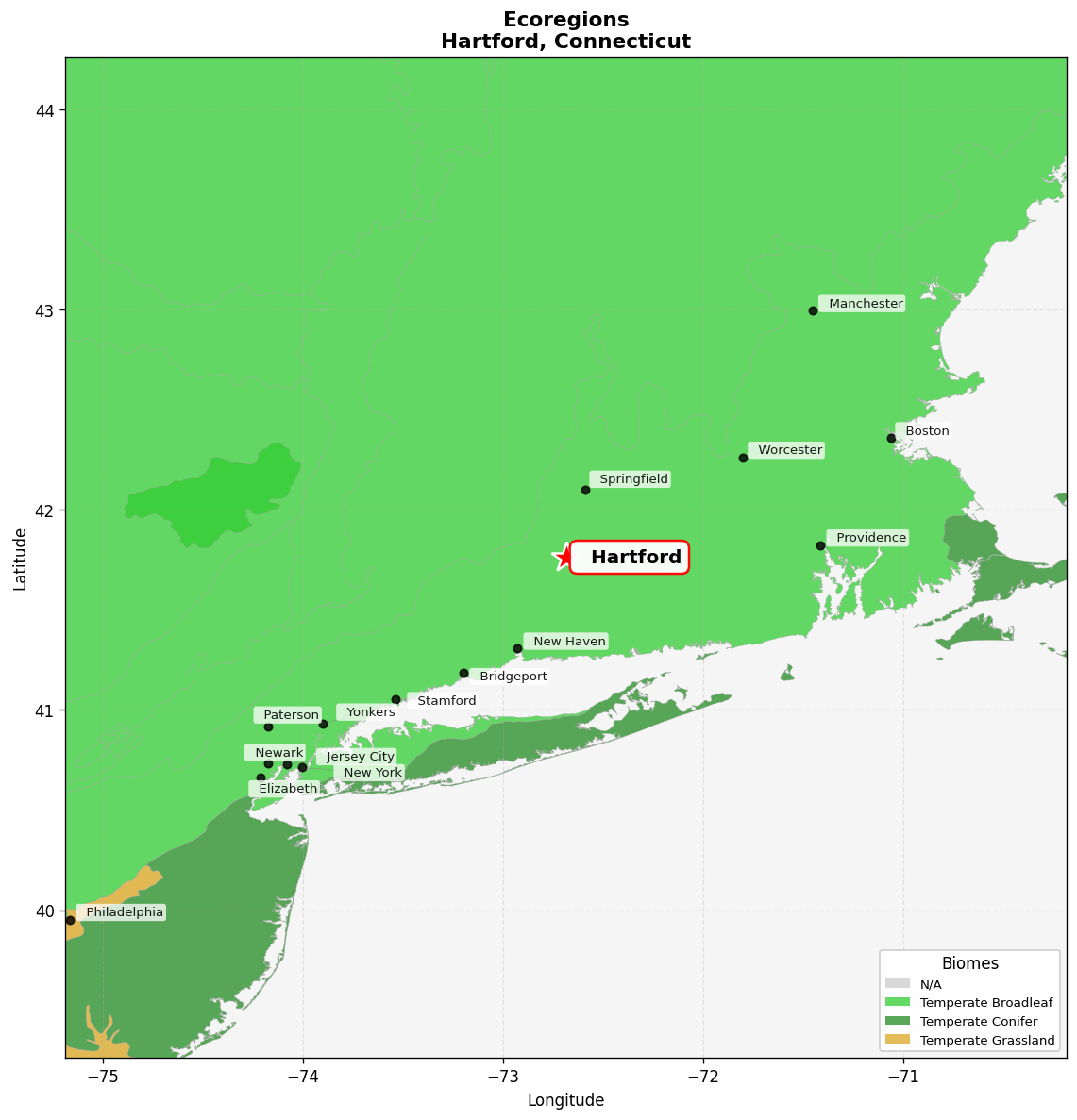
Northeast US Coastal forests
Native ecoregionFrequently Asked Questions
How much does a modern landscape cost in Hartford, CT?
Greater Hartford crews typically bill around $55–90 per hour per worker, and a modern design-build front yard runs roughly $16–40 per square foot depending on how much steel and stone it carries. A gravel-and-grass conversion of a 500–800 sqft front lawn usually costs $9,000–24,000; a bluestone terrace on a proper frost-proof base runs $35–55 per square foot; and Corten planters come in around $150–300 per linear foot installed. Planting the grasses yourself, Calamagrostis × acutiflora 'Karl Foerster' and Sporobolus heterolepis in one-gallon pots, is the easiest way to cut 20–30% off the bill.
Is a modern landscape low maintenance in a Connecticut winter?
Yes, if it is built right. A grass-and-gravel plan needs one hard cutback a year, in late March or early April, before new growth shows. Leave Panicum virgatum 'Northwind' and Calamagrostis × acutiflora 'Karl Foerster' standing all winter, because they hold their shape above roughly 50 inches of seasonal snow. The work that does pile up is the hardscape: weeds in gravel without fabric, and joints that open where the base was skimped. A 6–8 inch compacted stone base and steel edging staked deep are what keep a Hartford modern garden low-maintenance after the third winter.
Can I grow agave or Italian cypress in Hartford?
Not at grade. Zone 6b's average coldest night near -3°F, plus wet winters, kills agave and Italian cypress. The substitutes give the same look: Yucca filamentosa 'Color Guard' is fully hardy, and Yucca rostrata 'Sapphire Skies' can survive in a raised, sharply drained gravel bed against a south wall. For the vertical column, use Juniperus scopulorum 'Skyrocket' or Thuja occidentalis 'Degroot's Spire'; Ilex crenata 'Sky Pencil' works in a sheltered corner but can burn in an open, windy yard.
When should a modern landscape be installed in Hartford?
Hardscape and planting follow different calendars. Paving, steel edging and concrete work run comfortably from April to late November; once nights drop below about 40°F, concrete needs blankets and most contractors stop pouring. Warm-season grasses like Panicum, Schizachyrium and Sporobolus are best planted from late April to June so they root through a full season before their first winter; shrubs and trees such as Amelanchier × grandiflora 'Autumn Brilliance' establish well from early September to mid-October. Last frost is usually late April to early May, first frost around mid-October.
Do I need a permit for a modern landscape in Hartford?
Planting, gravel beds and at-grade patios generally do not need one. Permits normally come in for retaining walls over about 4 feet, decks, and roofed structures, and any post or footing has to reach the 42-inch frost depth. Adding a lot of impervious paving can bring zoning or stormwater questions, which is one more reason to use gravel or permeable pavers. Parts of the West End and several other neighborhoods are local historic districts, where new walls, fences and other street-visible changes can need historic review. Settle the design first, then confirm with the City of Hartford before you build.
Which modern plants handle Hartford road salt and snow piles?
Put the tough ones at the curb and the driveway edge: Panicum virgatum 'Shenandoah', Juniperus virginiana 'Grey Owl', Juniperus horizontalis 'Blue Chip', Hylotelephium 'Herbstfreude' and Calamagrostis × acutiflora 'Karl Foerster' all shrug off salt spray and a plowed heap. Keep Buxus, Hakonechloa macra 'Aureola' and Acer palmatum 'Bloodgood' at least 6 feet back from any plowed surface. Decide at design stage where every snow pile goes, and leave that spot as gravel, not planting.
My Hartford yard floods every spring. Can a modern design fix that?
Often, yes. Yards on the old lakebed clays near the river and in low spots of the South End hold water after snowmelt. A gravel-lined rain bed fed by the downspout, permeable pavers in place of solid concrete, and a planting of Betula nigra 'Heritage', Iris versicolor and Carex grayi that likes wet feet in April and copes with a dry August turn the problem into the design. For anything near the Connecticut River floodplain, check flood-zone rules with the City before you regrade.