4 Modern Landscape Ideas for New Haven, CT | Zone 7a Design
Native plants from the Northeast US Coastal forests (Zone 7a) — Humid continental (hot summer) climate
Why Modern/Minimalist Gardens in New Haven?
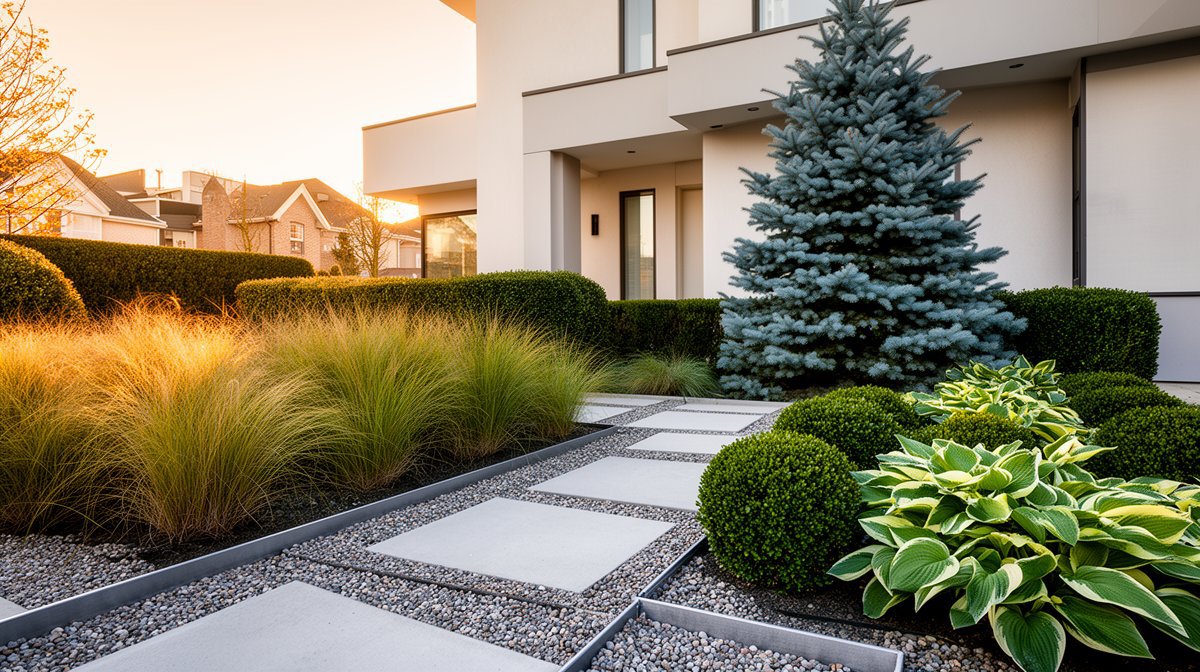
Few American cities have a better claim on modern design than New Haven. Louis Kahn's Yale Art Gallery, Eero Saarinen's Ingalls Rink, Paul Rudolph's Art and Architecture Building and the Temple Street Garage put uncompromising modernism into the middle of a colonial city, and the residential stock followed — flat-roofed post-war houses scattered through Woodbridge and Orange, long low ranches through North Haven, Hamden and Spring Glen, and a steady run of new contemporary builds along the Branford and Guilford shoreline. Modern landscaping here is not an imported look; it is the correct answer to a house with a flat fascia, a wide window wall and no ornament to compete with. The design job in New Haven is to give that architecture a groundplane as disciplined as the building — a single paving material, one strong line, and three or four plants repeated enough times to read as a pattern rather than a collection.
Zone 7a — winter lows of 0 to 5°F, softened about half a zone by Long Island Sound — sets the honest limits of the palette, and this is where most modern New Haven gardens go wrong. The agave-and-gravel image that defines contemporary landscaping in California does not survive a Connecticut February at grade. What does work is the cold-hardy substitution: Yucca rostrata 'Sapphire Skies' and Yucca filamentosa 'Color Guard' deliver the same blue-grey rosette architecture and take Zone 5 cold; Agave parryi var. neomexicana will hold on in a raised, sharply drained gravel bed with a winter rain cover, but never in flat ground. The same trade applies overhead: Cupressus sempervirens is a fantasy here, while Juniperus scopulorum 'Skyrocket', Thuja occidentalis 'Degroot's Spire' and Ilex crenata 'Sky Pencil' give the identical vertical exclamation and survive. For the horizontal layer, this climate is genuinely generous — Calamagrostis × acutiflora 'Karl Foerster', Panicum virgatum 'Northwind', Schizachyrium scoparium 'Standing Ovation' and Sporobolus heterolepis are all bombproof in New Haven and hold their winter structure through snow, which is exactly what a minimal garden needs in the five months it has no flowers.
Freeze-thaw is the real engineering constraint on a modern New Haven landscape, because clean lines are unforgiving of movement. The city averages roughly 47 inches of precipitation and around 30 inches of snow, and swings across the freezing point dozens of times each winter. A large-format concrete or porcelain paver terrace laid on an inadequate base will heave a joint out of alignment in its second winter and the whole geometry reads as a mistake. Build on 6–8 inches of compacted processed stone over filter fabric, carry any pergola post or wall footing to Connecticut's 42-inch frost depth, and decide before construction where the snow goes — a design with nowhere to pile January snow will spend every winter with the plow heap sitting on top of the Buxus. Road salt is the companion problem: keep salt-sensitive plants back from the driveway edge and use Panicum virgatum 'Shenandoah' and Juniperus virginiana 'Grey Owl' where the spray lands.
Soil and water rules round it out. New Haven's glacial till off the East Rock and West Rock traprock ridges is stony and acidic at roughly pH 5.0–5.5 — fine for Hakonechloa macra 'Aureola' and Ilex glabra 'Gem Box', wrong for anything Mediterranean, so gravel beds want lime and grit mixed through the profile rather than a thin layer of stone dropped on native ground. The South Central Connecticut Regional Water Authority has no permanent irrigation ban but has issued voluntary conservation requests in drought summers, which is one more argument for a grass-led planting that needs no supplemental water after its first season. Increasing the impervious area of a lot can trigger stormwater and zoning review in the city, and shoreline properties inside the state's Coastal Boundary carry an extra site plan layer — worth checking early, because it often decides whether a terrace grows or a gravel court does.
4 Modern/Minimalist Design Ideas for New Haven

The Black-and-White Entry Court
$25–48/sqftA two-storey white stucco house with black window frames and a full-height glazed corner, approached by a wide grey concrete walk laid as two long slabs with a single crisp joint running down the centre. The planting is strictly symmetrical and strictly limited to four things: bold blue-grey rosettes set as repeated punctuation, low mounded tufts of grass, a haze of purple flower spikes along both edges of the walk, and small dark clipped domes tight to the wall. A single multi-stemmed tree breaks the facade on the left, a dark clipped hedge closes the property line, and two mown lawn panels sit perfectly flat on either side. Nothing here is complicated — the discipline is the design.

The No-Lawn Gravel Ranch
$12–26/sqftA long single-storey flat-roofed mid-century ranch — clerestory windows, a warm wood front door, a grey garage door, a low overhanging eave — with the entire front lawn deleted. In its place is a field of warm pea gravel divided into geometric planes by dark steel edging, with the driveway and entry path reading as the same surface in a different plane. Planting is scattered rather than massed: repeated blue-grey rosettes, tufted grasses catching low sun, a few placed boulders, and a mature oak throwing dappled shade over the whole thing. Zero mowing, zero irrigation after establishment, and the plow has nowhere to damage.

The Concrete Fire Terrace
$30–58/sqftA square poured-concrete terrace set like an island in a flat lawn behind a white stucco house with a wide black slider. Four low-slung armchairs and a two-seat sofa face a round concrete gas fire bowl at the centre; catenary string lights sweep across the whole space from the roofline to a post at the garden edge, and a single multi-stemmed tree sits just off the corner of the slab to break the geometry. The only planting is at the terrace corners — soft fountaining grasses in dark mulch triangles that blur the hard edge of the concrete where it meets grass. It is a buildable, single-material design that gives New Haven back its April and October evenings.

The Lantern-Lit Pool Court
$55–110/sqft (pool area inclusive)Dusk in a glass-and-white-stucco contemporary house: a rectangular pool sits in a broad field of pale large-format pavers, its underwater lighting throwing the window wall back at itself. A grey sectional and low table occupy the far end in front of a raised planter; oversized floor lanterns mark the pool corners, and the whole perimeter is planted with tall, loosely arching grasses uplit from below so the garden edge dissolves into silhouette instead of stopping at a fence. A dark clipped hedge runs the boundary behind them. The restraint — one paving tone, one planting texture, warm light at ground level — is what makes it read as resort rather than backyard.
See how a modern/minimalist garden looks on YOUR property
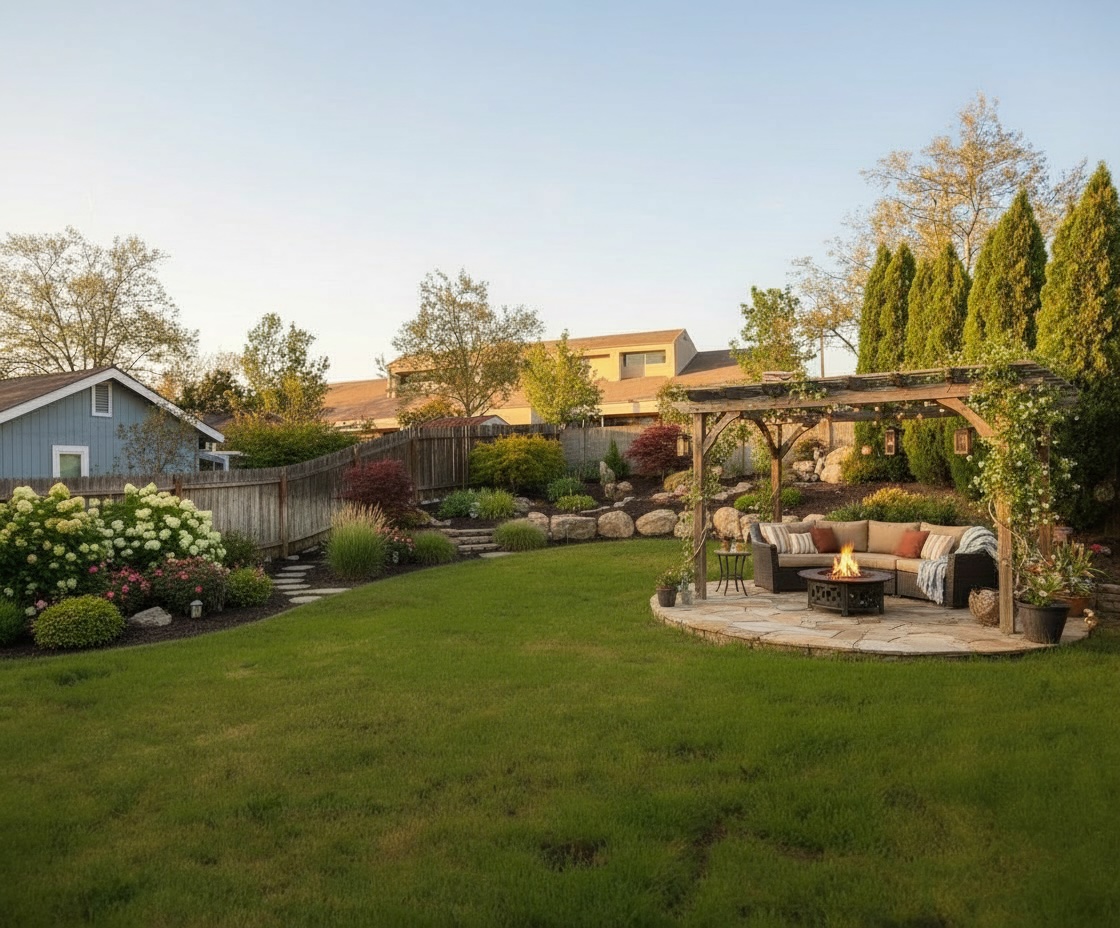
Upload a photo of your New Haven yard and visualize your dream garden in seconds.
Try ProScapeAI Free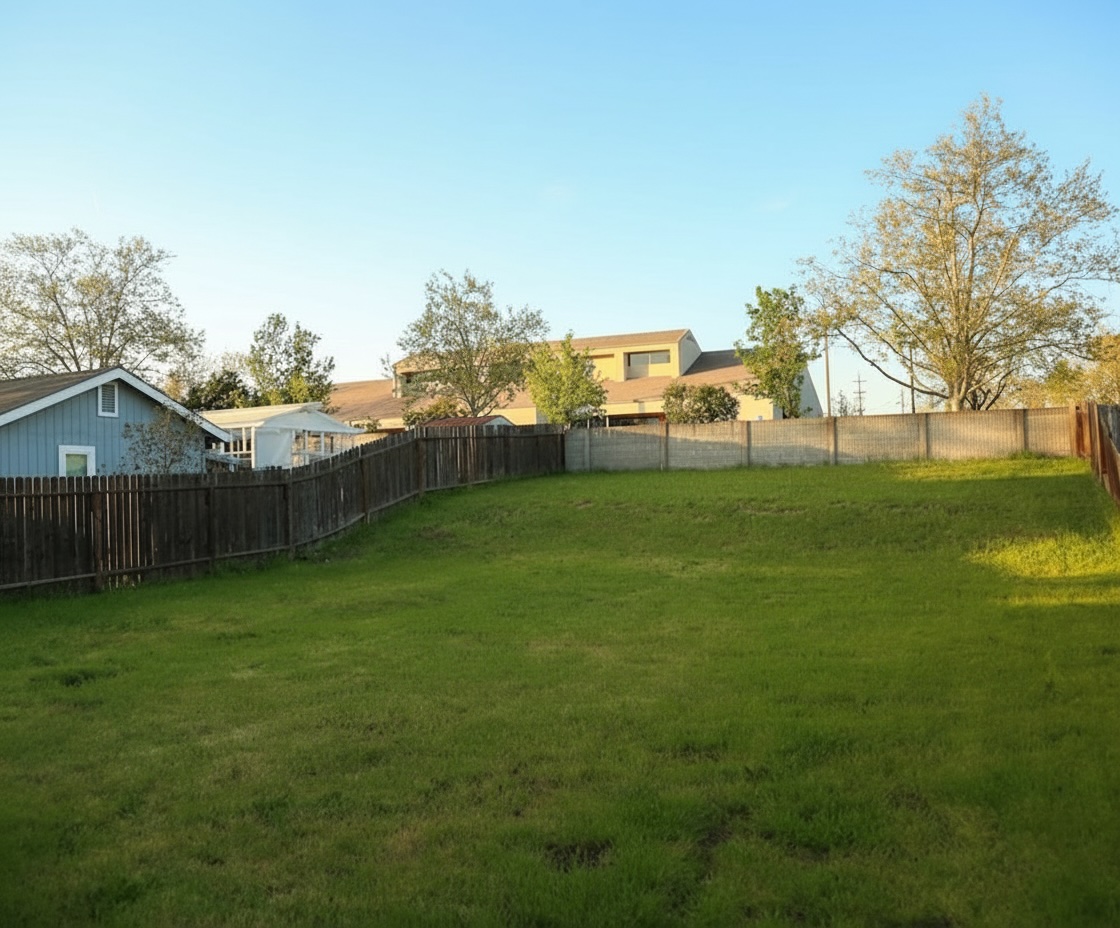
Featured Trees & Shrubs for Modern/Minimalist Gardens
Browse all 181 plants for New Haven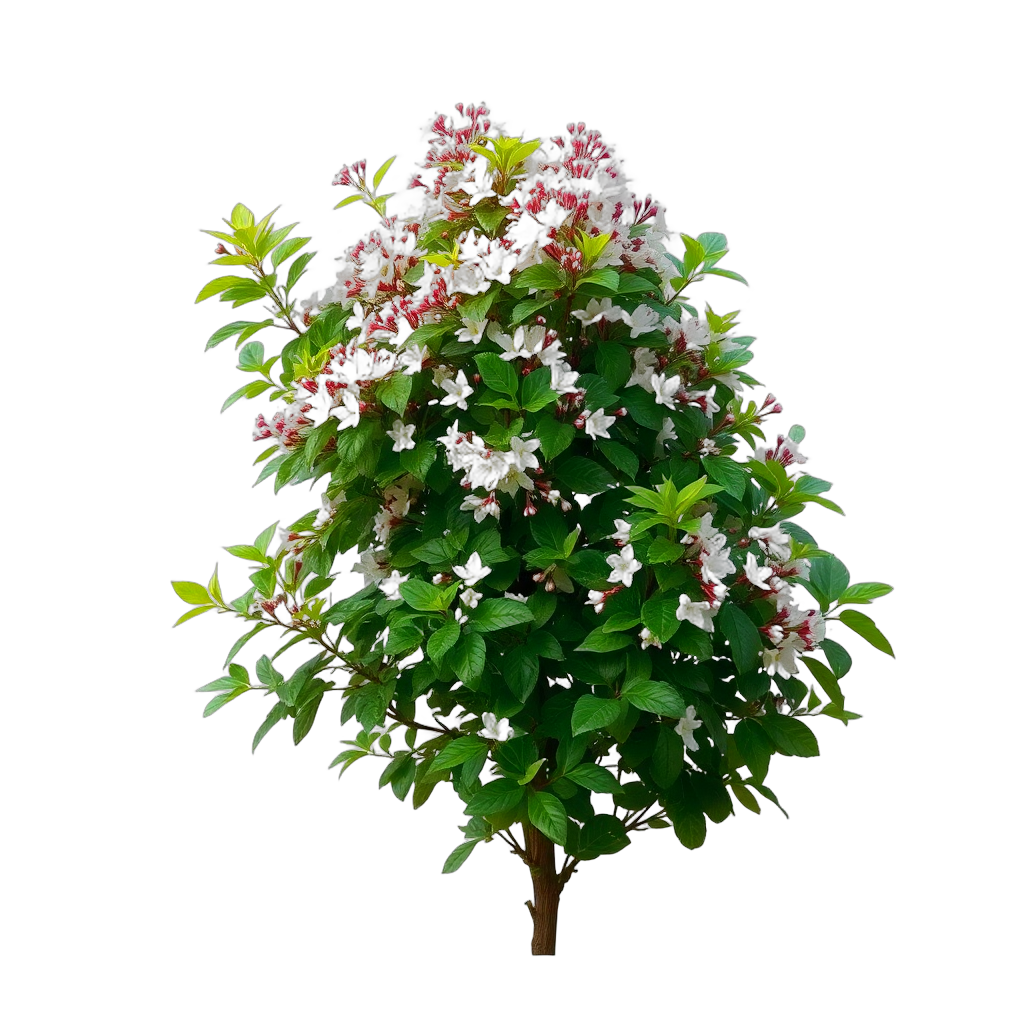
Arrowwood Viburnum
Viburnum dentatum
medium-sized at 10 feet, white blooms in spring. Pollinator-friendly.
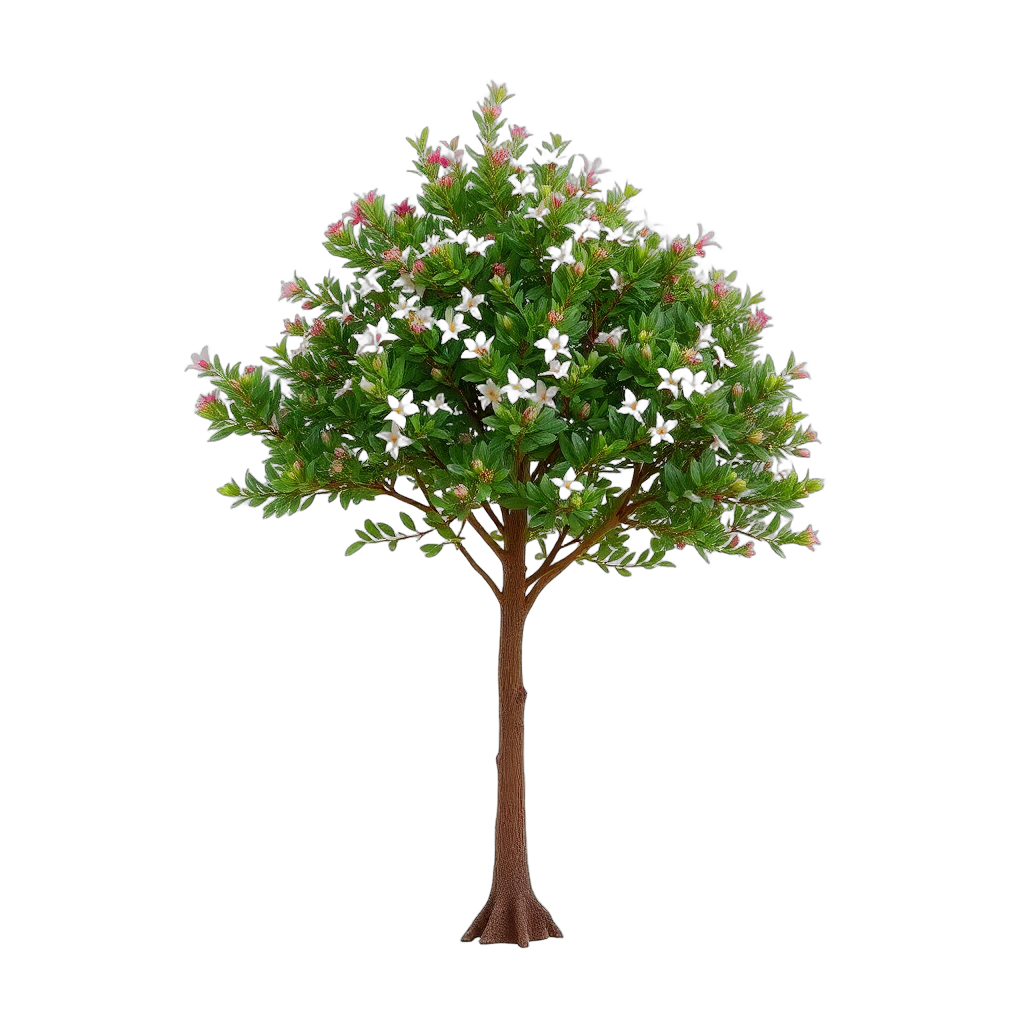
Coastal Leucothoe
Leucothoe axillaris
grows to 3 feet, white blooms in spring. Evergreen year-round.
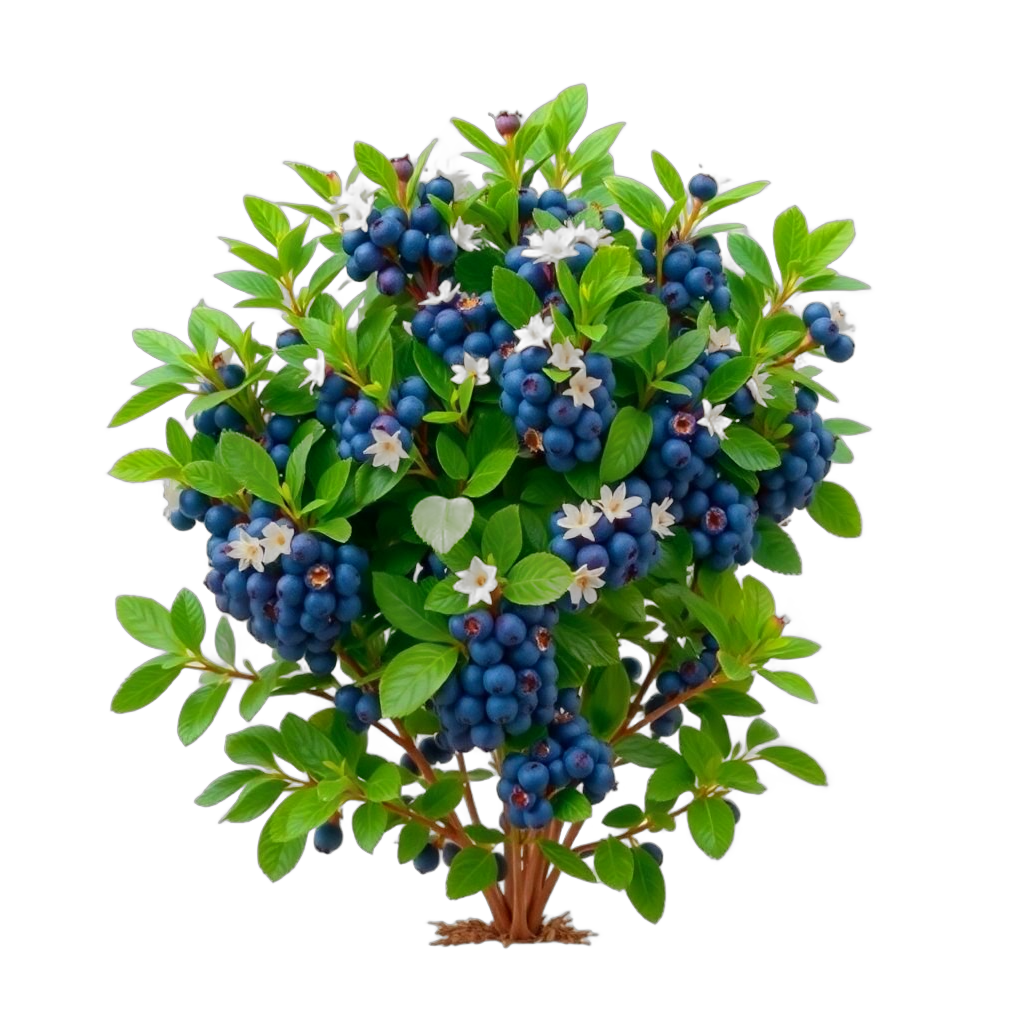
Highbush Blueberry
Vaccinium corymbosum
medium-sized at 7 feet, white blooms in spring. Attracts butterflies.

Inkberry
Ilex glabra
medium-sized at 8 feet, white blooms in spring. Pollinator-friendly.
Featured Grasses & Groundcovers for Modern/Minimalist Gardens
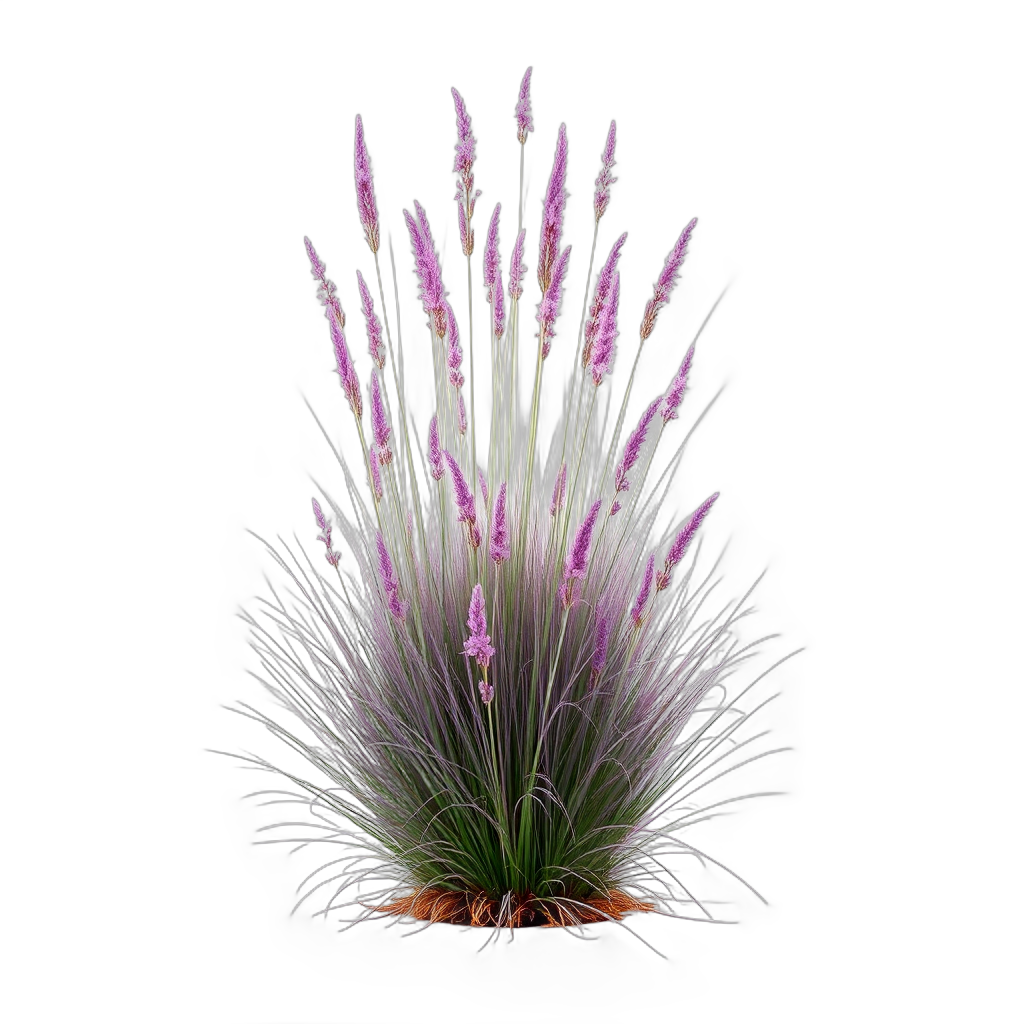
Purple Love Grass
Eragrostis spectabilis
low-growing ground cover, purple blooms in fall. Orange fall color.
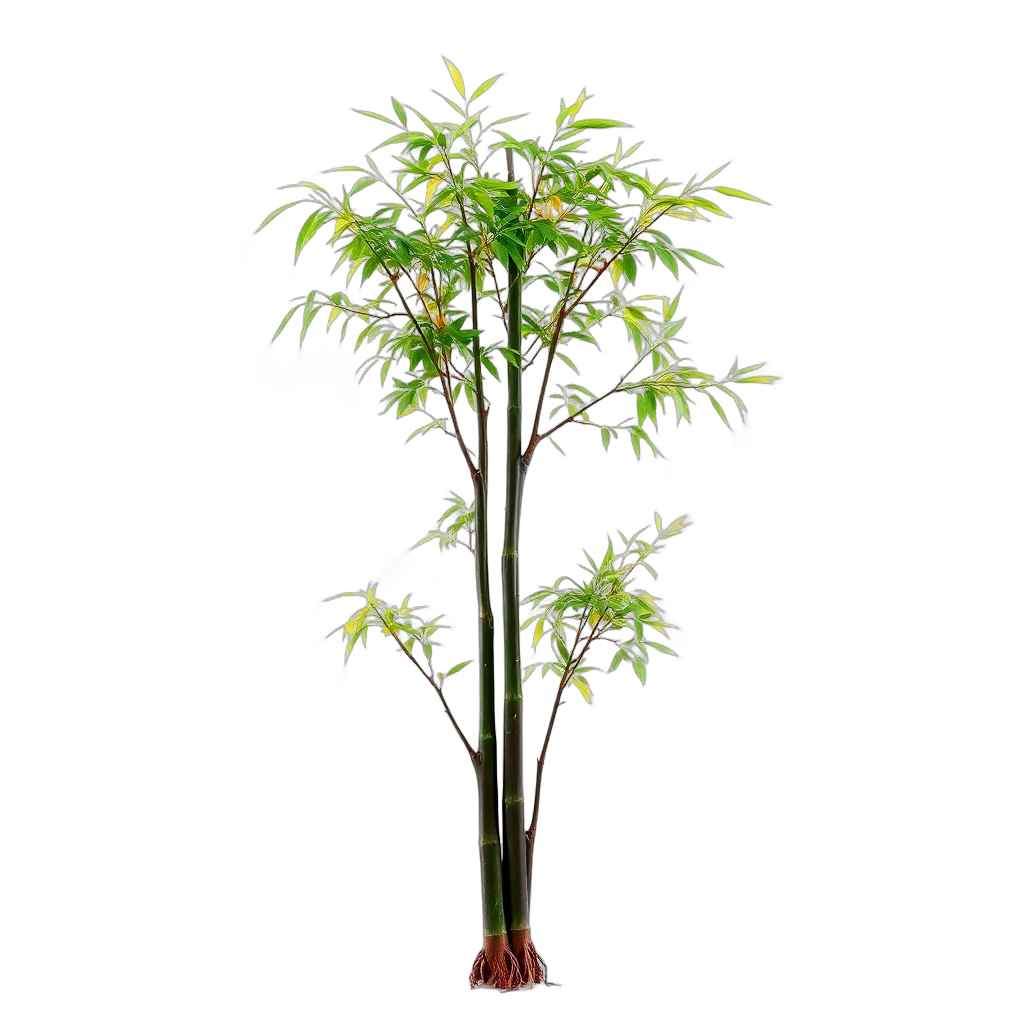
Black Bamboo
Phyllostachys nigra
reaches 25 feet tall, blooms in none. Evergreen year-round.
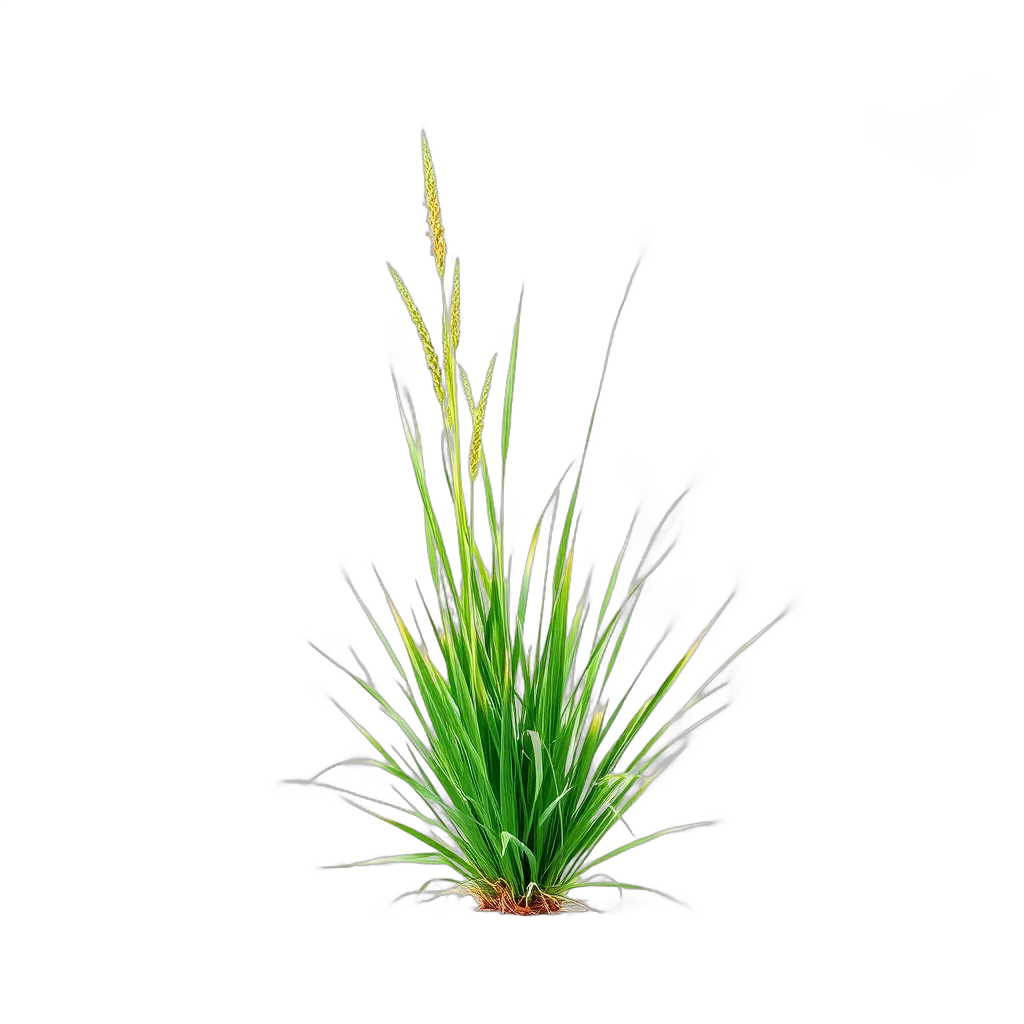
Bull Grass
Muhlenbergia emersleyi
grows to 4 feet, purple blooms in fall. Yellow fall color.
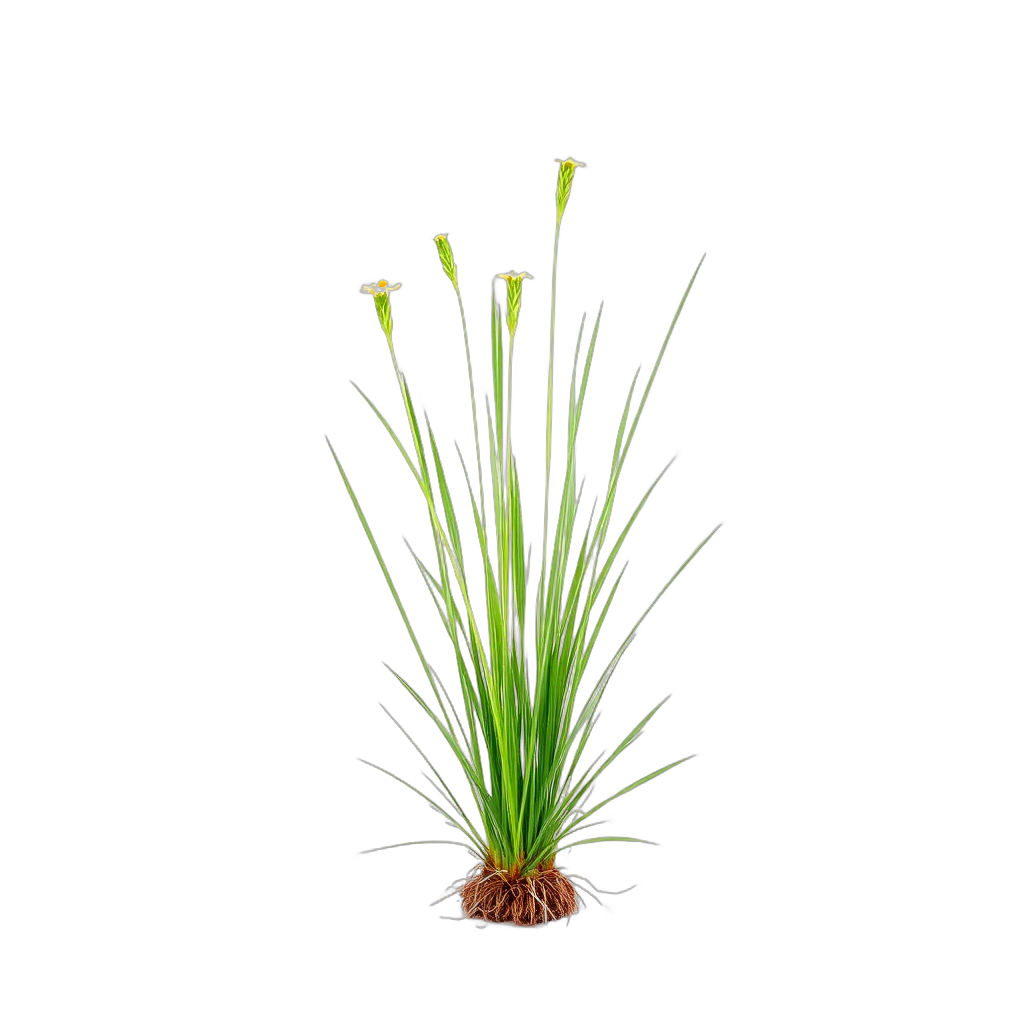
California Melic
Melica californica
low-growing ground cover, blooms in spring.
Featured Flowers & Perennials for Modern/Minimalist Gardens
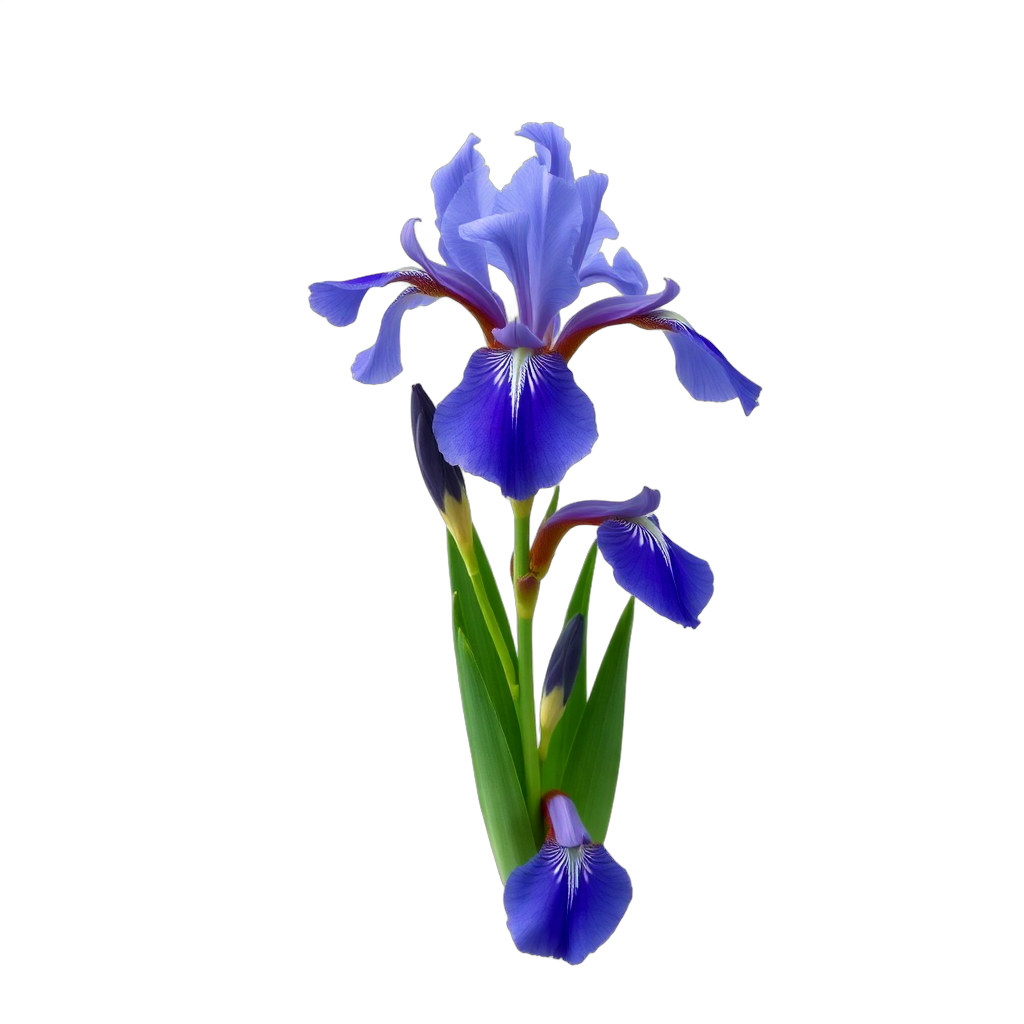
Blue Flag Iris
Iris versicolor
low-growing ground cover, purple blooms in spring. Attracts butterflies.

New York Ironweed
Vernonia noveboracensis
grows to 6 feet, purple blooms in fall. Attracts butterflies.
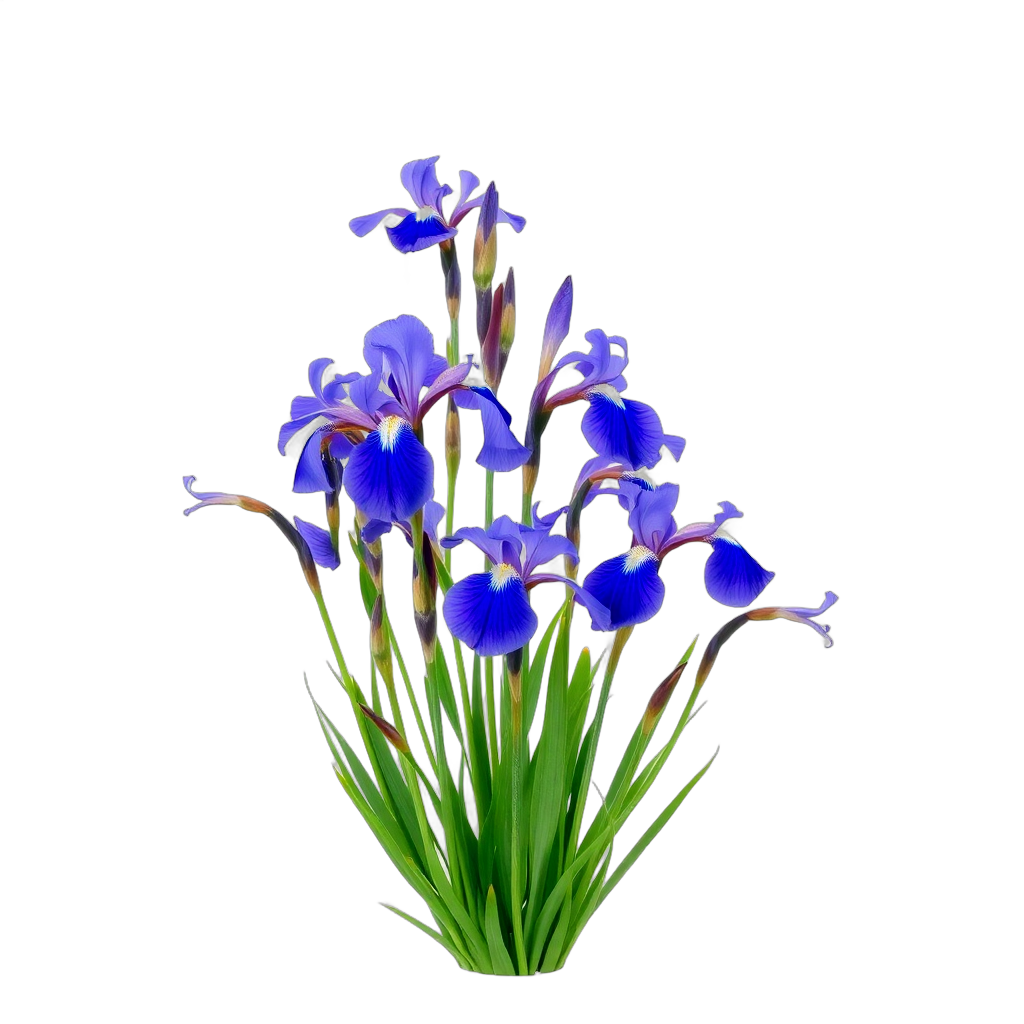
Southern Blue Flag
Iris virginica
low-growing ground cover, blue blooms in spring. Attracts butterflies.

Eastern Prickly Pear
Opuntia humifusa
low-growing ground cover, yellow blooms in summer. Attracts butterflies.
Zone and sun checks come from our database — confirm with your local nursery before you buy.
Bloom Calendar for New Haven
spring
Blue Flag Iris, Southern Blue Flag, Arrowwood Viburnumsummer
Ruby Spice Summersweet, Summersweet, Eastern Prickly Pearfall
New York Ironweed, Purple Love Grasswinter
Limited bloomsDesign Tips for New Haven (Zone 7a)
- Substitute, don't compromise: Yucca rostrata 'Sapphire Skies' and Yucca filamentosa 'Color Guard' give the desert-modern rosette silhouette and take Zone 7a's 0–5°F lows, while Juniperus scopulorum 'Skyrocket' and Ilex crenata 'Sky Pencil' replace the Italian cypress that cannot live here
- Build the base for freeze-thaw, not for the photo: 6–8 inches of compacted processed stone over filter fabric under every paved surface and 42-inch footings under every post — New Haven crosses freezing dozens of times a winter and a heaved joint destroys a clean line permanently
- Decide where the snow goes at design stage: mark the plow route and the pile zone before you place Buxus 'Green Velvet' domes or a Corten planter, because a January snow heap is the most common cause of dead structure plants in Connecticut modern gardens
- Keep the salt-sensitive plants off the driveway edge — put Panicum virgatum 'Shenandoah' and Juniperus virginiana 'Grey Owl' where winter road spray lands and hold Hakonechloa macra 'Aureola' and Buxus back three feet
- Amend the whole profile under a gravel bed rather than dropping stone on native ground: New Haven's traprock till runs pH 5.0–5.5 and stays wet, so lime and mix coarse grit through the top 10 inches or the Sempervivum and Yucca will rot in their second spring
- Light the grasses from below and nothing else: in-grade uplights behind Calamagrostis × acutiflora 'Karl Foerster' and Molinia caerulea 'Skyracer' turn a flat back yard into depth after 5pm, which matters enormously in a city where December darkness arrives before dinner
- Repeat three plants, not thirty — a modern New Haven planting reads best as a rhythm of Panicum virgatum 'Northwind', Sporobolus heterolepis and one architectural Yucca, sized so the pattern is still legible from the street in February
Where to Source Plants in New Haven
Skip the big-box stores. These independent New Haven nurseries specialize in the plants that make modern/minimalist gardens thrive in Zone 7a.
Broken Arrow Nursery
Hamden (Mount Carmel)
Specialty grower of rare and unusual trees and shrubs with a searchable plant library — the local source for sculptural Acer griseum, Cornus kousa and conifer selections that give a modern planting its single specimen moment
Bethany Farm and Nursery
Woodbridge
Over 2,000 kinds of plants plus bulk mulch, topsoil, decorative stone and landscape boulders — the practical stop when a gravel-and-steel front garden needs both the Panicum and the two tons of stone the same afternoon
Bell Nurseries Inc
North Haven (Hartford Turnpike)
Family garden center and landscape yard stocking trees, shrubs and border plants alongside Coast of Maine soil products, mulch, hardscape and fire-pit materials, plus soil testing for New Haven's acidic till
Cheshire Nursery Garden Center & Florist
Cheshire (Route 10, South Main Street)
Garden center established in 1906 with unusually deep tree and shrub stock — worth the 20-minute drive north when a modern design needs matched multi-stem specimens or a run of identical hedging plants
Modern/Minimalist Landscaping Costs in New Haven
| Project Scope | Estimated Cost |
|---|---|
| Modern front entry: concrete walk + architectural beds (400–600 sqft) | $12,000 – $28,000 |
| Full front lawn to steel-edged gravel court (800–1,200 sqft) | $10,000 – $26,000 |
| Poured concrete back terrace with gas fire bowl (300–450 sqft) | $16,000 – $38,000 |
| Pool surround in large-format pavers + full backyard planting | $70,000 – $160,000 |
| Steel or Corten raised planter, fabricated and filled | $900 – $2,400 each |
| Low-voltage LED uplighting (12–16 fixtures, installed) | $2,800 – $6,500 |
| AI visualization with ProScapeAI | Free to start |
Estimates based on New Haven, CT-area contractor rates as of 2026. Actual costs vary by site conditions, materials, and contractor.
New Haven Climate & Growing Zone
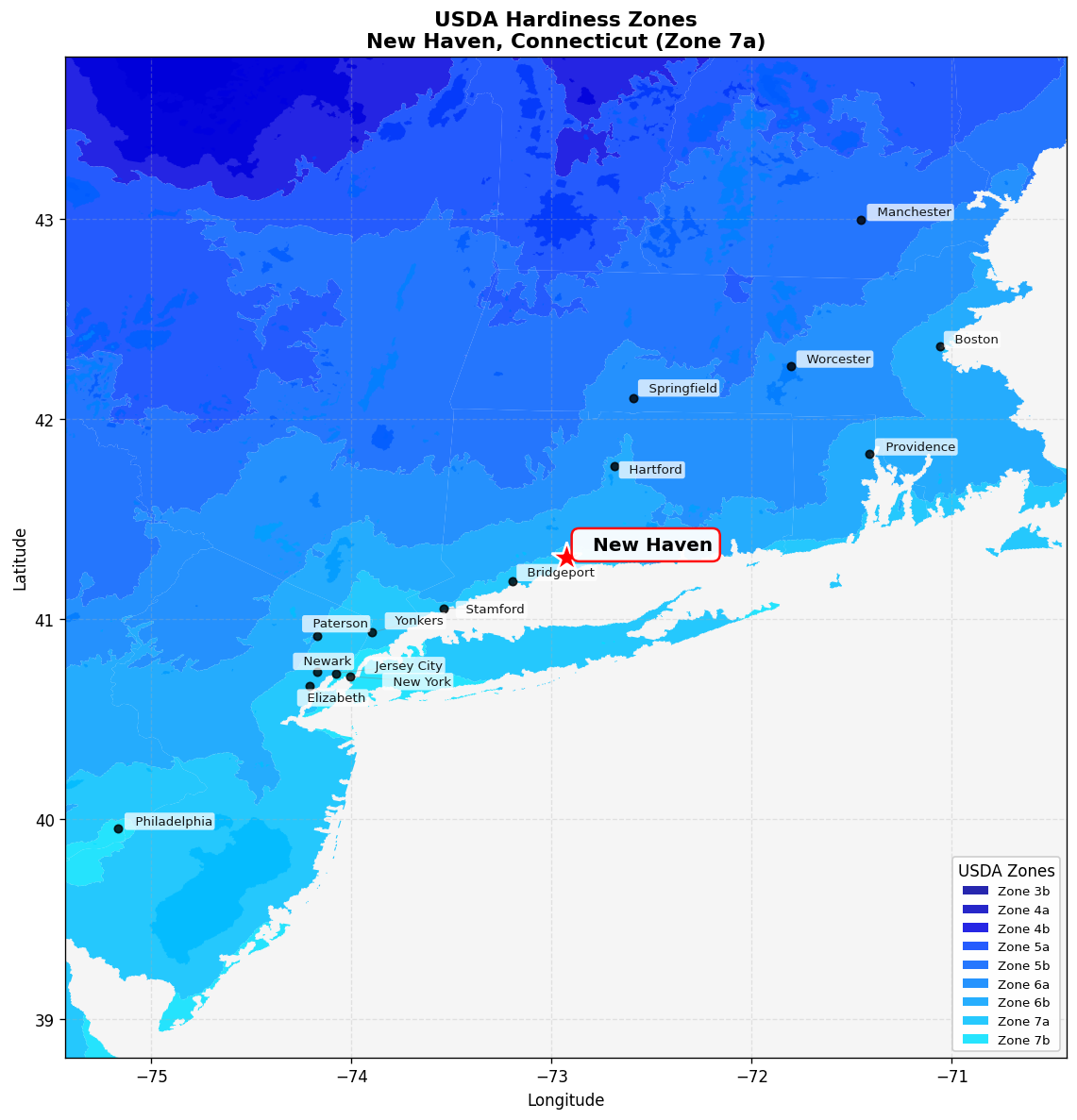
USDA Zone 7a
Hardiness zone for New Haven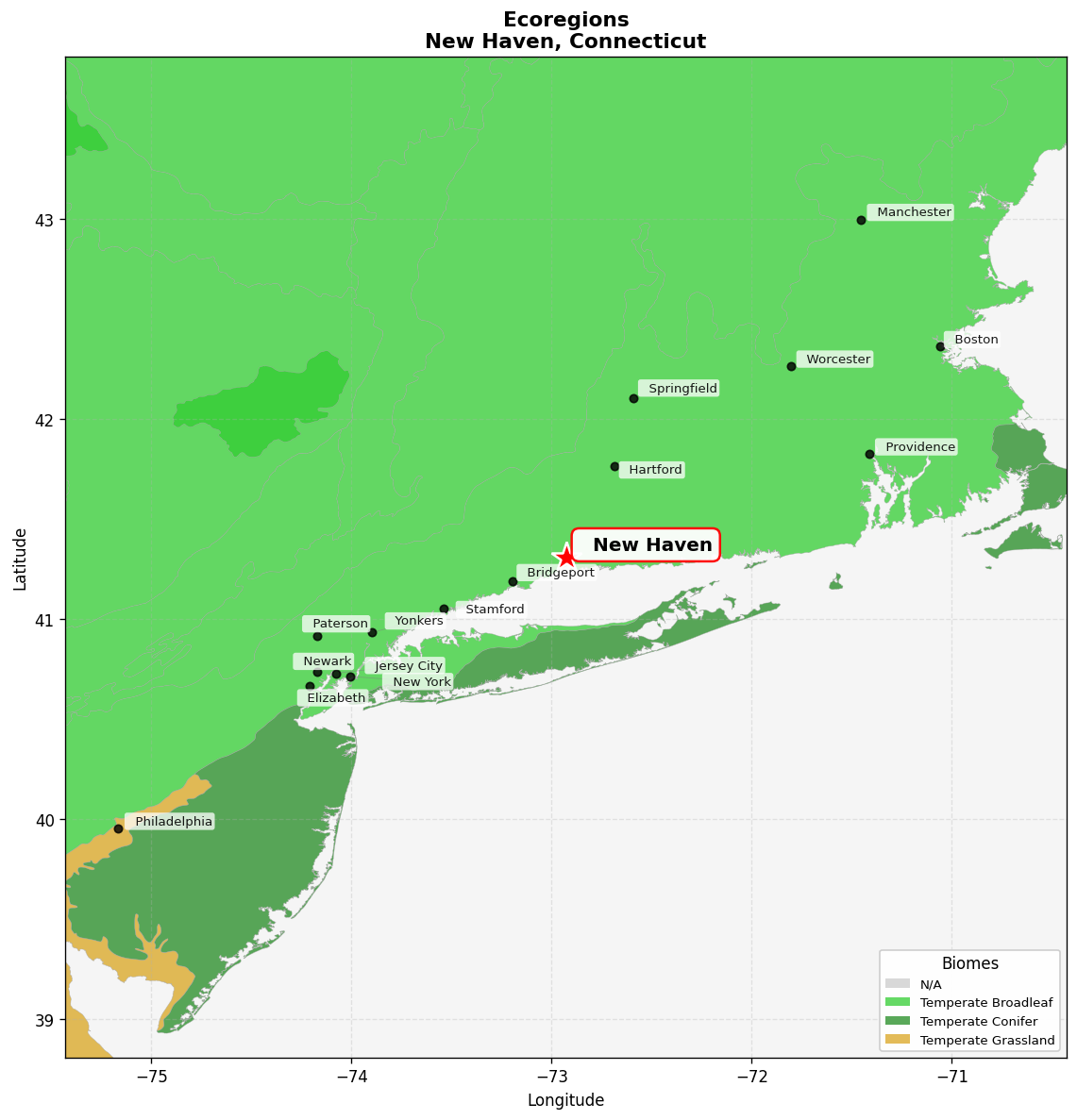
Northeast US Coastal forests
Native ecoregionFrequently Asked Questions
How much does modern landscaping cost in New Haven?
Connecticut installation runs roughly 10–20% above the national average, driven by labour and by the deeper bases freeze-thaw demands. A modern front entry — concrete walk, steel-edged beds, and architectural planting of Yucca rostrata 'Sapphire Skies' and Lavandula × intermedia 'Phenomenal' across 400–600 square feet — typically lands at $12,000–$28,000. Converting an entire front lawn to a steel-edged gravel court runs $10,000–$26,000 for 800–1,200 square feet. A poured concrete back terrace with a gas fire bowl is $16,000–$38,000. Pool-scale backyards with porcelain paving and uplit grass borders commonly run $70,000–$160,000 all in.
Can I grow agaves and desert-modern plants in New Haven?
Not the way California does, but the look is fully achievable with substitutions. Zone 7a lows of 0 to 5°F combined with 47 inches of annual precipitation kill most Agave through winter wet rather than cold. Use Yucca rostrata 'Sapphire Skies' (hardy to Zone 5 with drainage) and Yucca filamentosa 'Color Guard' for the same blue-grey rosette architecture, Sempervivum tectorum and Sedum rupestre 'Angelina' where the picture calls for small rosettes in gravel, and Delosperma cooperi as the flowering mat. Agave parryi var. neomexicana can be pushed here in a bed raised eight inches, backfilled half-and-half with crushed stone and covered against winter rain — treat it as a specimen, not a mass planting. Echeveria is a summer container plant in Connecticut, full stop.
What is the right base for a concrete or paver terrace in Connecticut?
Deeper than most homeowners expect. New Haven crosses the freezing point dozens of times each winter and the glacial till underneath holds water, so excavate 10–12 inches, lay filter fabric, and compact 6–8 inches of processed stone in lifts before any paving goes down. Any post or wall footing — pergola, privacy screen, wall above four feet — has to reach Connecticut's 42-inch frost depth or it will lift. Slope every surface at least 1/8 inch per foot away from the house, and specify a permeable joint or open-graded base where you are adding significant impervious area, because that is exactly what stormwater review in the city looks at.
Which grasses give the best year-round structure in a New Haven modern garden?
Calamagrostis × acutiflora 'Karl Foerster' is the workhorse — strictly upright, seedless, and it stands through snow load better than anything else in Zone 7a. Panicum virgatum 'Northwind' gives the same verticality with more substance; Panicum virgatum 'Shenandoah' brings burgundy autumn colour and shrugs off road and sea salt. Schizachyrium scoparium 'Standing Ovation' and Sporobolus heterolepis stay tidy in gravel, and Deschampsia cespitosa 'Goldtau' and Molinia caerulea 'Skyracer' give the airy, backlit layer. Skip Miscanthus sinensis: it seeds into Connecticut roadsides and is a poor citizen here. Cut everything back once, in late March, and the design is otherwise maintenance-free.
When should modern landscaping be installed in New Haven?
Hardscape first, planting second, and the calendar for each is different. Concrete pours and paver setting run comfortably from April through late November; below about 40°F, concrete needs blankets and admixtures, so most contractors close pours around Thanksgiving. Planting is best from early September to late October, when soil is still warm and autumn rain establishes roots before the ground freezes, with mid-April to May as the second window. Grasses in particular resent being planted in autumn in their first year — spring planting gives Panicum and Schizachyrium a full season to root before their first Connecticut winter.
Do I need permits for a modern landscape project here?
Planting, gravel conversions and at-grade patios generally do not require one. Building permits normally come into play for retaining walls above four feet, decks, pools, and any roofed structure, and pergola footings must reach the 42-inch frost depth. Increasing impervious surface on a lot can trigger stormwater and zoning review in New Haven, and properties inside Connecticut's Coastal Boundary — much of Morris Cove, City Point and the shoreline towns — carry an additional coastal site plan review. Thresholds differ between New Haven, Hamden, Woodbridge, North Haven and Branford, so confirm with your own land use office before you build; settling the design first is what makes that conversation short.