4 English Cottage Garden Ideas for Carrollton, TX | Heat-Proof Borders for Zone 8a Clay
Native plants from the Texas blackland prairies (Zone 8a) — Humid subtropical climate
Why Cottage/English Gardens in Carrollton?
Carrollton is a better place for a cottage garden than its summers suggest. The old streets around the Downtown Carrollton square, the 1970s and 1980s brick ranches of Rosemeade and Josey Ranch, and the two-story brick traditionals around Indian Creek all give a loose, flower-heavy border the backdrop it needs: warm brick, a modest front setback, and a walk from the driveway to the door that is begging for something softer than a row of clipped hollies. The cottage style works here because it is generous at small scale. A 400 square foot front bed packed in three layers reads as a garden from the street, while the same space in builder turf just reads as lawn.
The climate cuts half of the English catalogue. Carrollton sits in Zone 8a, with typical winter lows of 10–15°F, but the number to plan around is the -2°F that DFW Airport recorded in February 2021. Summers bring roughly twenty days above 100°F, July highs average in the mid-90s, and the metro takes about 37 inches of annual rainfall in two bursts, May and October, with a long dry stretch between. True Delphinium elatum, Lupinus and Lavandula angustifolia 'Hidcote' will not come back after a Carrollton August. The plants that actually hold the picture are the Texas-proven substitutes: larkspur (Consolida ajacis) sown in October for the blue spires, Salvia farinacea 'Henry Duelberg' and Salvia greggii 'Furman's Red' for summer color, Phlox paniculata 'John Fanick' in place of English border phlox, and the Earth-Kind roses Rosa 'Belinda's Dream', 'Mutabilis' and 'Old Blush' instead of hybrid teas that defoliate by July.
The soil is the second problem. Most of Carrollton sits on the blackland prairie clays, the dark, heavy Houston Black and Austin series, with a pH of roughly 7.5–8.3 and a shrink-swell habit that cracks open in August and turns to glue in a wet March. That alkalinity yellows anything acid-loving, so leave out azaleas, camellias and blue mophead hydrangeas, and build cottage beds up 6–10 inches with expanded shale and compost rather than digging holes into clay that holds water around the crowns. Lavender only lasts here as Lavandula × intermedia 'Phenomenal' or 'Provence' in a raised, gritty bed with gravel mulch. Once the drainage is fixed, roses, salvias and most Texas natives do well in the fertile blackland soil.
A Carrollton cottage garden peaks twice a year. The spring show runs from mid-March, after the average last freeze, through May, when roses, larkspur, poppies and foxglove planted the previous autumn all flower together. July and August are a holding pattern carried by Turk's cap, lantana and salvias, and then October and November bring a second flush of roses, Salvia leucantha and fall asters before the first freeze in late November. Design for both peaks, water with drip on the city's schedule, and the border earns its keep for nine months of the year.
4 Cottage/English Design Ideas for Carrollton

AI-generated image
The Brick Ranch Rose Walk
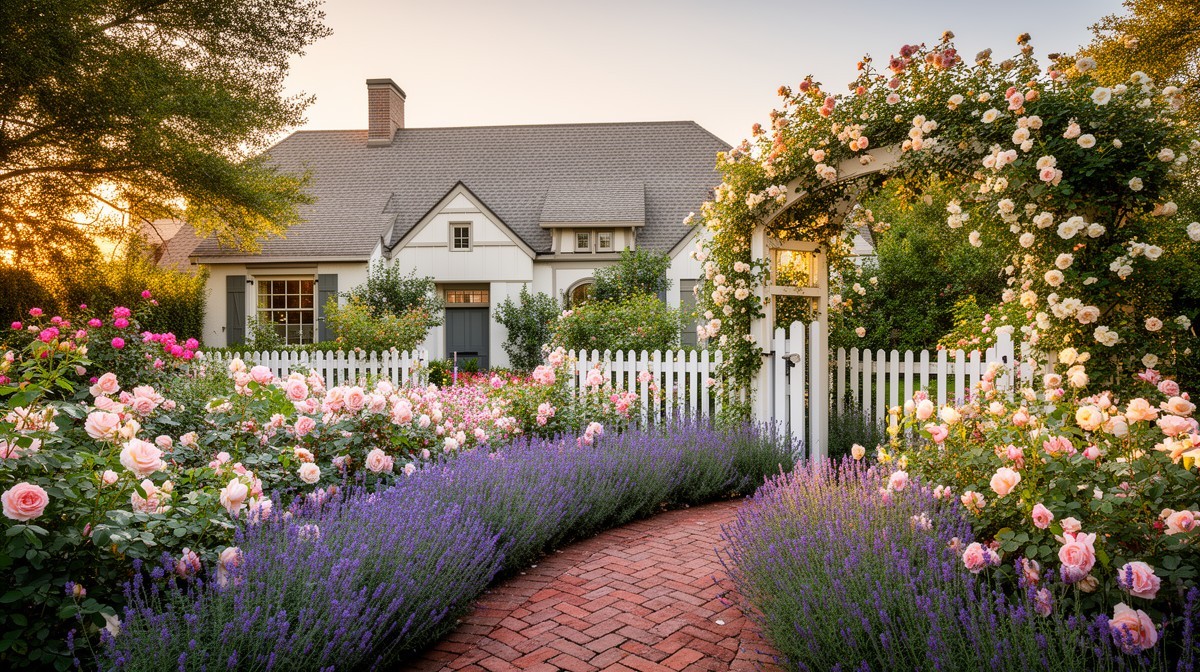
$18–34/sqftA 1970s single-story brick ranch in Rosemeade loses its straight concrete walk to a curving path of reclaimed red brick, with a raised cottage border on both sides that runs the full width of the house. Pink shrub roses and a climbing rose on a black steel obelisk carry the back row, salvias and phlox fill the middle, and a low edge of dwarf yaupon keeps it tidy against the brick. The bed faces south to the street, so it takes full sun from late morning, which keeps rose foliage dry and blackspot down.

AI-generated image
The Downtown Picket Fence Border
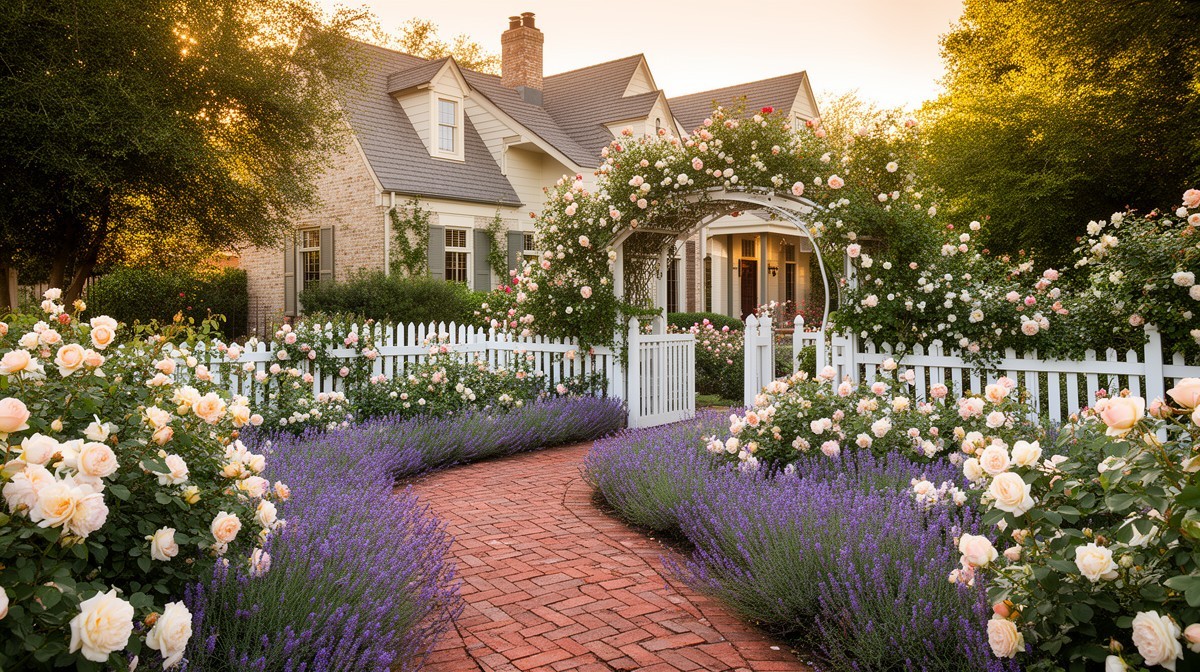
$20–38/sqftAn older frame cottage near the Downtown Carrollton square gets a white picket fence along the sidewalk and a rose-covered arbour over the gate, with the border planted deep enough to spill through the pickets. Larkspur and poppies sown in October give the April spires, Turk's cap and lantana take over for summer, and a yellow Lady Banks rose climbs the arbour. A cedar elm on the west side throws afternoon shade over the porch end, so the shade-tolerant Turk's cap goes there and the roses stay in the sunny half.

AI-generated image
The Raised Lavender and Herb Terrace
$24–45/sqftBehind a two-story brick traditional in Indian Creek, the back lawn steps up into two raised limestone beds that hold the only lavender that lasts in Carrollton, edged with rosemary and catmint and anchored by a gray-leafed Texas sage at each corner. A flagstone landing with two chairs sits between the beds, and a multi-trunk crape myrtle on the west side gives shade from 4 p.m. on. The beds are full of gravel and expanded shale so the crowns stay dry through a wet May.

AI-generated image
The Pergola Dining Garden
$30–60/sqftA cedar pergola off the back patio of a brick two-story carries a climbing rose up one post and a coral honeysuckle up the other, shading a dining table through the long DFW evenings. Deep borders wrap the lawn in drifts of coneflower, black-eyed Susan and fall-blooming Mexican bush sage, with an Oklahoma redbud for March color at the far corner. The back fence faces north, so the borders get full sun all day and the pergola does the shading the plants cannot.
See how a cottage/english garden looks on YOUR property
Upload a photo of your Carrollton yard and visualize your dream garden in seconds.
Try ProScapeAI Free

AI-generated image
Featured Trees & Shrubs for Cottage/English Gardens
Browse all 156 plants for Carrollton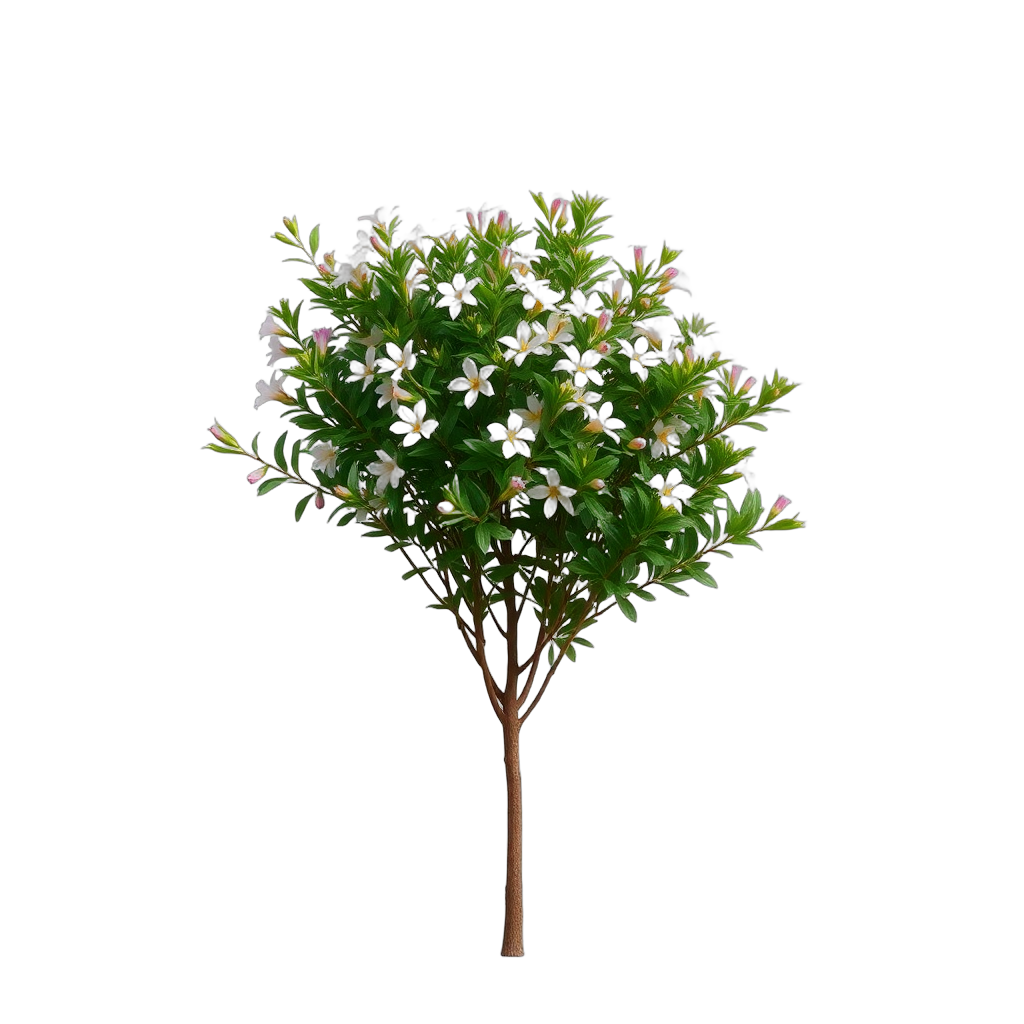
Texas Mountain Laurel
Sophora secundiflora
medium-sized at 12 feet, purple blooms in spring. Evergreen year-round.
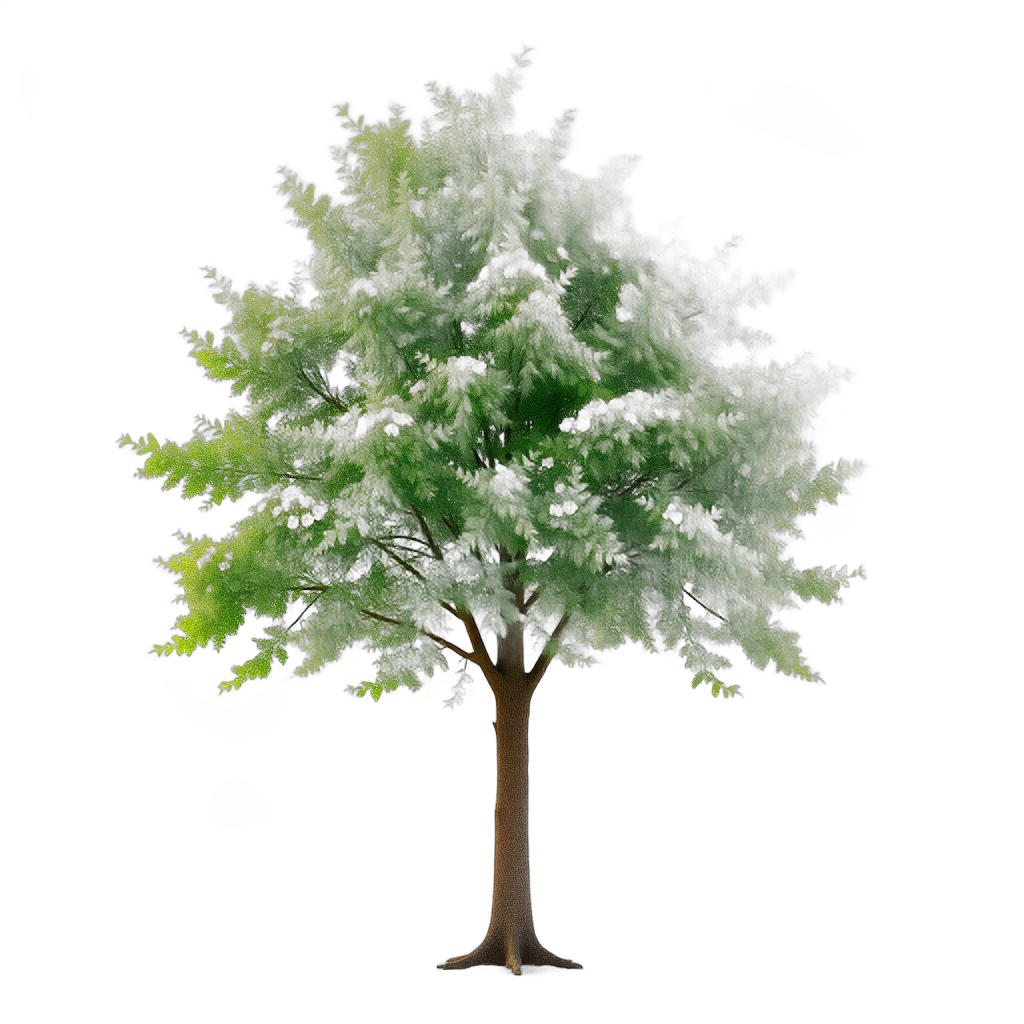
Cedar Elm
Ulmus crassifolia
large shade tree reaching 60+ feet, blooms in fall. Yellow fall color.
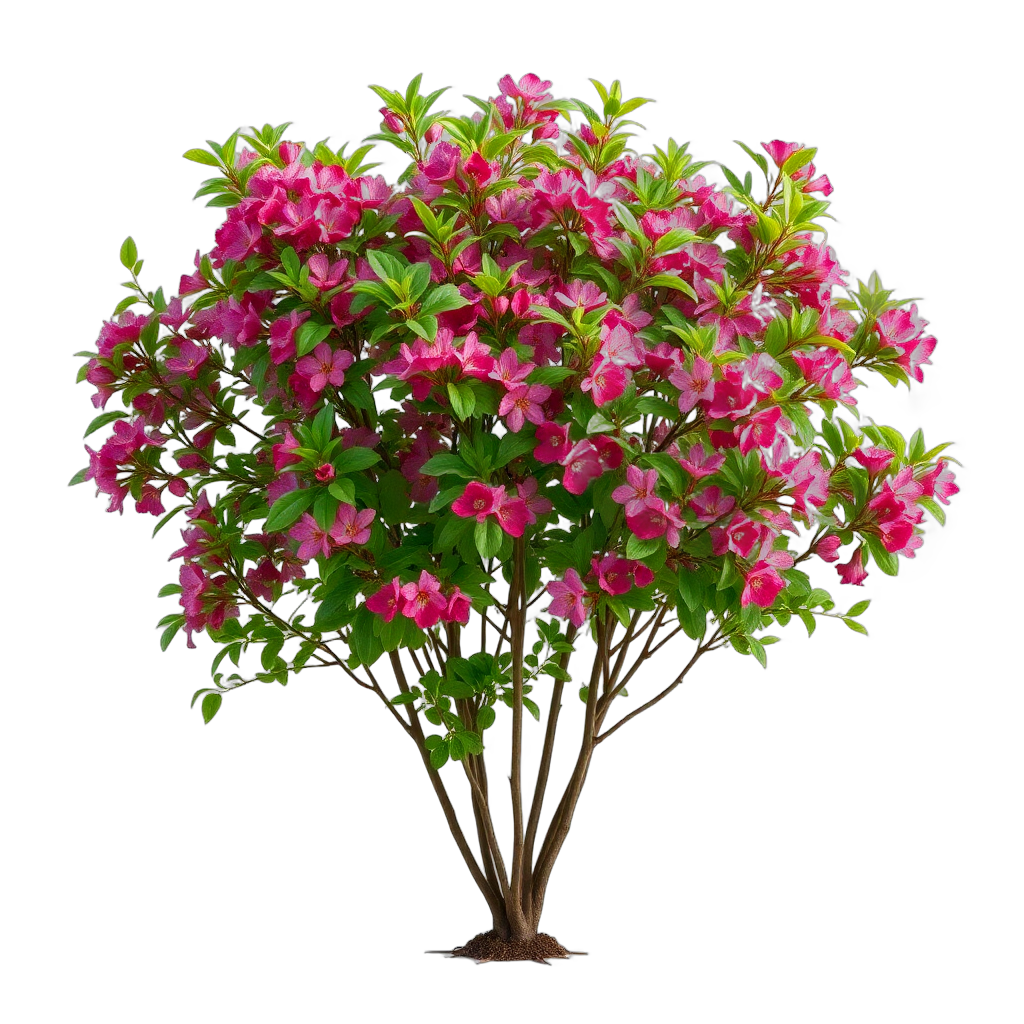
Oklahoma Redbud
Cercis reniformis
reaches 20 feet tall, purple blooms in spring. Attracts hummingbirds.
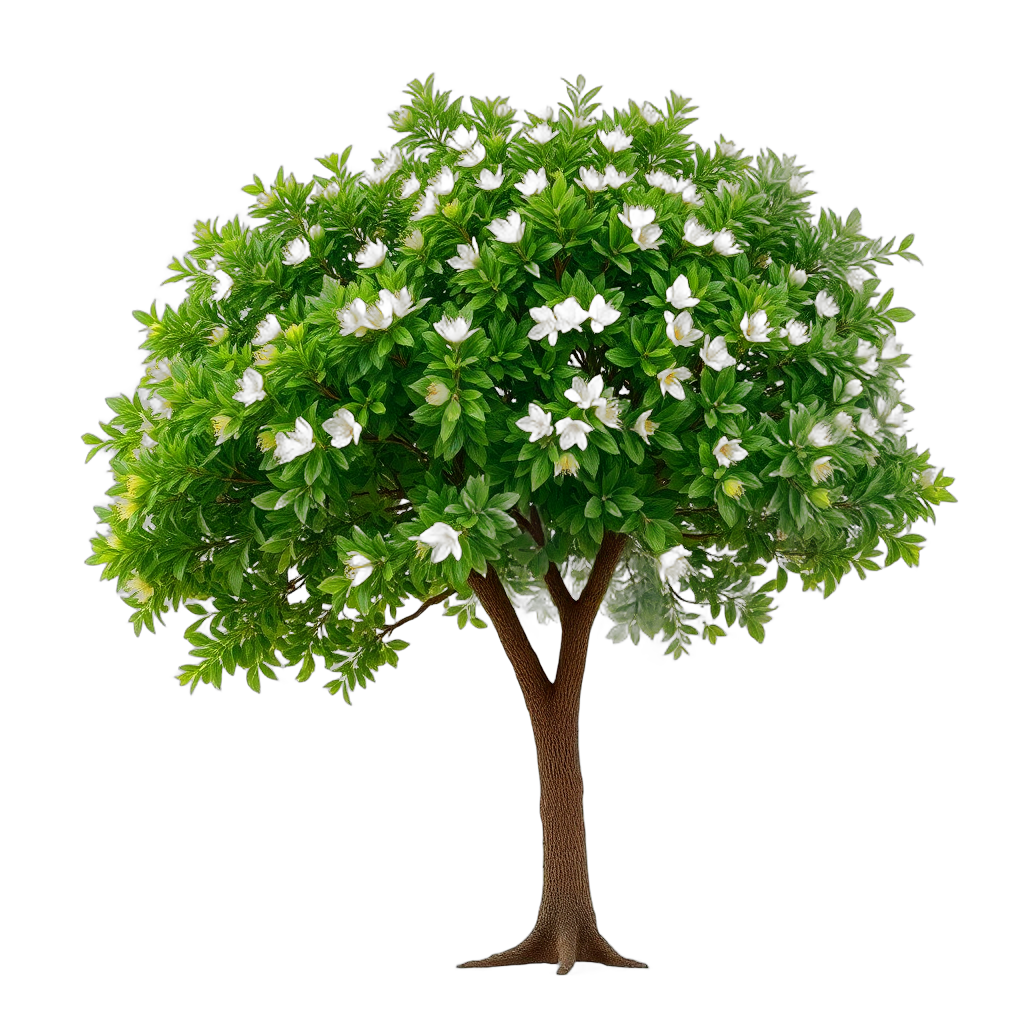
Osage Orange
Maclura pomifera
large shade tree reaching 50+ feet, blooms in spring. Yellow fall color.
Featured Grasses & Groundcovers for Cottage/English Gardens
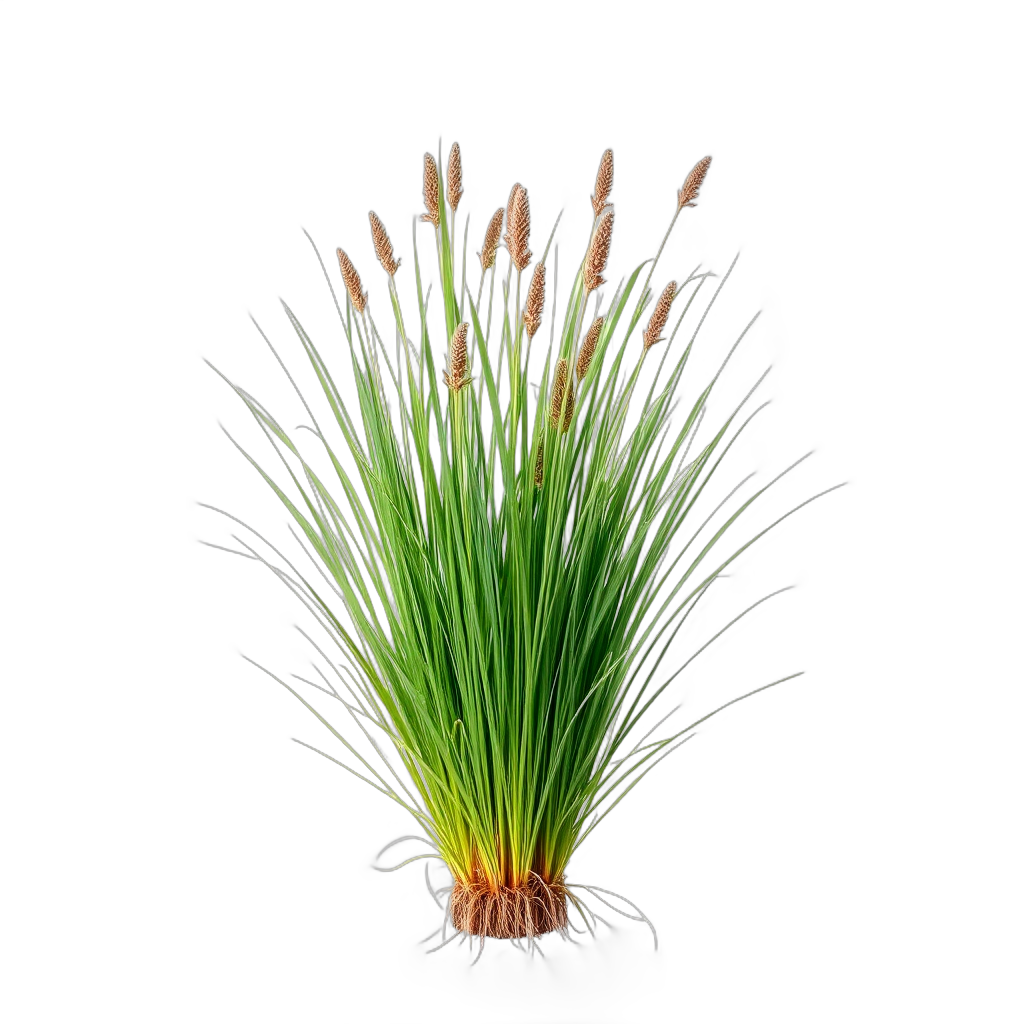
Lindheimer's Muhly
Muhlenbergia lindheimeri
grows to 4 feet, white blooms in fall.
Featured Flowers & Perennials for Cottage/English Gardens
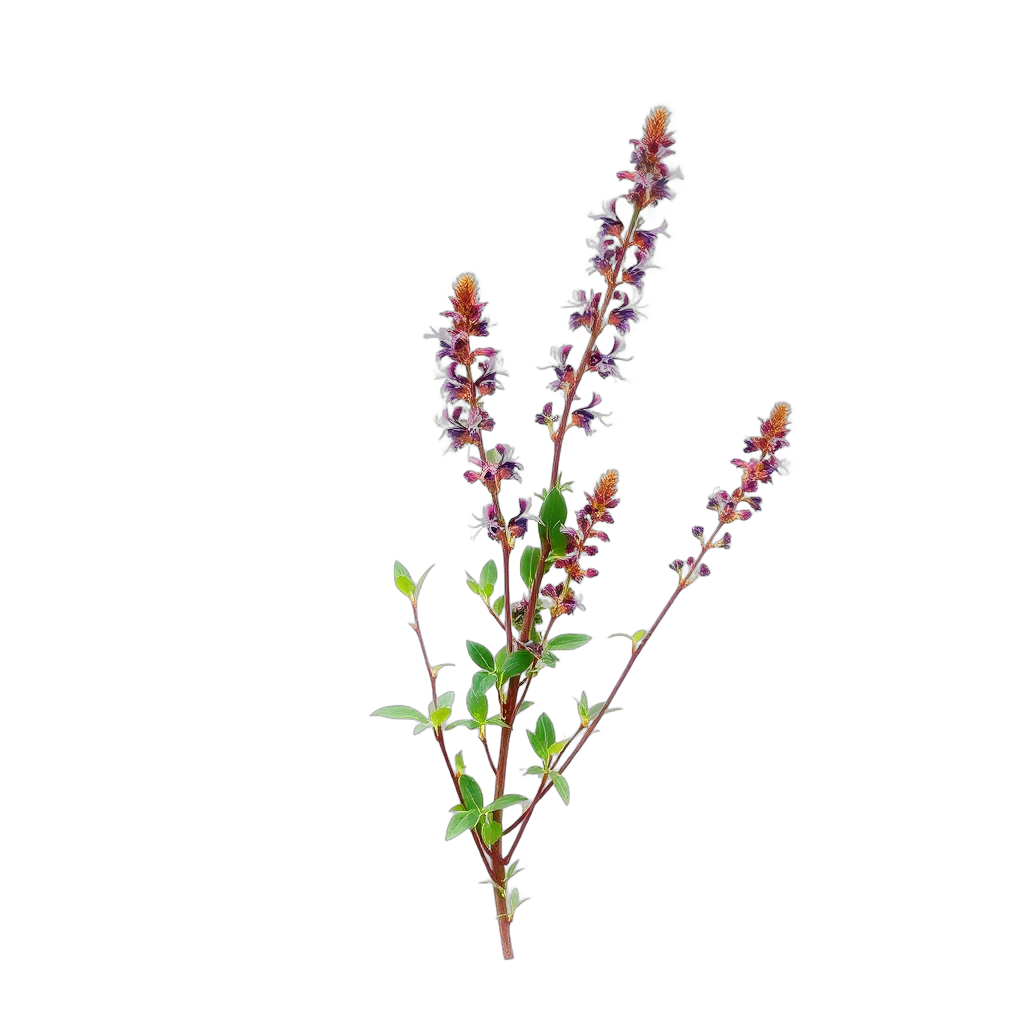
Mealy Cup Sage
Salvia farinacea
low-growing ground cover, blue blooms in summer. Attracts butterflies.
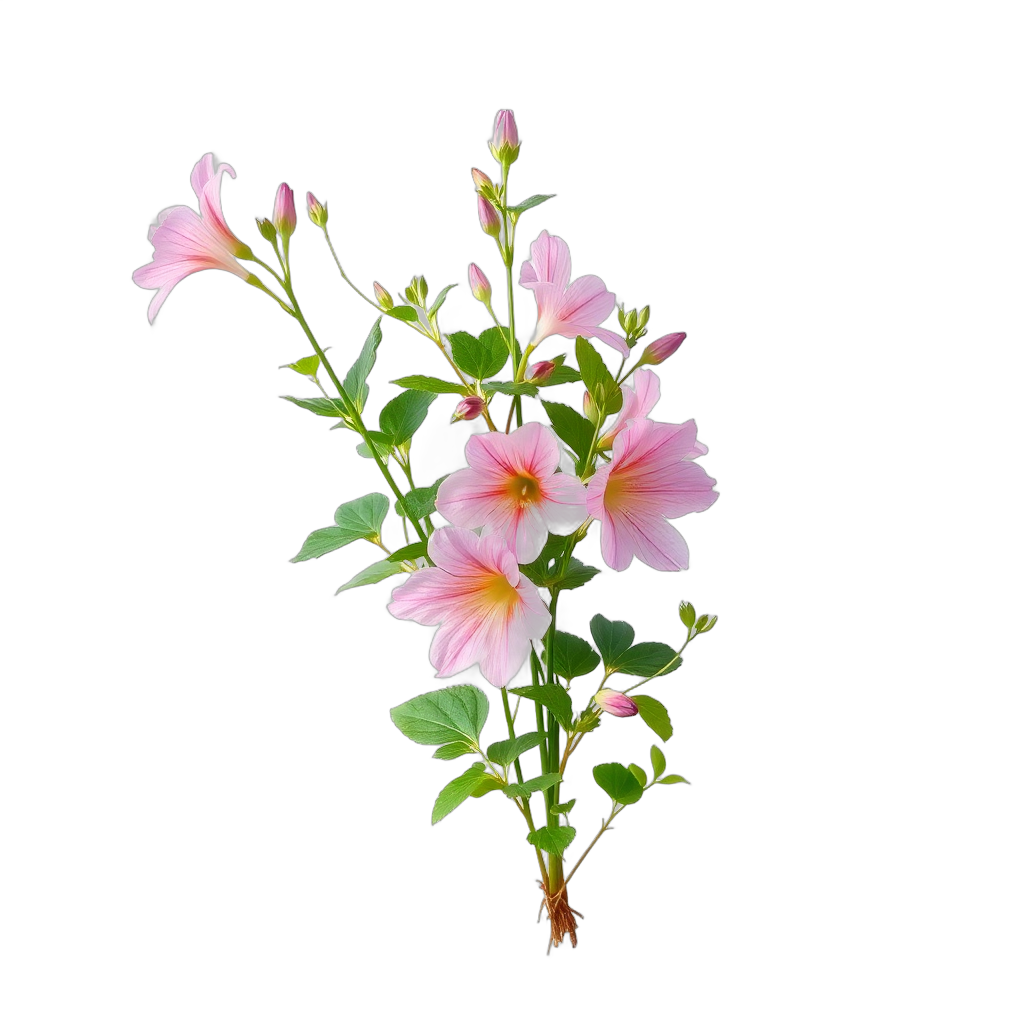
Pink Evening Primrose
Oenothera speciosa
low-growing ground cover, pink blooms in summer. Attracts butterflies.

Water Lettuce
Pistia stratiotes
low-growing ground cover, white blooms in summer. Evergreen year-round.
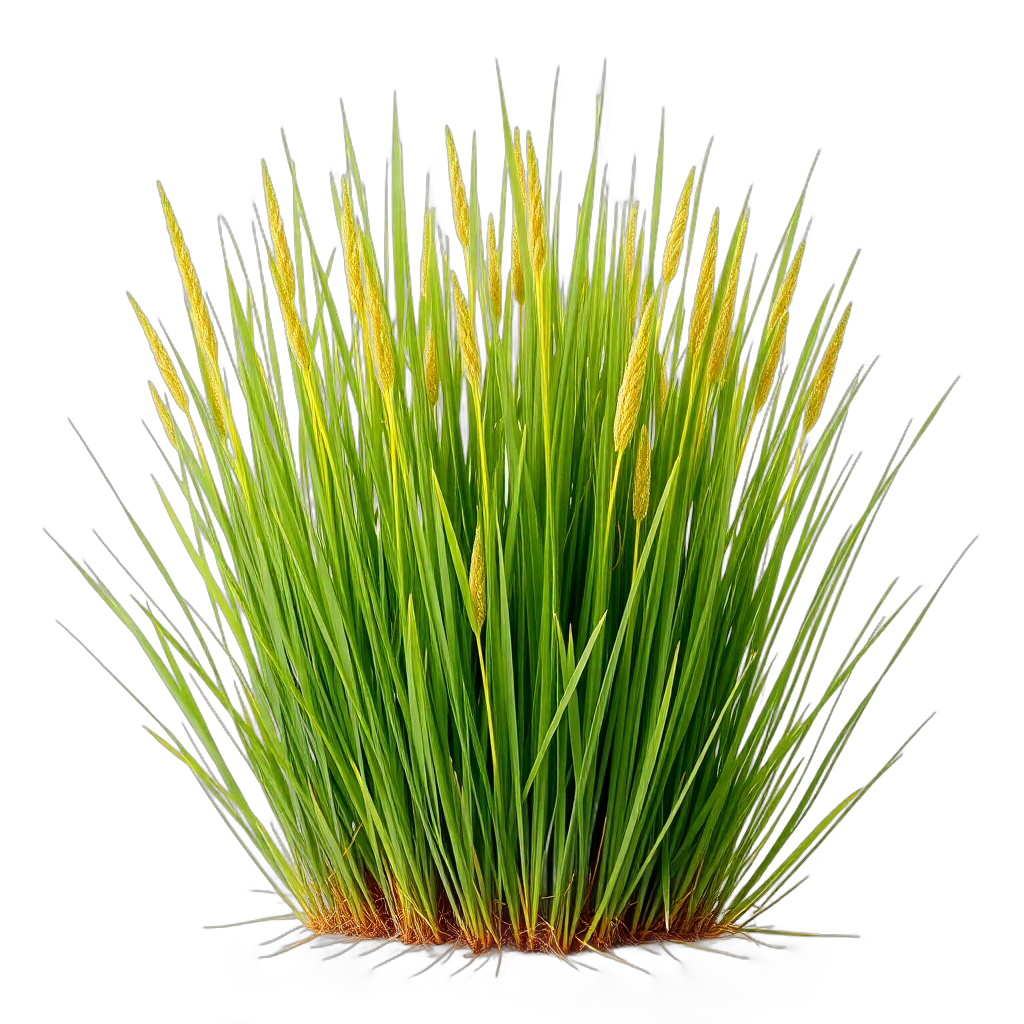
Bowles' Golden Sedge
Carex elata 'Aurea'
low-growing ground cover, blooms in none.
Zone and sun checks come from our database — confirm with your local nursery before you buy.
Bloom Calendar for Carrollton
spring
Texas Mountain Laurel, Oklahoma Redbud, Osage Orangesummer
Mealy Cup Sage, Pink Evening Primrose, Water Lettucefall
Mealy Cup Sage, Lindheimer's Muhly, Cedar Elmwinter
Limited bloomsDesign Tips for Carrollton (Zone 8a)
- Raise every cottage bed 6–10 inches with expanded shale and compost: Carrollton's Houston Black and Austin clays hold water in a wet May and crack open in August, and wet crowns kill more roses and lavender here than cold does
- Do not fight the pH of 7.5–8.3: skip azaleas, camellias and blue hydrangeas, choose roses and perennials that tolerate alkaline soil, and keep chelated iron on hand for the odd yellowing rose
- Sow larkspur, Shirley poppies and bluebonnets in October, not spring; they need the cool months to root and are what gives a Carrollton border its English look in April
- Plan for two peaks: spring roses and annuals in April and May, then Salvia leucantha 'Santa Barbara', Rosa 'Mutabilis' and fall asters in October and November, with Turk's cap and lantana holding the summer gap
- Put roses where the afternoon sun is not filtered through a wall of heat: an east- or south-facing bed with open air movement keeps foliage dry and blackspot low through the humid weeks of May and June
- Build the plant list for the -2°F of February 2021, not an average winter: tender salvias and lantanas will come back from the roots, but anything that is only marginal in Zone 8a should be treated as a bonus. The frost line is shallow here, only a few inches in a hard freeze, so arbour and pergola footings are about the moving clay, not frost heave
- Mulch 3 inches deep with shredded cedar or hardwood and keep it topped up in June; bare blackland clay cracks wide enough in August to tear the fine roots of a cottage border
Where to Source Plants in Carrollton
Skip the big-box stores. These independent Carrollton nurseries specialize in the plants that make cottage/english gardens thrive in Zone 8a.
North Haven Gardens
North Dallas (Northaven Road, a short drive south of Carrollton)
Independent garden centre open since 1951, with a deep bench of perennials, roses and herbs, monthly planting to-do lists, garden coaching, delivery and landscaping
Brumley Gardens
Lake Highlands, Dallas
Garden centre and landscaping firm with over 35 years in Dallas, stocking annuals, perennials, grasses, vines and ground covers plus native and drought-tolerant plants
Redenta's Garden
East Dallas (Skillman Street)
Independent Dallas garden centre with a potting bar, landscaping service, info guides and gardening events
Cottage/English Landscaping Costs in Carrollton
| Project Scope | Estimated Cost |
|---|---|
| Raised front cottage border with soil, drip and planting (400–600 sqft) | $9,000 – $22,000 |
| Reclaimed brick or flagstone walk on a crushed-limestone base (150–250 sqft) | $4,000 – $10,000 |
| White cedar picket fence and gate arbour (40–60 linear ft) | $3,500 – $8,500 |
| Dry-stacked limestone raised herb and lavender beds (2 beds) | $4,500 – $11,000 |
| Stained cedar pergola on concrete piers | $6,000 – $15,000 |
| Full back cottage garden: pergola, patio extension, deep borders, drip | $35,000 – $80,000 |
| AI visualization (ProScapeAI) | Free to start |
Estimates based on Carrollton, TX-area contractor rates as of 2026. Actual costs vary by site conditions, materials, and contractor.
Carrollton Climate & Growing Zone
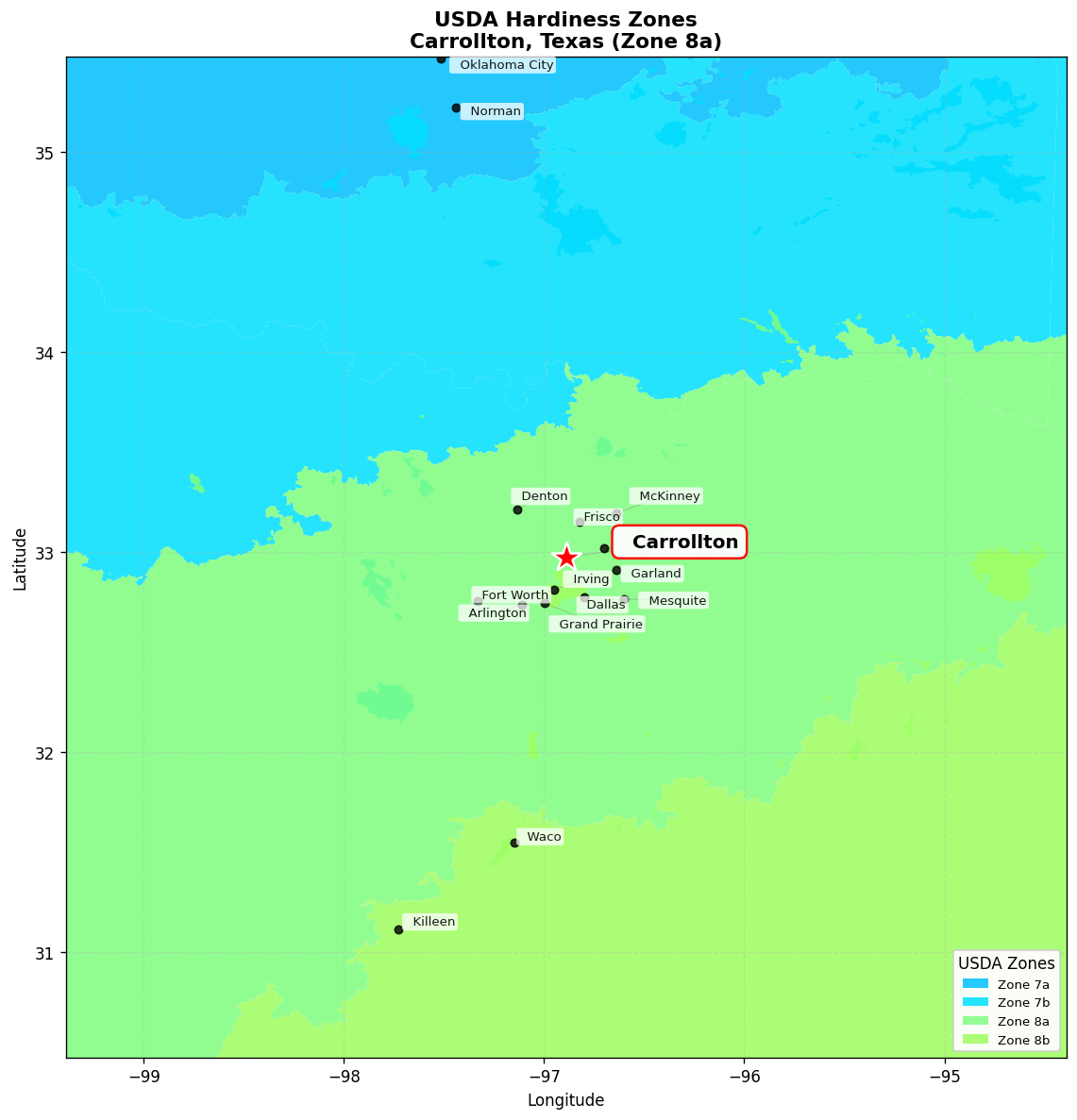
USDA Zone 8a
Hardiness zone for Carrollton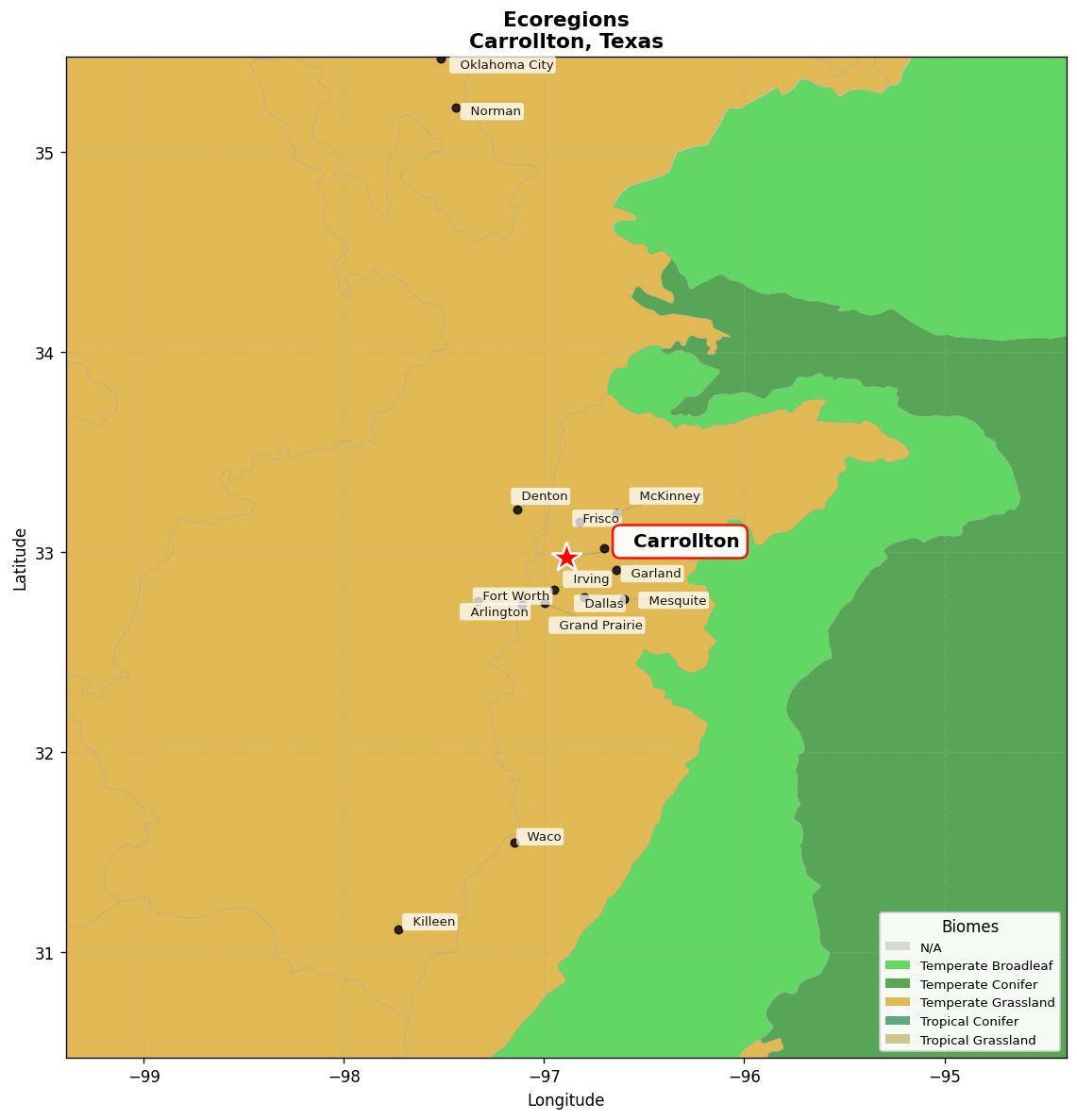
Texas blackland prairies
Native ecoregionFrequently Asked Questions
How much does a cottage garden cost in Carrollton, TX?
DFW landscape crews generally bill $45–75 per hour, and most cottage work is priced by the bed. A raised front cottage border with soil amendment, drip and full planting on a 400–600 sqft frontage runs about $9,000–22,000 installed. A reclaimed brick walk lands at roughly $25–40 per sqft, a dry-stacked limestone raised bed at $60–110 per linear foot, and a cedar pergola at $6,000–15,000. A full back cottage garden with pergola, patio extension and deep borders commonly runs $35,000–80,000. Planting it yourself with one-gallon Rosa 'Belinda's Dream' and Salvia farinacea 'Henry Duelberg' keeps a new border under about $10 per sqft.
Is a cottage garden high maintenance in Carrollton's heat?
It is more work than a gravel bed, but less than people expect if the plant list is right. Earth-Kind roses such as Rosa 'Belinda's Dream' and 'Mutabilis' need no spraying and only one hard prune around Valentine's Day. Salvias get a shear by a third in late July to set up the fall bloom. The regular jobs are deadheading in May, sowing larkspur and poppies in October, and keeping 3 inches of mulch on the clay so it does not crack open around the roots in August. Plan on one to two hours a week in spring and fall and almost nothing in the heat of summer.
When should I plant a cottage garden in Carrollton?
October and November are the best months by a wide margin. The soil is still warm, the fall rains return, and roses, perennials and shrubs root through the mild winter so they meet the heat already established. That is also when to sow larkspur, Shirley poppies and bluebonnets for the April show. Late February to mid-April is the second window, after the average last freeze in mid-March. Avoid planting from mid-June through August, when highs sit in the upper 90s and a new plant has no root system to cope.
What English cottage plants will not survive here, and what do I use instead?
True delphinium, lupins, English lavender such as Lavandula angustifolia 'Hidcote', and most hybrid tea roses are short-lived in Carrollton: the August heat and the alkaline blackland clay finish them. Use larkspur (Consolida ajacis) sown in fall for the blue spires, Lavandula × intermedia 'Phenomenal' in a raised gritty bed for lavender, Phlox paniculata 'John Fanick' for border phlox, and Earth-Kind roses for the rose layer. Turk's cap and Salvia greggii 'Furman's Red' fill the gap that summer-flowering English perennials leave, and both handle the 2021-style cold snaps that killed less hardy plants.
Do I need a permit or HOA approval for a cottage garden in Carrollton?
Planting beds themselves rarely need a permit, but fences, arbours over a certain size, pergolas attached to the house and new irrigation systems can, and Texas requires lawn irrigation systems to be installed by a licensed irrigator. Many Carrollton subdivisions also have an HOA with rules on front-yard turf, fence style and plant height, so get the plan approved before the picket fence goes up. If your lot backs onto the Elm Fork of the Trinity or another mapped floodplain, check with the City of Carrollton before adding fill or raised beds there.
How do I water a cottage border under Carrollton's watering rules?
Carrollton limits when automatic sprinklers can run, so set the controller to the current city schedule and check it with the city before the spring season starts. Drip irrigation and hand watering are the way to run a cottage border anyway: they put water at the root zone, keep rose and phlox leaves dry, and avoid the evaporation an afternoon spray head loses in July. Put the roses and perennials on their own drip zone, water deeply once or twice a week in summer, and almost not at all from November to March.
Which roses grow best in Carrollton's blackland clay?
Start with the Earth-Kind list that Texas A&M AgriLife tested in North Texas clay: Rosa 'Belinda's Dream', 'Mutabilis', 'Marie Daly', 'Caldwell Pink' and 'Old Blush' all handle pH 7.5–8.3 soil and the heat without a spray program. For a big arbour, Rosa banksiae 'Lutea' covers a structure in two seasons and flowers in early April. Plant roses in a bed raised at least 6 inches, give them six or more hours of sun, and add chelated iron if new leaves come in yellow with green veins, which is the alkaline soil talking.