4 English Cottage Garden Ideas for Frisco, TX (Zone 8a Design)
Native plants from the Texas blackland prairies (Zone 8a) — Humid subtropical climate
Why Cottage/English Gardens in Frisco?
Frisco is barely thirty years old as a suburb, which is exactly why the English cottage garden lands so well here. The city is wall-to-wall brick — red brick two-stories with gabled dormers in Panther Creek and Shaddock Creek Estates, buff and grey brick in Newman Village and Phillips Creek Ranch, and a thin strip of genuinely old one-story cottages around the Rail District and Frisco Commons. Brick is the single best backdrop a rose arbour can have, and a white picket fence, a curving paver walk and a loose, layered border are the fastest way to give a builder-grade elevation the age and softness it was never given at the drawing board. The catch is that a Frisco cottage garden cannot be a copy of a Cotswolds one — the plant list has to be rewritten from scratch for a Zone 8a, humid-subtropical climate sitting on some of the most difficult soil in Texas.
Frisco averages roughly 39 inches of rain a year, but it arrives in two soaking bursts — May and October — with a brutal, near-rainless corridor in between. Expect around twenty days above 100°F most summers, nights that stay in the high 70s, and winter lows in the 10–15°F band that define Zone 8a. February 2021 pushed Frisco to roughly -2°F for two days, which is the number worth designing to: anything marginal on your plant list will be tested about once a decade. That single fact reshapes the cottage palette. Hybrid tea roses sulk and blackspot here, but tough shrub and old-garden roses thrive — Rosa 'Belinda's Dream' was bred in Texas specifically for alkaline clay, and Rosa 'Peggy Martin' will run twenty feet up a pergola without a single spray. English lavender rots in the humidity, while Lavandula × intermedia 'Phenomenal' and Lavandula stoechas 'Otto Quast' hold their silver mounds through August. Salvia farinacea 'Henry Duelberg', found growing on a Texas grave and now a Texas Superstar, does the blue-spire job that delphiniums do in England.
Underneath all of it sits Houston Black clay, the signature soil of the Texas blackland prairies — 40 to 60 percent clay, a pH usually between 7.8 and 8.3, and a shrink-swell habit so extreme that summer cracks will swallow a tape measure. Two design consequences follow. First, acid-lovers are off the table: azaleas, blue Hydrangea macrophylla and pin oaks go yellow with iron chlorosis within two seasons, so the romance has to come from roses, salvia and bulbs instead. Second, never dig a hole in this clay and backfill it with soft compost — you have built a bathtub. Berm every border four to eight inches above grade using expanded shale and compost, and the same soil that kills a badly designed garden will grow Gaura lindheimeri 'Whirling Butterflies' and Muhlenbergia lindheimeri like weeds, because both are blackland prairie natives.
Water is the last local rule that shapes the design. Frisco runs a year-round conservation ordinance: irrigation is capped at two days a week on an assigned schedule, and sprinklers are banned between 10 a.m. and 6 p.m. from 1 April through 31 October, with drip and hand watering treated more leniently — confirm your current day and any drought-stage change with the City of Frisco before you build the system. A cottage garden designed around that reality looks different from a English one: drip line under three inches of shredded hardwood mulch rather than spray heads, borders grouped strictly by water need, and the thirstiest planting kept tight to the house where you actually see it. Design it that way and a Frisco cottage garden peaks twice — a rose-and-larkspur explosion in late April, then a second salvia-and-Rudbeckia flush in October once the heat finally breaks.
4 Cottage/English Design Ideas for Frisco

The Picket Fence Rose Arbour
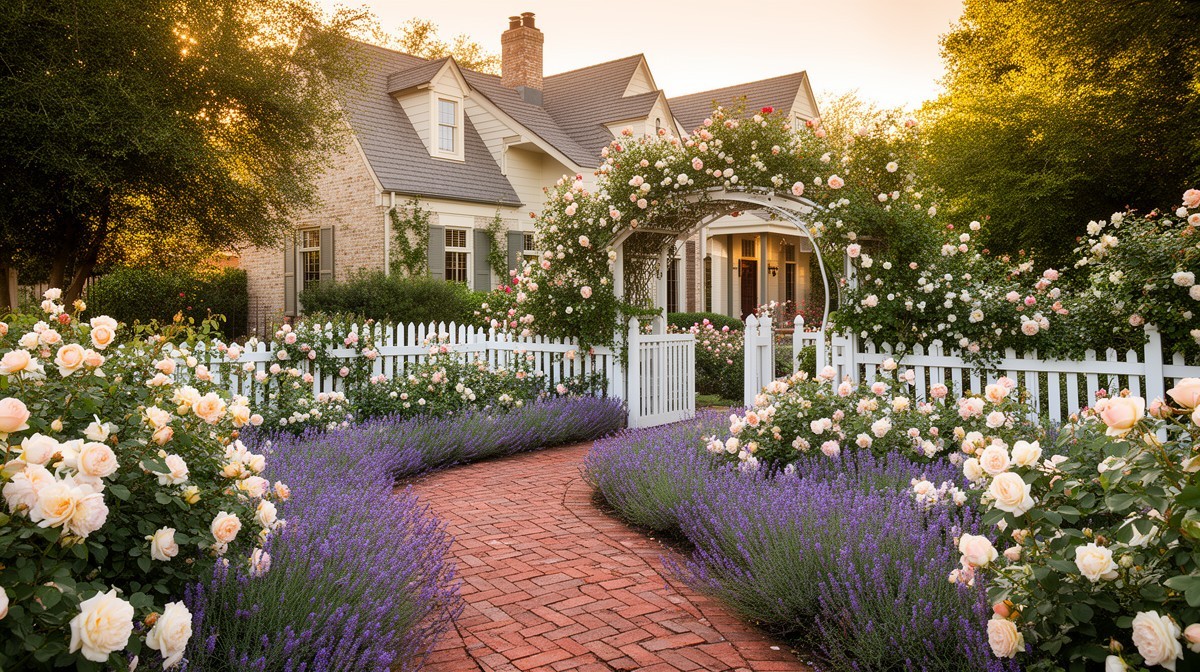
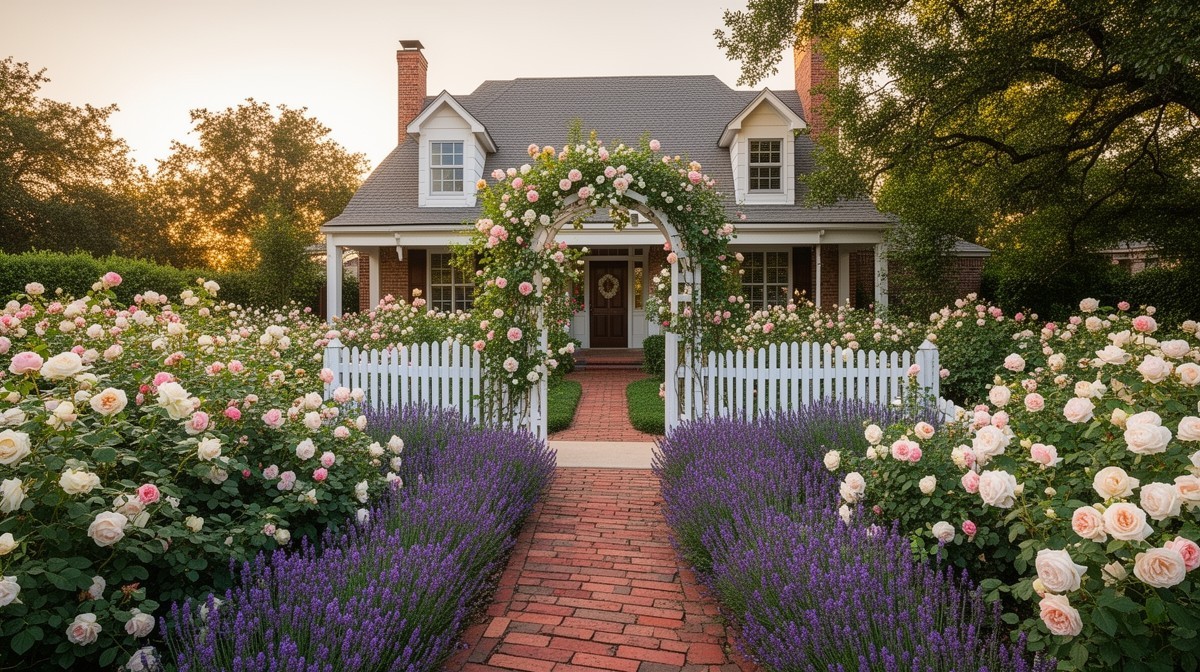
$16–30/sqftA red-brick two-story with gabled dormers gets a full-width white picket fence and a cedar arch over the gate, smothered in blush and apricot climbing roses that meet overhead. A tumbled brick paver walk curves from the gate to a warm wood front door, clipped box domes hold the corners either side of the entry, and a continuous ribbon of lavender runs along both sides of the fence line at street level. Behind the pickets, repeat-flowering shrub roses in cream, blush and deep red fill the beds to fence height, so the design reads as a wall of flower from the pavement and as a scented tunnel from the walk. Everything is planted in beds bermed above grade — the reason the roses look this heavy in a Frisco front yard rather than sulking in clay.

The Shaded Bungalow Border
$12–24/sqftA single-story brick cottage with a deep covered porch sits under an existing mature canopy, and the design leans into that shade instead of fighting it. A white climbing rose is trained into an arch over the front step, hanging baskets of scarlet geraniums run the length of the porch beam, and a flagstone stepping path curves out through the lawn in a long lazy S. The borders on both sides are the real work: waist-deep, packed edge to edge in yellow, red, purple and white so no soil shows by May, with a clipped hedge behind holding a straight line against all that looseness. It is the cheapest of the four designs because the trees are already there doing the heavy lifting.

The Bistro Terrace and Rose Walk
$22–40/sqftBehind a pale grey brick two-story with French doors and a bay window, a modest cut-limestone terrace holds nothing but a round metal bistro table and two folding chairs — the point is that the garden, not the furniture, is the room. A white timber arbour stands to one side carrying deep cherry and pink climbing roses, and a line of stepping stones runs from it across mown lawn to the doors. The borders wrapping the whole space are built in silver and violet: lavender, lamb's ear and artemisia at the front edge, blush shrub roses and white hydrangea panicles behind, hedging at the boundary. In Frisco this design works because a 400-square-foot terrace is cheap to build well, leaving the budget where it belongs — in the planting.

The Rose Pergola Dining Garden
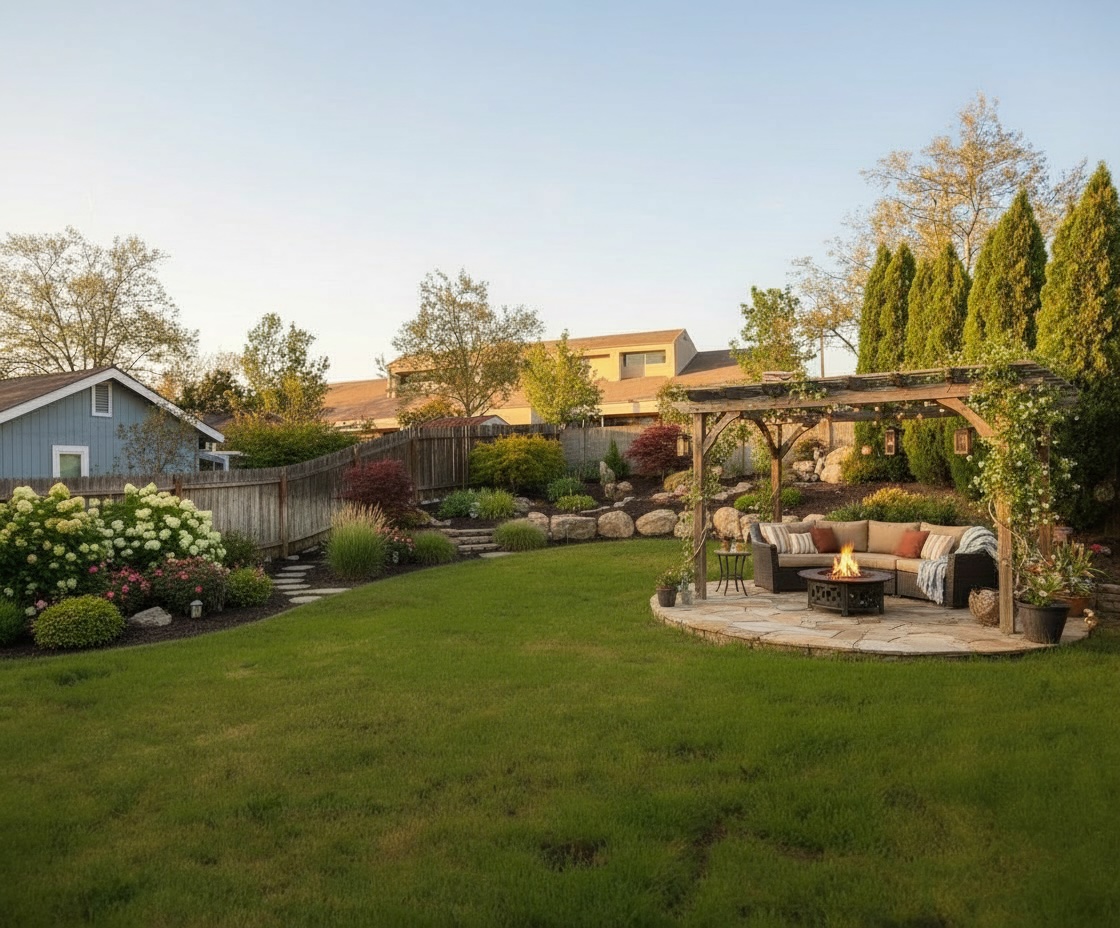
$18–34/sqftA heavy cedar pergola is built off the back corner of the house over a pale stone patio, with a full wooden dining table for six underneath and pale pink and white climbing roses trained the whole length of the beams so the ceiling flowers in April. A cast-stone birdbath sits alone in the middle of the lawn as the one focal point, and the borders run continuously around every fence line — roses at the back, lavender and catmint at the front, yellow daisies dropped through the middle to keep the colour going into October. The cedar board fence disappears behind planting within two seasons, which is the whole trick for a standard Frisco lot where the fence is 80 percent of what you see.
See how a cottage/english garden looks on YOUR property
Upload a photo of your Frisco yard and visualize your dream garden in seconds.
Try ProScapeAI Free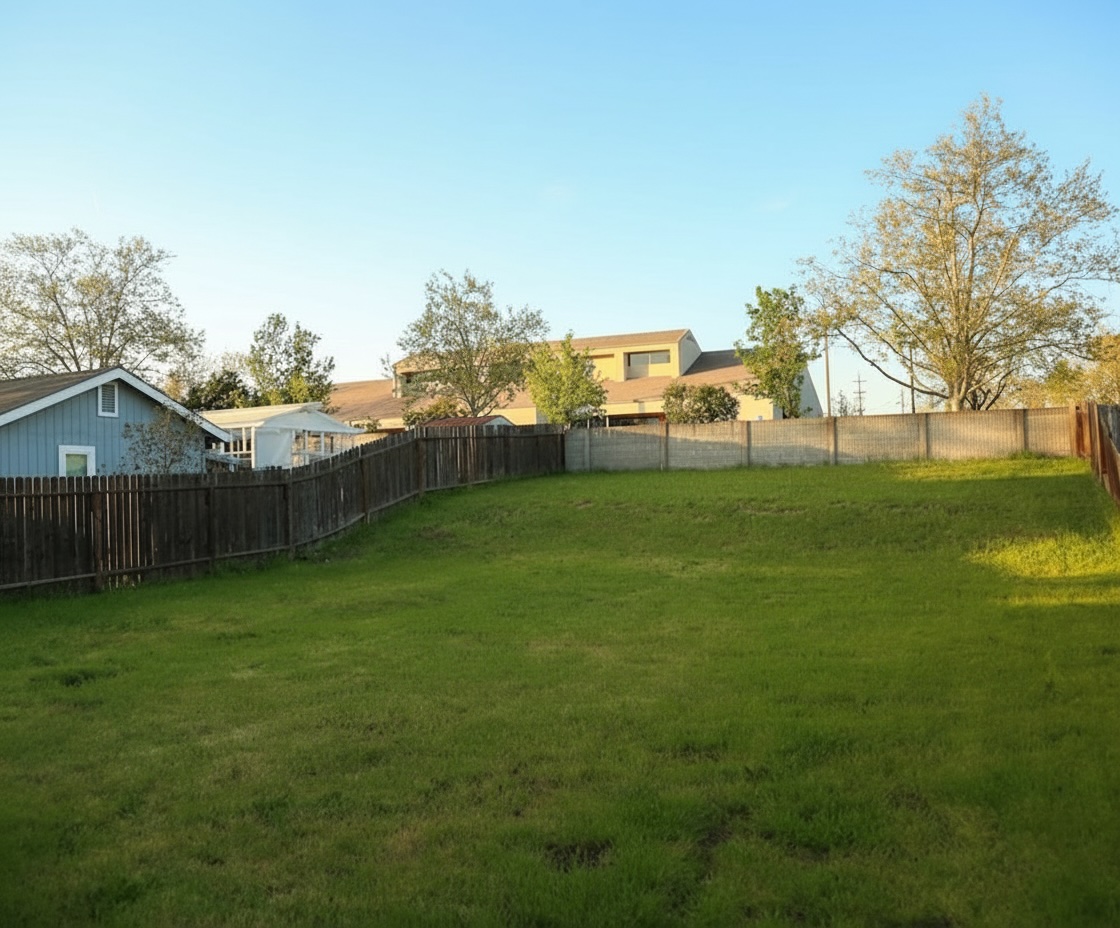
Featured Trees & Shrubs for Cottage/English Gardens
Browse all 156 plants for Frisco
Texas Mountain Laurel
Sophora secundiflora
medium-sized at 12 feet, purple blooms in spring. Evergreen year-round.
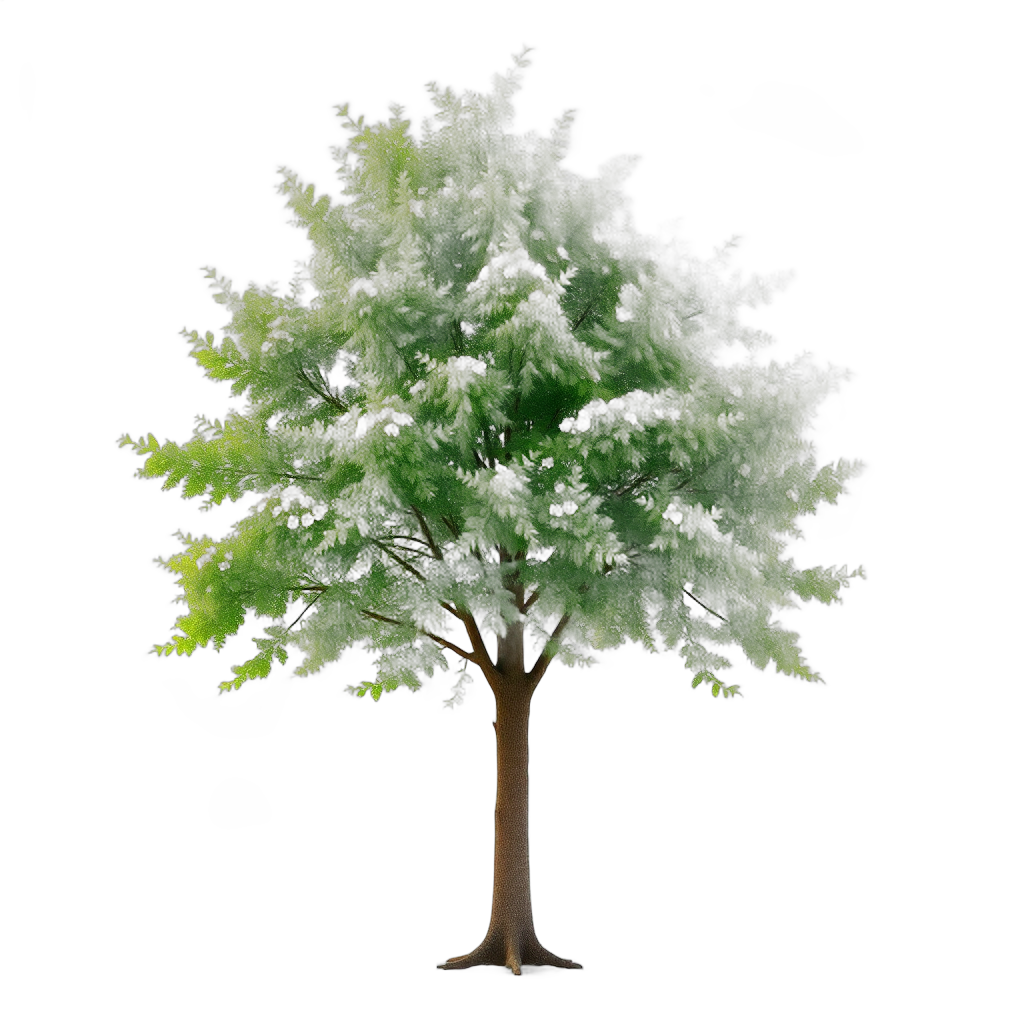
Cedar Elm
Ulmus crassifolia
large shade tree reaching 60+ feet, blooms in fall. Yellow fall color.

Oklahoma Redbud
Cercis reniformis
reaches 20 feet tall, purple blooms in spring. Attracts hummingbirds.

Osage Orange
Maclura pomifera
large shade tree reaching 50+ feet, blooms in spring. Yellow fall color.
Featured Grasses & Groundcovers for Cottage/English Gardens
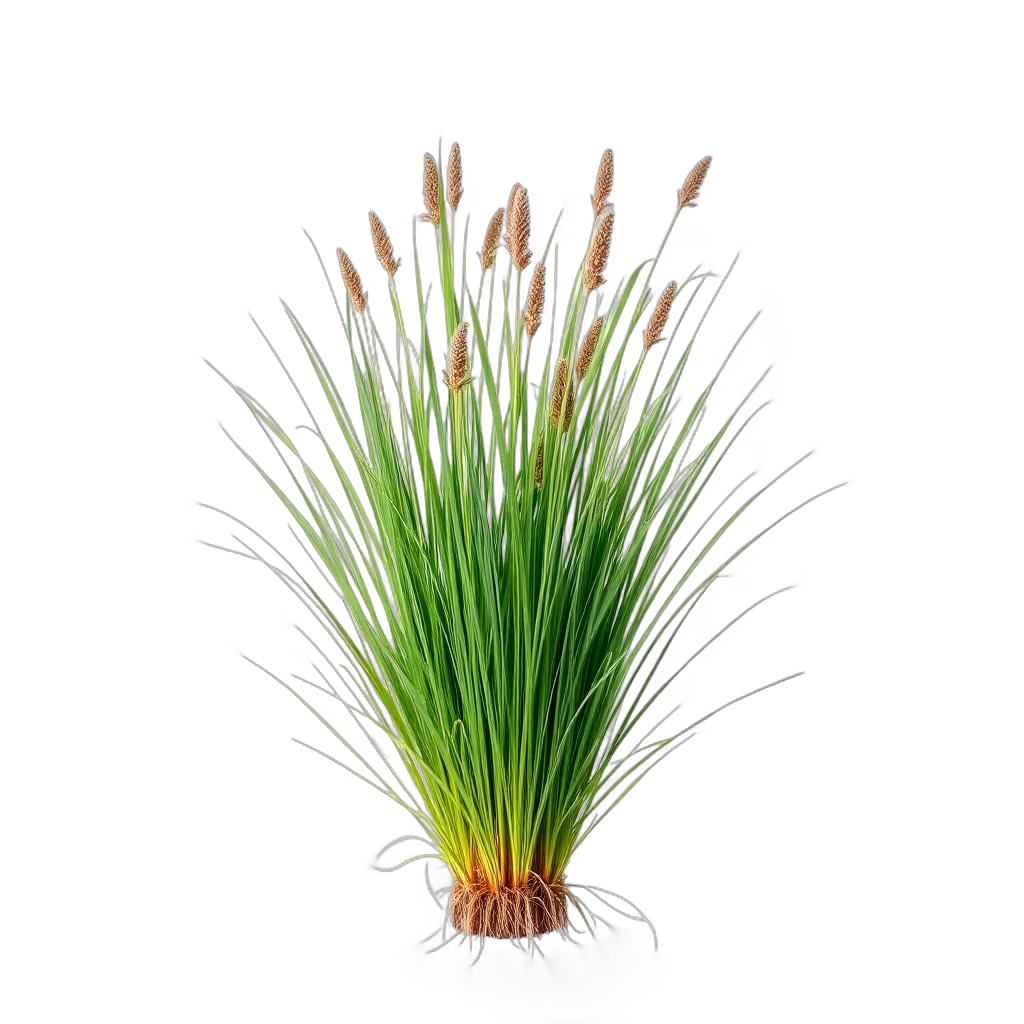
Lindheimer's Muhly
Muhlenbergia lindheimeri
grows to 4 feet, white blooms in fall.
Featured Flowers & Perennials for Cottage/English Gardens
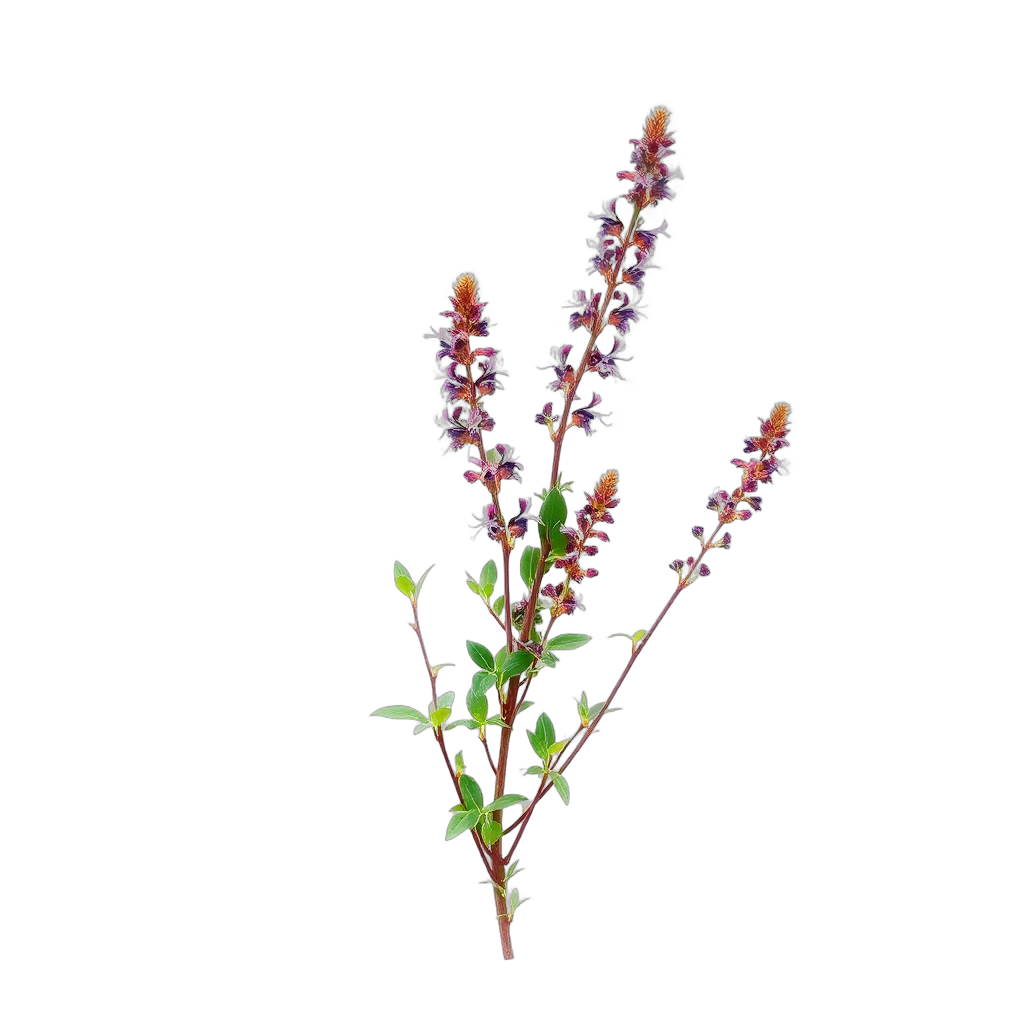
Mealy Cup Sage
Salvia farinacea
low-growing ground cover, blue blooms in summer. Attracts butterflies.
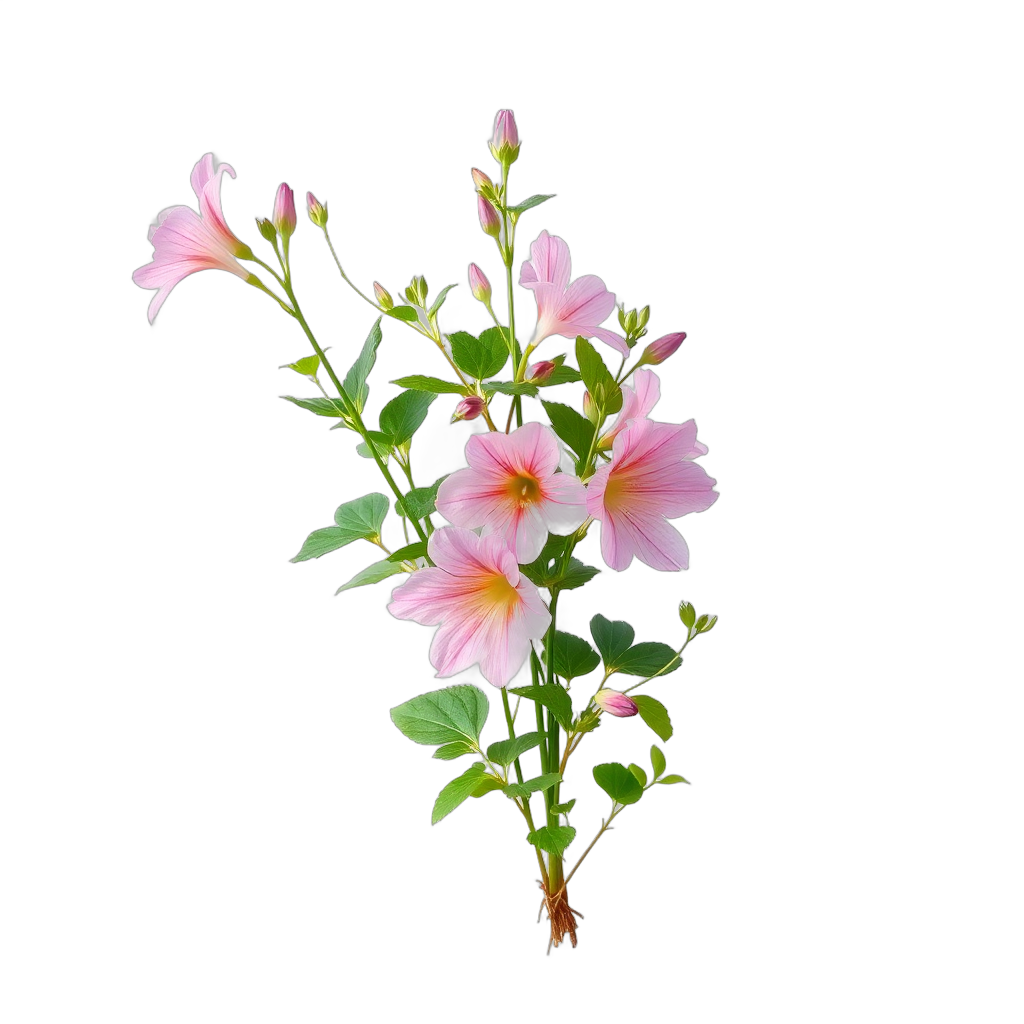
Pink Evening Primrose
Oenothera speciosa
low-growing ground cover, pink blooms in summer. Attracts butterflies.

Water Lettuce
Pistia stratiotes
low-growing ground cover, white blooms in summer. Evergreen year-round.

Tussock Sedge
Carex stricta
low-growing ground cover, blooms in spring. Brown fall color.
Zone and sun checks come from our database — confirm with your local nursery before you buy.
Bloom Calendar for Frisco
spring
Texas Mountain Laurel, Oklahoma Redbud, Osage Orangesummer
Mealy Cup Sage, Pink Evening Primrose, Water Lettucefall
Mealy Cup Sage, Lindheimer's Muhly, Cedar Elmwinter
Limited bloomsDesign Tips for Frisco (Zone 8a)
- Berm every border four to eight inches above grade with expanded shale and compost — on Houston Black clay this one move decides whether the design looks like the picture in three years or like a drainage problem
- Use blue Salvia farinacea 'Henry Duelberg' and Salvia nemorosa 'May Night' wherever an English design would use delphiniums; you get the same vertical blue spire without the plant collapsing in the first 100°F week
- Give the garden two peaks, not one — roses, larkspur and Narcissus 'Grand Primo' for late April, then Rudbeckia fulgida 'Goldsturm', Salvia greggii 'Furman's Red' and Coreopsis verticillata 'Zagreb' for the October flush after the heat breaks
- Run inline drip under three inches of shredded hardwood mulch rather than spray heads: Frisco allows only two irrigation days a week and bans sprinklers from 10 a.m. to 6 p.m. between April and October, and drip is the only way a dense border survives that
- Plant the structure evergreen and Texas-tough — Buxus microphylla 'Winter Gem' and Ilex vomitoria 'Nana' hold the geometry through a Frisco January far better than English box, which scorches on the south side by August
- Design the fence line as the back of the border, not a boundary: on a standard 7,000 sqft Frisco lot the cedar board fence is most of what you look at, and 30 inches of planting depth in front of it changes the whole garden
- Put a single hard focal point on axis with the kitchen window — a cast-stone birdbath, a bistro pair or a rose arch — so the design still reads in February when the borders are cut back to nothing
Where to Source Plants in Frisco
Skip the big-box stores. These independent Frisco nurseries specialize in the plants that make cottage/english gardens thrive in Zone 8a.
Fannin Tree Farm
Frisco (State Highway 121 at Custer)
Frisco's own tree farm — field-grown live oak, Shumard red oak, cedar elm, Texas redbud and multi-trunk crape myrtle, sold and planted as mature specimens
Puckett's Nursery
Downtown Allen (10 minutes east of Frisco)
Long-running independent garden centre with a deep bench of shrub roses, salvias, herbs and Texas Superstar perennials picked for blackland clay
Shades of Green
Celina (serves Frisco and Prosper)
Independent nursery and design-build yard whose staff plant this exact soil daily; strong on roses, perennials, and alkaline-tolerant trees
Moonlight Nurseries
Melissa (north on US 75)
Family-run growing yard with acres of container shrubs, hollies, grasses and shade trees at grower pricing rather than garden-centre pricing
Cottage/English Landscaping Costs in Frisco
| Project Scope | Estimated Cost |
|---|---|
| Front-yard cottage conversion (bermed borders, edging, paver walk, arbour, 60–80 plants) | $10,000 – $20,000 |
| Cedar rose arch or arbour, built and planted | $1,800 – $4,500 |
| Sawn limestone or flagstone terrace, 250–450 sqft | $7,500 – $18,000 |
| Cedar pergola over a patio (12 x 16 ft, on footings) | $8,000 – $18,000 |
| Full perimeter borders on a standard lot, bermed and drip-irrigated | $12,000 – $28,000 |
| Soil build-up: expanded shale and compost, delivered and spread | $85 – $140 per cubic yard installed |
| AI visualization with ProScapeAI | Free to start |
Estimates based on Frisco, TX-area contractor rates as of 2026. Actual costs vary by site conditions, materials, and contractor.
Frisco Climate & Growing Zone
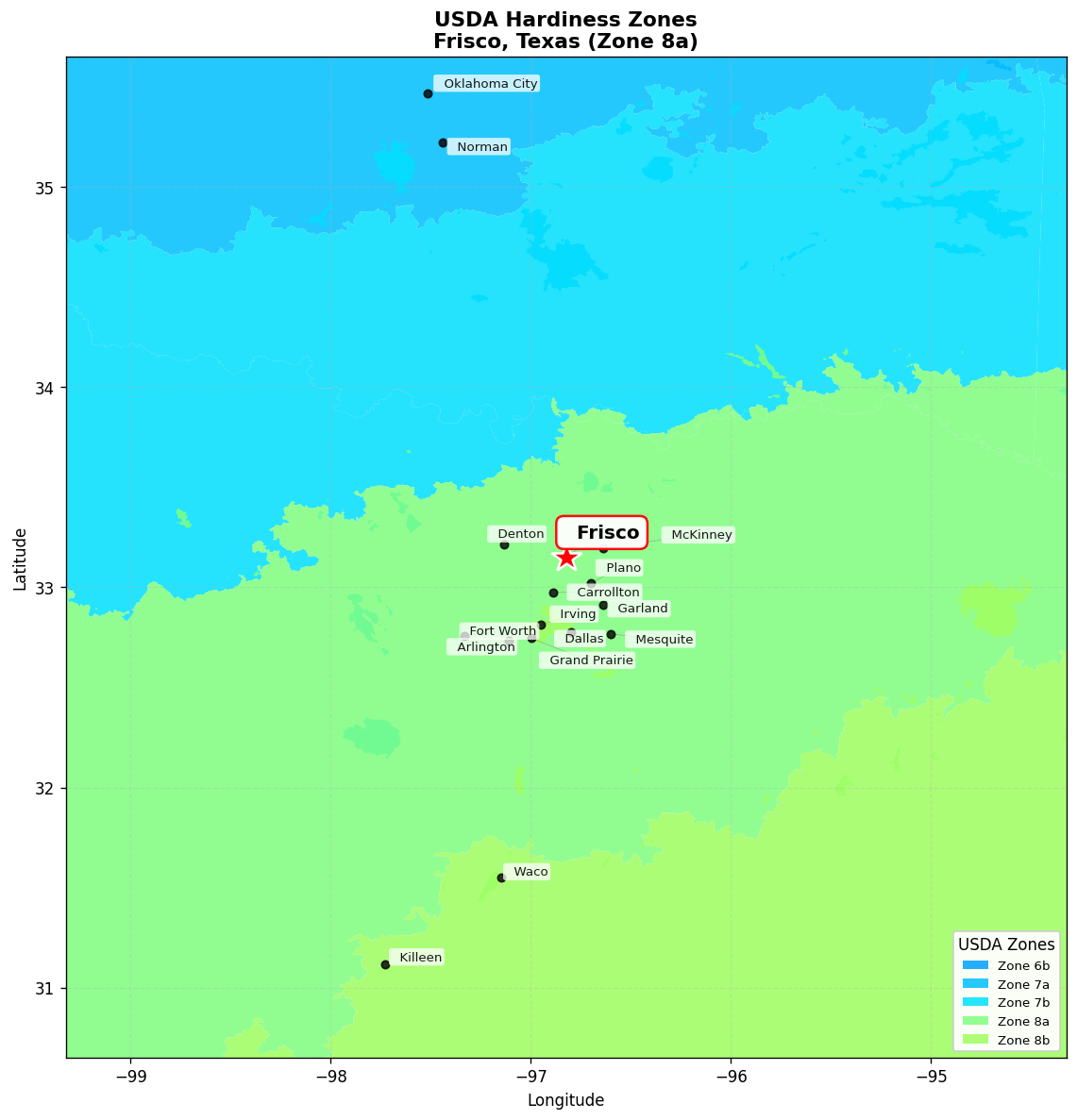
USDA Zone 8a
Hardiness zone for Frisco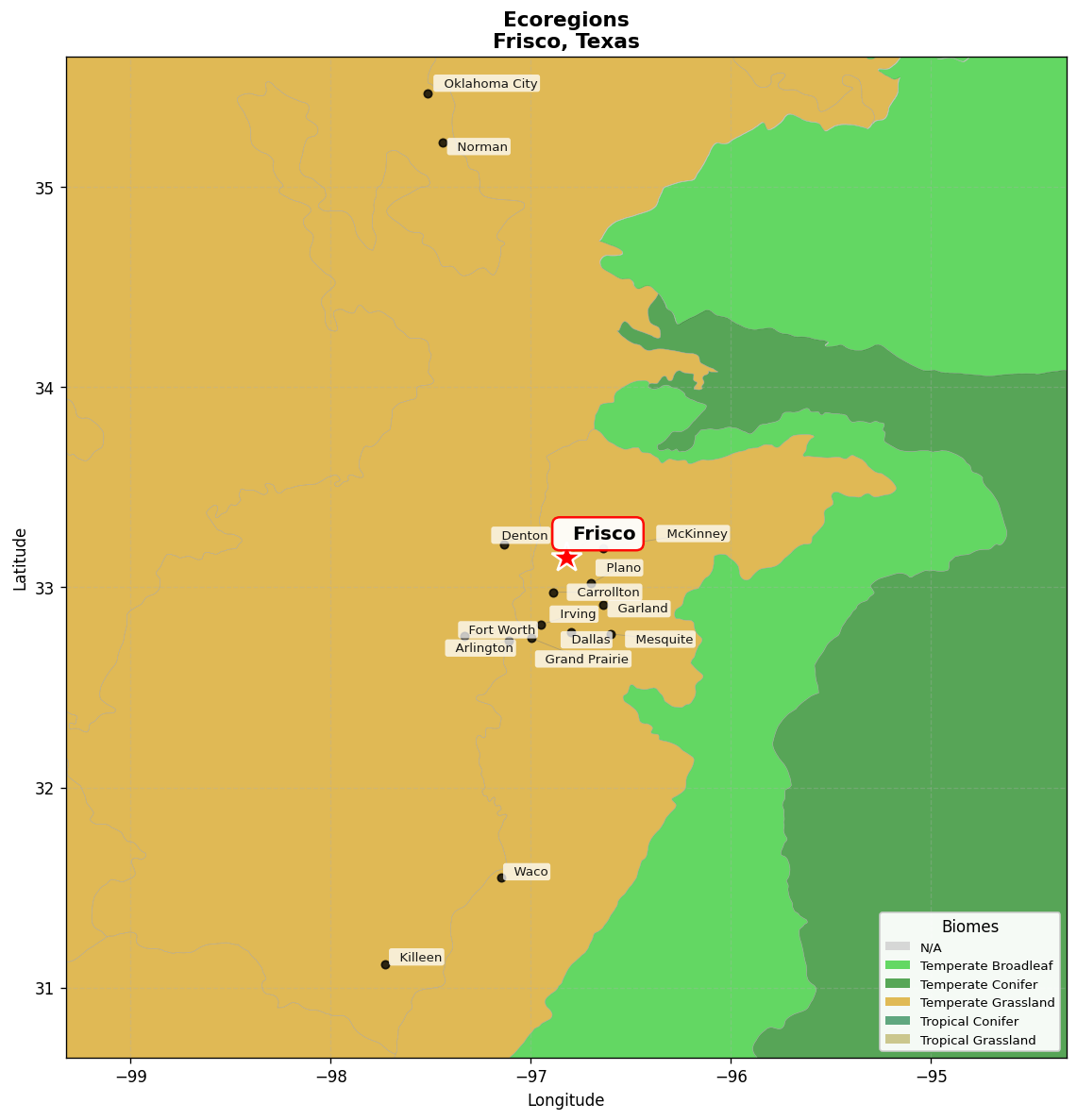
Texas blackland prairies
Native ecoregionFrequently Asked Questions
How much does a cottage garden cost in Frisco?
Frisco installation pricing runs slightly above the DFW average because labour here is competing with new-build work. A front-yard cottage conversion on a typical 600 sqft frontage — bermed beds, steel edging, a paver or flagstone walk, an arbour and 60 to 80 plants — lands at $10,000 to $20,000 installed. A back-garden scheme with a limestone terrace, a cedar pergola and full perimeter borders on a standard lot runs $25,000 to $55,000. Doing it in phases is normal: get the soil bermed and the bones planted first (roughly $4 to $7 per sqft in materials if you do the labour), then add the arbour and the hardscape the following year.
Which roses actually survive Frisco's summers and alkaline clay?
Skip hybrid teas — they blackspot badly in this humidity and need constant spraying. The reliable list here is shrub and old-garden roses: Rosa 'Belinda's Dream' was bred at Texas A&M for exactly this alkaline blackland soil, Rosa 'Ducher' and Rosa 'Mutabilis' bloom nearly year-round in Zone 8a, and Rosa 'Caldwell Pink' is close to indestructible. For climbers on an arbour or pergola, Rosa 'Peggy Martin' is thornless and hits twenty feet, Rosa 'New Dawn' is the classic blush choice, and Rosa banksiae 'Lutea' gives one enormous spring show with no care at all. All of them want a bed bermed above grade, not a hole dug into clay.
Can I grow lavender in Frisco?
Yes, but not English lavender. Lavandula angustifolia rots out in a Frisco summer, where nights stay near 78°F with high humidity. The two that hold up are Lavandula × intermedia 'Phenomenal' or 'Provence' and Spanish lavender, Lavandula stoechas 'Otto Quast', which flowers earlier and takes the heat. Plant all of them in a bed raised at least six inches, cut 50/50 with expanded shale, and mulch with decomposed granite instead of hardwood so the crown stays dry. Expect a three to five year life rather than a decade, and plan the design so replacing a few plants is routine rather than a disaster.
What do I do about Houston Black clay before planting?
Build up, never dig down. Frisco sits on Houston Black clay — 40 to 60 percent clay, pH 7.8 to 8.3, and it cracks wide open by August. A hole dug in it and backfilled with compost becomes a sump that drowns roots every May. The standard local fix is a border bermed four to eight inches above grade with a mix of roughly one third expanded shale, one third compost and one third existing soil, held by steel edging. Skip anything that needs acid soil: azaleas, blue Hydrangea macrophylla and gardenias will all yellow out with iron chlorosis. Hydrangea paniculata 'Limelight' is the one hydrangea that shrugs off the pH.
When is the best time to plant a cottage garden in Frisco?
Mid-October through early December is the best window by a wide margin — roses and perennials root through the mild winter and are established before their first 100°F day. February and early March is the second window, and it is when bare-root roses arrive in local nurseries. Larkspur and poppies must be sown in October to flower the following April. Avoid planting anything from mid-June to mid-September: even on drip, a new root ball in blackland clay cannot keep up with 100°F afternoons, and Frisco's two-day watering limit means you cannot simply water it through.
How do Frisco's watering rules affect the design?
Frisco's year-round conservation ordinance caps landscape irrigation at two assigned days a week and bans sprinkler use between 10 a.m. and 6 p.m. from 1 April through 31 October, with drip and hand watering treated more leniently. Check your current assigned day and any drought-stage change with the City of Frisco before the system is designed. In practice this means designing with inline drip under mulch rather than spray heads, grouping the borders strictly by water need, and choosing plants that tolerate a genuine dry spell — Salvia greggii 'Furman's Red', Gaura lindheimeri 'Whirling Butterflies' and Coreopsis verticillata 'Zagreb' will not notice, while a thirsty perennial border will.
Will a Frisco HOA approve a cottage garden?
Usually yes for planting, and with a review for structures. Almost every Frisco neighbourhood built after 1995 has an HOA, and most cover front-yard turf percentage, fence style and height, and any structure visible from the street. A front picket fence, an arbour over the walk or a pergola tall enough to be seen over the fence typically needs an architectural review submittal first — send a simple design drawing with materials and paint colour. Beds, borders and plant choices are almost never restricted. Structural items such as a pergola, a retaining wall over four feet, or a pool also fall under City of Frisco permitting; confirm requirements with the city rather than assuming.