4 Modern Landscape Ideas for Cary, NC | Zone 7b Design Guide
Native plants from the Appalachian Piedmont forests (Zone 7b) — Humid subtropical climate
Why Modern/Minimalist Gardens in Cary?
Modern landscape design has quietly become Cary's native dialect. The town's growth since the 1990s has been driven by Research Triangle Park and SAS, and the architecture followed the workforce — flat-roofed and low-slope contemporaries scattered through Green Level and west Cary, modern farmhouses with black-framed glass filling Amberly, Carpenter Village and Weldon Ridge, and a genuinely good stock of 1960s brick ranches near downtown Cary and in Greenwood Forest that take a clean-lined landscape better than any period revival. Fenton and the new downtown Cary Park have made the vocabulary public: board-formed concrete, Corten steel, gravel, large-format pavers, and big drifts of a single grass. What works in those civic spaces works in a front yard here, at a fraction of the budget.
Zone 7b — winter lows of 5–10°F — is the sweet spot for sculptural plants that would die further north. Yucca rostrata 'Sapphire Skies', Yucca filamentosa 'Color Guard', Agave ovatifolia, Ilex crenata 'Sky Pencil' and Cryptomeria japonica 'Yoshino' all hold their form through a Cary winter, and the warm-season grasses that give modern planting its movement — Panicum virgatum 'Northwind', Muhlenbergia capillaris 'Regal Mist', Schizachyrium scoparium 'Standing Ovation' — are natives of the Piedmont and need nothing from you but one cutback in late February. The frost-free season runs roughly 210 days, from early April to early November, which is why a fire terrace in Cary earns its cost: the outdoor season is genuinely eight months long.
The constraint is water — too much of it, in the wrong direction. Cary averages 46 inches of rain a year on Cecil series red clay, a thin sandy loam over dense red subsoil that sheds water sideways in January and sets like fired brick in August. Two consequences follow. First, every desert-modern reference photo needs translating: Agave, Sempervivum and Delosperma cooperi will not survive a Cary winter planted at grade — they need a raised bed of roughly one third native soil, one third pine bark fines and one third PermaTill or expanded slate, finished with a gravel mulch so the crowns stay dry. Second, hardscape has to be built for clay movement, not for frost: excavate 6–8 inches, compact a proper crushed-stone base, and slope everything away from the house, because a slab poured straight onto Cary clay will crack within three or four wet-winter cycles. One aesthetic footnote worth planning for — Cary gets a heavy loblolly pine pollen fall for about three weeks each April, and it turns pale concrete and white gravel visibly yellow. Mid-grey concrete, charcoal porcelain pavers and darker gravels hide it; brilliant white does not.
Cary has also enforced a mandatory year-round alternate-day irrigation ordinance since 2000, and modern design is the style that benefits most from it. Odd-numbered addresses may irrigate Tuesday, Thursday and Saturday; even numbers Wednesday, Friday and Sunday; nobody on Monday; hand watering is allowed any day, and repeat violations carry civil penalties of $100, $250 and $500. Cary's water rates are tiered, so a big tall fescue lawn — which in this climate needs overseeding every September and constant summer irrigation just to stay green — is the single most expensive thing on the average lot. Shrinking the lawn to one crisp geometric panel of Zoysia matrella 'Zeon', which needs roughly half the water of fescue and holds colour through a Piedmont August, then giving the rest of the yard to gravel, grasses and Amsonia hubrichtii, is not just the modern look here. It is the cheapest yard in the neighbourhood to run.
4 Modern/Minimalist Design Ideas for Cary

The Curved Concrete Approach
$14–26/sqftA two-storey contemporary in white stucco and vertical cedar cladding, with a black steel-framed double-height window wall and a dark pivot door lit by slim sconces. The whole front is organised by one gesture: a broad, pale poured-concrete walk that sweeps in a long curve from the drive to the entry, splitting the lawn into two soft-edged planes. The planting is deliberately limited to four textures repeated at scale — violet lavender in continuous drifts along both sides of the walk, blue-green tufted grasses behind them, spiky variegated yucca punching up through the mass with cream flower spikes, and low clipped green mounds tight to the foundation. A single multi-stem shade tree in a clean mulch ring sits off-centre in the lawn and does all the softening the facade needs.

The Corten Steel Rosette Beds
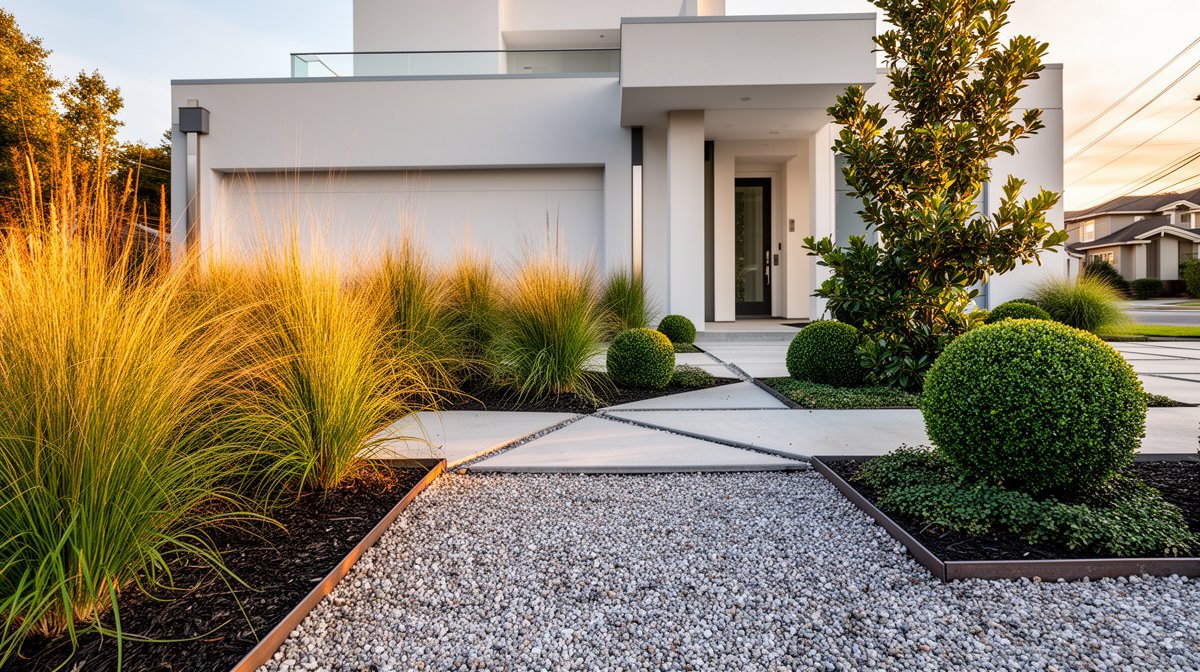
$12–24/sqftA single-storey grey house with black-framed windows on a tight subdivision lot, its front lawn removed entirely and replaced by two large rectangular beds edged in rusted Corten steel and separated by a pale crushed-gravel path running straight to the stoop. Inside the steel, black mineral mulch sets off a deliberately graphic planting: fat blue, jade and burgundy rosettes laid out as individual specimens with real space around them, low mounding sedum in chartreuse and bronze, and blue-green tufted grasses repeated on a rhythm at the bed corners. A mature multi-trunk shade tree sits inside the right-hand bed, and dwarf conical evergreens hold the line along the foundation. On a lot this size the geometry is the design — no curves, no filler.

The Floating Fire Terrace
$18–34/sqftA modern farmhouse in cream board-and-batten with a black standing-seam roof and a wall of black sliding glass, opening onto a wide lawn. Rather than butting a patio against the house, the design floats a square light-grey concrete pad out in the middle of the lawn, flush with the turf, and puts a round gas fire bowl at its centre with four black-framed lounge chairs and a sofa around it. Café string lights run from the roofline to a young canopy tree at the terrace edge, and loose clumps of arching grass are planted at the corners of the pad so the hard square dissolves into the lawn instead of ending abruptly. A clipped evergreen screen along the rear boundary closes the room off from the neighbours behind.

The Pine-Framed Pool Pavilion
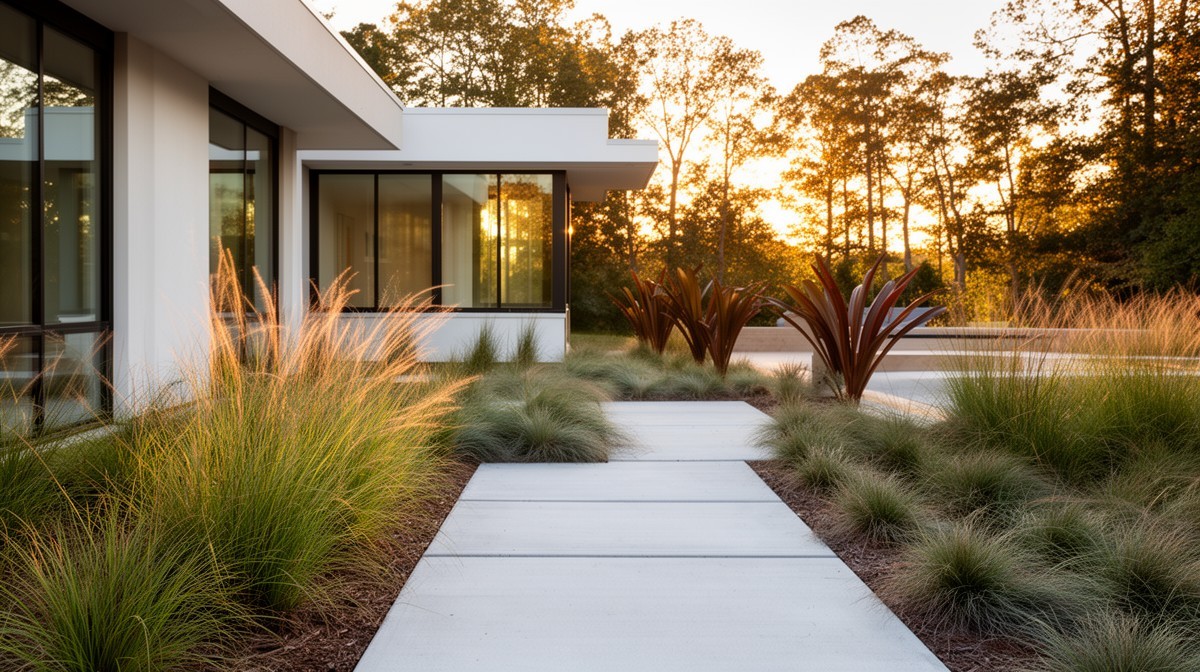
$45–90/sqft (pool area inclusive)A long single-storey glass pavilion at dusk, its flat roof floating over a fully glazed rear wall and warm interior light spilling onto the deck. A rectangular lap-format pool sits in a broad field of pale large-format concrete pavers, with a low board-formed concrete seat wall and planter running along one side, lit from within at ground level. Seating is a single low sofa and coffee table — nothing else competes. The landscape work is entirely at the edges: tall wispy grasses in continuous bands along the deck perimeter and the dark rear fence, small uplit multi-stem trees at the corners, and the existing stand of loblolly pines and hardwoods left intact as the backdrop, which is what makes this read as a Cary garden rather than a Palm Springs one.
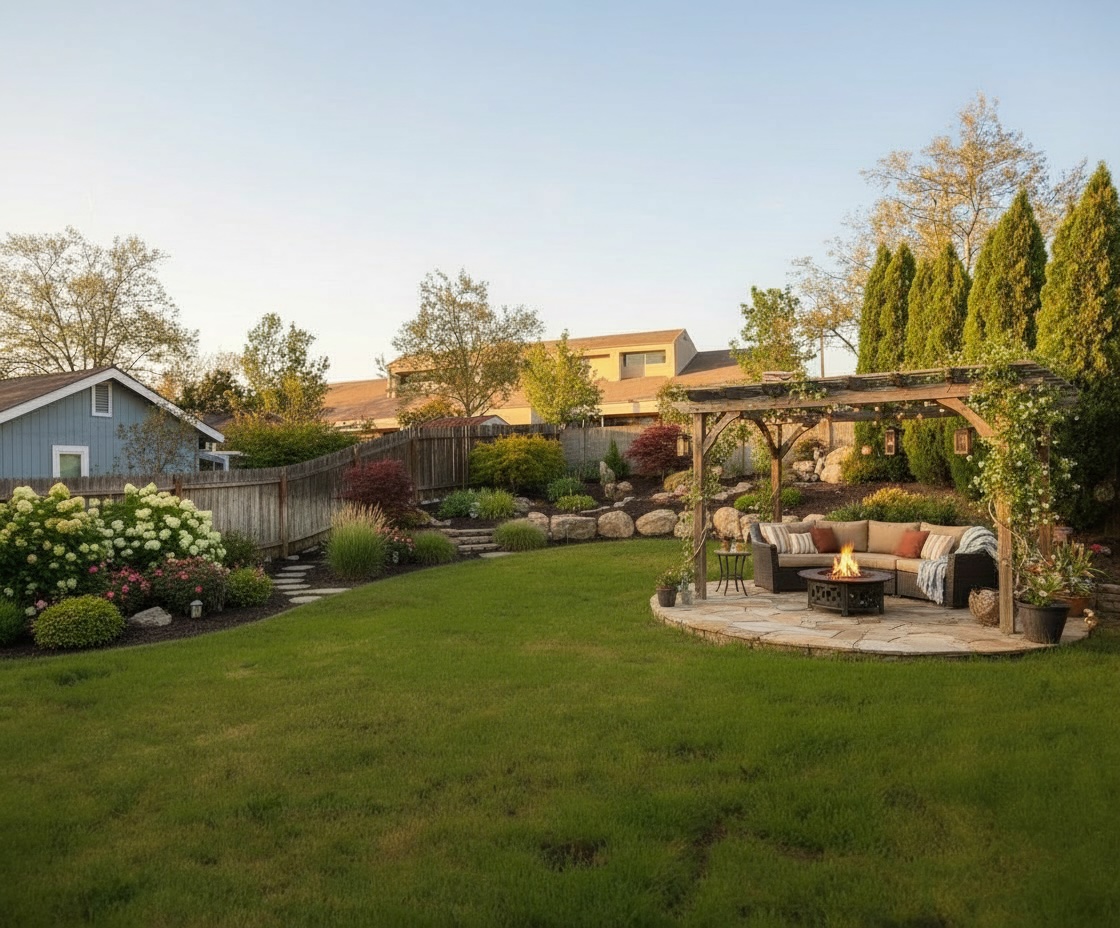
See how a modern/minimalist garden looks on YOUR property
Upload a photo of your Cary yard and visualize your dream garden in seconds.
Try ProScapeAI Free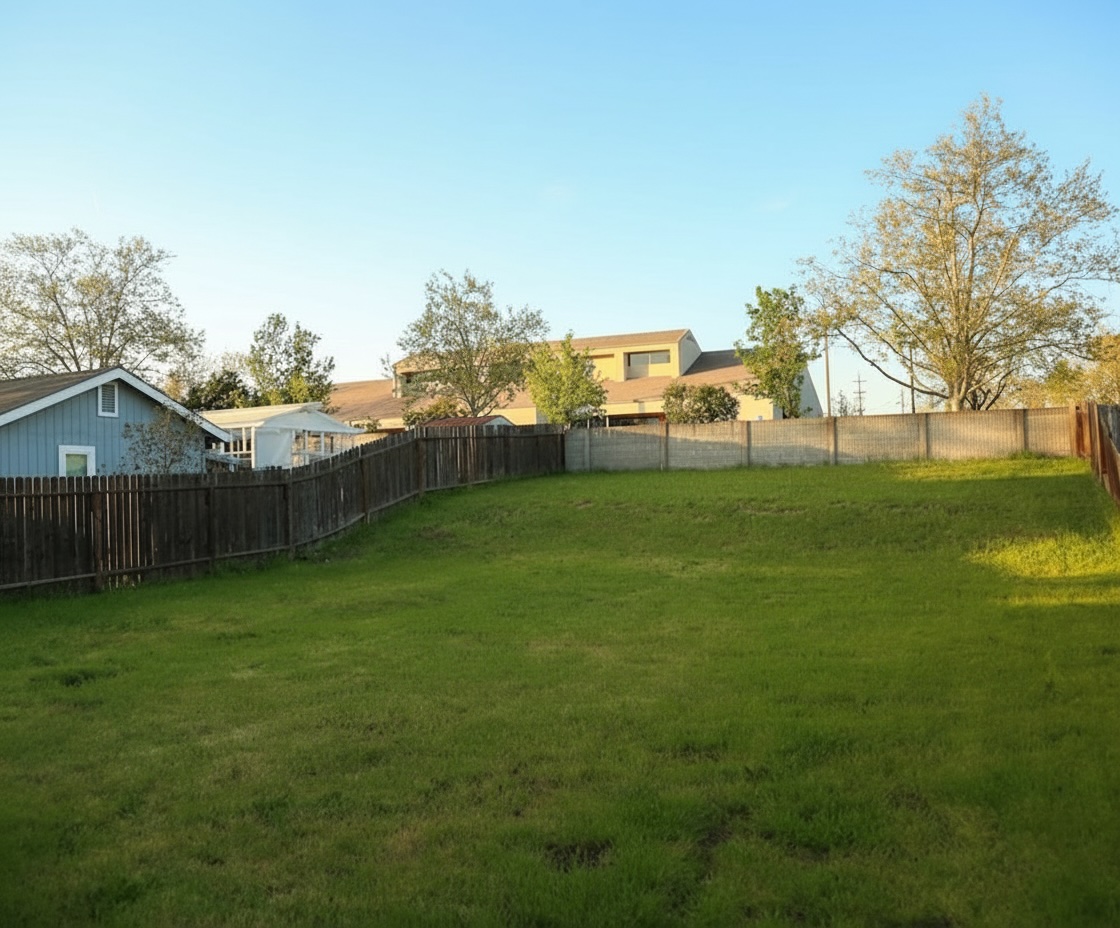
Featured Trees & Shrubs for Modern/Minimalist Gardens
Browse all 204 plants for Cary
American Elderberry
Sambucus canadensis
medium-sized at 10 feet, white blooms in spring. Attracts butterflies.
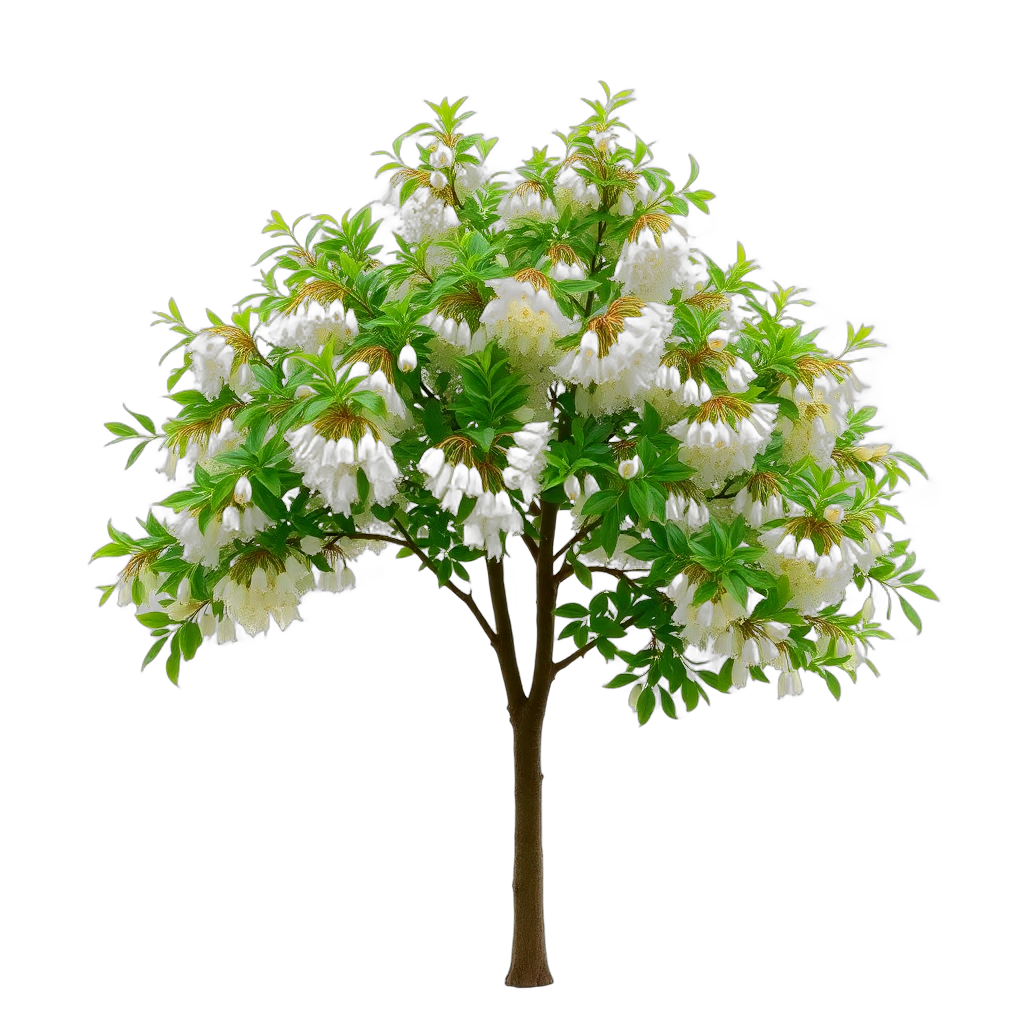
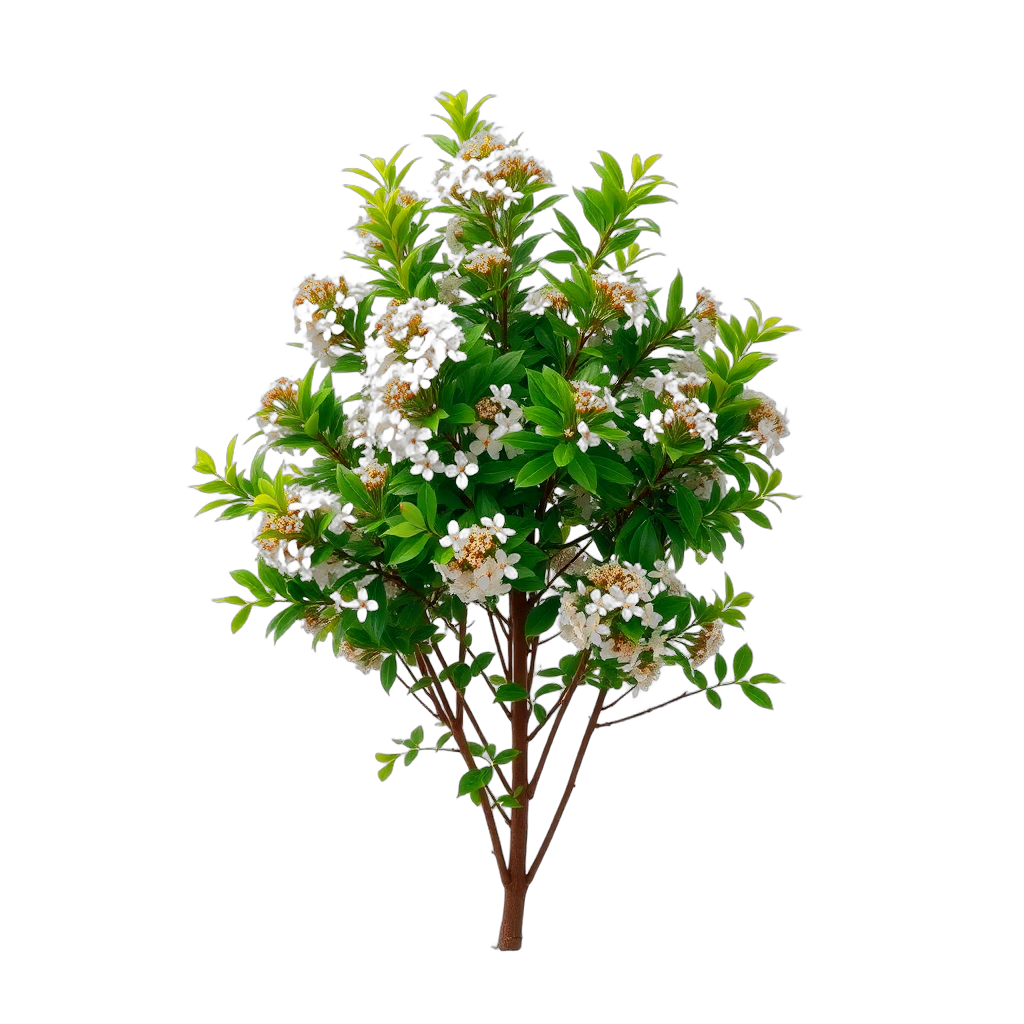
American Snowbell
Styrax americanus
medium-sized at 10 feet, white blooms in spring. Pollinator-friendly.
Carousel Mountain Laurel
Kalmia latifolia 'Carousel'
grows to 5 feet, multi blooms in spring. Evergreen year-round.
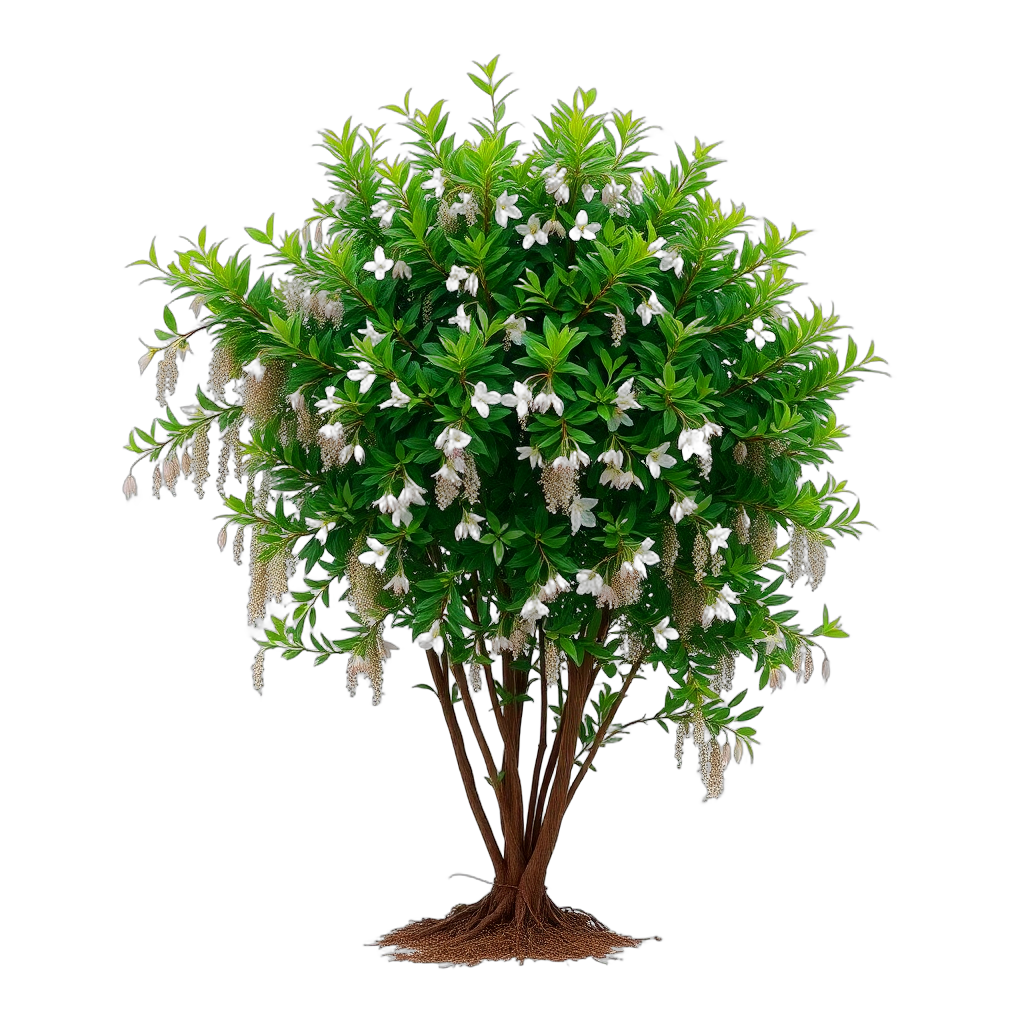
Drooping Leucothoe
Leucothoe fontanesiana
grows to 5 feet, white blooms in spring. Evergreen year-round.
Featured Grasses & Groundcovers for Modern/Minimalist Gardens
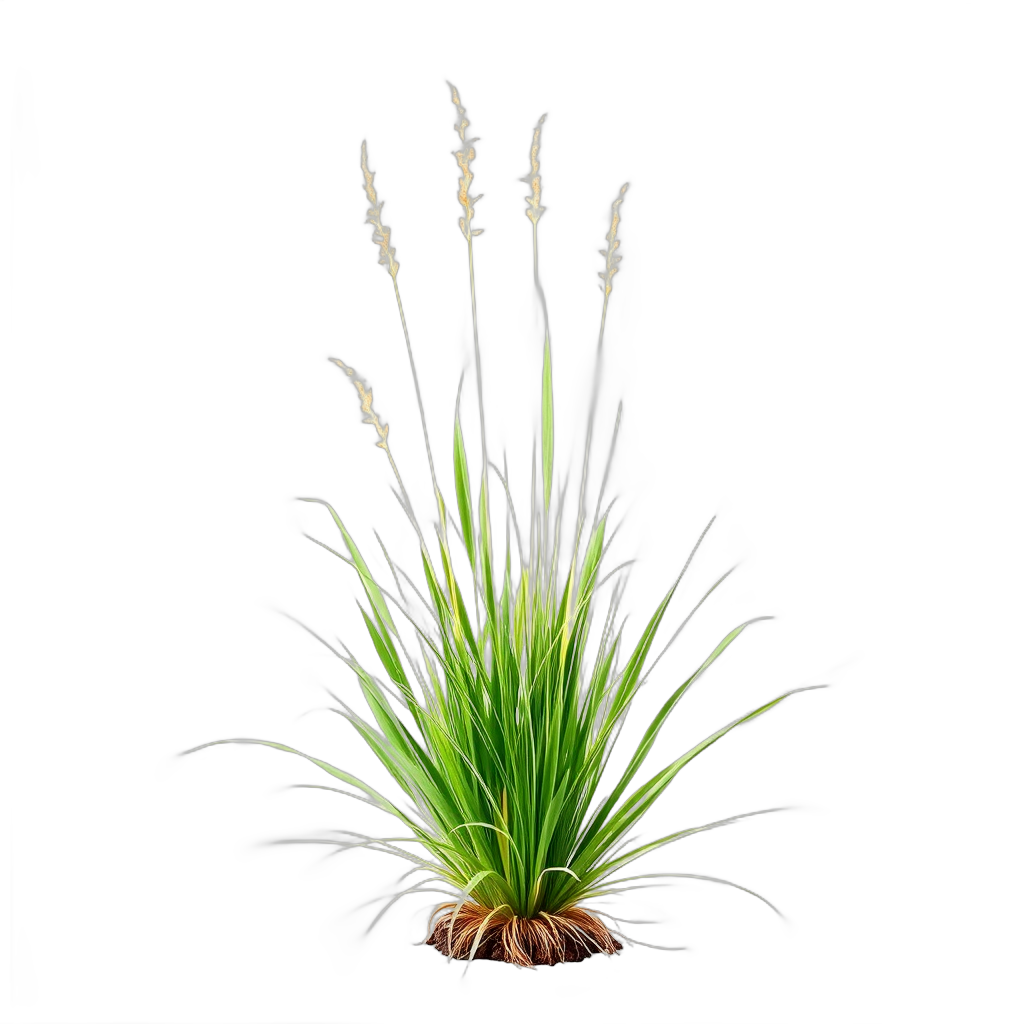
Northern Sea Oats
Chasmanthium latifolium
grows to 4 feet, blooms in fall. Bronze fall color.
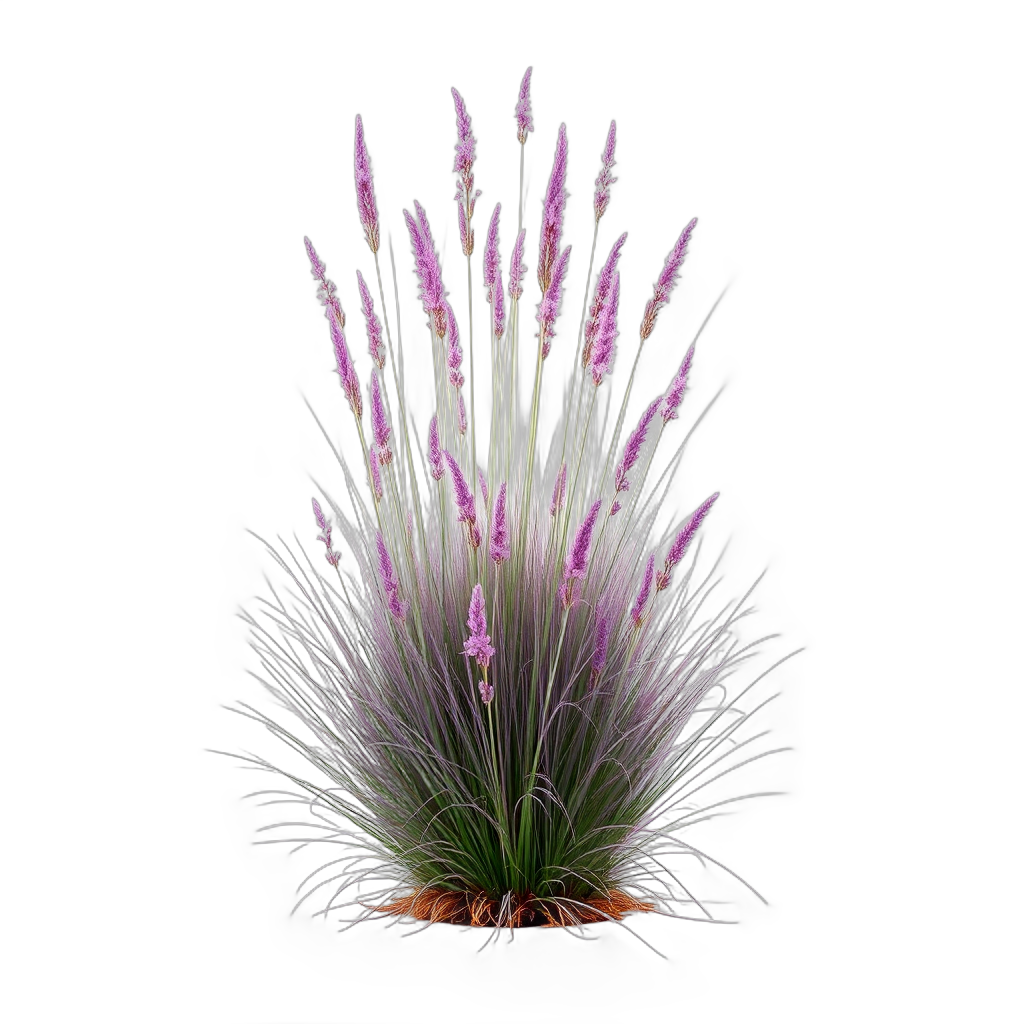
Purple Love Grass
Eragrostis spectabilis
low-growing ground cover, purple blooms in fall. Orange fall color.
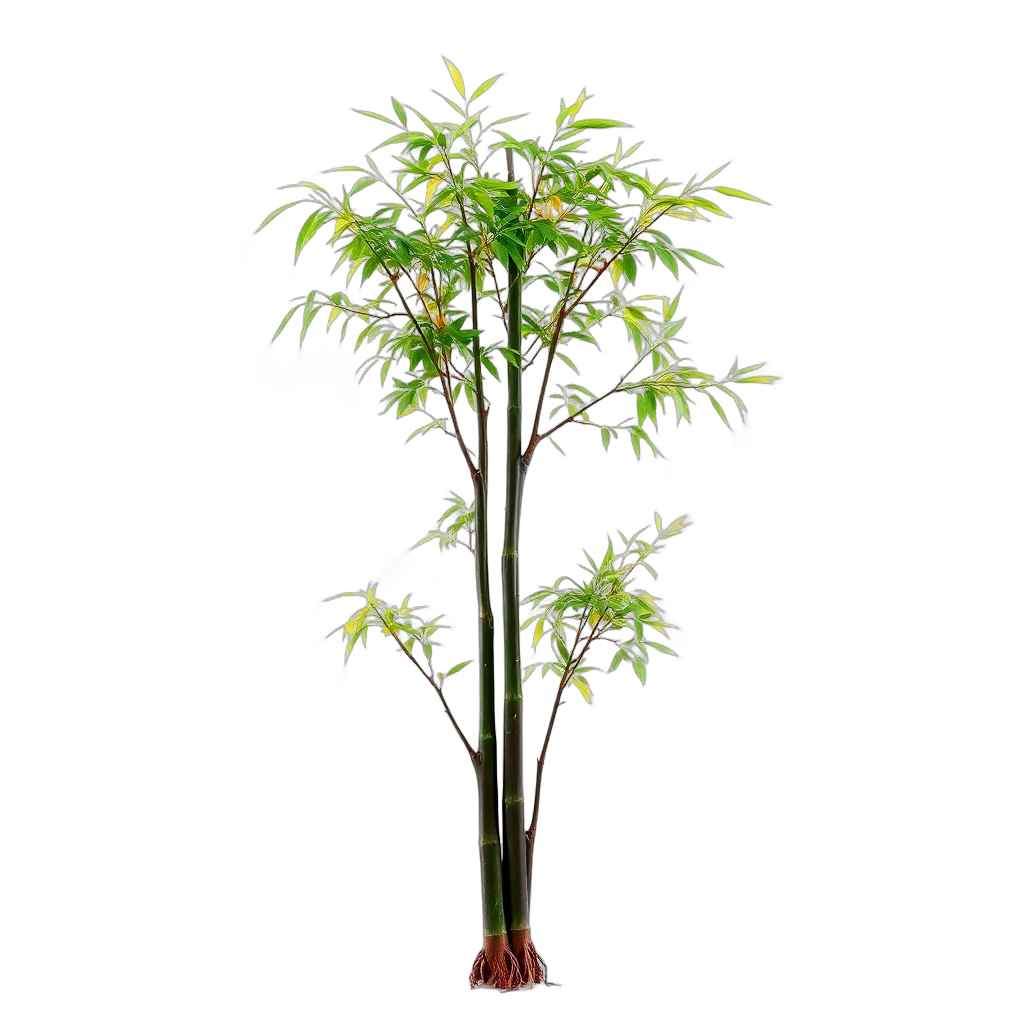
Black Bamboo
Phyllostachys nigra
reaches 25 feet tall, blooms in none. Evergreen year-round.
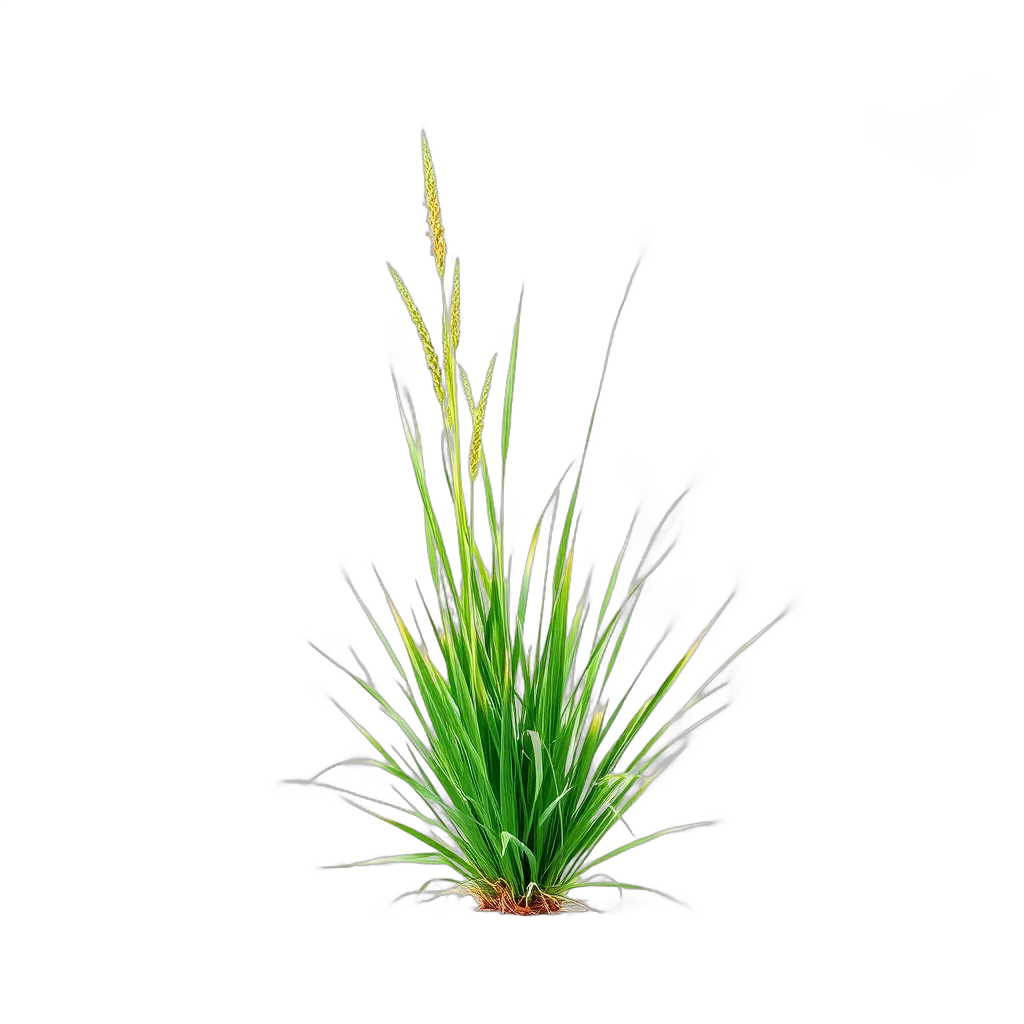
Bull Grass
Muhlenbergia emersleyi
grows to 4 feet, purple blooms in fall. Yellow fall color.
Featured Flowers & Perennials for Modern/Minimalist Gardens
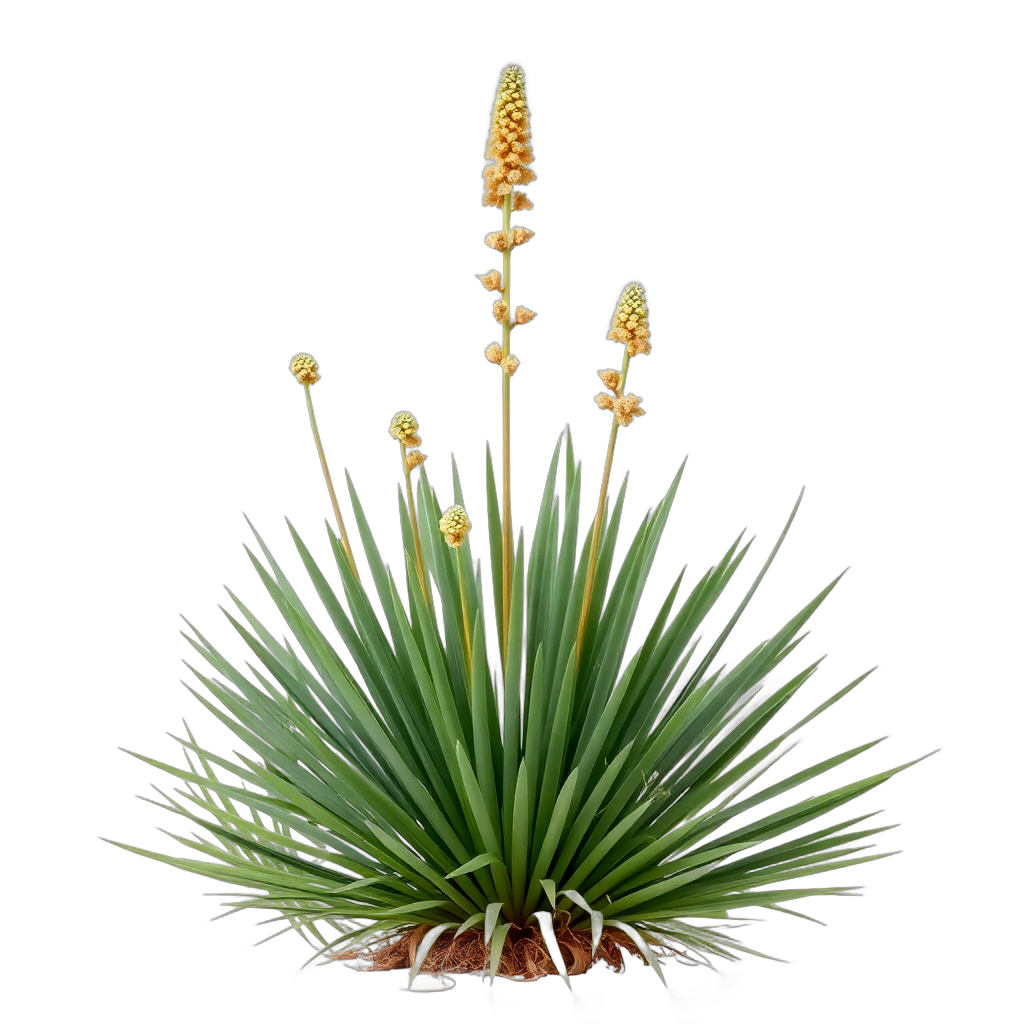
Adam's Needle
Yucca filamentosa
low-growing ground cover, white blooms in summer. Attracts hummingbirds.

Black Cohosh
Cimicifuga racemosa
grows to 5 feet, white blooms in summer. Attracts butterflies.

Coral Bean
Erythrina herbacea
grows to 5 feet, red blooms in spring. Attracts hummingbirds.
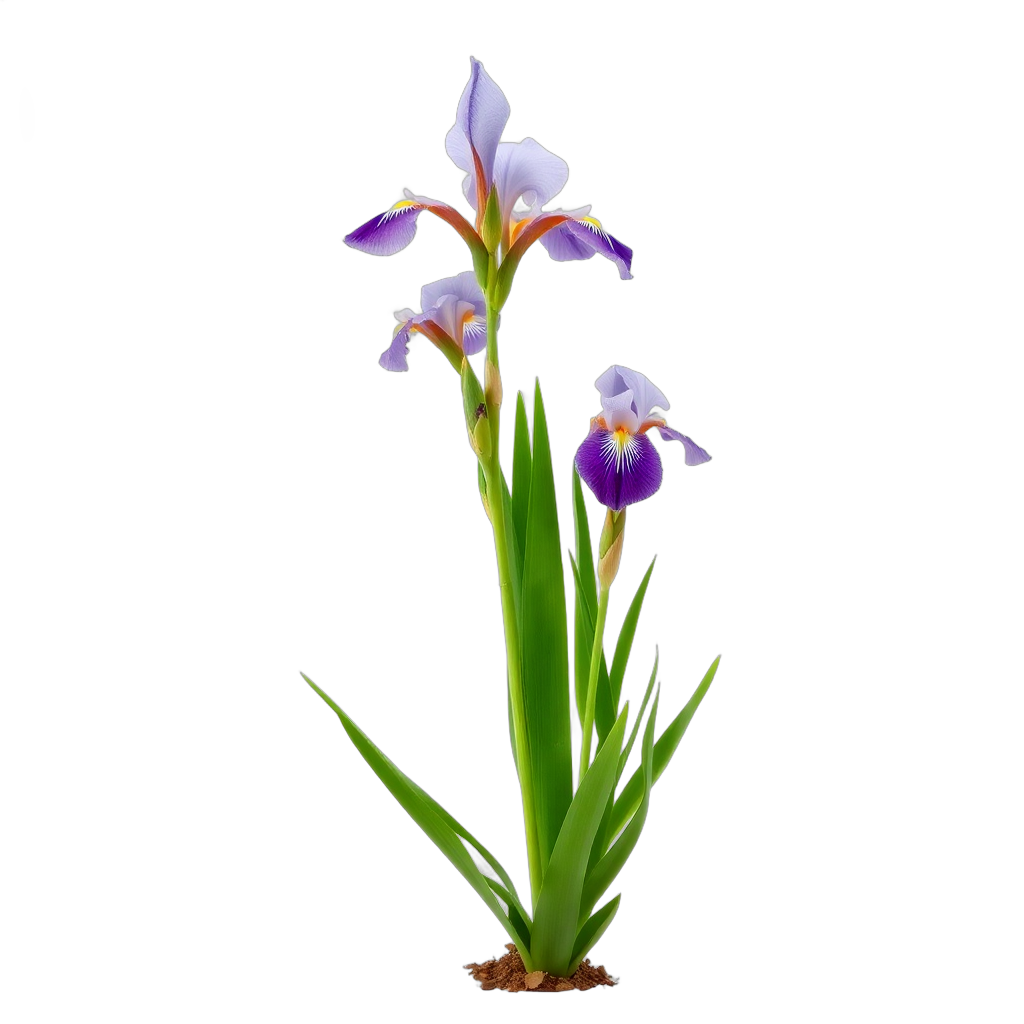
Crested Iris
Iris cristata
low-growing ground cover, blue blooms in spring. Attracts butterflies.
Zone and sun checks come from our database — confirm with your local nursery before you buy.
Bloom Calendar for Cary
spring
Coral Bean, Crested Iris, Southern Blue Flagsummer
Adam's Needle, Black Cohosh, False Aloefall
Northern Sea Oats, Purple Love Grasswinter
Limited bloomsDesign Tips for Cary (Zone 7b)
- Raise and drain before you plant anything sculptural — Agave ovatifolia, Yucca rostrata 'Sapphire Skies' and Sempervivum survive Cary's 5–10°F winters easily but not 46 inches of rain at grade in Cecil clay; 10 inches of raised, expanded-slate-heavy mix with a gravel mulch is the whole trick
- Choose surface colour for pine pollen: three weeks each April coat pale concrete and white gravel visibly yellow, so mid-grey broom concrete, charcoal porcelain pavers and darker granite gravels hold a clean modern look far longer in Cary than brilliant white
- Mass one grass instead of mixing five — a 30-foot drift of Panicum virgatum 'Northwind' or Muhlenbergia capillaris 'Regal Mist' reads as architecture, while a variety collection reads as a nursery bench, and both cost the same
- Trade tall fescue for one crisp panel of Zoysia matrella 'Zeon': fescue in the Piedmont needs September overseeding every year plus constant summer water, and Cary's alternate-day ordinance and tiered rates make that the most expensive square footage on the property
- Compact a real crushed-stone base under every slab and paver — Wake County frost depth is only about 12 inches, but Cecil clay's wet-winter swell and August shrink will crack anything poured straight onto scraped subgrade within three or four years
- Use the pines you already have as the design's back wall — leaving the loblolly and hardwood canopy intact and uplighting Acer palmatum 'Sango-kaku' or Illicium parviflorum 'Florida Sunshine' beneath it is what stops a Cary modern garden looking like a transplanted desert scheme
- Screen with Cryptomeria japonica 'Yoshino' rather than Leyland cypress: it holds a clean columnar form for decades in Piedmont humidity, where Leyland routinely fails to bagworm and canker on Cary lots by year twelve
- Cut all grasses to 6 inches in late February, not autumn — winter structure and seed heads are half the reason to plant them, and the standing clumps also protect crowns through Cary's wettest months
Where to Source Plants in Cary
Skip the big-box stores. These independent Cary nurseries specialize in the plants that make modern/minimalist gardens thrive in Zone 7b.
Garden Supply Company
Cary (Old Apex Road, near downtown)
Six acres of retail nursery under one roof since 1996 — the best local bench of warm-season grasses, yucca, Japanese maples, specimen containers and architectural evergreens, with an in-house landscape design studio
Fairview Garden Center
Southwest Raleigh, on the Cary/Apex line
Family-run since 1960 with 62,000 sq ft of greenhouse and several acres of field-grown stock — strong on ornamental trees, screening evergreens and the sedums and hardy rosettes that modern gravel beds run on
Campbell Road Nursery
Southwest Raleigh (10 minutes from Preston and Regency Park)
A working grower rather than a shop, family owned since 1981 — grasses, shrubs and perennials at grower prices in the quantities a mass planting actually needs, plus staff who trial everything in Piedmont clay first
Logan's Garden Center
Downtown Raleigh, Farmers Market Drive
Long-running independent garden centre with a good grass and shrub bench, hardware and stone, and a landscape design desk useful for spec'ing steel edging and gravel by the ton
Homewood Nursery & Garden Center
North Raleigh (Honeycutt Road)
Independent, family-owned full-service nursery worth the drive for landscape-grade specimen trees and large-caliper screening evergreens — the size of material a modern scheme needs on day one, not in five years
Modern/Minimalist Landscaping Costs in Cary
| Project Scope | Estimated Cost |
|---|---|
| Front-yard turf-to-gravel conversion with steel-edged beds (~500 sqft) | $6,000 – $14,000 |
| Poured concrete walk or terrace, broom or sandblast finish | $18 – $32 per sqft |
| Corten steel raised planter beds, fabricated and filled | $70 – $140 per linear foot |
| Floating fire terrace with gas fire bowl and string lighting (300–400 sqft) | $14,000 – $35,000 |
| Large-format paver pool deck and perimeter grass planting | $30,000 – $70,000 |
| Low-voltage landscape lighting, 12–18 fixtures installed | $3,500 – $8,500 |
| AI visualization with ProScapeAI | Free to start |
Estimates based on Cary, NC-area contractor rates as of 2026. Actual costs vary by site conditions, materials, and contractor.
Cary Climate & Growing Zone
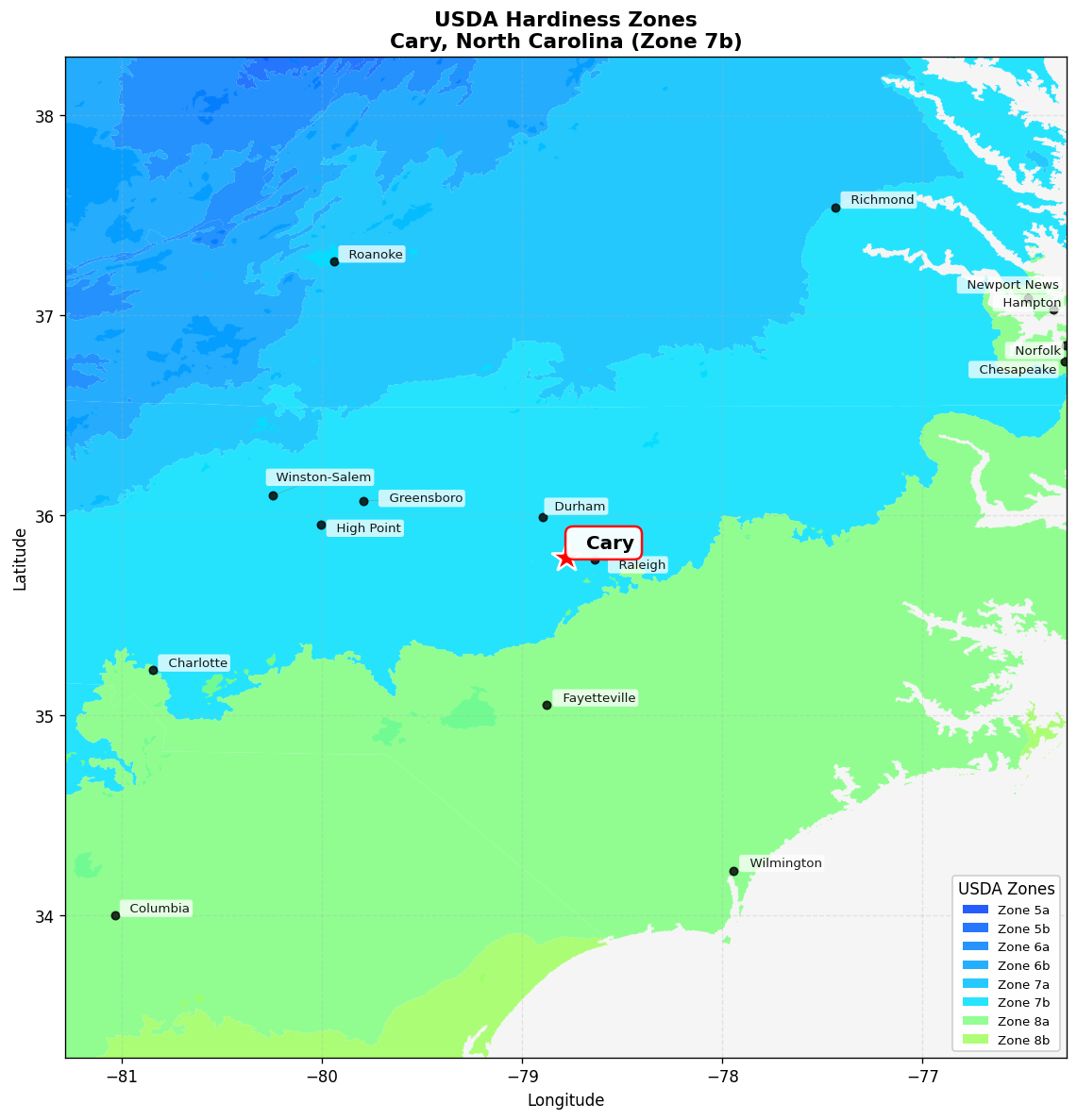
USDA Zone 7b
Hardiness zone for Cary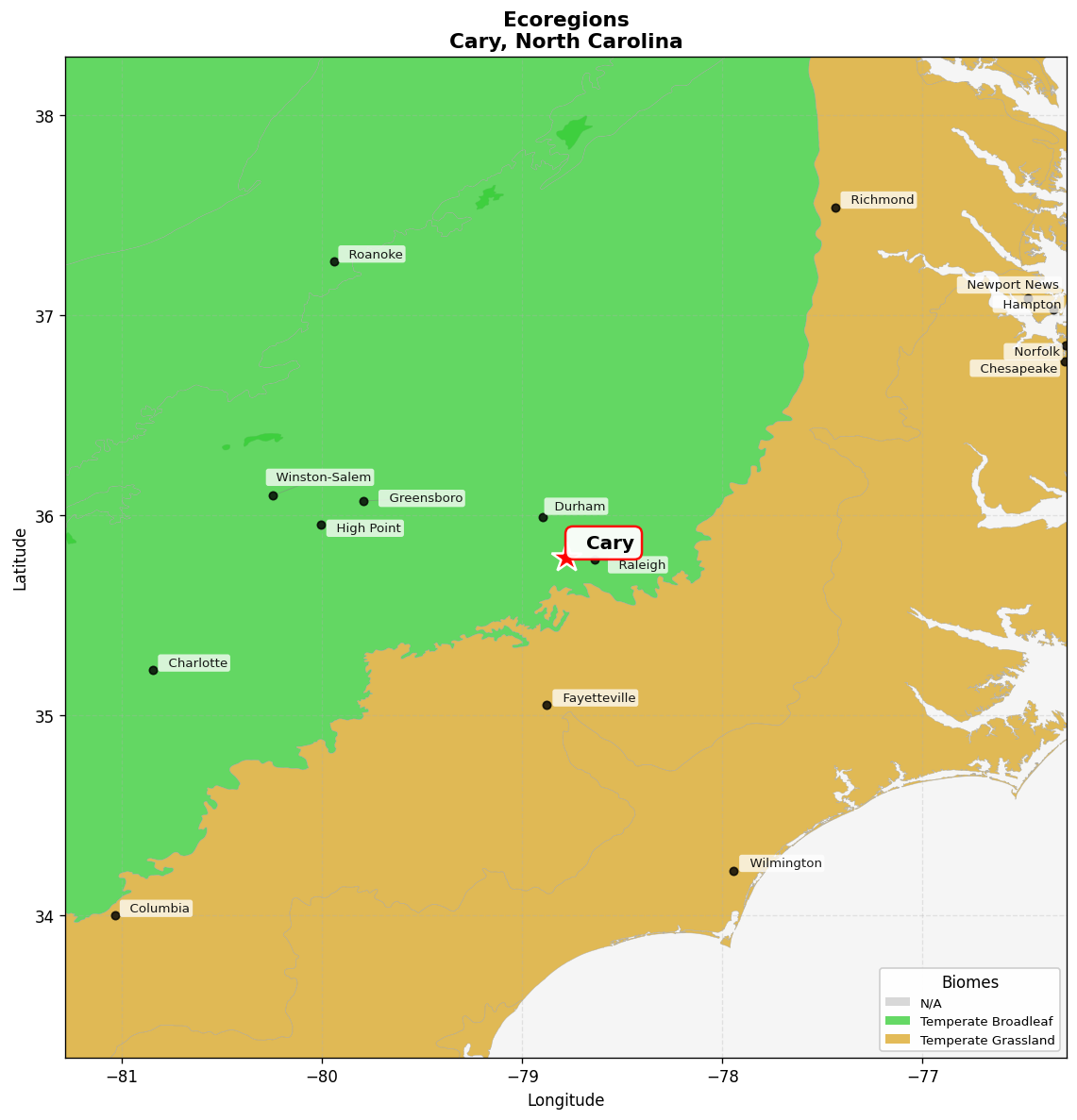
Appalachian Piedmont forests
Native ecoregionFrequently Asked Questions
How much does modern landscaping cost in Cary, NC?
Cary sits a little above the national average on installed landscape cost because Triangle trade labour is tight, but modern schemes control budget well because you buy fewer plant varieties in larger quantities. A full front-yard turf-to-gravel conversion of roughly 500 sqft — turf removal, raised free-draining beds, Corten or steel edging, gravel and a planting of Yucca filamentosa 'Color Guard', Sempervivum and Hylotelephium 'Autumn Joy' — typically runs $6,000–$14,000 installed. Poured concrete walks and terraces run about $18–$32 per square foot with a broom or sandblast finish. A floating fire terrace with a gas bowl and string lighting lands between $14,000 and $35,000, and a full pool-and-deck backyard in Preston or Regency Park commonly reaches $85,000–$180,000.
Can I actually grow agave and other desert-modern plants in Cary?
Yes, but the enemy is water, not cold. Zone 7b winter lows of 5–10°F are survivable for Agave ovatifolia, Agave parryi var. truncata, Yucca rostrata 'Sapphire Skies' and Hesperaloe parviflora; 46 inches of annual rain on Cecil clay is not. Plant them 8–12 inches above grade in a mix of about one third native soil, one third pine bark fines and one third PermaTill or expanded slate, top with a gravel mulch rather than bark so the crown never sits wet, and keep them out of any low spot that collects winter runoff. Anything planted at grade in unamended Piedmont clay rots by its second February. Sempervivum, Sedum rupestre 'Angelina' and Delosperma cooperi are the low-risk versions of the same look and are much more forgiving of a bad winter.
What are Cary's watering rules, and how do they affect a modern landscape?
Cary has run a mandatory year-round alternate-day irrigation ordinance since 2000. Odd-numbered addresses may irrigate Tuesday, Thursday and Saturday; even-numbered addresses Wednesday, Friday and Sunday; no one waters on Monday. Hand watering is allowed any day, and repeat residential violations carry civil penalties of $100, $250 and $500. Combined with Cary's tiered water rates, this makes a large tall fescue lawn the most expensive element on most lots. A modern layout is the natural answer: shrink turf to one geometric panel of Zoysia matrella 'Zeon', which uses roughly half the water of fescue, put the beds on inline drip rather than spray, and let established Panicum virgatum 'Northwind', Schizachyrium scoparium 'Standing Ovation' and Amsonia hubrichtii run with no supplemental water at all after their first season.
Which grasses hold up best in Cary's heat and humidity?
Warm-season natives, overwhelmingly. Panicum virgatum 'Northwind' is the workhorse — strictly upright to five feet, never flops in a Piedmont thunderstorm, and stands through winter. Schizachyrium scoparium 'Standing Ovation' gives copper and burgundy autumn colour on dry sites, Muhlenbergia capillaris 'Regal Mist' produces the pink October haze that carries a whole front yard, and Calamagrostis × acutiflora 'Karl Foerster' is the one cool-season grass reliable here, though it browns earlier in August than it does further north. Sesleria autumnalis and Carex flacca 'Blue Zinger' cover the low blue-green tufted role. Avoid Miscanthus sinensis, which self-seeds aggressively into Piedmont woodland edges, and treat purple fountain grass as a summer annual. All of them get one cut to 6 inches in late February and nothing else.
How do I keep concrete and pavers from cracking in Cary's clay?
Frost depth in Wake County is only about 12 inches, so the enemy here is not freezing — it is Cecil clay swelling through a 46-inch wet winter and shrinking hard in a dry August. Excavate 6–8 inches and compact a proper crushed-stone base in lifts rather than pouring or laying onto scraped subgrade, keep control joints in poured slabs at roughly 8–10 foot centres, and slope everything a minimum of 2 percent away from the house. On sloped lots in Lochmere or Preston a shallow French drain along the uphill edge of a terrace is cheap insurance. One finish note specific to Cary: three weeks of loblolly pine pollen every April will visibly yellow white concrete and pale gravel, so mid-grey concrete, charcoal porcelain and darker granite gravels stay looking clean far longer.
When is the best time to install a modern landscape in Cary?
Split the project. Do hardscape from November through March, when contractors have capacity, the ground is workable, and Wake County's shallow frost depth means concrete can be poured through most of the winter. Do the planting from mid-September through early December, so roots establish through the mild wet winter and plants arrive at spring already anchored — critical with a July that averages around 90°F and high humidity. Grasses are the exception worth noting: warm-season species such as Panicum virgatum and Muhlenbergia capillaris establish better planted in April and May, once the soil has warmed, than in a cold wet November. Avoid planting anything from mid-June through August, when even permitted irrigation days cannot keep pace with evapotranspiration.
Do I need permission for a fire pit, patio or turf removal in Cary?
Two separate approvals, and both are worth checking before you buy materials. Almost every Cary subdivision — Amberly, Carpenter Village, Preston, Weldon Ridge and most others — has an HOA architectural review committee whose covenants cover patios, permanent fire features, fences, screening and, in many neighbourhoods, front-yard turf removal; submit a drawing and allow around 30 days. Separately, the Town of Cary and the state building code bring in permitting for pools, decks over 30 inches, retaining walls over 4 feet and gas line work, and Cary enforces a tree protection ordinance that limits removals on a lot. At-grade patios, gravel beds, planting and low-voltage lighting usually need no town permit. Confirm your exact scope with the Town of Cary and your HOA — nothing here replaces that.