4 Cottage Garden Ideas for Cary, NC | English Design in Zone 7b
Native plants from the Appalachian Piedmont forests (Zone 7b) — Humid subtropical climate
Why Cottage/English Gardens in Cary?
Cary is one of the easiest places in the country to build a convincing English cottage garden, and the reason is arithmetic as much as taste. Zone 7b gives the town winter lows of 5–10°F — cold enough to satisfy the chilling requirement of Paeonia 'Sarah Bernhardt' and old garden roses, mild enough that Digitalis purpurea 'Camelot Rose', Nepeta 'Walker's Low' and hardy lavender stay in the ground year after year without fleece or mulch mounding. The frost-free window runs roughly from the first week of April to the first week of November, about 210 days, and Cary averages 46 inches of rain spread evenly across the year rather than dumped in one season. That even distribution is exactly what a mixed border wants: the classic cottage look depends on soft, fast, continuous growth, and Cary supplies it for free from March through June.
The town's housing stock does the rest of the work. The 1950s and 1960s ranches and small capes around downtown Cary — Russell Hills, Northwoods, Kilarney Woods — sit on shallow front yards with real front porches, which is precisely the proportion a picket fence and a rose arbor were invented for. Push west into Kildaire Farms, MacGregor Downs, Lochmere and Preston and you get brick colonials and Georgian two-stories on half-acre lots under 40-year-old willow oaks and loblolly pines — gardens that suit deep double borders and a pergola far better than they suit foundation shrubs in a row. The newer villages out toward Green Level, Amberly and Carpenter give you a blank canvas and, almost always, an HOA architectural review committee: in most Cary subdivisions a front-yard fence, an arbor or a turf removal needs written approval before the first shovel, so design the drawing first and submit it, rather than planting and apologising.
Two local realities shape every planting plan here. The first is soil. Cary sits on the Cecil series red clay of the Appalachian Piedmont — a thin sandy loam topsoil over a dense, sticky red-orange clay subsoil that holds water all winter and sets like fired brick in August. Cottage plants that resent wet feet, notably Lavandula, Salvia nemorosa 'Caradonna' and bearded iris, will not survive a Cary winter planted at grade in unamended clay. The fix is standard and cheap: build beds 8–12 inches above grade with pine bark fines, compost and PermaTill or expanded slate, and never dig a soft-soil pit into hard clay, which just makes a bathtub. The second is water. Cary has run a mandatory year-round alternate-day irrigation ordinance since 2000 — odd-numbered addresses may irrigate Tuesday, Thursday and Saturday, even numbers Wednesday, Friday and Sunday, nobody on Monday, with civil penalties of $100, $250 and $500 for repeat violations. Hand watering is allowed any day, and Cary's tiered water rates mean a thirsty lawn is genuinely expensive. A cottage garden actually wins under those rules: drip irrigation on a border of Echinacea purpurea 'Magnus', Rudbeckia fulgida 'Goldsturm' and Amsonia hubrichtii uses a fraction of what the same square footage of tall fescue does, and looks better in the drought weeks of late August when the lawn has gone the colour of a paper bag.
One more Cary-specific warning worth designing around: boxwood blight is established in Wake County, and the town's older gardens are full of the English boxwood it kills. If you want the clipped green geometry that holds a cottage border together, use blight-tolerant Buxus 'Green Velvet' and 'Winter Gem' rather than Buxus sempervirens 'Suffruticosa', or sidestep the problem entirely with Ilex crenata 'Soft Touch' and Distylium 'Vintage Jade', which clip to the same tight mound and shrug off both the disease and Cary's August humidity.
4 Cottage/English Design Ideas for Cary

The Picket Fence Rose Arbor Entry
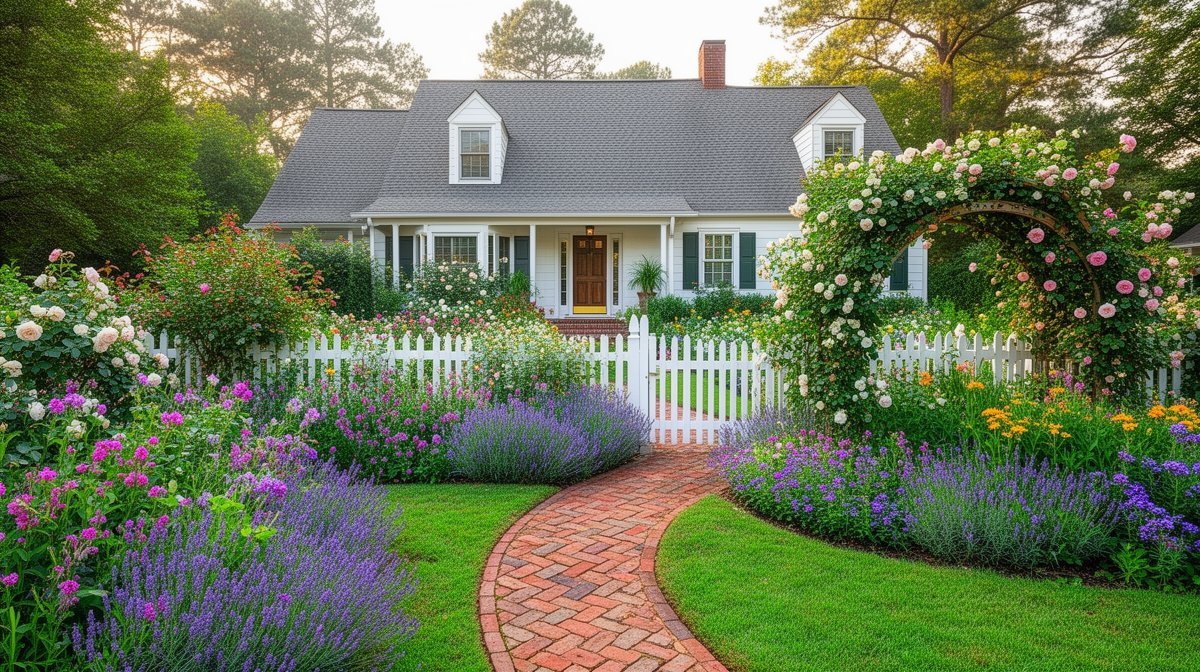
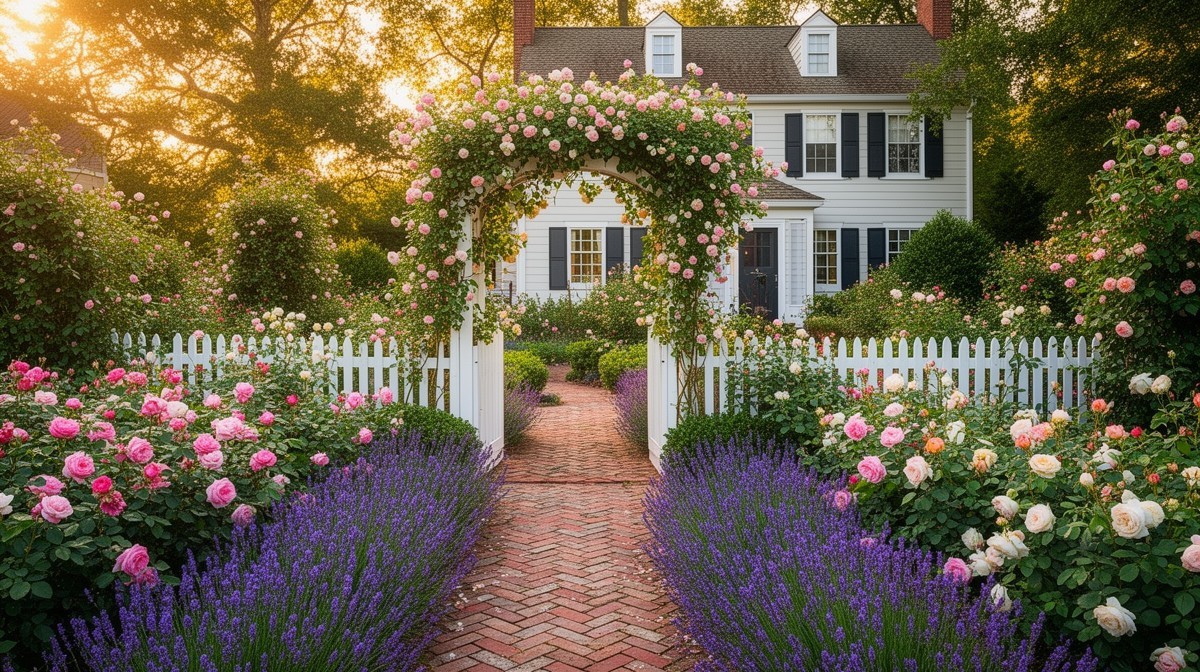
$14–26/sqftA cream shingled cape with steep dormers, its whole frontage claimed by a white cedar picket fence and a matching gate, with a painted timber arbor smothered in pale pink climbing roses framing the entry. A brick walkway laid in running bond curves from the gate to brick porch steps, and the beds behind the pickets are packed three deep — red and blush roses at the back, clipped green mounds holding the middle, and a continuous ribbon of lavender spilling over the fence line at the front. Terracotta pots of red geraniums flank the door, and fallen rose petals on the brick are the detail that tells you the design is doing its job.

The Porch-Front Perennial Border
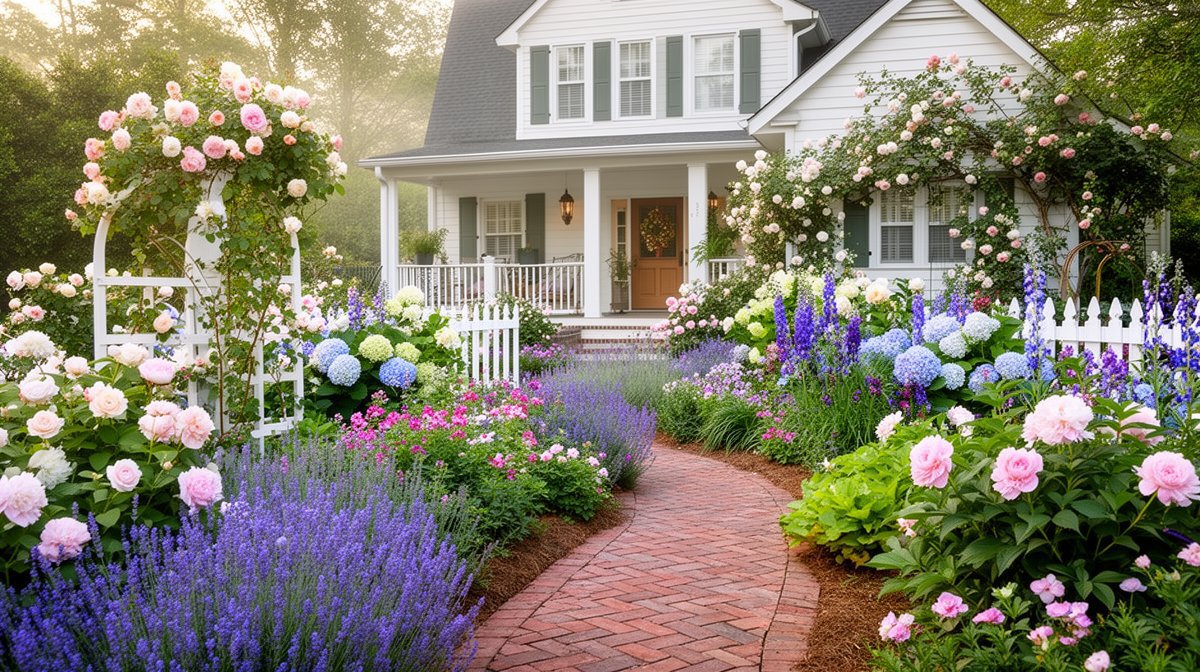
$10–20/sqftA sage-green cottage with a full-width covered porch, white railings and pink petunia baskets hung between the columns, approached by a wide flagstone walk that curves in from the street through a white lattice arbor draped in climbing roses. Instead of foundation shrubs, the front yard is given over to two generous island beds of mixed cottage perennials — yellow, scarlet, violet and white in loose drifts rather than blocks — with a mature deciduous shade tree throwing dappled light across half of it by mid-afternoon. Wide mulched edges and mown lawn between the beds keep the whole thing legible instead of chaotic.

The Double Border Rose Pergola
$16–32/sqftThe full English treatment on a deep back lot: a stained cedar pergola completely covered in blush climbing roses stands at the centre of a stone-flagged sitting area with a white wrought-iron bistro table and two chairs, and the mown lawn beyond runs like a green carpet to the french doors of the house. On either side, two enormous mixed borders rise in tiers — foxglove and larkspur spires at the back, peonies and shasta daisies at mid-height, lavender and catmint tumbling onto the stone — all of it framed by the trunks of two mature canopy trees that keep the west side of the garden usable in July. A stone birdbath sits half-hidden in the far border as the only ornament the scheme needs.

The Fountain Courtyard Dining Terrace
$22–42/sqftA tidier, more architectural take on cottage style for a smaller back garden. A white pergola shades a brick paver dining terrace set for six under climbing roses, and directly off it a low tiered stone fountain sits in a shallow round basin ringed with low planting. Along the house wall a row of clipped green globes alternates with white hydrangeas and cream shrub roses, small ornamental trees soften the two-storey elevation, and violet spikes of catmint and salvia weave through the fountain bed so the hard geometry never reads as formal. Flagstone steppers cut through the lawn to close the loop back to the house.
See how a cottage/english garden looks on YOUR property
Upload a photo of your Cary yard and visualize your dream garden in seconds.
Try ProScapeAI Free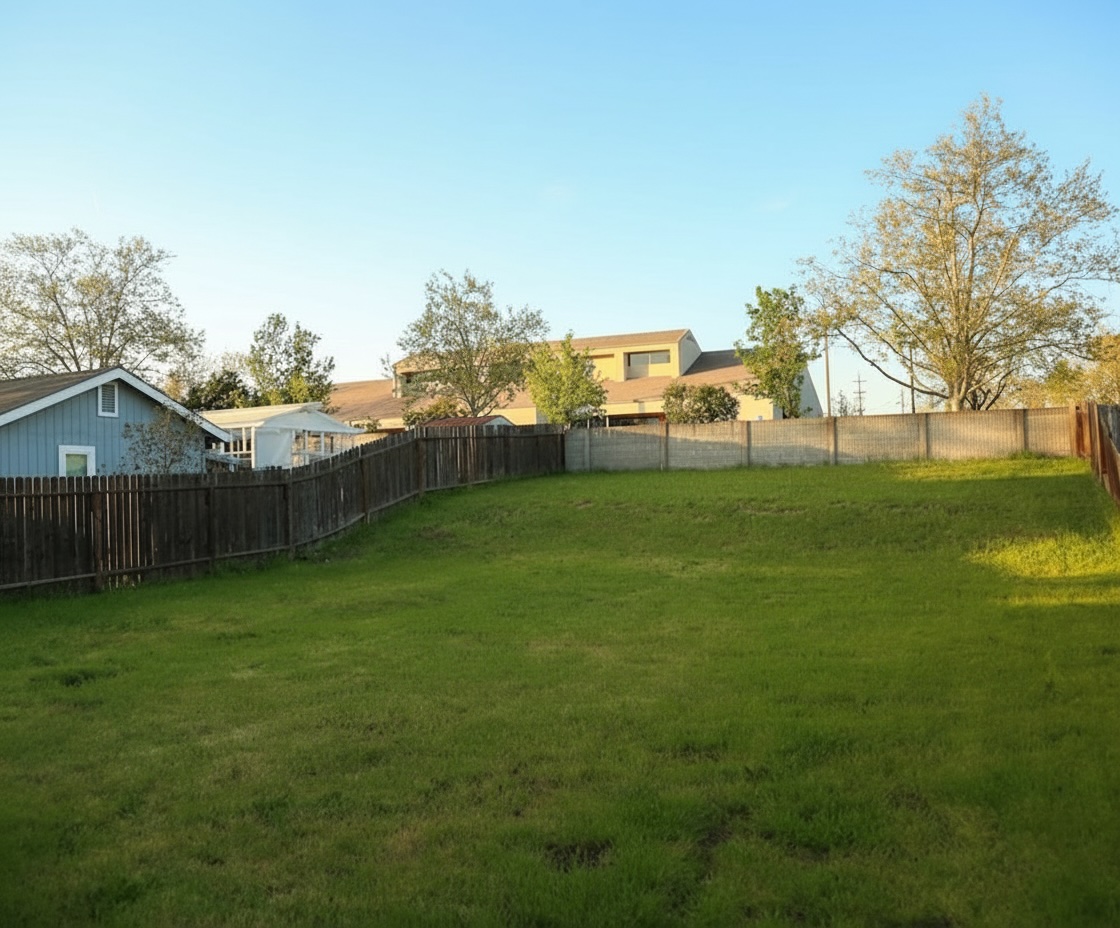
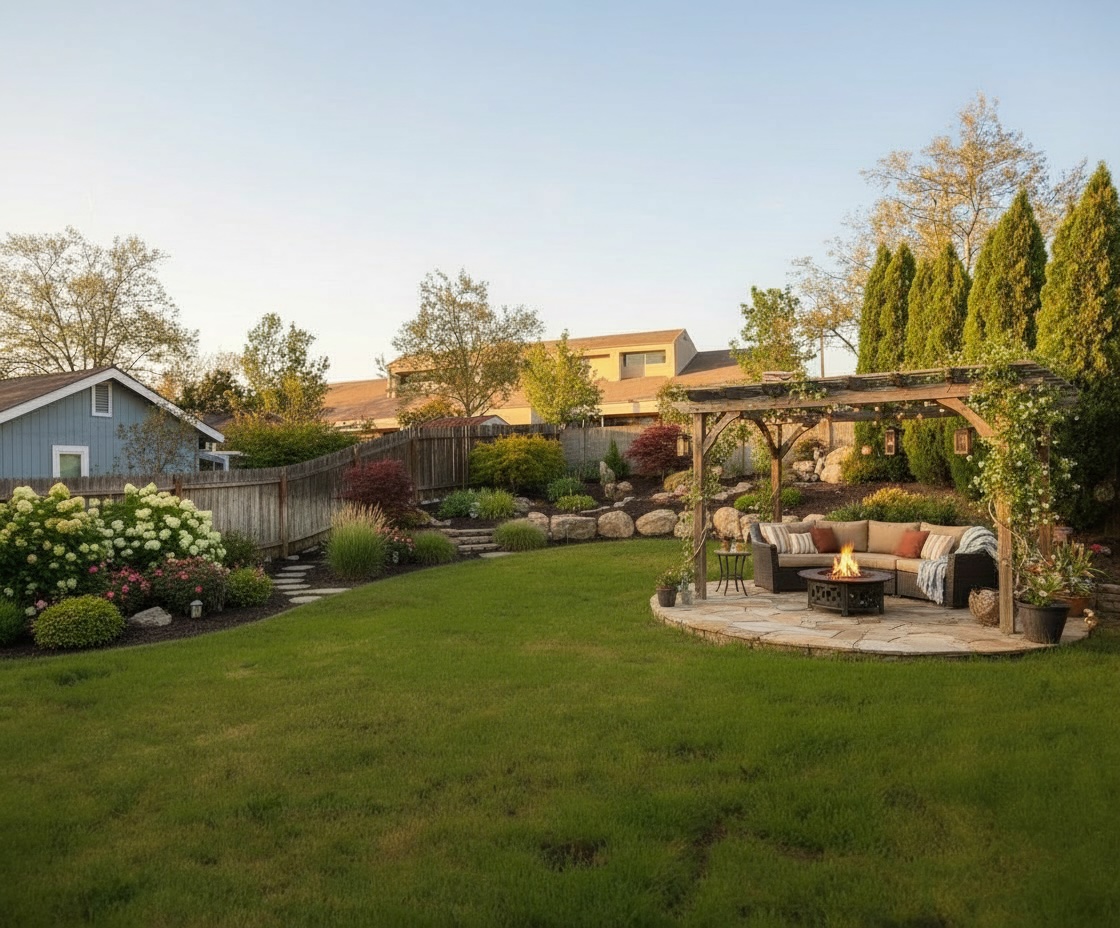
Featured Trees & Shrubs for Cottage/English Gardens
Browse all 204 plants for Cary
American Elderberry
Sambucus canadensis
medium-sized at 10 feet, white blooms in spring. Attracts butterflies.
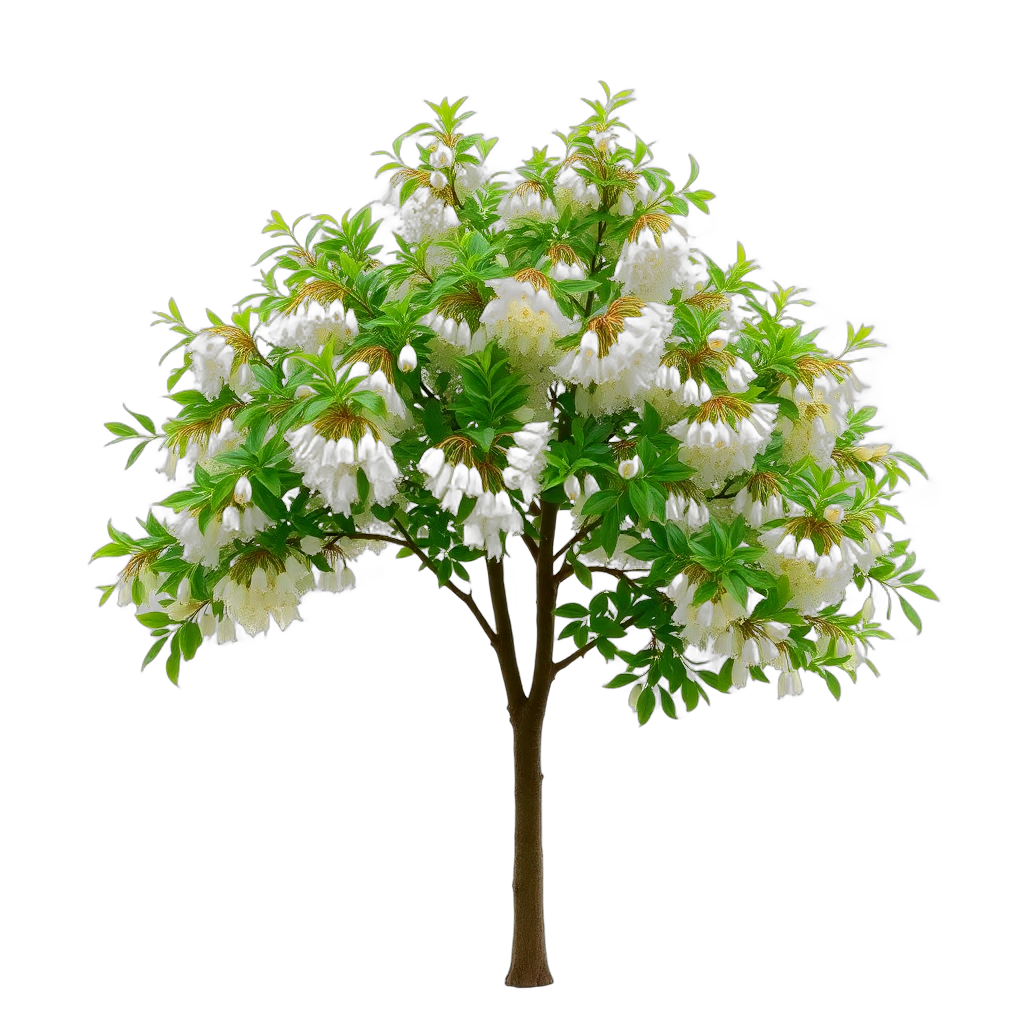
American Snowbell
Styrax americanus
medium-sized at 10 feet, white blooms in spring. Pollinator-friendly.
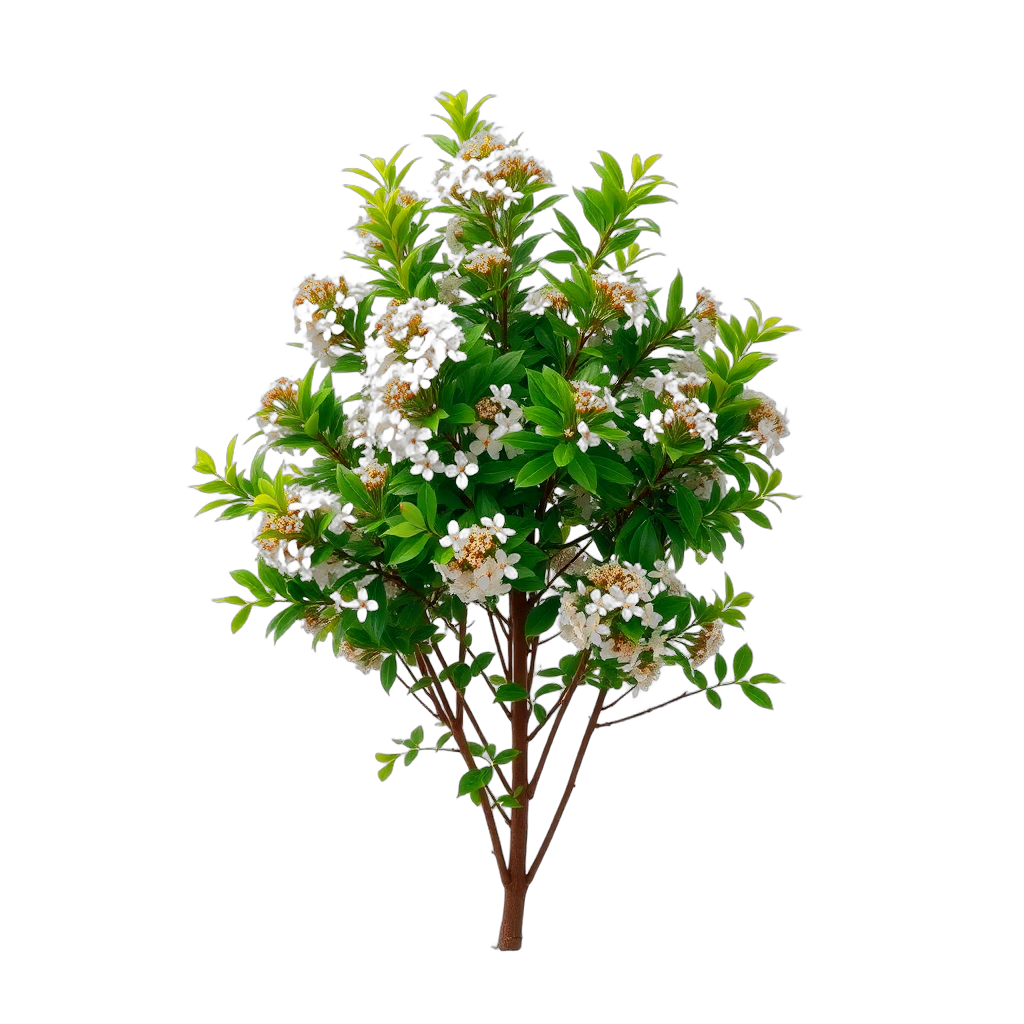
Carousel Mountain Laurel
Kalmia latifolia 'Carousel'
grows to 5 feet, multi blooms in spring. Evergreen year-round.
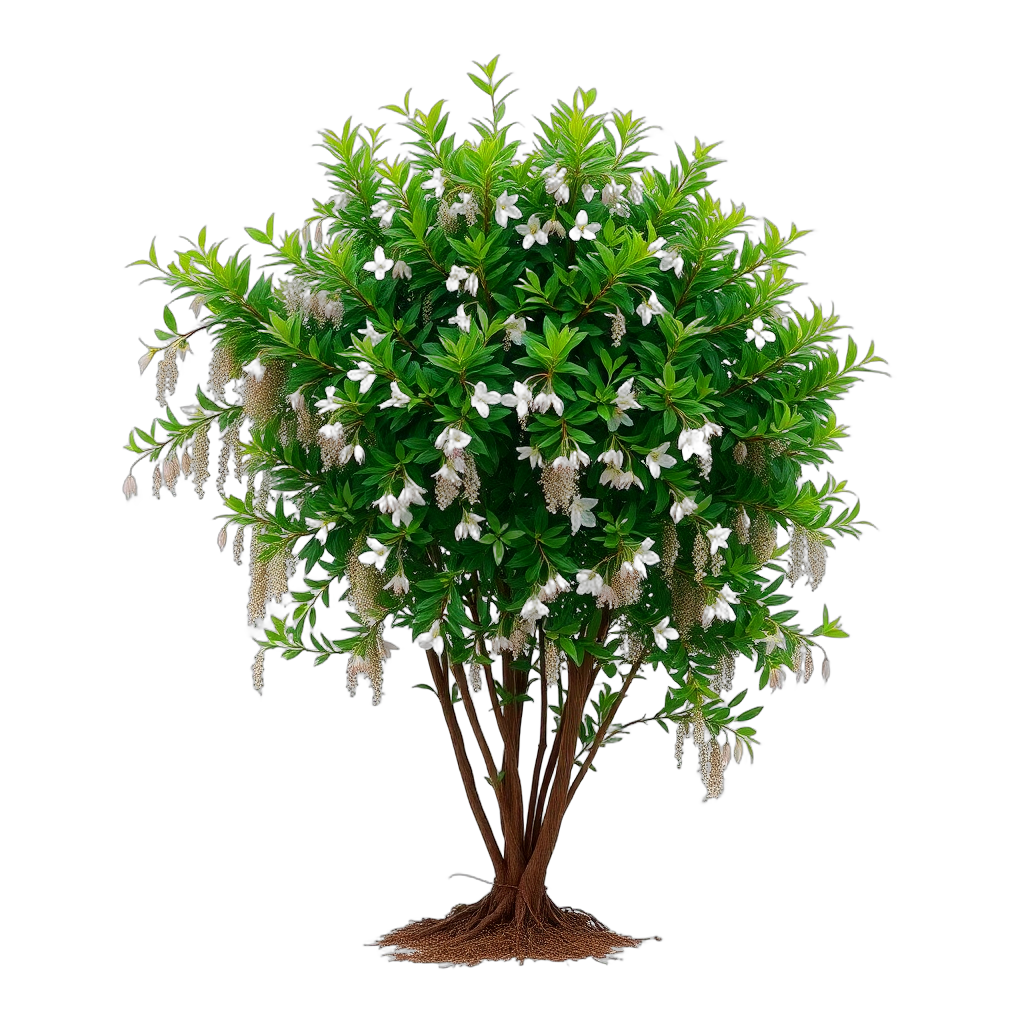
Drooping Leucothoe
Leucothoe fontanesiana
grows to 5 feet, white blooms in spring. Evergreen year-round.
Featured Grasses & Groundcovers for Cottage/English Gardens
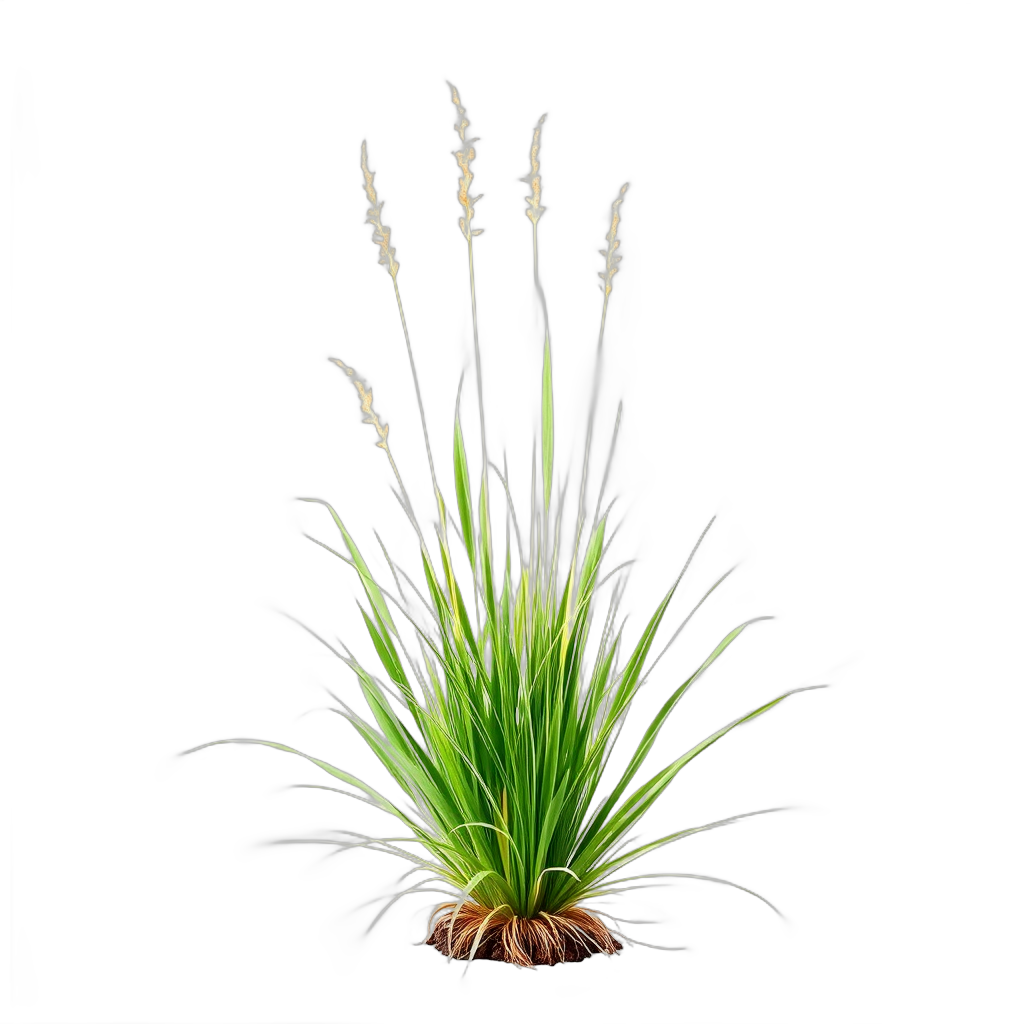
Northern Sea Oats
Chasmanthium latifolium
grows to 4 feet, blooms in fall. Bronze fall color.
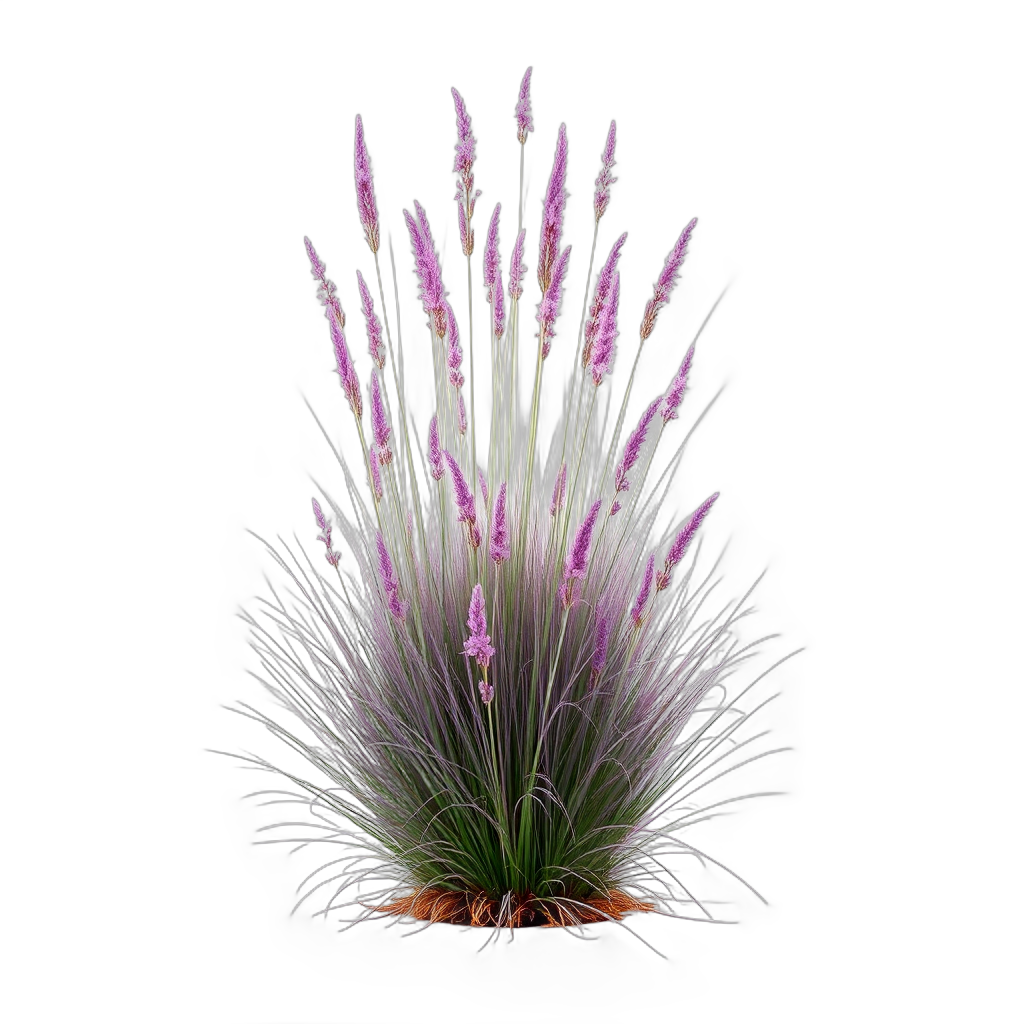
Purple Love Grass
Eragrostis spectabilis
low-growing ground cover, purple blooms in fall. Orange fall color.
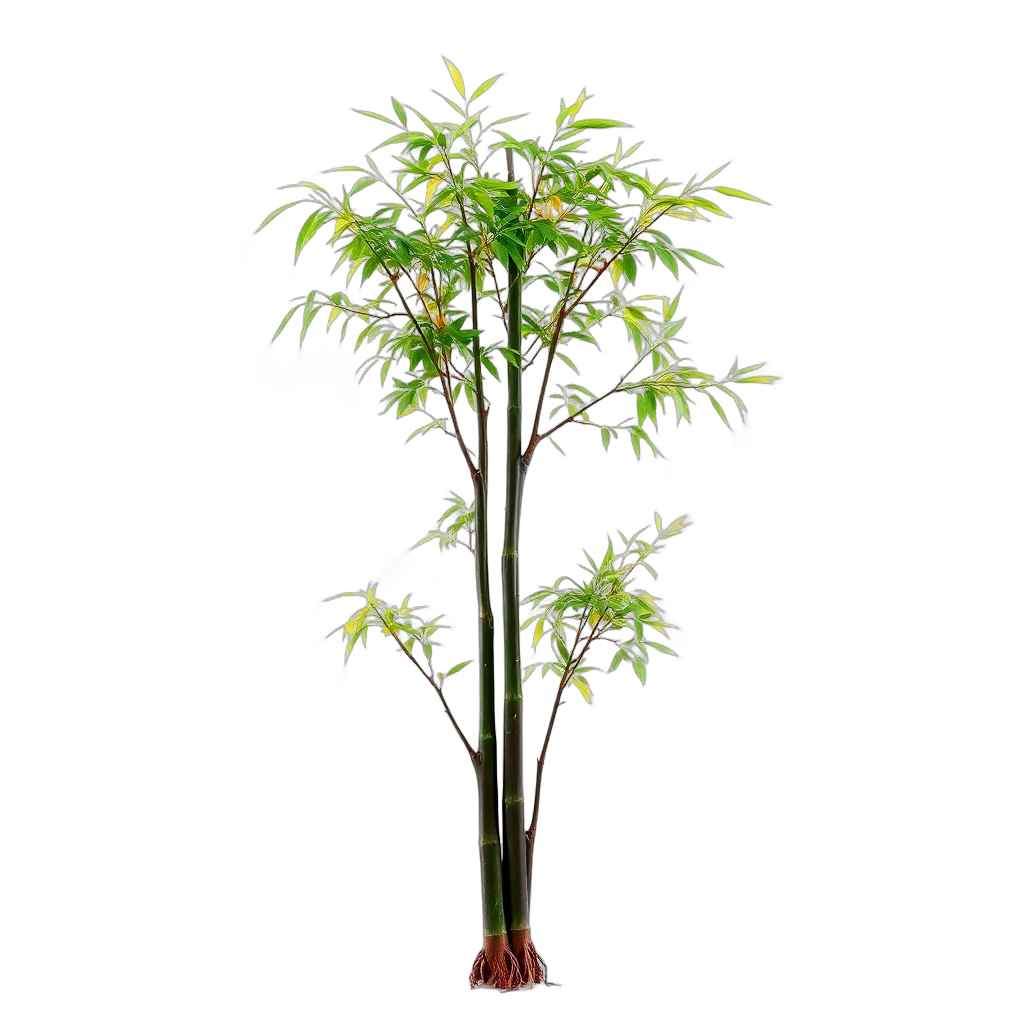
Black Bamboo
Phyllostachys nigra
reaches 25 feet tall, blooms in none. Evergreen year-round.
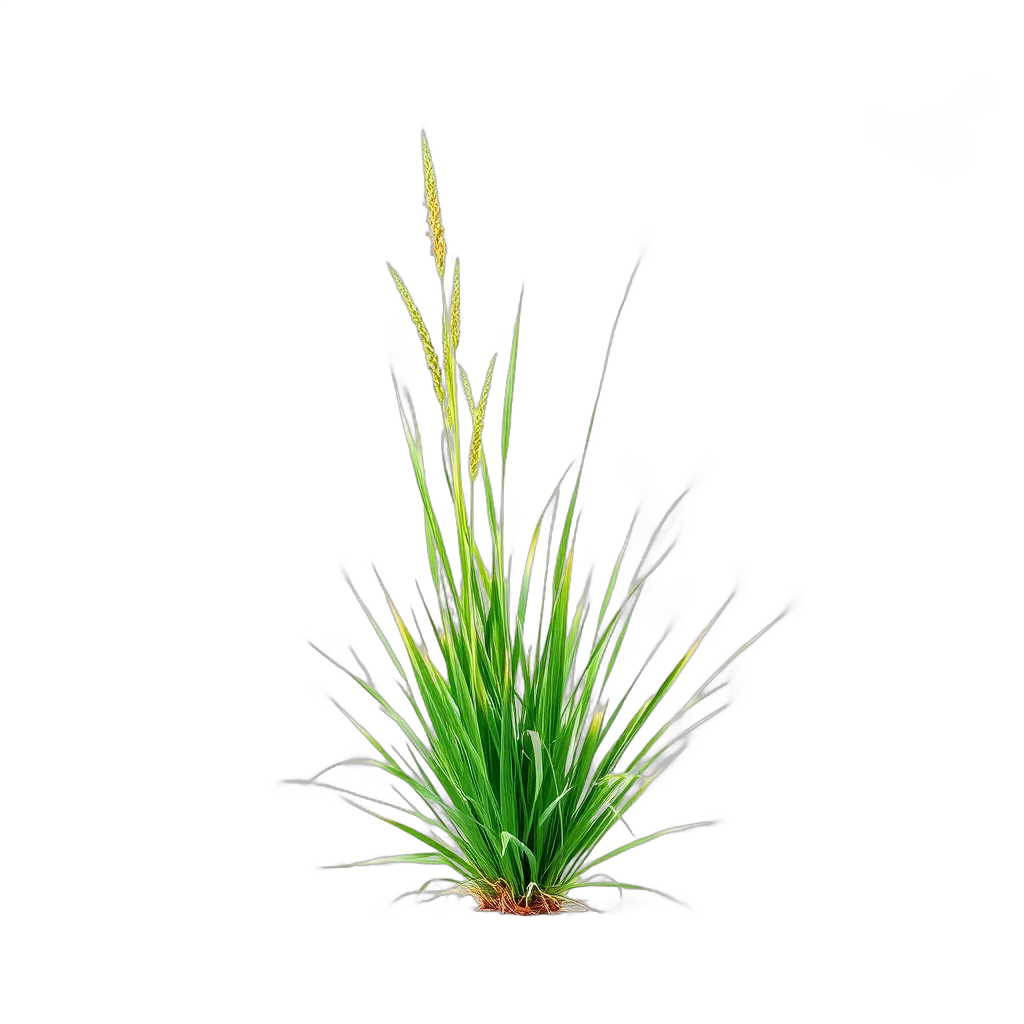
Bull Grass
Muhlenbergia emersleyi
grows to 4 feet, purple blooms in fall. Yellow fall color.
Featured Flowers & Perennials for Cottage/English Gardens
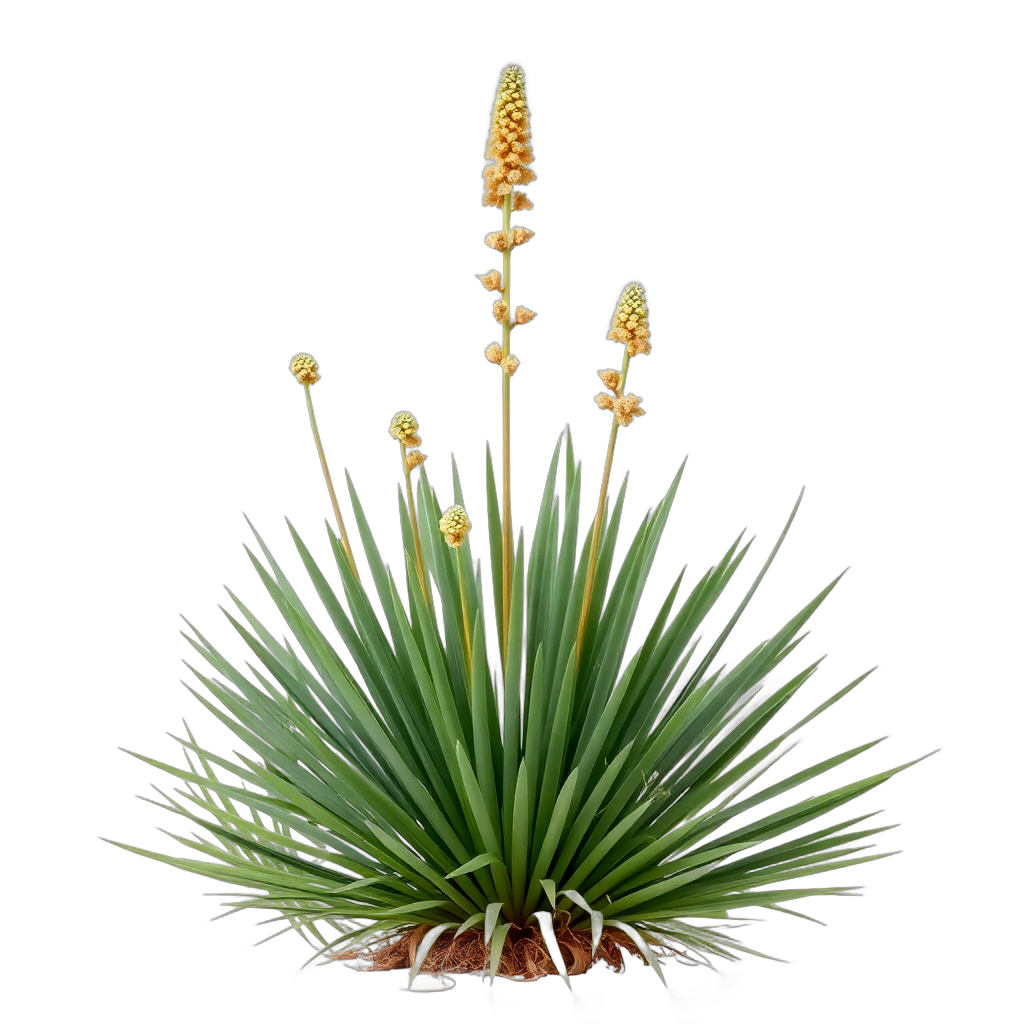
Adam's Needle
Yucca filamentosa
low-growing ground cover, white blooms in summer. Attracts hummingbirds.

Black Cohosh
Cimicifuga racemosa
grows to 5 feet, white blooms in summer. Attracts butterflies.

Coral Bean
Erythrina herbacea
grows to 5 feet, red blooms in spring. Attracts hummingbirds.
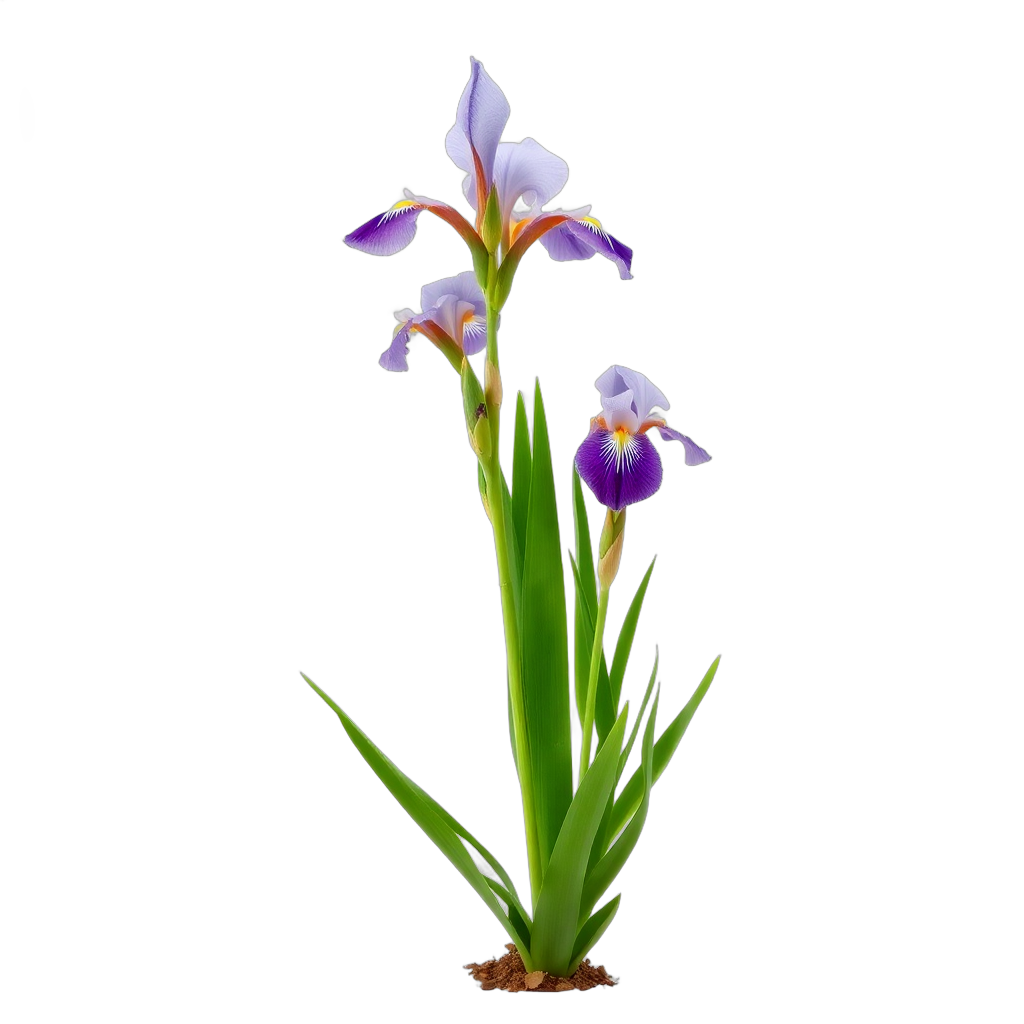
Crested Iris
Iris cristata
low-growing ground cover, blue blooms in spring. Attracts butterflies.
Zone and sun checks come from our database — confirm with your local nursery before you buy.
Bloom Calendar for Cary
spring
Coral Bean, Crested Iris, Southern Blue Flagsummer
Adam's Needle, Black Cohosh, False Aloefall
Northern Sea Oats, Purple Love Grasswinter
Limited bloomsDesign Tips for Cary (Zone 7b)
- Raise every bed 8–12 inches above Cary's Cecil clay with pine bark fines and expanded slate — winter drainage, not winter cold, is what kills lavender, bearded iris and Salvia nemorosa 'Caradonna' in Zone 7b Piedmont gardens
- Choose the lavandin hybrids over English lavender: Lavandula × intermedia 'Phenomenal' and 'Provence' hold up to 46 inches of annual rain and a humid Cary August, while Lavandula angustifolia 'Hidcote' usually collapses in its second summer
- Buy mildew-resistant cultivars on purpose — Phlox paniculata 'David', Monarda 'Jacob Cline' and Rosa 'Iceberg' stay clean through July in Piedmont humidity where older selections defoliate by August
- Put the borders on inline drip and leave the spray heads to the lawn: Cary's alternate-day ordinance gives you three irrigation days a week at most, and drip on a Tuesday/Saturday cycle delivers more usable water to a border than a spray zone running every permitted morning
- Design around the canopy you already have — Cary's willow oaks and loblolly pines mean much of the average lot is part shade, so build the shady thirds from Hydrangea quercifolia 'Ruby Slippers', Digitalis, Aquilegia canadensis and Heuchera villosa 'Autumn Bride' and save the roses and Nepeta for the sunny two-thirds
- Plant in October, not April — Cary soil holds warmth into November and a peony or a bare-root rose put in during autumn establishes through the mild wet winter and blooms a full season ahead of a spring-planted one
- Skip English boxwood entirely: with blight established in Wake County, use Buxus 'Green Velvet' or swap in Ilex crenata 'Soft Touch' and Distylium 'Vintage Jade' for the same clipped structure with none of the risk
- Get the drawing approved first — most Cary HOAs review fences, arbors and pergolas before installation, and an approved plan is far cheaper than removing a finished picket fence
Where to Source Plants in Cary
Skip the big-box stores. These independent Cary nurseries specialize in the plants that make cottage/english gardens thrive in Zone 7b.
Garden Supply Company
Cary (Old Apex Road, near downtown)
Six acres of retail nursery under one roof since 1996 — David Austin and shrub roses, cottage perennials, boxwood alternatives, and containers, with an in-house landscape design studio
Fairview Garden Center
Southwest Raleigh, on the Cary/Apex line
Three generations family-run since 1960, with 62,000 sq ft of greenhouse and several acres of field-grown trees, shrubs and perennials — the Triangle's deepest bench of cottage annuals and hydrangeas
Campbell Road Nursery
Southwest Raleigh (10 minutes from Cary's Preston and Lochmere)
Family owned and operated since 1981; a working grower rather than a shop — shrub roses, figs, perennial flats, and water plants at grower prices, with staff who trial everything in Piedmont clay first
Logan's Garden Center
Downtown Raleigh, Farmers Market Drive
Long-running independent garden center with strong perennial, climbing rose, clematis and flowering vine selection, plus hardware and a landscape design desk
Homewood Nursery & Garden Center
North Raleigh (Honeycutt Road)
Independent, family-owned full-service nursery known for landscape-grade shrubs and trees, herbs, and unusual perennials — worth the drive for specimen hydrangeas and camellias
Cottage/English Landscaping Costs in Cary
| Project Scope | Estimated Cost |
|---|---|
| Front-yard cottage border (300–600 sqft: bed build-up, plants, edging, drip) | $4,500 – $11,000 |
| White cedar picket fence and painted rose arbor entry | $4,500 – $12,000 |
| Clay brick or flagstone front walkway (80–150 sqft) | $2,800 – $8,000 |
| Cedar pergola over a paver dining terrace (300–450 sqft) | $16,000 – $38,000 |
| Cast stone tiered fountain, installed with pump and basin | $2,200 – $7,500 |
| Full back-garden double borders with lawn panel and drip | $20,000 – $55,000 |
| AI visualization with ProScapeAI | Free to start |
Estimates based on Cary, NC-area contractor rates as of 2026. Actual costs vary by site conditions, materials, and contractor.
Cary Climate & Growing Zone
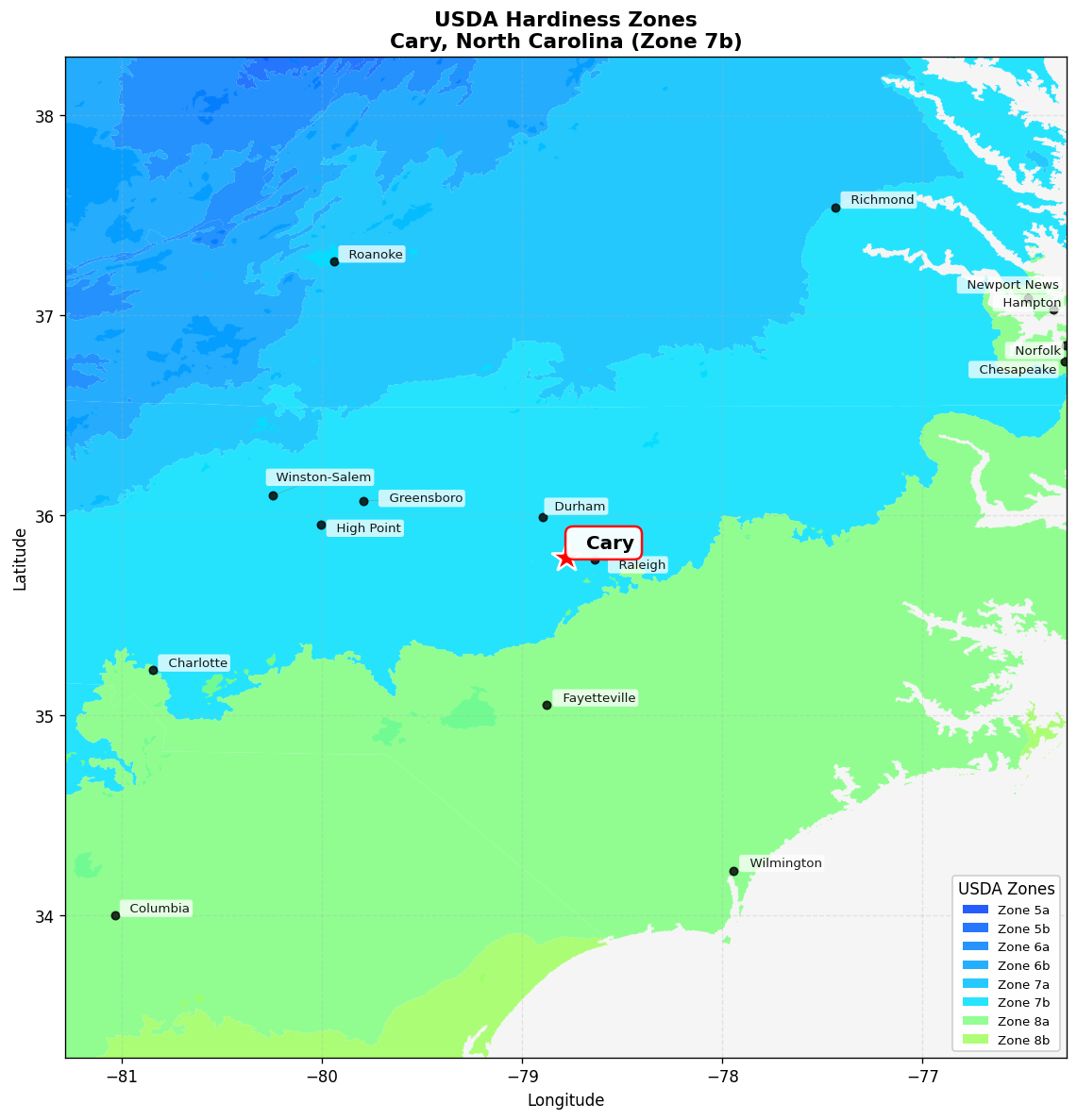
USDA Zone 7b
Hardiness zone for Cary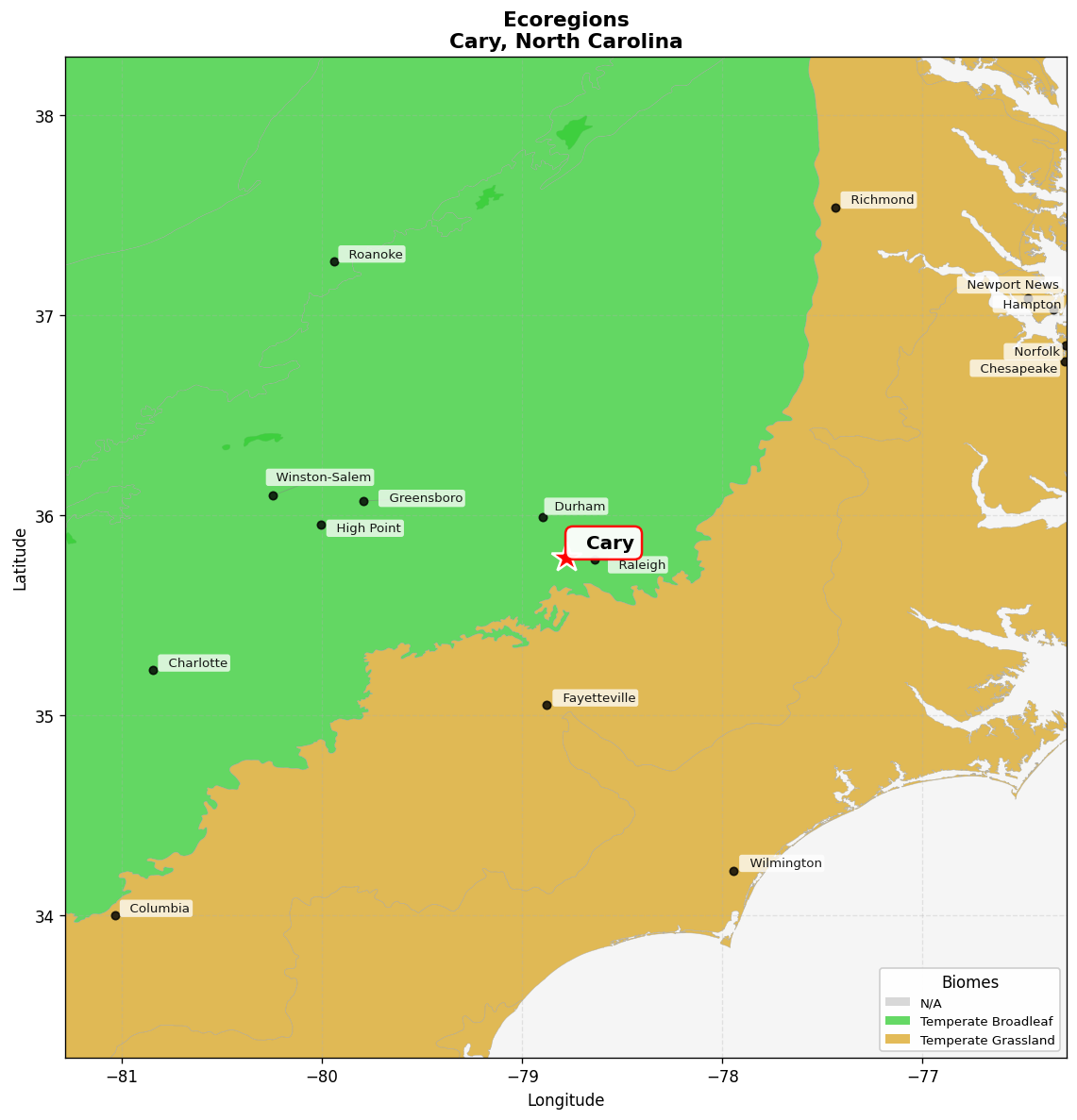
Appalachian Piedmont forests
Native ecoregionFrequently Asked Questions
How much does a cottage garden cost in Cary, NC?
Installed landscape work in Cary runs a little above the national average because Triangle labour is tight, but cottage style is one of the cheapest looks per square foot because the value sits in plants rather than hardscape. A front-yard border makeover of 300–600 sqft — bed prep, edging, drip, and a mix of Rosa 'Olivia Rose Austin', Nepeta 'Walker's Low' and Echinacea purpurea 'Magnus' — typically lands between $4,500 and $11,000. A cedar pergola runs $6,000–$18,000, a brick paver walkway $30–$55 per square foot installed, and a full double-border back garden with terrace, pergola and fountain commonly reaches $35,000–$80,000 in Preston or MacGregor Downs. Doing the planting yourself over two autumn weekends can cut a border to $6–$10 per square foot in plant cost.
What are Cary's watering rules, and can a cottage garden live with them?
Cary has enforced a mandatory year-round alternate-day watering ordinance since 2000. Odd-numbered addresses may irrigate on Tuesday, Thursday and Saturday; even-numbered addresses on Wednesday, Friday and Sunday; nobody irrigates on Monday. Hand watering with a hose is permitted any day, and civil penalties escalate at $100, $250 and $500 for repeat residential violations. A cottage border handles this far better than turf: put the beds on inline drip rather than spray heads, water deeply on your two summer-morning days, and mulch two inches. Established Rudbeckia fulgida 'Goldsturm', Amsonia hubrichtii and Baptisia australis will coast through a dry Cary August on that schedule; only first-year plants and containers need the hand-watering exception.
Will lavender, peonies and delphiniums actually survive Cary's summers?
Two of the three, reliably, with the right cultivar. English lavender (Lavandula angustifolia 'Munstead') sulks and rots in 46 inches of rain and Piedmont humidity, but the lavandin hybrids Lavandula × intermedia 'Phenomenal' and 'Provence' are genuinely durable here provided the crown sits in a raised, gritty bed. Peonies are excellent in Zone 7b — Paeonia lactiflora 'Sarah Bernhardt' and 'Festiva Maxima' get enough winter chill and bloom in late April — as long as the eyes are planted no deeper than 1.5 inches. True delphiniums are the honest failure: treat them as spring annuals, or substitute Consolida ajacis larkspur sown in autumn, Digitalis purpurea 'Camelot Rose', or Salvia guaranitica 'Black and Blue' for the same vertical blue and get it all summer instead of three weeks.
How do I deal with Cary's red clay before planting a border?
Build up, never down. Cary sits on Cecil series clay — sandy loam over dense red subsoil — and digging a hole in it and backfilling with bagged soil creates a sump that drowns roots every winter. Strip or smother the turf, then build the bed 8–12 inches above existing grade with a mix of roughly one third pine bark fines, one third compost and one third native soil, plus PermaTill or expanded slate where lavender, iris and Salvia nemorosa 'Caradonna' will go. Get a soil test through the NC Department of Agriculture lab in Raleigh — it is free from April to November and about $4 per sample in the December–March peak season. Piedmont clay usually tests around pH 5.2–5.8, so most cottage staples want a modest lime correction toward 6.2–6.5, while Hydrangea macrophylla 'Endless Summer' can be left acidic to stay blue.
When should I plant a cottage garden in Cary?
Mid-September through early December is the best window by a wide margin. Cary's soil stays warm into November while the air cools, so roots establish through the mild wet winter and plants arrive at spring already anchored — which matters enormously when July hits 90°F with high humidity. Plant peonies, Digitalis and hardy perennials in October, spring bulbs such as Narcissus 'Ice Follies' and 'Thalia' from late October to early December, and bare-root roses in February. Late February through March is the second-best window. Avoid planting from June through mid-September: even on the permitted watering days, new roots cannot keep up with Piedmont evapotranspiration and losses climb sharply.
Do I need approval for a picket fence, arbor or pergola in Cary?
Usually yes, from two directions. Most Cary subdivisions — Preston, Lochmere, Amberly, Carpenter Village and the great majority of the rest — run an HOA architectural review committee whose covenants cover fences, arbors, pergolas, and in some neighbourhoods front-yard turf removal; submit a drawing and expect a 30–day review. Separately, the Town of Cary's development rules and the state building code bring in permitting for pergolas and structures above certain sizes, decks over 30 inches, pools, and retaining walls over 4 feet, and Cary also enforces a tree protection ordinance that limits what you may remove from a lot. Planting beds, mulch, drip irrigation and a fountain almost never need a town permit. Confirm your specific scope with the Town of Cary and your HOA before ordering materials — nothing on this page is a substitute for that.
What clipped evergreen should I use now that boxwood blight is in Wake County?
Boxwood blight is established across the Triangle and it moves on tools, boots and infected nursery stock, so the old approach of massing Buxus sempervirens 'Suffruticosa' is now a real risk in Cary. Blight-tolerant Buxus 'Green Velvet', 'Green Mountain' and Buxus microphylla 'Winter Gem' are the safer boxwood choices and are what most Cary garden centres now stock. For a zero-risk substitute that gives the identical clipped mound, use Ilex crenata 'Soft Touch' or 'Steeds', Distylium 'Vintage Jade', or dwarf yaupon Ilex vomitoria 'Nana' — all evergreen, all happy in Piedmont clay, and none of them susceptible. Space anything clipped at least 30 inches apart so August air can move through it, which is also how you avoid the leaf spot that plagues tight hedges here.