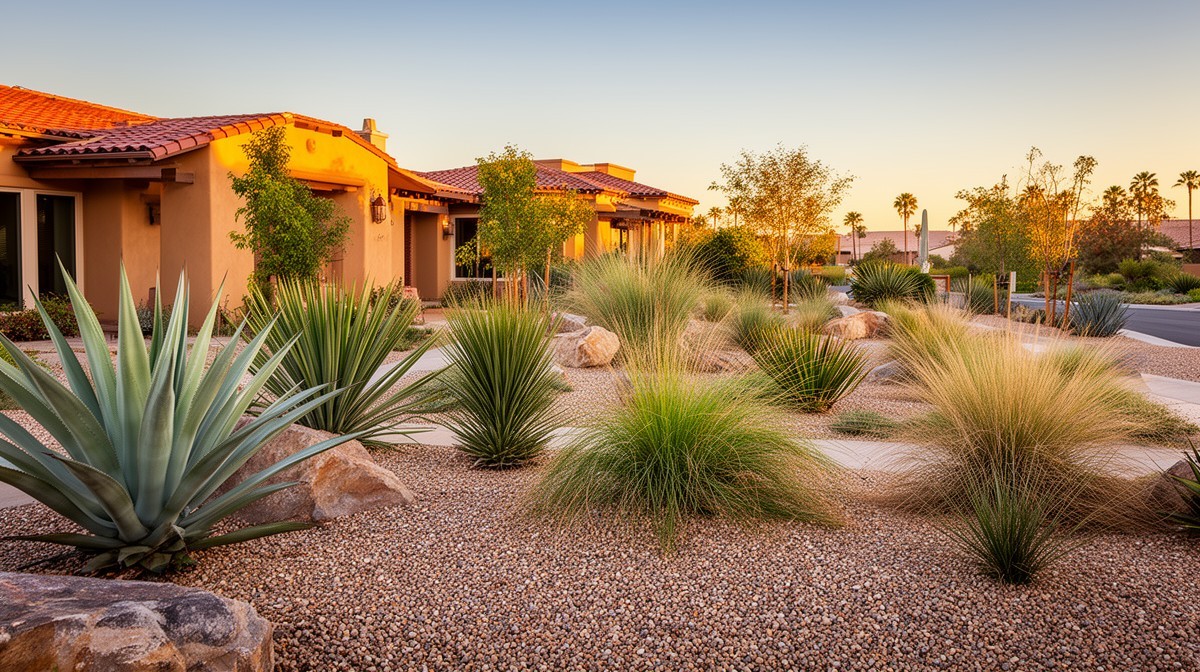
4 Desert Garden Ideas for Chula Vista, CA | California Sage & Chaparral for Zone 10b
Native plants from the California coastal sage and chaparral (Zone 10b) — Cold semi-arid climate
Why Desert/Xeriscape Gardens in Chula Vista?
Chula Vista occupies one of Southern California’s most distinctive plant communities — the California Coastal Sage and Chaparral ecoregion, a globally rare vegetation type found almost exclusively in the coastal foothills from Ventura County to Baja California. The native palette is extraordinary in its beauty: California sagebrush’s silver-gray mounds, black sage’s aromatic blue flower spikes, Cleveland sage’s purple-lavender blooms, toyon’s red winter berries, and the spectacular spring bloom of ceanothus — one of the most vivid blues in the plant world.
Chula Vista’s Zone 10b winters are essentially frost-free, allowing a far broader range of drought-tolerant plants than inland desert cities. Aloe, agave, bougainvillea, and tender salvias that require protection in Phoenix or Las Vegas can be used freely in Chula Vista year-round. The mild, moist marine influence from the Pacific moderates summer temperatures and provides just enough coastal moisture to support a richer chaparral palette.
San Diego County’s Sweetwater Authority and San Diego County Water Authority both offer rebates for turf removal and drought-tolerant landscaping, and California’s statewide water conservation mandates have accelerated the shift away from bluegrass lawns throughout Chula Vista’s Eastlake, Otay Ranch, Bonita, and older Sweetwater neighborhoods. A professionally designed California-native xeriscape in Chula Vista delivers year-round bloom, virtually zero irrigation, and genuine ecological value in a region where the native coastal sage scrub has been reduced to fragments.
4 Desert/Xeriscape Design Ideas for Chula Vista
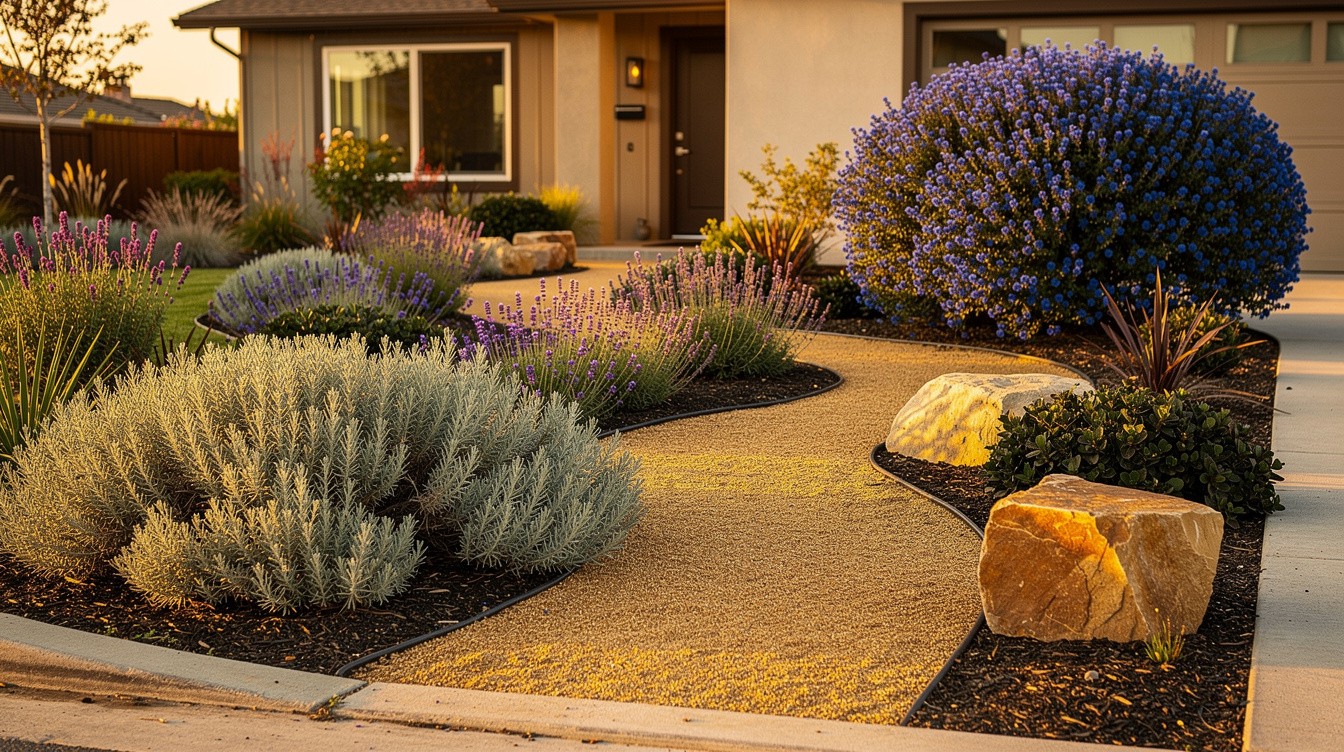
The California Sage Scrub Garden
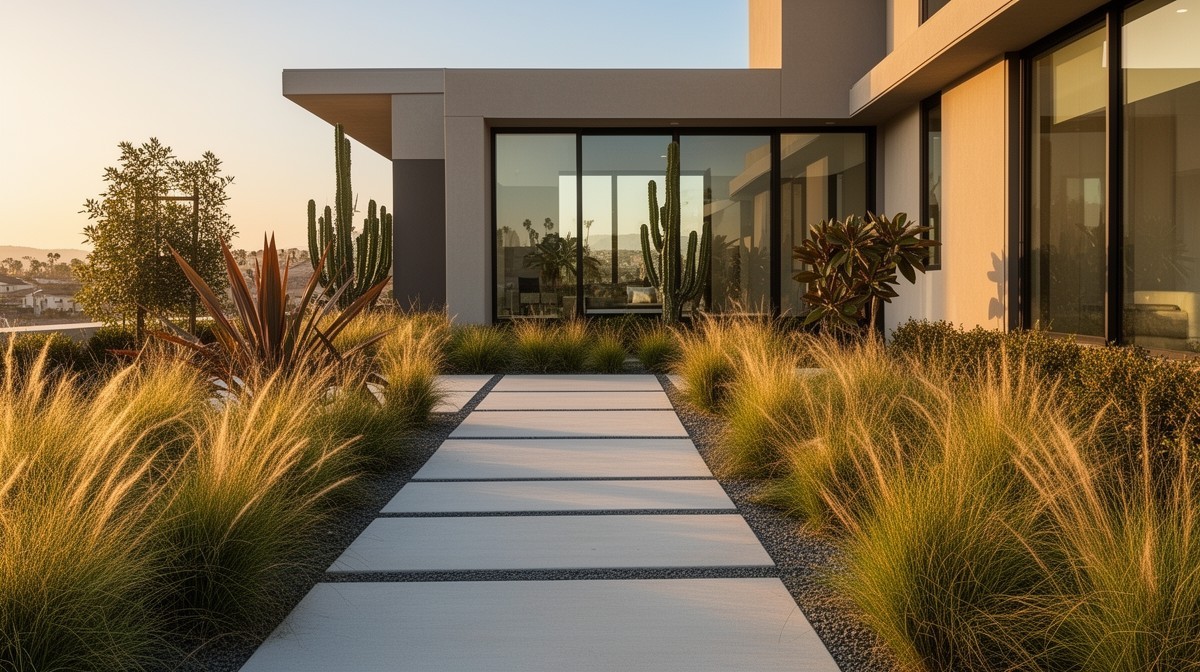
$8–16/sqftA front yard inspired by the native coastal sage scrub plant community that once covered Chula Vista’s hillsides. California sagebrush provides the silver-gray mounding backbone; Cleveland sage adds purple spikes in spring; black sage contributes aromatic foliage and dark stems. Ceanothus 'Dark Star' or 'Julia Phelps' anchors a corner with an explosion of deep blue in February–March — one of the most spectacular native bloom events in Southern California. Decomposed granite pathways wind through the planting, and natural sandstone boulders provide year-round structure.
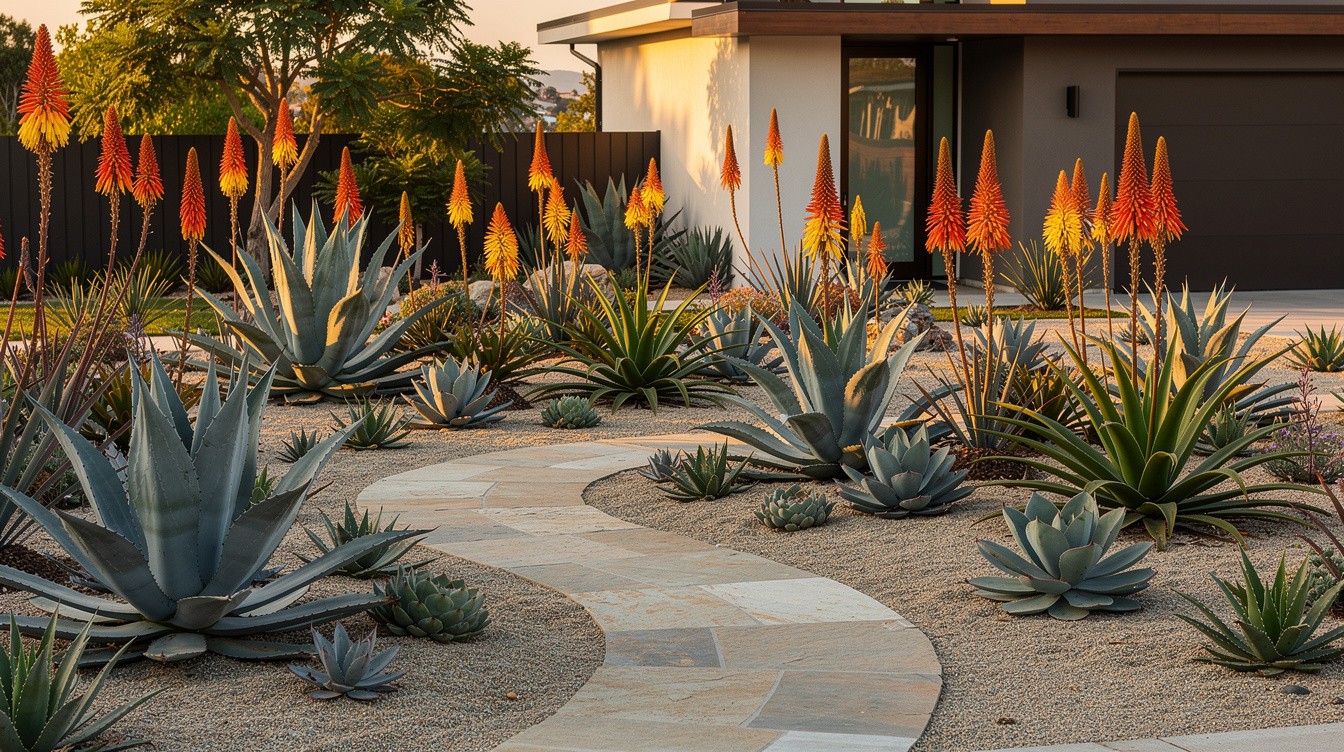
The Coastal Aloe and Agave Garden
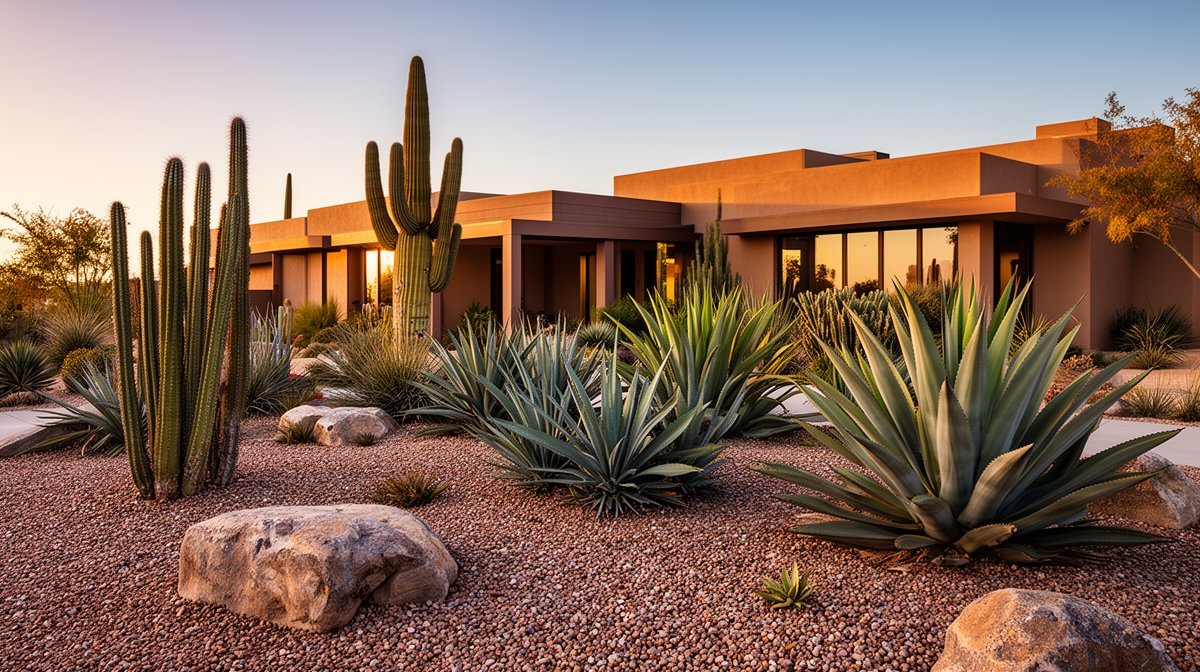
$10–20/sqftA modern California interpretation of the succulent garden: bold agave specimens — Agave americana, A. attenuata, and A. 'Blue Glow' — are massed with aloe vera, aloe arborescens, and aloe ferox for dramatic form and winter bloom color. The aloes’ orange, red, and yellow flower spikes bloom December–March, providing maximum winter interest when most other gardens are dormant. DG groundcover sets off the blue-gray and green foliage. A curved flagstone path through the planting allows close appreciation of each specimen.
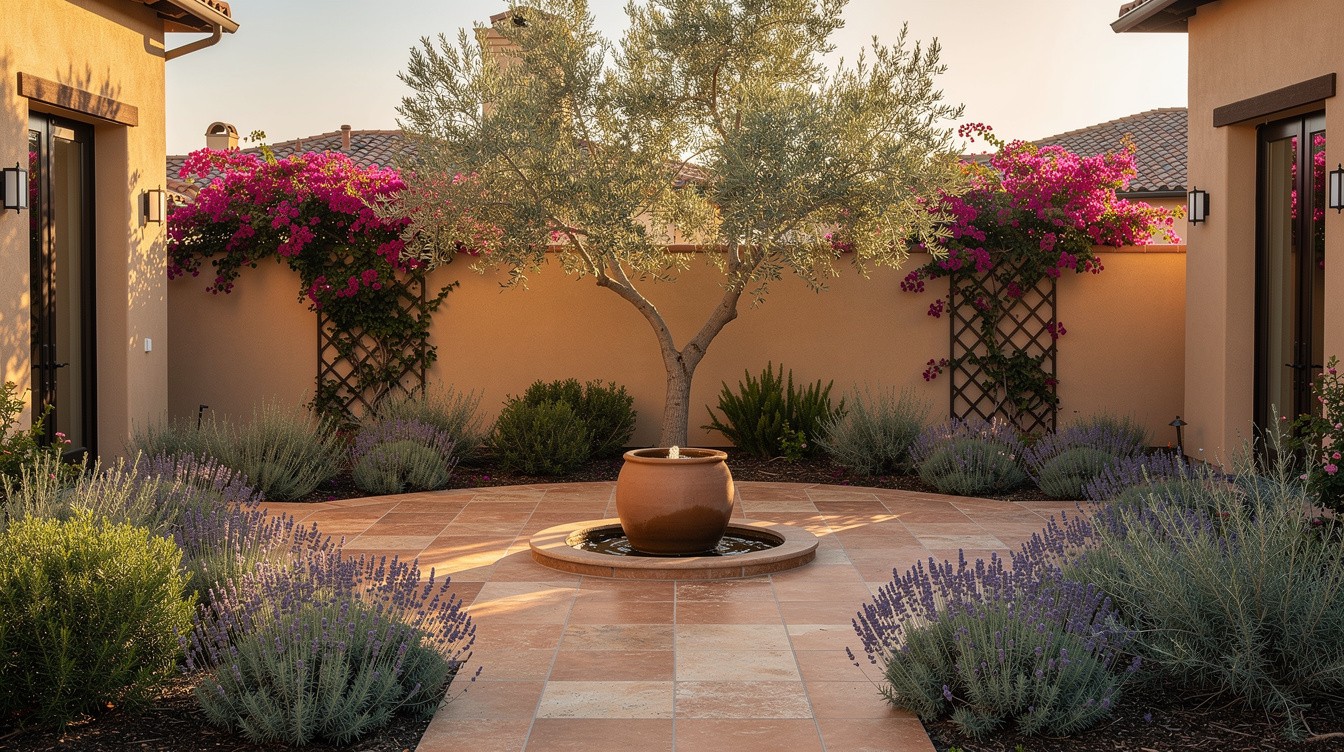
The Mediterranean-California Courtyard
$15–28/sqftA walled front courtyard combines Mediterranean and California coastal sage elements: a central olive or palo verde tree provides shade and a focal point. Lavender, rosemary, and Mediterranean sage are massed in front beds that merge with native Cleveland sage and salvia clevelandii at the edges. Terracotta tile or warm-toned travertine pavers tile the courtyard floor. A simple clay pot fountain at the courtyard center provides sound and a traditional California mission aesthetic. Bougainvillea trained up the courtyard wall adds brilliant color from April through November.
The Waterwise Backyard with Patio
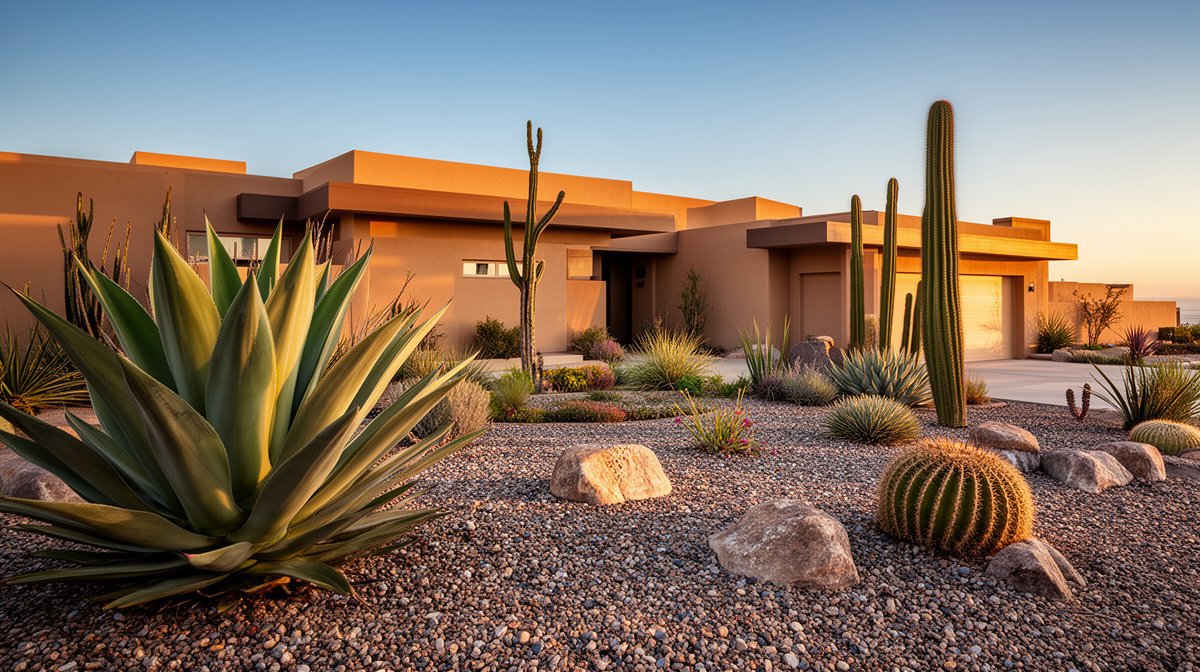
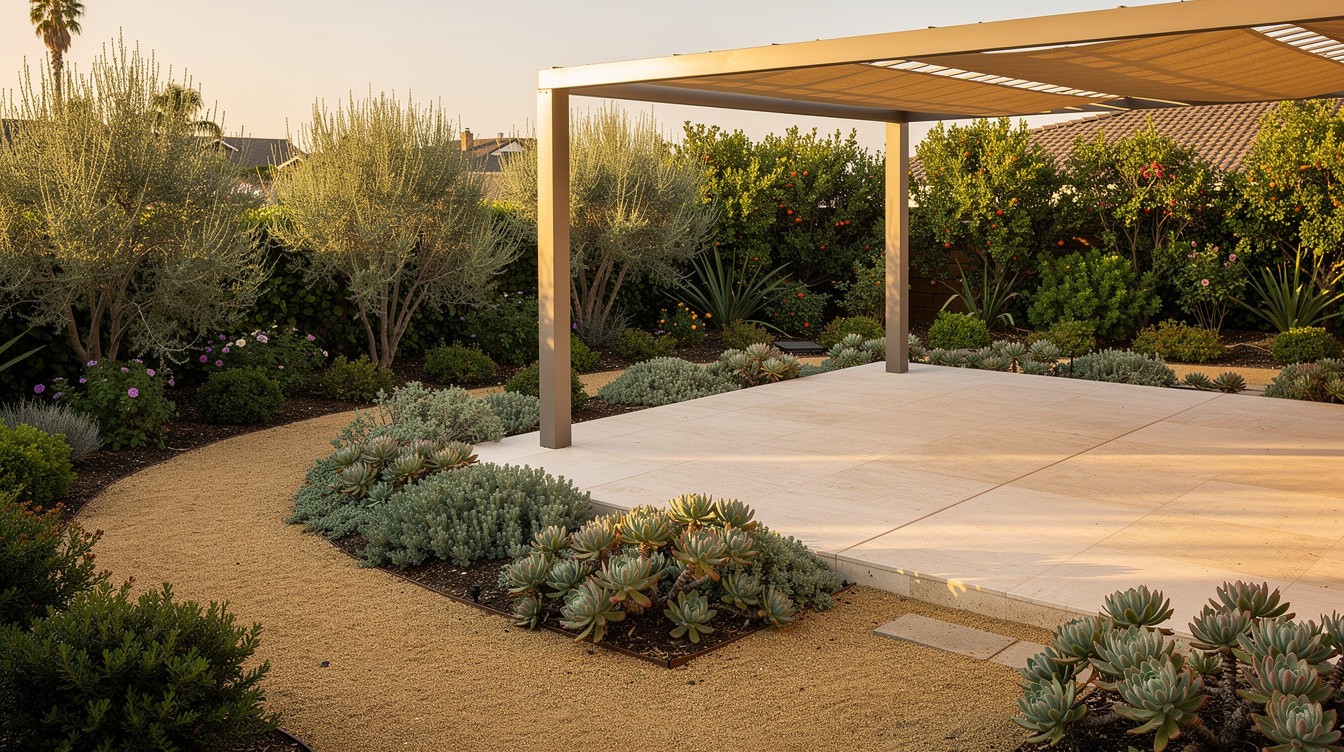
$18–32/sqftA backyard patio of concrete or travertine opens into a garden of native and drought-tolerant plants arranged in naturalistic drifts. Native dudleya and ground cover ceanothus fill the front beds near the patio; taller Cleveland sage and toyon create a privacy hedge at the property boundary. A decomposed granite path circles the garden. A simple patio shade structure with fabric or wood slats provides relief from summer afternoon sun. Every plant is drought-tolerant once established; after the first year, irrigation runs only in summer’s driest weeks.
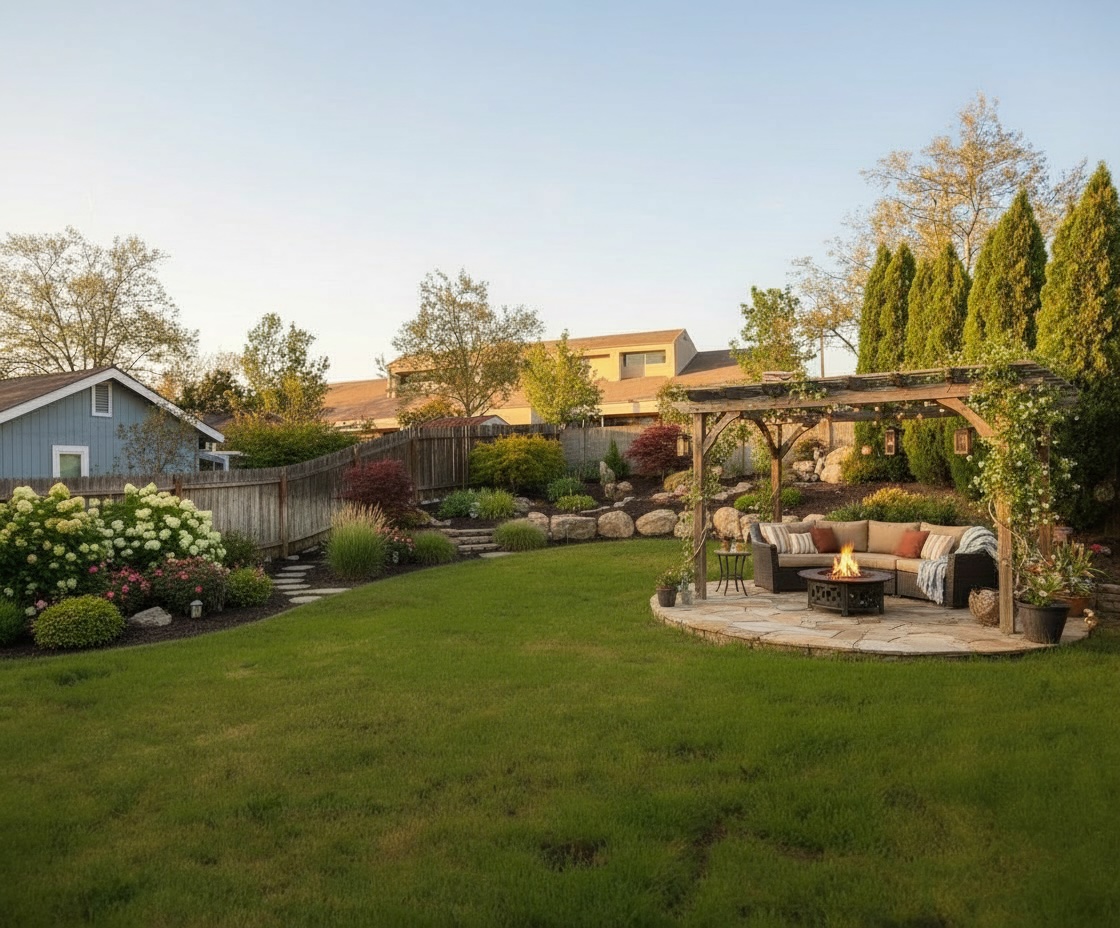
See how a desert/xeriscape garden looks on YOUR property
Upload a photo of your Chula Vista yard and visualize your dream garden in seconds.
Try ProScapeAI Free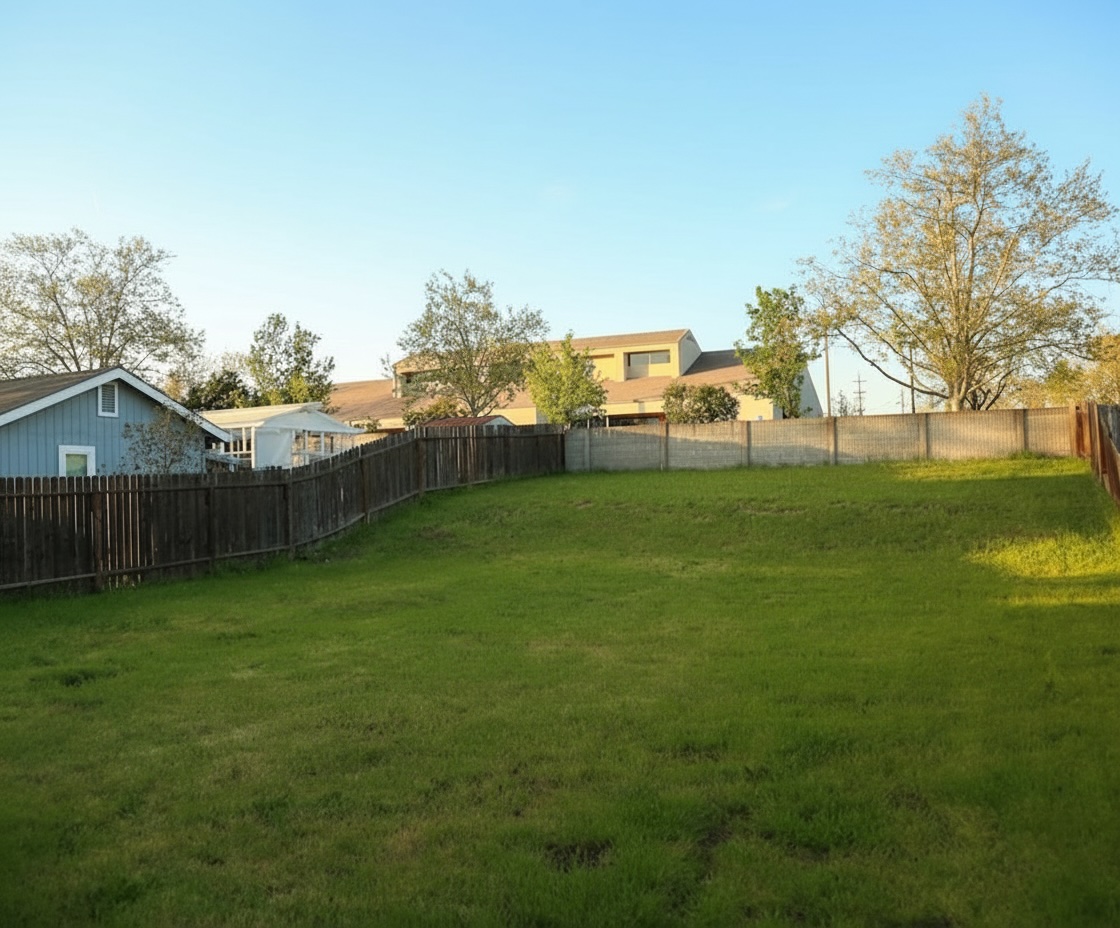
Featured Trees & Shrubs for Desert/Xeriscape Gardens
Browse all 219 plants for Chula Vista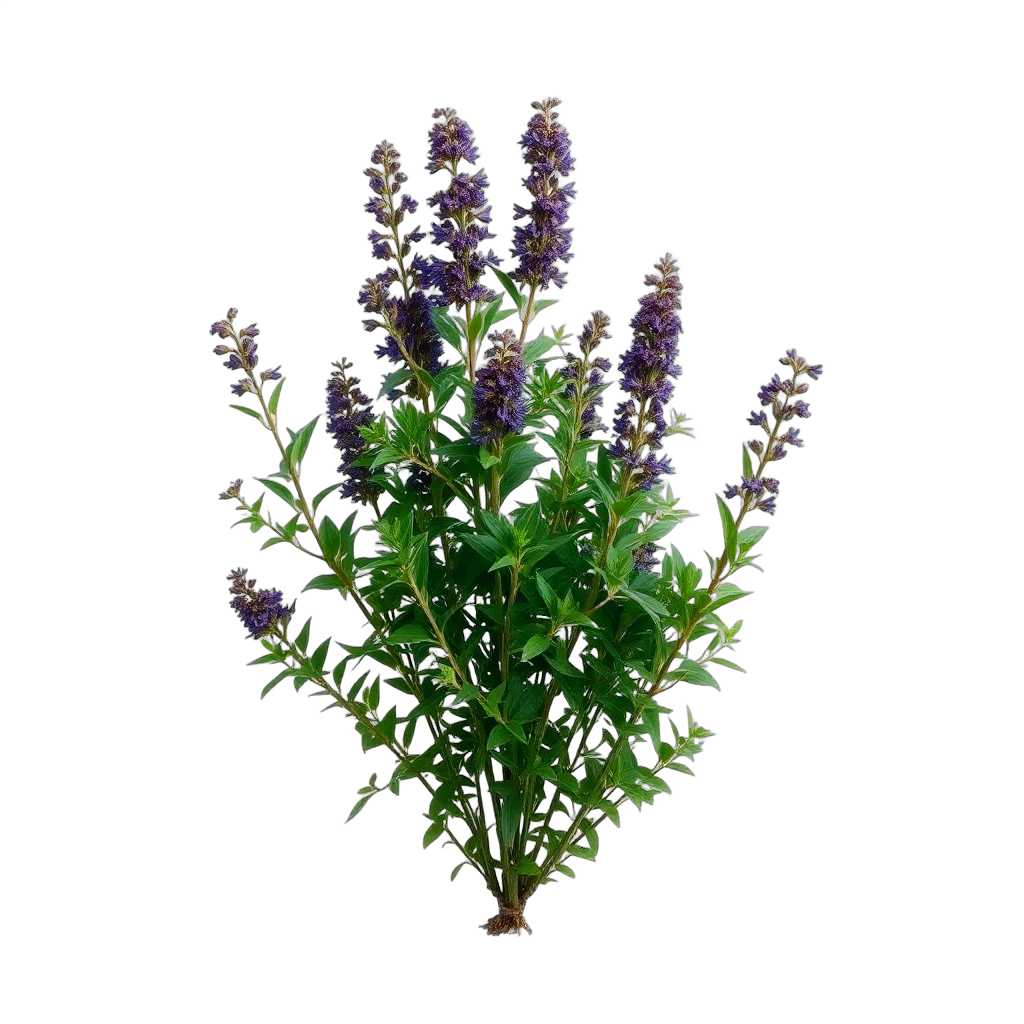
Black Sage
Salvia mellifera
grows to 4 feet, white blooms in spring. Attracts butterflies.
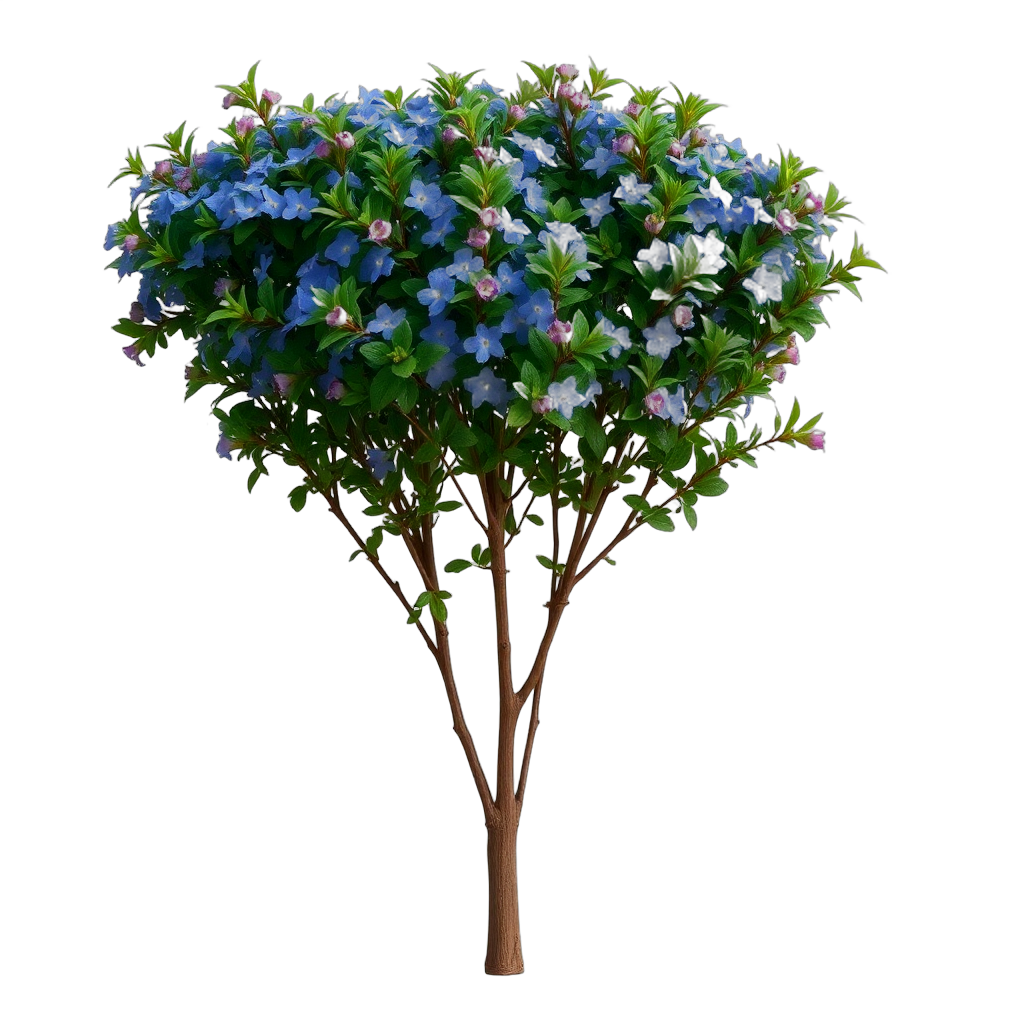
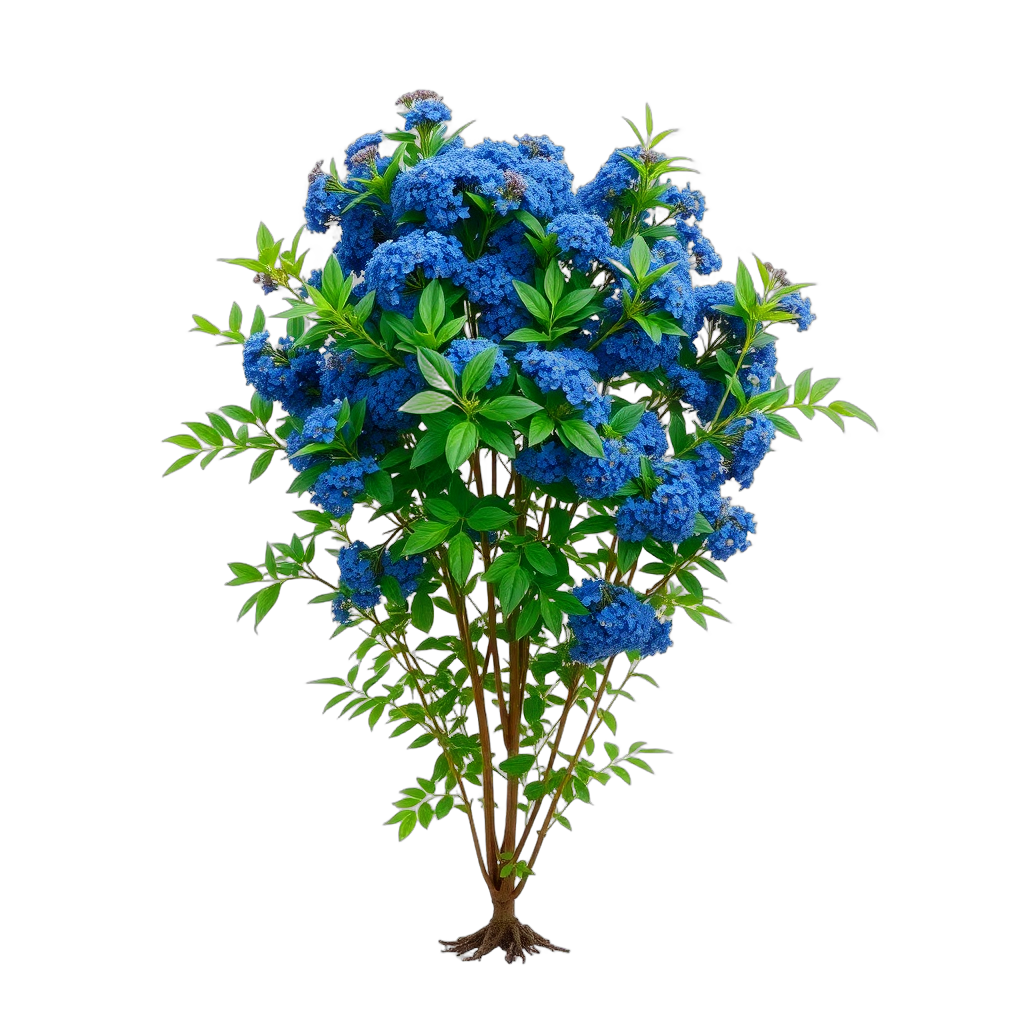
Blue Blossom
Ceanothus thyrsiflorus
medium-sized at 12 feet, blue blooms in spring. Attracts butterflies.
Blue Elderberry
Sambucus cerulea
medium-sized at 15 feet, white blooms in spring. Attracts butterflies.
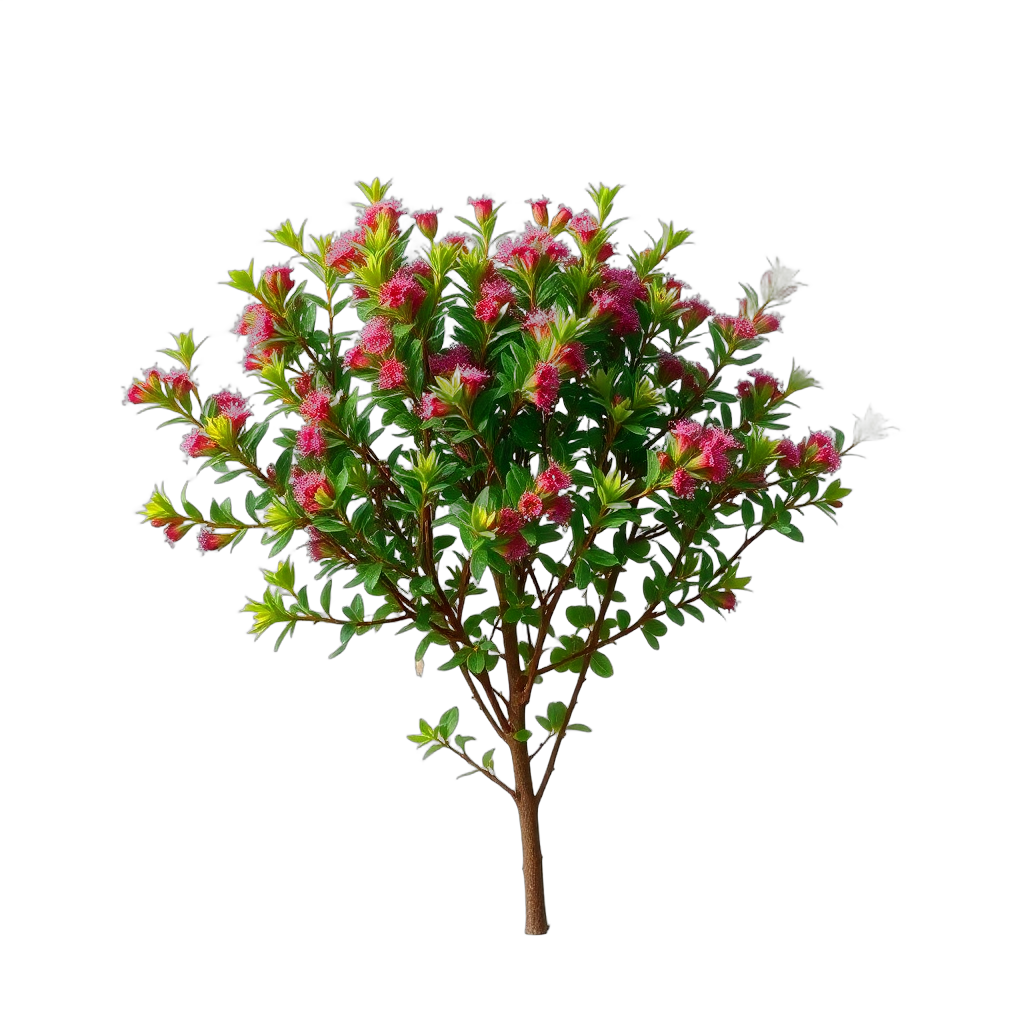
Buckbrush
Ceanothus cuneatus
medium-sized at 7 feet, white blooms in spring. Attracts butterflies.
Featured Grasses & Groundcovers for Desert/Xeriscape Gardens
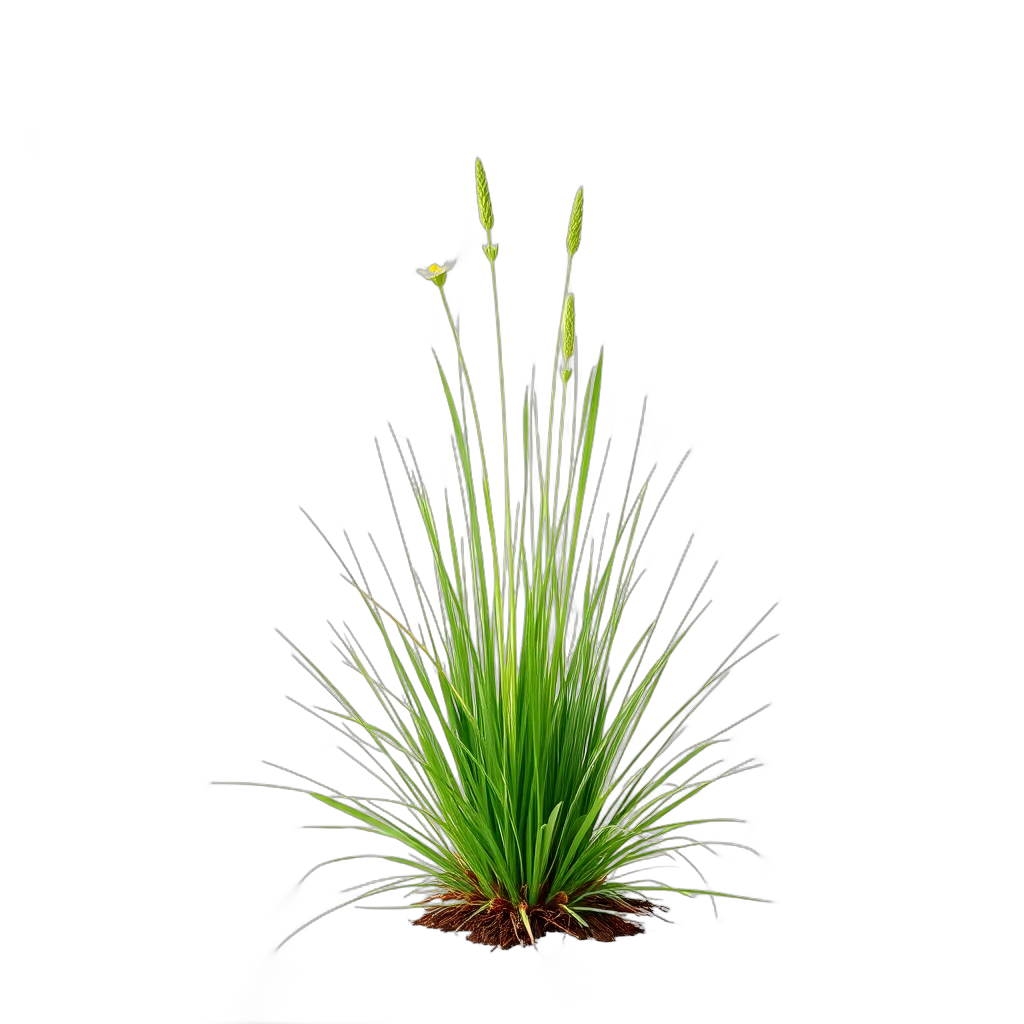
California Brome
Bromus carinatus
low-growing ground cover, blooms in spring. Yellow fall color.
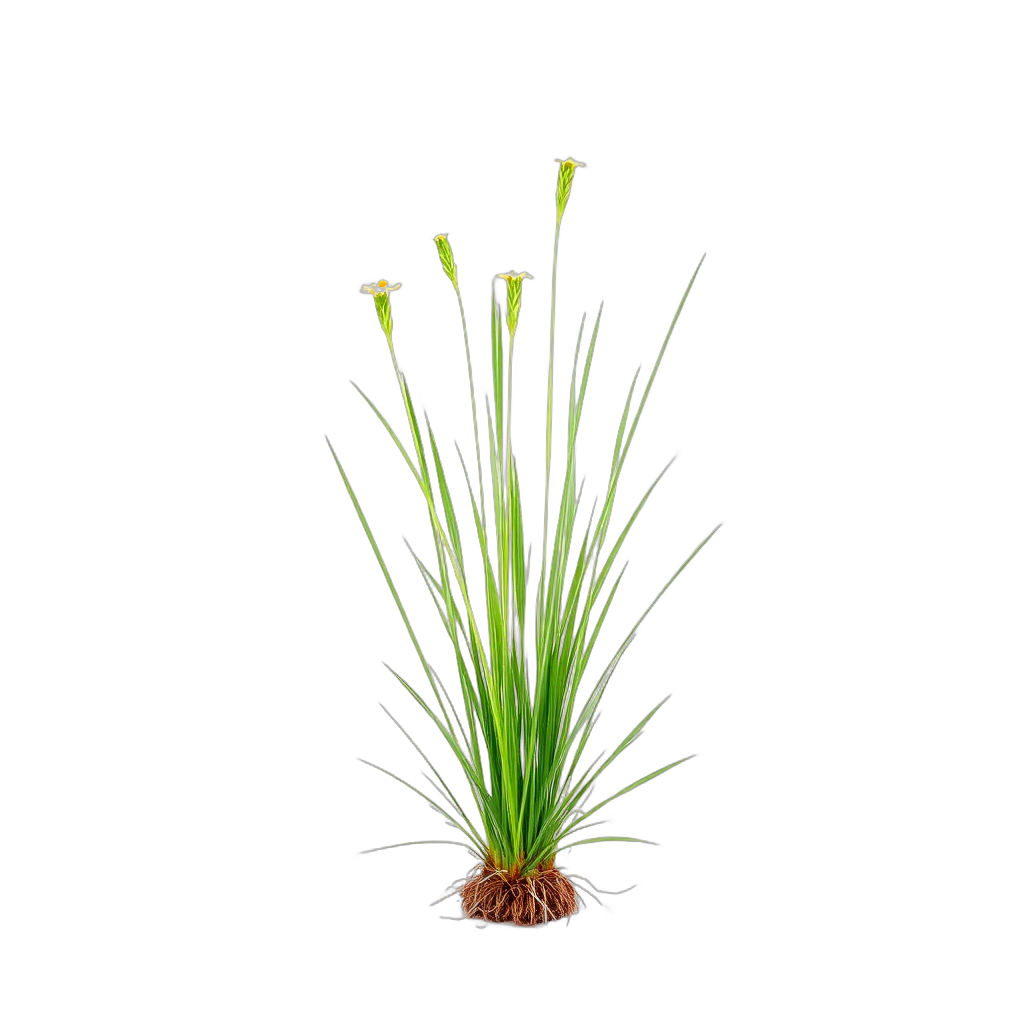
California Melic
Melica californica
low-growing ground cover, blooms in spring.
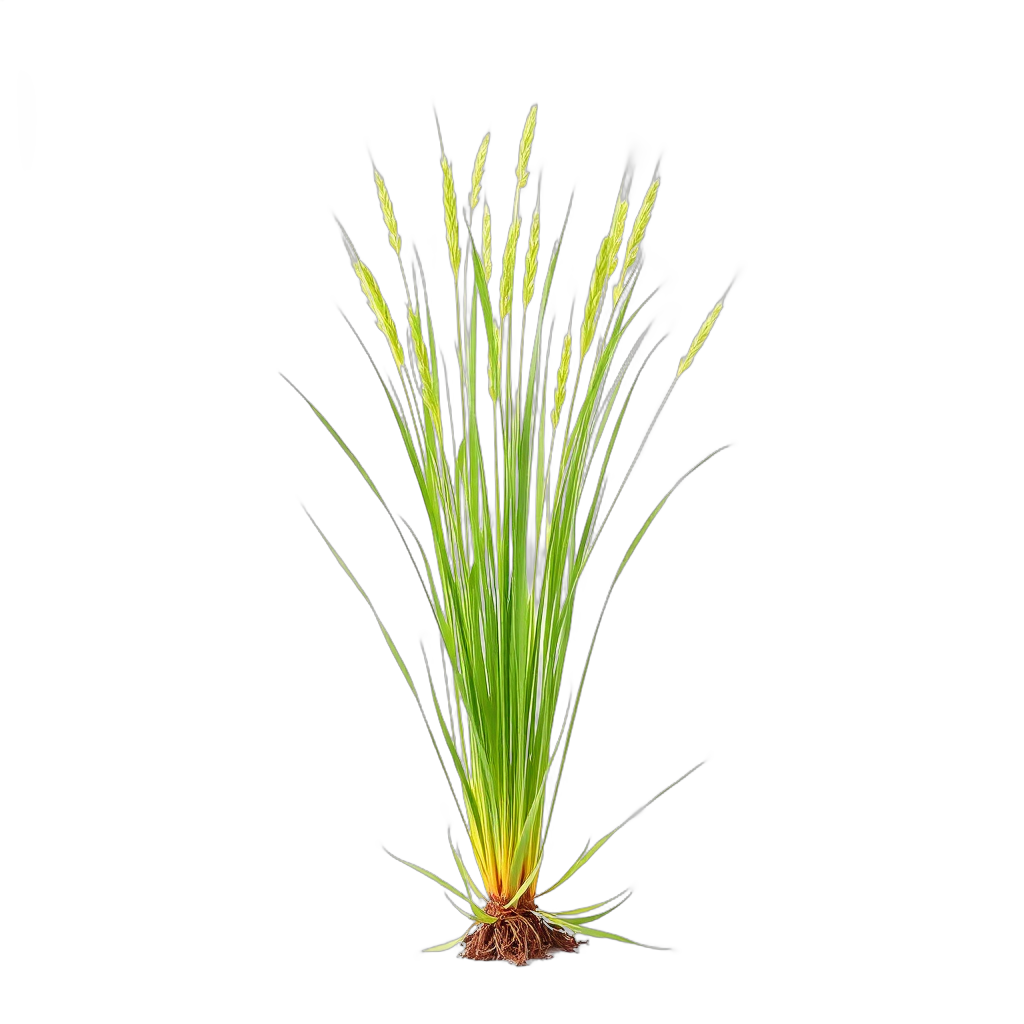
California Oatgrass
Danthonia californica
low-growing ground cover, blooms in spring. Yellow fall color.
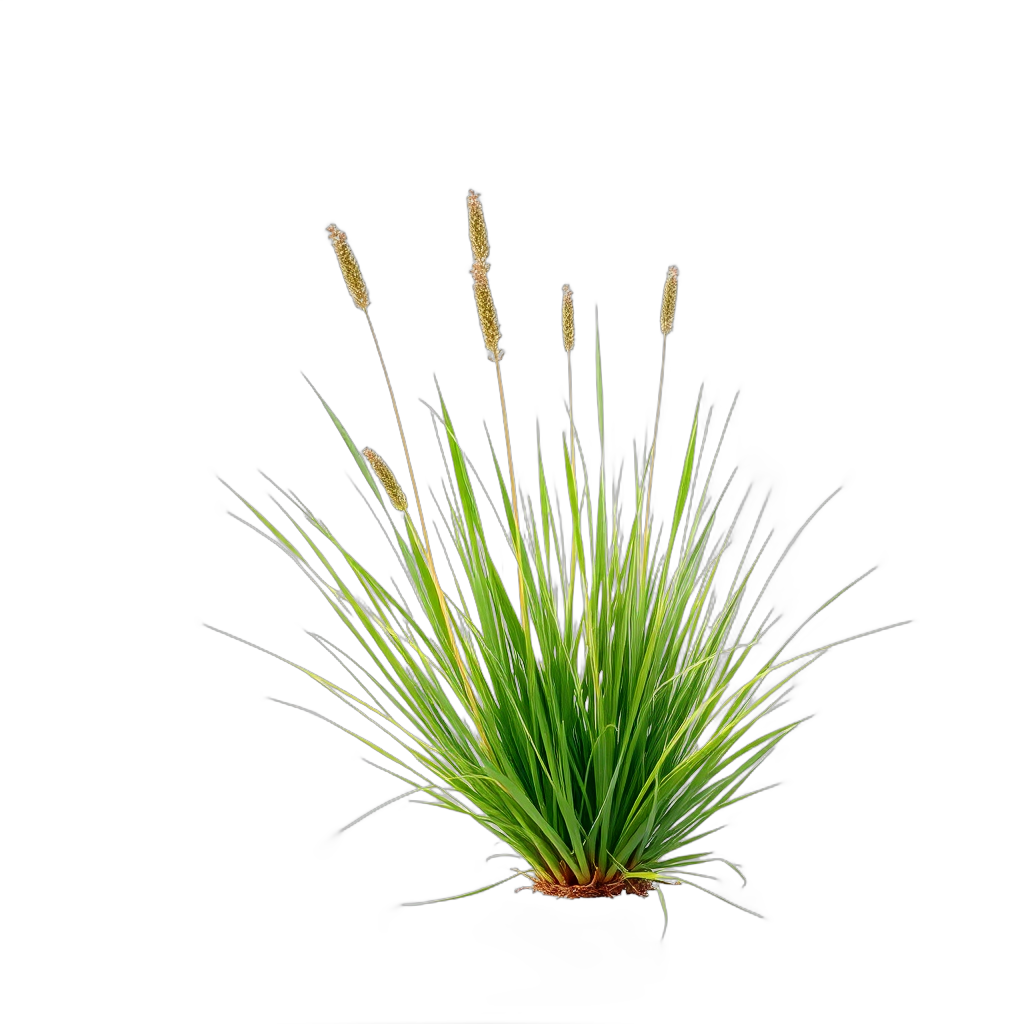
Deer Grass
Muhlenbergia rigens
grows to 3 feet, yellow blooms in fall. Evergreen year-round.
Featured Flowers & Perennials for Desert/Xeriscape Gardens
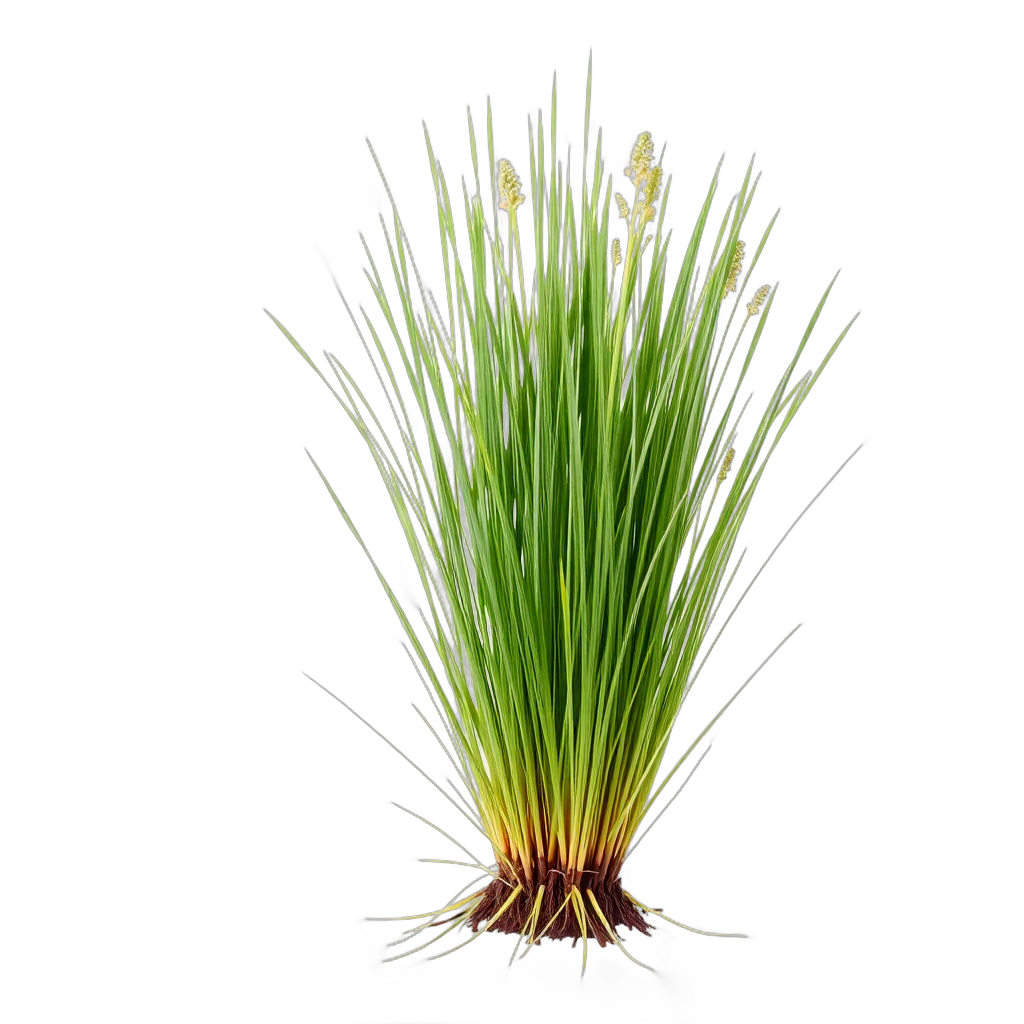
California Gray Rush
Juncus patens
low-growing ground cover, blooms in summer. Evergreen year-round.
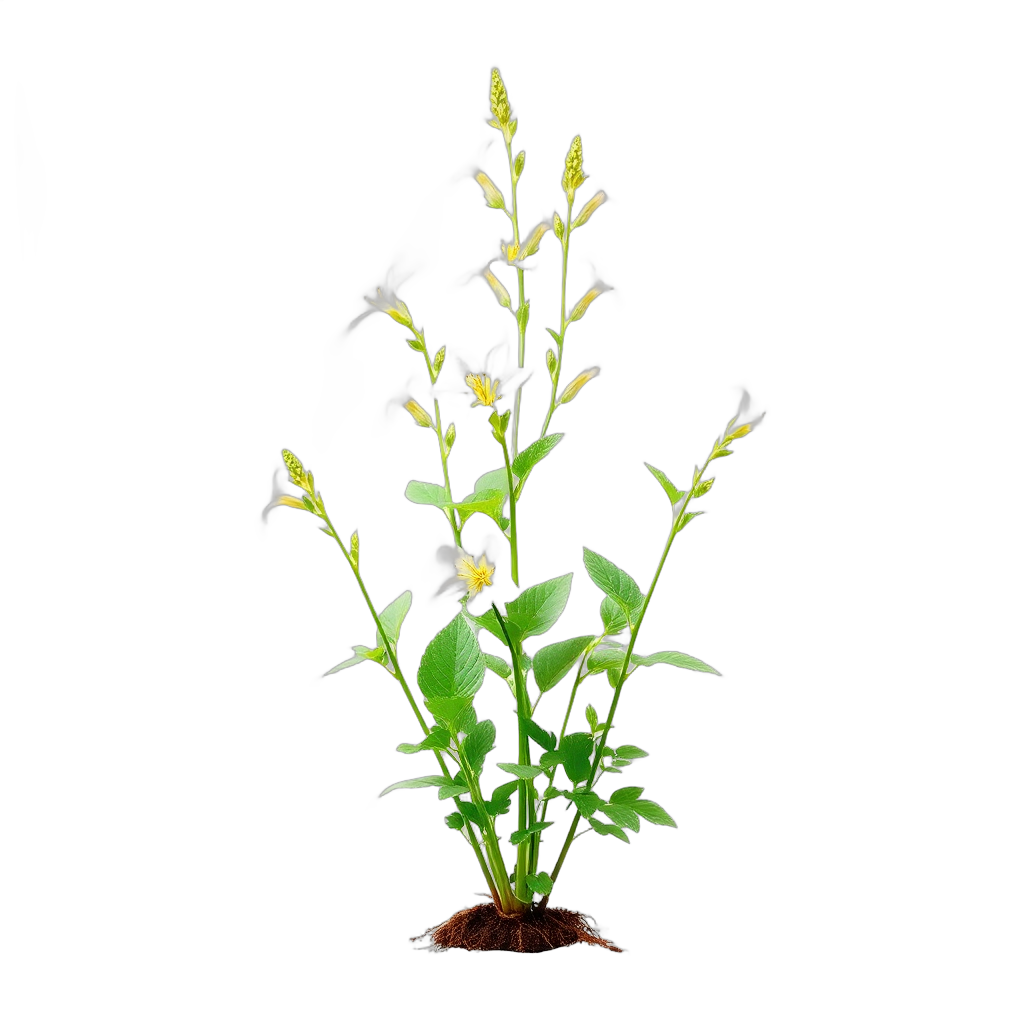
Beach Evening Primrose
Camissonia cheiranthifolia
low-growing ground cover, yellow blooms in spring. Attracts butterflies.
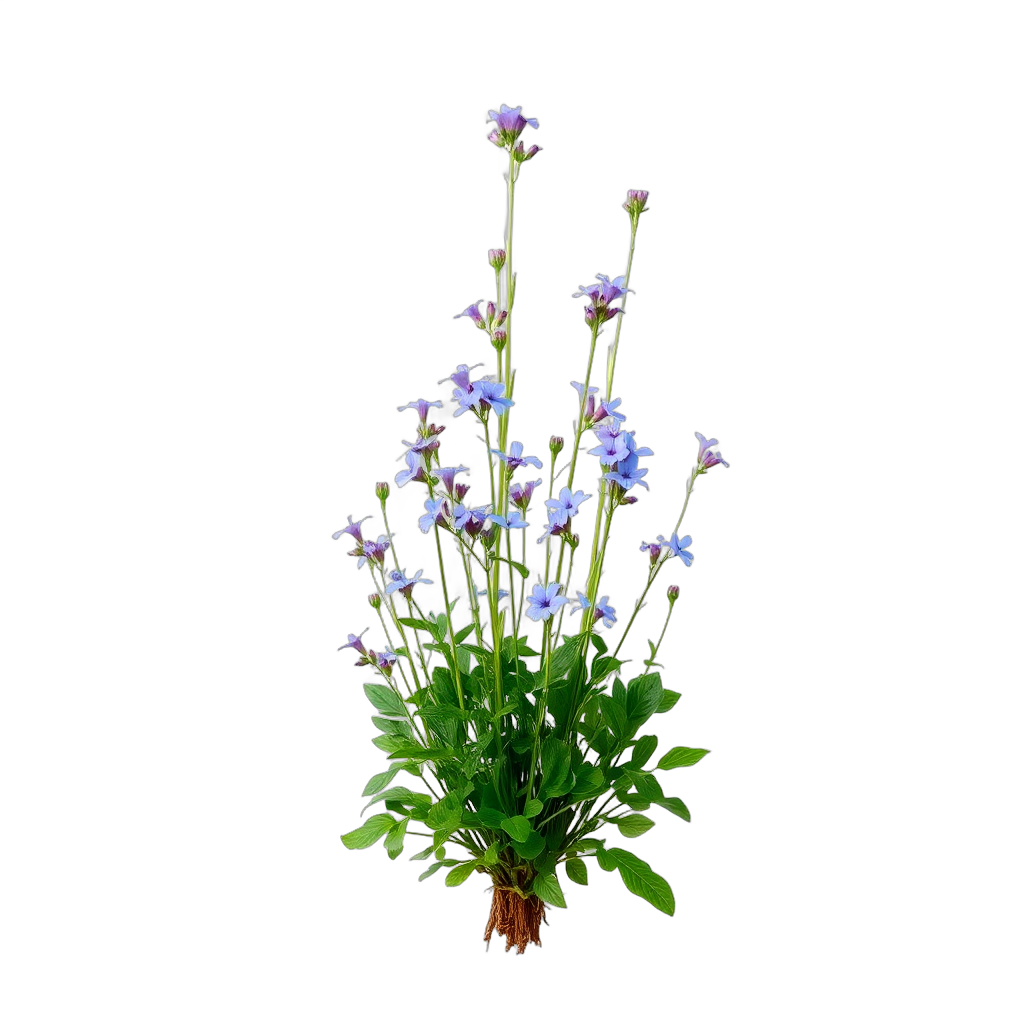
Blue Dicks
Dichelostemma capitatum
low-growing ground cover, blue blooms in spring. Pollinator-friendly.
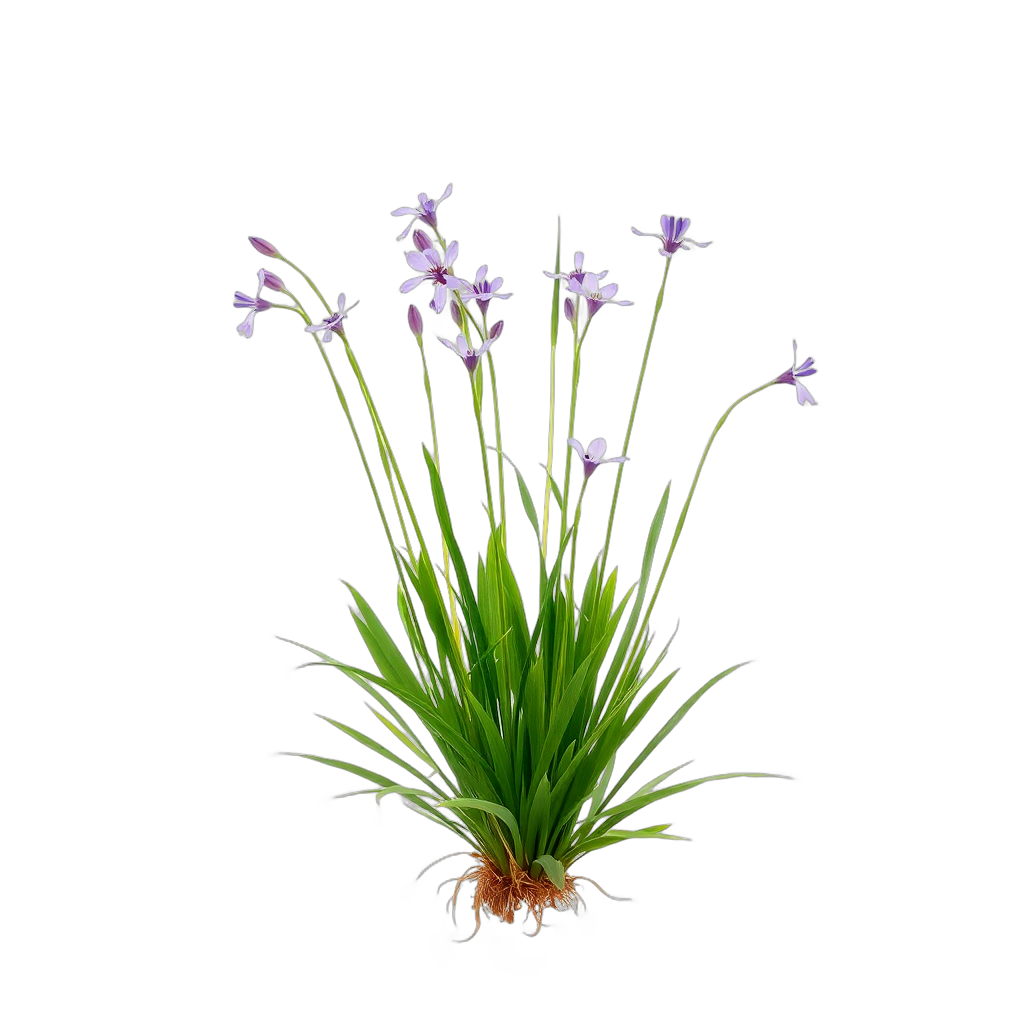
Blue-Eyed Grass
Sisyrinchium bellum
low-growing ground cover, blue blooms in spring. Attracts butterflies.
Zone and sun checks come from our database — confirm with your local nursery before you buy.
Bloom Calendar for Chula Vista
spring
Beach Evening Primrose, Blue Dicks, Blue-Eyed Grasssummer
California Gray Rush, Hooker's Evening Primrose, Hummingbird Mintfall
California Fuchsiawinter
Limited bloomsDesign Tips for Chula Vista (Zone 10b)
- Plant ceanothus in fall (October–November) to give it one full wet season before summer drought — this single species produces the most dramatic spring display of any California native and is worth planning the whole garden around
- Use decomposed granite in a tan or brown tone native to San Diego County soils rather than the Arizona-red DG that looks imported — local DG reads as authentic to the Chula Vista landscape
- Layer aloe bloom times for continuous winter color: Aloe arborescens blooms November–January; A. vera December–March; A. ferox February–April — a three-species aloe planting provides color for five consecutive months with zero supplemental water
- Install a smart irrigation controller (Rachio, Rain Bird) calibrated to Chula Vista’s ET (evapotranspiration) rates — most homeowners overwater even drought-tolerant plants; a smart controller that runs only when plants actually need water reduces even low irrigation by 30–50%
- Apply for rebates before removing turf — both Sweetwater Authority and SoCal water agencies require pre-approval to qualify; retroactive rebates are not available
- Incorporate toyon (Heteromeles arbutifolia) as a native hedge alternative to privet or Indian hawthorn — it’s the plant that gave Hollywood its name, it produces brilliant red berries for winter bird habitat, and it’s completely drought-tolerant once established
Where to Source Plants in Chula Vista
Skip the big-box stores. These independent Chula Vista nurseries specialize in the plants that make desert/xeriscape gardens thrive in Zone 10b.
Ecology Artisans
Chula Vista / South San Diego
California-native landscape design and installation specialists for San Diego County’s coastal sage and chaparral communities
Armstrong Garden Center – Chula Vista
Eastlake / Chula Vista
Southern California’s leading garden center chain with strong drought-tolerant and California-native selection
Sal & Bros Landscaping
South San Diego / Chula Vista
San Diego area landscape installation specialist with native and drought-tolerant expertise
California Wild Gardens
San Diego County
California-native plants and design consultation for San Diego County gardens and rebate projects
Ewing Irrigation & Landscape Supply
Chula Vista
Drip irrigation systems, DG, mulch, and landscape materials for Chula Vista’s water-wise projects
Desert/Xeriscape Landscaping Costs in Chula Vista
| Project Scope | Estimated Cost |
|---|---|
| Front yard xeriscape conversion (600 sqft) before rebates | $5,000 – $12,000 |
| Sweetwater Authority turf-removal rebate (varies by program) | $1,500 – $5,000 back |
| Backyard patio with drought-tolerant garden (800–1,200 sqft) | $12,000 – $30,000 |
| Drip irrigation system with smart controller | $1,200 – $3,000 |
| Terracotta or travertine patio installation (300 sqft) | $4,500 – $10,000 |
| Native plant installation (per sqft, plants + labor) | $6 – $15/sqft |
| AI visualization with ProScapeAI | Free to start |
Estimates based on Chula Vista, CA-area contractor rates as of 2026. Actual costs vary by site conditions, materials, and contractor.
Chula Vista Climate & Growing Zone
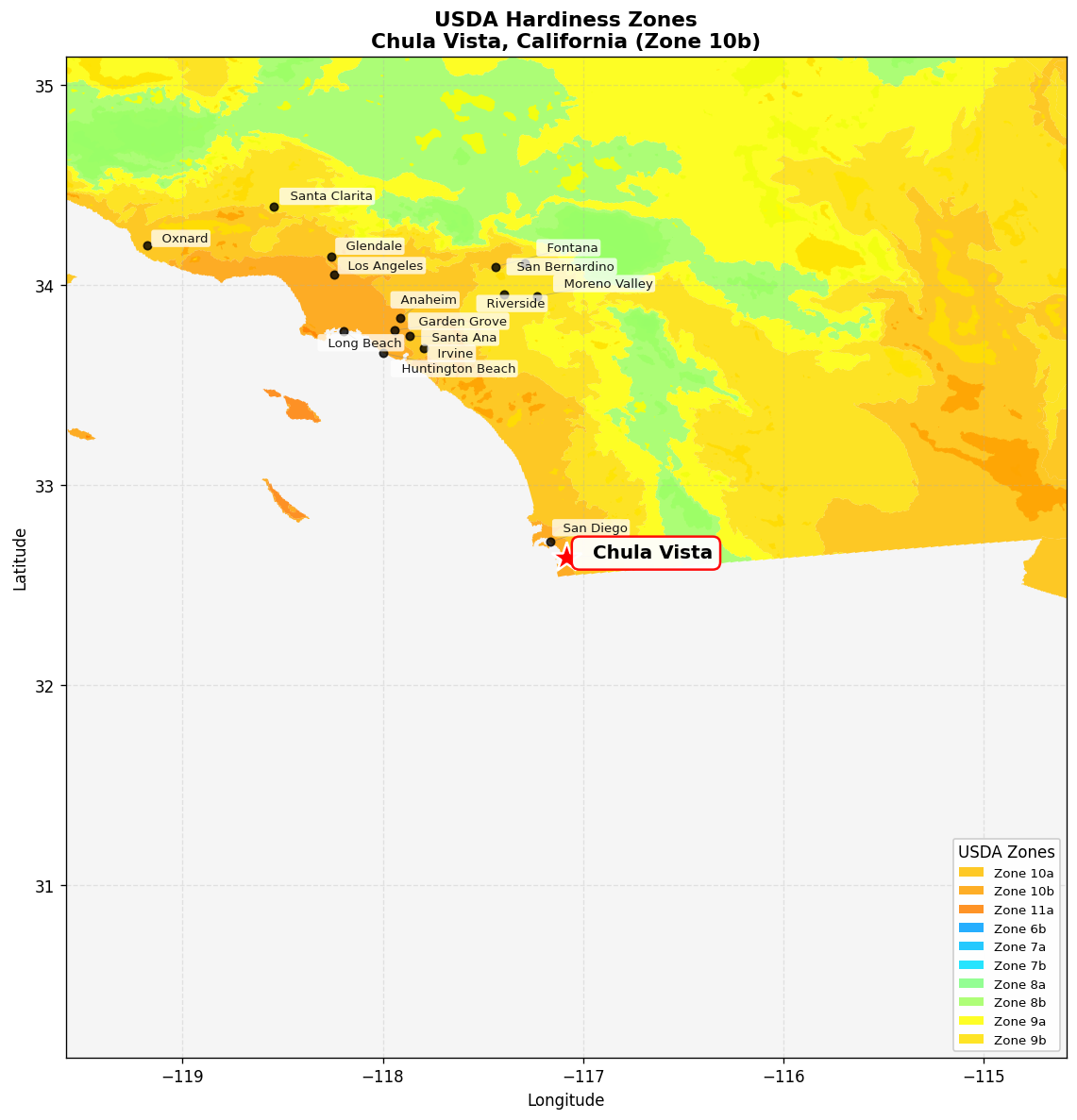
USDA Zone 10b
Hardiness zone for Chula Vista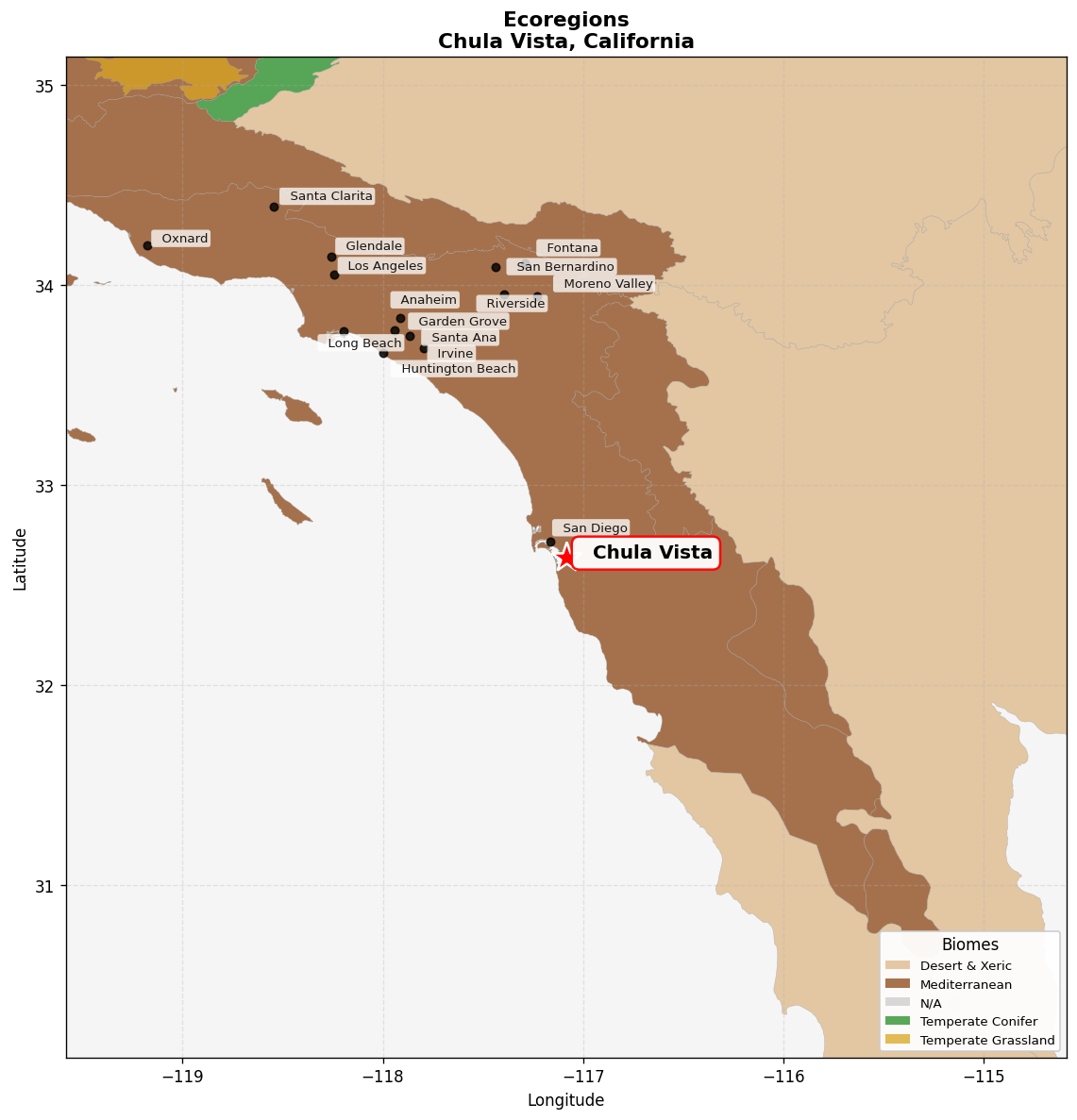
California coastal sage and chaparral
Native ecoregionFrequently Asked Questions
What drought-tolerant plants work best in Chula Vista’s Zone 10b climate?
Chula Vista’s frost-free Zone 10b enables an exceptional drought-tolerant palette. Top performers: ceanothus (California lilac — winter/spring blue bloom, no irrigation once established), Cleveland sage (aromatic, purple flower spikes, deer-resistant), California sagebrush (silver-gray year-round), agave (multiple species thrive year-round), aloe (various species bloom December–March), bougainvillea (Zone 9b+ frost sensitive but thrives in Chula Vista), toyon (native, red winter berries, bird habitat), and native bunchgrasses. Lavender and rosemary are non-native but extremely water-efficient and suitable for Zone 10b.
Are there water rebates for landscaping in Chula Vista?
Yes — multiple programs apply to Chula Vista residents. Sweetwater Authority (serving western Chula Vista) offers turf-removal rebates for converting lawn to drought-tolerant plants. The San Diego County Water Authority’s WaterSmart program also provides financial incentives for conservation projects. California’s Save Our Water program maintains a statewide rebate database. Additionally, Chula Vista’s own water conservation programs may offer additional incentives. Rebate amounts and eligibility change annually — check sweetwater.org and sdcwa.org for current program details before starting your project.
How much does drought-tolerant landscaping cost in Chula Vista?
Drought-tolerant landscape installation in Chula Vista and the greater San Diego area runs $8–20 per square foot for design and installation. A complete front yard xeriscape for a typical 600 sqft Chula Vista lawn runs $5,000–12,000 before rebates. A backyard patio and drought-tolerant garden combination runs $12,000–30,000. Research from Sal & Bros Landscaping (a San Diego area firm) shows full front yard conversions averaging $12,000 in 2025–2026. Rebates from Sweetwater Authority can offset $1,500–5,000 depending on square footage converted.
Can I grow food in a Chula Vista drought-tolerant garden?
Absolutely — Chula Vista’s year-round mild climate is ideal for edible landscaping. Citrus trees (lemon, orange, grapefruit) are water-efficient once established and productive in Zone 10b. Avocado, guava, and loquat are drought-tolerant tree options. Herbs — rosemary, thyme, sage, and lavender — are practically zero-water once established and beautiful in the garden. Native elderberry (Sambucus mexicana) is both wildlife habitat and edible. A drip-irrigated raised bed for vegetables can be incorporated into a drought-tolerant landscape without compromising the water-smart ethos.
How do I manage invasive weeds in a Chula Vista native garden?
Chula Vista’s Mediterranean climate is challenged by invasive weeds that thrive in the same conditions as native plants. The biggest threats: Mediterranean mustard (Hirschfeldia incana), fennel, castor bean, and invasive grasses. Management strategy: install a heavy weed-barrier fabric under DG or rock groundcover; patrol monthly for weed seedlings and remove them when small; use targeted herbicide (glyphosate) for established invasive grasses away from desirable plants; avoid disturbing soil unnecessarily (this exposes buried weed seeds). Native plants, once established and dense, suppress most weeds through canopy competition.
When is the best time to plant a native garden in Chula Vista?
October through March is Chula Vista’s prime native planting season, aligning plant establishment with the region’s natural winter rainfall. Plants installed in fall establish root systems through the mild wet season without irrigation stress. Spring planting (February–April) also works but requires more attention during the first dry summer. Avoid planting June through September unless drip irrigation is in place and you can water weekly — summer heat stresses newly installed natives before their roots are established. Ceanothus is particularly sensitive to summer planting and should always be installed fall through spring.