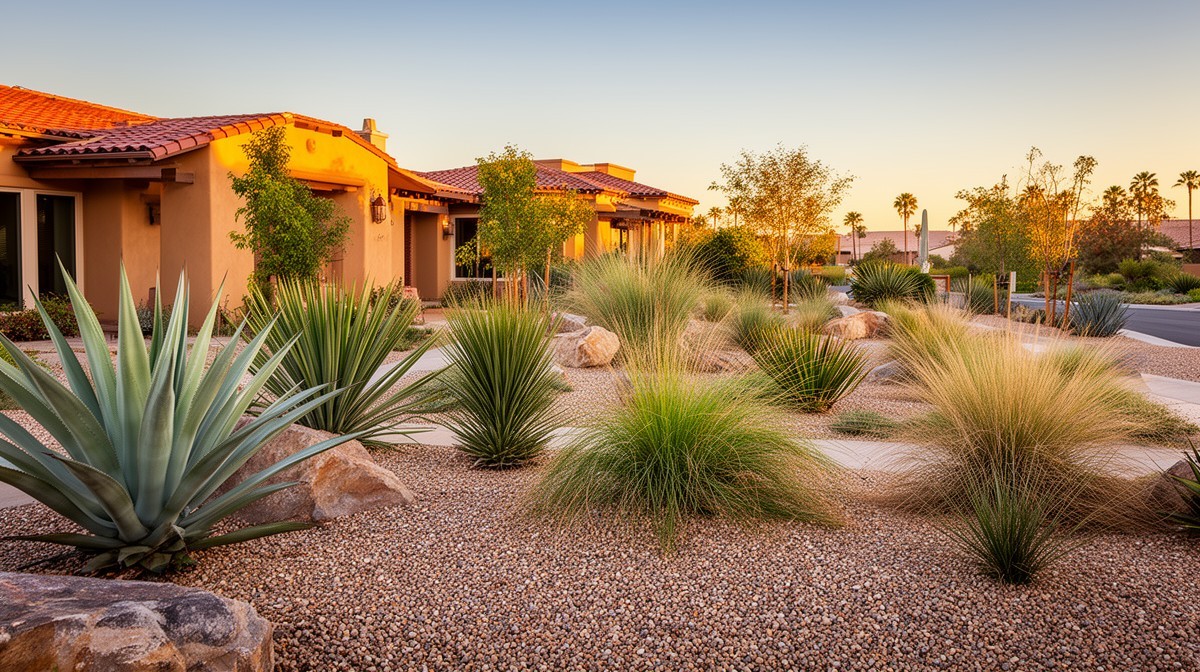
4 Xeriscape Ideas for San Diego, CA | Coastal Xeriscape Designs
Native plants from the California coastal sage and chaparral (Zone 10b) — Cold semi-arid climate
Why Desert/Xeriscape Gardens in San Diego?
San Diego sits in the California Coastal Sage and Chaparral ecoregion — a Mediterranean-climate zone that receives only about 10 inches of rain per year but enjoys marine layer cooling, mild winters, and none of Phoenix's 115°F extremes. This is the ideal climate for coastal xeriscape: drought-tolerant but lush, architectural but not stark, with a palette that leans softer and greener than inland Sonoran desert.
Unlike true desert cities, San Diego xeriscape can incorporate flowering shrubs, ornamental grasses, and California natives alongside agave and succulents without looking out of place. Desert willow, palo verde, Cleveland sage, black sage, toyon, and blue agave thrive here and create layered designs with year-round color. The marine influence means plants don't face the same desiccating heat stress as Phoenix — making establishment easier and expanding the plant palette considerably.
Water conservation in San Diego is both practical and financially rewarded. The San Diego County Water Authority (SDCWA) and many member agencies offer turf removal rebates of $2–$3 per square foot for replacing lawn with drought-tolerant landscaping. Outdoor water use accounts for roughly 50% of household consumption in San Diego — a well-executed xeriscape can slash your water bill while adding real curb appeal to Spanish-style homes and stucco bungalows that define the region's architecture.
4 Desert/Xeriscape Design Ideas for San Diego
AI-generated image
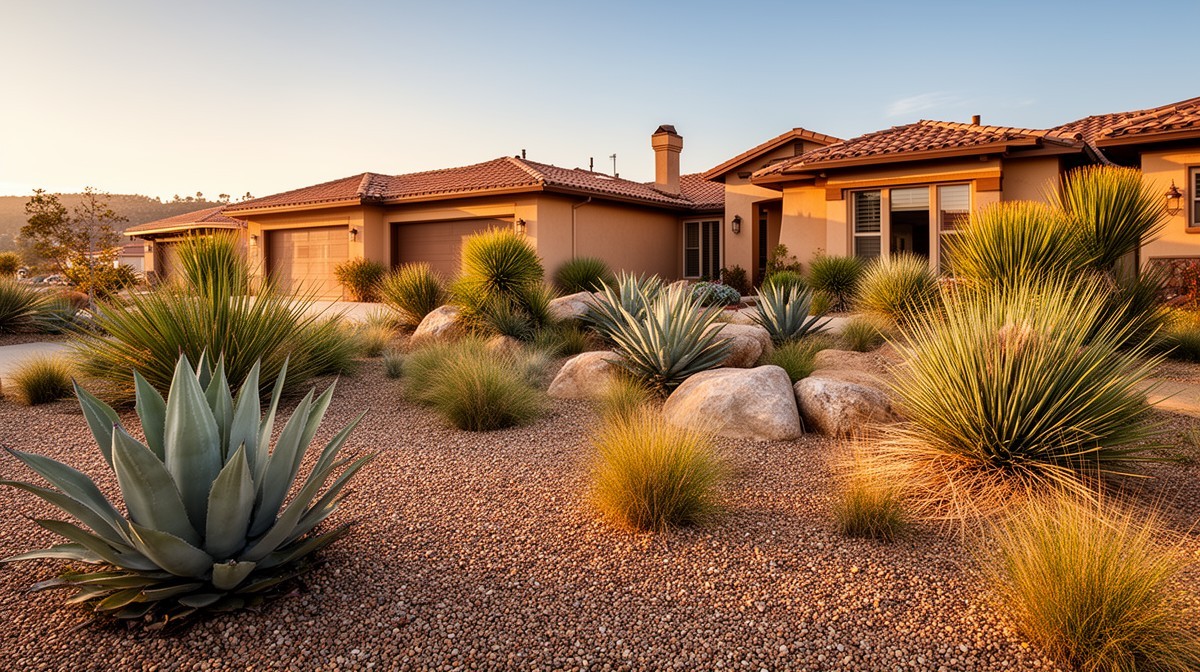
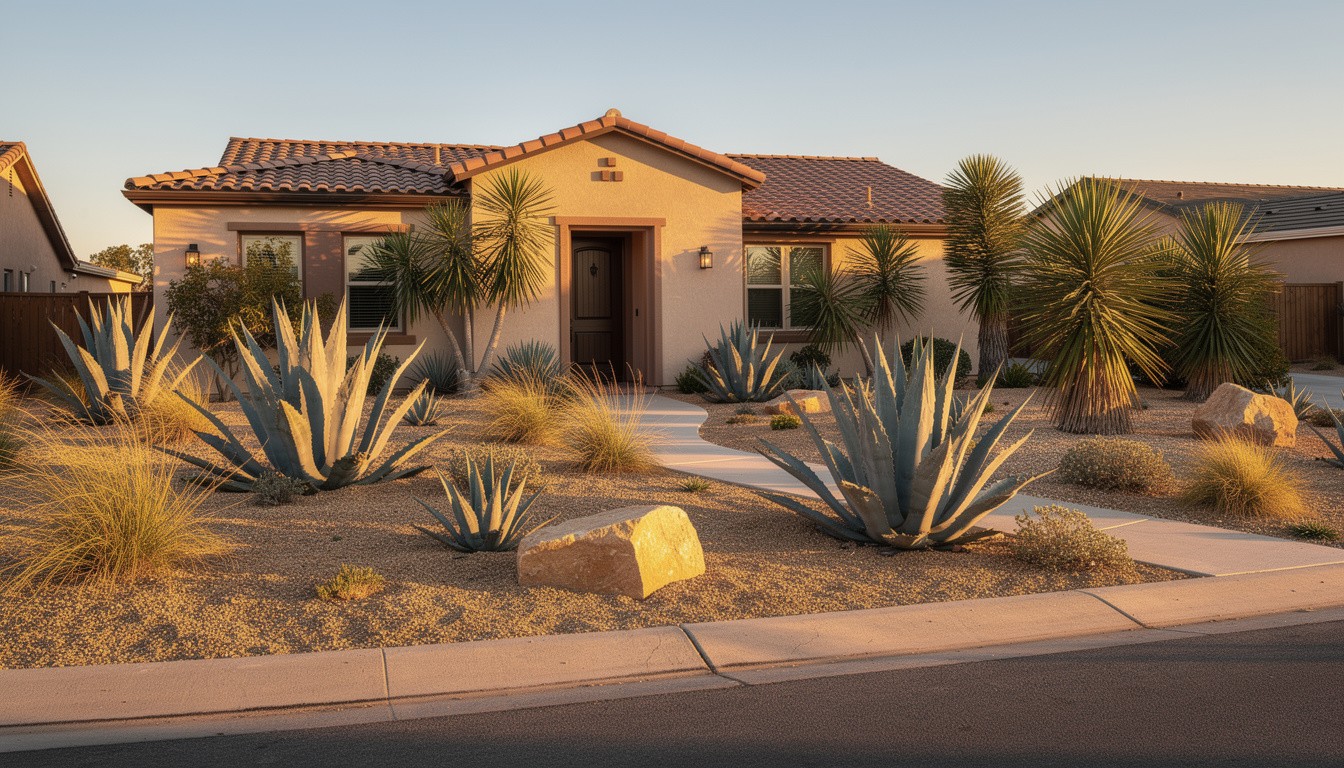
The Chaparral Agave Front
$8–16/sqftA tile-roof stucco home faces a front yard of warm tan DG anchored by bold blue agave as the main sculptural feature, yucca adding tall vertical accents, and ornamental grasses giving soft texture at the mid-layer. Boulders ground the composition while the warm afternoon San Diego light makes the agave spines glow. Pure California coastal chaparral xeriscape — MWDSD rebate eligible.
AI-generated image
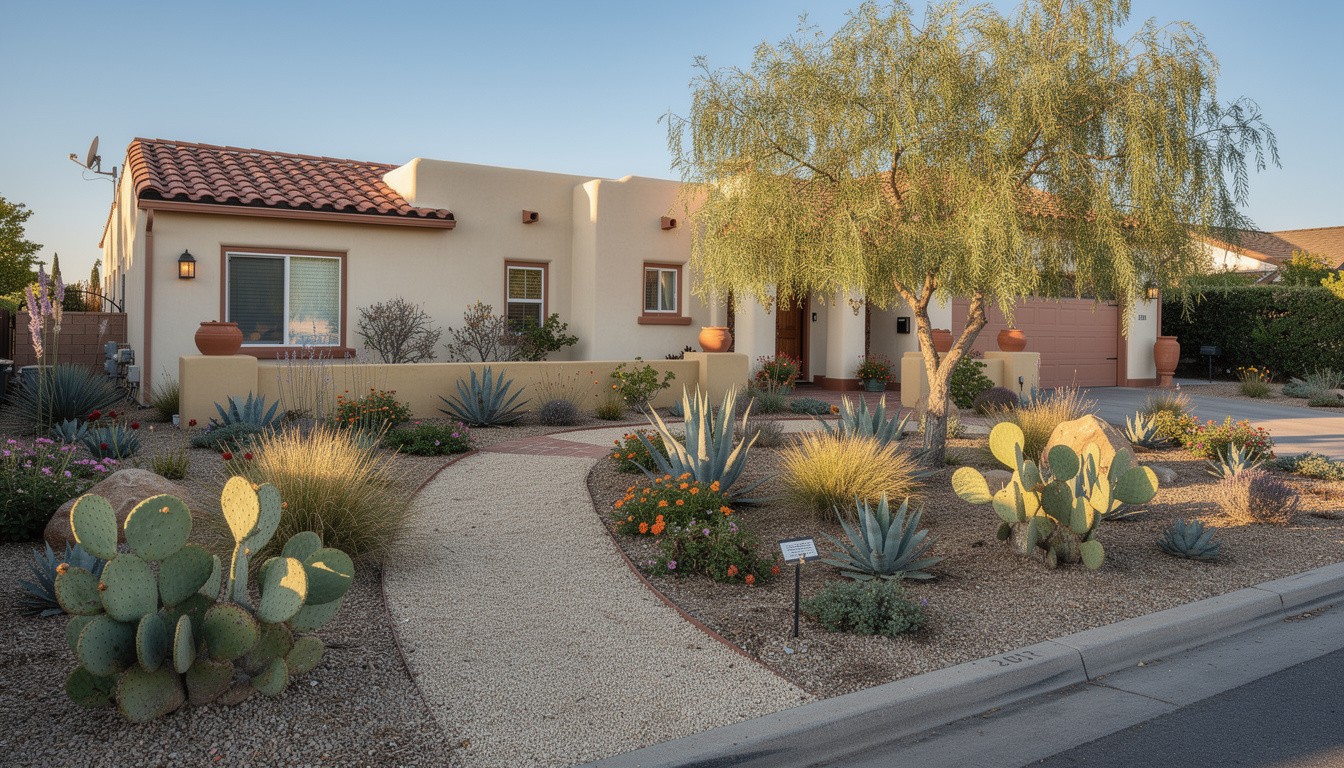
The SoCal Desert Willow Garden
$9–18/sqftA weeping desert willow anchors the center of this xeriscape front yard, shading a naturalistic composition of prickly pear cactus, agave, colorful flowering shrubs, and river cobble accents in warm pea gravel. Ceramic pots with flowering succulents frame the entry. The desert willow in summer bloom — pink orchid-like flowers covering the weeping branches — is the showpiece of any San Diego street.
AI-generated image
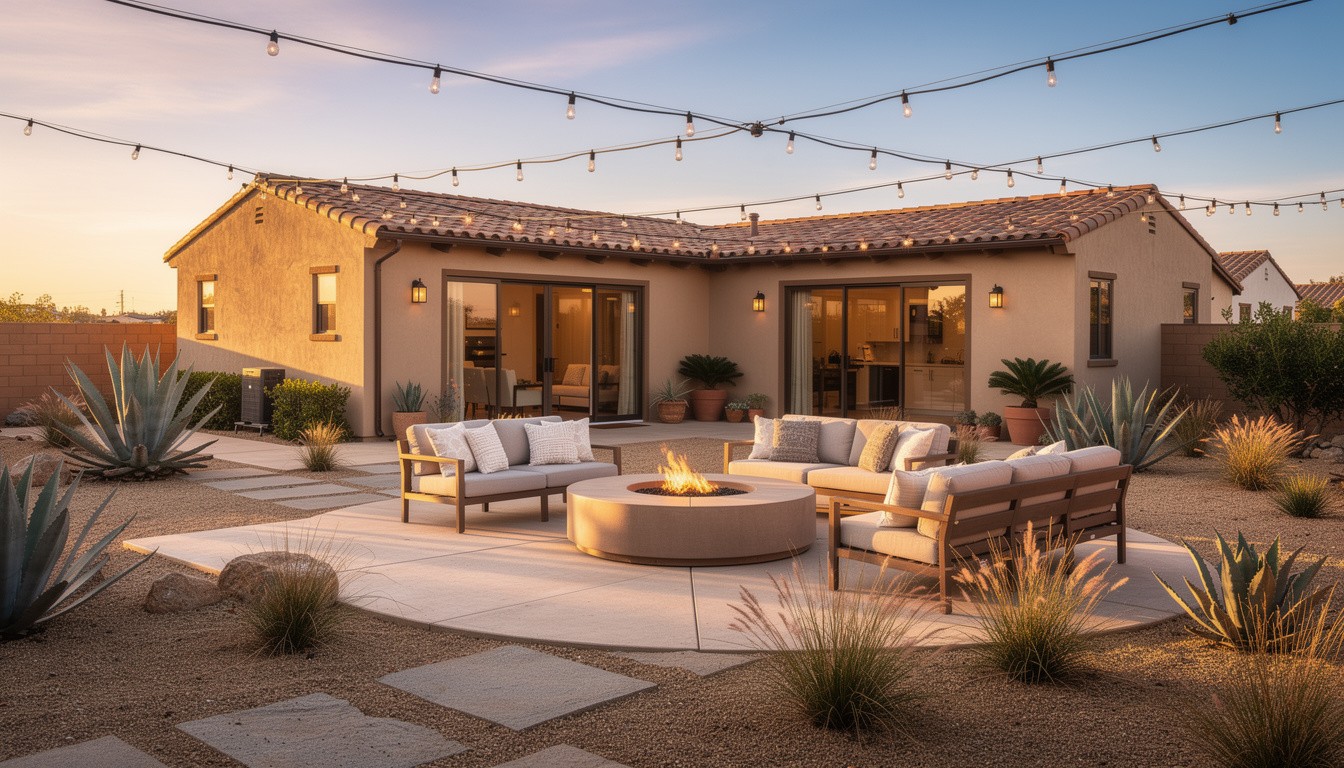
The Escondido Desert Patio
$18–40/sqftA large stucco-walled patio with festoon lights hosts lounge seating around a central round fire pit, ringed by agave, ornamental grasses, and desert shrubs in crushed gravel. A mature olive tree provides dappled canopy over one corner. The Palomar Mountain silhouette is visible above the back wall at dusk. San Diego inland valley evenings cool pleasantly year-round — this patio is comfortable every single month.
AI-generated image
The Rancho Santa Fe View Pool
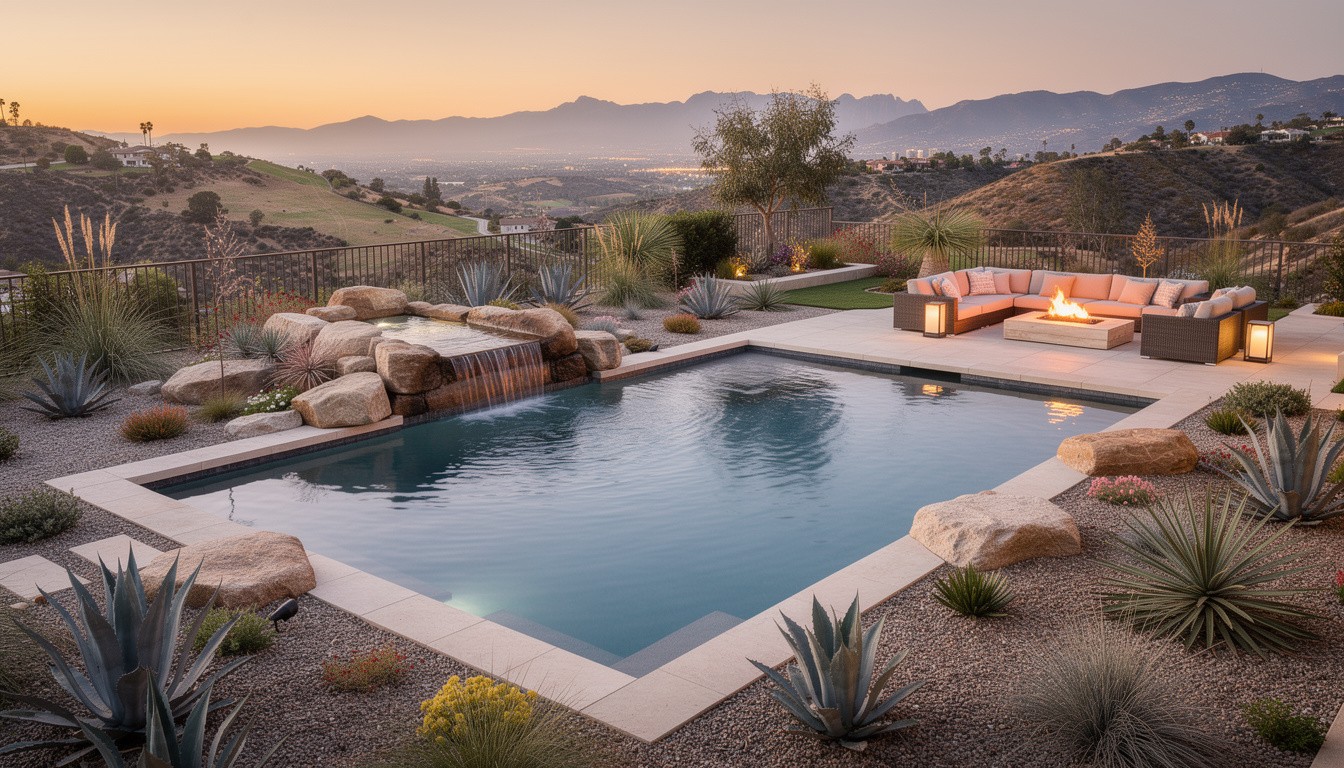
$60–130/sqftA rectangular pool with a boulder waterfall feature anchors one end of a broad concrete patio with a gas fire table and lounge seating. Agave, yucca, and flowering desert shrubs in crushed stone beds frame the entire space while the rolling San Diego County hills and distant ocean glimpse complete an extraordinary view. California chaparral meets resort-level pool design.
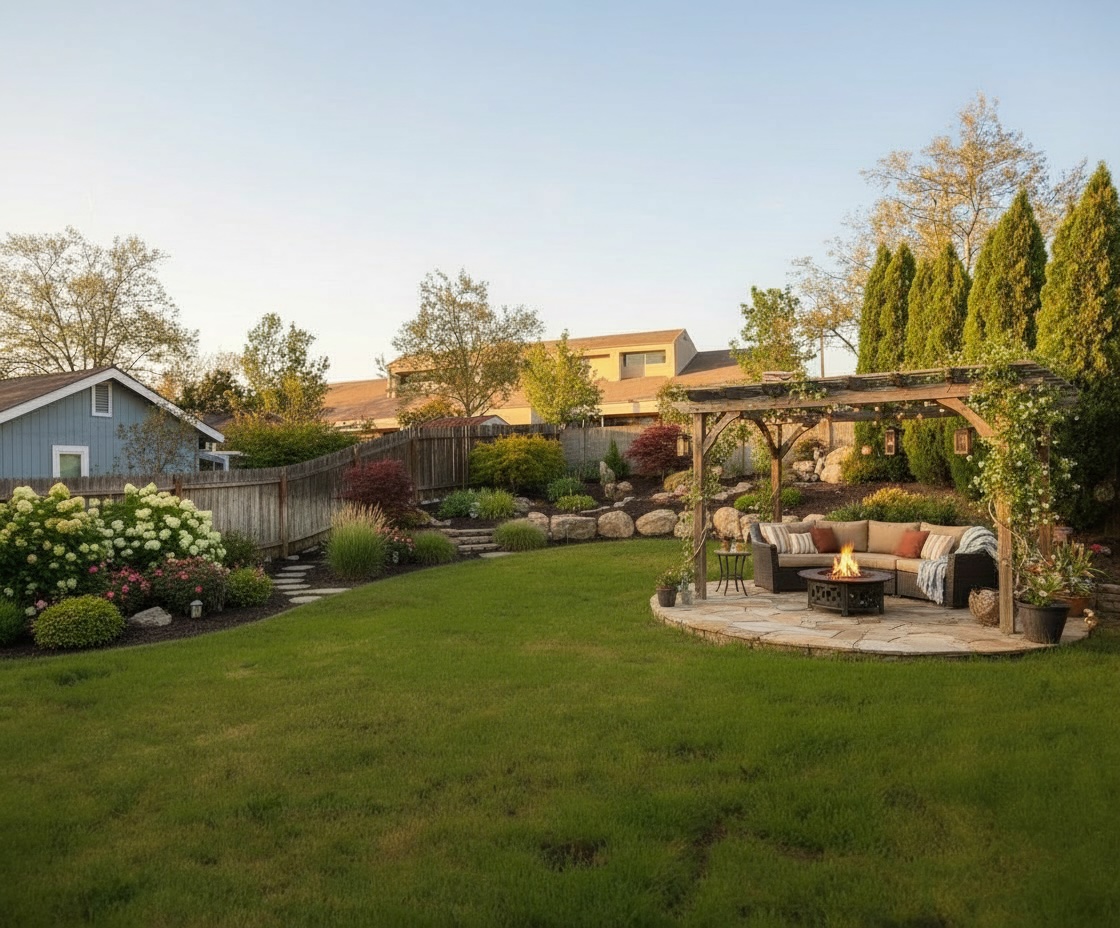
See how a desert/xeriscape garden looks on YOUR property
Upload a photo of your San Diego yard and visualize your dream garden in seconds.
Try ProScapeAI Free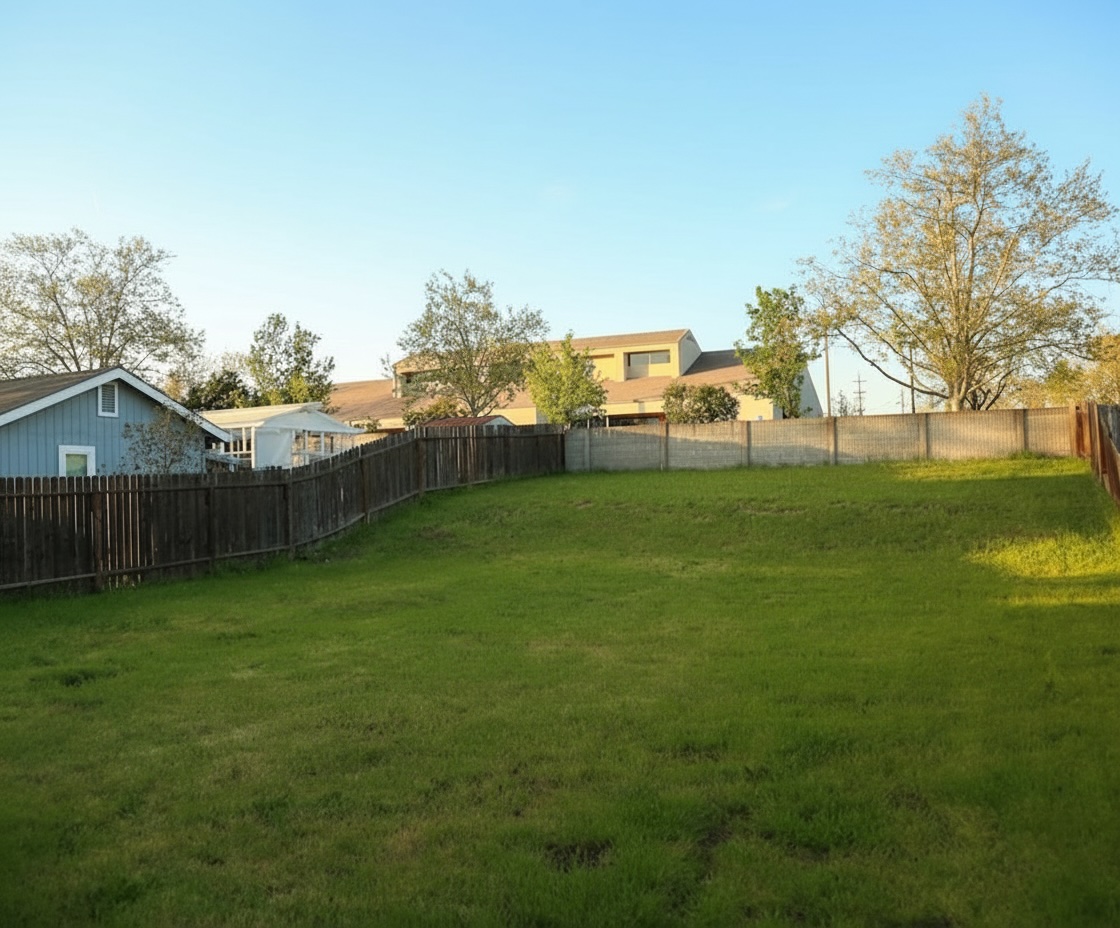
AI-generated image
Featured Trees & Shrubs for Desert/Xeriscape Gardens
Browse all 212 plants for San Diego
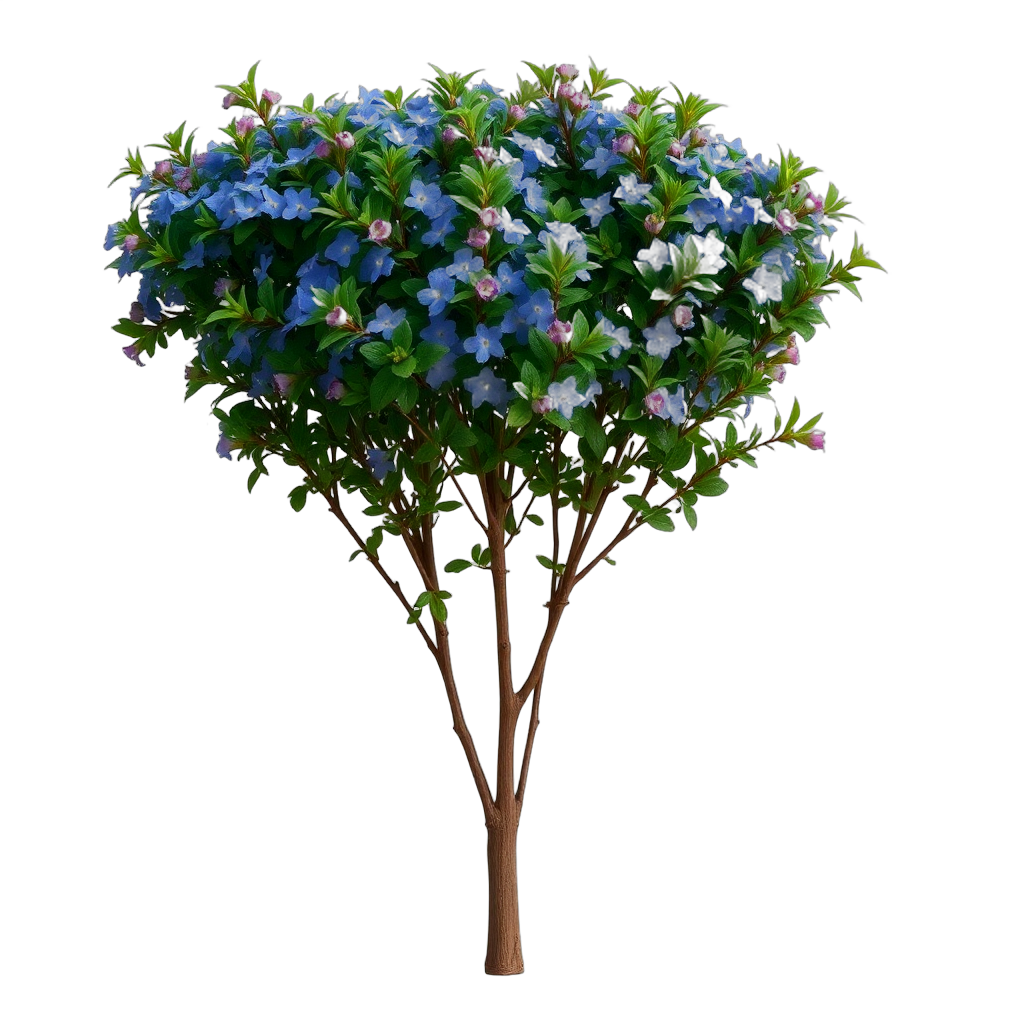
Black Sage
Salvia mellifera
grows to 4 feet, white blooms in spring. Attracts butterflies.
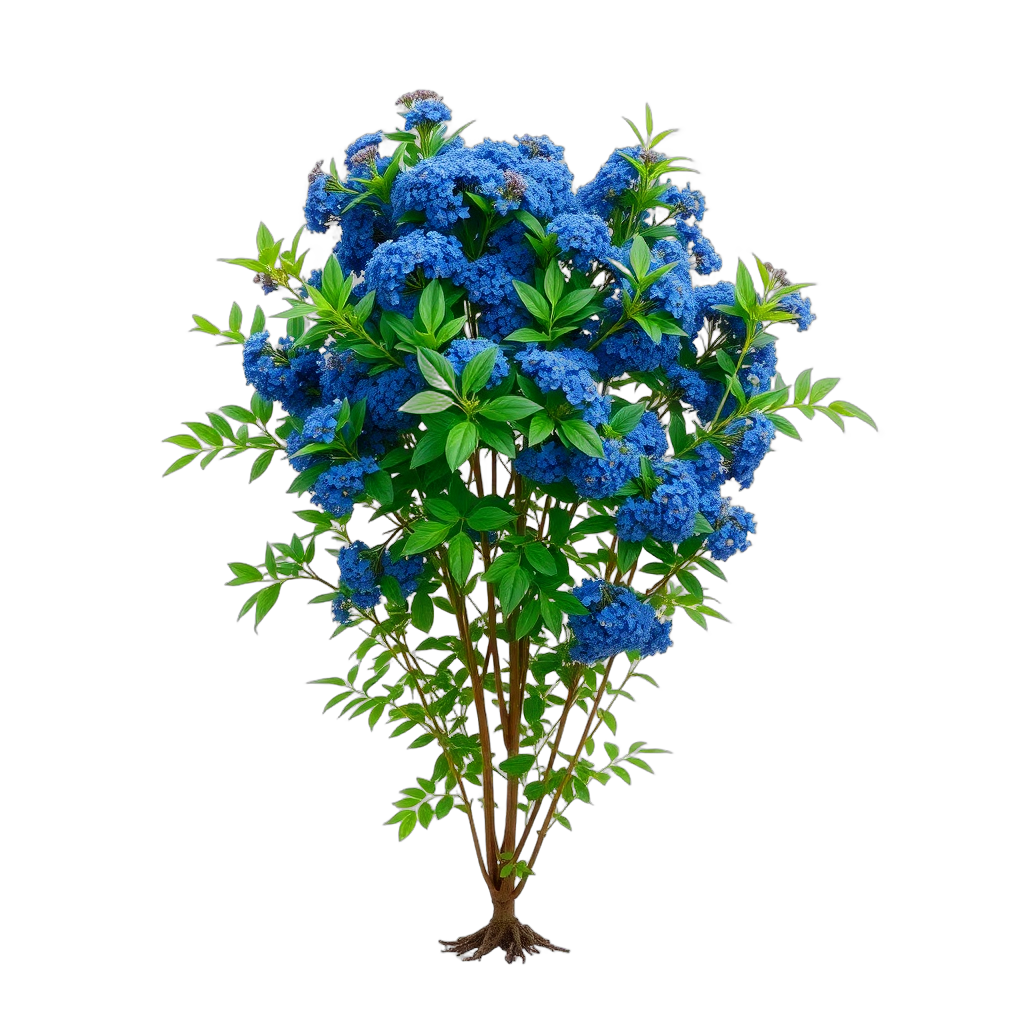
Blue Blossom
Ceanothus thyrsiflorus
medium-sized at 12 feet, blue blooms in spring. Attracts butterflies.
Blue Elderberry
Sambucus cerulea
medium-sized at 15 feet, white blooms in spring. Attracts butterflies.
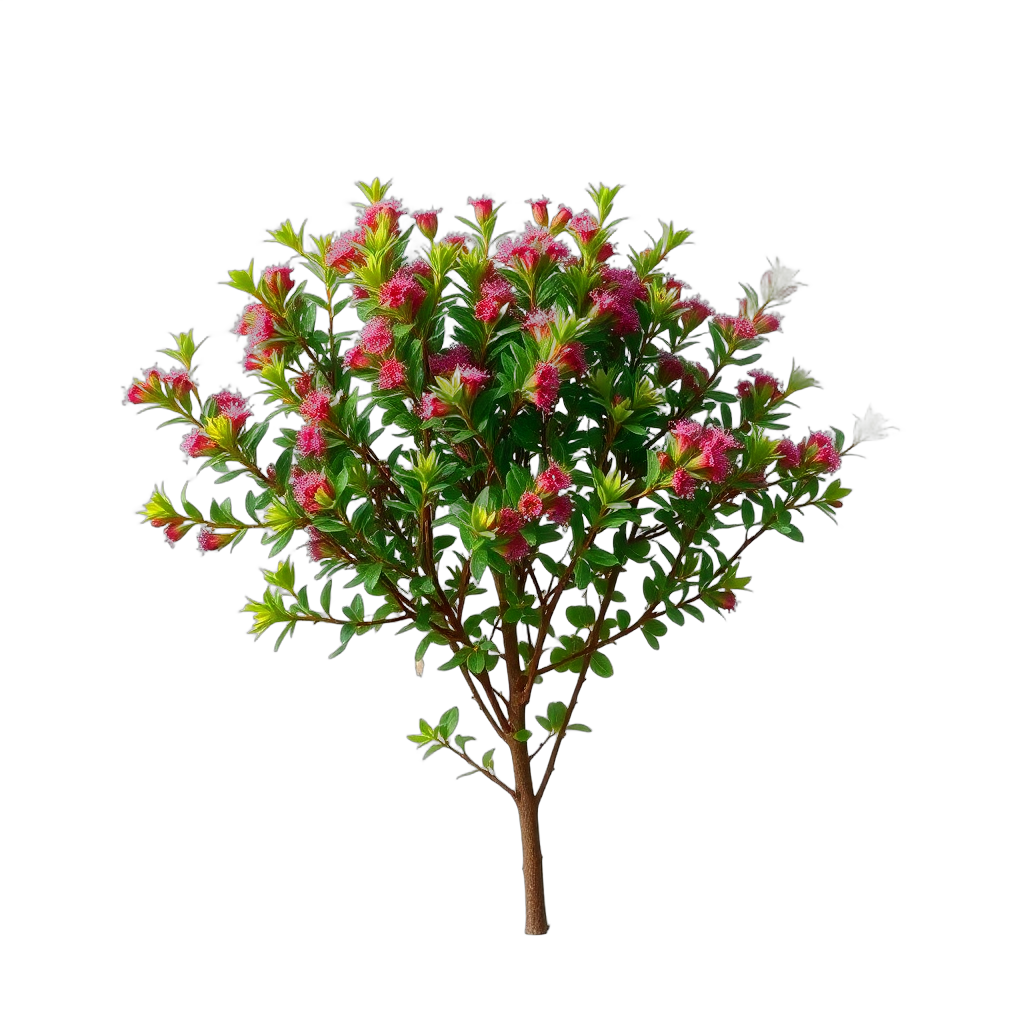
Buckbrush
Ceanothus cuneatus
medium-sized at 7 feet, white blooms in spring. Attracts butterflies.
Featured Grasses & Groundcovers for Desert/Xeriscape Gardens
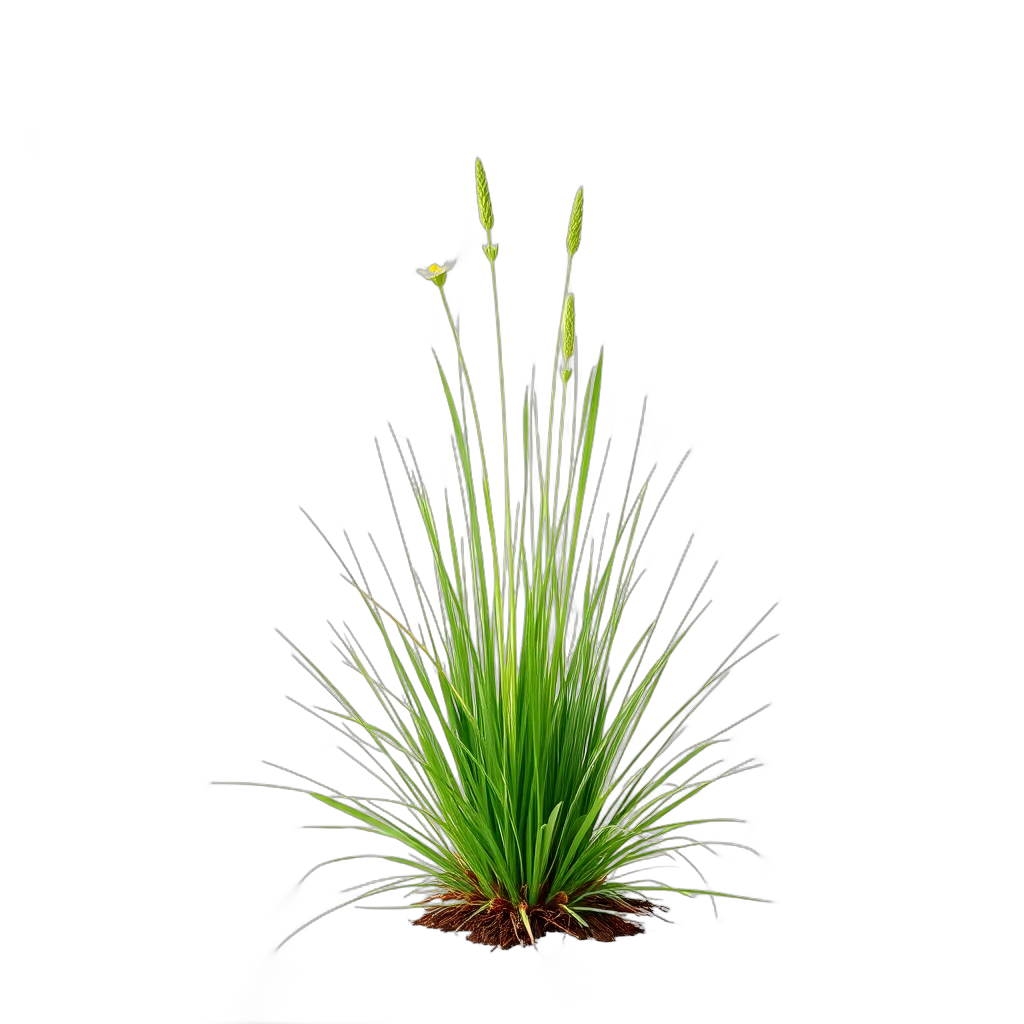
California Brome
Bromus carinatus
low-growing ground cover, blooms in spring. Yellow fall color.
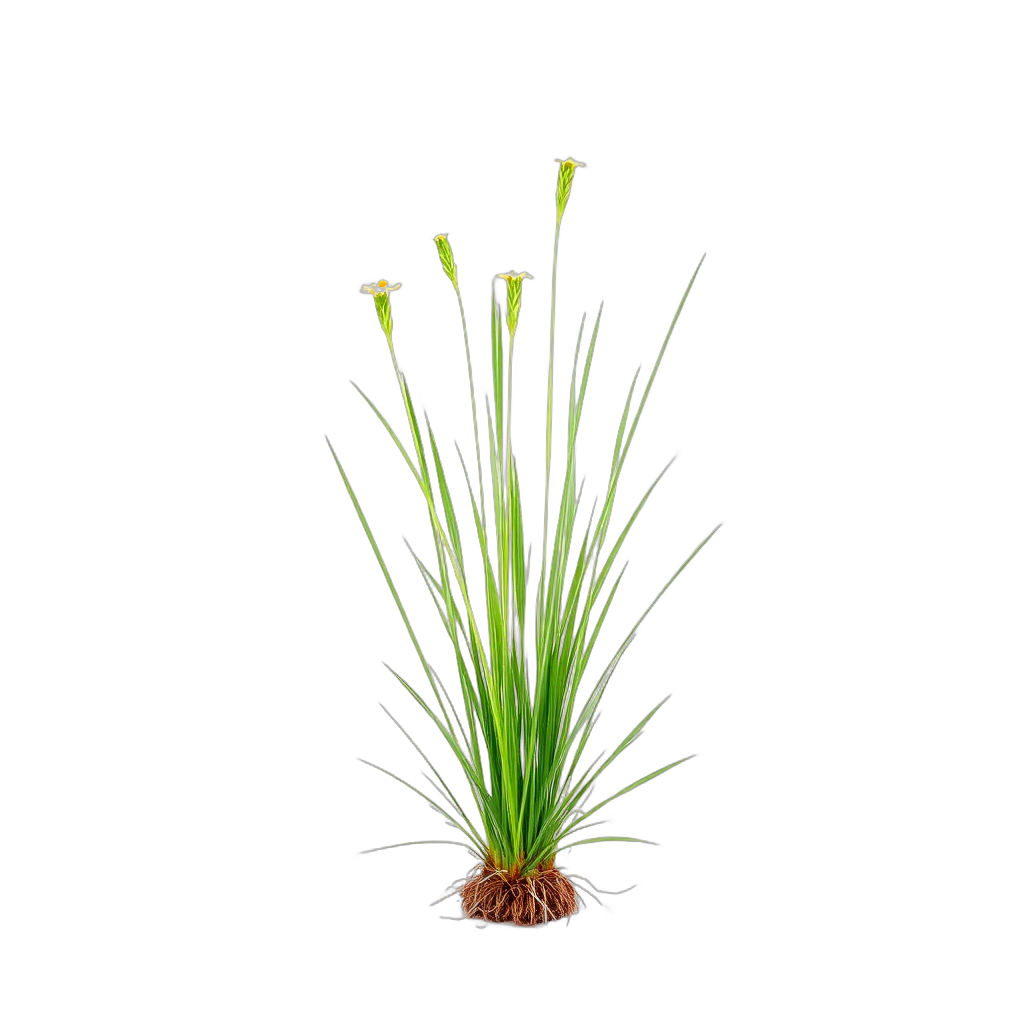
California Melic
Melica californica
low-growing ground cover, blooms in spring.
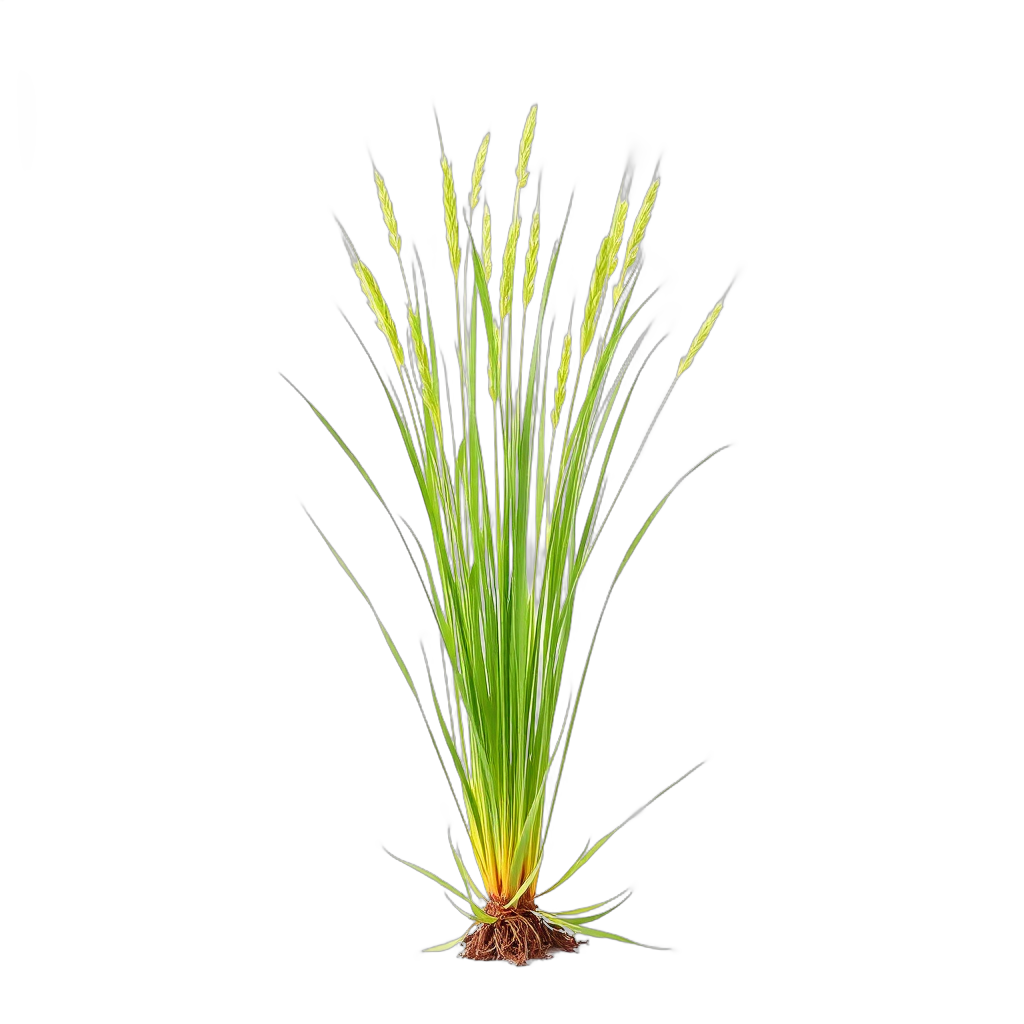
California Oatgrass
Danthonia californica
low-growing ground cover, blooms in spring. Yellow fall color.
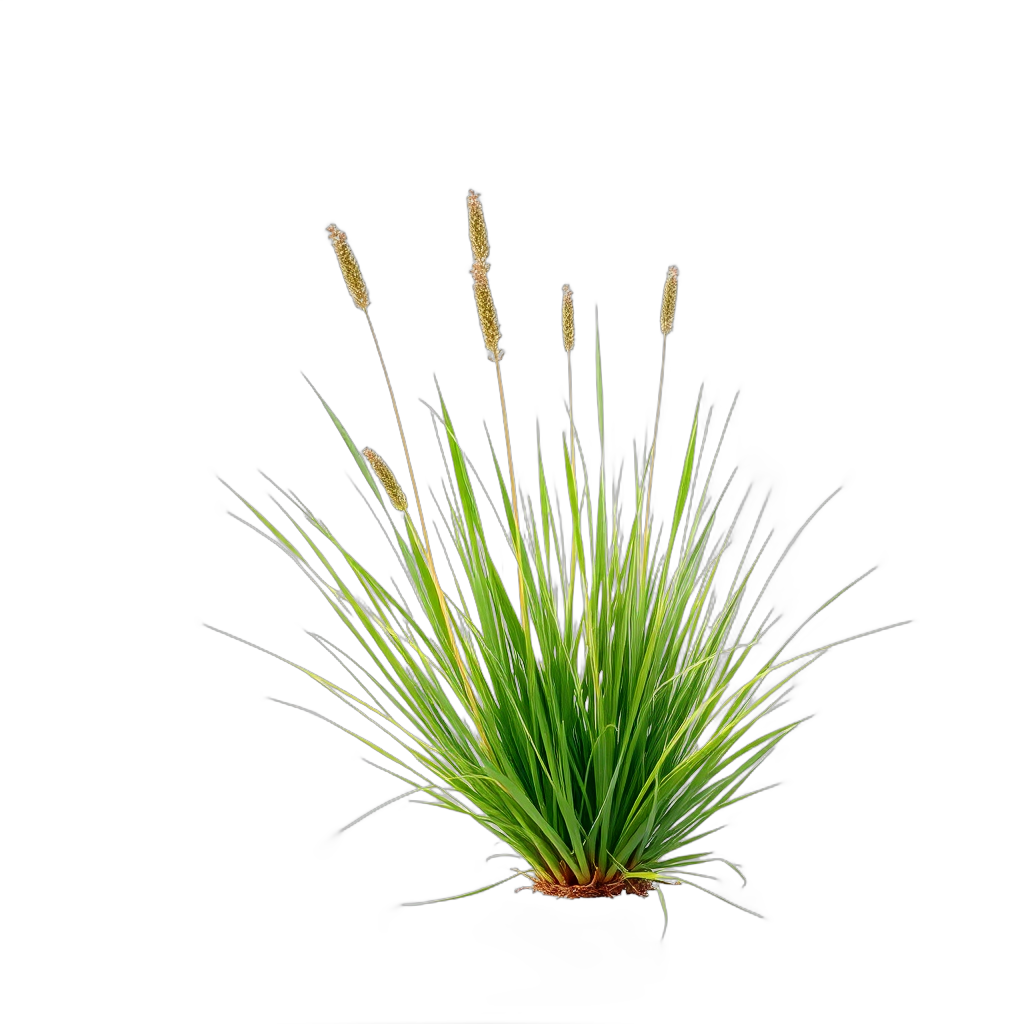
Deer Grass
Muhlenbergia rigens
grows to 3 feet, yellow blooms in fall. Evergreen year-round.
Featured Flowers & Perennials for Desert/Xeriscape Gardens
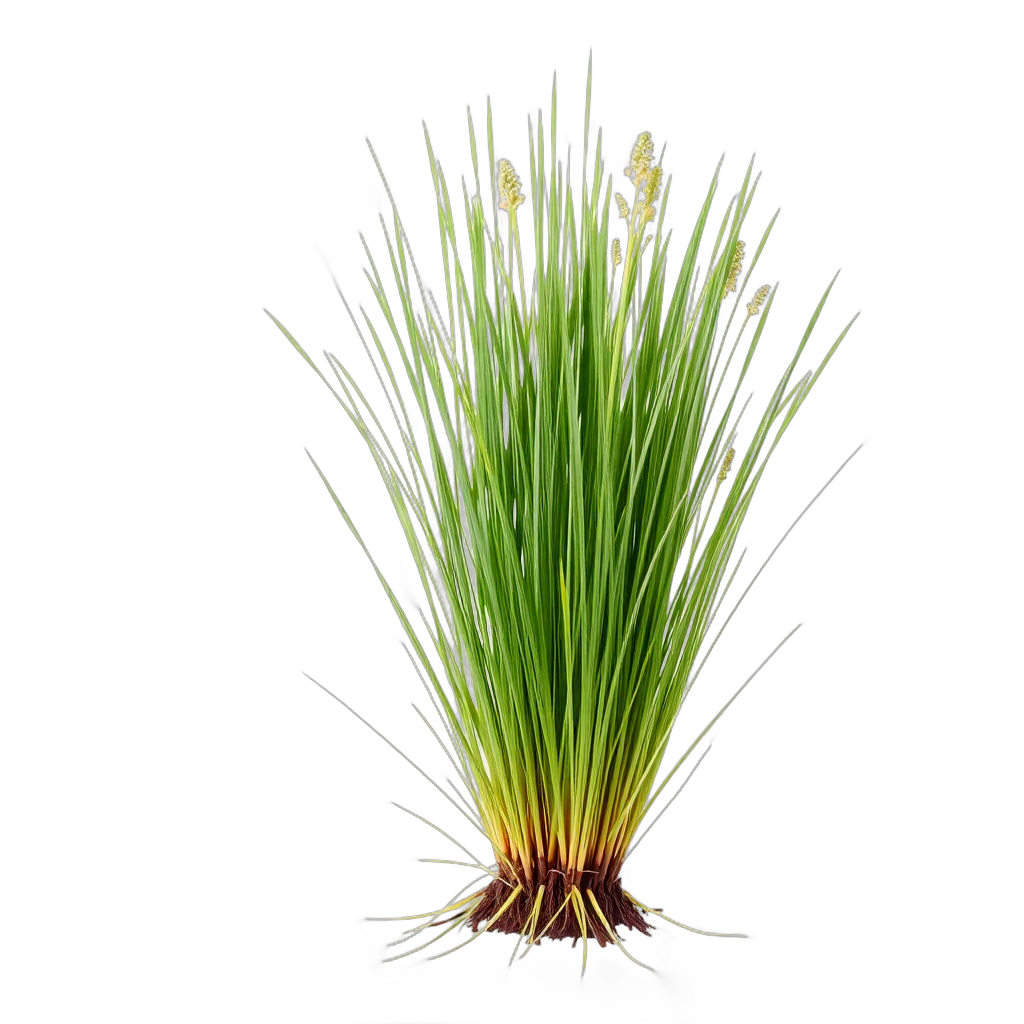
California Gray Rush
Juncus patens
low-growing ground cover, blooms in summer. Evergreen year-round.
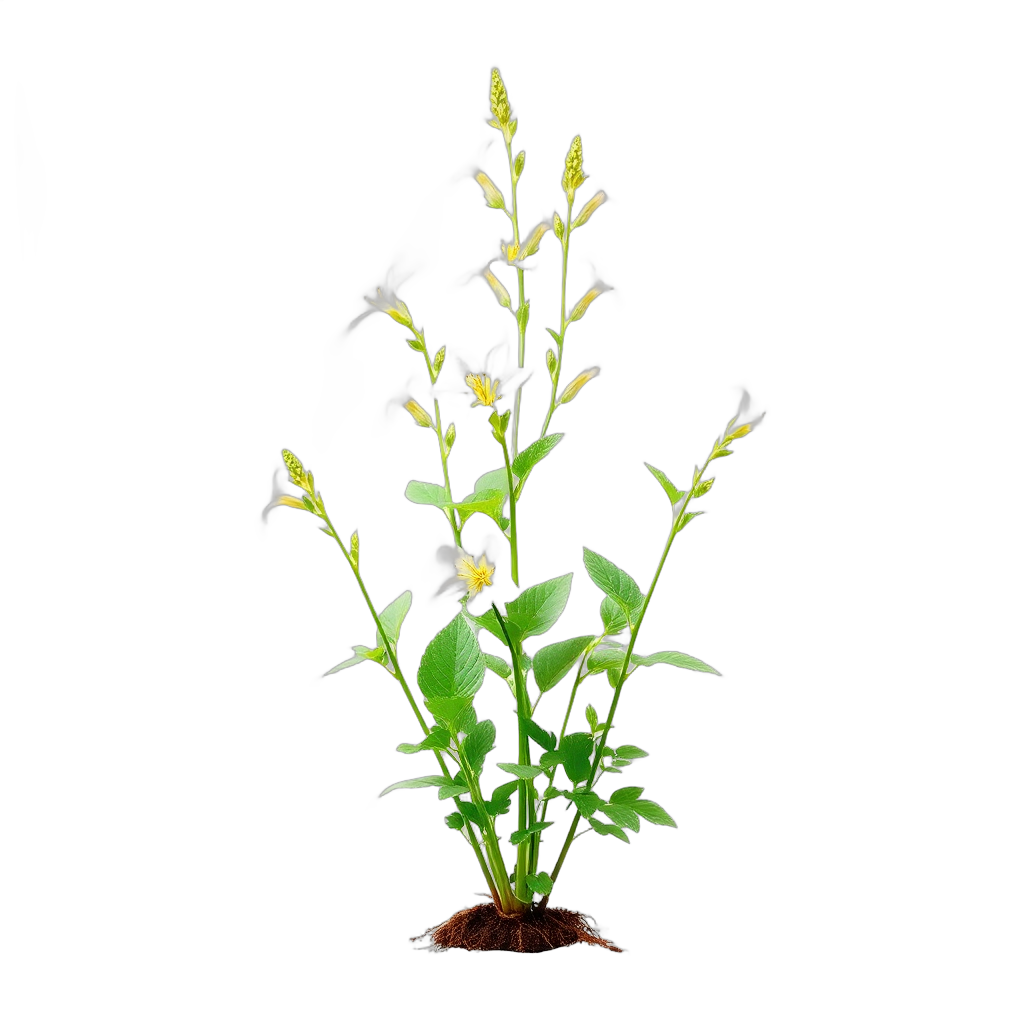
Beach Evening Primrose
Camissonia cheiranthifolia
low-growing ground cover, yellow blooms in spring. Attracts butterflies.
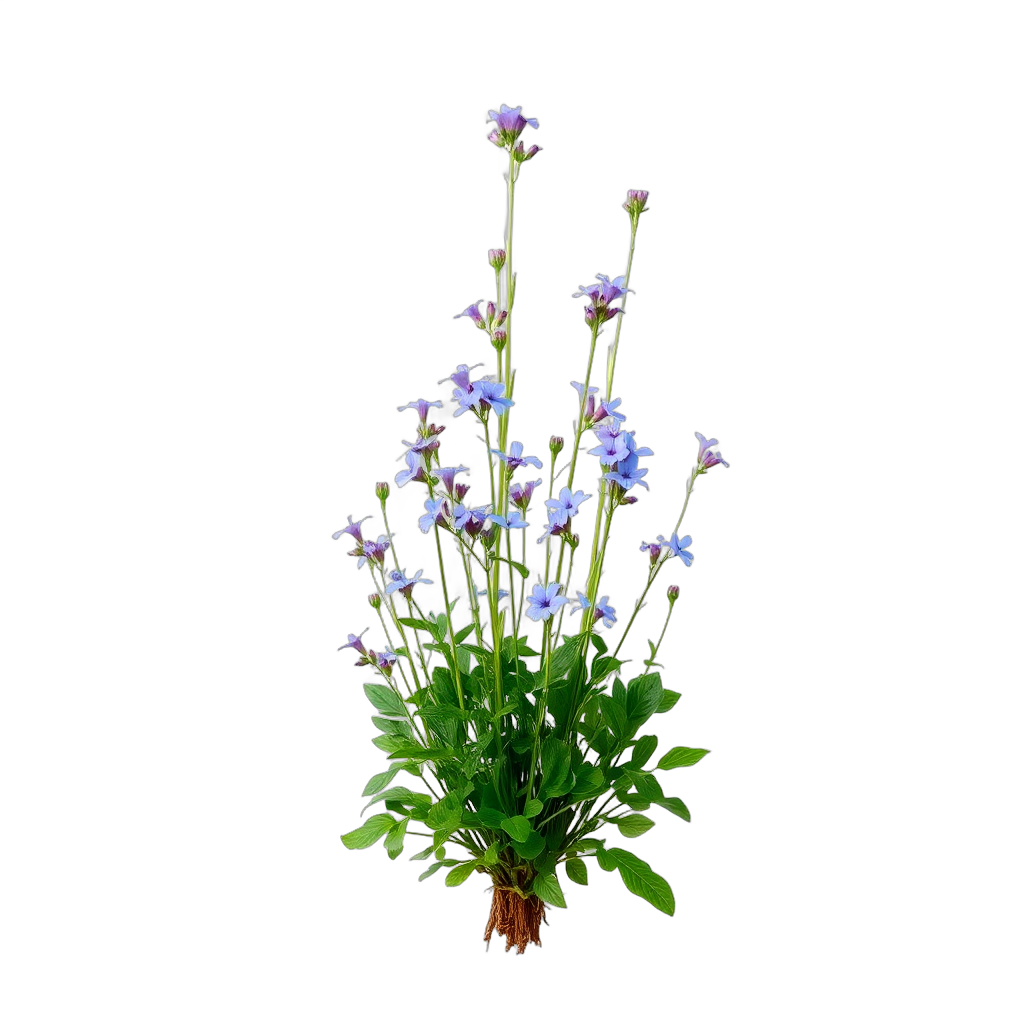
Blue Dicks
Dichelostemma capitatum
low-growing ground cover, blue blooms in spring. Pollinator-friendly.
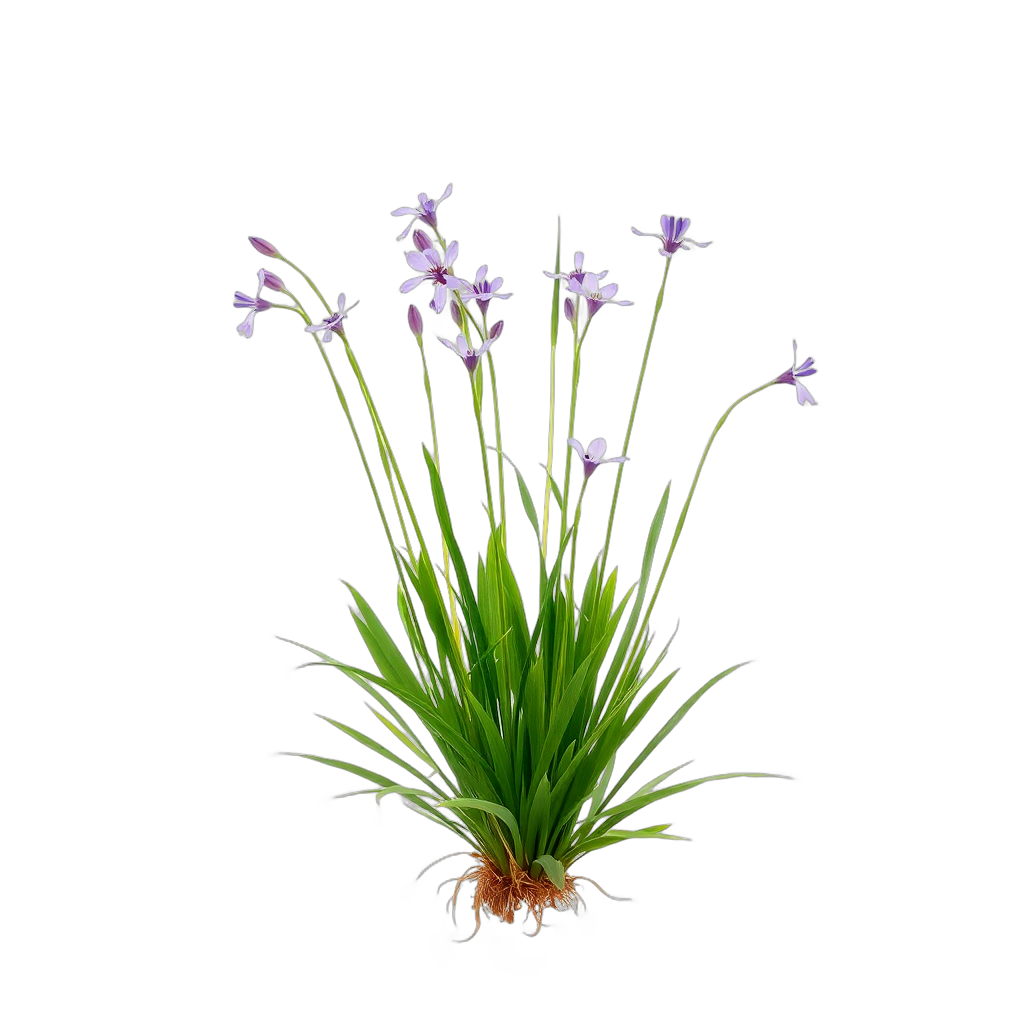
Blue-Eyed Grass
Sisyrinchium bellum
low-growing ground cover, blue blooms in spring. Attracts butterflies.
Zone and sun checks come from our database — confirm with your local nursery before you buy.
Bloom Calendar for San Diego
spring
Beach Evening Primrose, Blue Dicks, Blue-Eyed Grasssummer
California Gray Rush, Hooker's Evening Primrose, Hummingbird Mintfall
California Fuchsiawinter
Limited bloomsDesign Tips for San Diego (Zone 10b)
- Apply for your SDCWA turf removal rebate before breaking ground — most programs require a pre-approval site inspection and photos of existing turf before you start removal
- Group plants by water needs in distinct hydrozones and run separate drip irrigation zones for each — agave and cacti need minimal water once established while California native shrubs may need monthly deep watering through summer
- Use 3–4 inches of DG over landscape fabric in large ground cover areas, but switch to coarser river rock or decomposed granite without fabric in drainage channels where water needs to infiltrate quickly after rain
- San Diego's coastal sage and chaparral natives (Cleveland sage, black sage, ceanothus, toyon) are fire-adapted and can serve double duty as both xeriscape plants and defensible space vegetation — a relevant consideration in many San Diego hillside neighborhoods
- Orient shade trees (desert willow, palo verde) to the west and southwest of patios and outdoor seating areas to block late-afternoon sun — San Diego's summer afternoons push into the mid-80s even at the coast, and shade makes a meaningful comfort difference
- Take advantage of San Diego's hillside topography by designing tiered planting terraces with natural rock or boulders rather than fighting the grade — terracing controls erosion, creates visual interest, and gives each plant tier its own microclimate
Where to Source Plants in San Diego
Skip the big-box stores. These independent San Diego nurseries specialize in the plants that make desert/xeriscape gardens thrive in Zone 10b.
City Farmers Nursery
City Heights
California native plants, drought-tolerant species, sustainable gardening — since 1972
Neel's Nursery
Encinitas
San Diego County's only all-California-native retail nursery — 200+ species
Native West Nursery
Otay Mesa (South SD)
130-acre native plant operation — retail at The Little Barn, Thu-Sun
Desert Theater Cactus Nursery
Escondido
Largest exotic cactus and succulent collection in San Diego County — 9 acres
Desert/Xeriscape Landscaping Costs in San Diego
| Project Scope | Estimated Cost |
|---|---|
| Front yard xeriscape conversion (400–600 sqft) | $5,000 – $12,000 |
| Full backyard desert patio redesign | $12,000 – $40,000 |
| Turf removal + DG + California natives (per sqft) | $5 – $20/sqft |
| Paver or natural stone patio installation | $15 – $30/sqft |
| Drip irrigation system | $1,500 – $3,500 |
| SD Water Authority / Sweetwater turf rebate | Up to $4/sqft (max $20,000) |
| AI visualization with ProScapeAI | Free to start |
Estimates based on San Diego, CA-area contractor rates as of 2026. Actual costs vary by site conditions, materials, and contractor.
San Diego Climate & Growing Zone
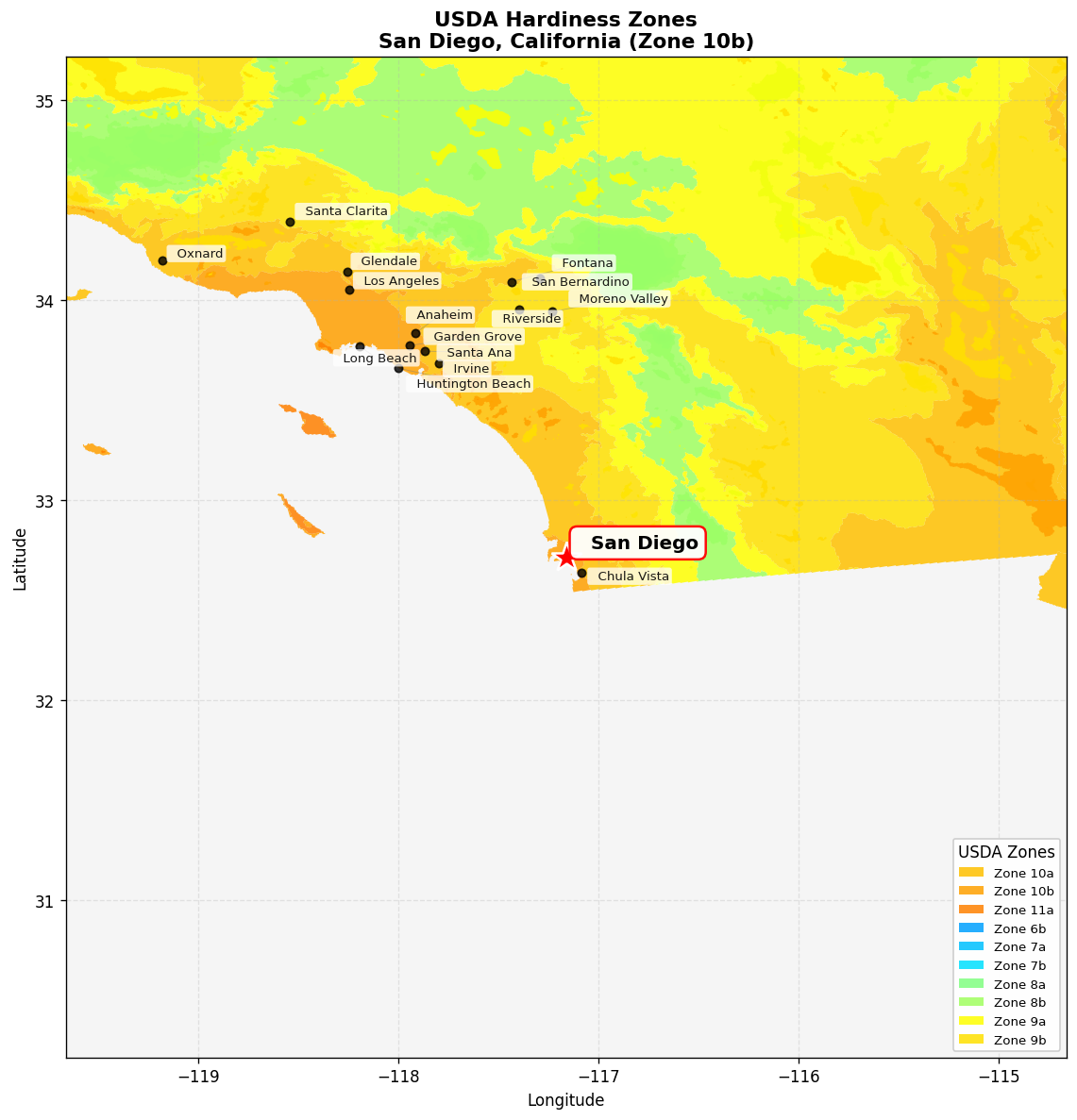
USDA Zone 10b
Hardiness zone for San Diego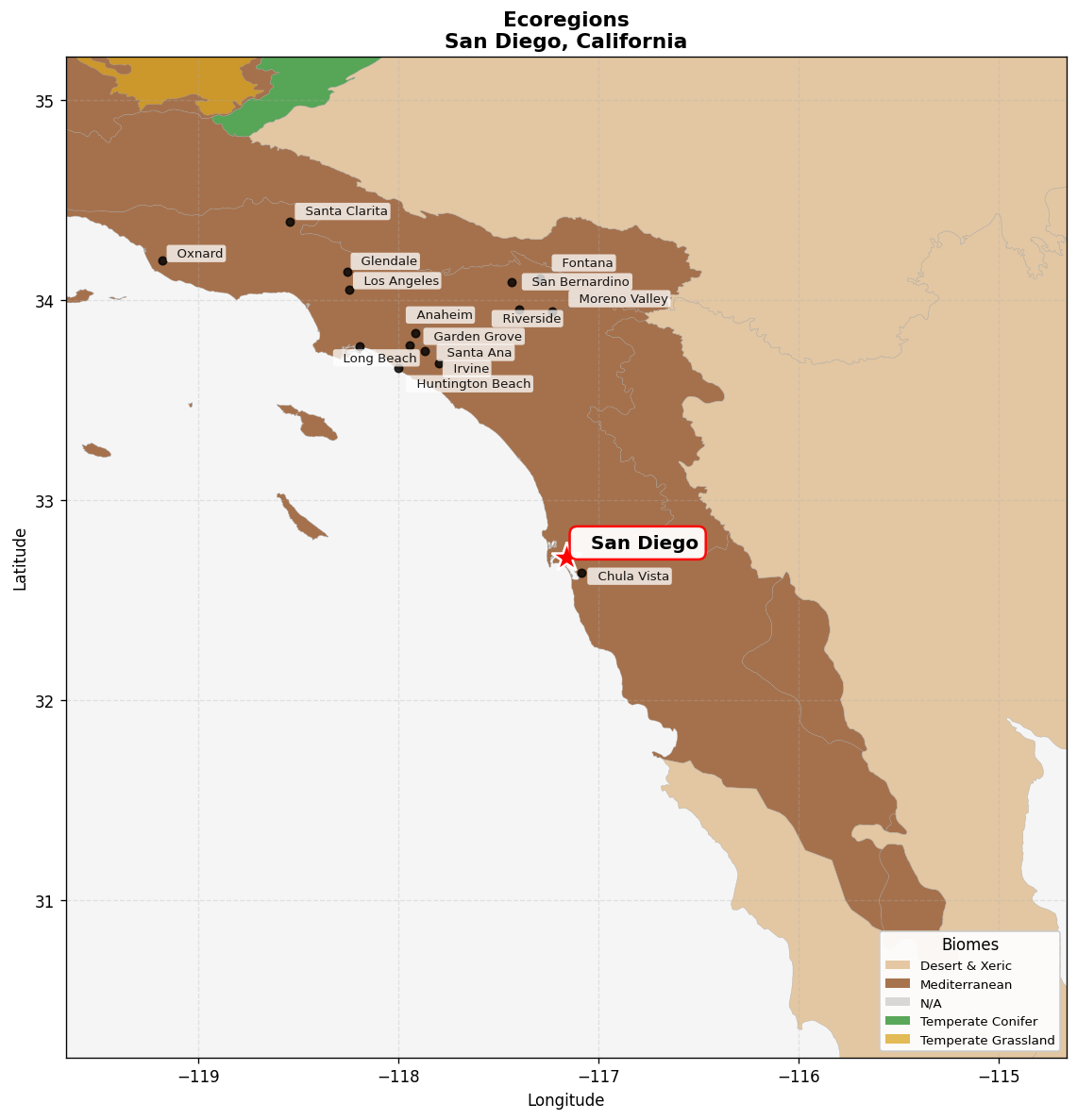
California coastal sage and chaparral
Native ecoregionFrequently Asked Questions
Does San Diego County offer rebates for removing my lawn?
Yes — and they're among the most accessible in California. The San Diego County Water Authority (SDCWA) coordinates turf replacement rebates through its member agencies (the City of San Diego, Sweetwater Authority, Otay Water District, and others). Rebates typically run $2–$3 per square foot of turf removed and replaced with drought-tolerant landscaping, with additional incentives for installing drip or smart irrigation controllers. Requirements vary slightly by agency: you generally need to replace turf with approved water-efficient plants and mulch, submit before/after photos, and pass a post-installation inspection. Check your specific water agency's current program — rebate availability and funding levels change seasonally.
What plants work best for xeriscape in San Diego vs. Phoenix?
San Diego's coastal climate expands the xeriscape palette significantly compared to Phoenix. In addition to shared desert performers like agave, palo verde, barrel cactus, and desert willow, San Diego supports California chaparral natives — Cleveland sage, black sage, toyon, lemonade berry, ceanothus (California lilac), and native bunch grasses like deer grass and blue grama. These plants don't survive Phoenix's 115°F extremes but thrive in San Diego's Zone 10b with its marine-moderated heat. The result is a softer, greener xeriscape with more flowering shrubs, more grass texture, and more seasonal color than a pure Sonoran desert palette allows.
How do I handle San Diego's clay soil in a xeriscape design?
Much of San Diego's inland terrain features heavy clay or adobe soils that drain slowly and crack during dry periods — the opposite of what most drought-tolerant plants prefer. For xeriscape success: amend planting holes with coarse sand and pumice (not peat) to improve drainage around root zones; build slightly raised planting mounds (4–6 inches) in flat areas to get roots above the drainage problem; avoid over-watering during establishment, which clay holds far longer than sandy soils; and choose clay-tolerant California natives like toyon, lemonade berry, and sage which evolved in exactly these conditions. Avoid planting agave and cacti in low spots where water ponds after rain — they rot quickly in saturated soil.
Will the marine layer affect my drought-tolerant plants?
The marine layer is largely a benefit for coastal San Diego xeriscape. The morning fog and overcast skies common June through September reduce heat stress, slow soil evaporation, and lower plant transpiration rates — meaning established xeriscape plants need even less supplemental water than the same plants would require a few miles inland. Coastal humidity does slightly increase the risk of fungal issues in very dense plantings, so give plants adequate spacing and avoid overhead irrigation. Succulents and cacti in coastal microzones may appreciate slightly more sun exposure than their labels suggest — morning fog can be dense enough to limit light on fully overcast days.
How much does xeriscape typically cost in San Diego compared to lawn?
A full turf-to-xeriscape conversion in San Diego runs $8–$20 per square foot installed, depending on plant density, boulder use, and hardscape elements. A 500 sqft front yard conversion typically runs $5,000–$12,000 before rebates. Subtract SDCWA turf removal rebates ($2–$3/sqft) and you're often looking at $3,500–$9,000 net. Compare that to ongoing lawn maintenance: San Diego homeowners spend $800–$2,000/year on lawn water alone, plus mowing and fertilizing. Most xeriscape conversions pay back the installation cost in 4–7 years in water savings, and require dramatically less ongoing maintenance than turf.
Can I use succulents and agave near my pool in San Diego?
Yes — this is one of the most popular coastal California pool landscaping looks. Blue agave, aloe, and desert spoon are especially well-suited to pool surrounds because they provide dramatic structure without the leaf litter that clogs filters. Key considerations: plant agave at least 4–6 feet from pool coping to allow for their eventual mature spread (blue agave can reach 6–8 feet wide); choose smooth-edged aloe varieties over spiny agave near seating areas for safety; and avoid planting directly below downspouts or in spots that collect pool splash, as succulents rot in persistently wet soil. River rock and DG surrounds pair naturally with this look and stay cooler underfoot than concrete decking in summer.