4 Modern Landscape Ideas for Clovis, CA | Heat-Proof Designs for Zone 9b
Native plants from the California Central Valley grasslands (Zone 9b) — Cold semi-arid climate
For a modern garden in Clovis, CA, a zone 9b city with a cold semi-arid climate, start with Muhlenbergia rigens, Festuca mairei and Lagerstroemia 'Natchez', the plants this guide's first design is built on.
Why Modern/Minimalist Gardens in Clovis?
Clovis grew in waves, and most of the housing stock is a good canvas for a modern yard. The stucco and tile two-story homes of Loma Vista and Harlan Ranch, the single-story ranch houses around Dry Creek Park, and the older bungalows near Old Town all sit on flat, rectangular valley-floor lots where straight lines, repeated blocks of one plant and a few large hard surfaces look deliberate. Many front yards here are still a lawn strip, a mulch ring and three shrubs sheared into balls. Replace that with a gravel-and-grass composition, a concrete or porcelain walk and a single specimen tree, and the house suddenly reads as designed.
Clovis sits in USDA Zone 9b with a Köppen semi-arid (BSk) climate: the July average high is close to 98°F, with dozens of days at 100°F or more, and only about 11 inches of rain fall in a year, nearly all between November and April. Winters are cool rather than cold: the December average low is around 40°F, though Fresno-area records include nights as low as 18°F, and tule fog can sit on the valley for days. That mix breaks several modern-garden staples. Japanese maple (Acer palmatum) scorches by July, boxwood needs constant water, and Phormium cultivars burn on the south side of a house. Swap in Muhlenbergia rigens for the grass mass, Westringia 'Morning Light' for the clipped evergreen, and Pistacia chinensis 'Keith Davey' or Lagerstroemia 'Natchez' for shade. Agave parryi var. truncata takes the sculptural role that a Phormium would not survive.
Soil changes across town. Clovis sits on alluvial fans washed down from the Sierra: sandy loam closer to the western and southern edges, heavier soil and in places a cemented hardpan layer toward the north and east. The reaction is typically neutral to mildly alkaline, roughly pH 6.5–8, which suits Salvia clevelandii 'Winnifred Gilman', Leucophyllum frutescens 'Green Cloud' and most agaves. If water pools in a test hole overnight, dig deeper through the hardpan or build the planting beds up 8–12 inches. Skip dense clay amendments and use a 3-inch layer of decomposed granite or fine gravel mulch instead of bark.
The City of Clovis sets outdoor watering days by season and address, and it adjusts that schedule twice a year, so a drip system on a smart controller is the practical choice for any new planting. Check the current schedule and any turf-replacement incentives with Clovis Public Utilities before you pull out a lawn. The Clovis Botanical Garden at 945 N Clovis Avenue has a home demonstration garden and Mediterranean beds worth walking through to see how these plants mature in this exact climate. Confirm HOA design review, fence and setback rules with your association and the City before you build.
4 Modern/Minimalist Design Ideas for Clovis
AI-generated image
The Gravel Grass Front Yard
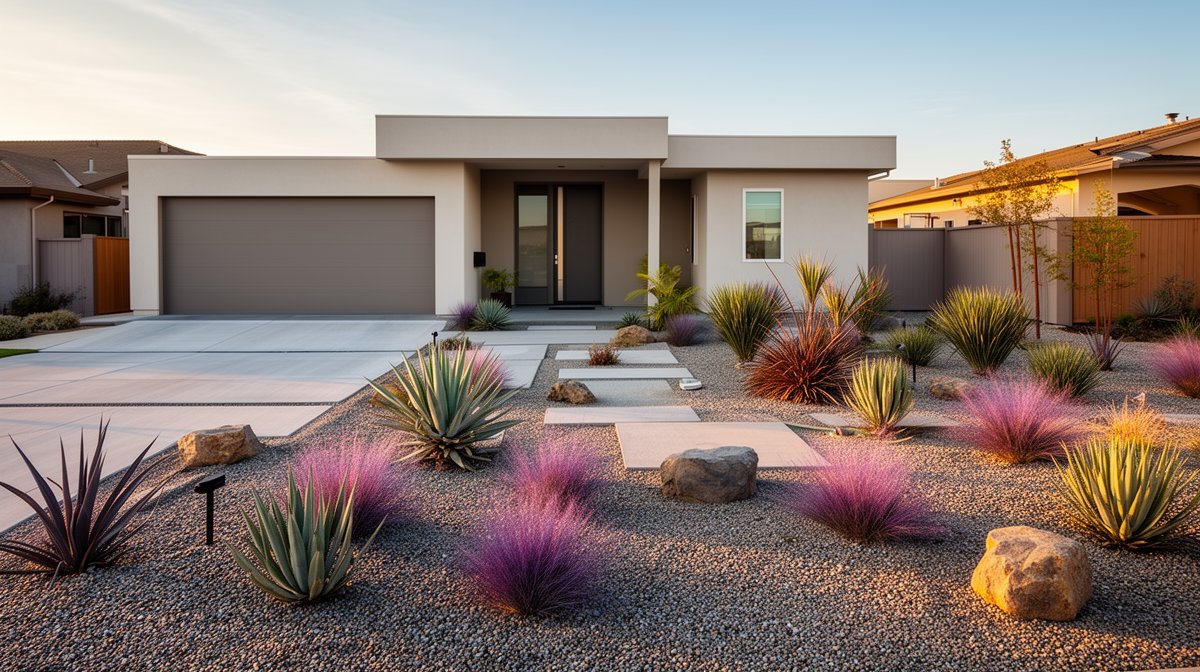
$9–18/sqftA two-story stucco house with a tile roof loses its lawn to a field of decomposed granite, with a staggered row of 24-inch concrete pavers leading to the door. Masses of deer grass sit in two rectangular beds either side of the walk, with a single multi-trunk crape myrtle at the left corner where the afternoon sun hits the facade. Corten steel edging draws a hard line between the gravel and the driveway.
Try this on your yard: The Gravel Grass Front YardAI-generated image
The Sculptural Agave Courtyard
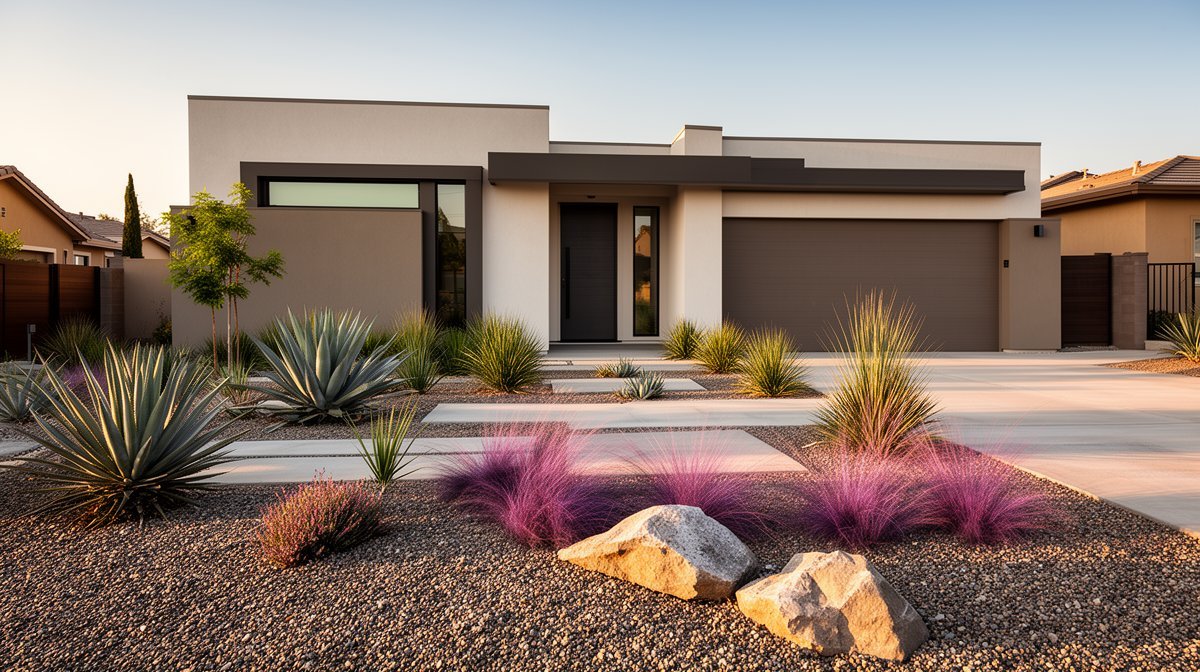
$18–36/sqftA single-story ranch house gets a walled front courtyard in board-formed concrete, a pale gravel floor and a row of Agave parryi var. truncata set at even spacing along the base of the wall. A fruitless olive stands off-center to throw morning shade on the entry, and a slim LED strip washes the wall at night. The planting is sparse on purpose, so each plant reads as an object.
Try this on your yard: The Sculptural Agave CourtyardAI-generated image
The Pool Deck and Grass Backyard
$24–48/sqftA rectangular backyard with a plunge pool has a wide porcelain-tile deck on one side and a long bed of ornamental grasses on the other. A fruitless Chinese pistache trained as a single-trunk canopy shades the patio table from the late-afternoon sun, which in July can push the west fence past 110°F in surface temperature. Black steel fencing and a few boulders replace the old redwood fence and the turf.
Try this on your yard: The Pool Deck and Grass BackyardAI-generated image
The Old Town Bungalow Modern
$14–30/sqftA 1920s bungalow keeps its porch and gets a restrained planting: two low rectangular beds of lamb's ear and sedge on either side of a poured-in-place concrete walk, with a single specimen of Cercis occidentalis in the corner. Steel edging and a slim linear planter frame the porch. The result stays quiet enough that the old house reads clearly and the garden still looks current.
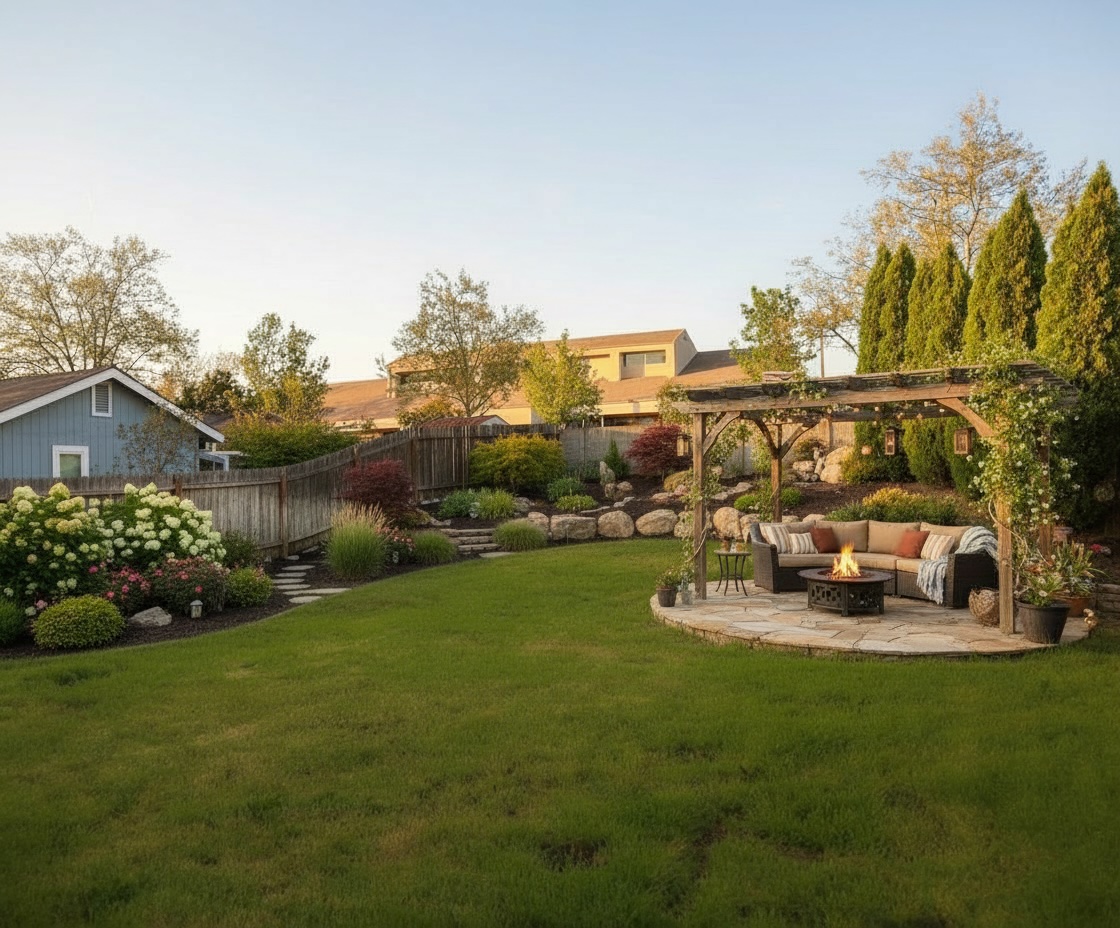
Try this on your yard: The Old Town Bungalow ModernSee how a modern/minimalist garden looks on YOUR property
Upload a photo of your Clovis yard and visualize your dream garden in seconds.
Try ProScapeAI Free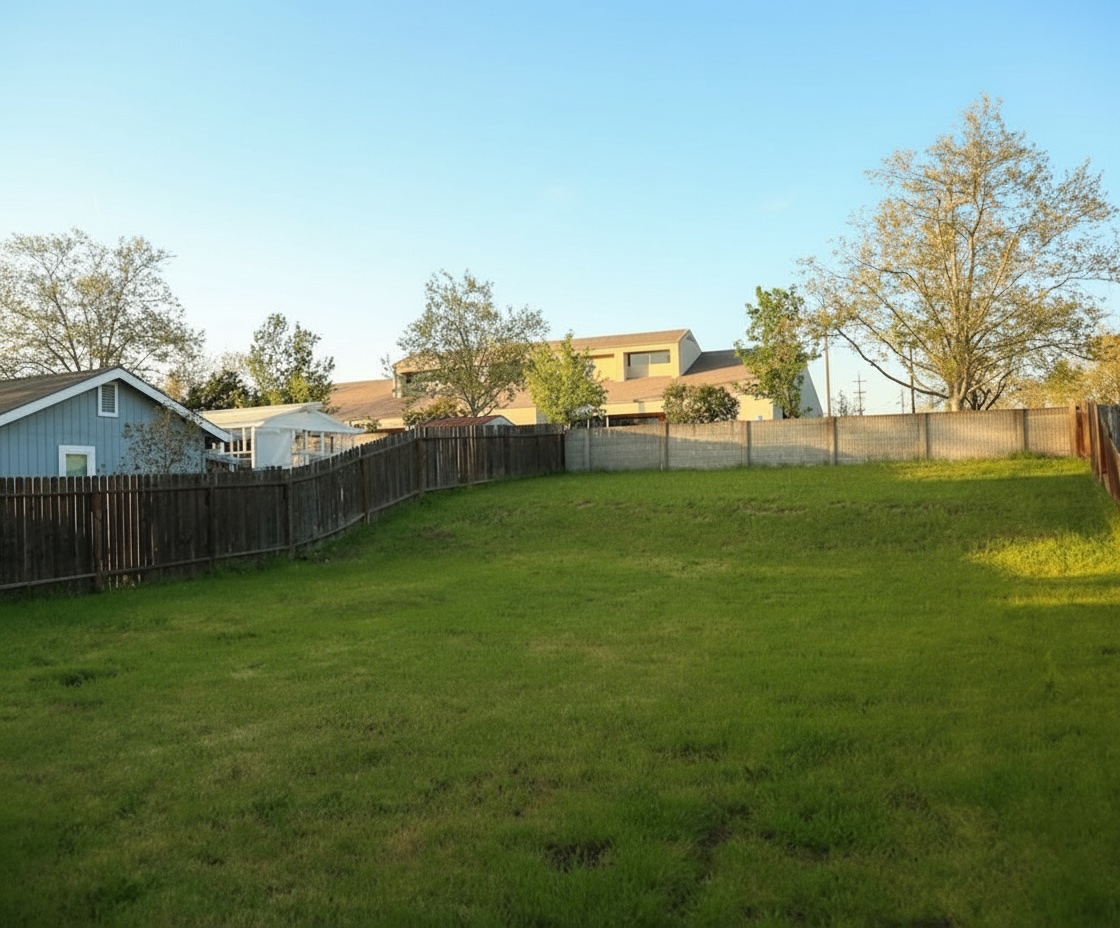
AI-generated image
Featured Trees & Shrubs for Modern/Minimalist Gardens
Browse all 160 plants for Clovis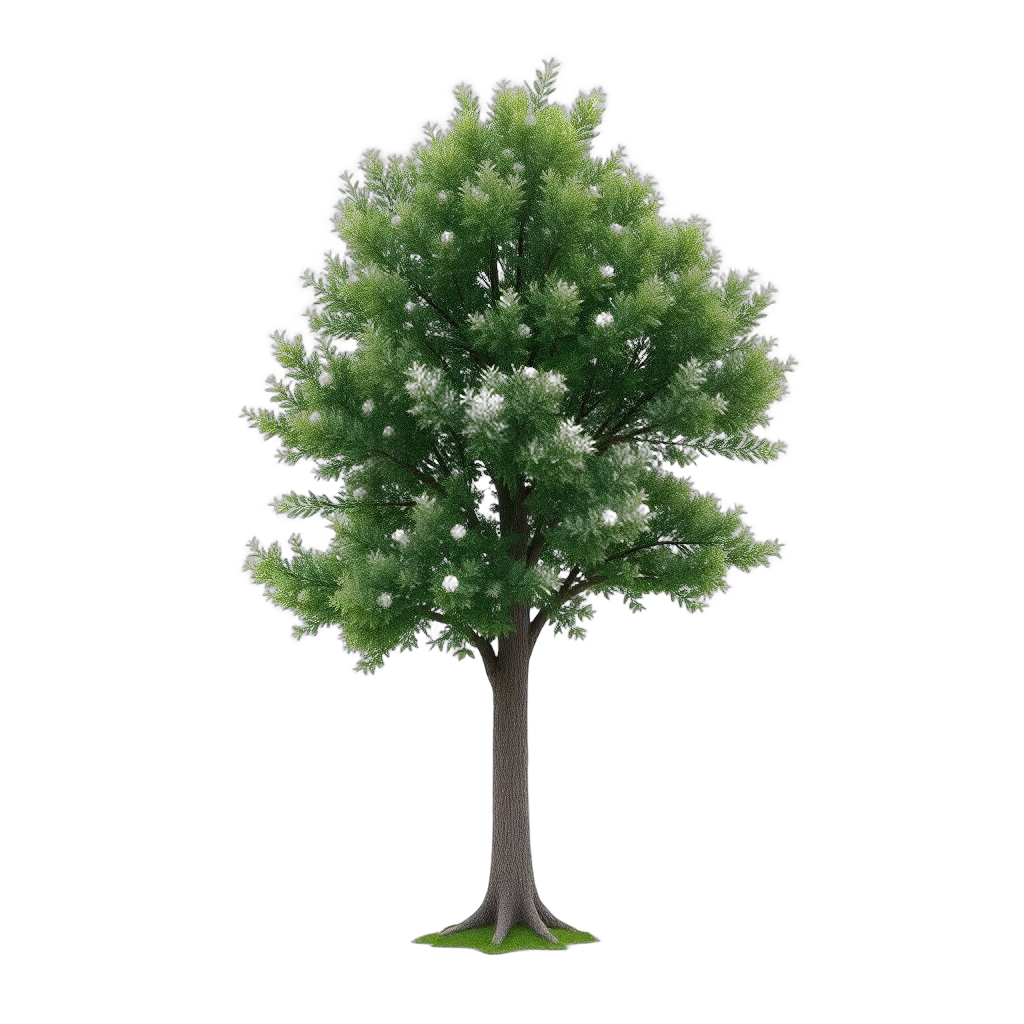
Blue Oak
Quercus douglasii
large shade tree reaching 50+ feet, blooms in spring. Yellow fall color.
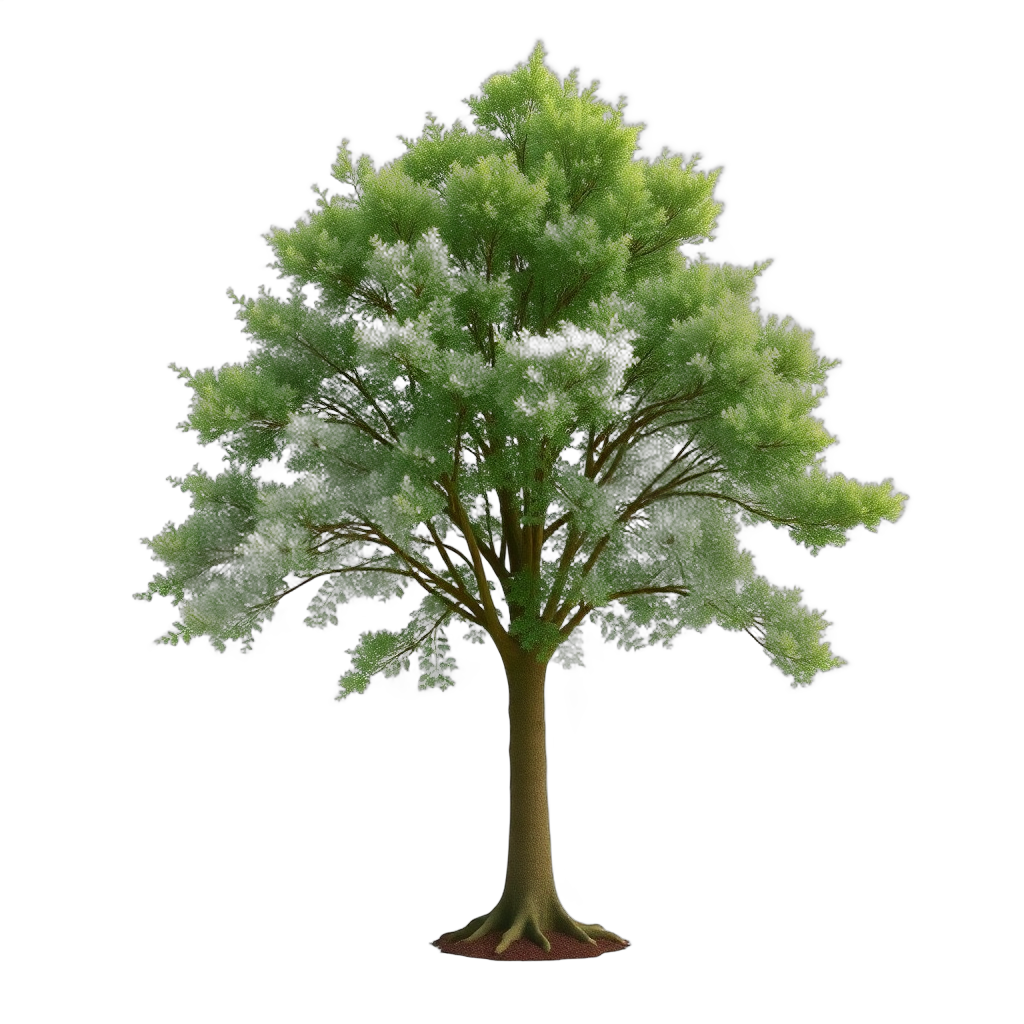
Fremont Cottonwood
Populus fremontii
large shade tree reaching 50+ feet, yellow blooms in spring. Yellow fall color.
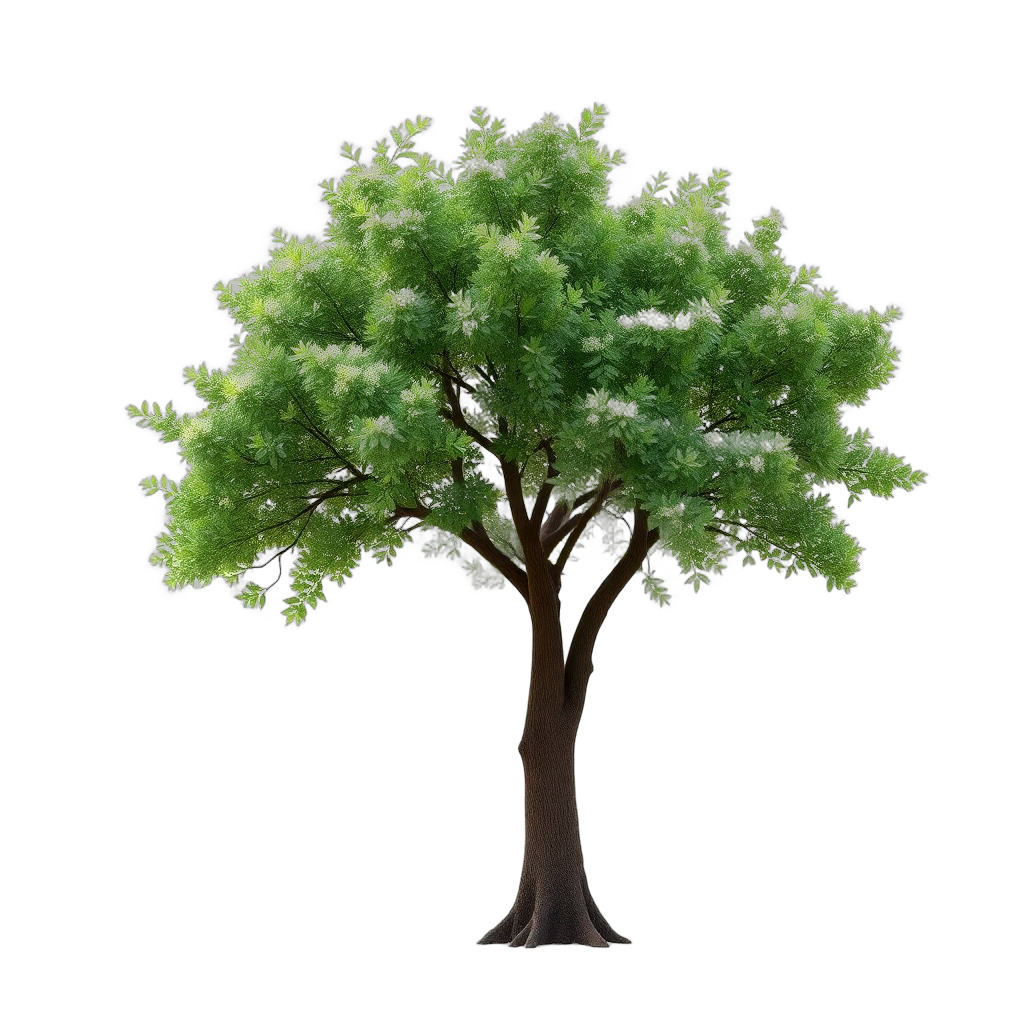
Valley Oak
Quercus lobata
large shade tree reaching 80+ feet, blooms in spring. Yellow fall color.
Featured Grasses & Groundcovers for Modern/Minimalist Gardens
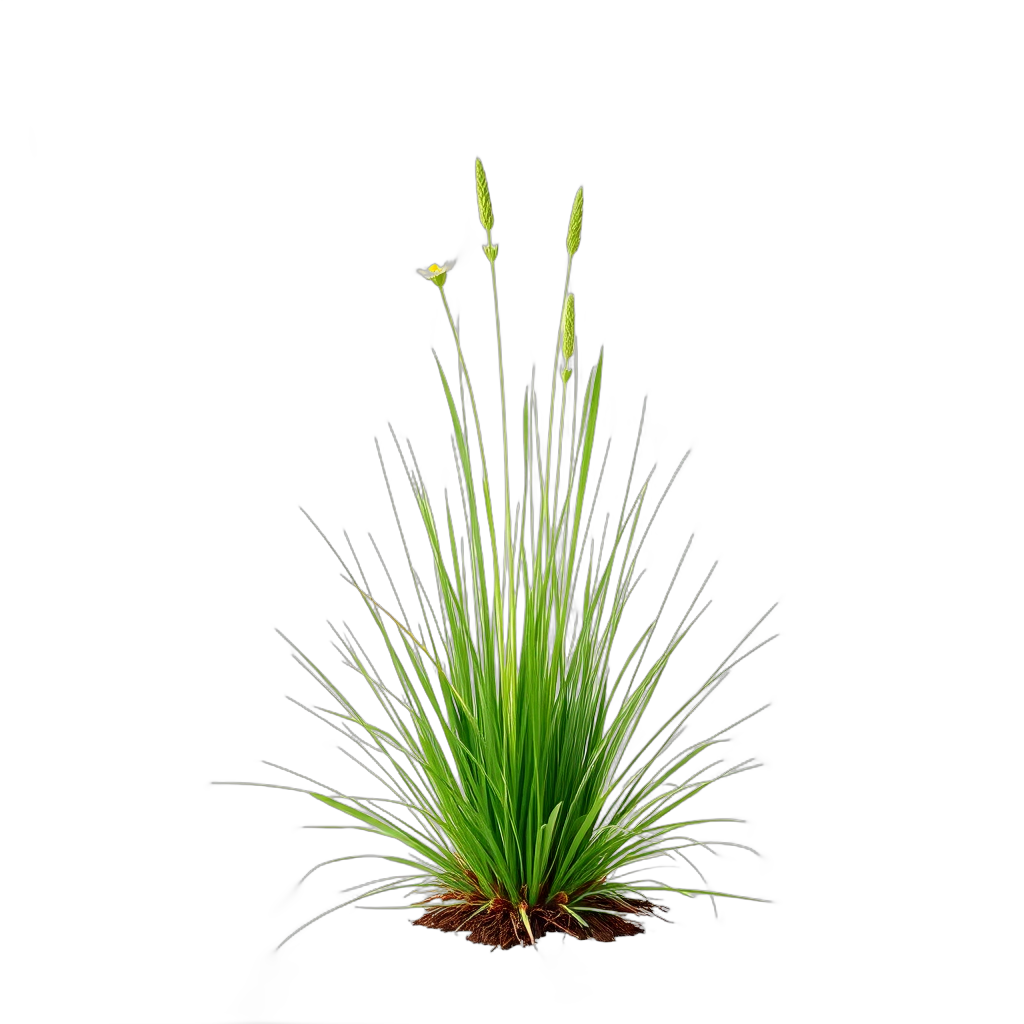
California Brome
Bromus carinatus
low-growing ground cover, blooms in spring. Yellow fall color.
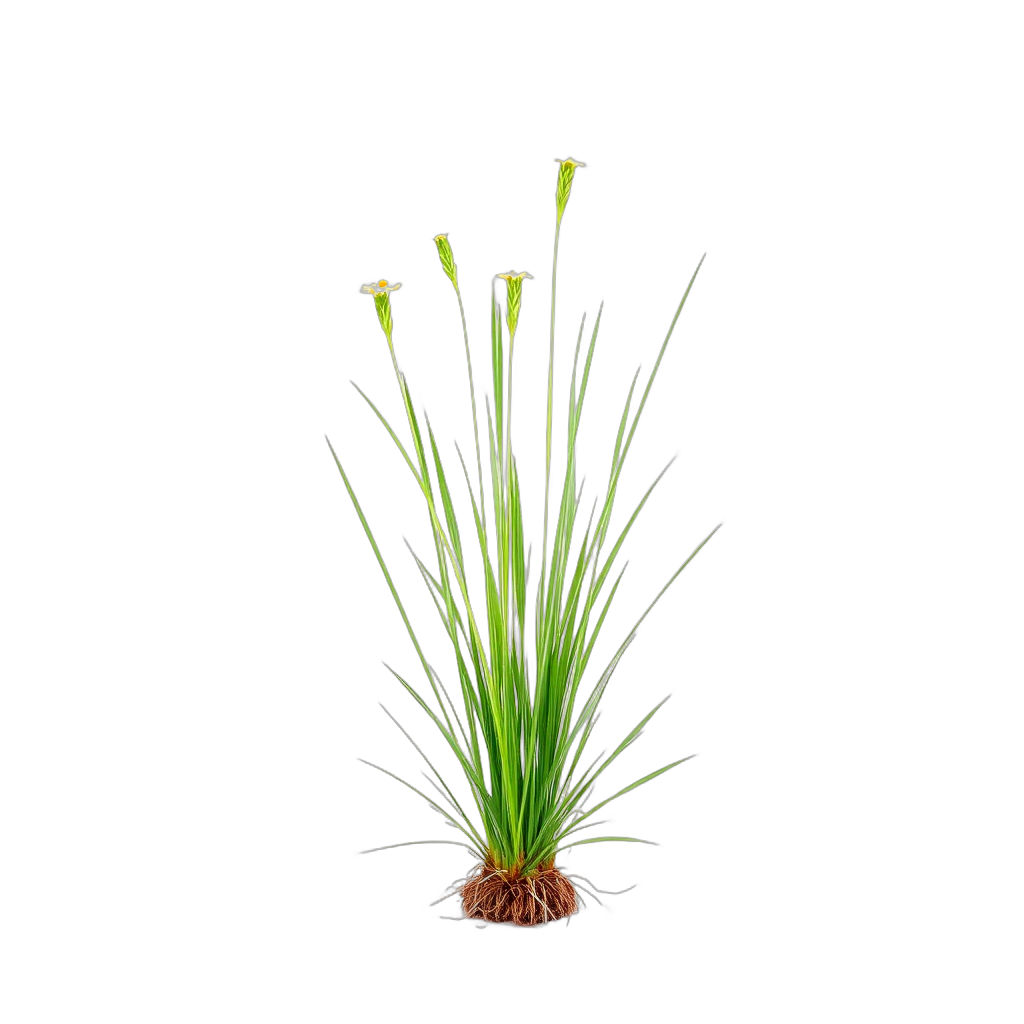
California Melic
Melica californica
low-growing ground cover, blooms in spring.
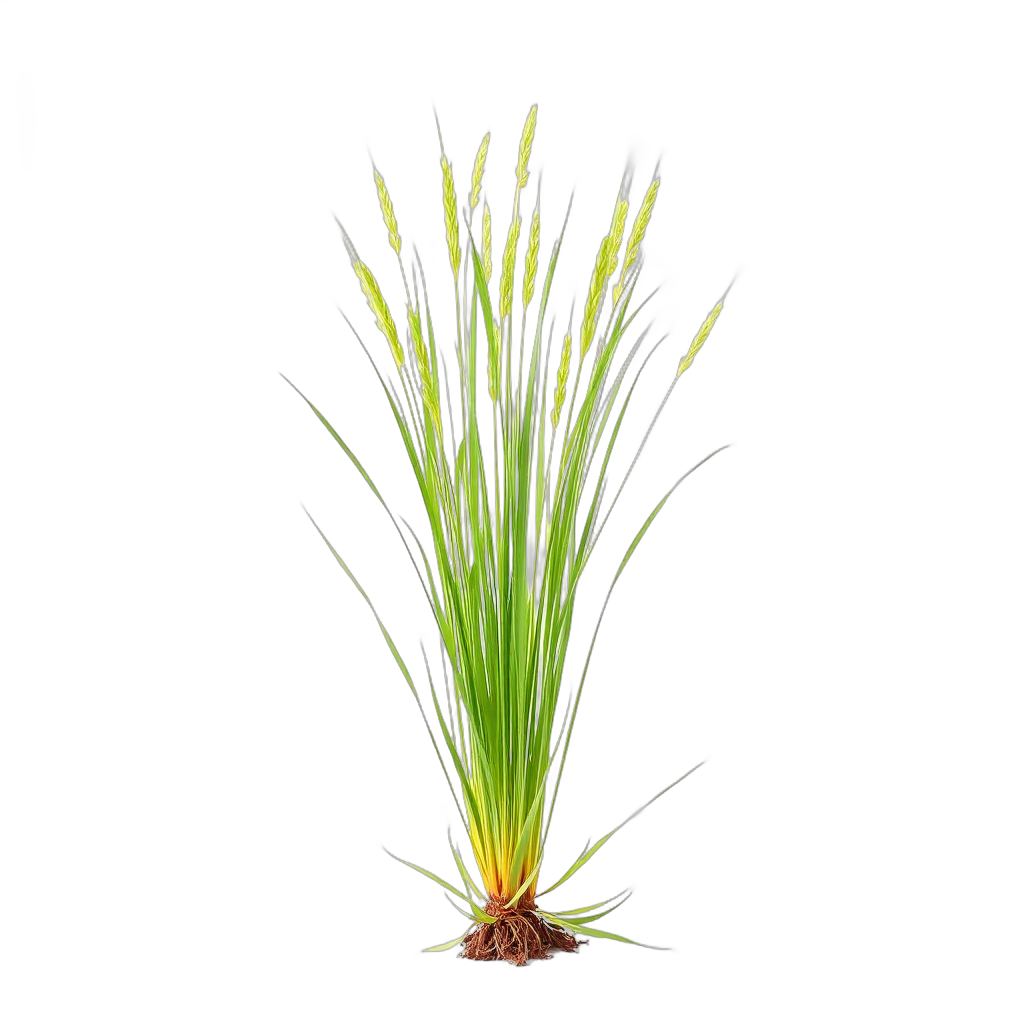
California Oatgrass
Danthonia californica
low-growing ground cover, blooms in spring. Yellow fall color.
Featured Flowers & Perennials for Modern/Minimalist Gardens
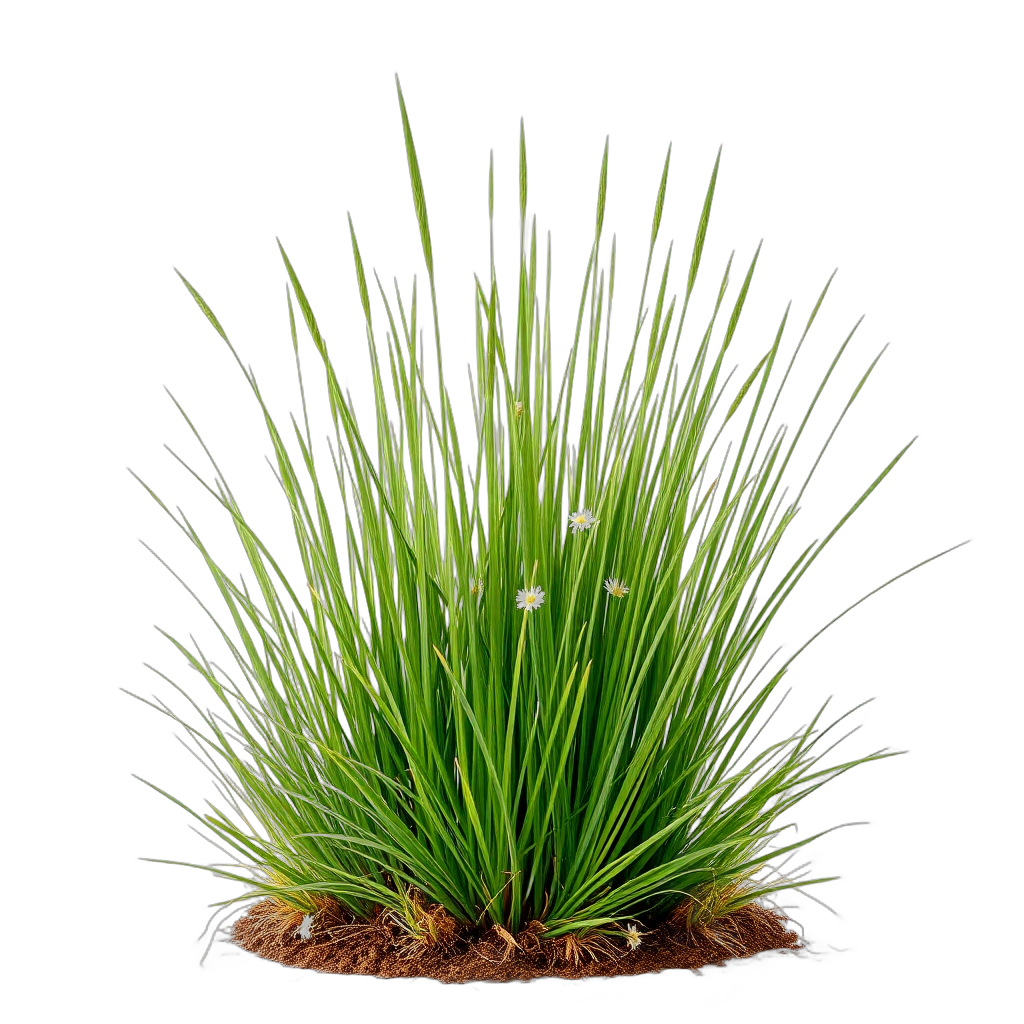
Baltic Rush
Juncus balticus
low-growing ground cover, blooms in summer. Evergreen year-round.
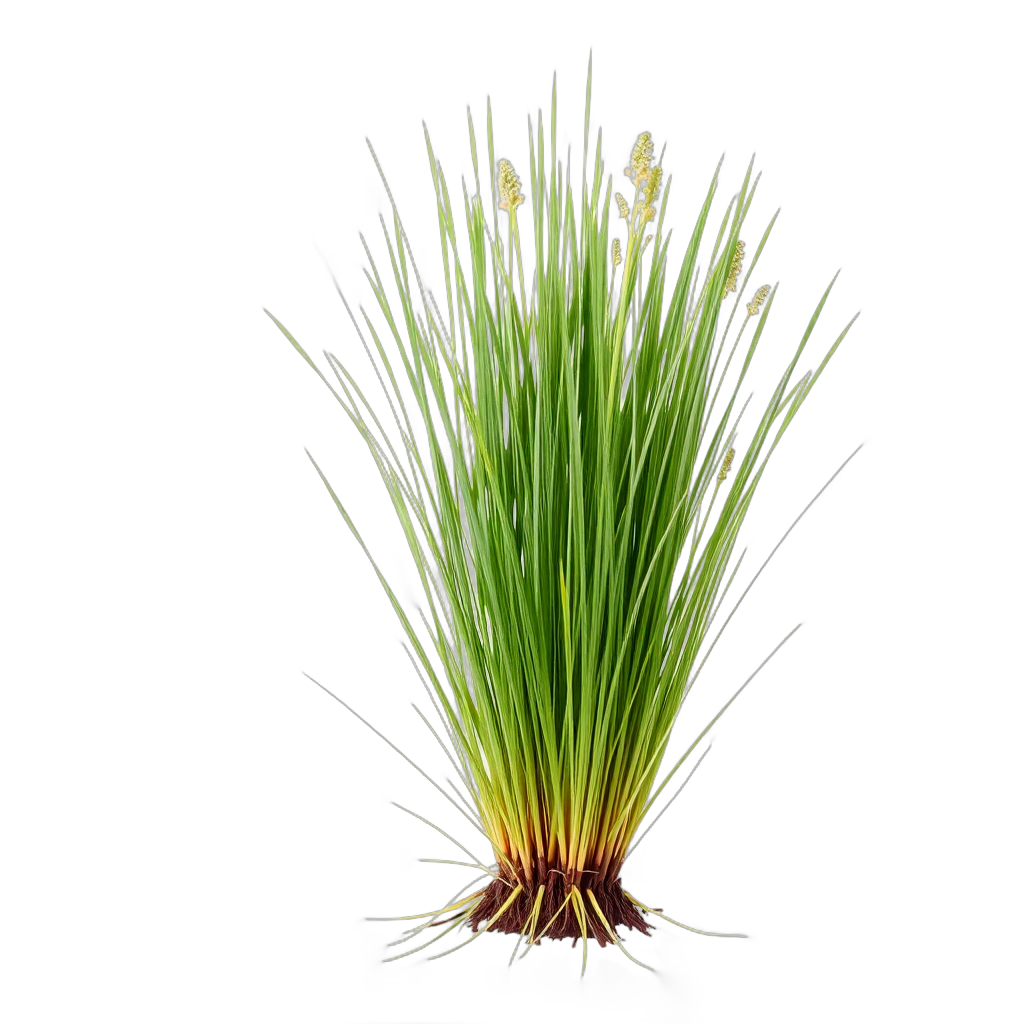
California Gray Rush
Juncus patens
low-growing ground cover, blooms in summer. Evergreen year-round.
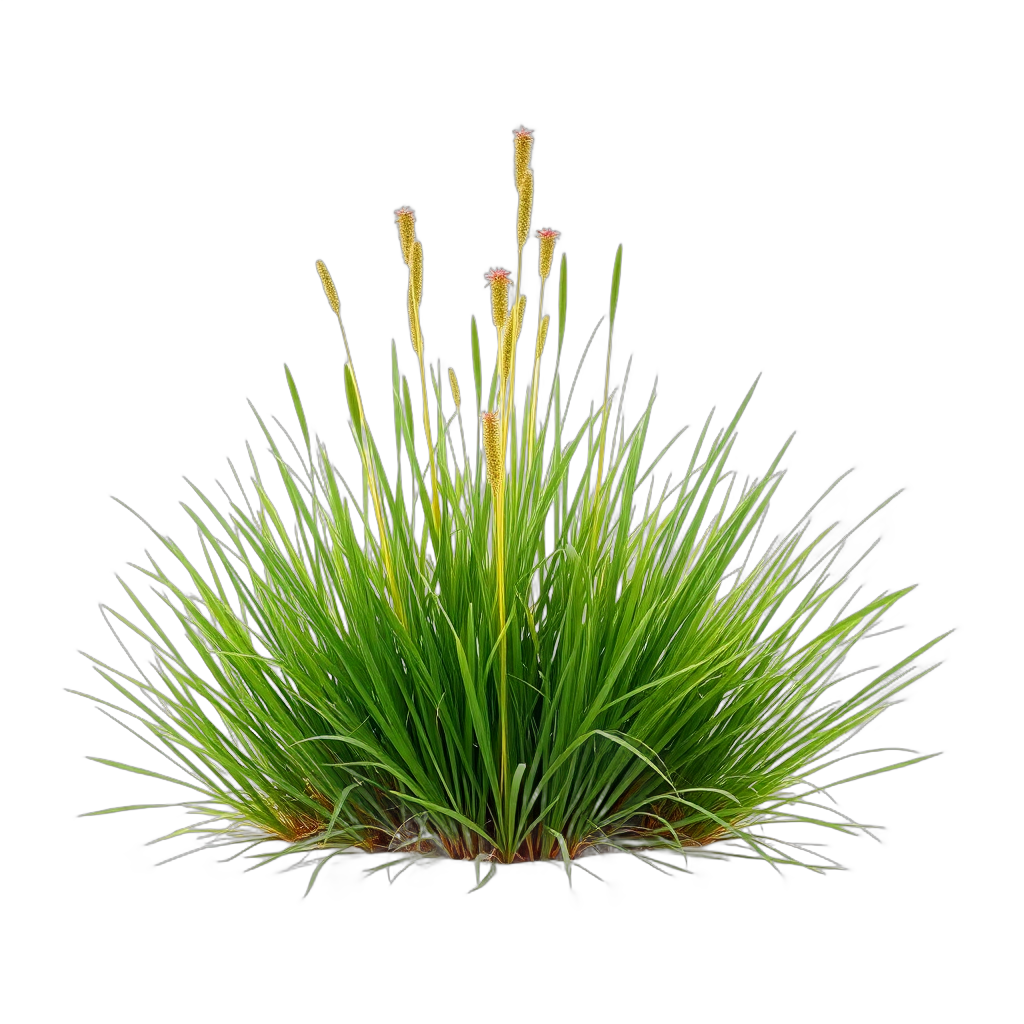
Clustered Field Sedge
Carex praegracilis
low-growing ground cover, blooms in spring.
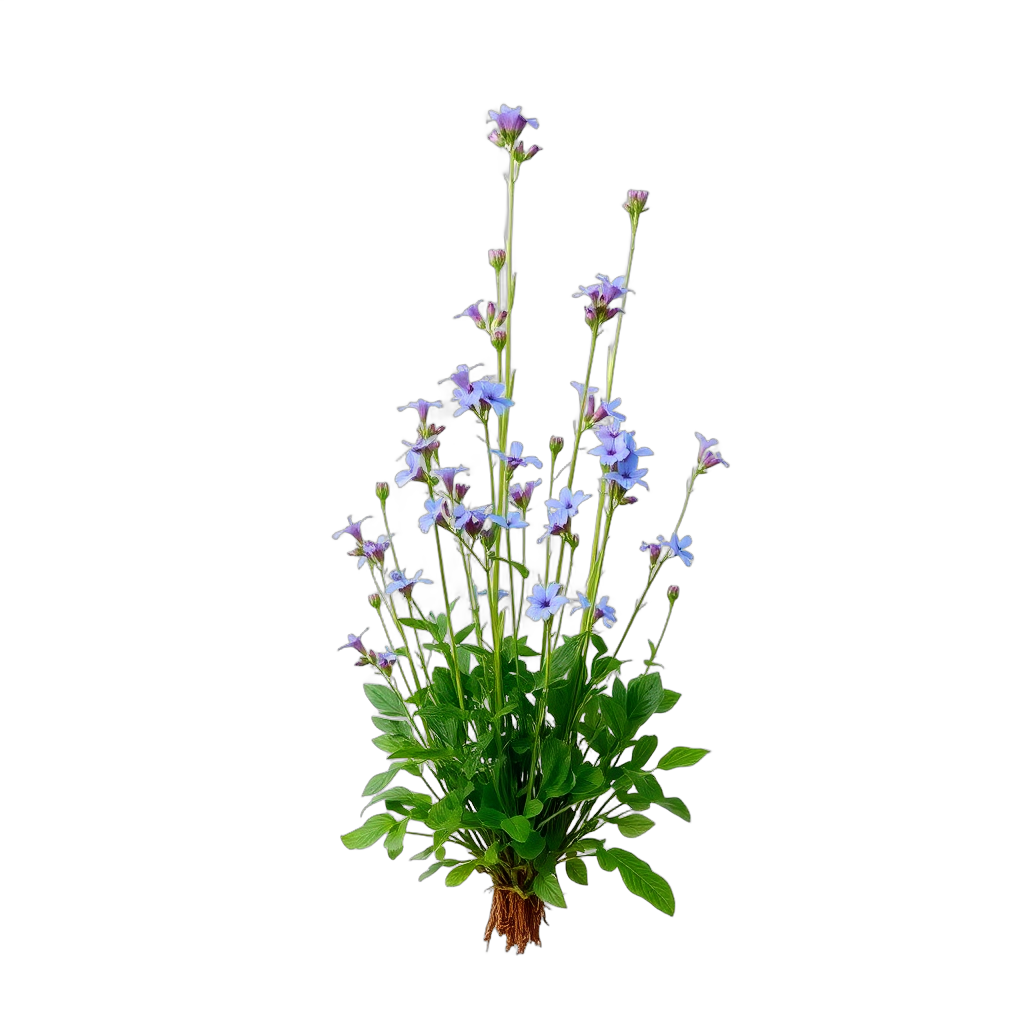
Blue Dicks
Dichelostemma capitatum
low-growing ground cover, blue blooms in spring. Pollinator-friendly.
Zone and sun checks come from our database — confirm with your local nursery before you buy.
Bloom Calendar for Clovis
spring
Clustered Field Sedge, Blue Dicks, Blue-Eyed Grasssummer
Baltic Rush, California Gray Rush, Papyrusfall
Limited bloomswinter
Limited bloomsDesign Tips for Clovis (Zone 9b)
- Choose Pistacia chinensis 'Keith Davey' or Lagerstroemia 'Natchez' on the west side of the house: with July highs near 98°F and dozens of 100°F days, shade on the south and west walls cuts indoor cooling load more than any other single change
- Mulch with 3 inches of decomposed granite or fine gravel instead of bark: it keeps roots cooler and gives the clean, flat surface a modern layout needs, while bark floats and thins in a heavy February storm
- Run drip on a smart controller set to the City's seasonal watering days, and flush the lines each spring because mineral-rich valley water scales emitters
- Dig a test hole and fill it with water before you design beds: hardpan on the north and east sides of Clovis can hold water around crowns, and agave and Salvia clevelandii 'Winnifred Gilman' rot in a wet winter
- Cut Muhlenbergia rigens to 6 inches in late February before new growth starts, and Festuca mairei only needs a comb-out rather than a shear
- Wrap tender plants such as Agave attenuata with frost cloth on the few nights that drop into the mid-20s°F, and plant Agave parryi var. truncata where hardiness matters
- Walk the Clovis Botanical Garden home demonstration beds at 945 N Clovis Ave before you buy: it is the fastest way to see how Muhlenbergia, Cercis and Salvia mature in local soil
Where to Source Plants in Clovis
Skip the big-box stores. These independent Clovis nurseries specialize in the plants that make modern/minimalist gardens thrive in Zone 9b.
Evergreen Garden Center
Clovis (Alluvial Ave)
Independent nursery with trees, shrubs, roses, perennials, succulents and pottery, and a newer line of drought-tolerant plants
Green Hills Nursery
Fresno (N Armstrong Ave), a short drive from Clovis
Seven-acre retail nursery with trees, shrubs, grasses, succulents, Japanese maples, bulk materials, irrigation supplies and plant diagnosis
Modern/Minimalist Landscaping Cost Ranges
| Project Scope | Estimated Cost |
|---|---|
| Concrete patio, broom finish (200 sqft) | $2,100–$2,500 |
| Low-voltage landscape lighting (6 fixtures) | $1,200–$2,000 |
| Composite decking boards, surface only on existing framing (200 sqft) | $4,700–$5,800 |
| Drip irrigation system (500 sqft of planted area) | $1,200–$2,200 |
| AI visualization (ProScapeAI) | Free to start |
National average installed ranges for 2026 from our landscaping price list (Homewyse and other published sources). Prices in Clovis, CA vary with site, materials and contractor, so get two or three local quotes.
Clovis Climate & Growing Zone
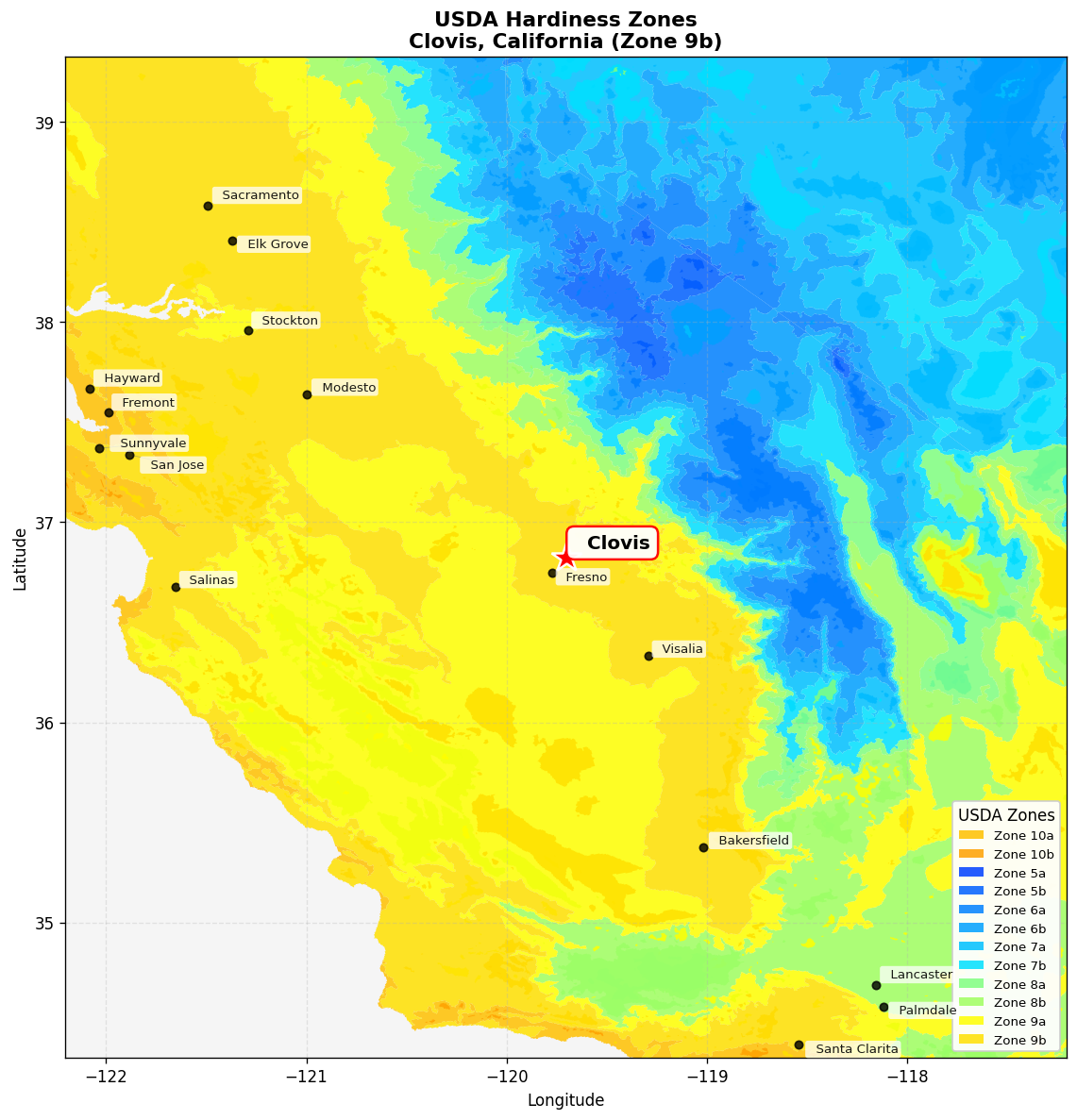
USDA Zone 9b
Hardiness zone for Clovis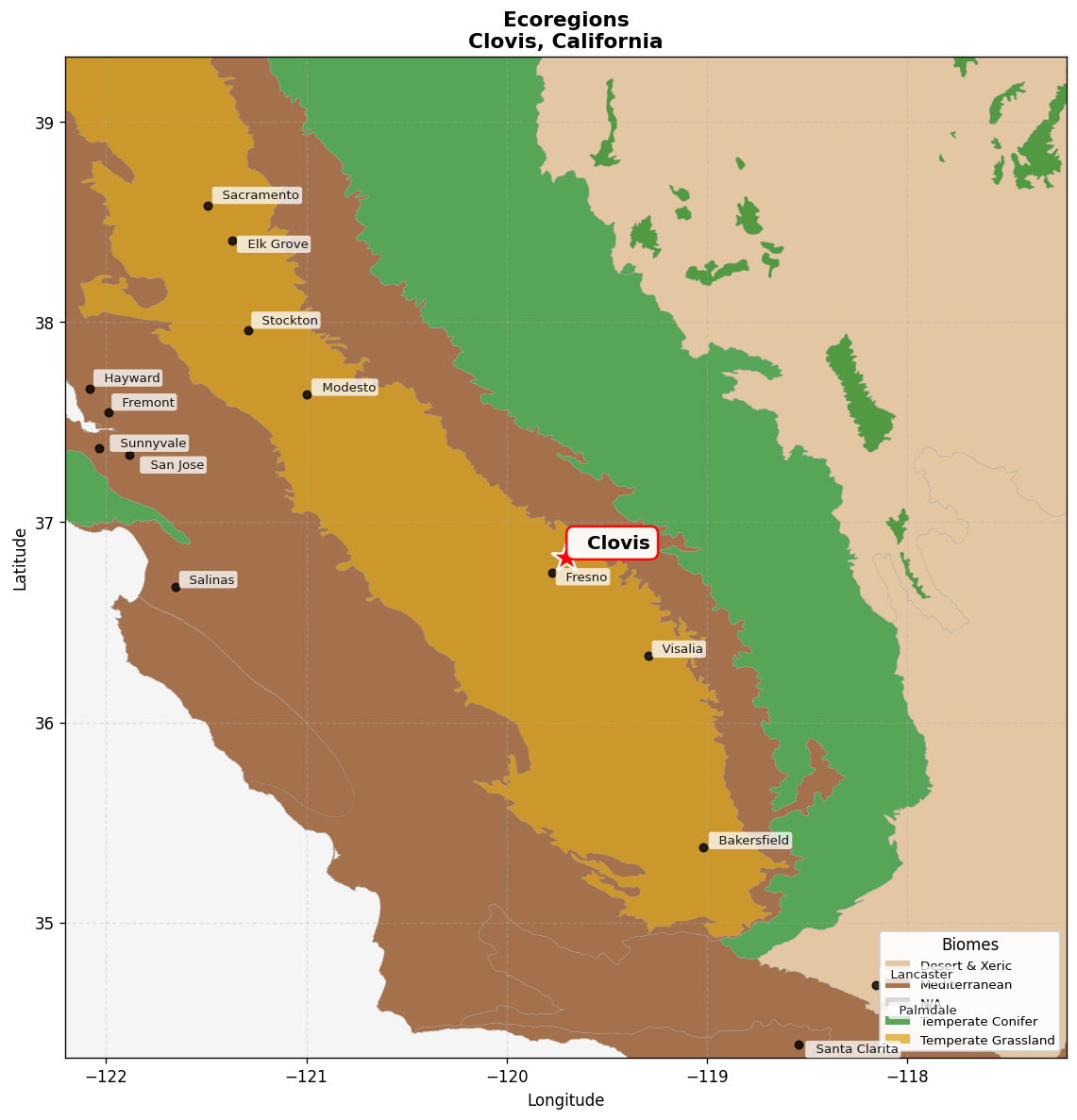
California Central Valley grasslands
Native ecoregionFrequently Asked Questions
How much does a modern landscape cost in Clovis, CA?
Central Valley labor generally runs below Bay Area and Southern California rates, though costs vary by contractor and site access.
Is a modern garden low maintenance in Clovis's climate?
Yes, once the plants root in, but expect an establishment year of regular watering. Deer grass (Muhlenbergia rigens) needs a hard cutback to 6 inches in February, agave needs only an occasional pup removal, and gravel mulch needs a leaf blower and some weed control. Drip lines should be flushed each spring because the valley's hard, mineral-rich water leaves scale in emitters. A summer weekly inspection saves plants during a 105°F heat wave.
What is the best time to plant in Clovis?
Plant from mid-October through early December and again from February through March. The soil is still warm in fall, winter rain does much of the watering, and roots establish before the 100°F days arrive. Frost is rare after late February and rarely shows before late November. Avoid planting in July and August unless you accept daily watering and shade cloth. Cold-sensitive plants such as Agave attenuata should wait until March.
Do I need a permit or HOA approval for a landscape redesign in Clovis?
A planting-only change typically does not need a city permit, but walls over a certain height, retaining walls, pool work, electrical wiring and new structures usually do. Many Clovis neighborhoods have HOAs with front-yard standards, so submit your plan to the association before you remove turf. Ask the City of Clovis planning and building divisions what applies to your lot and confirm setbacks before you commit to a fence or courtyard wall.
What plants survive Clovis summers and winter frost?
Choose plants rated to Zone 9 or colder and proven in 105°F heat. Muhlenbergia rigens, Salvia clevelandii 'Winnifred Gilman', Leucophyllum frutescens 'Green Cloud', Olea europaea 'Wilsonii' and Agave parryi var. truncata handle both. Plants that scorch include Japanese maple, Phormium and most hydrangea. Frost-tender succulents such as Agave attenuata and Aeonium arboreum need cloth cover on the few nights that fall near the 20s°F.
How do I handle the hardpan and alkaline water in Clovis?
Many north and east Clovis lots have a cemented hardpan layer a foot or two down. Dig a test hole, fill it with water and see if it drains within 24 hours. If it does not, break through the layer with an auger or build the bed up 8–12 inches with a sandy mix. Fertilize lightly and use chelated iron if leaves yellow in alkaline soil.
Can I keep a small lawn in a modern Clovis yard?
Yes, as a defined rectangle where children or dogs play. Choose a warm-season grass such as Cynodon dactylon 'Tifway' (hybrid bermudagrass) or a drought-tolerant Buchloe dactyloides 'UC Verde'. Keep it under 20 percent of the planted area, and irrigate only on your assigned watering days. Edge it with steel so it reads as part of the design.