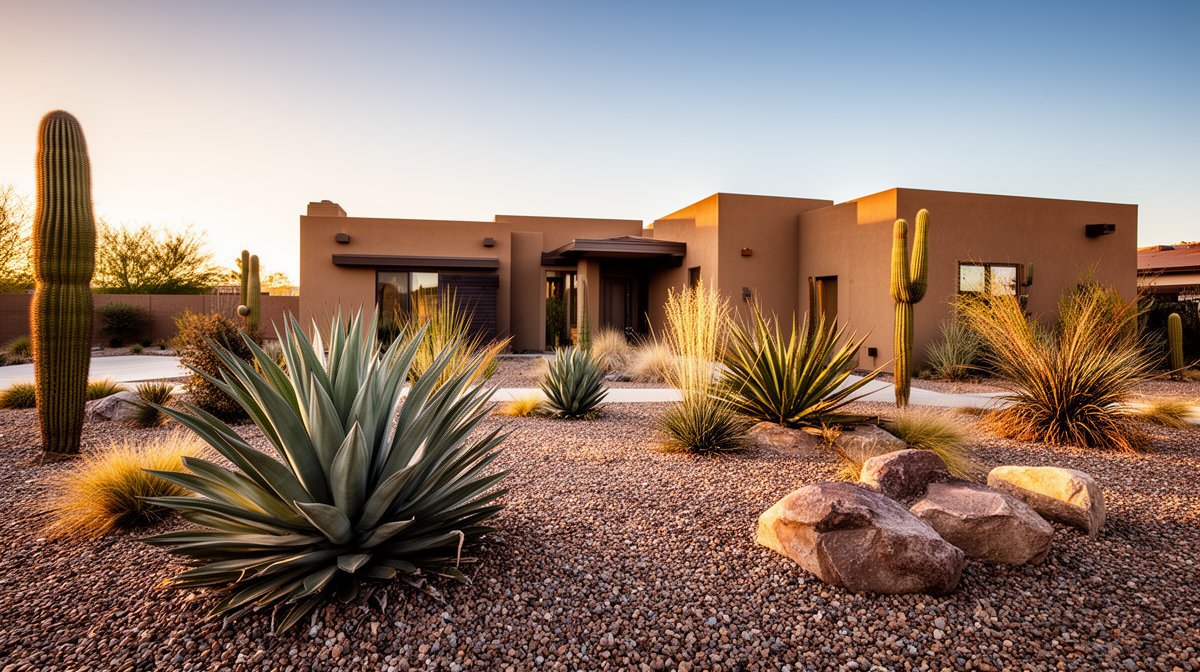
4 Desert Garden Ideas for Clovis, CA | Low-Water Designs for Zone 9b
Native plants from the California Central Valley grasslands (Zone 9b) — Cold semi-arid climate
For a desert garden in Clovis, CA, a zone 9b city with a cold semi-arid climate, start with Parkinsonia 'Desert Museum', Agave americana 'Mediomarginata' and Hesperaloe parviflora 'Brakelights', the plants this guide's first design is built on.
Why Desert/Xeriscape Gardens in Clovis?
A desert garden suits Clovis better than most people expect, and it also asks for a few adjustments that Arizona gardens never need. The valley gets only about 11 inches of rain a year, nearly all of it from November to April, and the July average high is close to 98°F with dozens of days at 100°F or more. That is a real dry-summer climate (Köppen BSk), so cacti, agaves and desert shrubs have the heat and drought they want. The yards that work best here are the stucco tract homes of Loma Vista and Harlan Ranch, the ranch houses around Dry Creek Park, and the larger lots on the north side where a gravel front yard replaces a thirsty lawn.
The catch is winter. Clovis is Zone 9b: the December average low is about 40°F, and Fresno-area records include nights as low as 18°F. Tule fog can hang over the valley for days, and winter rain falls on cold, sometimes poorly drained soil. That rules out a few desert classics. Saguaro and Agave attenuata do not belong here, Bougainvillea freezes back in the cold winters, and Mexican bird of paradise often dies to the ground in a hard freeze. Use their hardier relatives: Parkinsonia 'Desert Museum' for the green-barked tree, Agave americana 'Mediomarginata' and Agave parryi var. truncata for the rosettes, Hesperaloe parviflora 'Brakelights' for the red flower spikes and Opuntia engelmannii for the paddle cactus.
Clovis sits on Sierra alluvium: sandy loam in the west and south, heavier soil and a cemented hardpan layer in places toward the north and east, with a neutral to mildly alkaline reaction around pH 6.5–8. Desert plants like that pH but hate sitting in water through a cold winter. Mound planting beds 8–12 inches above grade, mix in 30 percent coarse pumice or decomposed granite, and break through any hardpan before planting a tree. A 3-inch gravel mulch finishes the job and keeps the stems dry.
The City of Clovis sets outdoor watering days by season and address, and it adjusts that schedule twice a year, so a well-planned desert garden on drip will sit comfortably inside it. Check the current schedule and any turf-removal incentive with Clovis Public Utilities before you pull out a lawn; the state rebate, where it applies, pays for living turf only. The Clovis Botanical Garden at 945 N Clovis Avenue has a cactus garden, a Mediterranean garden and a home demonstration garden, which shows what each plant looks like after three summers. Confirm HOA design review and any City permit needs for walls or structures before you build.
4 Desert/Xeriscape Design Ideas for Clovis
AI-generated image
The Palo Verde Gravel Front Yard
$8–17/sqftA stucco two-story with a tile roof swaps its lawn for a bed of warm-tan decomposed granite crossed by a curving flagstone path. A single multi-trunk Desert Museum palo verde stands at the left corner, its green bark and yellow spring flowers set against the facade. Three Agave americana 'Mediomarginata' and a drift of red yucca fill the center, with low rock edging from the driveway.
Try this on your yard: The Palo Verde Gravel Front YardAI-generated image
The Cactus and Boulder Ranch Garden
$12–26/sqftA 1970s ranch house on a wide lot gets a front yard of three large granite boulders, a path of crushed stone and a bank of spiny plants set in groups of three. Golden barrel cactus (Echinocactus grusonii) and blue-gray Dasylirion wheeleri sit in raised mounds, with Penstemon 'Firecracker' for spring color along the edge. The mounds keep winter rain away from the crowns, which matters more here than in Phoenix.
Try this on your yard: The Cactus and Boulder Ranch GardenAI-generated image
The Pool Deck Desert Backyard
$20–40/sqftA rectangular backyard with a pool replaces its lawn strip with a bed of Mexican beach pebbles and a pale concrete deck. A pair of Desert Museum palo verde trees shade the patio table in the late afternoon, and a long line of Yucca rostrata anchors the back fence. A wall of Opuntia ficus-indica fills the north corner and doubles as a barrier, while a bright Salvia greggii 'Furman's Red' brings hummingbirds to the pool edge.
Try this on your yard: The Pool Deck Desert BackyardAI-generated image
The Dry Wash Courtyard
$13–28/sqftA narrow side-yard or small front courtyard becomes a dry creek bed of river cobble winding between low mounds of native-looking planting. Dymondia margaretae carpets the edges, Salvia clevelandii 'Winnifred Gilman' fills the sunny pockets and a single Cercis occidentalis gives spring color. The wash doubles as a drain for roof runoff during winter storms, which suits Clovis's rain pattern.
Try this on your yard: The Dry Wash CourtyardSee how a desert/xeriscape garden looks on YOUR property
Upload a photo of your Clovis yard and visualize your dream garden in seconds.
Try ProScapeAI Free

AI-generated image
Featured Trees & Shrubs for Desert/Xeriscape Gardens
Browse all 160 plants for Clovis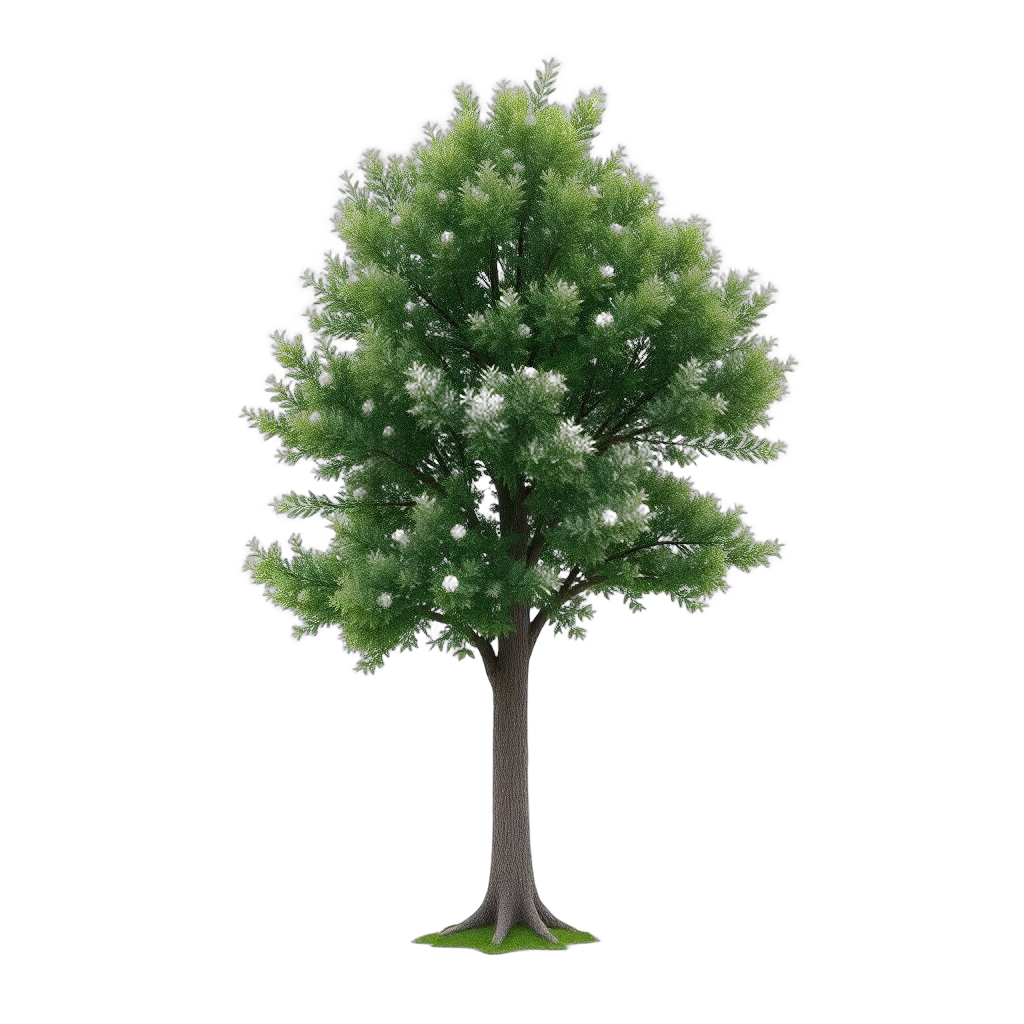
Blue Oak
Quercus douglasii
large shade tree reaching 50+ feet, blooms in spring. Yellow fall color.
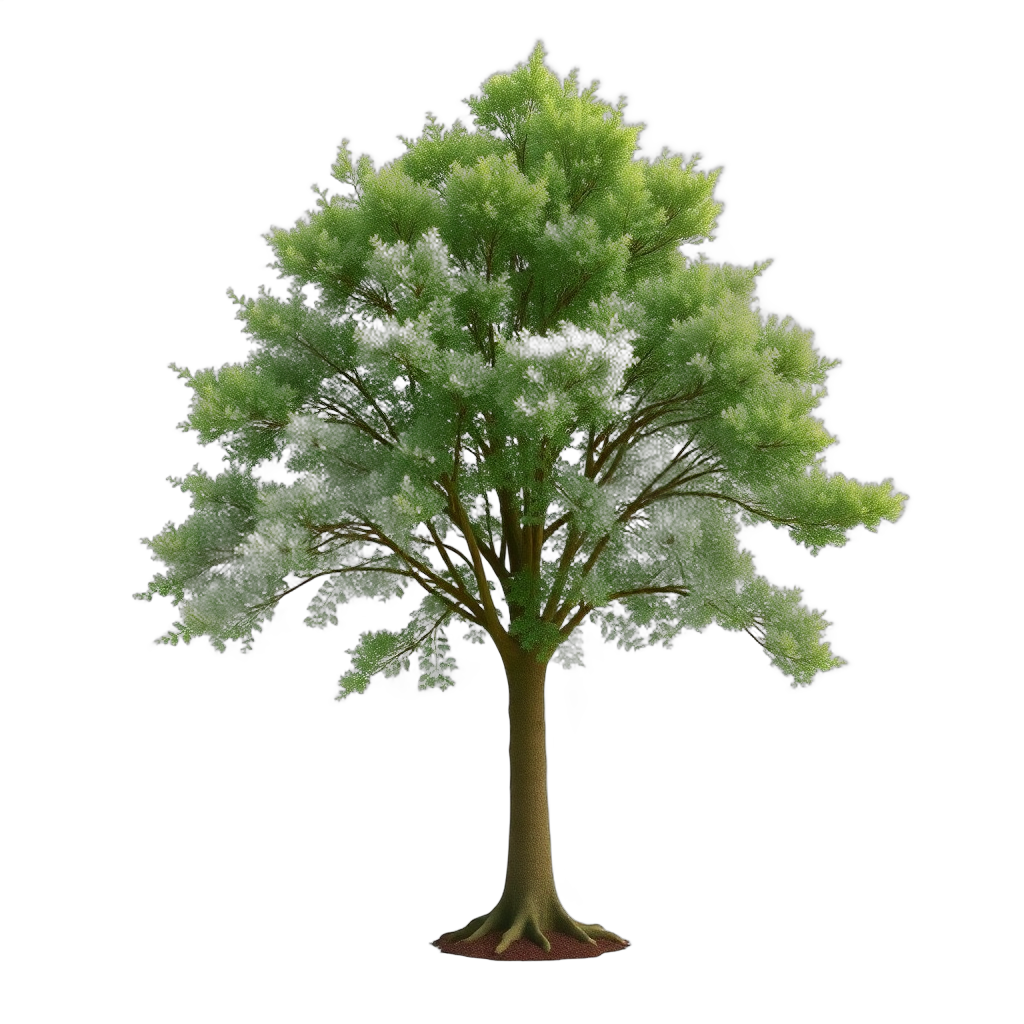
Fremont Cottonwood
Populus fremontii
large shade tree reaching 50+ feet, yellow blooms in spring. Yellow fall color.
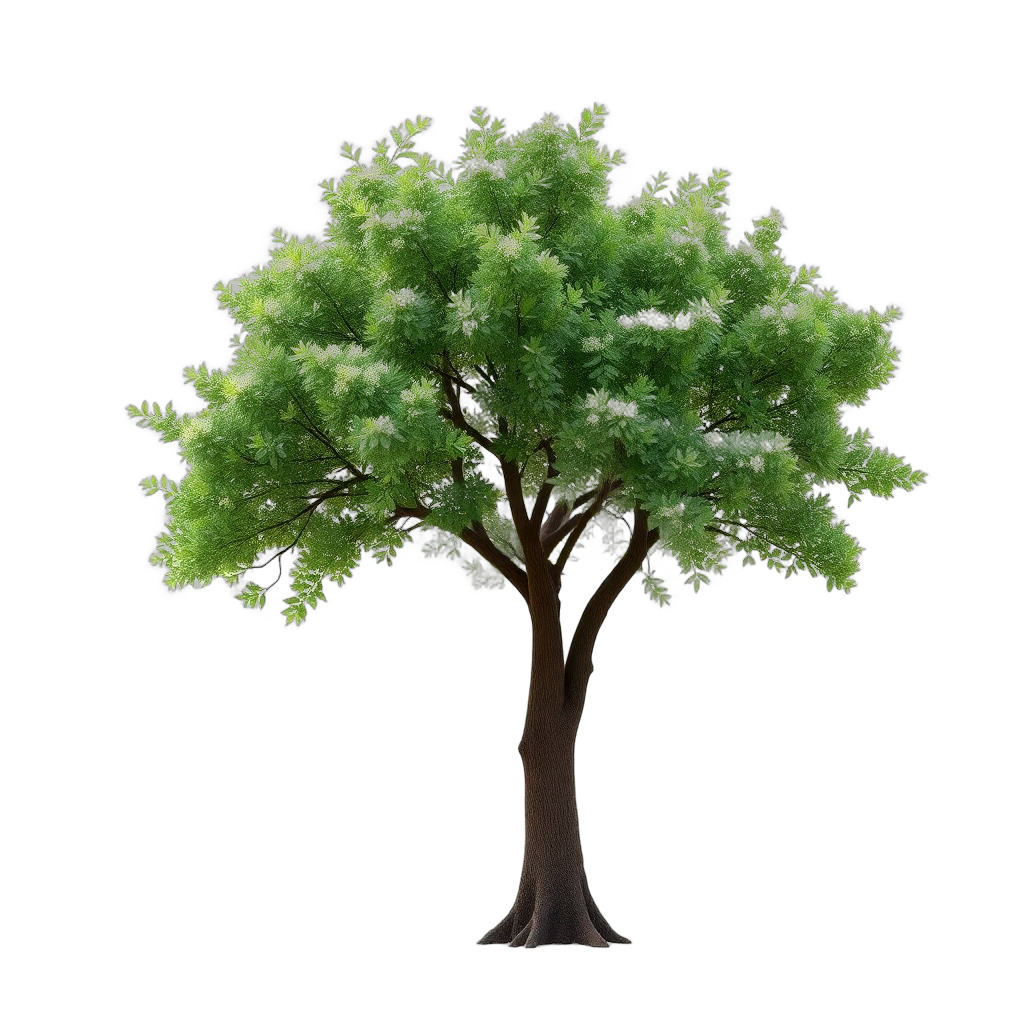
Valley Oak
Quercus lobata
large shade tree reaching 80+ feet, blooms in spring. Yellow fall color.
Featured Grasses & Groundcovers for Desert/Xeriscape Gardens
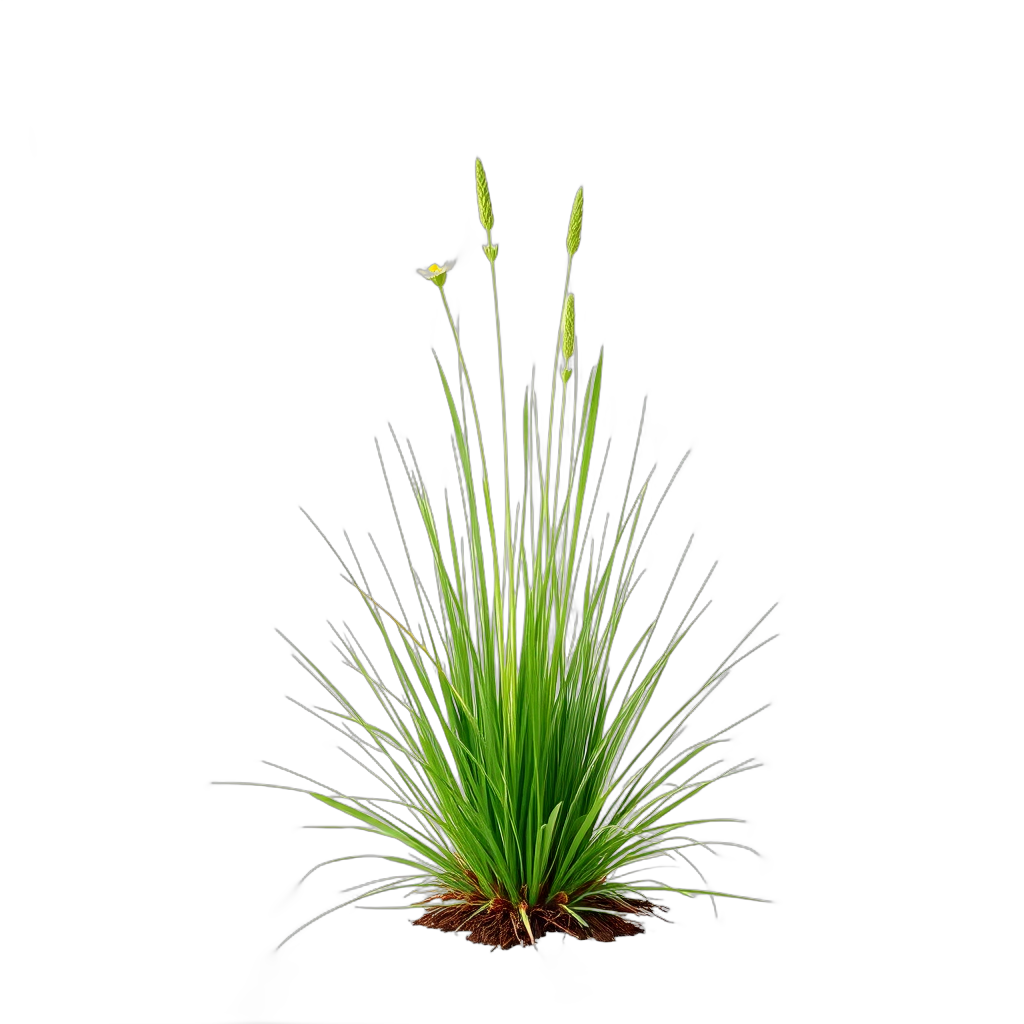
California Brome
Bromus carinatus
low-growing ground cover, blooms in spring. Yellow fall color.
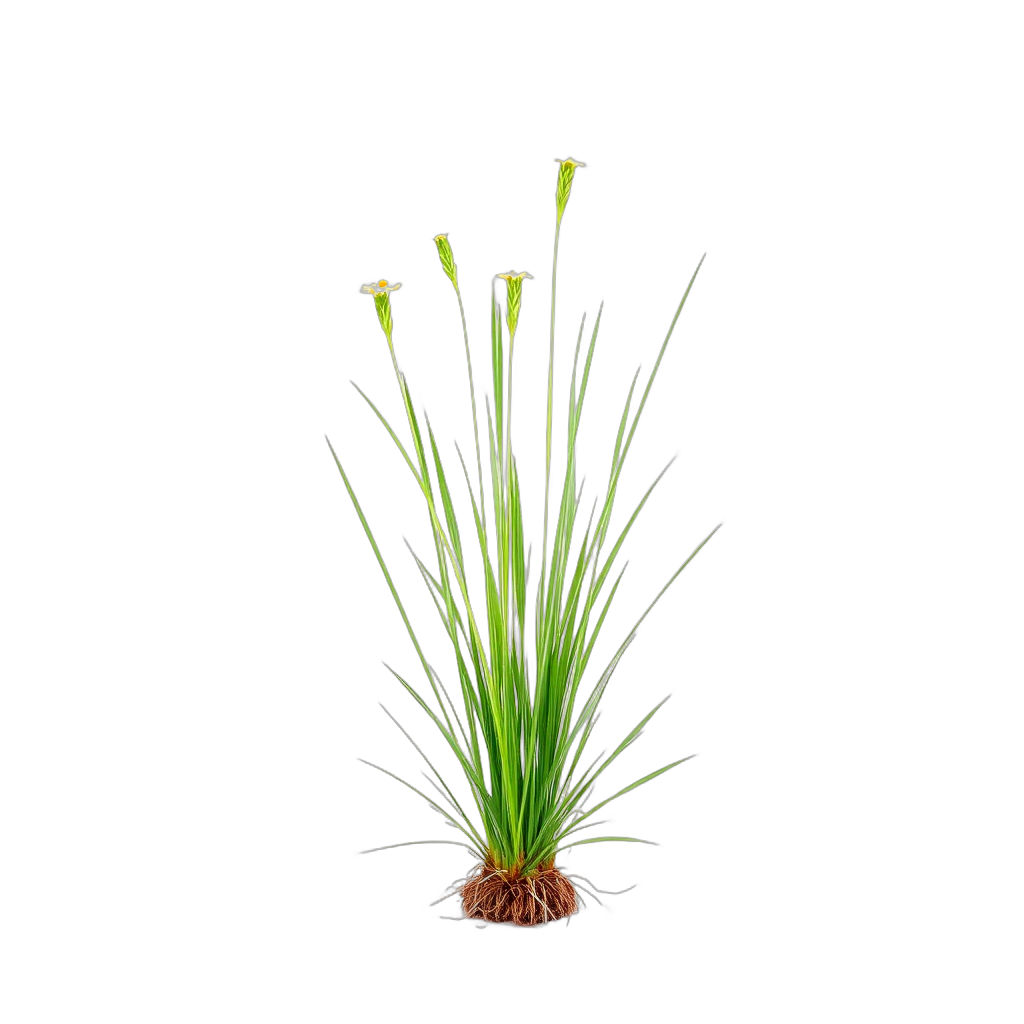
California Melic
Melica californica
low-growing ground cover, blooms in spring.
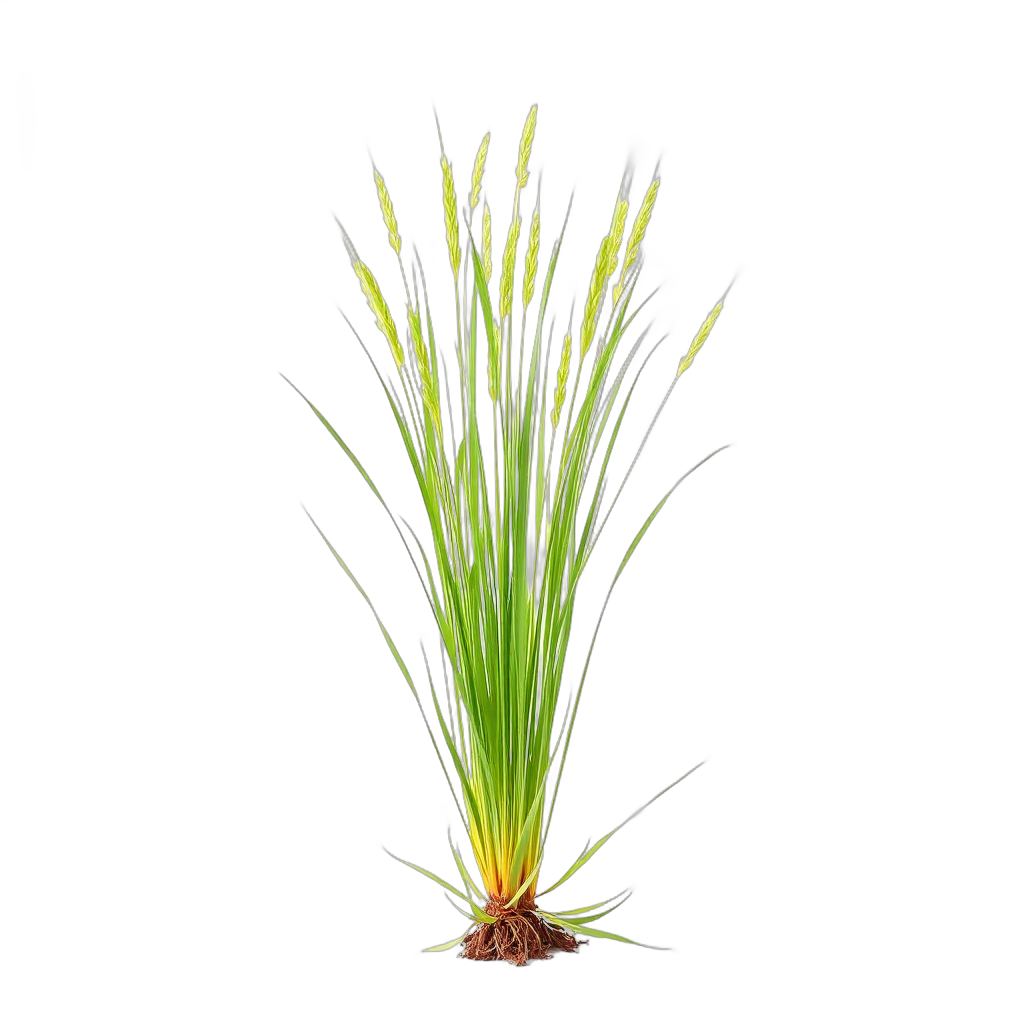
California Oatgrass
Danthonia californica
low-growing ground cover, blooms in spring. Yellow fall color.
Featured Flowers & Perennials for Desert/Xeriscape Gardens
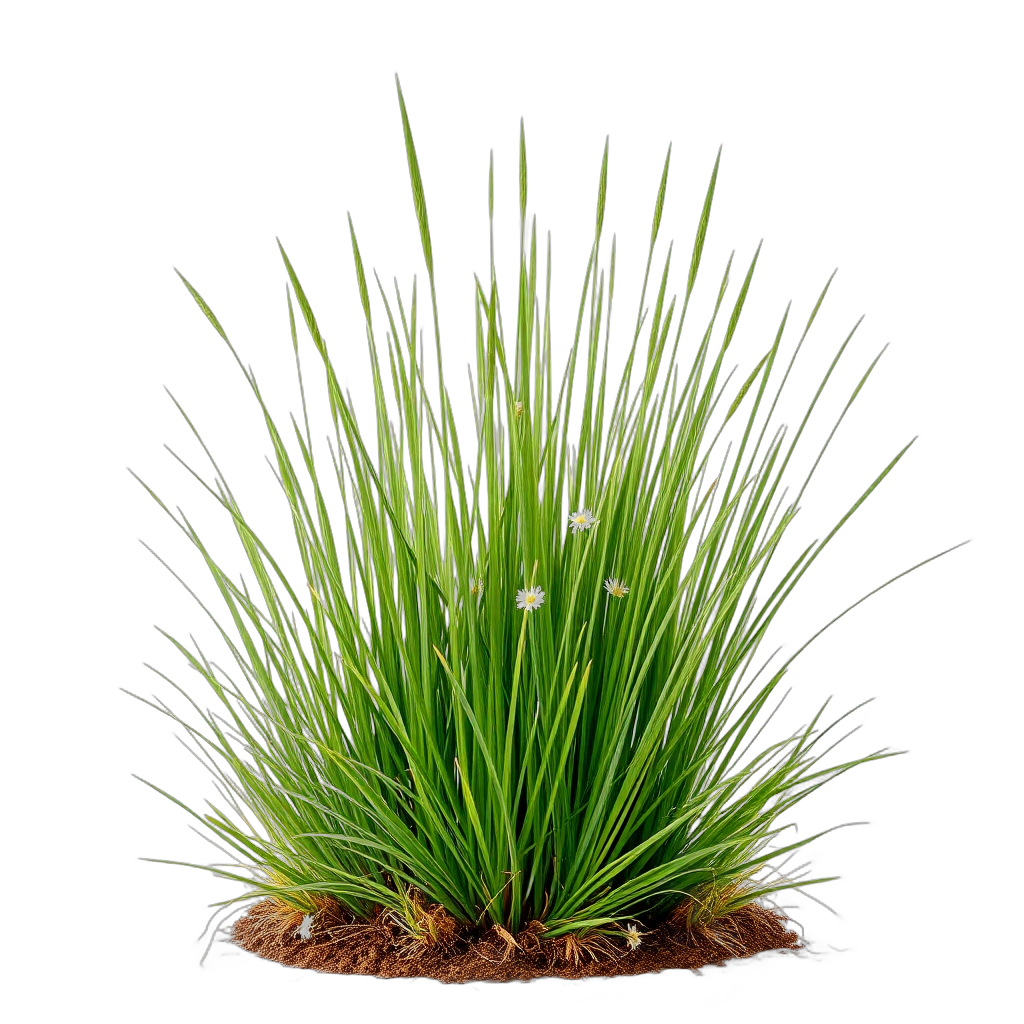
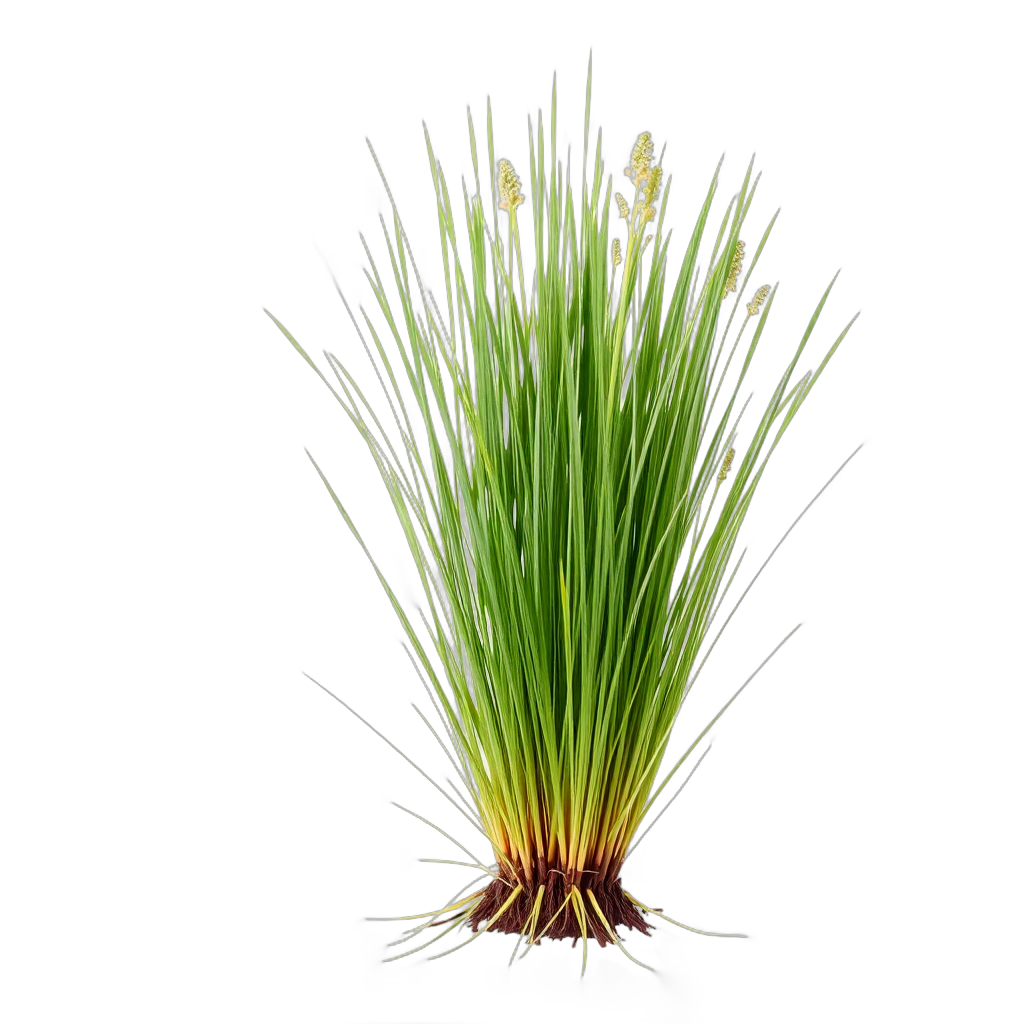
Baltic Rush
Juncus balticus
low-growing ground cover, blooms in summer. Evergreen year-round.
California Gray Rush
Juncus patens
low-growing ground cover, blooms in summer. Evergreen year-round.
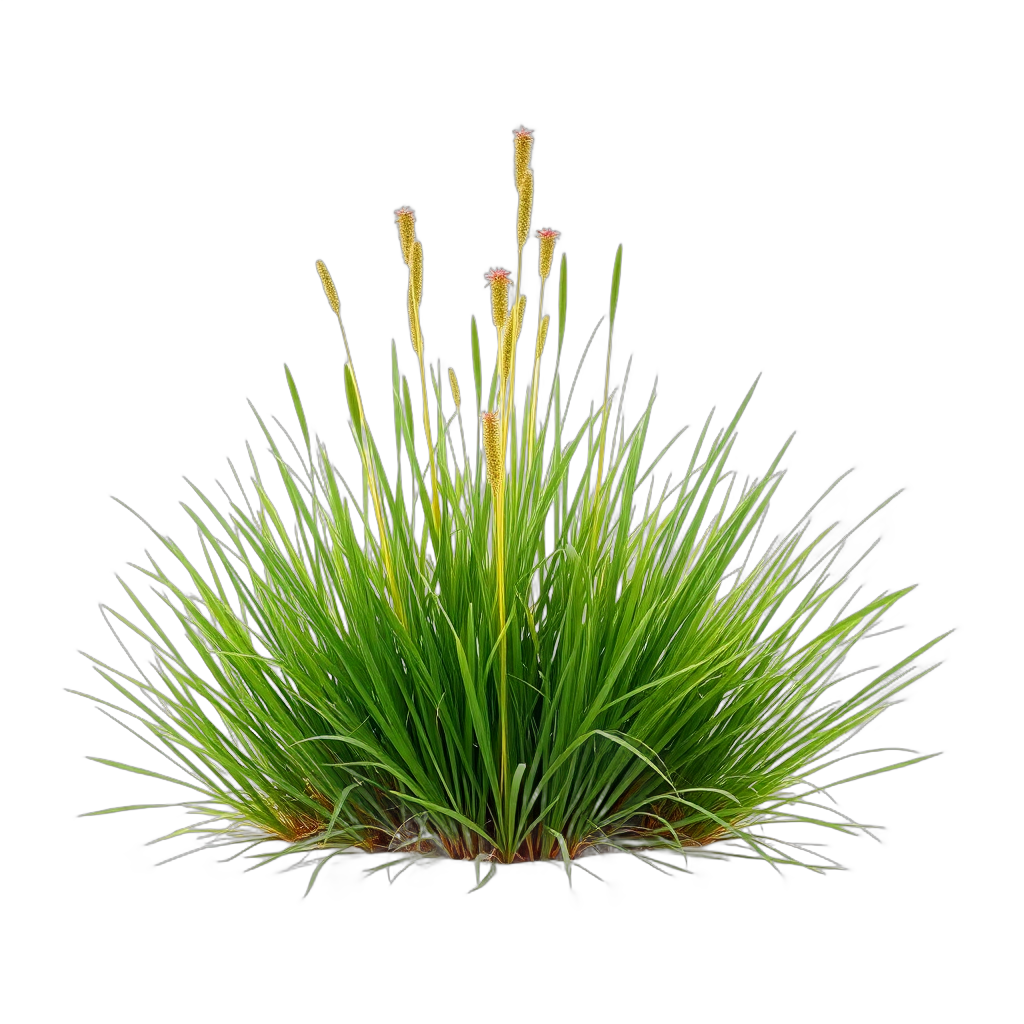
Clustered Field Sedge
Carex praegracilis
low-growing ground cover, blooms in spring.
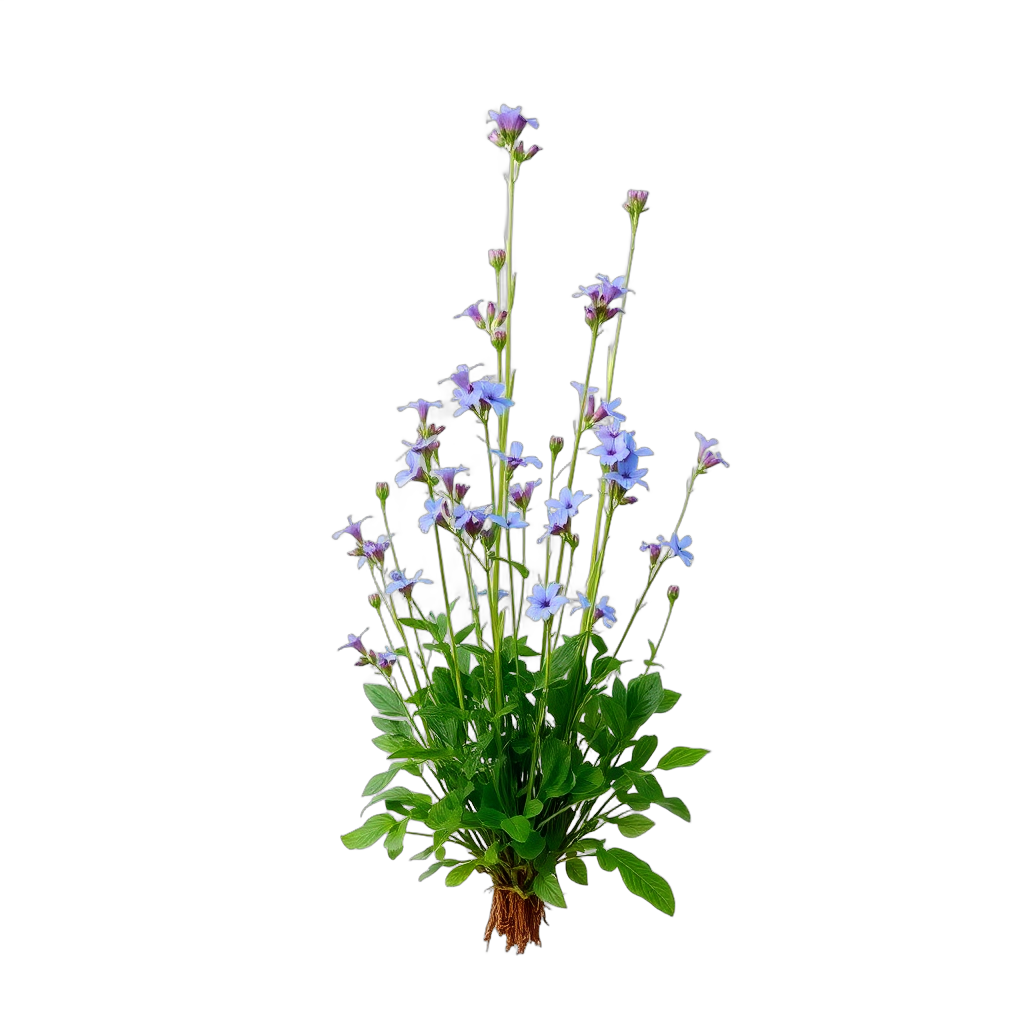
Blue Dicks
Dichelostemma capitatum
low-growing ground cover, blue blooms in spring. Pollinator-friendly.
Zone and sun checks come from our database — confirm with your local nursery before you buy.
Bloom Calendar for Clovis
spring
Clustered Field Sedge, Blue Dicks, Blue-Eyed Grasssummer
Baltic Rush, California Gray Rush, Papyrusfall
Limited bloomswinter
Limited bloomsDesign Tips for Clovis (Zone 9b)
- Mound every succulent bed 8–12 inches above grade: Clovis gets about 11 inches of rain, almost all in winter, and cold wet soil kills agave and cactus faster than the 100°F summers do
- Test drainage before you design: fill a test hole with water and see if it drains within 24 hours, since hardpan on the north and east sides of Clovis can hold water around crowns
- Use Parkinsonia 'Desert Museum' and Agave parryi var. truncata as the hardy backbone, and keep frost-tender plants such as Agave attenuata and Bougainvillea out of the plan or in pots you can move
- Cover golden barrel cactus (Echinocactus grusonii) and other tender plants with frost cloth when the forecast drops to the mid-20s°F, which happens a few nights most winters
- Mulch with 3 inches of decomposed granite or pebbles instead of bark, and keep it off the stems so the crowns stay dry
- Water deeply every 10–14 days during the first summer, then reduce, and run the system only on your City-assigned watering days
- Visit the Clovis Botanical Garden cactus garden and home demonstration garden at 945 N Clovis Ave to see mature plants before you buy
Where to Source Plants in Clovis
Skip the big-box stores. These independent Clovis nurseries specialize in the plants that make desert/xeriscape gardens thrive in Zone 9b.
Evergreen Garden Center
Clovis (Alluvial Ave)
Independent nursery with trees, shrubs, roses, perennials, succulents and pottery, and a newer line of drought-tolerant plants
Green Hills Nursery
Fresno (N Armstrong Ave), a short drive from Clovis
Seven-acre retail nursery with trees, shrubs, succulents, palms, bulk materials, irrigation supplies and plant diagnosis
Desert/Xeriscape Landscaping Cost Ranges
| Project Scope | Estimated Cost |
|---|---|
| Drip irrigation system (500 sqft of planted area) | $1,200–$2,200 |
| Block fire pit, stacked block, capped (1 fire pit) | $580–$770 |
| Landscape gravel court (200 sqft) | $170–$370 |
| AI visualization (ProScapeAI) | Free to start |
National average installed ranges for 2026 from our landscaping price list (Homewyse and other published sources). Prices in Clovis, CA vary with site, materials and contractor, so get two or three local quotes.
Clovis Climate & Growing Zone
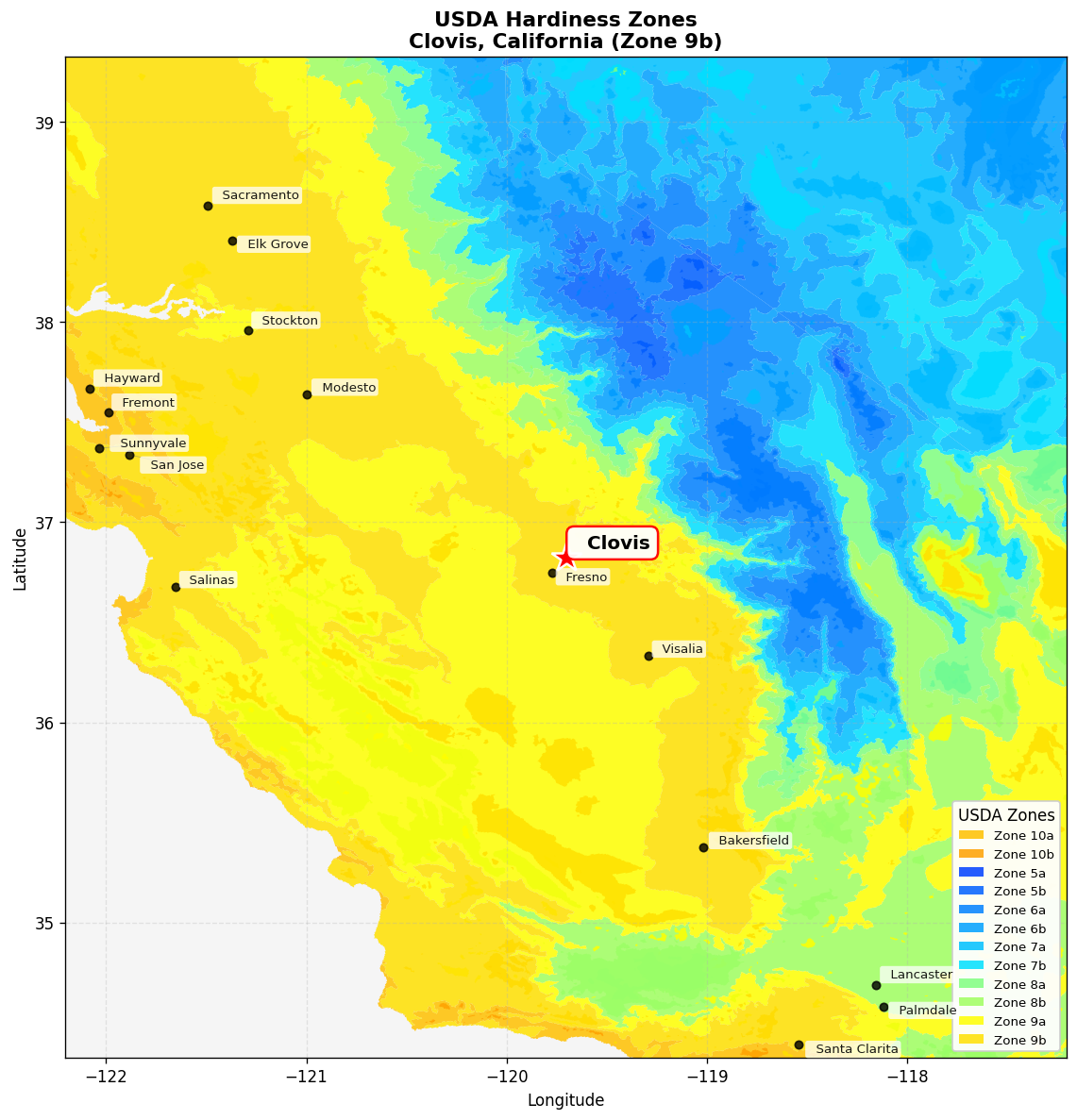
USDA Zone 9b
Hardiness zone for Clovis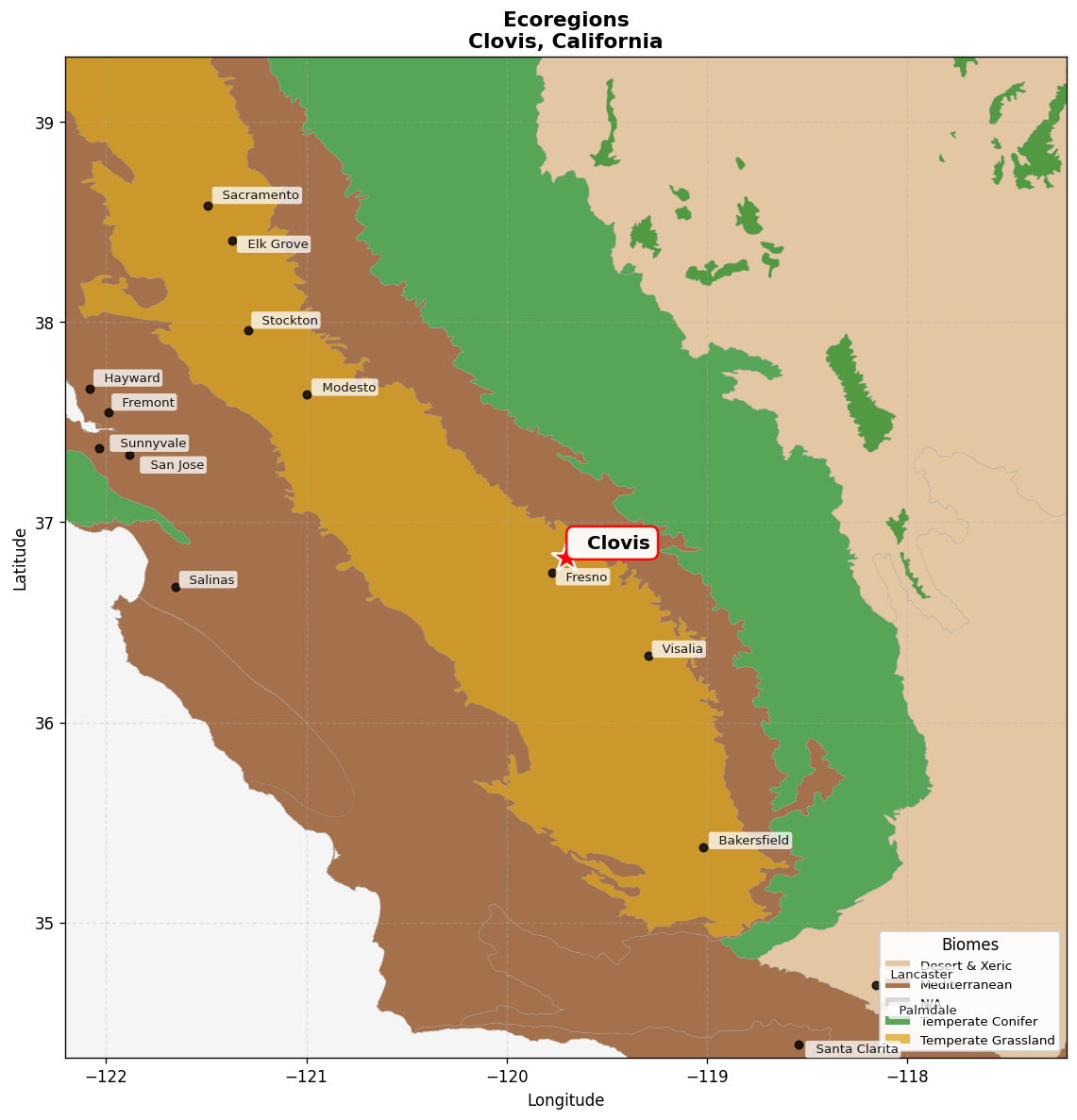
California Central Valley grasslands
Native ecoregionFrequently Asked Questions
How much does a desert garden cost in Clovis, CA?
Central Valley labor generally runs below coastal California rates, though quotes vary by contractor. Large agave, golden barrel cactus and Parkinsonia 'Desert Museum' in 15-gallon boxes are the main plant costs.
Is a desert garden low maintenance in Clovis?
Yes, after the first summer. Water deeply every 10–14 days in July and August in year one, then cut back as roots spread. Maintenance is mostly weed control in gravel, removing spent flower stalks from Hesperaloe parviflora 'Brakelights' and Penstemon 'Firecracker', and checking drip emitters each spring. Wear heavy gloves around agave and opuntia.
When should I plant a desert garden in Clovis?
Plant in March through May or in September through mid-October. Spring planting gives succulents a warm season to root, while fall planting lets winter rain do some of the work. Avoid planting cacti and agave from November through January, when cold, wet soil causes rot. Frost is rare after late February.
Do I need a permit or HOA approval in Clovis?
Planting alone usually does not need a city permit, but retaining walls, tall walls, pool work and electrical wiring typically do. Many Clovis neighborhoods have HOAs with front-yard standards, so submit your plan before removing turf. Confirm the rules with the City of Clovis planning and building divisions and check the current watering schedule with Clovis Public Utilities.
What desert plants survive Clovis winters?
Choose plants hardy to at least 15°F. Agave americana 'Mediomarginata', Agave parryi var. truncata, Yucca rostrata, Hesperaloe parviflora 'Brakelights', Opuntia engelmannii and Parkinsonia 'Desert Museum' all handle the occasional hard freeze. Skip saguaro, Agave attenuata and Bougainvillea, which are damaged by frost, and keep golden barrel cactus under a frost cloth on the coldest nights.
Does a desert garden work with Clovis hardpan and winter rain?
Yes, with good drainage. Test the soil by filling a hole with water and timing how long it takes to drain. If water remains after 24 hours, build mounds 8–12 inches high with pumice or decomposed granite mixed in, or break through the hardpan before planting a tree. Never plant a cactus in a flat bed that collects winter water.
Can I mix desert plants with Mediterranean plants in Clovis?
Yes. Salvia clevelandii 'Winnifred Gilman', Leucophyllum frutescens 'Green Cloud', Olea europaea 'Wilsonii' and Rosmarinus officinalis 'Tuscan Blue' all share the low-water, good-drainage needs of desert plants and tolerate Clovis winters better than some succulents. They also soften the look of a gravel garden for neighbors and HOA boards.