4 Modern Landscape Ideas for College Station, TX | Heat-Tough Design for Zone 9a
Native plants from the East Central Texas forests (Zone 9a) — Humid subtropical climate
For a modern garden in College Station, TX, a zone 9a city with a humid subtropical climate, start with Muhlenbergia capillaris, Pennisetum alopecuroides 'Hameln' and Liriope muscari 'Big Blue', the plants this guide's first design is built on.
Why Modern/Minimalist Gardens in College Station?
College Station's newer neighborhoods suit a modern landscape. The stucco and brick-and-stone homes in Castlegate, Lick Creek and the newer Wolf Pen Creek area have clean rooflines, wide driveways and large lawns that a design built on a few bold shapes can organize in a weekend of planning. Modern here means restraint: one or two plant forms repeated in blocks, straight edges, a hard surface that earns its place and a mass of evergreen structure that looks as good in January as in August. Big lots give room for it, and a restrained palette helps in a city where July and August afternoons average in the mid-90s.
The plant list is built around heat and clay. Winter lows of 20–25°F (Zone 9a) allow Yucca rostrata, Agave 'Blue Glow' and Hesperaloe parviflora 'Brakelights' to live outdoors with decent drainage, but the 40 inches of annual rain and wet springs rule out the true desert look. Muhlenbergia capillaris, Muhlenbergia lindheimeri 'Autumn Glow', Leucophyllum frutescens 'Green Cloud', Pennisetum alopecuroides 'Hameln' and Ilex vomitoria 'Will Fleming' give the architectural effect without rotting in a wet April. For structure overhead, Quercus virginiana 'Highrise' is a narrow live oak that fits a 15-foot side yard, and Cercis canadensis var. texensis 'Texas White' flowers white in March.
Soil dictates the construction. The Brazos River bottom clay in parts of the city swells and shifts with moisture, so paving needs a deeper compacted base, more control joints and an edge that can move. Other lots sit on sandy loam over a clay layer, where water perches after a storm. Raise planting beds 8–12 inches with expanded shale, grade patios 1–2 percent away from the house, and keep a drainage swale visible rather than burying it. Testing the soil through Texas A&M AgriLife Extension (local office in Bryan) shows whether pH sits neutral, alkaline or acidic.
Many College Station subdivisions regulate front-yard walls, fence height and sometimes plant material, and the City covers setbacks, impervious cover and drainage changes. Drip irrigation on zones by plant type, rather than spray heads, is the best match for a modern bed and uses less water when the city or your utility calls for limits.
4 Modern/Minimalist Design Ideas for College Station
AI-generated image
The Grass Block Front Yard
$16–32/sqftThe front lawn on a stucco house becomes three rectangular beds edged in steel, each planted in a single species: Muhlenbergia capillaris in the largest block, Pennisetum 'Hameln' in the second and Liriope muscari 'Big Blue' in the third. A limestone stepping path runs straight to the door, and a single Quercus virginiana 'Highrise' stands at the corner where afternoon sun hits the facade.
Try this on your yard: The Grass Block Front YardAI-generated image
The Agave and Limestone Court
$30–62/sqftA south-facing entry courtyard is paved in large-format porcelain and surrounded by raised planters of Texas limestone, 18 inches tall so that the roots stay out of wet clay. Agave 'Blue Glow' and Yucca rostrata hold the corners, Hesperaloe parviflora 'Brakelights' sends up coral bloom spikes and a drought-tough Leucophyllum frutescens 'Green Cloud' screens the wall. Uplighting along the planters turns the courtyard into a room at night.
Try this on your yard: The Agave and Limestone CourtAI-generated image
The Concrete and Grass Backyard
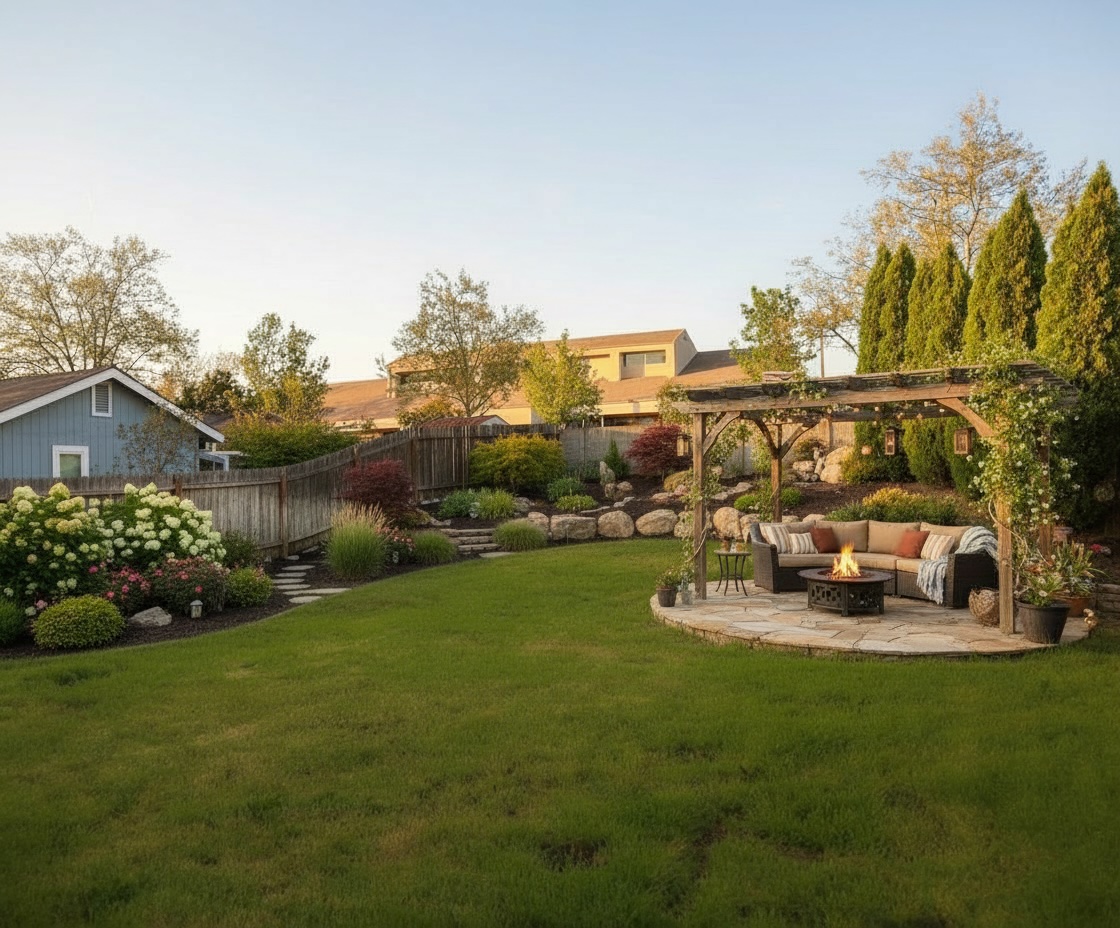
$24–48/sqftA rectangular concrete patio, 16 by 20 feet, sits against a covered porch and steps down to a lawn bordered with a clipped hedge of Ilex vomitoria 'Will Fleming'. A shallow gas fire table sits in the center, and a long raised planter along the fence holds Muhlenbergia lindheimeri 'Autumn Glow', Salvia 'Indigo Spires' and Cercis canadensis var. texensis 'Texas White' for spring color. The patio slopes slightly away from the house for drainage.
Try this on your yard: The Concrete and Grass BackyardAI-generated image
The Dry Creek Rain Garden
$18–36/sqftA shallow gravel swale curves along the side of a lot, collecting roof runoff from a downspout and pushing it toward the street. Boulders sit at the bends, and the swale banks carry grasses and perennials that tolerate both wet spring and dry August. Carex texensis and Muhlenbergia capillaris line the edges, Salvia greggii adds late-summer color, and a stepping path crosses on flat limestone slabs.
Try this on your yard: The Dry Creek Rain GardenSee how a modern/minimalist garden looks on YOUR property
Upload a photo of your College Station yard and visualize your dream garden in seconds.
Try ProScapeAI Free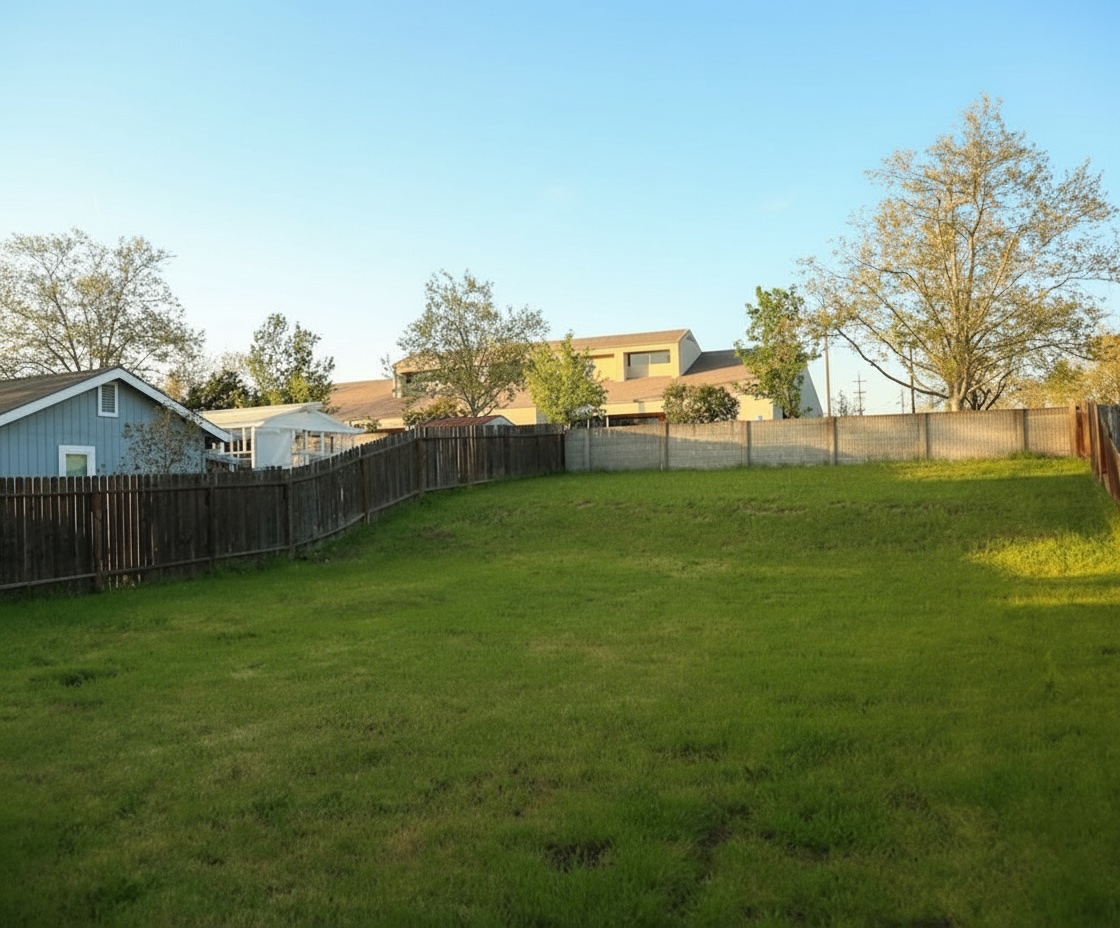
AI-generated image
Featured Trees & Shrubs for Modern/Minimalist Gardens
Browse all 168 plants for College Station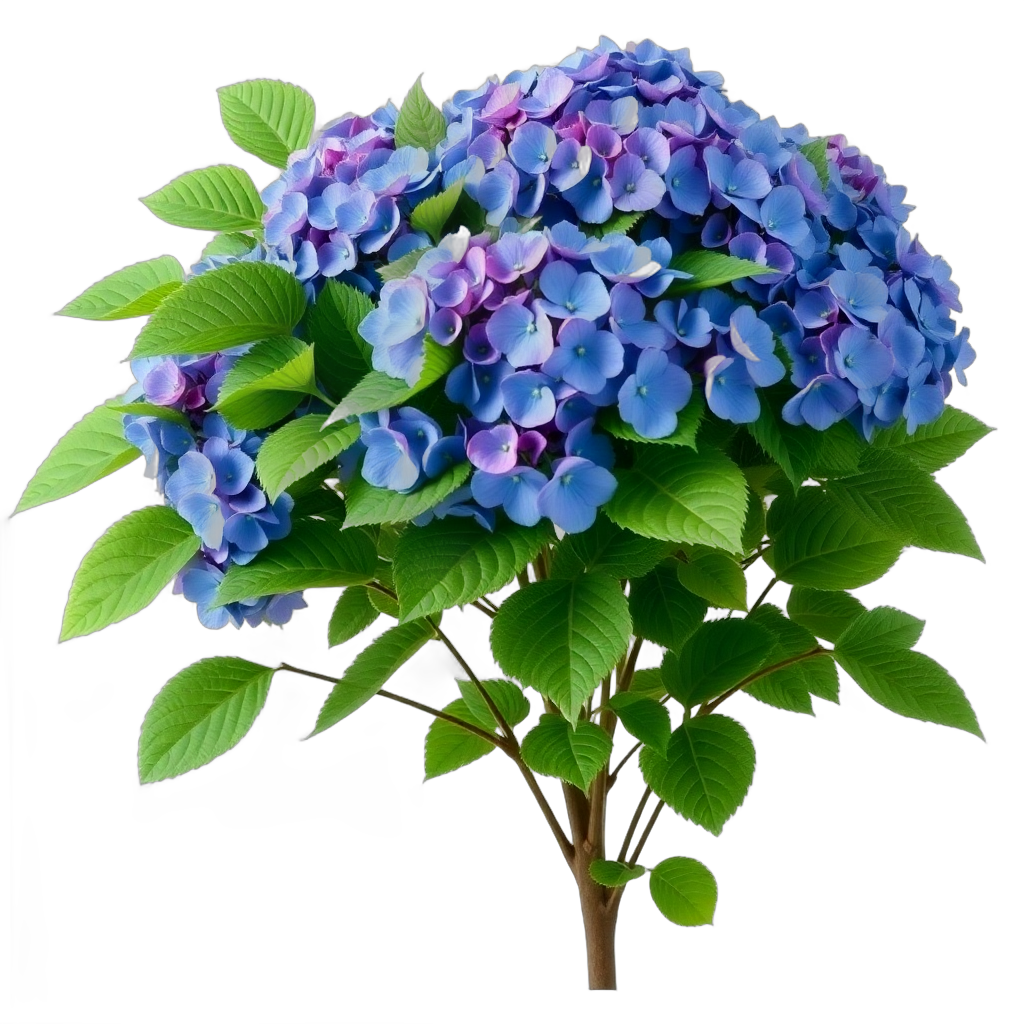
Oakleaf Hydrangea
Hydrangea quercifolia
grows to 6 feet, white blooms in summer. Pollinator-friendly.
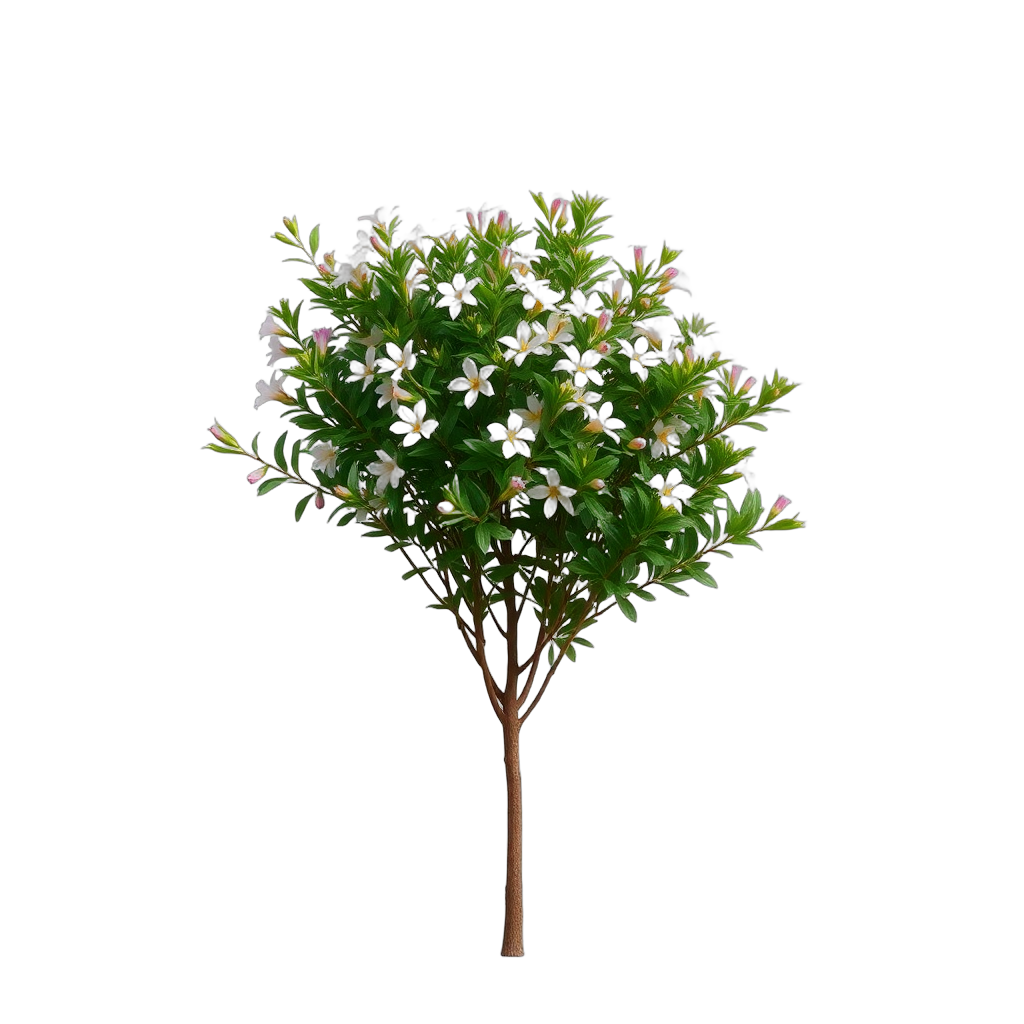
Texas Mountain Laurel
Sophora secundiflora
medium-sized at 12 feet, purple blooms in spring. Evergreen year-round.
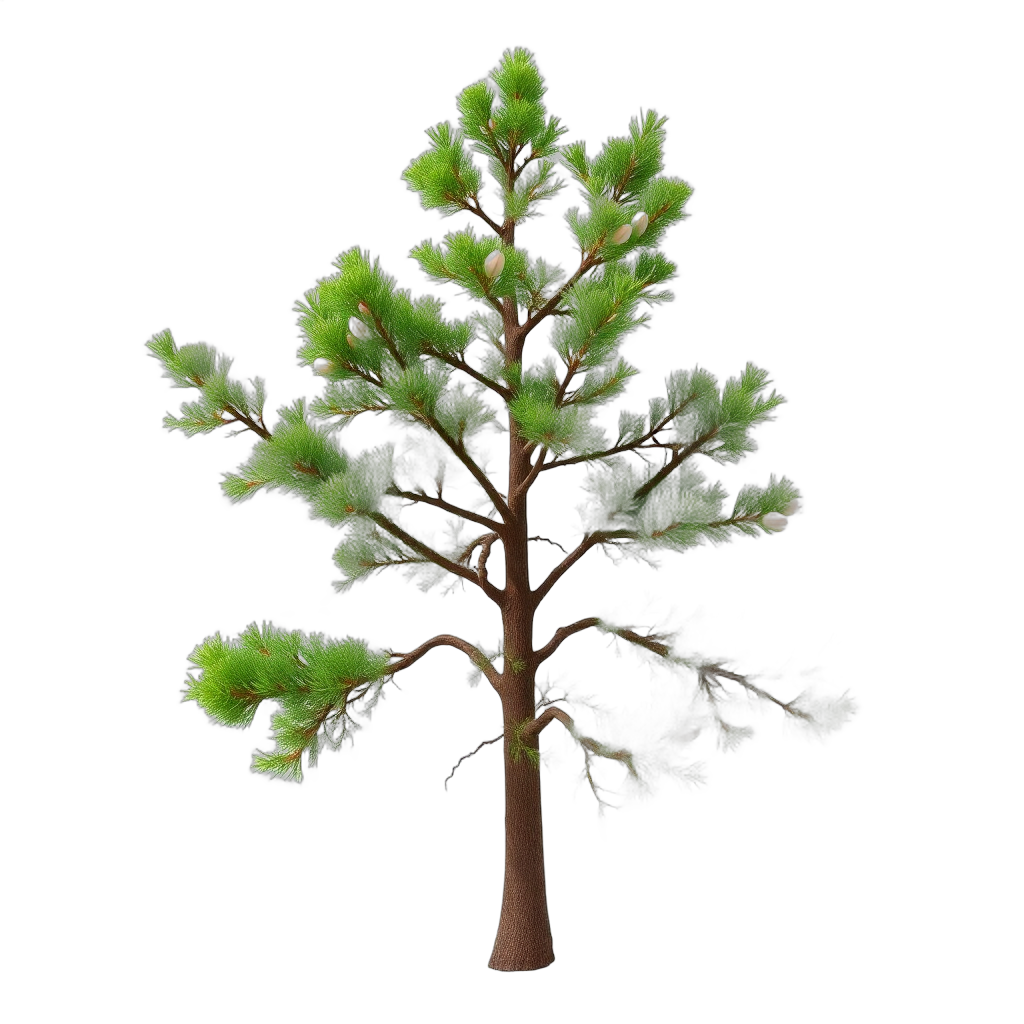
Ashe Juniper
Juniperus ashei
reaches 25 feet tall, blooms in winter. Evergreen year-round.
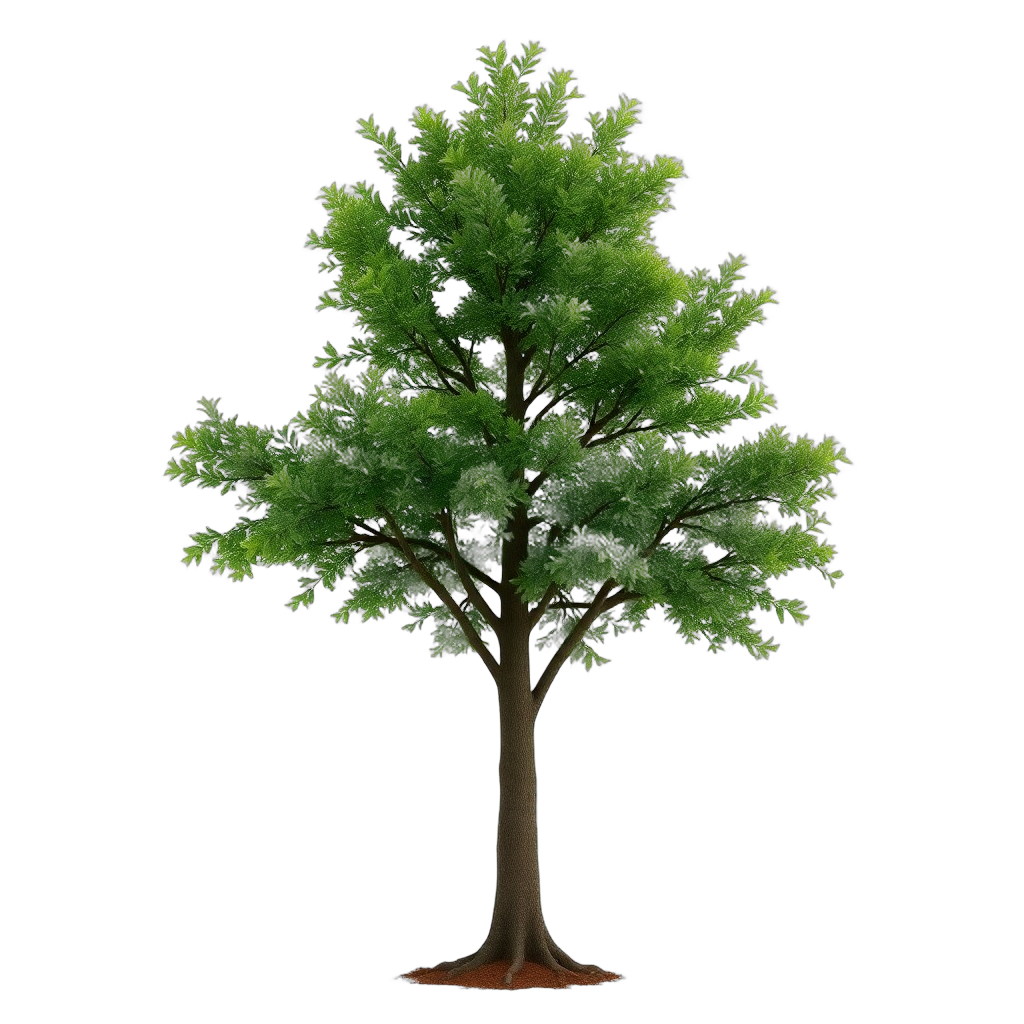
Blackjack Oak
Quercus marilandica
reaches 35 feet tall, blooms in spring. Yellow fall color.
Featured Grasses & Groundcovers for Modern/Minimalist Gardens
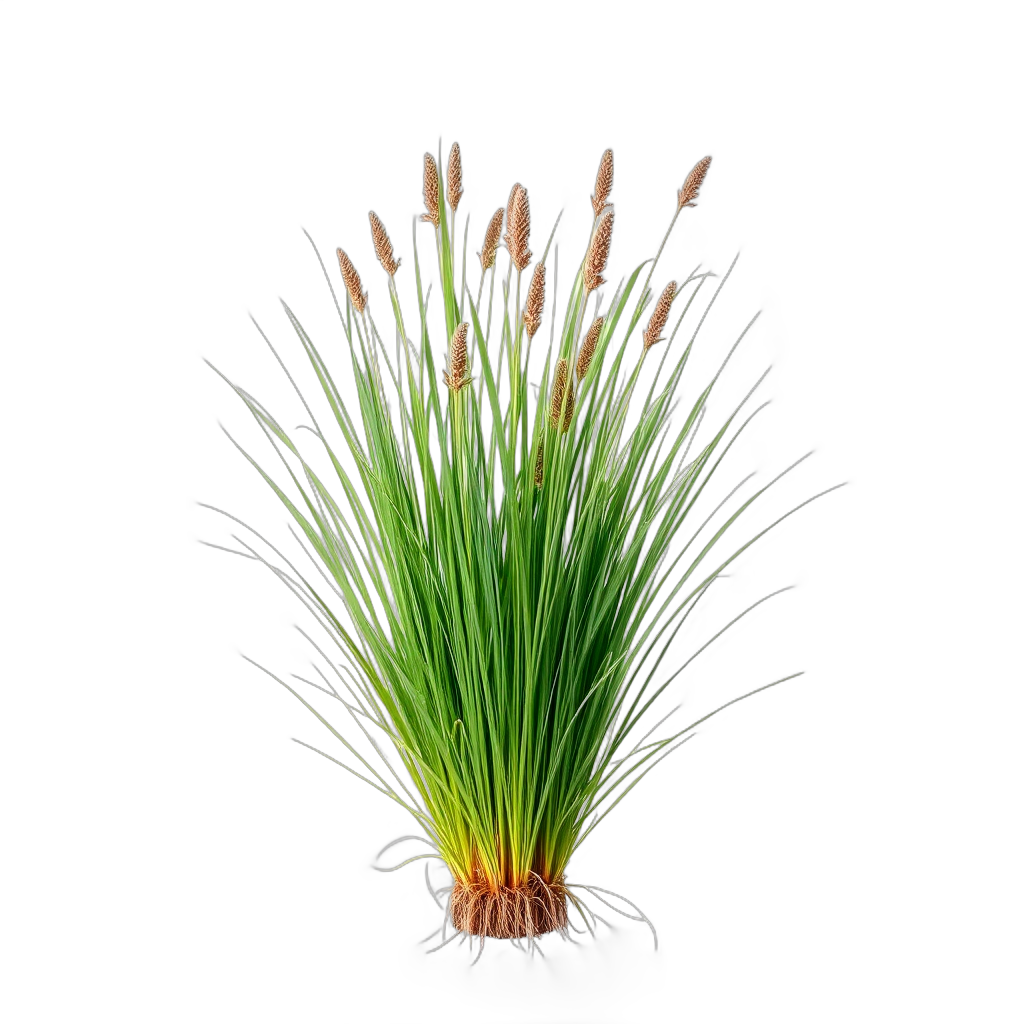
Lindheimer's Muhly
Muhlenbergia lindheimeri
grows to 4 feet, white blooms in fall.
Featured Flowers & Perennials for Modern/Minimalist Gardens
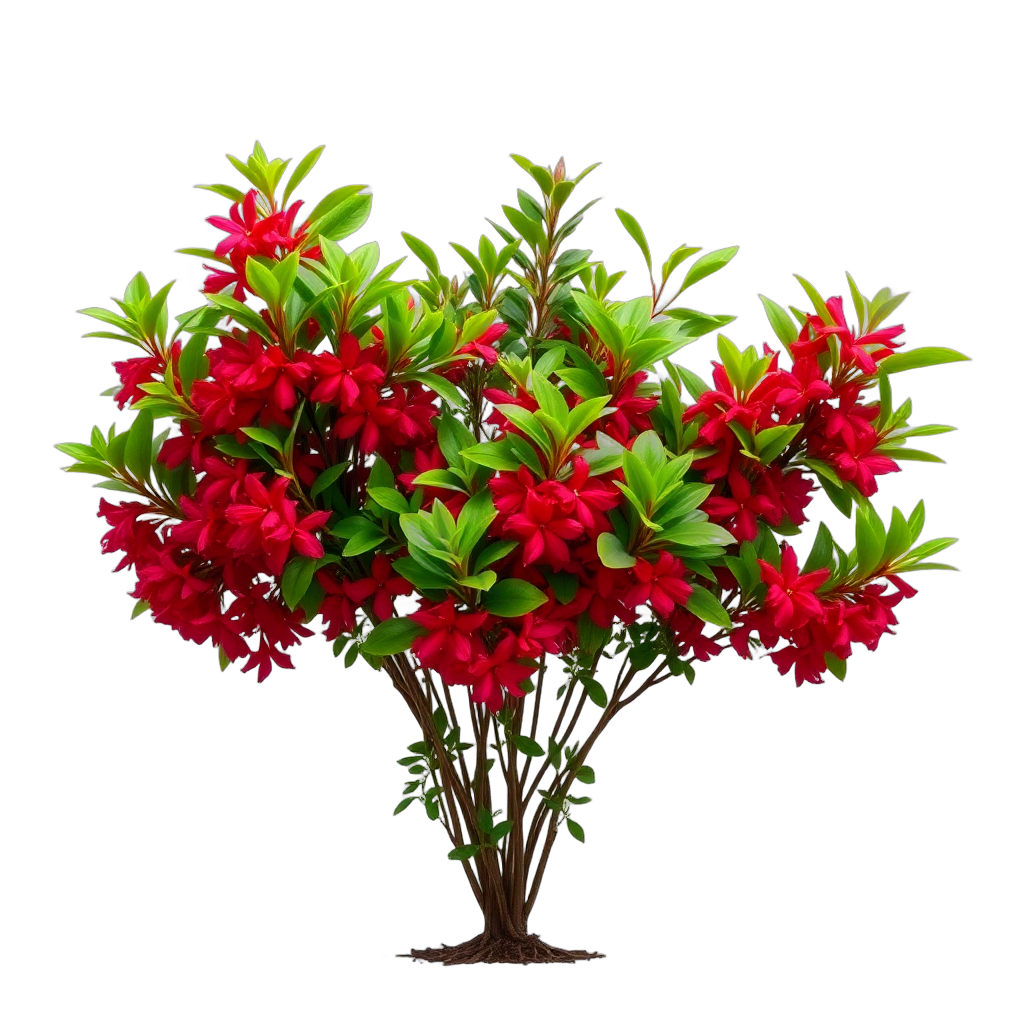
Coral Bean
Erythrina herbacea
grows to 5 feet, red blooms in spring. Attracts hummingbirds.

False Aloe
Manfreda virginica
low-growing ground cover, blooms in summer. Attracts hummingbirds.

Papyrus
Cyperus papyrus
grows to 5 feet, blooms in summer. Pollinator-friendly.

Water Hyacinth
Eichhornia crassipes
low-growing ground cover, purple blooms in summer. Attracts butterflies.
Zone and sun checks come from our database — confirm with your local nursery before you buy.
Bloom Calendar for College Station
spring
Coral Bean, Texas Mountain Laurel, Ashe Junipersummer
False Aloe, Oakleaf Hydrangeafall
Lindheimer's Muhly, Cedar Elmwinter
Ashe JuniperDesign Tips for College Station (Zone 9a)
- Plant in blocks of one species: Muhlenbergia capillaris, Pennisetum 'Hameln' or Liriope 'Big Blue' repeated over 6–10 feet reads as modern, and the same plants scattered read as a nursery row
- Raise succulent and grass beds 8–12 inches with expanded shale: Brazos Valley clay holds water through a wet spring and rots agave crowns faster than any winter freeze at 20–25°F
- Add control joints every 8–10 feet in concrete and build a 4–6 inch compacted stone base: clay swells and shrinks with the seasons, and an unjointed slab will crack
- Choose Ilex vomitoria 'Will Fleming' or Leucophyllum frutescens 'Green Cloud' for evergreen structure: both handle mid-90s heat, reflect no winter damage and clip to a crisp line
- Put a Quercus virginiana 'Highrise' on the west side of the house: this narrow live oak shades afternoon sun in a 15-foot space and stays evergreen
- Run drip irrigation in zones by plant type: succulents need a deep soak every two weeks while grasses want weekly water, and spray heads waste water on hardscape
- Use black or dark gray mulch and limestone to give grasses and succulents contrast, but keep mulch 3 inches deep and away from stems to avoid rot in wet spring weather
Where to Source Plants in College Station
Skip the big-box stores. These independent College Station nurseries specialize in the plants that make modern/minimalist gardens thrive in Zone 9a.
Brazos Valley Tree Farm Nursery and Garden Center
College Station (FM 2154)
Plants and shrubs in 1, 3 and 5 gallon sizes, with evergreen trees and shrubs, shrubs under 4 feet, large privacy shrubs and low-maintenance picks; trees priced by call. Inventory changes often, so call ahead
Circle D Nurseries
Bryan (Finfeather Road)
Nursery in Bryan, about 5 miles from College Station. Its site lists only the address and phone, so call for current stock
Modern/Minimalist Landscaping Cost Ranges
| Project Scope | Estimated Cost |
|---|---|
| Concrete patio, broom finish (200 sqft) | $2,100–$2,500 |
| Low-voltage landscape lighting (6 fixtures) | $1,200–$2,000 |
| Composite decking boards, surface only on existing framing (200 sqft) | $4,700–$5,800 |
| AI visualization (ProScapeAI) | Free to start |
National average installed ranges for 2026 from our landscaping price list (Homewyse and other published sources). Prices in College Station, TX vary with site, materials and contractor, so get two or three local quotes.
College Station Climate & Growing Zone
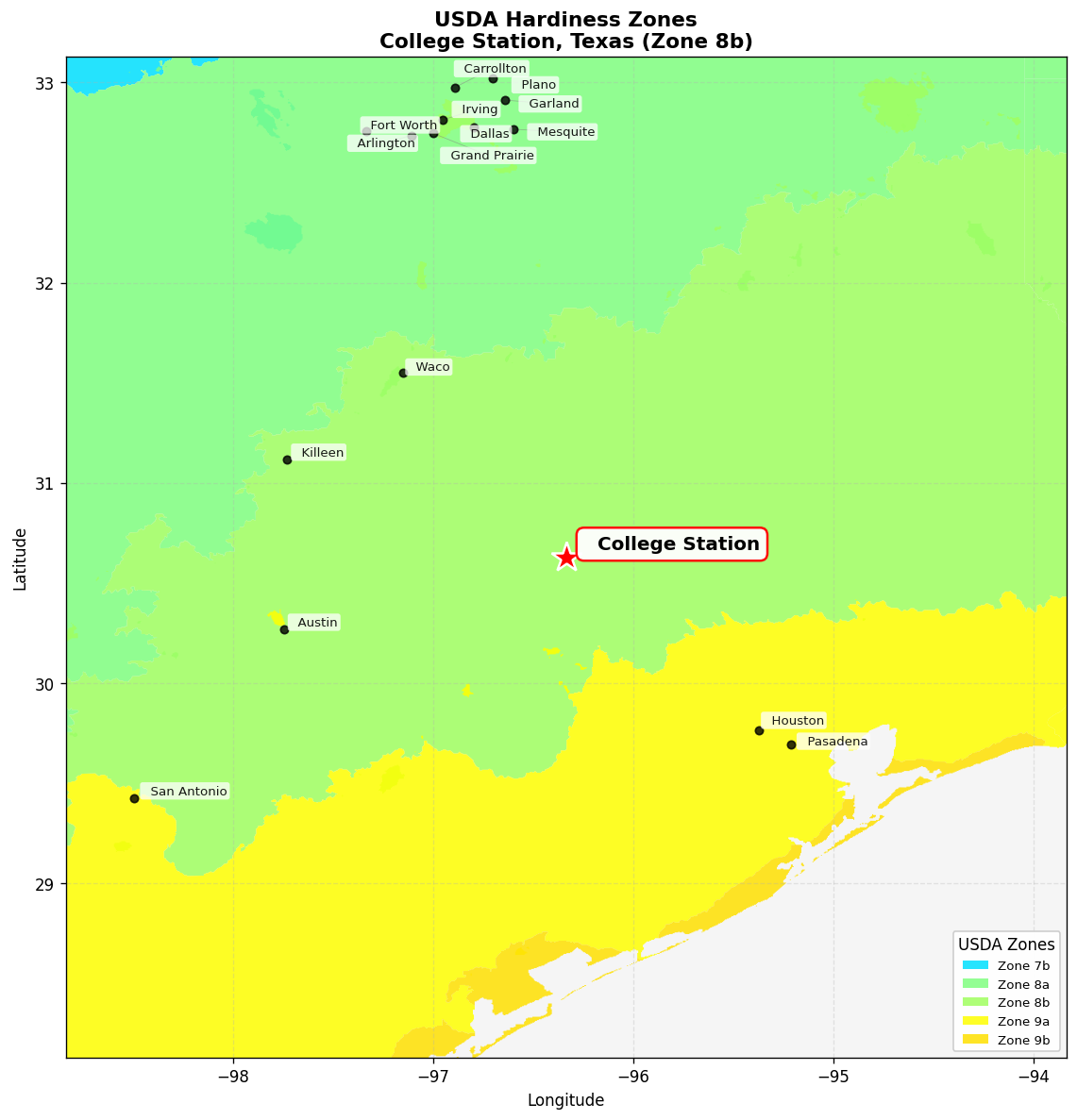
USDA Zone 9a
Hardiness zone for College Station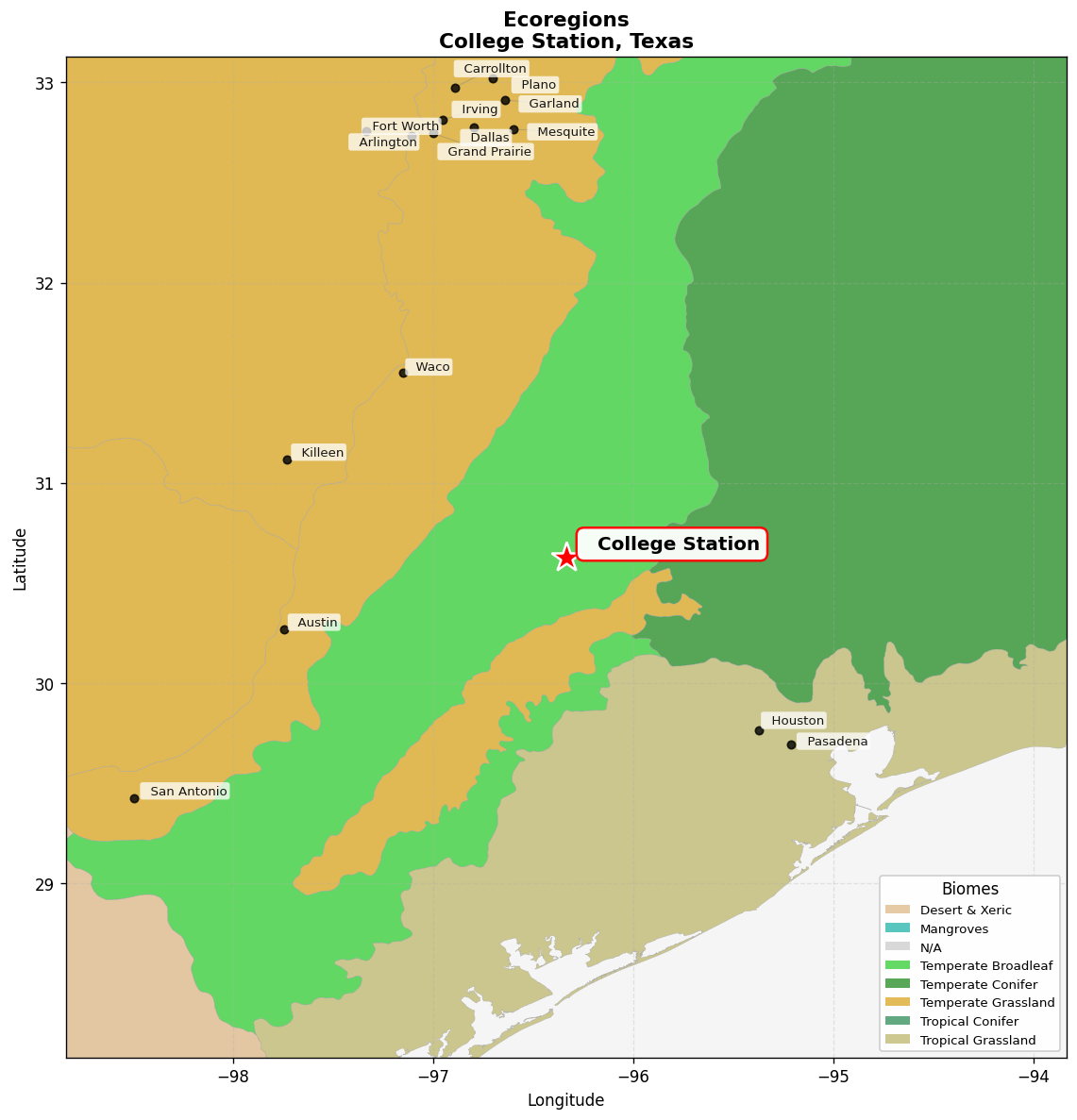
East Central Texas forests
Native ecoregionFrequently Asked Questions
How much does a modern landscape cost in College Station, TX?
Budget follows the size of the project and the materials, so collect a few local quotes before you decide.
Is a modern landscape low maintenance in College Station's climate?
Yes, once established, and more so than a lawn. Grasses such as Muhlenbergia capillaris need a single cutback in late February. Evergreen shrubs need two light shearings a year, and drip irrigation timers need a seasonal adjustment. Expect to water new beds twice a week for the first summer, then taper to deep soakings every 7–14 days in the heat.
When is the best time to plant a modern landscape in College Station?
October through early December is the best window for grasses, shrubs and trees: soil is still warm and roots grow through a mild winter. March through April is the second window, after the last frost, which usually falls around mid-March. Succulents like Agave 'Blue Glow' establish best in late spring on a raised, gravel-mulched bed, and avoid planting anything new in July or August.
Do agaves and yuccas survive College Station's wet spring weather?
They do, if they sit above the clay. Agave 'Blue Glow', Yucca rostrata and Hesperaloe parviflora 'Brakelights' rot when roots sit in wet soil, so plant them on a raised bed 12 inches or higher, in a mix of expanded shale and gravel, and mulch with stone. With 40 inches of annual rain, drainage matters more than winter cold. Winter lows of 20–25°F are within their tolerance.
How should I handle clay soil under patios and paths?
Brazos Valley clay swells when wet and shrinks when dry, so rigid paving can crack. Build a base of 4–6 inches of compacted crushed stone, add control joints every 8–10 feet in concrete, and grade 1–2 percent away from the house. Use a flexible gravel or paver path where cracks would look bad. For planting beds, build them above grade with expanded shale and compost rather than digging down.
Do I need a permit or HOA approval in College Station?
Often yes for walls, fences, large patios and drainage changes. The City of College Station has rules on setbacks, fence height and impervious cover, and many subdivisions add HOA covenants on front-yard planting and structures. A planting bed alone is rarely regulated, but a retaining wall or a new swale may need approval. Confirm with the City and your HOA before construction.
Can a modern landscape handle summer heat in the mid-90s?
Yes, if the plant list is chosen for it. Leucophyllum frutescens 'Green Cloud', Muhlenbergia capillaris, Hesperaloe parviflora 'Brakelights' and Ilex vomitoria 'Will Fleming' all tolerate College Station afternoon heat and reflected pavement heat. Put the lightest hardscape on the sunniest side, use shade structures over seating and plant a Quercus virginiana 'Highrise' on the west side for afternoon shade.