4 English Cottage Garden Ideas for Deltona, FL | Zone 9b Heat-Proof Borders
Native plants from the Southeast US conifer savannas (Zone 9b) — Humid subtropical climate
For a cottage garden in Deltona, FL, a zone 9b city with a humid subtropical climate, start with Rosa 'Mutabilis', Rosa 'Old Blush' and Plumbago auriculata 'Imperial Blue', the plants this guide's first design is built on.
Why Cottage/English Gardens in Deltona?
Deltona was laid out as a suburb of block ranch houses on wide, flat lots, and that suits a cottage garden. A one-story house with a low roofline, a front walk and a yard that runs to the street needs only a picket fence, an arbor and deep borders to read as a cottage. The catch is that the English plant list was written for cool, damp summers, and Deltona has the opposite. NOAA's 1991–2020 normals for the DeLand station, about eight miles north, put July highs near 90.9°F and annual rainfall at 55.5 inches, with 8.7 inches landing in July alone and only 2.5 inches in April.
That swing decides the plant list. Delphinium elatum, English foxglove and Lavandula angustifolia 'Hidcote' will not make it through a wet, 90-degree summer here, so the style needs substitutes that hold the same shapes. Salvia guaranitica 'Black and Blue' gives the blue spire, Rosa 'Mutabilis' and Rosa 'Old Blush' give the long-blooming old rose look without constant blackspot spraying, and Plumbago auriculata 'Imperial Blue' spills over a path edge the way catmint would up north. Larkspur (Consolida ajacis) and snapdragon (Antirrhinum majus 'Madame Butterfly') go in during October and flower from December through April, which is when Deltona's weather is most like an English June.
Winter is mild but not frost-free. The same NOAA station averages a January low of 44.6°F, the median last 32°F freeze falls around February 17, and one year in ten still sees a freeze after March 19. The first freeze arrives around December 30 in a typical year and as early as December 2 in one year in ten. In practice that means tender plants such as Pentas lanceolata 'New Look Red' and Hamelia patens can lose their tops in January and come back in April, so keep frost cloth on hand and do not prune the dead growth until the spring flush starts.
Volusia County's published soil descriptions for the area's ridges and flatwoods describe sandy, acidic, fast-draining soil with little ability to hold water or nutrients. That drains the beds quickly and makes roses hungry, so plan on 3–4 inches of compost worked into the top 8 inches, pine bark mulch, and drip irrigation on a timer. Water use is also regulated: the St. Johns River Water Management District publishes landscape irrigation restrictions, including a ban on watering between 10 a.m. and 4 p.m., so put roses and perennials on drip and check the district's watering restrictions page for your address before you set a schedule.
4 Cottage/English Design Ideas for Deltona
AI-generated image
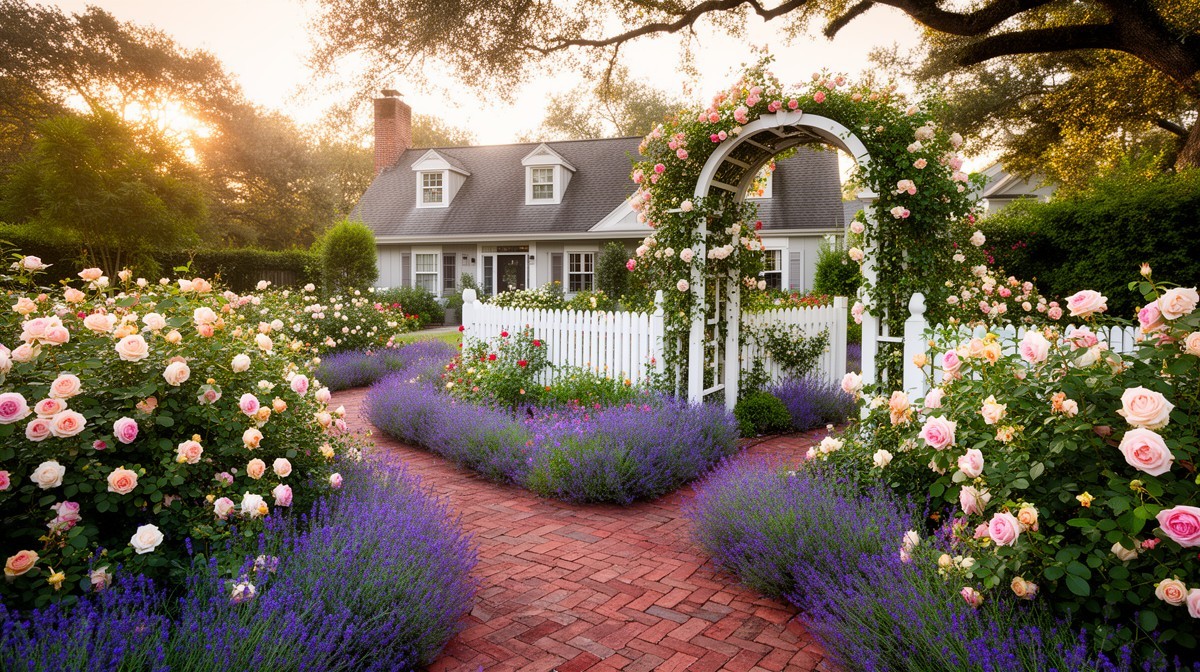
The Mutabilis Picket Fence Border
$14–30/sqftA low white picket fence runs along the front of a block ranch painted soft cream, with a 4-foot-deep border on the sunny south side of the walk. Rosa 'Mutabilis' shifts from buff to pink to crimson as the blooms age and forms the backbone, with Salvia guaranitica 'Black and Blue' behind it and a ribbon of Plumbago auriculata 'Imperial Blue' spilling over the edging. Confederate jasmine climbs the gate posts, so the evening scent reaches the porch.
Try this on your yard: The Mutabilis Picket Fence BorderAI-generated image
The Lady Banks Arbor Walk
$16–34/sqftA cedar arbor over the front walk carries Rosa banksiae 'Lutea', which is thornless, evergreen and covers itself in yellow blooms each March. Behind the arbor a crushed shell path curves between beds of Hemerocallis 'Stella de Oro' and red Salvia coccinea 'Lady in Red', so hummingbirds work the walk from April through the first frost. The planting reads from the street and keeps the house number visible.
Try this on your yard: The Lady Banks Arbor WalkAI-generated image
The Butterfly Cottage Backyard
$12–26/sqftA back lawn is cut into a loose oval and surrounded by deep, mixed borders for pollinators, with a wooden bench under a live oak on the west side. Asclepias tuberosa and Rudbeckia hirta run along the sunny edge, Hamelia patens fills the corners that get afternoon sun, and a crushed shell path leads to the bench. Because the plants are mostly native and sand-adapted, the beds need far less water in summer than a typical cottage border.
Try this on your yard: The Butterfly Cottage BackyardAI-generated image
The Cool-Season Cutting Garden
$20–42/sqftFour raised cedar beds, each 4 by 8 feet, sit in a sunny side yard behind a white lattice fence, with gravel paths between them. They are planted in October with larkspur, snapdragons and Dianthus that flower from December to April, then swapped in May for zinnias and Salvia farinacea 'Victoria Blue' that tolerate the summer heat. A single Rosa 'Knock Out' at each corner carries color year-round.
Try this on your yard: The Cool-Season Cutting GardenSee how a cottage/english garden looks on YOUR property
Upload a photo of your Deltona yard and visualize your dream garden in seconds.
Try ProScapeAI Free

AI-generated image
Featured Trees & Shrubs for Cottage/English Gardens
Browse all 181 plants for Deltona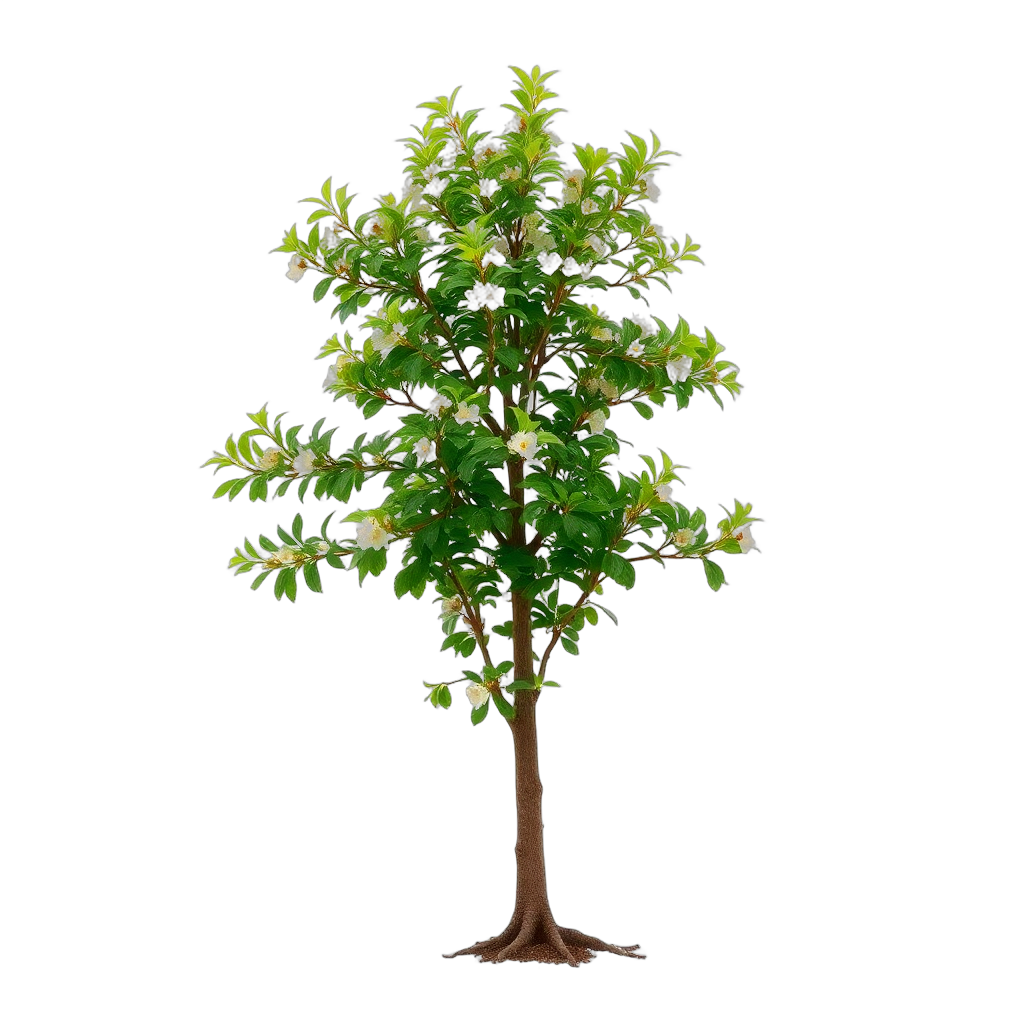
Buckwheat Tree
Cliftonia monophylla
medium-sized at 15 feet, white blooms in spring. Attracts butterflies.
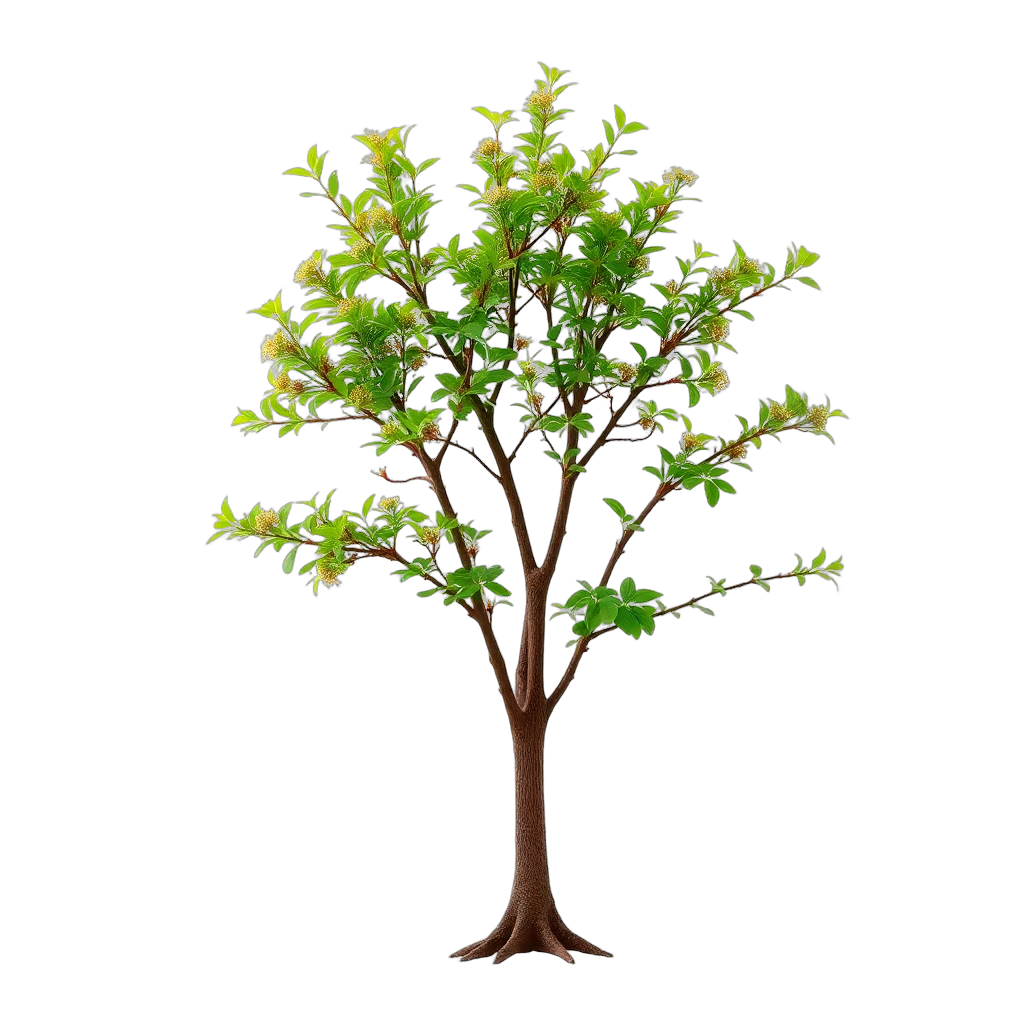
Fetterbush
Lyonia lucida
grows to 6 feet, white blooms in spring. Evergreen year-round.
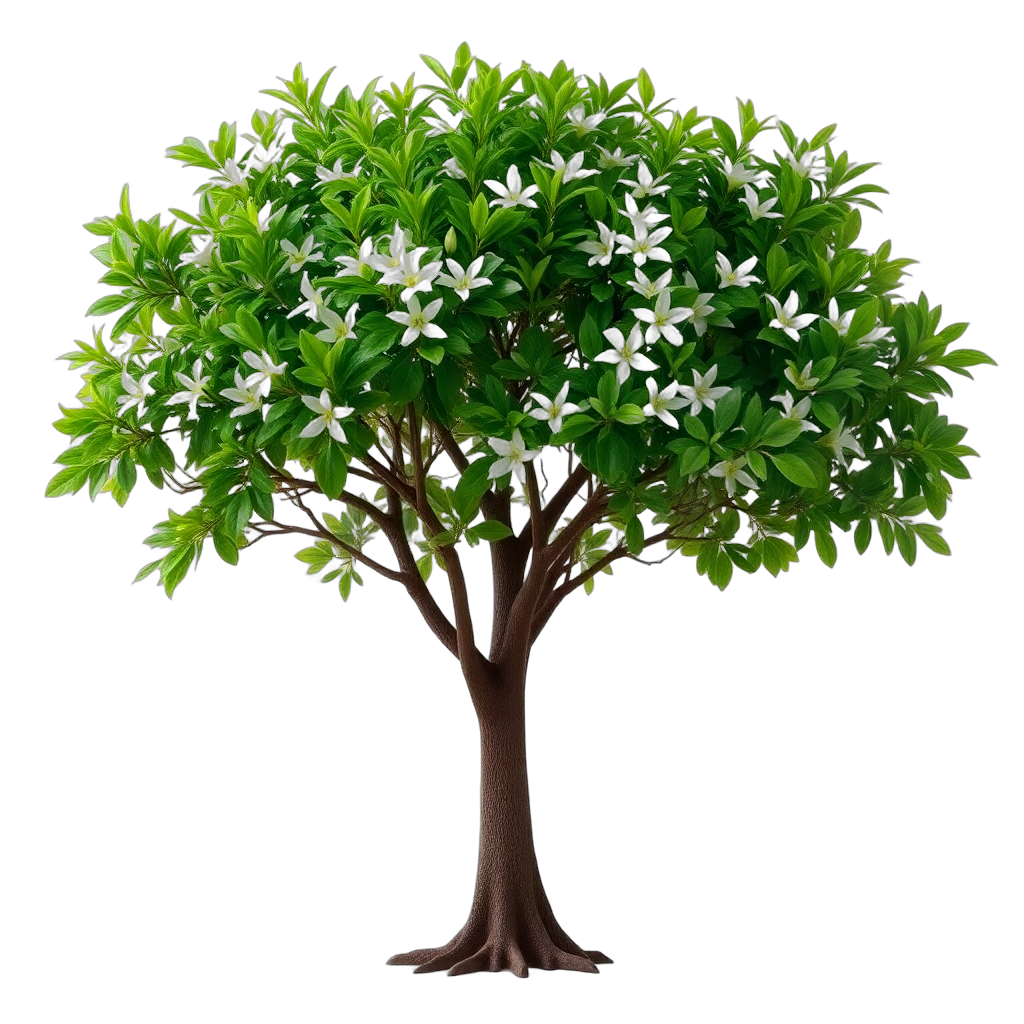
Florida Anise
Illicium floridanum
medium-sized at 8 feet, red blooms in spring. Evergreen year-round.

Inkberry
Ilex glabra
medium-sized at 8 feet, white blooms in spring. Pollinator-friendly.
Featured Grasses & Groundcovers for Cottage/English Gardens

Pink Muhly Grass
Muhlenbergia capillaris
grows to 3 feet, pink blooms in fall.
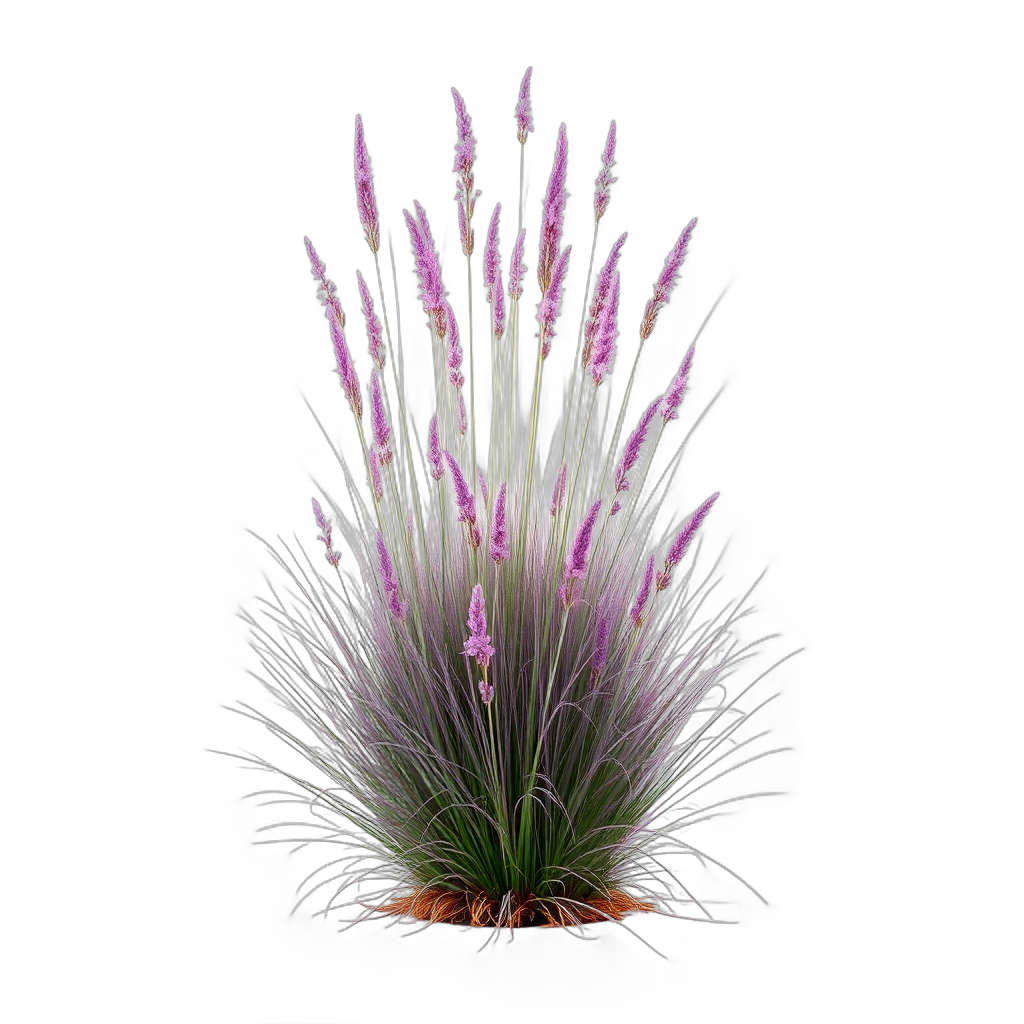
Purple Love Grass
Eragrostis spectabilis
low-growing ground cover, purple blooms in fall. Orange fall color.
Featured Flowers & Perennials for Cottage/English Gardens
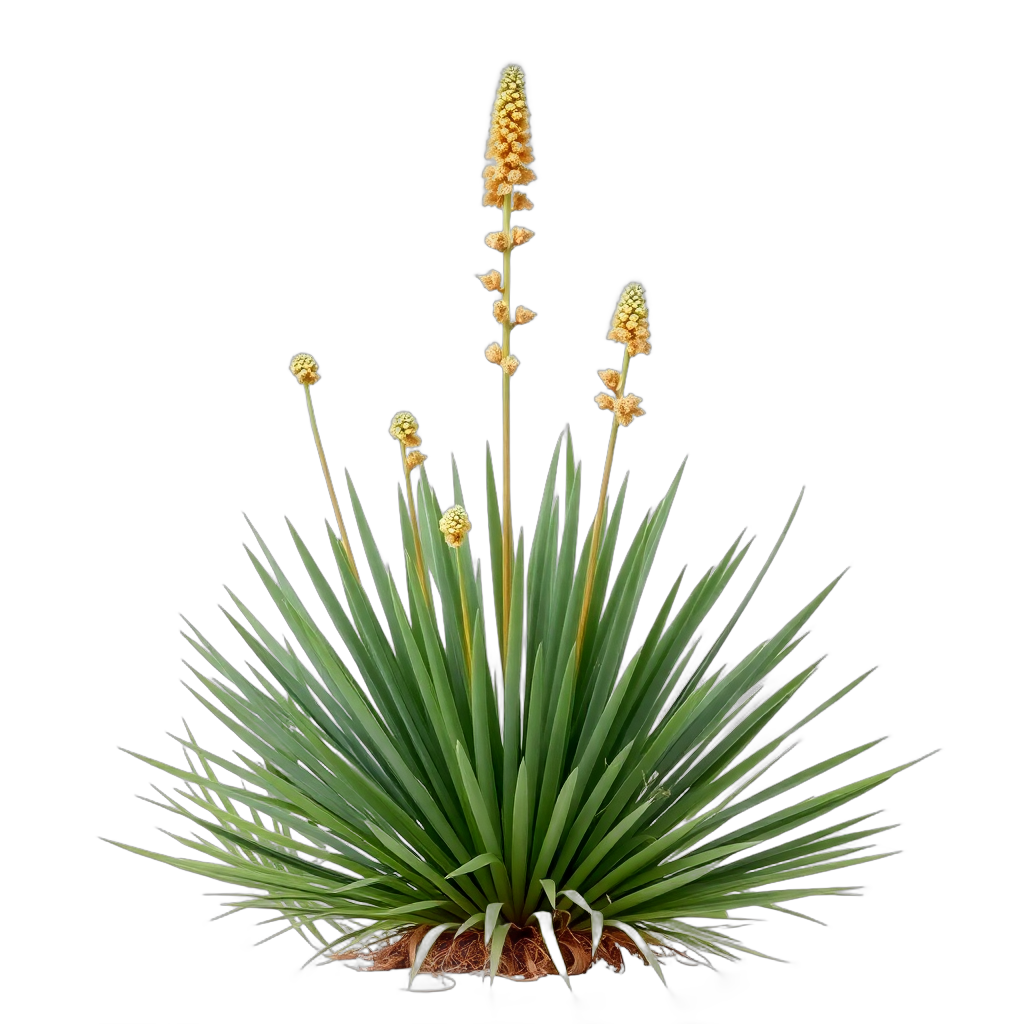
Adam's Needle
Yucca filamentosa
low-growing ground cover, white blooms in summer. Attracts hummingbirds.

Papyrus
Cyperus papyrus
grows to 5 feet, blooms in summer. Pollinator-friendly.

Water Hyacinth
Eichhornia crassipes
low-growing ground cover, purple blooms in summer. Attracts butterflies.

Water Plantain
Alisma plantago-aquatica
low-growing ground cover, white blooms in summer. Attracts butterflies.
Zone and sun checks come from our database — confirm with your local nursery before you buy.
Bloom Calendar for Deltona
spring
Buckwheat Tree, Fetterbush, Florida Anisesummer
Adam's Needle, Swamp Cyrilla, Loblolly Bayfall
Pink Muhly Grass, Purple Love Grasswinter
Limited bloomsDesign Tips for Deltona (Zone 9b)
- Swap Delphinium elatum for Salvia guaranitica 'Black and Blue' and plant larkspur in October: Deltona's 90.9°F July average high (NOAA, DeLand normals) kills the English spire plants, but the blue vertical shapes can stay.
- Build every bed with 3–4 inches of compost worked into the top 8 inches: Volusia County describes the area's soils as sandy and fast-draining, and without organic matter roses and perennials dry out within days in summer.
- Plan for a mid-January frost cloth: the median last 32°F freeze is near February 17 and one year in ten sees one after March 19, so keep sheets or frost cloth ready for Hamelia patens and Pentas lanceolata 'New Look Red'.
- Choose Rosa 'Mutabilis', Rosa 'Old Blush' and Rosa banksiae 'Lutea' over hybrid teas: all three flower for months and stay healthy through 8-inch rainfall months in June through September.
- Run drip irrigation on a timer and avoid watering between 10 a.m. and 4 p.m. as the St. Johns River Water Management District requires; check its watering-restrictions page for your day and address.
- Use crushed shell or gravel for paths rather than turf or mulch: sandy soil drains fast and shell edges keep the cottage look at a lower cost than pavers.
- Plant the winter cutting garden in October: April is Deltona's driest month at about 2.5 inches, so spring annuals peak just as the rain stops and drip takes over.
Where to Source Plants in Deltona
Skip the big-box stores. These independent Deltona nurseries specialize in the plants that make cottage/english gardens thrive in Zone 9b.
Lukas Nursery
Oviedo (Slavia Road)
Large independent garden center with landscape, patio and indoor plants, plus one of the larger native butterfly conservatories in the state; a reliable source for roses, salvias and pollinator plants
The Reid Farm
DeLand (San Juan Street)
Licensed nursery focused on edible plants and fruit trees, with edible landscaping design and installation; open to the public Friday through Sunday, 10 a.m. to 4 p.m.
Lindley's Garden Center
New Smyrna Beach (Canal Street)
Community garden center open since 1972, with Florida native plants, pottery and staff who give planting advice; call ahead for current inventory
Cottage/English Landscaping Cost Ranges
| Project Scope | Estimated Cost |
|---|---|
| Picket fence, 4 ft tall (60 linear ft) | $1,500–$2,400 |
| Brick paver walk (100 sqft) | $2,000–$2,600 |
| Wood garden arbor (8 sqft footprint, about 4 x 2 ft) | $750–$1,100 |
| AI visualization (ProScapeAI) | Free to start |
National average installed ranges for 2026 from our landscaping price list (Homewyse and other published sources). Prices in Deltona, FL vary with site, materials and contractor, so get two or three local quotes.
Deltona Climate & Growing Zone
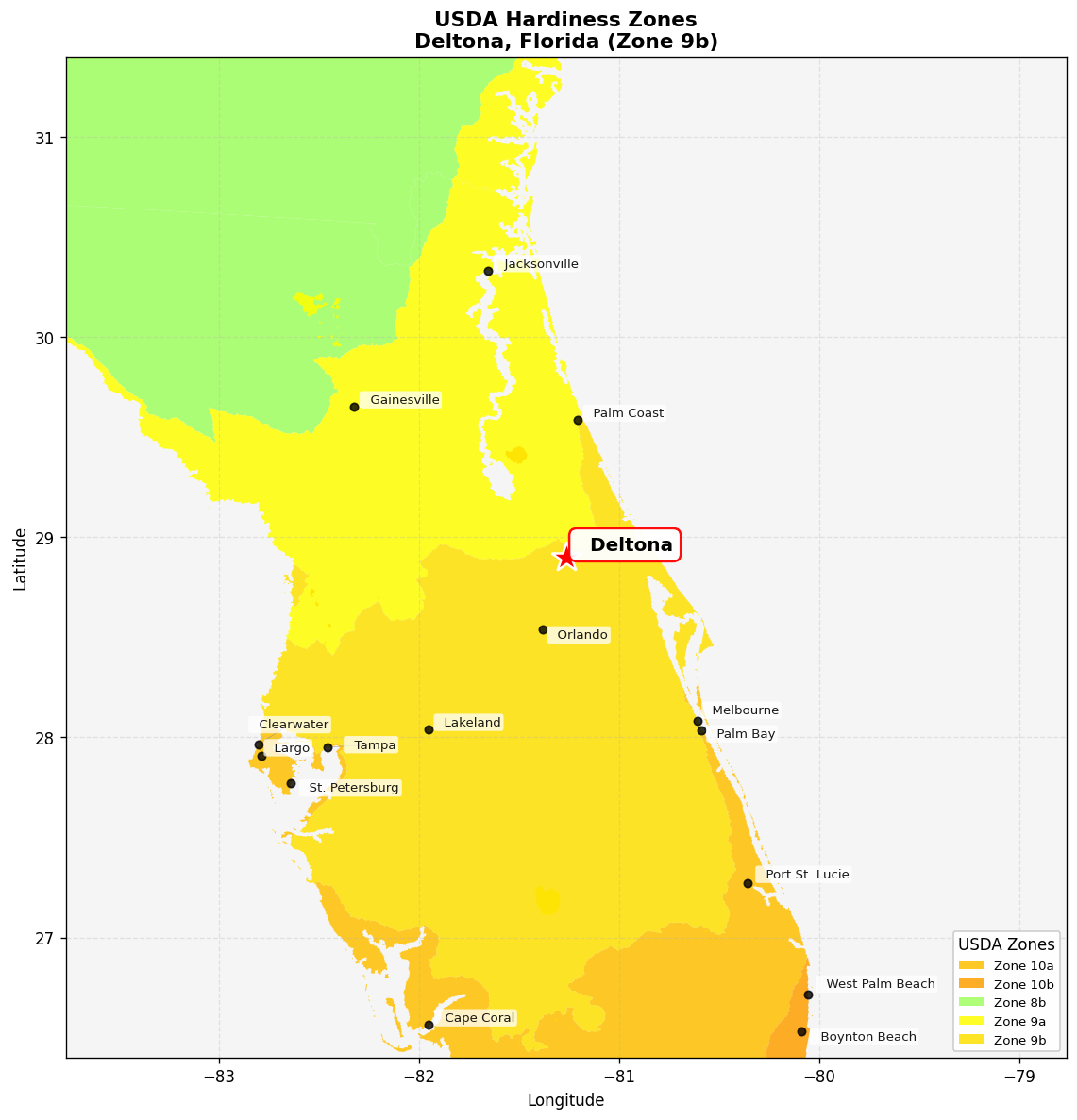
USDA Zone 9b
Hardiness zone for Deltona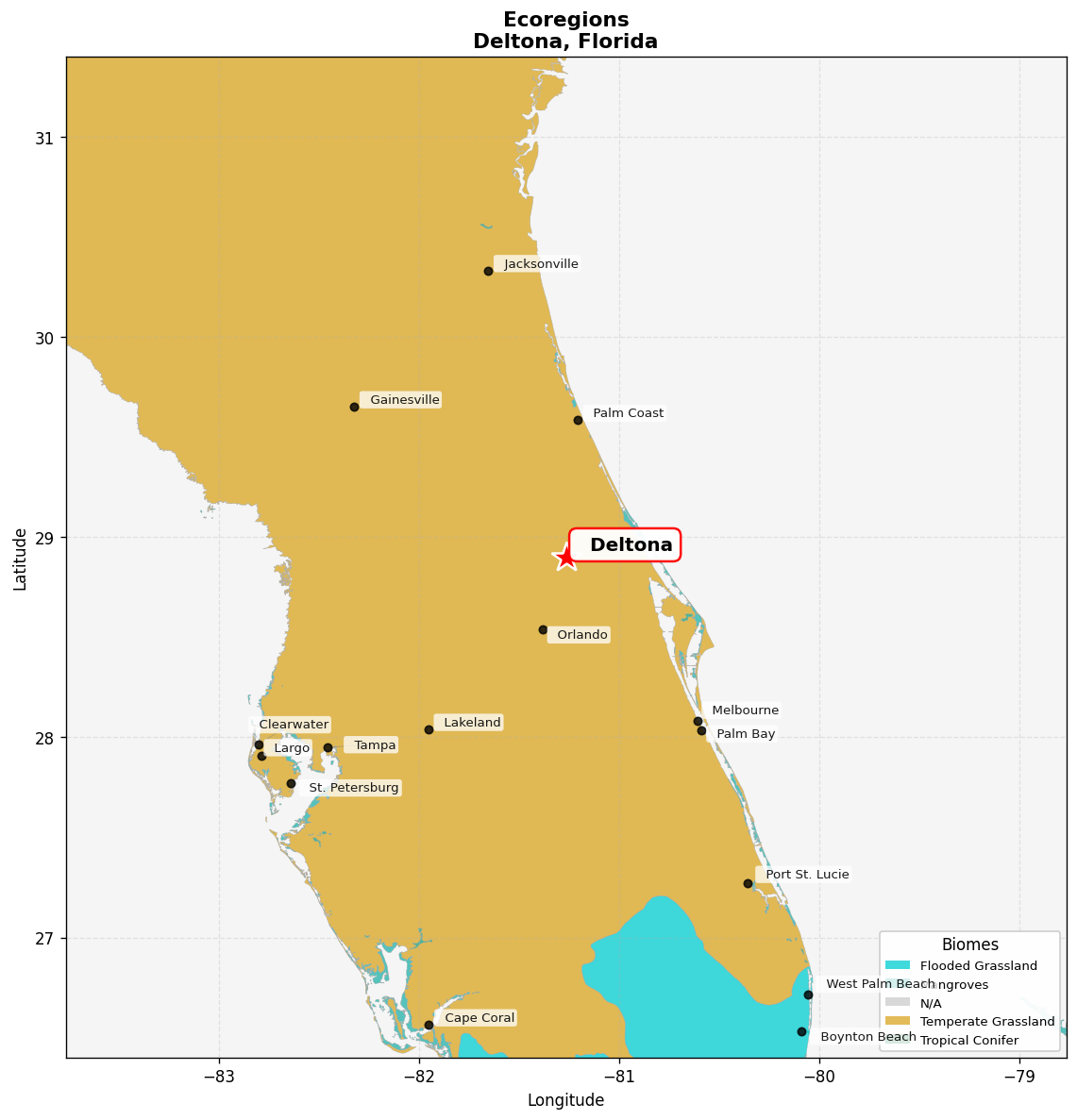
Southeast US conifer savannas
Native ecoregionFrequently Asked Questions
How much does an English cottage garden cost in Deltona, FL?
Costs vary with yard size, materials and local labor, so get two or three local quotes before you commit. Prices vary with the contractor and the season, so get three written quotes and ask each to list the plants by cultivar.
Is a cottage garden low maintenance in Deltona's climate?
It is medium maintenance, and the work comes in two bursts. In October and again in March you replant the winter annuals, cut back the frost-damaged perennials and top up the mulch. Between those, the roses need a 15-minute weekly look for blackspot, and Rosa 'Mutabilis' and Rosa 'Knock Out' are the easiest to keep clean. Drip irrigation is the single biggest time saver on sand that drains this fast.
When is the best time to plant a cottage garden in Deltona?
October through early March for roses, perennials and shrubs, because the roots establish while the rainy season is over and the heat is gone. NOAA's DeLand normals show a median last freeze near February 17 and a median first freeze near December 30, so plant frost-tender Hamelia patens and Pentas lanceolata 'New Look Red' after the last freeze risk passes in mid-March. Cool-season annuals such as larkspur and Antirrhinum majus 'Madame Butterfly' go in during October.
Do I need a permit or HOA approval for a fence or arbor in Deltona?
Often yes for the fence and sometimes for a larger arbor. Check the City of Deltona's building and zoning rules for fence height and placement, and read your deed restrictions or HOA covenants if you have them, because many neighborhoods limit fence style and front-yard height. Plants and mulch normally need no permit. Irrigation is regulated by the St. Johns River Water Management District, so look up its watering restrictions for your address.
Which classic cottage plants die in Deltona, and what replaces them?
English lavender, Delphinium elatum and Digitalis purpurea fail in the combination of 90°F July highs and 8-inch summer rainfall months. Use Salvia guaranitica 'Black and Blue' for blue spires, Plumbago auriculata 'Imperial Blue' for the edging, Consolida ajacis for the winter delphinium look, and Rosa 'Old Blush' or Rosa 'Mutabilis' for the roses. Lavender look-alikes such as Salvia 'Amistad' also hold up better than any true lavender.
What do I do about the sandy soil?
Volusia County's soil descriptions for the area's ridges and flatwoods describe sandy, acidic, fast-draining ground with little water and nutrient holding capacity. Work 3–4 inches of compost into the top 8 inches of each bed, mulch 3 inches deep with pine bark, and feed roses lightly in March, June and September. A soil test through UF/IFAS Extension Volusia County will tell you your actual pH and nutrient levels before you buy fertilizer.
Can I grow roses in Deltona without spraying constantly?
Yes, if you choose carefully. Rosa 'Knock Out', Rosa 'Mutabilis', Rosa 'Old Blush' and Rosa banksiae 'Lutea' are the Central Florida workhorses, and Lady Banks has almost no disease problem. Hybrid teas and most English roses defoliate by midsummer in this humidity. Give roses six hours of sun, water at the base, and prune in late February after the last likely freeze.