4 Modern Landscape Ideas for Deltona, FL | Zone 9b Sand-Smart Designs
Native plants from the Southeast US conifer savannas (Zone 9b) — Humid subtropical climate
For a modern garden in Deltona, FL, a zone 9b city with a humid subtropical climate, start with Muhlenbergia capillaris 'Pink Cloud', Serenoa repens (silver form) and Zamia integrifolia, the plants this guide's first design is built on.
Why Modern/Minimalist Gardens in Deltona?
Deltona's newer stucco homes, with flat fronts, two-car garages and wide driveways, suit a modern landscape: simple masses, clean edges and a few strong shapes. Most of these lots are flat and sunny, and many sit on sandy, acidic soil that Volusia County describes as excessively drained. A modern design works with that rather than fighting it, because gravel, ornamental grasses and native palms handle fast drainage better than lawn and thirsty hedges do.
NOAA's 1991–2020 normals for the DeLand station, about eight miles north, give 55.5 inches of rain a year, with June through September each receiving 6.9–8.7 inches and April only 2.5. July highs average 90.9°F, and the January average low is 44.6°F. The median last 32°F freeze falls near February 17 and the median first near December 30, so Zone 9b plants are safe most years but not every year. Choose plants that tolerate both soggy summers and the occasional freeze: Muhlenbergia capillaris 'Pink Cloud', Serenoa repens (silver form), Zamia integrifolia and Sabal palmetto all do.
Desert plants need a different approach here. Agave 'Blue Glow' and Yucca gloriosa rot in July's rains if planted flat, so mound them on gravel and sand mix 12–18 inches above grade. Skip the Phoenix canariensis palm in favor of Sabal palmetto or Butia odorata, which are cold-tolerant and far less trouble. Mass plantings in drifts of five to nine of one species look more modern than a mixed collection, and they cut weeding and watering to a single zone.
Water rules are part of the plan. The St. Johns River Water Management District publishes landscape irrigation restrictions, including a ban on watering between 10 a.m. and 4 p.m., so put each bed on drip and check the district's watering-restrictions page for your address before choosing a schedule. Sandy soil also holds little water or fertilizer, so a 3-inch mulch layer or gravel topdressing pays off quickly, and a soil test through UF/IFAS Extension Volusia County tells you whether the bed needs lime or iron.
4 Modern/Minimalist Design Ideas for Deltona
AI-generated image
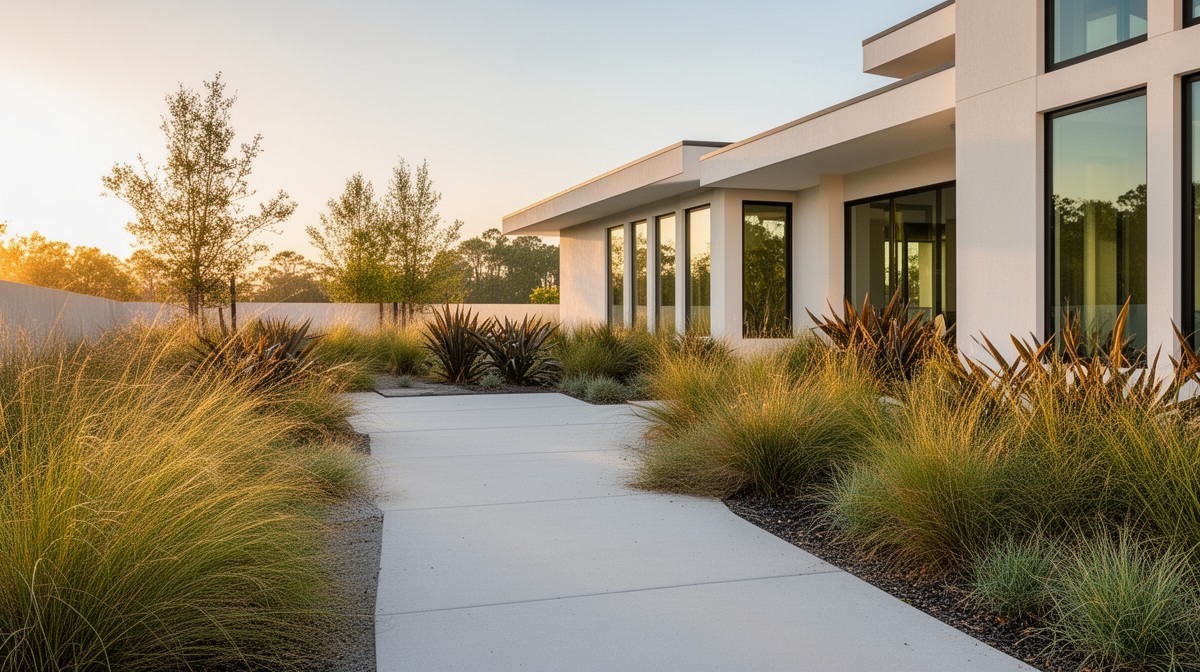
The Pink Muhly Front Yard
$12–28/sqftA tight rectangle of Muhlenbergia capillaris 'Pink Cloud' fills the front bed under the living room windows of a stucco ranch, with the pink plumes peaking in October. Silver saw palmetto and a few Zamia integrifolia sit in the corners as dark counterpoints, a dwarf yaupon hedge keeps the line crisp, and a poured concrete walk runs straight to the door. The only lawn left is a narrow strip of Floratam St. Augustine by the street.
Try this on your yard: The Pink Muhly Front YardAI-generated image
The Raised Planter Courtyard
$28–52/sqftBoard-formed concrete planters, 18 inches high, line a sun-baked entry court and lift the agaves out of the wet summer soil. Agave 'Blue Glow' and Dasylirion wheeleri stand in gravel-topped planters beside a dark front door, with a grid of black pavers underfoot. Raised beds give the drainage these plants need in July, when Deltona's rain can reach 8–9 inches in a month.
Try this on your yard: The Raised Planter CourtyardAI-generated image
The Palm and Gravel Entry
$14–34/sqftA wide gravel court replaces half the front lawn, with three Sabal palmetto of varying height planted as a cluster. Silver saw palmetto and Juniperus conferta 'Blue Pacific' spread beneath them, and a single stepping-stone path crosses the gravel to the door. Native palms cost little to maintain and ride out both summer storms and the occasional winter freeze.
Try this on your yard: The Palm and Gravel EntryAI-generated image
The Pool Deck Screen
$24–48/sqftA row of Magnolia grandiflora 'Little Gem' and Viburnum obovatum 'Densa' screens a back fence and the neighbors, with Liriope 'Variegated' and Muhlenbergia in front. Concrete pavers surround a rectangular pool, and a floating bench sits beside a tidy raised planter of Sabal minor and Zamia integrifolia. Evergreen foliage keeps the view green year-round without dropping much litter in the water.
Try this on your yard: The Pool Deck ScreenSee how a modern/minimalist garden looks on YOUR property
Upload a photo of your Deltona yard and visualize your dream garden in seconds.
Try ProScapeAI Free

AI-generated image
Featured Trees & Shrubs for Modern/Minimalist Gardens
Browse all 181 plants for Deltona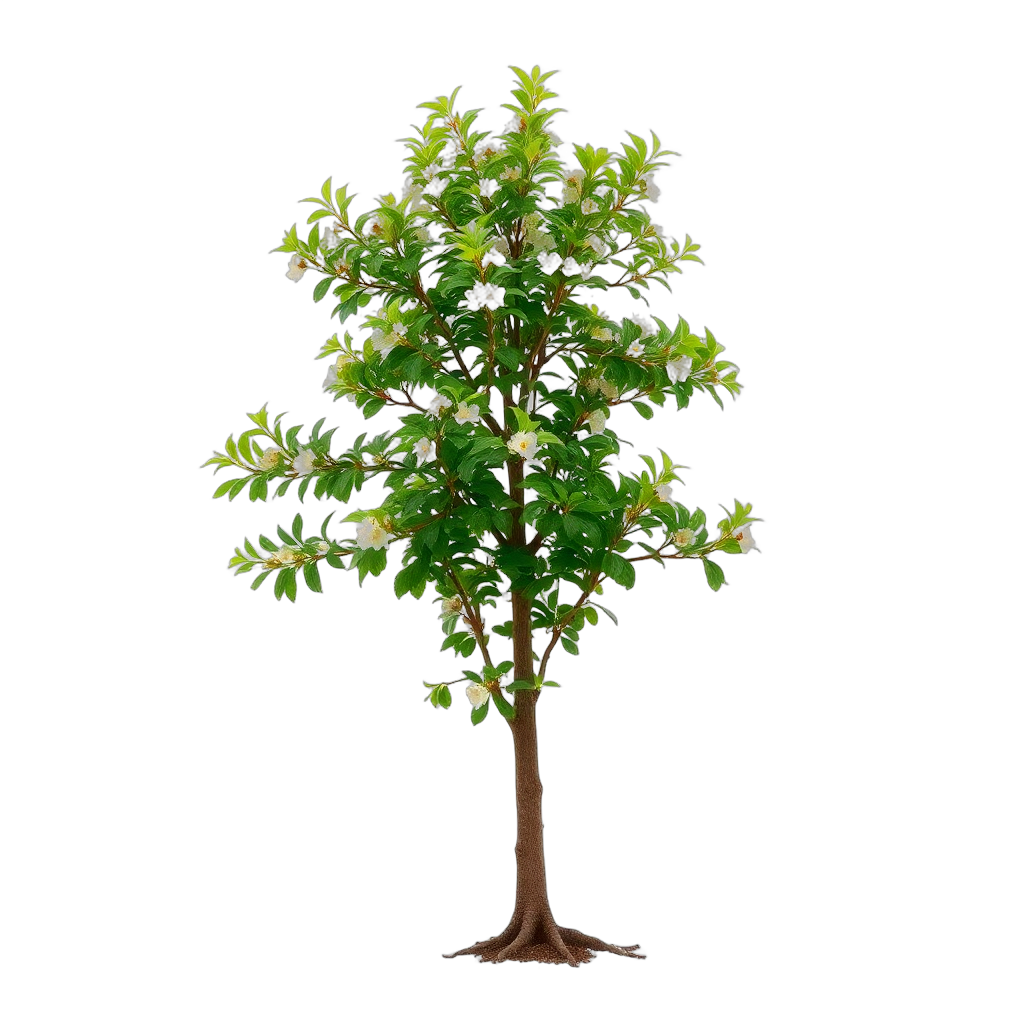
Buckwheat Tree
Cliftonia monophylla
medium-sized at 15 feet, white blooms in spring. Attracts butterflies.
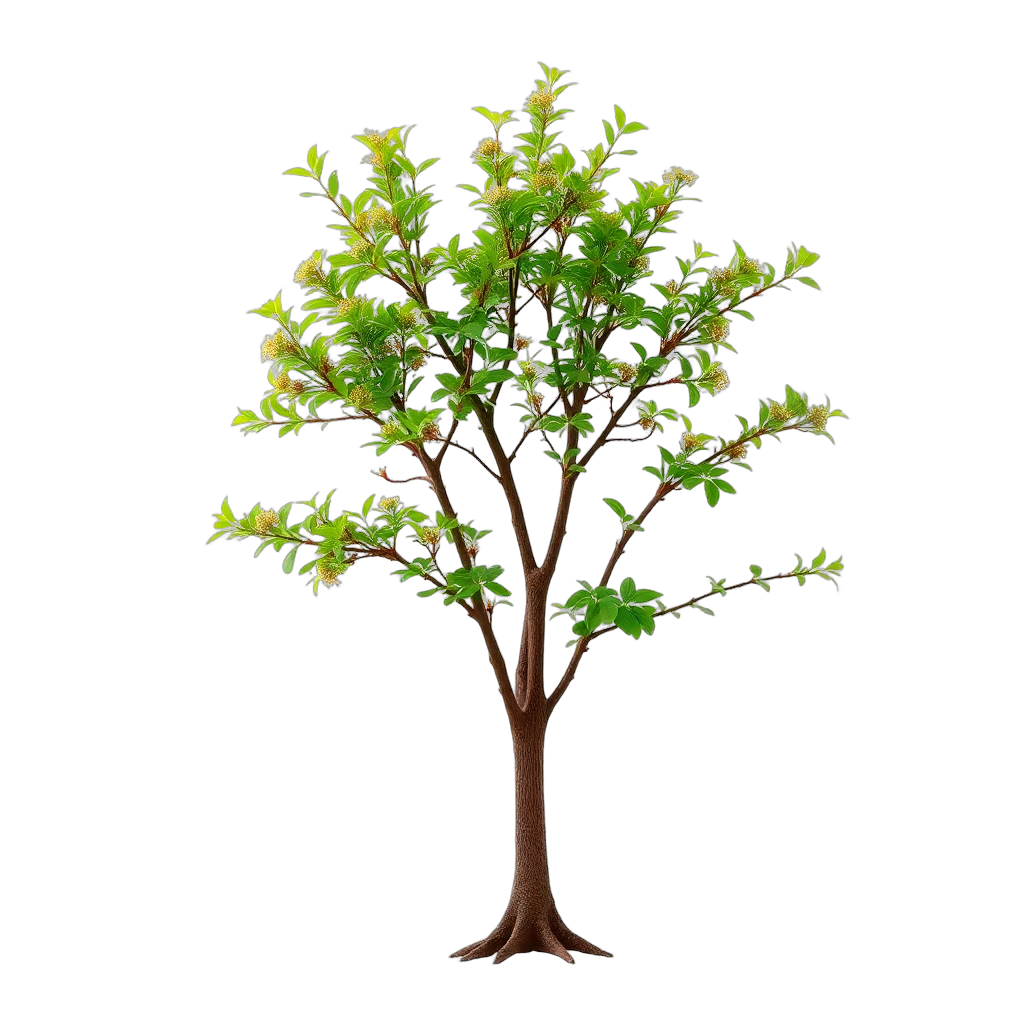
Fetterbush
Lyonia lucida
grows to 6 feet, white blooms in spring. Evergreen year-round.
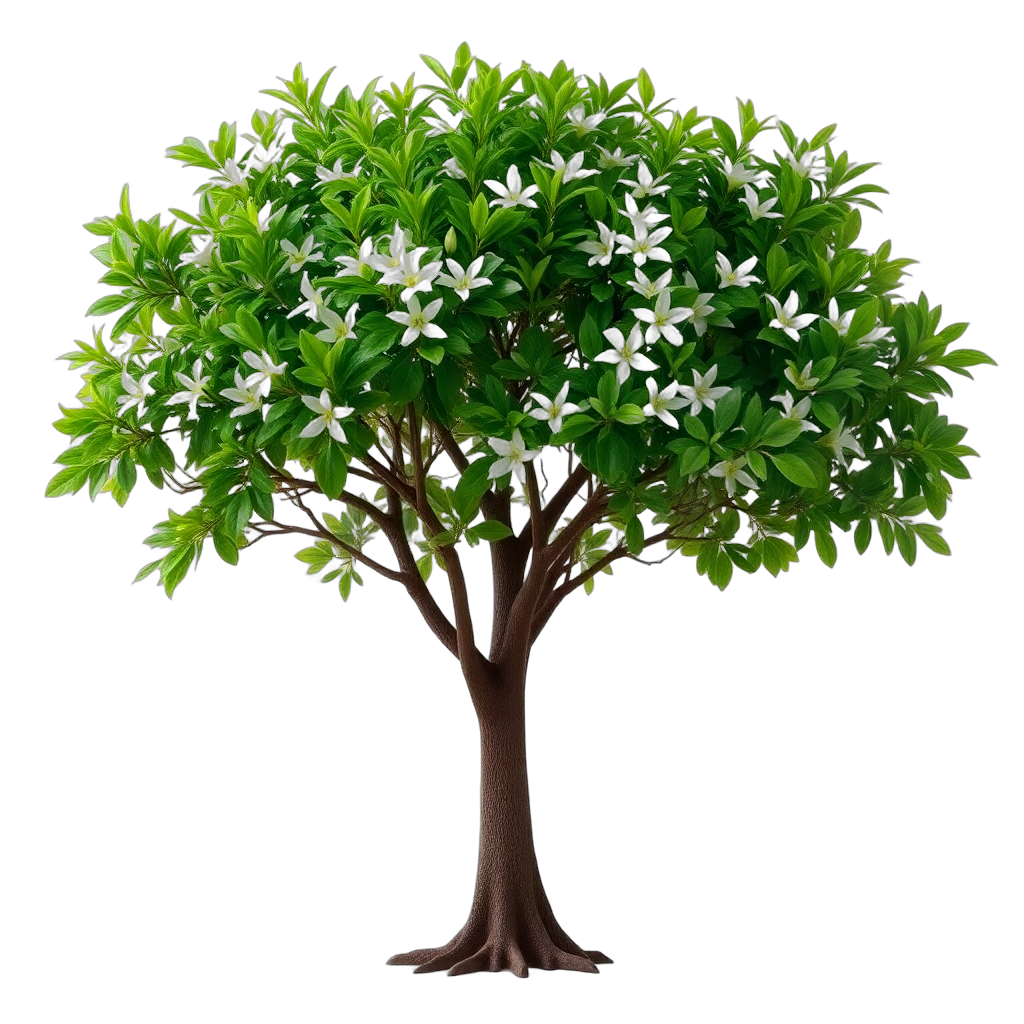
Florida Anise
Illicium floridanum
medium-sized at 8 feet, red blooms in spring. Evergreen year-round.

Inkberry
Ilex glabra
medium-sized at 8 feet, white blooms in spring. Pollinator-friendly.
Featured Grasses & Groundcovers for Modern/Minimalist Gardens

Pink Muhly Grass
Muhlenbergia capillaris
grows to 3 feet, pink blooms in fall.
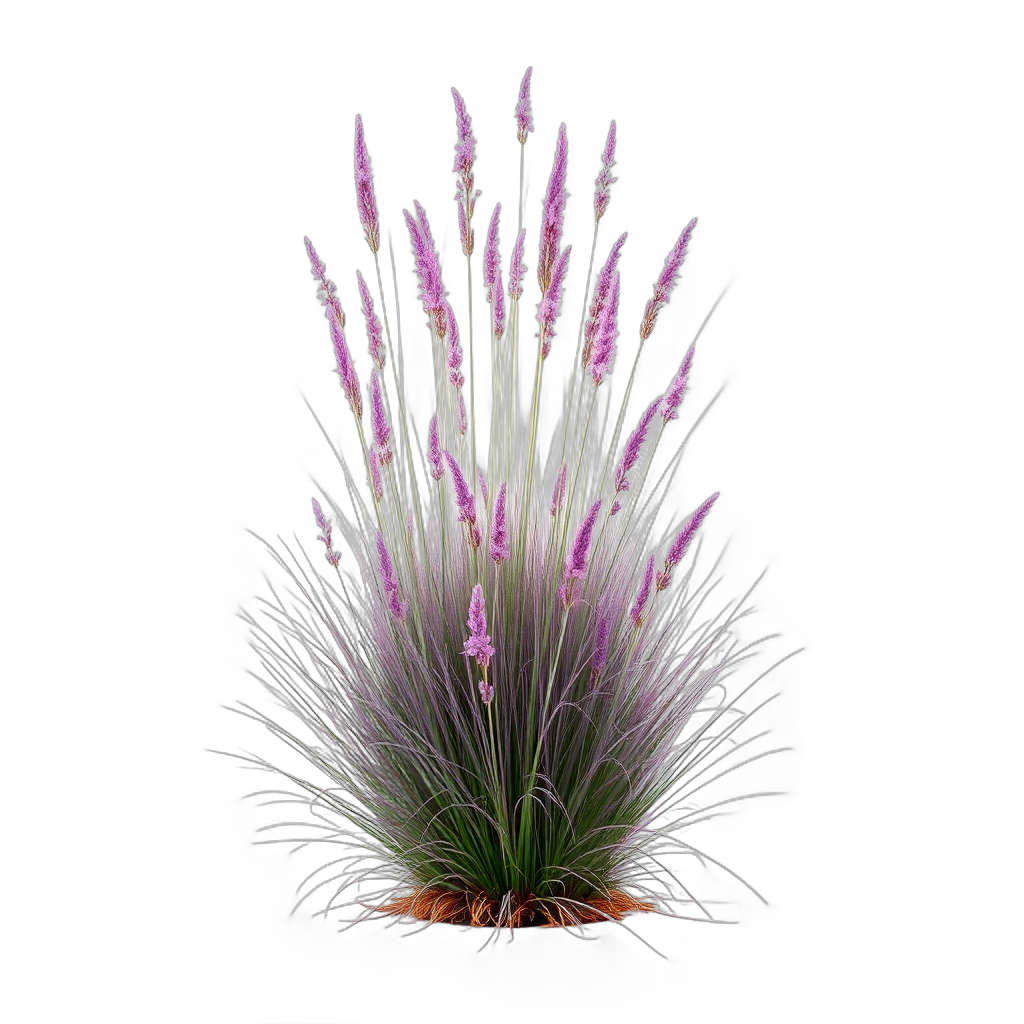
Purple Love Grass
Eragrostis spectabilis
low-growing ground cover, purple blooms in fall. Orange fall color.
Featured Flowers & Perennials for Modern/Minimalist Gardens
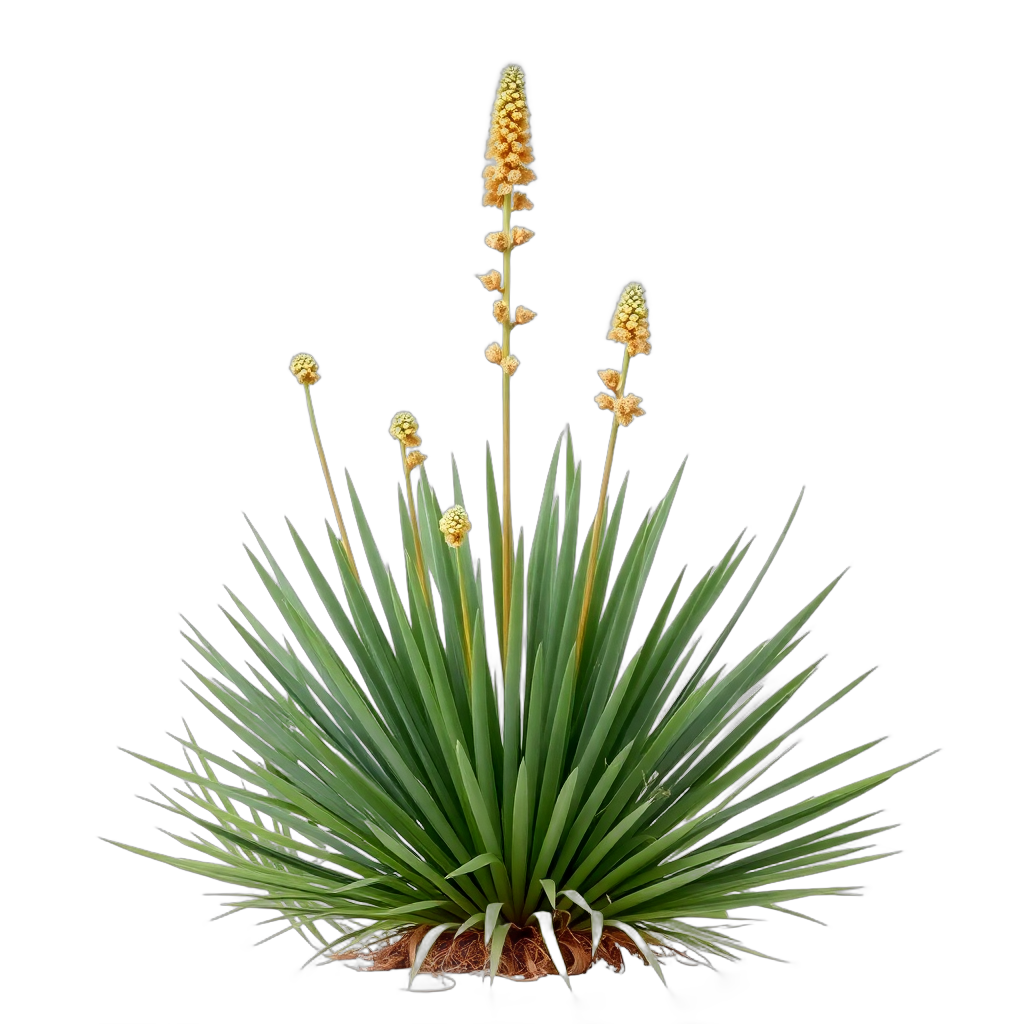
Adam's Needle
Yucca filamentosa
low-growing ground cover, white blooms in summer. Attracts hummingbirds.

Papyrus
Cyperus papyrus
grows to 5 feet, blooms in summer. Pollinator-friendly.

Water Hyacinth
Eichhornia crassipes
low-growing ground cover, purple blooms in summer. Attracts butterflies.

Water Plantain
Alisma plantago-aquatica
low-growing ground cover, white blooms in summer. Attracts butterflies.
Zone and sun checks come from our database — confirm with your local nursery before you buy.
Bloom Calendar for Deltona
spring
Buckwheat Tree, Fetterbush, Florida Anisesummer
Adam's Needle, Swamp Cyrilla, Loblolly Bayfall
Pink Muhly Grass, Purple Love Grasswinter
Limited bloomsDesign Tips for Deltona (Zone 9b)
- Plant Muhlenbergia capillaris 'Pink Cloud' in drifts of five to nine: it peaks in October and handles Deltona's sandy, fast-draining soil without added water once established.
- Mound agaves and Dasylirion wheeleri 12–18 inches above grade on a gravel and sand mix: July rains of 8.7 inches (NOAA, DeLand normals) rot desert crowns planted flat.
- Use Sabal palmetto and Butia odorata instead of Phoenix palms: they tolerate the occasional freeze (the median last 32°F freeze is near February 17) and need less maintenance.
- Put every bed on drip with a timer and water outside the 10 a.m. to 4 p.m. ban set by the St. Johns River Water Management District; check its watering-restrictions page for your address.
- Use 3 inches of pine bark or a gravel topdressing: Volusia County describes the area's soils as sandy and quick to drain, so a mulch layer cuts watering visibly.
- Keep one small lawn panel with a steel edge: it frames the beds and satisfies most HOA front-yard rules, while the rest of the yard stays low-water.
- Cut Muhlenbergia capillaris to 6 inches in late February, after the last likely freeze, so fresh growth is ready for the summer rains.
Where to Source Plants in Deltona
Skip the big-box stores. These independent Deltona nurseries specialize in the plants that make modern/minimalist gardens thrive in Zone 9b.
Lukas Nursery
Oviedo (Slavia Road)
Large independent garden center with landscape, patio and indoor plants, plus one of the larger native butterfly conservatories in the state; a reliable source for roses, salvias and pollinator plants
The Reid Farm
DeLand (San Juan Street)
Licensed nursery focused on edible plants and fruit trees, with edible landscaping design and installation; open to the public Friday through Sunday, 10 a.m. to 4 p.m.
Lindley's Garden Center
New Smyrna Beach (Canal Street)
Community garden center open since 1972, with Florida native plants, pottery and staff who give planting advice; call ahead for current inventory
Modern/Minimalist Landscaping Cost Ranges
| Project Scope | Estimated Cost |
|---|---|
| Paver or concrete entry walk (100–200 sqft) | $1,200–$5,700 |
| Concrete patio, broom finish (200 sqft) | $2,100–$2,500 |
| Low-voltage landscape lighting (6 fixtures) | $1,200–$2,000 |
| AI visualization (ProScapeAI) | Free to start |
National average installed ranges for 2026 from our landscaping price list (Homewyse and other published sources). Prices in Deltona, FL vary with site, materials and contractor, so get two or three local quotes.
Deltona Climate & Growing Zone
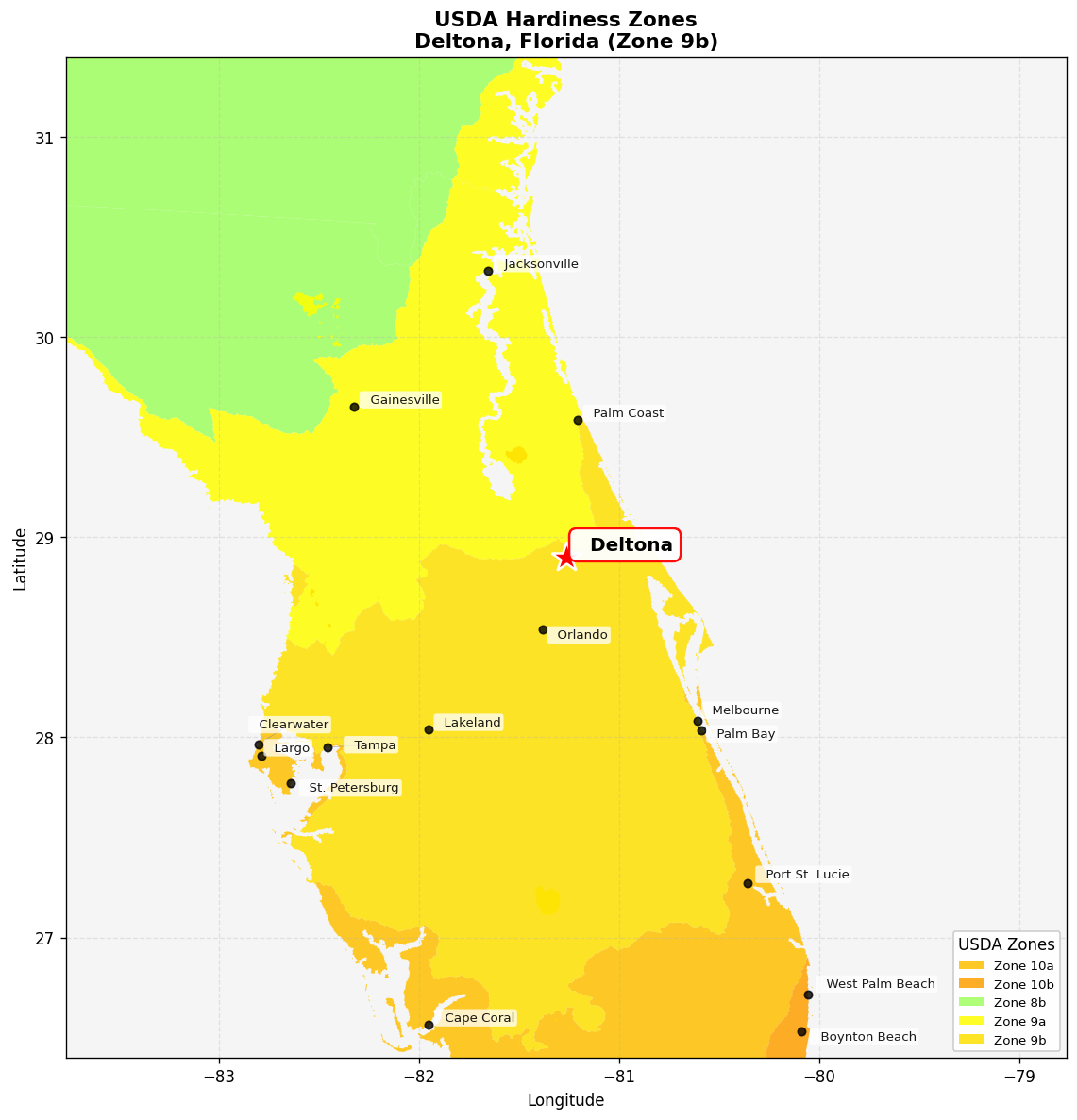
USDA Zone 9b
Hardiness zone for Deltona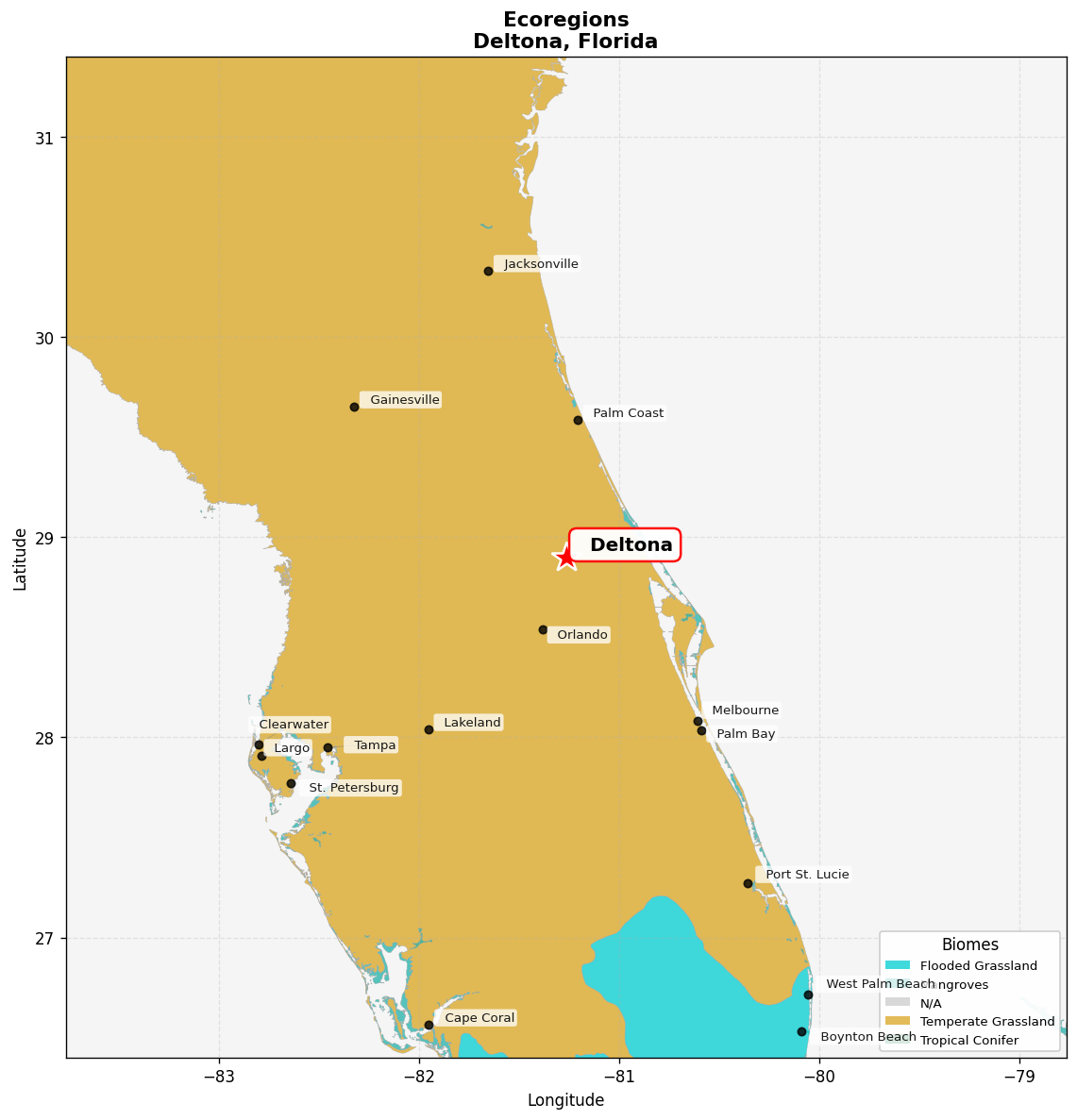
Southeast US conifer savannas
Native ecoregionFrequently Asked Questions
How much does modern landscaping cost in Deltona, FL?
Budget follows the size of the project and the materials, so collect a few local quotes before you decide. Costs vary by contractor and season, so get three written quotes that list each plant by cultivar, such as Muhlenbergia capillaris 'Pink Cloud' and Serenoa repens.
Is a modern landscape low maintenance in Deltona's climate?
Yes, once established. Muhlenbergia capillaris 'Pink Cloud' needs only a hard cutback in late February, Sabal palmetto and Serenoa repens need almost nothing, and Zamia integrifolia (coontie) is a native that tolerates drought and shade. Most of the work is weeding gravel and mulch twice a year and checking the drip line. Avoid thirsty hedges and large lawn areas if low maintenance is the goal.
When is the best time to plant in Deltona?
October through early March is the best window for shrubs, grasses and palms, because the heat and the heaviest rain are over and roots establish through a mild winter. NOAA's DeLand normals show a median last 32°F freeze near February 17, so wait until late February or March for frost-tender plants. Summer planting works with daily watering in the first weeks, but check the St. Johns River Water Management District rules first.
Do I need a permit or HOA approval for landscaping in Deltona?
Planting and mulching generally need no permit. Retaining walls, fences, pavers over a certain area and drainage changes may require a city permit, so check the City of Deltona's building and zoning rules, and read your HOA covenants or deed restrictions, which often control front-yard plantings. Irrigation is regulated by the St. Johns River Water Management District, which restricts watering between 10 a.m. and 4 p.m.
What survives Deltona's heat, rain and occasional freeze?
Sabal palmetto, Serenoa repens, Zamia integrifolia, Muhlenbergia capillaris 'Pink Cloud' and Ilex vomitoria 'Schillings' handle 90.9°F July highs, 8-inch rain months and the occasional frost. Agave 'Blue Glow' and Dasylirion wheeleri survive only when mounded or planted in raised beds, since wet summer soil rots the crowns. Tender tropicals such as Ixora are risky because Deltona sees freezes in some years.
How do I handle sandy soil in a modern design?
Volusia County's soil descriptions for the area's ridges describe sandy, acidic, fast-draining soil. Choose plants that like it, such as Muhlenbergia capillaris and Serenoa repens, and use gravel or 3 inches of pine bark mulch to slow evaporation. Raised planters with imported planting mix work for agaves. A UF/IFAS Extension Volusia County soil test tells you pH and nutrient needs before you fertilize.
Should I keep any lawn in a modern Deltona yard?
A small, clean panel of Floratam or Palmetto St. Augustine near the street keeps the house in line with the neighbors and gives children and pets a place to play. Everything else works better in beds, since sandy soil and watering limits make large lawns costly to keep green. Mark the lawn edge with steel so the grass does not creep into the mulch.