4 Desert Garden Ideas for Denver, CO | Shortgrass Prairie Xeriscape for Zone 5b
Native plants from the Western shortgrass prairie (Zone 5b) — Cold semi-arid climate
Why Desert/Xeriscape Gardens in Denver?
Before Denver was Denver, it was Western shortgrass prairie — a semi-arid grassland stretching from the Rockies to the 100th meridian. The native landscape was dominated by blue grama and buffalo grass, punctuated by rabbitbrush, yucca, Apache plume, and the occasional cottonwood along creek drainages. At only 14 inches of annual rainfall with high evaporation driven by Colorado's altitude and intense sun, this land is categorically desert-adjacent — and a landscape designed around its native plants will always outperform one fighting its climate.
Denver's Denver Botanic Gardens and Colorado State University Extension have spent decades building the case for native and xeriscape landscaping, and it shows: contemporary Denver has one of the most sophisticated xeriscape cultures of any major American city. Little bluestem turning copper-red in October front yards, masses of purple coneflower along concrete walkways, and sweeping gravel gardens with specimen yucca are now mainstream design choices in Washington Park, Park Hill, Highlands, and Sloan's Lake neighborhoods. This is no longer a niche — it's the direction the city is moving.
Denver Water's conservation pricing and rebate programs make the financial case straightforward: a xeriscape front yard saves 30,000–40,000 gallons of water annually compared to bluegrass, reducing water bills by $200–$400 per year while delivering a landscape that looks genuinely beautiful — not just drought-tolerant — through Denver's long sunny season. The shortgrass prairie, planted with intention and structure, is Denver's most authentic landscape expression.
4 Desert/Xeriscape Design Ideas for Denver
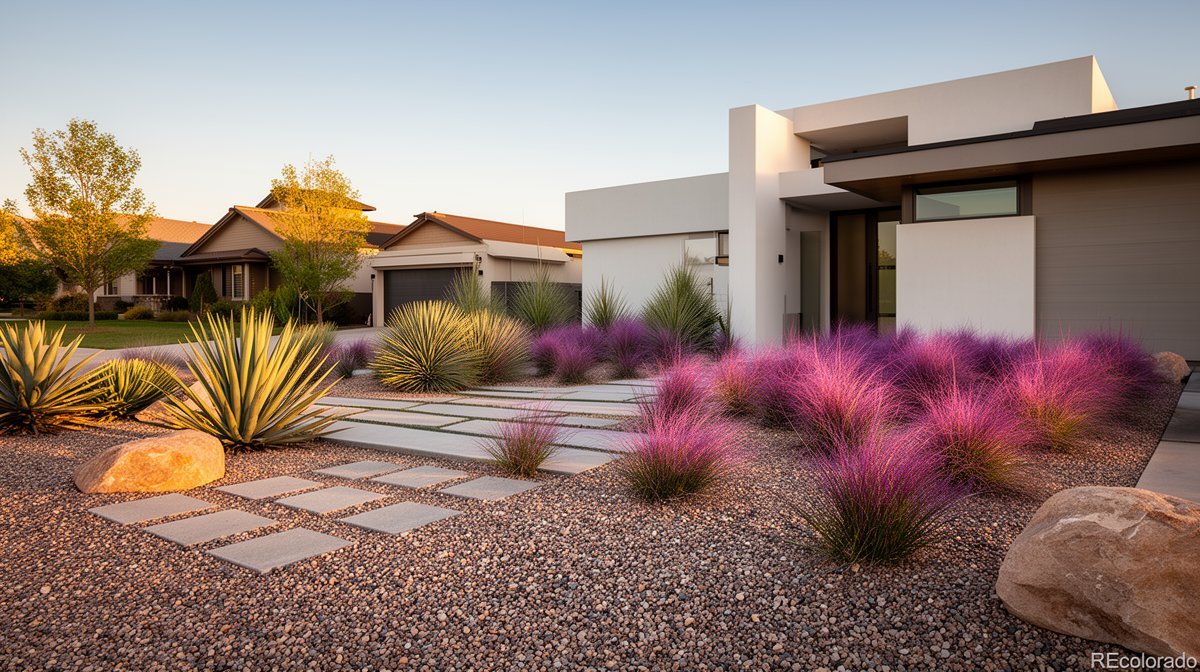
AI-generated image
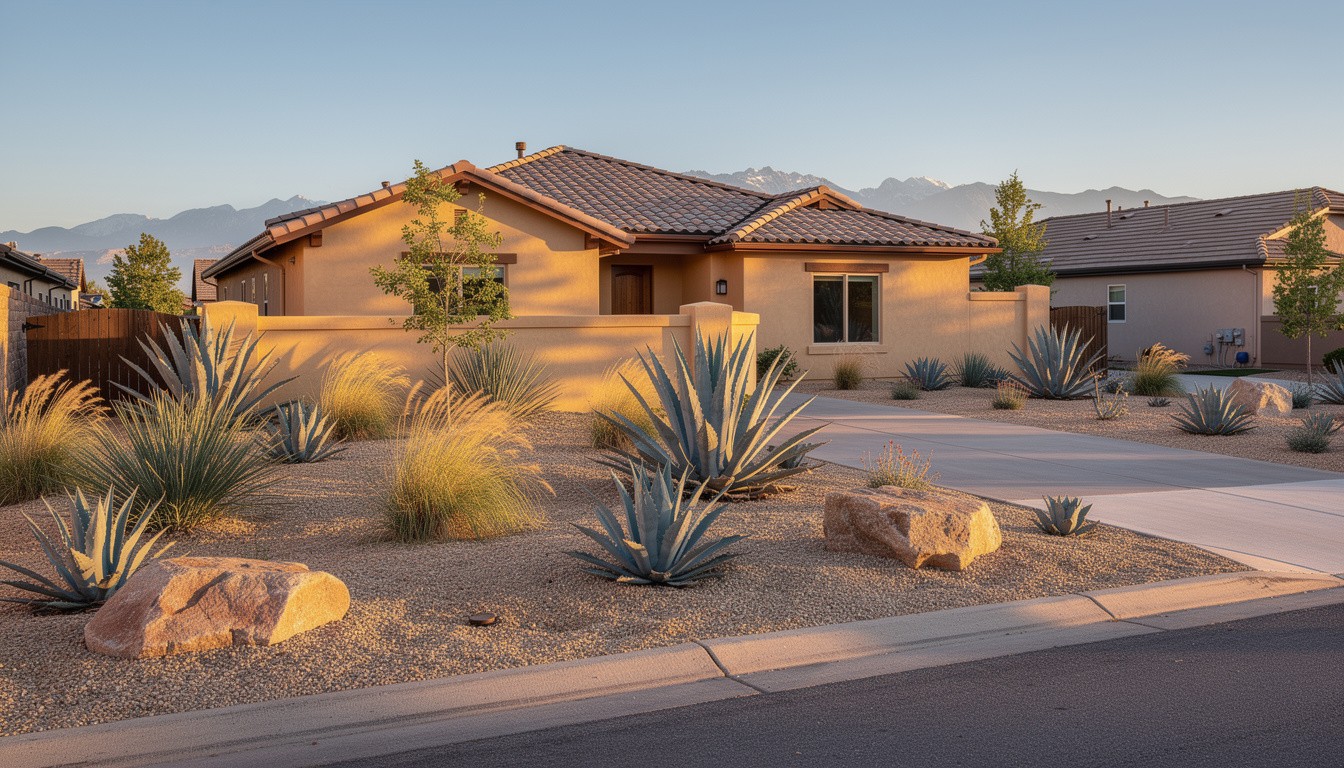
The Southwest Agave Entry
$10–18/sqftSculptural agave and yucca are planted in clusters against a warm stucco facade with a clay tile roof, anchored by large sandstone boulders set into decomposed granite. The entire front yard is lawn-free — DG groundcover flows between planting pockets, and the agave’s blue-green rosettes catch Colorado’s intense sunlight against the earth-toned house. The mountain backdrop visible beyond the roofline completes a scene that feels authentically rooted in the high-desert West.
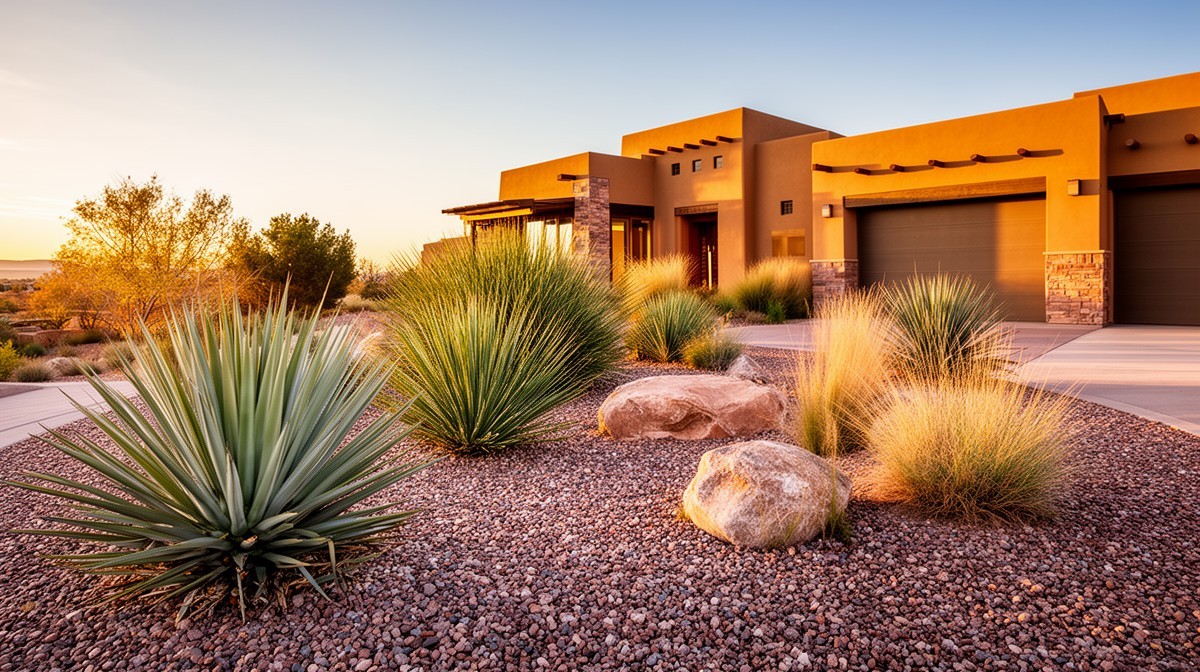
AI-generated image
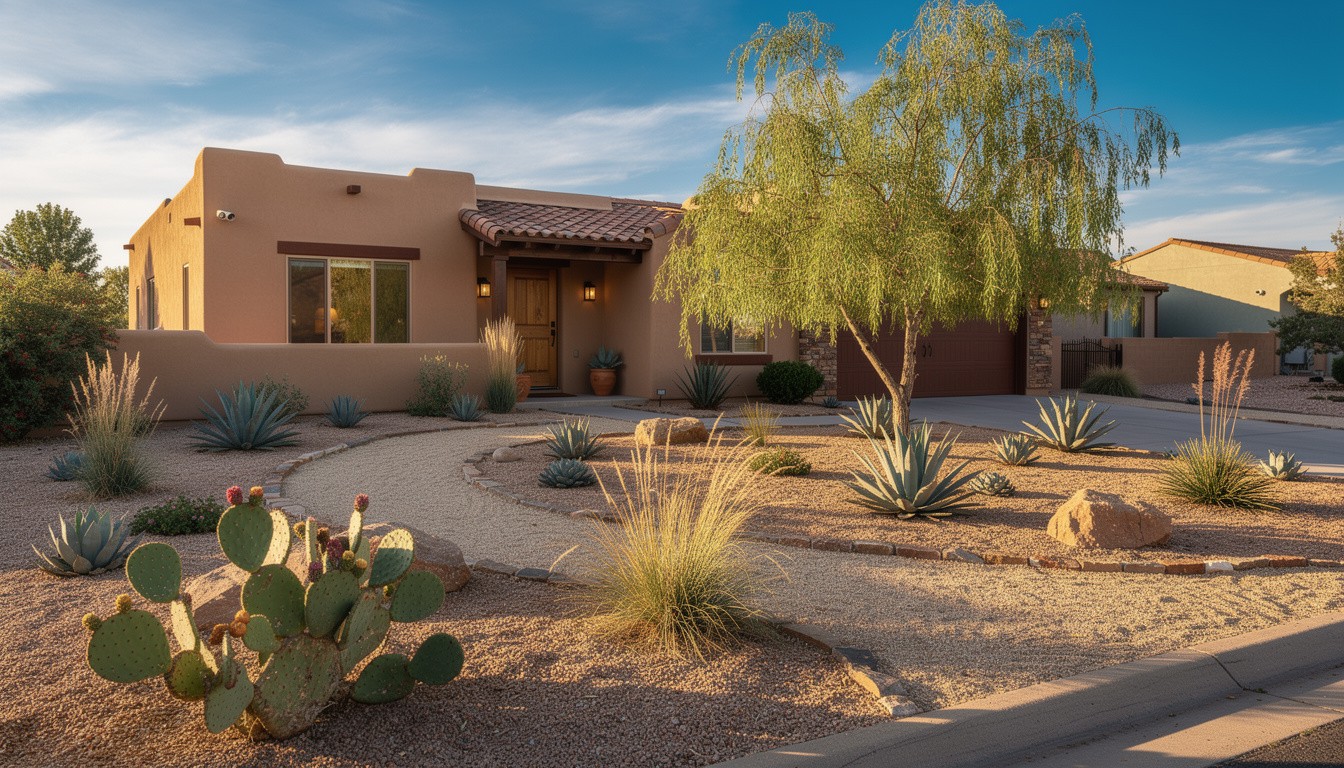
The Palo Verde and Prickly Pear Garden
$12–22/sqftA mature palo verde tree with its distinctive green bark anchors the corner of an adobe-style home, its lacy canopy filtering afternoon sun over a curved DG path that winds past prickly pear cactus, blue agave, and accent boulders. The path draws visitors from the street to a recessed front entry framed by desert plantings. Every element reads as intentional — the prickly pear’s paddle forms, the agave’s spiky symmetry, and the palo verde’s airy canopy create a composition that looks effortless but is carefully designed.
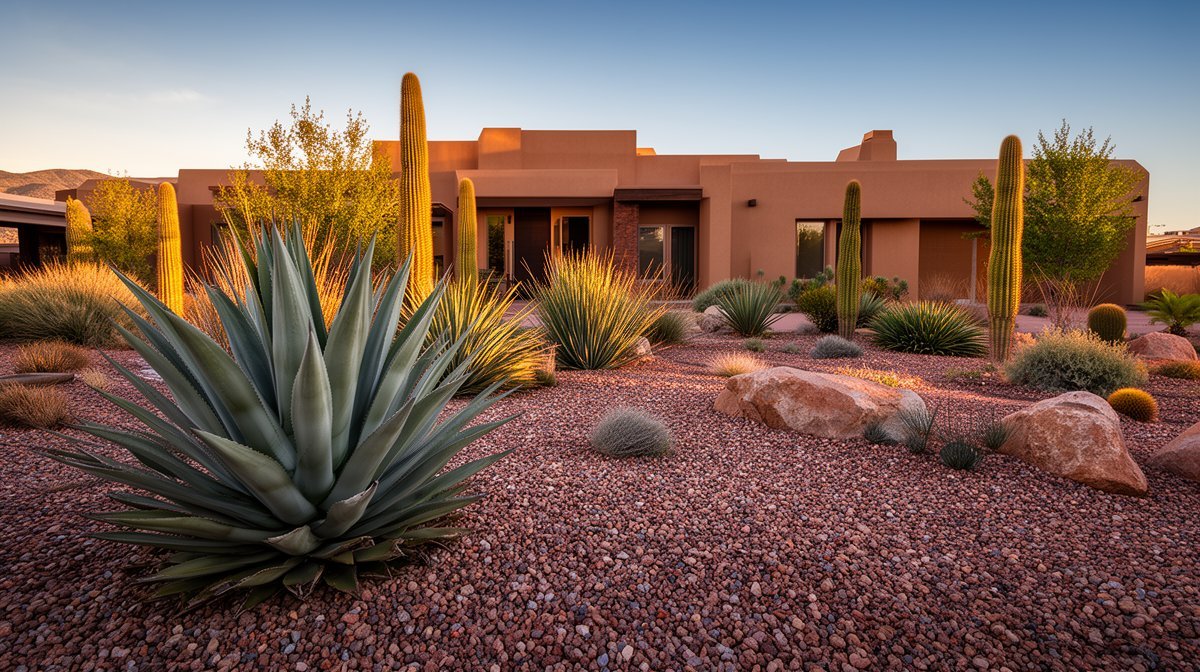
AI-generated image
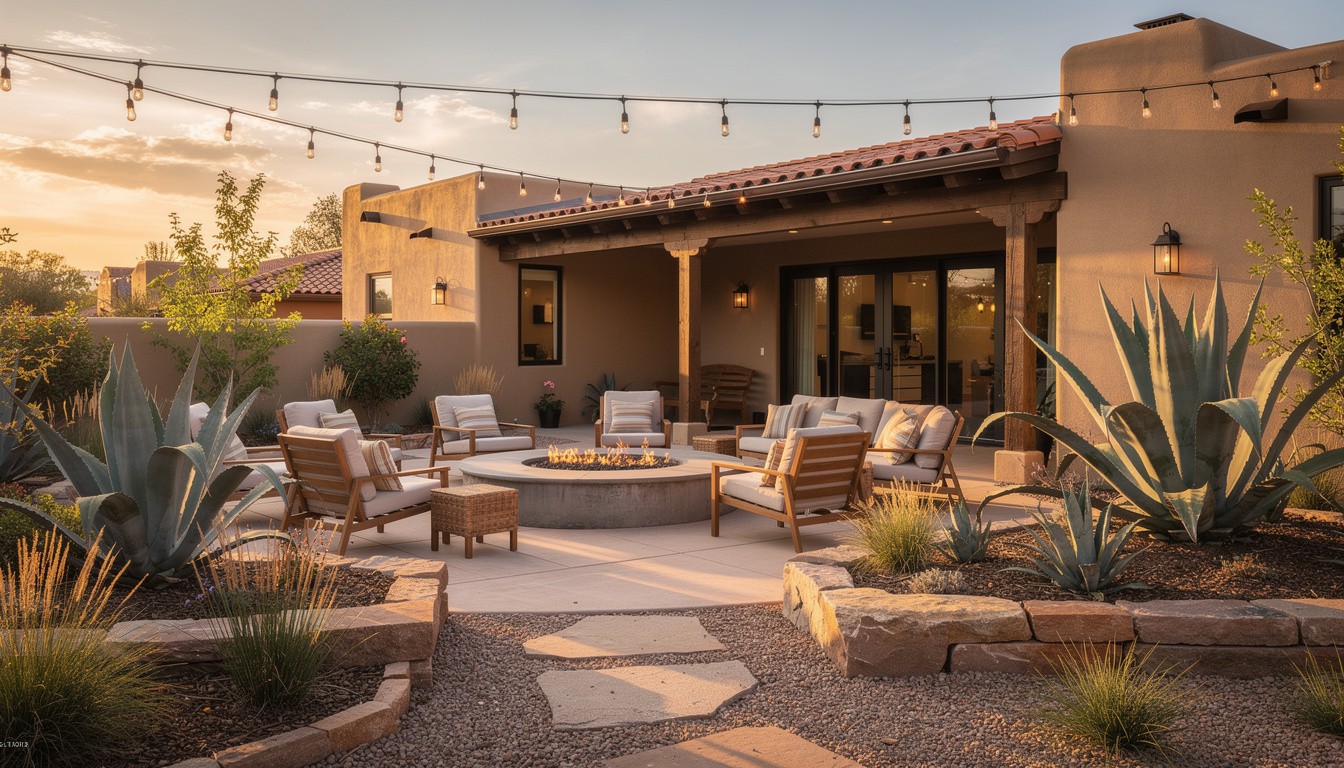
The Desert Patio with Fire Pit
$22–40/sqftA covered patio with exposed beam rafters extends from an adobe-style home into a backyard of flagstone paths, a central round fire pit, and lounge seating surrounded by agave, ornamental grasses, and desert shrubs in DG beds. String lights strung between the roof overhang and tall posts create an outdoor ceiling over the seating area. The warm-toned stucco walls, earth-colored flagstone, and golden DG create a cohesive desert palette. Denver’s 300 days of sunshine and cool evenings make the fire pit the center of backyard life from April through November.
AI-generated image
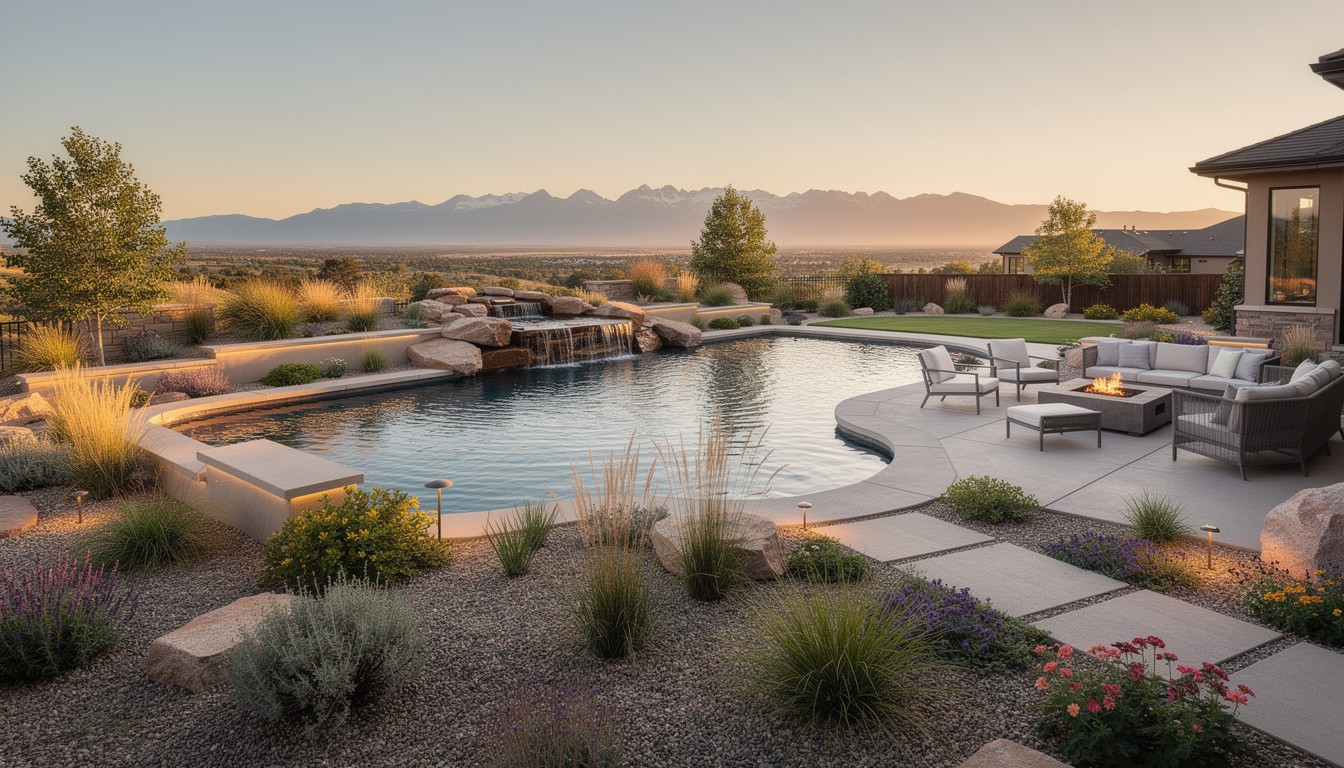
The Mountain View Pool Garden
$40–75/sqft (landscape only, excluding pool)A freeform pool sits in a gravel-and-native-grass landscape with unobstructed mountain views beyond. Ornamental grasses and lavender border the pool deck in loose, naturalistic drifts, while lounge seating and a sectional sofa provide poolside comfort. The design intentionally keeps plantings low — nothing blocks the Front Range panorama that is the real backdrop. Gravel groundcover replaces lawn around the pool, eliminating grass clippings in the water and reducing maintenance to near zero.
See how a desert/xeriscape garden looks on YOUR property
Upload a photo of your Denver yard and visualize your dream garden in seconds.
Try ProScapeAI Free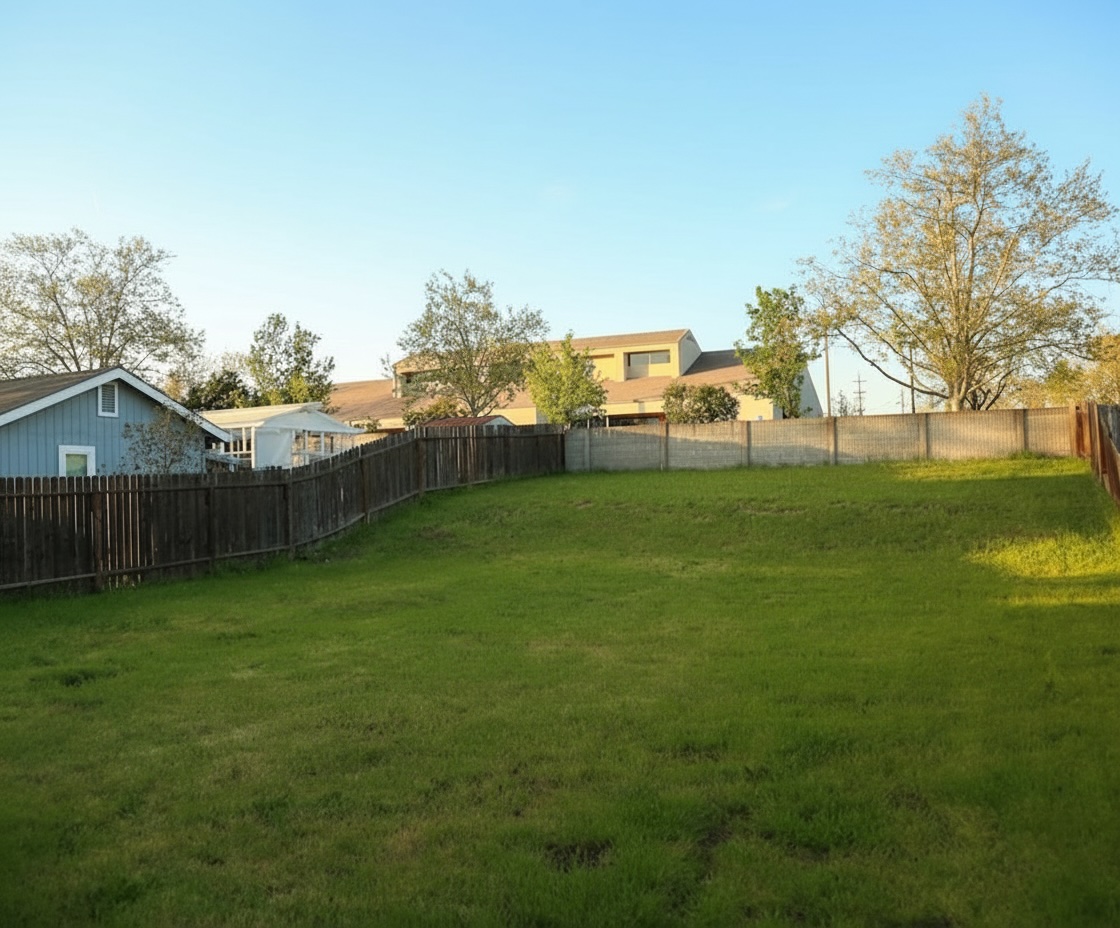
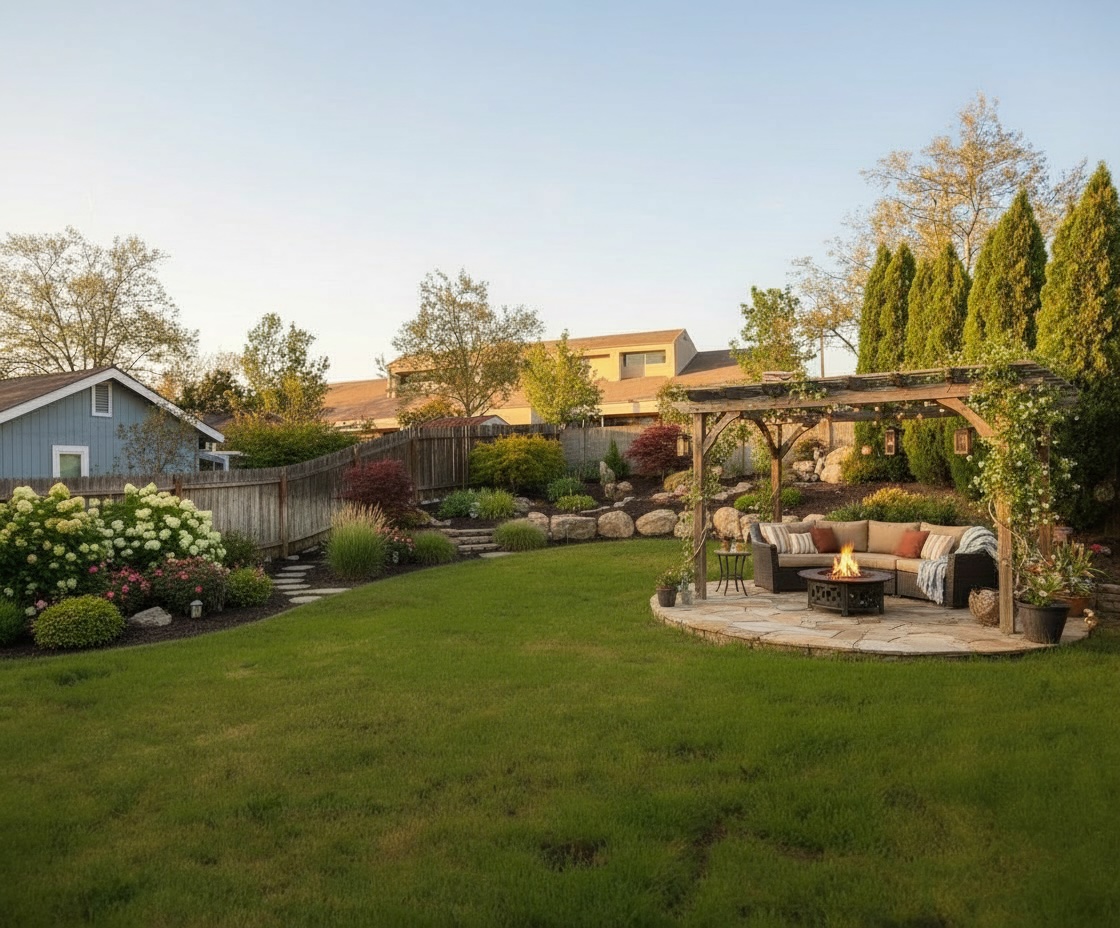
AI-generated image
Featured Trees & Shrubs for Desert/Xeriscape Gardens
Browse all 159 plants for Denver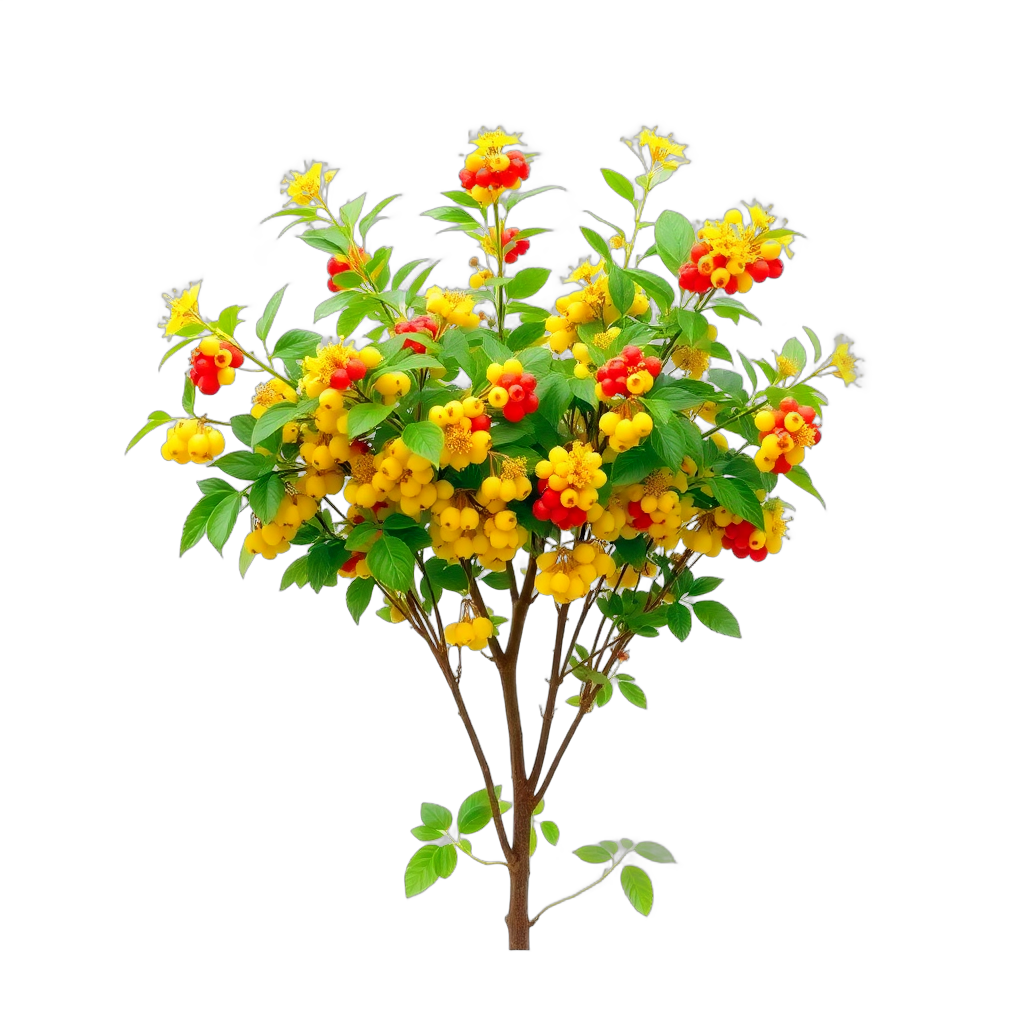
Golden Currant
Ribes aureum
grows to 6 feet, yellow blooms in spring. Attracts hummingbirds.
Featured Grasses & Groundcovers for Desert/Xeriscape Gardens
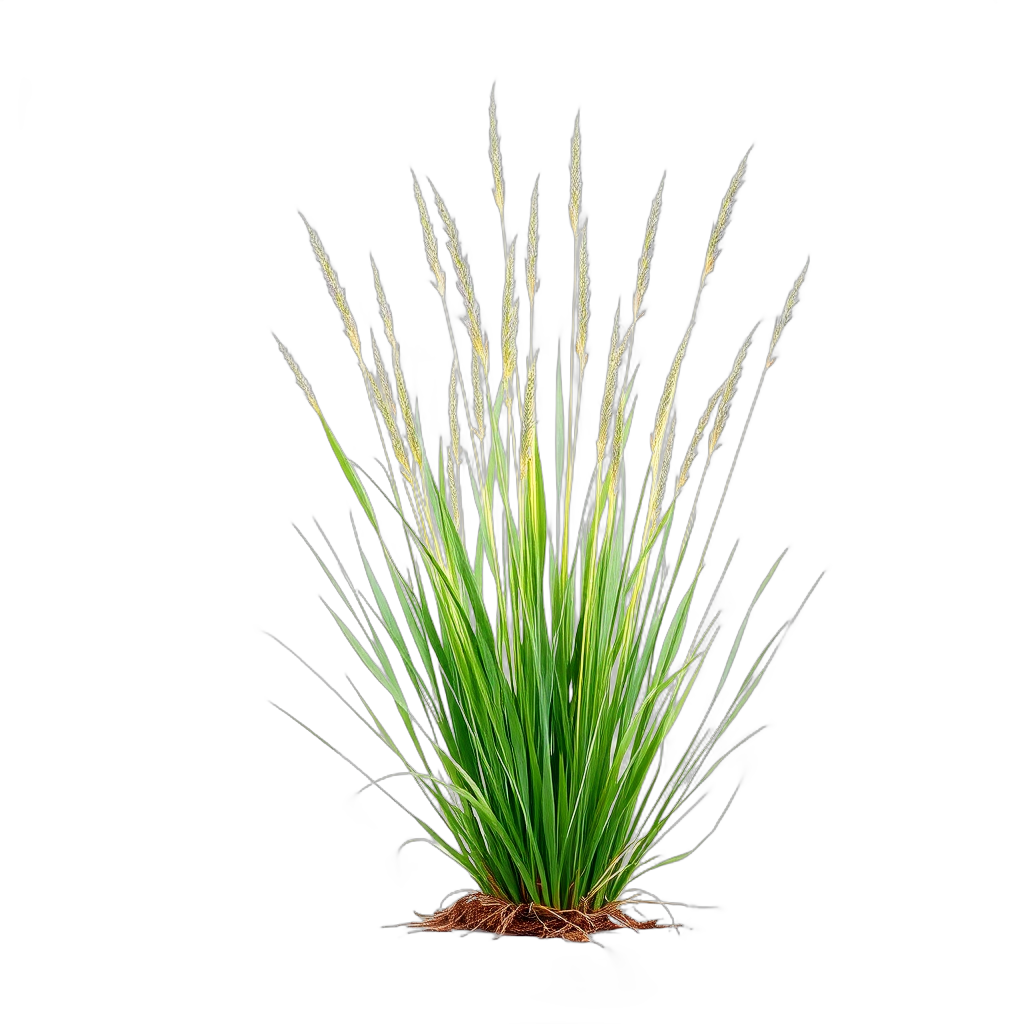
Blue Grama Grass
Bouteloua gracilis
low-growing ground cover, purple blooms in summer. Yellow fall color.
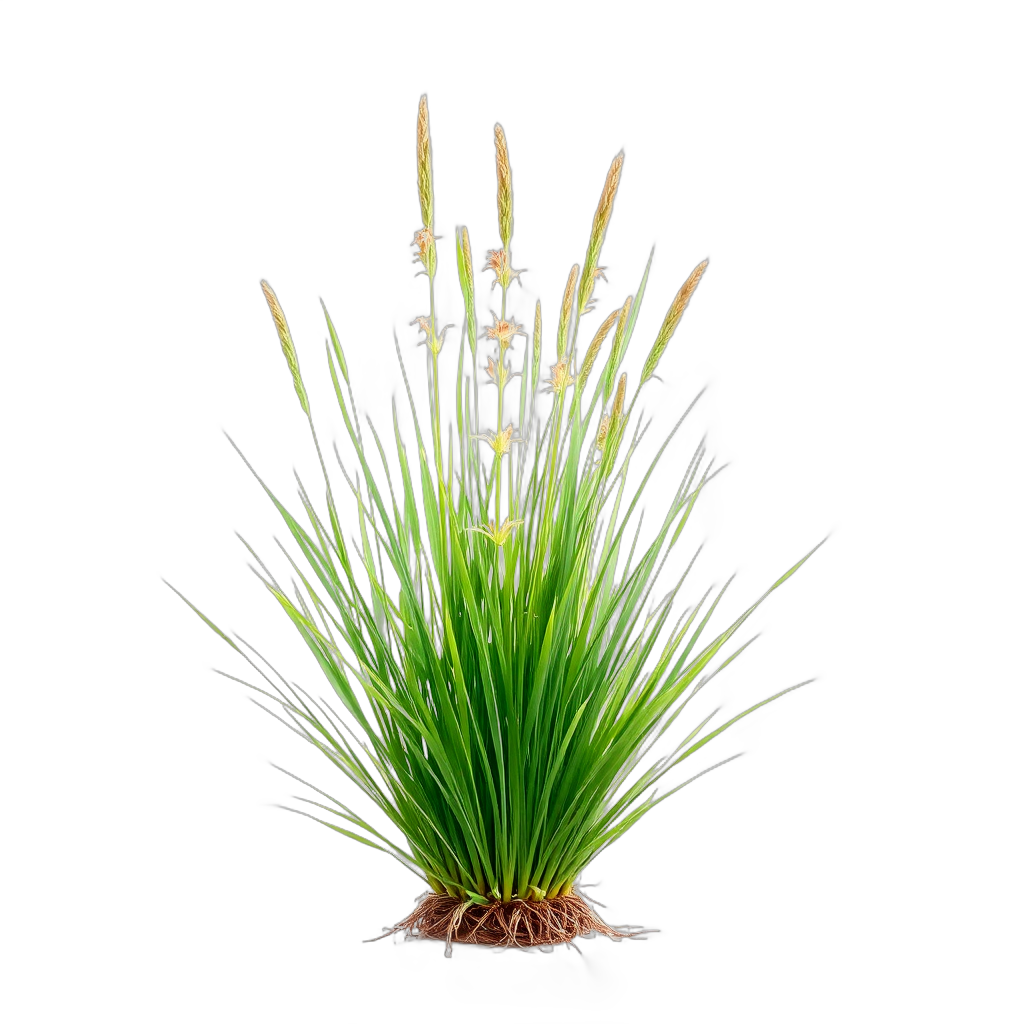
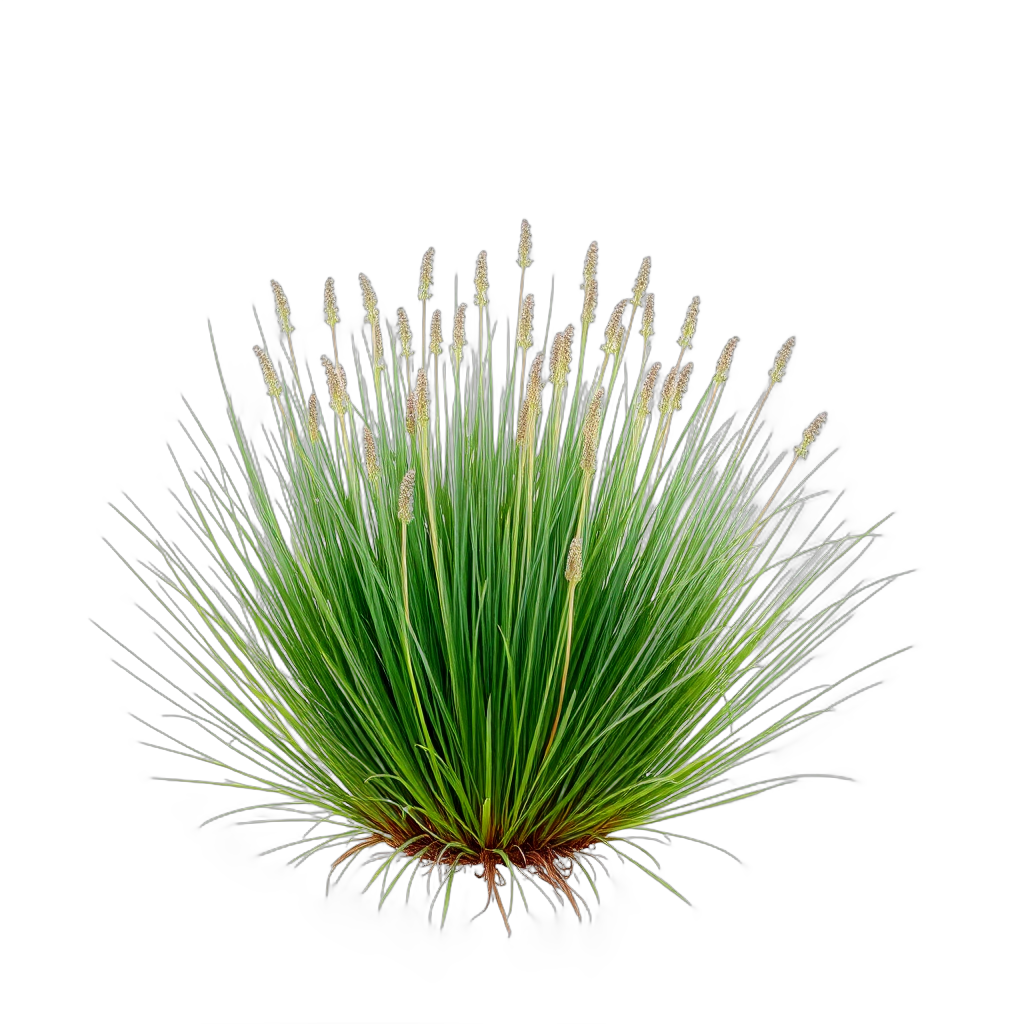
Buffalo Grass
Buchloe dactyloides
low-growing ground cover, blooms in summer. Yellow fall color.
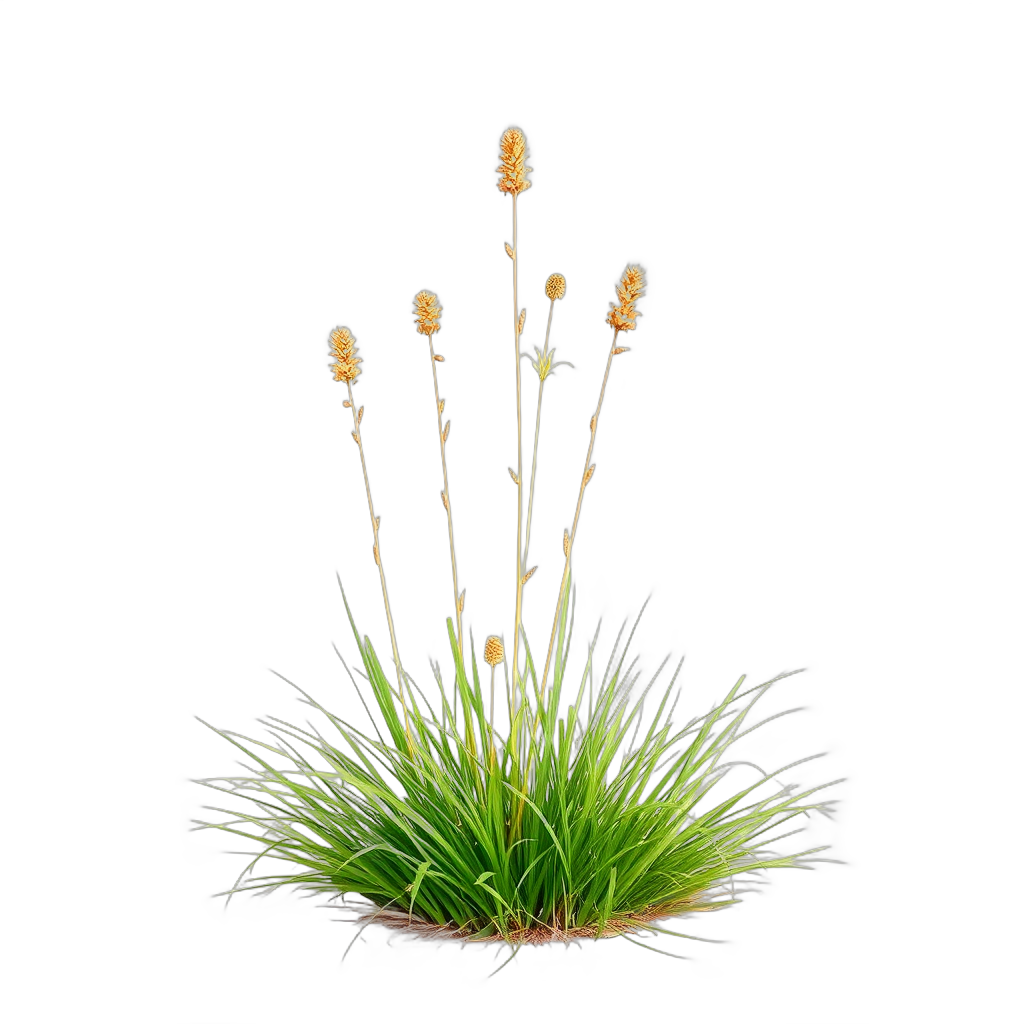
Little Bluestem
Schizachyrium scoparium
grows to 3 feet, blooms in summer. Red,burgundy fall color.
Sand Dropseed
Sporobolus cryptandrus
low-growing ground cover, blooms in summer. Orange fall color.
Featured Flowers & Perennials for Desert/Xeriscape Gardens
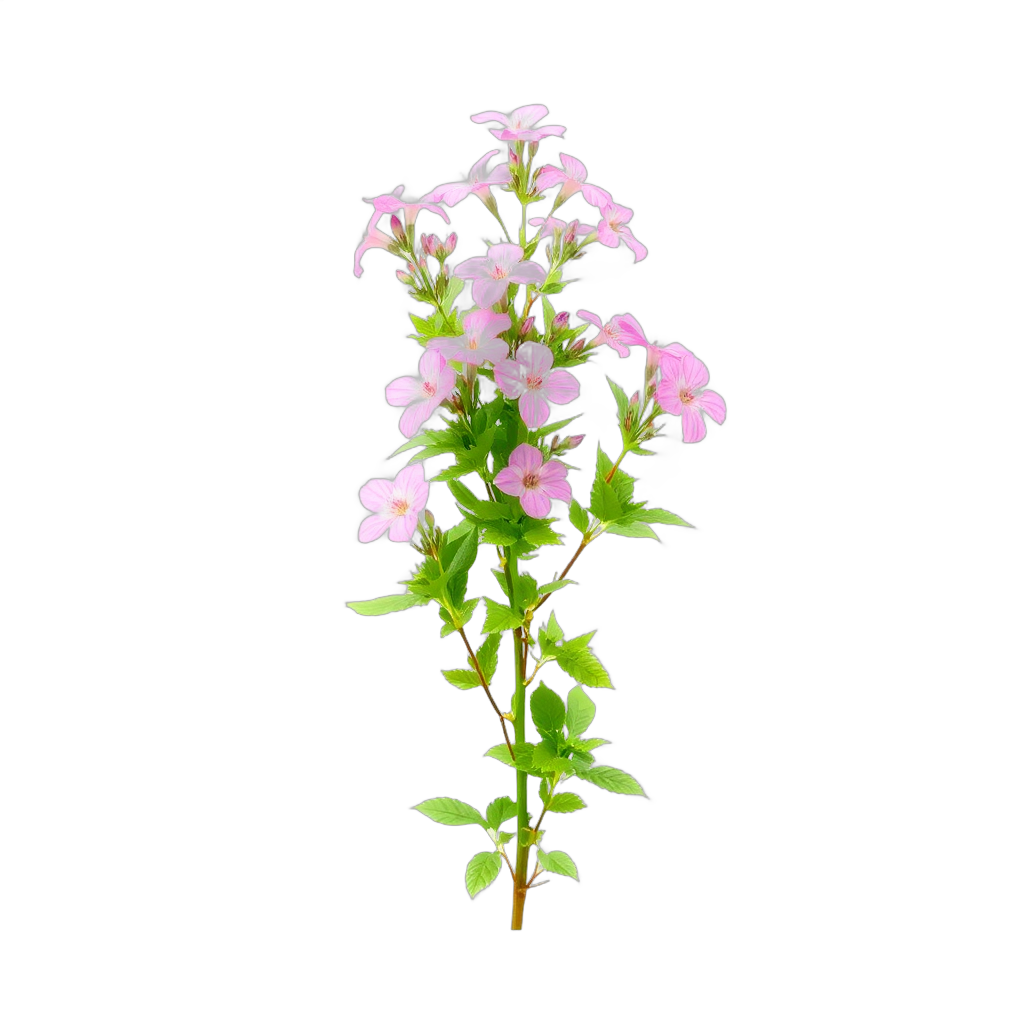
Hood's Phlox
Phlox hoodii
low-growing ground cover, white blooms in spring. Attracts butterflies.
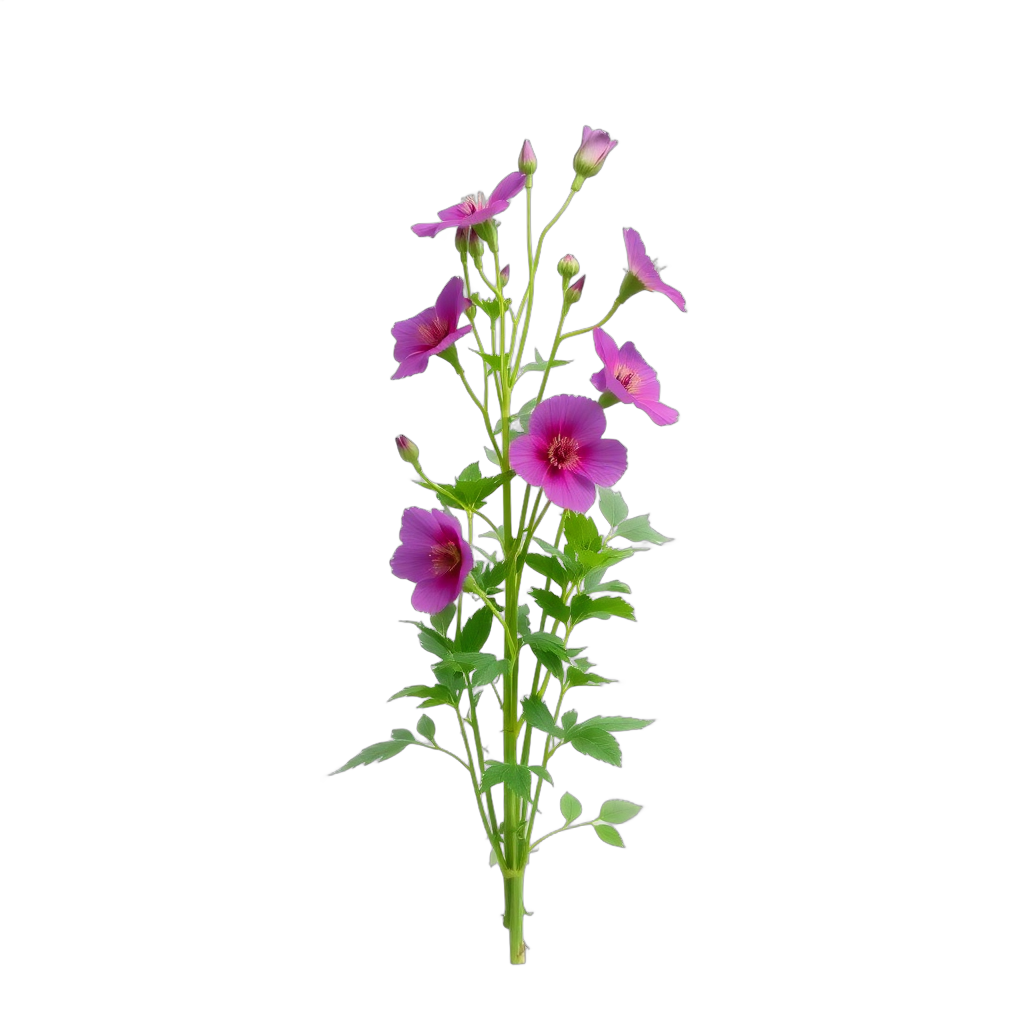
Purple Poppy Mallow
Callirhoe involucrata
low-growing ground cover, purple blooms in summer. Attracts butterflies.
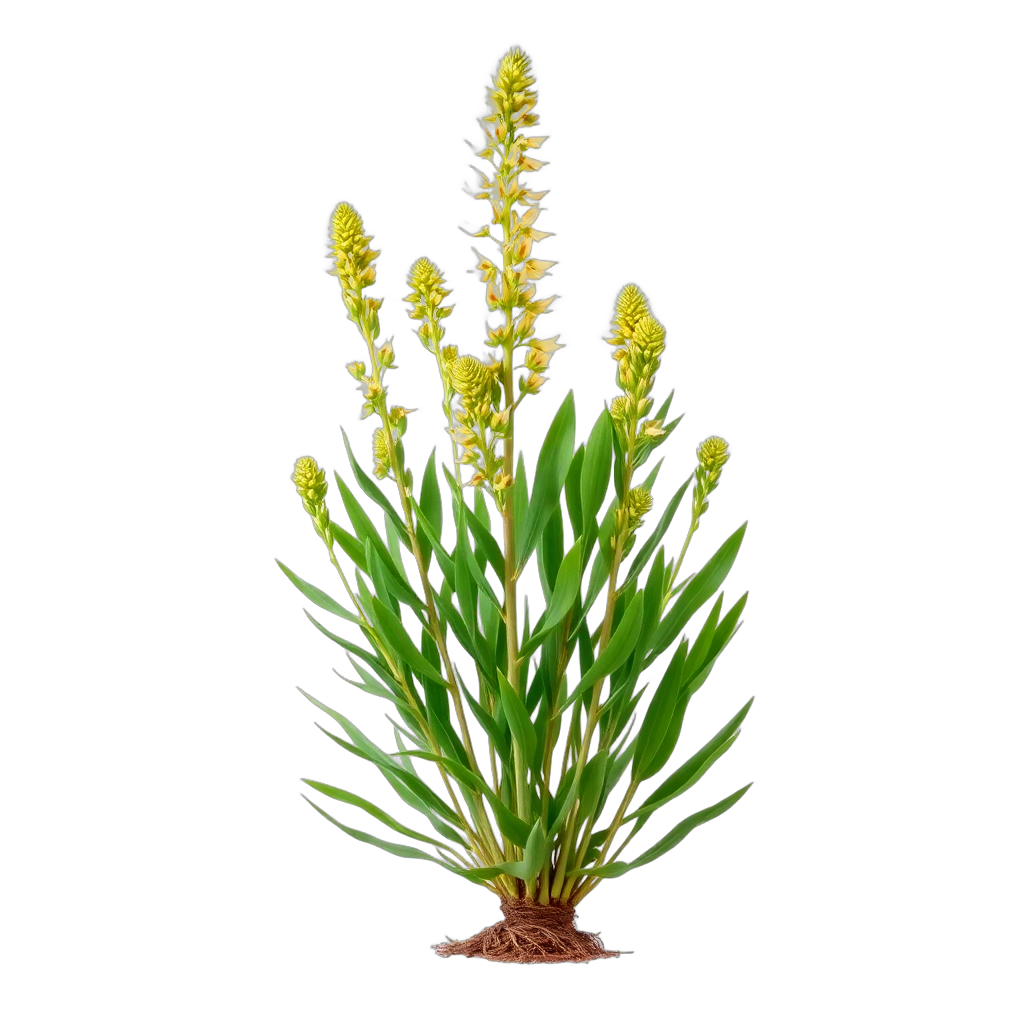
Soapweed Yucca
Yucca glauca
low-growing ground cover, white blooms in spring. Pollinator-friendly.
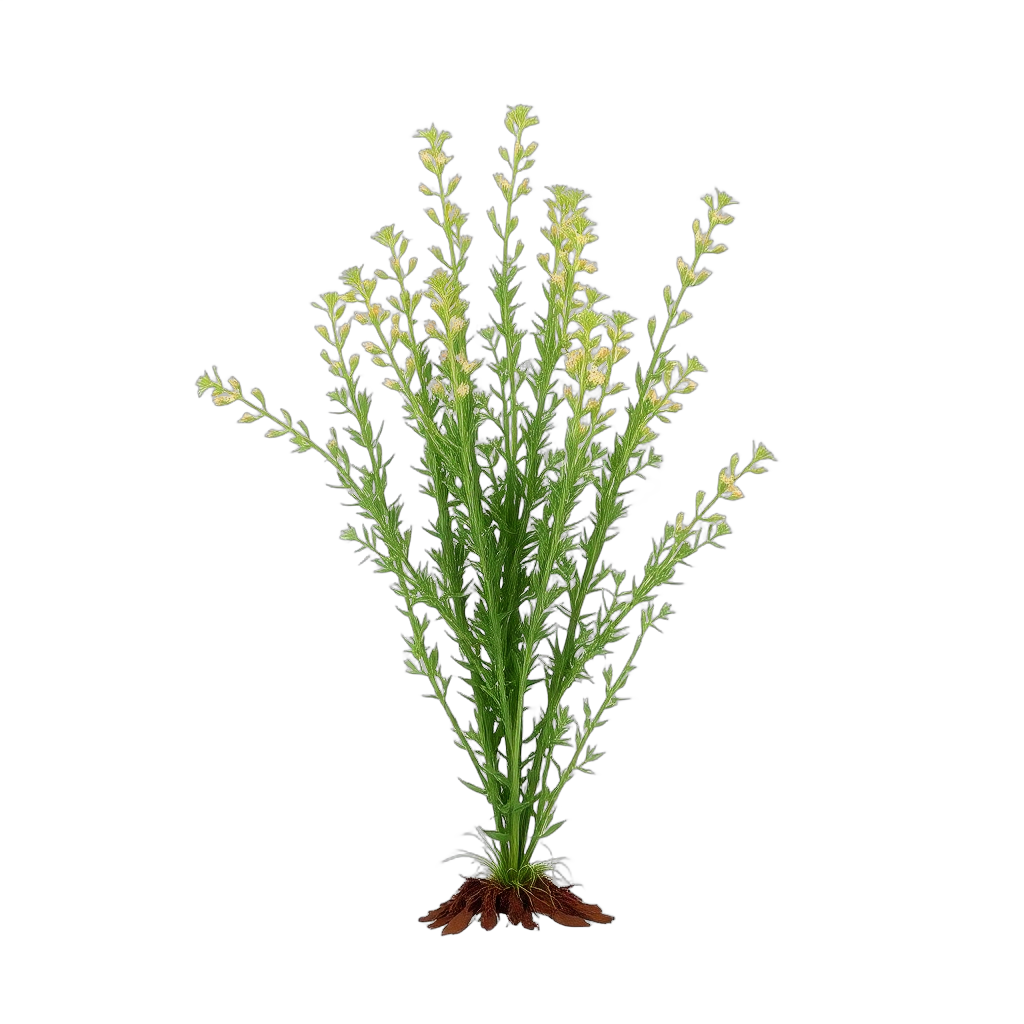
White Sage
Artemisia ludoviciana
low-growing ground cover, white blooms in summer. Fragrant.
Zone and sun checks come from our database — confirm with your local nursery before you buy.
Bloom Calendar for Denver
spring
Hood's Phlox, Soapweed Yucca, Golden Currantsummer
Purple Poppy Mallow, White Sage, Blue Grama Grassfall
Limited bloomswinter
Limited bloomsDesign Tips for Denver (Zone 5b)
- Seed native grasses (blue grama, buffalo grass) in late May after Denver's last frost and before the summer heat intensifies — the establishment window is narrow but germination rates are excellent in Denver's warm, dry June conditions
- Use little bluestem as your primary structural grass rather than non-native alternatives — its copper-red fall color is the defining visual of a Denver native garden from September through January
- Layer plantings with spring bloomers (prairie smoke, penstemon) and summer-fall bloomers (coneflower, gaillardia) so the garden has continuous color from May through October
- Edge all planting beds with steel or aluminum edging — Denver's freeze-thaw cycles shift plastic edging out of the ground within a season, while metal stays crisp and defined for decades
- Leave native grass and perennial seedheads standing through winter — they feed birds, provide structure, and decompose naturally into mulch; cut everything back once in late March before new growth begins
- Collect and use Denver Water's free xeriscape plant guide before finalizing your plant list — it includes locally-tested performance data for dozens of native and adapted plants specific to Denver's climate
Where to Source Plants in Denver
Skip the big-box stores. These independent Denver nurseries specialize in the plants that make desert/xeriscape gardens thrive in Zone 5b.
Echter's Nursery & Garden Center
Arvada / West Metro
Colorado's largest independent nursery — extensive native and xeriscape plant selection
Nick's Garden Center
Aurora / East Metro
Native grasses, perennials, xeriscape plants — knowledgeable staff for Colorado landscapes
Tagawa Gardens
Centennial / Southeast Denver
Large independent garden center with strong perennial and native plant selection
Denver Botanic Gardens Plant Sale
York Street / Congress Park
Annual spring plant sale — locally grown native and heirloom plants, proceeds support the garden
City Floral Garden Center
Park Hill, Denver - Kearney Street at 14th Avenue, about 25 minutes east
Denver's oldest surviving greenhouse operation, strong on perennials, annual colour, trees and shrubs, seed and water-garden plants, with in-house diagnosis for the iron chlorosis and spider mite problems Front Range gardens run into
Desert/Xeriscape Landscaping Costs in Denver
| Project Scope | Estimated Cost |
|---|---|
| Front yard native xeriscape conversion (400–600 sqft) | $3,000 – $8,000 |
| Full backyard xeriscape with patio | $14,000 – $38,000 |
| Turf removal + native grass seeding | $2 – $5/sqft |
| Drip irrigation + Denver Water smart controller | $1,200 – $3,000 |
| Native tree installation (serviceberry, hawthorn) | $300 – $800 per tree installed |
| AI visualization with ProScapeAI | Free to start |
Estimates based on Denver, CO-area contractor rates as of 2026. Actual costs vary by site conditions, materials, and contractor.
Denver Climate & Growing Zone
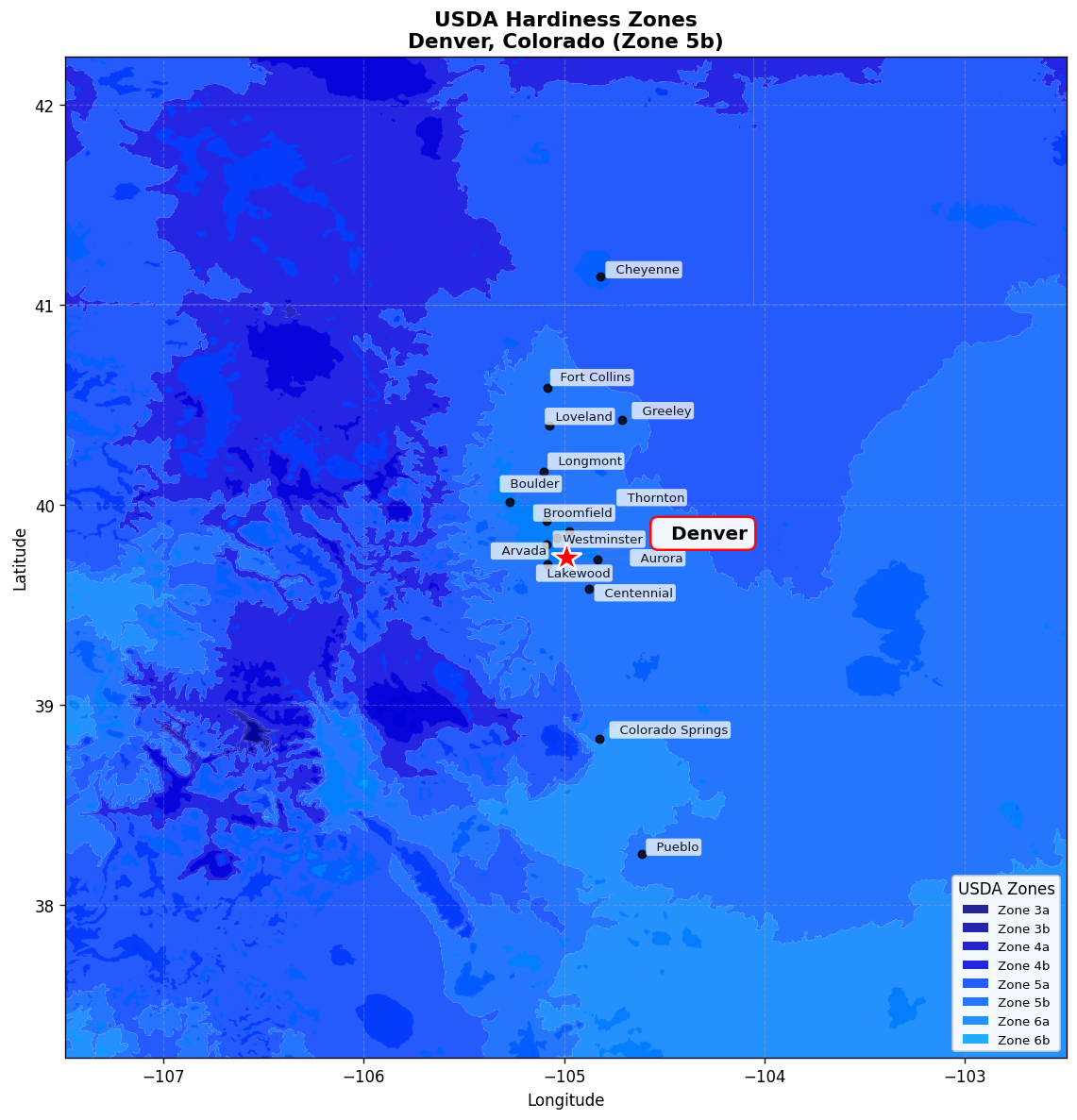
USDA Zone 5b
Hardiness zone for Denver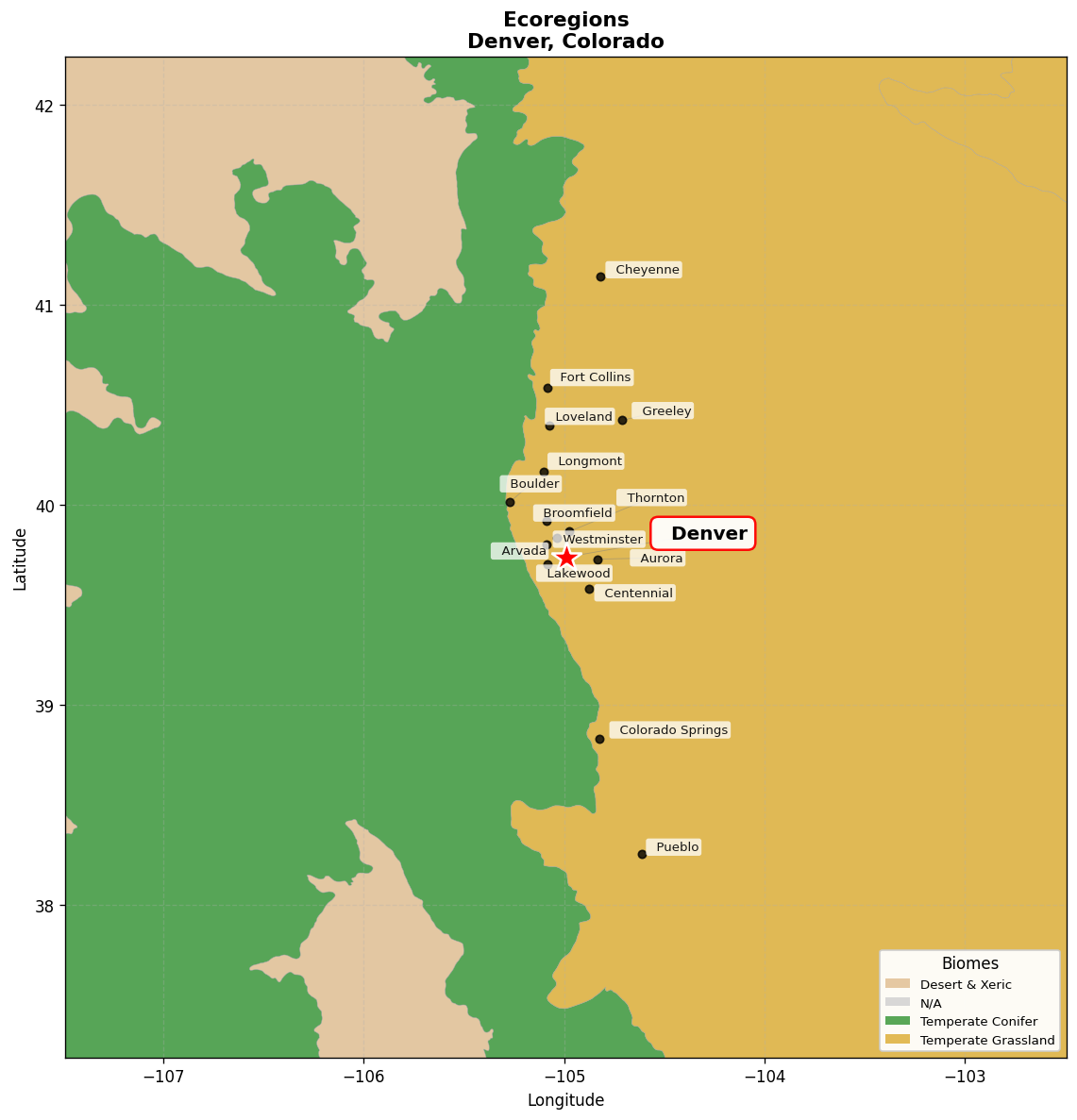
Western shortgrass prairie
Native ecoregionFrequently Asked Questions
What is the best native ground cover to replace a Denver lawn?
For a true lawn replacement that still reads as a lawn, blue grama and buffalo grass are the native shortgrass prairie choices for Denver: both grow 4–6 inches tall, handle Zone 5b cold, require only 10–15 inches of water annually (relying primarily on Denver's natural rainfall), and need mowing just 2–3 times per season. For a more naturalistic no-mow look, mix little bluestem and prairie dropseed with native wildflowers. Prairie dropseed forms tidy clumps and has a clean appearance appropriate for formal streetscapes. All of these establish easily from seed in Denver's conditions and most are available from Colorado nurseries.
How does Denver's altitude affect xeriscape plant choices?
Denver's 5,280-foot elevation creates conditions that diverge from sea-level equivalents: UV intensity is 25% higher (stresses some shade-loving plants in exposed positions), evapotranspiration rates are higher (plants dry out faster even with the same temperature), and temperature swings are extreme (40°F day-to-night swings are common). Choose plants rated for Zone 5b with specific confirmation they perform at altitude — not just from USDA zone maps. Plants sourced from Colorado-grown nursery stock are highly preferable to shipped-in stock, which may have difficulty adjusting. Colorado State University Extension's 'High-Altitude Gardening' guides are invaluable.
Are prickly pear and other cacti actually hardy in Denver?
Yes — several cacti are native to the Denver area and fully Zone 5b hardy. Plains prickly pear (Opuntia polyacantha) grows wild on Denver's prairie remnants and survives −40°F. Claret cup cactus (Echinocereus triglochidiatus) produces stunning scarlet flowers in May and is native to the foothills west of Denver. Pincushion cacti (Escobaria species) are small and reliably hardy. What won't work at Denver's elevation: saguaro, most barrel cacti in exposed positions, and any Sonoran desert species. Cold-hardy agave (Agave parryi) survives Zone 5 winters with excellent drainage but may take freeze damage in harsh years.
How do I manage Denver's late-season hailstorms in my xeriscape?
Denver and the broader metro area experience significant hail events, primarily May through September, with hail golf-ball-sized or larger occurring multiple times per decade. For xeriscape landscapes: native grasses are resilient and recover quickly from hail; large-leafed plants (hostas, elephant ears) bruise and shred. Avoid designing with plants that have purely ornamental large leaves. For hardscape, concrete holds up well; composite decking and some pavers can be dented. Consider a covered pergola if outdoor furniture investment is significant. Most native plants recover from even severe hail damage within 2–3 weeks during the growing season.
What are Denver's rules about keeping natural or 'wild' yards?
Denver's updated landscaping code allows natural or native yards but requires them to be distinguishable from neglect. Key requirements: weeds (defined invasive species list) must still be controlled, vegetation must not exceed 12 inches in height along the street-facing portion without specific design justification, and properties must maintain clear drainage. Denver's Landmark Preservation rules in historic districts may have additional requirements. Many Denver HOAs now explicitly allow native and xeriscape yards under Colorado's HOA anti-ban law. The practical threshold: a clearly designed native garden with visible structure (paths, edging, defined beds) is almost never cited; an overgrown mix of weeds and volunteer plants will be.
How does a Denver xeriscape handle the spring snow and late freezes?
Denver's spring snowstorms — most famously the Blizzard of '03 and frequent April snowfalls — are handled well by native plants. Grasses and perennials that have emerged in March or April will go dormant under snow and re-emerge once temperatures rise; they've evolved for exactly this pattern. Avoid early installation of frost-tender plants before May 15 (Denver's reliable last frost date). For hardscape, ensure good drainage so snow melt doesn't pond and refreeze on surfaces. DG and gravel ground covers handle freeze-thaw cycles well. Remove any broken plant stems after spring snow events; the plants themselves almost always survive.