4 Mediterranean Garden Ideas for El Monte, CA | Olive, Citrus and Lavender for Zone 10a
Native plants from the California coastal sage and chaparral (Zone 10a) — Mediterranean (hot summer) climate
Why Mediterranean Gardens in El Monte?
El Monte has a true Mediterranean climate. The town is Köppen Csa, hot-summer Mediterranean, with about 18 inches of rain a year falling almost entirely between November and March, August highs averaging in the high 80s with heat waves over 100°F, and winter nights that usually sit in the mid-40s °F and rarely freeze. That is the same rhythm as southern Spain or Sicily, which is why olive, rosemary, lavender, cypress and citrus grow here as if they were at home. The town's stucco ranches and bungalows, many with red clay tile roofs, arched porches or iron security doors, already suit a terracotta pot and a gravel terrace.
This is also old orchard country. El Monte was settled as farmland between the San Gabriel and Rio Hondo rivers, and walnuts, berries and citrus grew on these lots before houses did. Citrus sinensis 'Washington' navel, Citrus × meyeri 'Improved Meyer' and Ficus carica 'Black Mission' all fruit heavily in Zone 10a. All of Los Angeles County sits in an Asian citrus psyllid quarantine, so buy citrus from a licensed local nursery and never carry trees or cuttings in from another county.
Under El Monte is sandy, gravelly river alluvium, fast-draining and neutral to alkaline at roughly pH 7.0 to 8.0, often with cobbles a foot or two down. That is close to ideal for this palette. Lavandula × intermedia 'Grosso', Salvia rosmarinus 'Tuscan Blue', Cistus × purpureus, Teucrium fruticans 'Azureum' and Westringia fruticosa 'Wynyabbie Gem' all want sharp drainage and lean soil, so do not over-amend: plant slightly high, mulch with 2 to 3 inches of gravel, and water deeply and rarely. The most common way these gardens fail here is a spray head keeping a young olive or a lavender bed constantly damp. Choose fruitless olives such as Olea europaea 'Wilsonii' or 'Swan Hill' near paving; fruit stains concrete and the pollen load is lower.
Water rules reward the style. California's Model Water Efficient Landscape Ordinance applies to new landscapes of 500 square feet or more and to permitted rehabilitations over 2,500 square feet, and an established Mediterranean planting on drip needs a fraction of a lawn's water. Depending on your block, water comes from the City of El Monte's own water division or another supplier, so check your bill before you count on a turf rebate. Santa Ana winds blow from the northeast in autumn and winter, so stake young Cupressus sempervirens and tie Bougainvillea to a solid frame rather than the eaves.
4 Mediterranean Design Ideas for El Monte

AI-generated image
The Olive Courtyard Front
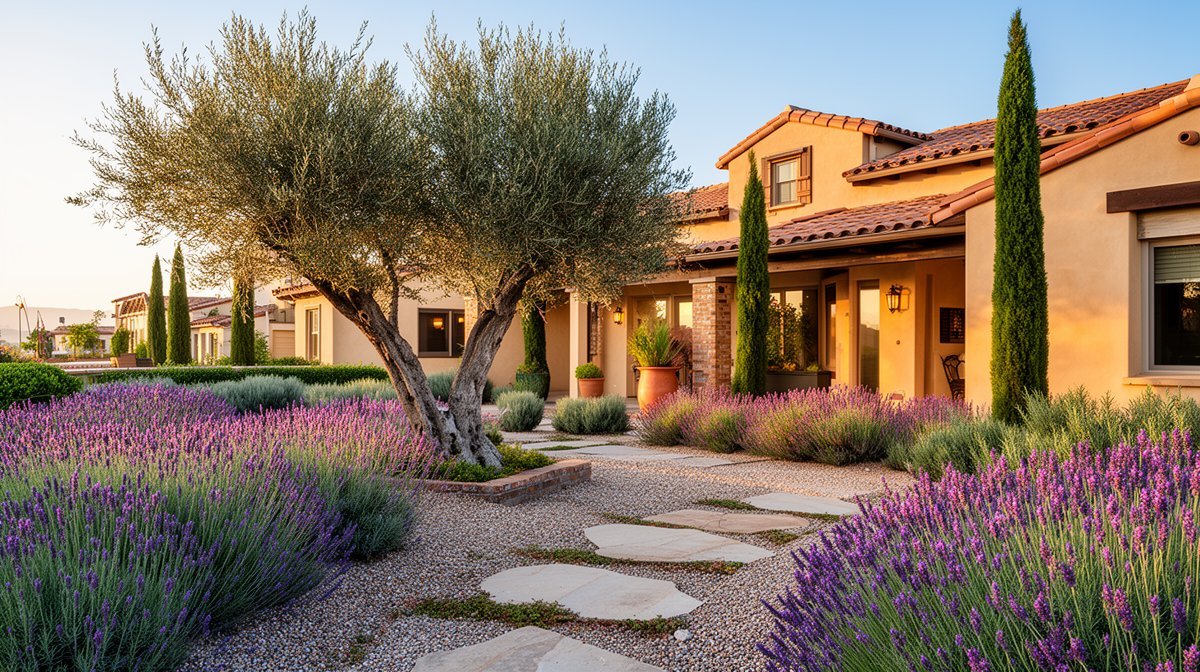
$20–40/sqftA stucco ranch with a red tile roof gets a low stucco wall across the front, turning a shallow lawn into a gravel courtyard. A multi-trunk fruitless olive stands off-center, lavender and rosemary mass along the wall, and a path of tumbled concrete pavers runs to an arched front porch. The courtyard faces south, so the olive casts afternoon shade on the front windows.

AI-generated image
The Citrus Orchard Back Yard
$14–28/sqftOn a long, narrow former farm lot, the back yard is laid out as a small grove: four citrus and a fig set in a grid in decomposed granite, each in its own gravel ring on drip. A pergola at the house end carries a grape vine for summer shade, and a bench sits under it facing the trees. It echoes the orchards that once covered the town.

AI-generated image
The Terracotta Terrace
$30–60/sqftA rear patio of terracotta-look porcelain tile is framed by a low seat wall in smooth stucco and shaded on the west by a timber pergola draped in bougainvillea. Large clay pots hold rosemary, a lemon and silvery Westringia, and a small wall fountain drips into a stone basin to cover street noise. The planting is all gray, purple and silver, so the terrace looks cool even in an August heat wave.

AI-generated image
The Cypress and Gravel Side Garden
$12–24/sqftThe narrow side yard between a house and a back-house ADU becomes a gravel walk lined with a row of slim Italian cypress and a low clipped hedge, ending at a single large urn. It turns a dead corridor into a view from the kitchen window. The cypress grows tall and thin, so it screens the neighbor's second story without taking floor space.
See how a mediterranean garden looks on YOUR property
Upload a photo of your El Monte yard and visualize your dream garden in seconds.
Try ProScapeAI Free

AI-generated image
Featured Trees & Shrubs for Mediterranean Gardens
Browse all 212 plants for El Monte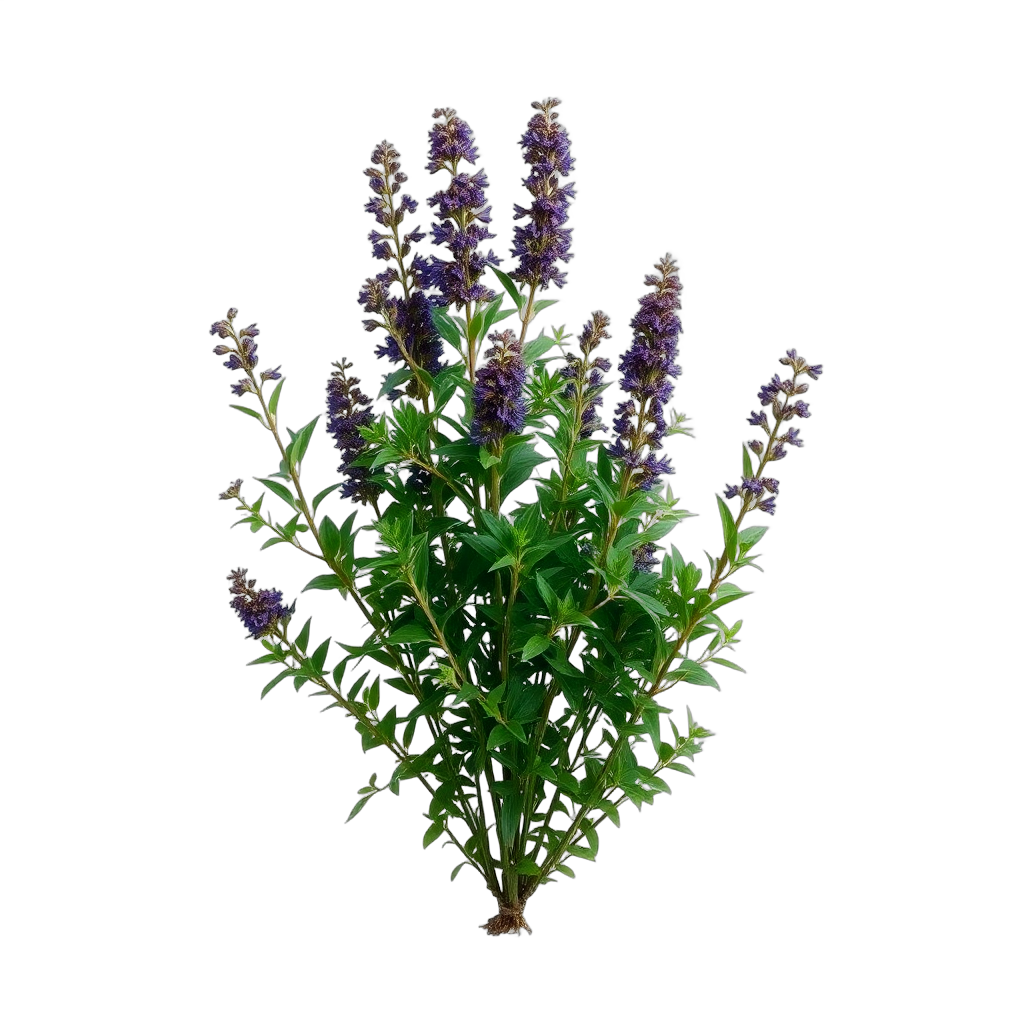
Black Sage
Salvia mellifera
grows to 4 feet, white blooms in spring. Attracts butterflies.
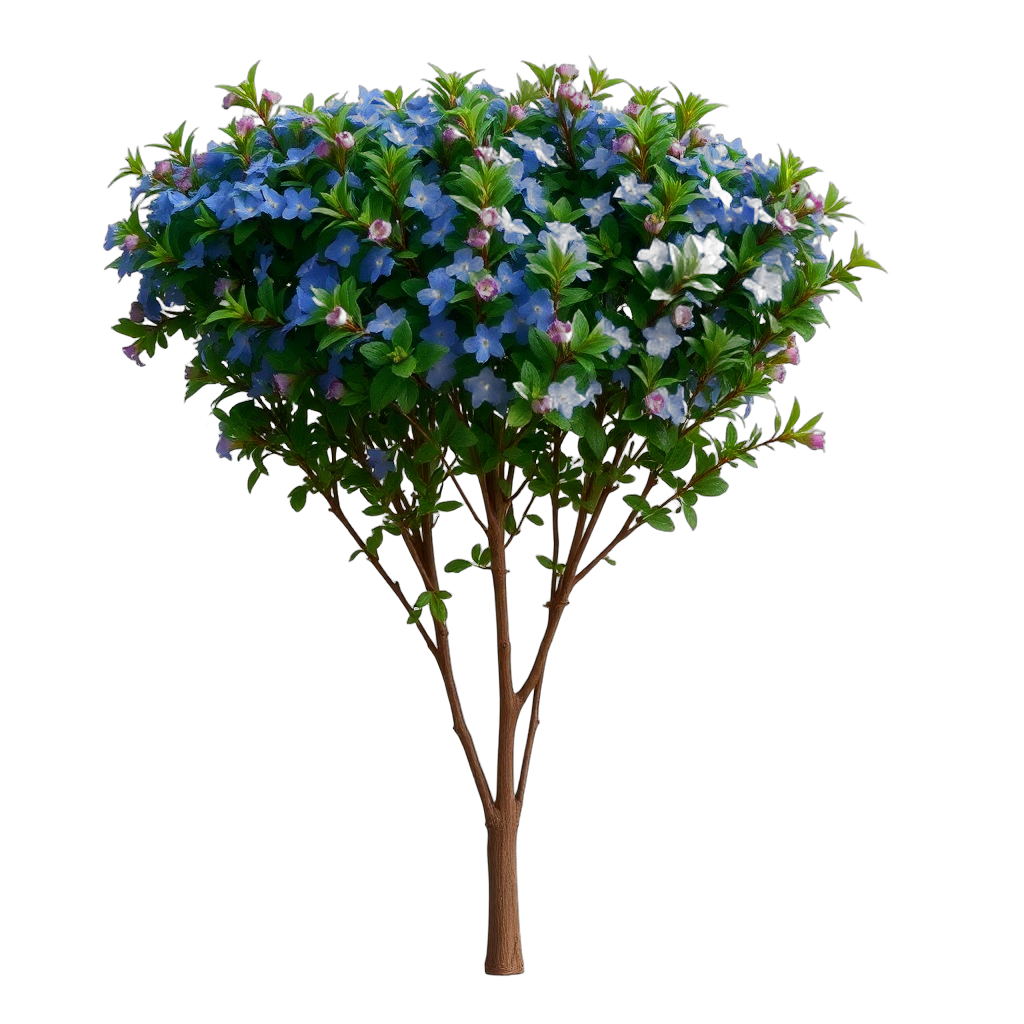
Blue Blossom
Ceanothus thyrsiflorus
medium-sized at 12 feet, blue blooms in spring. Attracts butterflies.
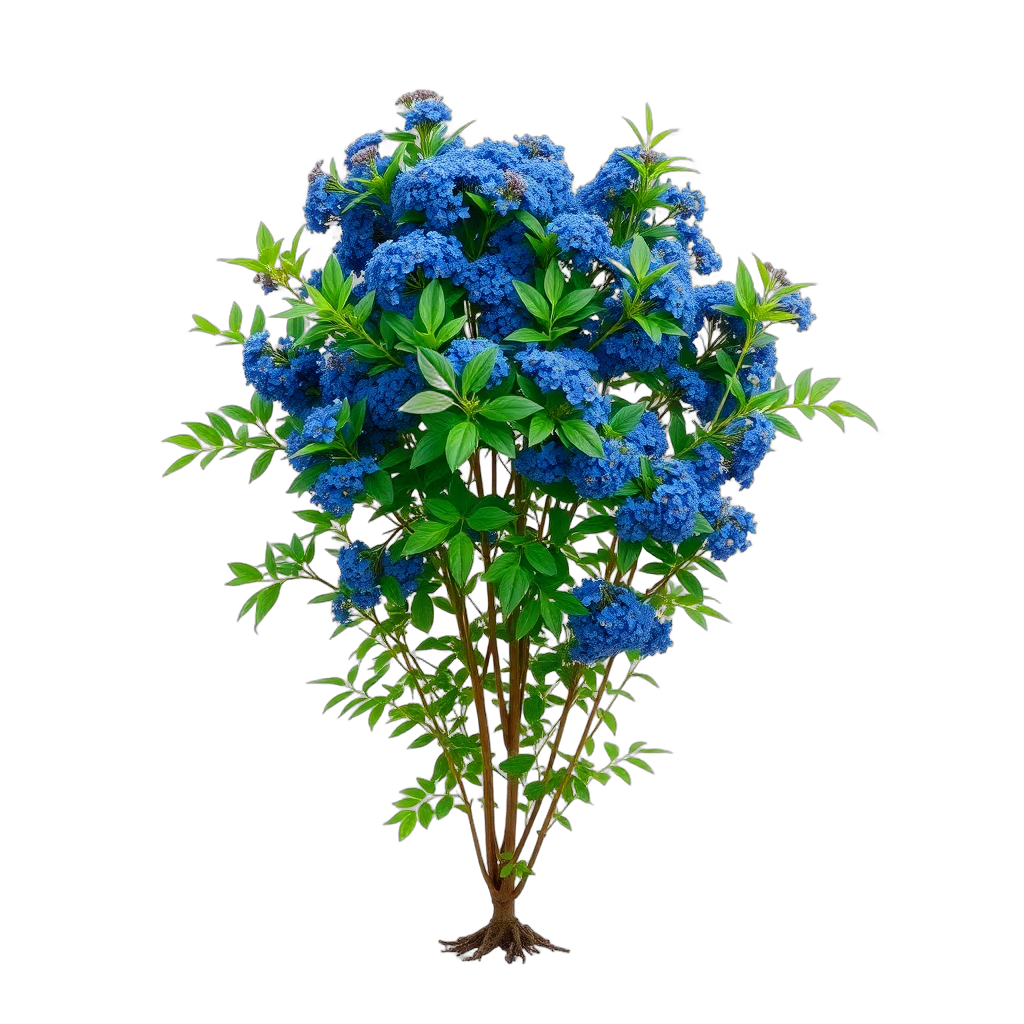
Blue Elderberry
Sambucus cerulea
medium-sized at 15 feet, white blooms in spring. Attracts butterflies.
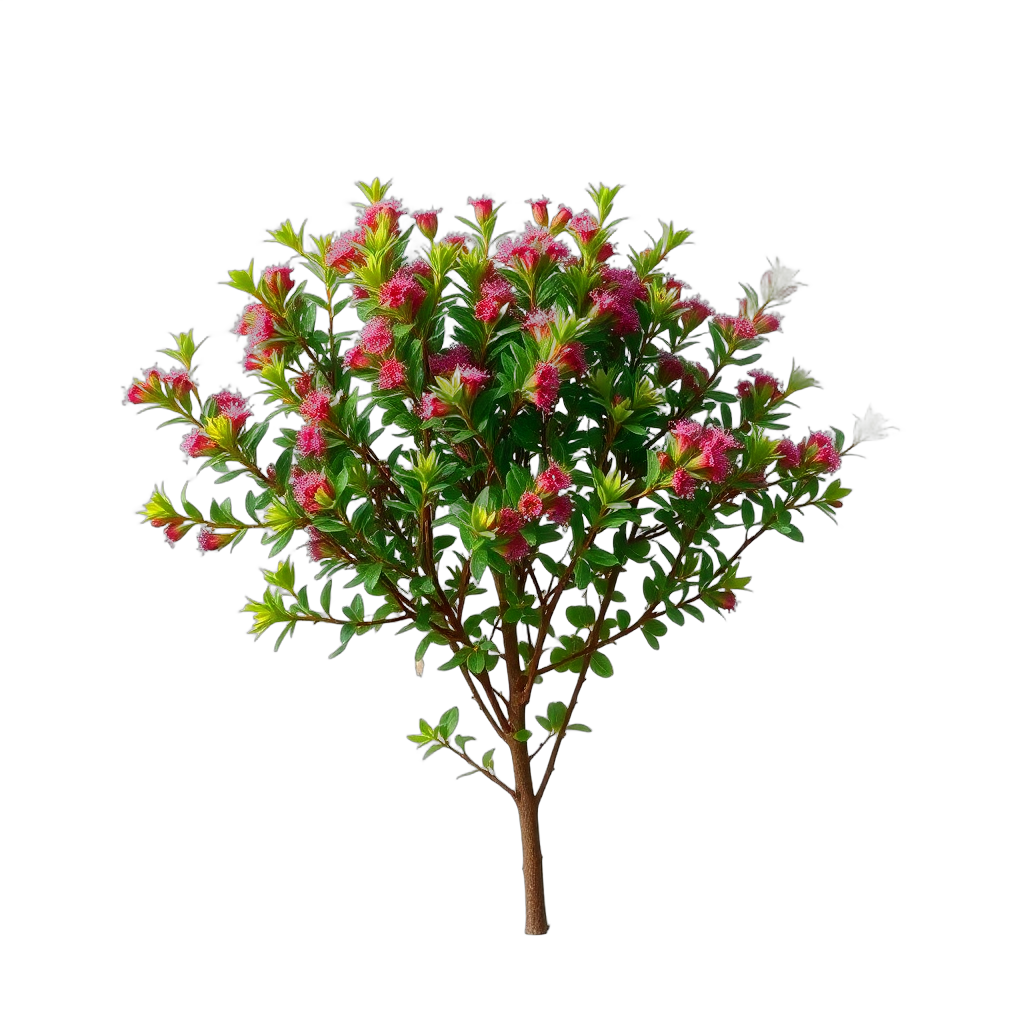
Buckbrush
Ceanothus cuneatus
medium-sized at 7 feet, white blooms in spring. Attracts butterflies.
Featured Grasses & Groundcovers for Mediterranean Gardens
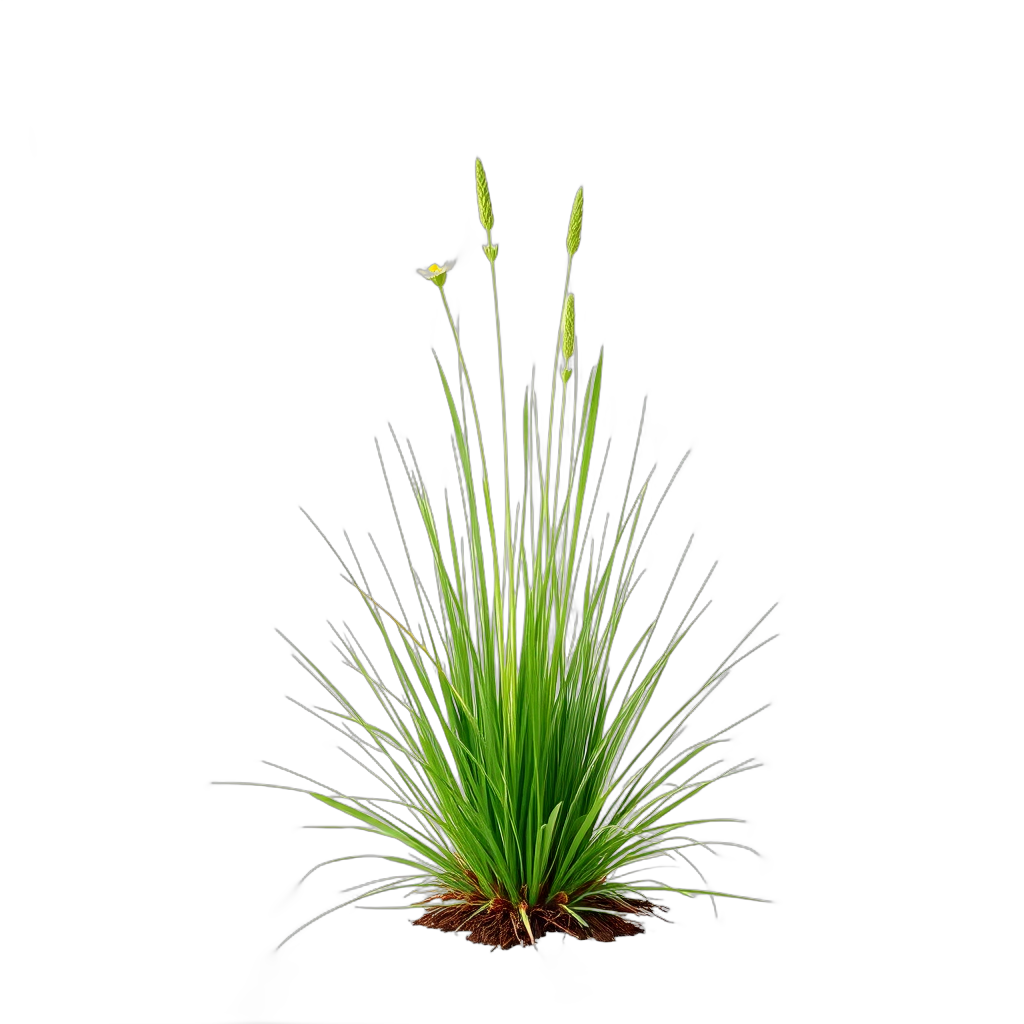
California Brome
Bromus carinatus
low-growing ground cover, blooms in spring. Yellow fall color.
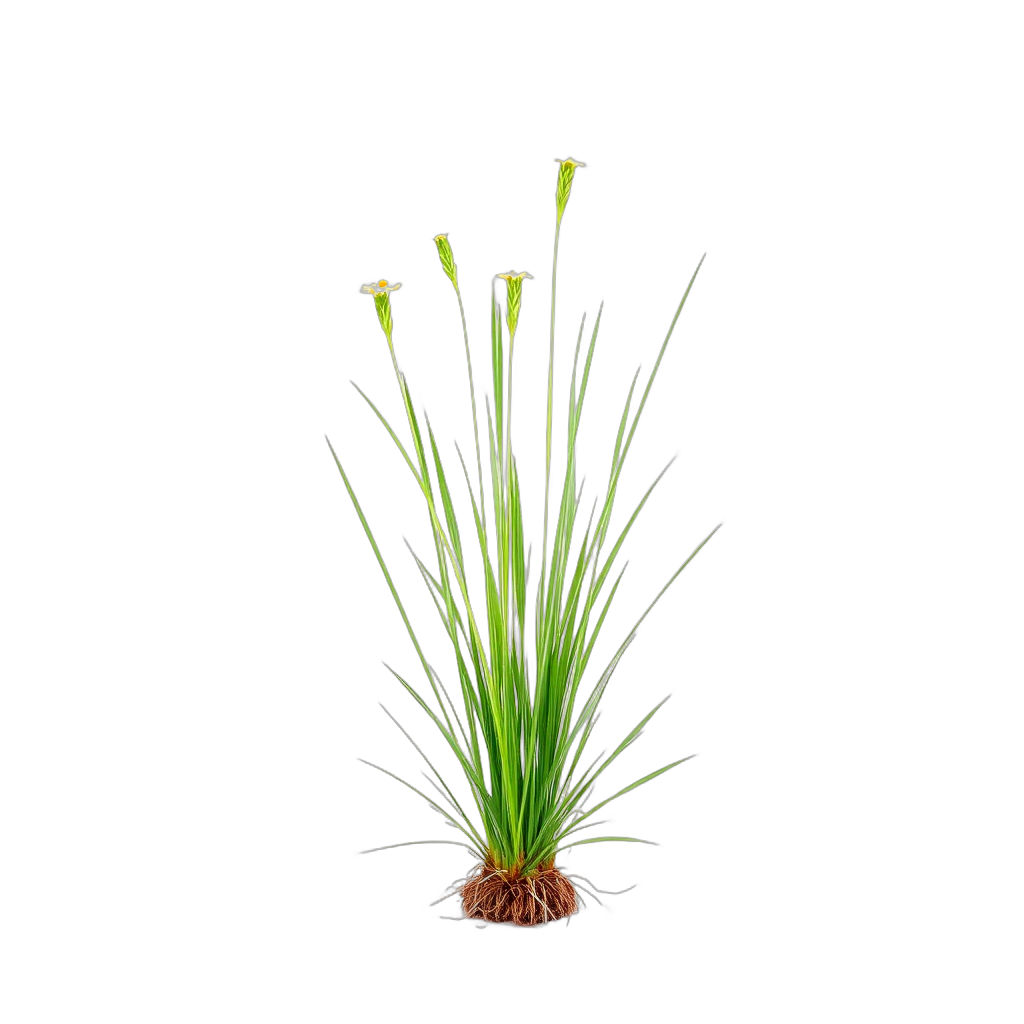
California Melic
Melica californica
low-growing ground cover, blooms in spring.
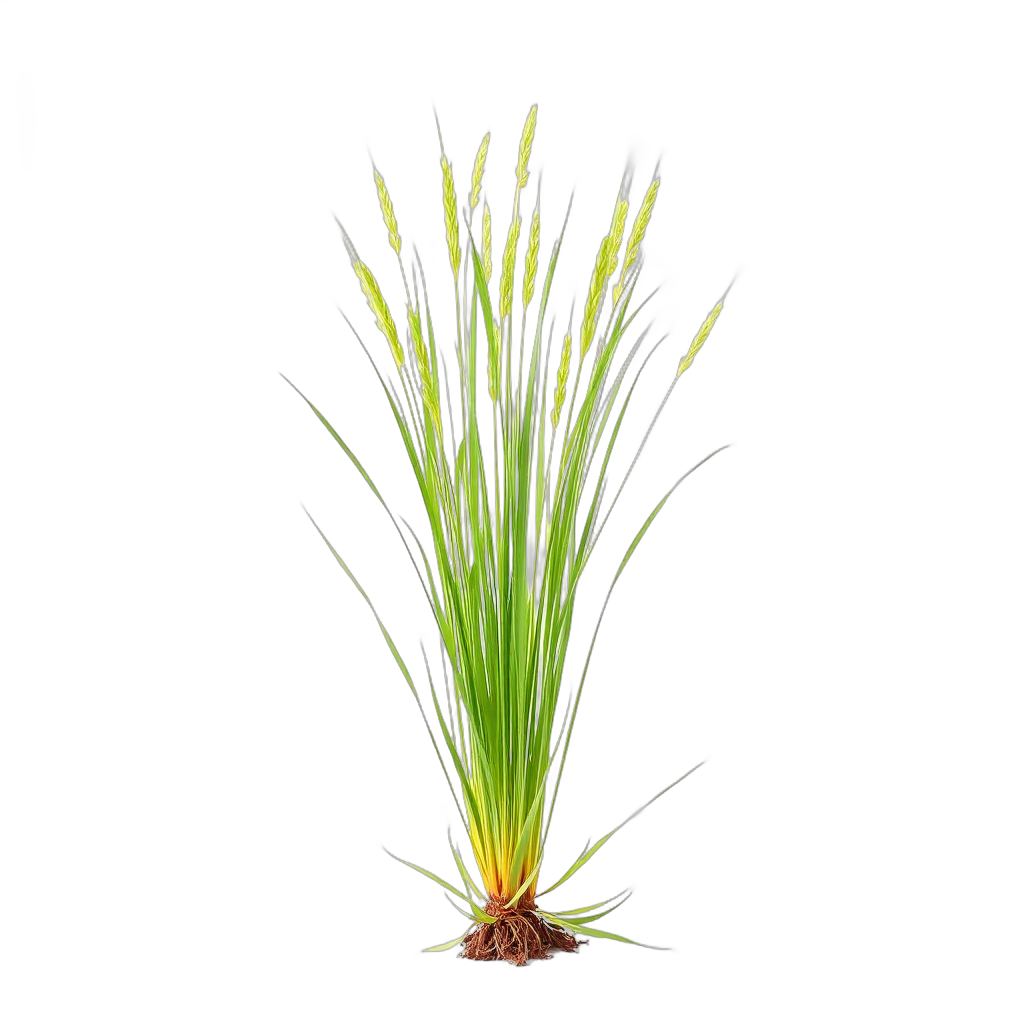
California Oatgrass
Danthonia californica
low-growing ground cover, blooms in spring. Yellow fall color.
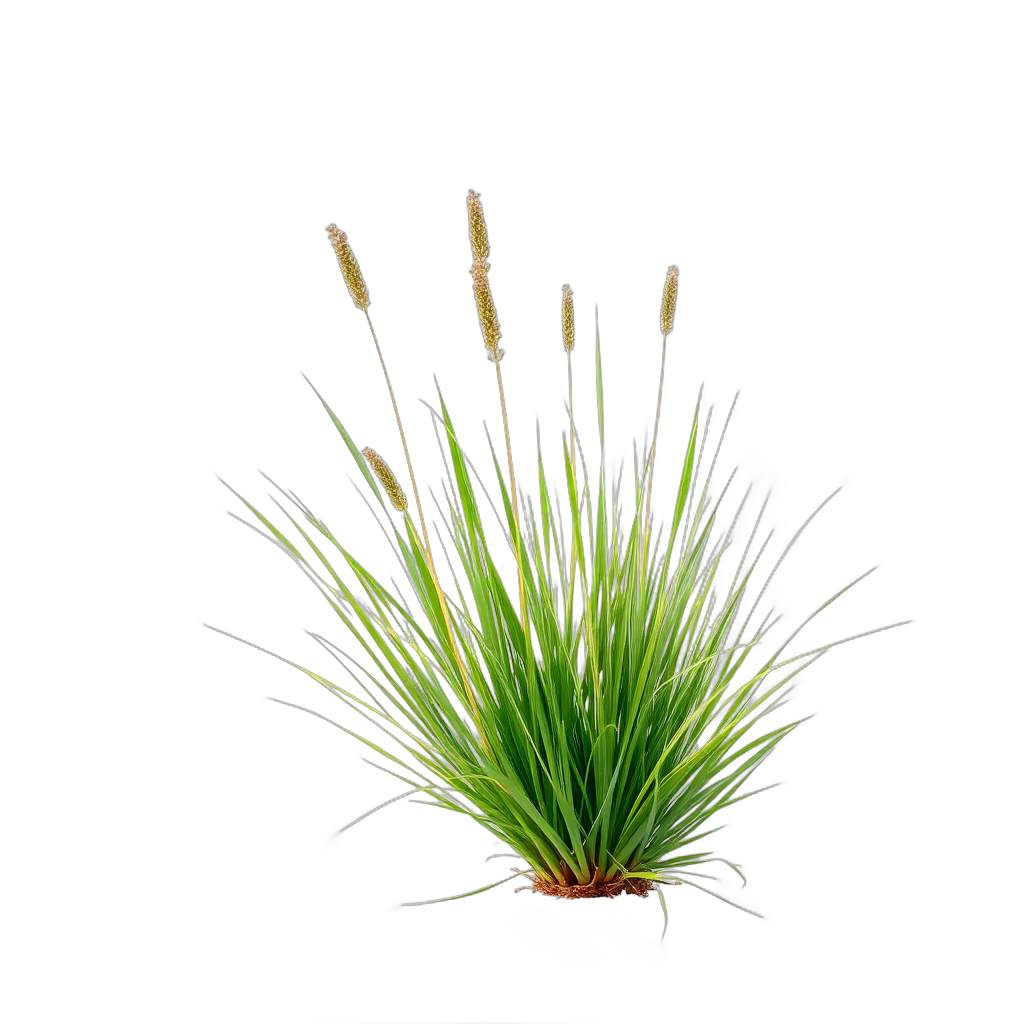
Deer Grass
Muhlenbergia rigens
grows to 3 feet, yellow blooms in fall. Evergreen year-round.
Featured Flowers & Perennials for Mediterranean Gardens
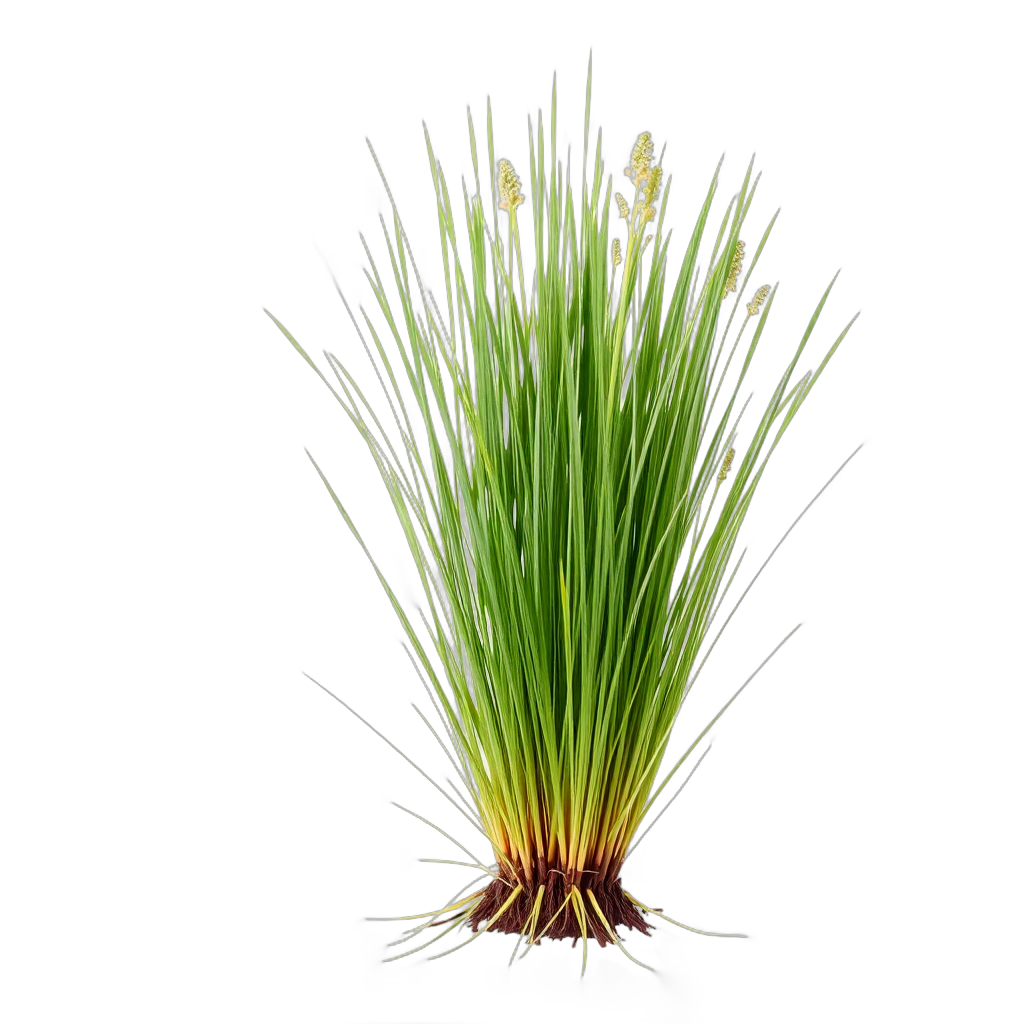
California Gray Rush
Juncus patens
low-growing ground cover, blooms in summer. Evergreen year-round.
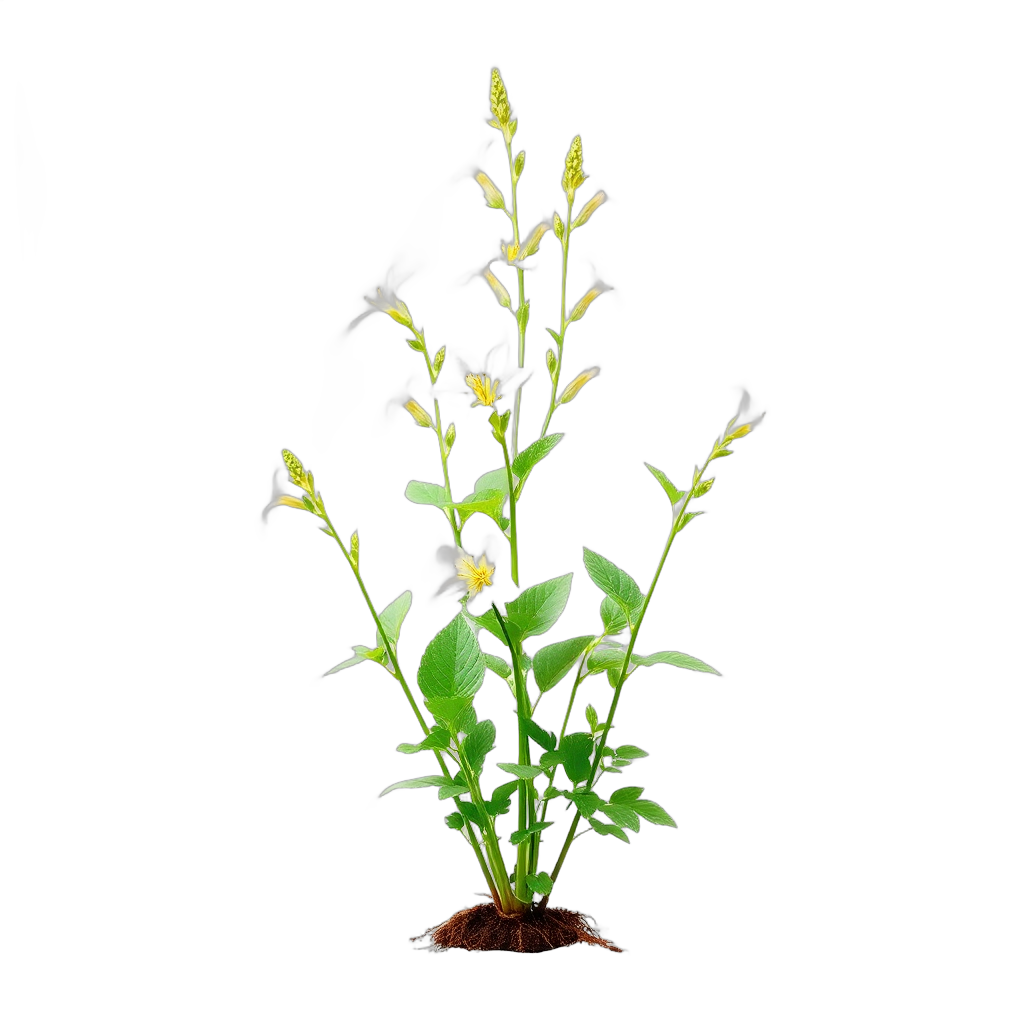
Beach Evening Primrose
Camissonia cheiranthifolia
low-growing ground cover, yellow blooms in spring. Attracts butterflies.
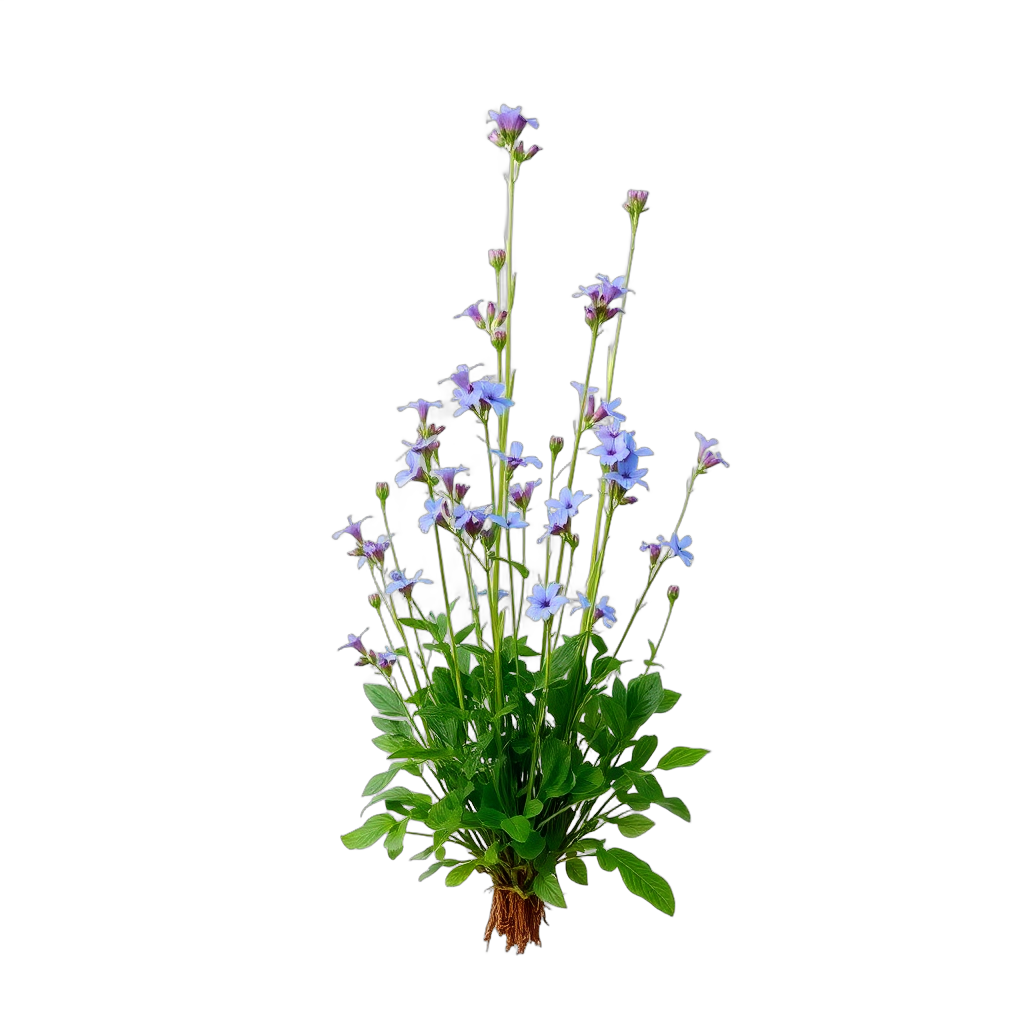
Blue Dicks
Dichelostemma capitatum
low-growing ground cover, blue blooms in spring. Pollinator-friendly.
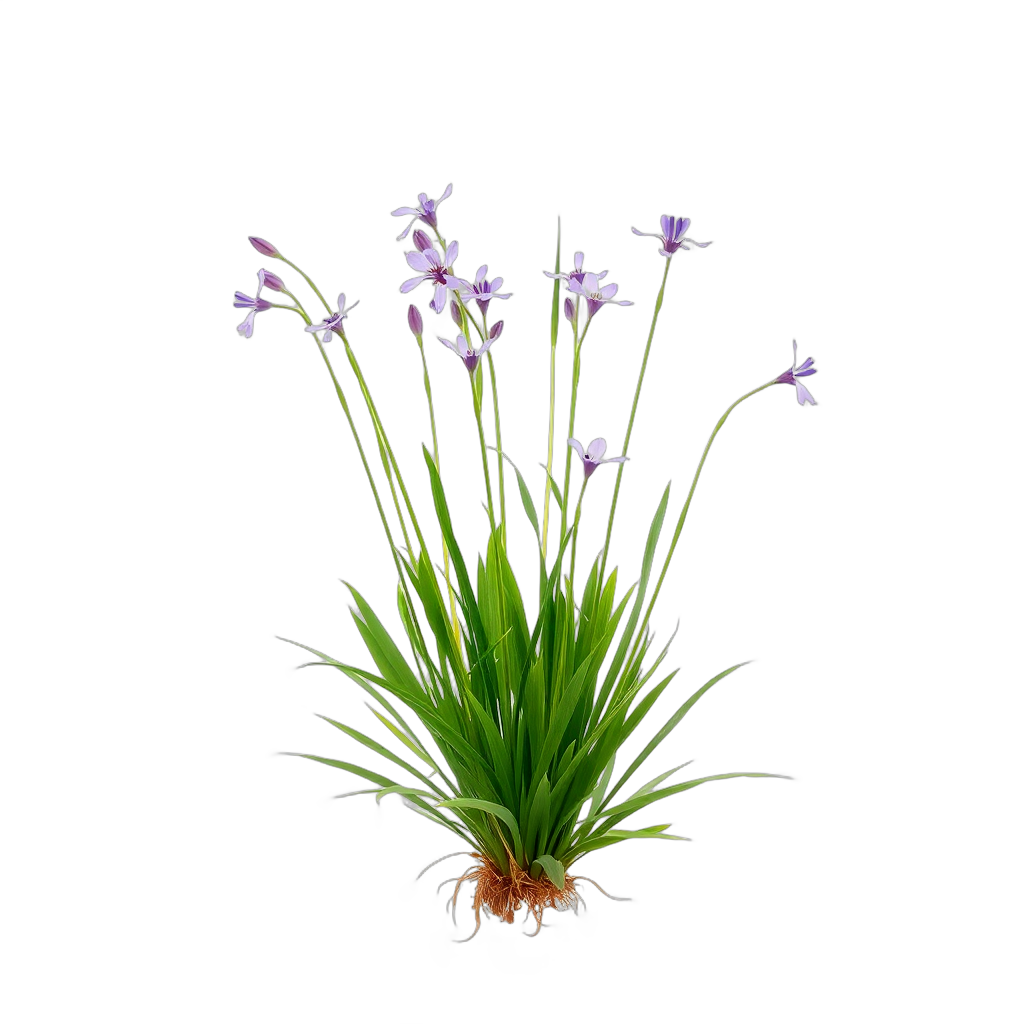
Blue-Eyed Grass
Sisyrinchium bellum
low-growing ground cover, blue blooms in spring. Attracts butterflies.
Zone and sun checks come from our database — confirm with your local nursery before you buy.
Bloom Calendar for El Monte
spring
Beach Evening Primrose, Blue Dicks, Blue-Eyed Grasssummer
California Gray Rush, Hooker's Evening Primrose, Hummingbird Mintfall
California Fuchsiawinter
Limited bloomsDesign Tips for El Monte (Zone 10a)
- Pick fruitless olives such as Olea europaea 'Wilsonii' or 'Swan Hill' anywhere near a driveway or patio; olive fruit stains concrete and pavers for good
- Do not over-amend: El Monte's sandy river soil at pH 7 to 8 is what lavender, rosemary and Cistus want, so plant slightly high and mulch with 2 to 3 inches of gravel
- Give citrus its own drip valve. Citrus needs water every 7 to 10 days in summer, while established lavender and olive want two to four weeks between soaks
- Buy citrus locally from a licensed nursery; Los Angeles County is under an Asian citrus psyllid quarantine and trees must not be moved in from other counties
- Use Cupressus sempervirens 'Tiny Tower' on narrow lots; full-size Italian cypress reaches 30 to 40 feet and becomes a problem along a shared fence
- Tie Bougainvillea 'Barbara Karst' to a freestanding pergola or wall frame, not the eaves, so autumn Santa Ana winds do not tear it loose
- Use the river cobbles you dig up as edging or a dry creek; they are free, they match the gravel and they come from the land between the San Gabriel River and Rio Hondo
Where to Source Plants in El Monte
Skip the big-box stores. These independent El Monte nurseries specialize in the plants that make mediterranean gardens thrive in Zone 10a.
San Gabriel Nursery & Florist
San Gabriel (about 4 miles west of El Monte)
Long-running family nursery known for fruit trees, rare and hard-to-find plants, roses and Japanese garden plants, plus pottery
Bellefontaine Nursery
South Fair Oaks Avenue, Pasadena
General nursery with native and drought-tolerant plants, fruit trees, herbs, pottery and organic amendments
Lincoln Avenue Nursery
Northwest Pasadena (Lincoln Avenue)
Family nursery stocking citrus and fruit trees, herbs, California natives, succulents, pots and planting mixes
Mediterranean Landscaping Costs in El Monte
| Project Scope | Estimated Cost |
|---|---|
| Front gravel courtyard with olive, lavender and paver path (500–700 sqft) | $10,000 – $24,000 |
| 3–4 ft stucco front wall with tile cap and gate | $7,000 – $18,000 |
| 24-inch box fruitless olive, delivered and planted | $500 – $1,400 |
| Back yard citrus grove: 4–5 trees, decomposed granite, drip | $6,000 – $15,000 |
| Terracotta-look tile terrace with pergola and wall fountain | $25,000 – $60,000 |
| Lawn removal and conversion to gravel and drip planting (per sqft) | $8 – $16/sqft |
| AI visualization (ProScapeAI) | Free to start |
Estimates based on El Monte, CA-area contractor rates as of 2026. Actual costs vary by site conditions, materials, and contractor.
El Monte Climate & Growing Zone
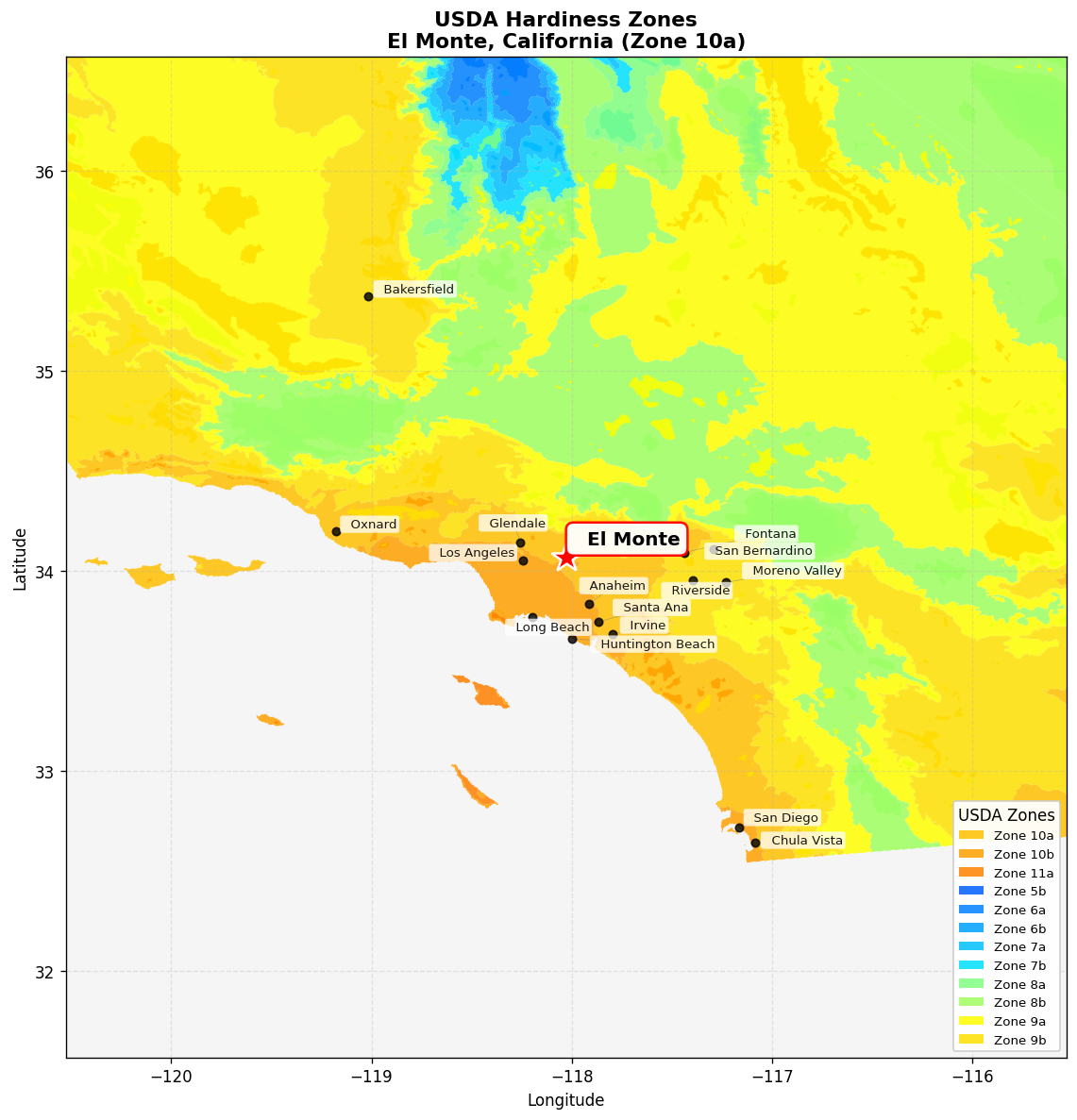
USDA Zone 10a
Hardiness zone for El Monte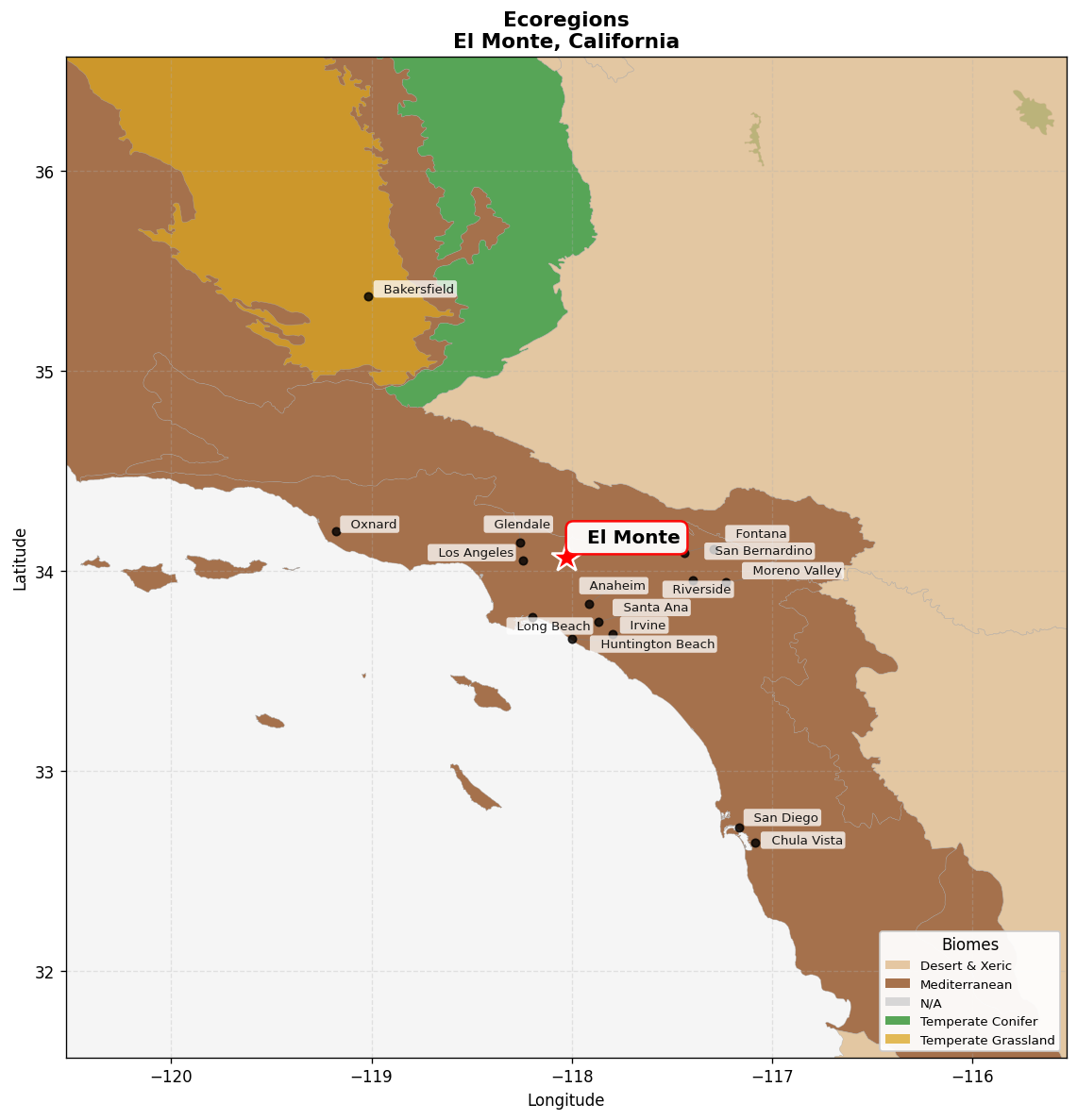
California coastal sage and chaparral
Native ecoregionFrequently Asked Questions
How much does a Mediterranean garden cost in El Monte, CA?
Los Angeles County landscape crews commonly bill around $55–85 per hour for a two-person crew. A front courtyard conversion of about 500–700 square feet, with lawn removal, gravel, a paver path, a 24-inch box Olea europaea 'Wilsonii' and lavender and rosemary on drip, usually runs $10,000–24,000. A 3–4 foot stucco front wall adds roughly $7,000–18,000 depending on length. A back terrace with pergola and wall fountain is about $25,000–60,000. A 24-inch box fruitless olive alone is typically $500–1,400 planted.
Will olives, lavender and bougainvillea survive El Monte winters?
Easily. Zone 10a winter nights usually sit in the mid-40s °F and rarely go below 32°F, and frost depth is effectively zero. Olive, Salvia rosmarinus 'Tuscan Blue', Lavandula × intermedia 'Grosso' and Bougainvillea 'Barbara Karst' are fully at home. In a rare cold snap, young bougainvillea and limes can burn back; plant them against a south- or west-facing wall and wait until March to prune any frost damage.
How often should I water a Mediterranean garden in El Monte?
Deeply and rarely. Water new plants weekly on drip through the first summer. After that, established lavender, rosemary, Cistus and Westringia want one long soak every 10 to 14 days from June to September, and mature olives can go three to four weeks. Citrus is the exception and needs a deep drink every 7 to 10 days in summer. From December to March, the 18 inches of rain usually covers everything.
Can I grow citrus in El Monte, and are there rules?
Yes, citrus grows very well here, but all of Los Angeles County is inside an Asian citrus psyllid quarantine. Buy trees from a licensed local nursery, do not bring trees, cuttings or budwood in from another county, and check new growth for the psyllid. Plant citrus slightly high in the fast-draining soil and feed with a citrus food that contains iron and zinc, because the pH 7 to 8 soil can yellow the leaves.
When should I plant a Mediterranean garden in El Monte?
October to December is the best window. Planting at the start of the wet season lets olive, cypress and lavender root through the mild winter and reach their first summer established. February and March are a second window, and bare-root fruit trees go in during January. Avoid planting from late June to September, when a fresh rootball cannot keep up with heat over 100°F.
Do I need a permit for a front wall or landscape conversion in El Monte?
Planting alone rarely needs one, but front walls and fences are limited in height by zoning, and gas lines, fountains with new circuits and retaining walls can need permits. California's Model Water Efficient Landscape Ordinance applies to new landscapes of 500 square feet or more and permitted rehabilitations over 2,500 square feet. Your water supplier depends on your address, so check its rebate rules before removing a lawn, and confirm requirements with the City of El Monte before building.
Should I amend El Monte's sandy soil for Mediterranean plants?
Mostly no. El Monte's river alluvium is sandy, gravelly and neutral to alkaline, close to what lavender, rosemary, Cistus and Teucrium fruticans 'Azureum' grow in naturally. Heavy compost makes them soft and short-lived. Plant slightly high, mulch with gravel instead of bark, and save compost for the citrus and fig beds.