4 Modern Landscape Ideas for El Monte, CA | Clean, Low-Water Yards for Zone 10a
Native plants from the California coastal sage and chaparral (Zone 10a) — Mediterranean (hot summer) climate
Why Modern/Minimalist Gardens in El Monte?
A lot of El Monte front yards are already halfway to modern: a concrete driveway, a stucco wall, a strip of tired lawn and a chain-link or iron fence. The town's single-story stucco ranches, its 1950s tract houses and the newer two-story infill and back-house ADUs on long, narrow lots all have flat, horizontal lines that a modern landscape exaggerates well: one wide concrete walk, a gravel field with a few sculptural plants, a steel edge and a single tree. Here a modern yard mostly means less water and less weekend work, which suits busy households on small lots.
The climate makes the modern plant palette easy. El Monte is USDA Zone 10a, Köppen Csa: about 18 inches of rain a year, almost all of it between November and March, August highs averaging in the high 80s with heat waves over 100°F, and winter nights that usually sit in the mid-40s °F and rarely dip below freezing. Frost depth is effectively zero, so footings and slabs only need to deal with heat. Agaves, aloes, yuccas and big soft grasses grow outdoors all year. The agave snout weevil is common across Southern California and collapses Agave americana without warning, so choose Agave 'Blue Glow', Agave ovatifolia and Agave parryi var. truncata instead. Reflected heat off a pale west-facing wall can scorch Agave attenuata; give it the east side. And two grasses long used in modern California gardens, Nassella tenuissima and Pennisetum setaceum, are rated invasive by the California Invasive Plant Council; Muhlenbergia rigens (deergrass) and Muhlenbergia capillaris 'Regal Mist' do the same job without escaping into the Whittier Narrows riverbanks.
El Monte sits on sandy, gravelly river alluvium between the San Gabriel River and Rio Hondo, fast-draining and neutral to alkaline at roughly pH 7.0 to 8.0. That is good news for hardscape: unlike the expansive clays of the hills, it stays stable under a properly compacted base, so a poured walk on 4 inches of compacted crushed rock stays flat. Expect cobbles when you dig post holes or tree pits. On the plant side, alkalinity means chelated iron for anything that yellows, and the lean soil is exactly what agave, Dasylirion and Hesperaloe want.
Water rules point the same way. California's Model Water Efficient Landscape Ordinance covers new landscapes of 500 square feet or more and permitted rehabilitations over 2,500 square feet, and a gravel-and-agave yard on drip clears its water budget easily. Your water may come from the City of El Monte's own water division or a private supplier depending on the block, so check which before you plan around a rebate. For outdoor rooms, use a gas fire bowl rather than a wood pit; the South Coast Air Quality Management District calls no-burn days through the winter.
4 Modern/Minimalist Design Ideas for El Monte

AI-generated image
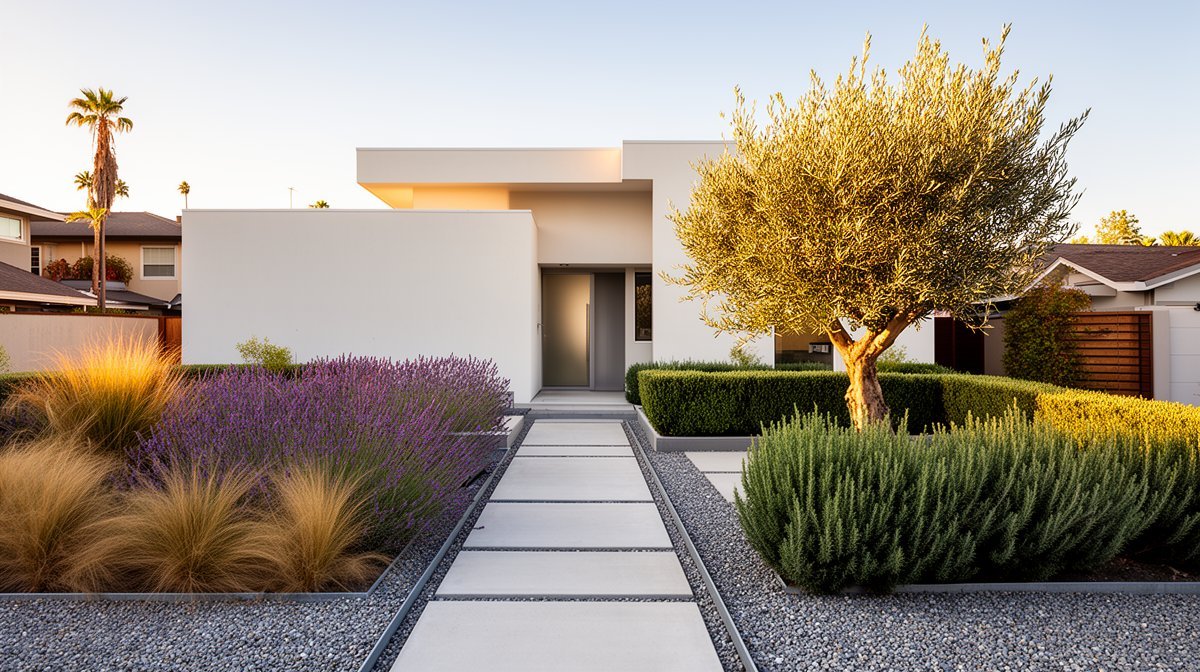
The Gravel Field Ranch Front
$16–30/sqftA single-story stucco ranch with a low hip roof gets a front yard of gray 3/8-inch gravel held by a straight Corten steel edge. A wide board-formed concrete walk runs from the driveway to the door, and the plants are set in loose groups of three: blue agaves in the sunniest middle, a mass of deergrass along the fence, and one multi-trunk tree near the corner to shade the bedroom window from afternoon sun.

AI-generated image
The Concrete Pad Courtyard
$24–45/sqftA two-story infill house or a back-house ADU shares a long, narrow lot, and the space between them becomes a courtyard of large square concrete pavers set with 3-inch gravel joints. Three tall planters in smooth gray concrete hold sculptural yuccas, a slim tree gives filtered shade, and a low built-in bench runs along the property wall. The courtyard faces west, so the tree goes on the west side to cut the late-afternoon glare.

AI-generated image
The Steel and Grass Parkway
$18–34/sqftThe front yard and parkway are treated as one modern strip: a row of weathering steel raised planters along the walk, each filled with a single grass or succulent, and a sweep of fine grass between them that moves in the afternoon breeze. Light-toned concrete keeps the surface cool enough to walk on in August. The look is crisp, cheap to water and takes about one hour of work a month.

AI-generated image
The Shaded Fire Bowl Terrace
$35–65/sqftAt the back of a 1950s ranch, a light gray concrete terrace runs the width of the house with a gas fire bowl at its center and a timber shade structure on the west side. Around it, a gravel bed holds a few big architectural plants and a loose line of grass that is uplit at night. The terrace is usable from late afternoon into the evening most of the year, which is when El Monte families actually sit outside.
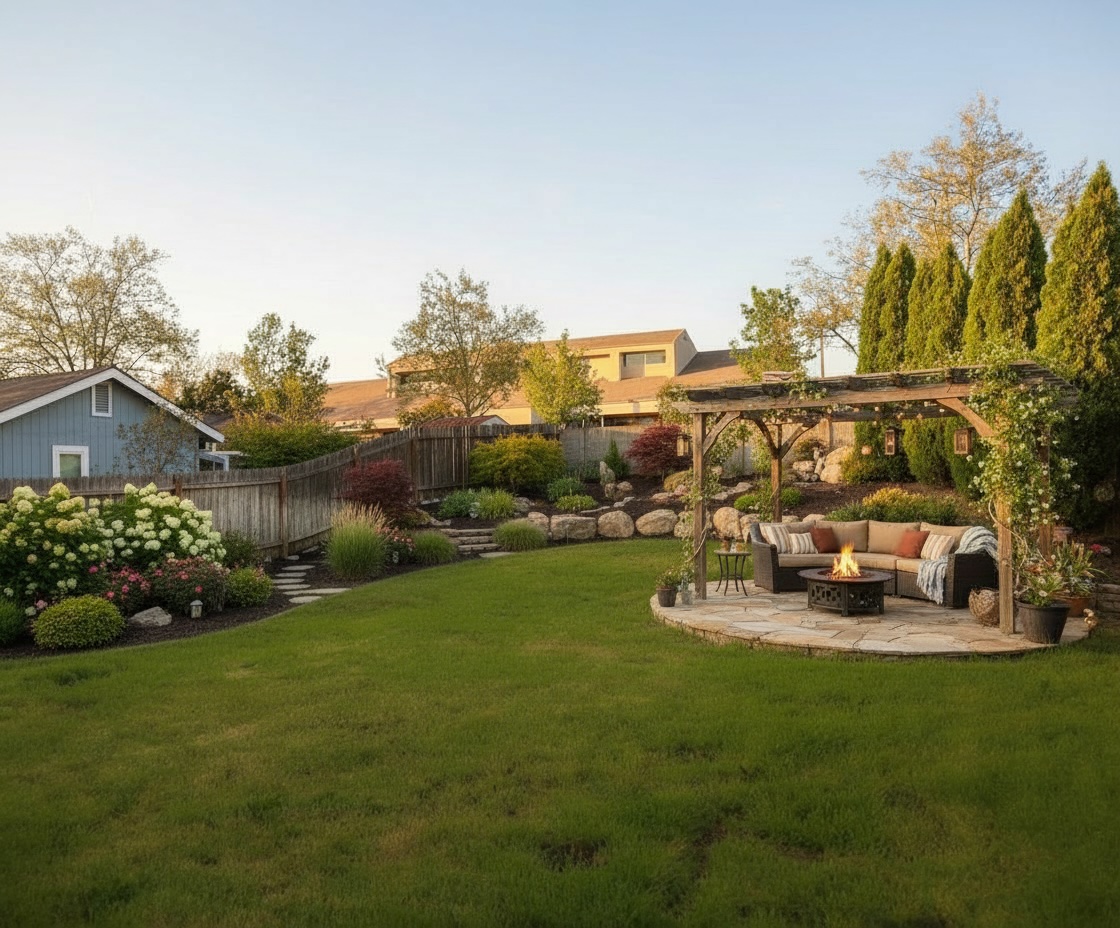
See how a modern/minimalist garden looks on YOUR property
Upload a photo of your El Monte yard and visualize your dream garden in seconds.
Try ProScapeAI Free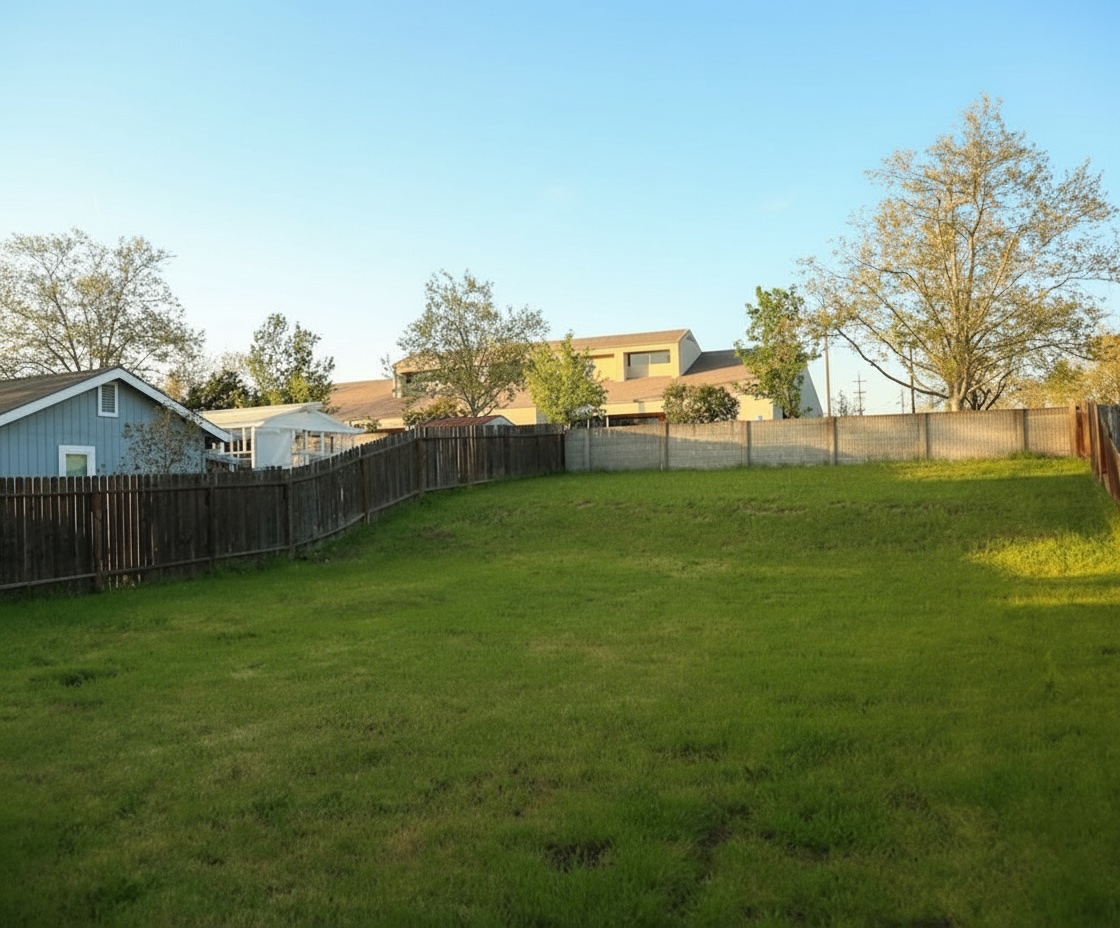
AI-generated image
Featured Trees & Shrubs for Modern/Minimalist Gardens
Browse all 212 plants for El Monte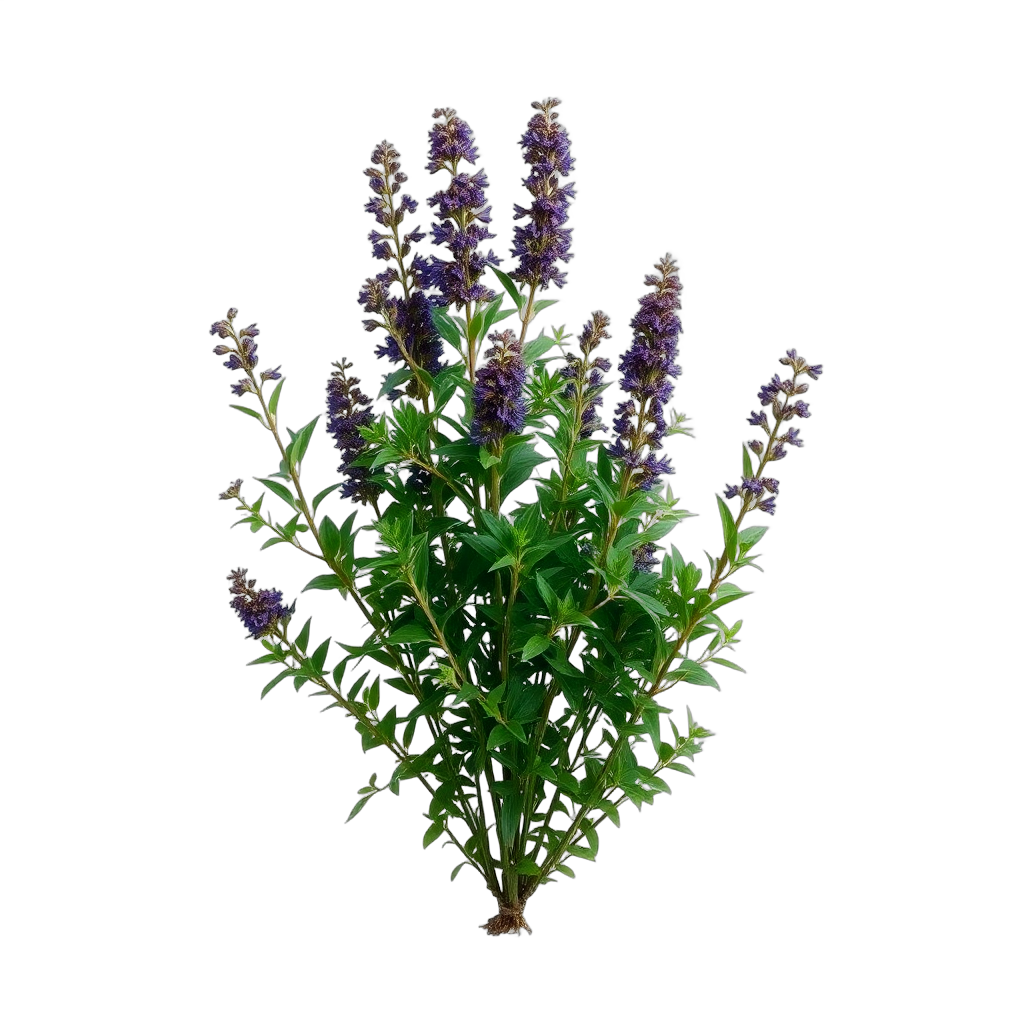
Black Sage
Salvia mellifera
grows to 4 feet, white blooms in spring. Attracts butterflies.
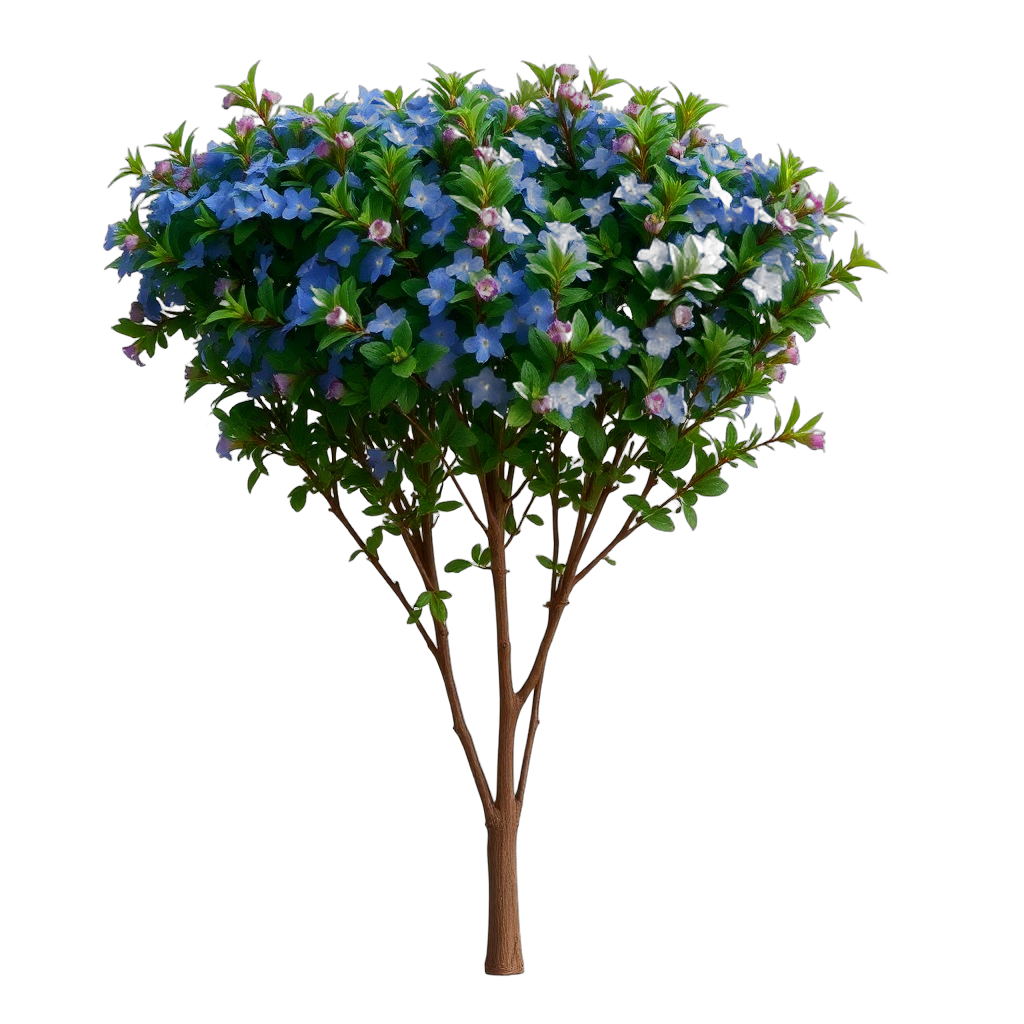
Blue Blossom
Ceanothus thyrsiflorus
medium-sized at 12 feet, blue blooms in spring. Attracts butterflies.
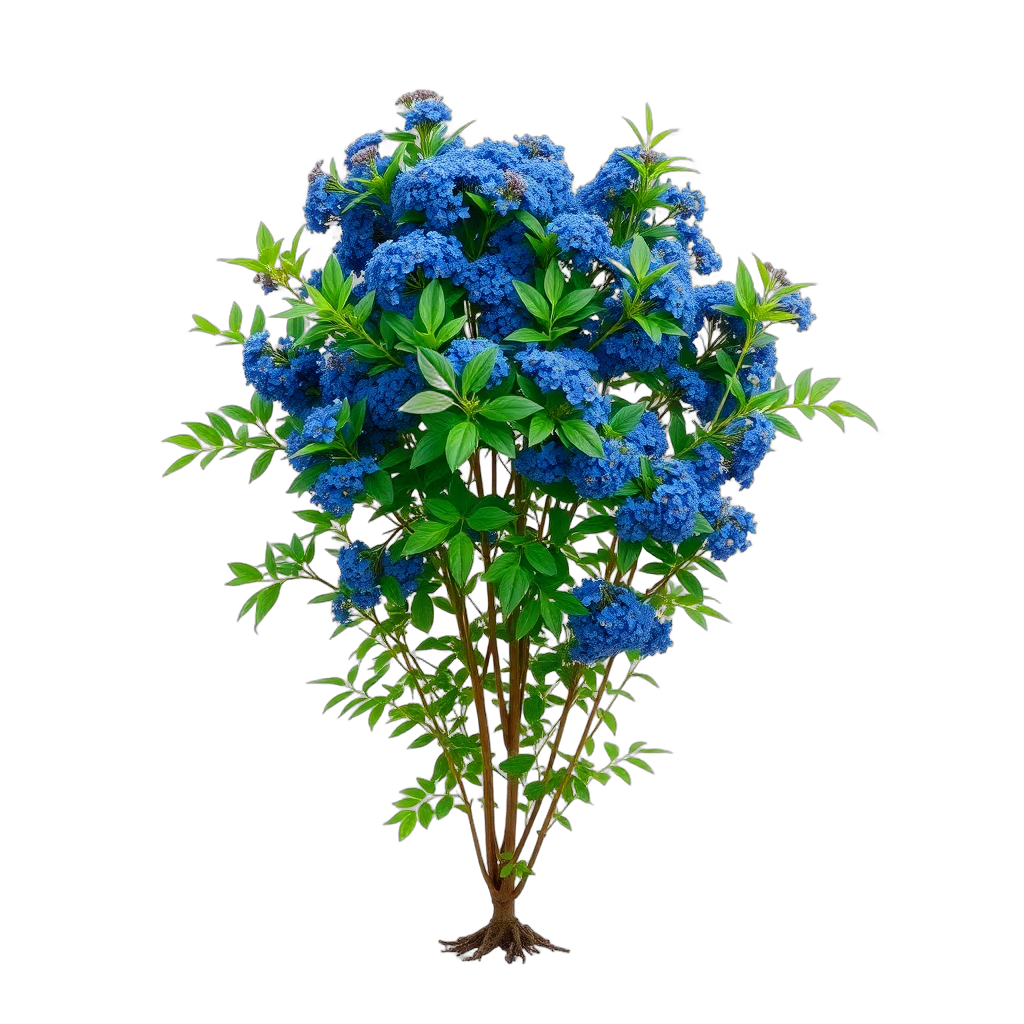
Blue Elderberry
Sambucus cerulea
medium-sized at 15 feet, white blooms in spring. Attracts butterflies.
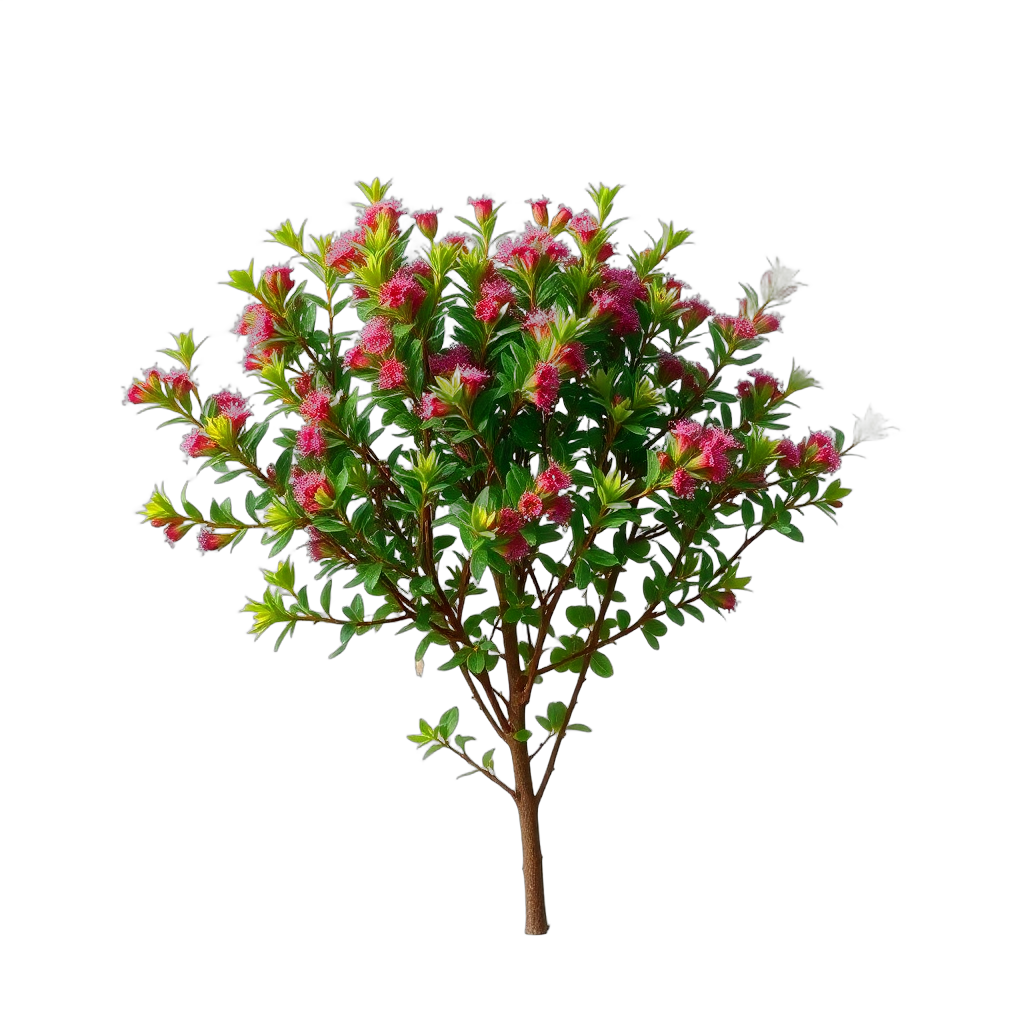
Buckbrush
Ceanothus cuneatus
medium-sized at 7 feet, white blooms in spring. Attracts butterflies.
Featured Grasses & Groundcovers for Modern/Minimalist Gardens
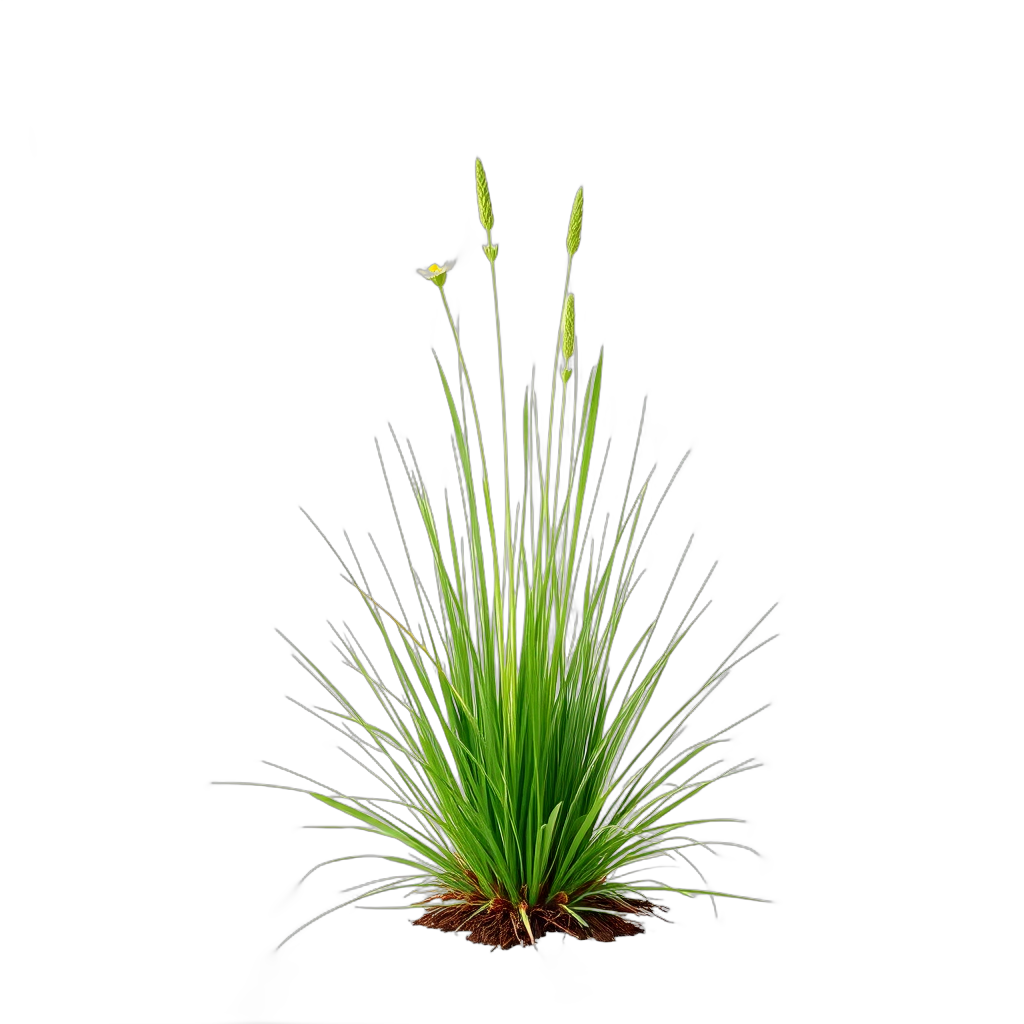
California Brome
Bromus carinatus
low-growing ground cover, blooms in spring. Yellow fall color.
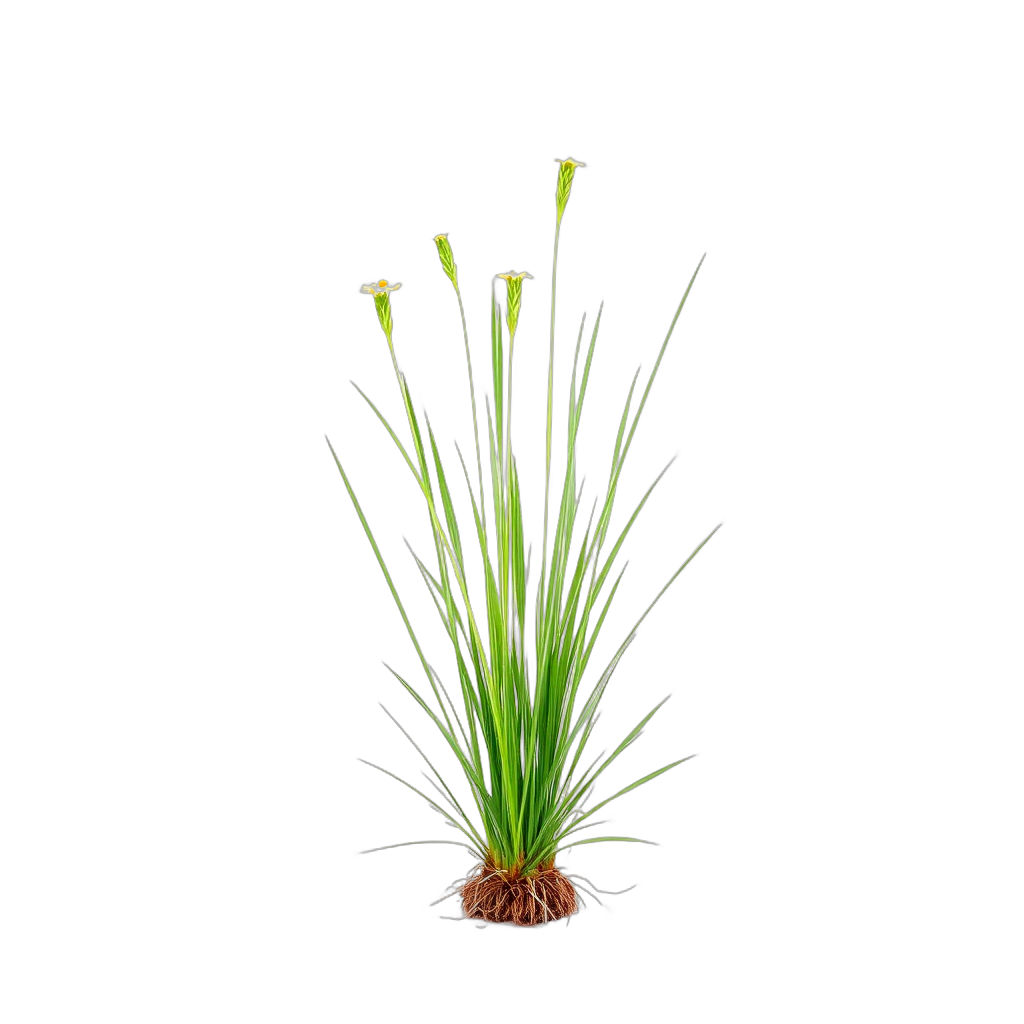
California Melic
Melica californica
low-growing ground cover, blooms in spring.
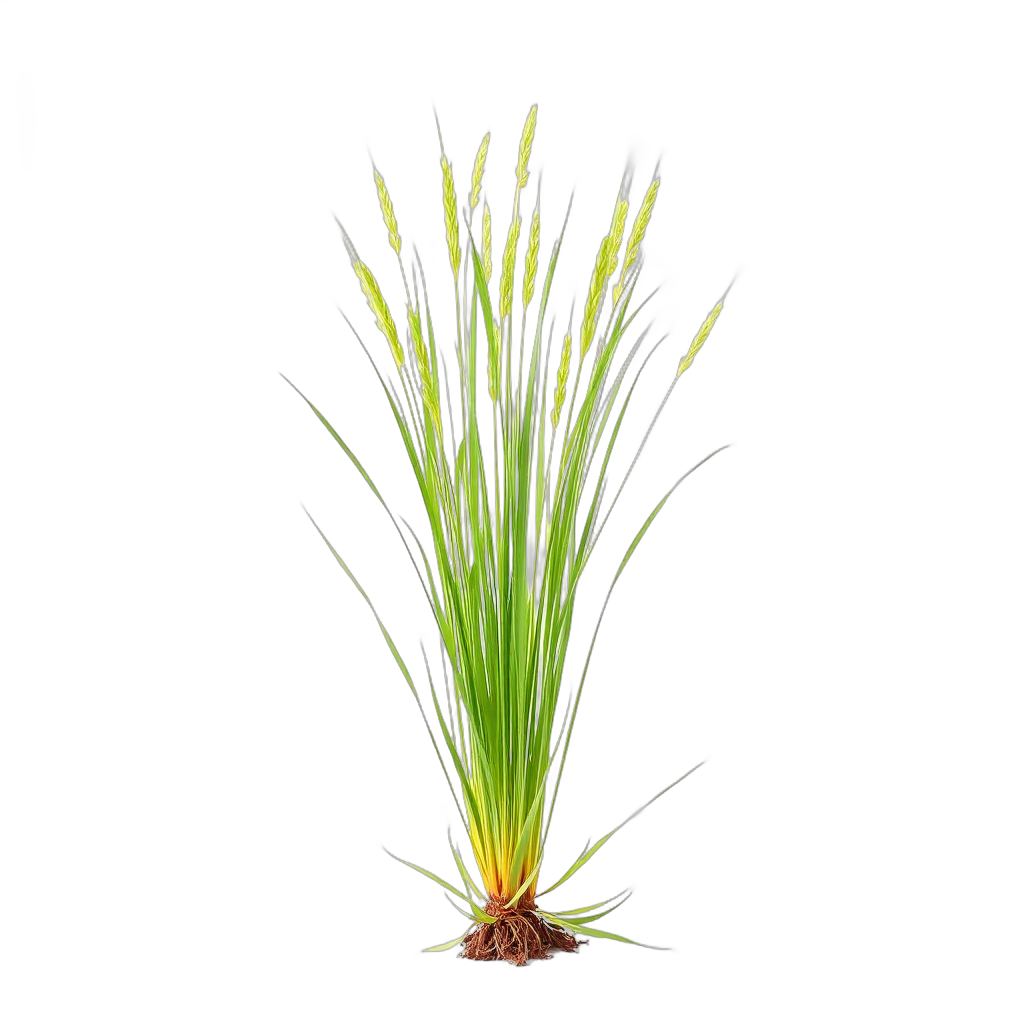
California Oatgrass
Danthonia californica
low-growing ground cover, blooms in spring. Yellow fall color.
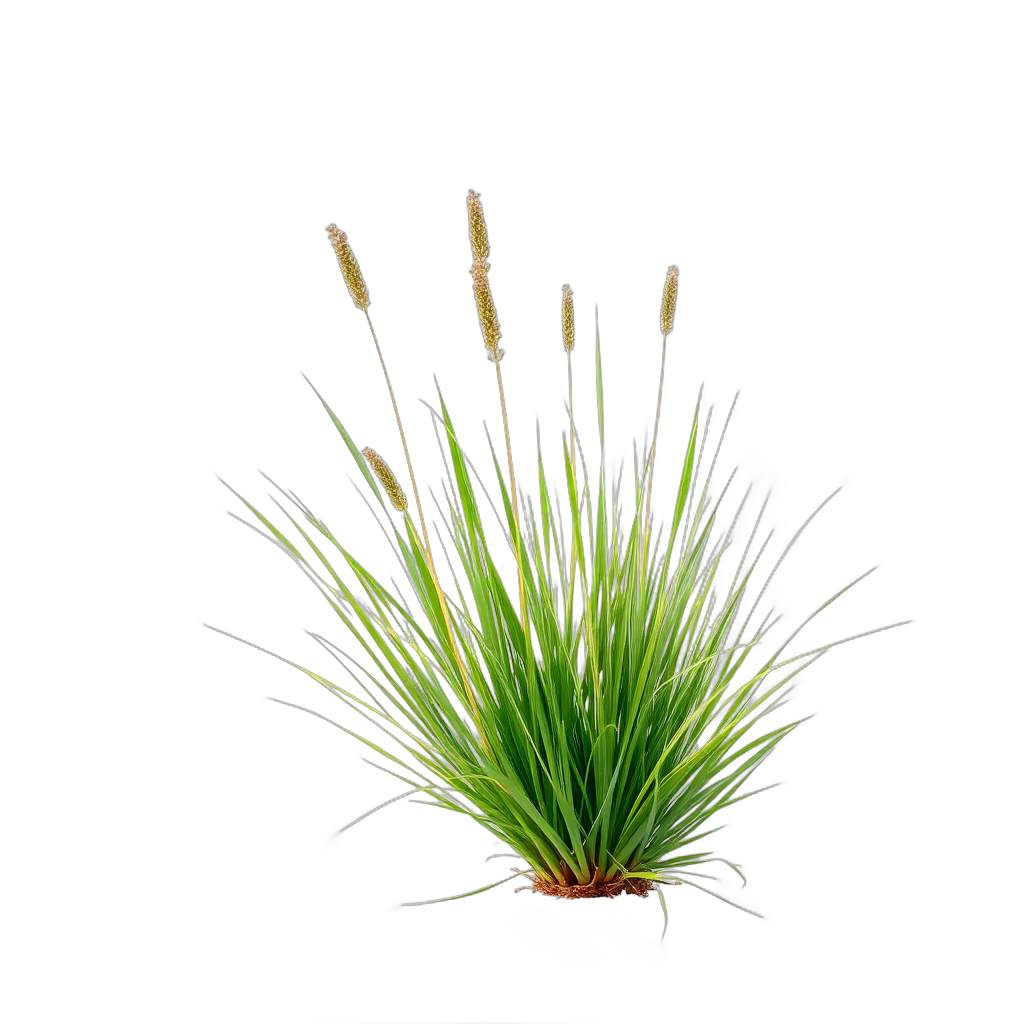
Deer Grass
Muhlenbergia rigens
grows to 3 feet, yellow blooms in fall. Evergreen year-round.
Featured Flowers & Perennials for Modern/Minimalist Gardens
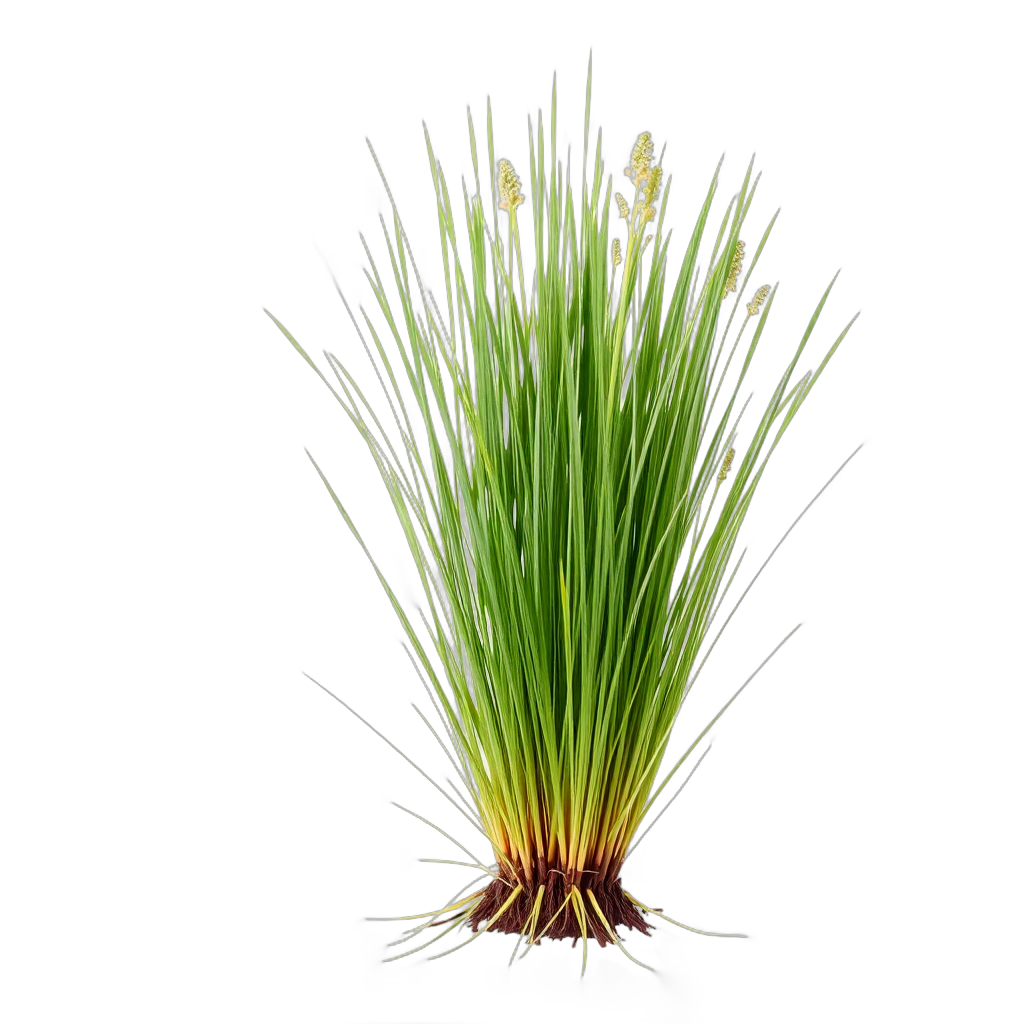
California Gray Rush
Juncus patens
low-growing ground cover, blooms in summer. Evergreen year-round.
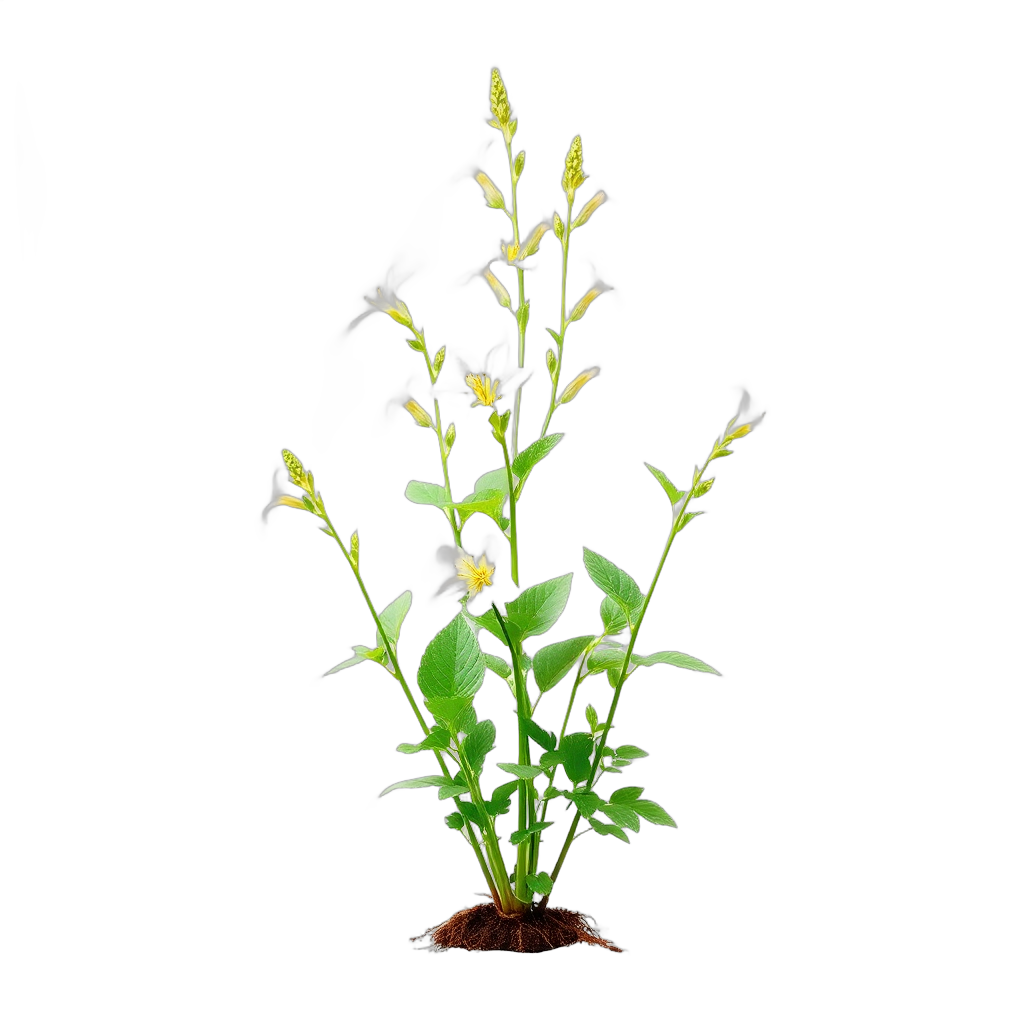
Beach Evening Primrose
Camissonia cheiranthifolia
low-growing ground cover, yellow blooms in spring. Attracts butterflies.
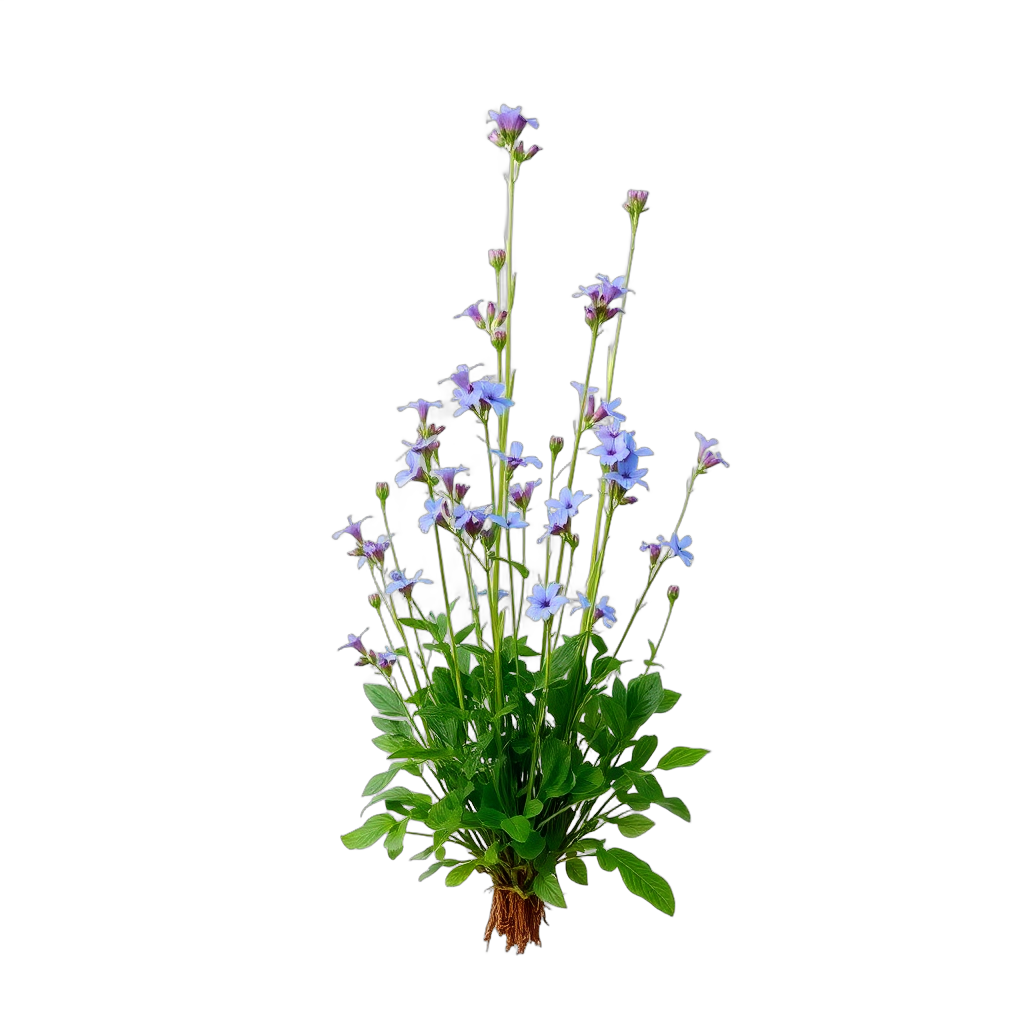
Blue Dicks
Dichelostemma capitatum
low-growing ground cover, blue blooms in spring. Pollinator-friendly.
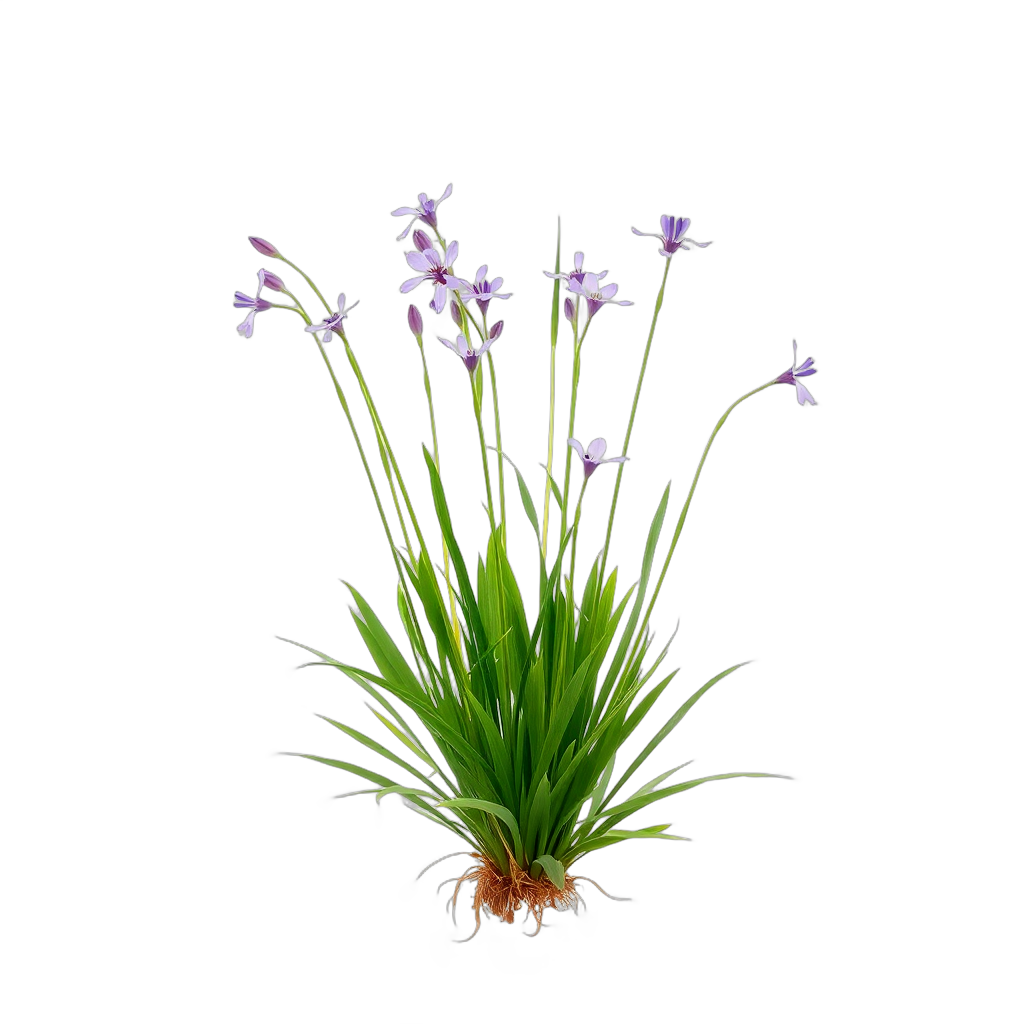
Blue-Eyed Grass
Sisyrinchium bellum
low-growing ground cover, blue blooms in spring. Attracts butterflies.
Zone and sun checks come from our database — confirm with your local nursery before you buy.
Bloom Calendar for El Monte
spring
Beach Evening Primrose, Blue Dicks, Blue-Eyed Grasssummer
California Gray Rush, Hooker's Evening Primrose, Hummingbird Mintfall
California Fuchsiawinter
Limited bloomsDesign Tips for El Monte (Zone 10a)
- Choose weevil-resistant agaves: Agave 'Blue Glow', Agave ovatifolia and Agave parryi var. truncata hold the sculptural look far longer in El Monte than Agave americana, which the snout weevil takes first
- Swap Mexican feather grass and fountain grass for Muhlenbergia rigens and Muhlenbergia capillaris 'Regal Mist'; the first two are on the Cal-IPC invasive list and spread toward the San Gabriel River and Rio Hondo
- Keep concrete light in tone and cut joints every 8 to 10 feet; the river alluvium under El Monte is stable, so cracks come from heat and shrinkage, and dark slabs are too hot to use from June to September
- Probe for cobbles before you plan tree pits and footings, and use the river rock you dig out as a dry creek or mulch band; it is free and it matches the gravel palette
- Put the shade tree on the west side of any terrace. A Pistacia chinensis 'Keith Davey' or Olea europaea 'Little Ollie' blocking late sun makes a back yard usable on August evenings
- Use a gas fire bowl, not wood: the South Coast Air Quality Management District calls no-burn days through winter, which is exactly when you would light it
- Plant from October to February and let the 18 inches of winter rain establish the beds; summer planting means hand-watering every day through 100°F heat waves
Where to Source Plants in El Monte
Skip the big-box stores. These independent El Monte nurseries specialize in the plants that make modern/minimalist gardens thrive in Zone 10a.
San Gabriel Nursery & Florist
San Gabriel (about 4 miles west of El Monte)
Long-running family nursery for rare and hard-to-find plants, fruit and specimen trees, bonsai and Japanese garden plants, plus pottery
Lincoln Avenue Nursery
Northwest Pasadena (Lincoln Avenue)
Family nursery with cacti, succulents, California natives, groundcovers and vines, plus pots, soil and planting mixes
Bellefontaine Nursery
South Fair Oaks Avenue, Pasadena
General nursery with native and drought-tolerant plants, fruit trees, pottery and organic amendments
Modern/Minimalist Landscaping Costs in El Monte
| Project Scope | Estimated Cost |
|---|---|
| Front yard modern conversion: lawn out, gravel, steel edge, concrete walk (500–700 sqft) | $9,000 – $22,000 |
| Board-formed or broom-finish concrete walk (100–200 sqft) | $2,500 – $7,000 |
| Corten steel raised planter, fabricated and filled (each) | $600 – $1,600 |
| Concrete terrace with gas fire bowl and shade structure | $22,000 – $55,000 |
| Low-voltage landscape lighting (10–14 fixtures) | $2,500 – $7,000 |
| Full modern back yard: terrace, planters, gravel beds, lighting | $35,000 – $90,000 |
| AI visualization (ProScapeAI) | Free to start |
Estimates based on El Monte, CA-area contractor rates as of 2026. Actual costs vary by site conditions, materials, and contractor.
El Monte Climate & Growing Zone
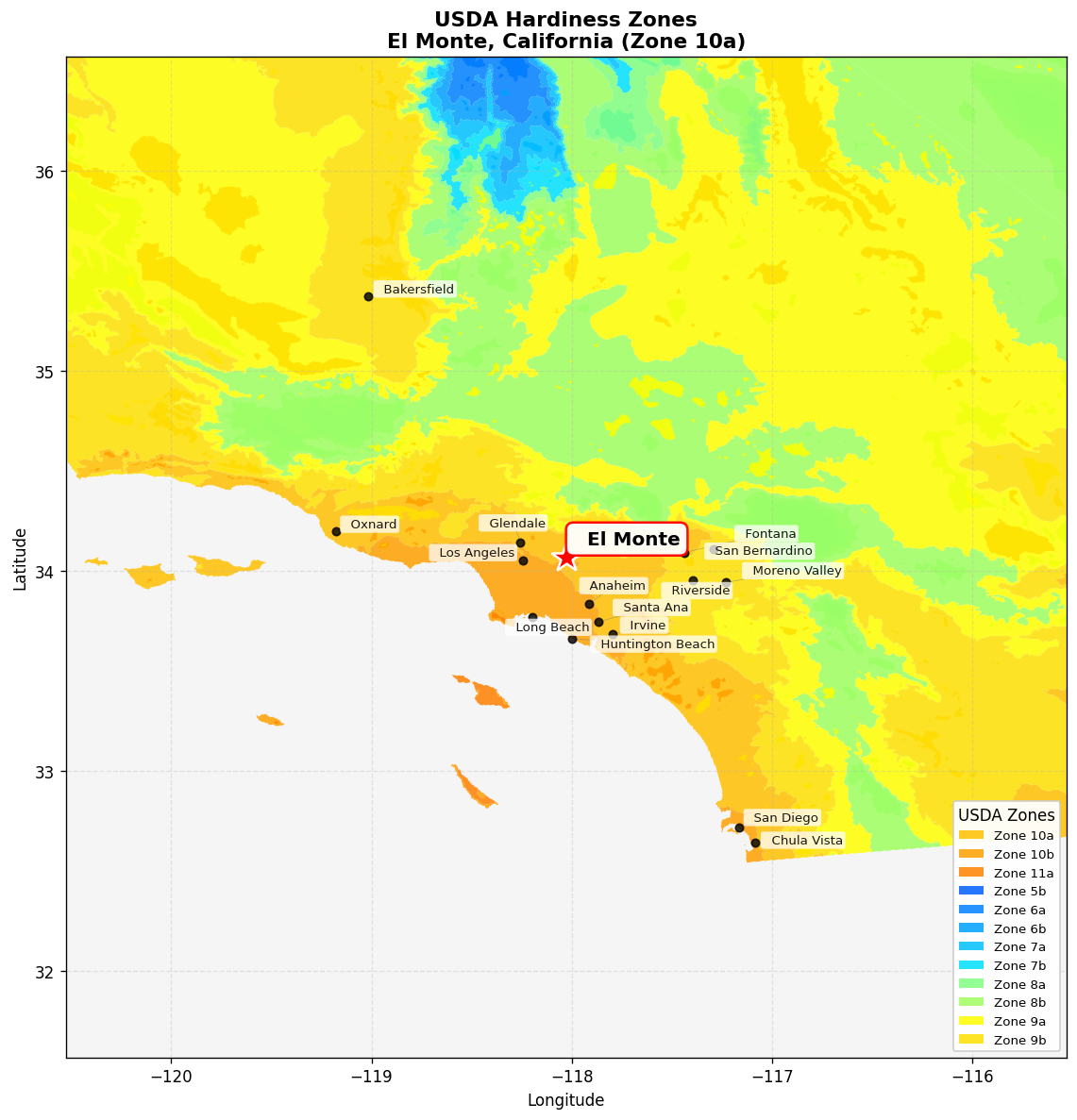
USDA Zone 10a
Hardiness zone for El Monte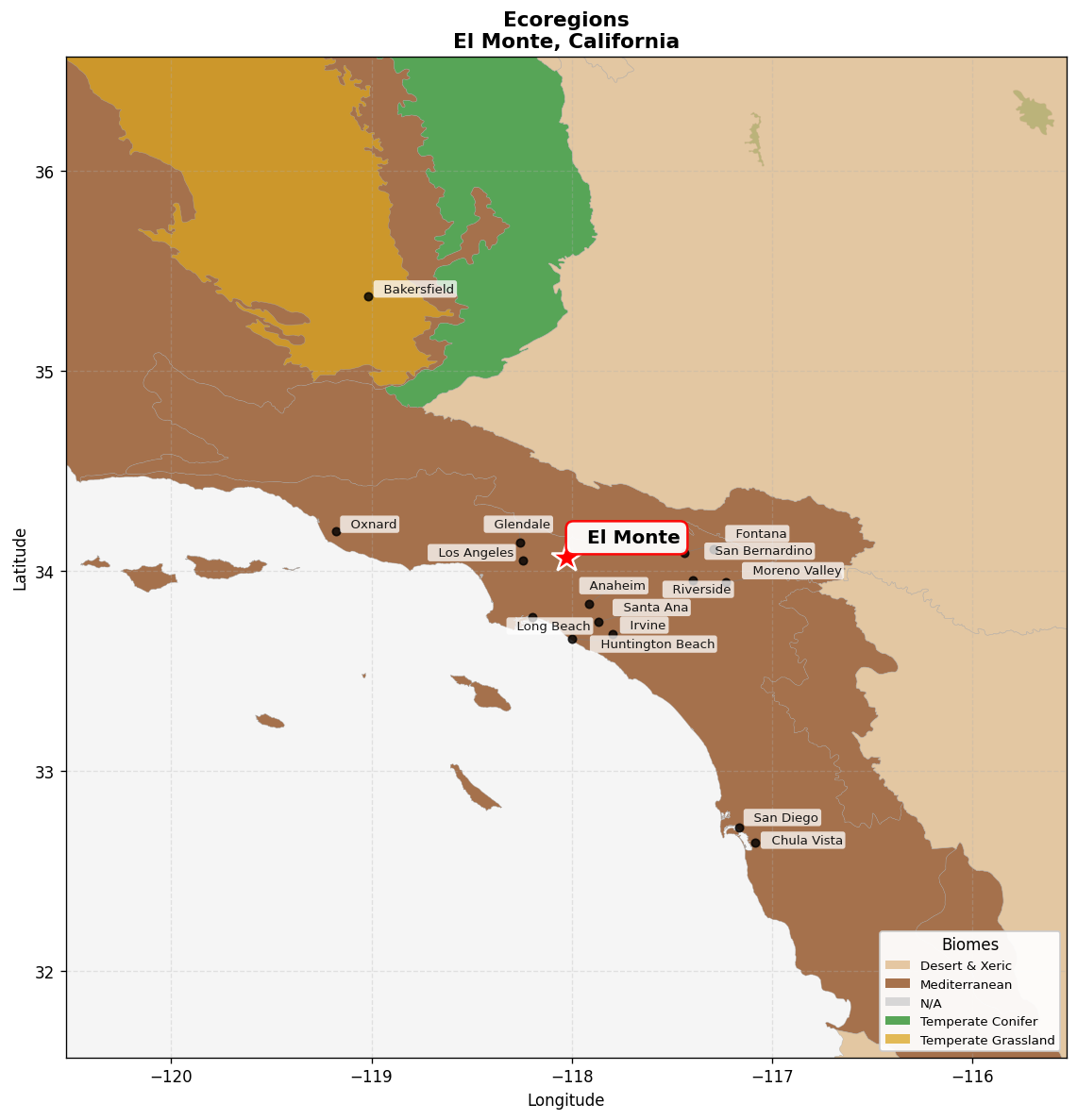
California coastal sage and chaparral
Native ecoregionFrequently Asked Questions
How much does a modern landscape cost in El Monte, CA?
Los Angeles County landscape crews commonly bill around $55–85 per hour for a two-person crew, and hardscape-heavy modern design feels that most. A front-yard conversion on a 500–700 square foot frontage, with lawn removal, a concrete walk, gravel, steel edging and architectural planting on drip, usually runs $9,000–22,000. A concrete back terrace with a gas fire bowl and shade structure is roughly $22,000–55,000. Weathering steel planters run about $600–1,600 each installed, and a 10–14 fixture low-voltage lighting scheme is around $2,500–7,000.
Which agaves and succulents last longest in El Monte?
Cold is rarely the issue in Zone 10a; winter lows usually sit in the mid-40s °F. The agave snout weevil is, and it prefers Agave americana, so use Agave 'Blue Glow', Agave ovatifolia and Agave parryi var. truncata. Reflected heat is the other killer: a bed against a pale west-facing wall can run far hotter than the air, enough to burn Agave attenuata, so give it the east side and put Dasylirion wheeleri, Yucca rostrata and Hesperaloe parviflora 'Brakelights' on the hot walls.
Which grasses should I avoid in a modern El Monte garden?
Leave out Nassella tenuissima (Mexican feather grass) and Pennisetum setaceum (fountain grass); both are rated invasive by the California Invasive Plant Council and self-sow into open ground and riverbanks like those around Whittier Narrows. Use Muhlenbergia rigens (deergrass) for the big fountain shape, Muhlenbergia capillaris 'Regal Mist' for pink autumn haze, Leymus condensatus 'Canyon Prince' for tall blue-gray, and Bouteloua gracilis 'Blonde Ambition' for a fine front edge.
Is a modern landscape low maintenance in El Monte's climate?
Yes, once it is established. With about 18 inches of rain falling November to March, a gravel bed of agave, deergrass and Salvia clevelandii 'Winnifred Gilman' typically needs one deep drip cycle every 2 to 3 weeks from June to September and almost nothing in winter. Mowing goes away. You will still cut grasses back in late February, top up gravel every few years and pull weeds that seed into the rock, which is the job most people underestimate.
When is the best time to install a modern landscape in El Monte?
Plant from October to February, so winter rain does the establishment watering and plants face their first summer with roots in. Avoid planting in July and August, when highs average in the high 80s and heat waves pass 100°F. Concrete, gravel and steel can go in any month because frost depth is effectively zero, so a common plan is to build hardscape in late summer and plant into it in October.
Do I need permits for a patio, fire bowl or new landscape in El Monte?
Often, yes. A gas fire bowl needs a permitted gas line, retaining walls over about four feet and new electrical circuits need permits, and California's Model Water Efficient Landscape Ordinance applies to new landscapes of 500 square feet or more and permitted rehabilitations over 2,500 square feet. Gas is the practical fire choice because the South Coast Air Quality Management District calls winter no-burn days. Check every requirement with the City of El Monte before building.
Will concrete crack on El Monte's soil?
Less than on clay. El Monte's sandy, gravelly river alluvium is stable under a slab poured on 4 inches of compacted crushed rock, and there is no frost heave. Cracking here comes from heat and shrinkage, so cut control joints every 8 to 10 feet, keep panels close to square, and cure the slab properly, especially if it is poured in summer heat. Choose a light color; dark concrete gets too hot to walk on barefoot in August.