4 Mediterranean Landscape Ideas for Pasadena, CA | Zone 10a
Native plants from the California coastal sage and chaparral (Zone 10a) — Mediterranean (hot summer) climate
Why Mediterranean Gardens in Pasadena?
Mediterranean landscaping is not a look imported into Pasadena; it is the climate the city already has, drawn correctly. Pasadena is Koppen Csa - hot-summer Mediterranean - with USDA Zone 10a winters bottoming out around 30 to 35 degrees F, July and August highs that routinely clear 95 degrees F, and about 20 inches of rain falling almost entirely between November and April. June through September are effectively rainless. That is the same rhythm as Seville, Palermo or the Peloponnese, which is why Olea europaea, Cupressus sempervirens, Lavandula, Rosmarinus and citrus behave here as though they were at home rather than on holiday. The architecture agrees. The 1920s Spanish Colonial Revival and Mediterranean Revival stock through Madison Heights, Orange Heights, the South Arroyo, Oak Knoll and the streets above the Colorado Street Bridge - white and cream stucco, low-pitched clay barrel tile, arched openings, wrought iron, walled forecourts - was built by architects designing for exactly this climate.
The single most valuable Pasadena adaptation is the walled or half-walled forecourt. Lot widths through the older Mediterranean neighbourhoods run 50 to 75 feet with 20 to 25 foot front setbacks, and a 3 to 4 foot stucco wall turns that shallow strip into a usable outdoor room instead of a lawn nobody walks on. It also solves a real problem: Santa Ana winds arrive from the northeast off the San Gabriels through autumn and early winter, gusting hard enough to shred Bougainvillea and tip terracotta, and a low masonry wall plus a clipped Buxus microphylla var. japonica 'Green Beauty' or Myrtus communis 'Compacta' hedge on the windward side buys the whole courtyard a calmer microclimate. Plant choice should lean into it: fruitless olives such as Olea europaea 'Wilsonii' or 'Swan Hill' give you the silver canopy without staining a saltillo terrace, Cupressus sempervirens 'Glauca' gives the vertical, and Bougainvillea 'Barbara Karst' delivers the magenta that reads as Mediterranean from a block away while asking for almost no summer water once established.
Soil and water are where Pasadena Mediterranean gardens are won or lost. The city sits on the Raymond Basin alluvial fan below the San Gabriel Mountains: decomposed granite and coarse sandy loam, slightly alkaline at pH 7.0 to 7.8, and very fast-draining. This is close to ideal for the palette - Lavandula x intermedia 'Grosso', Salvia rosmarinus 'Tuscan Blue', Teucrium fruticans 'Azureum', Cistus x purpureus and Westringia fruticosa 'Wynyabbie Gem' all want exactly that sharp drainage - but it punishes overwatering more than underwatering. The classic Pasadena failure is a spray head keeping an olive or a Salvia clevelandii 'Winnifred Gilman' constantly damp until it collapses in its third summer. Pasadena Water and Power restricts landscape irrigation to assigned days and to hours outside the middle of the day, and prohibits runoff onto the street. Inline drip on deep, infrequent cycles - a long soak every 10 to 14 days in summer for established Mediterranean shrubs - is both the compliant answer and the horticulturally correct one. Reference evapotranspiration in the basin runs near 50 inches a year, and turf-removal rebates through the regional water agencies typically fall in the $2 to $5 per square foot range.
Two local details are worth designing around. First, citrus is not decoration in the San Gabriel Valley, it is heritage - this was orange grove country, and Citrus sinensis 'Washington' navel, Citrus reticulata 'Gold Nugget' and Citrus 'Improved Meyer' all fruit heavily in Pasadena courtyards, though every tree in Los Angeles County sits inside an Asian citrus psyllid quarantine, so buy from a local nursery and never move trees between counties. Second, northern Pasadena and the Altadena edge lie in a very high fire hazard severity zone, and the January 2025 Eaton Fire reframed how foothill gardens are built. Gravel, saltillo tile and stucco walls happen to be excellent ember-resistant materials, so a Mediterranean scheme starts ahead - but keep the first five feet against the house free of resinous shrubs, and train Bougainvillea onto a freestanding pergola instead of the eaves.
4 Mediterranean Design Ideas for Pasadena

The Olive and Cypress Entry
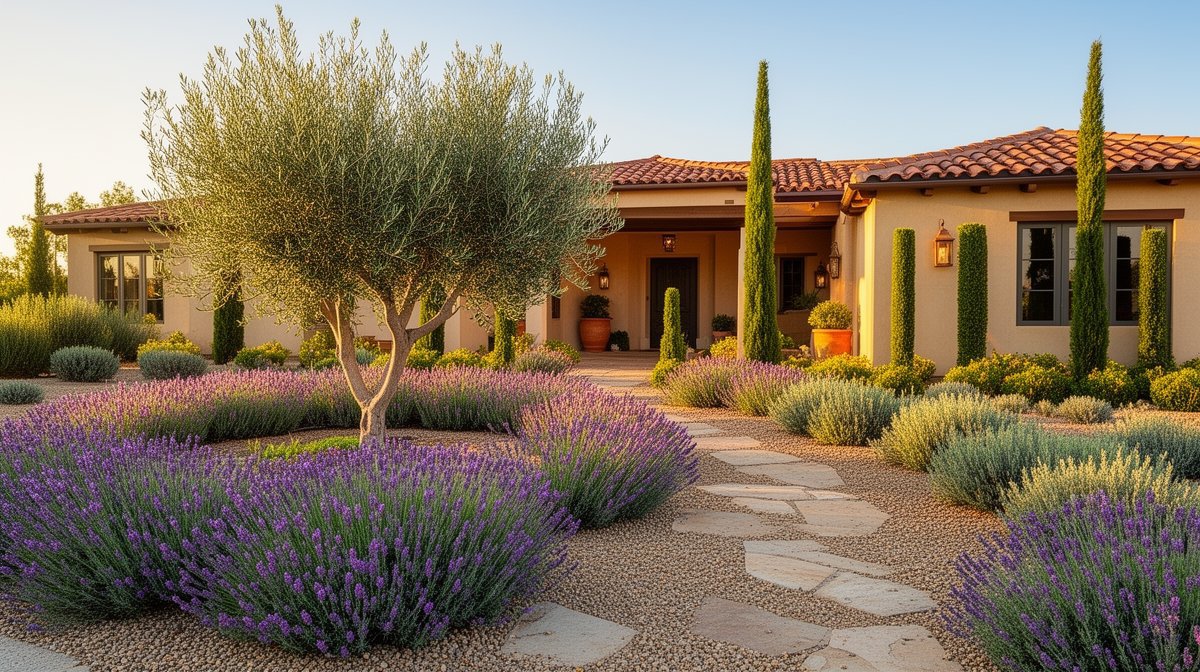
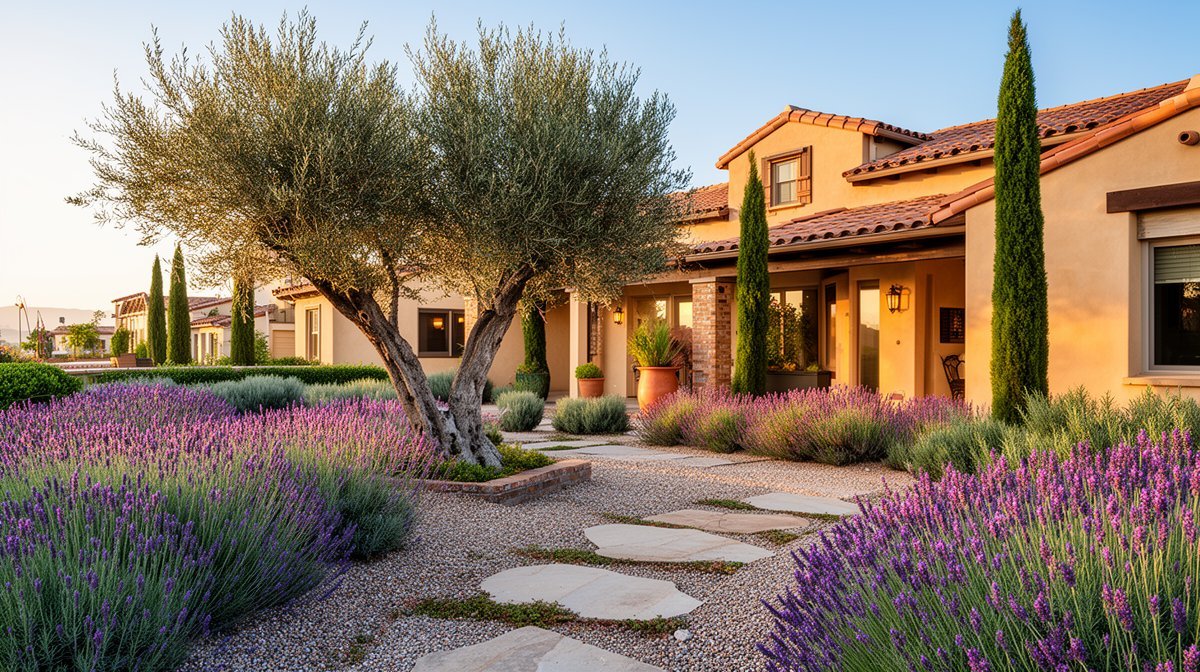
$16-32/sqftA single-storey Spanish Colonial Revival in cream stucco under a red barrel-tile roof, with a recessed arched entry, a wrought-iron wall lantern either side and a small iron rosette set into the stucco. The design is deliberately spare: one mature multi-trunk olive on the left, its gnarled grey trunk doing the sculptural work, and three tall Italian cypress punctuating the right side of the facade. A flagstone path edged with rounded river cobble runs to the door between two unbroken lavender hedges in full purple bloom, and a small panel of lawn survives only on the left. Low mounded shrubs, a pink-flowering accent and a few spiky accents at the wall base finish it. This is the cheapest high-impact Mediterranean front yard there is, because three plants do 90 percent of the work.

The Bougainvillea Courtyard Wall
$26-48/sqftA two-storey white stucco villa with arched windows, a stone-clad entry surround and a red tile roof, with a huge magenta bougainvillea taking over the entire right wing of the facade. Low stucco courtyard walls capped in tile run out to a wrought-iron gate with a lantern on each pier, enclosing a gravel forecourt crossed by irregular flagstone stepping pads. Two mature citrus trees stand in the ground either side of the gate, one hung with oranges and one with lemons, and a run of terracotta pots along the wall base carries mixed annual colour. Agave and phormium accents punctuate the planting. The wall is what makes it work: it converts a 22-foot setback into an outdoor room and shelters the bougainvillea from autumn Santa Ana gusts.

The Fountain Courtyard
$34-62/sqftThe back of a white stucco, red-tile house with three tall arched windows glowing at sunset. A two-tier cast-stone fountain sits in a round basin at the exact centre of a circular lawn, and a saltillo terracotta tile terrace wraps around it holding a teak dining table for six. Low clipped boxwood hedges draw the geometry - a circle inside a square - and lavender fills the beds between the hedge lines. A silver olive anchors the left corner and a heavily fruiting orange tree the right. It is a formal plan built from soft plants, and the sound of the fountain is doing as much work as any of the planting on a still Pasadena evening.

The Bougainvillea Pergola Terrace
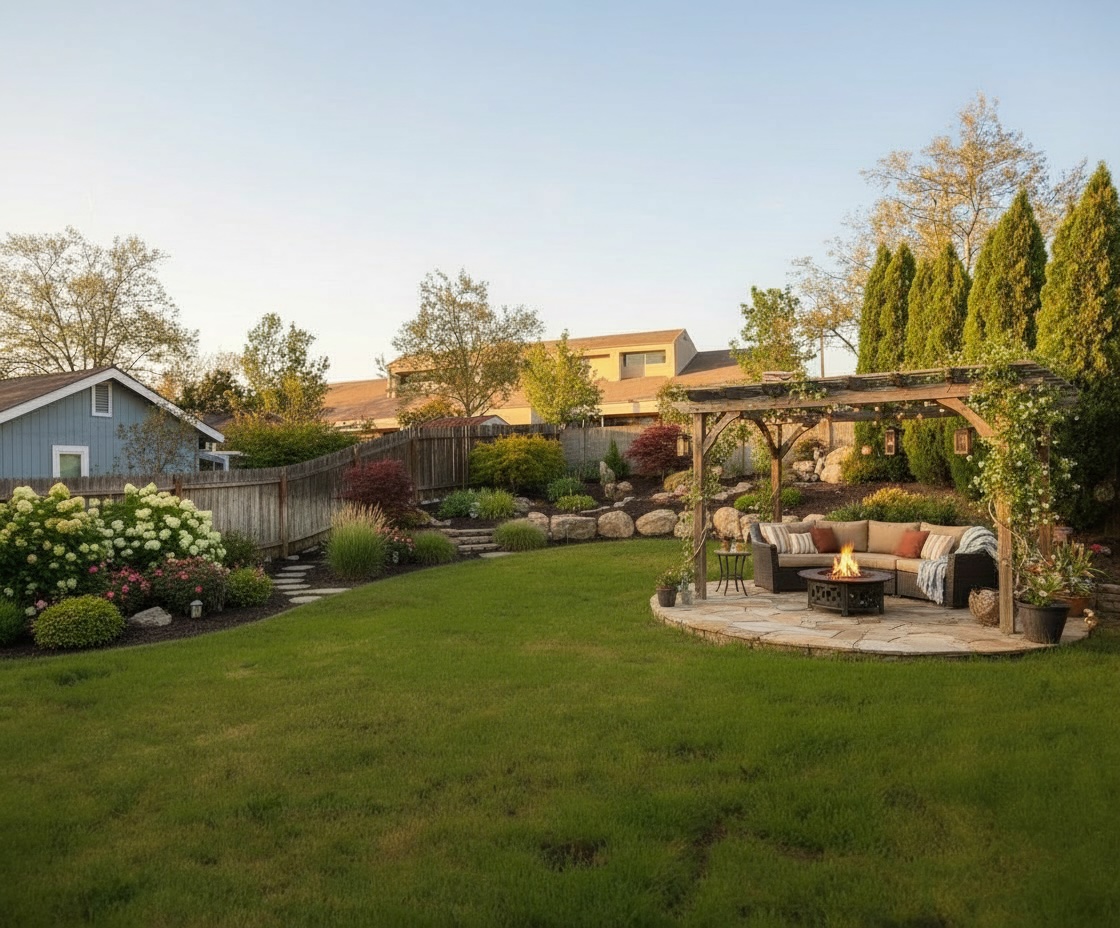
$30-55/sqftA rustic heavy-timber pergola, completely covered in magenta bougainvillea and hung with two lanterns, shelters an outdoor living room of a low sofa and two woven armchairs against a white stucco wall with dark green shutters and French doors. The floor is a broad terracotta tile terrace laid on a wide grid, running out past the pergola to the lawn edge. Citrus trees stand in the ground on both sides, oranges and lemons, with more citrus in oversized terracotta pots at the pergola posts. Lavender runs in continuous bands along both edges of the terrace, and an agave anchors the far corner. Because the pergola is freestanding timber rather than attached to the eaves, the bougainvillea never touches the roofline.
See how a mediterranean garden looks on YOUR property
Upload a photo of your Pasadena yard and visualize your dream garden in seconds.
Try ProScapeAI Free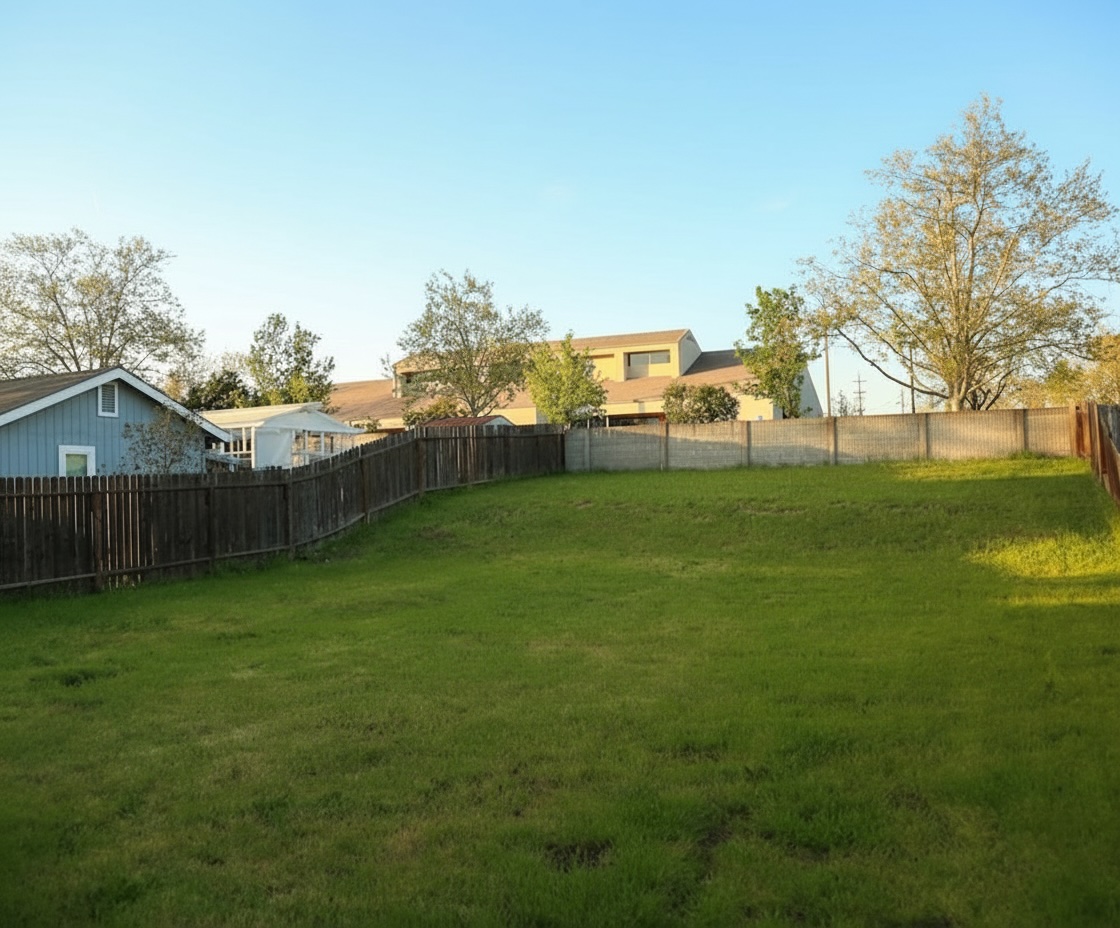
Featured Trees & Shrubs for Mediterranean Gardens
Browse all 219 plants for Pasadena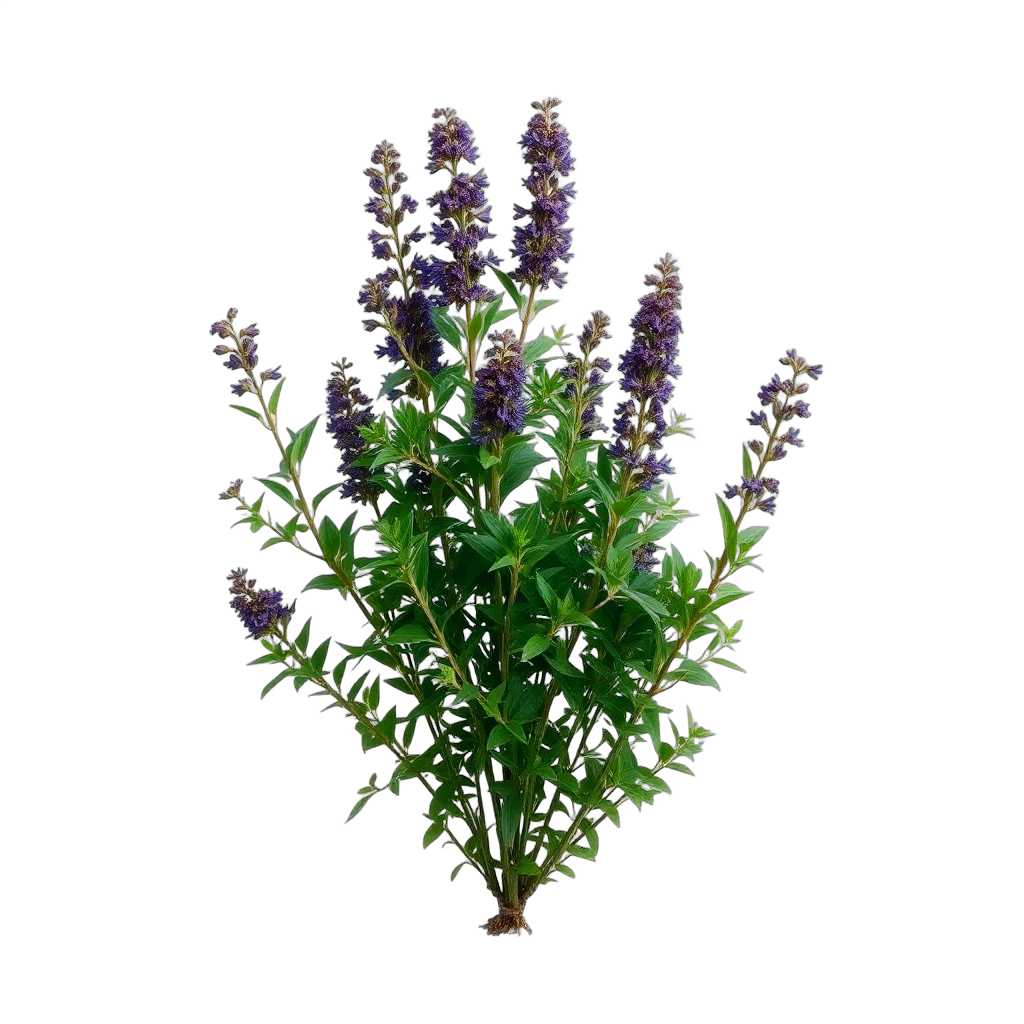
Black Sage
Salvia mellifera
grows to 4 feet, white blooms in spring. Attracts butterflies.
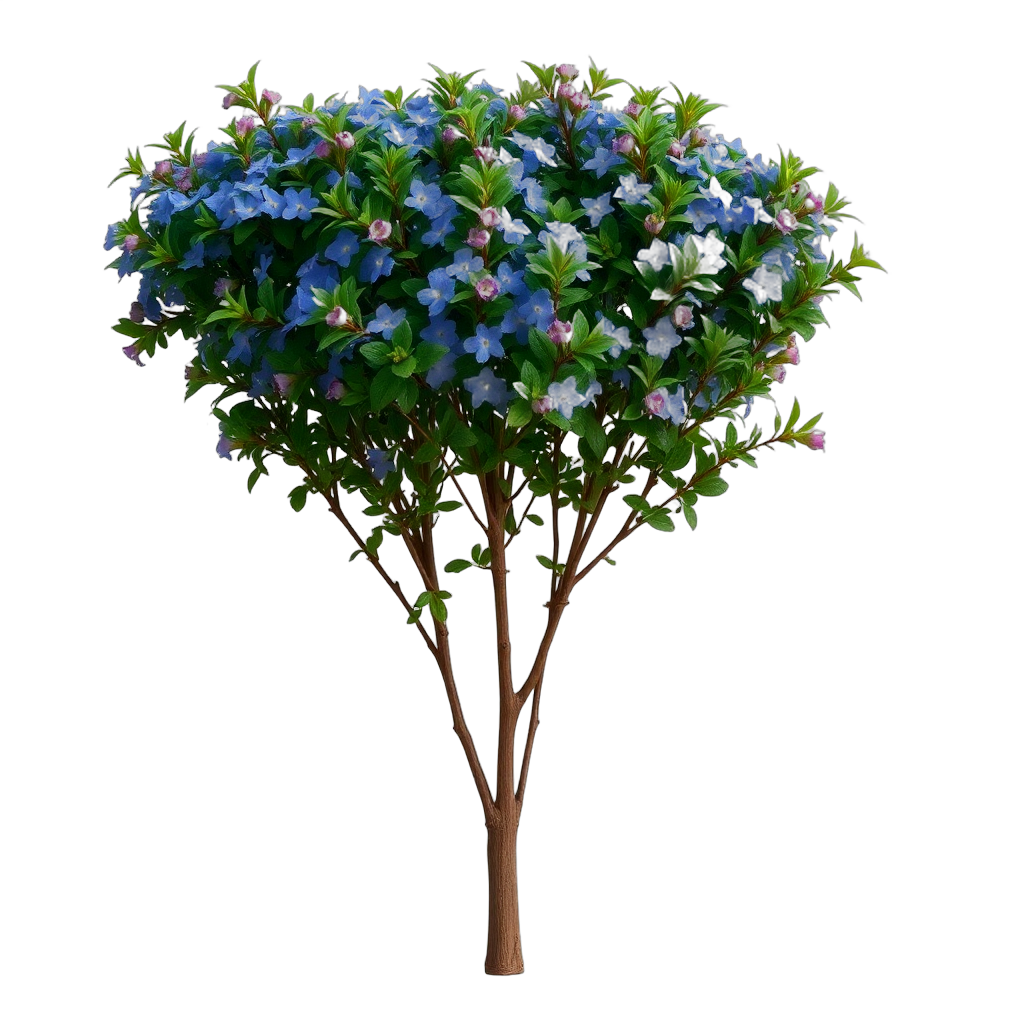
Blue Blossom
Ceanothus thyrsiflorus
medium-sized at 12 feet, blue blooms in spring. Attracts butterflies.
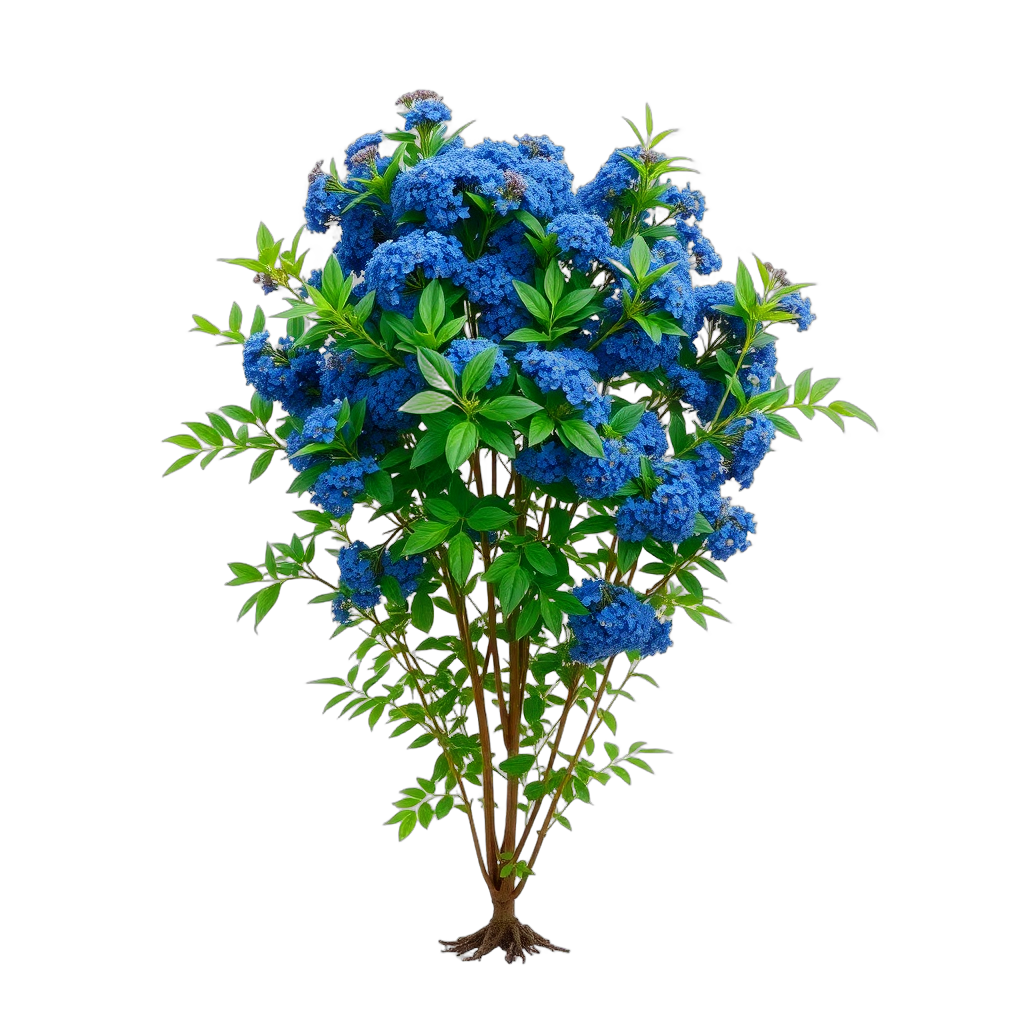
Blue Elderberry
Sambucus cerulea
medium-sized at 15 feet, white blooms in spring. Attracts butterflies.
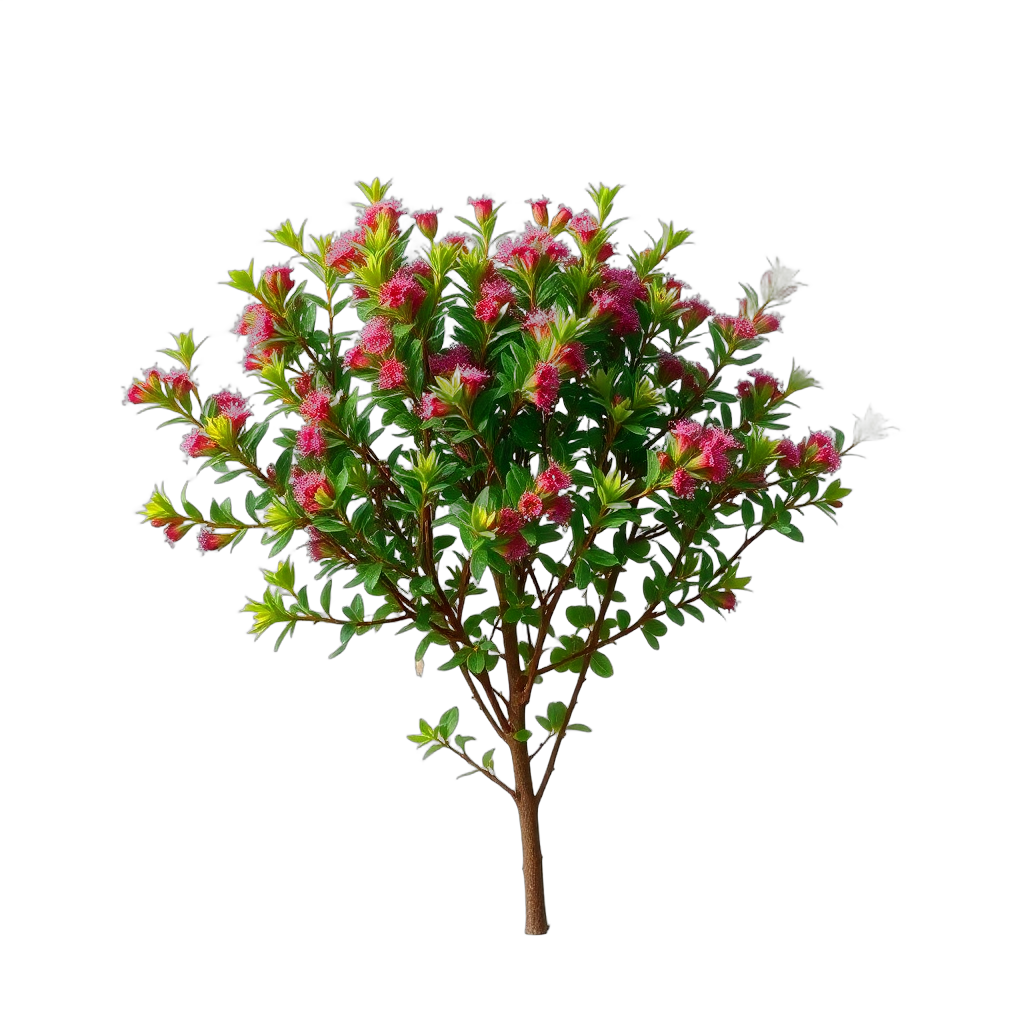
Buckbrush
Ceanothus cuneatus
medium-sized at 7 feet, white blooms in spring. Attracts butterflies.
Featured Grasses & Groundcovers for Mediterranean Gardens
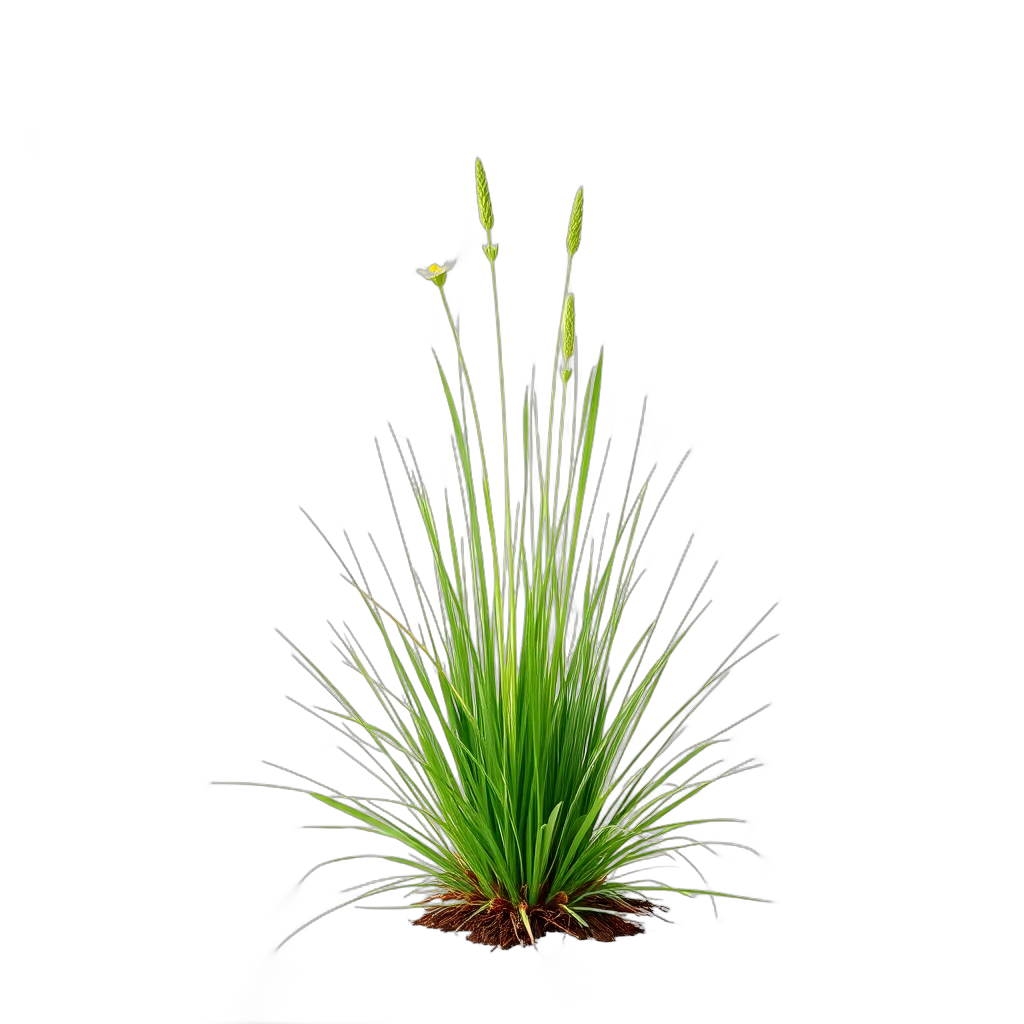
California Brome
Bromus carinatus
low-growing ground cover, blooms in spring. Yellow fall color.
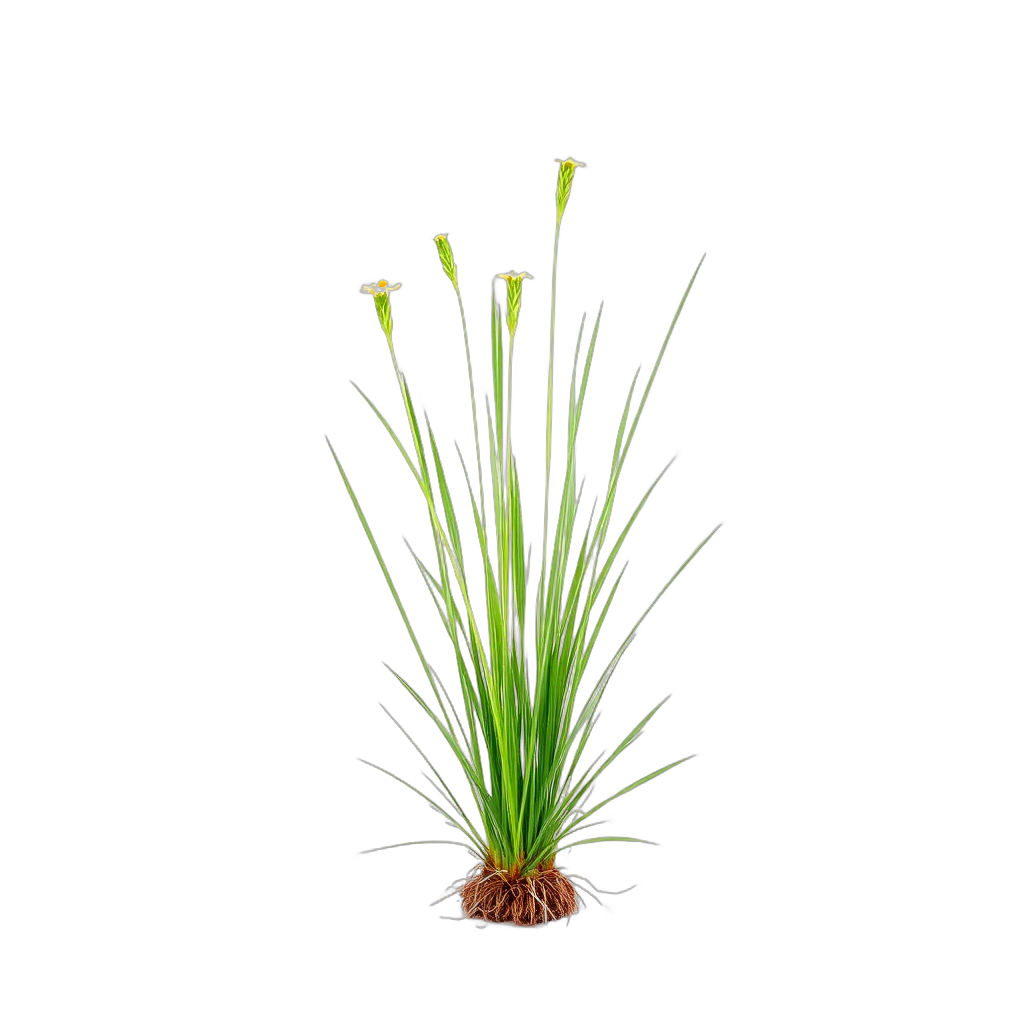
California Melic
Melica californica
low-growing ground cover, blooms in spring.
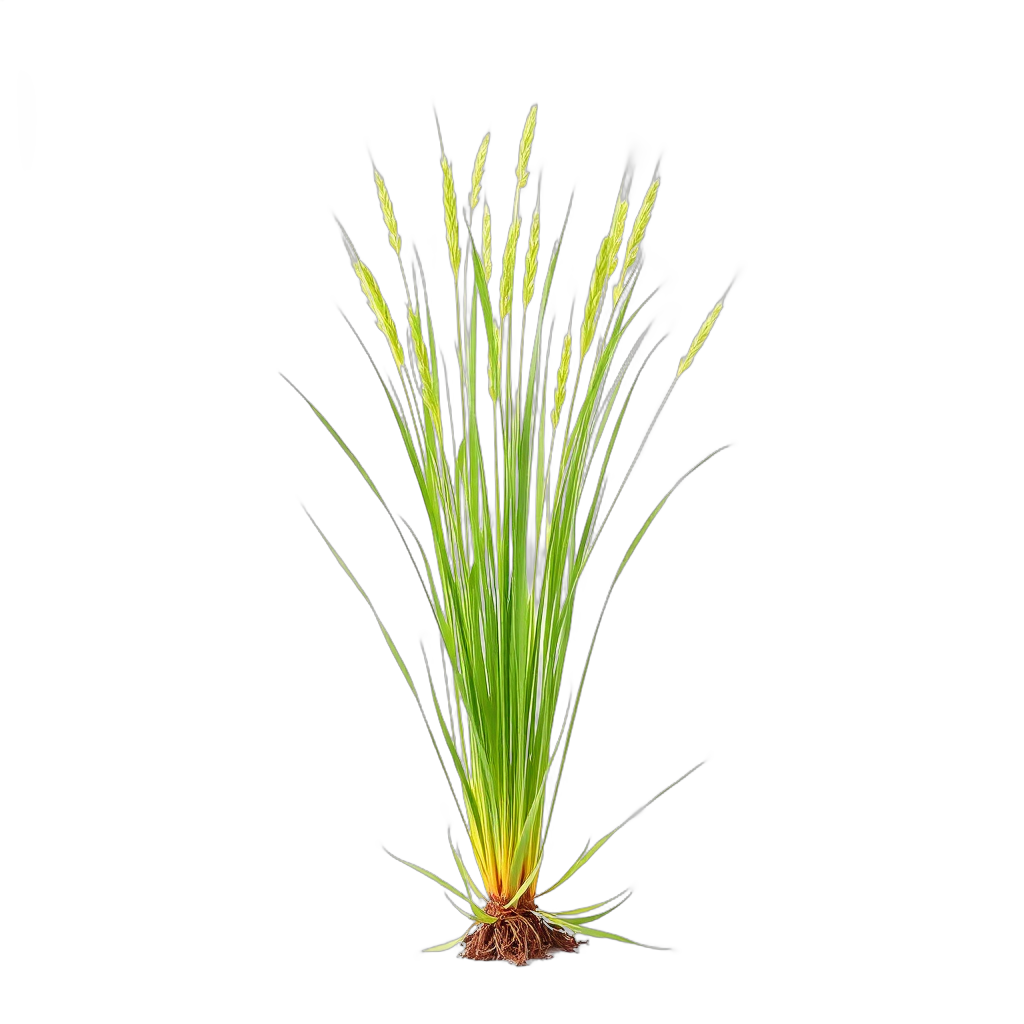
California Oatgrass
Danthonia californica
low-growing ground cover, blooms in spring. Yellow fall color.
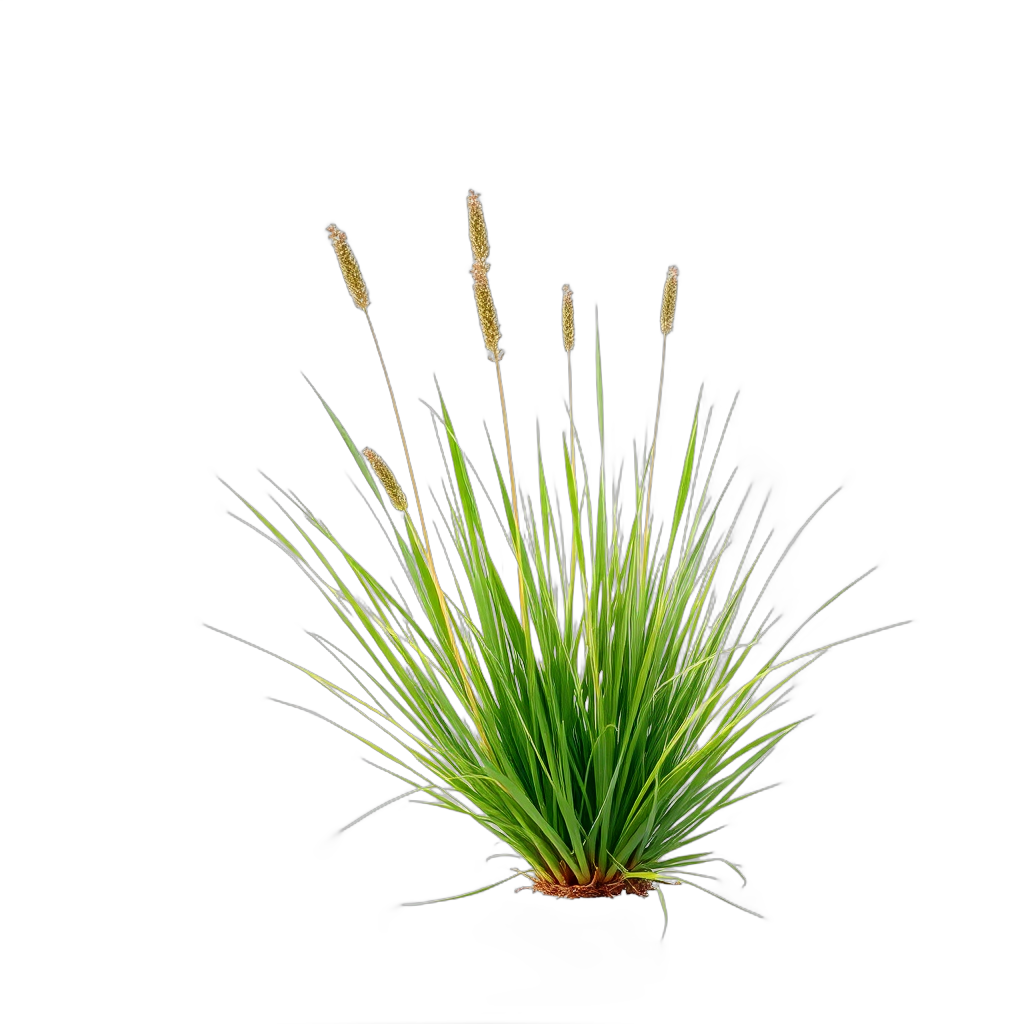
Deer Grass
Muhlenbergia rigens
grows to 3 feet, yellow blooms in fall. Evergreen year-round.
Featured Flowers & Perennials for Mediterranean Gardens
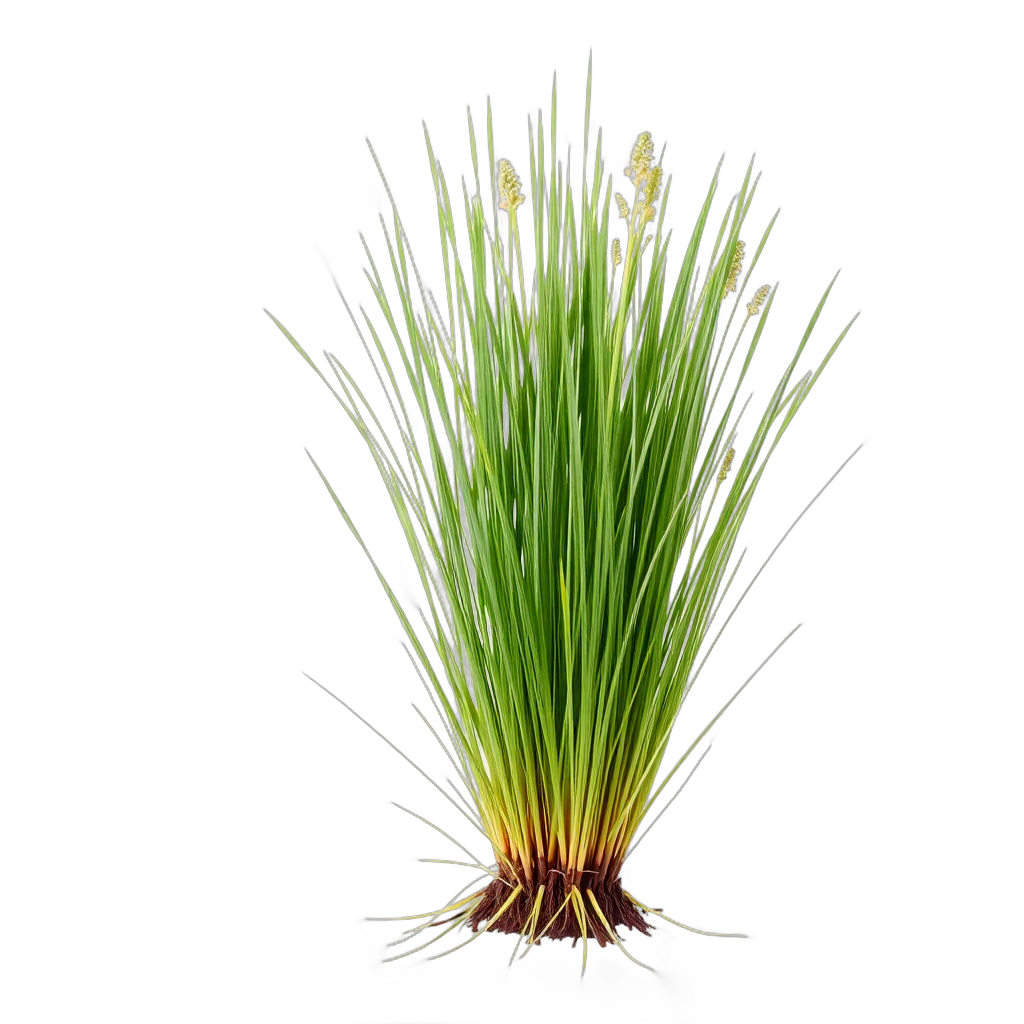
California Gray Rush
Juncus patens
low-growing ground cover, blooms in summer. Evergreen year-round.
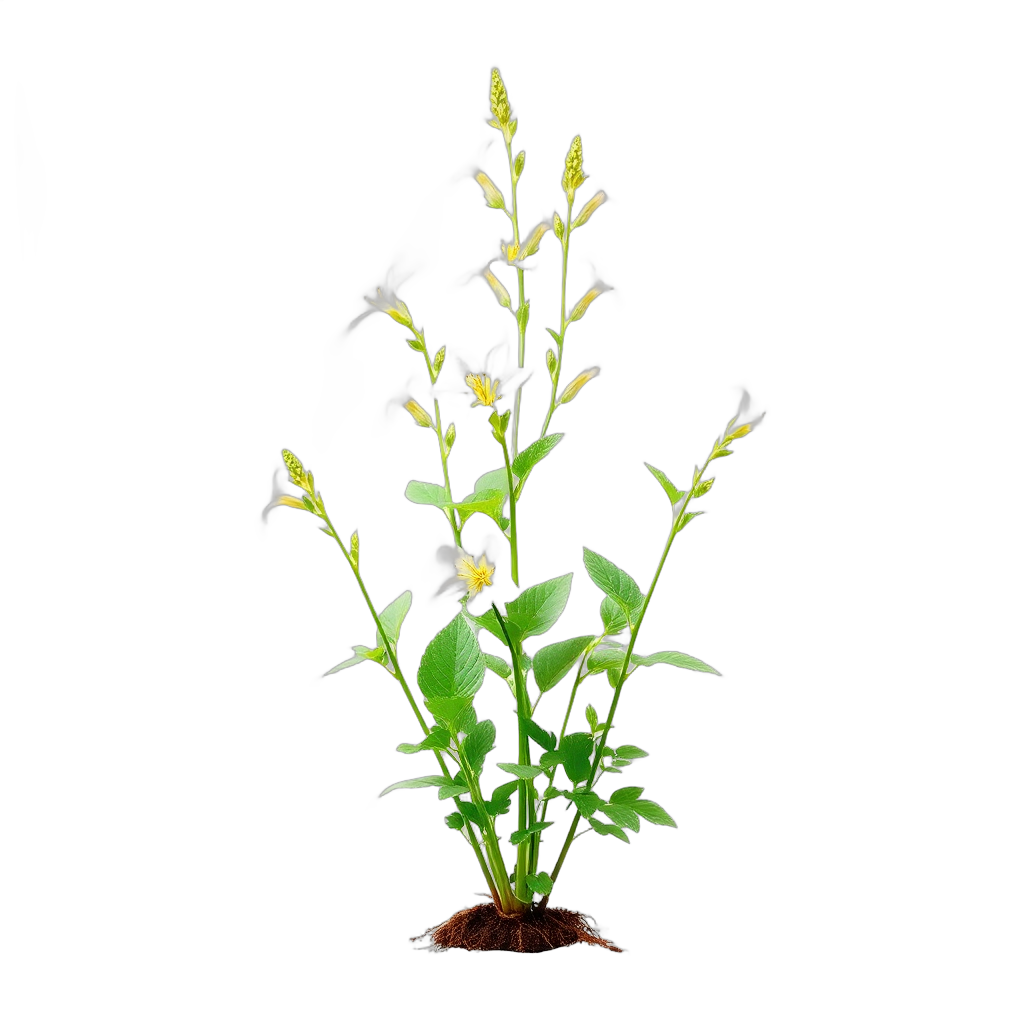
Beach Evening Primrose
Camissonia cheiranthifolia
low-growing ground cover, yellow blooms in spring. Attracts butterflies.
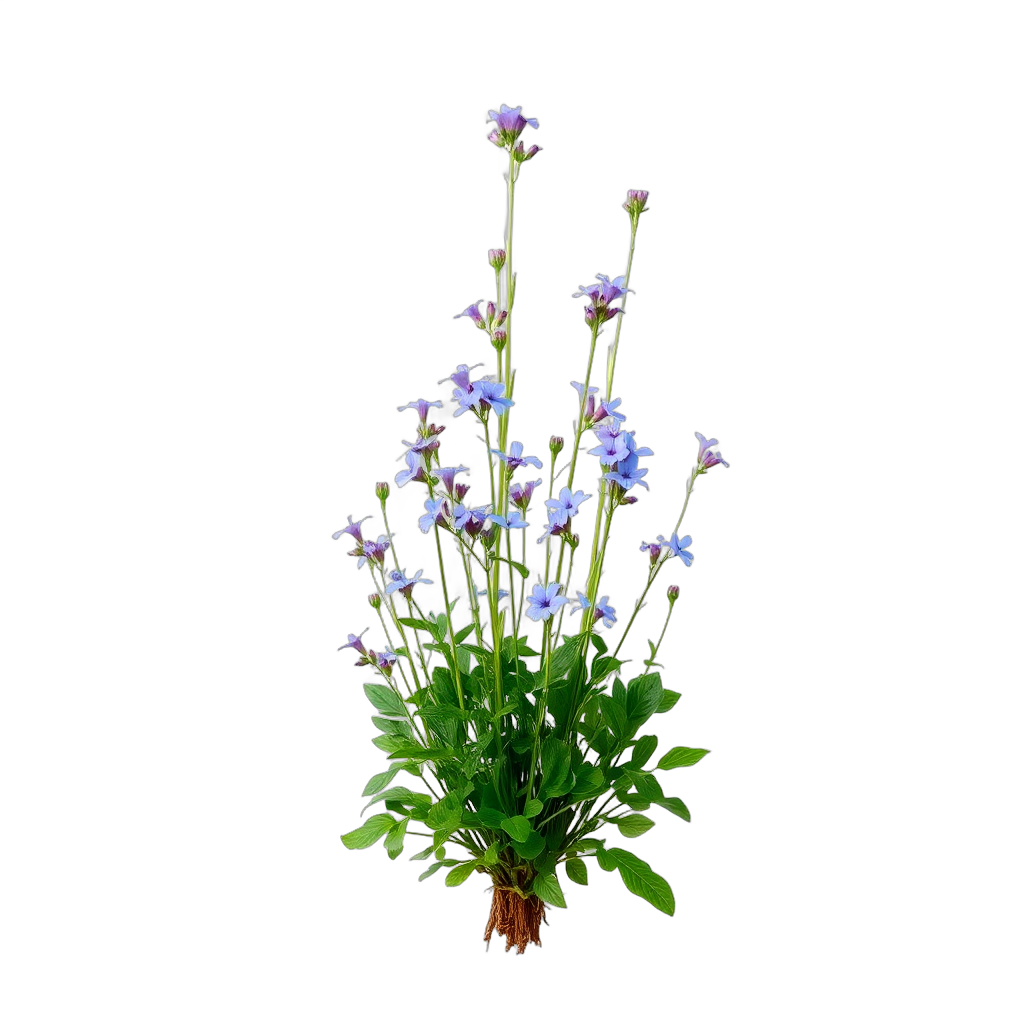
Blue Dicks
Dichelostemma capitatum
low-growing ground cover, blue blooms in spring. Pollinator-friendly.
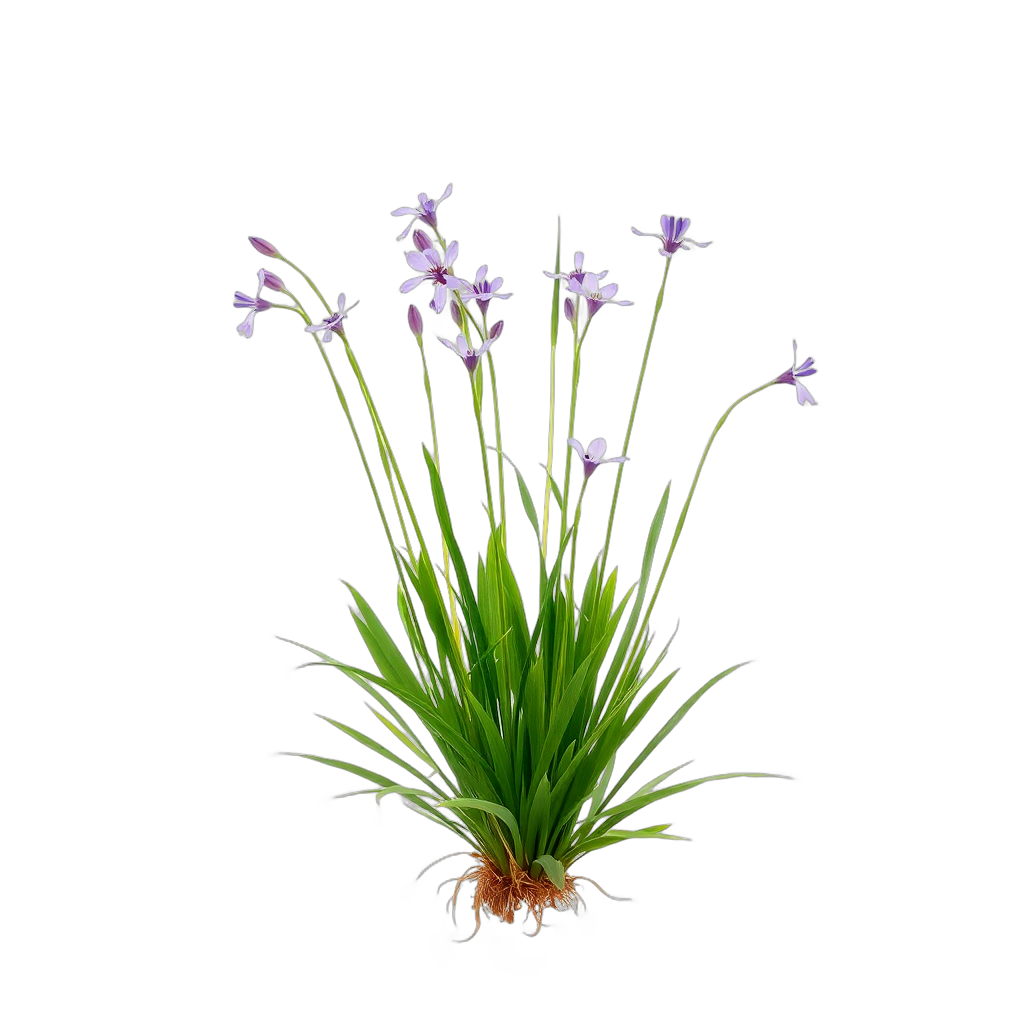
Blue-Eyed Grass
Sisyrinchium bellum
low-growing ground cover, blue blooms in spring. Attracts butterflies.
Zone and sun checks come from our database — confirm with your local nursery before you buy.
Bloom Calendar for Pasadena
spring
Beach Evening Primrose, Blue Dicks, Blue-Eyed Grasssummer
California Gray Rush, Hooker's Evening Primrose, Hummingbird Mintfall
California Fuchsiawinter
Limited bloomsDesign Tips for Pasadena (Zone 10a)
- Specify Olea europaea 'Wilsonii' or 'Swan Hill' rather than a fruiting olive anywhere near paving - olive fruit stains saltillo tile, decomposed granite and concrete permanently, and Pasadena courtyards are almost all hard-surfaced
- Water deeply and rarely: established Lavandula x intermedia 'Grosso', Cistus x purpureus and Westringia fruticosa 'Wynyabbie Gem' want one long drip soak every 10 to 14 days in a Pasadena summer, and frequent shallow watering is the single most common way these gardens die in year three
- Mulch with 2 to 3 inches of 3/8-inch gravel instead of bark - it suits the alkaline decomposed granite, keeps crowns dry, does not blow away in a Santa Ana, and is far better ember-resistant material in the foothill fire zone
- Build a 3 to 4 foot stucco wall across the front rather than a hedge; on a 20 to 25 foot Pasadena setback it creates a usable courtyard, shelters Bougainvillea 'Barbara Karst' from northeast Santa Ana gusts, and matches the 1920s Revival vocabulary exactly
- Plant citrus slightly high with the graft union well clear of grade, feed with a chelated iron and zinc citrus food to counter pH 7.0 to 7.8 soil, and buy locally - all of Los Angeles County sits inside an Asian citrus psyllid quarantine and trees must not be moved between counties
- Use Cupressus sempervirens 'Glauca' in odd-numbered groups of three or five and keep them off the property line; they hold a narrow column here but reach 30 to 40 feet, and a row planted tight to a Pasadena fence becomes a neighbour problem within a decade
- Give the terrace real shade before you furnish it - a freestanding timber pergola with Bougainvillea or Vitis vinifera 'Roger's Red' turns a west-facing Pasadena back garden from unusable to the best room in the house between June and September
Where to Source Plants in Pasadena
Skip the big-box stores. These independent Pasadena nurseries specialize in the plants that make mediterranean gardens thrive in Zone 10a.
Bellefontaine Nursery
South Fair Oaks
Family-run since 1939 with dedicated galleries for California-friendly drought-tolerant plants, succulents, specimen trees and edibles - the local source for olives, citrus and Mediterranean shrubs
BLVD Nursery
Orange Grove Boulevard, north of Old Pasadena
Independent Pasadena garden center stocking agaves, aloes, Mediterranean shrubs, olive and citrus stock, and a large terracotta and glazed pottery range
San Gabriel Nursery & Florist
San Gabriel, ten minutes southeast of Pasadena
Long-established family nursery famous across the San Gabriel Valley for citrus and subtropical fruit trees, plus camellias, azaleas and hard-to-find Asian ornamentals
Lincoln Ave Nursery
Northwest Pasadena (Lincoln Avenue)
Local family-owned garden center with a deep container and pottery selection, bagged decomposed granite and planting mixes, citrus, herbs and Mediterranean perennials
Mediterranean Landscaping Costs in Pasadena
| Project Scope | Estimated Cost |
|---|---|
| Front-yard Mediterranean conversion, about 700 sqft (turf removal, gravel, walk, planting) | $14,000 - $28,000 |
| Stucco courtyard wall with tile cap and wrought-iron gate | $9,000 - $22,000 |
| Saltillo terracotta tile terrace (250-450 sqft) on compacted base | $9,500 - $24,000 |
| Cast-stone tiered fountain, supplied, plumbed and set | $3,500 - $12,000 |
| Freestanding timber pergola with bougainvillea planting and lighting | $12,000 - $30,000 |
| Specimen multi-trunk fruitless olive, 24-inch box, planted | $600 - $1,400 |
| AI visualization with ProScapeAI | Free to start |
Estimates based on Pasadena, CA-area contractor rates as of 2026. Actual costs vary by site conditions, materials, and contractor.
Pasadena Climate & Growing Zone
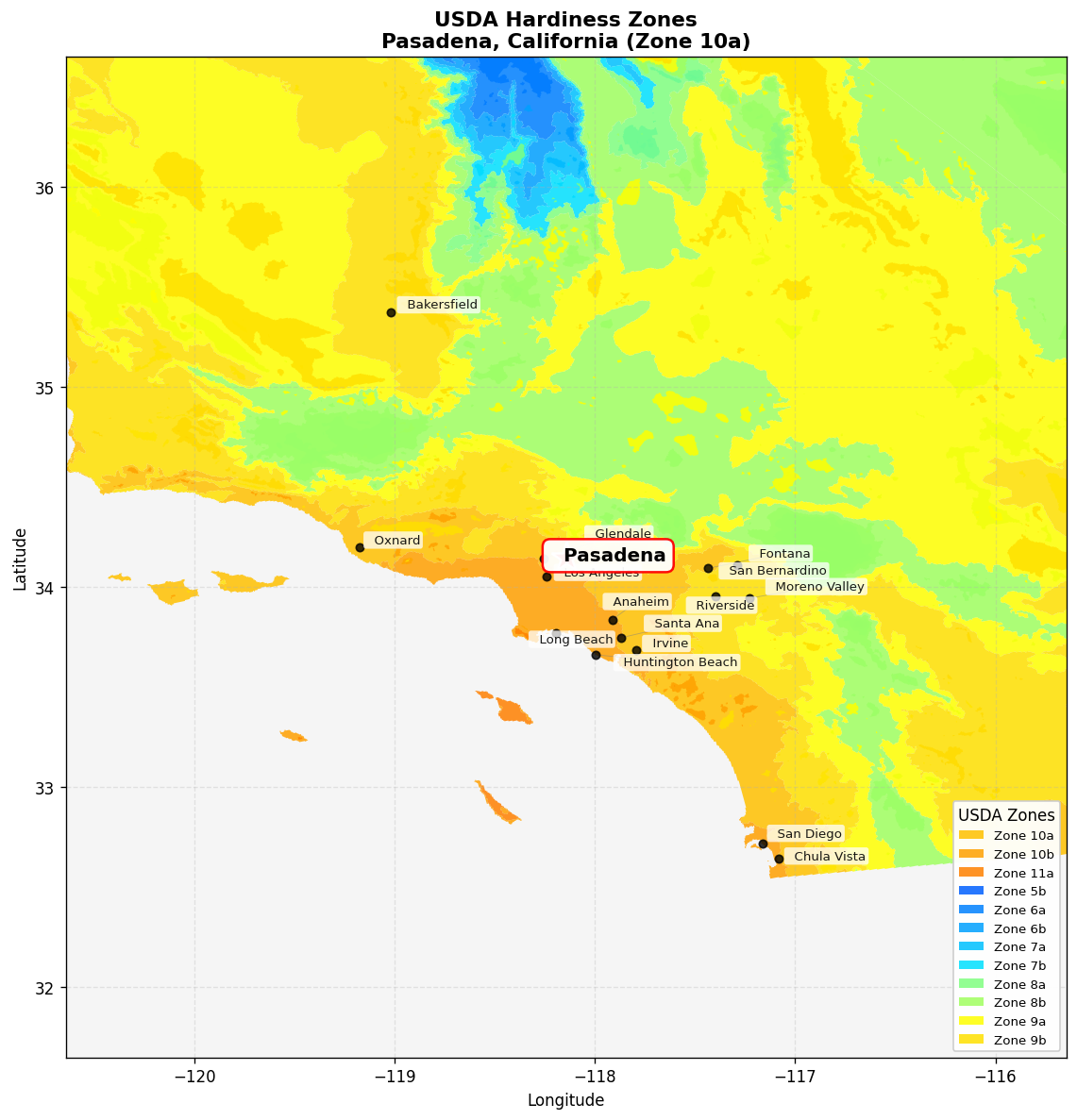
USDA Zone 10a
Hardiness zone for Pasadena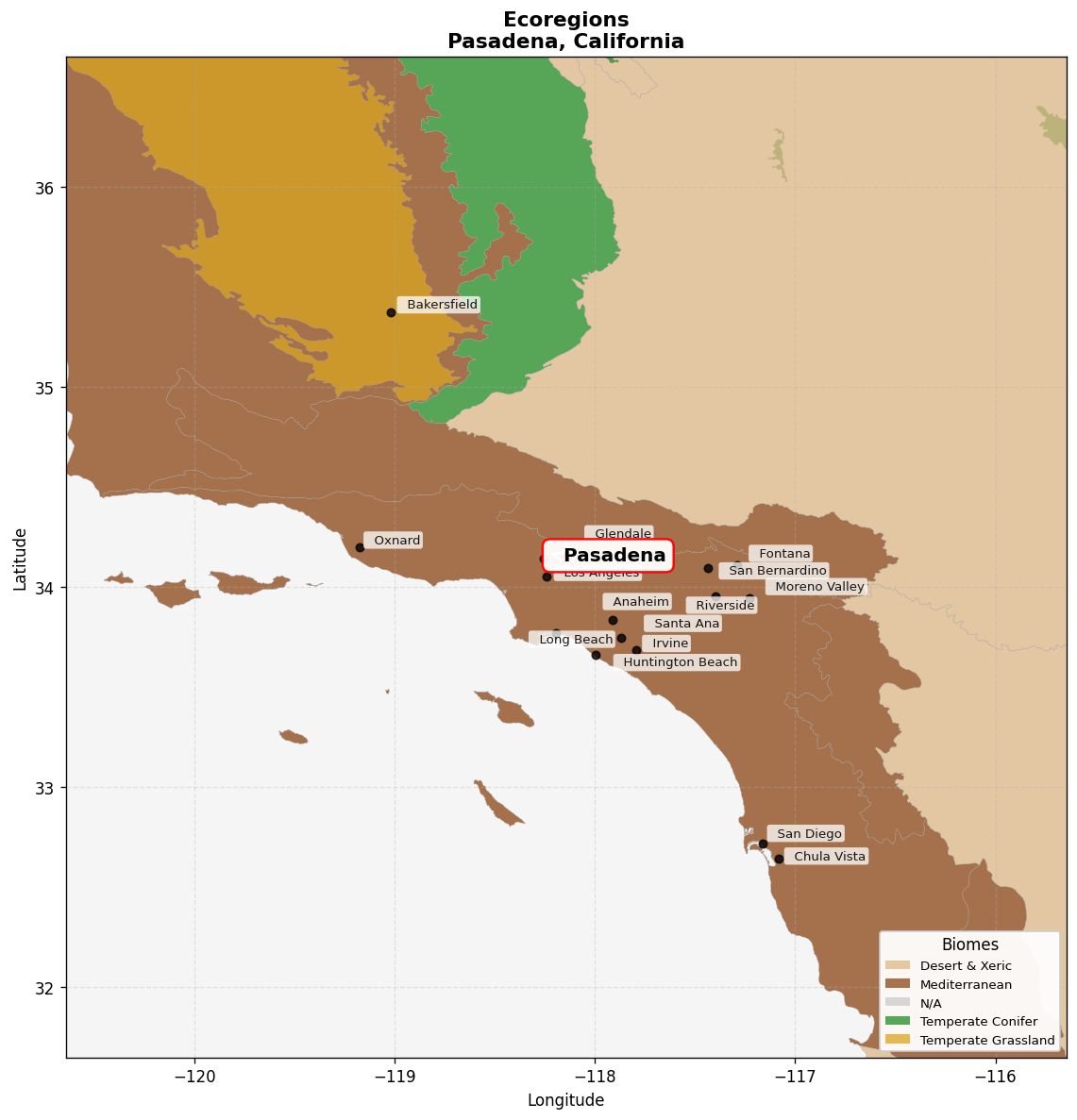
California coastal sage and chaparral
Native ecoregionFrequently Asked Questions
How much does a Mediterranean landscape cost in Pasadena?
Pasadena runs roughly 25 to 35 percent above national installation averages. A front-yard Mediterranean conversion of about 700 square feet - lawn removal, decomposed granite, flagstone walk, an Olea europaea 'Wilsonii' specimen, three Cupressus sempervirens and lavender massing - typically lands between $14,000 and $28,000. Add a 3 to 4 foot stucco courtyard wall with an iron gate and you are looking at another $9,000 to $22,000 depending on length. A saltillo tile back terrace with a cast-stone fountain and boxwood parterre generally runs $35,000 to $80,000. A specimen 24-inch box fruitless olive alone is usually $600 to $1,400 planted.
Will olives, citrus and bougainvillea survive a Pasadena winter?
Comfortably. Zone 10a lows sit around 30 to 35 degrees F and most winters pass without a hard freeze, so Olea europaea, Cupressus sempervirens, Bougainvillea 'Barbara Karst' and all common citrus are fully at home. The exception is a rare advective freeze like January 2007, when parts of the basin dropped near 25 degrees F and young bougainvillea and limes were burned back; mature plants regrew from the base. Plant tender material on the south or west side of a wall that holds daytime heat, and hold off pruning bougainvillea until March so any frost-damaged wood protects what is behind it.
Should I choose a fruiting or a fruitless olive?
Fruitless, in almost every Pasadena situation. Olea europaea 'Wilsonii' and 'Swan Hill' give you the same silver-grey canopy and gnarled trunk without dropping fruit that stains saltillo tile, decomposed granite and concrete driveways permanently, and without the pollen load a fruiting olive throws in spring. If you actually want to cure olives, plant Olea europaea 'Mission' or 'Manzanillo' well away from any paving and away from a pool. Either way, buy a multi-trunk specimen in at least a 24-inch box - the character is in the trunk, and a young single-leader olive takes a decade to look like anything.
How often should a Mediterranean garden be watered in Pasadena?
Deeply and rarely, which is also what Pasadena Water and Power's assigned-day restrictions push you toward. Through the first summer, water new plants weekly on inline drip. From the second summer, established Lavandula x intermedia 'Grosso', Salvia rosmarinus 'Tuscan Blue', Westringia, Cistus and Teucrium fruticans 'Azureum' want one long soak every 10 to 14 days, and mature Olea europaea can go three to four weeks. Citrus is the outlier and needs a deeper drink every 7 to 10 days through fruit set. Reference evapotranspiration in the basin is near 50 inches a year against 20 inches of rain, so gravel mulch at 2 to 3 inches matters as much as the schedule.
What do I need to know about Pasadena soil for this style?
You are largely in luck. Pasadena's decomposed granite and coarse sandy alluvium off the San Gabriel fan, at pH 7.0 to 7.8, is close to what the Mediterranean palette evolved on. Do not over-amend: heavy compost in a bed of Lavandula, Cistus and Salvia clevelandii 'Winnifred Gilman' makes soft, floppy, short-lived plants. Amend lightly, plant slightly high with the crown proud of grade, and mulch with 2 to 3 inches of 3/8-inch gravel rather than bark. The exceptions that do want richer soil and an acid-forming feed are citrus and Camellia japonica 'Nuccio's Gem', which in alkaline Pasadena soil will yellow without chelated iron and zinc.
Do I need to worry about Santa Ana winds and fire with this design?
Yes on both, and the good news is Mediterranean design answers them well. Santa Ana events run from roughly September through February with northeast gusts off the San Gabriels that shred unsupported Bougainvillea and topple tall terracotta - so tie climbers to a substantial freestanding structure, use wide-based pots, and stake Cupressus sempervirens for its first two years. On fire, northern Pasadena and the Altadena edge sit in a very high fire hazard severity zone, and after the January 2025 Eaton Fire the ember-resistant band closest to the house is a standard part of the brief. Gravel, saltillo, stucco and a fountain are all excellent there; resinous shrubs against siding are not.
When should I install a Mediterranean landscape in Pasadena?
October through December is the best window by a wide margin. Planting at the start of the wet season lets an olive, Cupressus sempervirens 'Glauca' and a full lavender massing root through the mild winter and face their first summer already established, which can halve first-year irrigation. February and March work as a second window. Avoid June through September - Mediterranean plants are drought-tolerant once established, but a fresh rootball in 95-degree heat is not. Hardscape, walls, saltillo terraces and fountains can be built any month; Pasadena essentially never freezes hard enough to stop a mortar or concrete job.