4 Modern Landscape Design Ideas for Pasadena, CA | Zone 10a
Native plants from the California coastal sage and chaparral (Zone 10a) — Mediterranean (hot summer) climate
Why Modern/Minimalist Gardens in Pasadena?
Modern landscape design has a longer pedigree in Pasadena than most people realise. Hastings Ranch put roughly 1,900 postwar ranch houses on the ground between 1946 and 1953, Chapman Woods and Daisy-Villa filled in with low-slung mid-century stock, and the hillside streets of Linda Vista and the San Rafael Hills carry the post-and-beam moderns that came out of the Pasadena and Los Angeles studios of the same era. These are houses built on horizontal lines: wide fascias, deep eaves, clerestory glazing, floor-to-ceiling sliders and a front elevation that reads as one long band. Modern landscaping does not decorate that - it extends it. A single poured concrete walk, one continuous gravel plane and three or four plant textures repeated in mass will do more for a Hastings Ranch elevation than any amount of mixed border. And unlike the 1920s Revival districts, most mid-century Pasadena neighbourhoods have generous 60 to 75 foot lot widths and shallow, flat front yards, which is precisely the geometry a clean-line design wants.
Pasadena's climate makes the modern gravel garden the cheapest landscape to run in the city. USDA Zone 10a keeps winter lows around 30 to 35 degrees F, so nothing in the palette is seasonal - Agave ovatifolia 'Frosty Blue', Agave parryi var. truncata, Yucca rostrata 'Sapphire Skies', Dasylirion wheeleri and Hesperaloe parviflora 'Brakelights' hold their sculptural form 365 days a year. The Koppen Csa pattern delivers about 20 inches of rain between November and April and essentially none from June through September, with July and August highs routinely past 95 degrees F, which is exactly the regime that Muhlenbergia rigens, Leymus condensatus 'Canyon Prince' and Nassella pulchra evolved in - all three are native to the surrounding coastal sage scrub and chaparral. A designed gravel plane with massed native grasses is not a compromise made for drought; in the California coastal sage and chaparral ecoregion it is the accurate landscape, and it happens to be the one that photographs best against a flat roofline at 6pm.
The soil helps too. Pasadena sits on the Raymond Basin alluvial fan below the San Gabriel Mountains, so the ground is decomposed granite and coarse sandy loam, alkaline at pH 7.0 to 7.8 and extremely free-draining - the drainage that agaves and aloes need and that most of the country has to engineer with raised beds. Two consequences for the design. First, a steel-edged gravel field can usually be built directly on compacted subgrade with a weed barrier and a 3 to 4 inch base, without the drainage layers a clay-soil city would demand. Second, existing Quercus agrifolia - the coast live oak, which is everywhere in Pasadena and is covered by the city's tree protection ordinance - must not be irrigated in summer. Never run a lawn or a drip line under an oak canopy; a dry decomposed granite plane under a mature oak is both the correct horticulture and a beautiful modern move. On water, Pasadena Water and Power restricts landscape irrigation to assigned days and to hours outside the middle of the day and prohibits runoff to the street, reference evapotranspiration in the basin is near 50 inches a year, and turf-removal rebates through the regional water agencies generally sit in the $2 to $5 per square foot range - which is why a modern turf-to-gravel conversion is the most frequently rebated project in the city.
Finally, design for two Pasadena realities that flat-roofed houses feel more than most. Santa Ana winds pour off the San Gabriels from roughly September through February, so anything tall and unstaked - a young Yucca rostrata, a lightweight fire bowl, a string-light run on thin posts - needs proper anchoring. And northern Pasadena and the Altadena boundary lie in a very high fire hazard severity zone; after the January 2025 Eaton Fire, an ember-resistant first five feet around the house became a standing part of the brief. Gravel, concrete, steel edging and low succulents are all excellent there, which means the modern palette starts the conversation already compliant.
4 Modern/Minimalist Design Ideas for Pasadena

The Mid-Century Gravel Approach
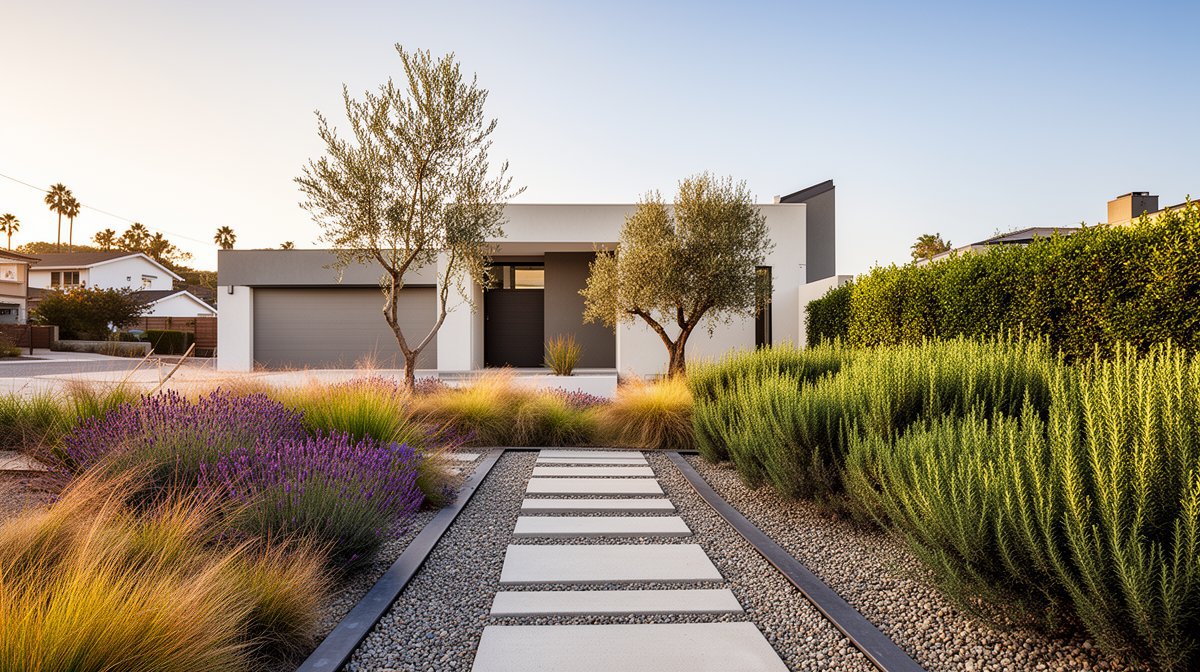
$14-28/sqftA low mid-century house with a folded roofline, warm vertical wood cladding around the entry and a full-height glazed corner in dark frames. A wide poured concrete walk runs straight from the sidewalk to the door with two floating pads breaking off toward the side lawn, and everything either side is a pale decomposed granite plane. The planting is arranged as repeated textures rather than a mixed border: golden fountains of deergrass and other grasses catching the low sun, mounded lavender in flower, upright burgundy phormium spikes against the stucco, blue agaves massed at the right corner, and drifts of rounded river cobble and grey granite boulders reading as dry watercourse. A single multi-trunk olive on the left throws the west-facing entry into afternoon shade.

The Steel-Edged Succulent Islands
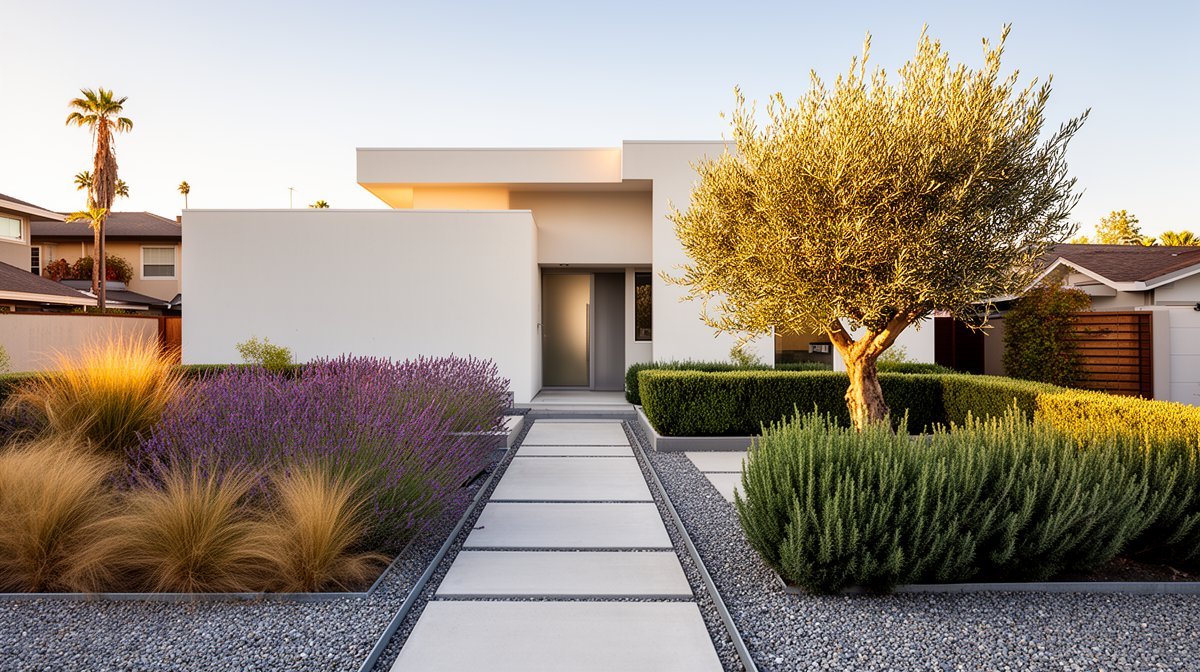
$11-22/sqftA single-storey cream stucco ranch with dark trim, wide picture windows and a dark horizontal wood gate gets a front yard with no lawn at all. The whole plane is pale gravel, and floating within it are five rectangular planting islands defined by crisp black steel edging, deliberately set on slightly different angles so the composition never reads as a grid. Each island is dark mulch holding blue agaves, clusters of small glaucous succulent rosettes, a tuft or two of fine grass and one rounded granite boulder. The concrete drive and walk simply run through the field. It is the most maintenance-free front yard in this set - no mowing, no edging, one hour a month - and it maximises the turf-removal rebate because 100 percent of the lawn is gone.

The Fire Bowl Lawn Terrace
$24-46/sqftBehind a flat-roofed mid-century home with a full glass wall onto a warm-lit interior, a poured concrete terrace holds a large round concrete gas fire bowl surrounded by six grey-cushioned metal-frame lounge chairs. Bistro string lights are strung the full width of the yard on catenary wires, and beyond the terrace a clipped tall hedge screens the neighbours while leaving the San Gabriel Mountains visible at dusk. A mature olive stands at the terrace edge, a modest panel of lawn is kept for the family, and the transitions are made with uplit drifts of golden grasses and a flowering shrub in the right corner. The design's whole trick is that the fire bowl, not the lawn, is the centre of gravity.

The Glass Wall Pool Court
$55-110/sqft (pool area inclusive)A flat-roofed modern house with clerestory glazing and a lit kitchen and living wall opens onto a rectangular pool with a shallow tanning ledge, set in pale grey large-format concrete decking that runs unbroken from the sliders to the water. A rectangular gas fire table sits between two chaise lounges and a low sofa, path bollards and in-deck lights pick out the edges, and a dark horizontal timber fence wraps the boundary. The planting is deliberately restrained and all at the perimeter: uplit grasses along both long edges, a few upright accents and small palms at the corners, and one narrow lawn strip on the left. The whole scheme is three materials and one water plane, which is exactly why it reads as calm at dusk.
See how a modern/minimalist garden looks on YOUR property
Upload a photo of your Pasadena yard and visualize your dream garden in seconds.
Try ProScapeAI Free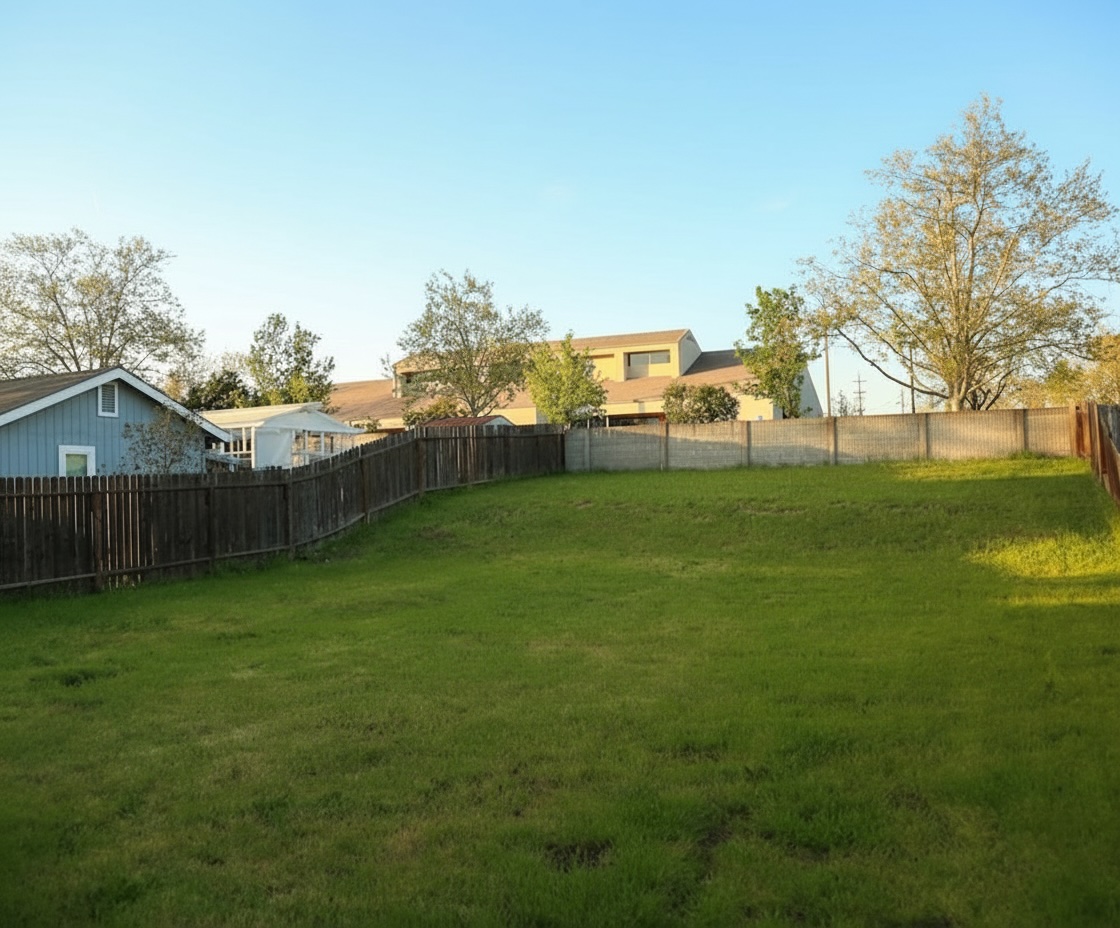
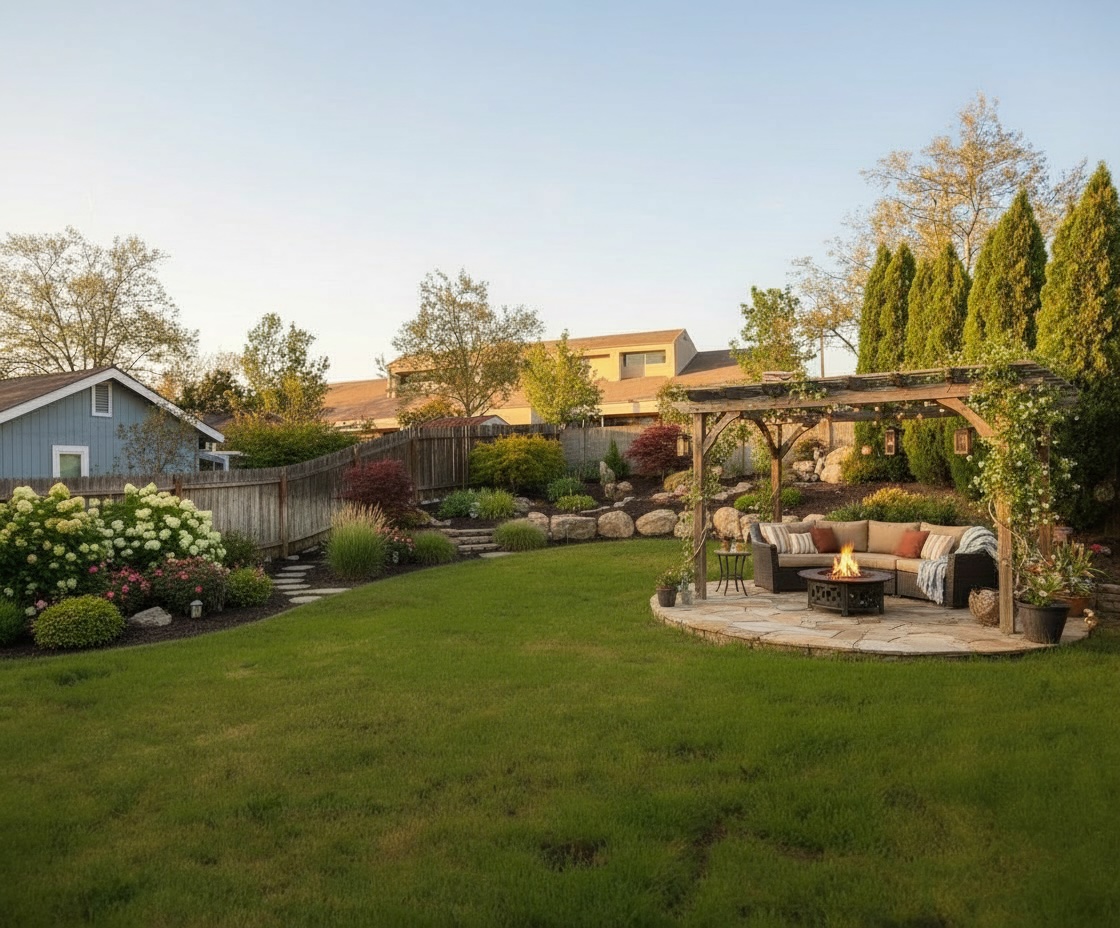
Featured Trees & Shrubs for Modern/Minimalist Gardens
Browse all 219 plants for Pasadena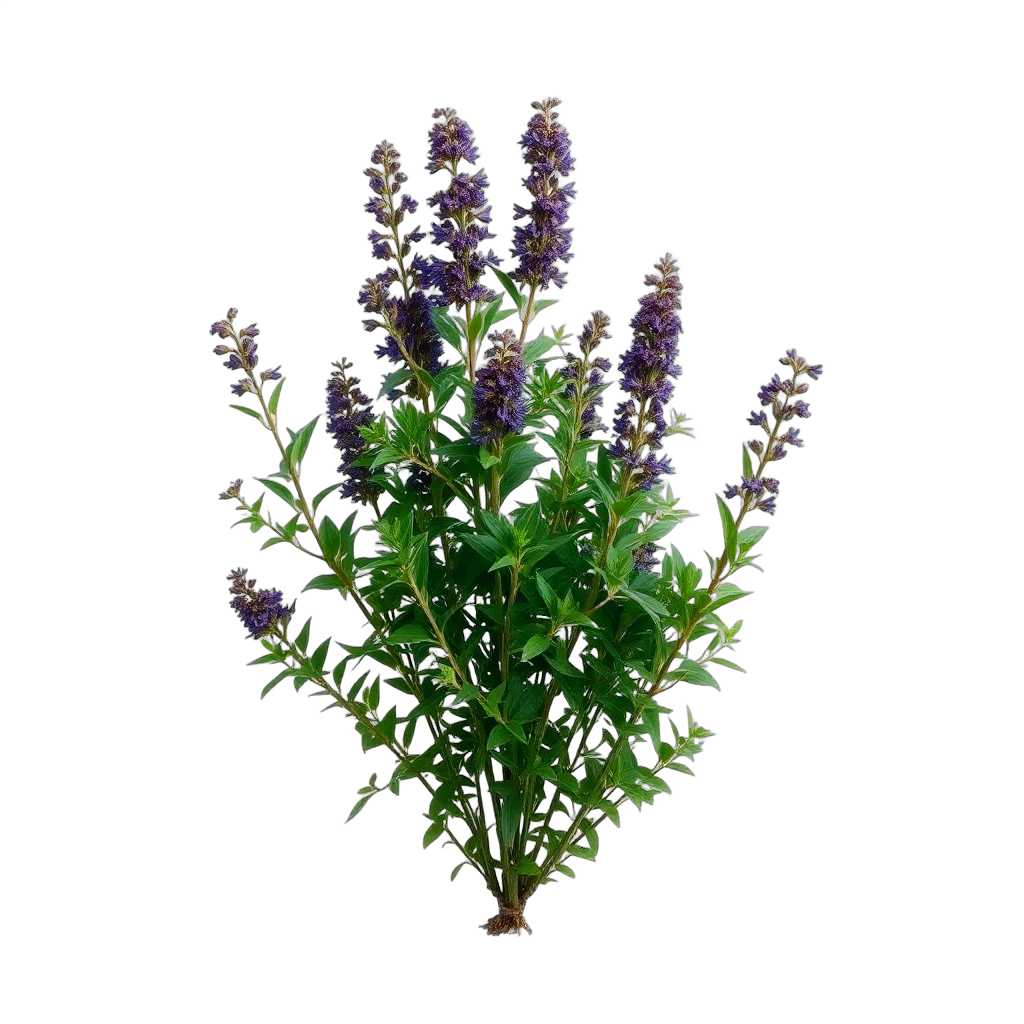
Black Sage
Salvia mellifera
grows to 4 feet, white blooms in spring. Attracts butterflies.
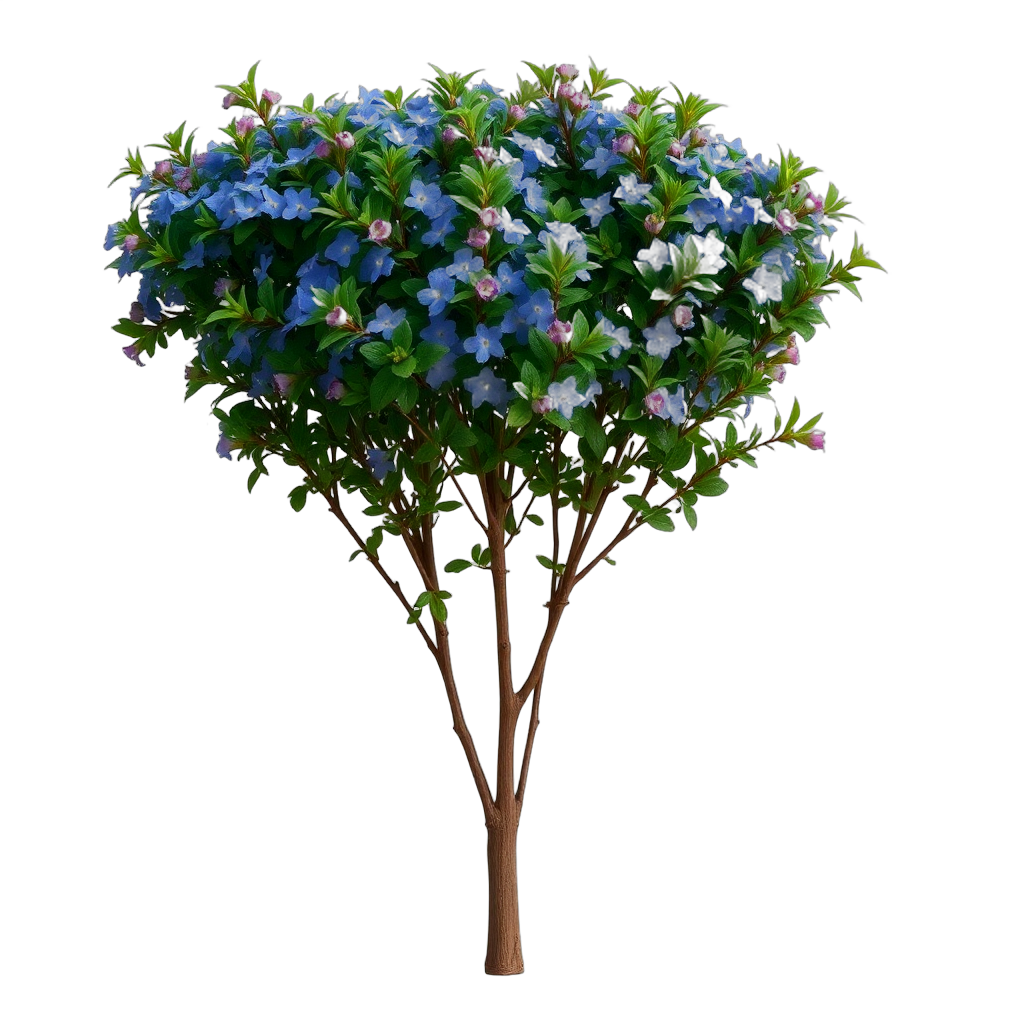
Blue Blossom
Ceanothus thyrsiflorus
medium-sized at 12 feet, blue blooms in spring. Attracts butterflies.
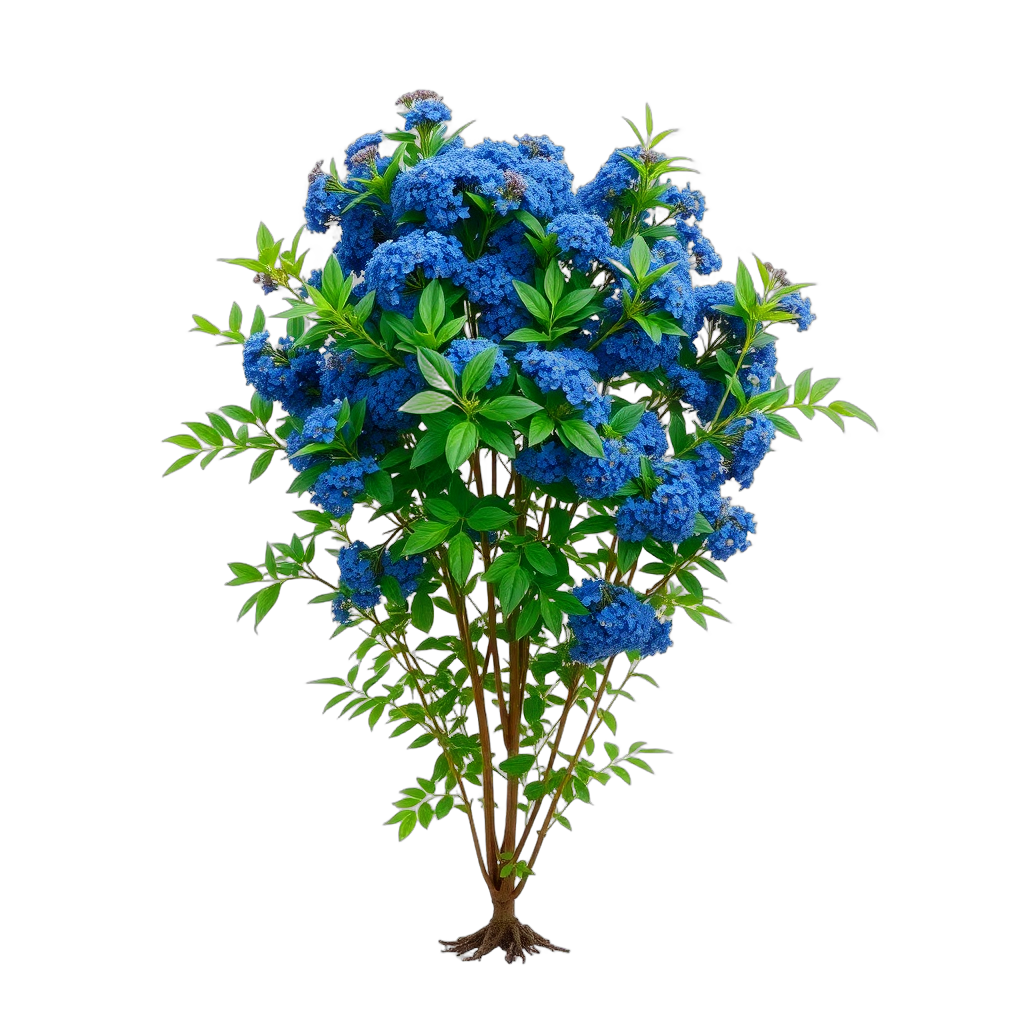
Blue Elderberry
Sambucus cerulea
medium-sized at 15 feet, white blooms in spring. Attracts butterflies.
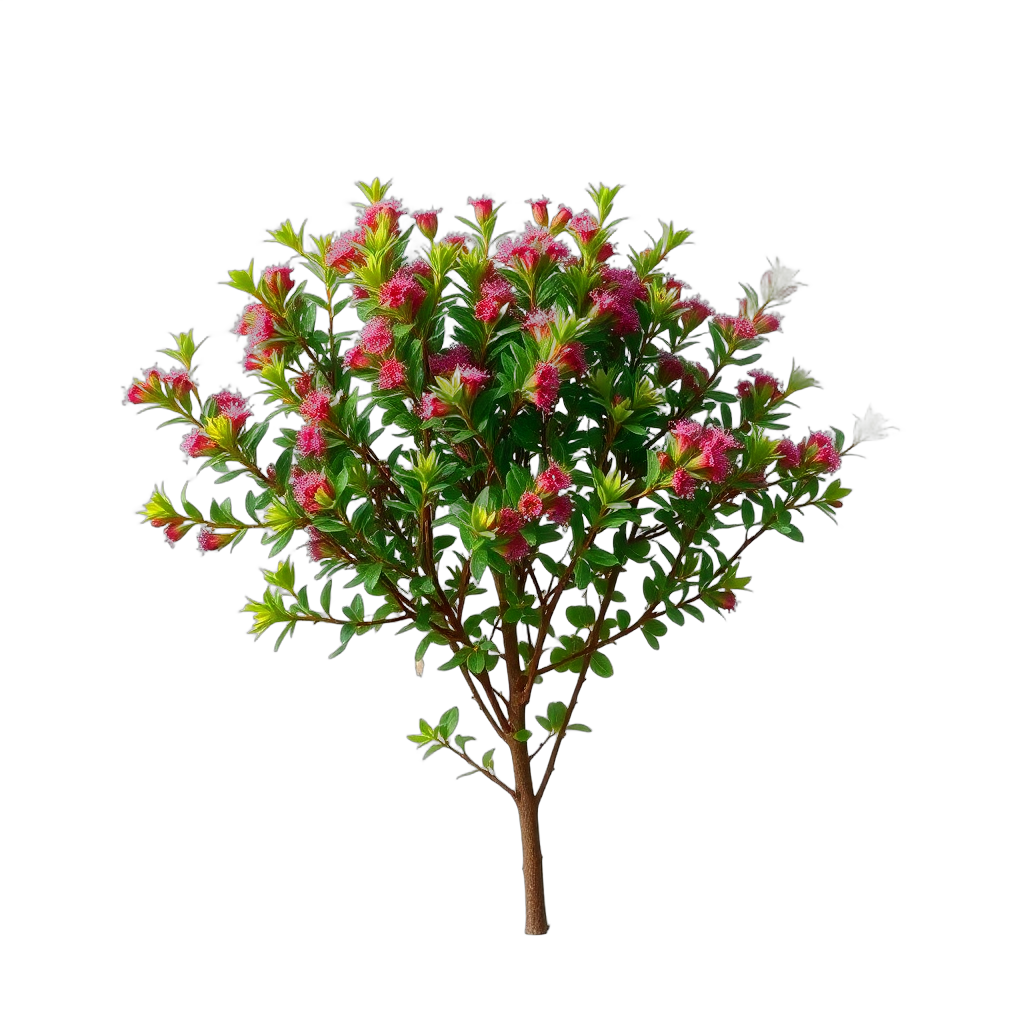
Buckbrush
Ceanothus cuneatus
medium-sized at 7 feet, white blooms in spring. Attracts butterflies.
Featured Grasses & Groundcovers for Modern/Minimalist Gardens
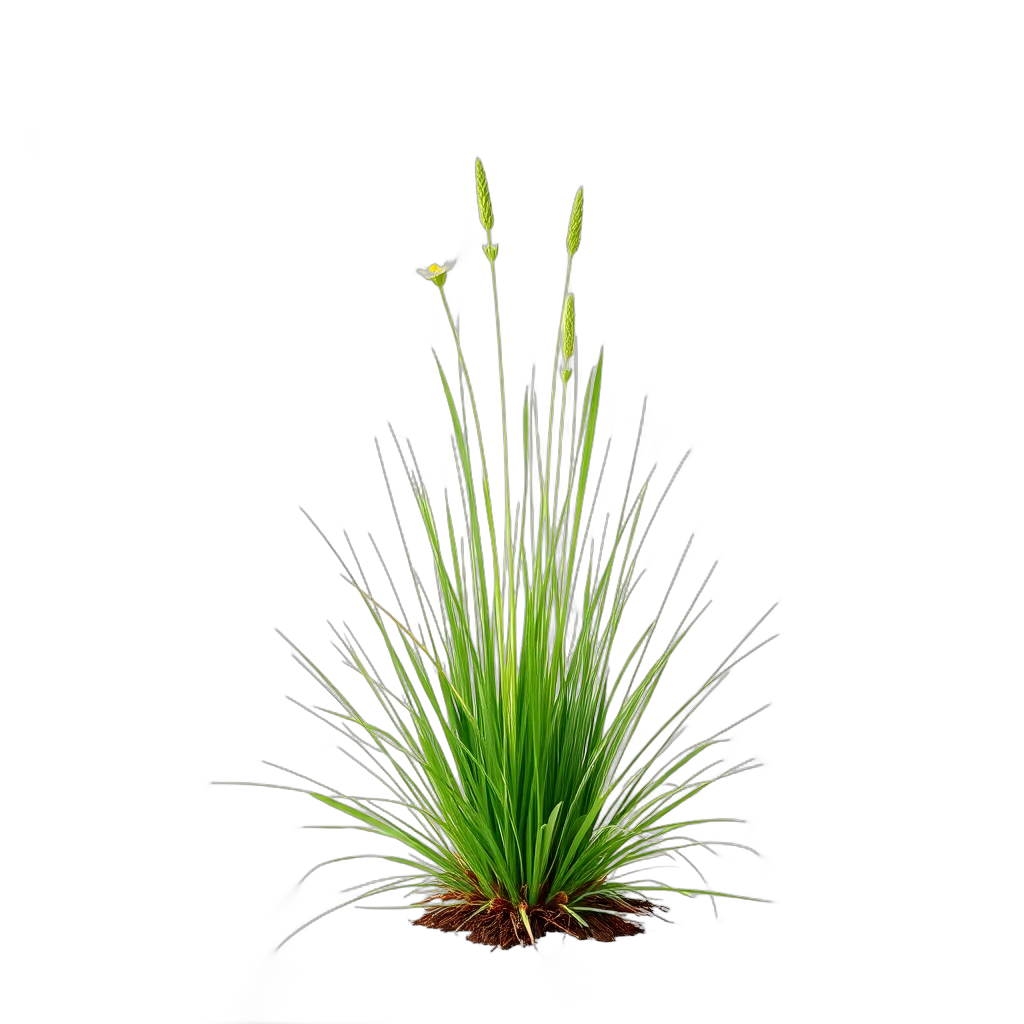
California Brome
Bromus carinatus
low-growing ground cover, blooms in spring. Yellow fall color.
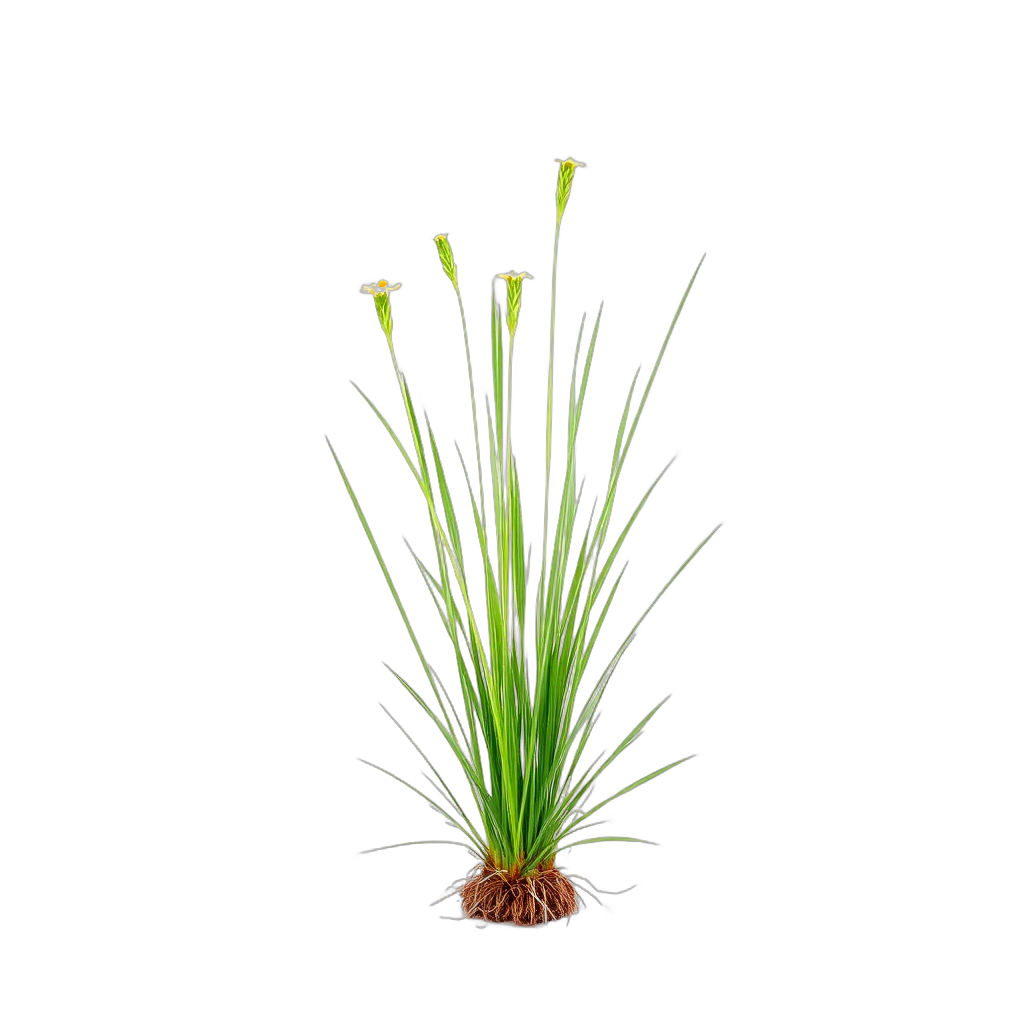
California Melic
Melica californica
low-growing ground cover, blooms in spring.
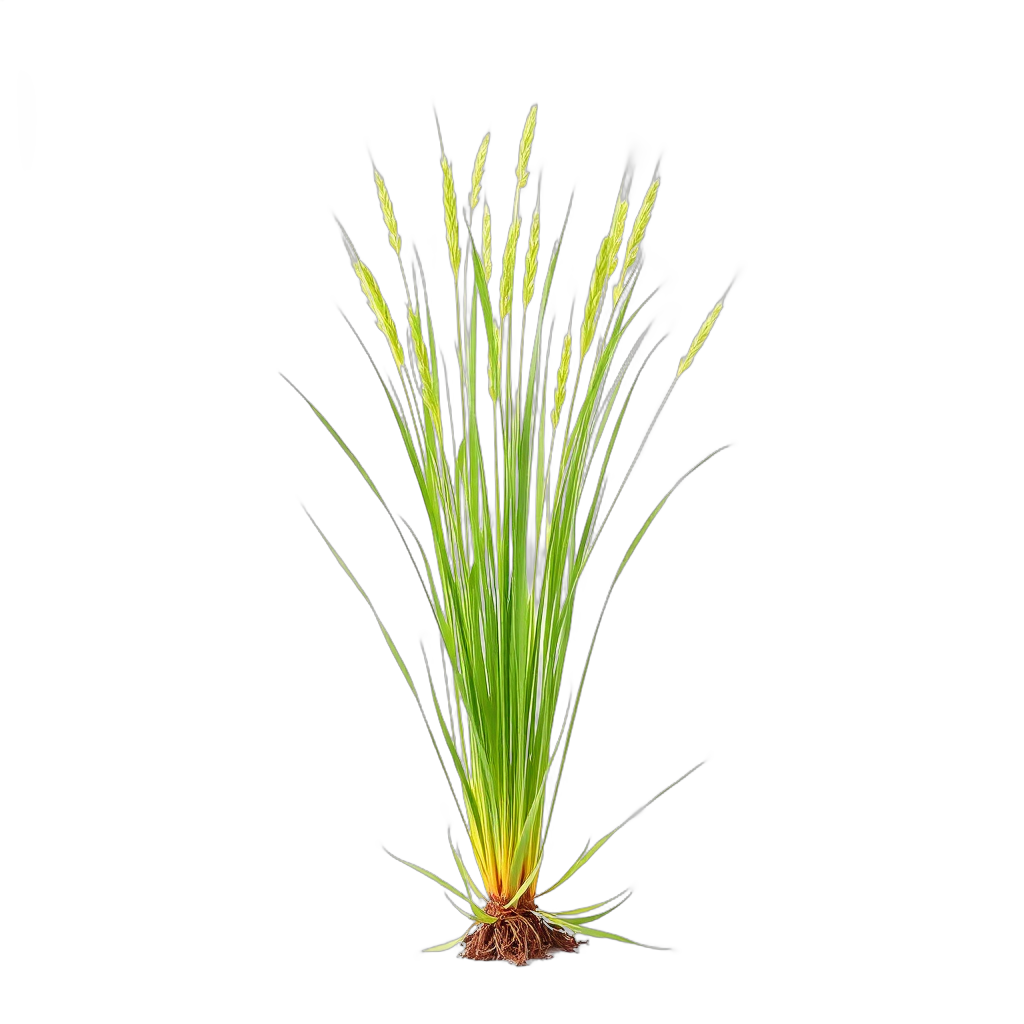
California Oatgrass
Danthonia californica
low-growing ground cover, blooms in spring. Yellow fall color.
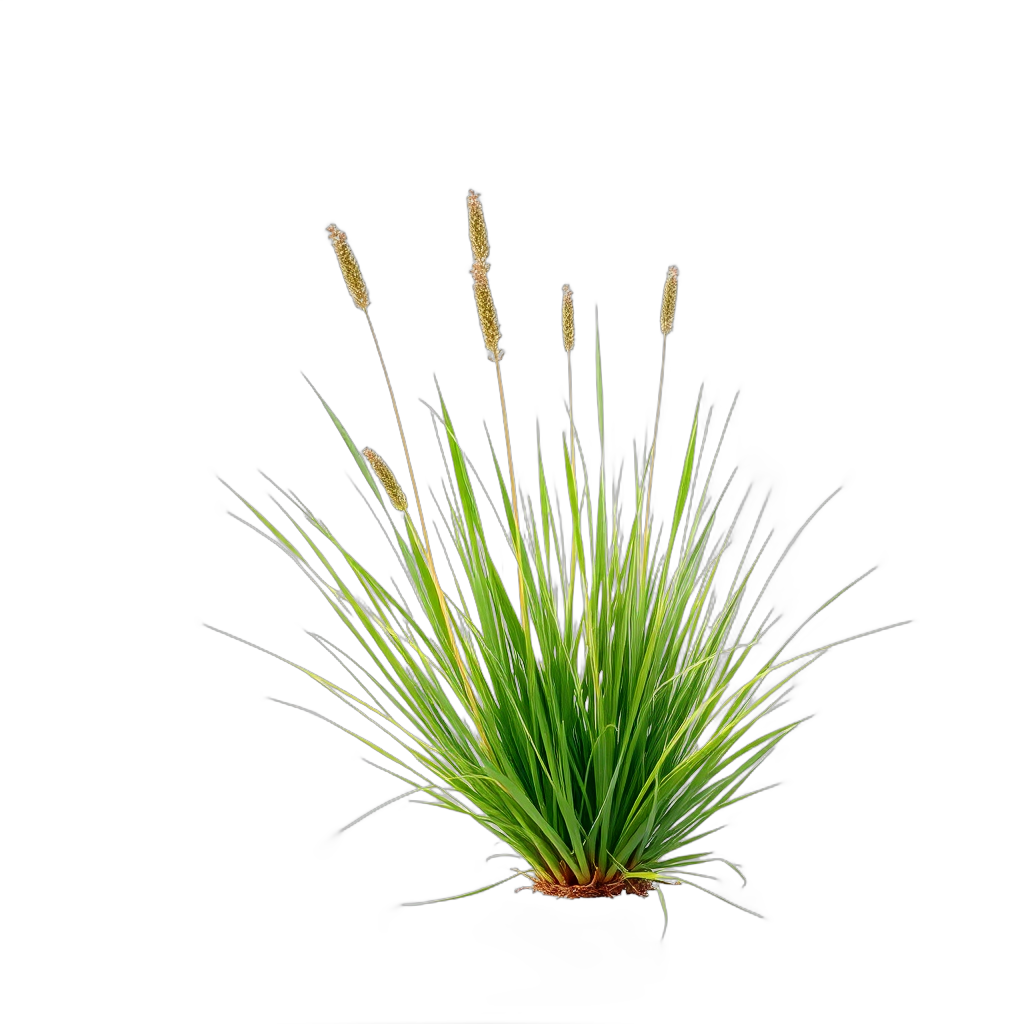
Deer Grass
Muhlenbergia rigens
grows to 3 feet, yellow blooms in fall. Evergreen year-round.
Featured Flowers & Perennials for Modern/Minimalist Gardens
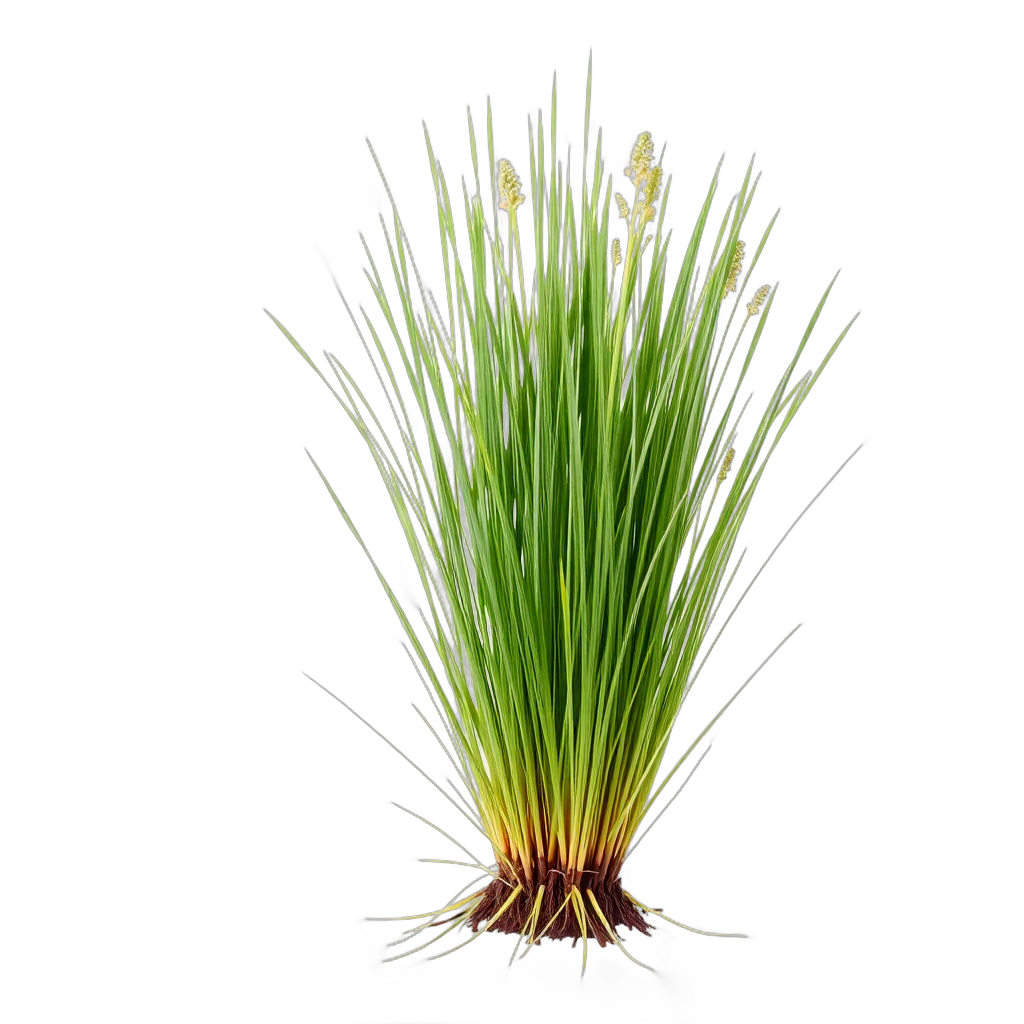
California Gray Rush
Juncus patens
low-growing ground cover, blooms in summer. Evergreen year-round.
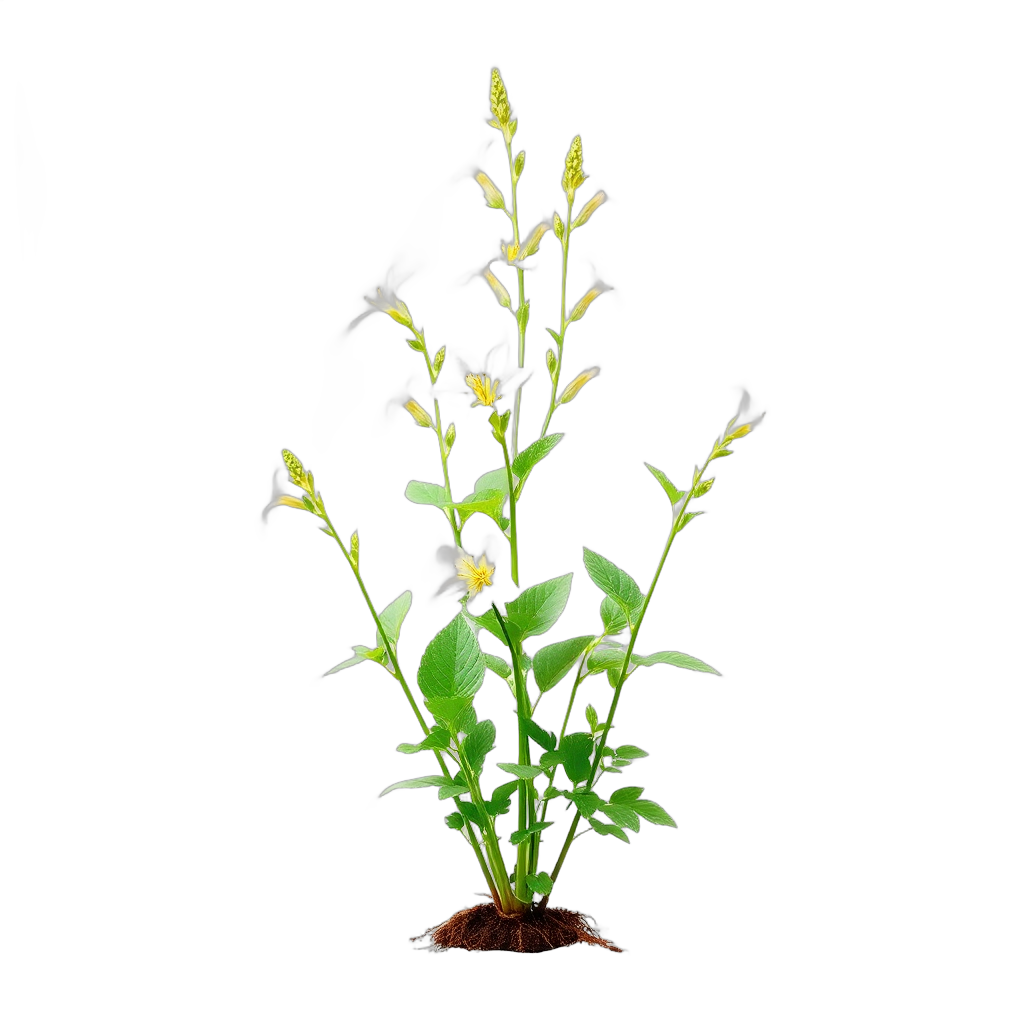
Beach Evening Primrose
Camissonia cheiranthifolia
low-growing ground cover, yellow blooms in spring. Attracts butterflies.
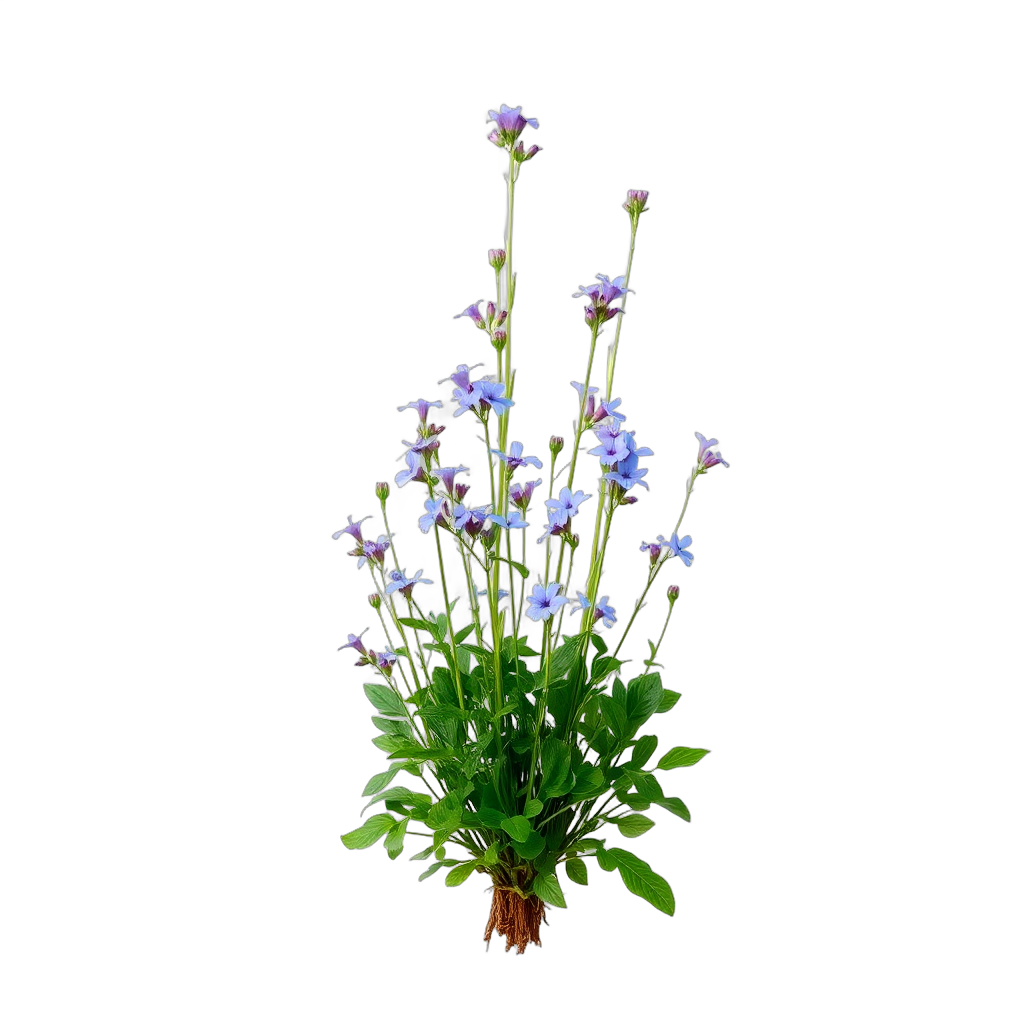
Blue Dicks
Dichelostemma capitatum
low-growing ground cover, blue blooms in spring. Pollinator-friendly.
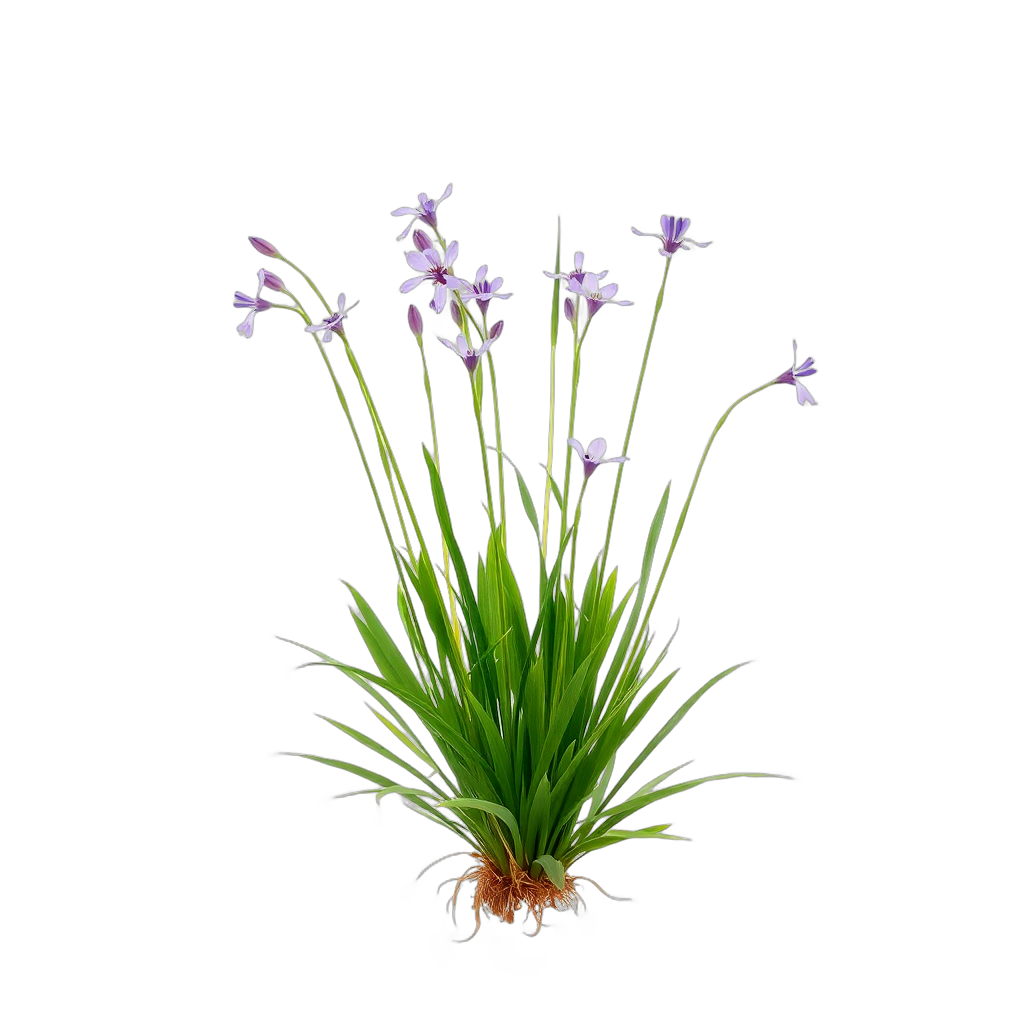
Blue-Eyed Grass
Sisyrinchium bellum
low-growing ground cover, blue blooms in spring. Attracts butterflies.
Zone and sun checks come from our database — confirm with your local nursery before you buy.
Bloom Calendar for Pasadena
spring
Beach Evening Primrose, Blue Dicks, Blue-Eyed Grasssummer
California Gray Rush, Hooker's Evening Primrose, Hummingbird Mintfall
California Fuchsiawinter
Limited bloomsDesign Tips for Pasadena (Zone 10a)
- Repeat four or five plants in large drifts instead of collecting twenty - Muhlenbergia rigens, Agave ovatifolia 'Frosty Blue', Lavandula x intermedia 'Grosso' and Phormium 'Platt's Black' massed across a whole front yard reads as design; the same plants dotted about reads as a nursery run
- Never irrigate under a mature Quercus agrifolia - summer water is what kills Pasadena's coast live oaks, so run the gravel plane dry beneath the canopy, keep drip lines outside the dripline, and check the city's protected-tree rules before working near one
- Use California natives for the grass layer: Muhlenbergia rigens, Leymus condensatus 'Canyon Prince' and Nassella pulchra all come from the surrounding coastal sage and chaparral, so they green up with the November rains and go handsomely dormant-gold in the rainless summer instead of needing to be watered green
- Skip the raised beds - Pasadena's decomposed granite alluvium already drains sharply enough for Agave, Dasylirion wheeleri and Aloe striata at grade, so put the budget into steel edging, boulders and a bigger concrete walk instead of drainage you do not need
- Plan the shade before the furniture: a west-facing Pasadena terrace with a flat roof and no canopy is unusable from June to September, so keep or plant an Olea europaea 'Swan Hill' or a broad-canopy tree at the terrace edge and site the fire bowl in its shadow
- Anchor everything vertical - Santa Ana gusts off the San Gabriels from September to February will lay over an unstaked Yucca rostrata, walk a lightweight fire bowl across a concrete terrace and pull string lights off thin posts, so use concrete-footed steel and heavy bases
- Light the grasses from below, not the lawn from above: a handful of in-grade uplights behind Muhlenbergia and Leymus drifts is what turns a Pasadena modern garden into an evening room, and with mild Zone 10a nights you get the benefit almost every month of the year
Where to Source Plants in Pasadena
Skip the big-box stores. These independent Pasadena nurseries specialize in the plants that make modern/minimalist gardens thrive in Zone 10a.
BLVD Nursery
Orange Grove Boulevard, north of Old Pasadena
Independent Pasadena garden center with a strong agave, aloe and architectural succulent bench, plus boulders, pottery and Mediterranean-climate shrubs suited to gravel gardens
Bellefontaine Nursery
South Fair Oaks
Family-run since 1939 with dedicated galleries for succulents, California-friendly drought-tolerant plants and specimen trees - the practical source for a turf-removal planting list
Lincoln Ave Nursery
Northwest Pasadena (Lincoln Avenue)
Local family-owned garden center carrying bagged decomposed granite and planting mixes, large containers, grasses, succulents and Zone 10a shrubs
San Gabriel Nursery & Florist
San Gabriel, ten minutes southeast of Pasadena
Long-established San Gabriel Valley family nursery with a broad ornamental grass, phormium, cordyline and specimen tree selection alongside its well-known citrus stock
Modern/Minimalist Landscaping Costs in Pasadena
| Project Scope | Estimated Cost |
|---|---|
| Front-yard modern conversion, about 700 sqft (turf removal, gravel, edging, planting) | $12,000 - $26,000 |
| Poured concrete walkway and floating entry pads | $3,500 - $9,000 |
| Concrete back terrace with gas fire bowl and seating (300-500 sqft) | $28,000 - $65,000 |
| Pool court with large-format concrete decking and lighting | $110,000 - $250,000 |
| Steel-edged succulent island beds with boulders, each | $900 - $2,600 |
| Low-voltage landscape lighting package (12-18 fixtures) | $3,500 - $9,500 |
| AI visualization with ProScapeAI | Free to start |
Estimates based on Pasadena, CA-area contractor rates as of 2026. Actual costs vary by site conditions, materials, and contractor.
Pasadena Climate & Growing Zone
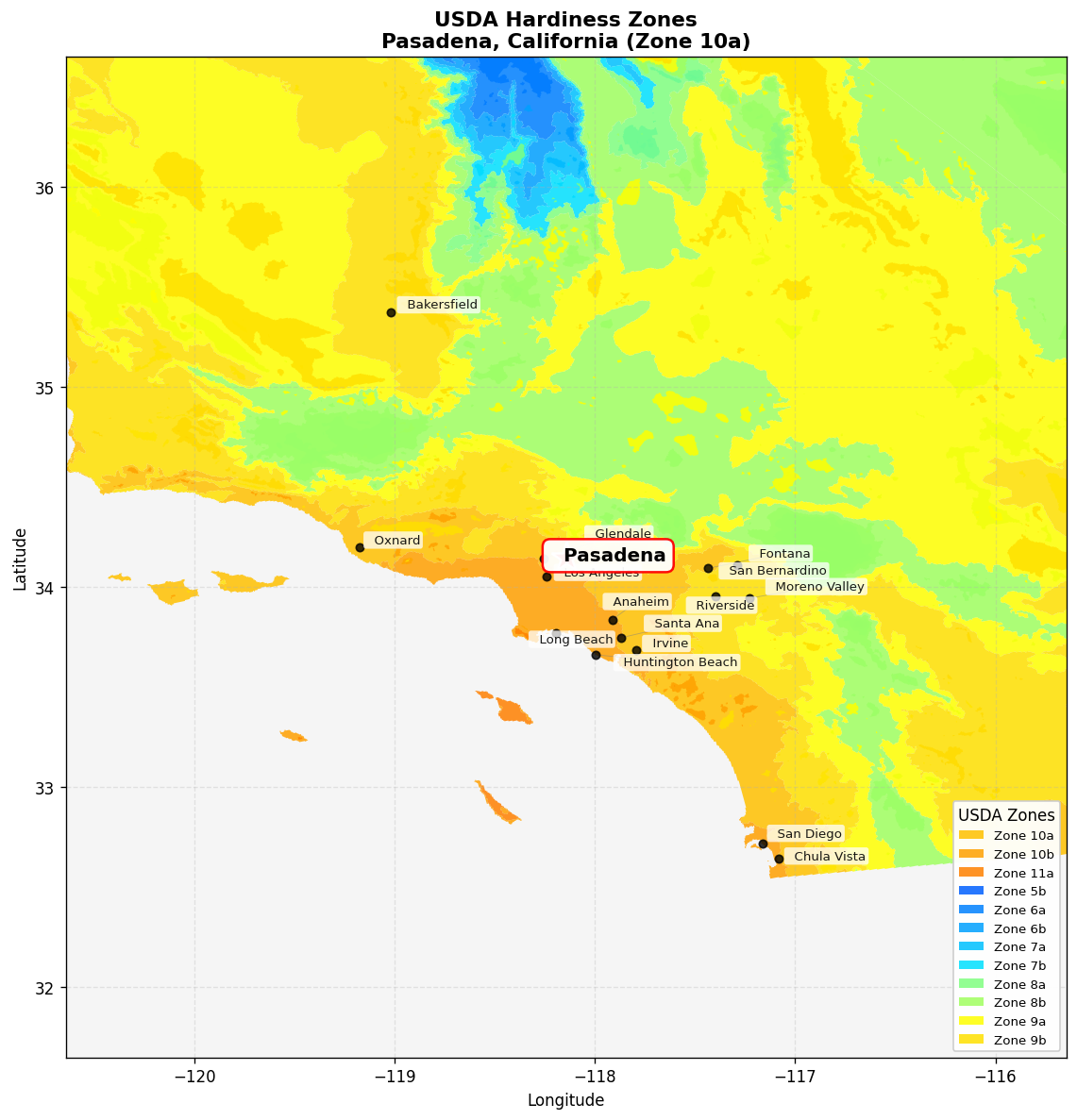
USDA Zone 10a
Hardiness zone for Pasadena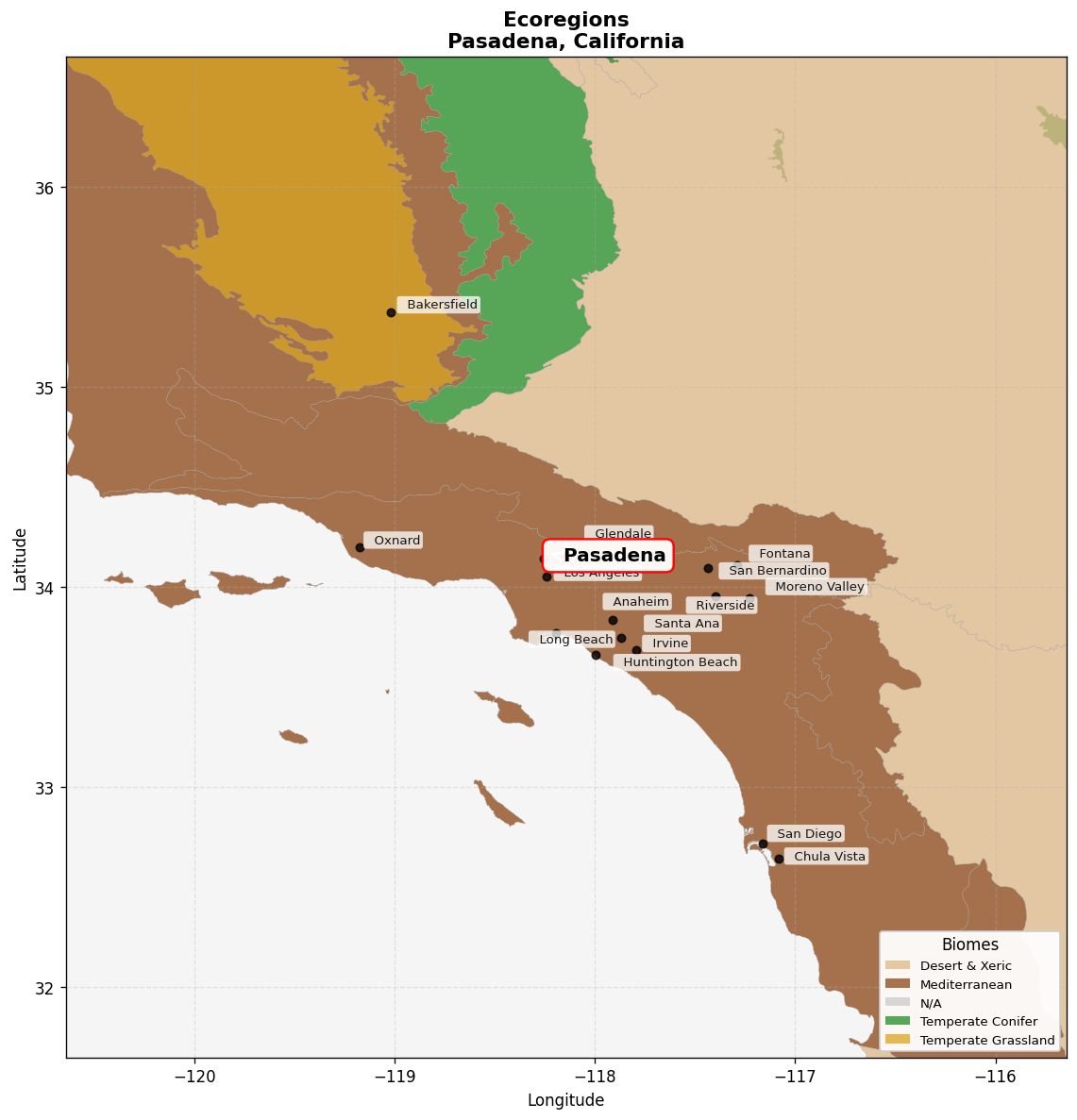
California coastal sage and chaparral
Native ecoregionFrequently Asked Questions
How much does a modern landscape cost in Pasadena?
Pasadena installation runs roughly 25 to 35 percent above national averages. A complete front-yard modern conversion of about 700 square feet - turf removal, compacted gravel plane, steel edging, boulders, a concrete walk and architectural planting - typically lands between $12,000 and $26,000 installed. A back-yard concrete terrace with a gas fire bowl, seating and lighting usually runs $28,000 to $65,000. A full pool court with large-format concrete decking commonly lands between $110,000 and $250,000 in Pasadena. A pure gravel-and-succulent conversion with no new concrete is the budget entry point at roughly $11 to $16 per square foot, before turf rebates.
Which plants give a modern look and actually thrive in Pasadena?
Split the palette into three jobs. For sculpture: Agave ovatifolia 'Frosty Blue', Agave parryi var. truncata, Agave 'Blue Glow', Yucca rostrata 'Sapphire Skies' and Dasylirion wheeleri, all fully hardy in Zone 10a. For movement and mass: Muhlenbergia rigens, Muhlenbergia capillaris 'Regal Mist', Leymus condensatus 'Canyon Prince' and Nassella pulchra, which are native to the surrounding coastal sage and chaparral and need almost no summer water once established. For dark accents and colour: Phormium 'Platt's Black', Hesperaloe parviflora 'Brakelights', Senecio mandraliscae and Aeonium arboreum 'Zwartkop'. Repeat four or five of these in large drifts rather than collecting twenty species.
Do I need to do anything special with Pasadena soil for a gravel garden?
Less than almost anywhere else in the country. Pasadena's decomposed granite and coarse sandy alluvium off the San Gabriel fan already drains sharply, so agaves and aloes can generally go in at grade rather than in engineered raised beds. Compact the subgrade, lay a permeable weed fabric under the gravel field only (never under planting islands), and use a 3 to 4 inch depth of 3/8-inch gravel or decomposed granite. Do not amend heavily around Agave, Dasylirion or Muhlenbergia rigens - rich soil makes soft growth. The one real caution is the alkalinity at pH 7.0 to 7.8, which will yellow acid-lovers, so keep them out of the scheme entirely.
How much water will a modern Pasadena front yard actually use?
Very little, and that is measurable rather than marketing. A cool-season lawn in Pasadena needs on the order of 45 to 55 inches of applied water a year against a reference evapotranspiration near 50 inches. A gravel plane planted with Agave, Muhlenbergia rigens and Leymus condensatus 'Canyon Prince' on inline drip typically runs at 20 to 30 percent of that once established, watered deeply every two to three weeks in summer. It also fits neatly inside Pasadena Water and Power's assigned watering days and no-runoff rules, and turf-removal rebates in the $2 to $5 per square foot range through the regional water agencies usually cover a real slice of the removal cost.
Can I put a gravel garden under my coast live oak?
Yes, and it is one of the best things you can do for the tree - as long as you do not irrigate it. Quercus agrifolia is native here and is covered by Pasadena's tree protection ordinance, and mature specimens are killed routinely by summer lawn watering, which encourages root and crown rot. A dry decomposed granite or gravel plane under the canopy, laid at a shallow depth with no soil grade change against the trunk and no drip lines inside the dripline, is both correct arboriculture and a striking modern move. Keep any planting out to the canopy edge and check the city's protected-tree requirements before any work near a mature oak.
Will Santa Ana winds and fire risk affect a modern design?
Both, and both are manageable. Santa Ana events run from roughly September through February with hard northeast downslope gusts off the San Gabriels, so set string lights on properly footed steel posts rather than thin timber, anchor lightweight fire bowls and furniture, and stake a young Yucca rostrata for its first two years. On fire, northern Pasadena and the Altadena boundary sit in a very high fire hazard severity zone, and since the January 2025 Eaton Fire an ember-resistant band in the first five feet around the house is standard in the brief. Gravel, concrete, steel edging and low succulents such as Aeonium and Senecio mandraliscae are exactly the right materials there.
When is the best time to build a modern landscape in Pasadena?
Hardscape any month - Pasadena essentially never freezes hard enough to stop a concrete pour, so gravel fields, terraces and pool decks are built year-round and winter is often the fastest scheduling window. Planting is different: October through December is ideal, because Agave ovatifolia, Muhlenbergia rigens and Leymus condensatus 'Canyon Prince' set roots through the mild wet season and face their first summer established. February and March are the second window. Avoid planting from June through September - even xeric plants need regular water to establish, and doing that during a run of 95-degree days works against every water rule the city has.