4 English Cottage Garden Ideas for Elizabeth, NJ | Zone 7a Roses and Borders
Native plants from the Northeast US Coastal forests (Zone 7a) — Humid continental (hot summer) climate
Why Cottage/English Gardens in Elizabeth?
The Tudor and Colonial Revival houses of Elmora Hills and Westminster, the frame two-families of Peterstown and Bayway, and the brick-and-stucco singles of the North End all sit close to the sidewalk, so a deep front border reads from the street the way an English village garden does. Lots here are small, often 30 to 40 feet wide, and that is an advantage: a cottage planting at 300 square feet looks deliberate, while the same mix spread across a big suburban lawn just looks unfinished. Most homes also have a chain-link or iron fence already, which is the frame the style hangs its roses on.
The climate is kind in winter and hard in summer. Elizabeth sits in USDA Zone 7a (average coldest night 0–5°F). The nearest official station, Newark Liberty Airport on the city's northeast edge, records 1991–2020 normals of a 25°F average January low, an 87°F average July high and about 46.6 inches of precipitation a year, spread evenly with 4.66 inches in July alone. Snow averages around 31 inches. That wet, humid summer decides which English plants last. Lavandula angustifolia 'Hidcote' and 'Munstead' usually rot out by their third August, and Delphinium elatum behaves as a spring annual, so the reliable picture is built from humidity-proven plants: Lavandula × intermedia 'Phenomenal', Nepeta × faassenii 'Walker's Low', Salvia nemorosa 'Caradonna', Phlox paniculata 'Jeana' and blackspot-tolerant roses such as Rosa 'New Dawn' and Rosa 'Olivia Rose Austin'.
Soil is the other thing to plan around. Much of Elizabeth east of the Turnpike, around Elizabethport, Frog Hollow and the port, sits on fill laid over old tidal marsh, and older lots everywhere in the city carry a century of building rubble, cinders and compaction. Native New Jersey soils run acidic, around pH 5.0–6.0, but fill near foundations and old sidewalks often tests higher because of lime from mortar and concrete. The fix is the same for both: test first through Rutgers Cooperative Extension, then build borders up 8–12 inches with clean screened topsoil and compost instead of digging into what is there. Raised beds also keep crowns out of the standing water that low ground near the Elizabeth River and the Arthur Kill holds after a nor'easter.
The last local factor is salt and heat. Front borders along North Avenue, Elmora Avenue and Routes 1 and 9 take road salt every winter, and the paved blocks around Midtown run several degrees warmer than Warinanco Park on a July afternoon. Put the tough, salt-shrugging plants at the curb (Nepeta 'Walker's Low', Achillea 'Moonshine', Hemerocallis 'Happy Returns') and keep roses and phlox a few feet back where the spray does not reach.
4 Cottage/English Design Ideas for Elizabeth

AI-generated image
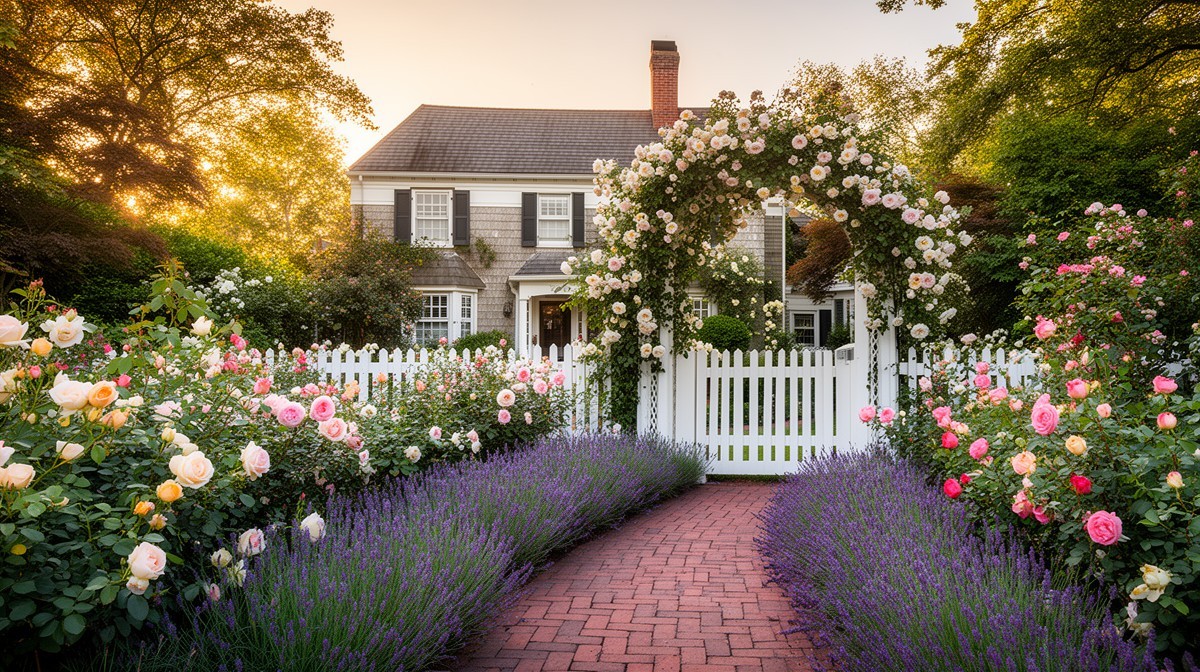
The Elmora Hills Rose Fence
$24–45/sqftA brick Tudor Revival on a 40-foot Elmora Hills lot gets a three-foot white picket fence along the sidewalk with a cedar arbour over the gate, and a five-foot-deep border running the full frontage behind it. Climbing roses are trained along the fence rails, lavender and catmint spill toward a curved clay-brick walk, and two clipped holly balls hold the gate posts. The house faces south, so the border takes full sun from mid-morning and the rose foliage dries off early, which is what keeps blackspot down in a humid New Jersey July.

AI-generated image
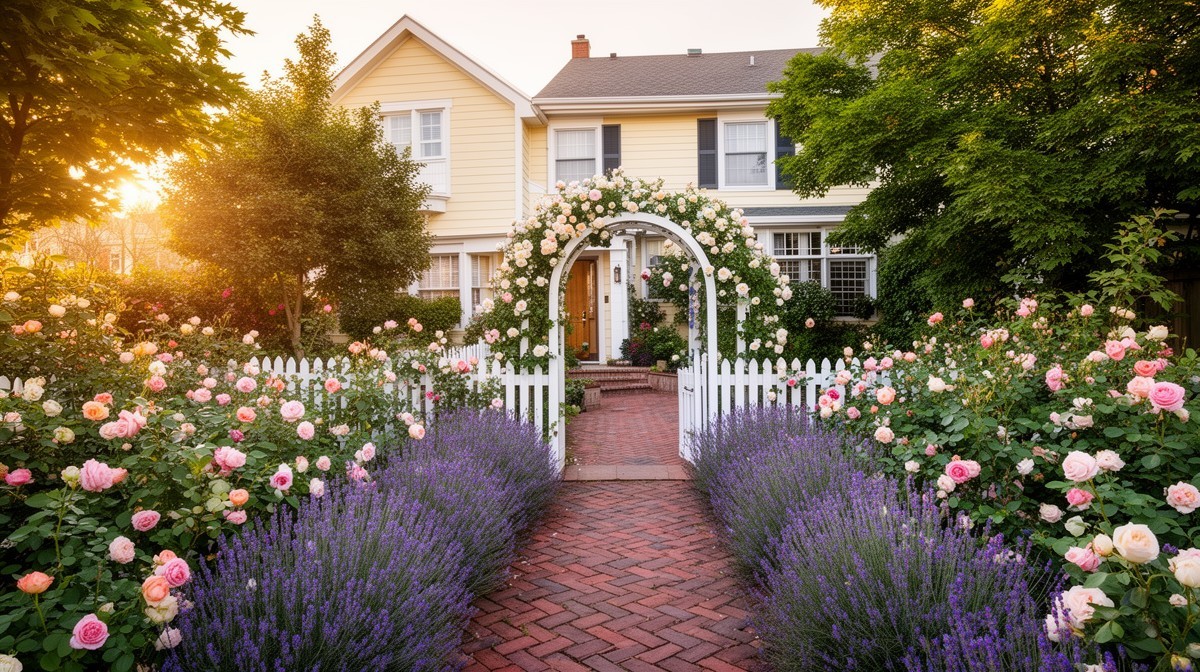
The Two-Family Stoop Border
$18–35/sqftA frame two-family in Peterstown has a front yard barely 12 feet deep between the stoop and the iron fence, so the whole garden lives in two raised brick-edged beds either side of the steps. Each bed stacks three layers: a clematis climbing the existing fence at the back, phlox and coneflower in the middle, and lady's mantle and catmint at the front edge. The yard faces east and gets sun until early afternoon, then the house shades it, which suits the phlox and keeps the containers on the stoop from cooking.

AI-generated image
The Backyard Tea Circle
$28–55/sqftBehind a Colonial Revival in Westminster, a small circle of irregular bluestone is cut into the lawn for a bistro table and two chairs, with a painted rose arch behind it framing the view back to the house. Everything else is border: foxglove and Russian sage at the back, mounds of lavender and catmint in the middle, and white hydrangea filling the corner under the neighbor's maple. The circle sits in the one spot that gets six hours of sun, and the shaded corners carry the hydrangeas and hostas instead of fighting for light.

AI-generated image
The Salt-Proof Curb Cottage
$16–32/sqftA corner single-family on a busy Elmora Avenue block gets a cottage border that is built to take plow spray and dog traffic at the front and saves the softer plants for behind a low boxwood-style hedge. The sidewalk strip and first two feet of the border hold daylilies, yarrow and catmint; behind the hedge sit the roses, phlox and baptisia. The west-facing frontage takes hot afternoon sun reflected off the pavement, so everything at the front is a plant that likes heat.
See how a cottage/english garden looks on YOUR property
Upload a photo of your Elizabeth yard and visualize your dream garden in seconds.
Try ProScapeAI Free

AI-generated image
Featured Trees & Shrubs for Cottage/English Gardens
Browse all 181 plants for Elizabeth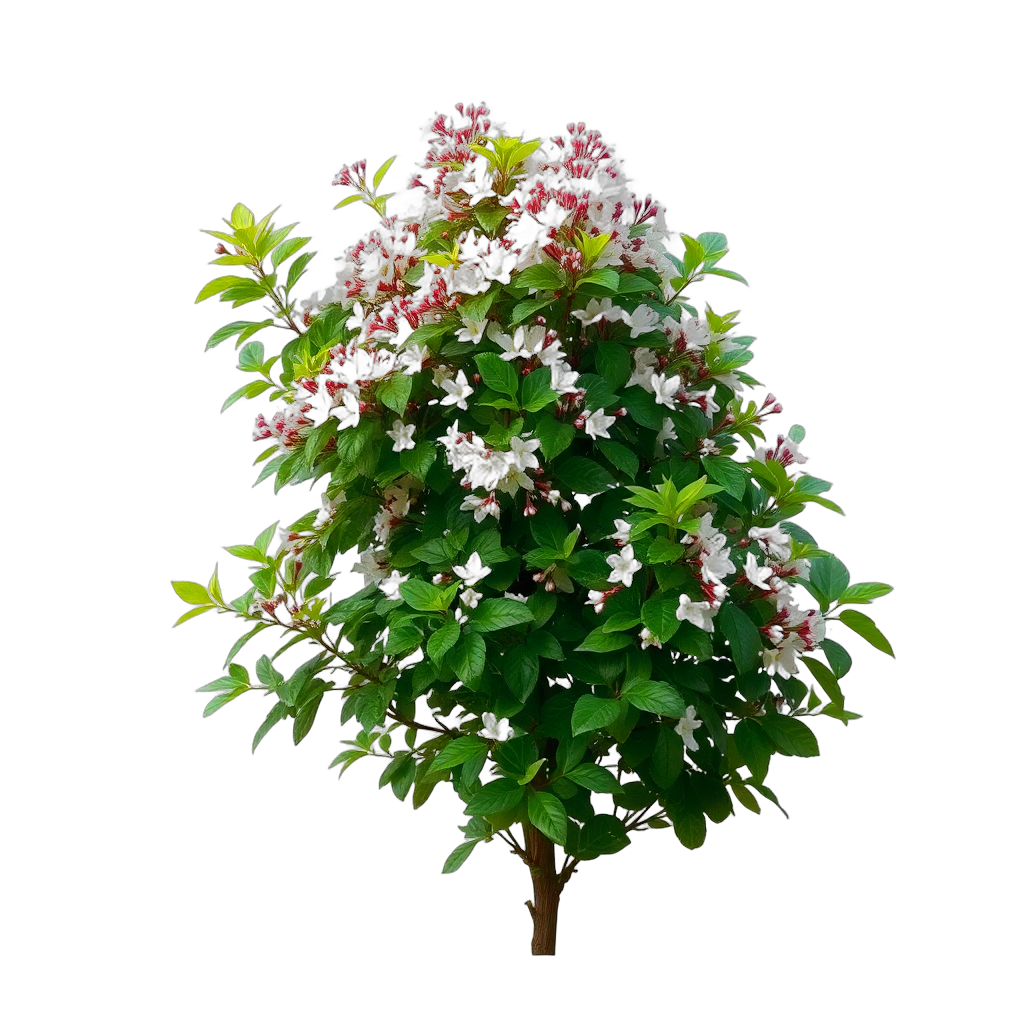
Arrowwood Viburnum
Viburnum dentatum
medium-sized at 10 feet, white blooms in spring. Pollinator-friendly.
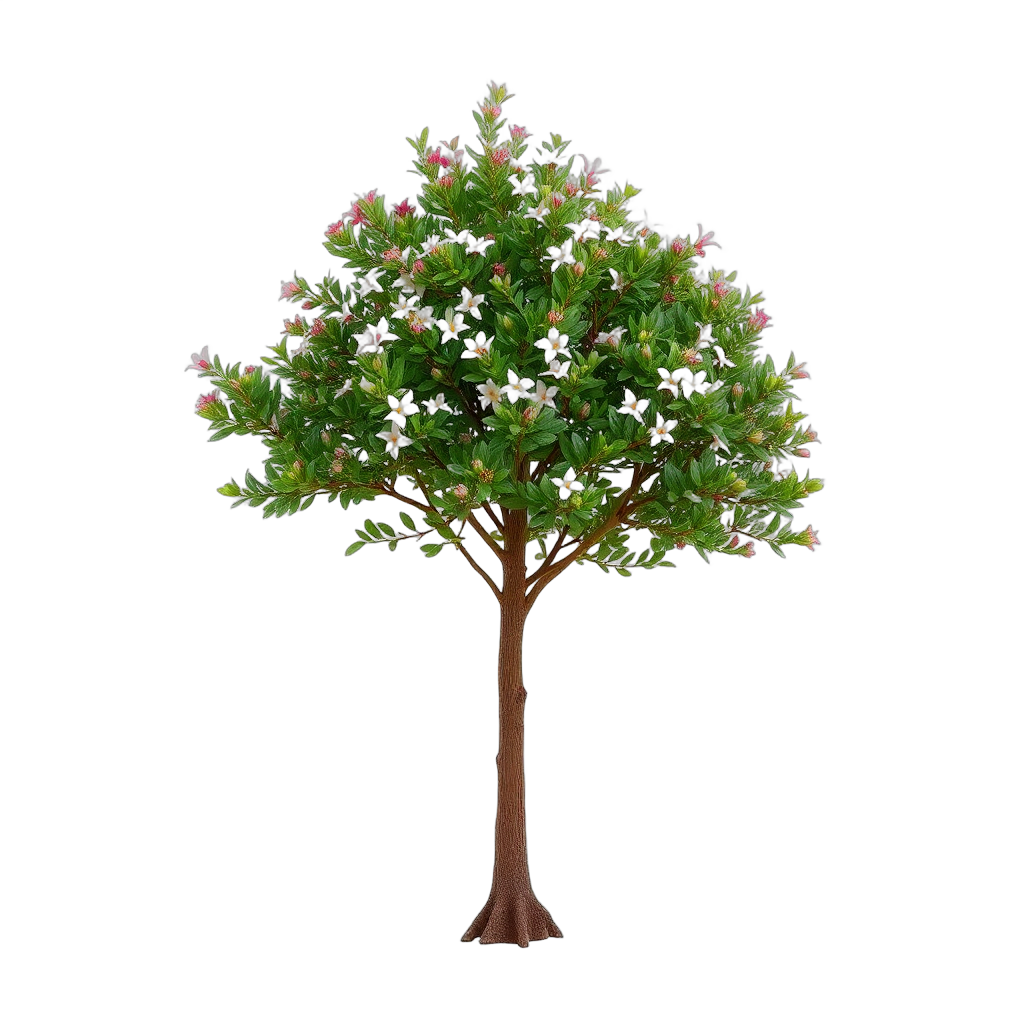
Coastal Leucothoe
Leucothoe axillaris
grows to 3 feet, white blooms in spring. Evergreen year-round.

Highbush Blueberry
Vaccinium corymbosum
medium-sized at 7 feet, white blooms in spring. Attracts butterflies.

Inkberry
Ilex glabra
medium-sized at 8 feet, white blooms in spring. Pollinator-friendly.
Featured Grasses & Groundcovers for Cottage/English Gardens
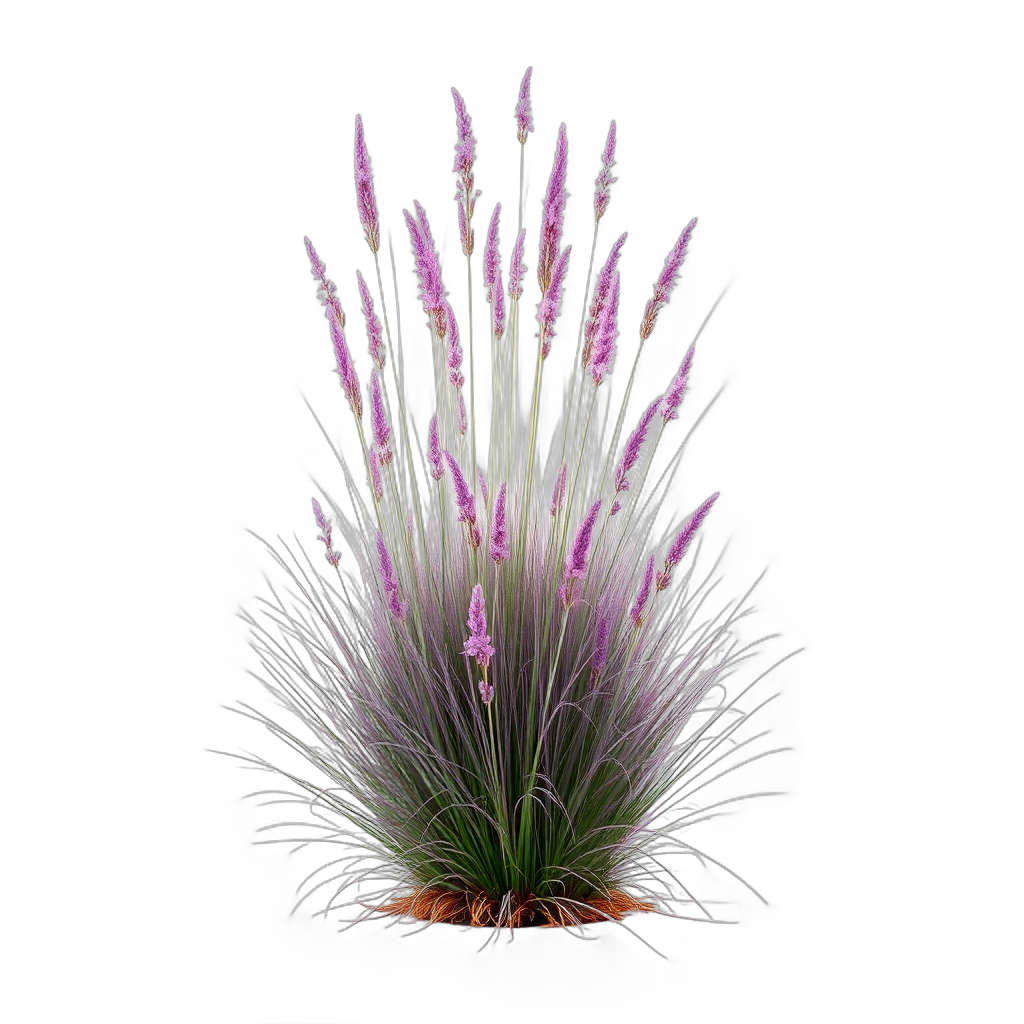
Purple Love Grass
Eragrostis spectabilis
low-growing ground cover, purple blooms in fall. Orange fall color.

Arrow Bamboo
Pseudosasa japonica
medium-sized at 15 feet, blooms in none. Evergreen year-round.
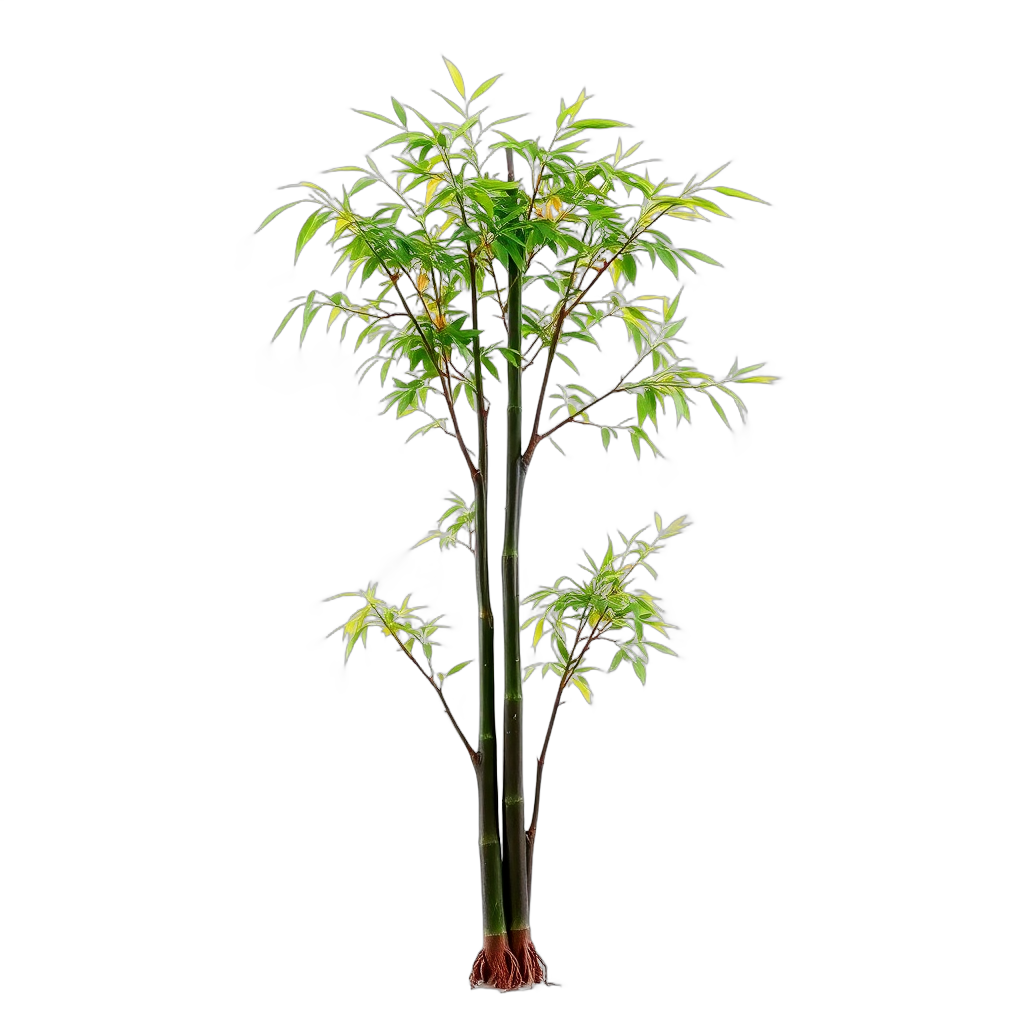
Black Bamboo
Phyllostachys nigra
reaches 25 feet tall, blooms in none. Evergreen year-round.
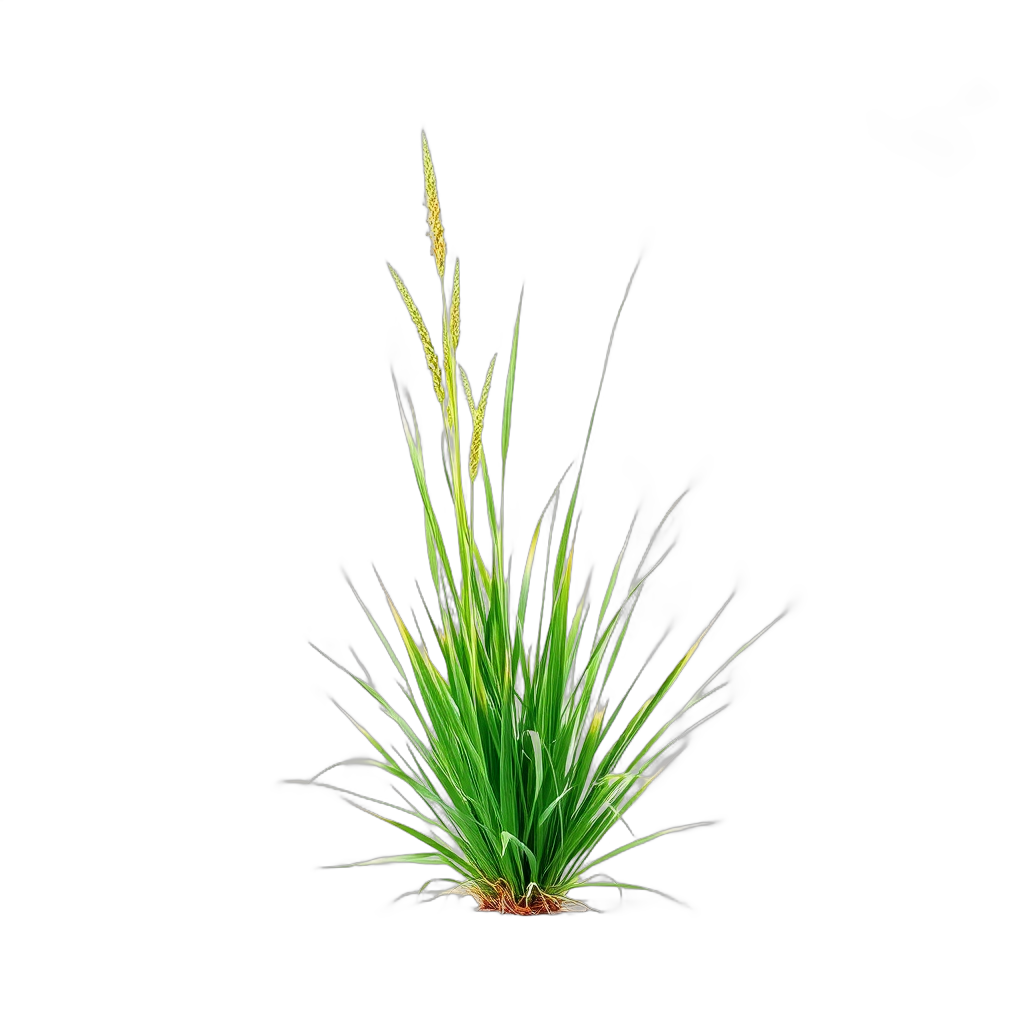
Bull Grass
Muhlenbergia emersleyi
grows to 4 feet, purple blooms in fall. Yellow fall color.
Featured Flowers & Perennials for Cottage/English Gardens
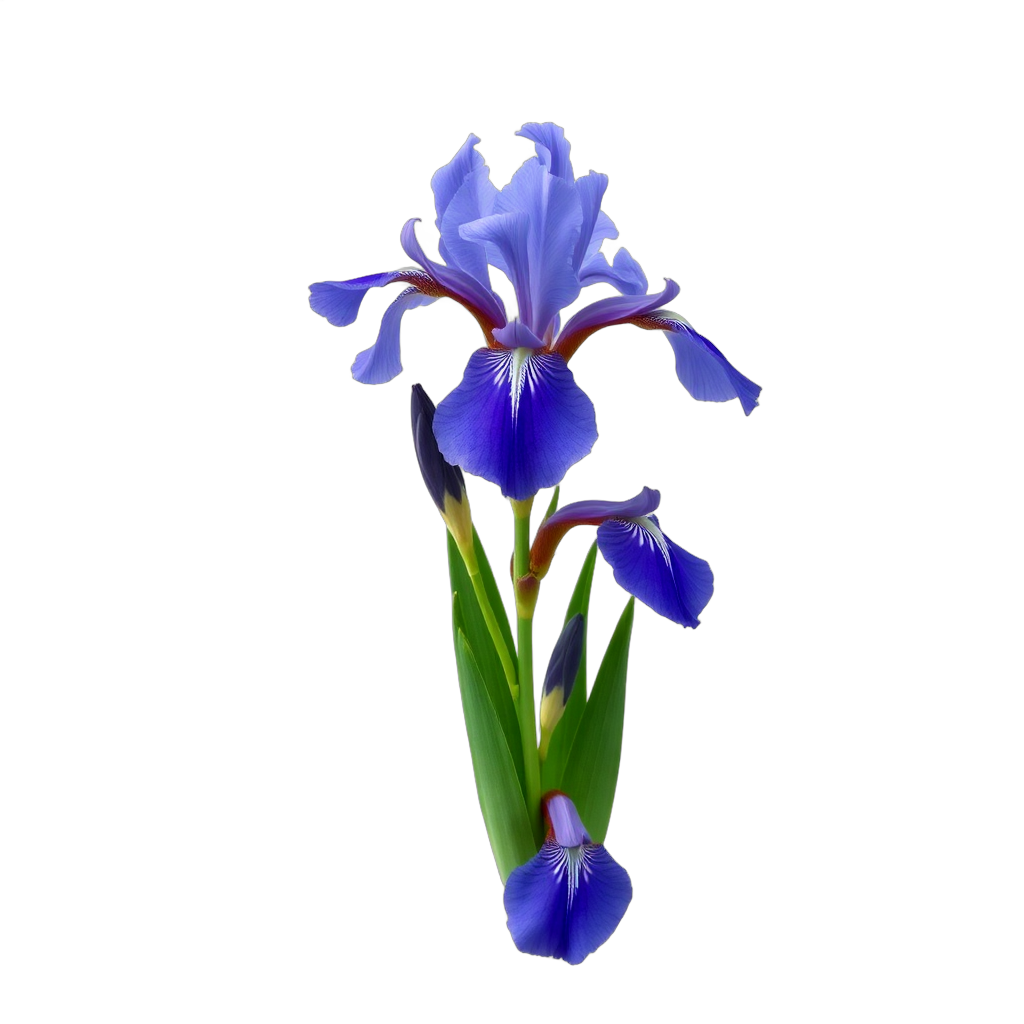
Blue Flag Iris
Iris versicolor
low-growing ground cover, purple blooms in spring. Attracts butterflies.

New York Ironweed
Vernonia noveboracensis
grows to 6 feet, purple blooms in fall. Attracts butterflies.
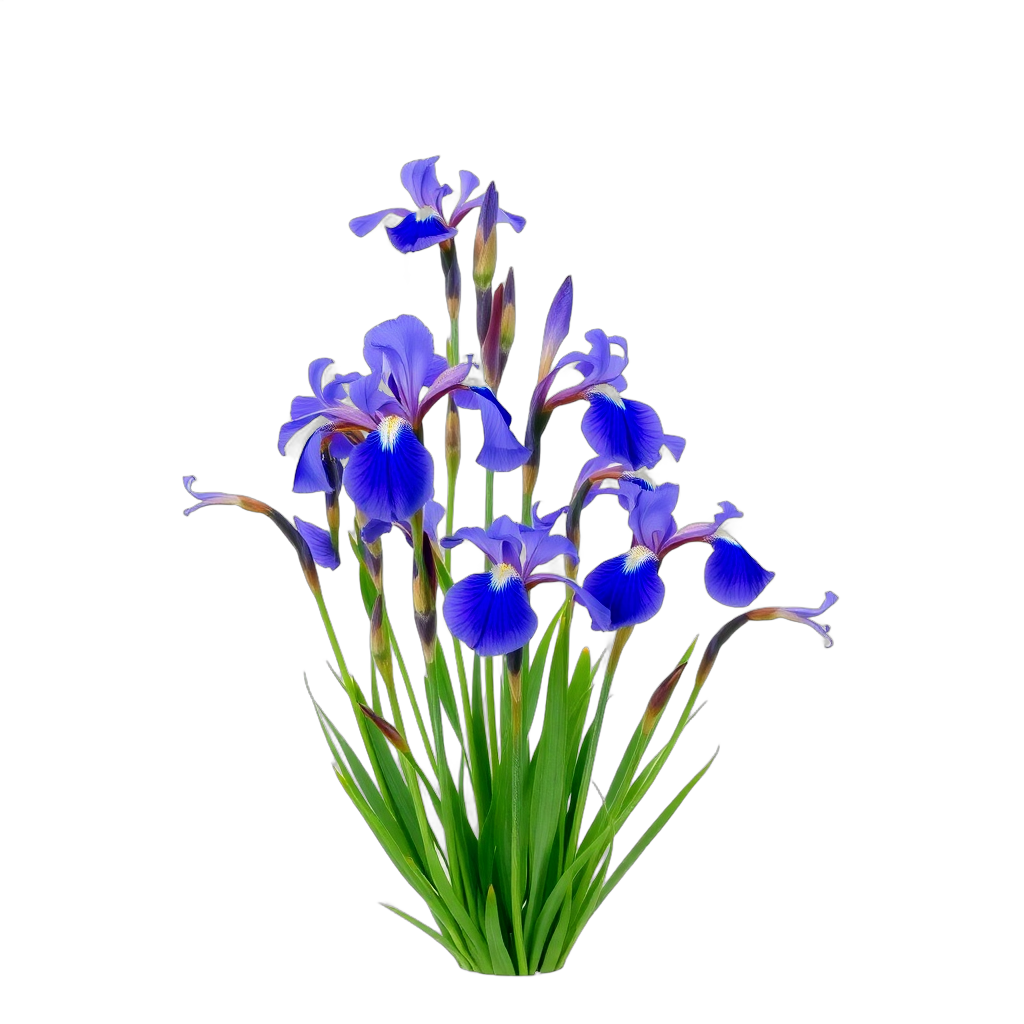
Southern Blue Flag
Iris virginica
low-growing ground cover, blue blooms in spring. Attracts butterflies.

Eastern Prickly Pear
Opuntia humifusa
low-growing ground cover, yellow blooms in summer. Attracts butterflies.
Zone and sun checks come from our database — confirm with your local nursery before you buy.
Bloom Calendar for Elizabeth
spring
Blue Flag Iris, Southern Blue Flag, Arrowwood Viburnumsummer
Ruby Spice Summersweet, Summersweet, Eastern Prickly Pearfall
New York Ironweed, Purple Love Grasswinter
Limited bloomsDesign Tips for Elizabeth (Zone 7a)
- Build every border up 8–12 inches with screened topsoil and compost: fill, cinders and compaction under most Elizabeth lots drain poorly, and wet crowns kill more lavender and roses here than cold ever does
- Test pH before liming: native New Jersey soil runs around 5.0–6.0, but beds against old foundations and sidewalks often test higher, and Lavandula × intermedia 'Phenomenal' wants roughly 6.5–7.0
- Swap English lavender for Lavandula × intermedia 'Phenomenal' and treat Delphinium elatum as a spring annual; Salvia nemorosa 'Caradonna' gives the same blue spires all summer in a 46-inch-rain climate
- Keep the first two feet behind the curb for salt-tolerant plants such as Hemerocallis 'Happy Returns' and Achillea 'Moonshine', and hold roses and hydrangeas back where plow spray does not reach
- Set arbour and fence posts below the frost line and confirm the required depth with the City's construction office before you dig; a shallow post heaves after one freeze-thaw winter
- Use the fence you already have: chain-link and iron fences on North End and Bayway lots take Clematis 'Jackmanii' and Rosa 'New Dawn' and turn into the cottage frame for almost nothing
- Water by drip at the base on a timer from June to August; overhead spray on a humid evening is the fastest way to spread blackspot and powdery mildew through phlox and roses
Where to Source Plants in Elizabeth
Skip the big-box stores. These independent Elizabeth nurseries specialize in the plants that make cottage/english gardens thrive in Zone 7a.
Kenilworth Garden Center
Kenilworth (Boulevard)
Family-owned and run since 1986, a roadside garden center for flowers, plants, bushes and holiday stock, with A&A Landscaping attached for installs; a short drive west of Elmora along the Boulevard
Hall's Garden Center & Florist
Berkeley Heights (Springfield Avenue)
Family-owned for over 40 years, a full-service garden center with annuals, perennials, fruit trees and shrubs, plus bulk topsoil and mulch delivered by the yard
Truesdale Nursery & Landscape Services
Warren (Stirling Road)
Nursery and landscape firm with more than 40 years in New Jersey, covering landscape design, hardscape, drainage and bed care alongside its nursery stock
Cottage/English Landscaping Costs in Elizabeth
| Project Scope | Estimated Cost |
|---|---|
| Front cottage border with picket fence and gate arbour (300–500 sqft) | $9,000 – $24,000 |
| Raised brick-edged stoop beds for a two-family front yard | $3,500 – $9,000 |
| Clay brick walkway on a compacted base (100–200 sqft) | $3,000 – $9,000 |
| Dry-laid bluestone tea circle or small patio (150–300 sqft) | $5,500 – $18,000 |
| Cedar rose arch or arbour, built and set below the frost line | $1,800 – $5,500 |
| Full back cottage garden: patio, arch, deep borders, drip irrigation | $30,000 – $75,000 |
| AI visualization (ProScapeAI) | Free to start |
Estimates based on Elizabeth, NJ-area contractor rates as of 2026. Actual costs vary by site conditions, materials, and contractor.
Elizabeth Climate & Growing Zone
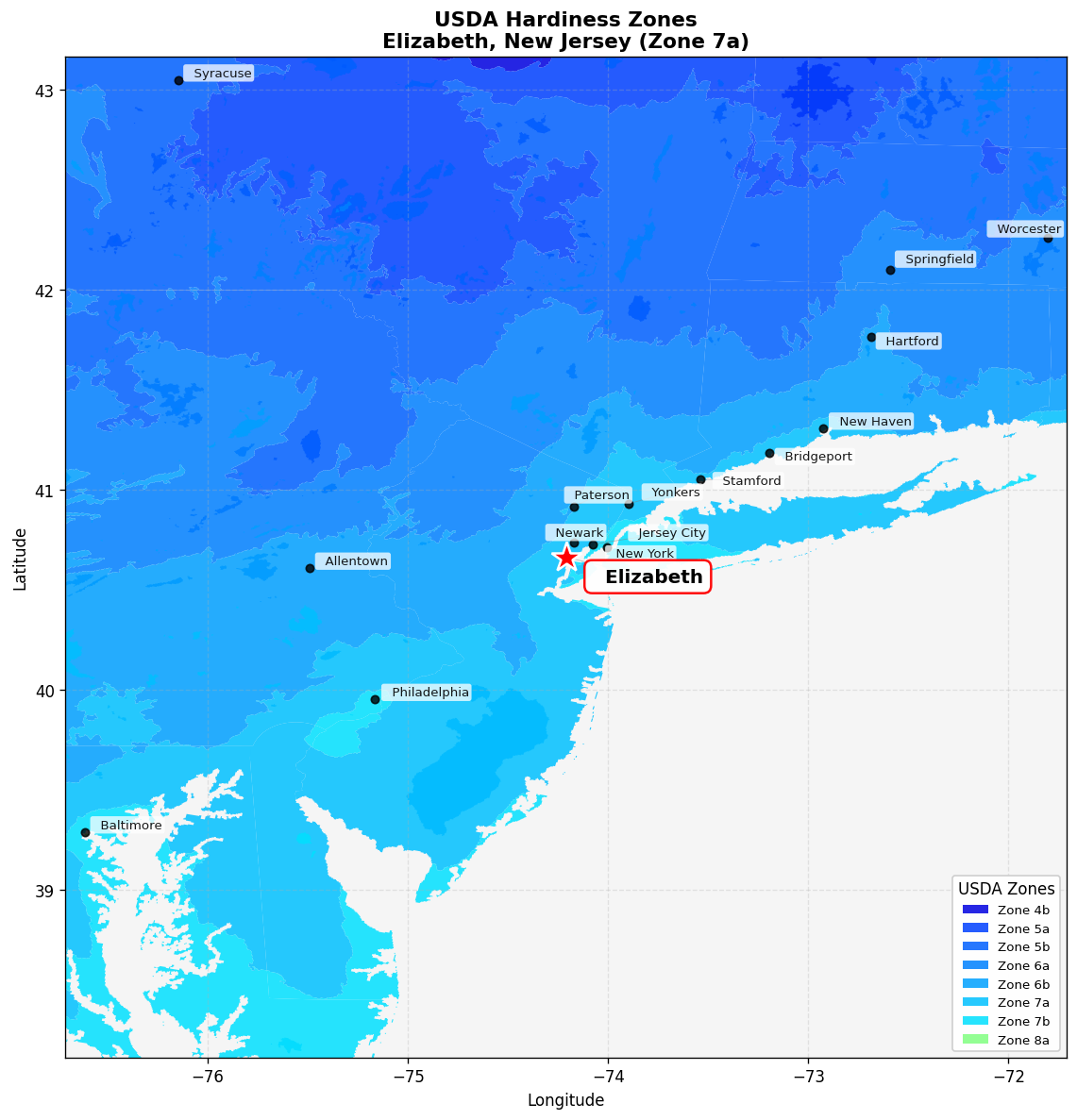
USDA Zone 7a
Hardiness zone for Elizabeth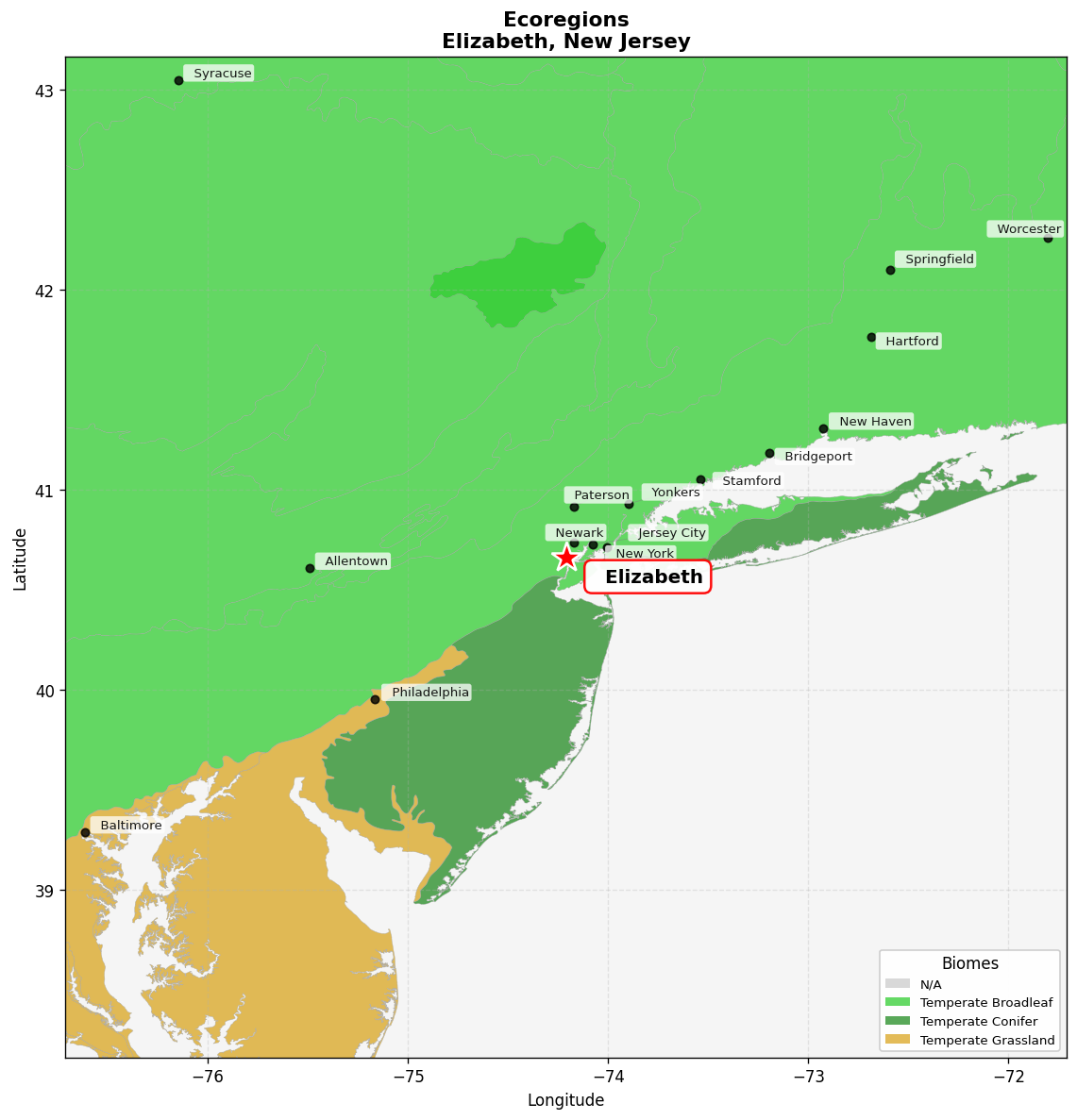
Northeast US Coastal forests
Native ecoregionFrequently Asked Questions
How much does a cottage garden cost in Elizabeth, NJ?
Union County install crews typically bill around $65–95 per hour per worker, well above the national average, so most of a cottage budget goes to labor rather than plants. A planted front border with a picket fence and gate arbour on a typical 300–500 sqft Elmora or Westminster frontage runs about $9,000–24,000 installed. Clay brick walks land around $28–45 per square foot and dry-laid bluestone around $35–60. Planting it yourself with one-gallon Rosa 'New Dawn', Lavandula × intermedia 'Phenomenal' and Nepeta 'Walker's Low' brings a border in under $12 per square foot.
Which roses survive Elizabeth's humid summers?
Pick disease tolerance over catalogue romance. Rosa 'New Dawn' is the dependable climber here, Rosa 'Zephirine Drouhin' is thornless and good on an arch you brush past, and Rosa 'Olivia Rose Austin' and Rosa 'The Fairy' carry the shrub layer without weekly spraying. Classic hybrid teas usually drop their leaves by August in a summer that brings 4–5 inches of rain a month. Give every rose six hours of sun with morning exposure, space plants three feet apart for air, and water at the base. Rose rosette disease is present in New Jersey, so dig out any plant showing witches'-broom growth rather than pruning it.
Is a cottage garden a lot of maintenance in this climate?
Less than people expect if the plant list is right. The humid summer means a border grows fast, so expect a hard cut-back of catmint and salvia after the first June flush, deadheading roses every week or two, and a spring and fall clean-up. Build with long-lived perennials such as Phlox paniculata 'Jeana', Echinacea 'Magnus' and Baptisia australis instead of short-lived English classics, and a 400 sqft border is roughly two hours a week from May to September.
When is the best time to plant in Elizabeth?
Mid-September to early November is the best window. The soil is still warm, fall rain is reliable (about 3.8 inches in both September and October at Newark Airport), and roots grow through a mild Zone 7a winter. Mid-March to late April is the second window, and bare-root roses go in while dormant in March. Avoid starting a border in July and August, when highs average 87°F and the humidity stresses anything that has not rooted in.
Do I need a permit for a fence or patio in Elizabeth?
Fences in Elizabeth go through the City's zoning approval, and front-yard fence heights are restricted, so check the rules before you buy a picket fence. Patios, retaining walls and pergolas can also need zoning or construction approval depending on size and height. Start with the City of Elizabeth's online permit applications (the City uses GovPilot) or call City Hall, and design the garden first so you know exactly what you are asking for.
What survives Elizabeth's winters and road salt?
Cold is rarely the problem in Zone 7a: Newark Airport's January lows average 25°F and the coldest nights fall to around 0–5°F, which nearly every cottage perennial handles. Salt is the bigger threat on main roads. Hemerocallis 'Happy Returns', Achillea 'Moonshine', Nepeta 'Walker's Low' and Ilex glabra 'Gem Box' shrug off plow spray; boxwood, hydrangea and roses do not, so keep them a few feet back from the curb. Boxwood blight is also established in New Jersey, which is why Ilex crenata 'Steeds' and Ilex glabra 'Gem Box' make the safer clipped edge.
Is the soil in my Elizabeth yard safe to garden in?
Test before you dig, especially near old foundations and in the eastern neighborhoods built on fill. Lead from old paint and industrial residue are common in older New Jersey city soils. Rutgers Cooperative Extension tests soil for pH and nutrients; ask about a separate heavy-metals test if you plan to grow herbs or vegetables. For ornamental borders, 8–12 inches of clean screened topsoil and compost over the existing ground solves drainage, pH and contact in one step.