4 English Cottage Garden Ideas for Paterson, NJ (Zone 7a)
Native plants from the Northeast US Coastal forests (Zone 7a) — Humid continental (hot summer) climate
Why Cottage/English Gardens in Paterson?
Paterson is one of the best cottage-garden cities in North Jersey, and almost nobody treats it that way. The Silk City housing stock is practically a catalogue of the architecture the English cottage style was built to flatter: the deep-porched Victorians and Colonial Revivals of the Eastside Park Historic District, the Dutch Colonials and stucco Tudors of the Manor Section and Hillcrest, the shingled two- and three-family frame houses that fill Sandy Hill, People's Park, Riverside and the Northside on 25-by-100-foot lots, and the postwar Capes and ranches of the Totowa section and Lakeview. Cottage design is the one style that gets better as the yard gets smaller. A twelve-foot front garden that would look thin in a modern scheme reads as generous the moment you crowd it with Rosa 'New Dawn' on an arbor, Digitalis purpurea spires and a low ribbon of Lavandula angustifolia 'Hidcote' along a picket fence — and a picket fence is exactly what a Paterson lot line wants anyway.
Zone 7a is the sweet spot for this palette. Winter lows here bottom out around 0–5°F, cold enough to give peonies, lilacs and Digitalis the chill they need, but mild enough that Buxus 'Green Velvet', Hydrangea macrophylla 'Endless Summer' and climbing roses come through most winters without elaborate protection. The last spring frost lands around mid-April and the first fall frost around the last week of October, giving Paterson gardeners roughly a 195-day season — long enough to run Alcea rosea and delphinium in June, Echinacea purpurea 'Magnus' and Phlox paniculata 'David' in July and August, and Japanese anemone and Aster into October. The catch is water, not cold. Paterson takes about 48 inches of precipitation a year, spread evenly across all twelve months, on top of humid July nights with dew points in the 60s and 70s. That is blackspot and powdery mildew weather. It is why the roses that actually thrive here are the tough ones — Rosa 'Bonica', Rosa 'The Fairy', 'Olivia Rose Austin', the Knock Out series — and why every bed wants air moving through it rather than plants packed shoulder to shoulder against a wall.
The ground under Paterson is more varied than a flat map suggests. The western edge of the city climbs onto Garret Mountain, the First Watchung basalt ridge, where the soil is a thin, rocky, fast-draining traprock loam — the one part of town where lavender and Nepeta racemosa 'Walker's Low' will grow with no help at all. Drop east toward the Passaic and you land on glacial till and red shale weathered from the Passaic Formation: heavy silt-clay loam that compacts hard, runs acidic at roughly pH 5.5–6.5, and in a mill city that has been graded, filled and rebuilt since the 1790s is often mixed with construction rubble in the top eighteen inches. Practical translation: dig a test hole before you buy a single plant. Where the hole still holds water after two hours, build the bed up six to ten inches with compost and coarse sand instead of digging down, and lime the lavender and rose beds toward pH 6.8–7.2 — lavender sulks below 6.5 in wet North Jersey soil no matter how much sun it gets.
Finally, the water rules. Paterson drinks from the Passaic Valley Water Commission's Little Falls intake, and it drains through a combined sewer system, so every downspout you disconnect and every square foot of lawn you convert to absorbent planting bed is a small, genuine contribution to keeping the Passaic cleaner during storms. Riverside, Bunker Hill, the Northside and the low blocks along the river flood — Irene in 2011 and Ida in 2021 both put water in Paterson basements — so on those lots the cottage look is best delivered as a rain garden: Itea virginica 'Henry's Garnet', Clethra alnifolia 'Ruby Spice', Iris versicolor and Carex pensylvanica read as romantically as any English border and shrug off two days of standing water. New Jersey's fertilizer law also bans lawn fertilizer applications between November 15 and March 1 and caps phosphorus without a soil test, and the state has moved to restrict nursery sales of Japanese barberry, burning bush and Callery pear, so a modern Paterson cottage garden ends up being a well-fed, deep-rooted, mostly native-backboned garden almost by default.
4 Cottage/English Design Ideas for Paterson

The Picket Fence Rose Arbor
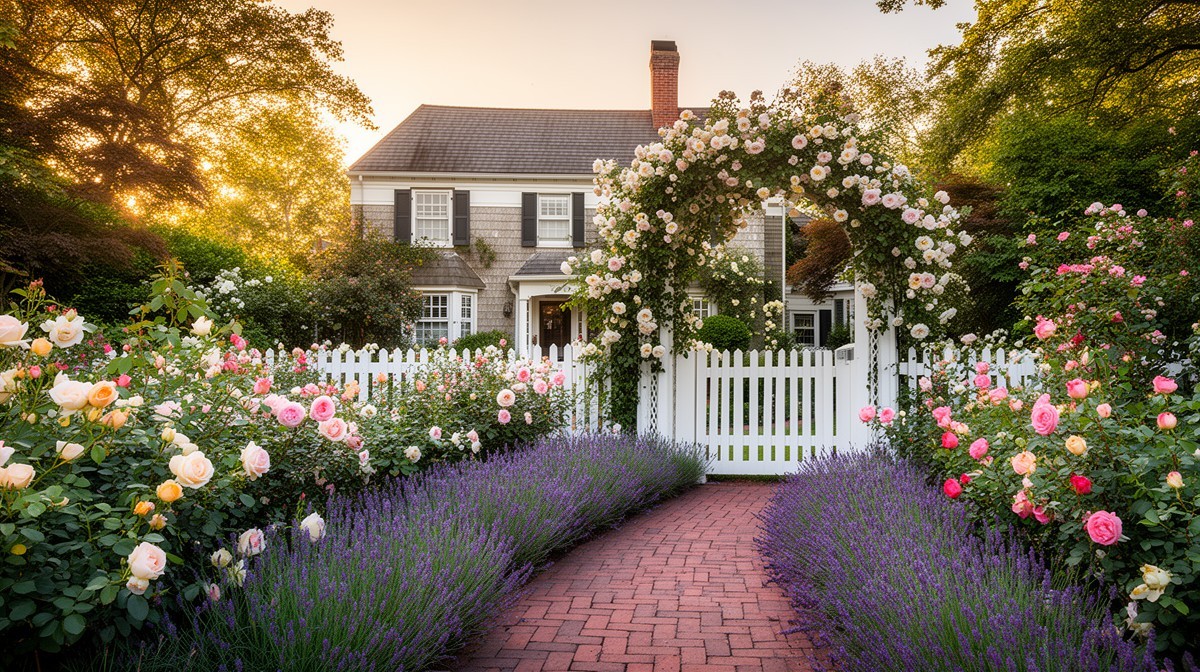
$14–28/sqftA two-story cream clapboard Colonial with brown shutters sits back behind a low white picket fence, and the whole front garden is organized around one gesture: a rose-smothered arbor arching over the gate in pale pink and cream blooms. A straight red clay brick walk runs from the gate to a simple brick stoop and taupe front door, holding the symmetry of the facade. Massed shrub roses in soft pink and white fill the beds on both sides of the fence, a solid ribbon of lavender skirts the pickets at ankle height, and clipped hedging and a red-leaved specimen at the property line frame the picture. It is a design that works on a narrow Paterson lot because it puts every dollar into one arch, one path and two colours.

The Curving Flagstone Cottage Walk
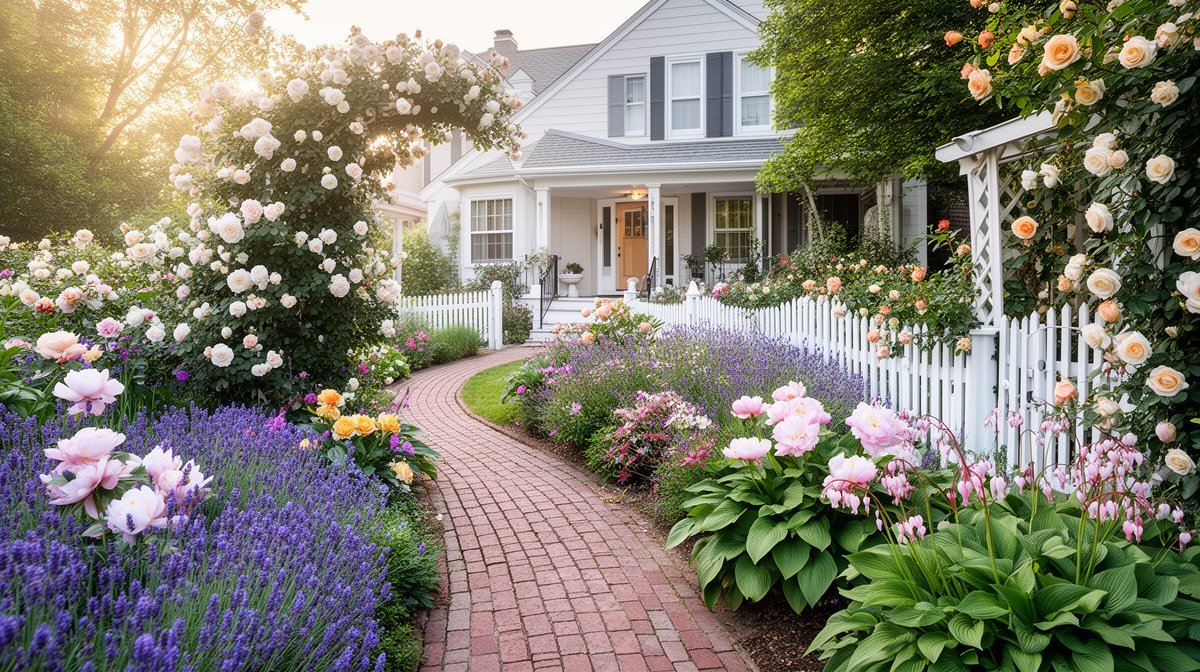
$16–32/sqftA butter-yellow Cape Cod with a white columned porch, a navy front door and overflowing hanging baskets is approached by an irregular flagstone path that curves rather than runs straight — the single move that turns a small front lawn into a garden you walk through instead of past. A white rose arch straddles the path halfway up. On either side the planting is layered by height in the classic cottage way: tall pink and white foxglove spires and yellow hollyhocks at the back, drifts of catmint and purple salvia in the middle, and low ribbons of marigold-orange and pink annuals spilling onto the stone. A mature deciduous tree throws afternoon shade across the right-hand bed, which is exactly where the foxgloves want to be.

The Bistro Terrace Under the Old Maple
$22–42/sqftThe back of a cream clapboard house with sage-green shutters opens onto a square terrace of pale sawn-stone pavers laid in a grid, furnished with nothing more than an ornate white cast-iron bistro table and four chairs. The design's real anchor is the mature shade tree rising out of the lawn beside it — the terrace is deliberately set to one side so the trunk becomes the room's fourth wall. A rose-covered arbor and a white lattice obelisk mark the far corner, stepping stones drift through the grass toward them, and the terrace edges dissolve into a fat drift of lavender in the foreground with Shasta daisies and foxgloves opposite. A clipped hedge closes the boundary, and terracotta pots and a teak bench fill in the quiet corners.

The Rose Pergola and Fountain Lawn
$18–36/sqftA cedar pergola completely draped in pale pink climbing roses shelters a teak dining table for six on a modest brick and paver pad tucked against the house, while the rest of the yard stays open lawn — a smart split for family blocks where the kids still need grass. At the centre of that lawn sits a carved stone pedestal fountain ringed by a circular island bed of low white and pink flowers, giving the eye something to land on and the birds something to use. Deep mixed rose borders run the full length of both side fences in pink, white and cream, threaded with silver artemisia, purple salvia and airy white filler, so the tall board fence disappears behind planting instead of boxing the yard in.
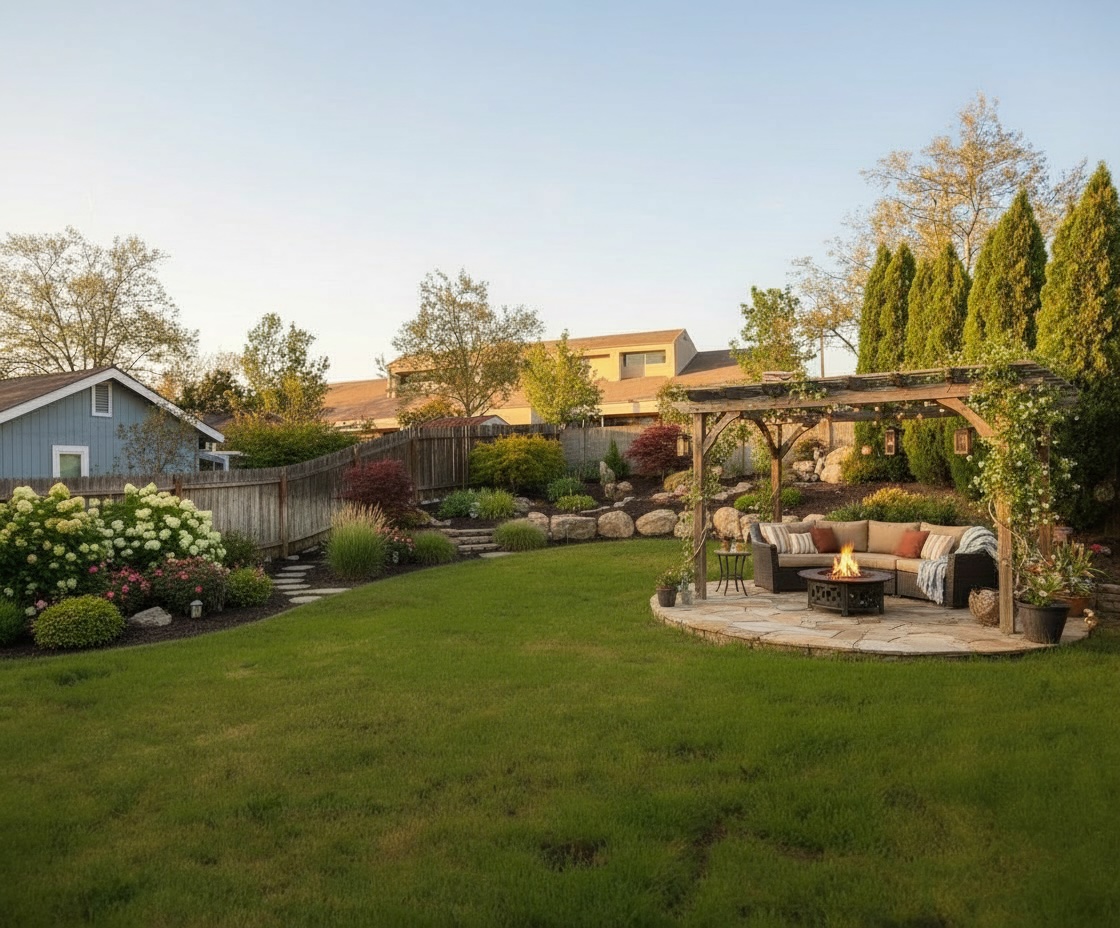
See how a cottage/english garden looks on YOUR property
Upload a photo of your Paterson yard and visualize your dream garden in seconds.
Try ProScapeAI Free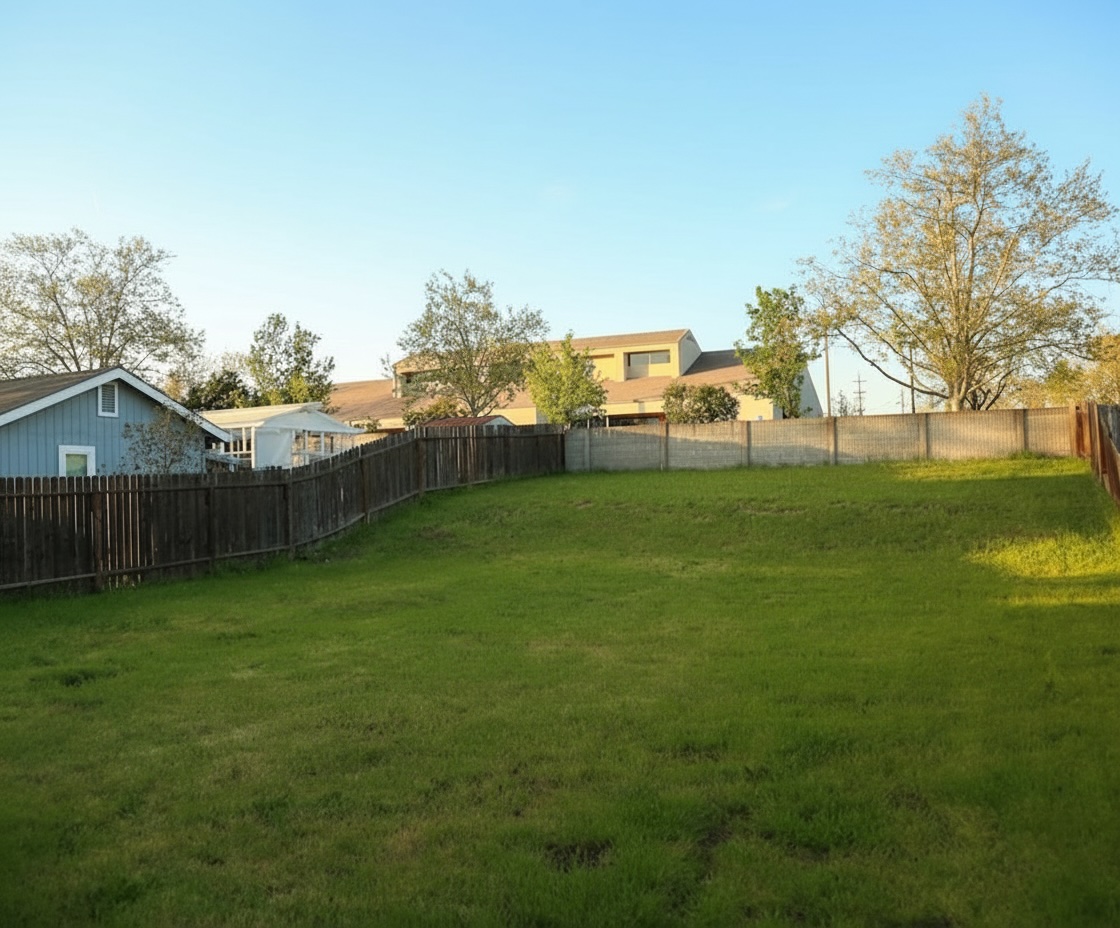
Featured Trees & Shrubs for Cottage/English Gardens
Browse all 181 plants for Paterson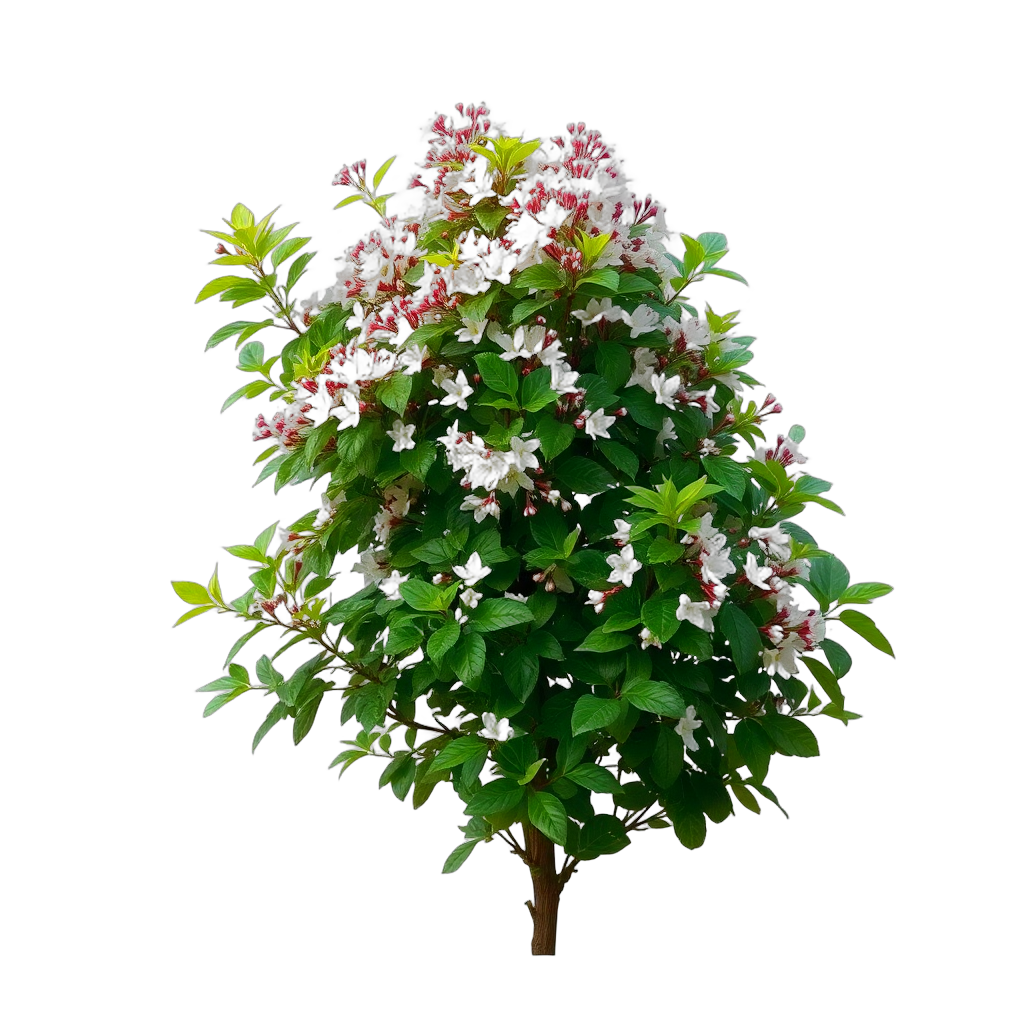
Arrowwood Viburnum
Viburnum dentatum
medium-sized at 10 feet, white blooms in spring. Pollinator-friendly.

Coastal Leucothoe
Leucothoe axillaris
grows to 3 feet, white blooms in spring. Evergreen year-round.
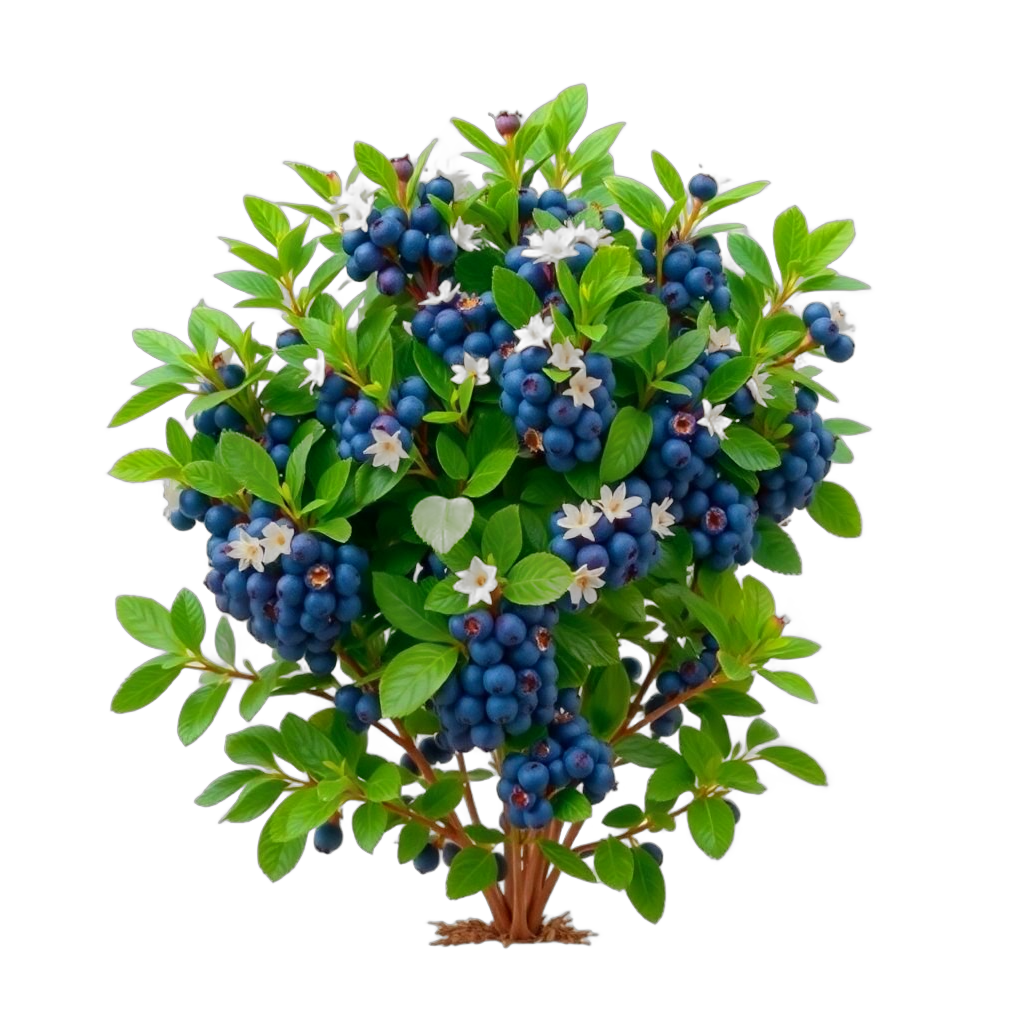
Highbush Blueberry
Vaccinium corymbosum
medium-sized at 7 feet, white blooms in spring. Attracts butterflies.

Inkberry
Ilex glabra
medium-sized at 8 feet, white blooms in spring. Pollinator-friendly.
Featured Grasses & Groundcovers for Cottage/English Gardens
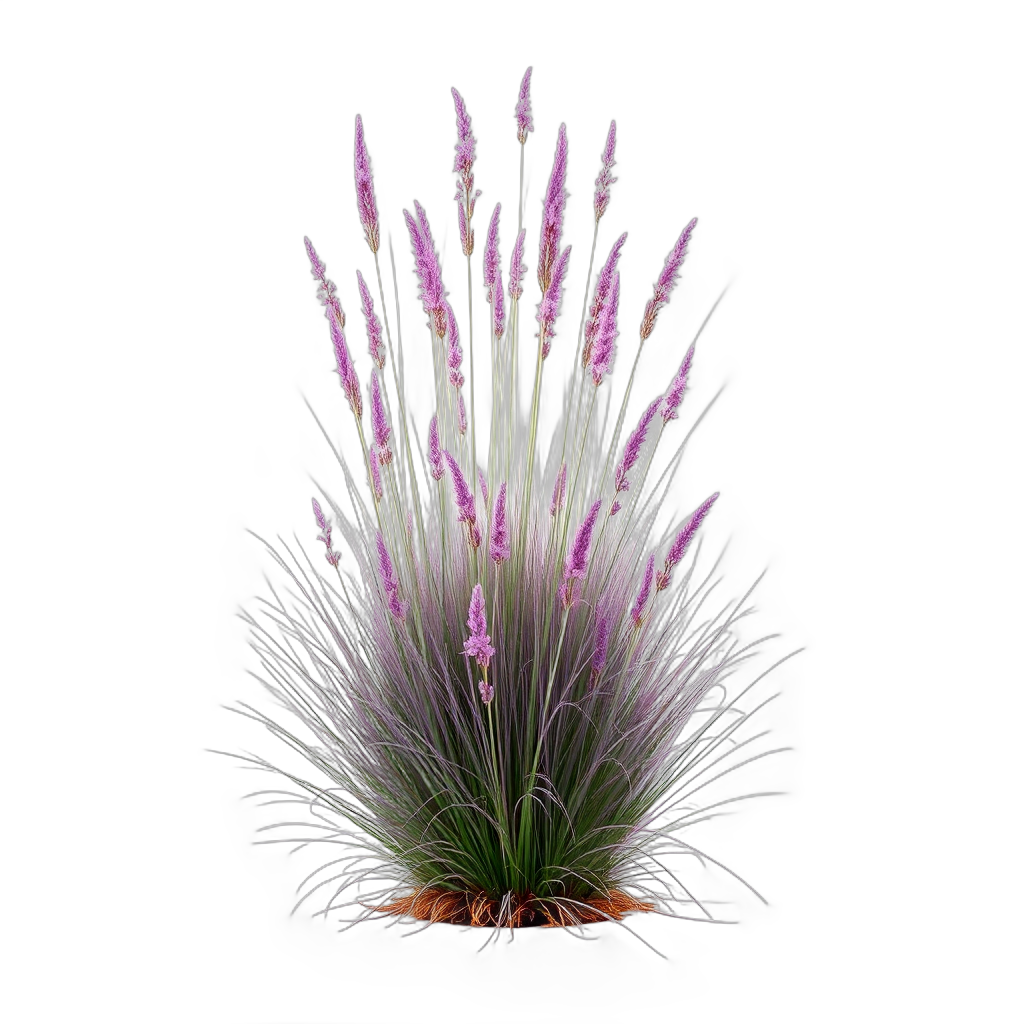
Purple Love Grass
Eragrostis spectabilis
low-growing ground cover, purple blooms in fall. Orange fall color.
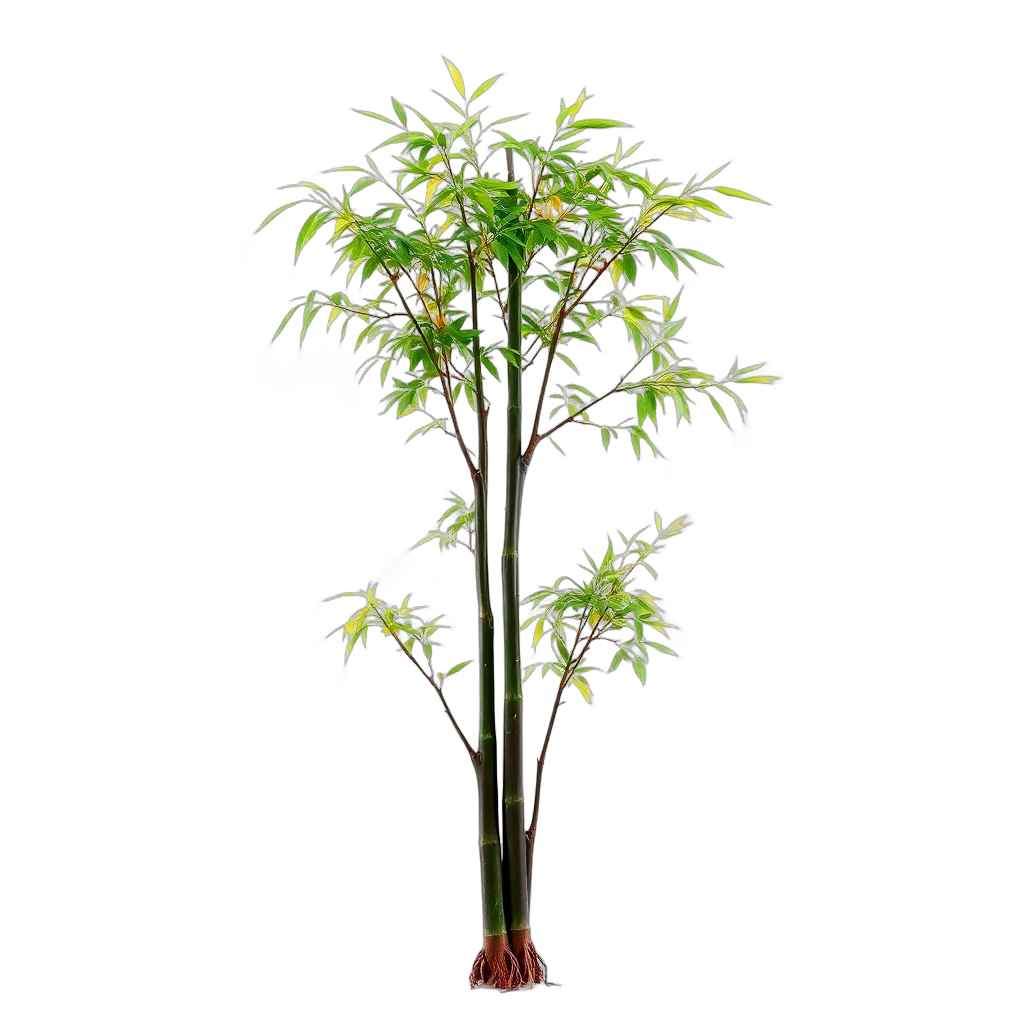
Black Bamboo
Phyllostachys nigra
reaches 25 feet tall, blooms in none. Evergreen year-round.
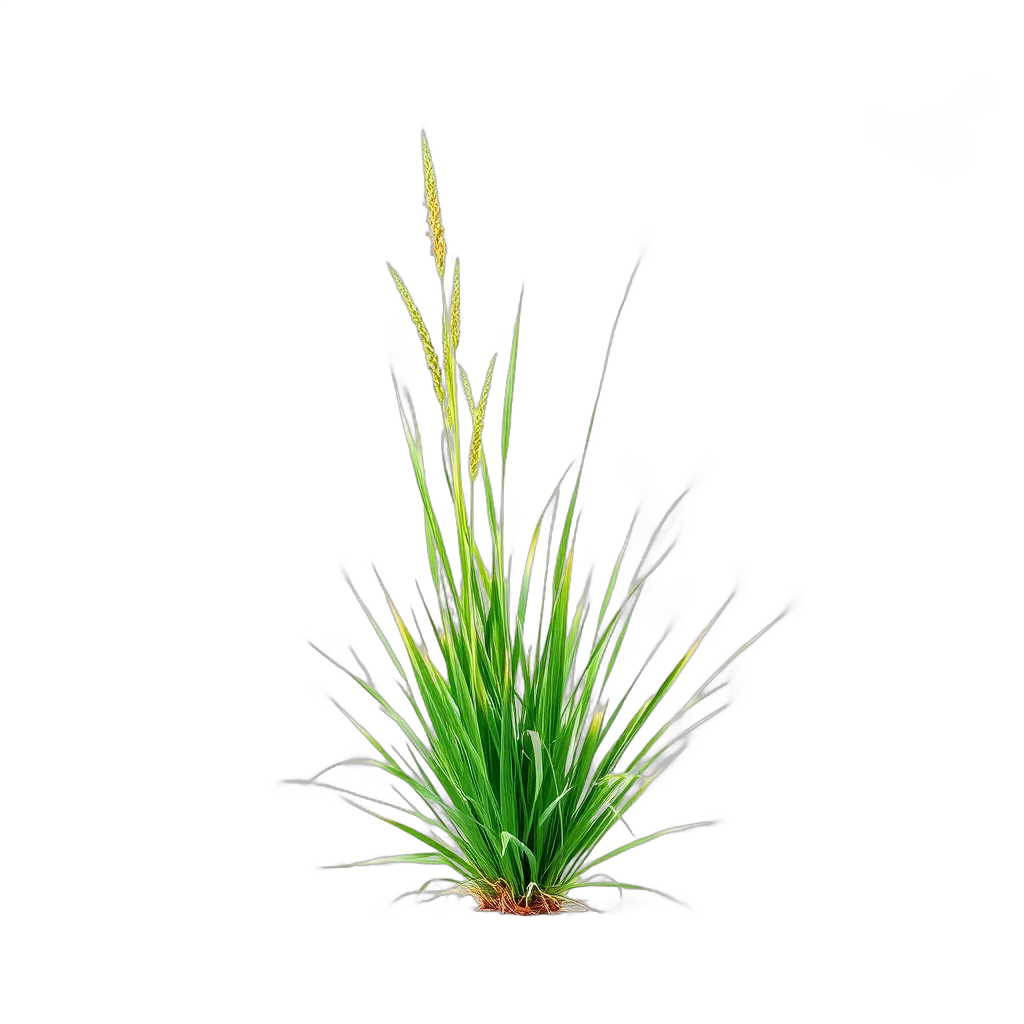
Bull Grass
Muhlenbergia emersleyi
grows to 4 feet, purple blooms in fall. Yellow fall color.
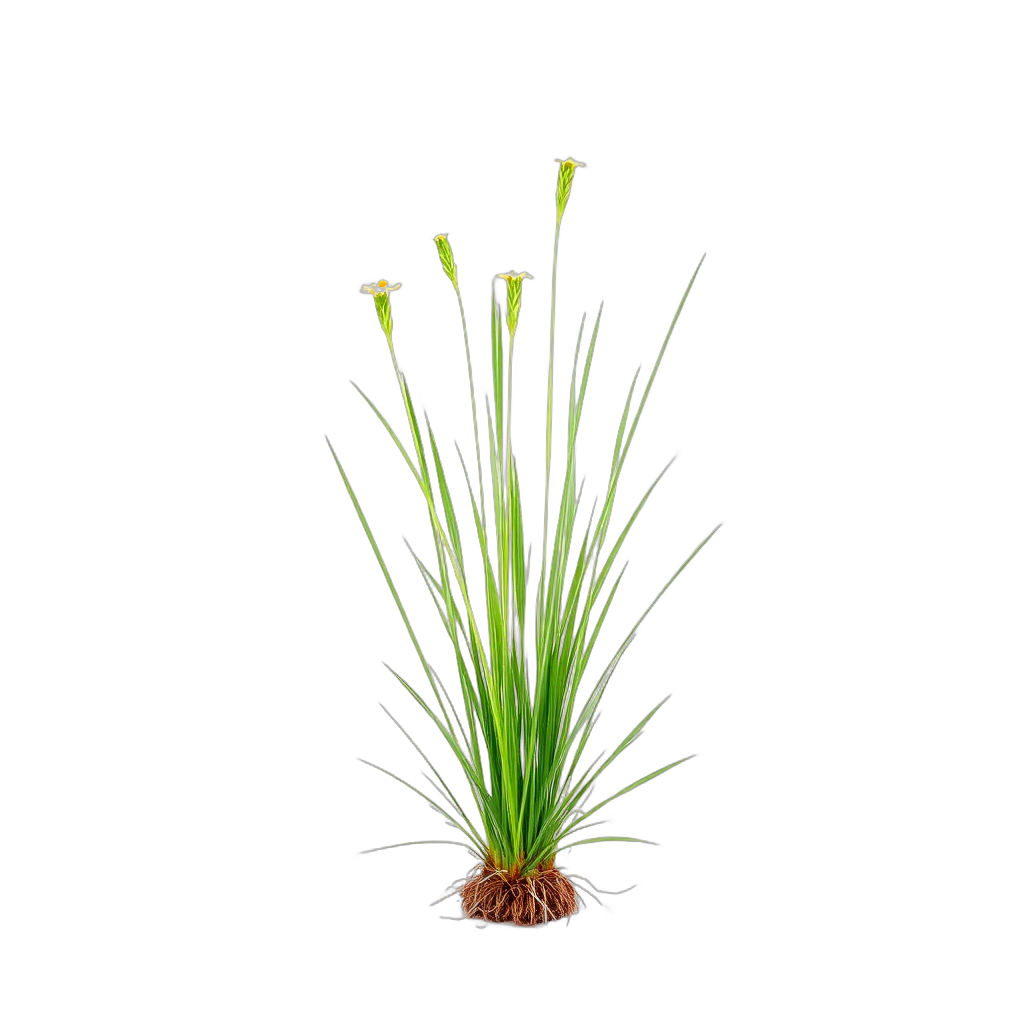
California Melic
Melica californica
low-growing ground cover, blooms in spring.
Featured Flowers & Perennials for Cottage/English Gardens
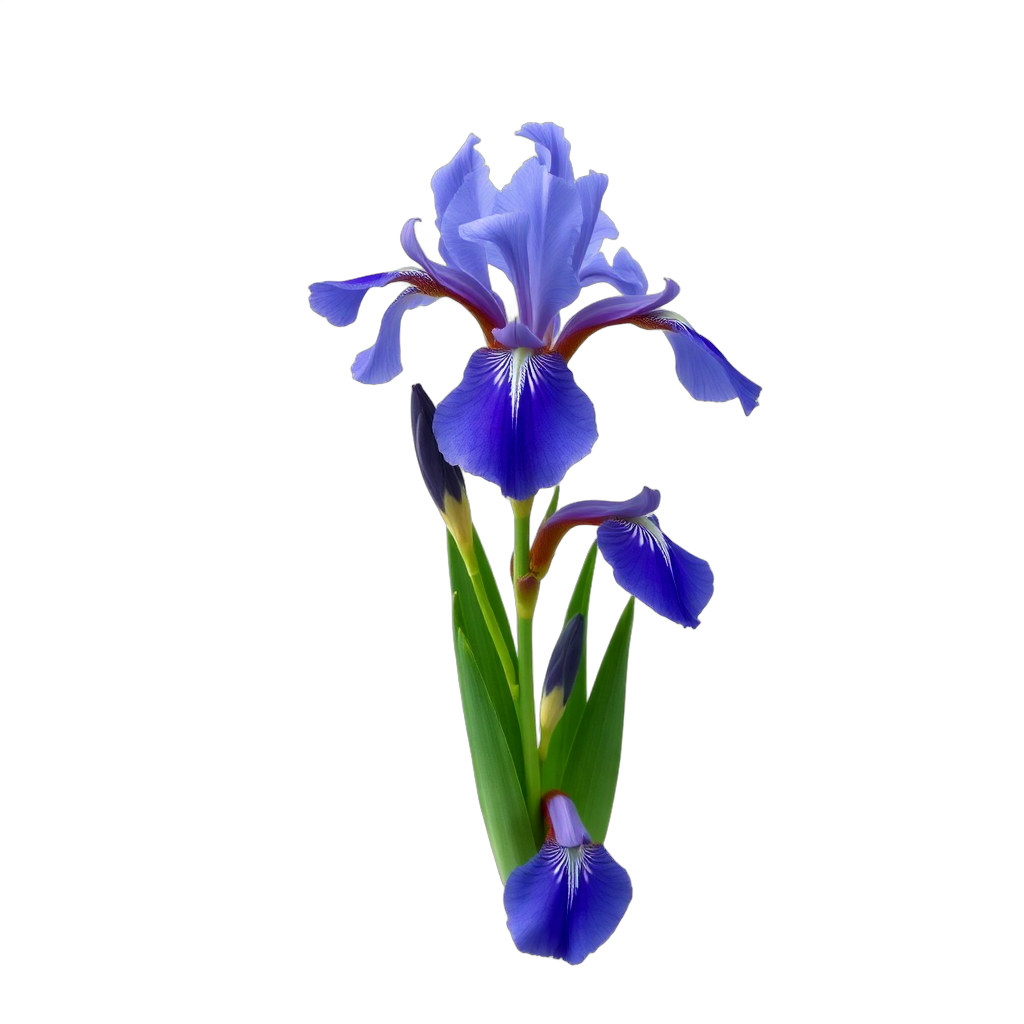
Blue Flag Iris
Iris versicolor
low-growing ground cover, purple blooms in spring. Attracts butterflies.

New York Ironweed
Vernonia noveboracensis
grows to 6 feet, purple blooms in fall. Attracts butterflies.
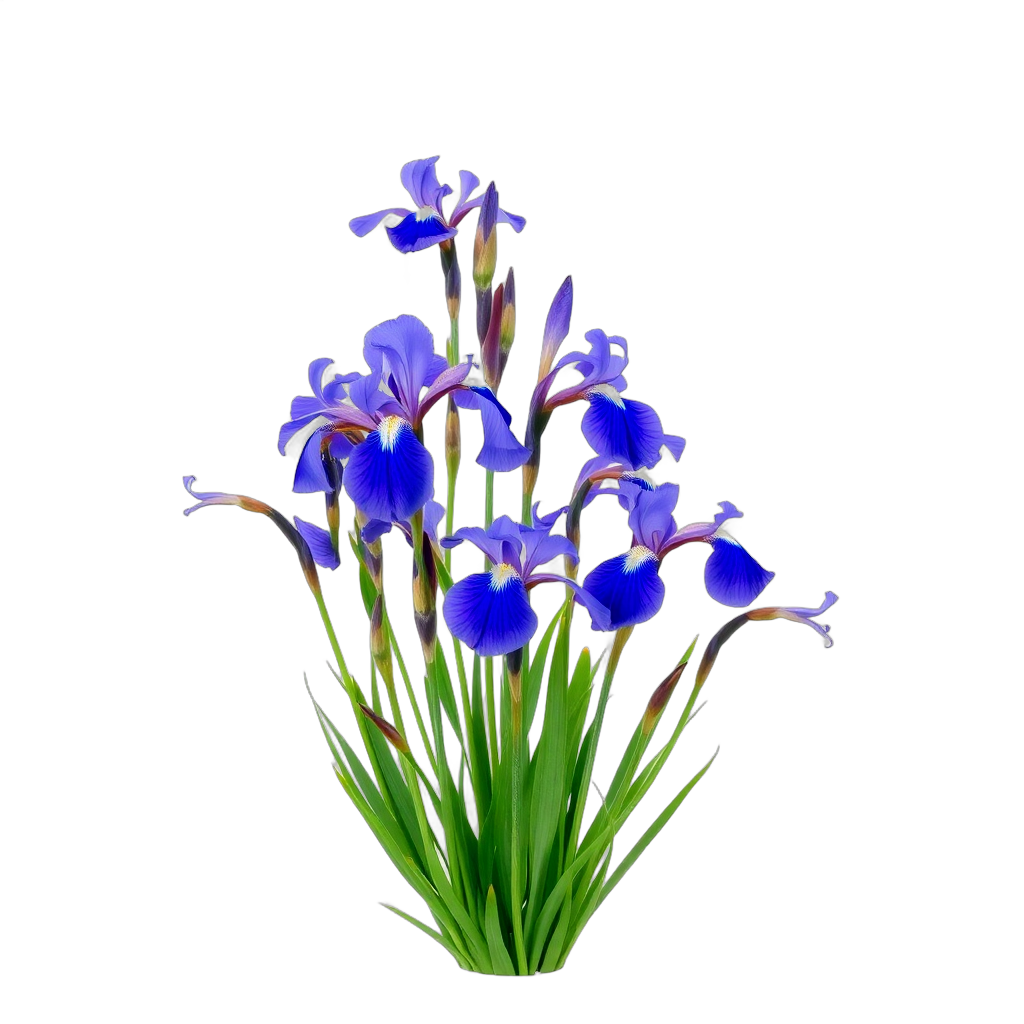
Southern Blue Flag
Iris virginica
low-growing ground cover, blue blooms in spring. Attracts butterflies.

Eastern Prickly Pear
Opuntia humifusa
low-growing ground cover, yellow blooms in summer. Attracts butterflies.
Zone and sun checks come from our database — confirm with your local nursery before you buy.
Bloom Calendar for Paterson
spring
Blue Flag Iris, Southern Blue Flag, Arrowwood Viburnumsummer
Ruby Spice Summersweet, Summersweet, Eastern Prickly Pearfall
New York Ironweed, Purple Love Grasswinter
Limited bloomsDesign Tips for Paterson (Zone 7a)
- Dig a one-foot test hole and fill it with water before you buy anything — Paterson runs from fast traprock loam on the Garret Mountain side to red shale clay and urban fill near the Passaic, and the same rose bed detail will not work on both
- Build beds UP, not down: six to ten inches of compost-and-coarse-sand berm above grade is the single cheapest fix for the compacted mill-city subsoil, and it is what makes Lavandula × intermedia 'Phenomenal' and the grey-leaved plants survive a 48-inch rain year
- Give roses three feet of air on all sides and a morning-sun exposure so foliage dries by nine o'clock — humid Paterson Julys make air circulation a more effective blackspot control than any spray schedule
- Lime the lavender and rose beds toward pH 6.8–7.2 on a soil test; North Jersey soils sit at 5.5–6.5 and that gap alone kills more lavender here than any winter
- Plant woody stock between mid-September and early November so it roots through the mild wet winter — a rose or a Buxus 'Green Velvet' planted in October is a full season ahead of the same plant put in next May
- Use tall spires against the house and low mounds at the path edge: Alcea rosea and Digitalis purpurea at the back, Nepeta racemosa 'Walker's Low' and Lavandula 'Hidcote' spilling over the stone is what makes a twelve-foot Paterson front garden read as deep
- On the low blocks near the river, design the wet spot as a feature instead of draining it — Itea virginica 'Henry's Garnet', Clethra alnifolia 'Ruby Spice' and Iris versicolor give you the cottage look, take flood water, and keep runoff out of the combined sewer
- Set every pergola and arbor post on a footing below the 36-inch northern New Jersey frost line; frost heave is what tips a rose arbor sideways by its third winter
Where to Source Plants in Paterson
Skip the big-box stores. These independent Paterson nurseries specialize in the plants that make cottage/english gardens thrive in Zone 7a.
Goffle Brook Farms & Garden Center
Ridgewood / Goffle Road (about 4 miles north of downtown Paterson)
Family-run farm and garden center with a deep annual, perennial, herb and grass bench, plus Jonathan Green and Bonide lawn and soil products for Zone 7a
Rohsler's Allendale Nursery & Florist
Allendale (northern Bergen County, about 12 miles from Paterson)
Fifth-generation family nursery growing since 1913; strong on roses, hydrangeas, boxwood, dogwood and its own field-grown 'Rohsler's Grown' shrub stock
Metropolitan Plant & Flower Exchange
Paramus (Route 17 North, about 8 miles east of Paterson)
Large independent plant exchange with four North Jersey locations; excellent for roses, container stock and flowering specimens for small city front gardens
Condurso's Garden Center
Montville (Morris County, about 13 miles west of Paterson)
Independent garden center established in 1929; trees, shrubs, annuals and perennials plus bulk mulch, soil and stone for bed building
Cottage/English Landscaping Costs in Paterson
| Project Scope | Estimated Cost |
|---|---|
| Front-yard cottage bed conversion (turf removal, soil rebuild, 60–90 plants) | $6,500 – $16,000 |
| Brick or bluestone front walk (100–150 sqft, installed) | $5,000 – $12,000 |
| Cedar picket fence with rose arbor gate | $60 – $110 per linear foot |
| Backyard bluestone or paver terrace (250–400 sqft) | $14,000 – $32,000 |
| Cedar rose pergola, 12 x 14 ft, on frost-depth footings | $9,000 – $22,000 |
| Rain garden and downspout disconnect on a city lot | $2,500 – $7,500 |
| AI visualization with ProScapeAI | Free to start |
Estimates based on Paterson, NJ-area contractor rates as of 2026. Actual costs vary by site conditions, materials, and contractor.
Paterson Climate & Growing Zone
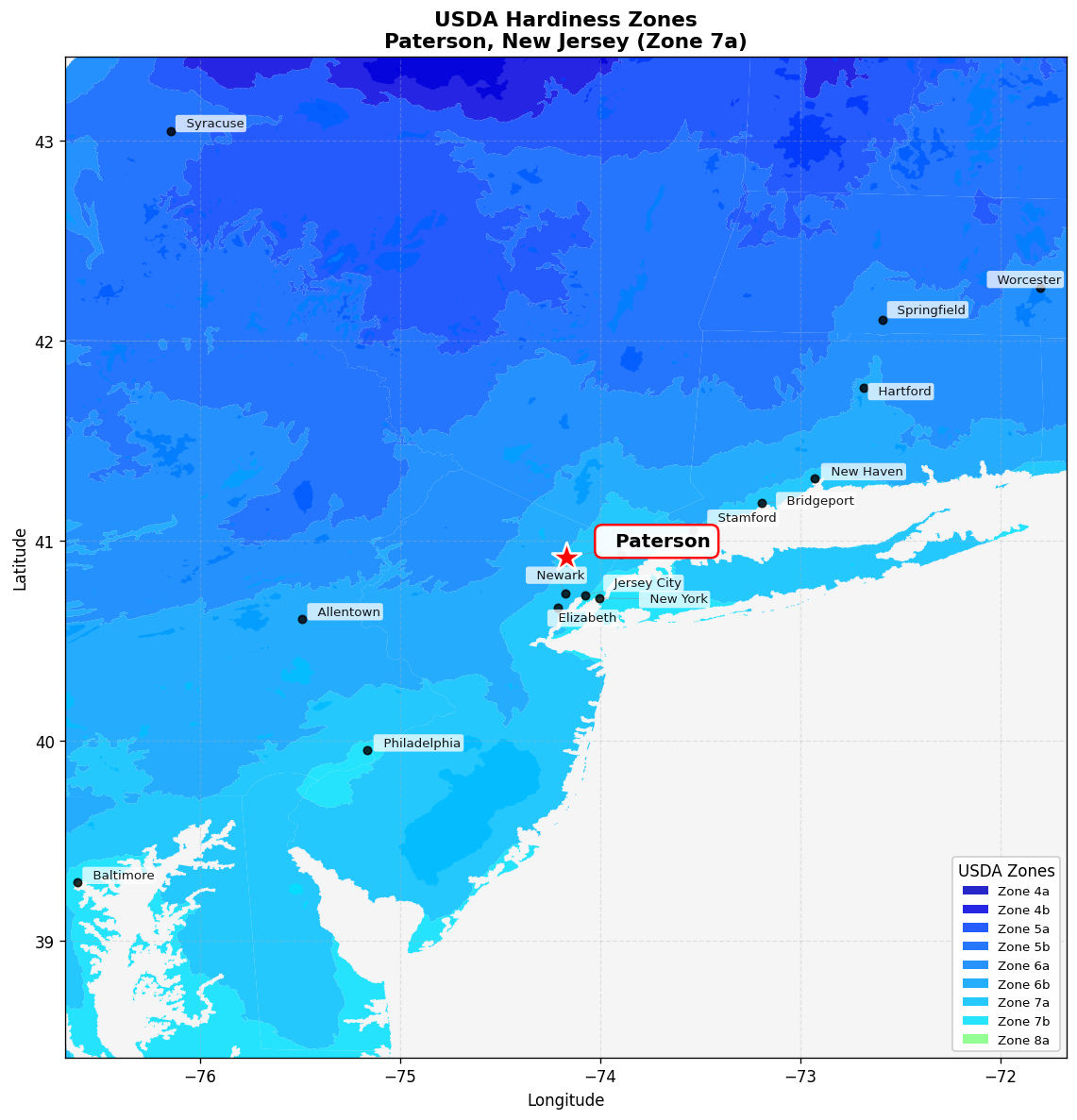
USDA Zone 7a
Hardiness zone for Paterson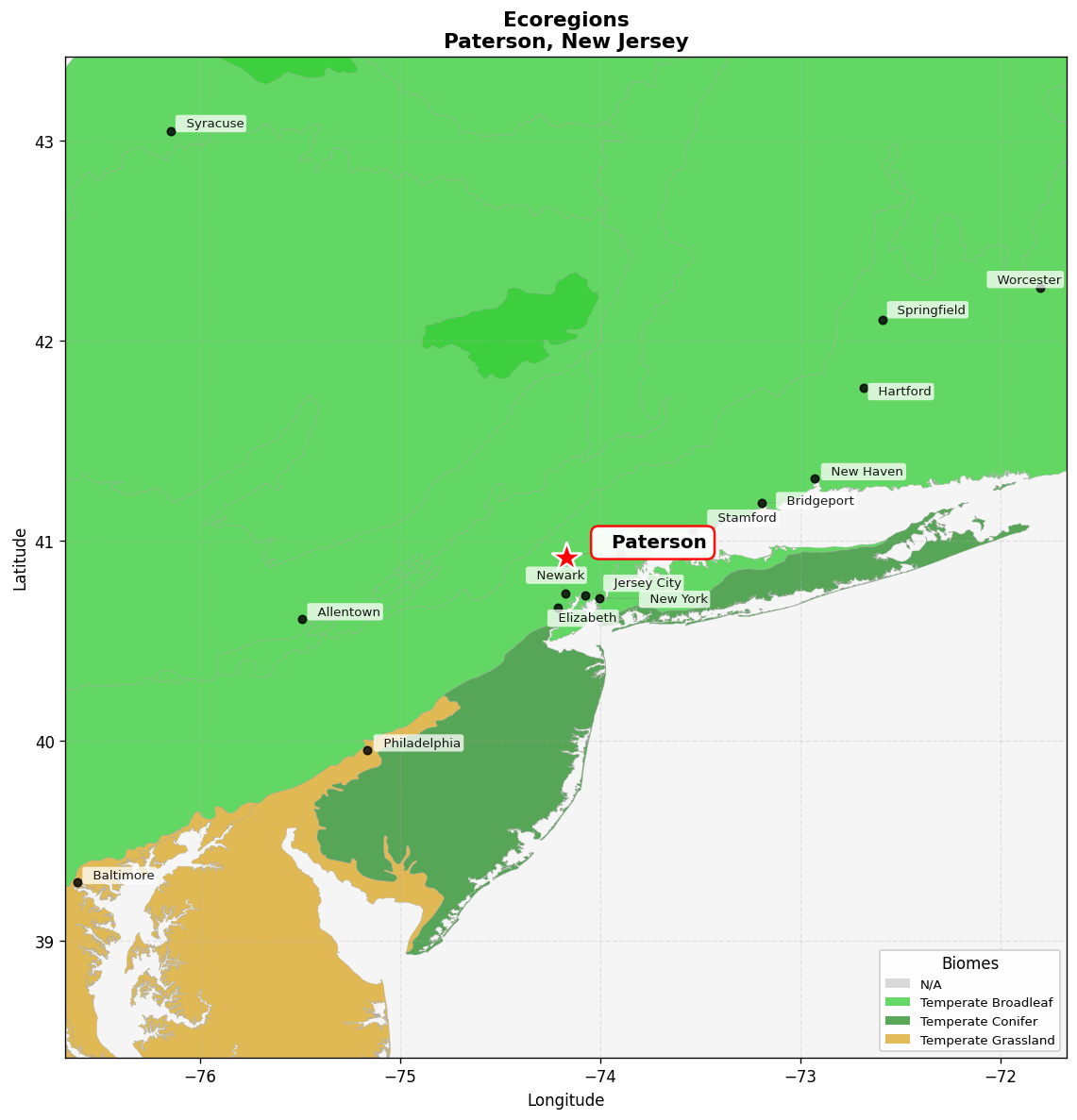
Northeast US Coastal forests
Native ecoregionFrequently Asked Questions
How much does a cottage garden cost in Paterson, NJ?
North Jersey installation labour runs 15–25% above the national average, so budget accordingly. A full front-yard cottage conversion on a typical Paterson 25-by-100 lot — turf removal, soil rebuilding, a brick or bluestone walk, a cedar picket fence and 60 to 90 plants — lands between $12,000 and $30,000 installed. Beds and plants alone, keeping the existing walk, run $6,500 to $16,000. A rose arbor over a gate is $1,200 to $3,500 built in cedar. A back terrace of 250 to 400 square feet in bluestone runs $14,000 to $32,000. Doing the planting yourself and hiring out only the hardscape typically cuts 30–40% off the total, and buying Rosa 'Bonica' and Lavandula angustifolia 'Hidcote' in one-gallon sizes rather than three-gallon halves the plant bill for a one-season wait.
Which roses actually survive Paterson winters and summers?
Zone 7a cold is not the problem — 0–5°F is comfortable for most modern roses. Paterson's roughly 48 inches of annual rain and humid July nights are, because they mean blackspot. Choose disease-resistant, own-root or hardy-grafted varieties: Rosa 'New Dawn' and 'Zephirine Drouhin' for arbors, Rosa 'Bonica', Rosa 'The Fairy' and 'Olivia Rose Austin' for borders, and the Knock Out series where you want colour with no spraying. Plant with at least three feet of air between shrubs, give them a spot with morning sun so the leaves dry early, and set any grafted rose with the graft union two inches below finished grade for winter insurance. Skip fussy grafted hybrid teas unless you enjoy fungicide schedules.
What do I do about Paterson's clay, fill and flooding?
Test first: dig a hole one foot deep, fill it with water, and see how long it takes to drain. On the Garret Mountain side of the city the traprock loam drains in under an hour and needs nothing. On the Passaic side, glacial till and red shale clay mixed with a century of urban fill can hold water for a day. On those lots build beds UP six to ten inches with compost and coarse sand rather than digging a hole that becomes a bathtub. For the low blocks in Riverside, Bunker Hill and the Northside that took water during Irene in 2011 and Ida in 2021, design a rain garden instead of fighting it — Itea virginica 'Henry's Garnet', Clethra alnifolia 'Ruby Spice', Iris versicolor and Carex pensylvanica look thoroughly English and tolerate 48 hours of standing water.
When is the best time to plant in Paterson?
Paterson's last spring frost falls around April 15 and the first fall frost around October 25, roughly a 195-day season. Mid-September through early November is the best planting window of the year: soil is still warm, autumn rain does the watering, and shrubs and roses root all winter to hit May established. Mid-April through May is the second window and the right time for perennials like Nepeta racemosa 'Walker's Low' and Salvia nemorosa 'Caradonna'. Sow Digitalis purpurea and Alcea rosea seed in late summer for bloom the following June. Avoid planting in July and August, when 85°F afternoons and humidity make establishment a daily watering chore. Hardscape can be built March through December; only the concrete pours need consistent 40°F-plus days.
Will lavender really grow in Paterson, or will it rot?
It grows, but only if you fix two things. First drainage: lavender dies of wet winter feet in North Jersey, never of cold. Raise the bed six to eight inches and cut a third of the volume with coarse sand or fine gravel, then mulch the crown with grit rather than shredded bark. Second pH: Paterson soils run acidic at roughly 5.5 to 6.5 and lavender wants 6.8 to 7.2, so a lime correction based on a soil test is not optional. Choose Lavandula × intermedia 'Phenomenal' first — it was bred for exactly this humid, cold-winter Mid-Atlantic combination — with Lavandula angustifolia 'Hidcote' and 'Munstead' as the compact edging options. Prune by one third in early spring, never into old wood.
Are there rules I should check before starting a Paterson landscape project?
Planting, mulching and bed building need nothing from anyone. Fences, retaining walls, decks, pools and anything with a footing do fall under City of Paterson zoning and construction review, and thresholds vary — confirm your specific scope with the city before you order materials rather than after. If your house sits in the Great Falls Historic District or the Eastside Park Historic District, exterior changes visible from the street may also go before historic preservation review, so start that conversation early in the design rather than at installation. Statewide, New Jersey's fertilizer law bans lawn fertilizer applications from November 15 to March 1 and restricts phosphorus without a soil test, and the state has moved to restrict nursery sales of Japanese barberry, burning bush and Callery pear.
How do I keep deer out of a cottage garden on the Garret Mountain side?
Deer pressure is real on the western and northern edges of Paterson near Garret Mountain Reservation and up into Hillcrest and the Bergen County border blocks, and roses, hostas and daylilies are the first things eaten. Build the backbone from plants deer reliably skip: Nepeta racemosa 'Walker's Low', Lavandula × intermedia 'Phenomenal', Salvia nemorosa 'Caradonna', Digitalis purpurea, Allium 'Millenium', Achillea 'Moonshine' and Buxus 'Green Velvet'. That palette alone is 80% of a convincing English border. Then protect the roses specifically, either with a discreet four-foot black mesh fence behind the picket line or with a rotation of two different repellents sprayed every three to four weeks from April through October.