4 Cottage Garden Ideas for Newark, NJ | Northeast Cottage Gardens in Zone 7a
Native plants from the Northeast US Coastal forests (Zone 7a) — Humid continental (hot summer) climate
Why Cottage/English Gardens in Newark?
Newark occupies a significant place in the Northeast US Coastal Forests ecoregion—Zone 7a—where the urban heat island effect of the New York metropolitan area pushes the effective growing zone to 7a–8a in many Newark locations. The city is closer in climate to Brooklyn than to inland northern New Jersey, and the combination of the metro area’s retained heat, proximity to Newark Bay, and the urban fabric’s thermal mass creates growing conditions that support plants a full zone warmer than the surrounding suburban landscape. Newark cottage gardens benefit from this urban warmth: gardenias, camellias in protected locations, and other Zone 7–8 plants succeed in sheltered Newark microclimates.
Newark’s cottage garden tradition is concentrated in neighborhoods like Forest Hill, the North Ward, and the Vailsburg area—established residential communities where Victorian, Craftsman, and Dutch Colonial homes on lots of 4,000–8,000 square feet have maintained garden traditions for generations. The city’s strong immigrant community heritage—particularly its Portuguese, Brazilian, and Latino communities—has contributed vibrant container gardening and patio garden traditions that enrich the cottage aesthetic with diverse cultural plant choices. Newark’s urban density means that most cottage gardens are small—typically front and back yards of 1,500–3,500 square feet—which puts a premium on design intensity: every plant and every square foot must contribute to the cottage atmosphere.
The primary advantages of Newark cottage gardening are the long outdoor season (average last frost March 28, first frost November 11—228 frost-free days), the urban heat island’s warming effect that extends both ends of the season, and the New York metropolitan area’s extraordinary plant availability—Newark is surrounded by some of the best specialty nurseries in the country. Challenges include small lot sizes that limit scale, the urban soil’s frequent compaction and contamination history requiring amendment or raised bed strategies, and the summer heat and humidity common to the NYC metro area.
4 Cottage/English Design Ideas for Newark
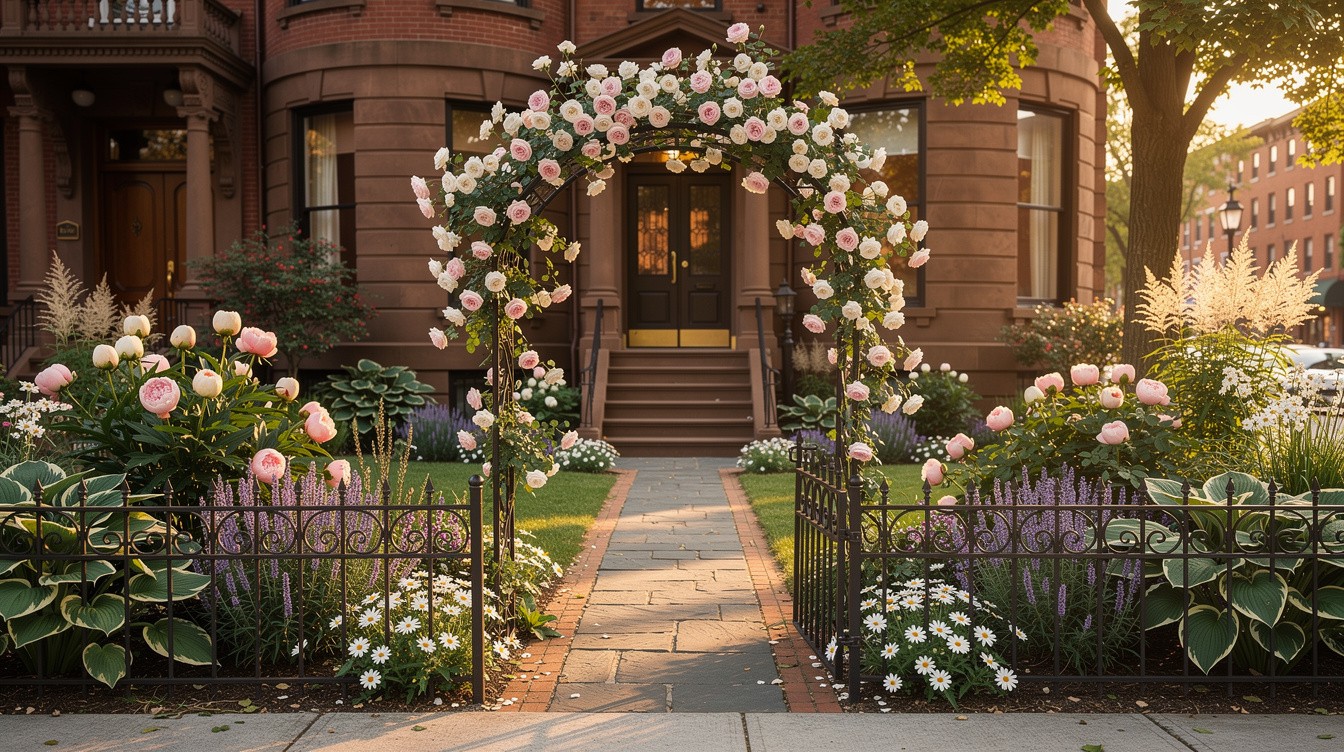
Urban Victorian Entry with Climbing Rose and Perennial Borders
$14—32/sqftA bluestone or brick path to a Newark Victorian brownstone or row house front door is framed by an iron rose arch—appropriate to the neighborhood’s Victorian heritage—with 'New Dawn' or 'Climbing Iceberg' rose covering the structure with bloom from May through October. The narrow front yard—typically 8–15 feet deep—is intensely planted with cottage staples: peonies, catmint, and Shasta daisies in the sunny sections; hostas and astilbe in shade. Every square foot contributes to the cottage abundance that makes small urban front yards feel generous. A low wrought iron fence creates the traditional Newark boundary between public sidewalk and private garden.
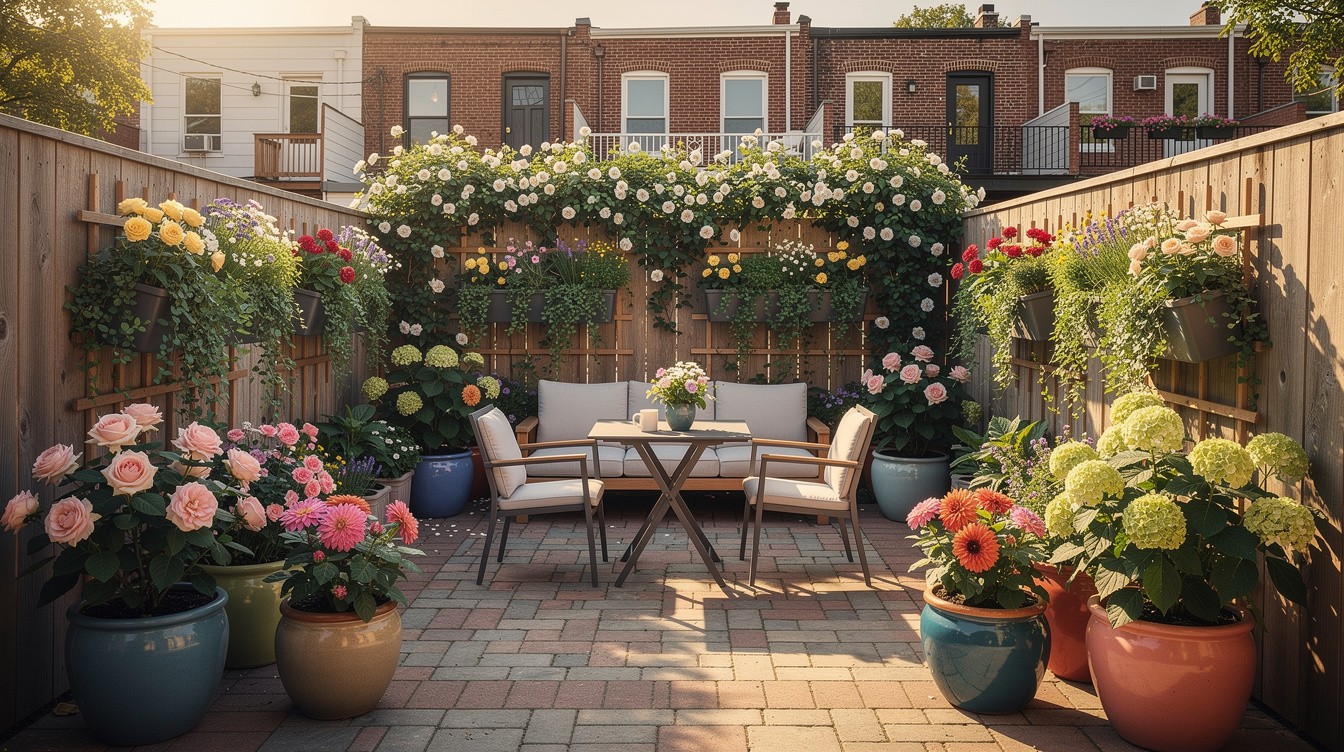
Patio Cottage Garden with Container Plants and Climbing Vines
$12—28/sqftNewark’s urban lots—many with small rear yards of 400–1,200 square feet—are transformed by intensive container gardening and climbing vine coverage that creates cottage abundance in minimal space. Large glazed pots hold roses, dahlias started in April, and standard hydrangeas; wall-mounted planters fill fence surfaces with trailing cottage plants. Clematis and roses climb the rear fence and any available trellis surface. The paved surface—brick, bluestone, or concrete tile—is the primary outdoor living space; the planting exists in containers and climbers that bring the garden to the eye level of anyone sitting in this urban room. This approach turns a small Newark backyard into a genuine cottage garden destination.
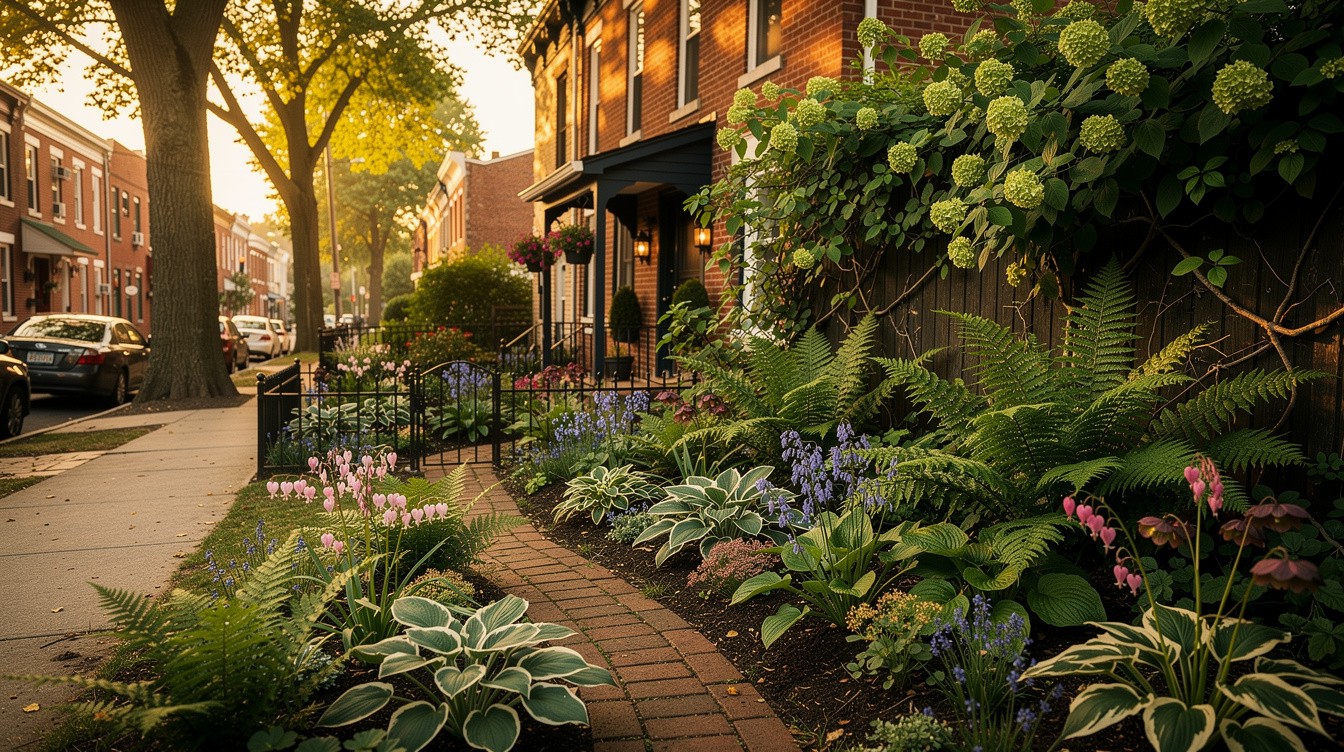
Shade Cottage with Hostas and Native Ferns
$12—26/sqftNewark’s urban shade—created by buildings, row houses, and mature street trees—provides ideal conditions for a richly layered shade cottage garden. Native ferns, hostas, astilbe, and hellebores fill the shaded ground plane beneath climbing hydrangea on the north-facing fence. Virginia bluebells provide spectacular April blue bloom; bleeding heart adds pink in May. The shade cottage is Newark’s most practical urban design—many city lots receive minimal direct sun, and this design celebrates rather than fights the shade condition. The intensely planted, richly textured shade border creates the romantic cottage atmosphere even in deep urban shade that would defeat sun-dependent cottage approaches.
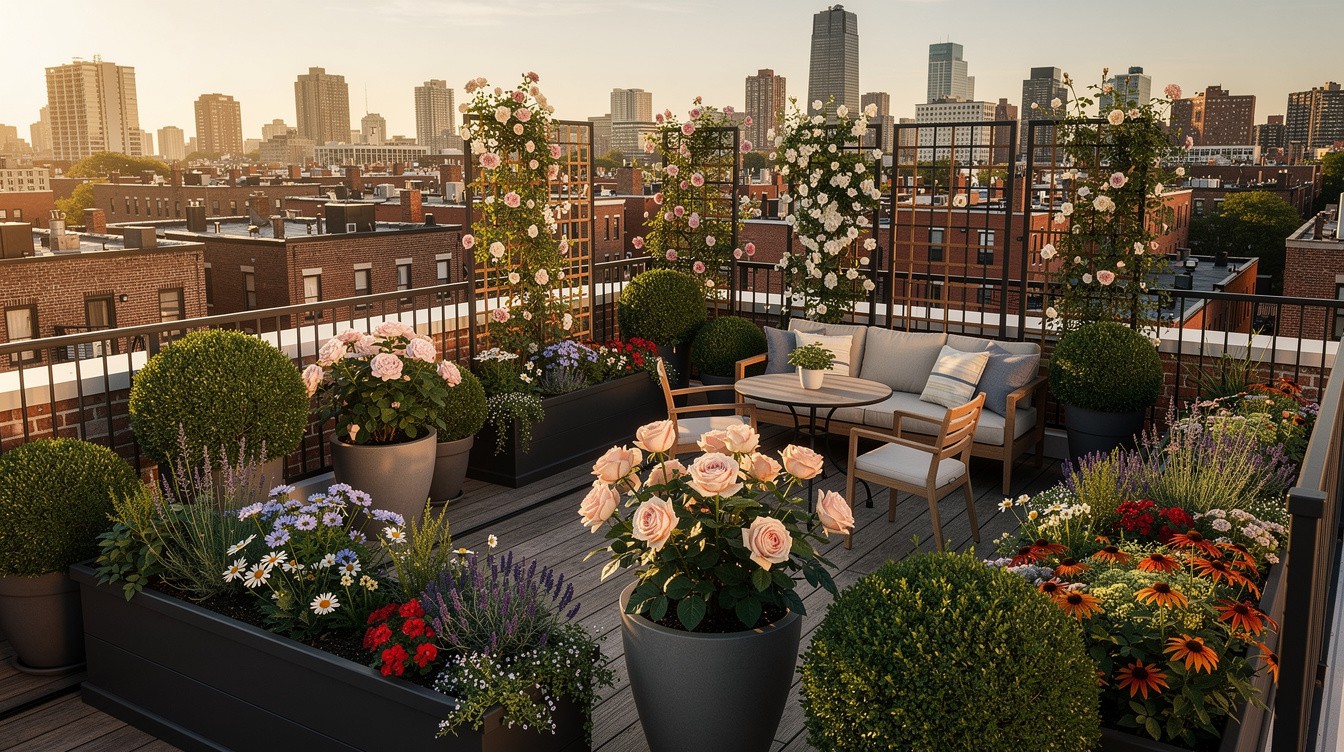
Rooftop or Deck Cottage Garden
$18—45/sqftNewark’s urban density creates opportunities for elevated cottage gardens—rooftop terraces or second-story decks—that combine city views with the intimate cottage garden atmosphere. Large structural containers hold specimen roses, hydrangeas, and climbing plants on trellis panels. Boxwood and compact evergreens in containers provide year-round structure. Raised planting troughs along the perimeter hold cottage annuals and perennials. The urban heat island extends the effective growing season on rooftops—reflecting surface heat warms the root environment beyond ground-level temperatures, and Newark’s Zone 7a rooftop containers can overwinter Zone 8 plants with protection. Container irrigation and drainage management are the primary technical considerations.
See how a cottage/english garden looks on YOUR property
Upload a photo of your Newark yard and visualize your dream garden in seconds.
Try ProScapeAI Free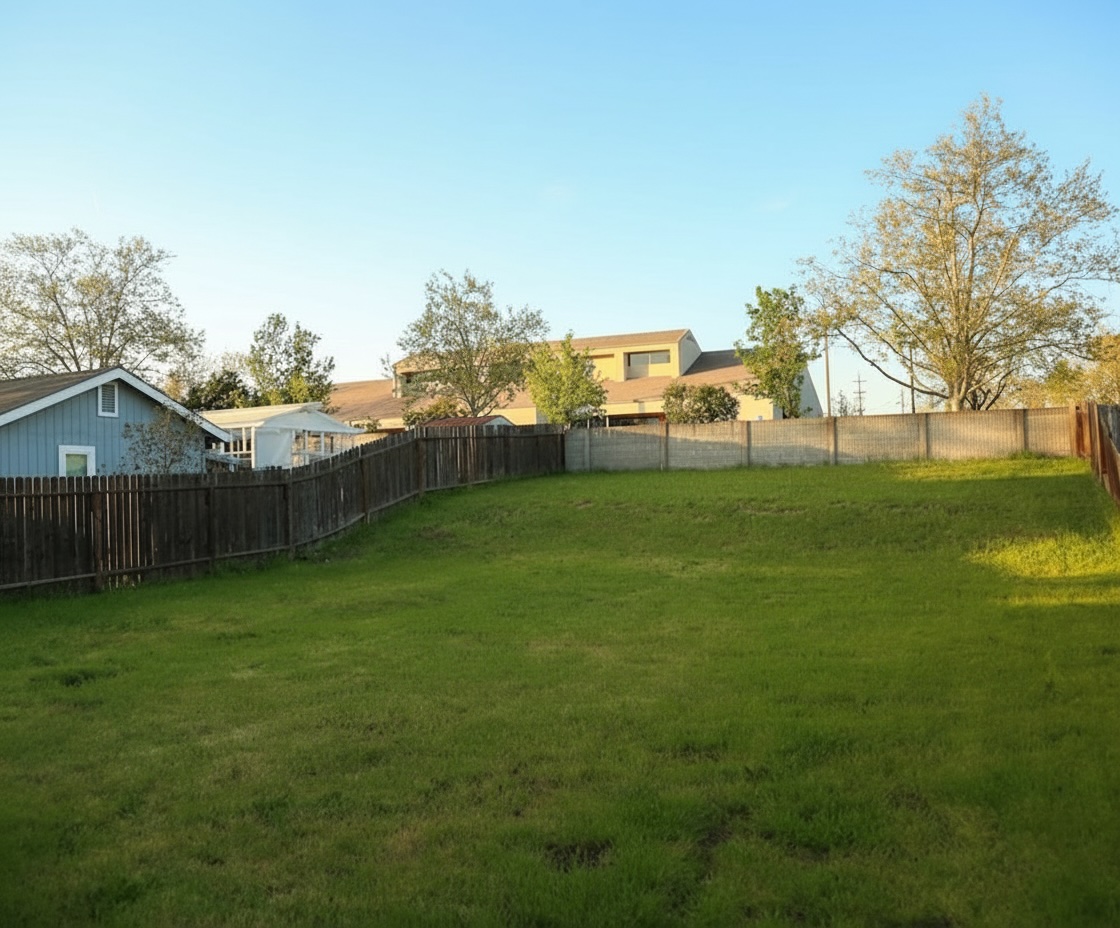
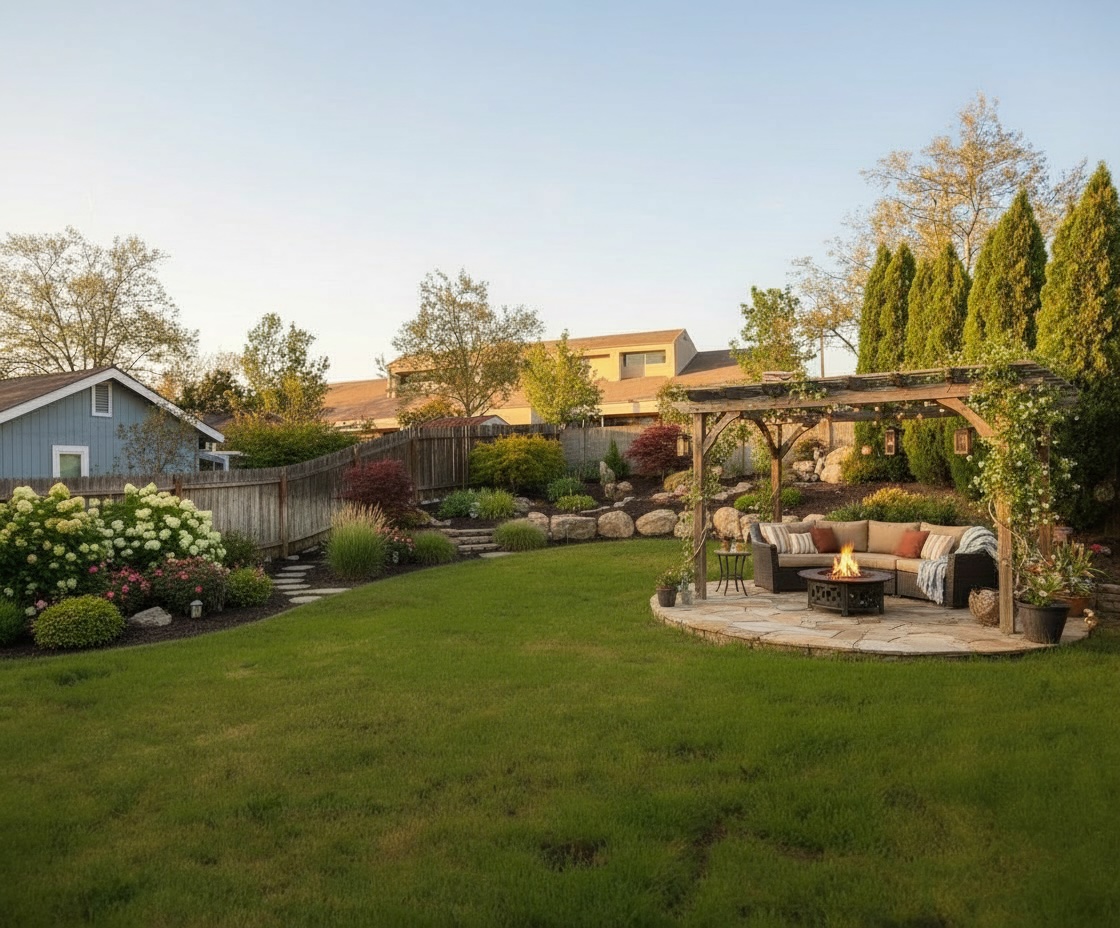
Featured Trees & Shrubs for Cottage/English Gardens
Browse all 181 plants for Newark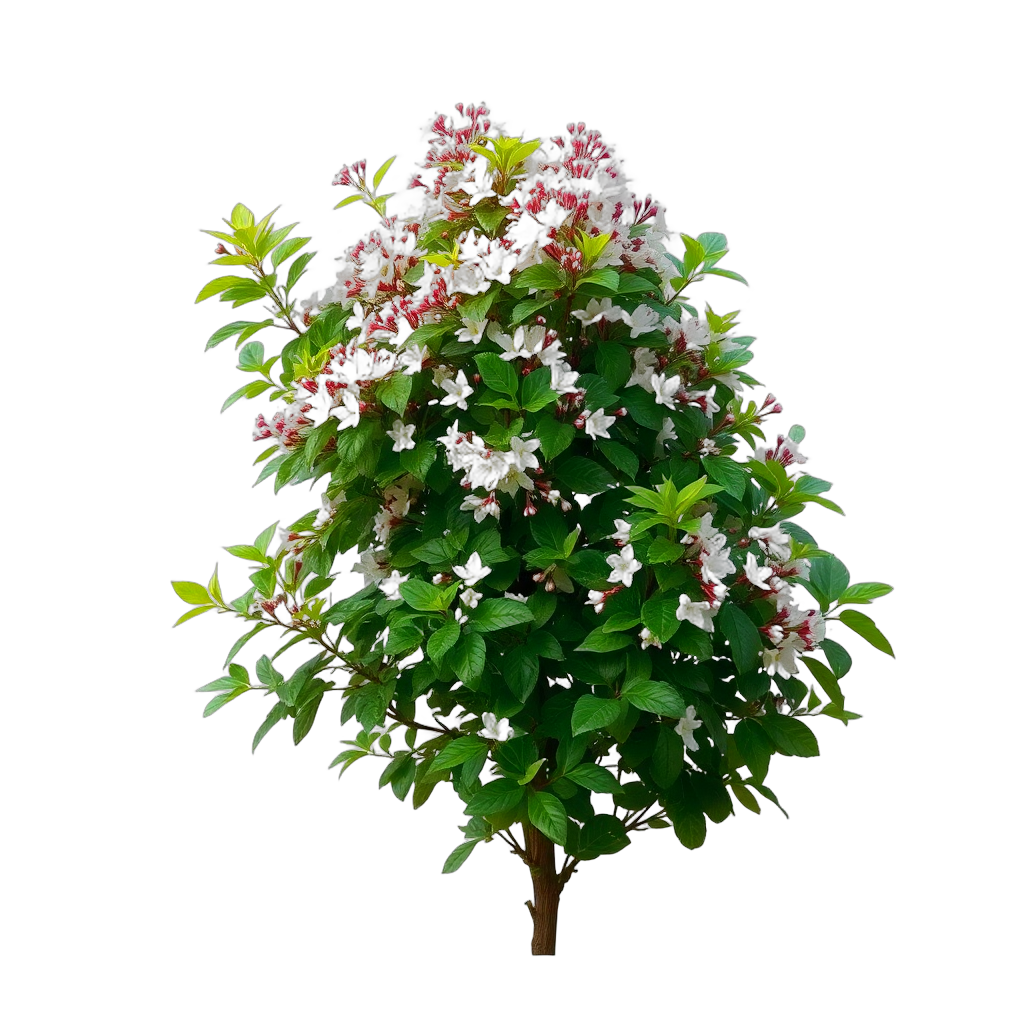
Arrowwood Viburnum
Viburnum dentatum
medium-sized at 10 feet, white blooms in spring. Pollinator-friendly.

Coastal Leucothoe
Leucothoe axillaris
grows to 3 feet, white blooms in spring. Evergreen year-round.

Highbush Blueberry
Vaccinium corymbosum
medium-sized at 7 feet, white blooms in spring. Attracts butterflies.

Inkberry
Ilex glabra
medium-sized at 8 feet, white blooms in spring. Pollinator-friendly.
Featured Grasses & Groundcovers for Cottage/English Gardens
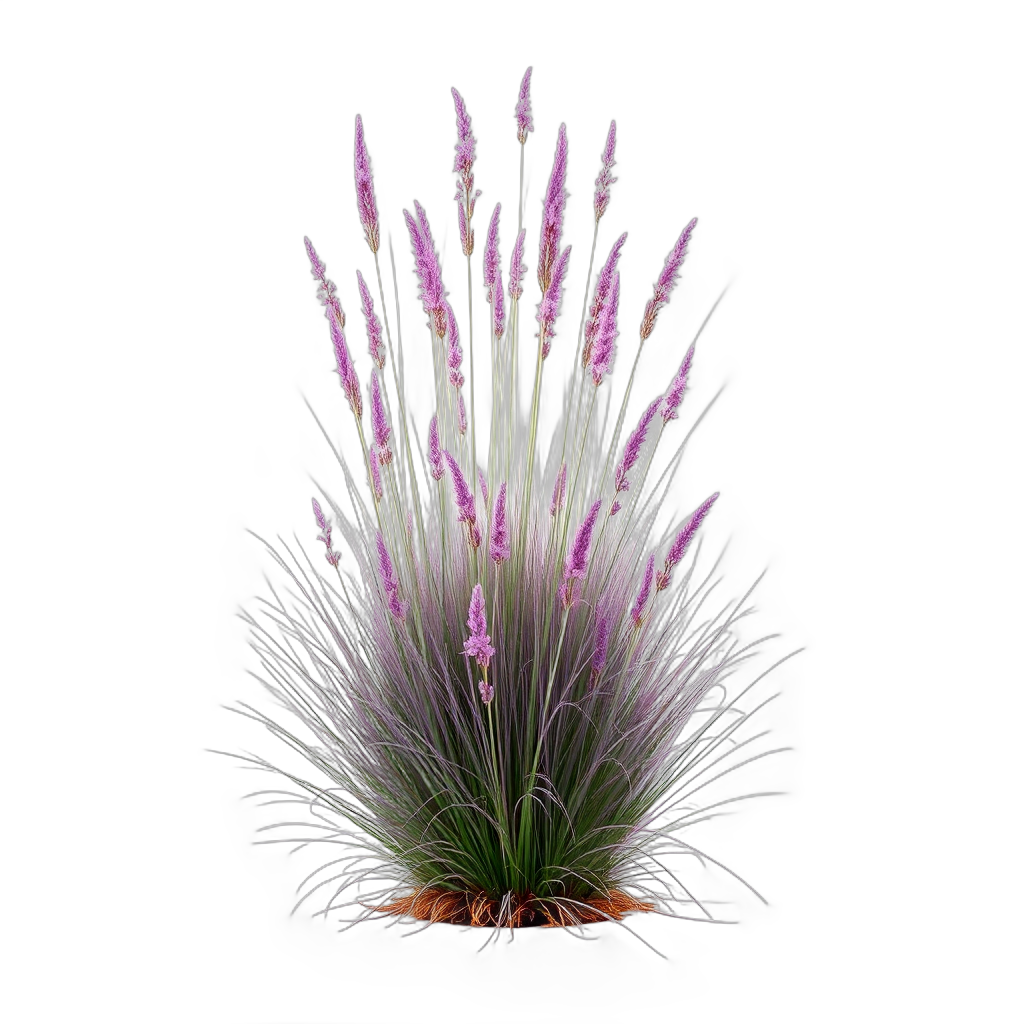
Purple Love Grass
Eragrostis spectabilis
low-growing ground cover, purple blooms in fall. Orange fall color.
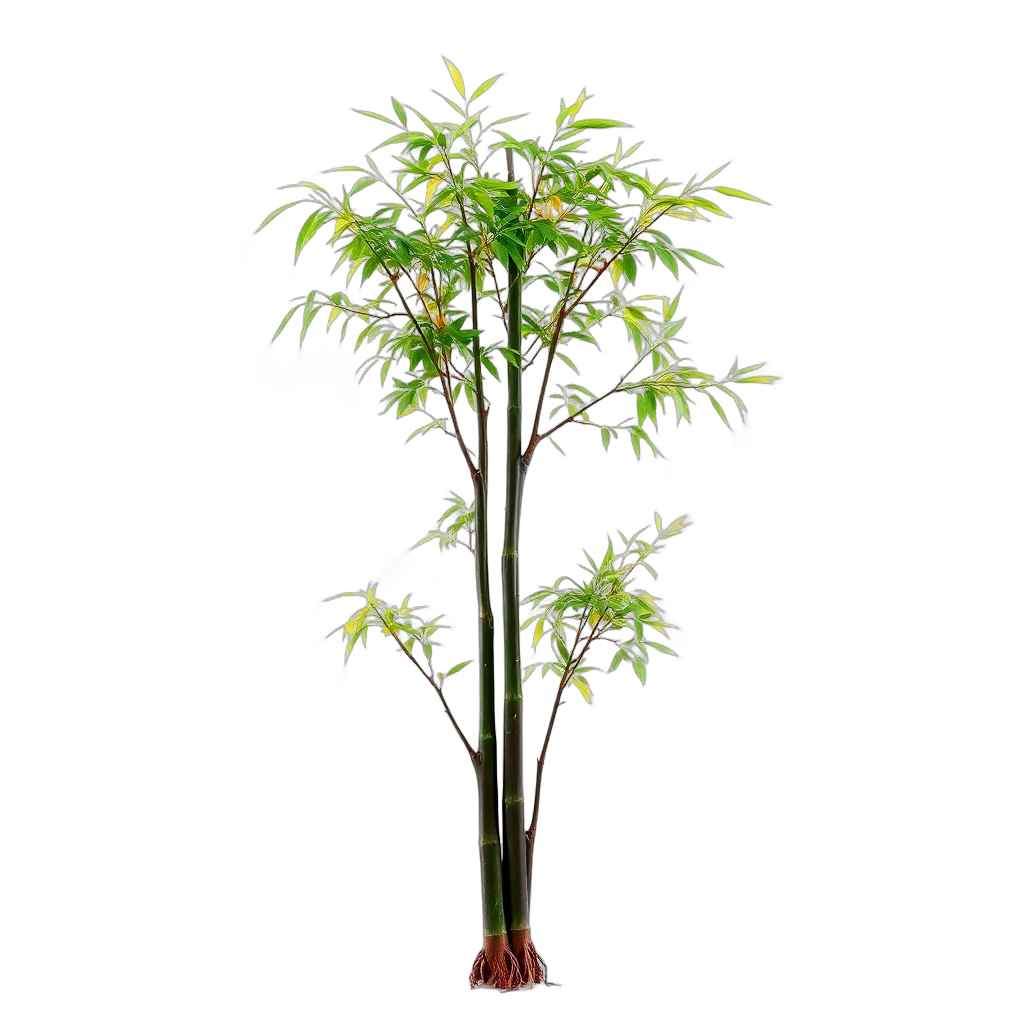
Black Bamboo
Phyllostachys nigra
reaches 25 feet tall, blooms in none. Evergreen year-round.
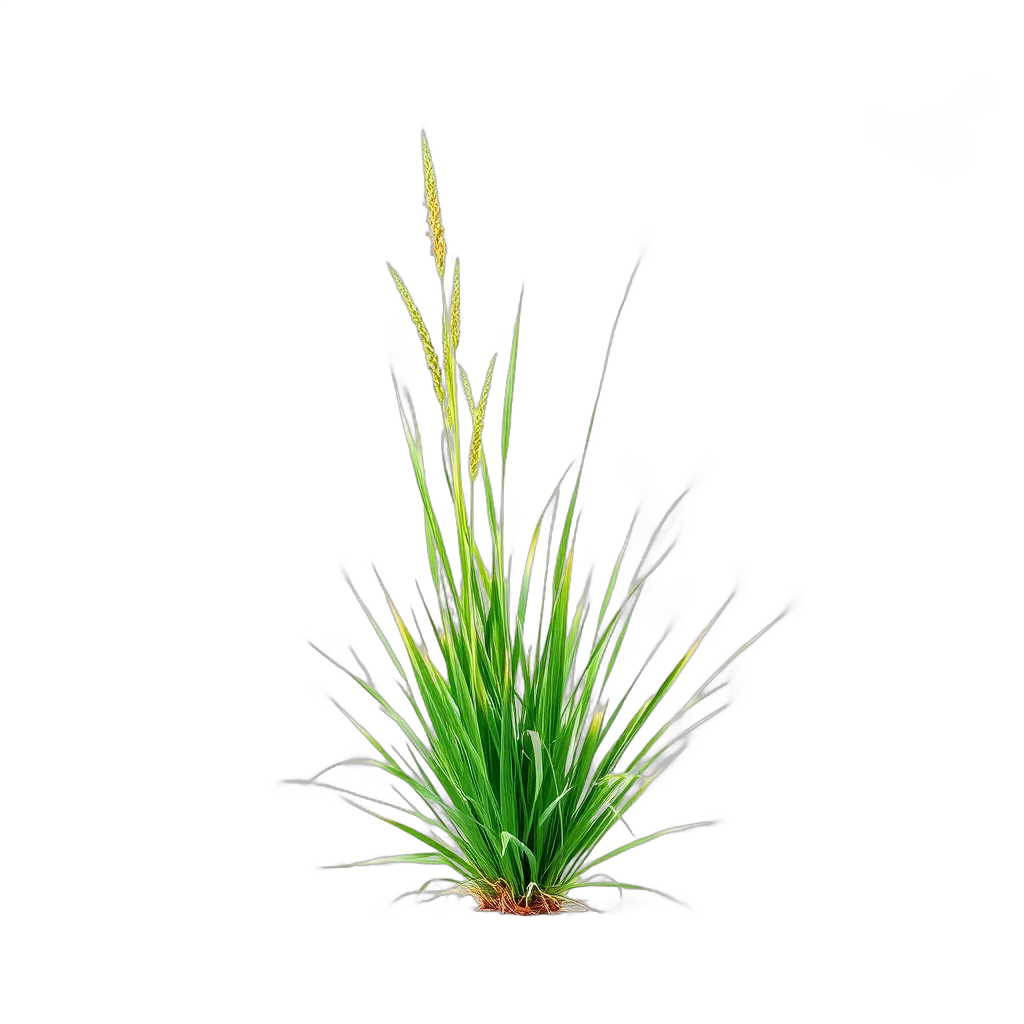
Bull Grass
Muhlenbergia emersleyi
grows to 4 feet, purple blooms in fall. Yellow fall color.
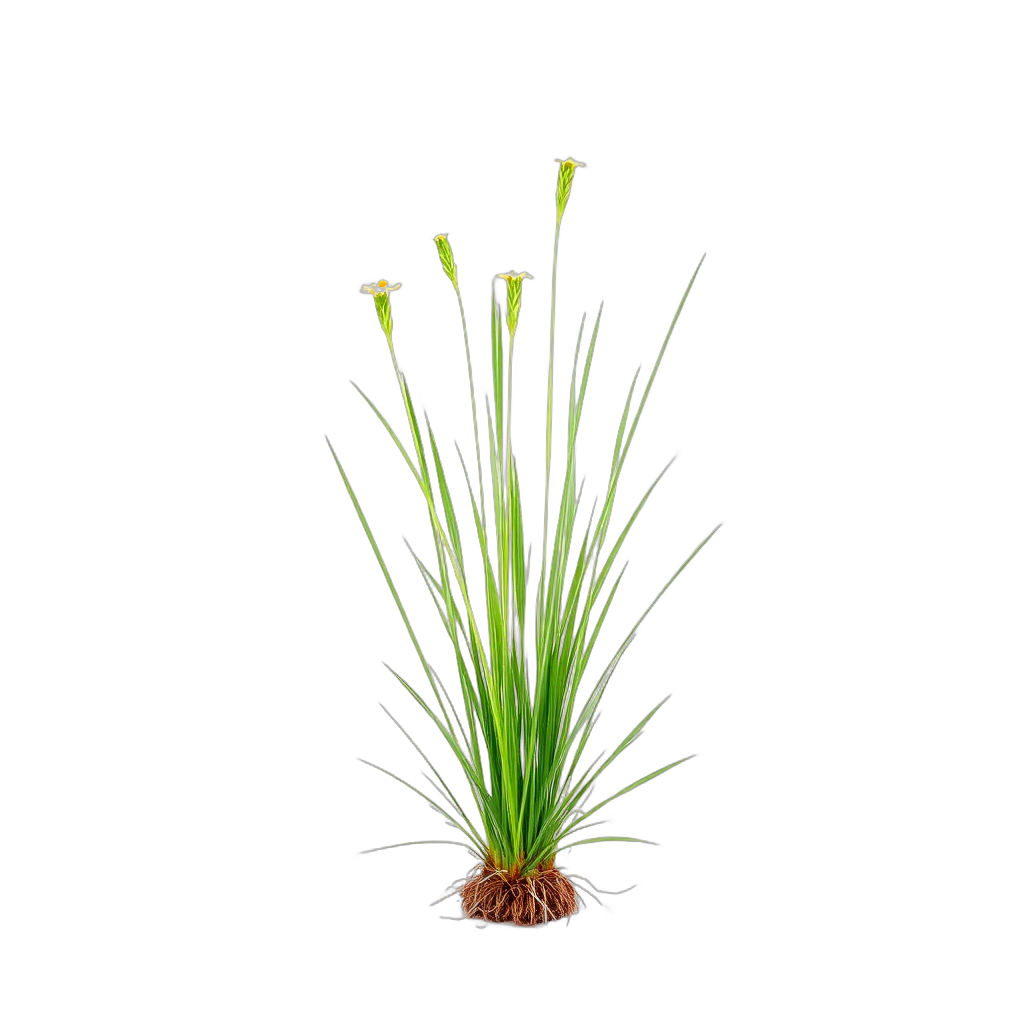
California Melic
Melica californica
low-growing ground cover, blooms in spring.
Featured Flowers & Perennials for Cottage/English Gardens
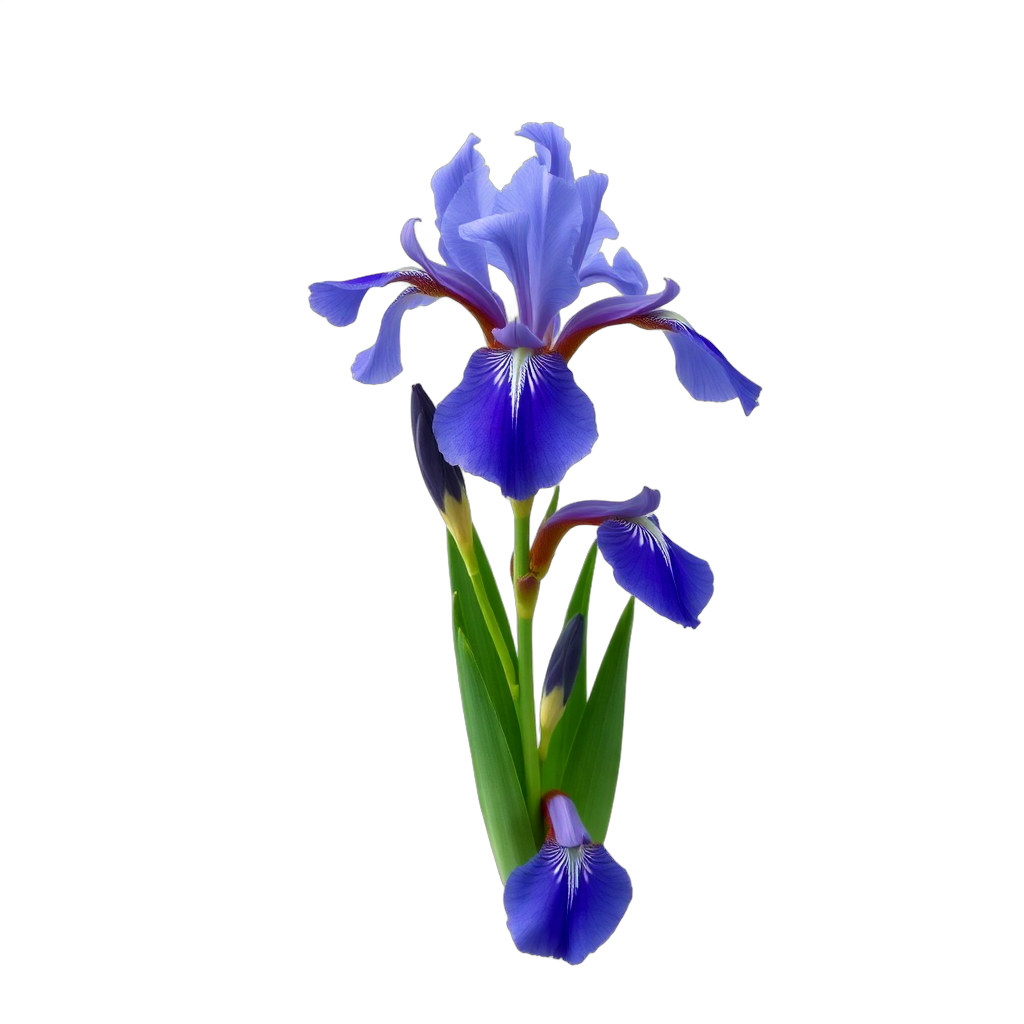
Blue Flag Iris
Iris versicolor
low-growing ground cover, purple blooms in spring. Attracts butterflies.

New York Ironweed
Vernonia noveboracensis
grows to 6 feet, purple blooms in fall. Attracts butterflies.
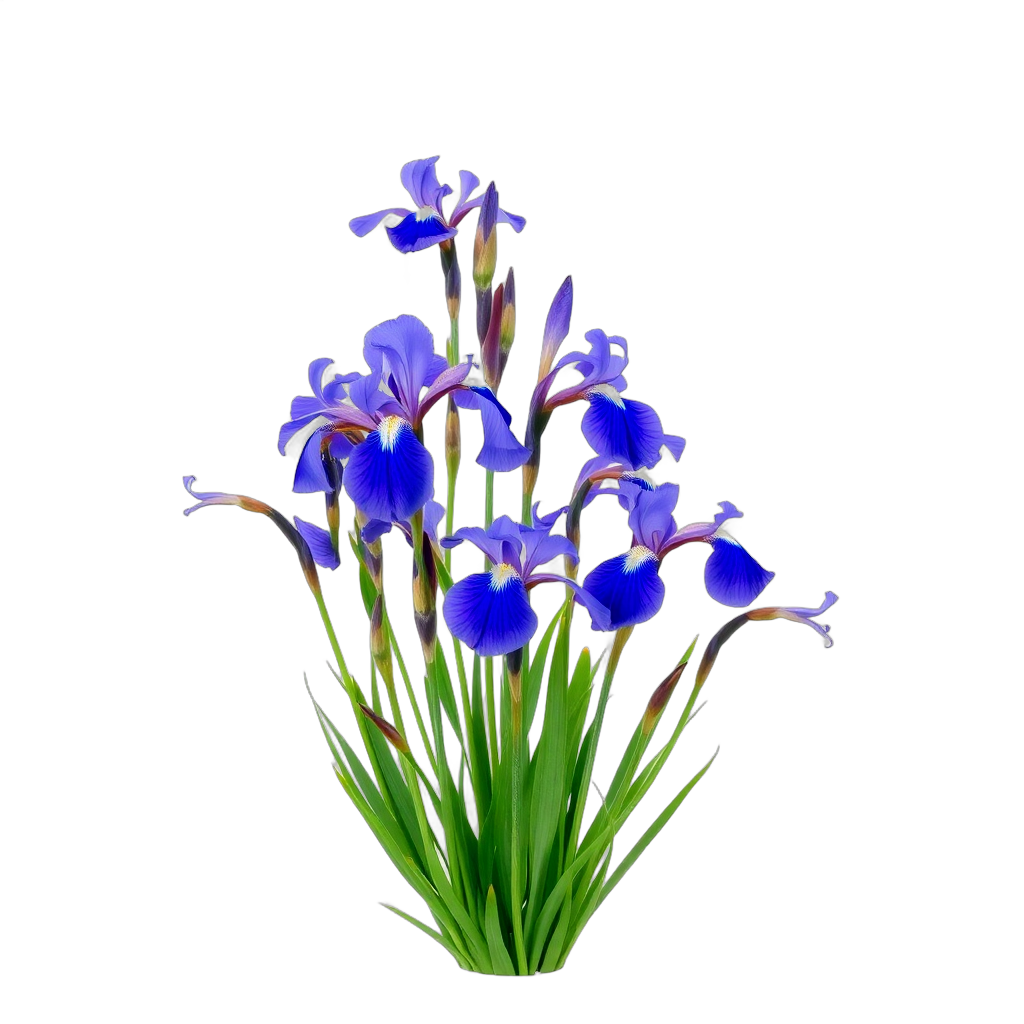
Southern Blue Flag
Iris virginica
low-growing ground cover, blue blooms in spring. Attracts butterflies.

Eastern Prickly Pear
Opuntia humifusa
low-growing ground cover, yellow blooms in summer. Attracts butterflies.
Zone and sun checks come from our database — confirm with your local nursery before you buy.
Bloom Calendar for Newark
spring
Blue Flag Iris, Southern Blue Flag, Arrowwood Viburnumsummer
Ruby Spice Summersweet, Summersweet, Eastern Prickly Pearfall
New York Ironweed, Purple Love Grasswinter
Limited bloomsDesign Tips for Newark (Zone 7a)
- Maximize every vertical surface—in a Newark urban lot of 2,000–4,000 square feet, fences, walls, and any available trellis surface are the cottage garden’s most valuable planting real estate; climbing roses, clematis, and climbing hydrangea on all available vertical surfaces can double or triple the effective planting area of a small urban cottage garden
- Install raised beds with clean topsoil if your Newark lot has any history of industrial use or pre-1978 construction—testing soil before planting is advisable, and raised beds with certified soil provide a clean growing environment that eliminates contamination concerns entirely
- Choose climbing hydrangea (Hydrangea anomala petiolaris) for any north-facing or heavily shaded fence—it’s the best shade-tolerant climbing cottage plant available for Newark’s urban conditions, Zone 4 hardy, self-climbing on masonry without fasteners, and its June bloom turns a dark north-facing boundary into a white flower wall
- Plant dahlias annually from tubers started indoors in April—Newark’s Zone 7a allows outdoor dahlia growing from May through November frost, and large-flowered dahlias provide the most visually dramatic cottage garden statement for the smallest amount of ground space, making them the ideal high-intensity urban cottage plant
- Use large containers (18–24 inches diameter) for specimen plants rather than small pots—large containers hold sufficient soil volume to insulate roots through Newark’s Zone 7a winters, reducing replacement needs; compact specimens (standard roses, patio hydrangeas, dwarf Alberta spruce) in large containers create cottage scale in minimal floor space
- Apply 3 inches of organic mulch to all ground-level planting beds in early May—Newark’s summer heat and urban pavement heat retention desiccates uncovered soil rapidly, and mulch is the most cost-effective means of reducing irrigation frequency and protecting shallow cottage plant roots from summer stress
Where to Source Plants in Newark
Skip the big-box stores. These independent Newark nurseries specialize in the plants that make cottage/english gardens thrive in Zone 7a.
Hicks Nurseries
Westbury, NY (Long Island)
New York metro’s premier independent nursery—exceptional cottage perennials, roses, climbing plants, and specialty container plants
Rosedale Nurseries
Hawthorne, NY (Westchester)
Premier Westchester nursery with outstanding cottage roses, perennials, and specialty container plants for NYC metro gardens
Rutgers Garden Center
New Brunswick, NJ
Rutgers University garden center with New Jersey-native plants, cottage perennials, and university-proven landscape material for Zone 7a
Home Depot Garden Center
Newark / Kearny
Comprehensive cottage plants, containers, climbing roses, and installation materials at metro New York pricing
Lowe’s Garden Center
Union City / Secaucus
Broad urban cottage plant selection, containers, raised bed materials, and trellis products for northern NJ urban gardens
Cottage/English Landscaping Costs in Newark
| Project Scope | Estimated Cost |
|---|---|
| Urban cottage front entry with rose arch, perennial borders, and iron fence | $12,000 – $30,000 |
| Container patio cottage garden (containers, plants, irrigation) | $10,000 – $26,000 |
| Shade cottage garden with climbing hydrangea and native ferns | $10,000 – $24,000 |
| Rooftop or deck cottage container garden | $15,000 – $42,000 |
| Raised bed installation for contaminated soil areas (per 4 beds) | $3,500 – $8,000 |
| Annual cottage garden maintenance (NYC metro rates) | $1,500 – $4,000/year |
| AI visualization with ProScapeAI | Free to start |
Estimates based on Newark, NJ-area contractor rates as of 2026. Actual costs vary by site conditions, materials, and contractor.
Newark Climate & Growing Zone
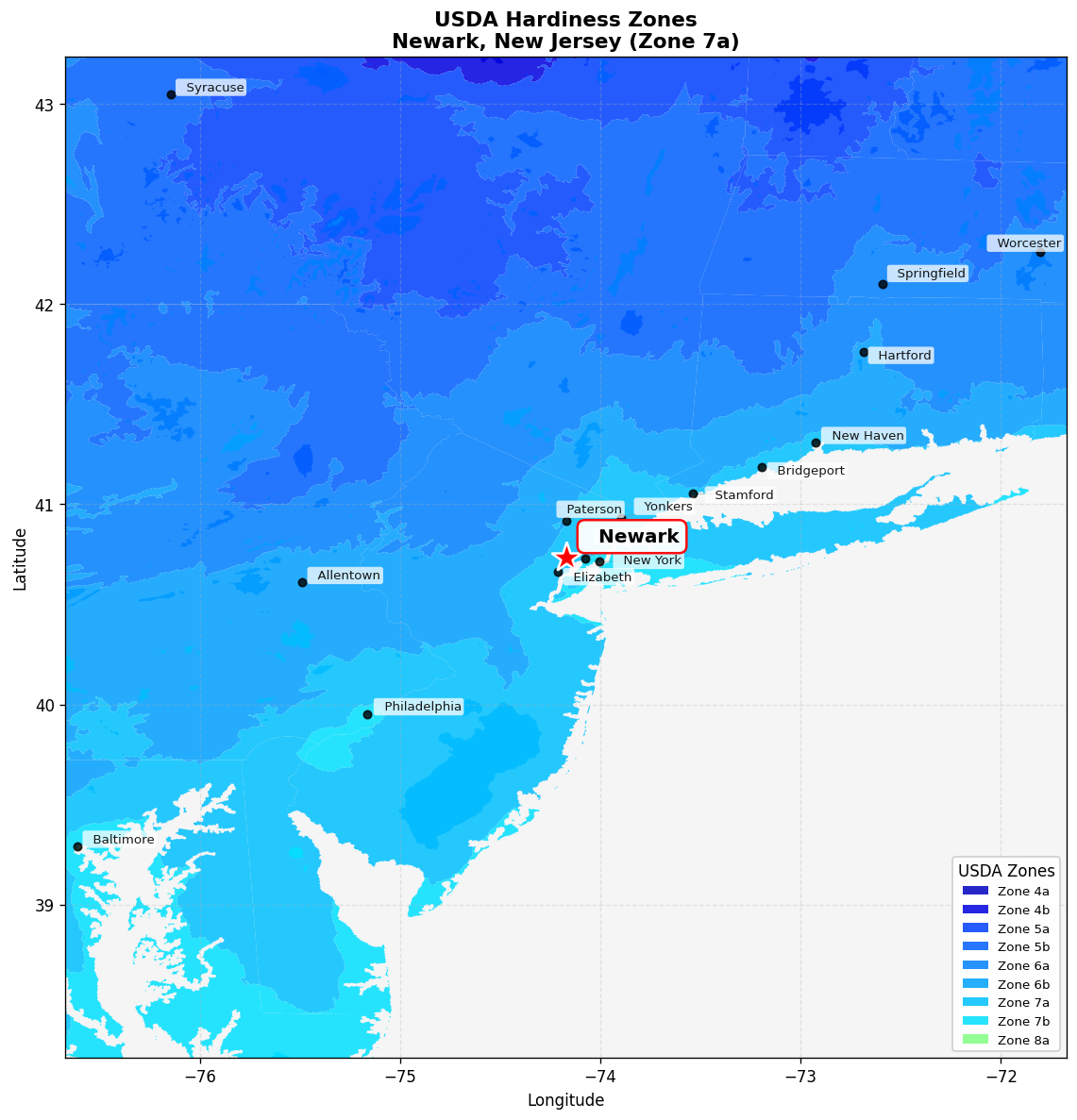
USDA Zone 7a
Hardiness zone for Newark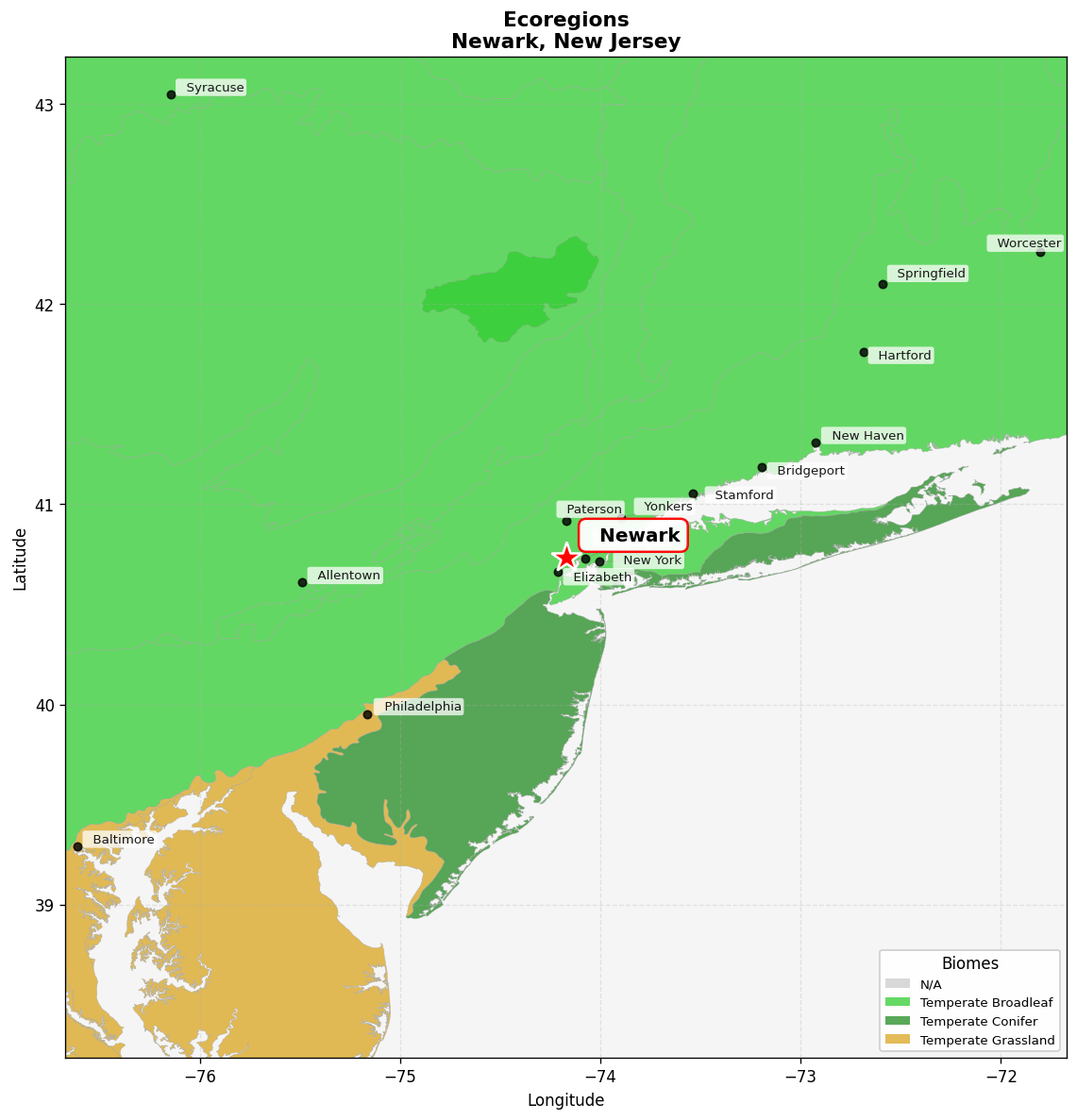
Northeast US Coastal forests
Native ecoregionFrequently Asked Questions
What cottage plants thrive in Newark’s Zone 7a urban climate?
Newark’s Zone 7a with urban heat island effect supports an excellent cottage plant palette. Outstanding performers: peonies (Zone 3, bloom spectacularly in Newark’s cool May–June), Knock Out and David Austin roses (bloom April–frost), bigleaf hydrangeas (Zone 6–7, excellent in Newark’s maritime-influenced climate), climbing hydrangea (Zone 4–5, excellent for shaded north-facing fences and walls), hostas (Zone 3–4, exceptional in Newark’s urban shade), astilbe (Zone 4, thrives in moist shade), hellebores (Zone 5–6, semi-evergreen, bloom February–April before anything else), Virginia bluebells (spectacular spring ephemeral), clematis (multiple species and cultivars, bloom May through September on fences and trellises), and dahlias (treated as annuals or tubers stored inside; extraordinary summer bloom).
How do I address Newark’s urban soil contamination for cottage gardening?
Urban soils in Newark and throughout northern New Jersey industrial areas may contain elevated lead, arsenic, or petroleum contamination from historical industrial activity. For any food-growing use (herbs, vegetables), have soil tested by a certified lab before planting in ground. For ornamental cottage gardens: raised beds with certified clean topsoil and compost are the safest approach; 12–18-inch raised beds prevent contact between ornamental plant roots and potentially contaminated native soil; install landscape fabric between native soil and raised bed fill as an additional barrier. Large containers with purchased potting mix are the cleanest option for any planting near old building foundations (highest lead contamination risk). The Newark soil contamination issue is manageable but requires testing and planning—don’t assume urban soil is safe without testing.
What climbing plants are best for Newark’s fences and walls?
Newark’s urban cottage gardens make heavy use of vertical surfaces—every fence, wall, and trellis is a planting opportunity in tight urban lots. Best climbing cottage plants for Newark Zone 7a: climbing roses (Zone 5–6, 'New Dawn' and 'Climbing Iceberg' are most reliable), clematis (multiple species, bloom May–October in succession by variety—mix early, mid, and late varieties for continuous bloom), climbing hydrangea (Hydrangea anomala petiolaris, Zone 4, self-climbing on masonry, spectacular white June bloom, excellent in shade), Confederate jasmine (Zone 7–8, marginally hardy in Newark’s warmest microclimates, extraordinary April fragrance), wisteria (Zone 5, vigorous climber, spectacular April bloom, requires strong structure), and annual sweet peas (fragrant, cottage classic, grows in any Zone as annual).
How do I grow a cottage garden in Newark’s typical 2,000-square-foot lot?
Small Newark lots require a high-density, vertical-emphasis cottage approach that differs from the broad borders of larger suburban gardens. Key strategies: use every vertical surface (fences, walls, trellises) for climbing plants—climbing roses, clematis, and climbing hydrangea add enormous planting capacity without using ground space; intensify planting density in borders (12-inch plant spacing rather than 18-inch) for the fuller, more immediate cottage look; use containers to create cottage abundance on paved surfaces—large containers with roses, dahlias, and standard hydrangeas add visual mass at multiple heights; and select compact or dwarf varieties of large cottage plants (compact boxwood, dwarf shrub roses, columnar trees) that deliver the cottage character without the scale that would overwhelm a small lot.
When is Newark’s cottage garden season?
Newark’s cottage garden season is among the longest in the Northeast, benefiting from the urban heat island and maritime influence. Average last spring frost is March 28 and first fall frost is November 11, giving 228 frost-free days—the NYC metro area’s heat island pushes these averages earlier and later than suburban New Jersey. In practice: hellebores and early bulbs bloom from late February; magnolias and forsythia in March; peonies and roses from late April; summer cottage peak June–August; asters and dahlias through October; and late chrysanthemums into November. Container gardens protected in a garage or basement overwinter successfully, extending the cottage season almost year-round with seasonal replacements.
How much does a cottage garden installation cost in Newark?
Newark and northern New Jersey landscaping costs are among the highest in the US, reflecting New York metro area labor rates. A cottage front entry with brick or bluestone path, rose arch, and perennial borders typically costs $12,000–30,000. A container patio cottage garden runs $10,000—26,000. A shade cottage garden conversion costs $10,000—24,000. A rooftop or deck cottage garden ranges $15,000—40,000+. Annual maintenance for an established Newark cottage garden runs $1,500–4,000/year—metro New York labor rates significantly exceed national averages for routine maintenance work. Container gardens require additional annual investment in plant replacement for non-hardy items stored or discarded over winter.