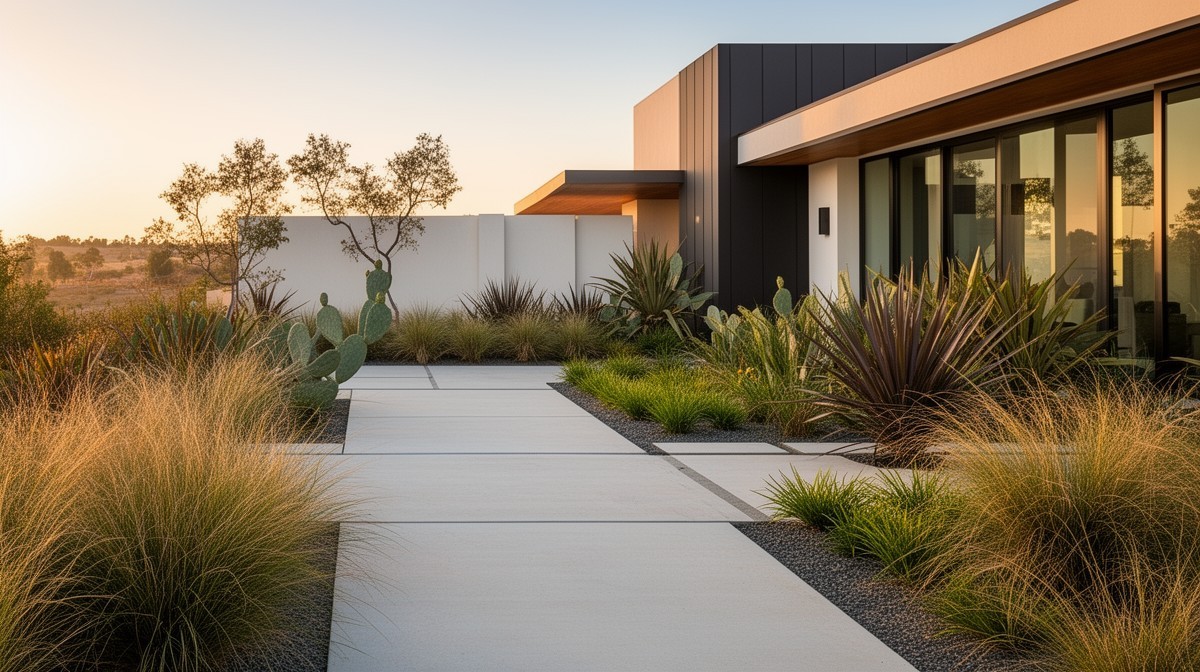
4 Modern Garden Ideas for Oceanside, CA | Coastal Clean-Line Landscape Design in Zone 10a
Native plants from the California coastal sage and chaparral (Zone 10a) — Cold semi-arid climate
Why Modern/Minimalist Gardens in Oceanside?
Oceanside gives modern landscape design something almost no other American city can: a genuinely frost-free Zone 10a coastal strip where architectural plants never die back, never get cut to the ground, and never leave a bare bed in February. The mid-century ranches of Fire Mountain and Loma Alta, the 1950s beach bungalows of South O, and the glass-and-cedar rebuilds along The Strand and South Pacific Street all share the low horizontal rooflines that clean-line planting was invented to flatter. Add the marine layer — the May Gray and June Gloom that soften midday light for two months straight — and you get a place where a single Agave attenuata rosette or a drift of Leymus condensatus 'Canyon Prince' reads beautifully at almost any hour of the day.
The climate math is unforgiving in exactly one direction. Oceanside averages roughly 11 inches of rain a year, essentially all of it between November and March, and effectively zero from June through September — a BSk semi-arid regime where irrigation, not cold, decides what lives. That makes turf the single most expensive object in a modern Oceanside yard, and it is why the region's turf-replacement rebates are worth checking before a shovel moves: SoCal Water$mart's base rate has sat at $2 per square foot, with San Diego-area top-ups pushing the combined figure to $3–4 in some funding years. Anything over 2,500 square feet of rehabilitated landscape also pulls you into California's MWELO documentation, which your designer should be handling for you.
The two real constraints are salt and soil, and they change block by block. Within about half a mile of the surf, salt-laden fog burns anything not built for it — but Agave attenuata, Aeonium arboreum 'Zwartkop', Dudleya brittonii, Aloe striata, Westringia fruticosa 'Morning Light' and Senecio mandraliscae shrug it off, while high-desert species like Agave parryi var. truncata and Echinocactus grusonii go corky, spotted, and eventually rot in that same damp. The coastal terrace under South O and The Strand is Marina loamy coarse sand, drainage so free that agaves practically install themselves; three miles inland under Rancho Del Oro and Morro Hills you hit Huerhuero and Las Flores clay loams with a genuine claypan, where the same plants need bermed beds and a gravel collar at the crown. Inland also runs 10–15°F hotter on Santa Ana afternoons and drops into frost-pocket 9b on clear January nights — which is precisely where the soft, unarmed leaves of Agave attenuata scorch and a tougher Agave ovatifolia belongs instead.
4 Modern/Minimalist Design Ideas for Oceanside
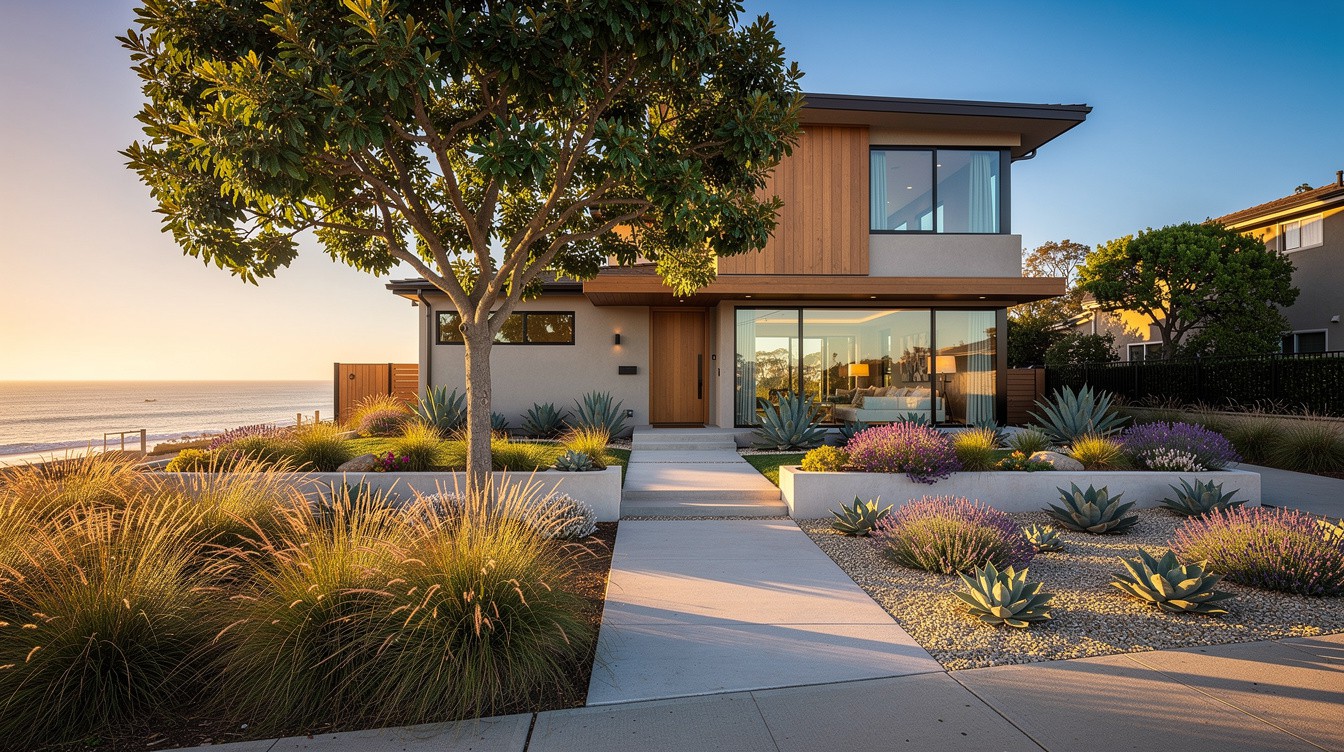
The Bluff-Top Entry Terrace
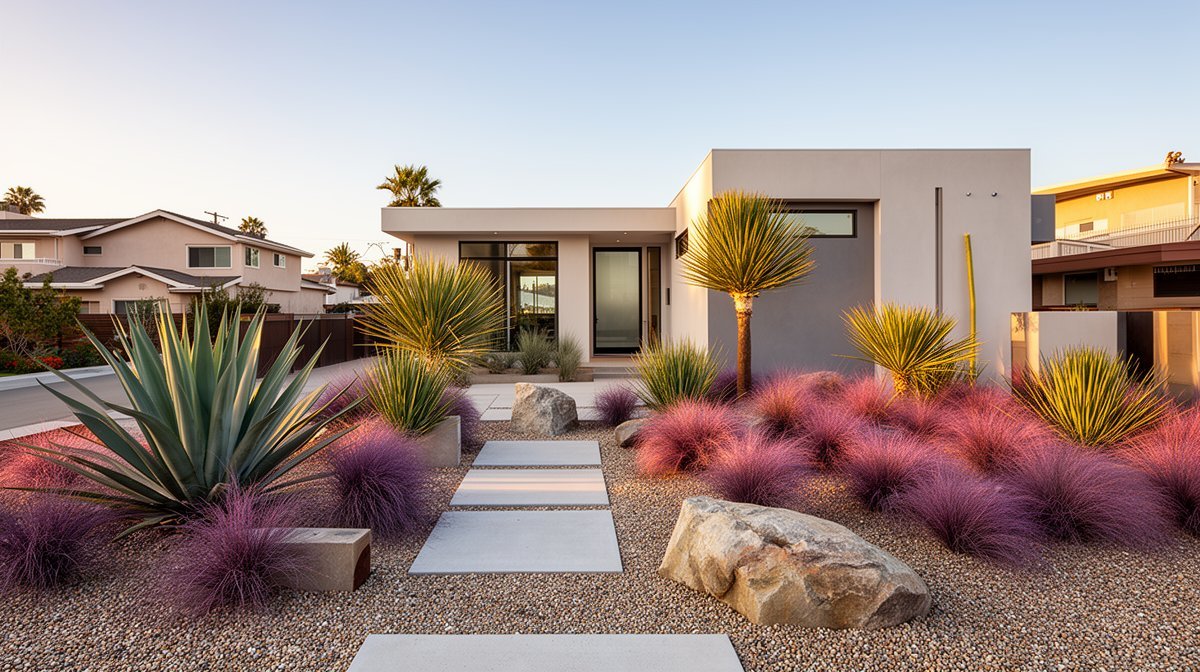
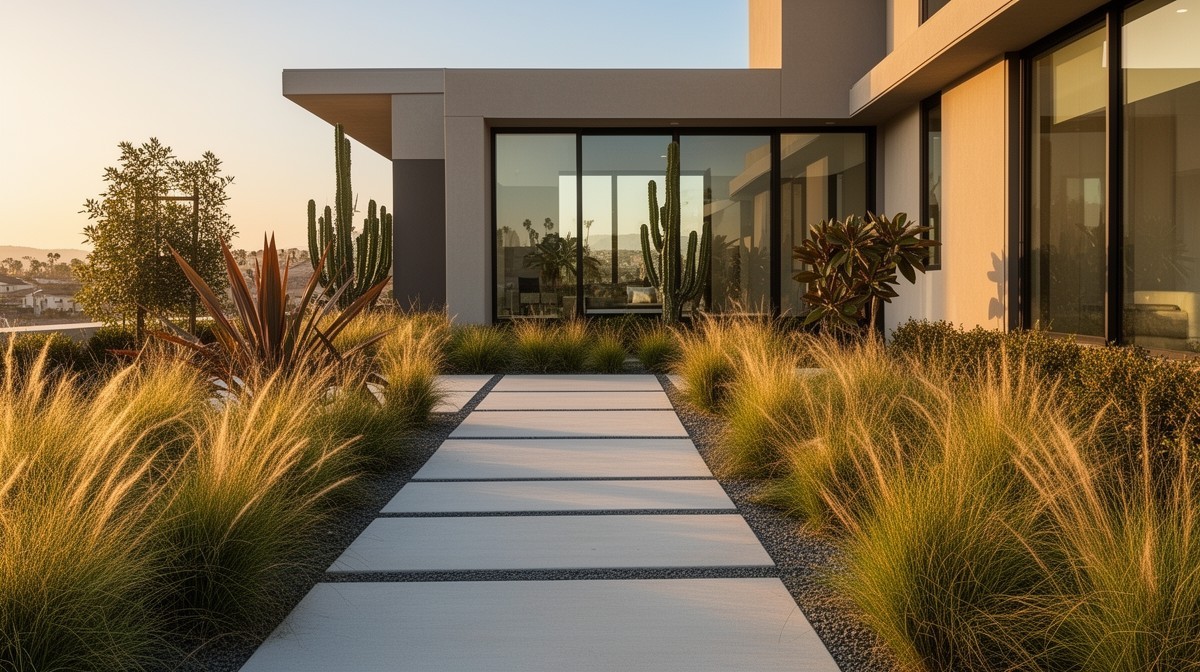
$22–38/sqftA two-story contemporary in cedar cladding and pale stucco sits above the surf line, and the front garden does its work entirely through two raised board-formed concrete planters that flank a wide sawcut entry walk. The ocean-side planter is all movement — tawny Muhlenbergia capillaris 'Regal Mist' and blue-grey Leymus condensatus 'Canyon Prince' catching the low sunset light — while the street-side planter is all structure, with pale gravel mulch, spaced Agave attenuata rosettes, Echeveria 'Afterglow' and a haze of purple Limonium perezii and Lavandula dentata. A single spreading Metrosideros excelsa throws afternoon shade across the entry and takes the salt wind that would shred a maple in a season.
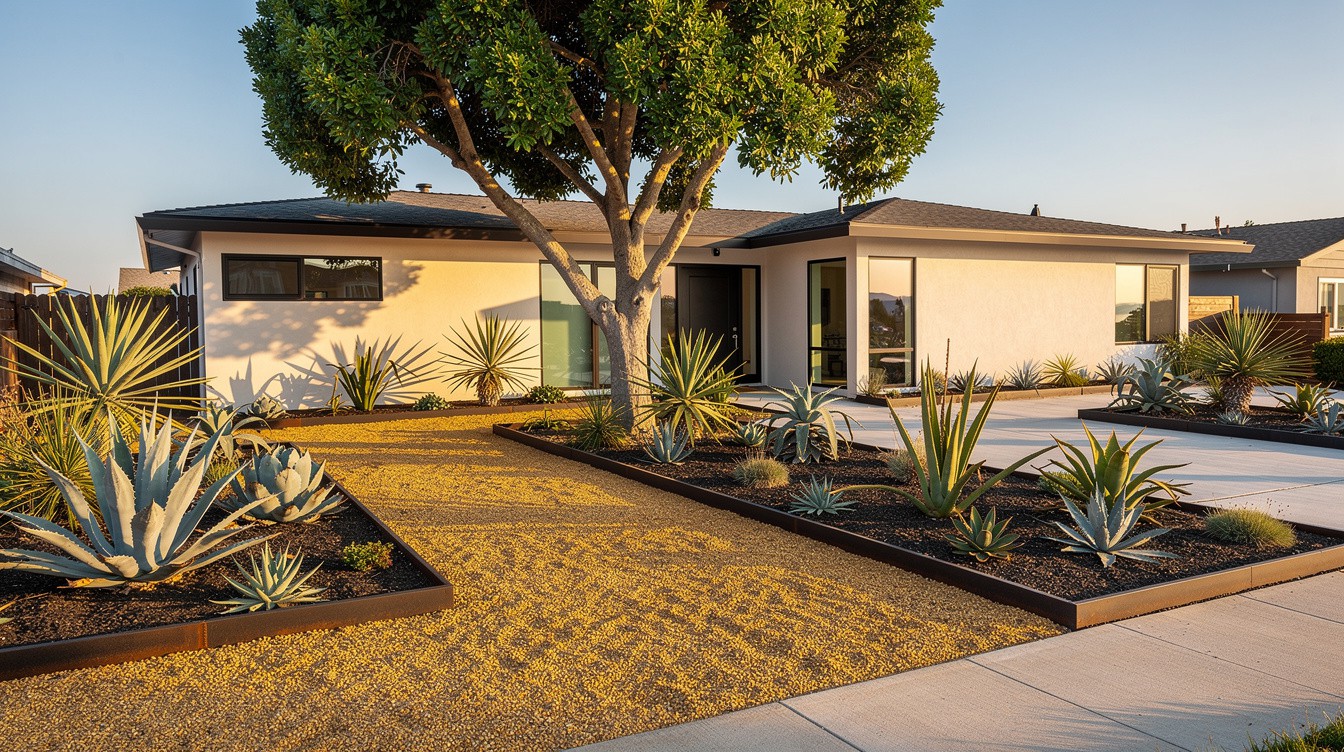
The Fire Mountain Ranch Reset
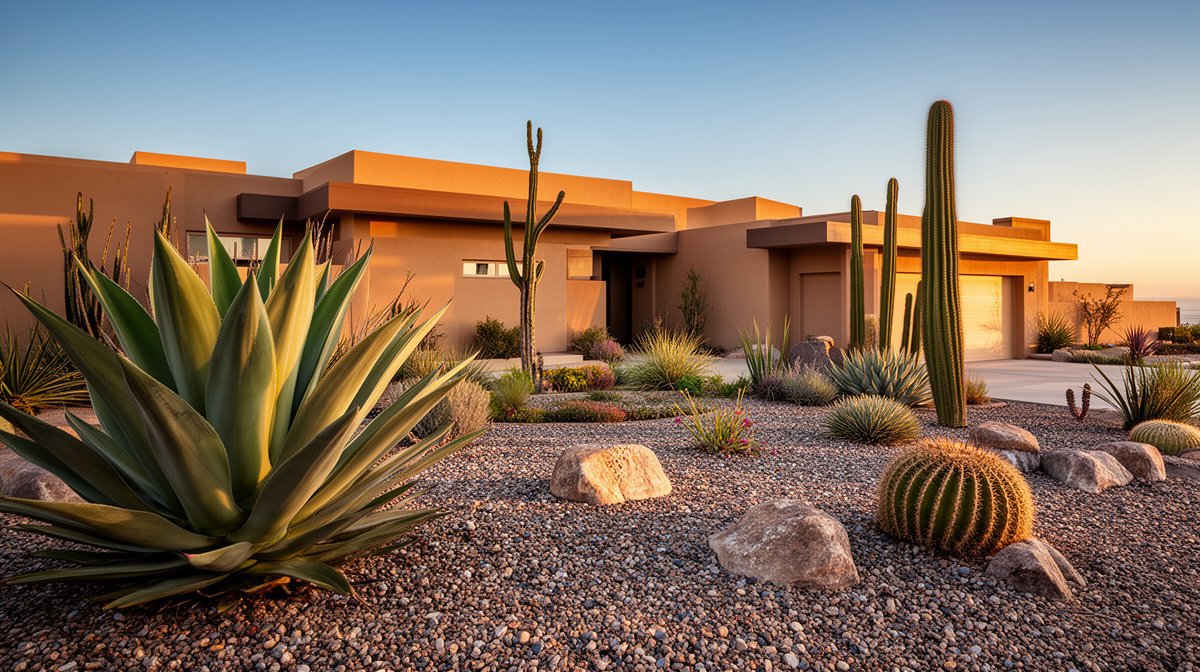
$16–28/sqftA cream-stucco single-story ranch with a low hipped roof gets its entire front lawn replaced by a field of gold decomposed granite, organized by Corten steel raised beds mulched in black lava rock. The plant list is deliberately spare and sculptural: big blue Agave ovatifolia and Agave americana var. protoamericana anchor the corners, variegated Yucca gloriosa 'Bright Star' repeats along the facade, Agave vilmoriniana arches out of the bed nearest the door, and tufts of Festuca glauca 'Elijah Blue' fill the gaps. A multi-trunk Arbutus 'Marina' in the middle of the court keeps the whole composition from reading as a parking lot in August.
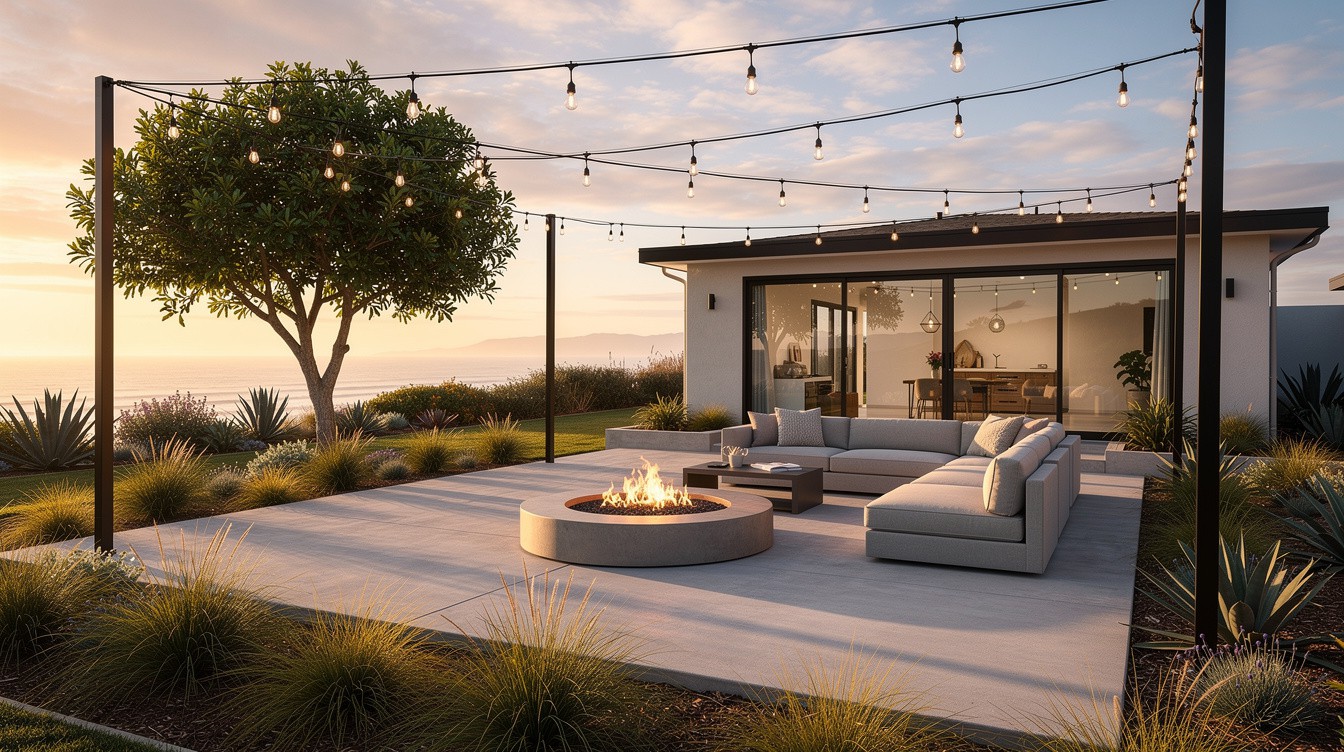
The Fire-Bowl Bluff Terrace
$28–48/sqftA poured concrete slab scored on a wide grid floats off the back of a low white house, with a round precast gas fire bowl at its centre and an L-shaped sectional turned to face the water. Slim powder-coated steel posts carry bistro string lights overhead — the only vertical structure the view will tolerate — and the terrace edges dissolve into drifts of Leymus condensatus 'Canyon Prince', Muhlenbergia rigens and Festuca californica rather than a fence. A narrow ribbon of lawn survives on the ocean side purely as a visual cool-down, with Agave 'Blue Flame' and Westringia fruticosa 'Morning Light' holding the windward corner.
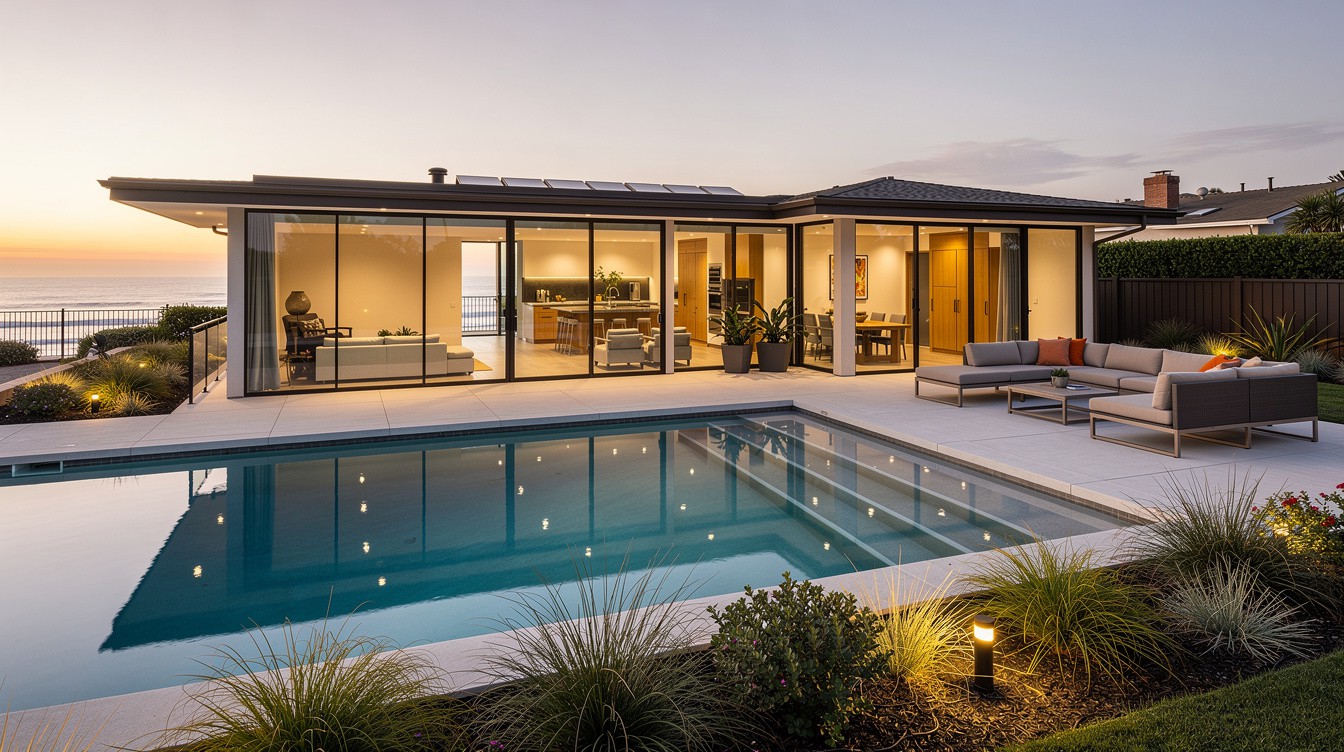
The Mid-Century Pool Court
$55–110/sqft (pool area inclusive)A post-and-beam glass house with a rooftop solar array opens through full-height sliders onto a rectangular pool set in large-format pale pavers, the bluff edge closed by a frameless glass guardrail so the horizon stays uninterrupted. The landscape works entirely at the perimeter: a clipped Afrocarpus falcatus hedge buys privacy from the neighbour, a horizontal composite slat fence handles the other side, and low uplit beds of Muhlenbergia capillaris, Leymus condensatus 'Canyon Prince', Westringia fruticosa 'Wynyabbie Gem' and Senecio mandraliscae wrap the deck at ankle height. The restraint is the design — pale stone, black frames, wheat-and-blue-grey foliage, warm 2700K light.
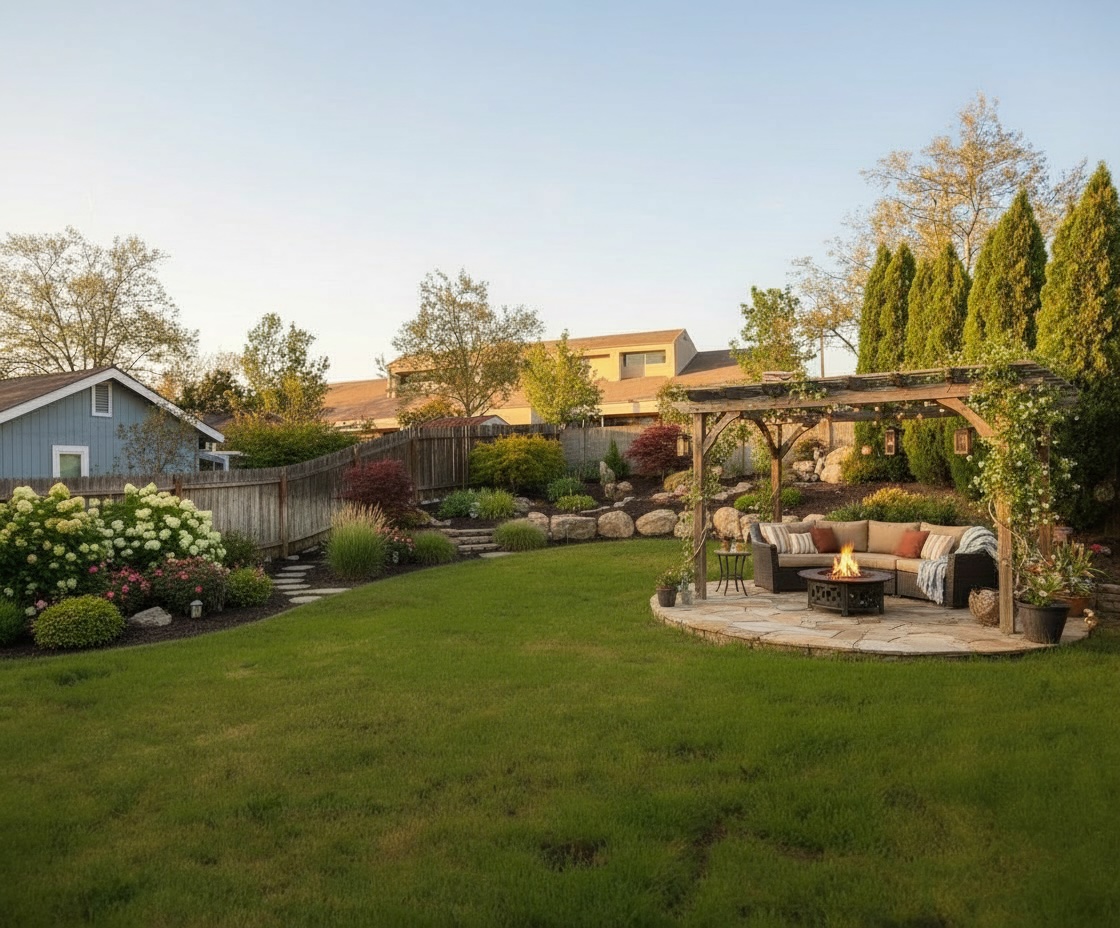
See how a modern/minimalist garden looks on YOUR property
Upload a photo of your Oceanside yard and visualize your dream garden in seconds.
Try ProScapeAI Free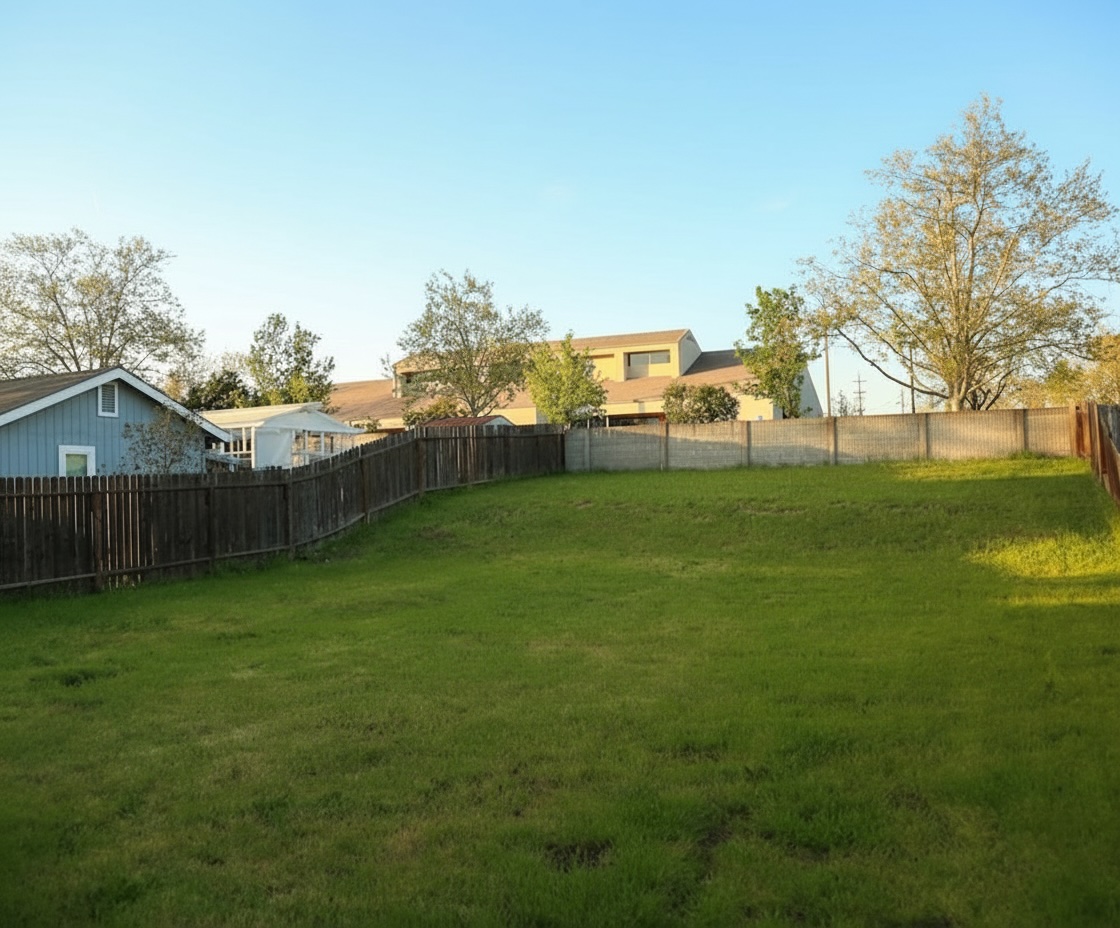
Featured Trees & Shrubs for Modern/Minimalist Gardens
Browse all 115 plants for Oceanside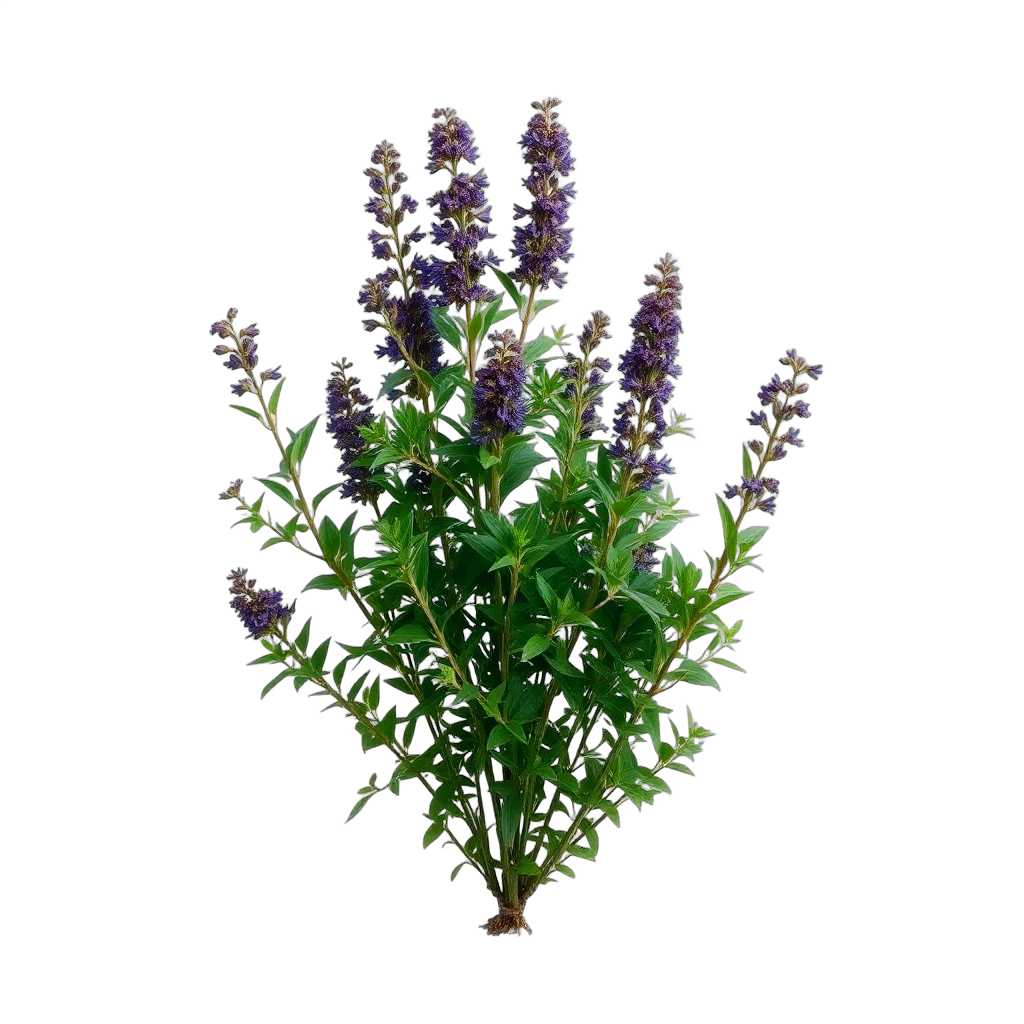
Black Sage
Salvia mellifera
grows to 4 feet, white blooms in spring. Attracts butterflies.
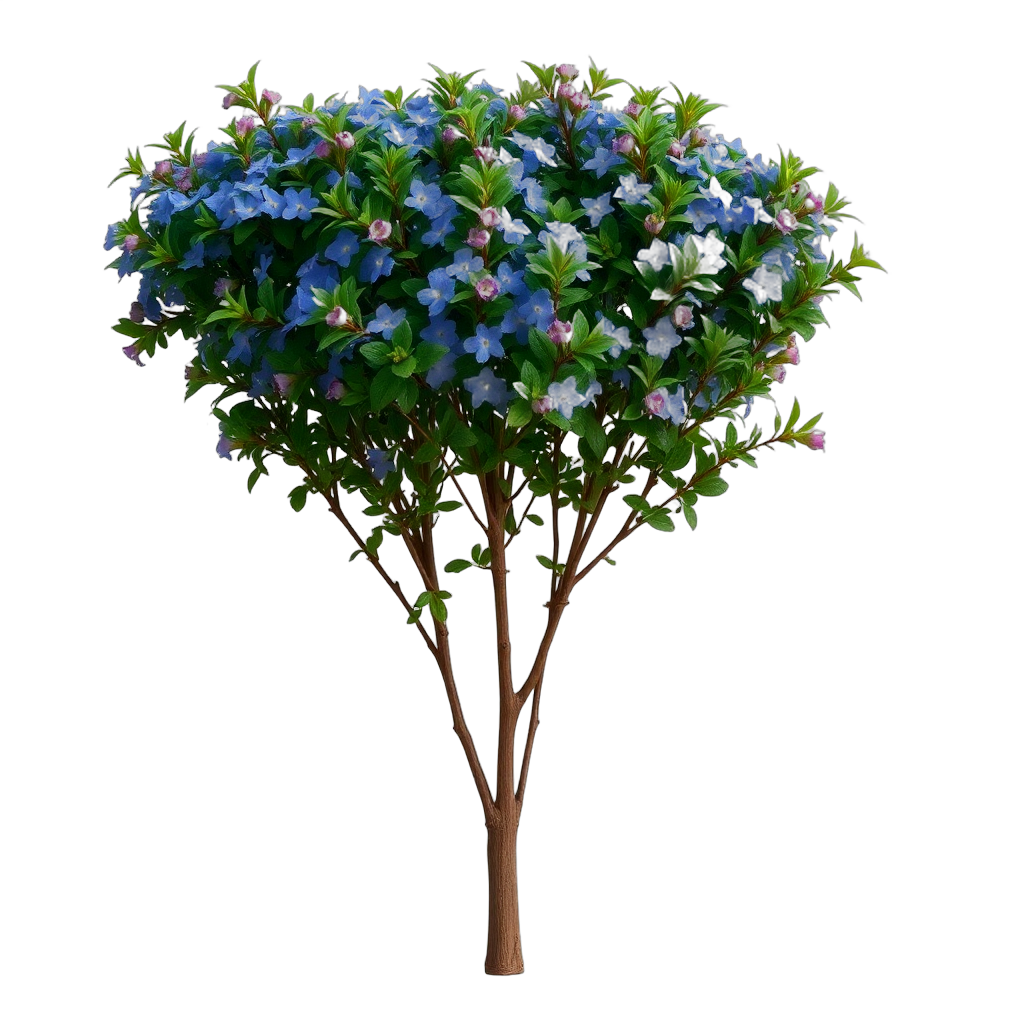
Blue Blossom
Ceanothus thyrsiflorus
medium-sized at 12 feet, blue blooms in spring. Attracts butterflies.
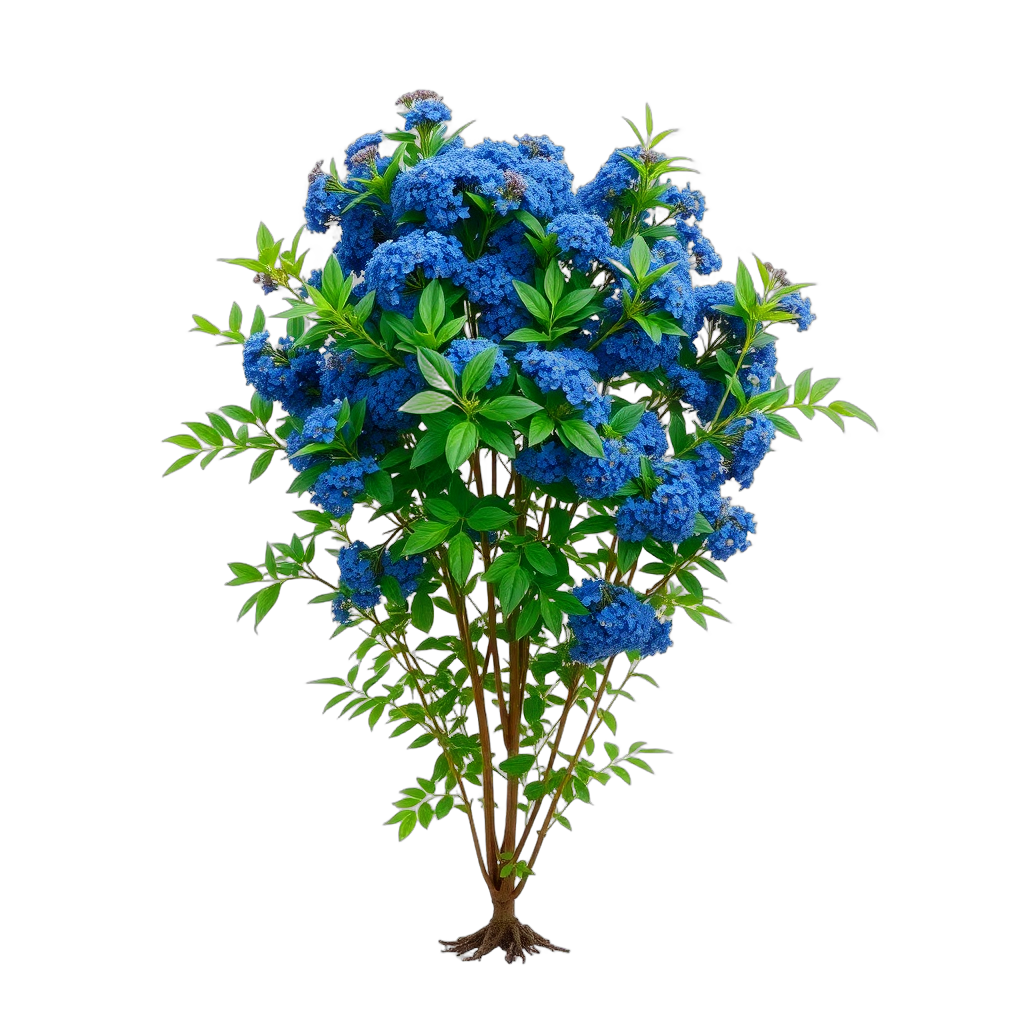
Blue Elderberry
Sambucus cerulea
medium-sized at 15 feet, white blooms in spring. Attracts butterflies.
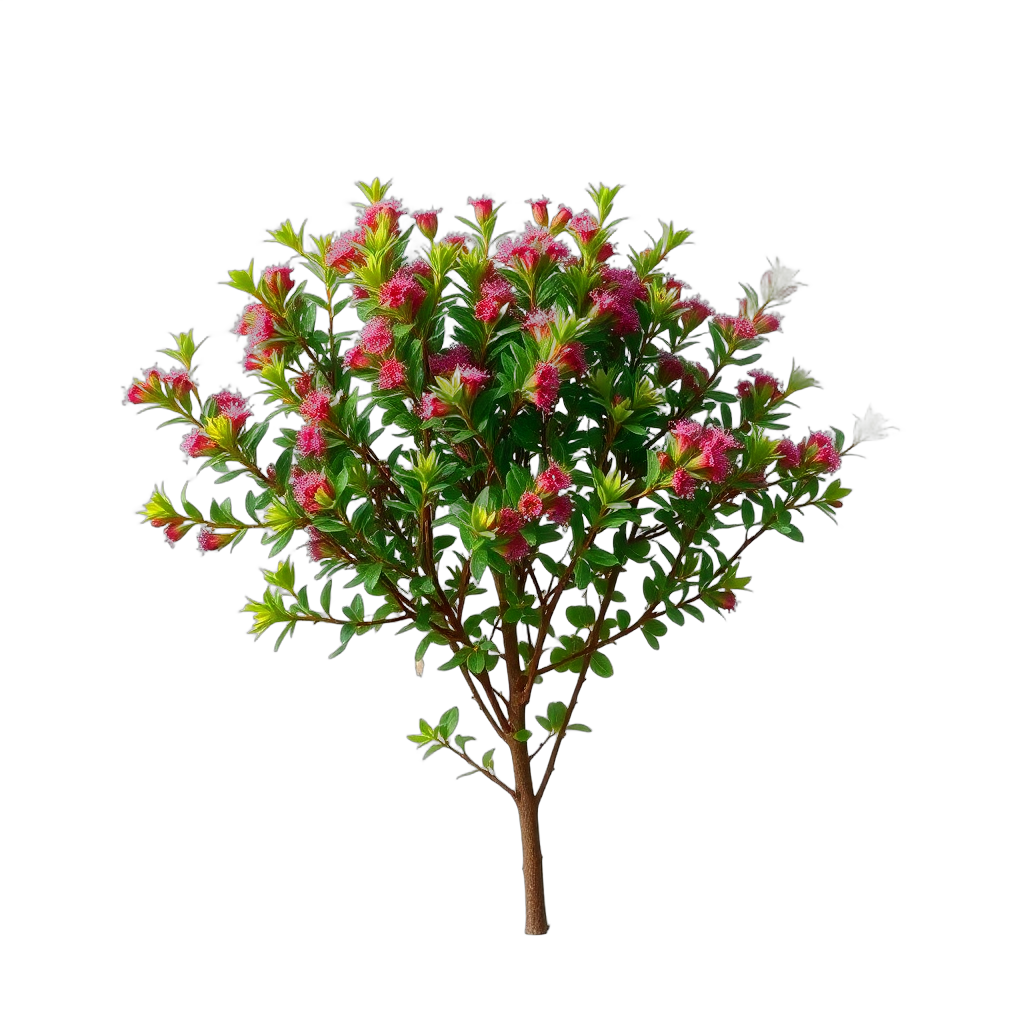
Buckbrush
Ceanothus cuneatus
medium-sized at 7 feet, white blooms in spring. Attracts butterflies.
Featured Grasses & Groundcovers for Modern/Minimalist Gardens
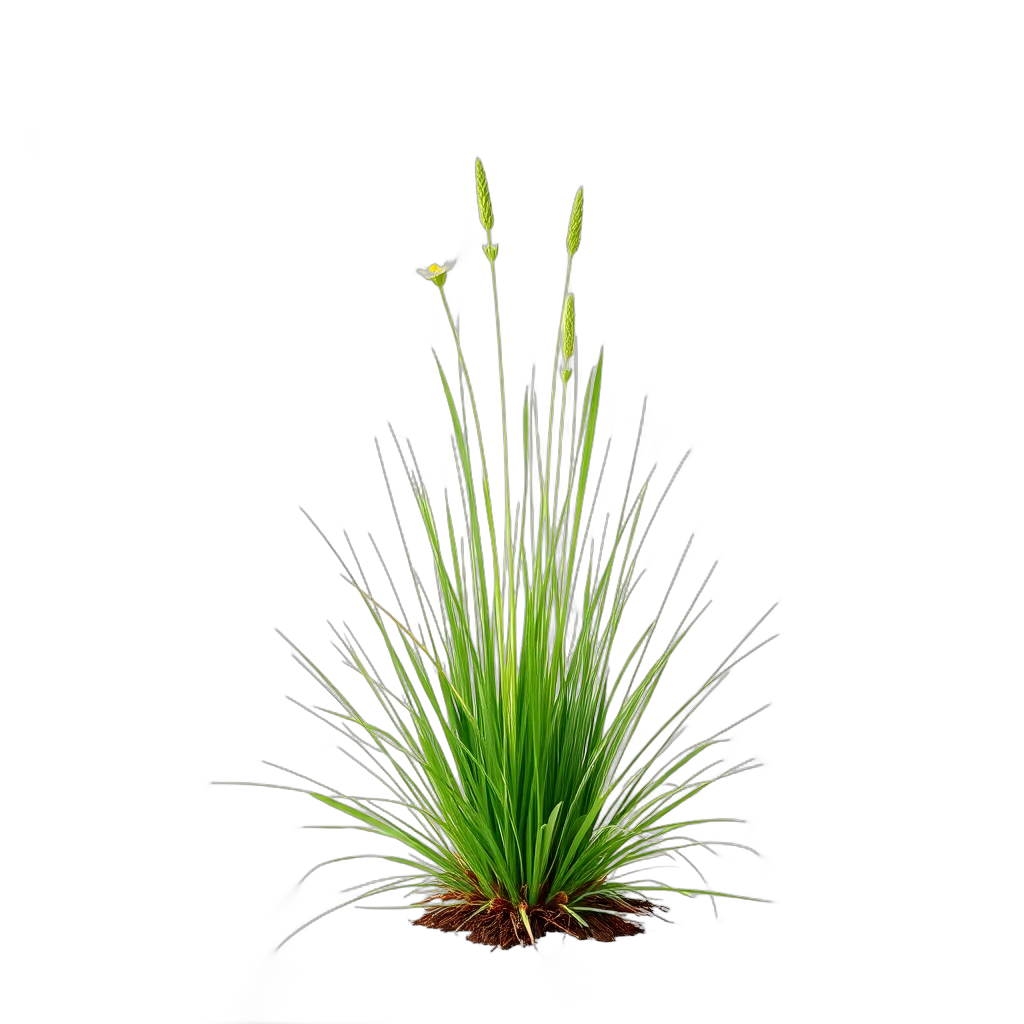
California Brome
Bromus carinatus
low-growing ground cover, blooms in spring. Yellow fall color.
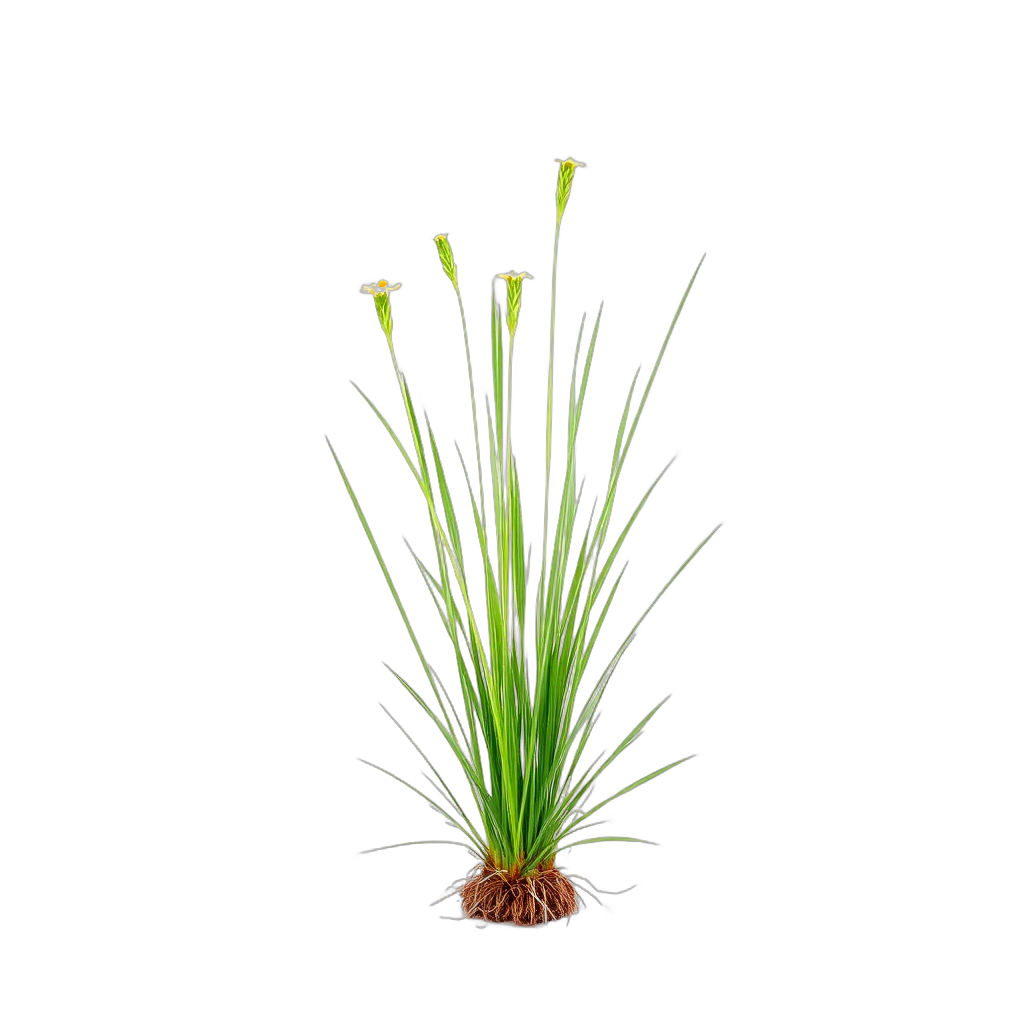
California Melic
Melica californica
low-growing ground cover, blooms in spring.
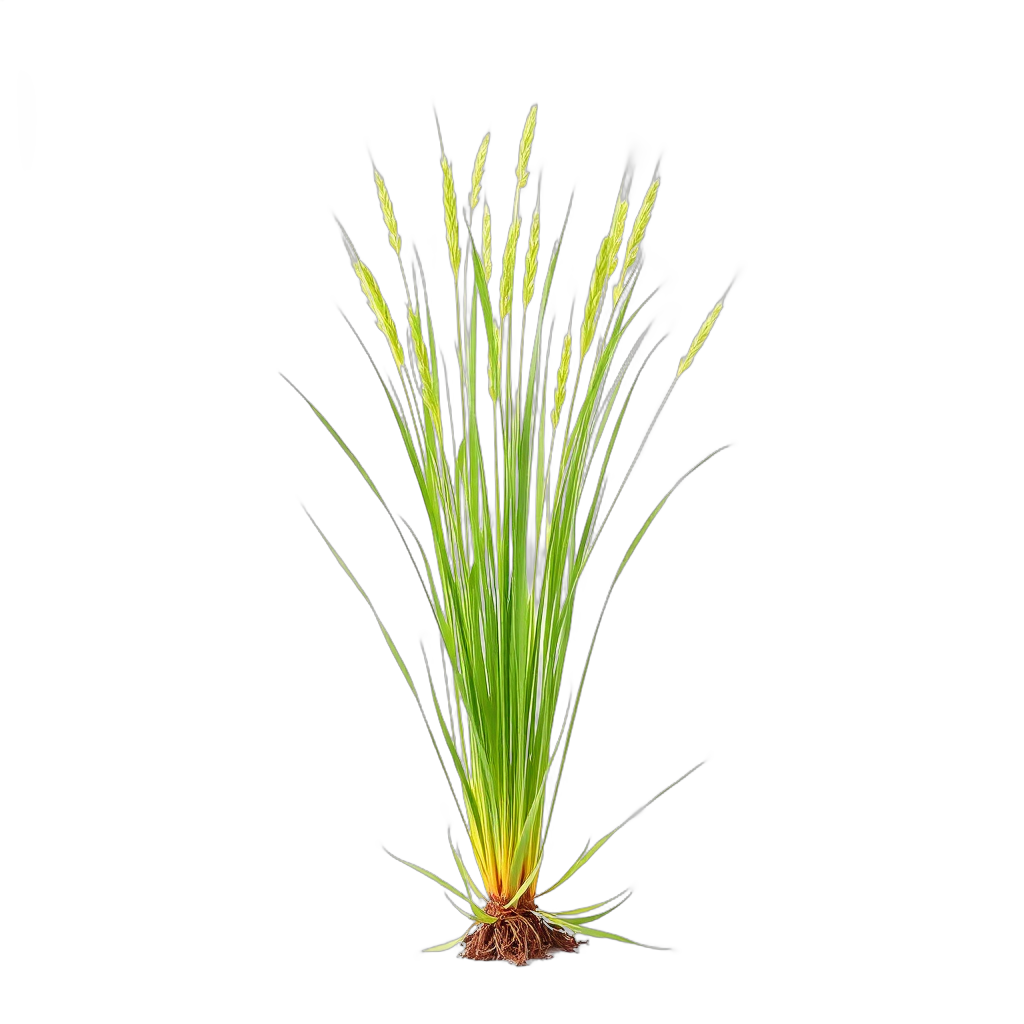
California Oatgrass
Danthonia californica
low-growing ground cover, blooms in spring. Yellow fall color.
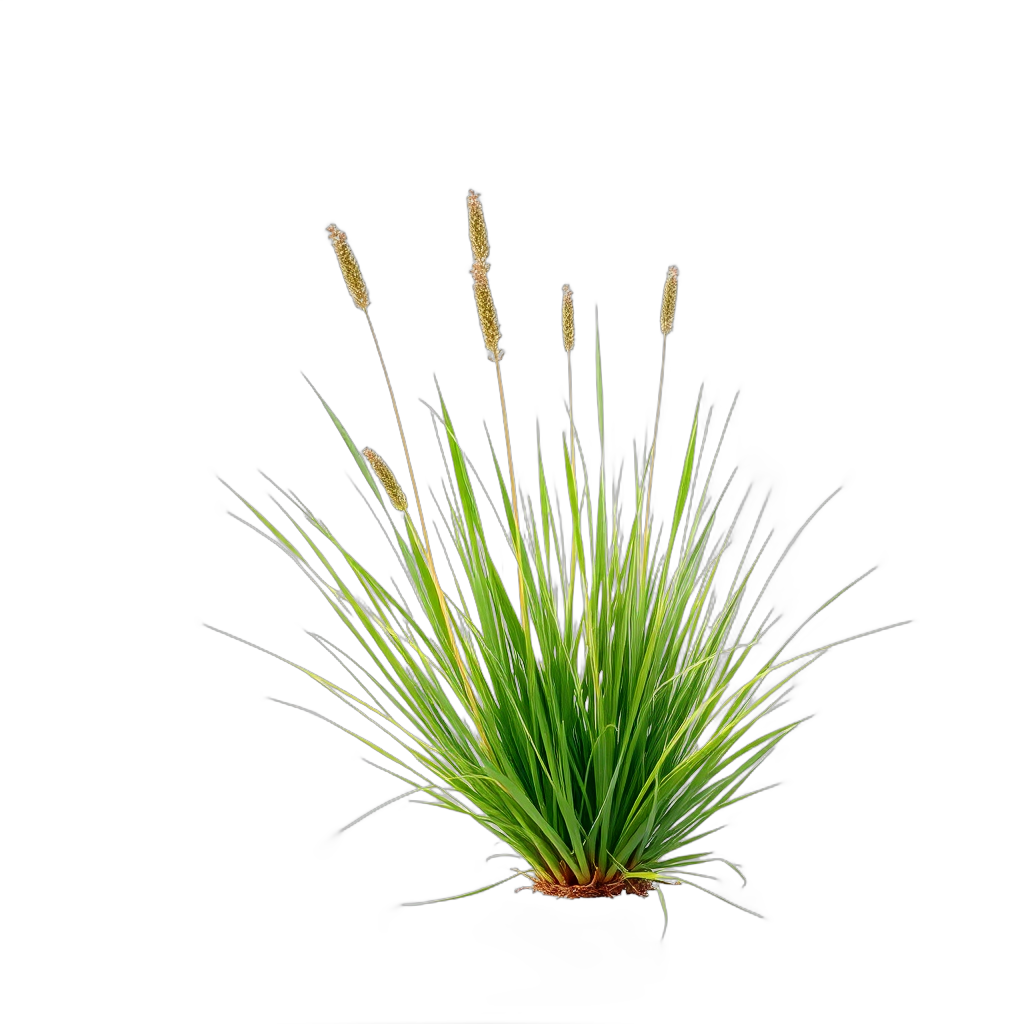
Deer Grass
Muhlenbergia rigens
grows to 3 feet, yellow blooms in fall. Evergreen year-round.
Featured Flowers & Perennials for Modern/Minimalist Gardens
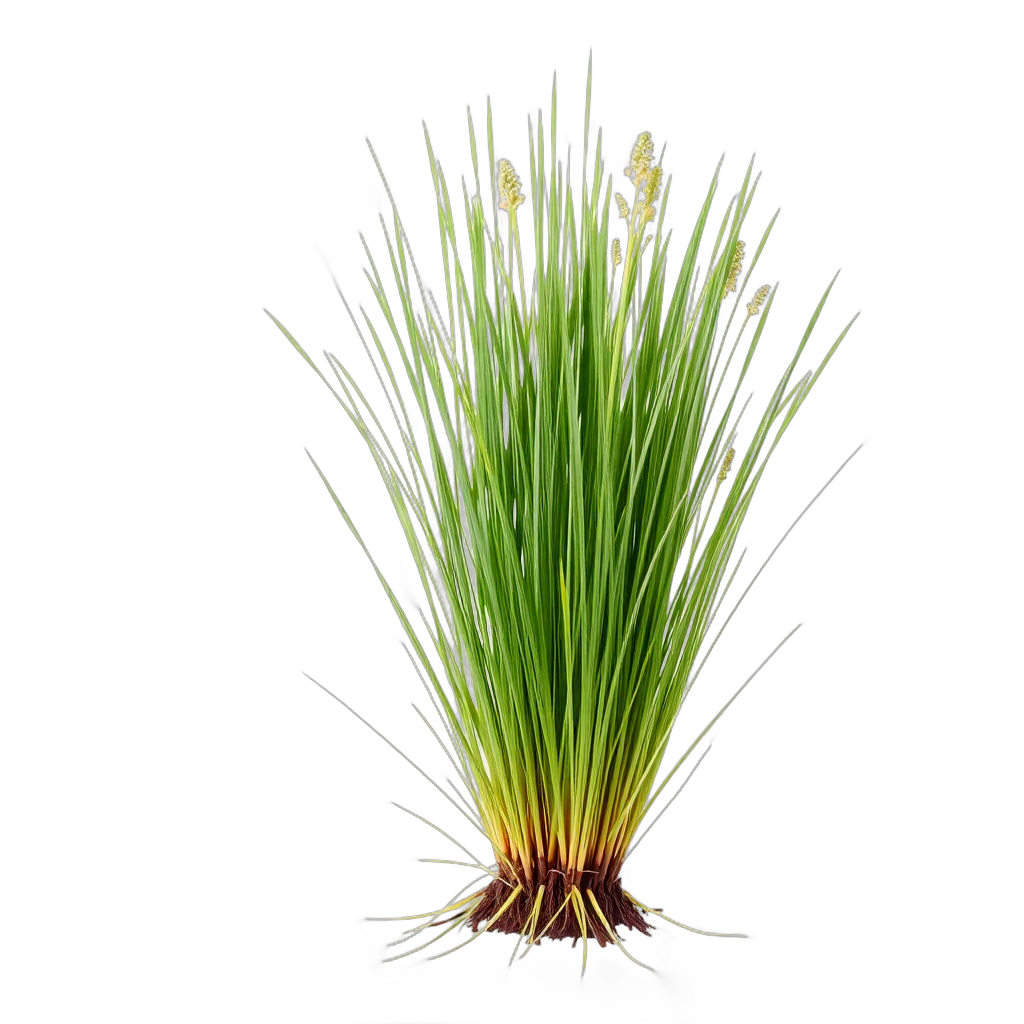
California Gray Rush
Juncus patens
low-growing ground cover, blooms in summer. Evergreen year-round.
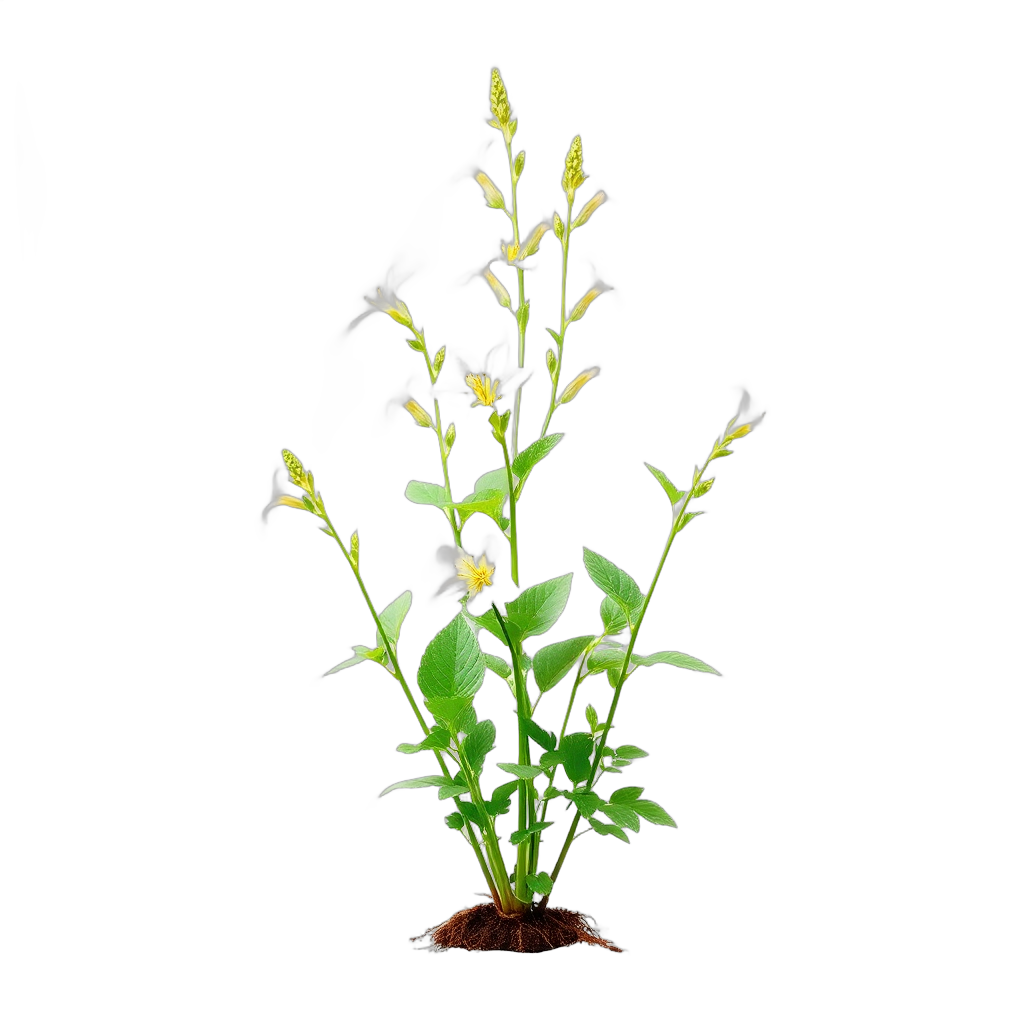
Beach Evening Primrose
Camissonia cheiranthifolia
low-growing ground cover, yellow blooms in spring. Attracts butterflies.
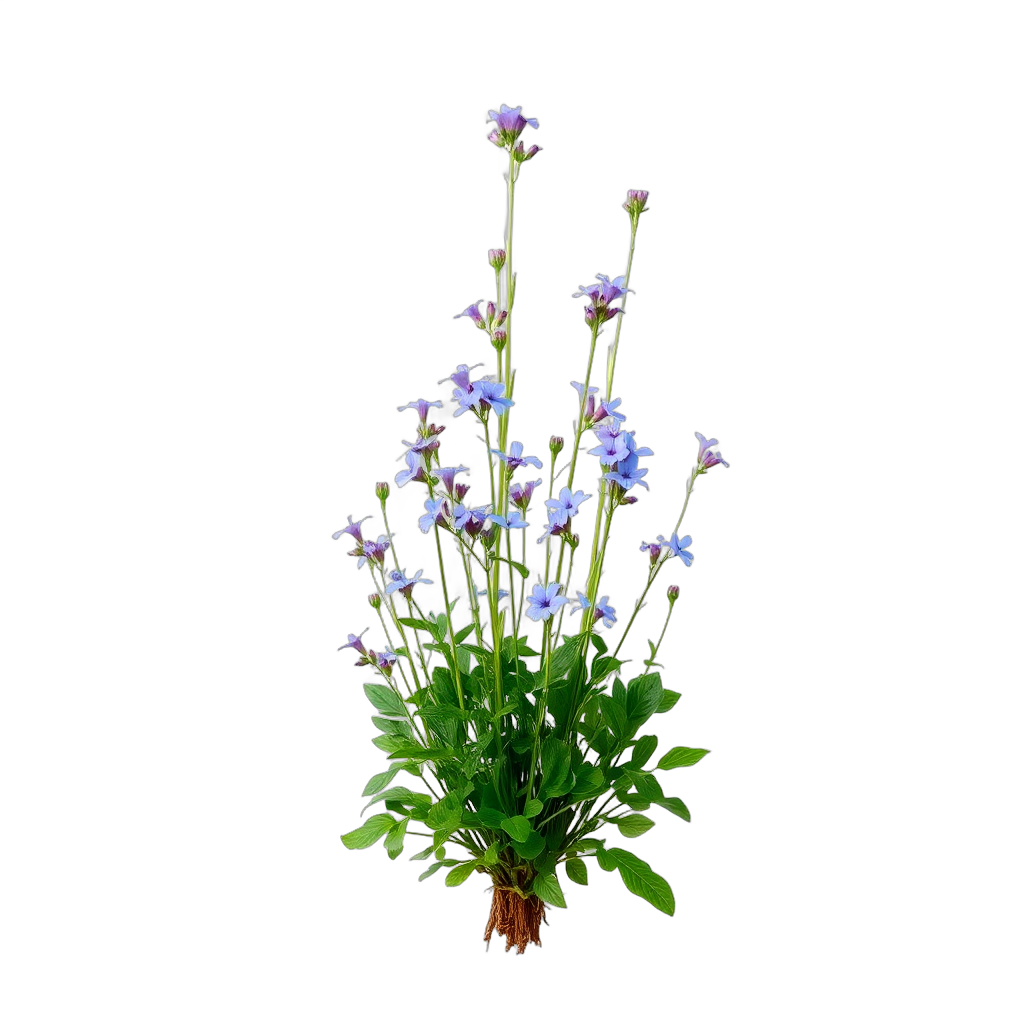
Blue Dicks
Dichelostemma capitatum
low-growing ground cover, blue blooms in spring. Pollinator-friendly.
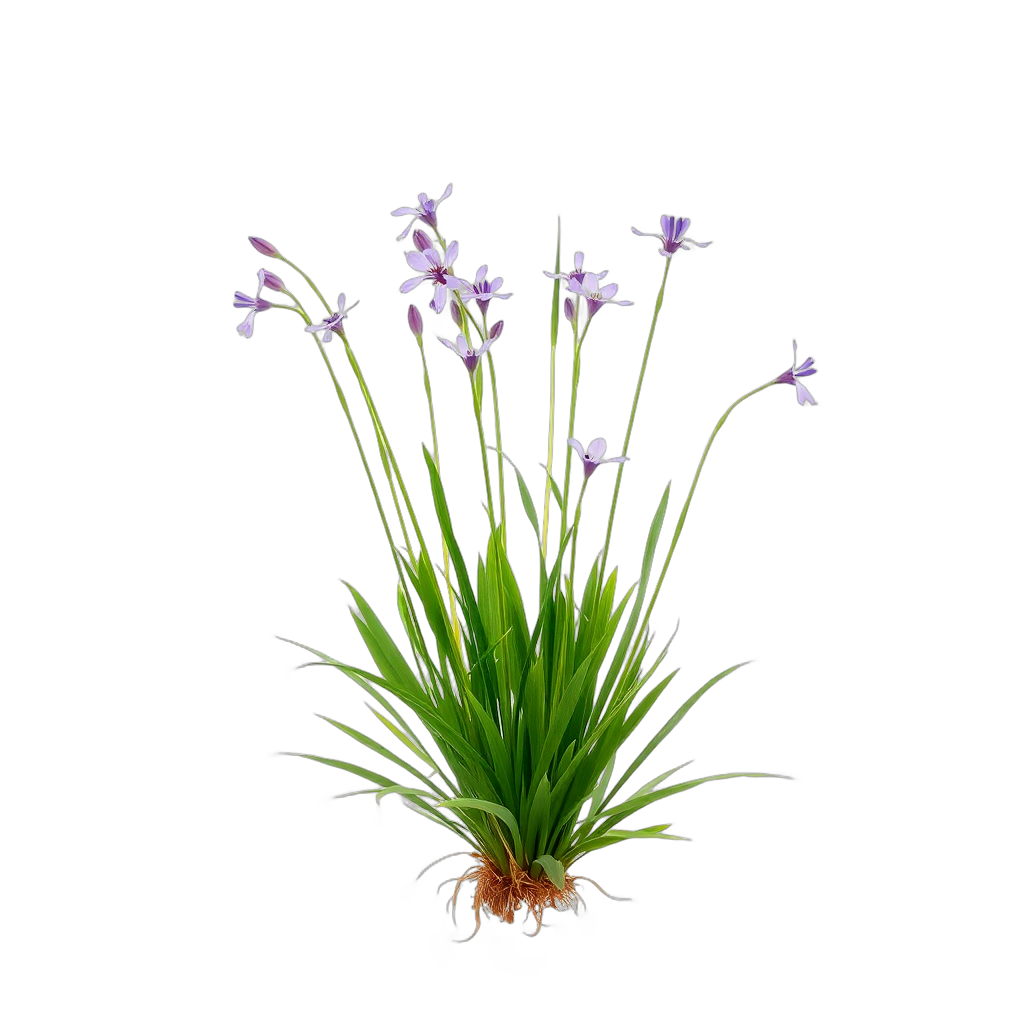
Blue-Eyed Grass
Sisyrinchium bellum
low-growing ground cover, blue blooms in spring. Attracts butterflies.
Bloom Calendar for Oceanside
spring
Beach Evening Primrose, Blue Dicks, Blue-Eyed Grasssummer
California Gray Rush, Hooker's Evening Primrose, Hummingbird Mintfall
California Fuchsiawinter
Limited bloomsDesign Tips for Oceanside (Zone 10a)
- Rinse the salt rather than fight it — a monthly overhead hose-down of Agave attenuata, Aeonium arboreum 'Zwartkop' and Dudleya brittonii within half a mile of the surf clears the salt film that otherwise etches leaf tips, and it is the cheapest maintenance habit on any bluff lot
- Use Leymus condensatus 'Canyon Prince' where a Phoenix designer would use bare gravel — the blue-grey native rye takes salt wind, holds a three-foot mound without staking, and reads as the perfect soft counterweight to board-formed concrete; cut it back to six inches every second January, not annually
- Specify hot-dip galvanized or 316 stainless fasteners and skip raw Corten within two blocks of the beach — Oceanside's salt fog drives weathering steel past its protective patina and bleeds orange onto pale concrete in one winter; dark bronze powder-coat holds the same modern line
- Sawcut concrete on a four-foot grid instead of tooling joints — large-format panels are what make Oceanside's low ranch rooflines look deliberate, and the sandy Marina soils of the coastal terrace compact predictably enough that a 4-inch Class II base is genuinely sufficient
- Plant October through February — coastal winter rain plus warm soil establishes Agave ovatifolia, Westringia fruticosa 'Morning Light' and Muhlenbergia capillaris 'Regal Mist' on almost no supplemental water, while an August install needs daily hand-watering through the first Santa Ana and still loses plants
- Light low and warm — 2700K brass path bollards plus a pair of uplights behind Yucca rostrata 'Sapphire Skies' or a mass of Muhlenbergia do more for a modern Oceanside facade than any downlighting, and the evening marine haze diffuses the beam into exactly the glow the style wants
Where to Source Plants in Oceanside
Skip the big-box stores. These independent Oceanside nurseries specialize in the plants that make modern/minimalist gardens thrive in Zone 10a.
Plantplay Gardens
South Oceanside
Unique and unusual plants, pottery, and fountains with a focus on landscape design.
Evergreen Nursery
Oceanside Boulevard
Large grower-direct nursery offering a wide variety of plants, trees, and shrubs for Southern California.
Briggs Tree Company
Vista
Family-owned wholesale and retail nursery specializing in landscape plants, palms, trees, and flowers.
Barrels & Branches
Encinitas
Garden-setting nursery focused on succulents, drought-tolerant plants, and pottery.
Modern/Minimalist Landscaping Costs in Oceanside
| Project Scope | Estimated Cost |
|---|---|
| Front-yard modern conversion (600–900 sqft: turf removal, DG, drip, specimen plants) | $9,000 – $24,000 |
| Sawcut poured concrete terrace (300–500 sqft) | $12,000 – $28,000 |
| Corten or powder-coated steel raised planter (fabricated, set, filled) | $1,400 – $3,500 each |
| Backyard modern room: concrete slab + gas fire bowl + string-light posts | $22,000 – $55,000 |
| Pool deck, glass guardrail + full bluff-lot landscape | $90,000 – $250,000 |
| AI visualization with ProScapeAI | Free to start |
Estimates based on Oceanside, CA-area contractor rates as of 2026. Actual costs vary by site conditions, materials, and contractor.
Oceanside Climate & Growing Zone
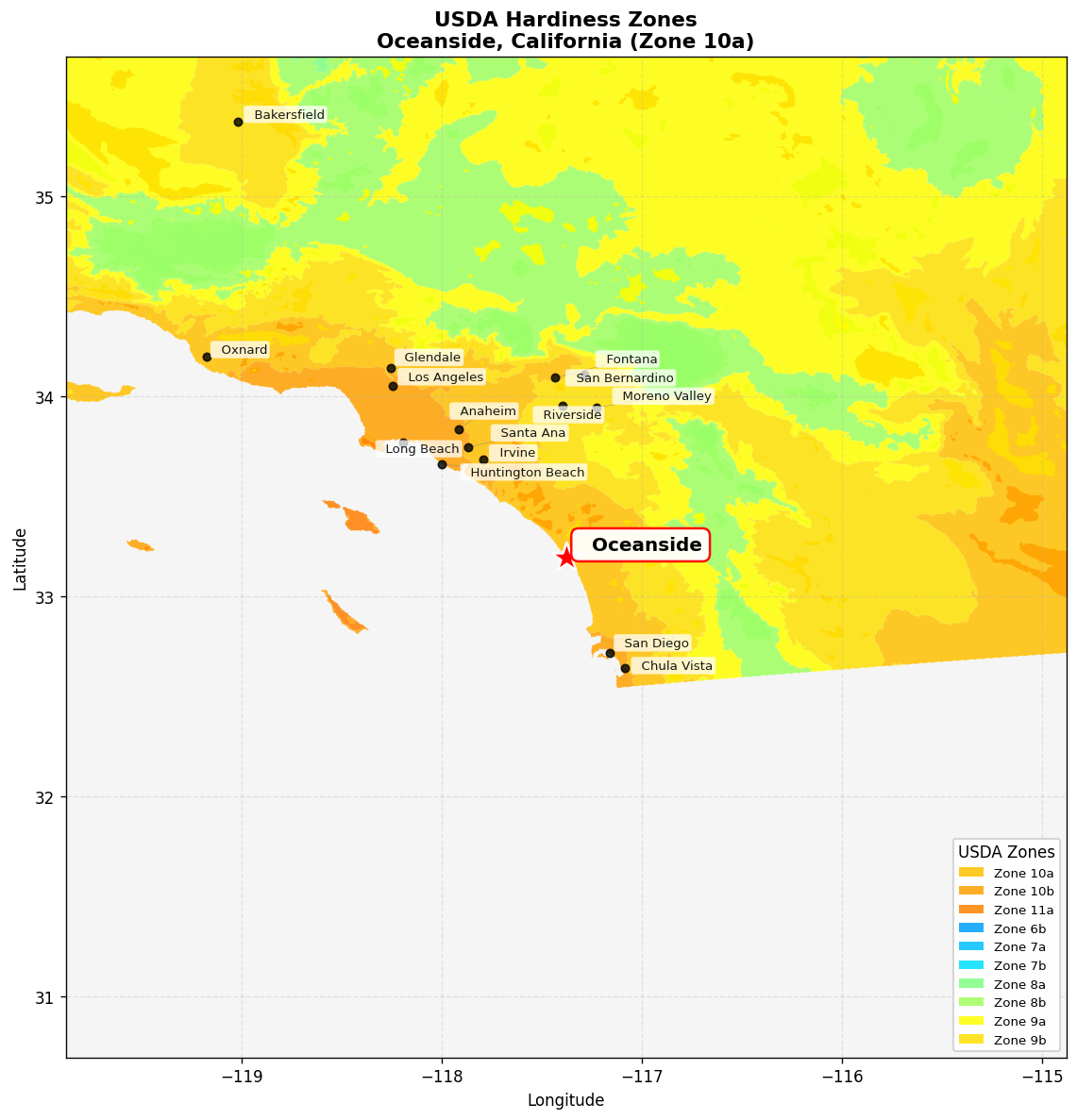
USDA Zone 10a
Hardiness zone for Oceanside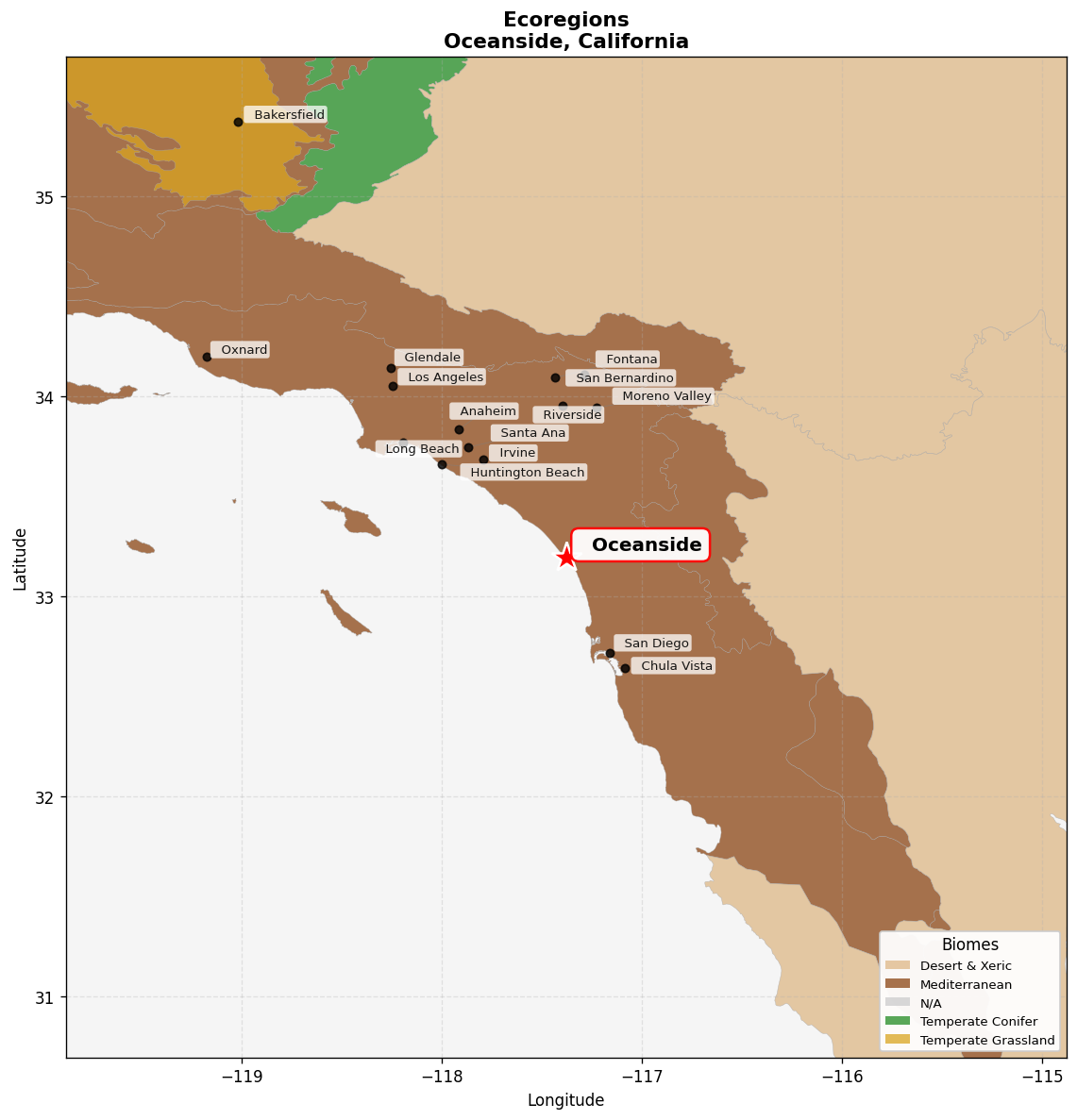
California coastal sage and chaparral
Native ecoregionFrequently Asked Questions
How much does modern landscaping cost in Oceanside?
San Diego County is one of the most expensive install markets in the country — budget 25–40% above national averages, almost entirely because of labor. A front-yard modern conversion on a typical 700-square-foot Fire Mountain lot (turf removal, drip retrofit, decomposed granite, steel edging, and a dozen specimen Agave ovatifolia and Yucca gloriosa 'Bright Star') runs $9,000–24,000 installed. A sawcut concrete terrace with a gas fire bowl lands at $22,000–55,000. Bluff lots on The Strand carry a real premium: engineered footings, glass-panel guardrails, and wheelbarrow-only access on narrow one-way streets can add 20–30% before a single plant goes in the ground. Turf rebates claw back a meaningful slice.
Which succulents survive Oceanside's salt spray, and which ones rot?
Within about half a mile of the surf the reliable performers are Agave attenuata, Agave 'Blue Flame', Aloe striata, Aloe 'Blue Elf', Aeonium arboreum 'Zwartkop', Dudleya brittonii, Dudleya pulverulenta, Crassula ovata and Senecio mandraliscae — coastal Californian, Baja and Canary Island plants that evolved in salt fog. The failures are almost always high-desert imports: Agave parryi var. truncata and Agave victoriae-reginae develop black basal rot in the persistent damp, Echinocactus grusonii turns corky and orange, Opuntia santa-rita loses its purple blush entirely, and Euphorbia tirucalli 'Sticks on Fire' stays plain green because it never gets the heat it needs to color. Move three miles inland to Rancho Del Oro and every one of those becomes a good plant again.
Is my Oceanside yard coastal or inland, and does that change the plant list?
Dramatically, and the dividing line runs roughly along El Camino Real. West of it — South O, The Strand, Loma Alta, west Fire Mountain — you are in true maritime Zone 10a: summer highs near 75°F, effectively no frost, heavy marine layer, salt. East of it — Rancho Del Oro, Ocean Hills, Morro Hills, Jeffries Ranch — summer highs hit 95–100°F on Santa Ana days and clear January nights fall into frost-pocket 9b. In practice: Agave attenuata and Aeonium arboreum 'Zwartkop' are coastal plants whose soft leaves scorch and shrivel inland, while Agave ovatifolia, Hesperaloe parviflora 'Brakelights', Dasylirion wheeleri and Yucca rostrata 'Sapphire Skies' handle both and actually look their best with inland heat.
Can I get paid to remove my lawn in Oceanside?
Usually. Oceanside is a San Diego County Water Authority member agency inside the Metropolitan Water District service area, so residents have historically qualified for SoCal Water$mart turf replacement at a base $2 per square foot, with regional top-ups pushing the effective rate to $3–4 in some funding years. The conditions are consistent: apply and get written approval before you remove anything, keep the area permeable and planted at roughly three plants per 100 square feet at mature size, convert overhead spray to drip, and expect a post-install inspection. Rates and funding are allocated annually and run out, so confirm the current program with the City of Oceanside water utility before you schedule demolition.
What does Oceanside's soil mean for concrete and pavers?
The coastal terrace under South O and The Strand is Marina loamy coarse sand — free-draining and forgiving, which is why a 4-inch compacted Class II base is genuinely adequate for a residential concrete terrace here, unlike clay markets that need eight. Inland you hit Huerhuero and Las Flores clay loams over a claypan that perches winter water; there, add subdrains along the uphill edge and budget deeper excavation. Everywhere in the salt zone, specify hot-dip galvanized or 316 stainless hardware and seal concrete against efflorescence. Be cautious with raw Corten within two blocks of the beach — salt fog keeps it corroding rather than patinating, and it bleeds orange onto pale concrete within a season.
When should I install, and do I need permits?
October through February is the planting window: winter rain does the establishment watering and soil stays warm enough that Agave ovatifolia, Westringia fruticosa 'Morning Light' and Muhlenbergia capillaris 'Regal Mist' root through the season. Hardscape goes in year-round. Planting and gravel need no permit, but retaining walls over 4 feet measured from footing, pools and spas, and any gas or electrical run for a fire feature require City of Oceanside permits. The local wrinkle worth knowing: parcels west of the coastal zone boundary fall under Oceanside's certified Local Coastal Program, and substantial site work there can trigger a Coastal Development Permit — check before you design a bluff terrace. California also requires a licensed C-27 contractor on any landscape job over $500.