4 Modern Garden Ideas for Garden Grove, CA | Clean-Line Landscape Design in Zone 10b
Native plants from the California coastal sage and chaparral (Zone 10b) — Cold semi-arid climate
Why Modern/Minimalist Gardens in Garden Grove?
Garden Grove is one of the most under-rated modern-design cities in Orange County, and the reason is its housing stock. The city incorporated in 1956 and filled in almost entirely between 1950 and 1970, which means street after street of single-story tract ranches with low horizontal rooflines, wide eaves, and front-facing attached garages on 6,000–7,200 sqft lots — the same mid-century bones Palm Springs charges a premium for. Modern landscaping here does not have to impose geometry on the house; it only has to finish the lines the architecture already drew. A wide poured-concrete entry walk, one continuous steel bed edge, and three or four plant textures repeated in disciplined drifts will transform a 1962 ranch in West Garden Grove, Eastgate, or the blocks around Historic Main Street far more cheaply than any facade remodel.
Zone 10b is the real luxury here. Garden Grove sits roughly eight miles inland from the Bolsa Chica coast, winter lows land in the 35–40°F band, and a hard frost is close to a once-a-decade event — so the sculptural, frost-tender plants that define expensive modern gardens are permanent residents rather than annual replacements. Agave attenuata, the spineless fox-tail agave that scorches in Phoenix and freezes out in Riverside, is bulletproof in Garden Grove's filtered marine light, and so are Aeonium arboreum 'Zwartkop', Agave 'Blue Glow', Echeveria imbricata, and Curio repens (blue chalksticks). Build the year-round structure from Westringia fruticosa 'Morning Light', Pittosporum tenuifolium 'Silver Sheen', Lomandra longifolia 'Breeze', Leymus condensatus 'Canyon Prince', and Chondropetalum tectorum, then add movement with Muhlenbergia capillaris 'Regal Mist' and native deergrass, Muhlenbergia rigens. Skip Stipa tenuissima — it is Cal-IPC listed and seeds straight into the surrounding coastal sage scrub; Bouteloua gracilis 'Blonde Ambition' gives the same blonde haze without the problem.
The economics are specific to Orange County. Garden Grove Water Services buys imported supply through MWDOC, so residents qualify for Metropolitan's SoCal Water$mart turf replacement rebate at $2 per square foot, on up to 5,000 sqft per year — and the program's two hard rules (three plants per 100 sqft of converted area, and no synthetic turf inside it) happen to describe exactly the planting density a good modern design already wants. Against that, Orange County installation labor runs 20–35% above the national average, with licensed C-27 crews billing roughly $85–125 per hour, so material restraint pays you twice. The soil is Santa Ana River alluvium — respectable sandy loam sitting on compacted tract-grading fill — which means the standard prep is ripping the hardpan and mounding beds 8–12 inches above grade rather than amending in place, then running inline drip on a WaterSense controller from day one.
4 Modern/Minimalist Design Ideas for Garden Grove
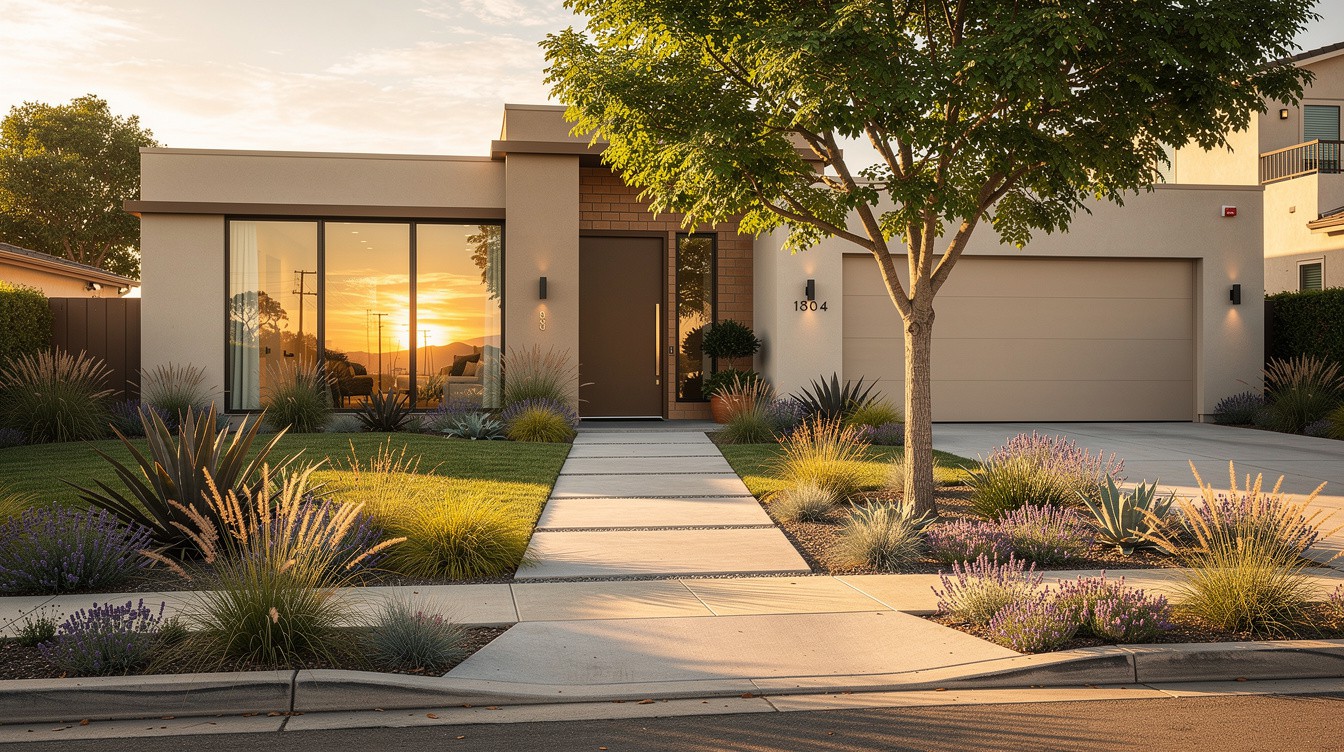
The Sunset Glass Ranch
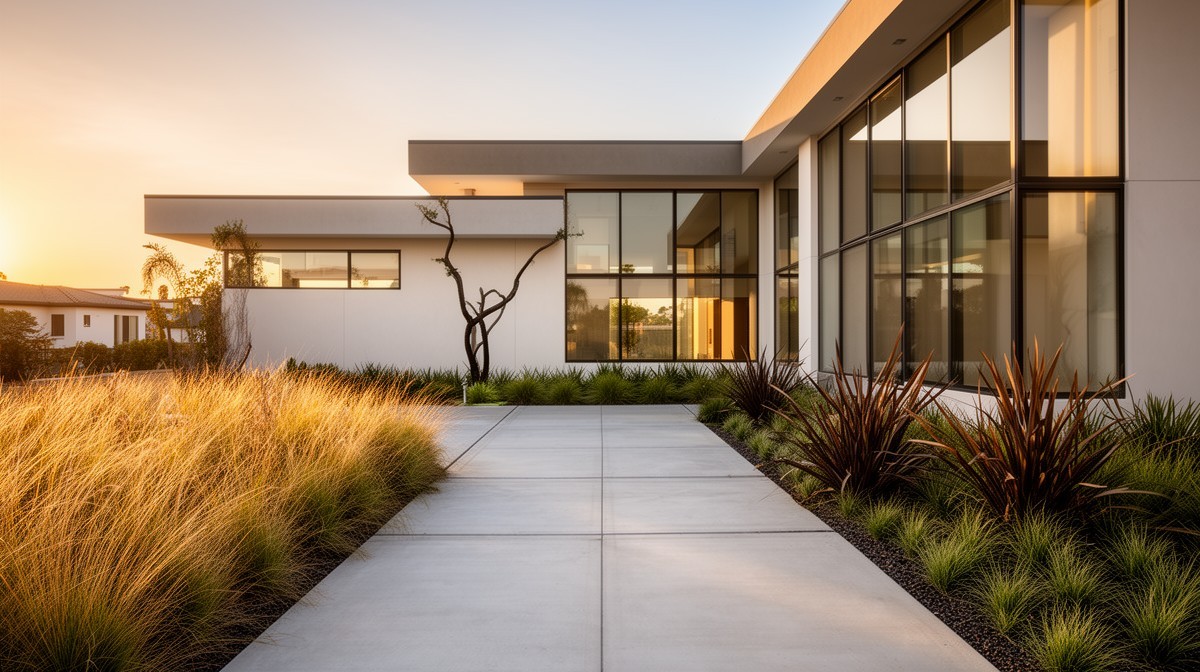
$18–32/sqftA low-slope contemporary ranch with a brick accent panel and a tall walnut-toned entry door, its street-facing living room glazed floor to ceiling so the western sunset burns in the glass. A generous five-foot poured concrete walk runs straight from the curb to the door, broken into panels by dark pebble joint bands, and the remaining lawn has been reduced to a single clipped green rectangle instead of wall-to-wall turf. Everything else is drift planting: purple Lavandula 'Provence' repeating on both sides of the walk, blue fescue and deergrass filling between, and a few burgundy Phormium and blue Agave 'Blue Glow' rosettes placed as punctuation. The street tree sits in its own gravel island rather than a lawn cutout — a small move that instantly reads as designed.
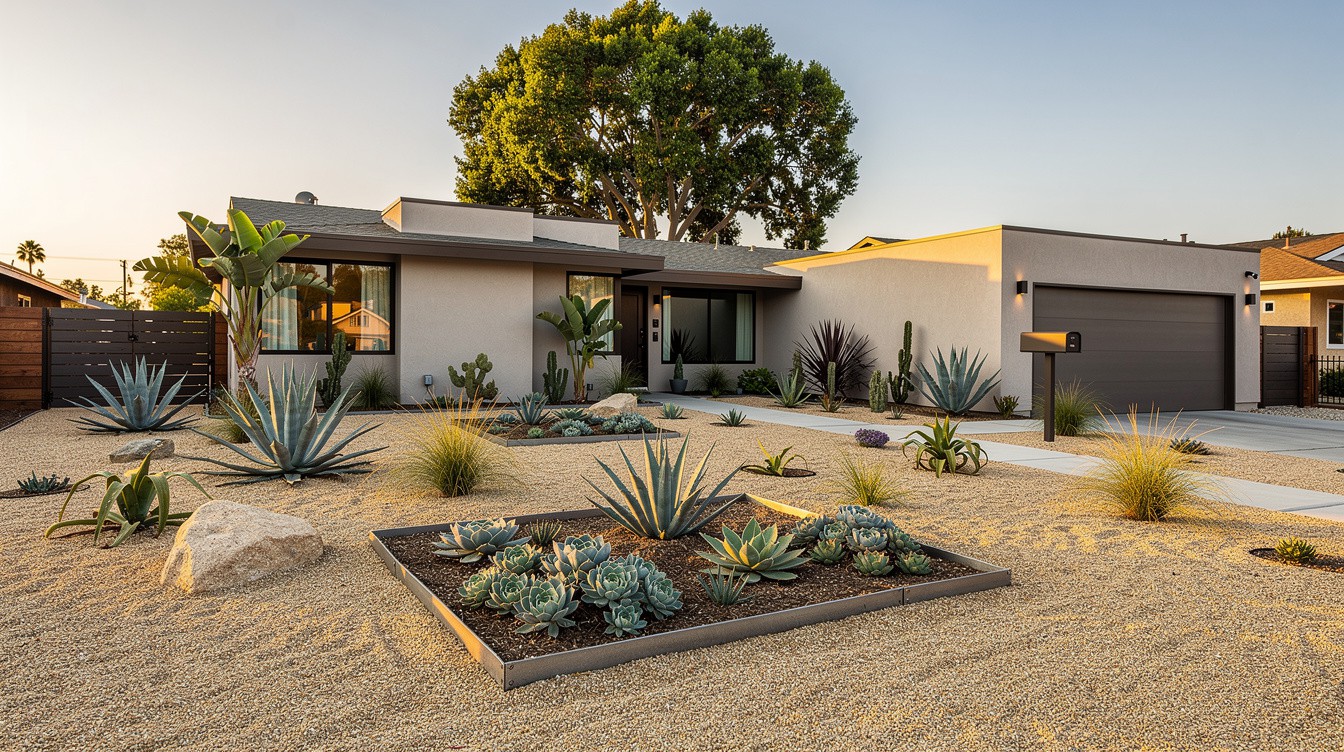
The Steel-Framed Succulent Table
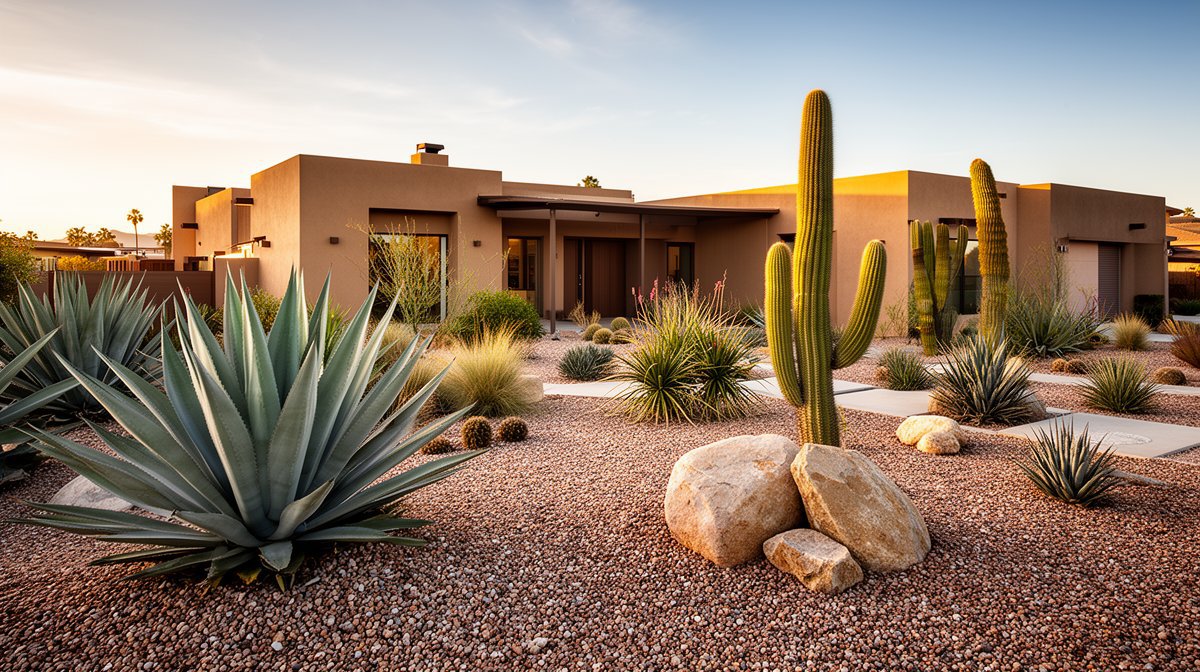
$14–26/sqftThe lawn is gone entirely, replaced by a wide field of gold decomposed granite that runs uninterrupted from the driveway to the neighbor's fence. Floating in it is a steel-edged rectangular bed set flush like a tabletop, filled with dark bark and planted as a single composition — tight rosettes of Echeveria imbricata surrounding two blue Agave 'Blue Glow'. Larger Agave americana 'Mediopicta Alba' specimens and granite boulders are scattered across the DG at deliberately uneven spacing, Aloe 'Blue Elf' and a burgundy Cordyline 'Red Star' anchor the corner by the garage, and a Strelitzia nicolai gives the one big tropical gesture beside the horizontal cedar slat gate. This is the layout that maximizes rebate square footage while still passing the three-plants-per-100-sqft test.
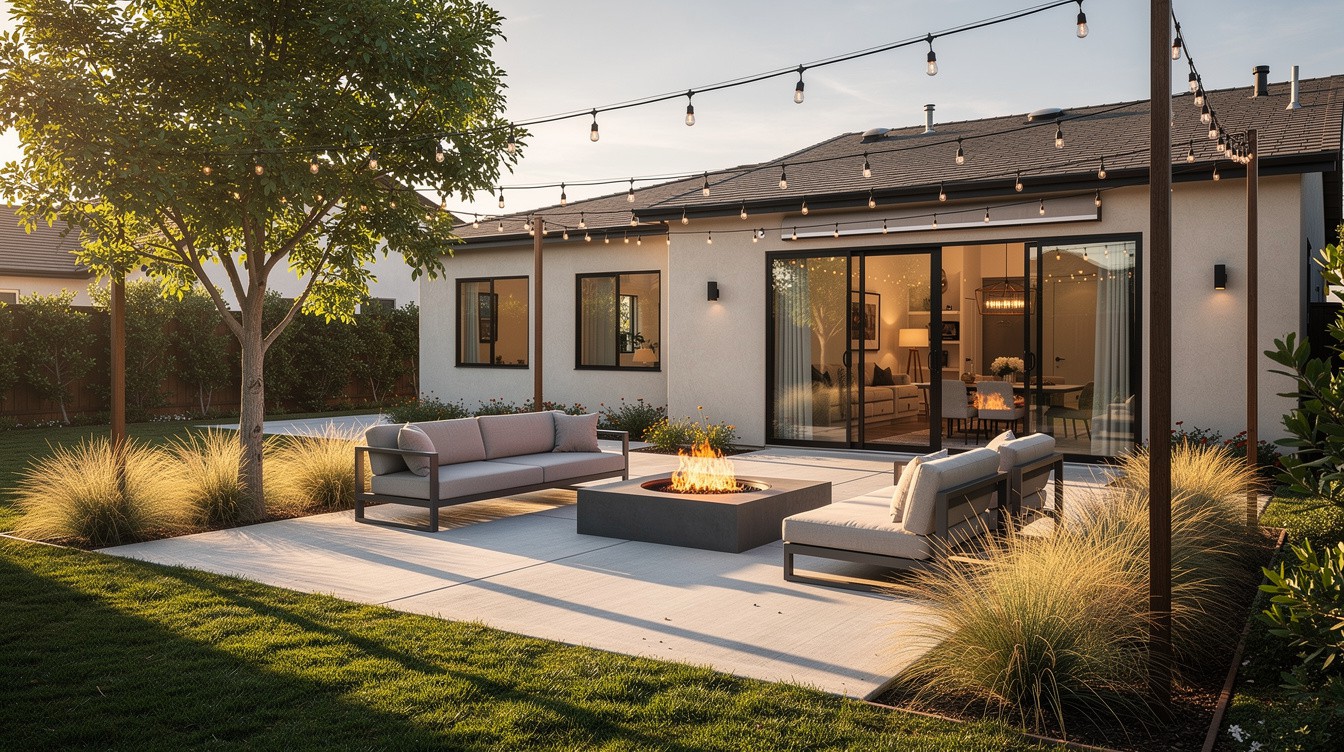
The String-Light Slab
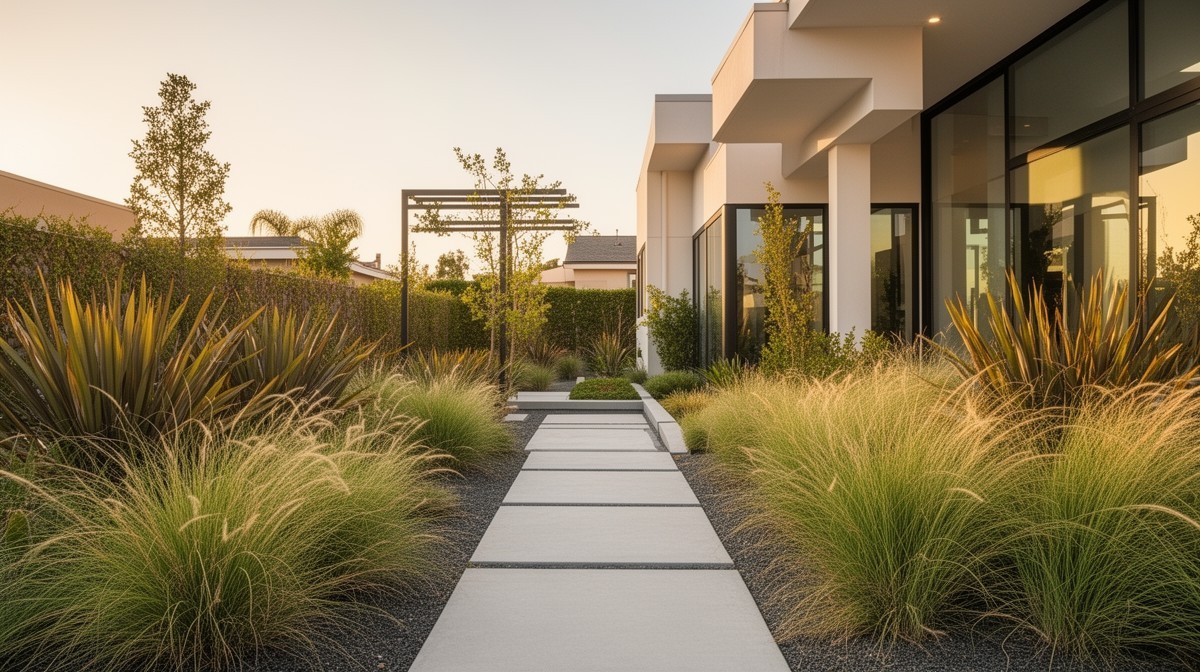
$22–38/sqftA single large-format concrete slab, sawcut into a four-foot grid, extends off the black-framed sliders and does all the work — no pergola, no built-ins, no level changes. Two low steel-frame sofas face a rectangular gas fire table at the center, and commercial-grade string lights swag overhead from four cedar posts, which is what turns the slab into a room after dark. The hard edge dissolves into loose masses of Muhlenbergia 'Regal Mist' and Leymus condensatus 'Canyon Prince' rather than a planted border, with a strip of lawn kept along one side for the dog and the kids. It is the most buildable of the four ideas: one material, one focal element, one planting texture repeated.
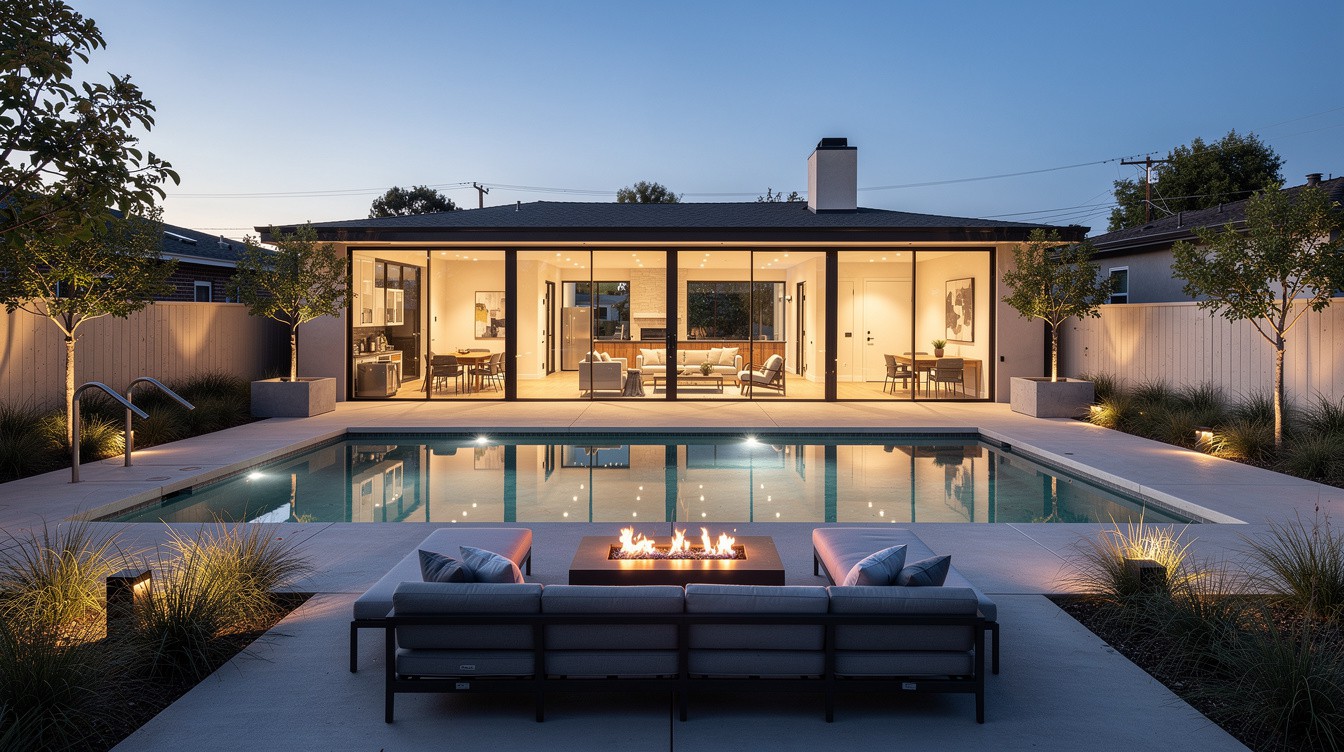
The Twilight Pool Court
$60–120/sqft (pool area inclusive)A rectangular pool sits on axis with a full glass rear wall, the house glowing warm at dusk and the water reflecting it back — a strictly symmetrical composition that only works because the planting is repeated exactly on both sides. Two board-formed concrete cube planters flank the far coping, each holding a multi-trunk tree, and uplit grasses run the length of both white board fences so the fence line disappears into shadow and texture. In the foreground a lounge group faces a linear fire table across the deck from the pool. The restraint is the point: pale concrete, white fence, green and wheat grasses, warm light, nothing else competing.
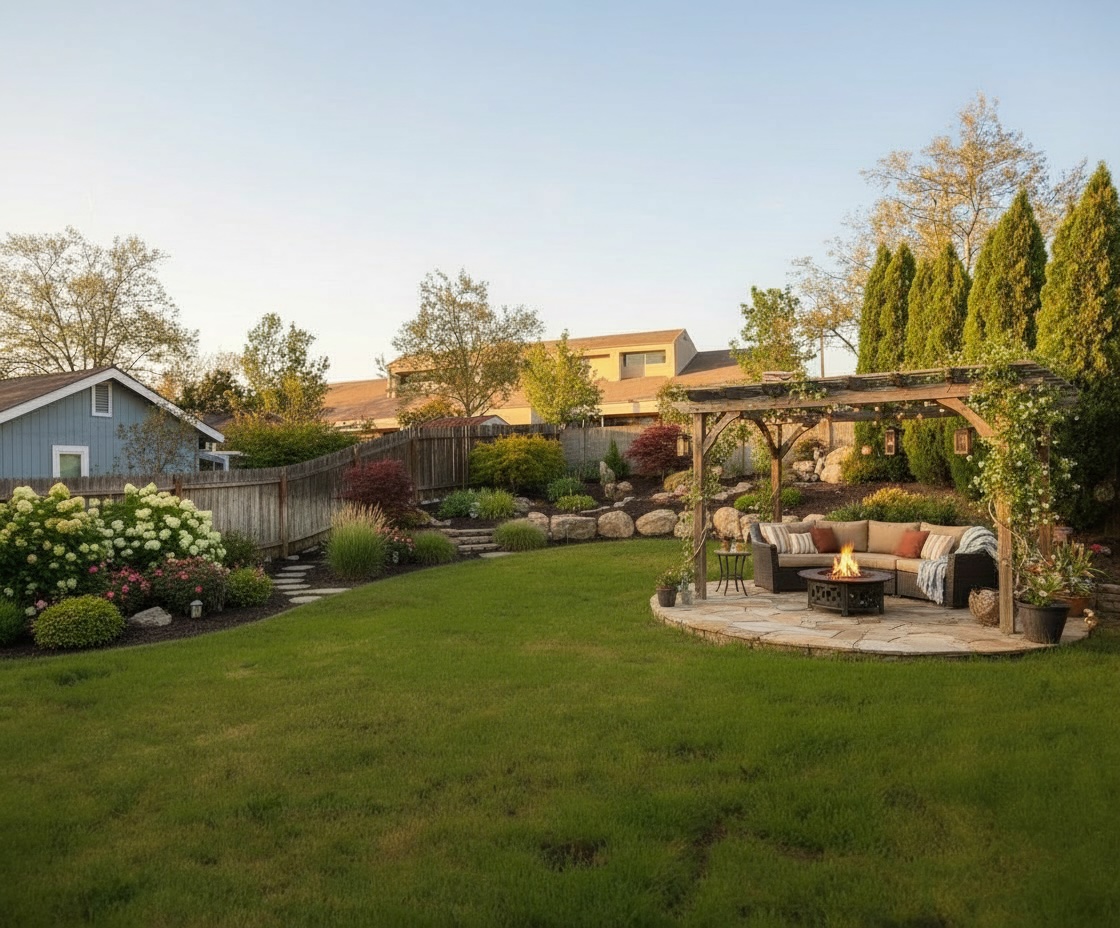
See how a modern/minimalist garden looks on YOUR property
Upload a photo of your Garden Grove yard and visualize your dream garden in seconds.
Try ProScapeAI Free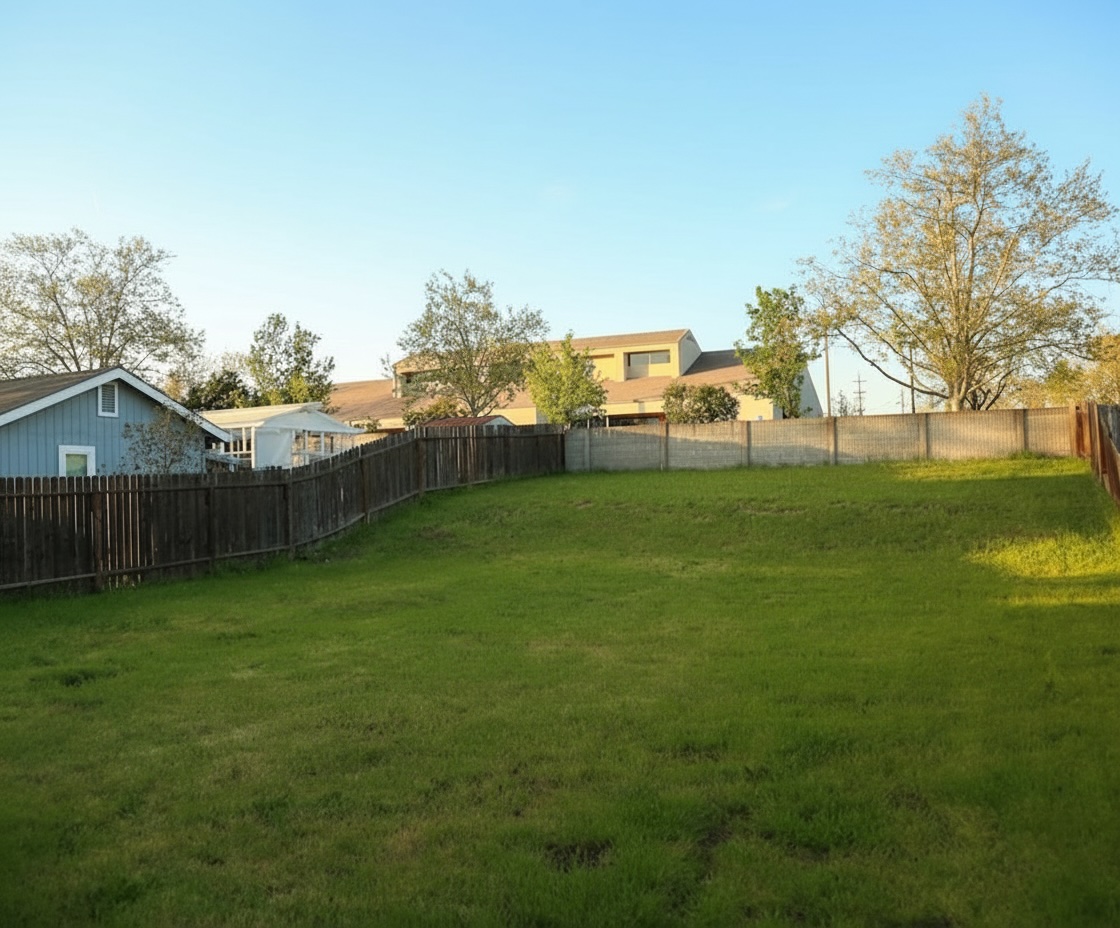
Featured Trees & Shrubs for Modern/Minimalist Gardens
Browse all 115 plants for Garden Grove
Black Sage
Salvia mellifera
grows to 4 feet, white blooms in spring. Attracts butterflies.
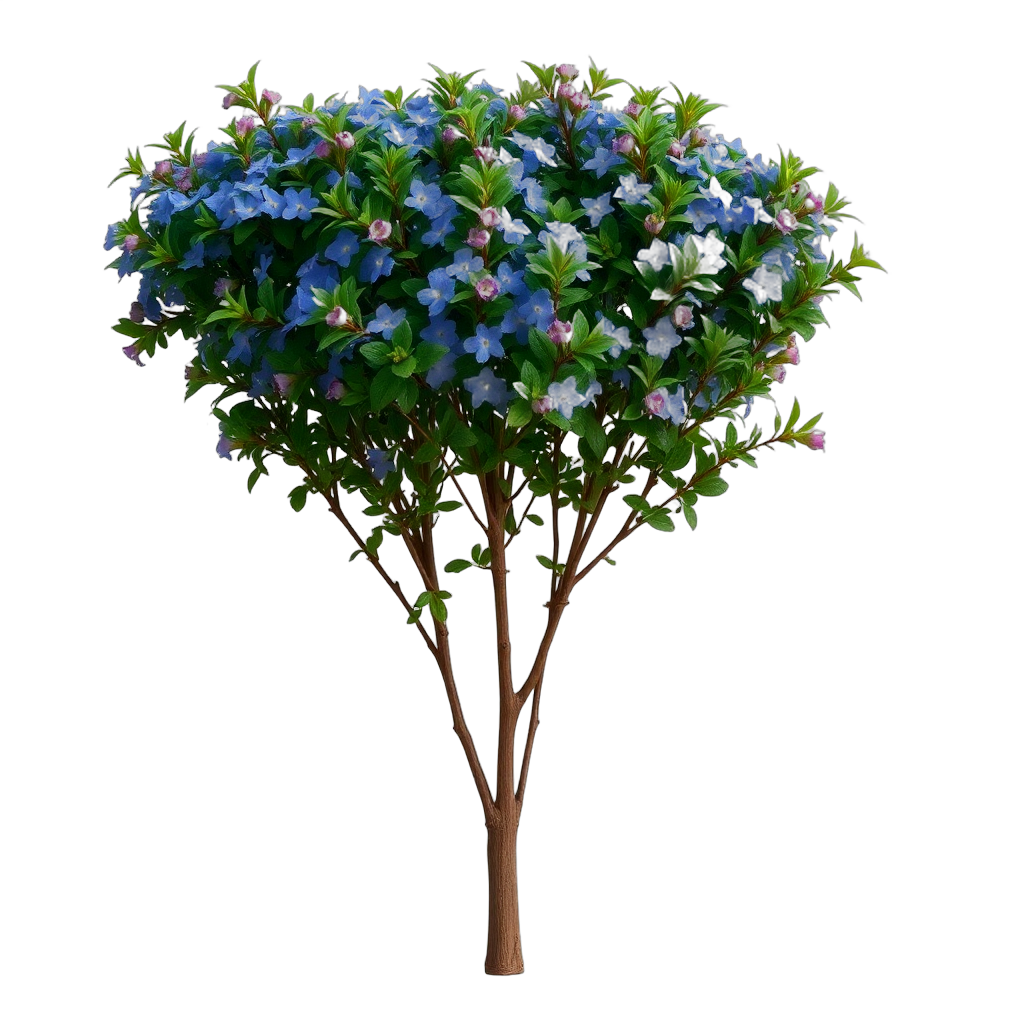
Blue Blossom
Ceanothus thyrsiflorus
medium-sized at 12 feet, blue blooms in spring. Attracts butterflies.
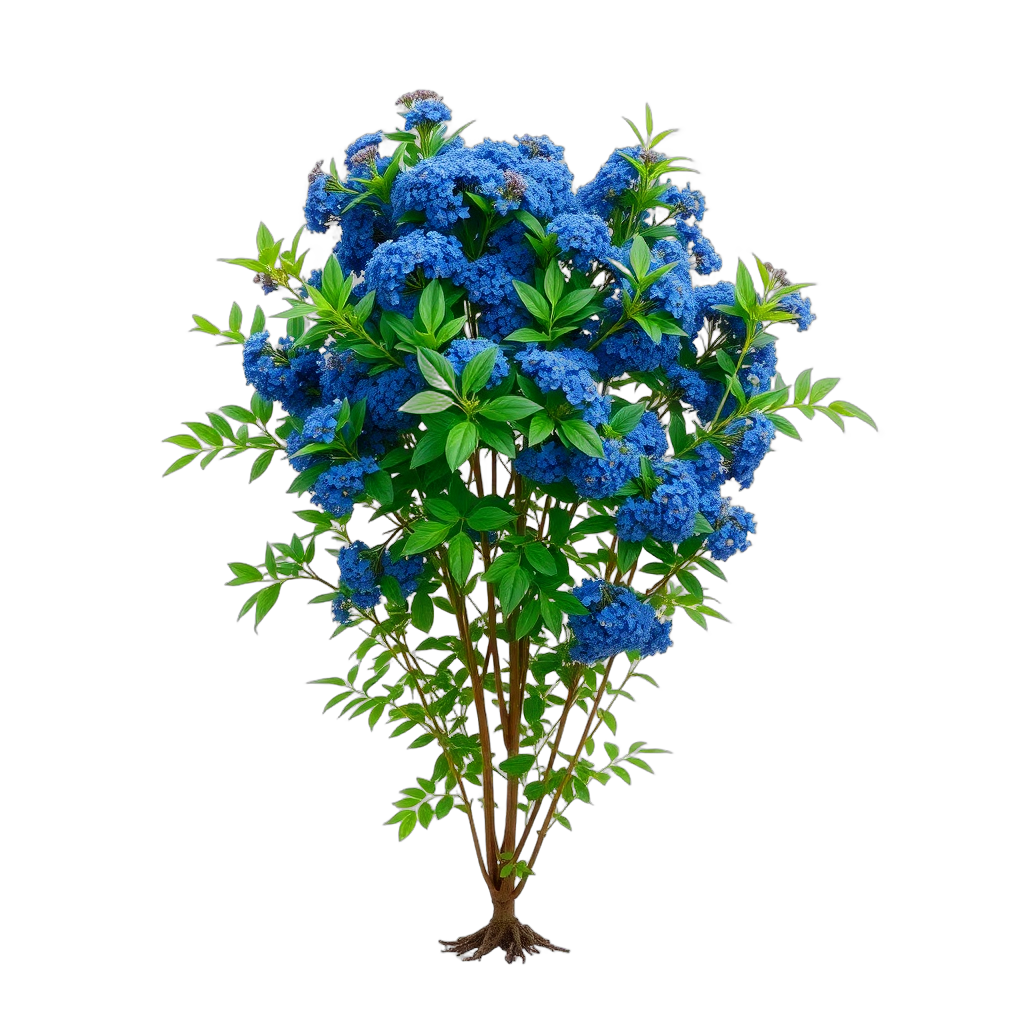
Blue Elderberry
Sambucus cerulea
medium-sized at 15 feet, white blooms in spring. Attracts butterflies.
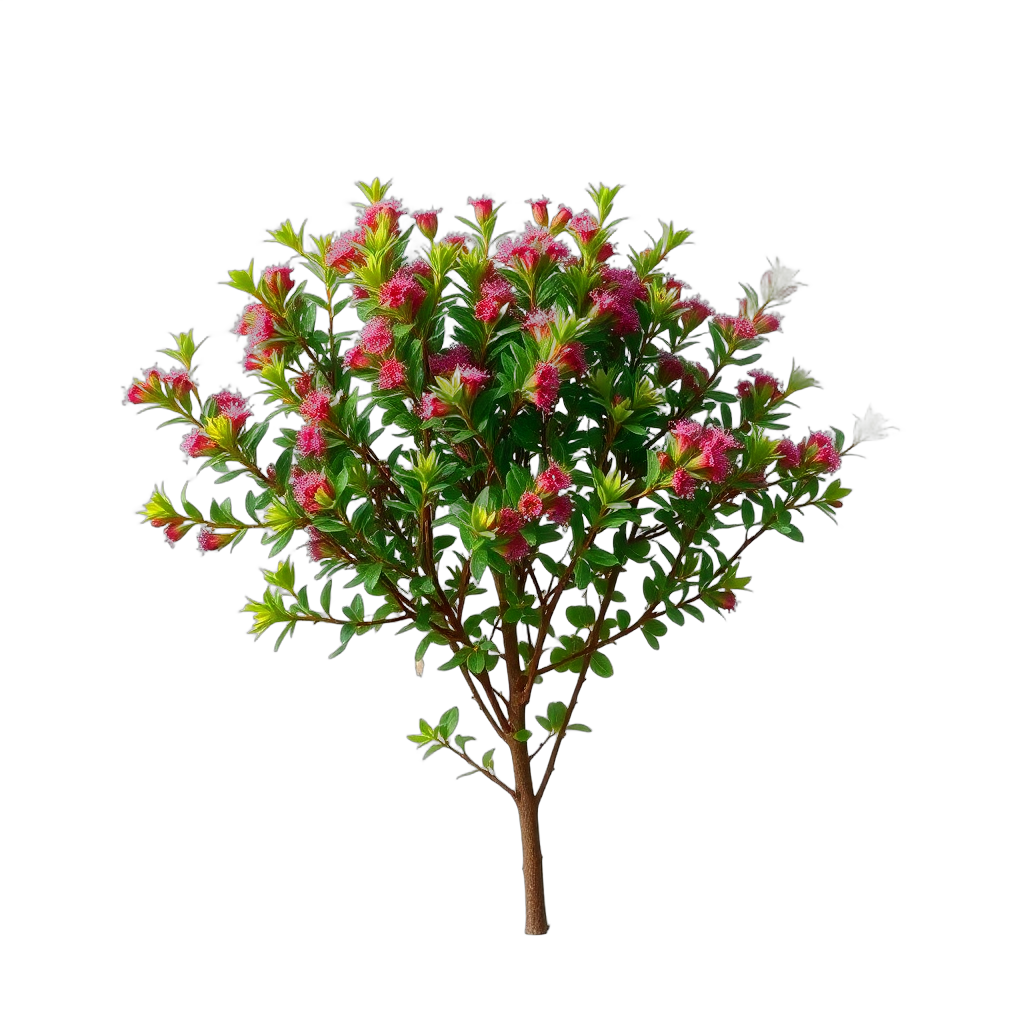
Buckbrush
Ceanothus cuneatus
medium-sized at 7 feet, white blooms in spring. Attracts butterflies.
Featured Grasses & Groundcovers for Modern/Minimalist Gardens
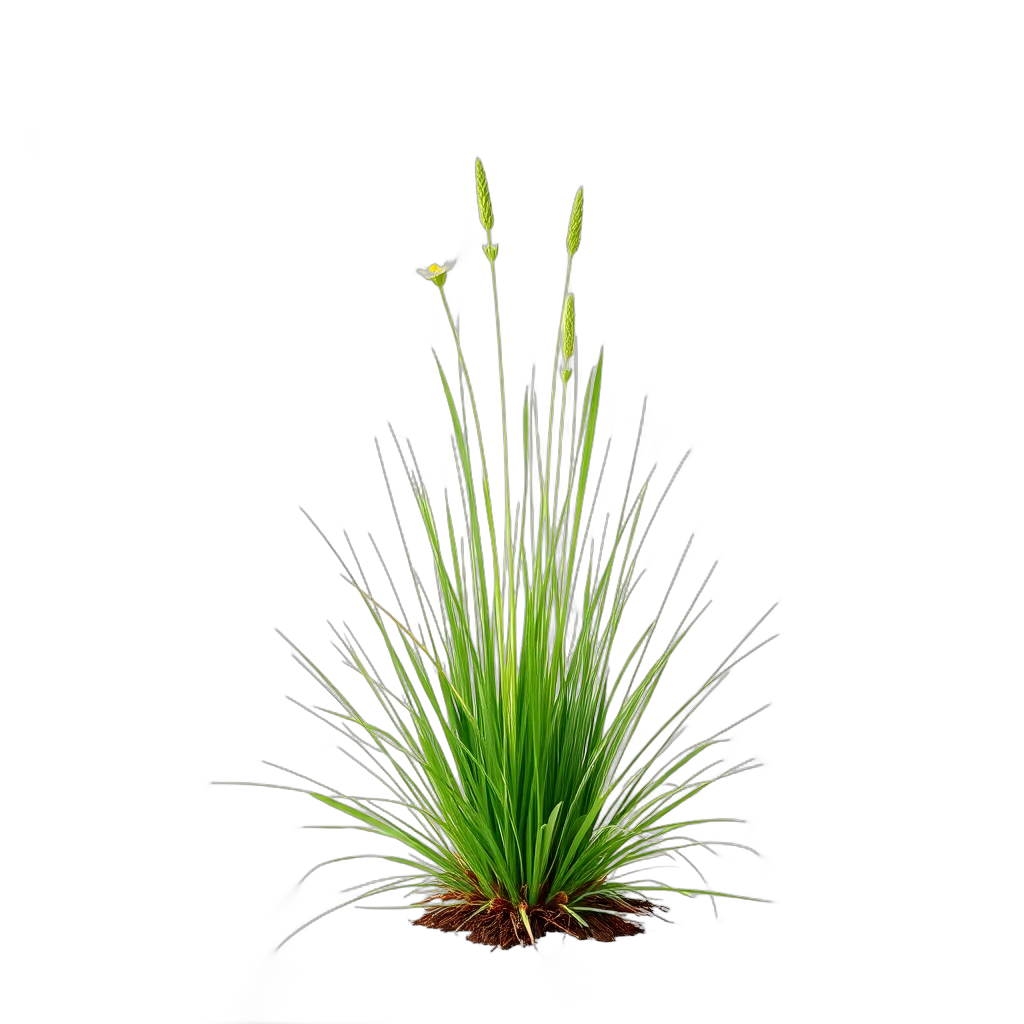
California Brome
Bromus carinatus
low-growing ground cover, blooms in spring. Yellow fall color.
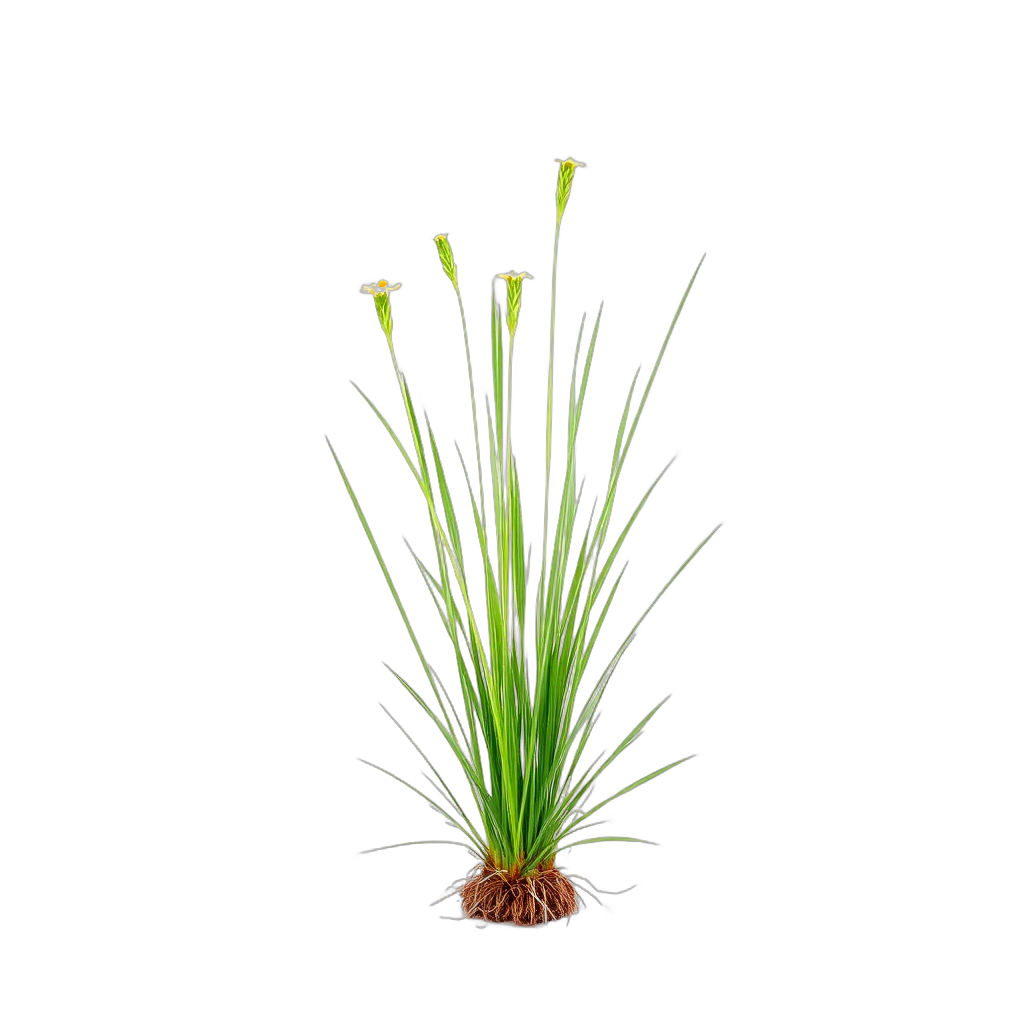
California Melic
Melica californica
low-growing ground cover, blooms in spring.
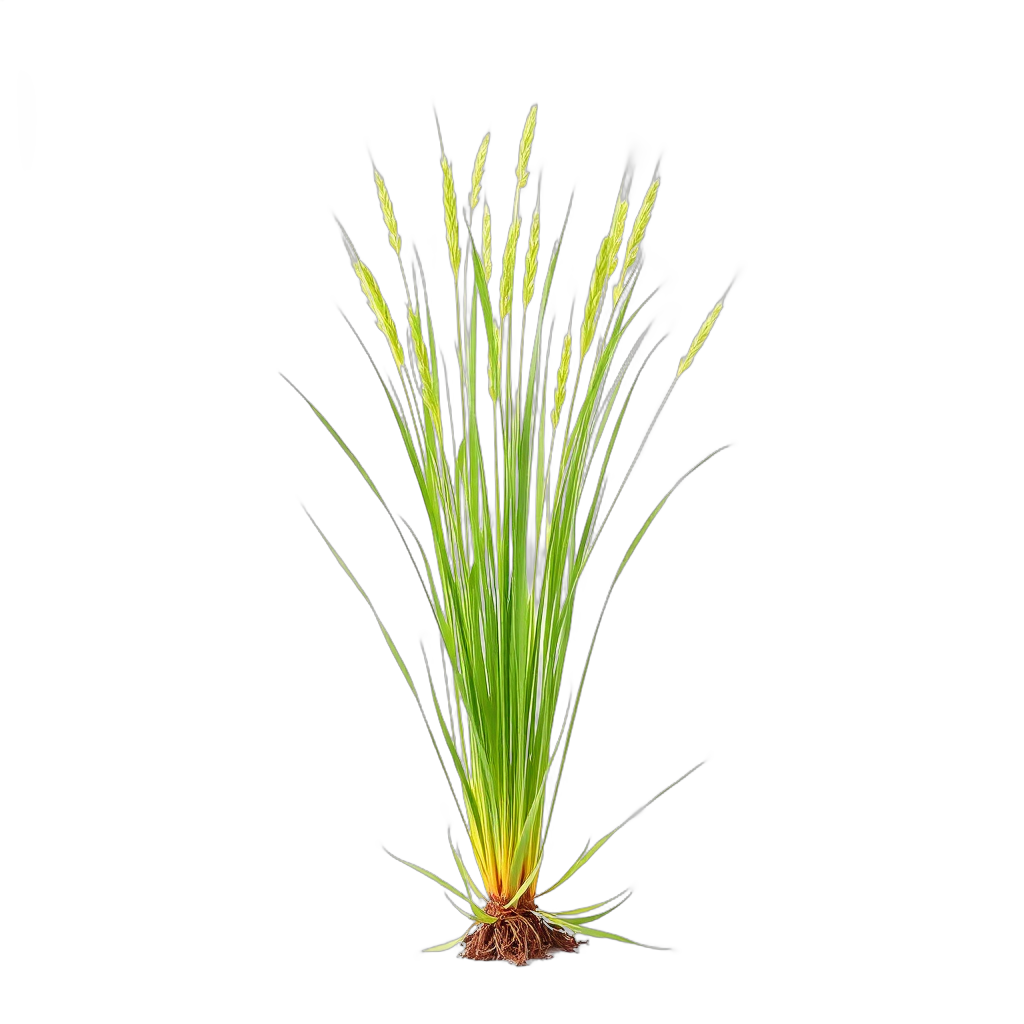
California Oatgrass
Danthonia californica
low-growing ground cover, blooms in spring. Yellow fall color.
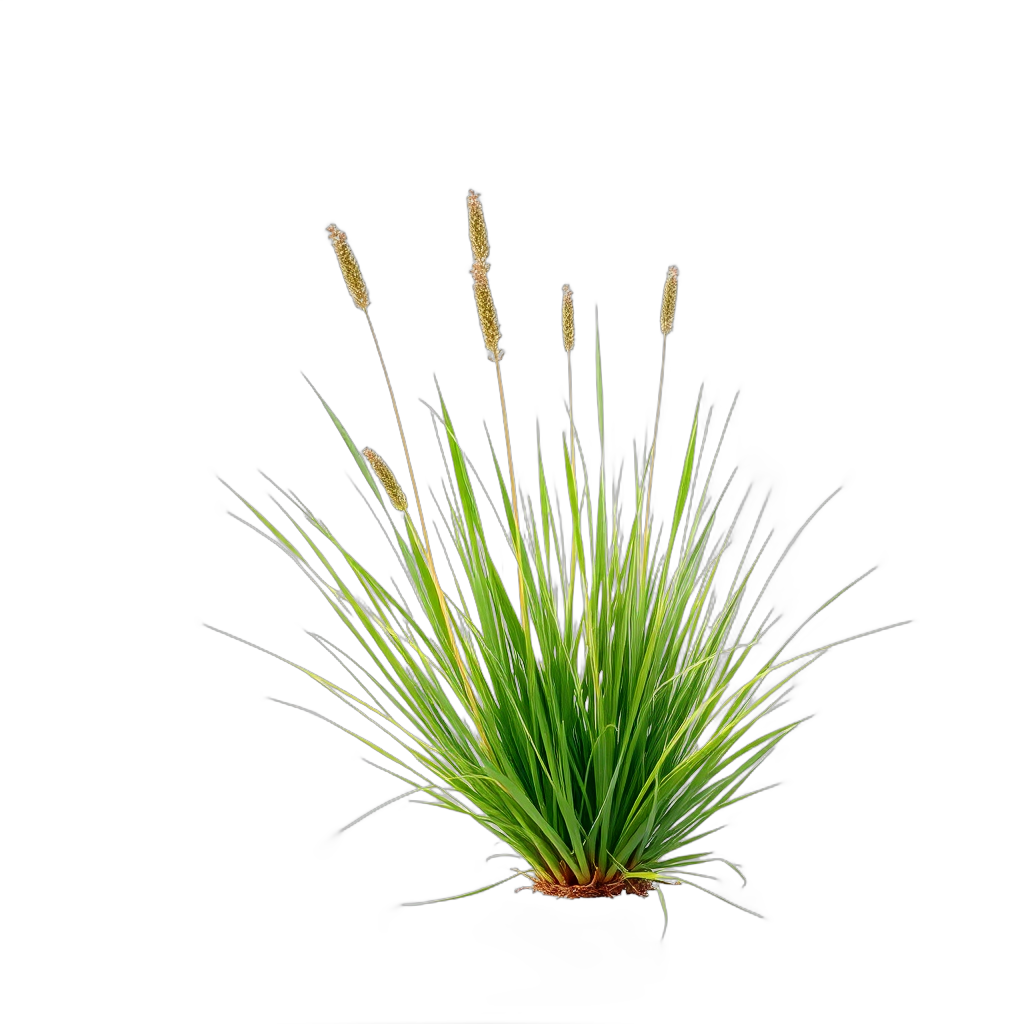
Deer Grass
Muhlenbergia rigens
grows to 3 feet, yellow blooms in fall. Evergreen year-round.
Featured Flowers & Perennials for Modern/Minimalist Gardens
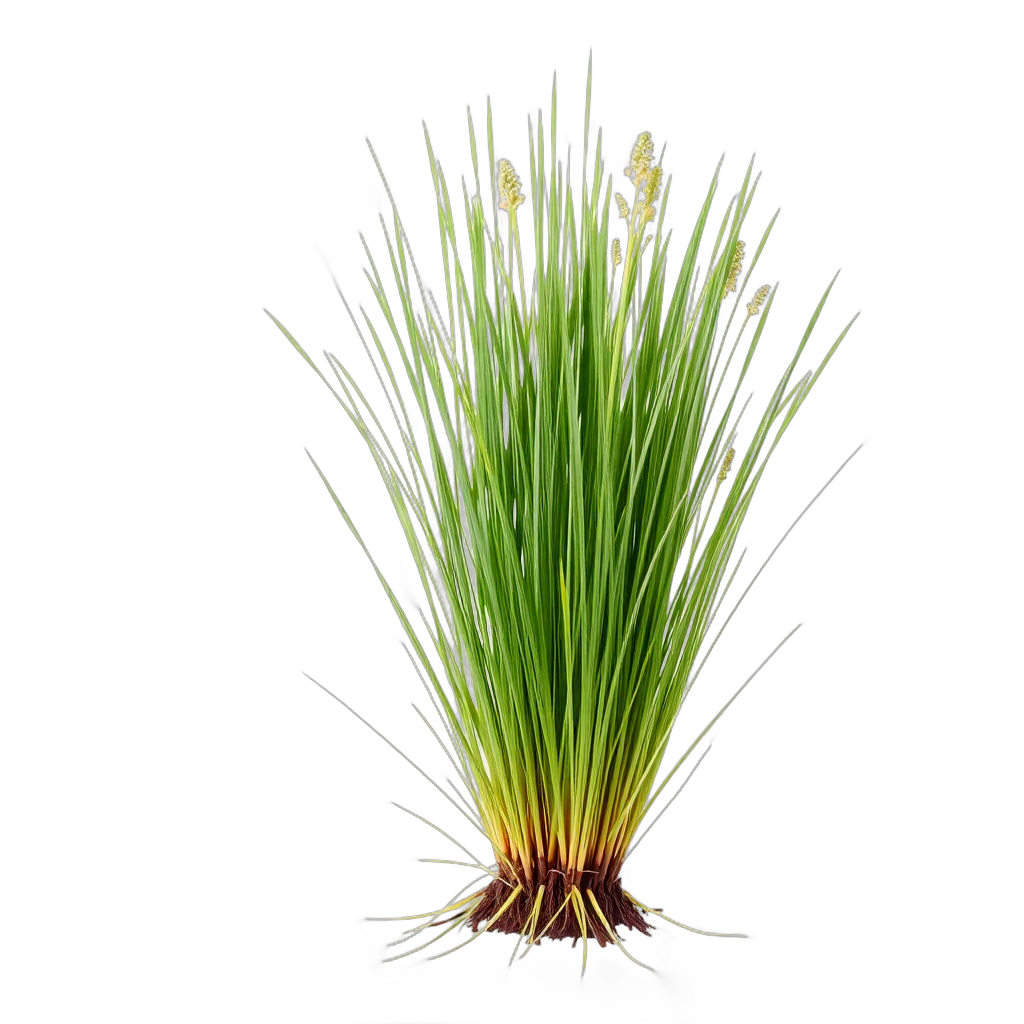
California Gray Rush
Juncus patens
low-growing ground cover, blooms in summer. Evergreen year-round.
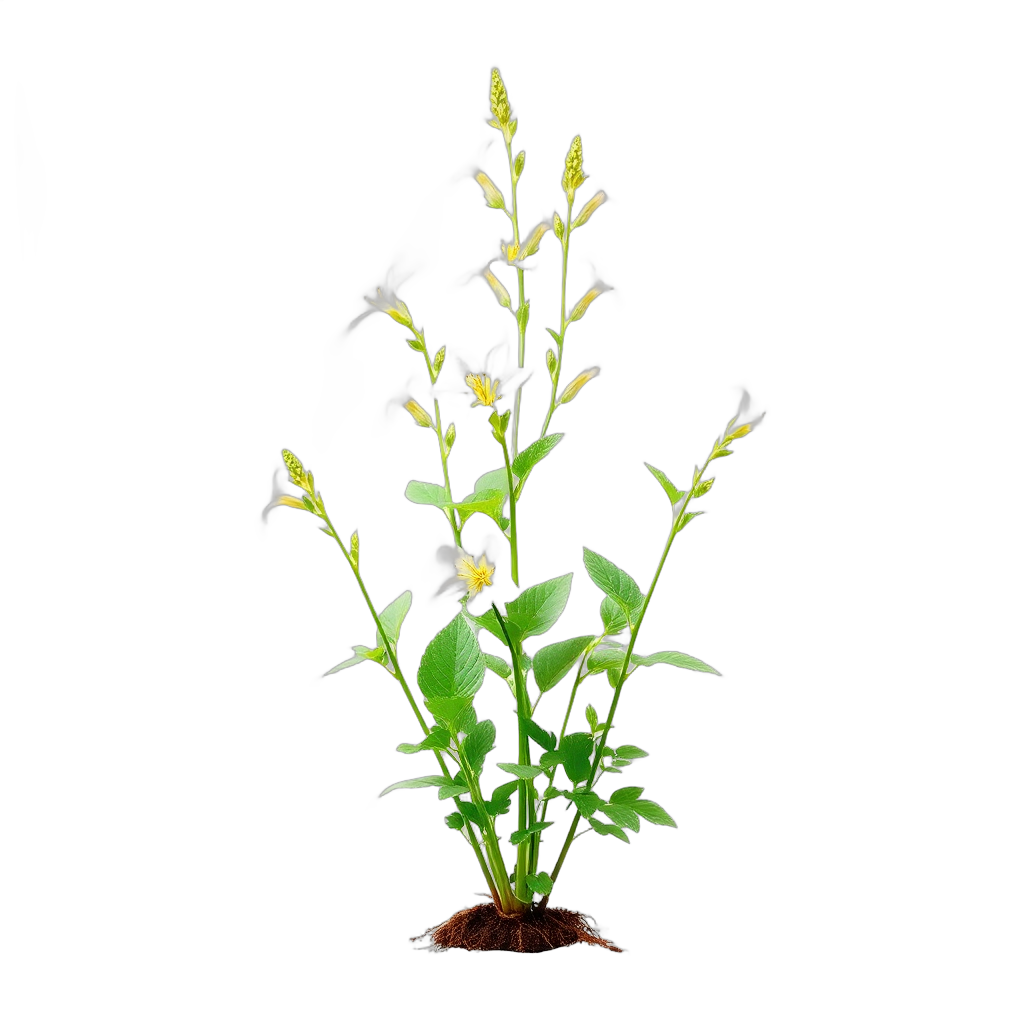
Beach Evening Primrose
Camissonia cheiranthifolia
low-growing ground cover, yellow blooms in spring. Attracts butterflies.
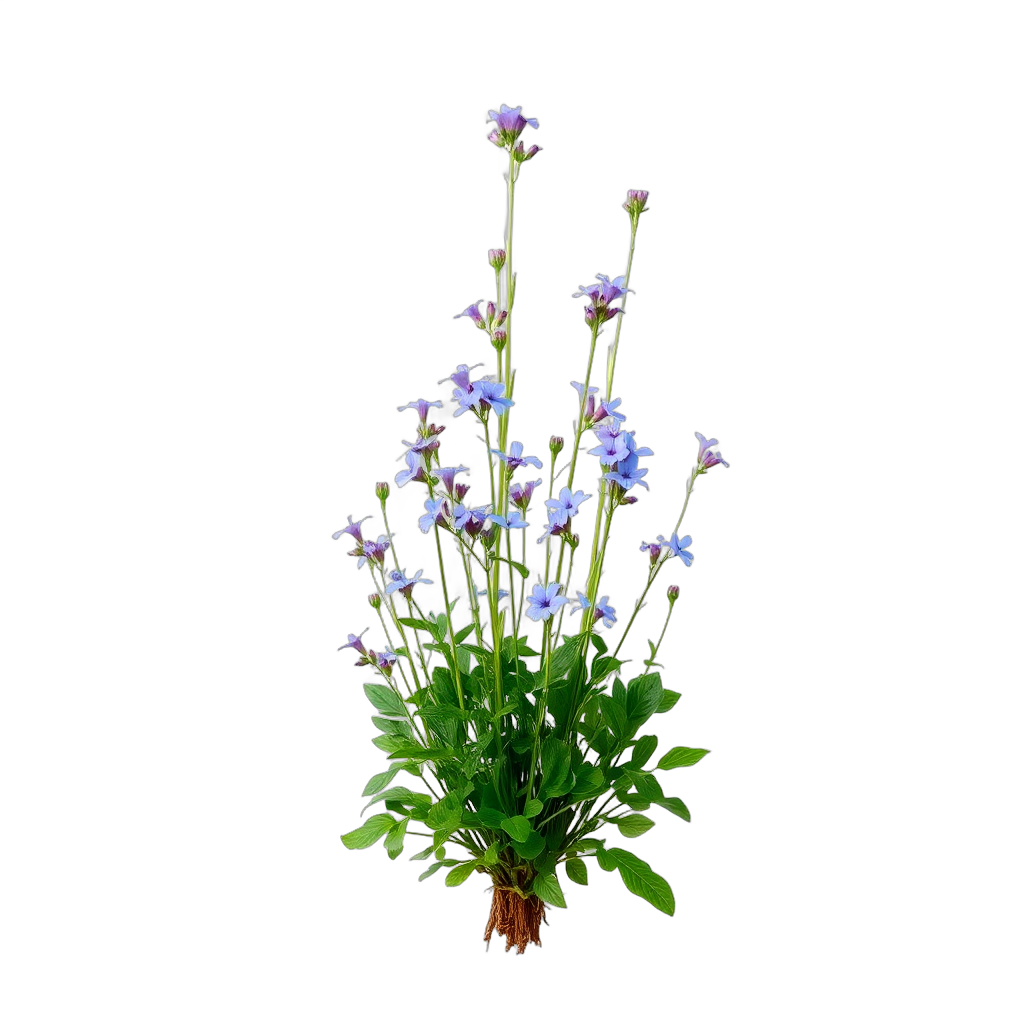
Blue Dicks
Dichelostemma capitatum
low-growing ground cover, blue blooms in spring. Pollinator-friendly.
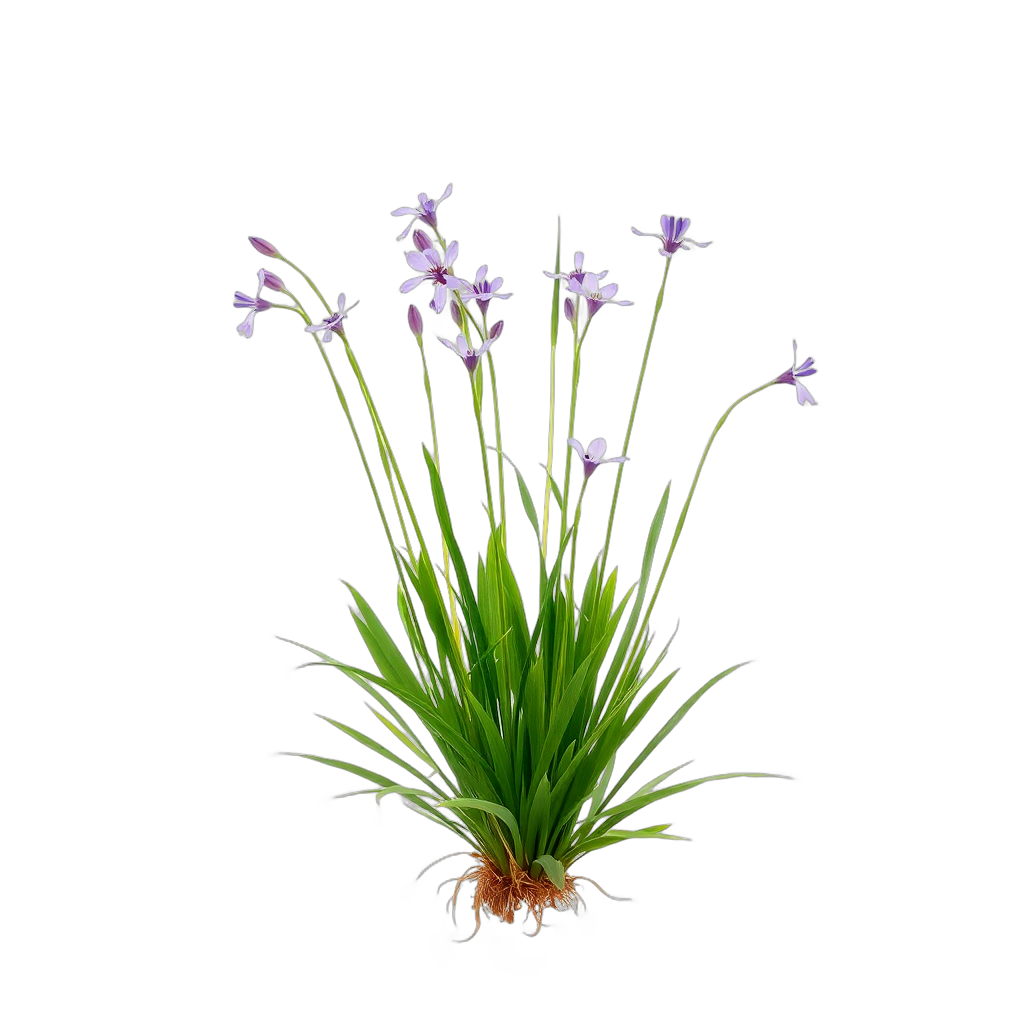
Blue-Eyed Grass
Sisyrinchium bellum
low-growing ground cover, blue blooms in spring. Attracts butterflies.
Bloom Calendar for Garden Grove
spring
Beach Evening Primrose, Blue Dicks, Blue-Eyed Grasssummer
California Gray Rush, Hooker's Evening Primrose, Hummingbird Mintfall
California Fuchsiawinter
Limited bloomsDesign Tips for Garden Grove (Zone 10b)
- Reduce the lawn to one clean rectangle instead of erasing it — a single UC Verde buffalograss or Kurapia panel with a crisp steel edge reads more expensive than wall-to-wall turf and still leaves 500+ sqft of rebate-eligible conversion around it
- Lean on Garden Grove's Zone 10b advantage by planting Agave attenuata, Aeonium 'Zwartkop', and Echeveria imbricata at the front door where their texture gets seen daily — these are the plants Inland Empire designers cannot use and they instantly signal coastal Orange County
- Repeat exactly three plant textures across the whole front yard: one spike (Agave 'Blue Glow' or Phormium 'Amazing Red'), one mound (Westringia fruticosa 'Morning Light'), one grass (Leymus condensatus 'Canyon Prince'). Modern design fails from variety, not from restraint
- Mound every planting bed 8–12 inches above grade and rip the compacted tract-grading hardpan underneath — Garden Grove's Santa Ana River alluvium drains fine until you hit the 1960s fill layer, which is where agaves rot in a wet February
- Substitute Bouteloua gracilis 'Blonde Ambition' or Muhlenbergia dumosa wherever a Pinterest photo shows Mexican feather grass; Stipa tenuissima is Cal-IPC listed in California and will seed itself into the neighborhood
- Uplight the agaves and the fence-line grasses rather than washing the house — in-grade LEDs behind Muhlenbergia 'Regal Mist' throw the shadow pattern that makes these designs photograph well, and Garden Grove's mild evenings give you close to twelve months of use
Where to Source Plants in Garden Grove
Skip the big-box stores. These independent Garden Grove nurseries specialize in the plants that make modern/minimalist gardens thrive in Zone 10b.
Evergreen Nursery
Garden Grove Boulevard
Rare tropical fruit trees, cacti, succulents, and vegetables with reasonable pricing and knowledgeable staff.
Mimi's Nursery
Euclid Street
Exceptional variety of rare succulents and exotic cacti, specializing in crested aeoniums and imports.
Roger's Gardens
Corona del Mar (Orange County)
Renowned independent garden center with plants, seasonal displays, and home and garden decor.
Modern/Minimalist Landscaping Costs in Garden Grove
| Project Scope | Estimated Cost |
|---|---|
| Front yard modern conversion, ~800 sqft (turf removal + concrete walk + DG + architectural plants) | $11,000 – $22,000 (less ~$1,600 turf rebate) |
| Sawcut or integral-color concrete patio (300–500 sqft) | $6,500 – $18,000 |
| Backyard modern room: slab + gas fire table + string-light posts + grass borders | $18,000 – $45,000 |
| Pool, deck, and full backyard modern landscape (Orange County rates) | $85,000 – $220,000 |
| Whole-yard drip conversion + WaterSense smart controller | $1,800 – $4,500 |
| AI visualization with ProScapeAI | Free to start |
Estimates based on Garden Grove, CA-area contractor rates as of 2026. Actual costs vary by site conditions, materials, and contractor.
Garden Grove Climate & Growing Zone
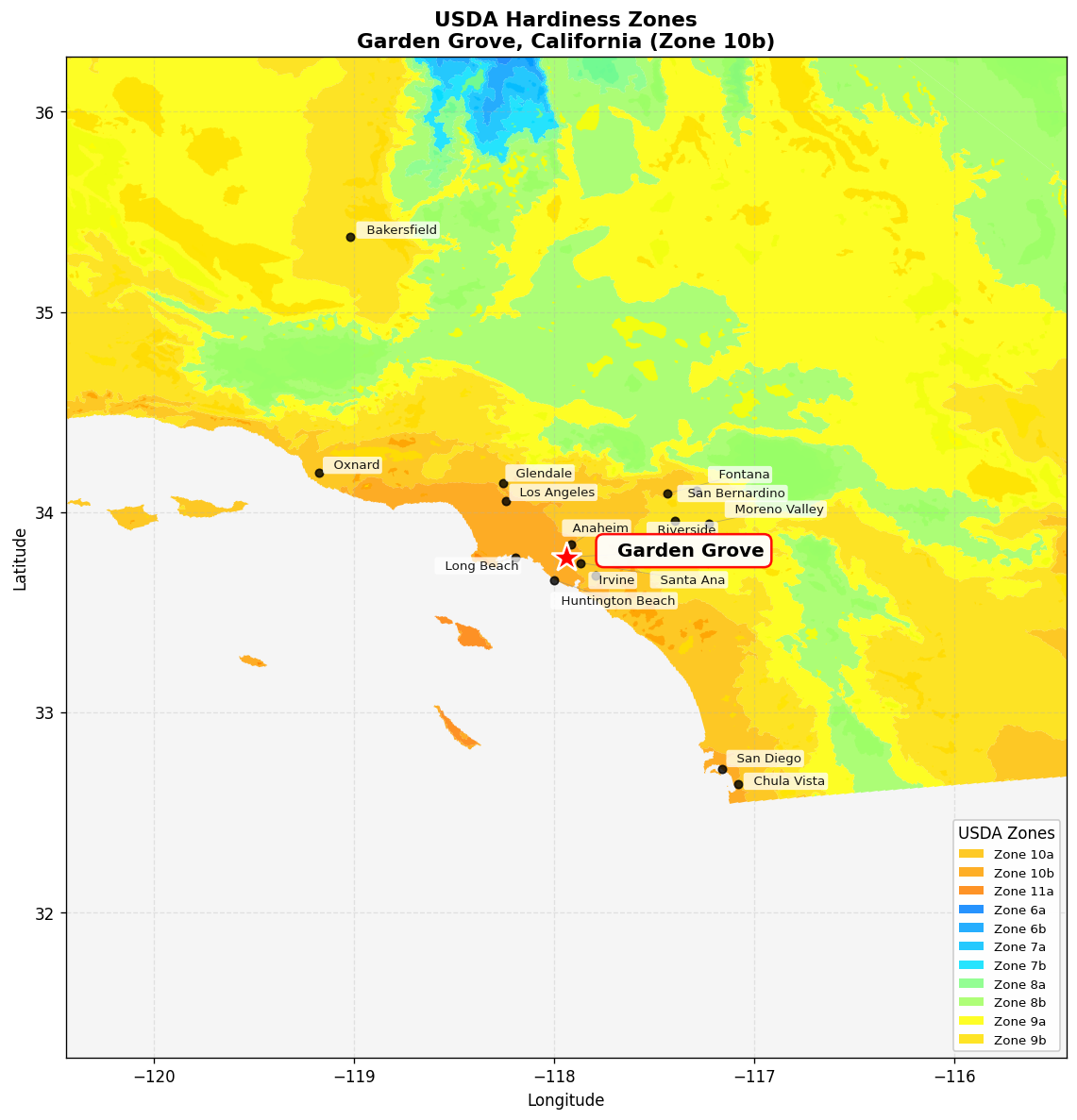
USDA Zone 10b
Hardiness zone for Garden Grove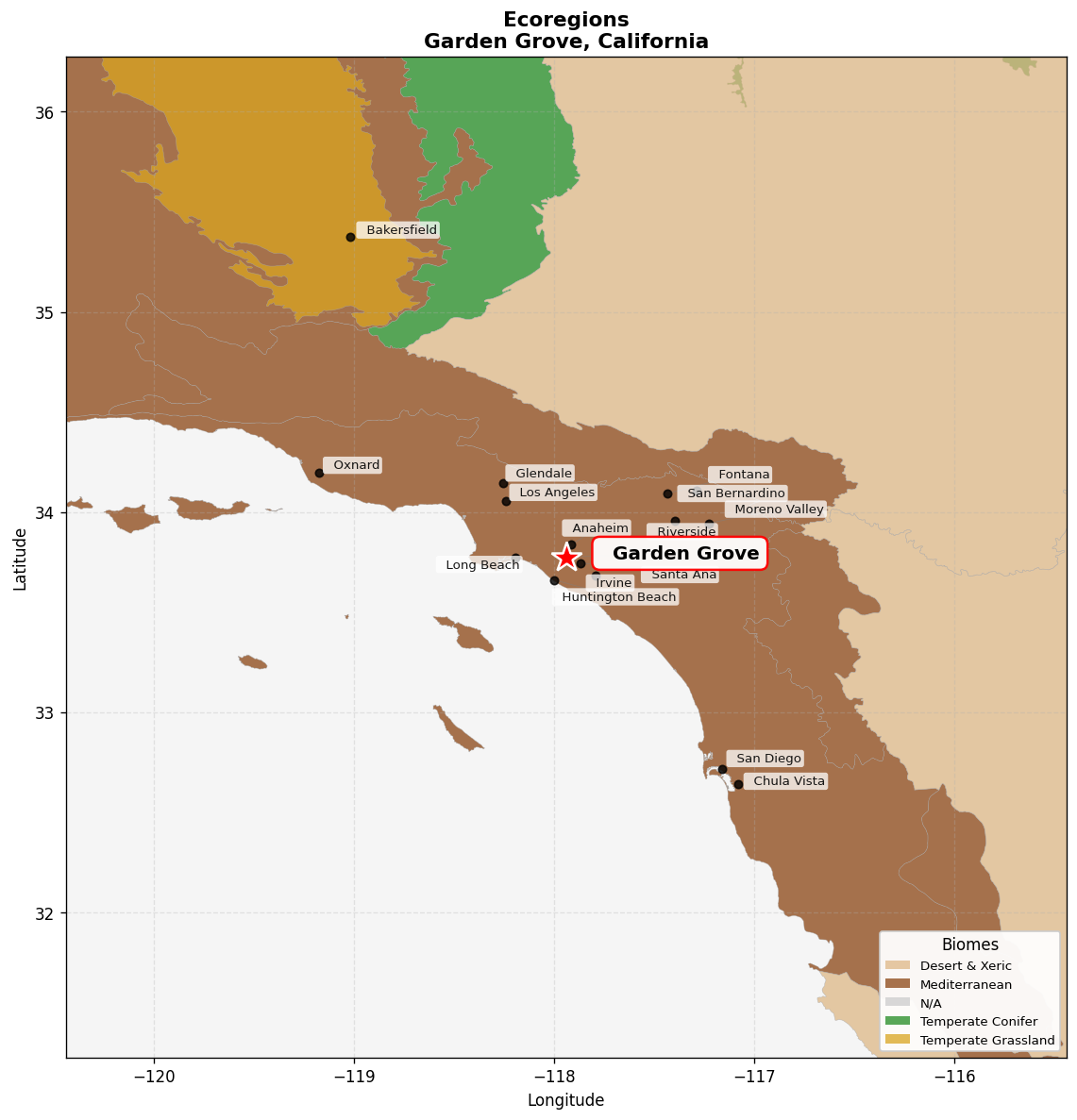
California coastal sage and chaparral
Native ecoregionFrequently Asked Questions
How much does modern landscaping cost in Garden Grove?
Orange County labor sits 20–35% above national averages — licensed C-27 crews bill roughly $85–125 per hour — so budget accordingly. A full front-yard modern conversion on a typical 800 sqft Garden Grove front yard (turf removal, poured concrete walk, DG field, steel edging, specimen agaves and grasses) runs $11,000–22,000 installed, less about $1,600 back from the $2/sqft turf rebate. A sawcut concrete back patio of 300–500 sqft runs $6,500–18,000, and adding a plumbed gas fire table, string-light posts, and grass borders pushes a complete backyard room to $18,000–45,000. Doing the DG-and-plants portion yourself typically lands at $6–10/sqft in materials.
Which sculptural plants can Garden Grove grow that most modern gardens can't?
Zone 10b winter lows of 35–40°F unlock the tender end of the succulent palette. Agave attenuata is the headline — spineless, chartreuse, and safe to plant next to a walkway, but frost-killed in Riverside and sunburned in Palm Springs. Add Aeonium arboreum 'Zwartkop' and Aeonium 'Sunburst' (Mimi's Nursery on Euclid carries crested and imported forms), Echeveria imbricata, Echeveria 'Afterglow', Curio repens, Kalanchoe luciae, Euphorbia tirucalli 'Sticks on Fire', and Furcraea foetida 'Mediopicta'. The marine layer that rolls in during May and June is a feature here: it softens the light just enough that blue and grey foliage keeps its color instead of bleaching.
Does Garden Grove have a turf rebate, and will a modern design qualify?
Yes. Garden Grove Water Services is a Metropolitan member agency through MWDOC, so SoCal Water$mart pays $2 per square foot on up to 5,000 sqft of converted turf per year. Two rules decide approval and both favor modern layouts: the converted area needs at least three plants per 100 square feet at mature coverage, and synthetic turf is not permitted within it. Agave, Westringia fruticosa, Lomandra longifolia 'Breeze', Muhlenbergia rigens, Leymus condensatus 'Canyon Prince', and Salvia clevelandii are all on the low and very-low WUCOLS water-use lists the program leans on. Take pre-project photos and get approval before removing a single square foot — work started early is disqualified.
What should I use instead of a lawn if I still want something green?
Three options work in Garden Grove. UC Verde buffalograss, bred at UC for California, needs roughly 75% less water than tall fescue and takes light foot traffic, though it browns in winter. Kurapia (Lippia nodiflora 'Kurapia') stays green longer, spreads fast, and is accepted by most SoCal rebate programs as a living groundcover. Dymondia margaretae is the best choice between pavers or in narrow strips — flat, silver-backed, and effectively walkable. For a no-mow meadow look, plant Carex pansa or Carex praegracilis at 12in on center. Avoid dichondra here; it needs more water than the lawn it replaces.
When is the best time to install a landscape in Garden Grove?
October and November, without much competition. Planting into warm soil ahead of the December–March rains lets roots establish on almost no supplemental irrigation, and by the following summer everything is settled. February and March are the fallback. Avoid installing tender succulents in June if you can — the May Gray and June Gloom marine layer keeps foliage damp and encourages rot on newly cut agave pups. Also plan around Santa Ana wind season, roughly October through February: newly planted Yucca rostrata and top-heavy boxed trees need guying, because 50 mph offshore gusts will rock a rootball loose before it grips.
Do I need a permit for landscaping in Garden Grove?
Planting, gravel and DG conversions, drip irrigation, and at-grade patios need no building permit. You do need one for retaining or seat walls over four feet measured from the bottom of the footing, pools and spas, patio covers and pergolas, new electrical circuits for landscape lighting, and gas lines to fire tables — all through the Building Division at 11222 Acacia Parkway. Two easy ones to miss: an encroachment permit is required for any work in the parkway strip between sidewalk and curb, and Garden Grove's zoning code limits how much of the front setback may be paved, so a design that is all concrete and gravel can be denied. The state MWELO also applies to permitted landscape work over 500 sqft.