4 Desert Garden Ideas for Glendale, AZ | Xeriscape for the Sonoran Zone 9b
Native plants from the Sonoran desert (Zone 9b) — Hot desert climate
Why Desert/Xeriscape Gardens in Glendale?
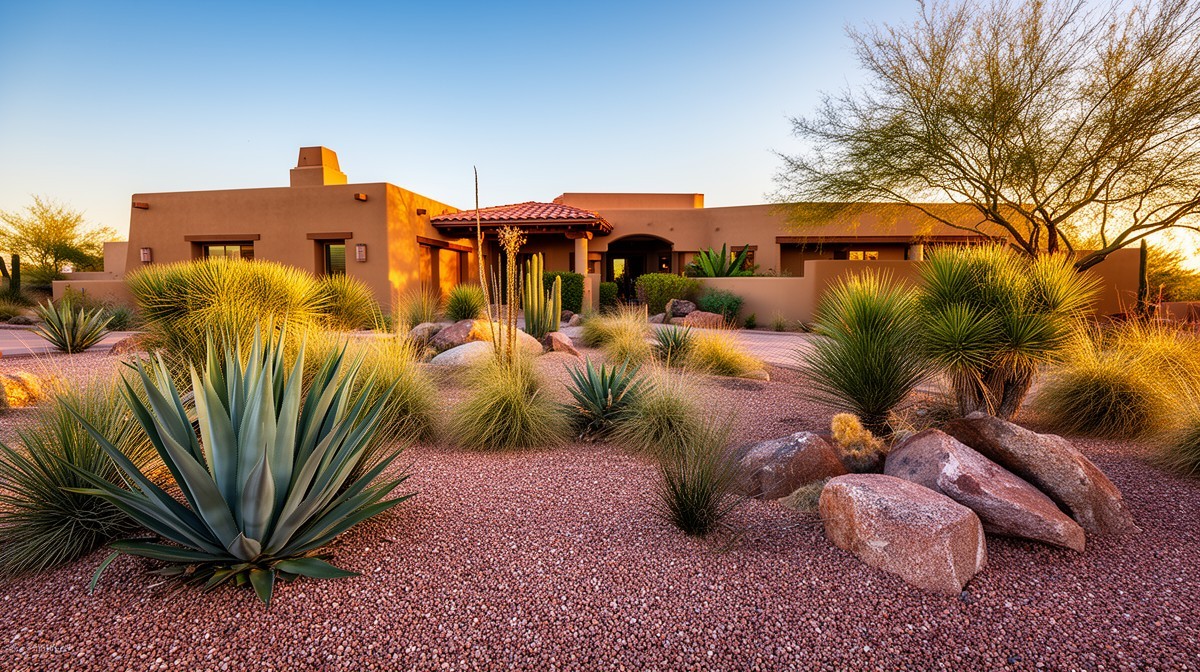
Glendale sits squarely in the Sonoran Desert ecoregion, one of the most botanically rich deserts on Earth, where the native plant palette — saguaro, palo verde, brittlebush, desert marigold, globe mallow, and bursage — is both stunningly beautiful and perfectly adapted to summer temperatures that routinely top 110°F. Landscaping here isn’t a battle against the climate; it’s a collaboration with it. True Sonoran xeriscape uses local plants as design assets, not afterthoughts.
Glendale neighborhoods like Arrowhead Ranch, Westgate, and Historic Downtown Glendale showcase a wide range of desert landscape approaches, from pristine gravel-and-agave minimalism to lush native pollinator gardens buzzing with hummingbirds and butterflies. The city’s proximity to the White Tank Mountain Regional Park means residents have a model of authentic Sonoran desert character right at their doorstep. Decomposed granite, boulders, and native trees like palo verde and desert willow tie front yards back to the surrounding landscape in a way that no exotic planting ever can.
Water savings are transformative in Glendale. The city and the Arizona Water Company both offer turf removal rebates, and a well-designed native desert landscape can reduce outdoor water use by 50–70% compared to a turf lawn. After a 2–3 year establishment period with targeted drip irrigation, many Sonoran desert landscapes sustain themselves on natural rainfall alone during cooler months, with minimal supplemental water in summer.
4 Desert/Xeriscape Design Ideas for Glendale
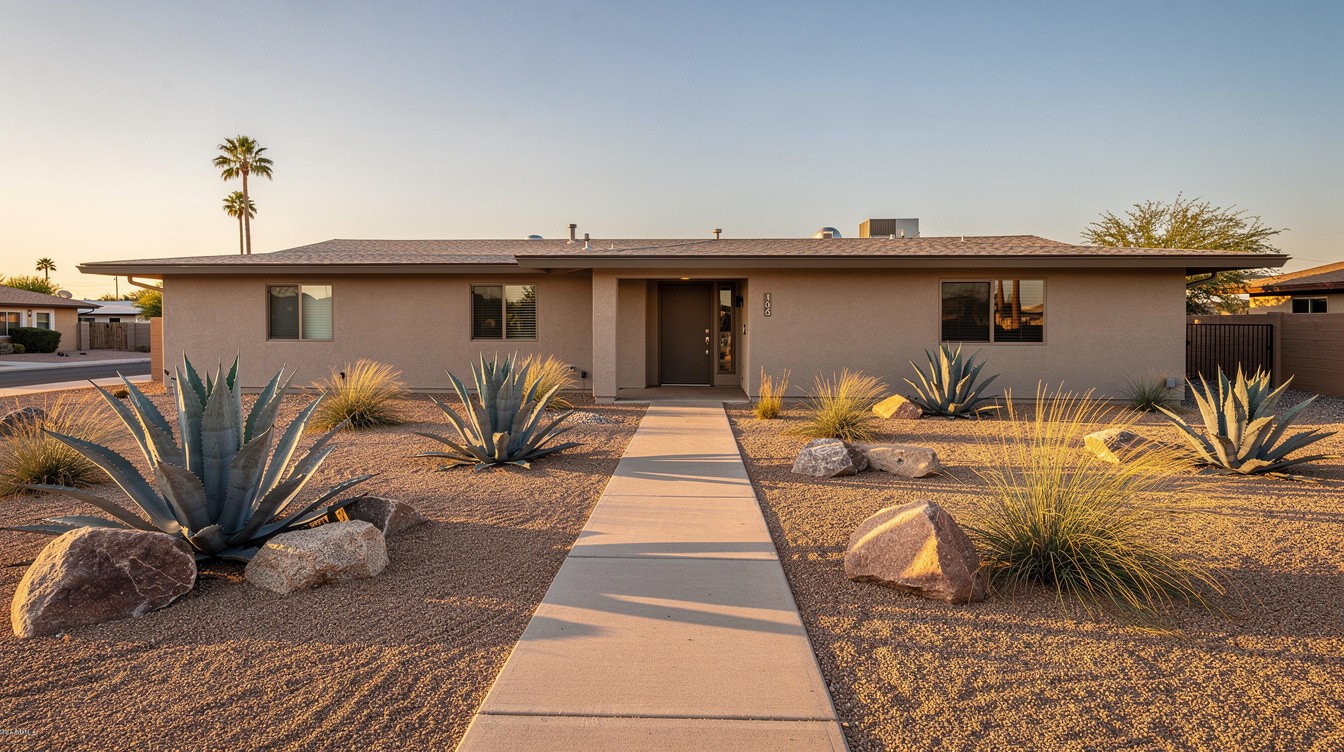
The Agave and Gravel Front Yard
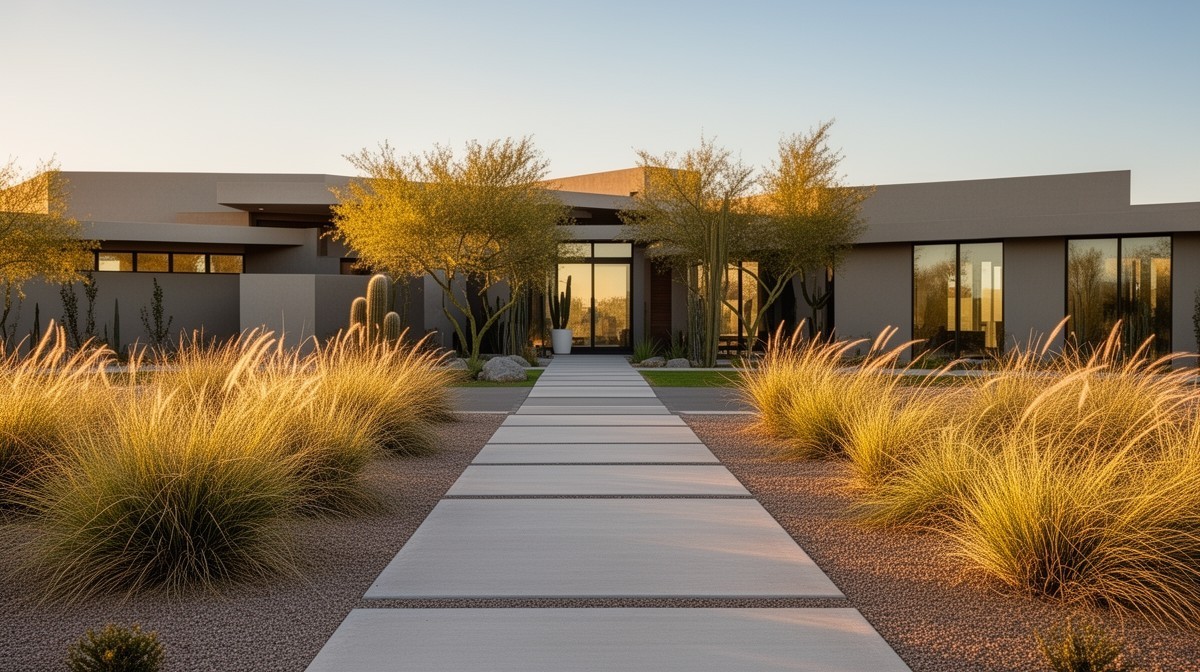
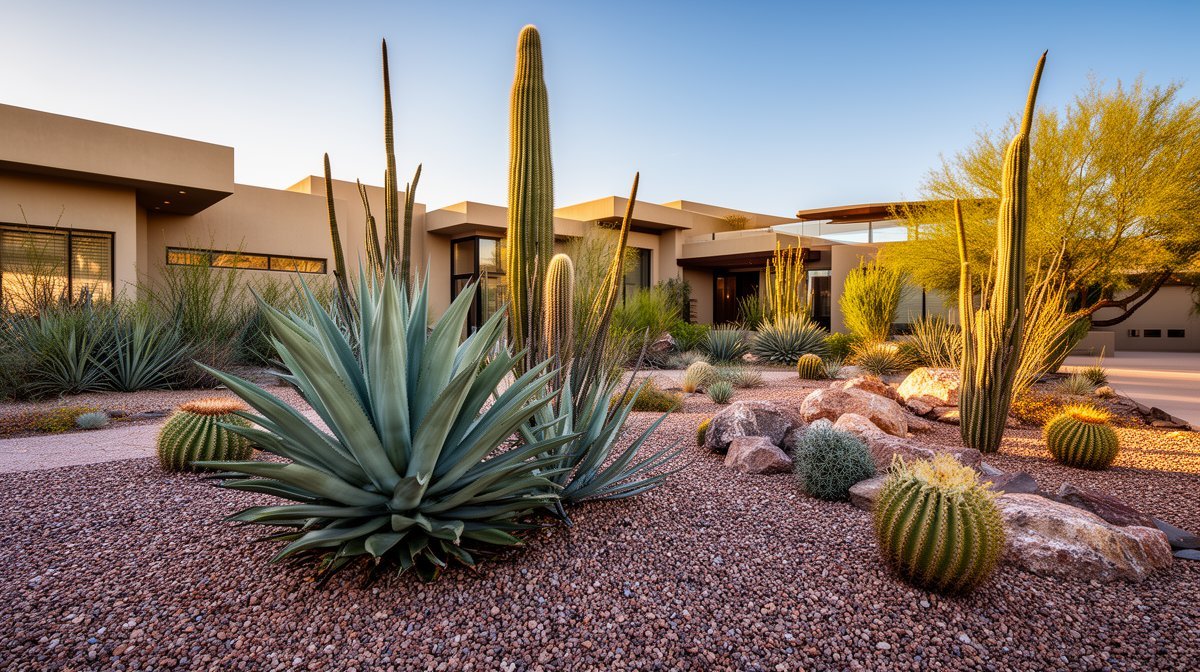
$8–15/sqftA low-slung stucco home faces a front yard of warm decomposed granite punctuated by bold blue agave specimens as the sculptural anchors, with ornamental grasses weaving between boulders. A straight concrete path leads to the front door while the clean minimalist gravel surface creates a meditative, low-maintenance character. Pure Sonoran xeriscape with no turf.
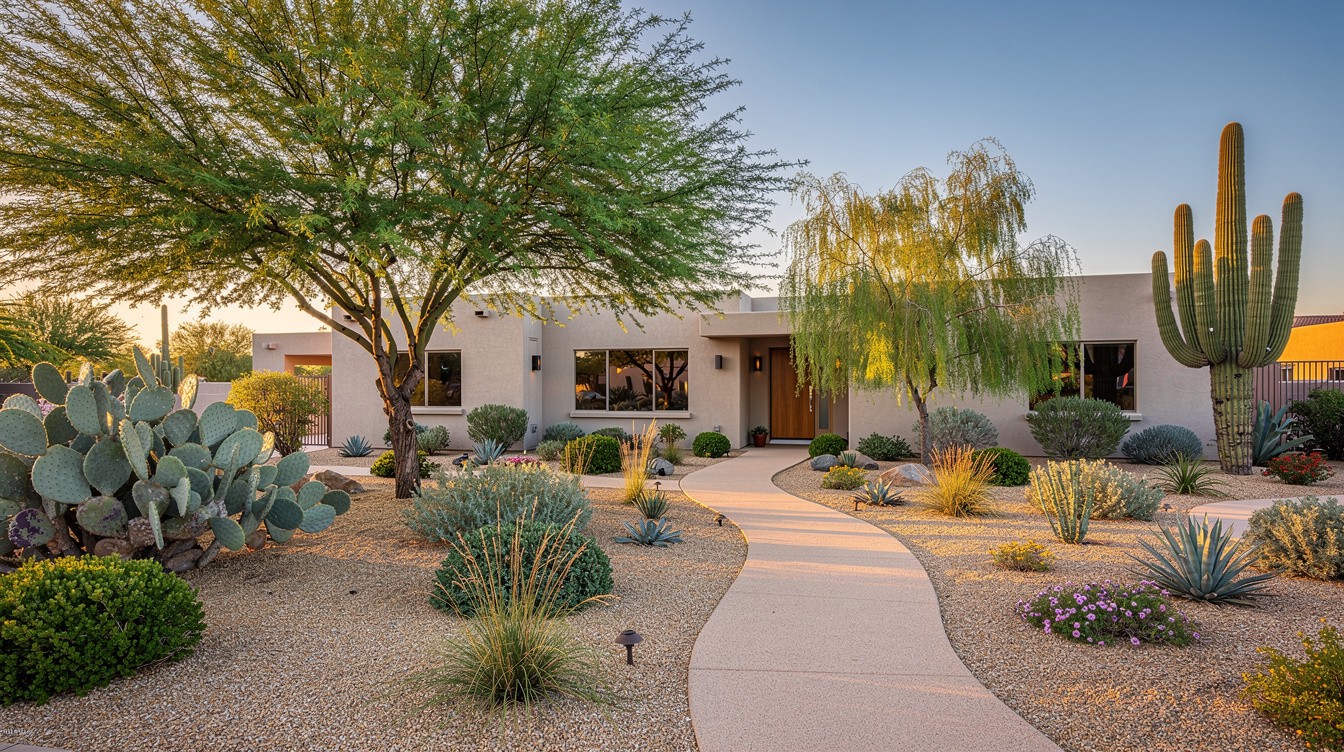
The Palo Verde and Cactus Garden
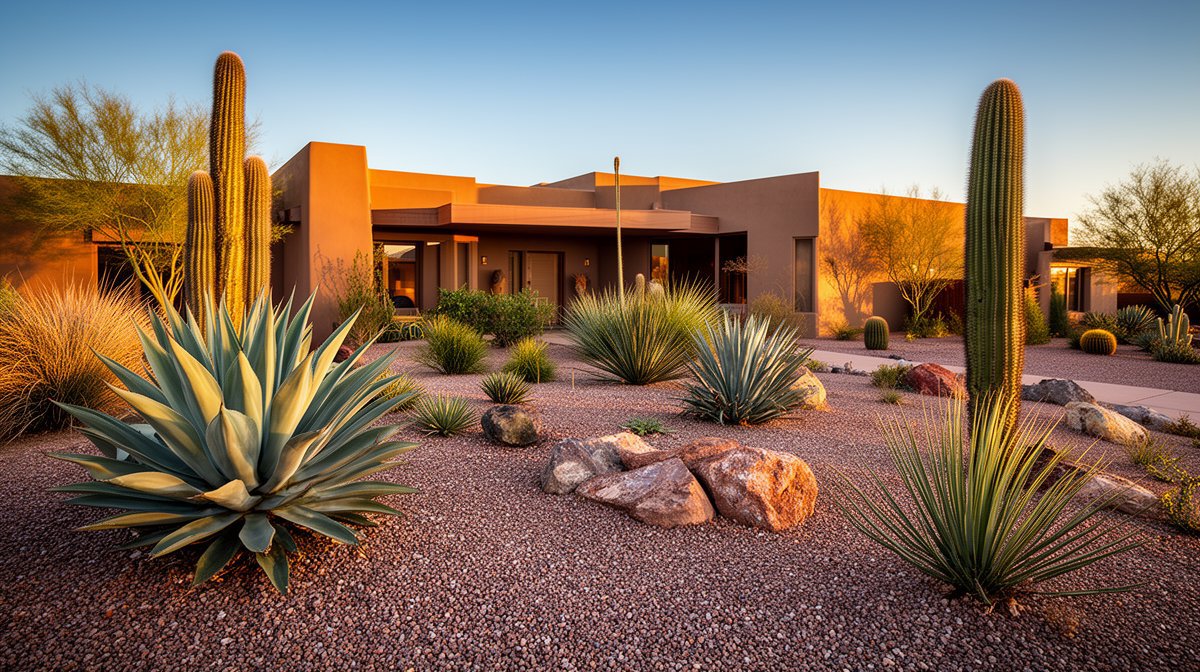
$10–18/sqftA mature palo verde tree anchors this xeriscape front yard with a sprawling canopy over warm pea gravel, flanked by prickly pear cactus, tall saguaro columns, and a weeping palo verde near the entry. Desert-adapted shrubs fill the mid-ground while a curving decomposed granite path winds to the door. The scene captures the full vertical layering of authentic Sonoran desert.
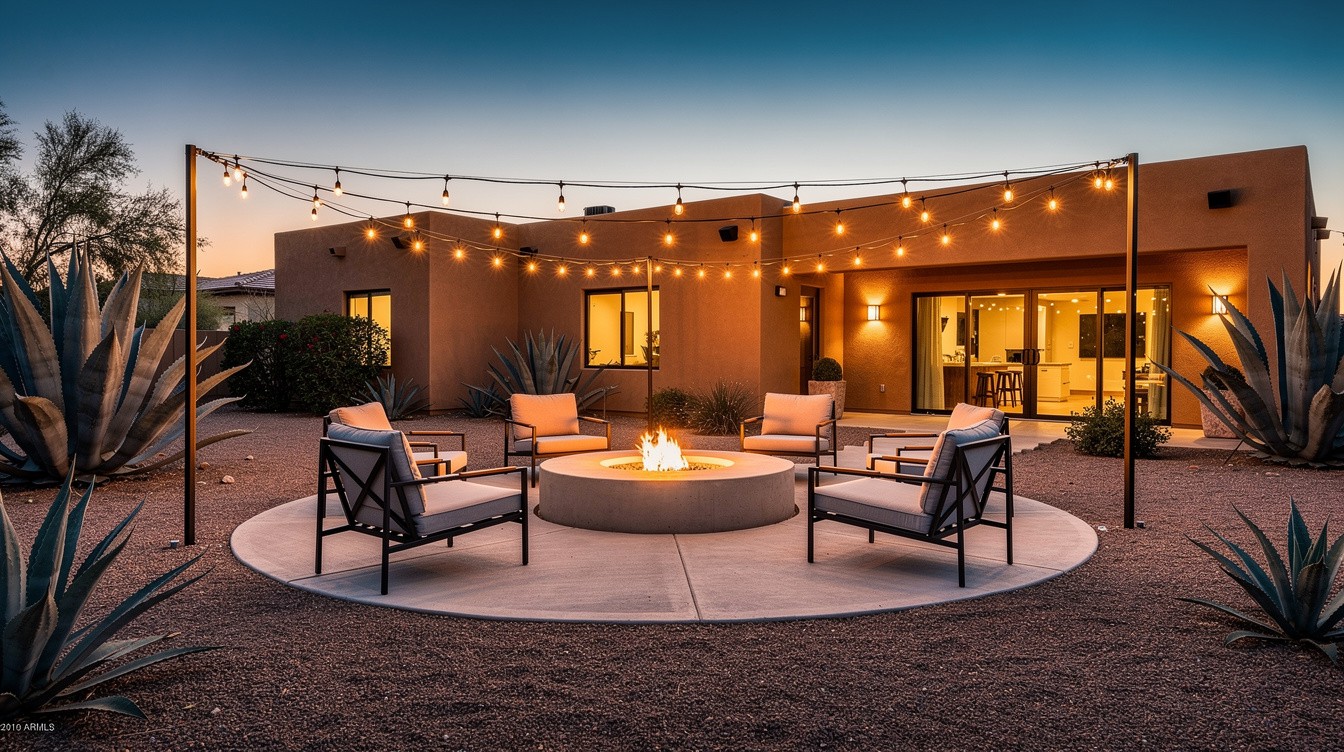
The Desert Fire Pit Patio
$18–35/sqftA circular concrete fire pit area surrounded by low-profile modern lounge chairs anchors this gravel-and-agave backyard patio. Large agave specimens flank the seating area on either side, with string lights overhead adding evening ambiance. Decomposed granite covers the ground plane while the warm stucco home glows at dusk. Quintessential Glendale outdoor living.
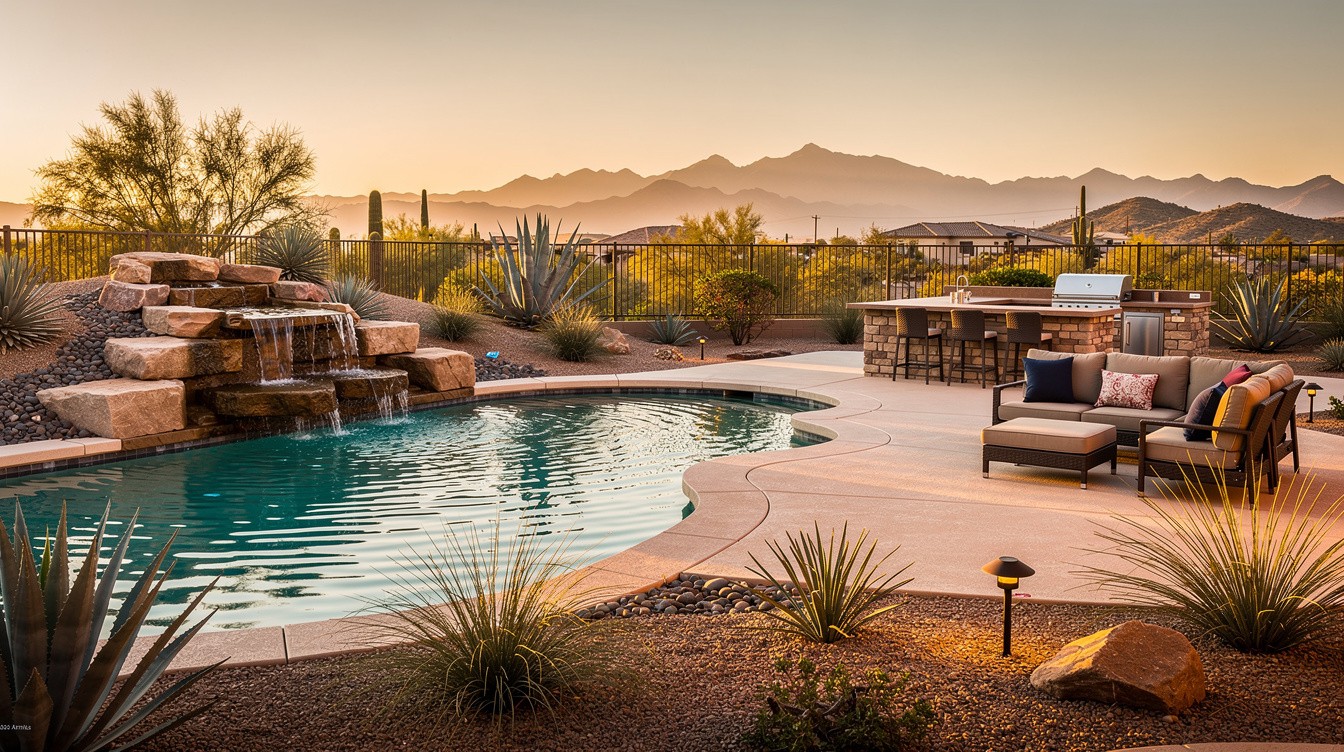
The Resort Pool and Desert Xeriscape
$60–120/sqftA freeform pool with a boulder waterfall feature and cascading water into clear turquoise water occupies one side of a broad concrete patio, with a built-in outdoor kitchen and lounge seating opposite. Agave, yucca, and desert-adapted grasses in crushed gravel beds frame the pool surround. The distant mountain backdrop completes the resort-style desert living scene.
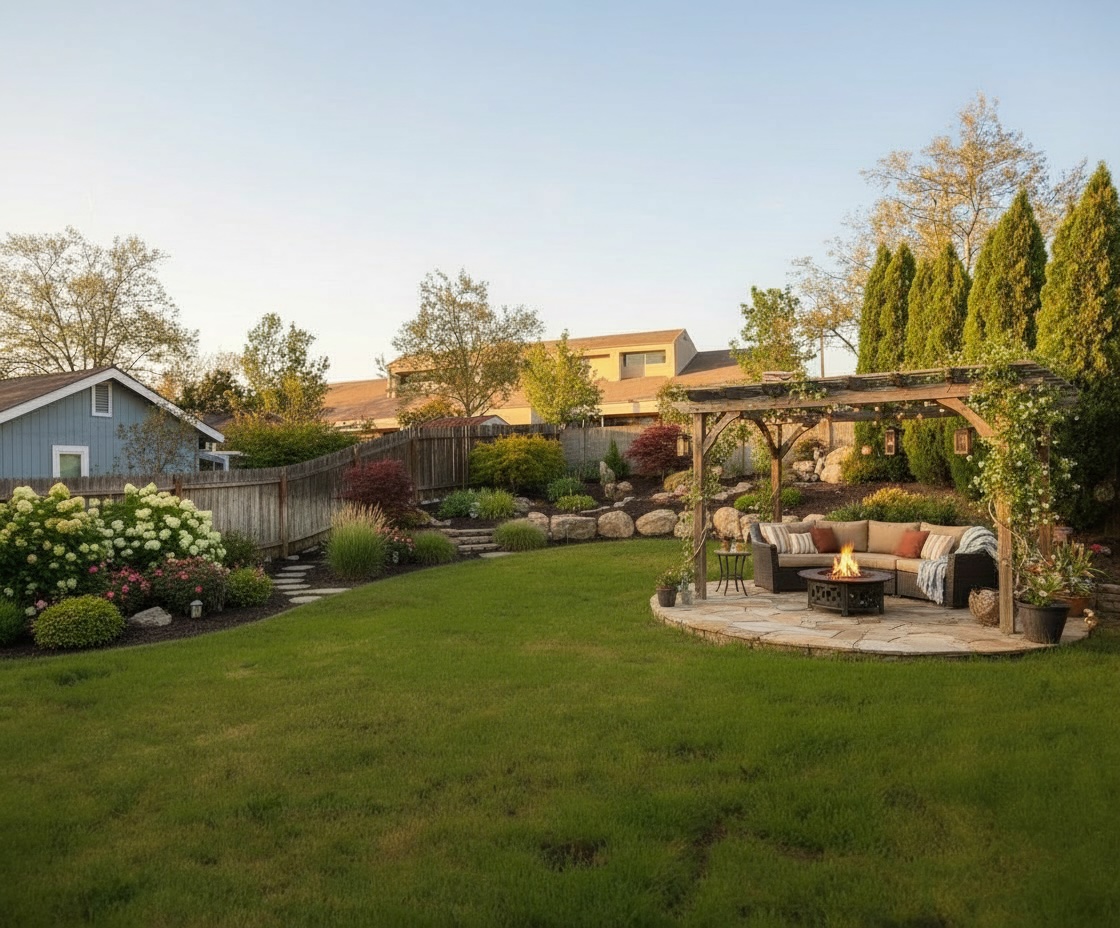
See how a desert/xeriscape garden looks on YOUR property
Upload a photo of your Glendale yard and visualize your dream garden in seconds.
Try ProScapeAI Free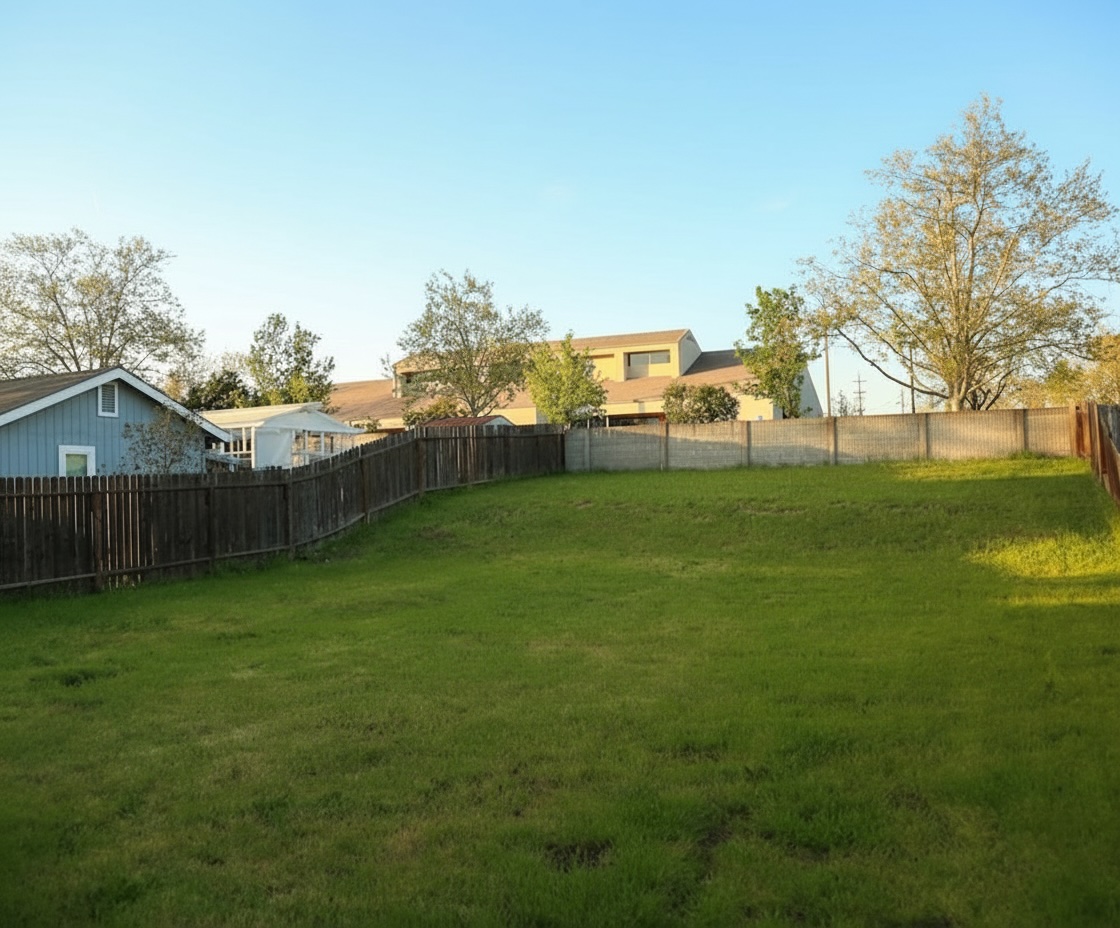
Featured Trees & Shrubs for Desert/Xeriscape Gardens
Browse all 185 plants for Glendale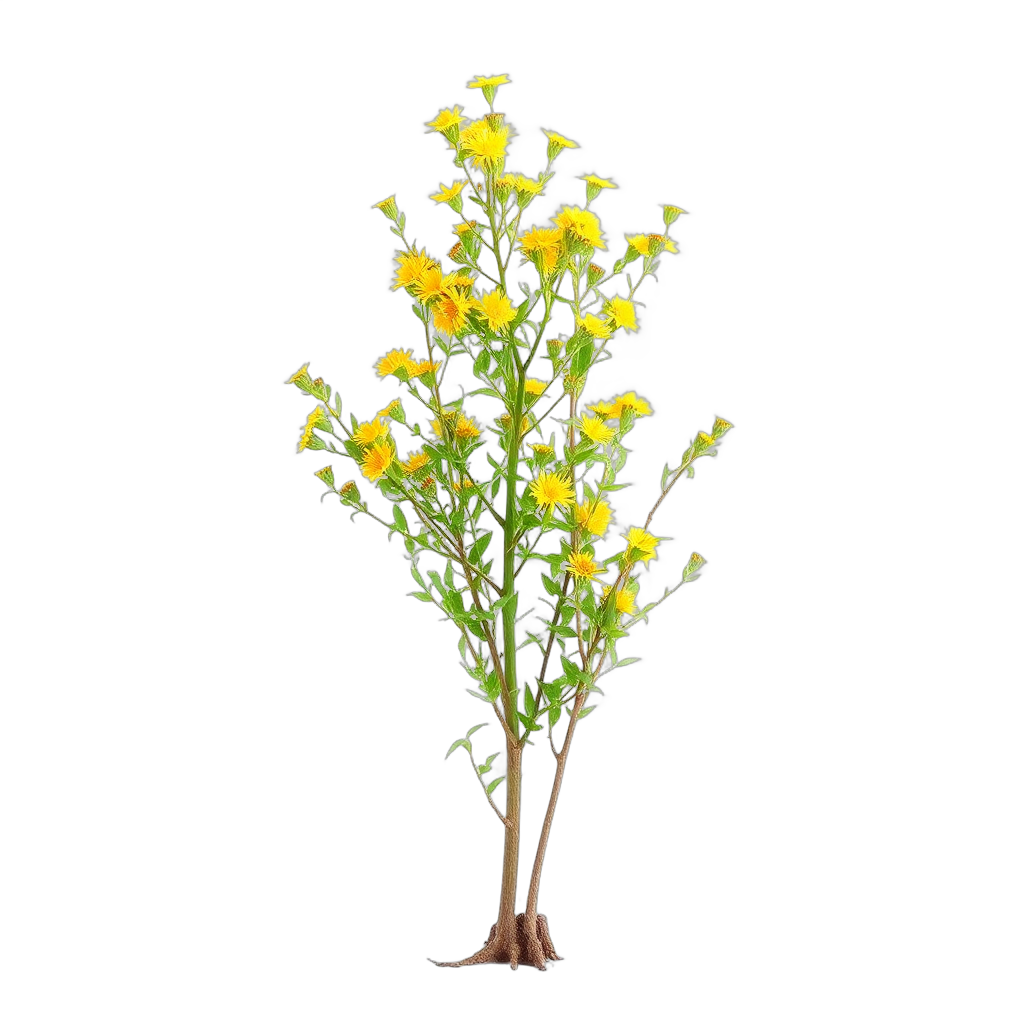
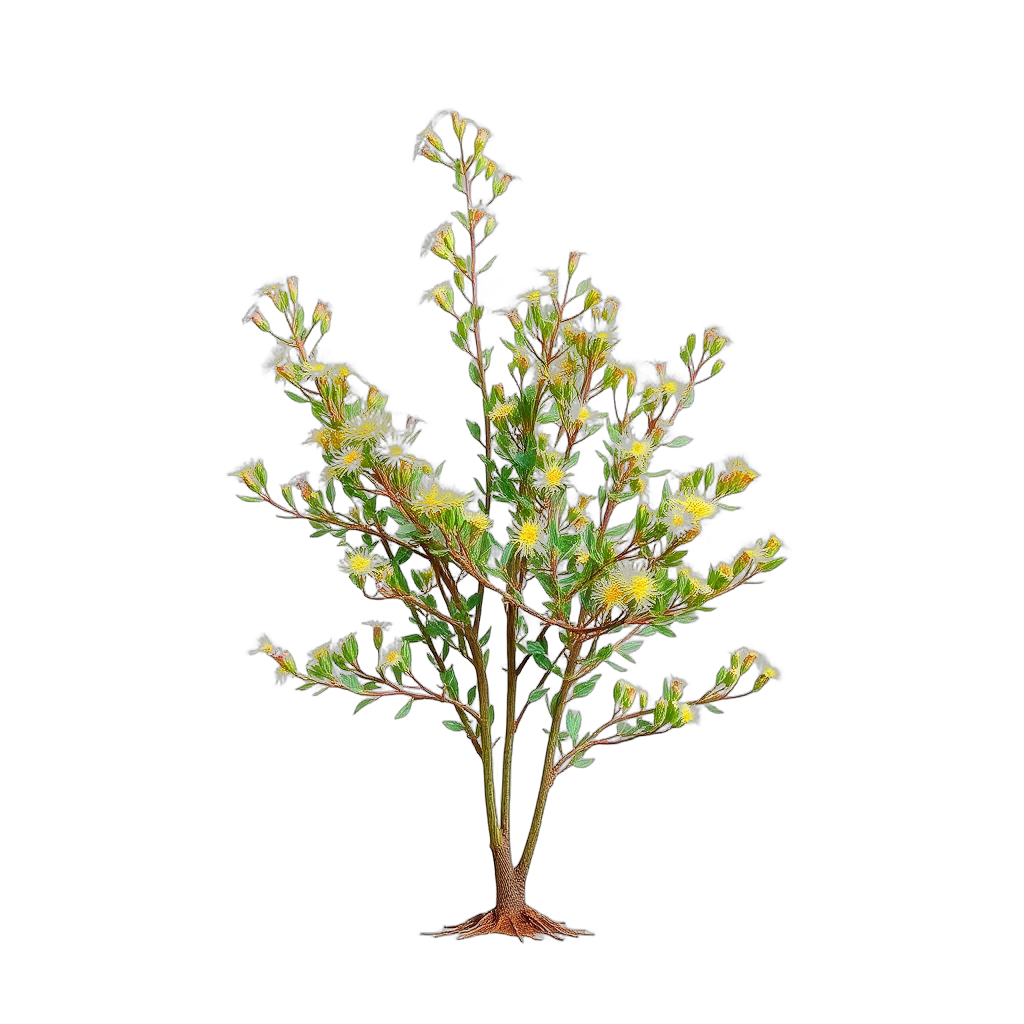
Brittlebush
Enca farinosa
grows to 3 feet, yellow blooms in spring. Attracts butterflies.
Catclaw Acacia
Acacia greggii
medium-sized at 15 feet, yellow blooms in spring. Pollinator-friendly.
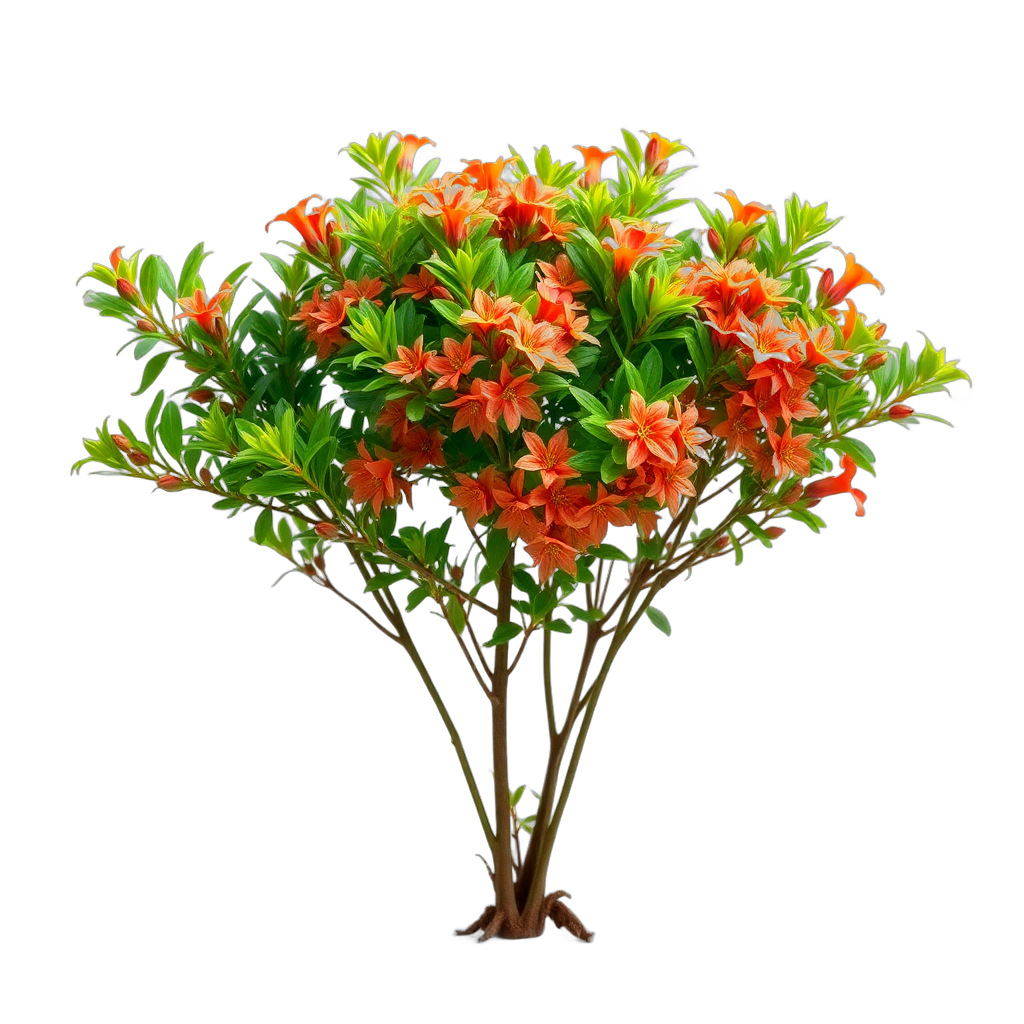
Chuparosa
Justicia californica
grows to 5 feet, red blooms in spring. Attracts hummingbirds.
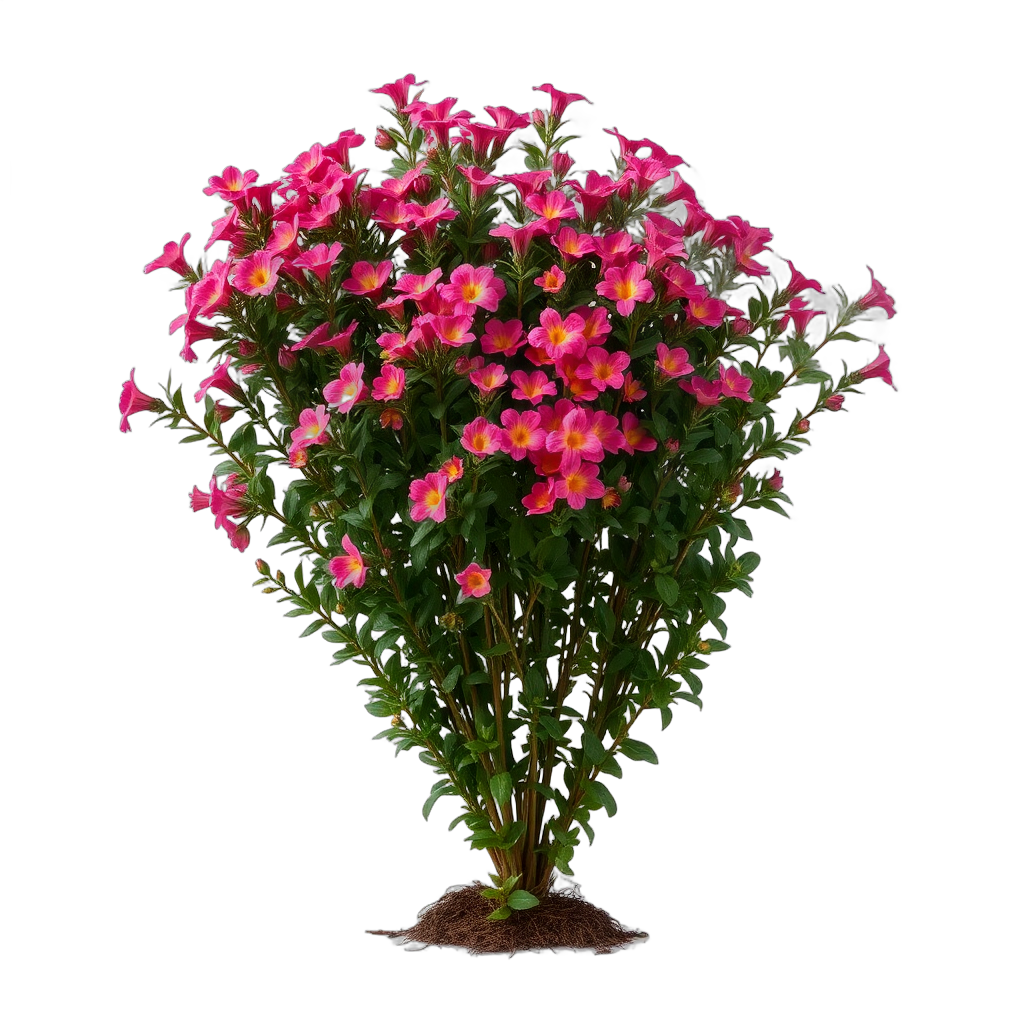
Cliffrose
Purshia mexicana
medium-sized at 8 feet, yellow blooms in spring. Attracts butterflies.
Featured Grasses & Groundcovers for Desert/Xeriscape Gardens
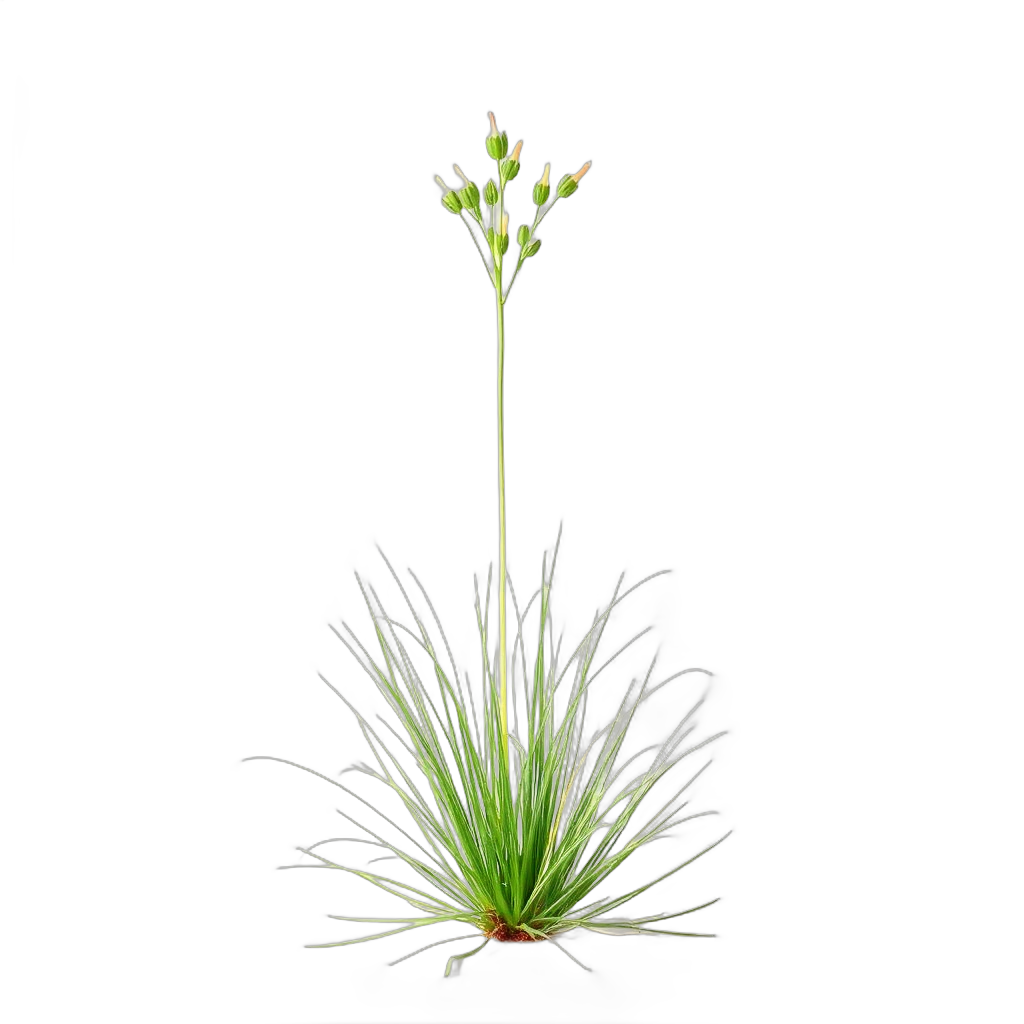
Alkali Sacaton
Sporobolus airoides
grows to 3 feet, blooms in summer. Yellow fall color.
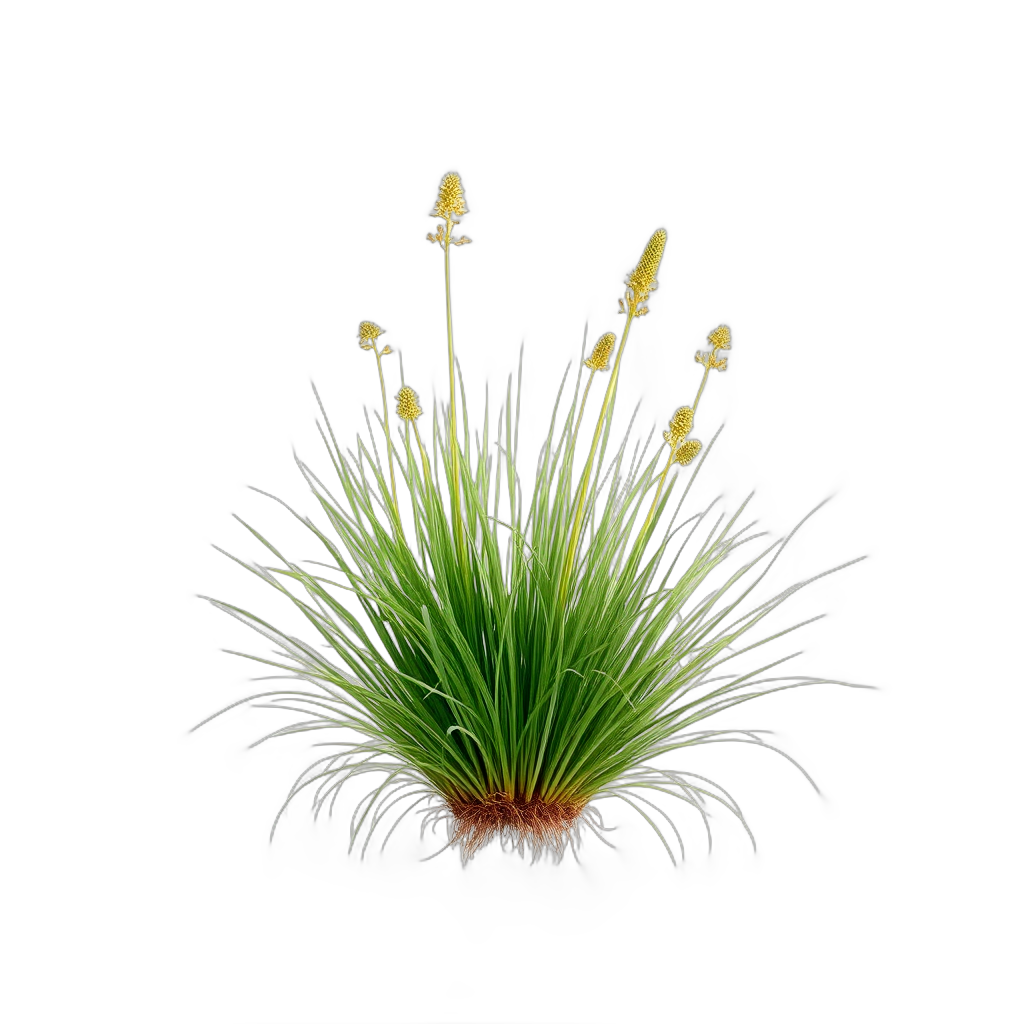
Big Sacaton
Sporobolus wrightii
grows to 5 feet, blooms in summer. Yellow fall color.
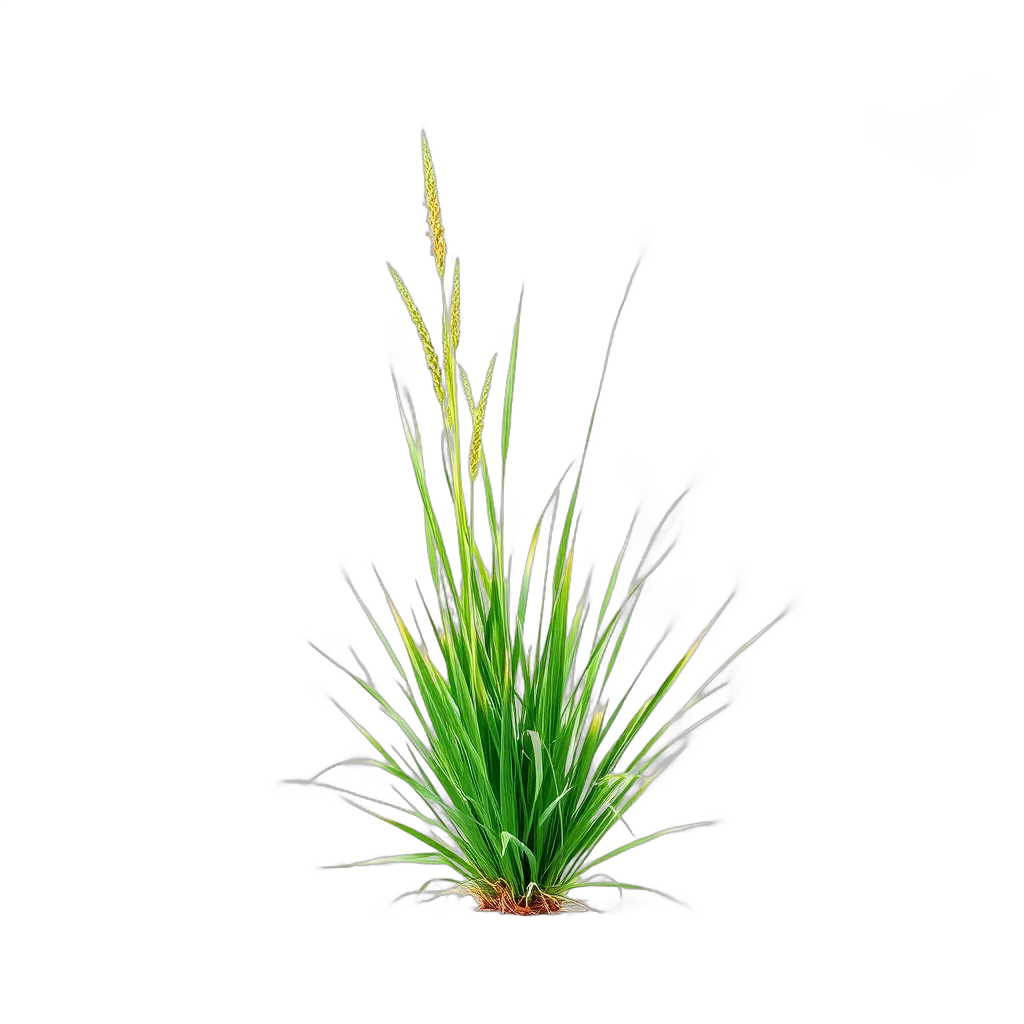
Bull Grass
Muhlenbergia emersleyi
grows to 4 feet, purple blooms in fall. Yellow fall color.
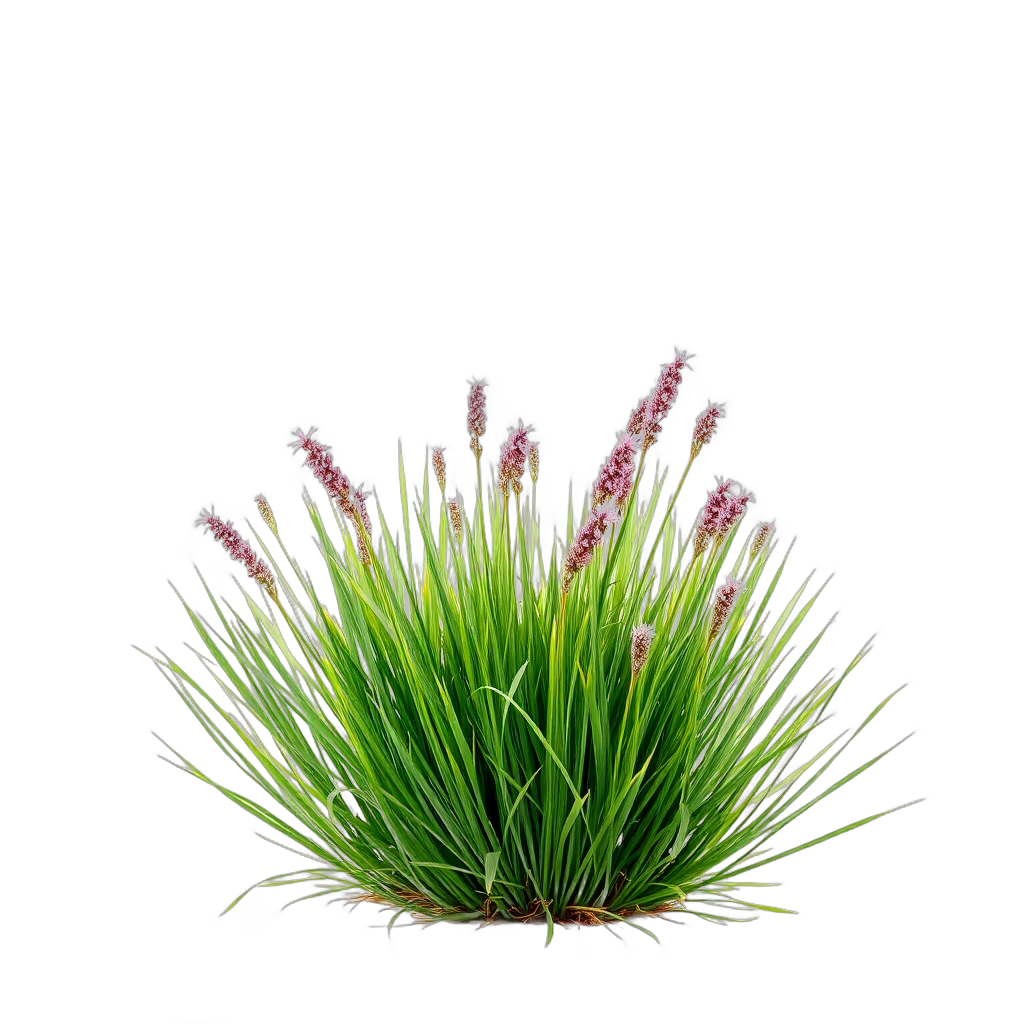
Purple Three-Awn
Aristida purpurea
low-growing ground cover, purple blooms in fall. Yellow fall color.
Featured Flowers & Perennials for Desert/Xeriscape Gardens
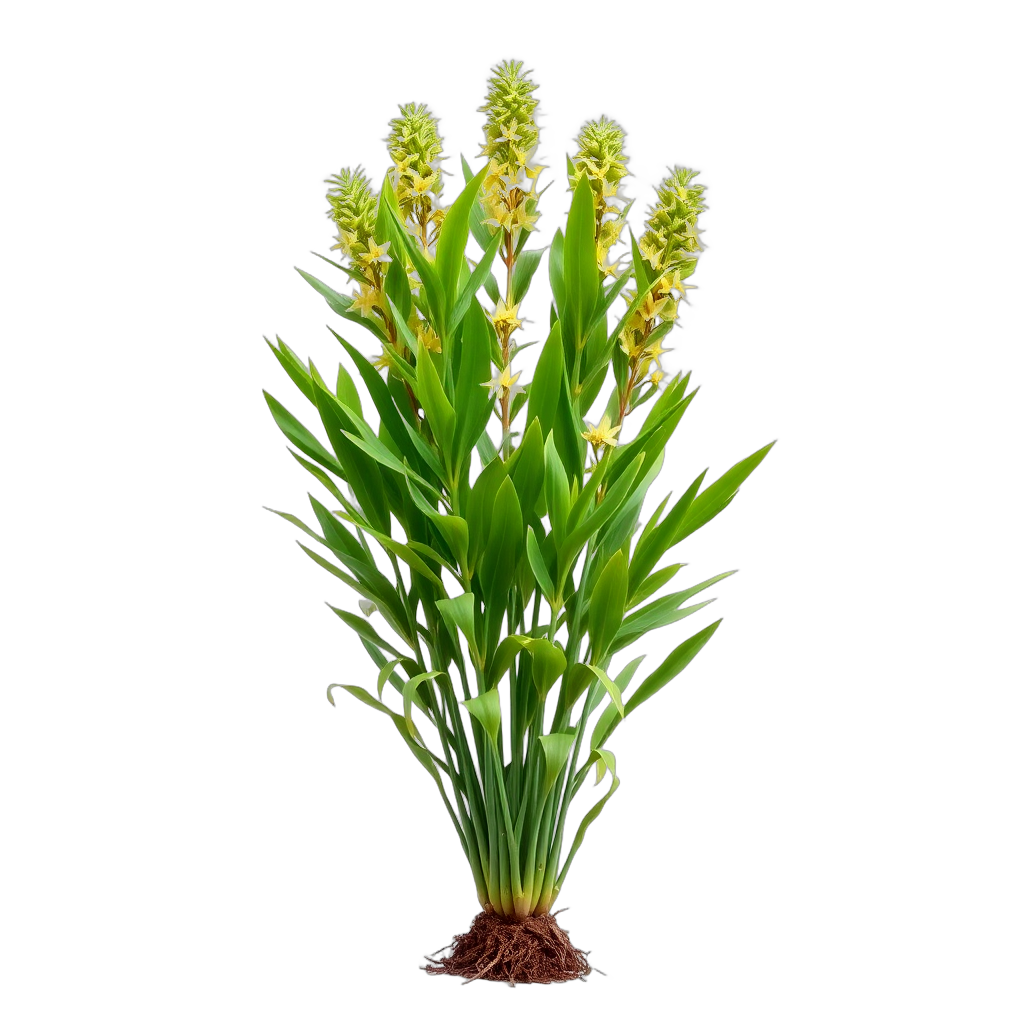
Banana Yucca
Yucca baccata
low-growing ground cover, white blooms in spring. Attracts hummingbirds.
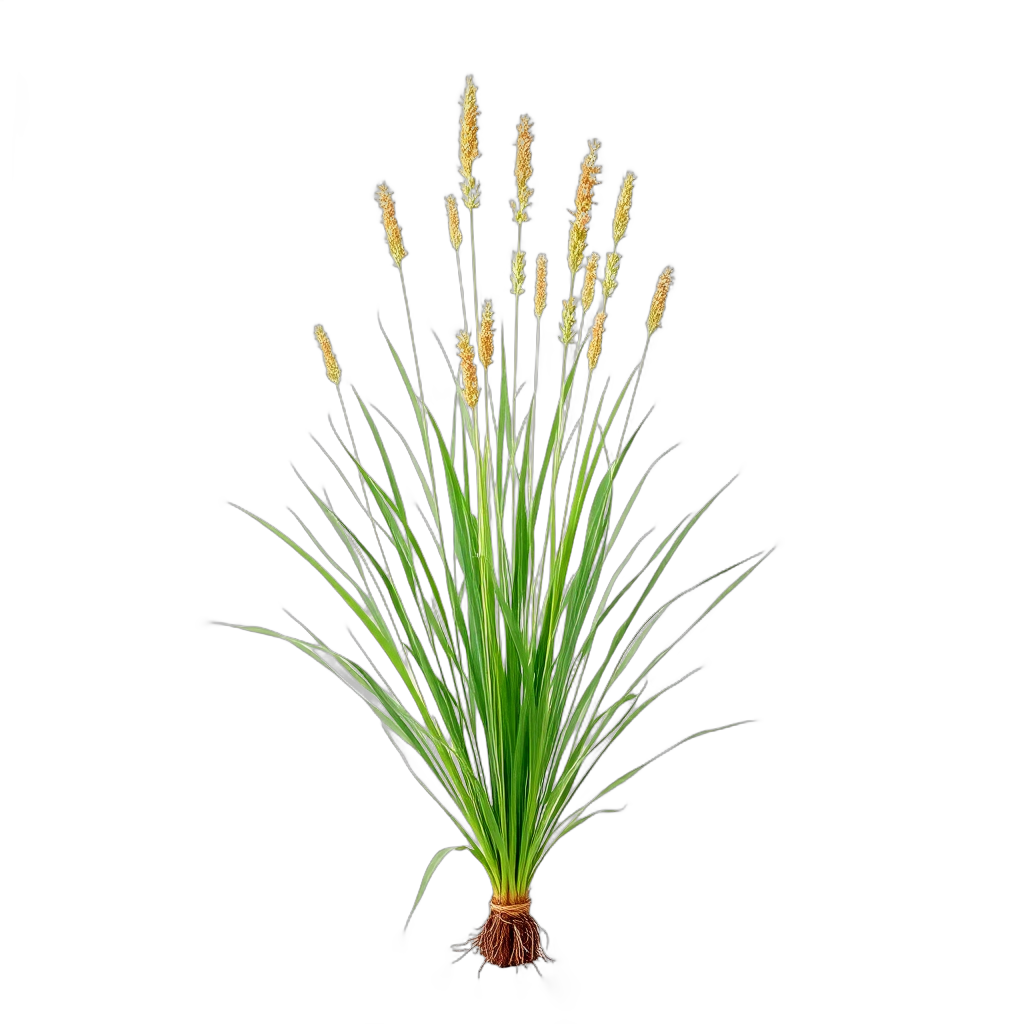
Beargrass
Nolina microcarpa
low-growing ground cover, white blooms in summer. Evergreen year-round.
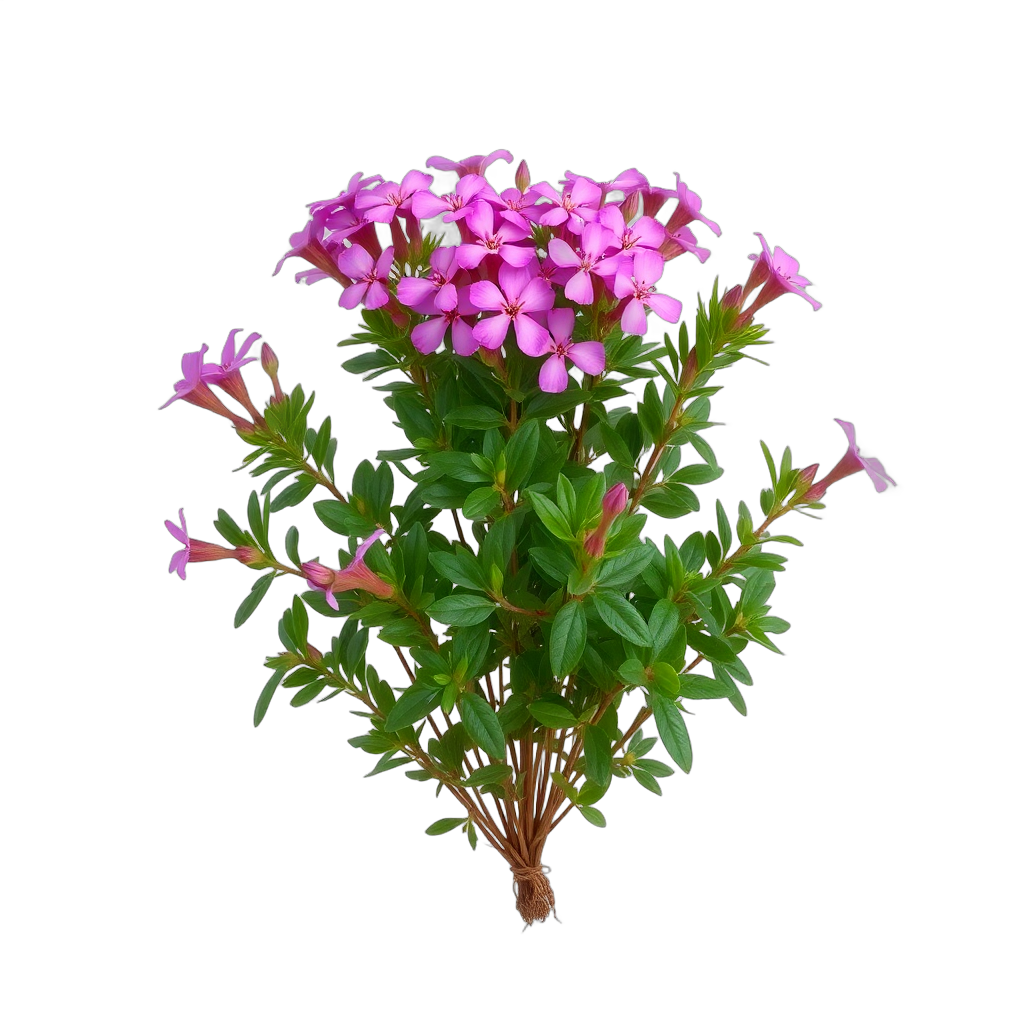
Desert Phlox
Phlox austromontana
low-growing ground cover, pink blooms in spring. Attracts hummingbirds.
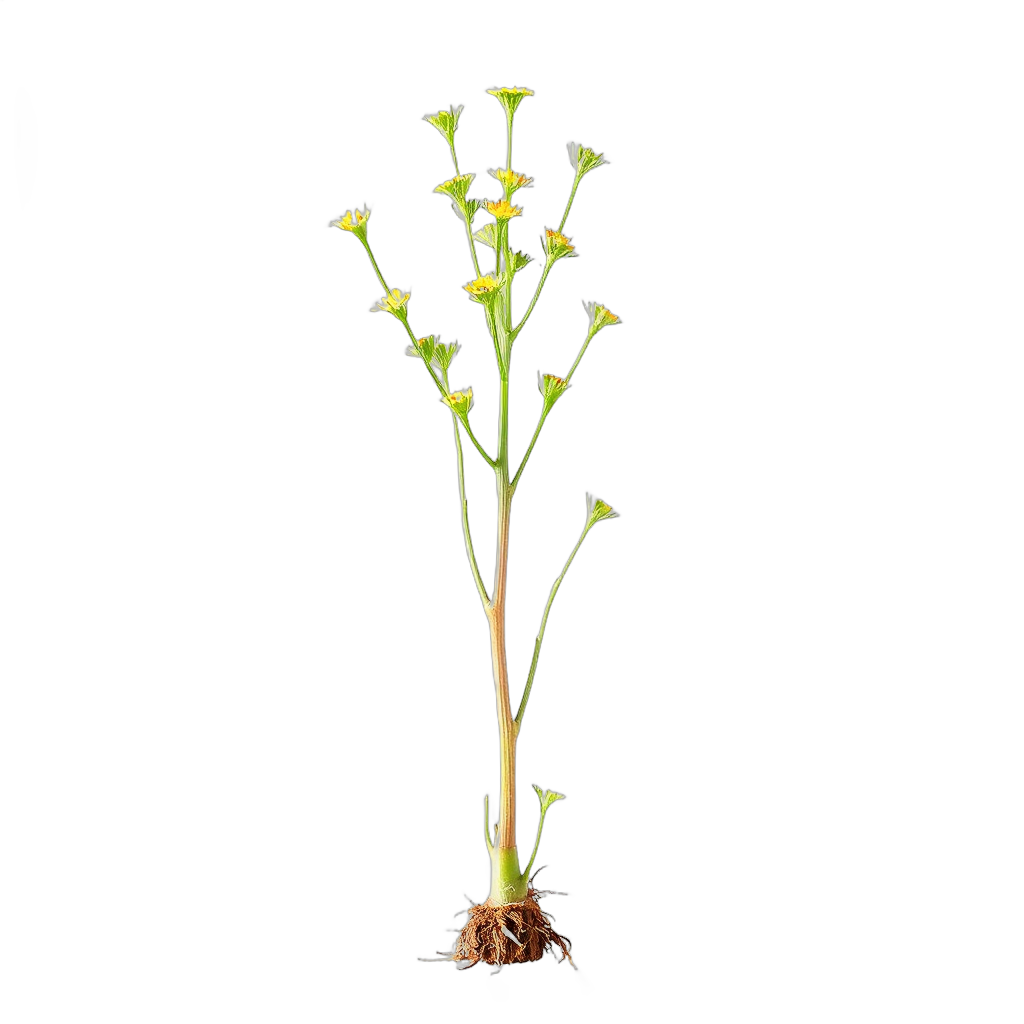
Desert Spoon
Dasylirion wheeleri
grows to 4 feet, white blooms in summer. Evergreen year-round.
Zone and sun checks come from our database — confirm with your local nursery before you buy.
Bloom Calendar for Glendale
spring
Banana Yucca, Desert Phlox, Brittlebushsummer
Beargrass, Desert Spoon, Alkali Sacatonfall
Bull Grass, Purple Three-Awnwinter
Limited bloomsDesign Tips for Glendale (Zone 9b)
- Plant in October–November rather than spring: fall planting gives Sonoran desert plants 6–8 months of mild weather to establish roots before their first brutal Glendale summer
- Use 3–18 inch decomposed granite mulch across all planting beds — it reduces soil surface temperatures by up to 20°F and suppresses weeds without looking industrial
- Layer your planting vertically: tall palo verde trees for shade, mid-height agave and ocotillo for structure, low brittlebush and desert marigold for foreground color — this mirrors authentic Sonoran desert layering
- Install a dry arroyo on the low side of your lot to capture and direct monsoon runoff toward trees and large shrubs rather than letting it sheet across hardscape
- Choose blue agave (Agave tequilana) or agave deserti for front yard specimens — both are cold-hardy in Zone 9b, maintain striking blue color year-round, and reach 4–6 feet without becoming unmanageable
- Check with your water provider before removing turf — SRP and APS both offer rebates that can offset $500–$2,000 of conversion costs for qualifying Glendale homes
Where to Source Plants in Glendale
Skip the big-box stores. These independent Glendale nurseries specialize in the plants that make desert/xeriscape gardens thrive in Zone 9b.
Desert Survivors Nursery
Glendale / West Phoenix area
Native Sonoran desert plants, saguaro, agave, cacti, and drought-tolerant shrubs
Moon Valley Nurseries
North Glendale / Peoria
Large specimen desert trees, palo verde, mesquite, citrus, and xeriscape plants
SummerWinds Nursery
Glendale / Arrowhead area
Full-service garden center with strong desert-adapted and native Arizona plant selection
Whitfill Nursery
Phoenix Metro (serves Glendale)
Sonoran desert natives, shade trees, drought-tolerant shrubs, and landscape boulders
Baker Nursery
Central Phoenix (serves Glendale)
Native Arizona plants, desert perennials, cacti, succulents, and xeriscape design support
Desert/Xeriscape Landscaping Costs in Glendale
| Project Scope | Estimated Cost |
|---|---|
| Front yard native xeriscape conversion (400–600 sqft) | $3,500 – $9,000 |
| Full backyard desert redesign with patio | $15,000 – $45,000 |
| Turf removal + decomposed granite + drip irrigation | $4 – $10/sqft |
| Specimen saguaro or large agave (installed) | $200 – $800 per plant |
| Desert pool + xeriscape backyard (full build) | $50,000 – $120,000 |
| Drip irrigation system installation | $1,500 – $4,000 |
| AI visualization with ProScapeAI | Free to start |
Estimates based on Glendale, AZ-area contractor rates as of 2026. Actual costs vary by site conditions, materials, and contractor.
Glendale Climate & Growing Zone
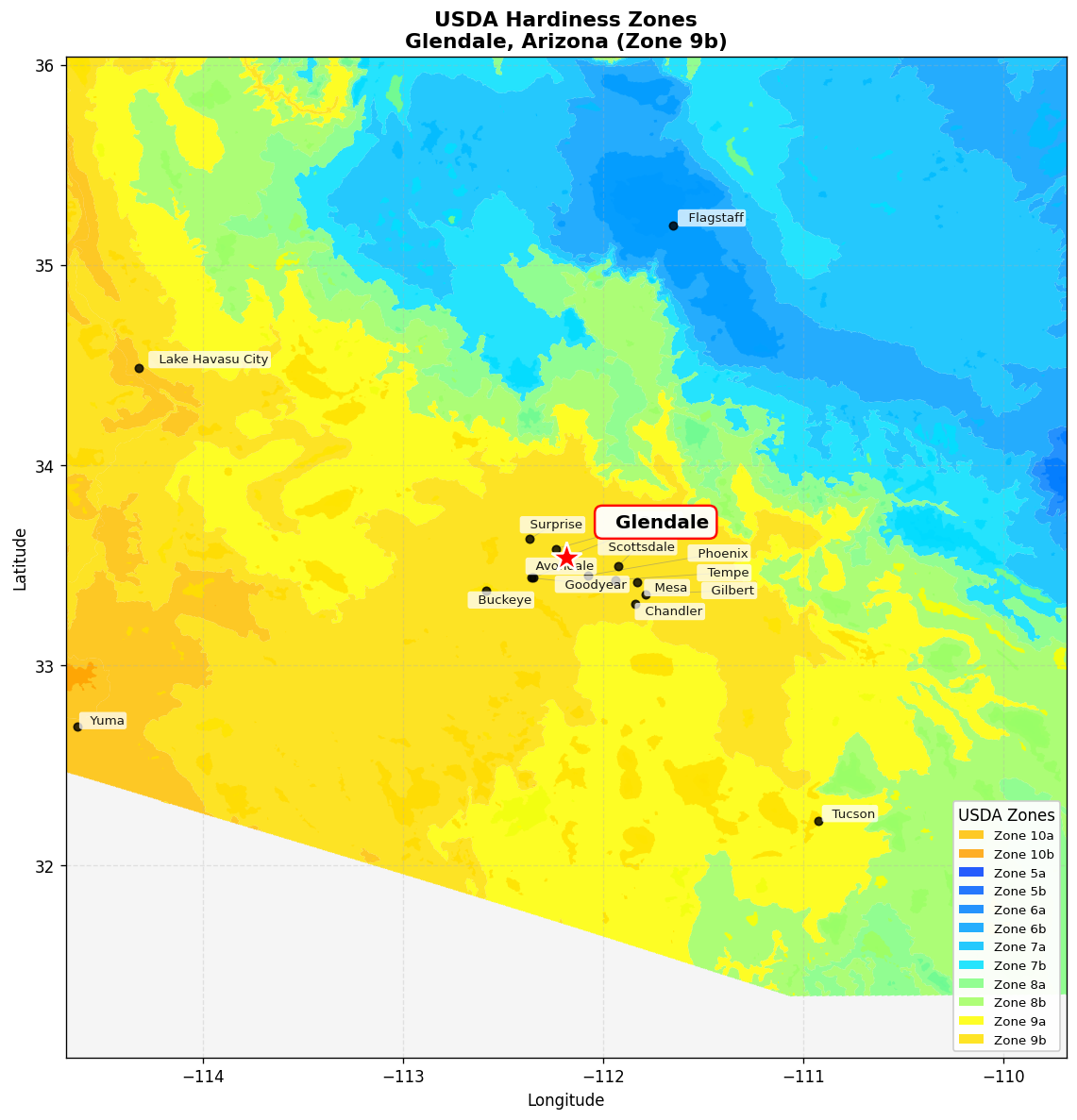
USDA Zone 9b
Hardiness zone for Glendale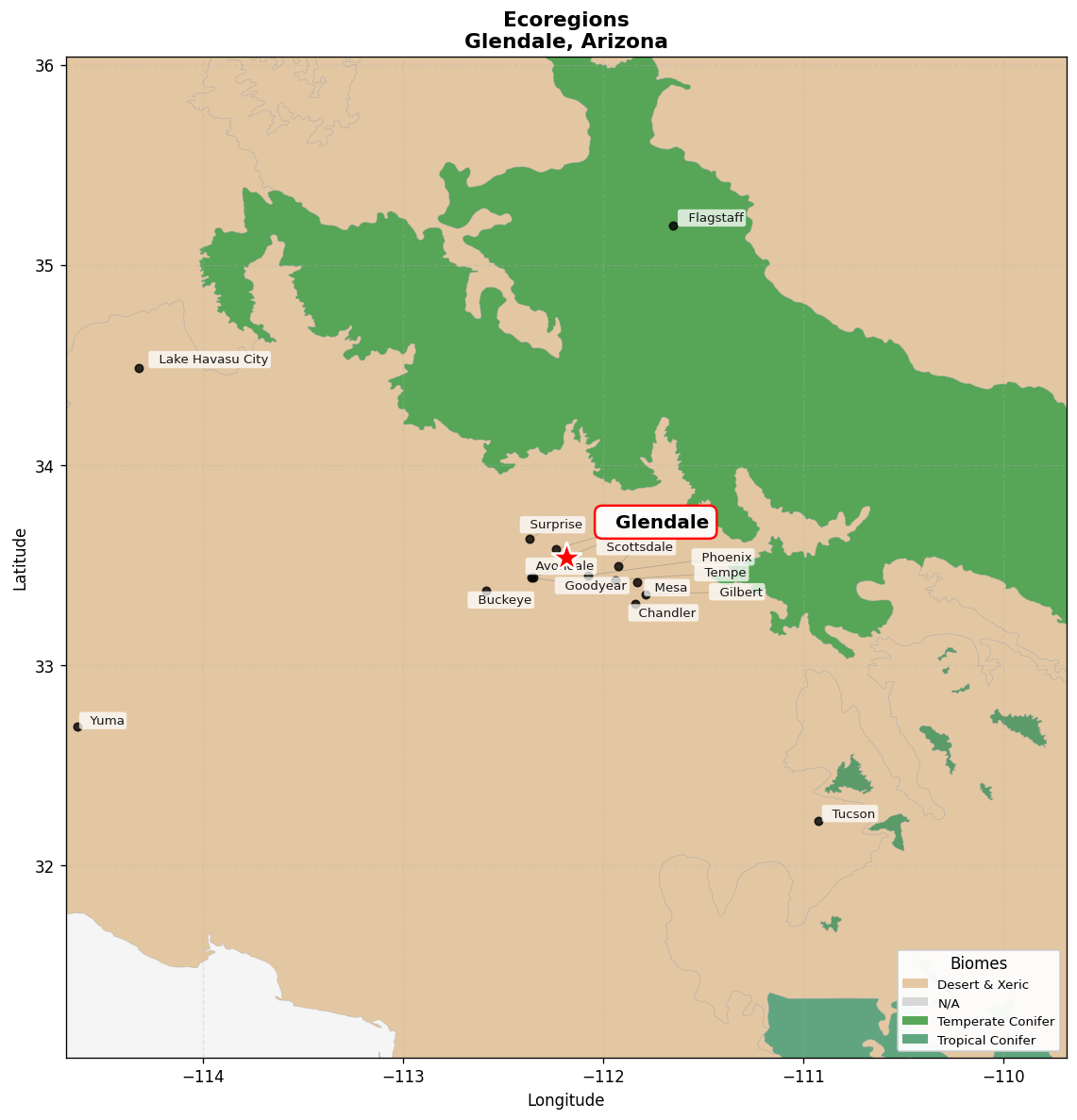
Sonoran desert
Native ecoregionFrequently Asked Questions
What are the best native plants for a Glendale, AZ desert landscape?
Glendale’s Zone 9b Sonoran Desert climate supports a spectacular native plant palette. Top performers: saguaro for iconic structure (plant young specimens), palo verde trees for filtered shade and spring flowers, brittlebush for masses of yellow blooms in spring, desert marigold for nearly year-round color, globe mallow for hummingbirds, ocotillo for dramatic winter stems and red spring flowers, Agave americana and agave deserti for bold structure, and bursage as a tough native ground cover. Contact the Arizona Native Plant Society for Glendale-specific guidance.
Does Glendale offer turf removal rebates?
Yes. The Arizona Water Company and Southwest Gas serve parts of Glendale, and the city participates in regional water conservation programs. The Salt River Project (SRP) offers a Water’s Worth It rebate of $0.10 per gallon per day of water saved by removing turf. Arizona Public Service (APS) also has rebate programs for water-efficient landscaping. Before starting, check with your specific water provider — rebate amounts and eligibility vary. Some programs require pre-approval and before/after documentation.
How do I protect plants during Glendale’s extreme summer heat?
Zone 9b summers in Glendale regularly exceed 110°F with intense solar radiation. Protect new plantings with temporary shade cloth (30–50% shade) for the first summer. Water deeply and infrequently rather than lightly and often — deep watering trains roots downward away from the scorching soil surface. Mulch with 3–4 inches of decomposed granite to reduce soil temperatures by up to 20°F. Plant in fall (October–November) rather than spring so roots establish during mild weather before summer stress arrives.
What are typical landscaping costs in Glendale, AZ?
Arizona landscaping runs $4.50–$17 per square foot depending on complexity and materials. A basic native xeriscape conversion (gravel, plants, drip system) for a typical 500 sq ft front yard runs $3,000–$7,500. Full backyard transformations with patio and pool typically range $30,000–$80,000. Labor constitutes roughly 80% of project costs, with Glendale-area landscapers charging $50–$100/hour. Monthly maintenance for a finished native landscape runs $80–$200.
Can I plant saguaro cactus in Glendale?
Yes — saguaro (Carnegiea gigantea) is native to the Sonoran Desert and thrives in Glendale’s Zone 9b climate. However, saguaro are federally protected in Arizona: you need a permit to transplant them and cannot damage or remove them without authorization. Buy nursery-propagated specimens (not transplanted wild plants) from licensed Arizona nurseries. Small specimens (6–12 inches) cost $25–$75 and grow slowly — expect 12–18 inches of growth per decade. Planted saguaro need no supplemental water after 2–3 establishment years.
How do I handle Glendale’s monsoon season in my landscape?
Glendale receives 7–10 inches of annual rainfall, much of it during the July–September monsoon season when intense storms can dump 1–2 inches in an hour. Design your landscape to capture, not shed, this rainfall: use swales and berms to direct water toward plant root zones, install dry creek beds to channel runoff safely, and choose permeable decomposed granite over hardscape where possible. Native Sonoran plants evolved to exploit monsoon moisture — many initiate their main growth flush immediately after first monsoon rains.